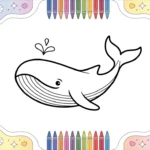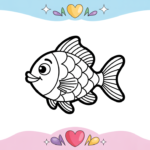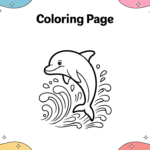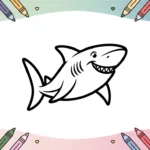
We offer a wide collection of free, high-quality printable coloring pages for kids and adults. From cute animals to intricate mandalas, our designs bring creativity and relaxation to everyone. Download, print, and start coloring today!

Selecting the right materials can transform a simple coloring session into a rich, educational experience. High-quality supplies not only produce better results but also enhance a child’s engagement and fine motor skill development. The following guide provides a professional overview of the best tools for your abc coloring pages for kids, ensuring each artistic endeavor is a success. These principles apply to all types of designs, from simple letter sheets to more intricate animal art, like our popular elephant coloring pages. Proper preparation ensures the focus remains on creativity and learning.
The Foundation: Choosing the Right Paper for abc coloring pages for kids
The paper you print on is the canvas for your child’s creation and significantly impacts the final look. While standard office copy paper (typically 75-90 GSM – grams per square meter) is adequate for crayons and colored pencils, it is prone to tearing and bleeding with wetter media. For a more durable and professional-feeling result, consider these options:
- Medium-Weight Paper (100-120 GSM): This is an excellent all-around choice. It’s thicker than standard paper, reducing the risk of marker bleed-through and providing a sturdier surface that can withstand vigorous coloring from young artists.
- Cardstock (160-220 GSM): Ideal for markers, watercolor pencils, or light paint. Its thickness prevents warping and bleeding entirely, making the finished artwork feel substantial and worthy of display. A matte finish is generally preferable as it absorbs pigment well and doesn’t produce a glare.
Table of Contents
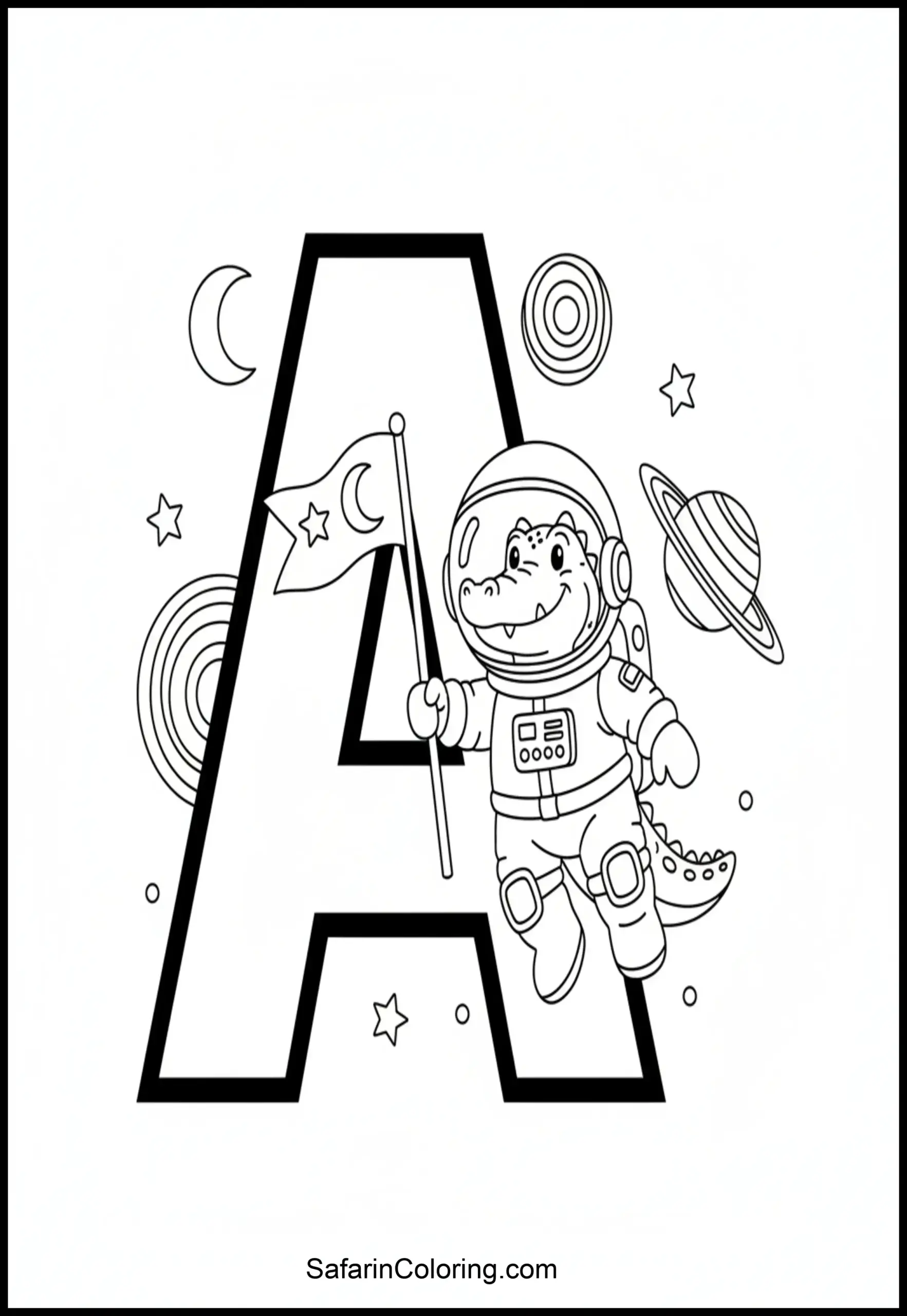
Letter A Alligator Astronaut Scaled
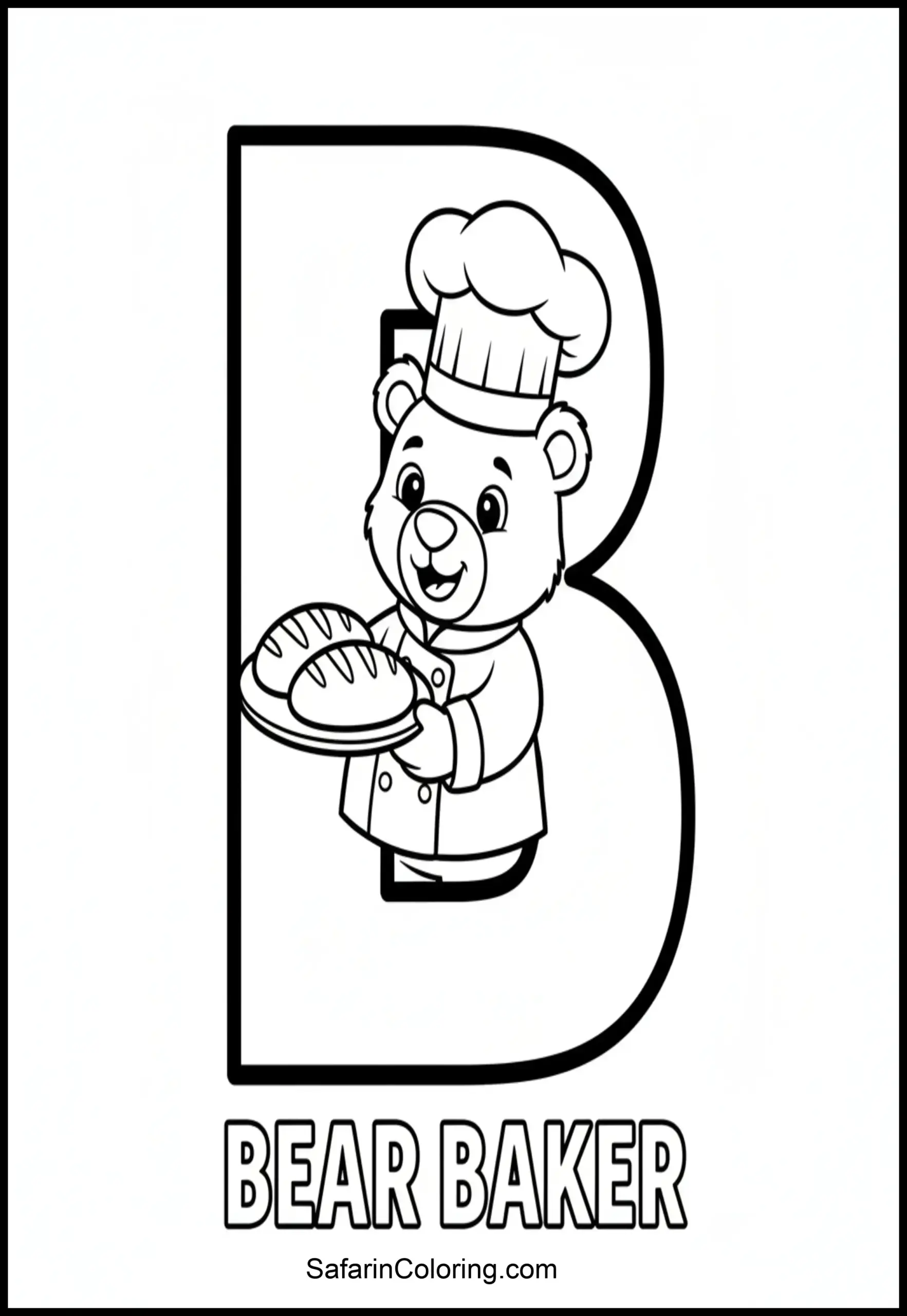
Letter B Bear Baker Scaled
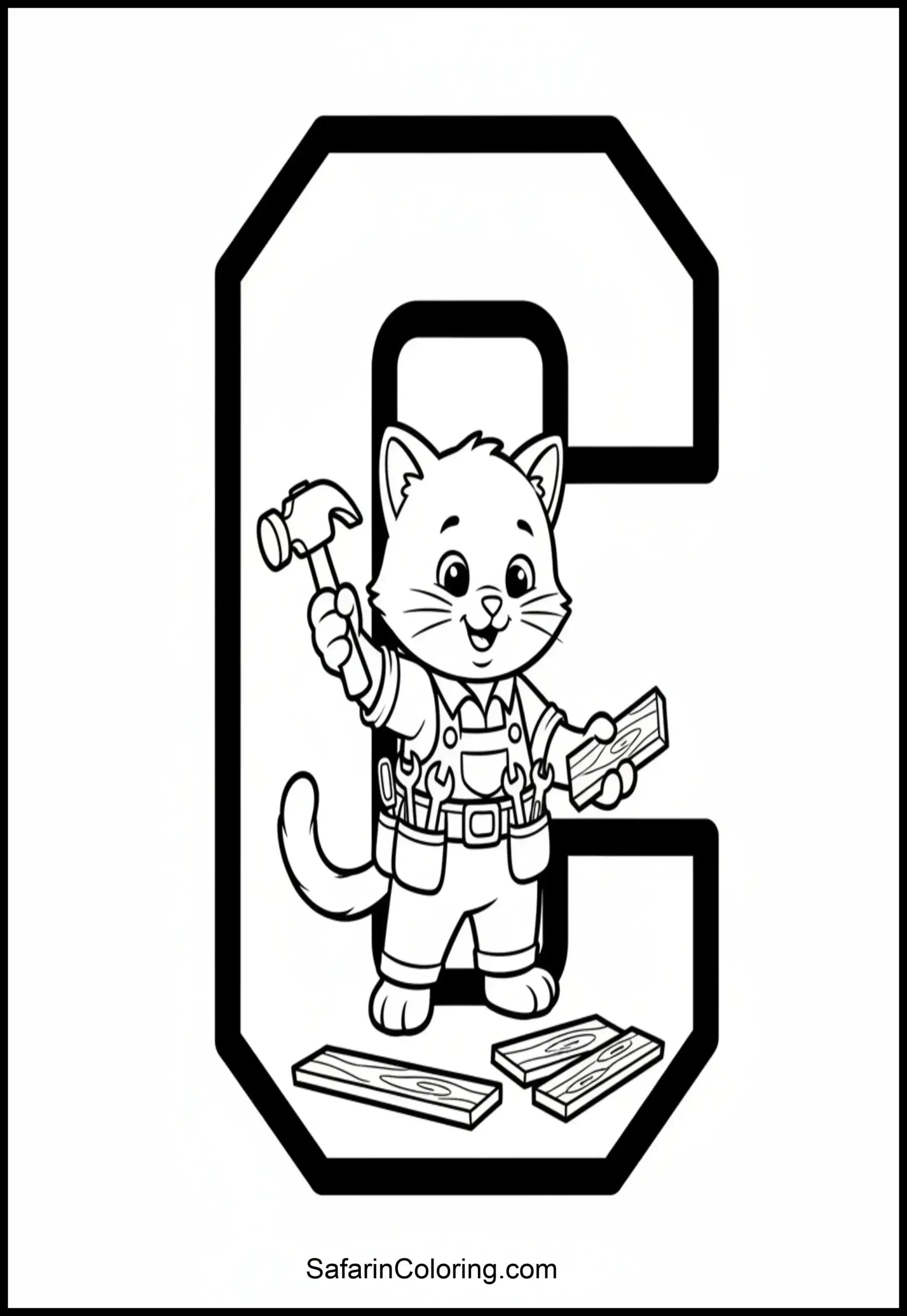
Letter C Cat Carpenter Scaled
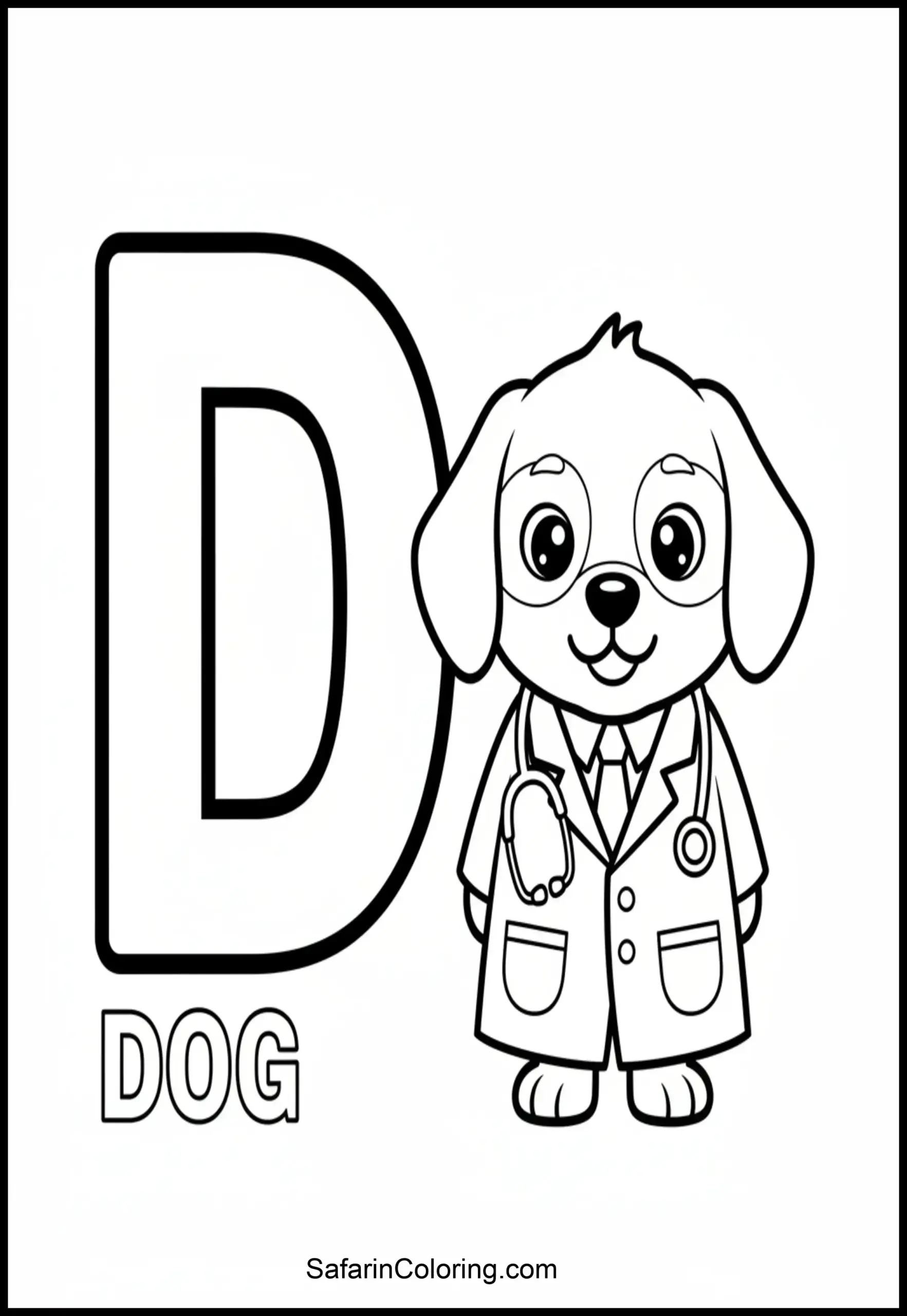
Letter D Dog Doctor Scaled
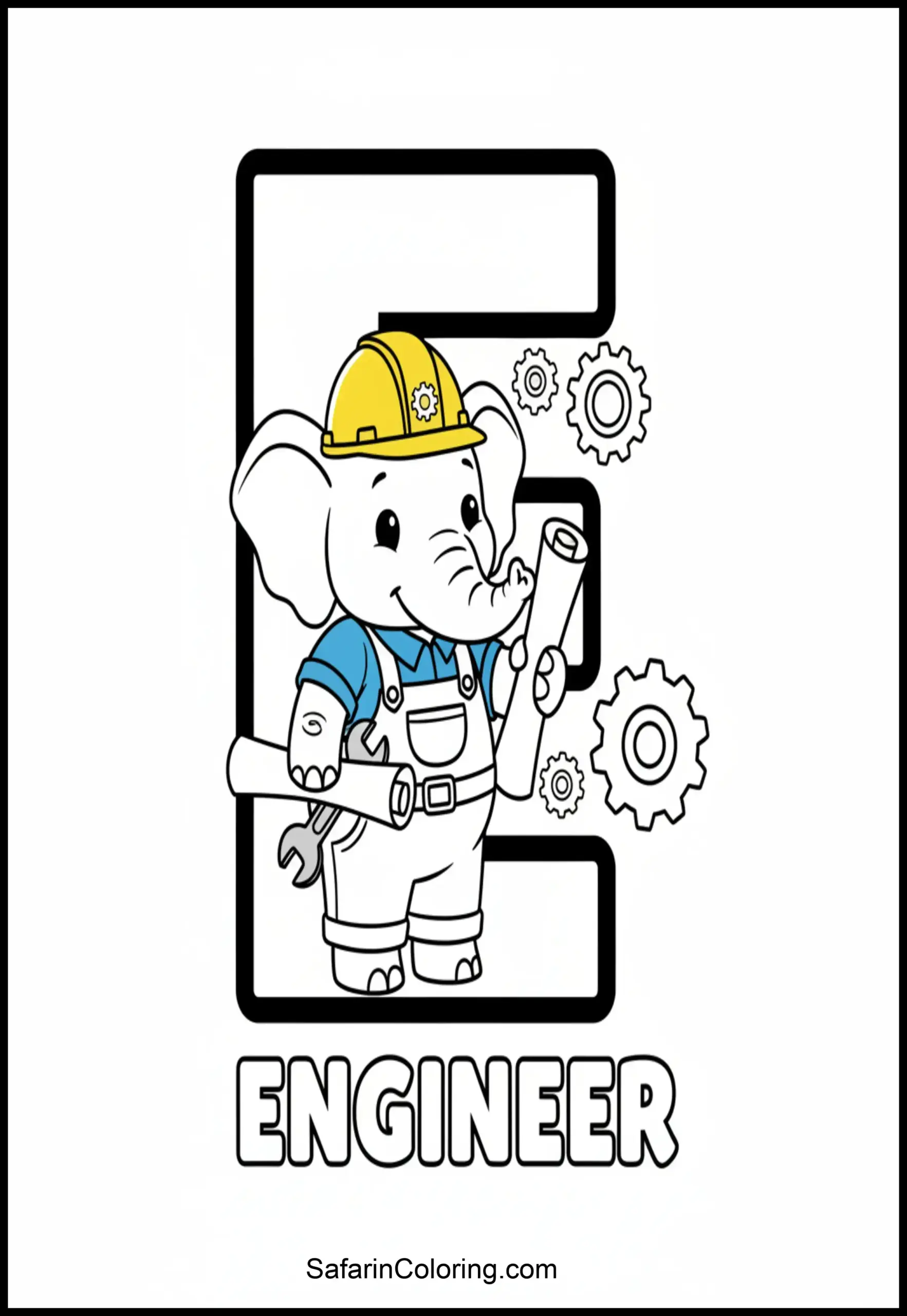
Letter E Elephant Engineer Scaled
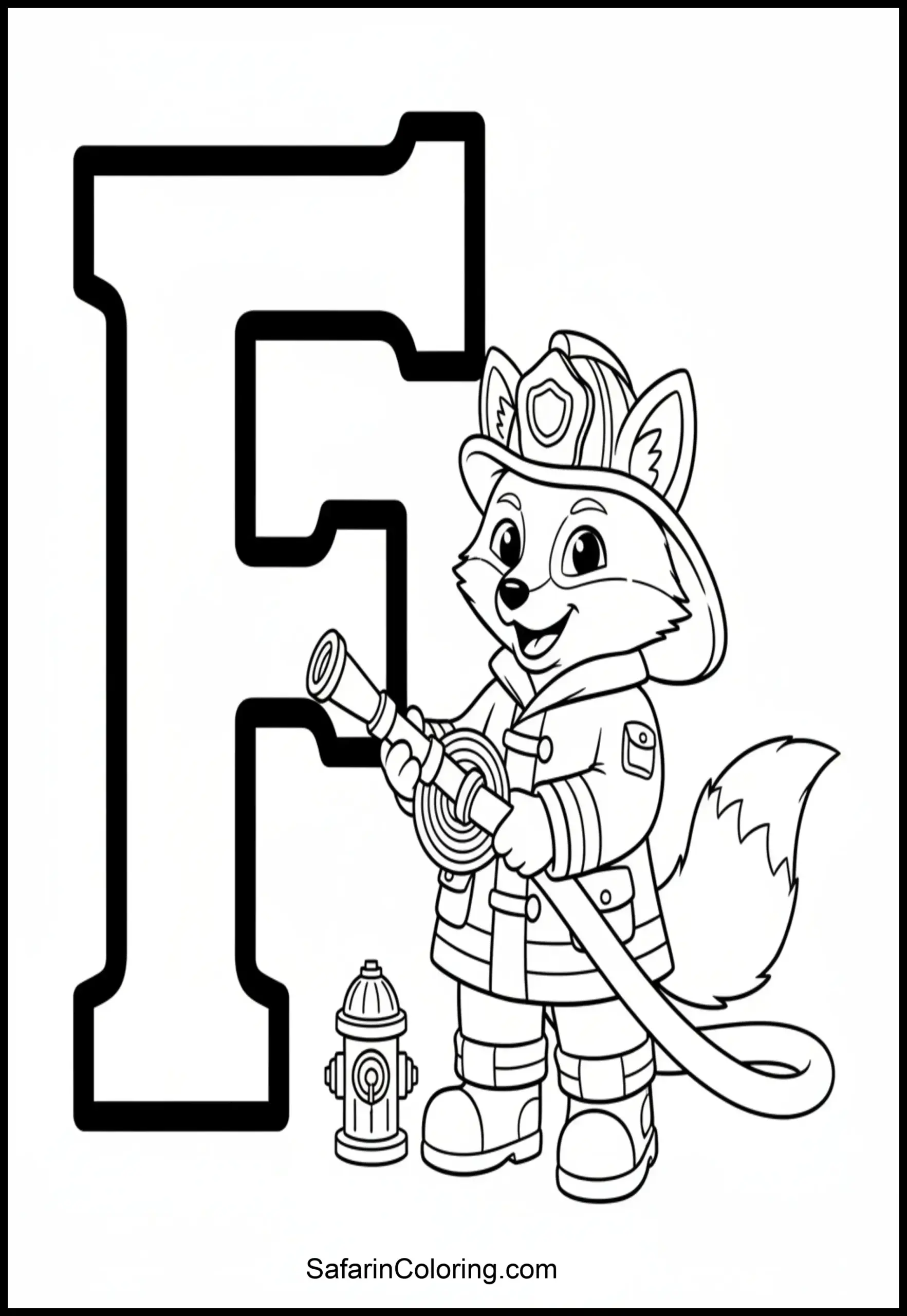
Letter F Fox Firefighter Scaled
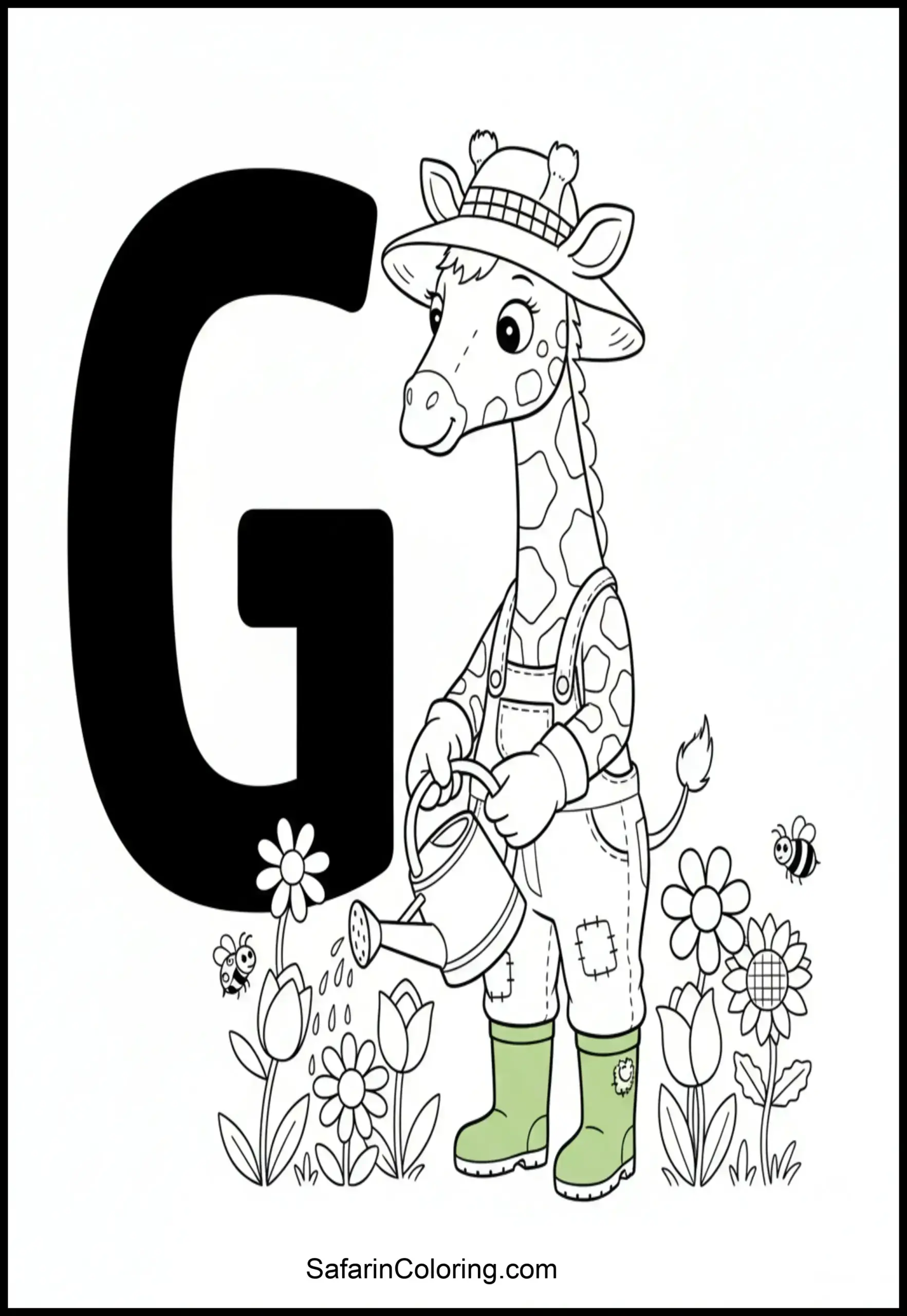
Letter G Giraffe Gardener Scaled
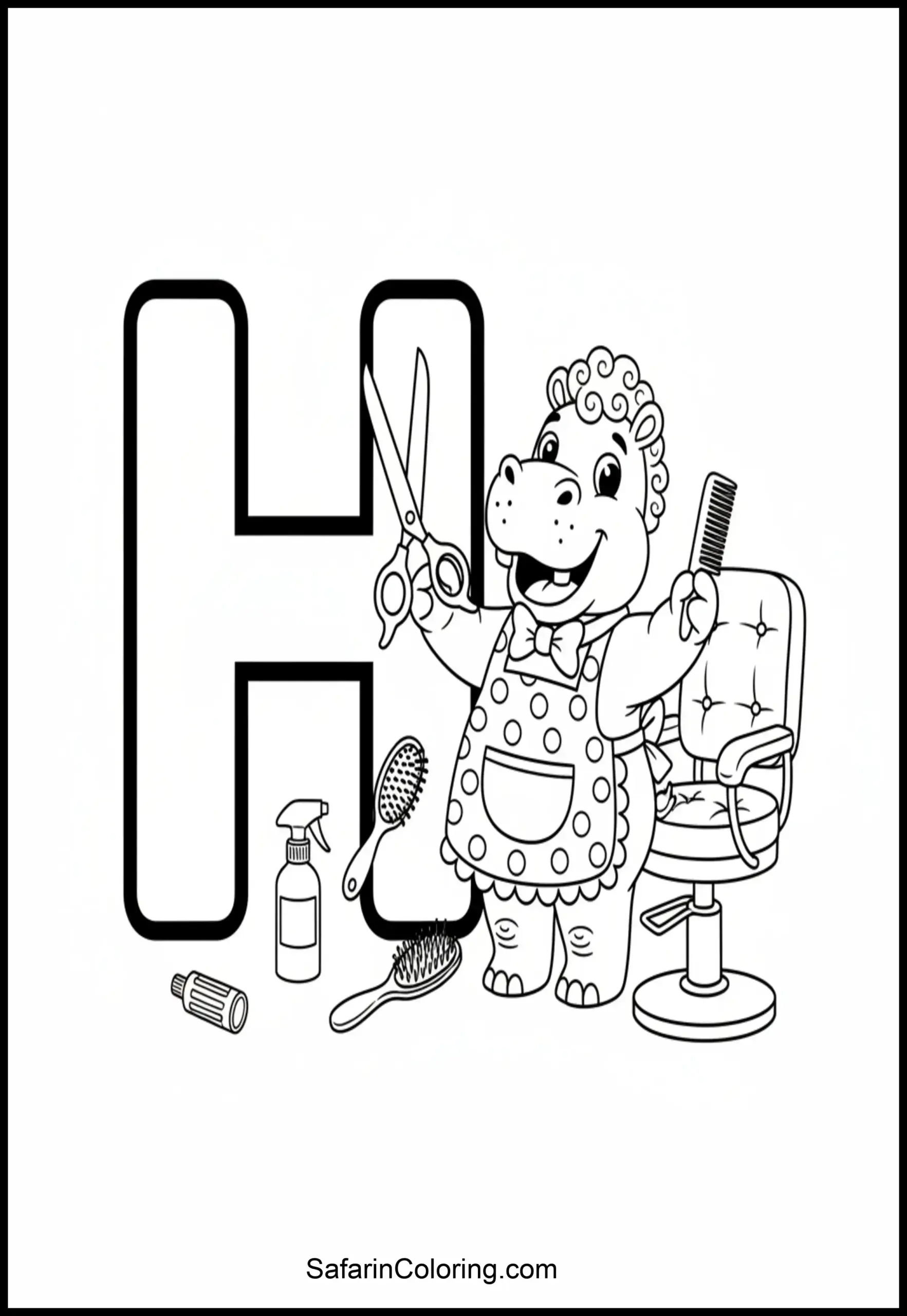
Letter H Hippo Hairdresser Scaled
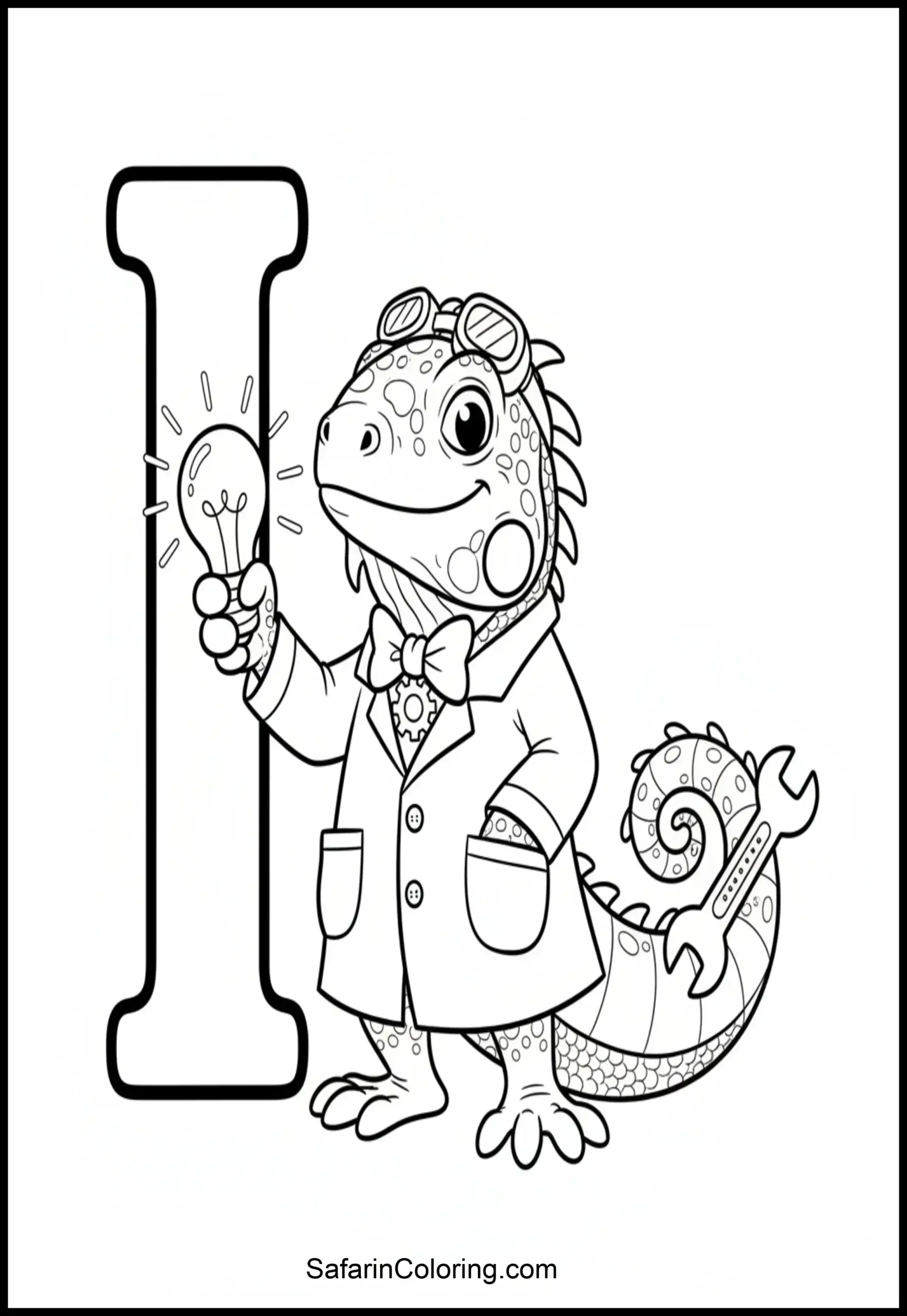
Letter I Iguana Inventor Scaled
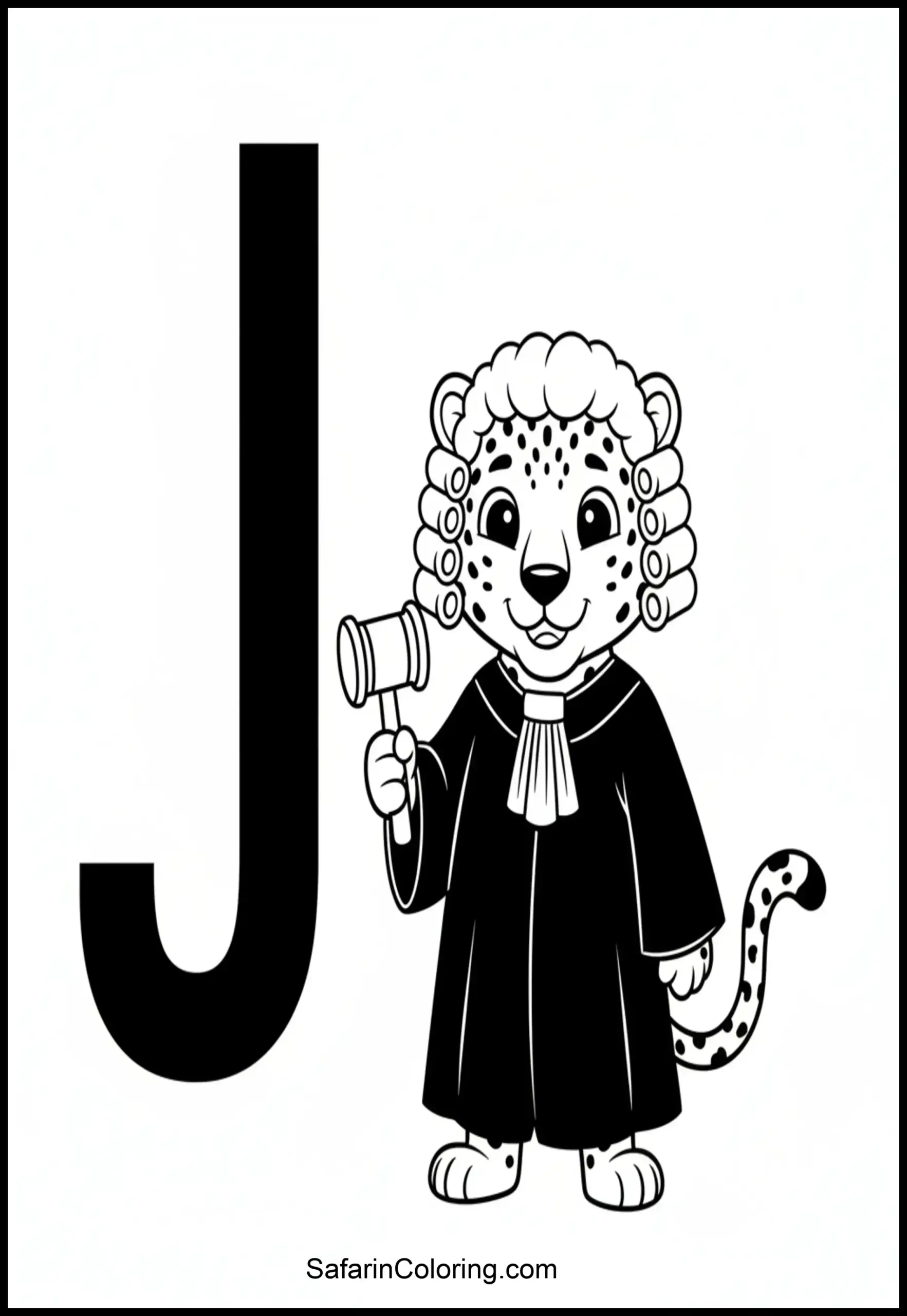
Letter J Jaguar Judge Scaled
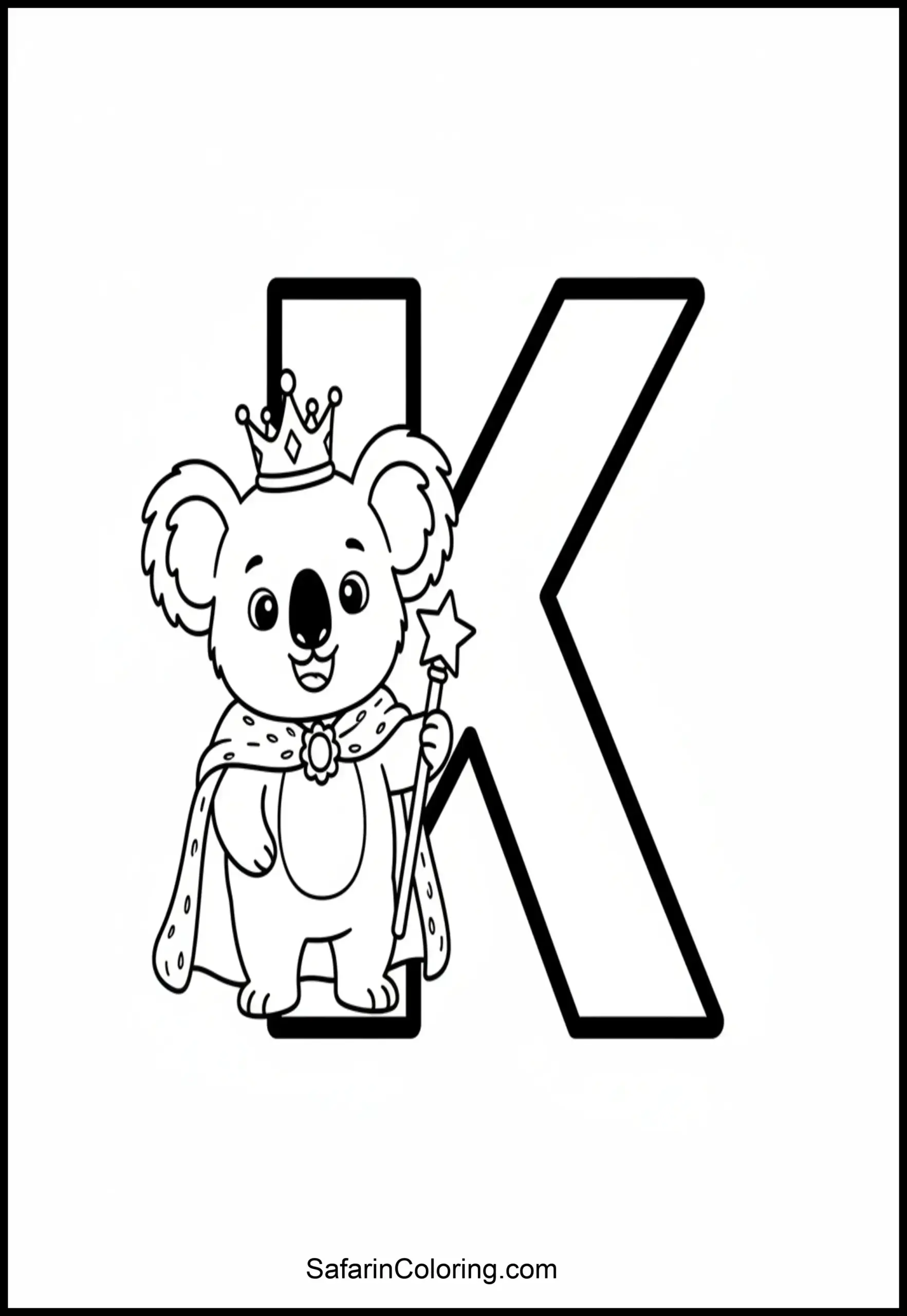
Letter K Koala King Scaled
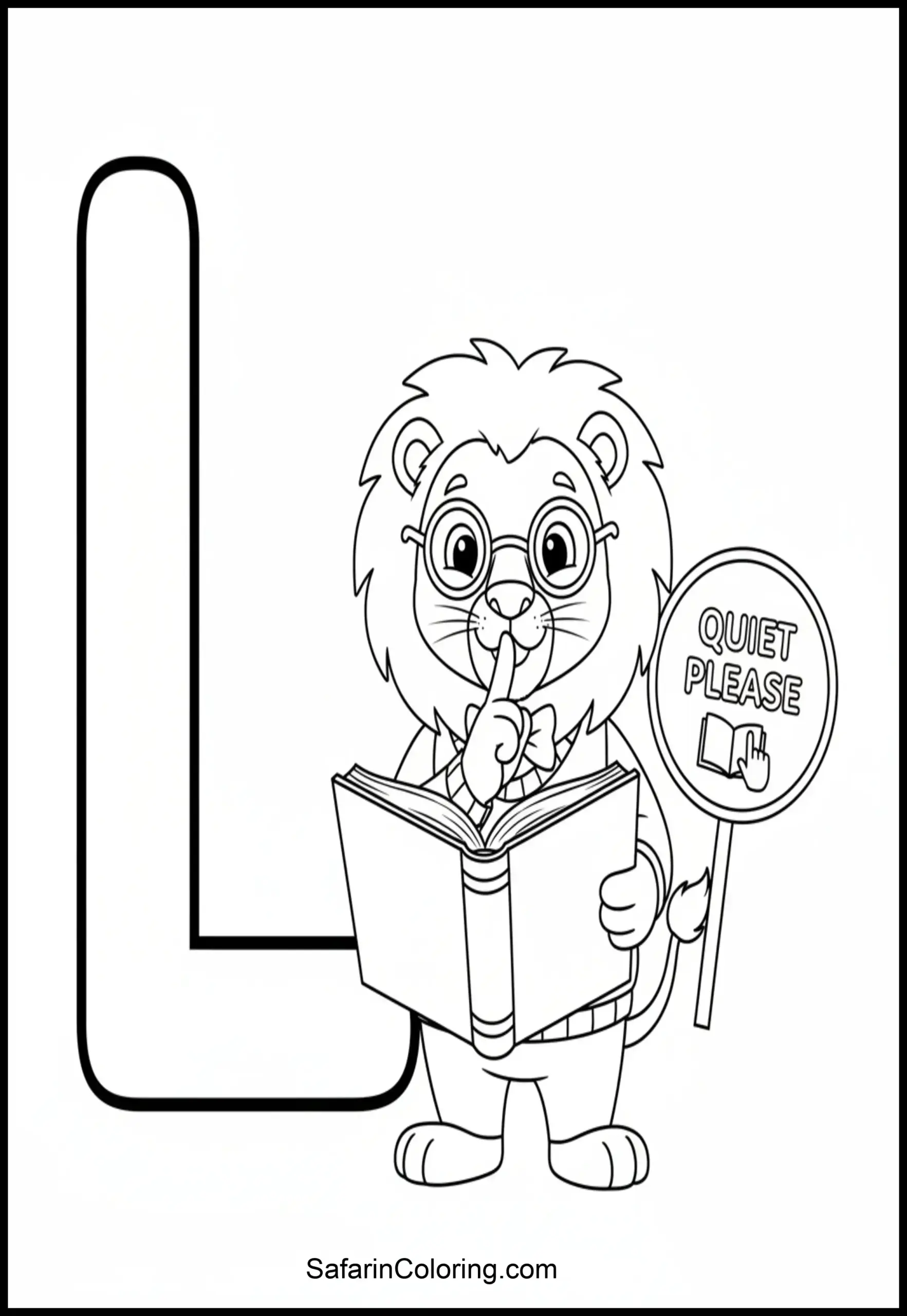
Letter L Lion Librarian Scaled
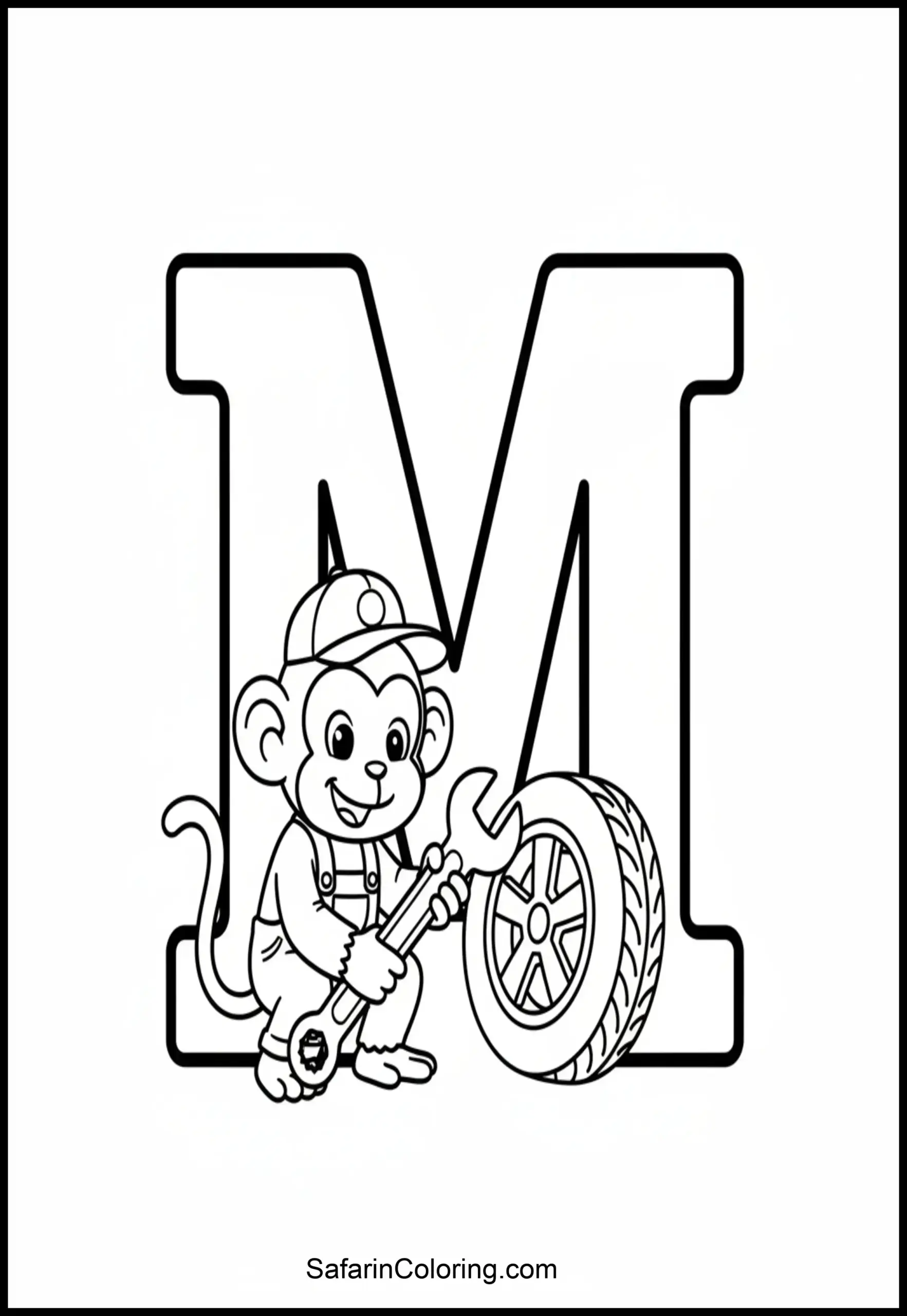
Letter M Monkey Mechanic Scaled
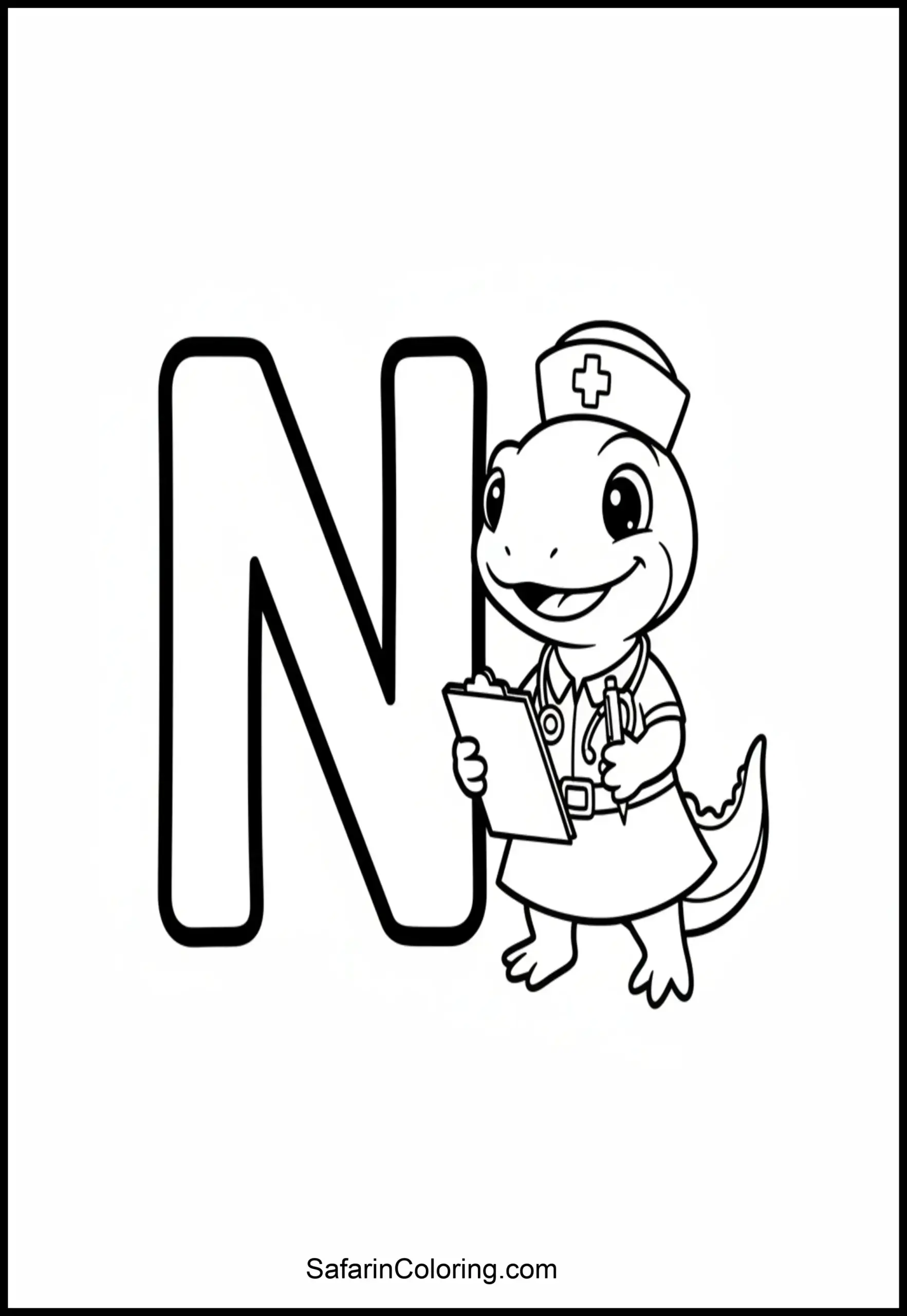
Letter N Newt Nurse Scaled
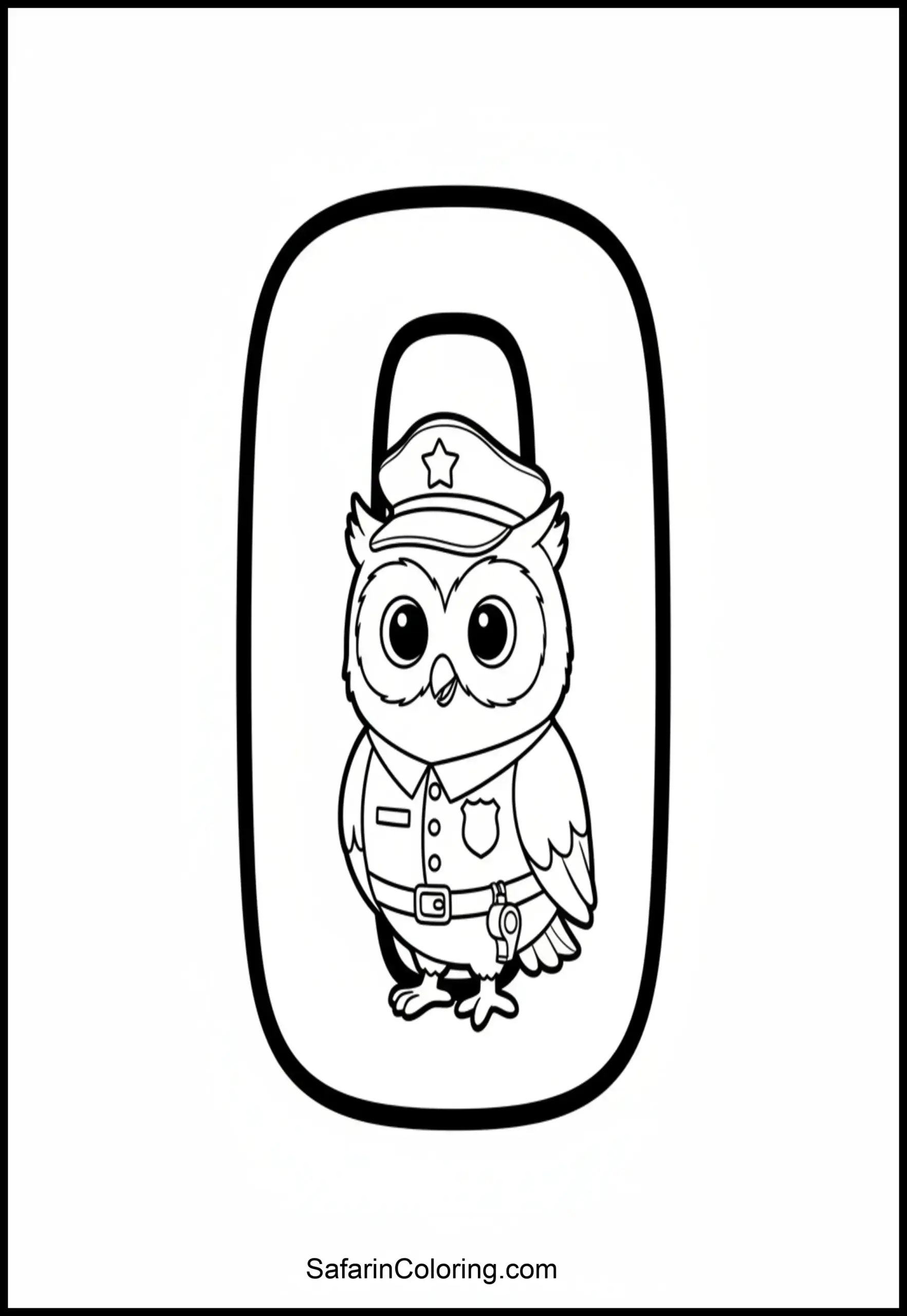
Letter O Owl Officer Scaled
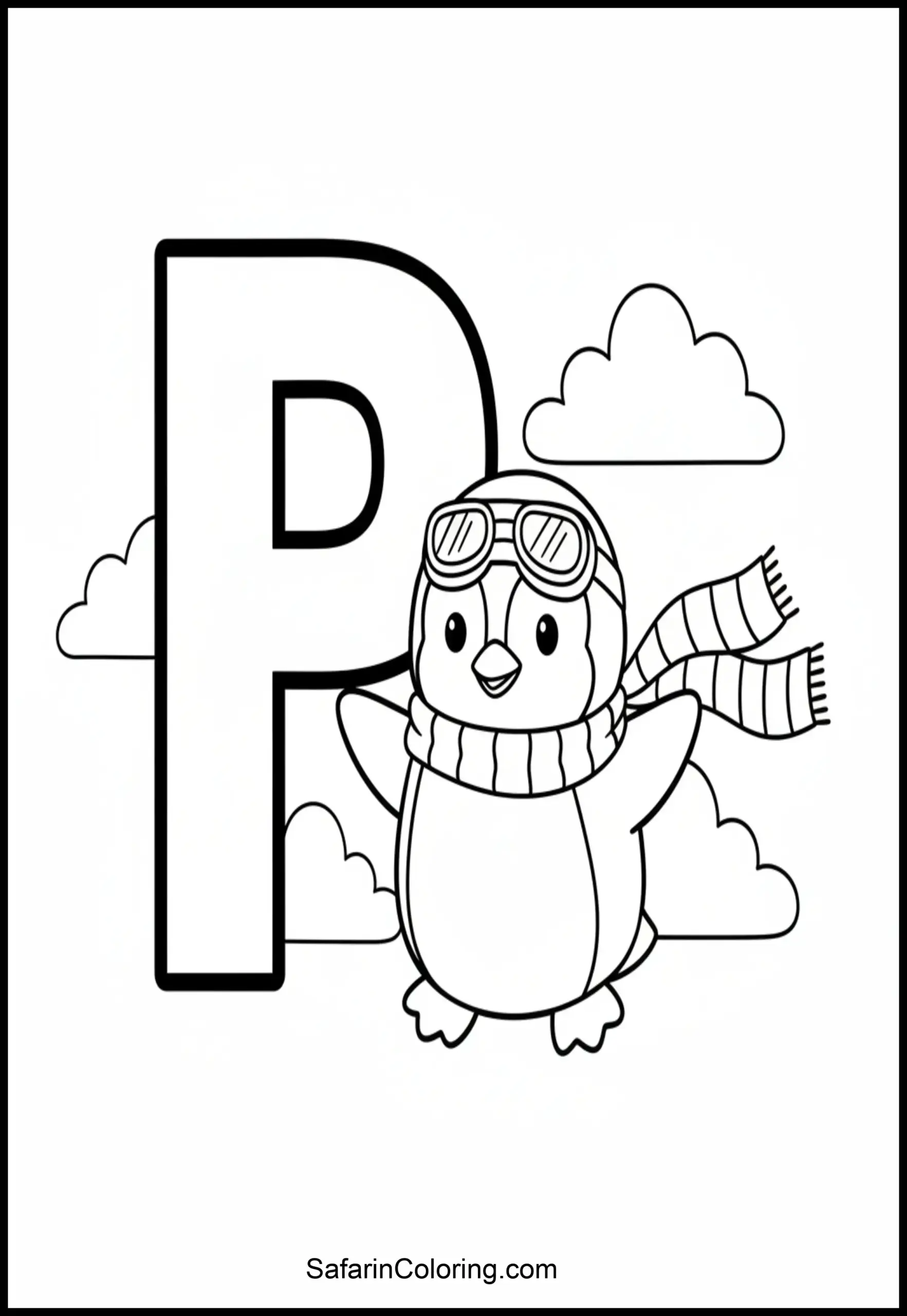
Letter P Penguin Pilot Scaled
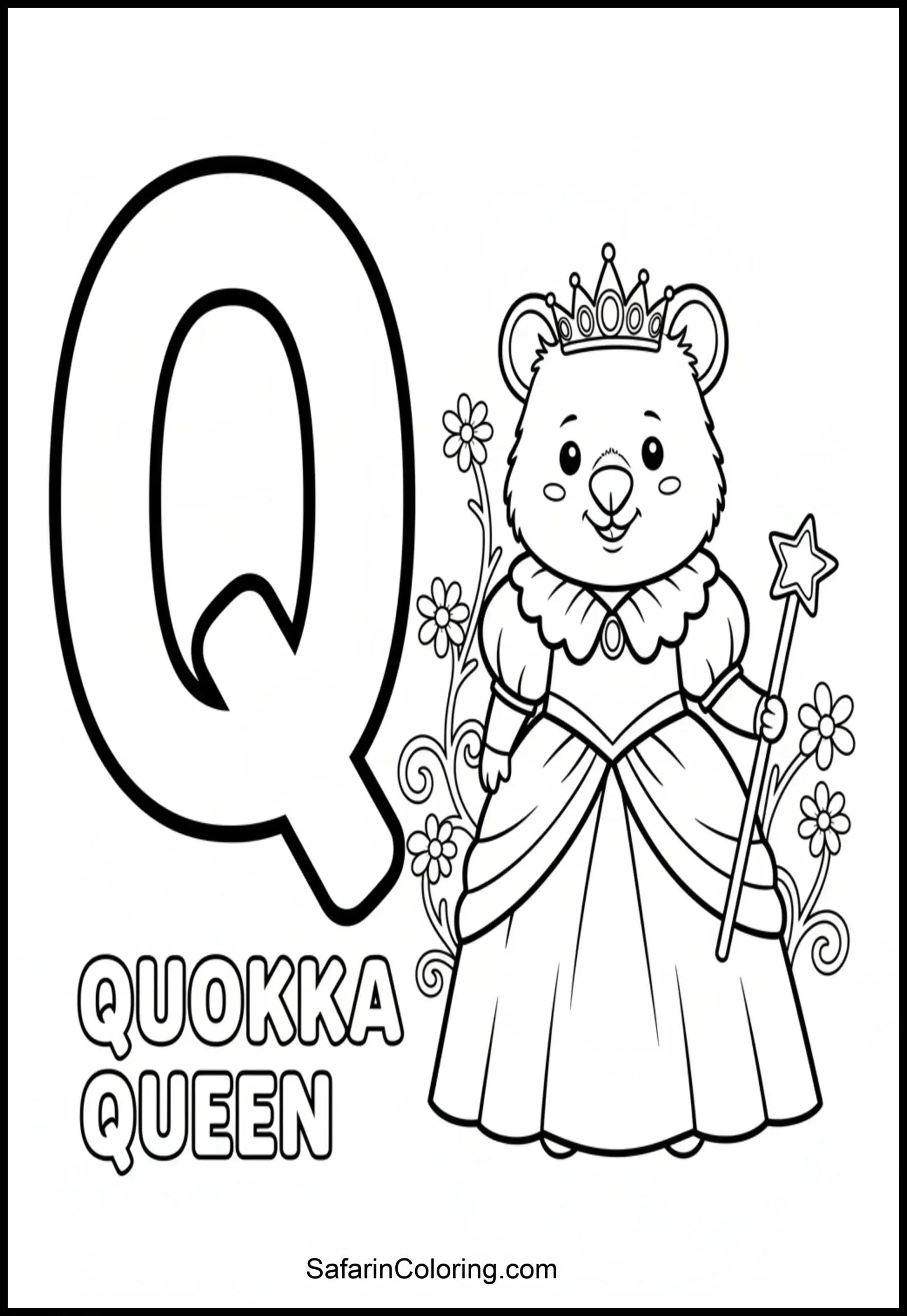
Letter Q Quokka Queen Scaled
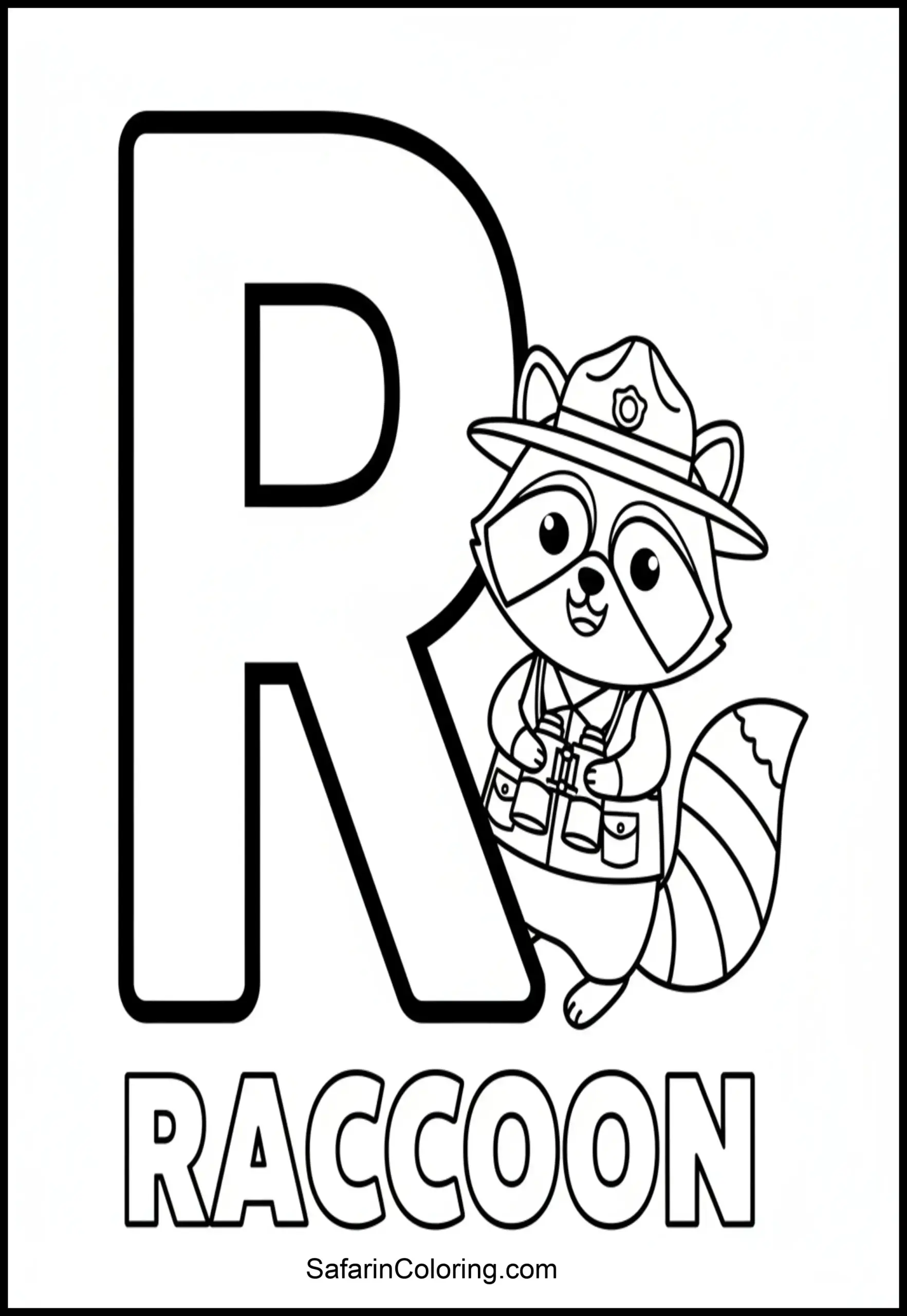
Letter R Raccoon Ranger Scaled
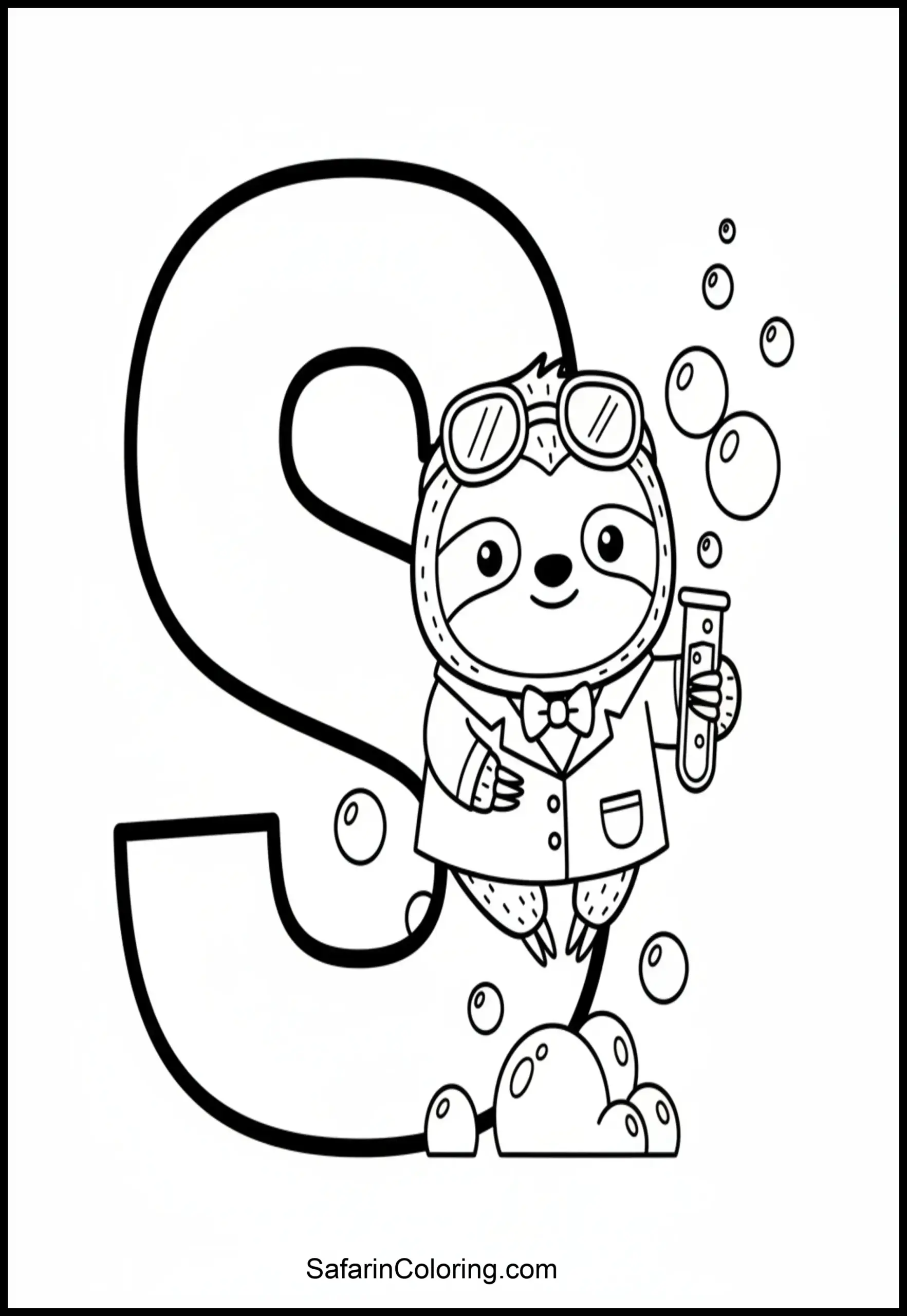
Letter S Sloth Scientist Scaled
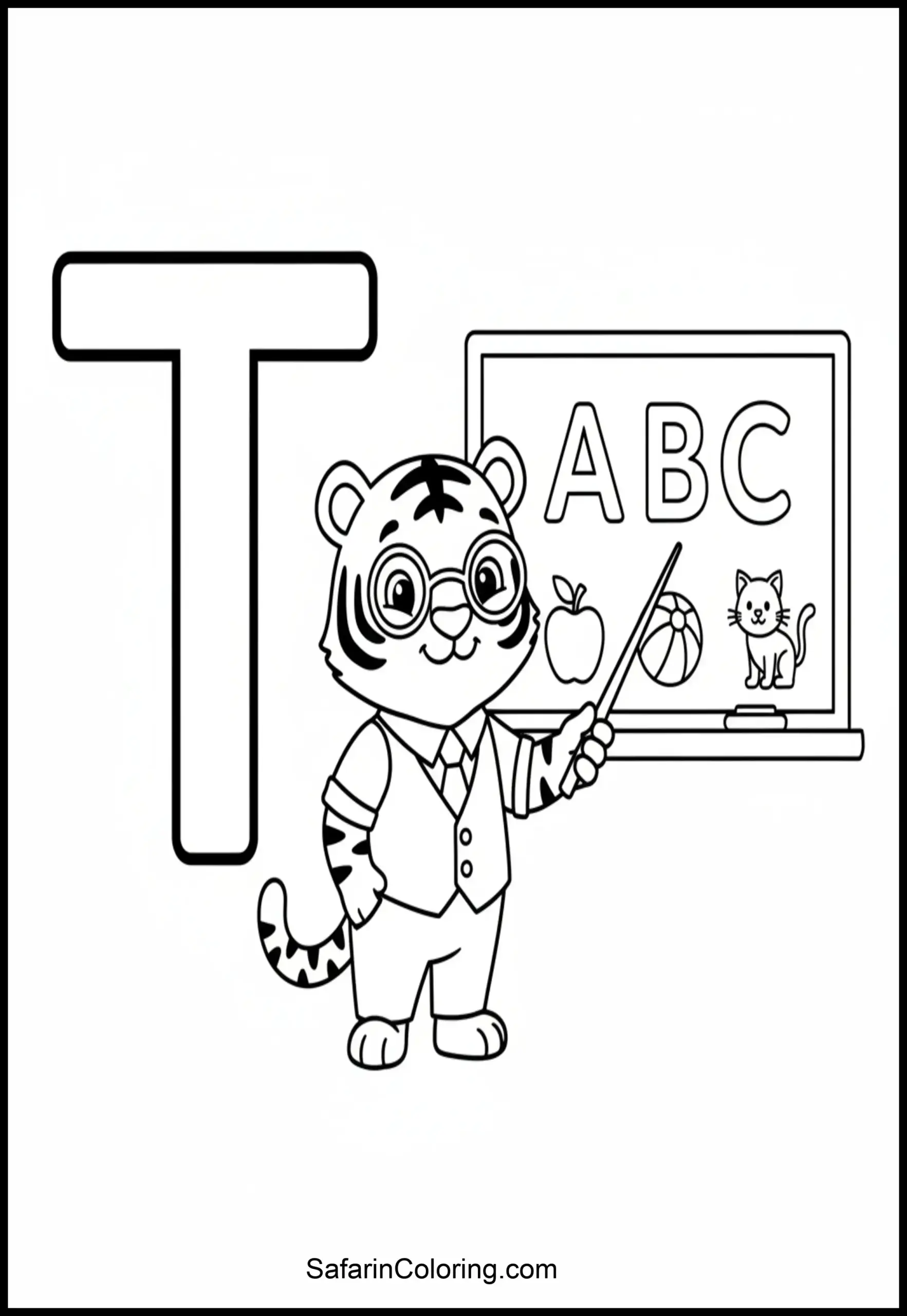
Letter T Tiger Teacher Scaled
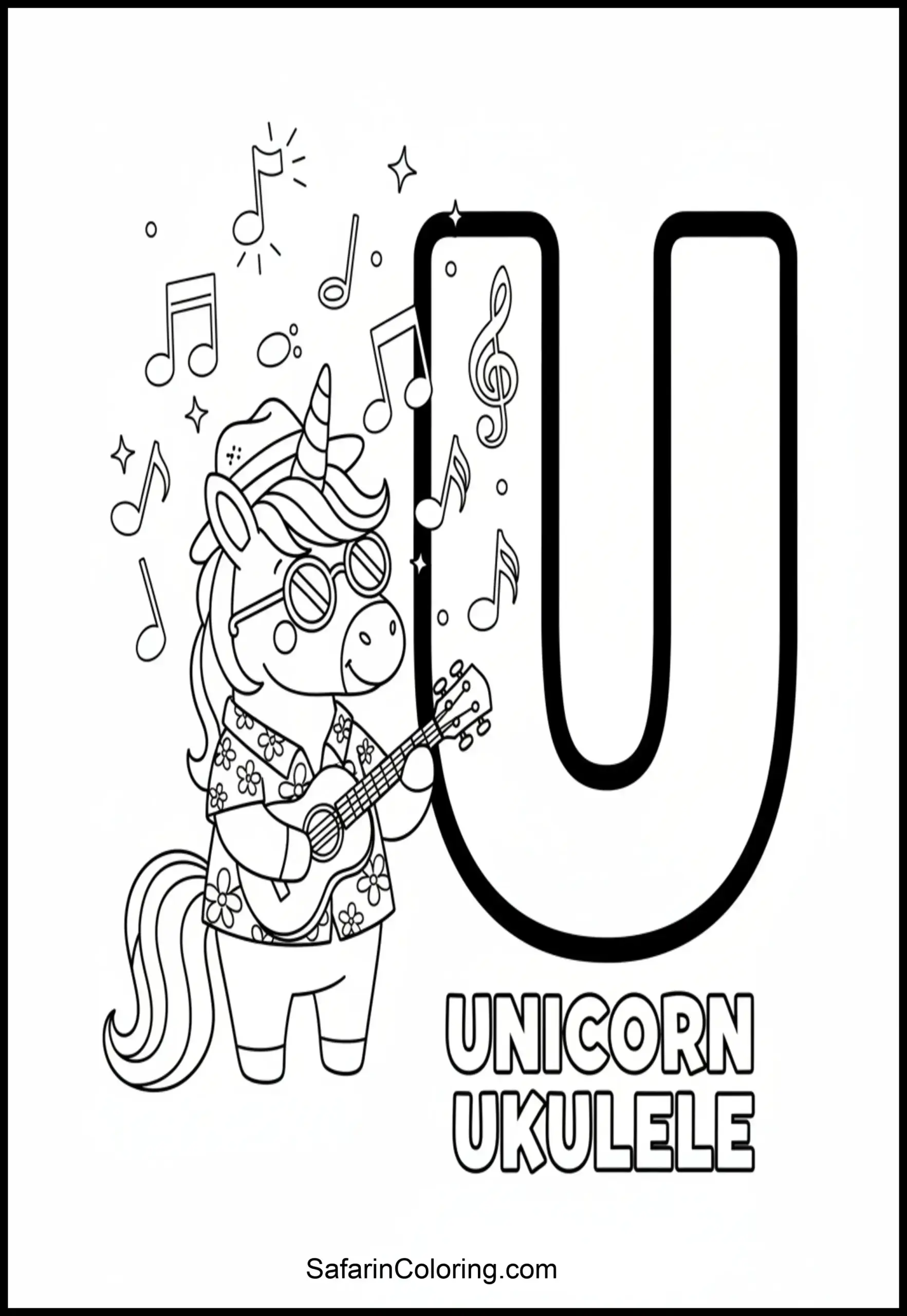
Letter U Unicorn Musician Scaled
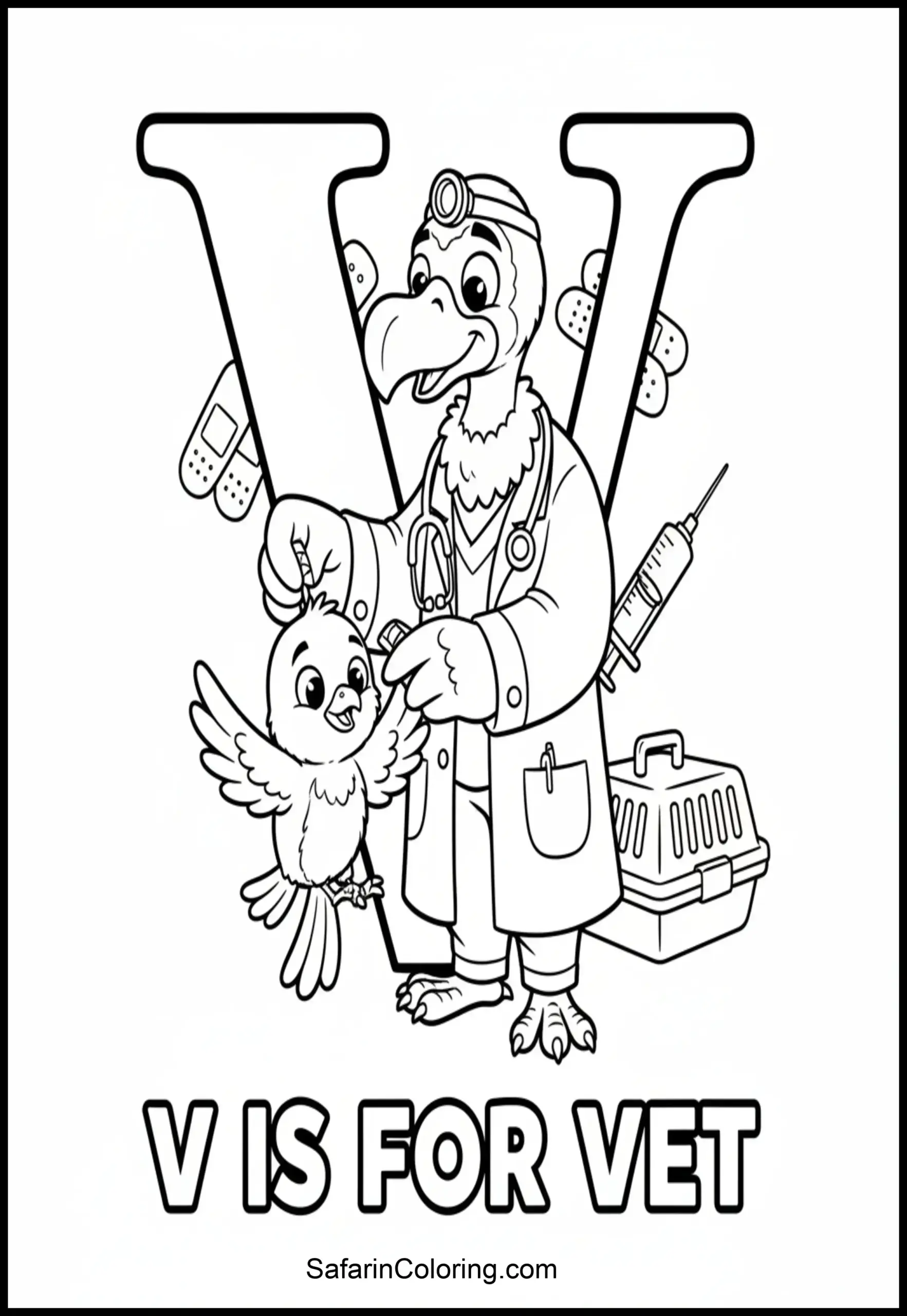
Letter V Vulture Vet Scaled
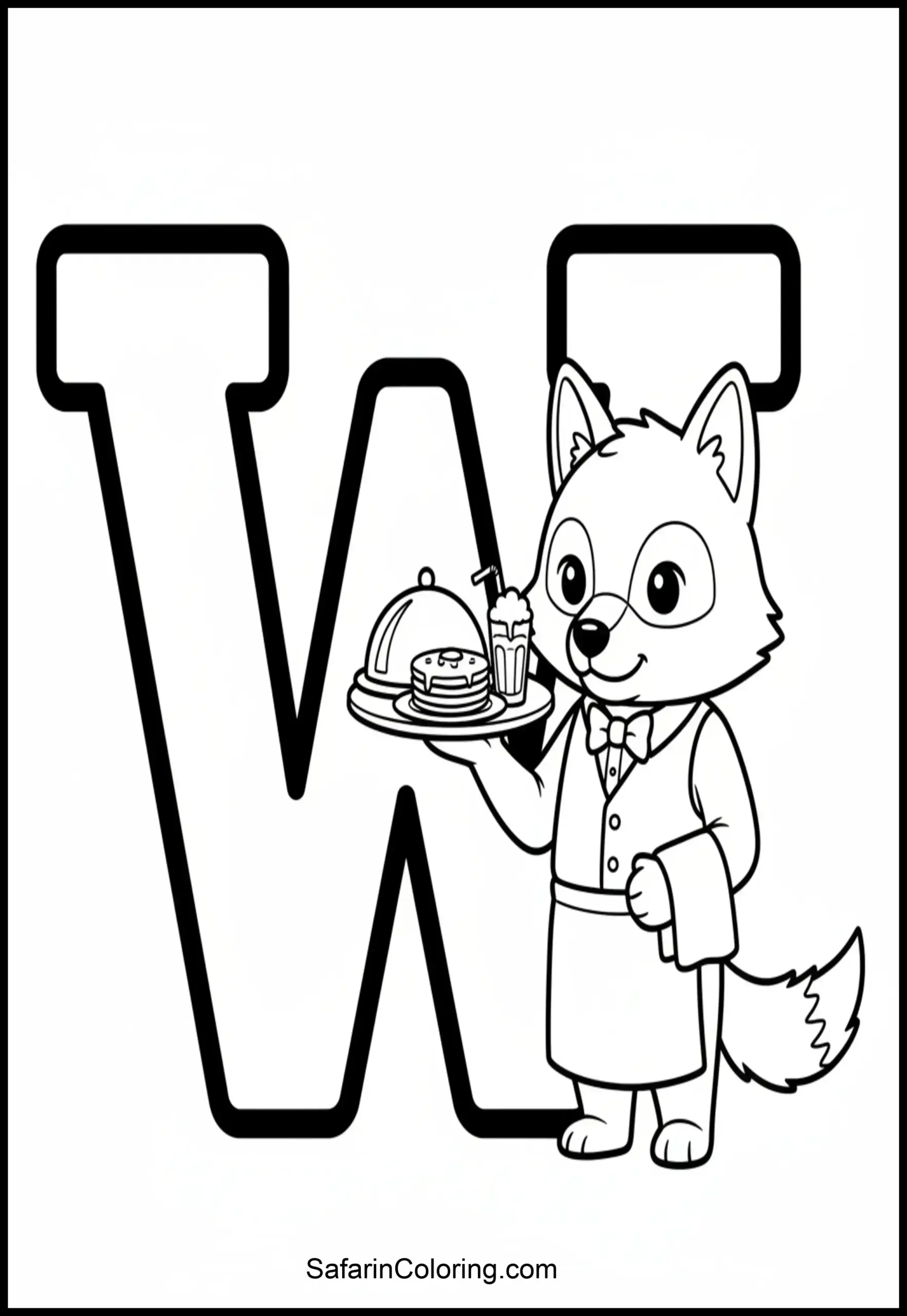
Letter W Wolf Waiter Scaled
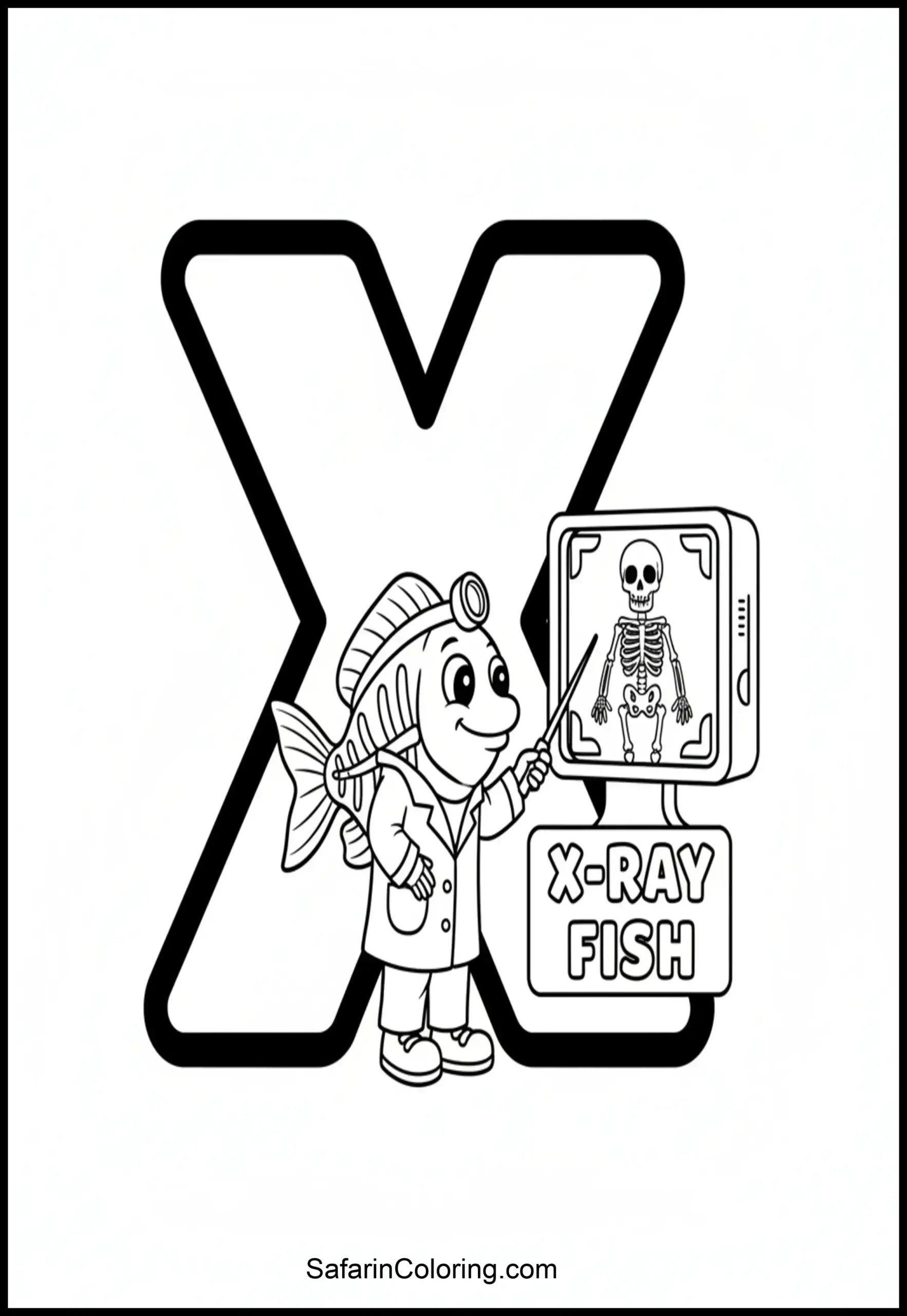
Letter X Xrayfish Technician Scaled
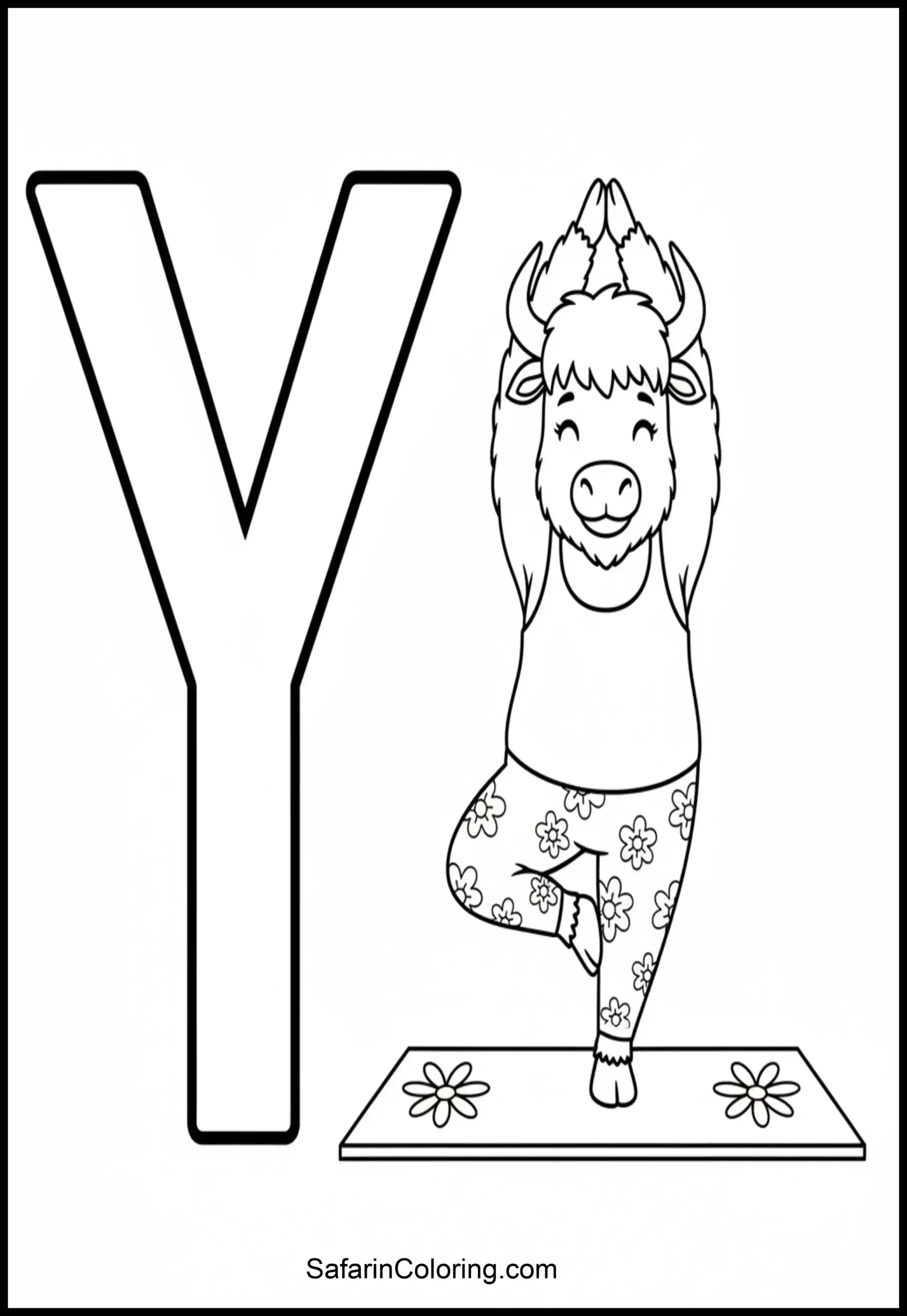
Letter Y Yak Yoga Scaled
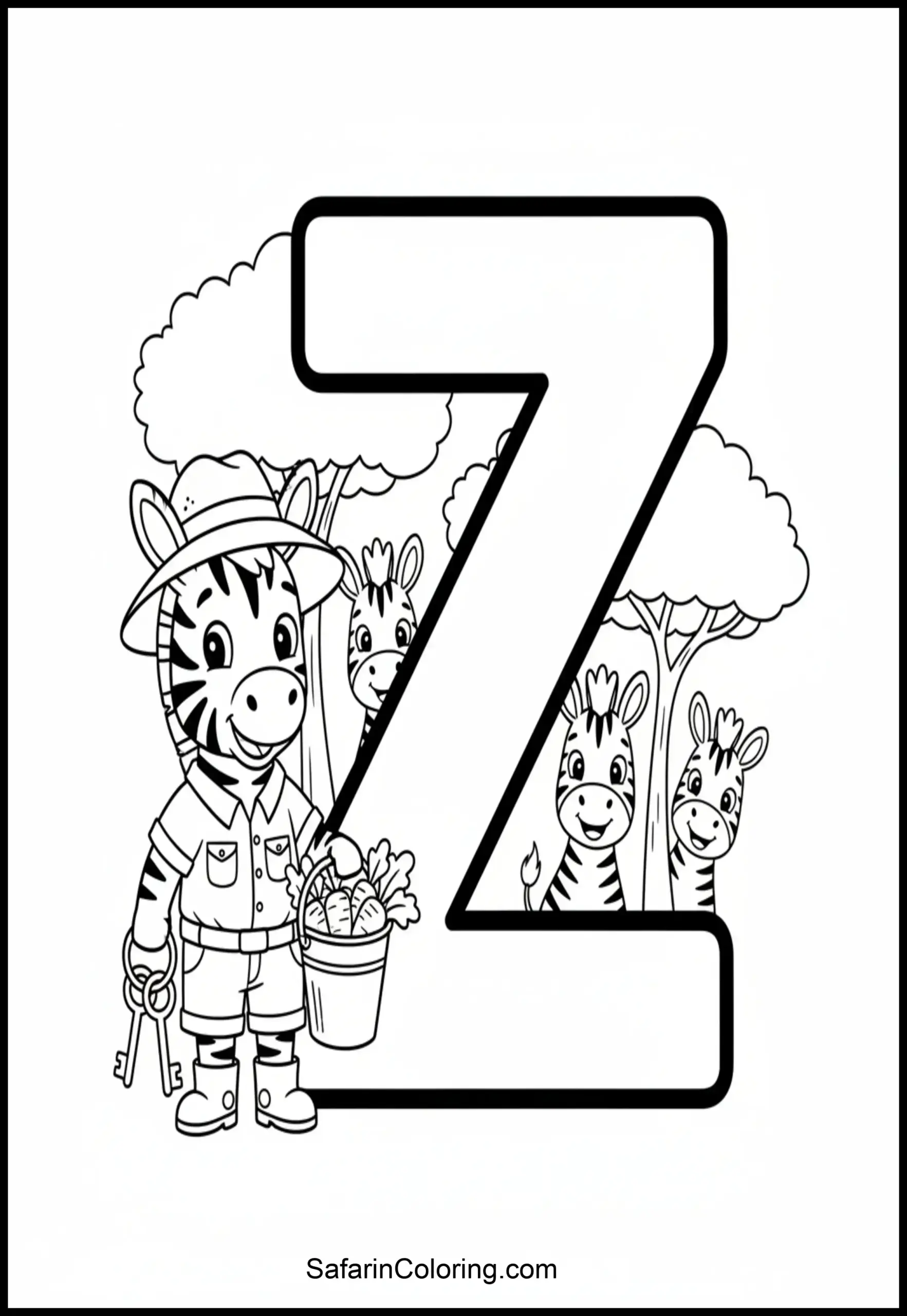
Letter Z Zebra Zookeeper Scaled
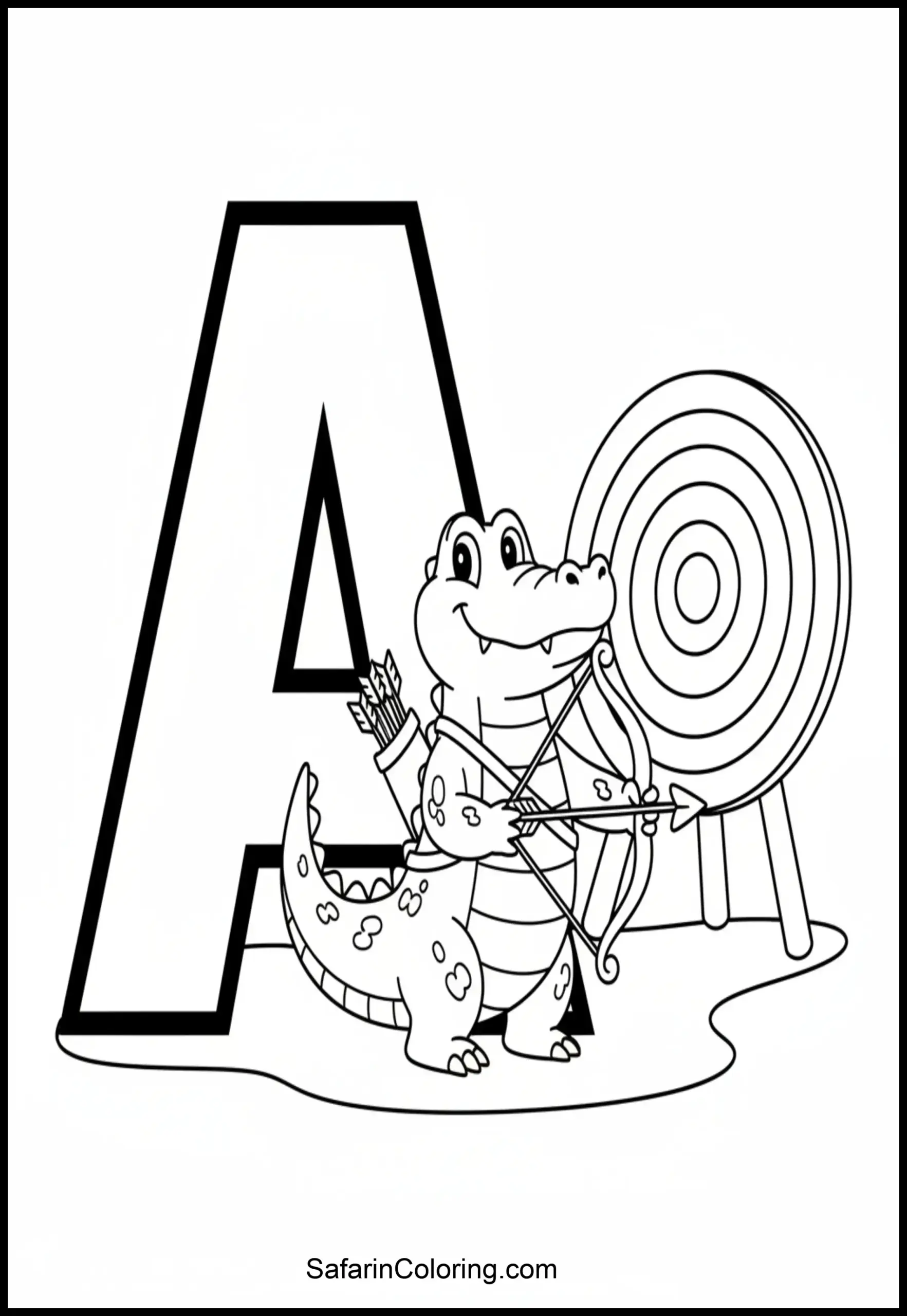
Letter A Alligator Archery Scaled
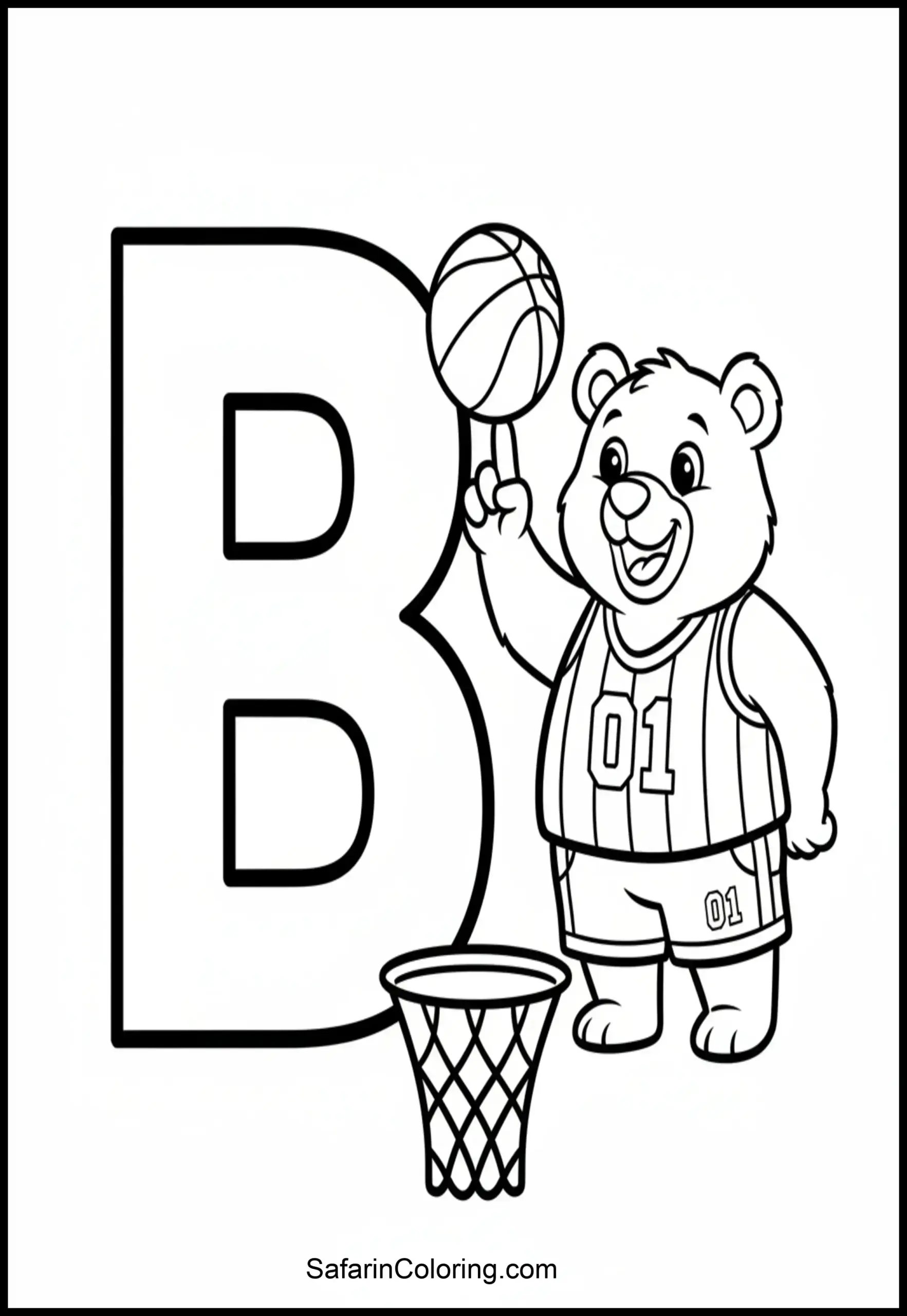
Letter B Bear Basketball Scaled
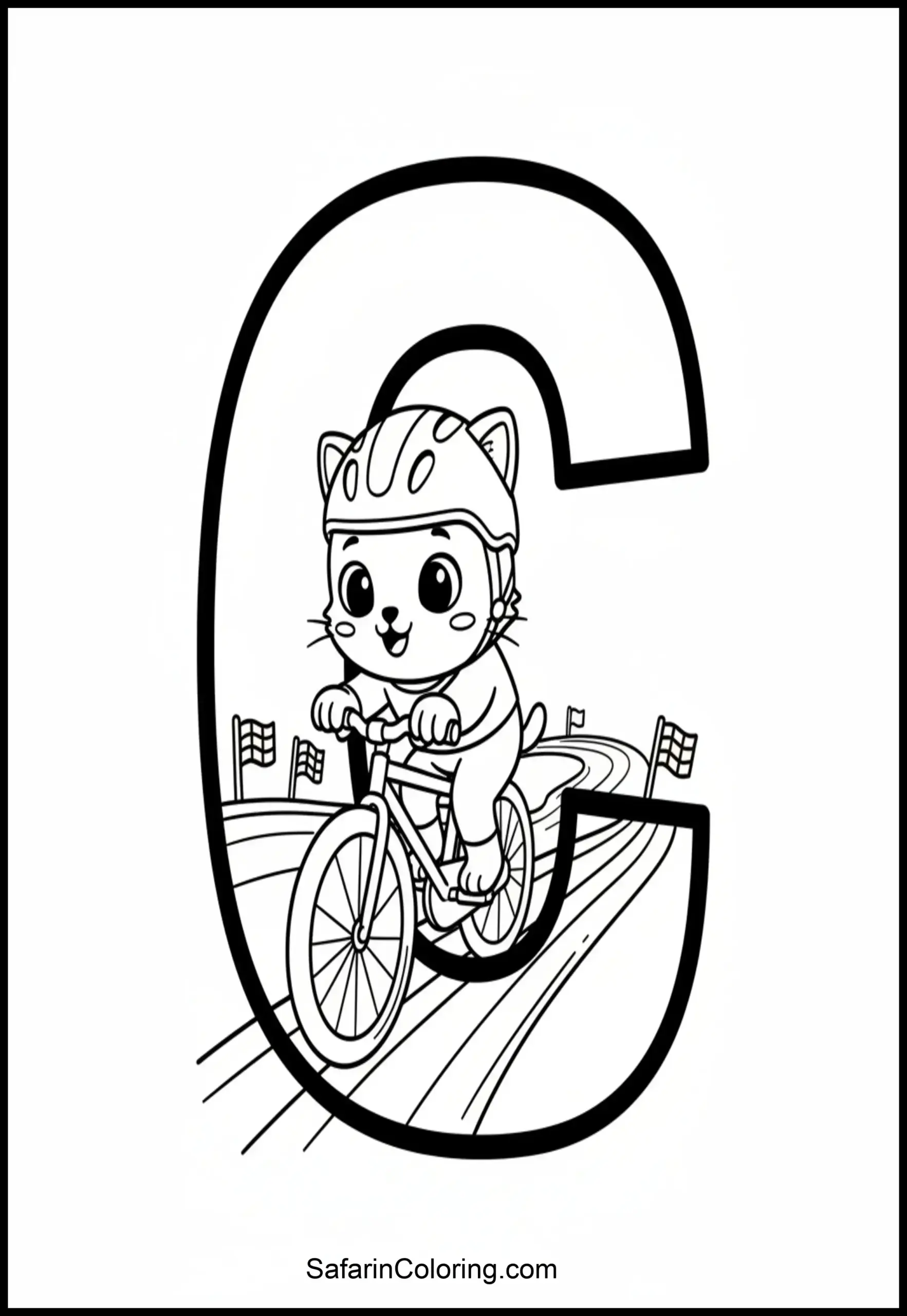
Letter C Cat Cycling Scaled
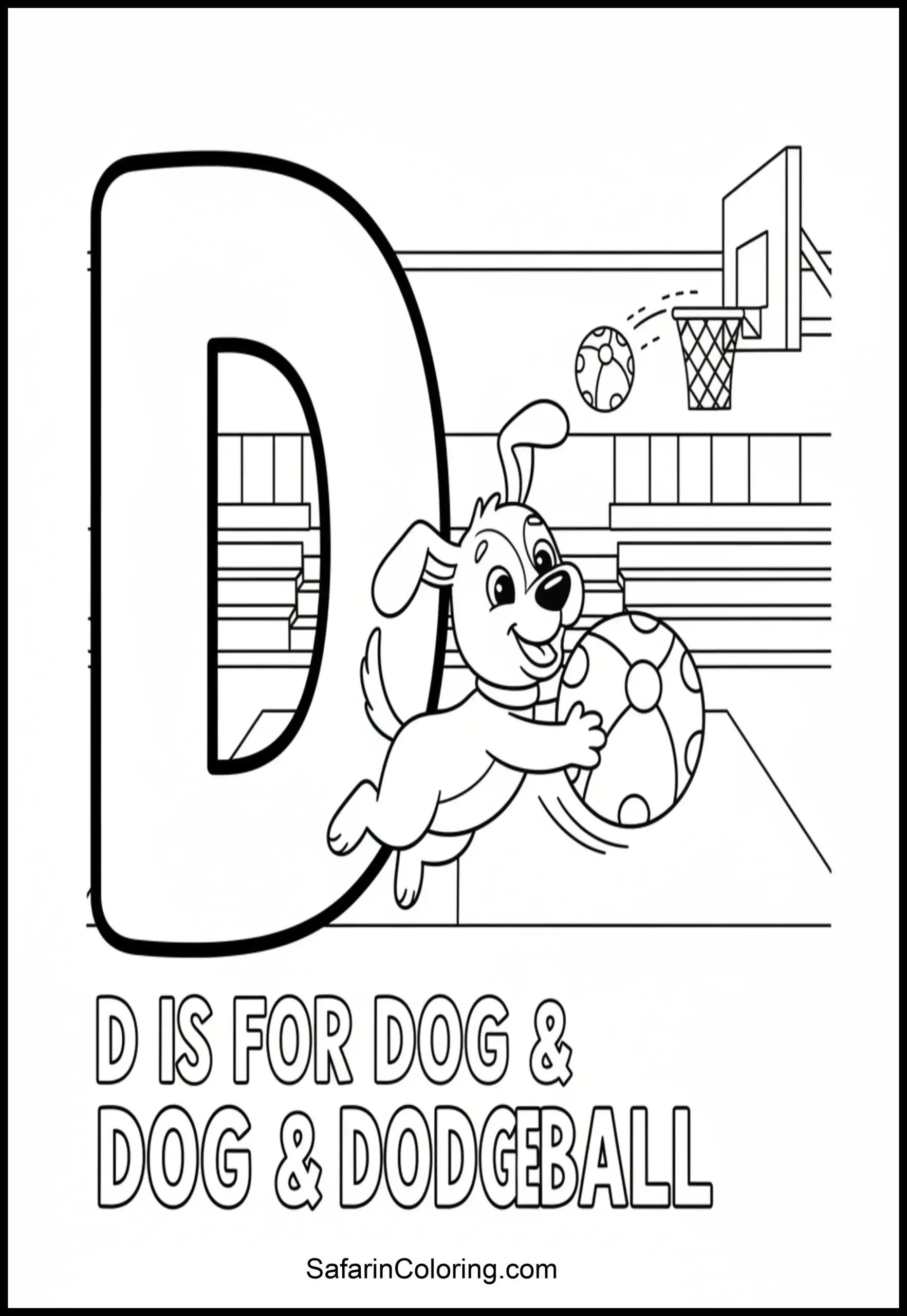
Letter D Dog Dodgeball Scaled
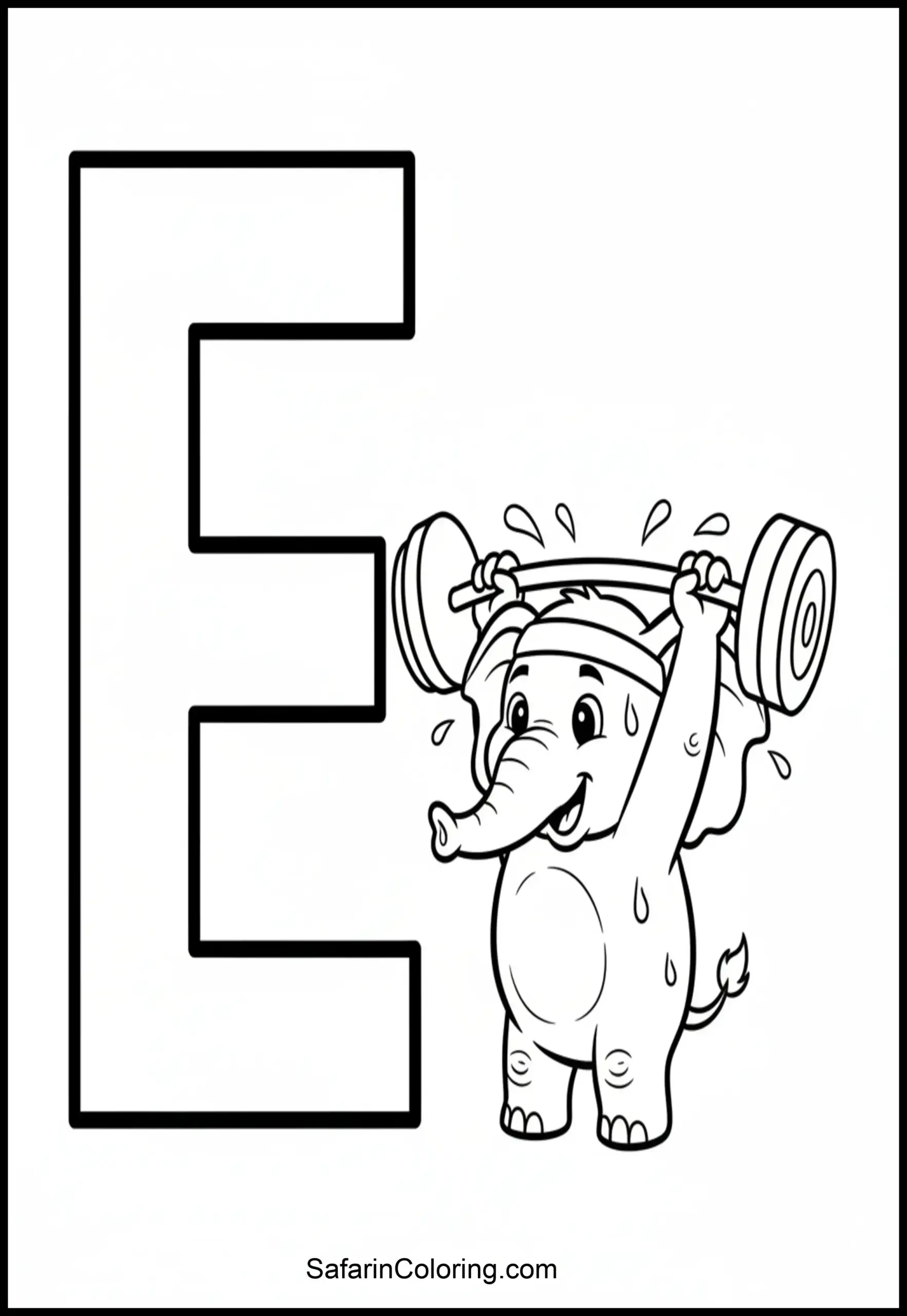
Letter E Elephant Exercise Scaled
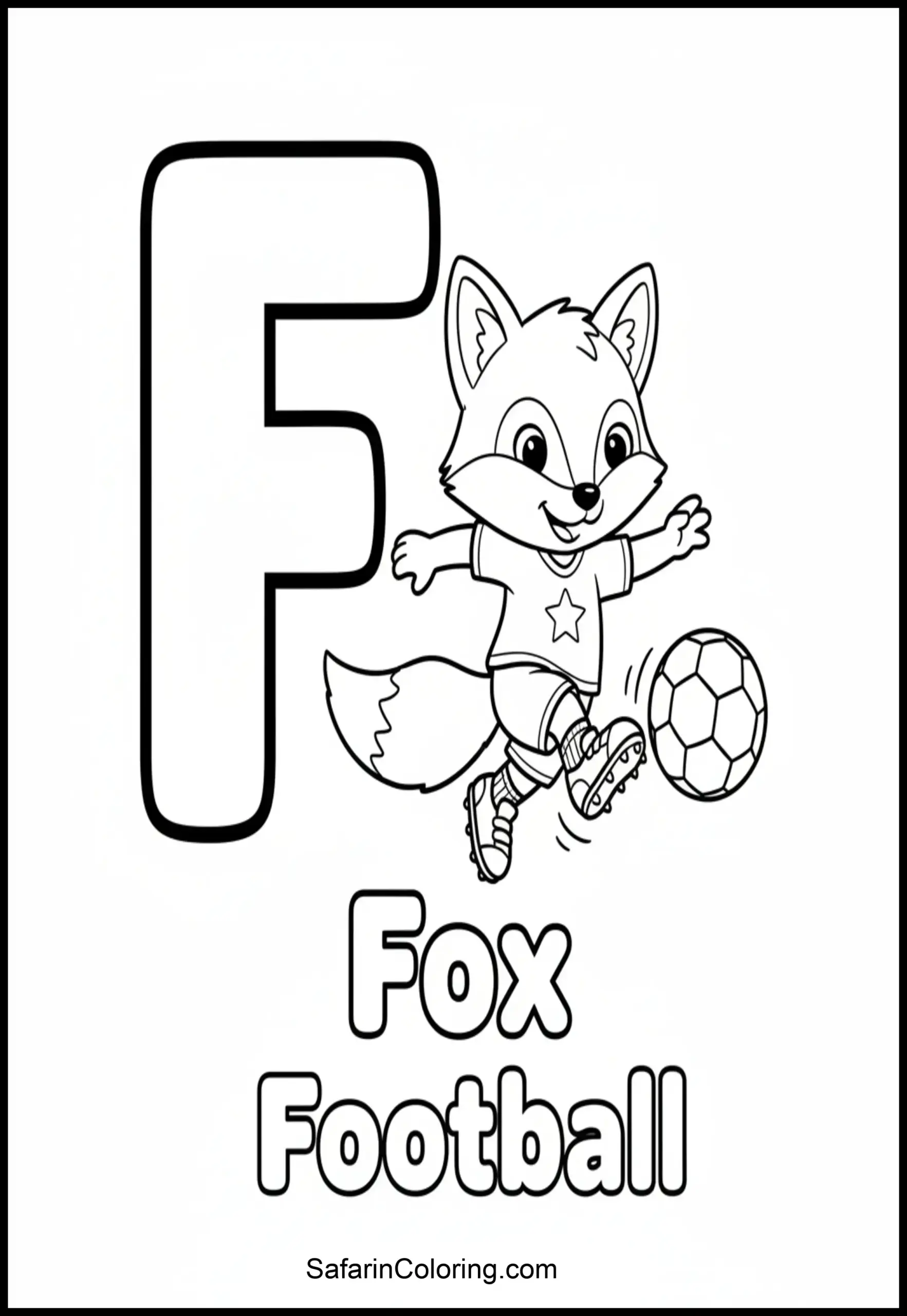
Letter F Fox Football Scaled
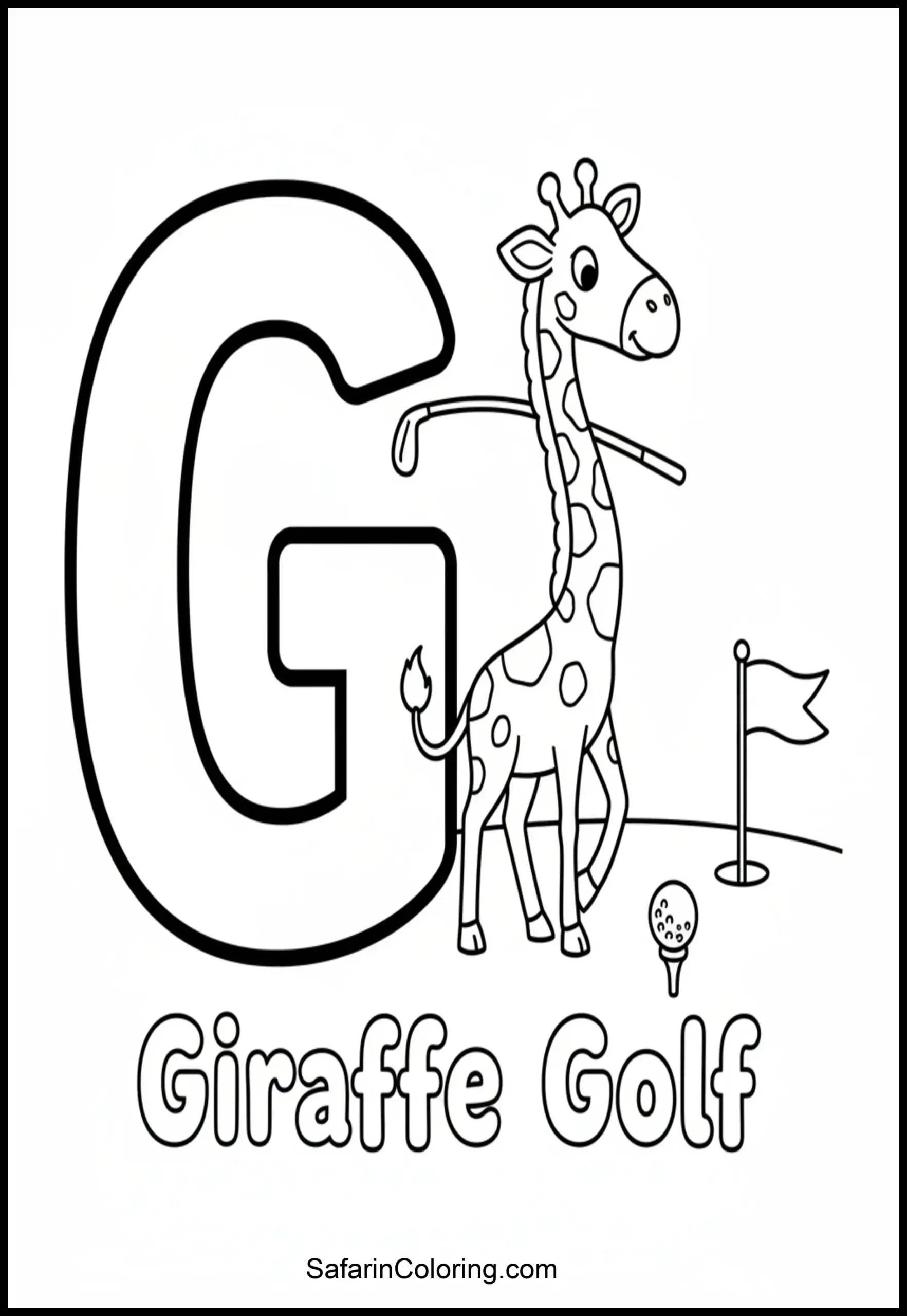
Letter G Giraffe Golf Scaled
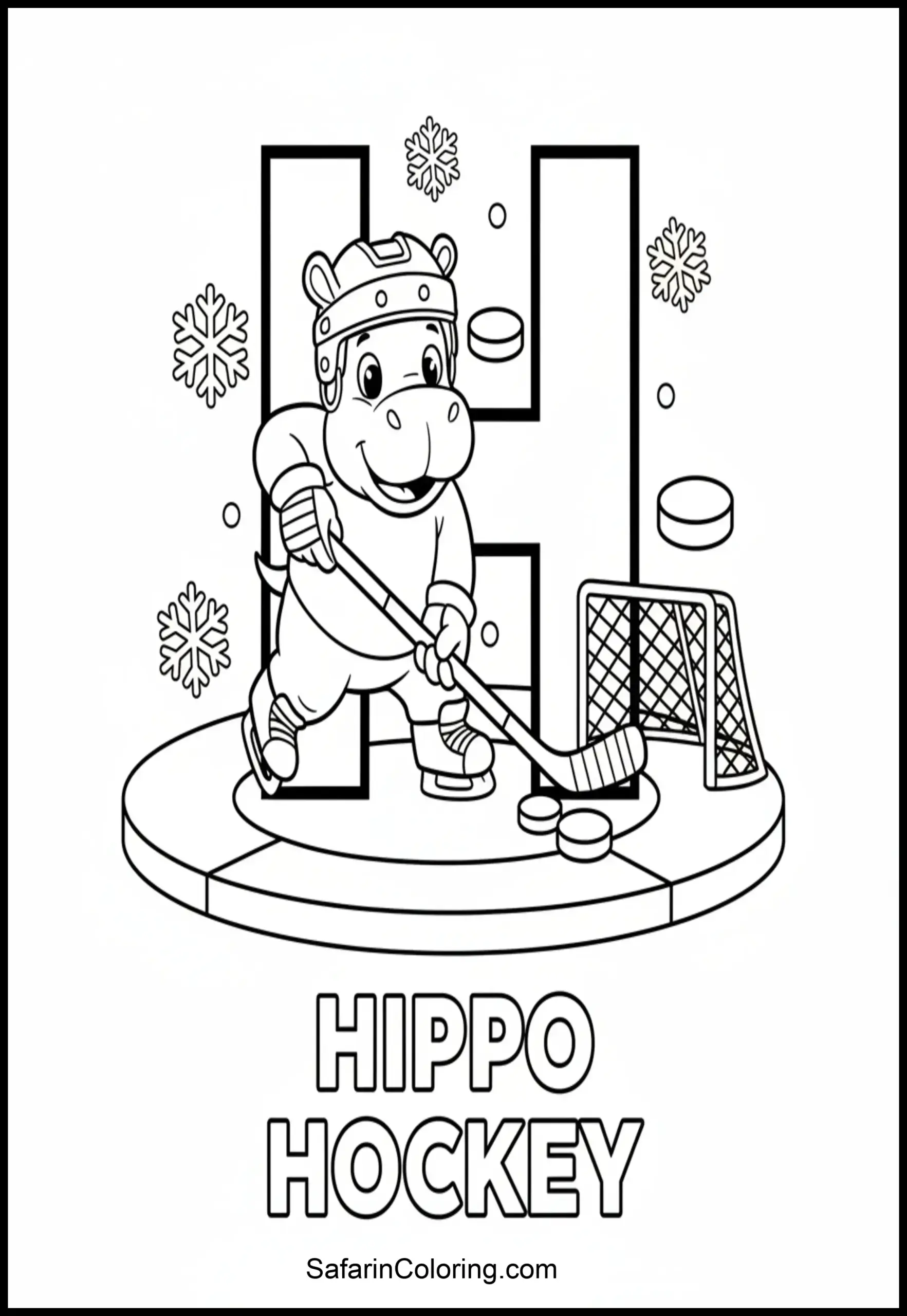
Letter H Hippo Hockey Scaled
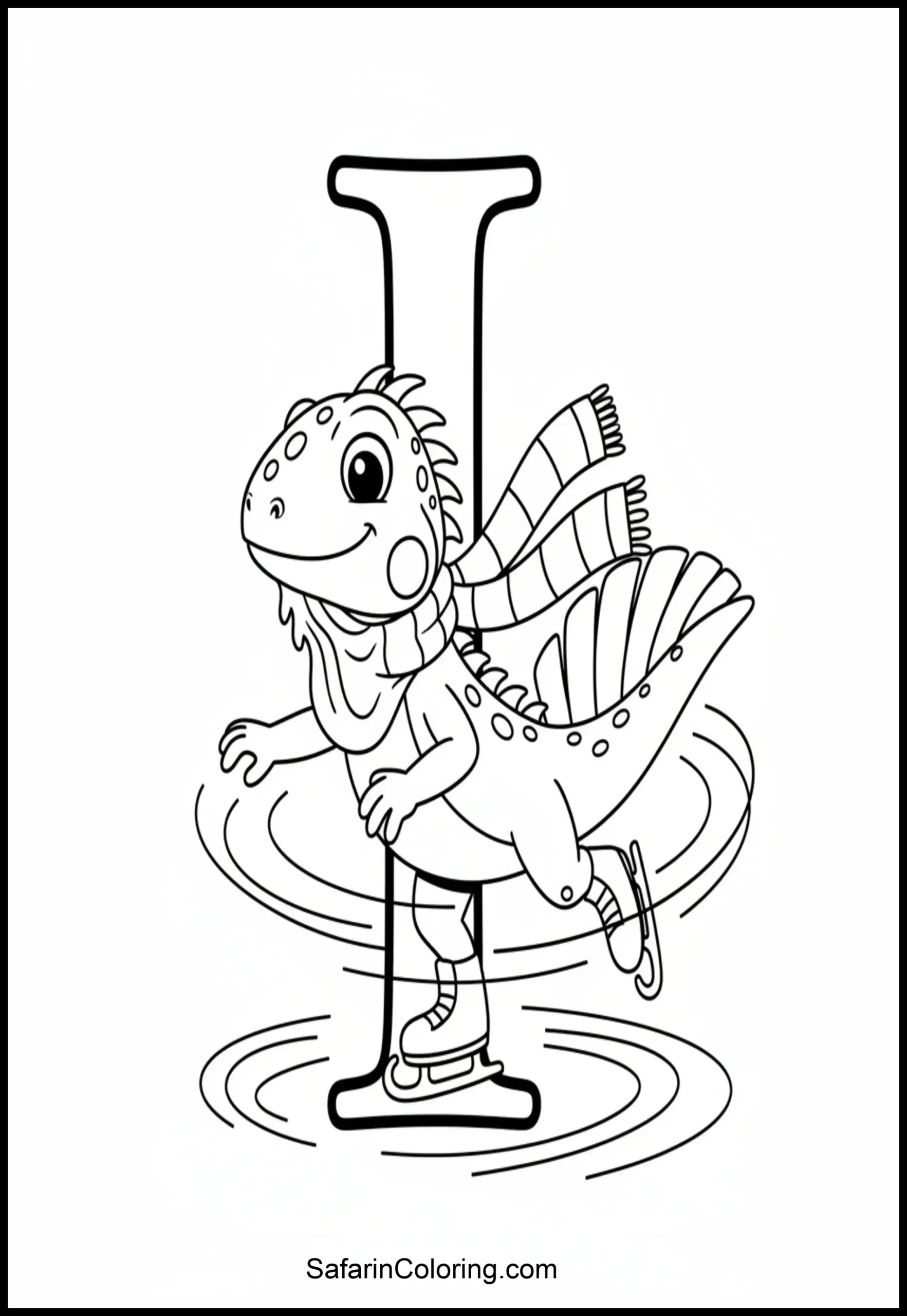
Letter I Iguana Iceskating Scaled
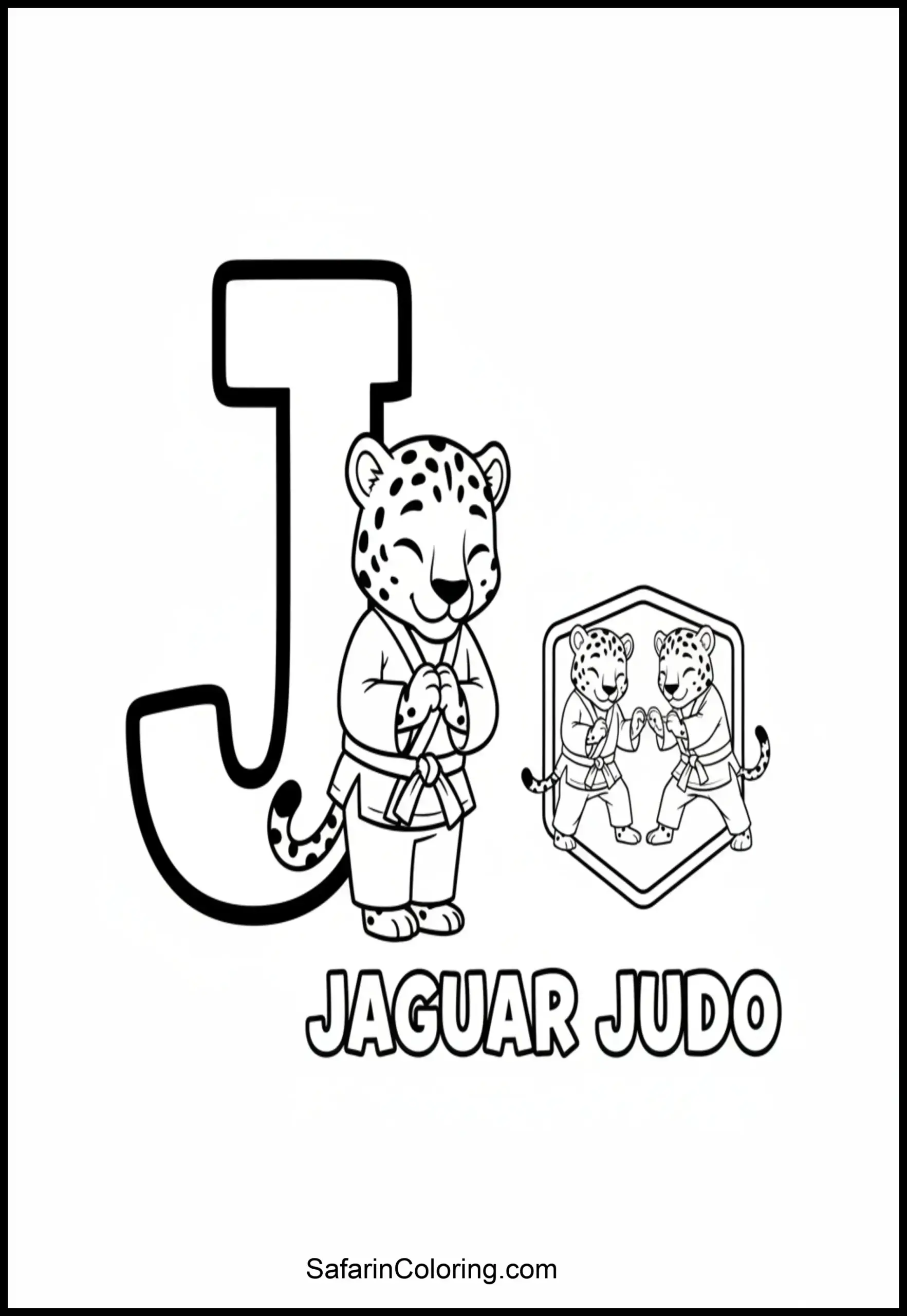
Letter J Jaguar Judo Scaled
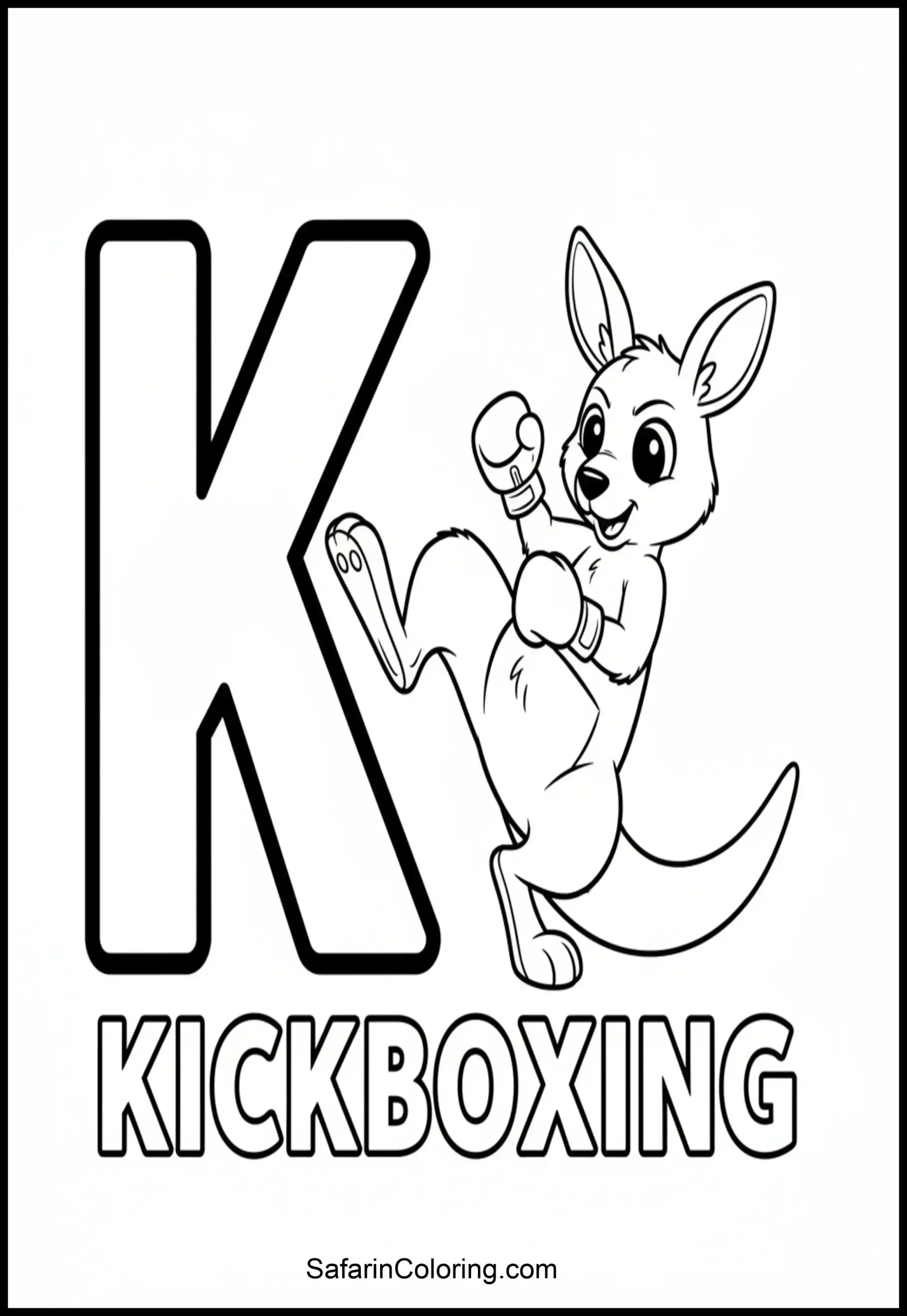
Letter K Kangaroo Kickboxing Scaled
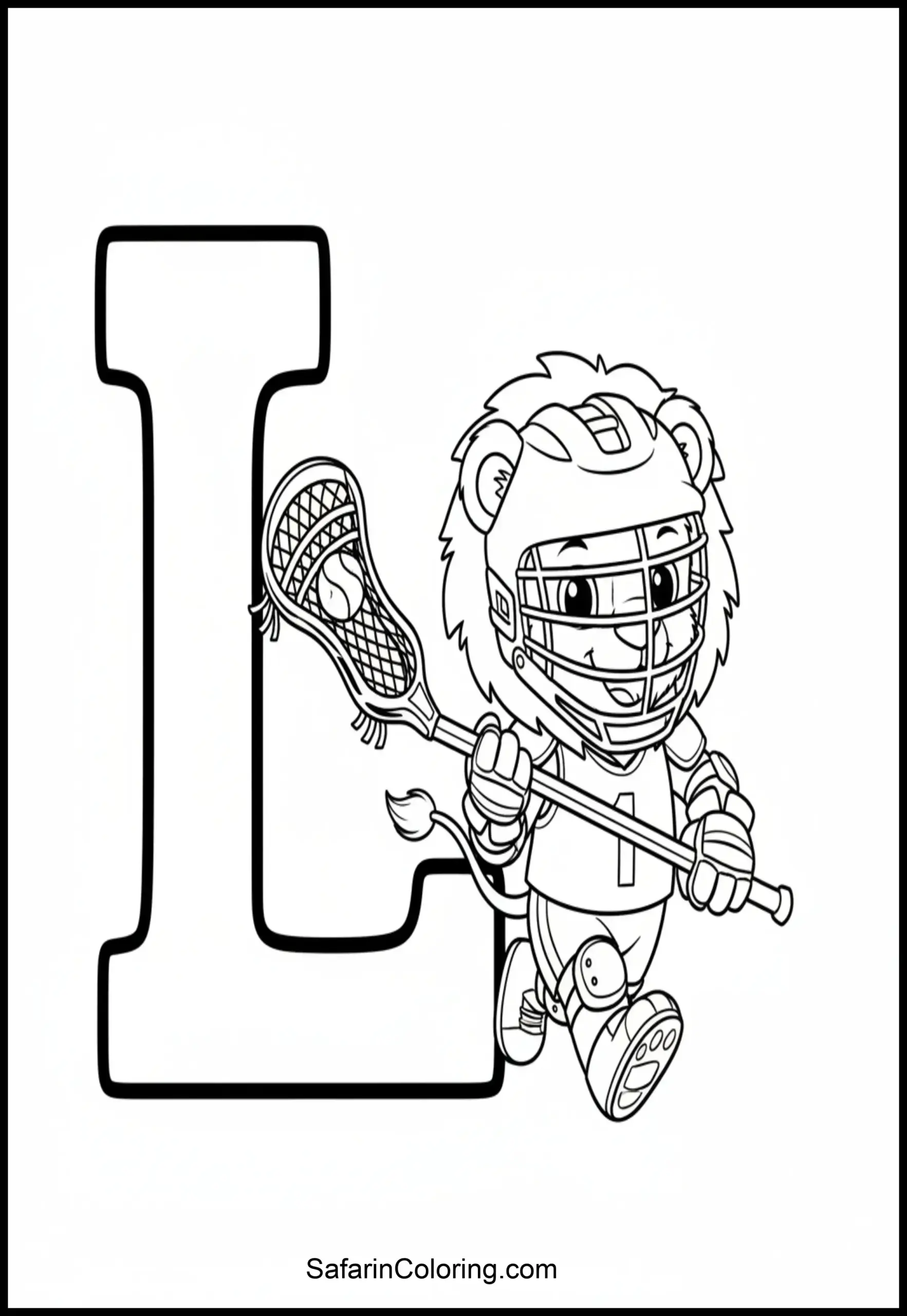
Letter L Lion Lacrosse Scaled
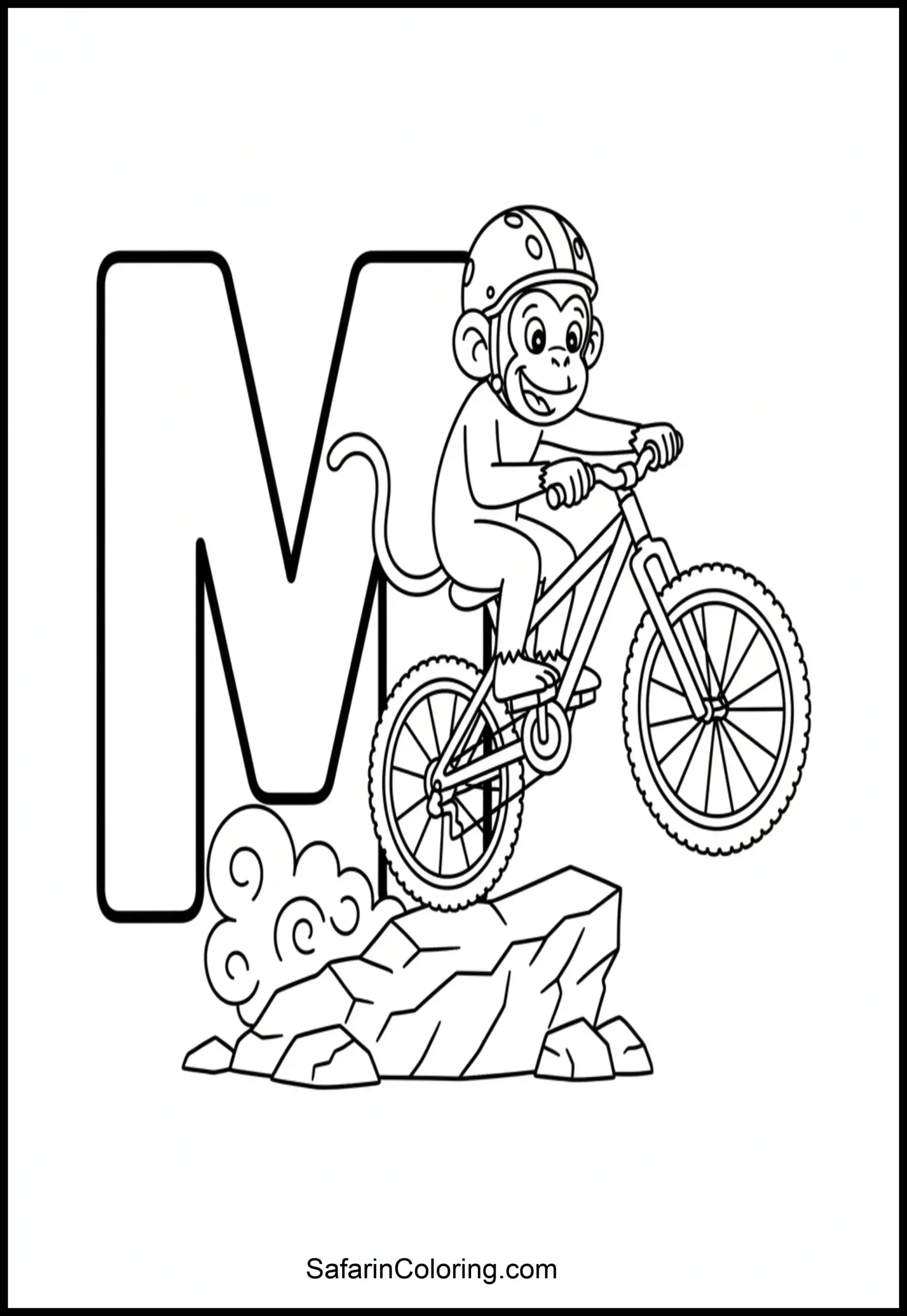
Letter M Monkey Mountainbike Scaled
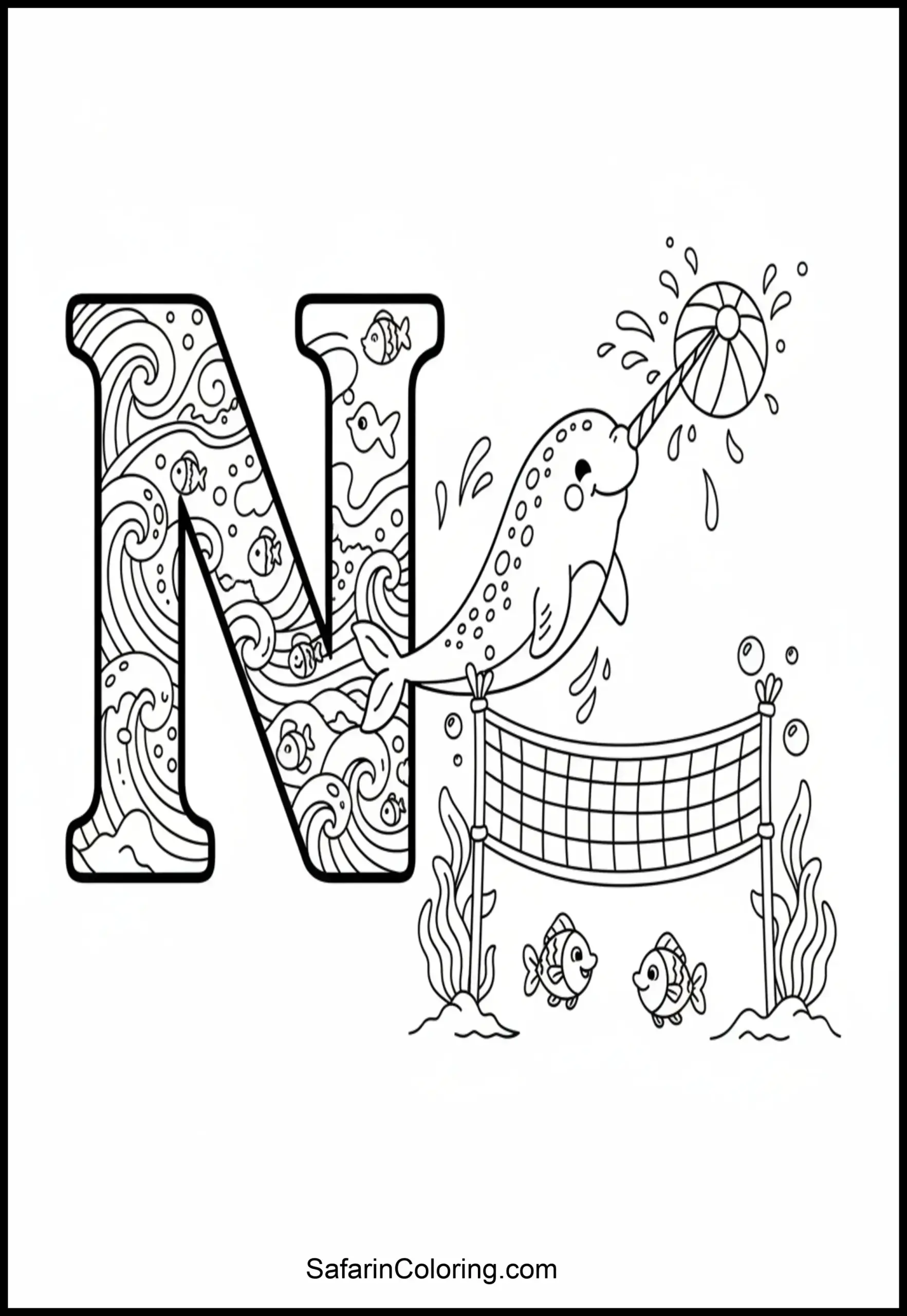
Letter N Narwhal Netball Scaled
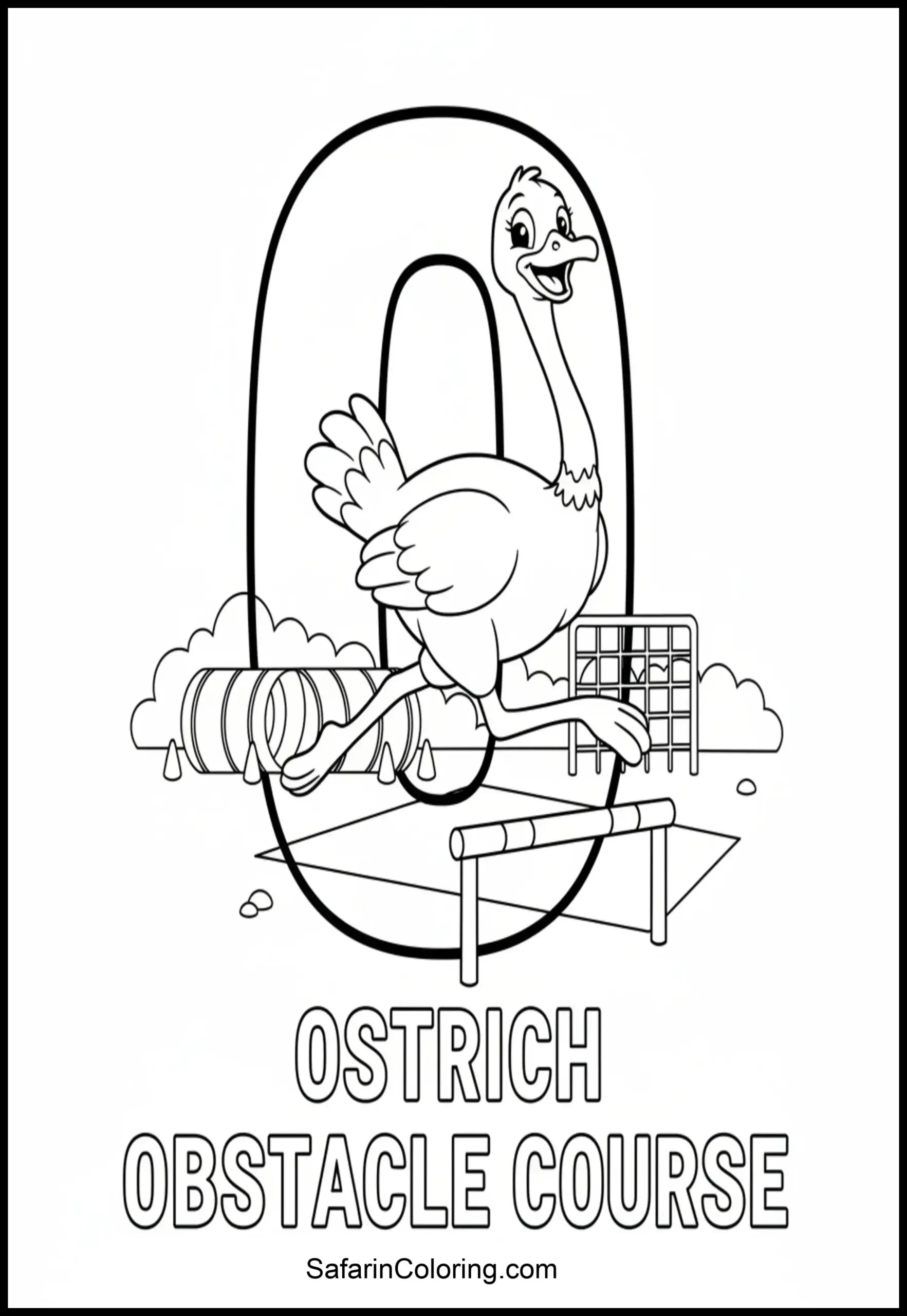
Letter O Ostrich Obstacle Scaled
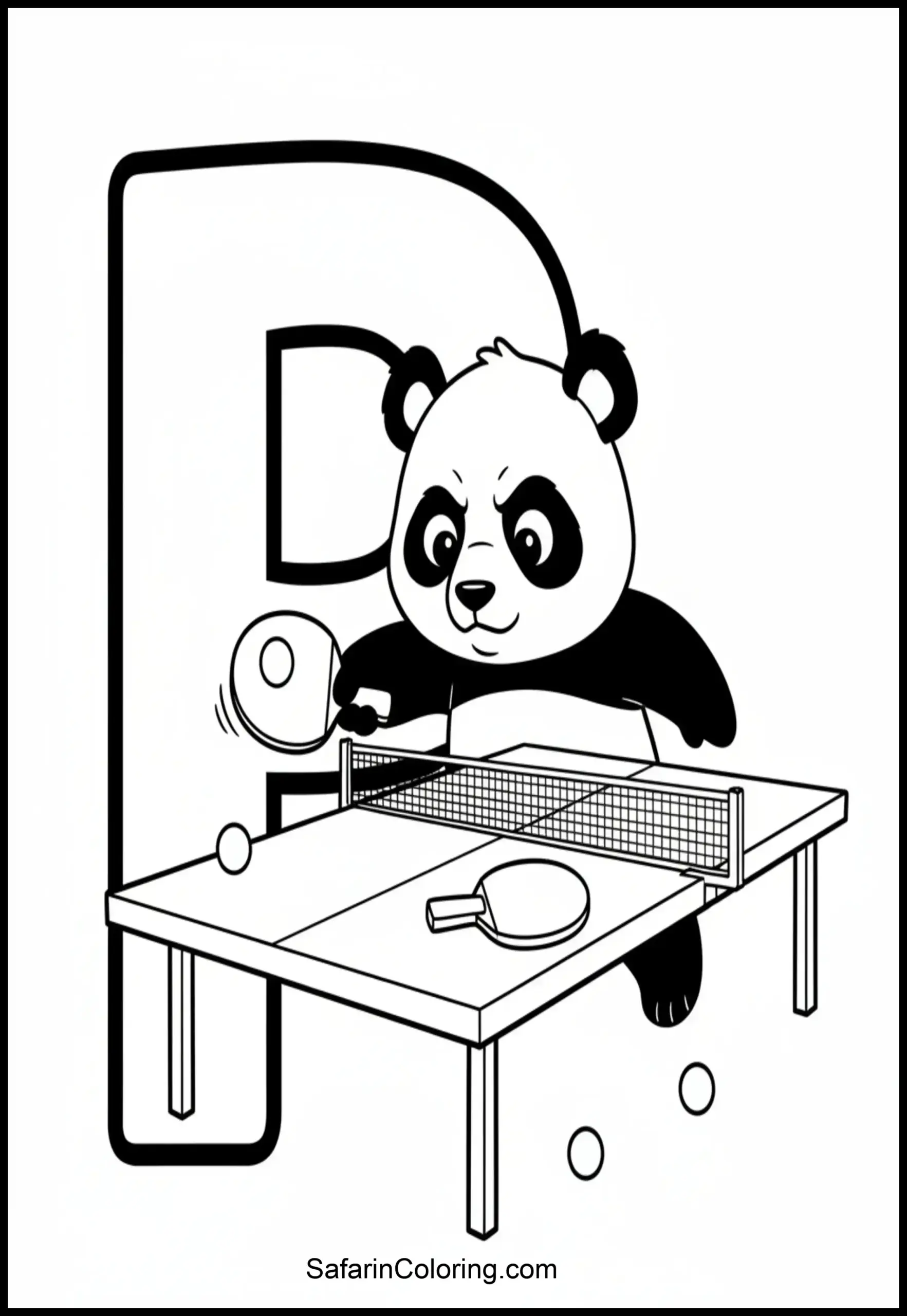
Letter P Panda Pingpong Scaled
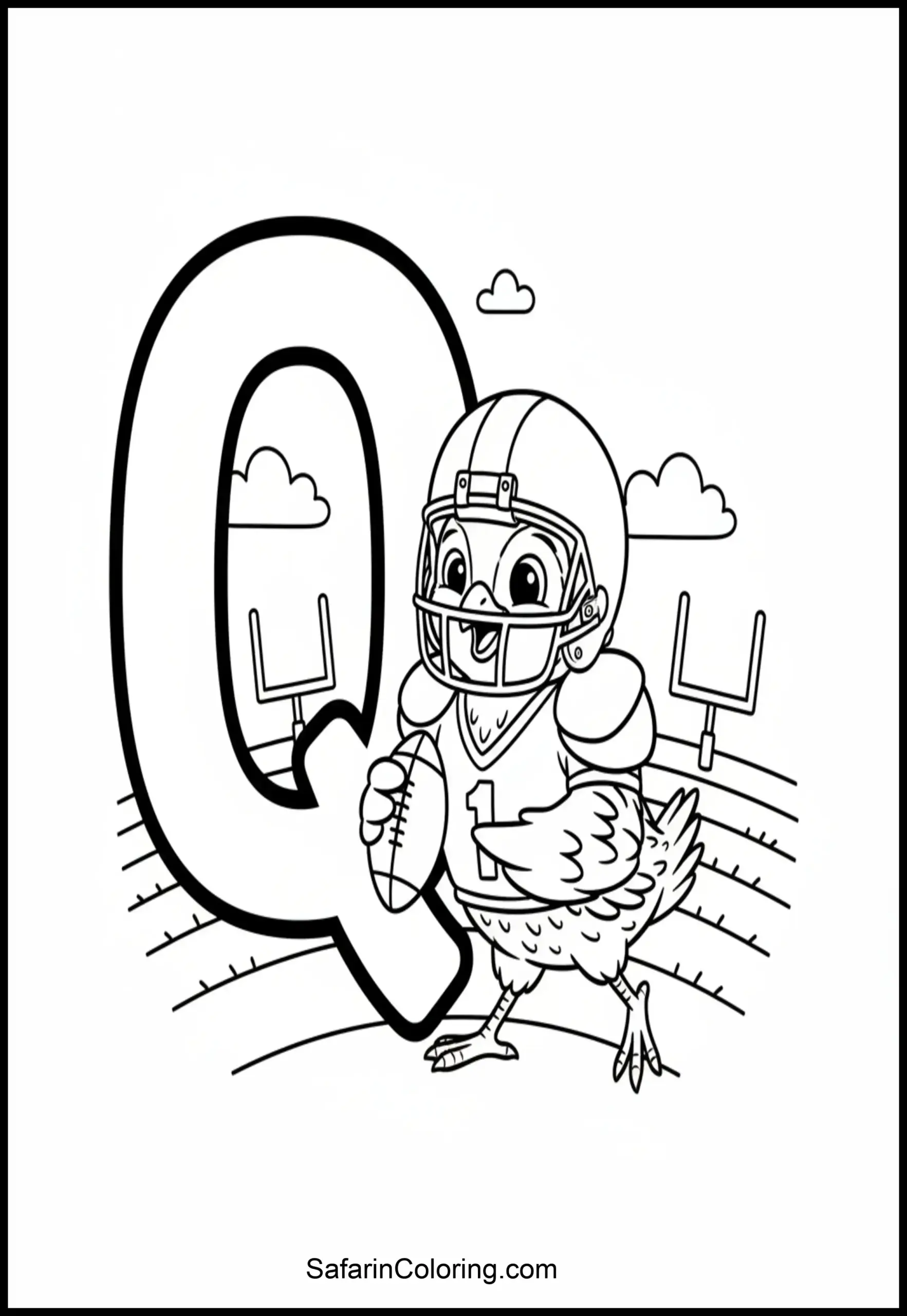
Letter Q Quail Quarterback Scaled
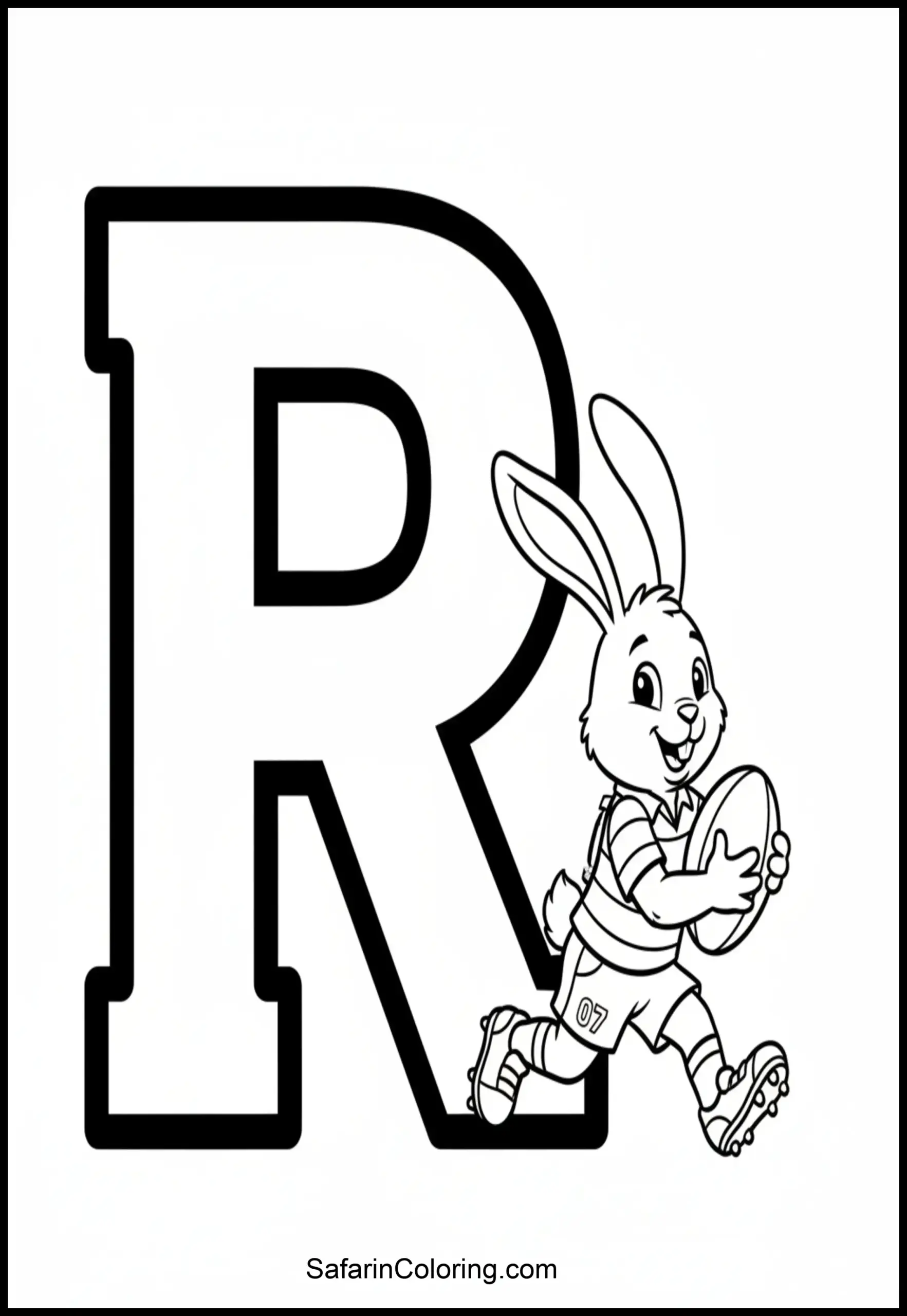
Letter R Rabbit Rugby Scaled
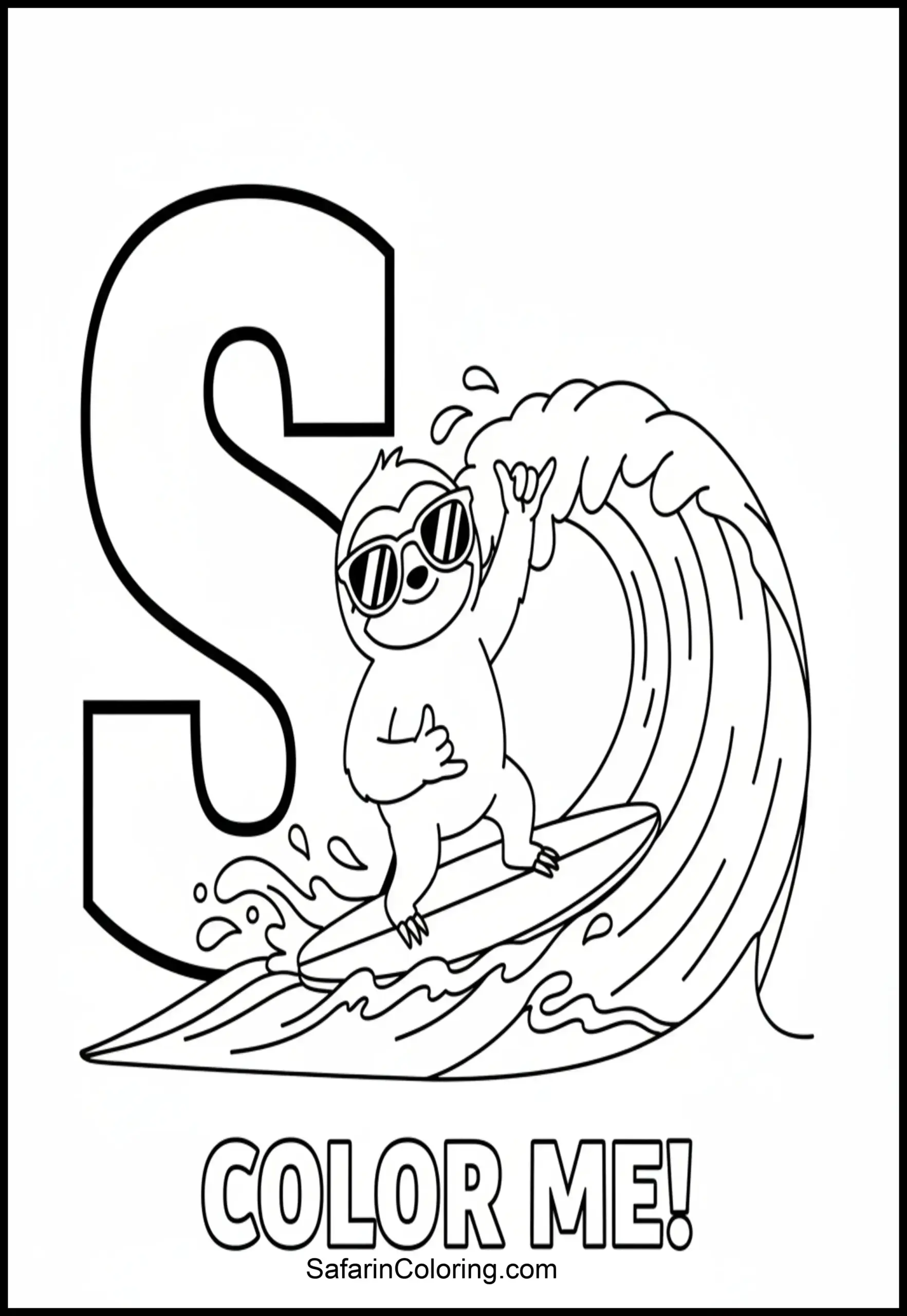
Letter S Sloth Surfing Scaled
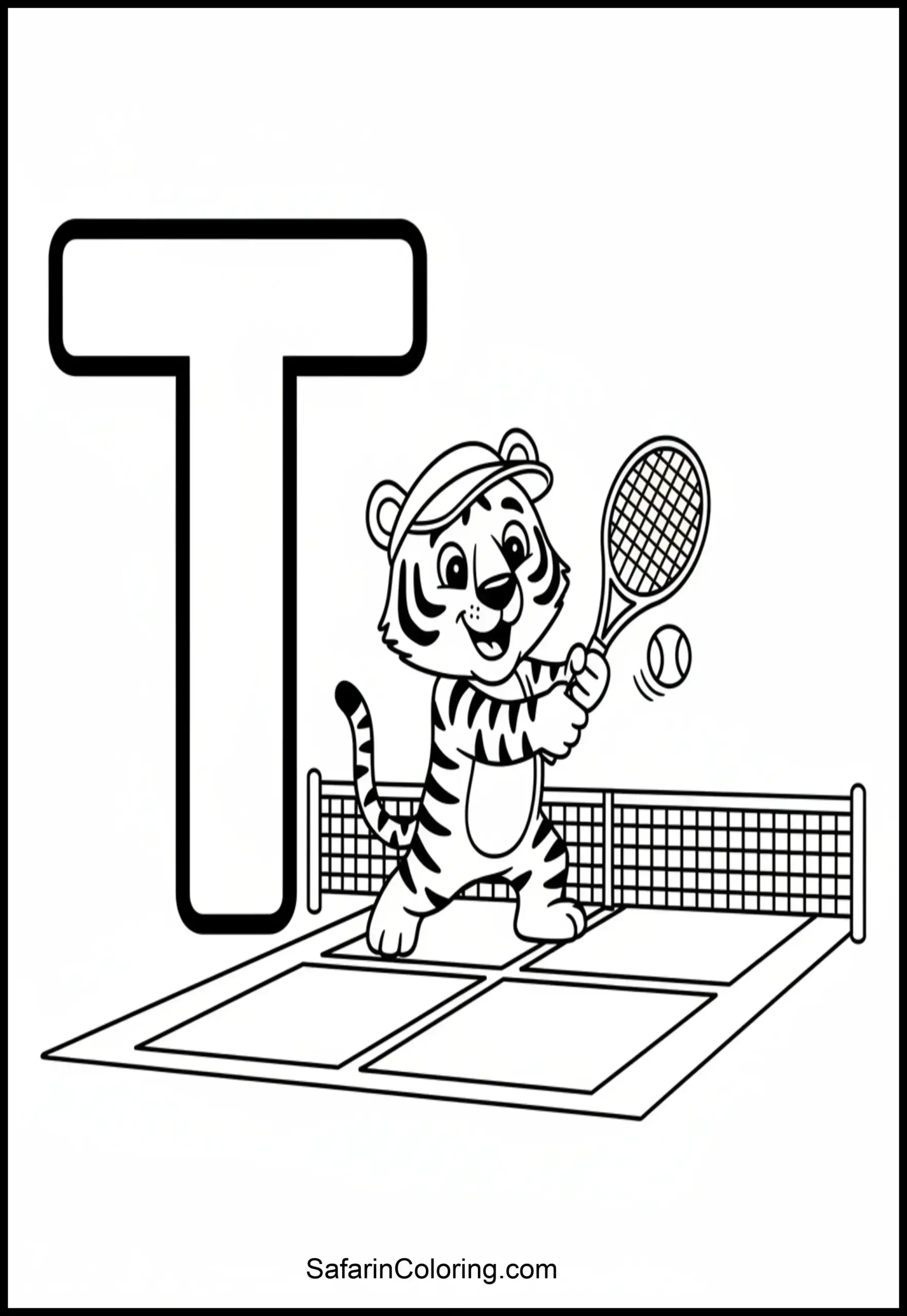
Letter T Tiger Tennis Scaled
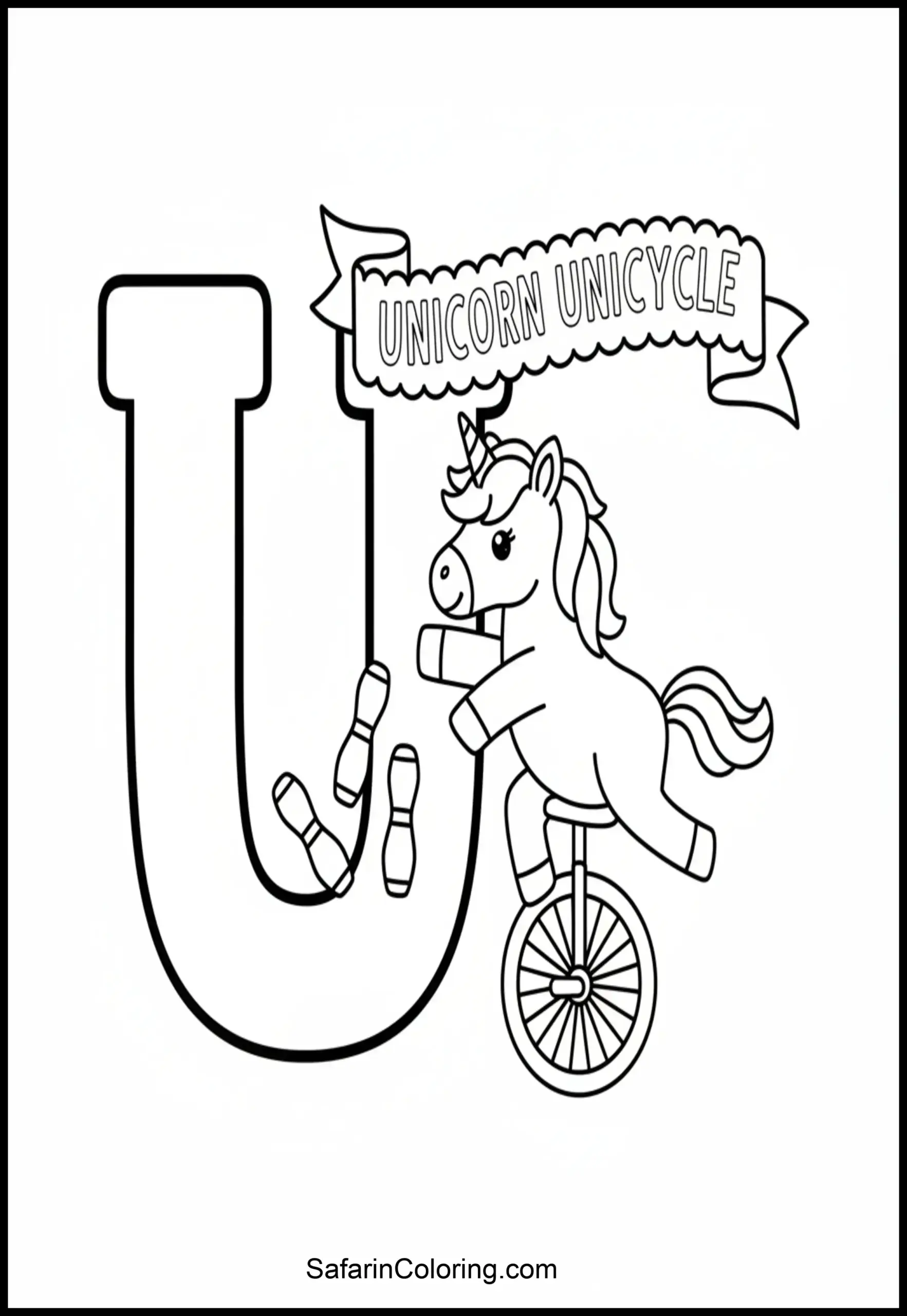
Letter U Unicorn Unicycle Scaled
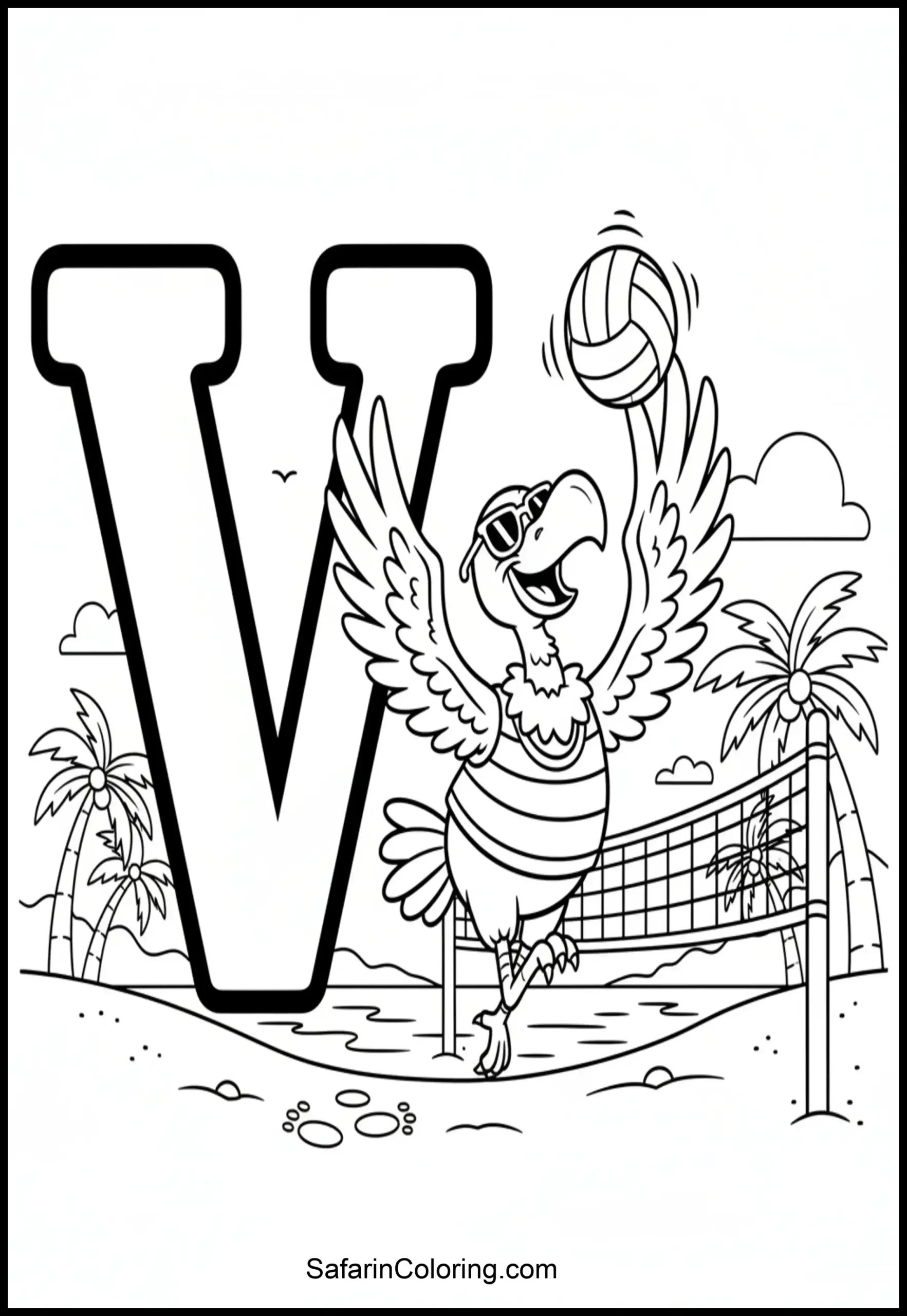
Letter V Vulture Volleyball Scaled
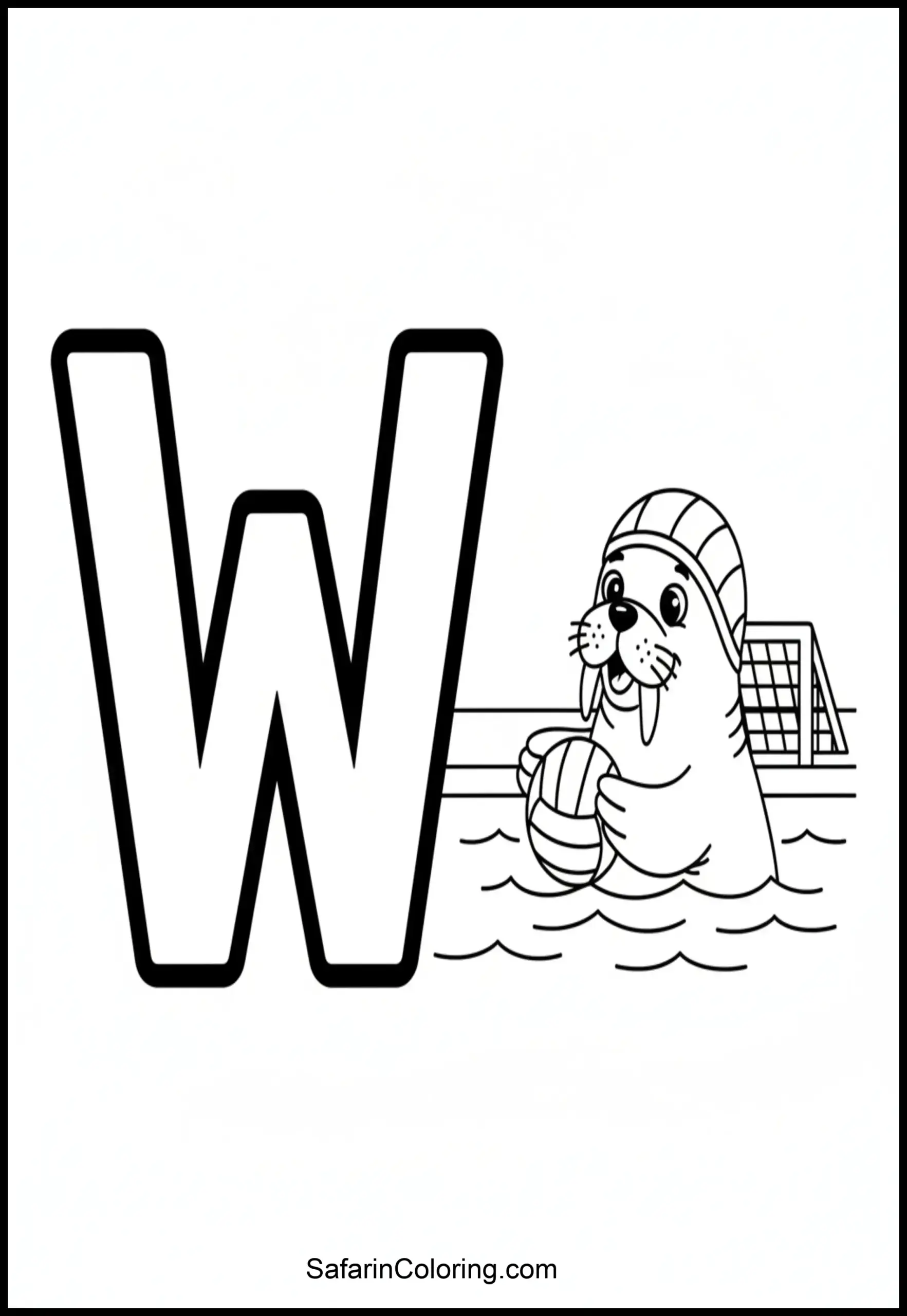
Letter W Walrus Waterpolo Scaled
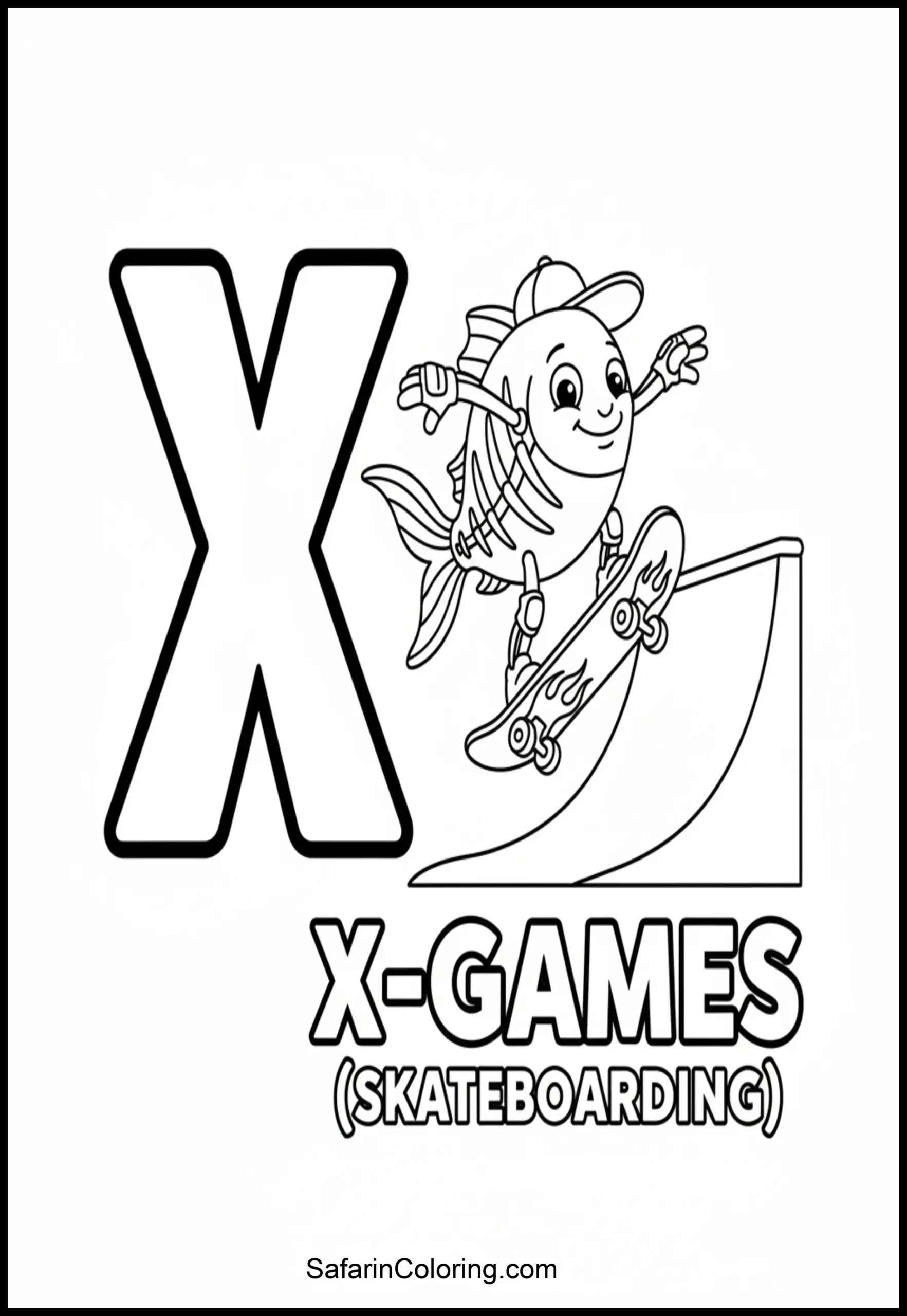
Letter X Xrayfish Xgames Scaled
A Spectrum of Choices: Selecting the Best Coloring Tools
The right tool depends on the child’s age, skill level, and desired artistic effect. Each medium offers unique benefits for working on abc coloring pages for kids.
- Crayons: The quintessential first tool for toddlers. Their waxy texture and broad tips are perfect for developing grip strength and making bold strokes. They are non-toxic, break-resistant, and excellent for filling large areas.
- Colored Pencils: Offer superior precision and control for older children. Look for pencils with a high pigment load for vibrant, rich colors. Wax-based pencils are great for layering and blending, while oil-based pencils are smoother and less prone to breakage, making them ideal for detailed work within the lines of the alphabet letters.
- Washable Markers: A favorite for their bright, saturated colors. Opt for non-toxic, water-based markers for easy cleanup from skin and clothing. Markers with both a fine tip for outlining and a chisel tip for filling are versatile and highly practical for various coloring tasks.
Elevating the Artwork: Advanced Embellishments
For children who want to add extra flair to their artwork, a few special tools can make their creations pop. These are perfect for highlighting letters or adding texture to accompanying illustrations.
- Gel Pens: White, metallic, or glitter gel pens are fantastic for adding highlights, patterns, or sparkly details on top of colored areas. A white gel pen can create a shine effect on a letter or an animal’s eye.
- Fine-Tip Black Markers: Using a permanent fine-liner to trace the outlines of letters and images before coloring can create a crisp, finished look, similar to a professionally illustrated book.
- Glitter Glue: For a tactile and visually exciting element, glitter glue can be used to trace letters or decorate specific parts of an image. Ensure you allow for adequate drying time.
The Optimal Creative Environment: Workspace and Lighting
A well-prepared workspace minimizes frustration and allows a child to focus fully on their art.
- Lighting: Set up in an area with ample natural light whenever possible. If coloring in the evening, use a neutral, bright desk lamp to prevent eye strain and ensure colors appear true.
- Surface Protection: Always place a craft mat, plastic placemat, or old newspaper under the coloring page to protect your table from stray marks, especially when using markers.
- Ergonomics: Ensure the child is seated at a table and chair of the correct height. Their feet should be able to rest flat on the floor, and their elbows should be at a comfortable 90-degree angle when working. This proper posture supports concentration and fine motor control.
Elevate Your Art: Advanced Techniques for abc coloring pages for kids
Once you’ve selected the perfect tools, it’s time to transform simple line art into a masterpiece. Advanced coloring isn’t about complex theory; it’s about applying a few key principles to make your images pop. These professional techniques will elevate your abc coloring pages for kids, turning a fun activity into a genuine artistic endeavor. By mastering concepts like color harmony, shading, and texture, you can create vibrant, dimensional artwork that truly stands out.
Unlocking Harmony: Color Theory for abc coloring pages for kids
Choosing colors is more than picking favorites; it’s about creating a mood. Understanding basic color relationships can dramatically improve your final piece.
- Complementary Colors: These are opposites on the color wheel (like red and green, or blue and orange). Using them side-by-side creates high contrast and makes both colors appear more vibrant. Imagine coloring an “A for Apple” with a bright red apple set against a rich green background. The contrast makes the apple pop.
- Analogous Colors: These colors sit next to each other on the color wheel (like yellow, yellow-green, and green). Using an analogous scheme creates a calm, unified, and harmonious feel. For a “Z for Zebra” page, you could color the background in shades of blue and purple, making the black and white stripes the focal point.
From Flat to Form: Mastering Depth with Shading
Shading is the secret to making a two-dimensional object look three-dimensional. It’s the difference between a flat circle and a sphere that looks like you could pick it up.
- Establish a Light Source: Before you start, decide where the light is coming from in your picture—the top left, for example.
- Apply Your Base Color: Fill the object with your main, mid-tone color, leaving the area closest to the light source a little lighter or even white.
- Add the Shadows: Using a darker shade of the same color or a light grey, gently add color to the areas farthest from your light source. For a “B for Ball,” the shadow would be on the bottom right if the light is from the top left.
- Blend for Smoothness: Use a white colored pencil, a blending stump, or simply the base color pencil to smooth the transition between the light, mid-tone, and shadow areas. The gradual change is what creates the illusion of roundness.
Bringing Pages to Life: Simple Tricks for Realistic Textures
Texture adds a tactile quality to your art, making it more believable and engaging. You can simulate various surfaces with simple strokes.
- Fur and Hair: To create realistic fur on our cute lion coloring pages, use short, quick, directional strokes with a sharp pencil. Overlap the strokes and use a few different shades of the same color (e.g., light brown, dark brown, and tan) to build depth.
- Rough Skin or Ground: Techniques like stippling (creating a pattern of tiny dots) or cross-hatching (drawing intersecting parallel lines) can create a sense of roughness. This is perfect for the tough hide on animals found in our hippopotamus coloring pages or for depicting sand and soil.
- Smooth and Shiny Surfaces: For objects like metal or glass, the key is high contrast. Leave crisp white areas for highlights where the light hits directly, and use deep shadows. Blend the colors in between flawlessly to create a reflective sheen.
The Art of the Save: Turning ‘Oops’ into Opportunity
Mistakes are part of the creative process. Instead of getting frustrated, learn how to correct them gracefully.
- Coloring Outside the Lines: A battery-powered eraser can lift pigment cleanly. For smaller slips, a white gel pen can cover the error on the white paper, making it virtually disappear.
- Wax Bloom or Buildup: If you’ve layered on too much wax-based pencil, a hazy film might appear. You can gently buff it with a soft cloth or carefully scrape away the excess with a craft knife held at a low angle.
- Wrong Color Choice: Don’t panic. Try layering another color on top. A light blue over a bright yellow can create a beautiful spring green. Think of it as a happy accident that leads to a unique, custom color.
Bringing Learning to Life: Showcasing Your abc coloring pages for kids
Once the crayons are put away, the fun doesn’t have to stop. Your child’s finished alphabet pages are colorful testaments to their learning and creativity. Instead of letting them pile up, transform them into cherished displays. Create an “Alphabet Wall of Fame” in their playroom, rotating new letters as they complete them. Imagine a vibrant “E is for Elephant” page proudly displayed next to their other safari-themed artwork, like these fantastic elephant coloring pages. This not only celebrates their effort but also keeps the alphabet front and center in a joyful, interactive way.
From Fridge to Frame: Preserving Their Work
To protect these little masterpieces, consider slipping them into clear plastic sleeves in a dedicated binder. This creates a personal ABC book they can flip through anytime. For a more permanent display, use simple, lightweight frames to create a gallery wall. You can also laminate the pages, turning them into durable placemats for mealtime learning or reusable sheets for tracing with dry-erase markers.
Crafty Creations: Turning Art into Gifts
A finished coloring page can become a thoughtful, handmade gift. Cut out the colored letter and associated image and paste it onto folded cardstock to create a personalized greeting card for a grandparent or friend. You can also cut the pages into strips to make colorful paper chains for room decor or trim them into fun shapes to use as unique gift tags or bookmarks.
Your Alphabet Coloring Questions, Answered
What are the benefits of alphabet coloring pages?
The benefits are immense, blending creativity with crucial early learning skills. Alphabet coloring pages help develop fine motor skills and hand-eye coordination as children learn to color within the lines. They also improve focus and patience. Most importantly, these abc coloring pages for kids provide a stress-free, engaging introduction to the letters, associating them with fun images and positive experiences, which builds a strong foundation for reading.
How do coloring pages help with letter recognition?
Coloring pages turn abstract letters into tangible, interactive characters. By focusing on coloring a large letter ‘B’ and its associated image, like a butterfly, a child creates a strong visual and mental link between the letter’s shape, its name, and its sound. This repeated, hands-on interaction solidifies the memory of each letter’s form, making it easier for them to identify it in other contexts, like in books or on signs.
What age is best for alphabet coloring pages?
Alphabet coloring pages are most beneficial for children in the preschool age range, typically from 3 to 5 years old. This is the period when they are actively developing pre-writing skills and are neurologically primed for letter and sound recognition. Younger toddlers (age 2) can also enjoy them for simple scribbling and exposure, while older kindergarteners (age 5-6) can use them to practice letter sounds and simple words.
How do you teach the alphabet with coloring pages?
Make it an interactive session. As your child colors the letter ‘L’, say the letter’s name and sound (“L says ‘lll'”). Talk about the accompanying picture, like a lion. Ask them to trace the letter’s shape with their finger before they start coloring. Using abc coloring pages for kids this way transforms a simple art activity into a rich, multi-sensory phonics lesson that is both effective and enjoyable.
How can I make learning the alphabet fun?
Beyond coloring, turn learning into a game. Sing the alphabet song while pointing to the corresponding pages. Go on a “letter hunt” around the house, looking for objects that start with the letter you just colored. Use different art supplies like glitter, stickers, or paint to decorate the pages. The key is to connect the letters to your child’s world through play, creativity, and positive reinforcement.
Embark on Your ABC Adventure
The journey through the alphabet is one of the first great learning adventures a child undertakes. With abc coloring pages for kids, this essential milestone becomes a world of color, imagination, and discovery. More than just a way to keep little hands busy, these pages are powerful tools that build fine motor skills, enhance letter recognition, and foster a lifelong love of learning. By turning abstract symbols into friendly characters and creative masterpieces, you give your child the confidence to take their first steps toward reading and writing.
Download your first set of pages today and watch as your child transforms letters into a vibrant, personal gallery of their own achievements.
Ready for your next adventure? Explore our cute lion coloring pages