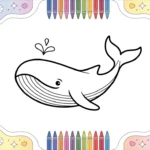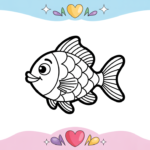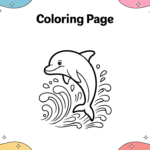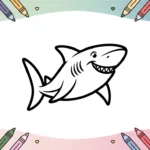
We offer a wide collection of free, high-quality printable coloring pages for kids and adults. From cute animals to intricate mandalas, our designs bring creativity and relaxation to everyone. Download, print, and start coloring today!

Setting up for success is key to unlocking the full creative potential of abstract coloring pages for kids. The right materials not only make the process more enjoyable but also yield more vibrant and satisfying results. While these designs encourage free-form expression, a well-prepared toolkit ensures that a child’s imagination isn’t limited by their supplies. Before diving into complex patterns, you might warm up with something that blends structure and pattern, like these zebra coloring pages, to get the creative juices flowing. This guide will walk you through selecting the ideal paper, coloring tools, and workspace setup to transform a simple activity into an artistic exploration.
The Canvas: Selecting the Right Paper for Abstract Coloring Pages for Kids
The foundation of any great coloring project is the paper. Standard office copy paper (typically 80-100 GSM) is perfectly suitable for crayons and colored pencils, offering a smooth surface for easy application. However, for a more premium experience, especially when using markers or light watercolor washes, upgrading your paper is crucial. Look for a heavyweight cardstock, around 160-220 GSM (grams per square meter).
This thickness prevents ink from bleeding through to the other side or onto your work surface, ensuring crisp lines and saturated colors. A smooth or vellum finish on the cardstock will allow markers to glide effortlessly, while a slightly textured paper (like mixed-media paper) can add an interesting dimension when using colored pencils, grabbing more pigment for richer shading.
Table of Contents
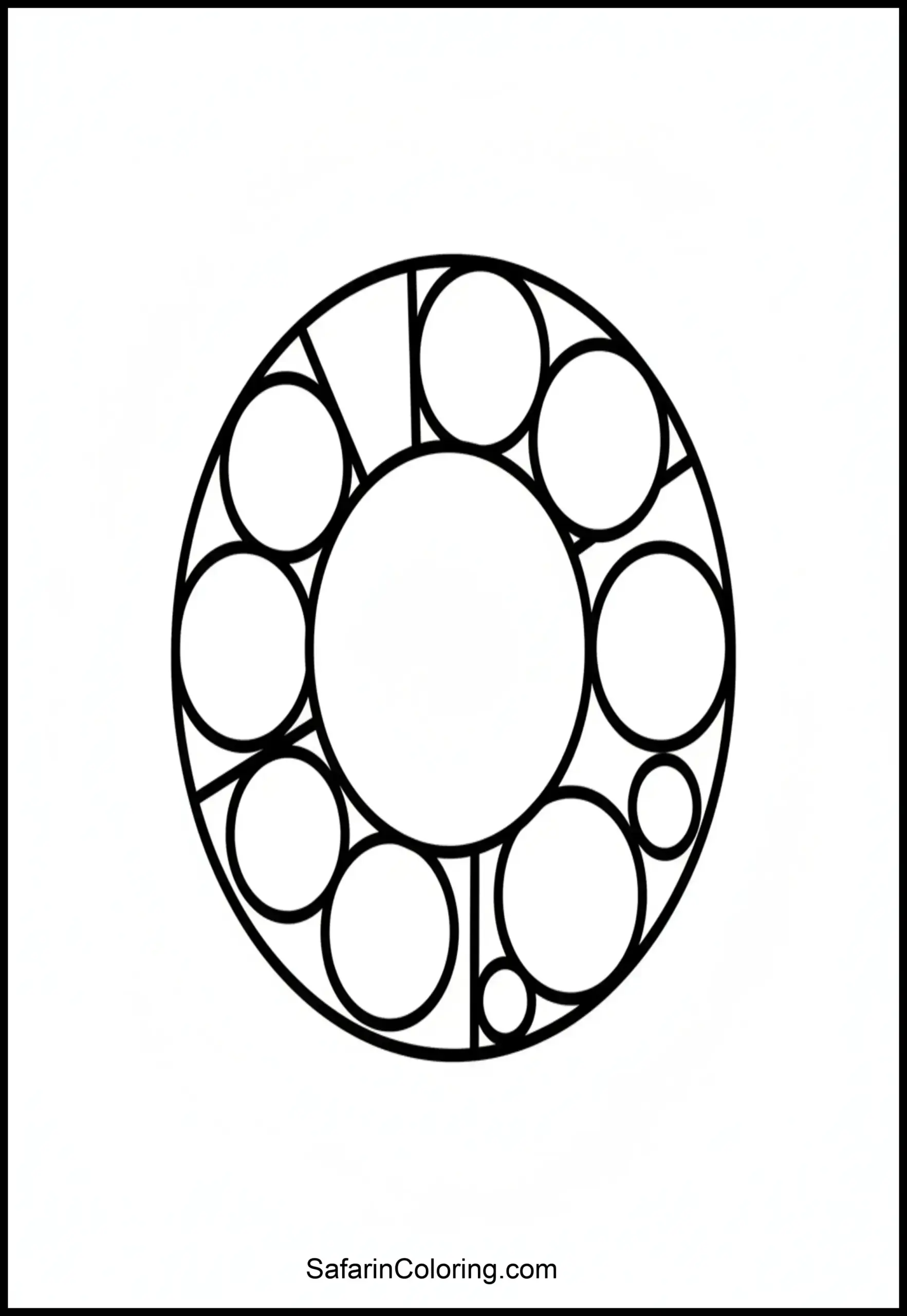
Abstract Coloring Page Circles Pattern Scaled
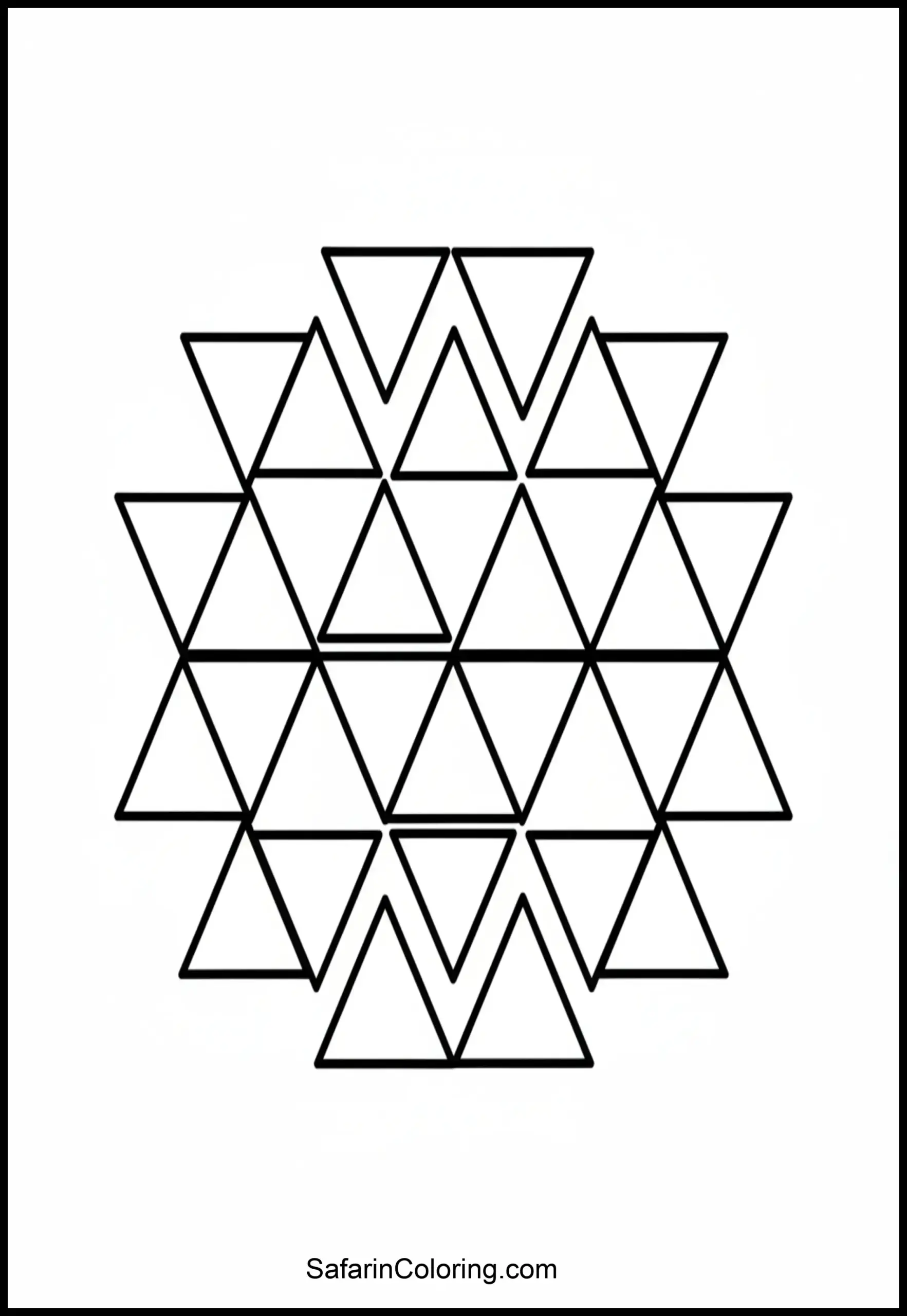
Geometric Triangles Coloring Page Scaled
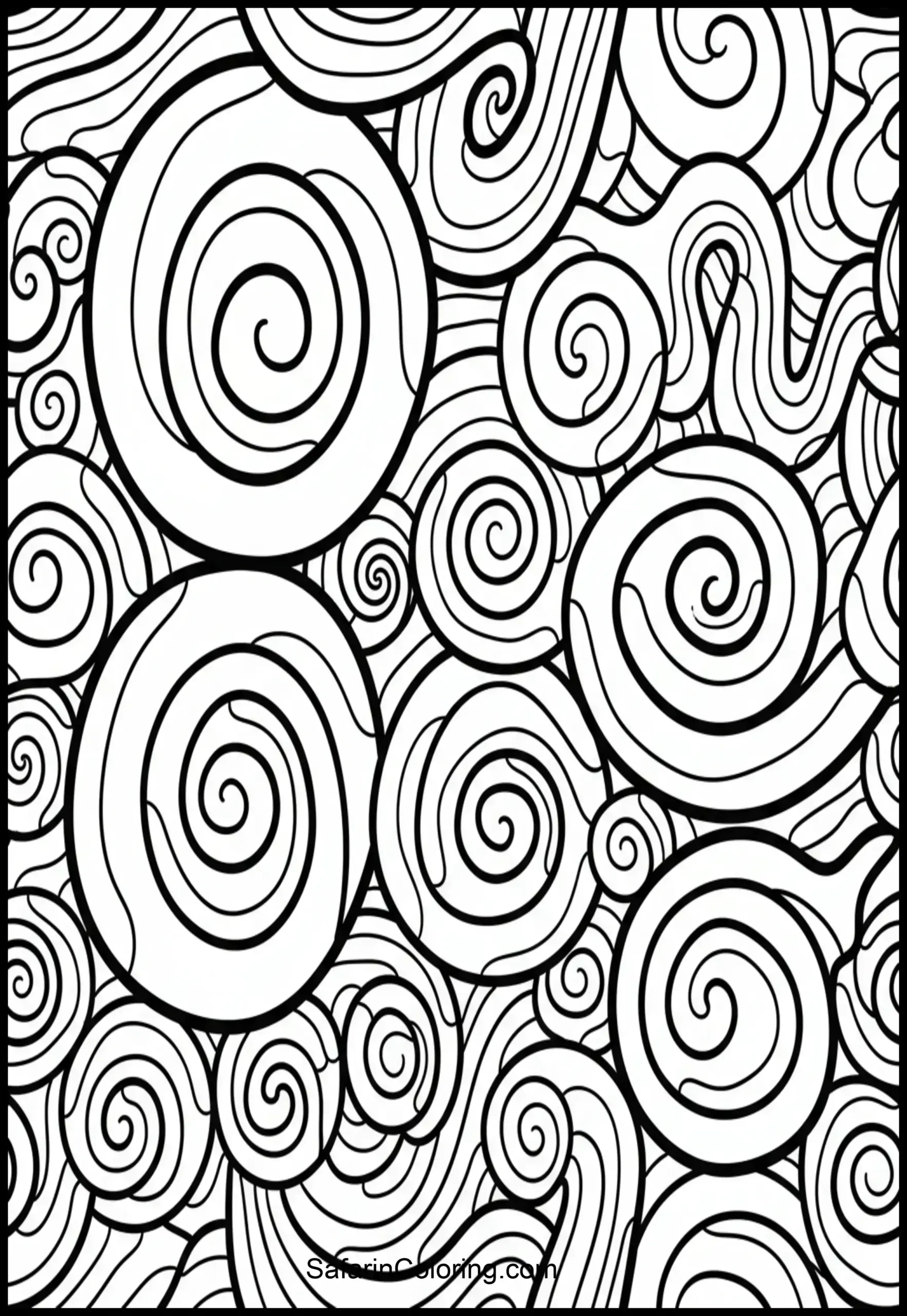
Abstract Wavy Lines Swirls Scaled
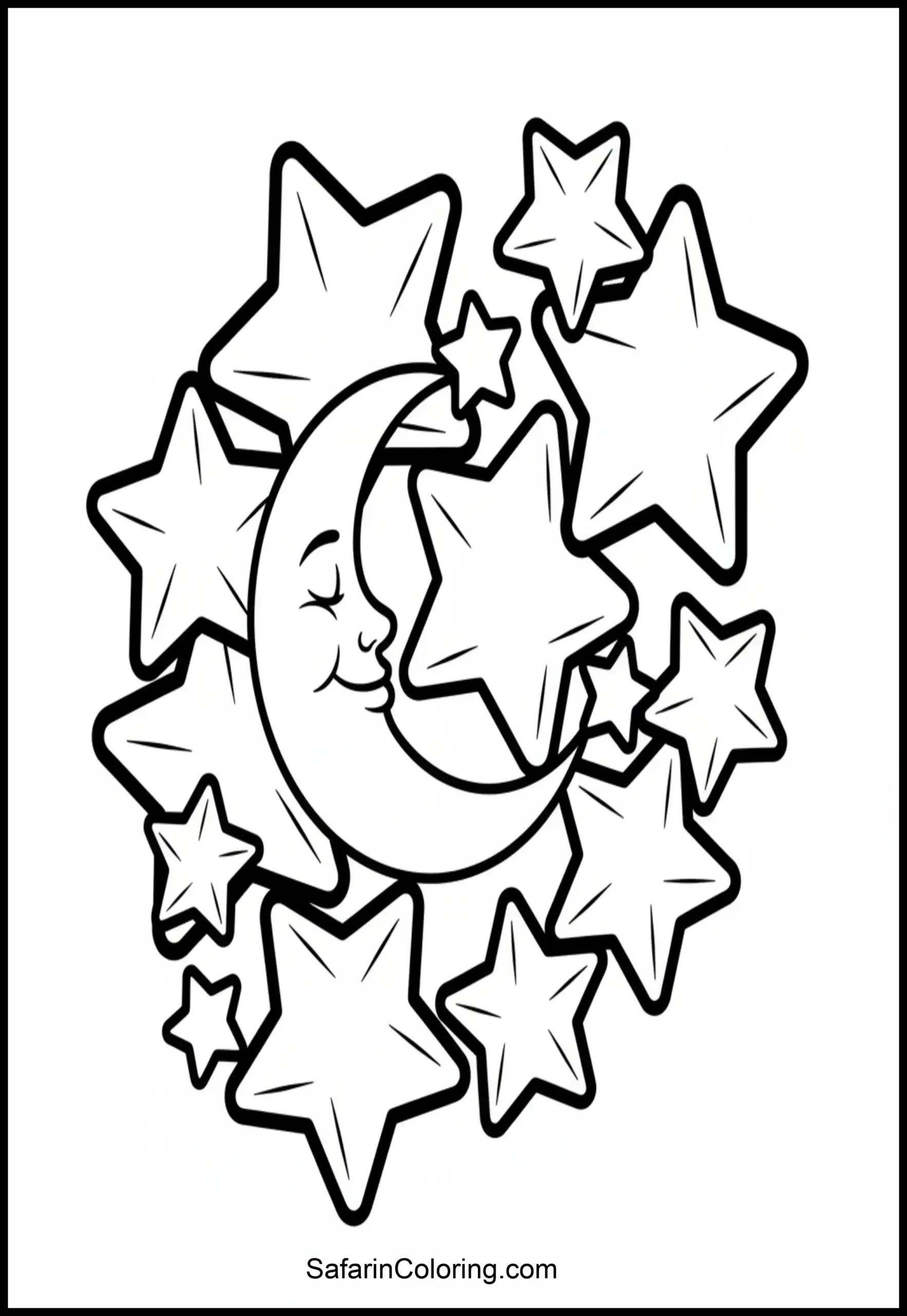
Stars And Moon Abstract Pattern Scaled
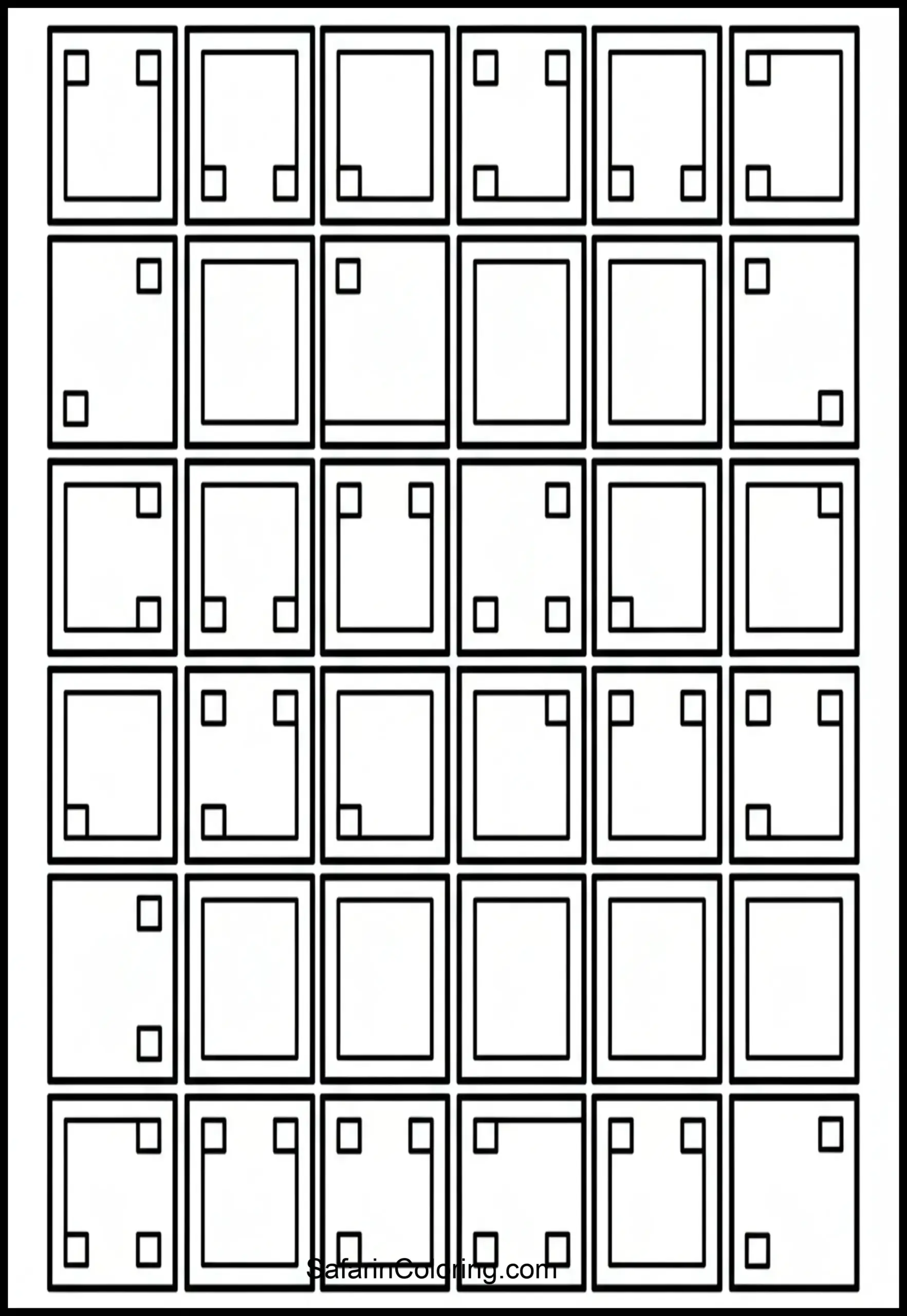
Simple Mosaic Square Tiles Scaled
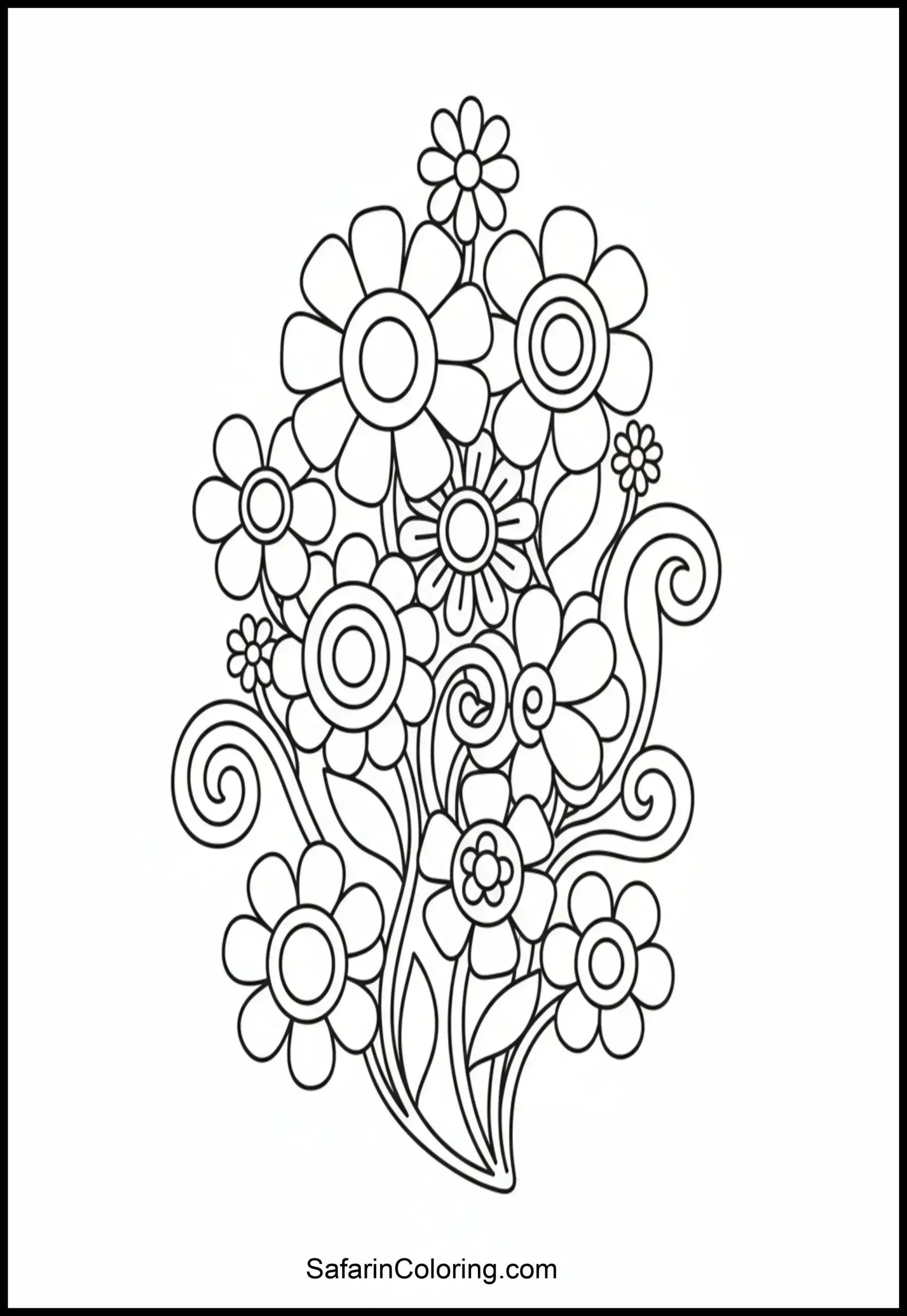
Abstract Flower Power Pattern Scaled
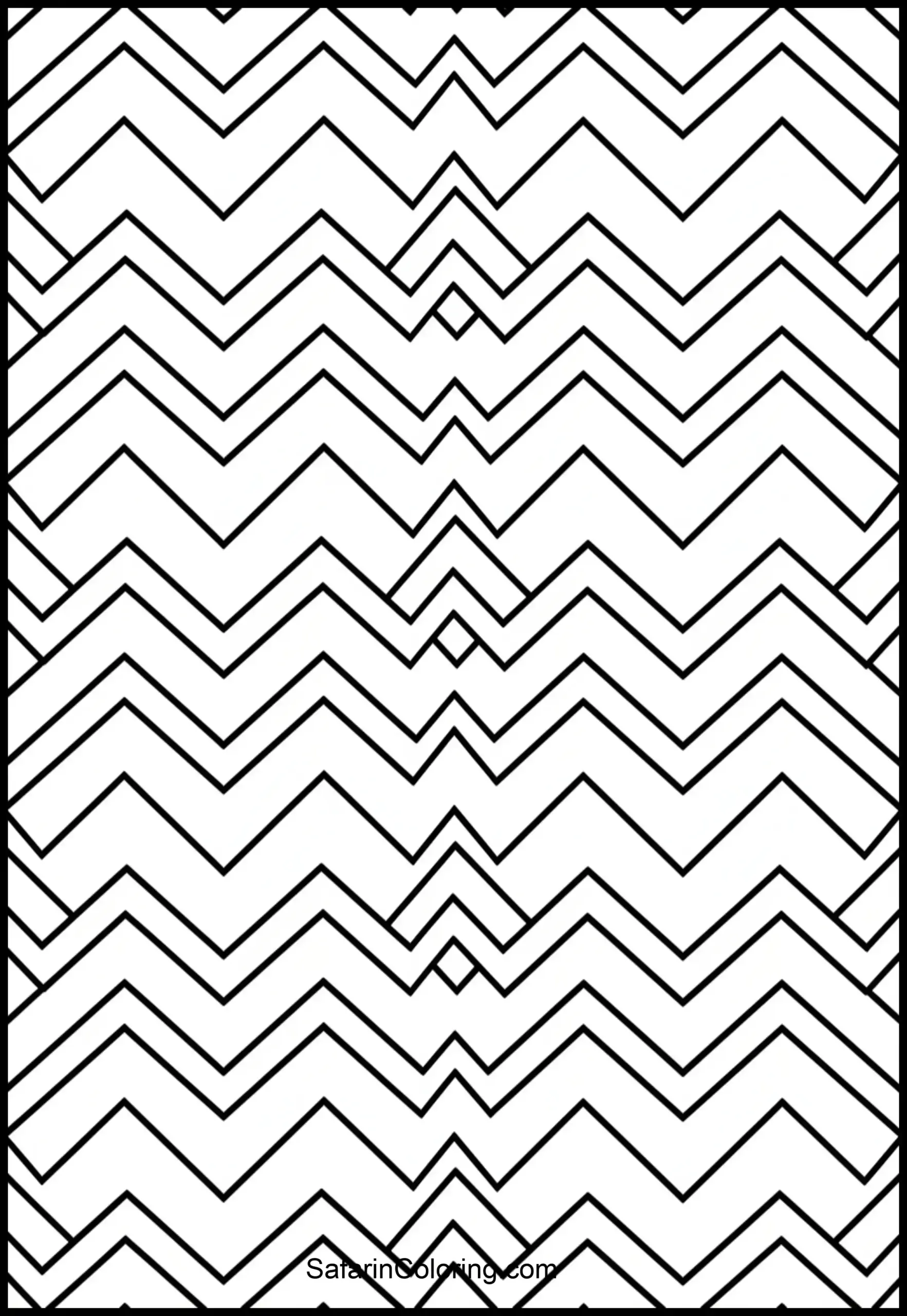
Zigzag Chevron Pattern Coloring Scaled
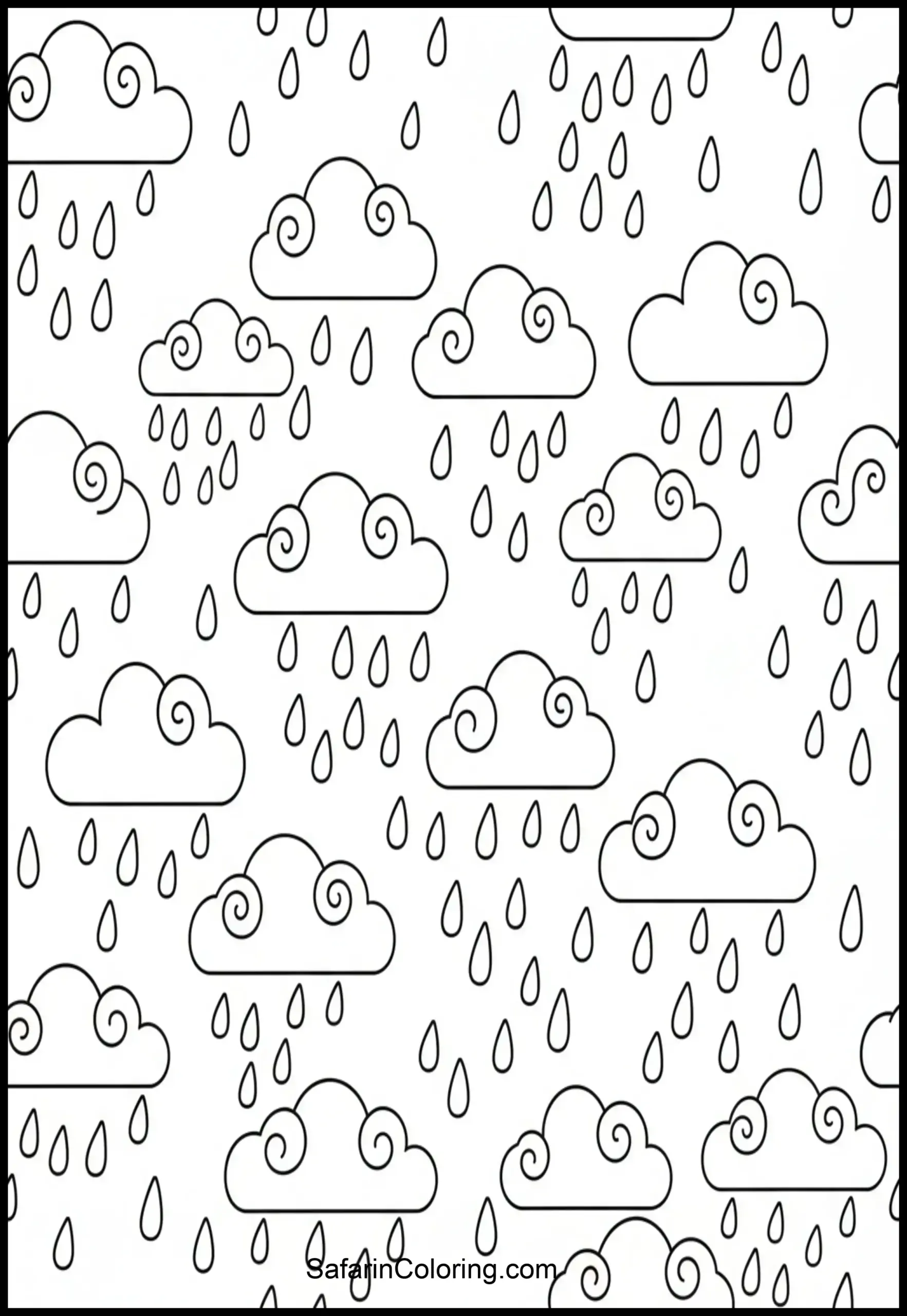
Abstract Clouds Raindrops Scaled
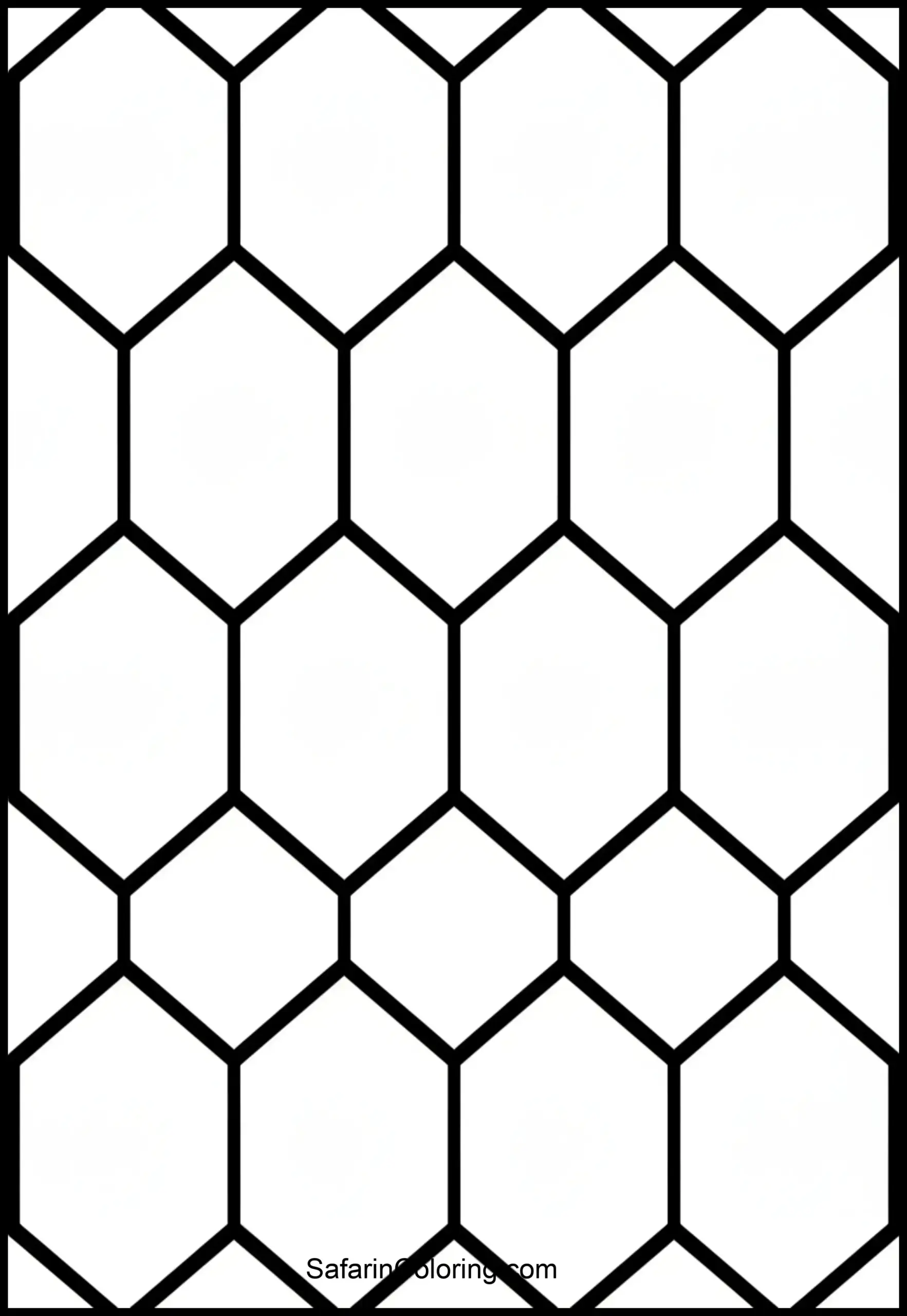
Honeycomb Hexagon Pattern Scaled
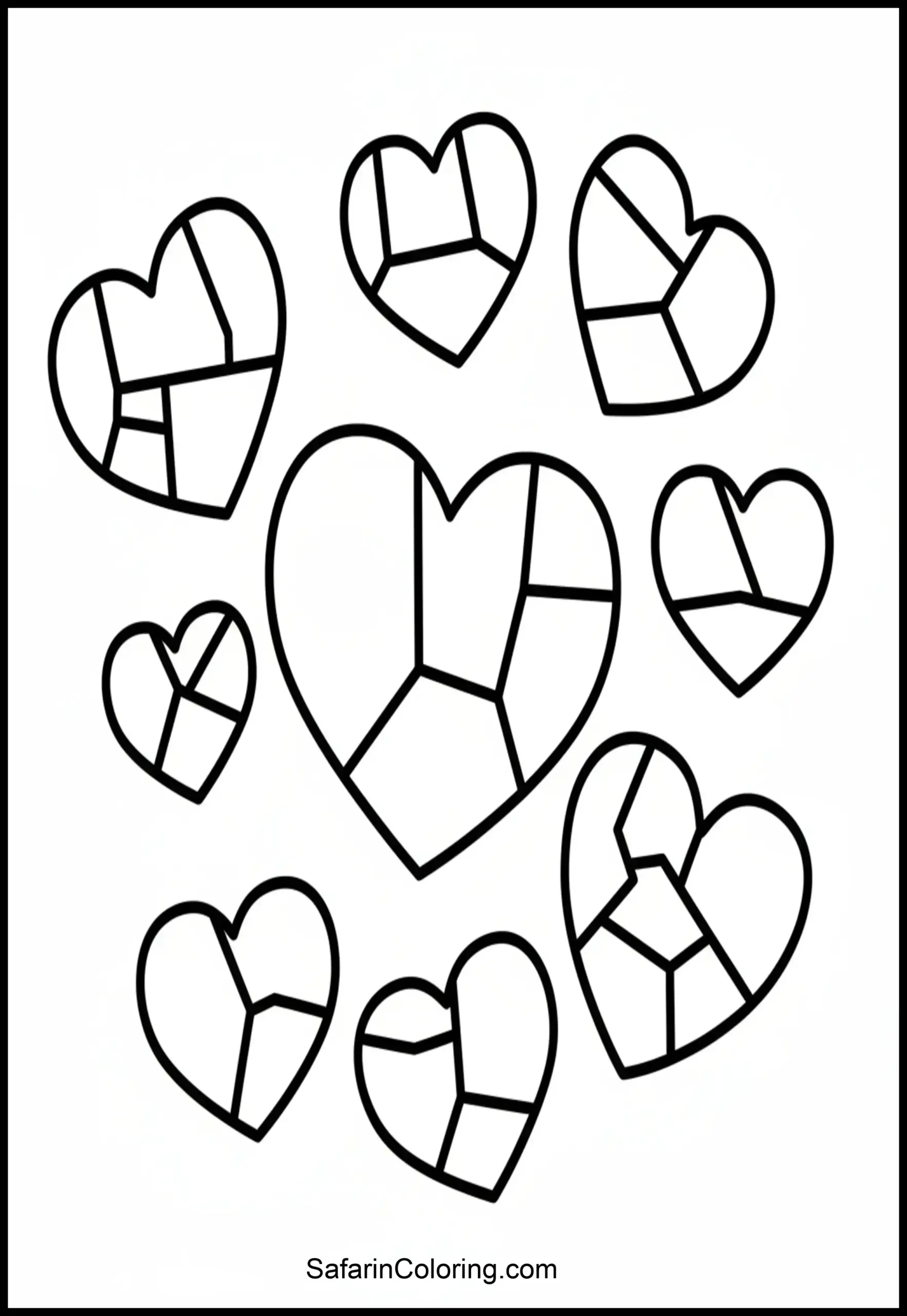
Abstract Hearts Pattern Scaled
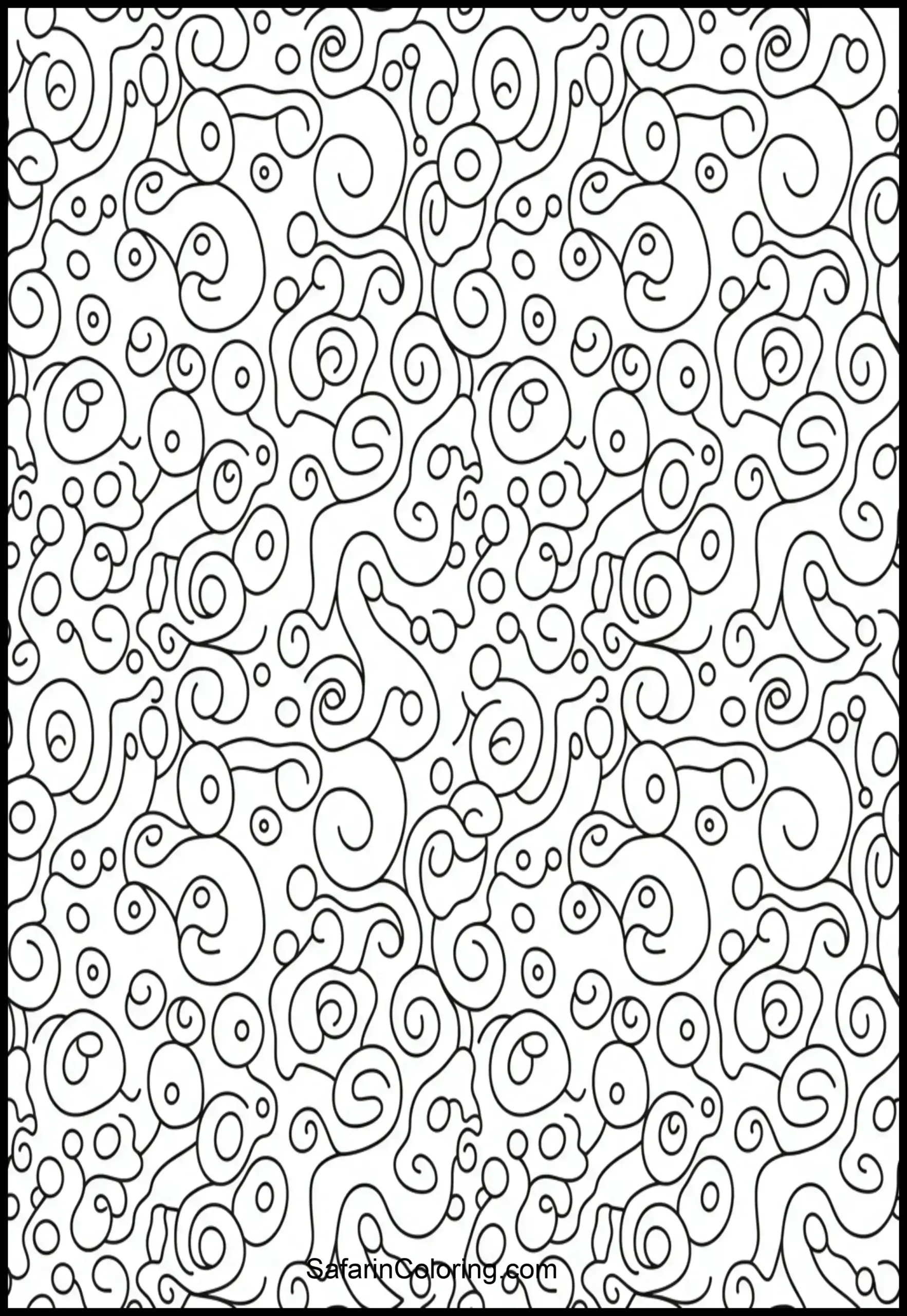
Fun Doodle Squiggles Dots Scaled
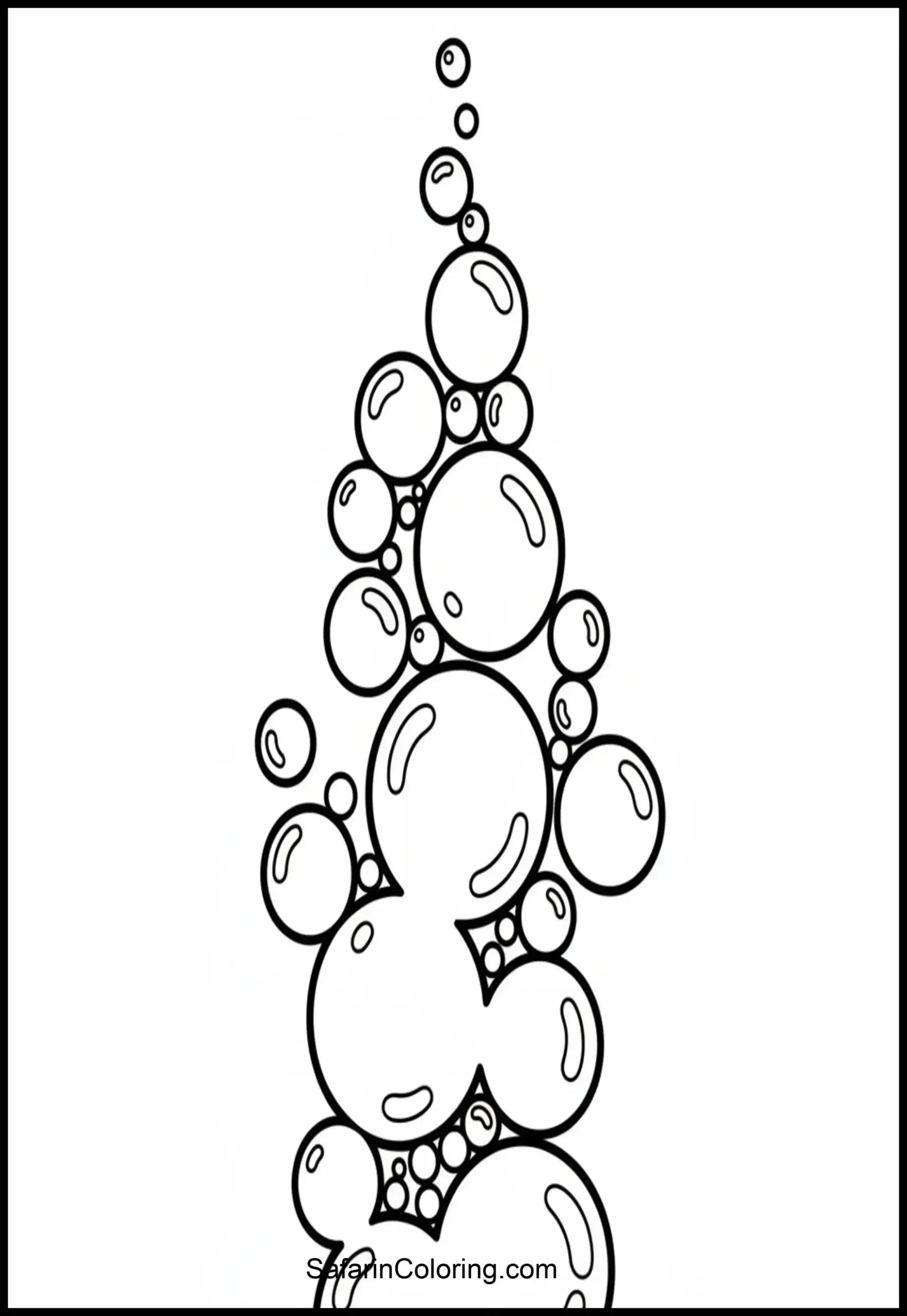
Large Floating Bubbles Pattern Scaled
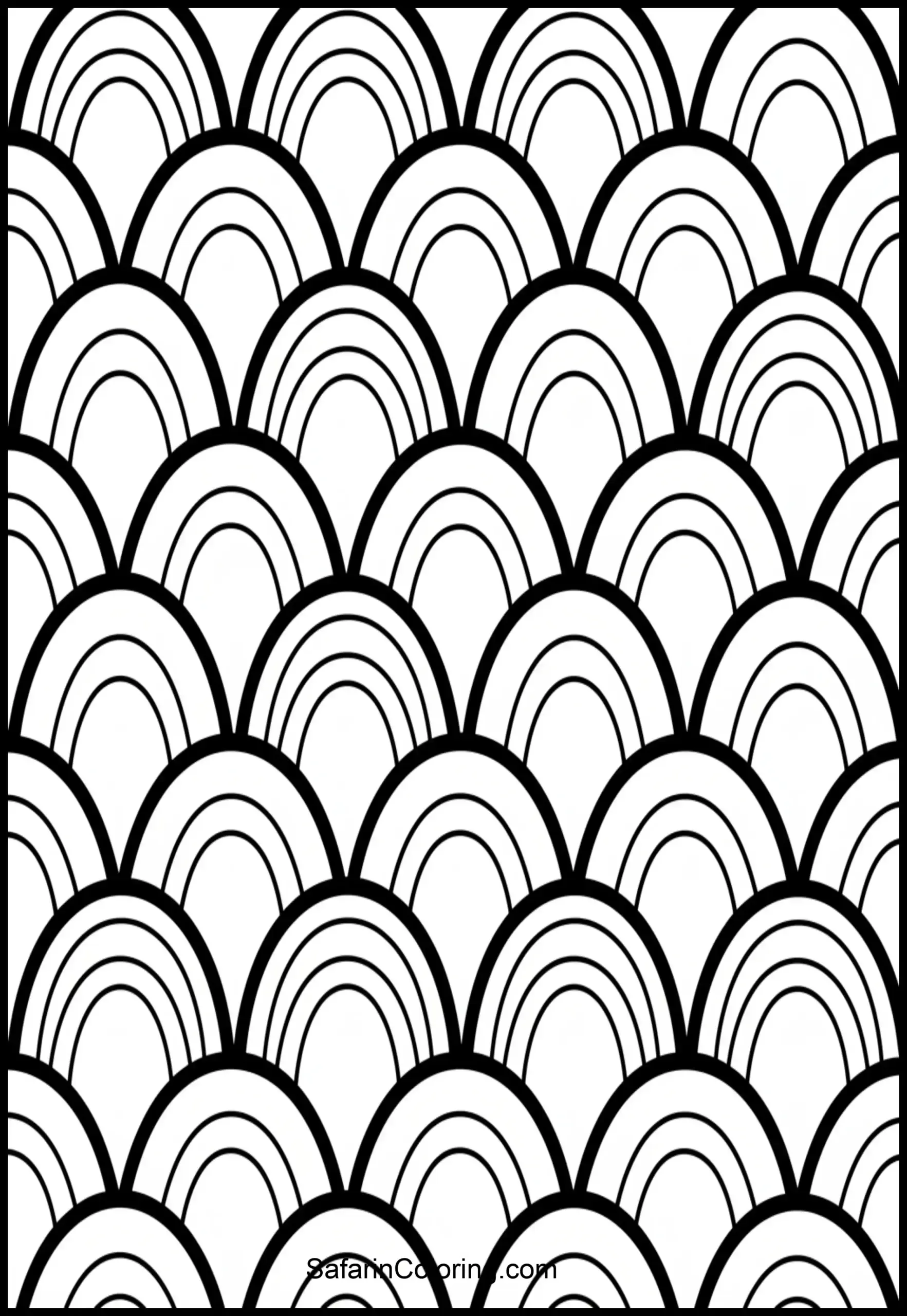
Abstract Fish Scales Pattern Scaled
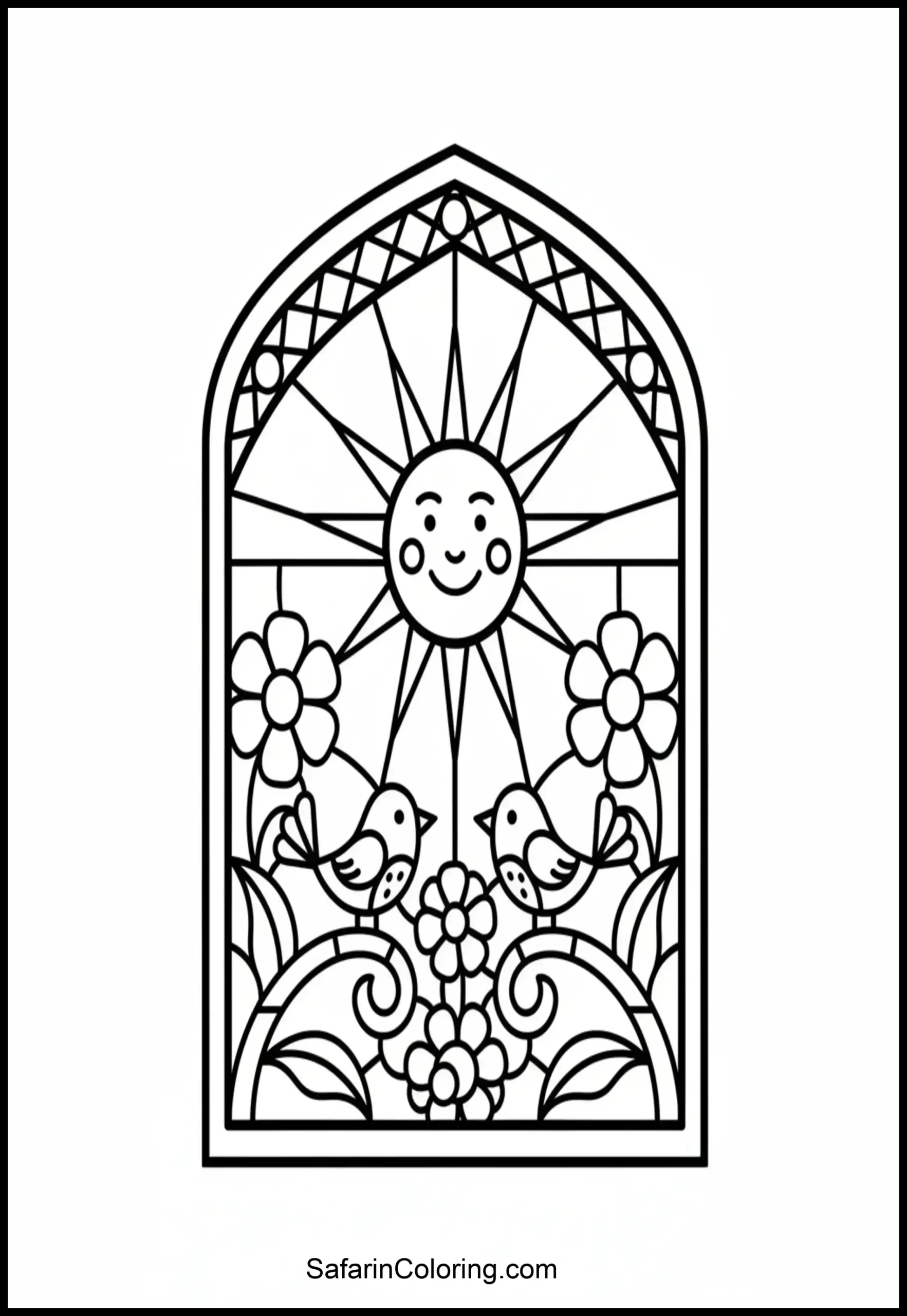
Simple Stained Glass Window Scaled
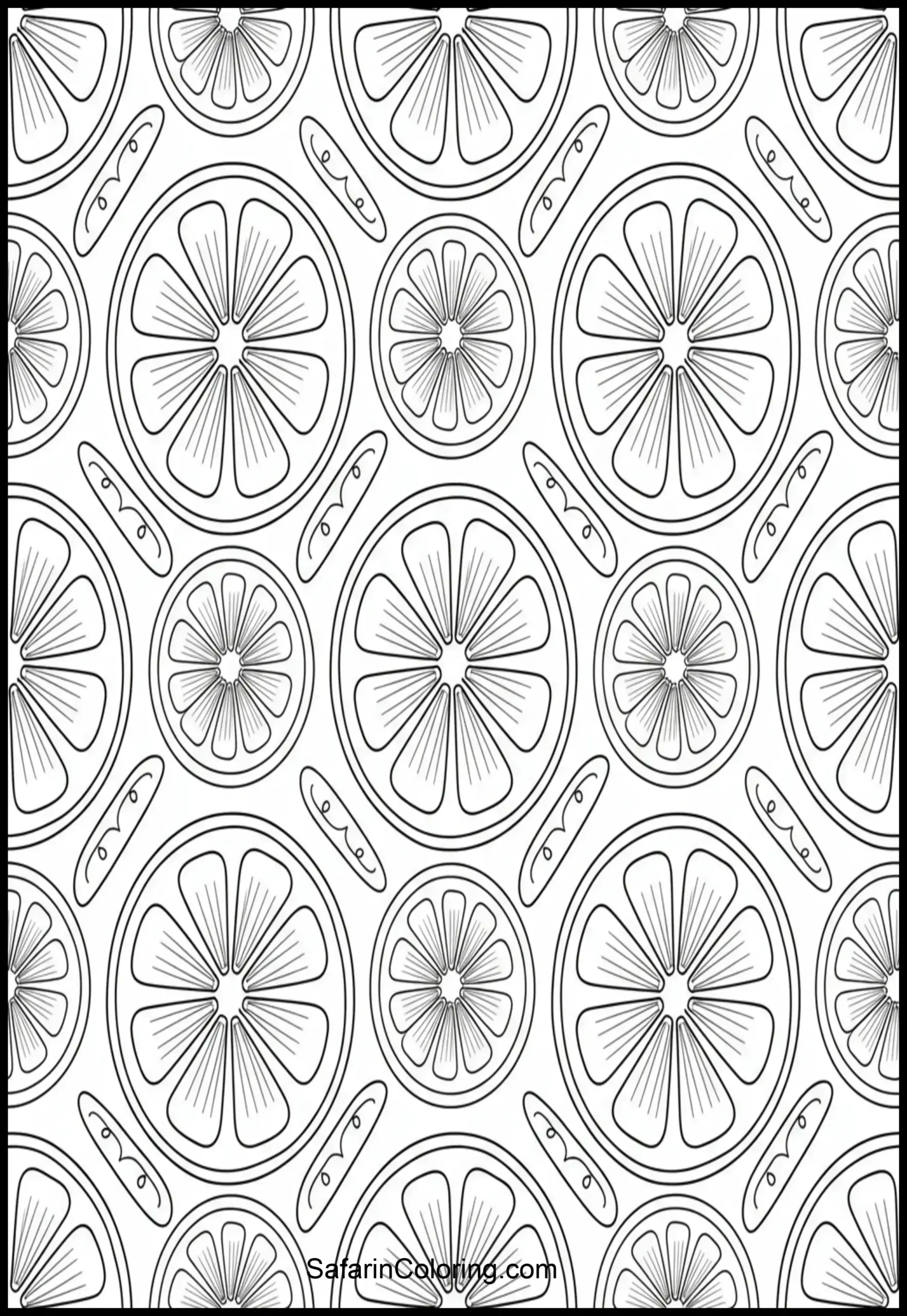
Abstract Fruit Slices Pattern Scaled
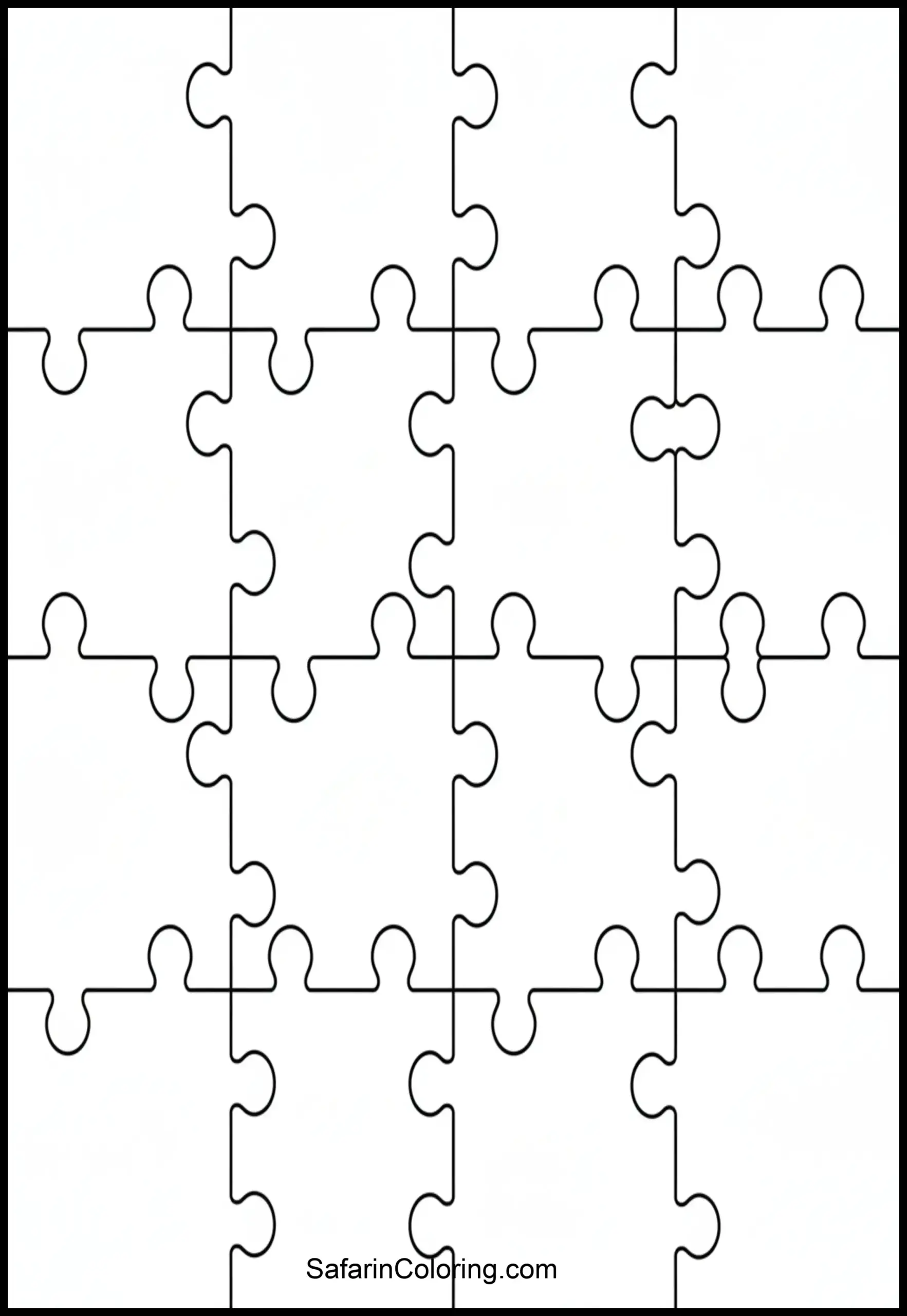
Large Puzzle Pieces Pattern Scaled
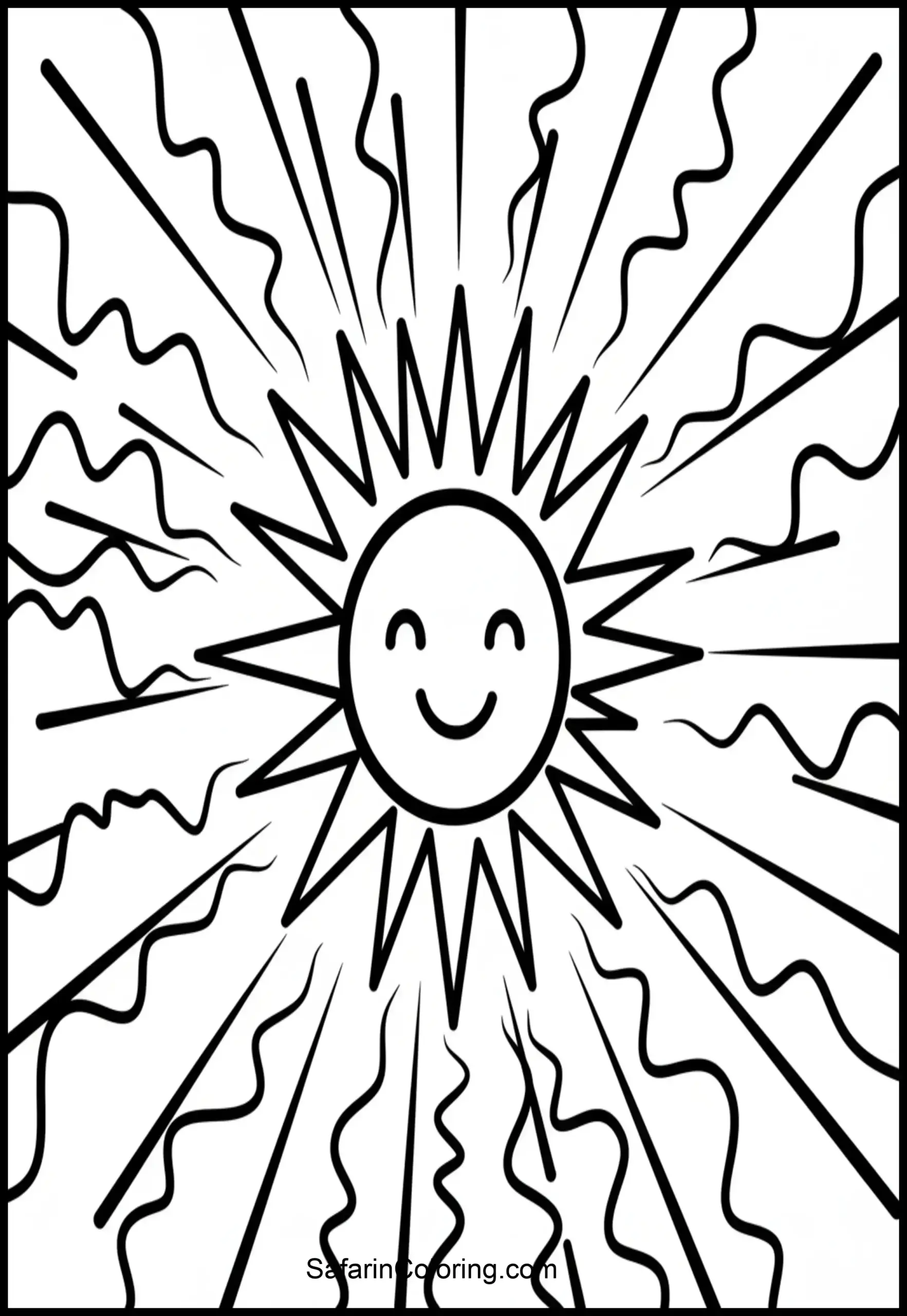
Abstract Sun Rays Burst Scaled
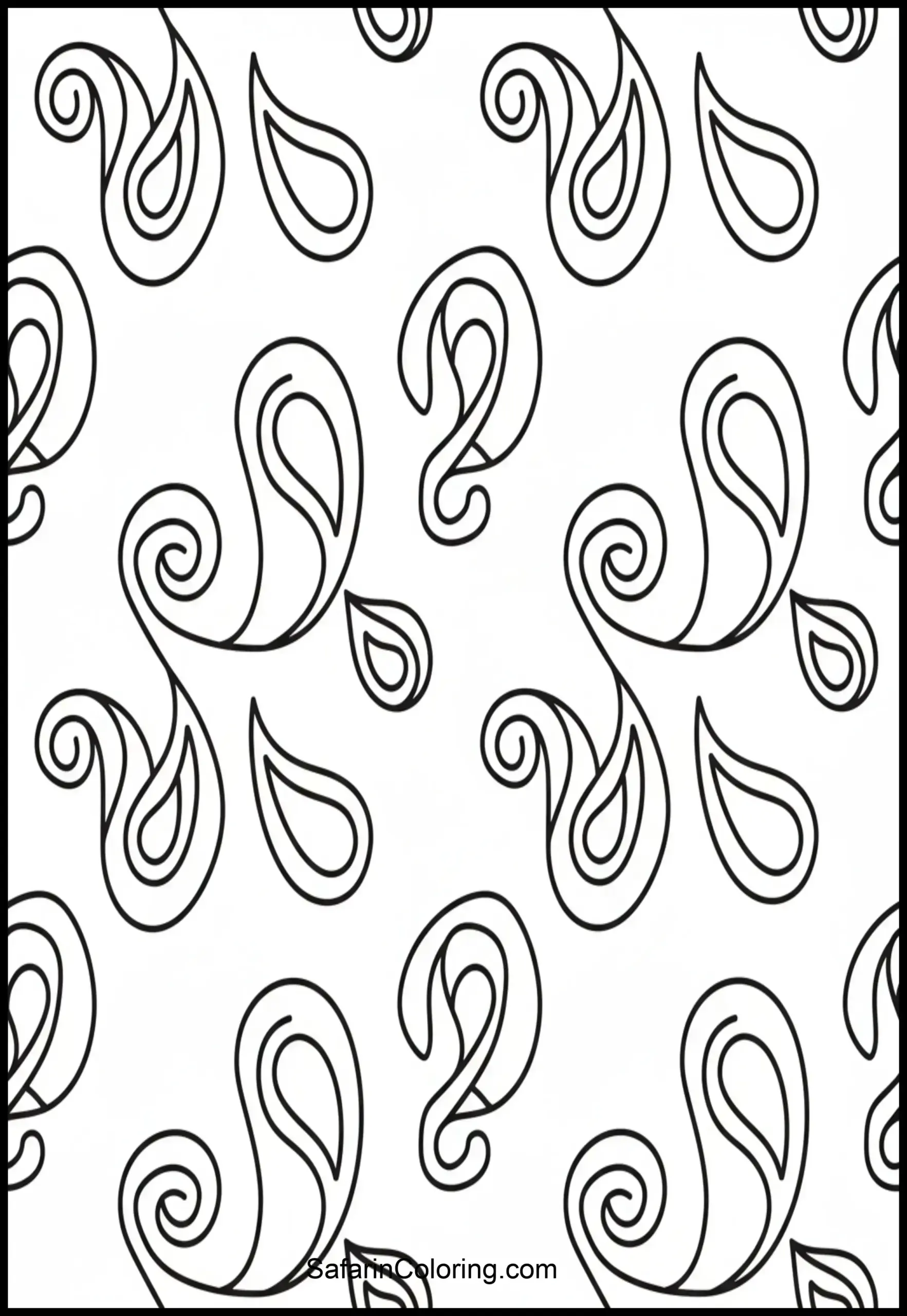
Simple Paisley Pattern Kids Scaled
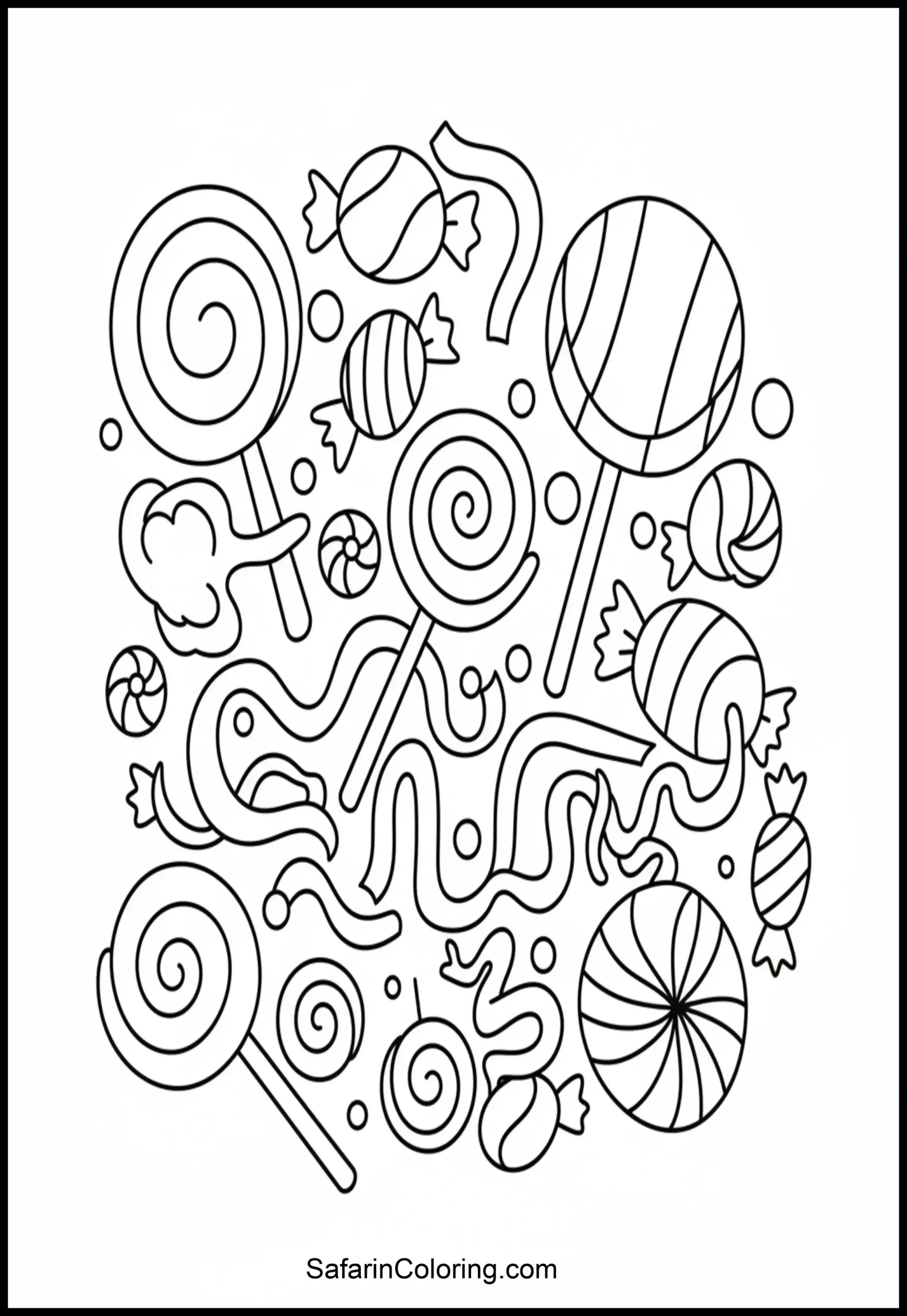
Abstract Candy Swirl Pattern Scaled
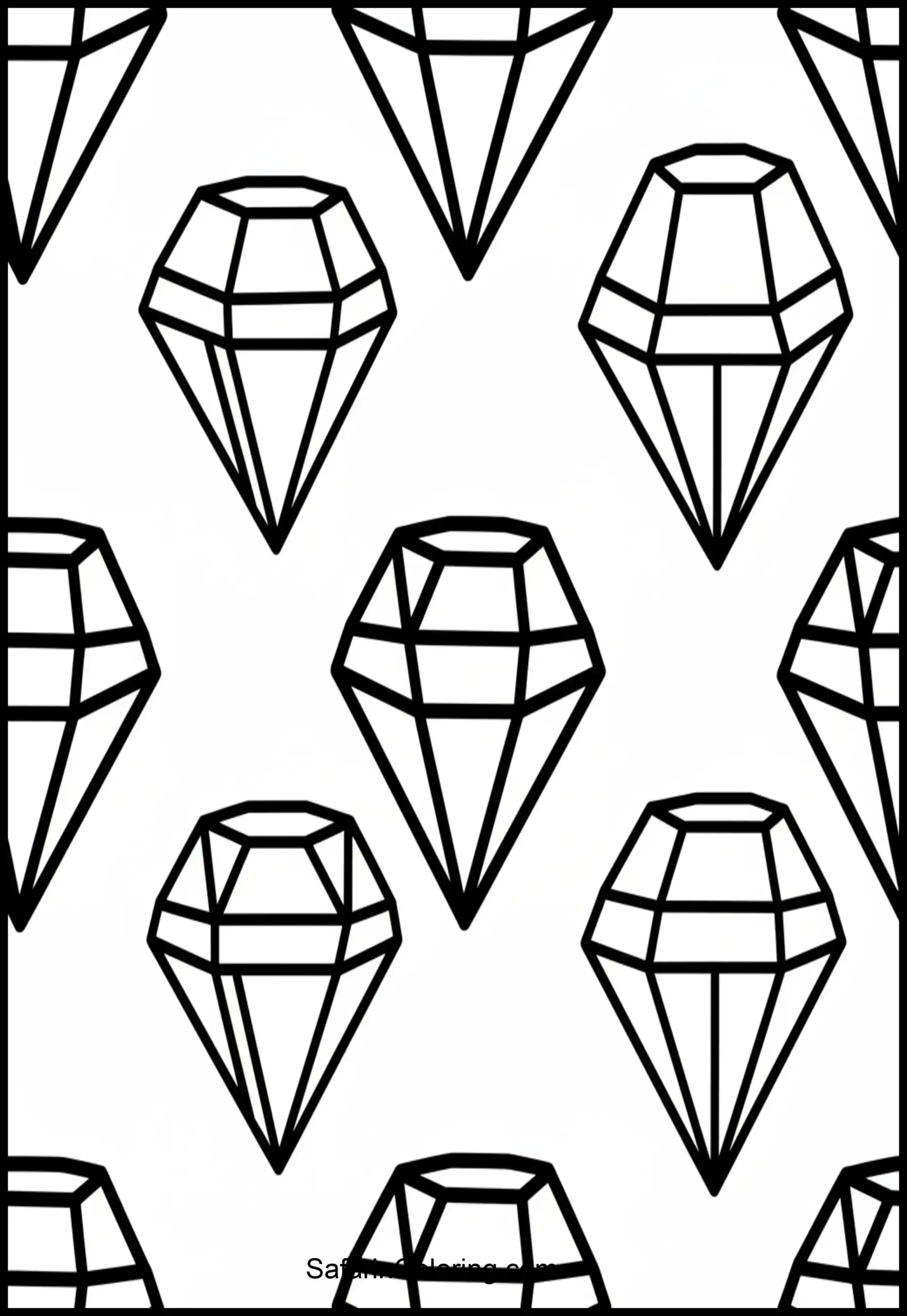
Geometric Diamonds Pattern Scaled
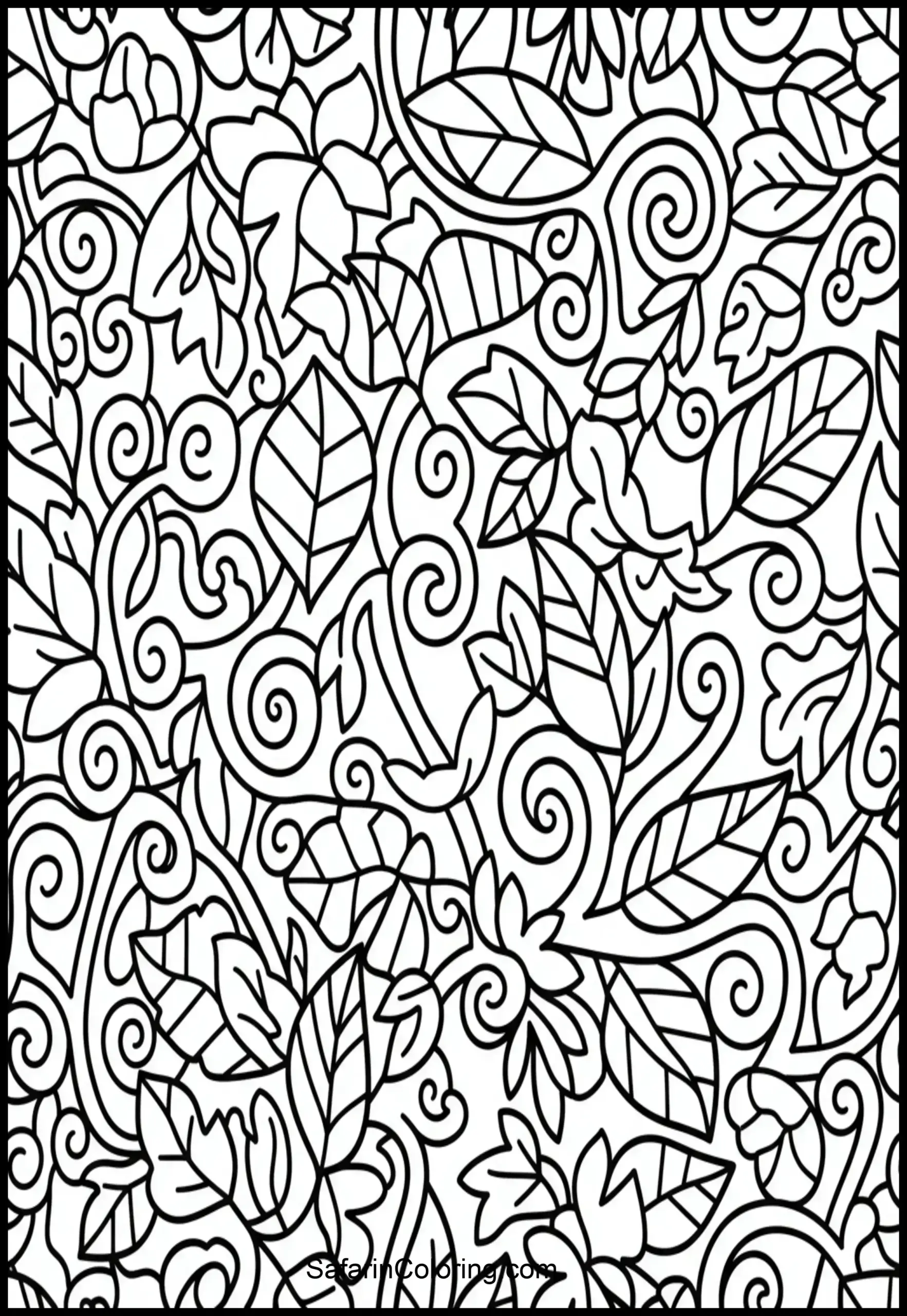
Abstract Leaves Vines Nature Scaled
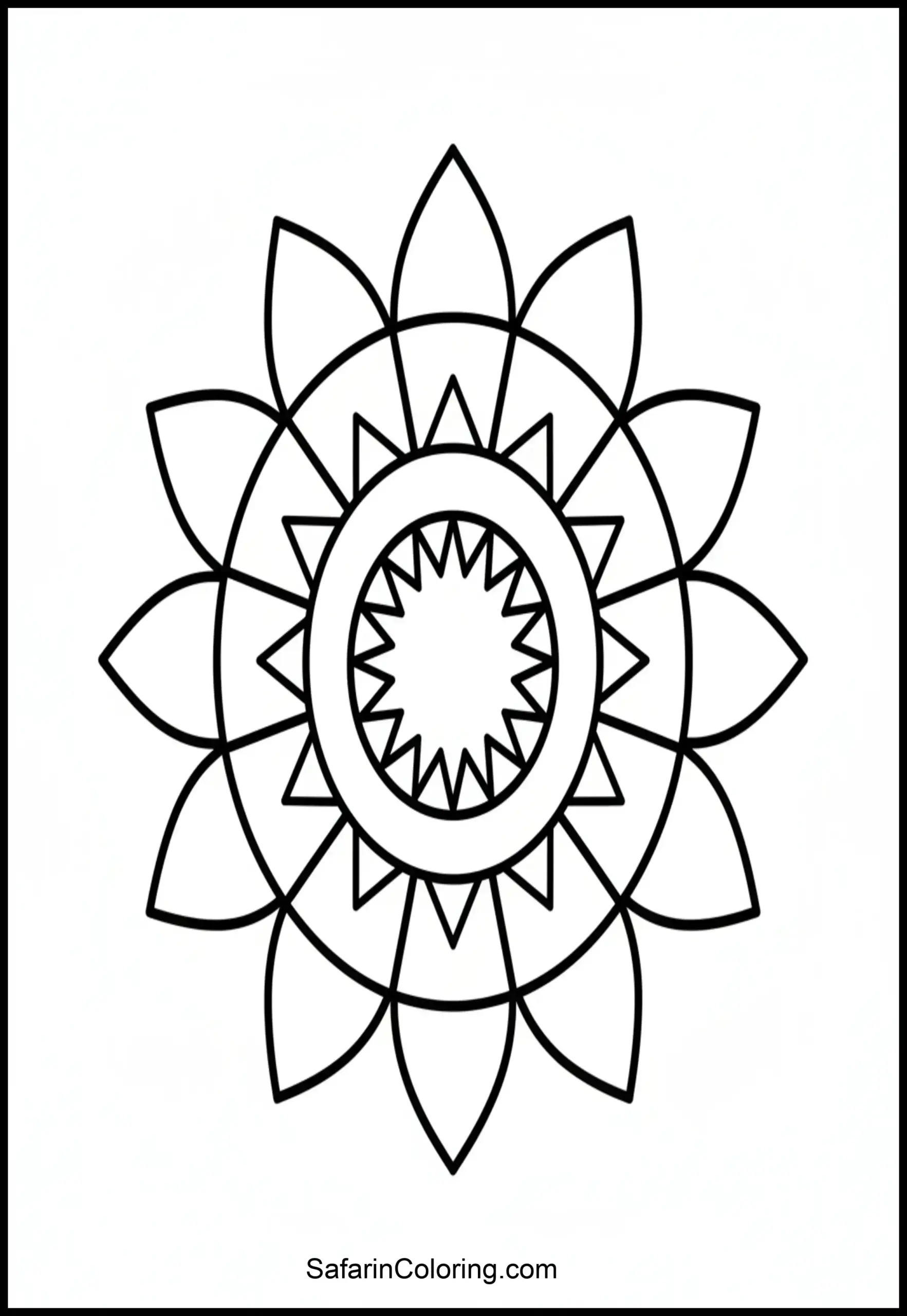
Simple Mandala Flower Kids Scaled
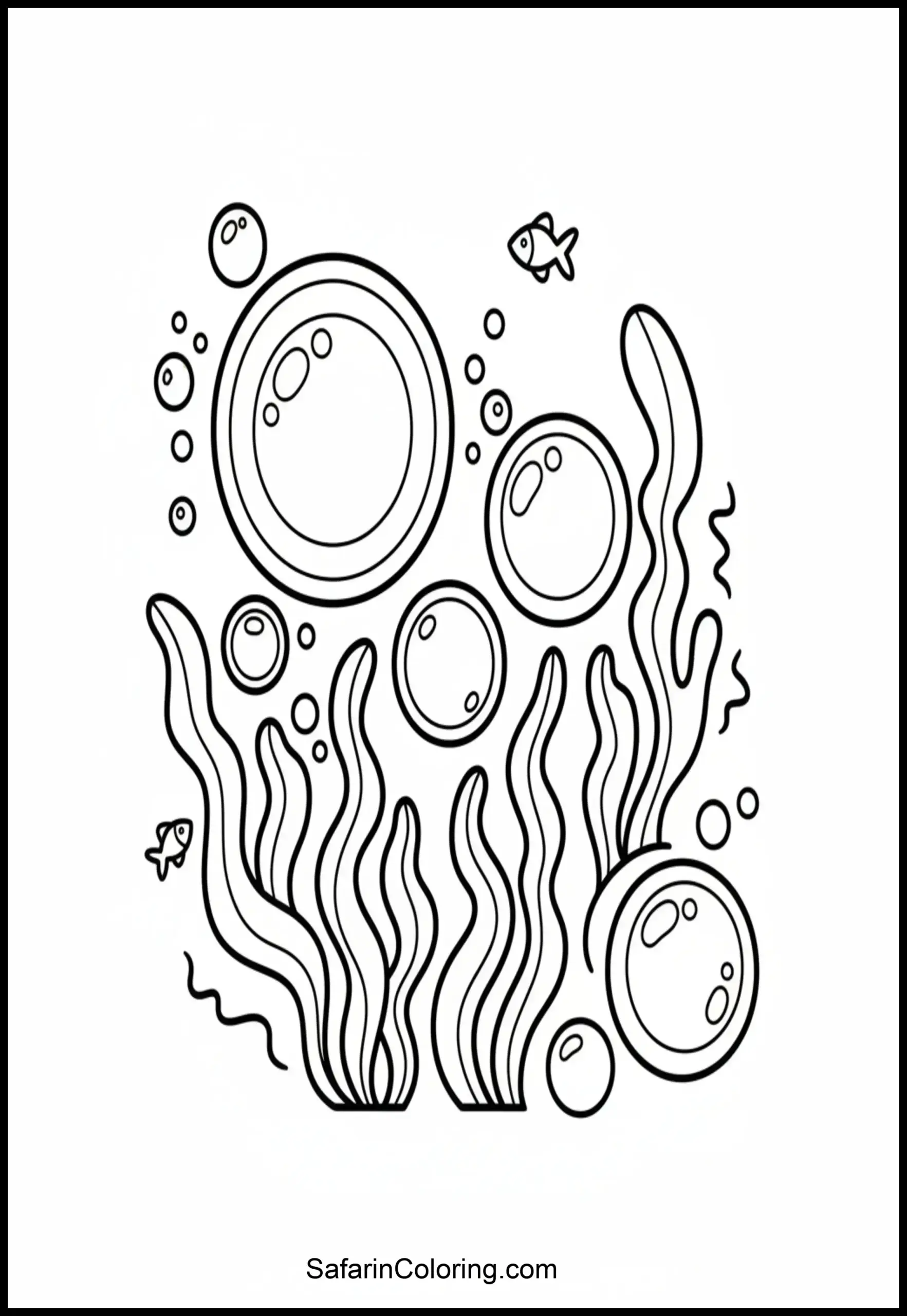
Abstract Underwater Pattern Scaled
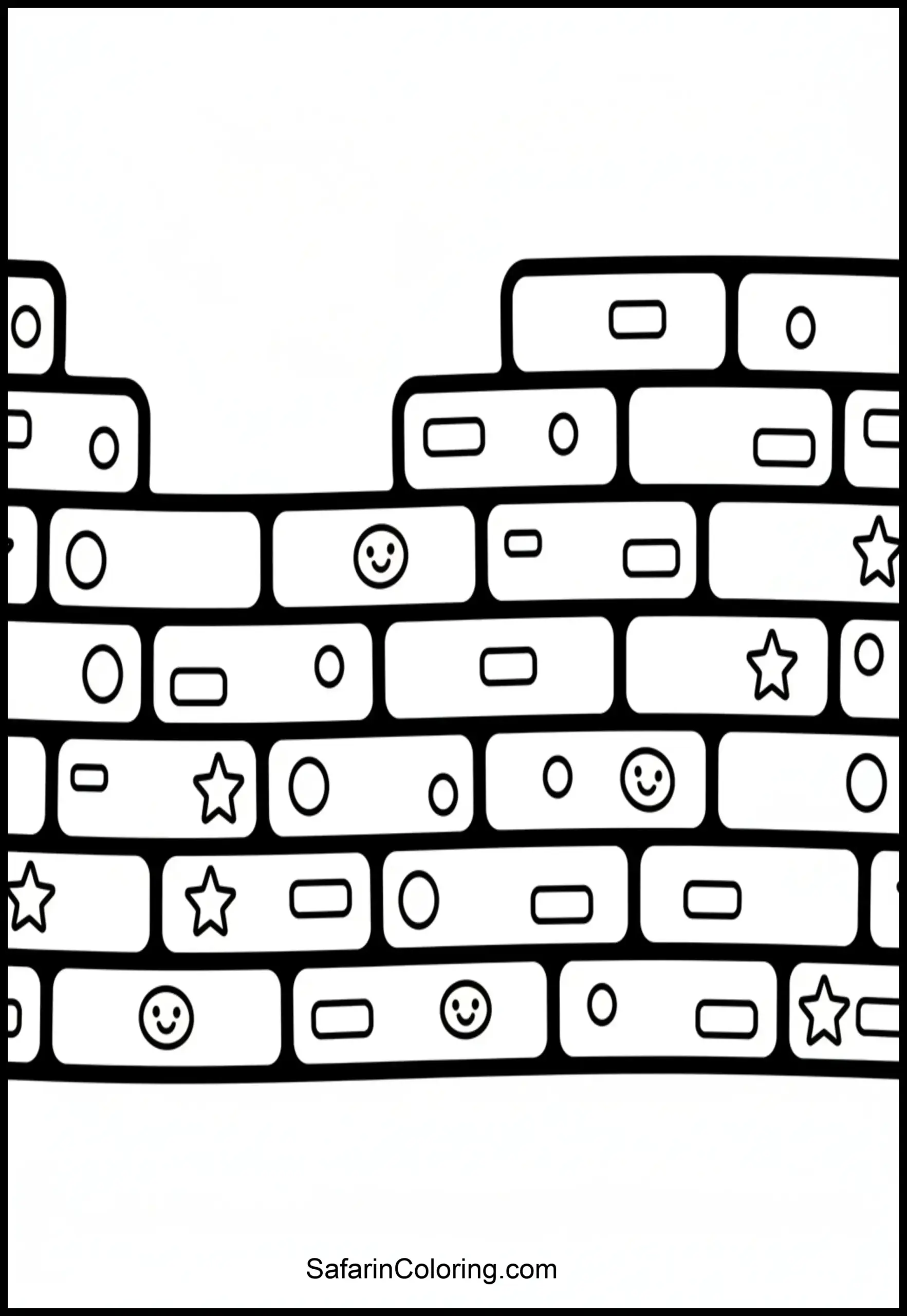
Fun Brick Wall Pattern Scaled
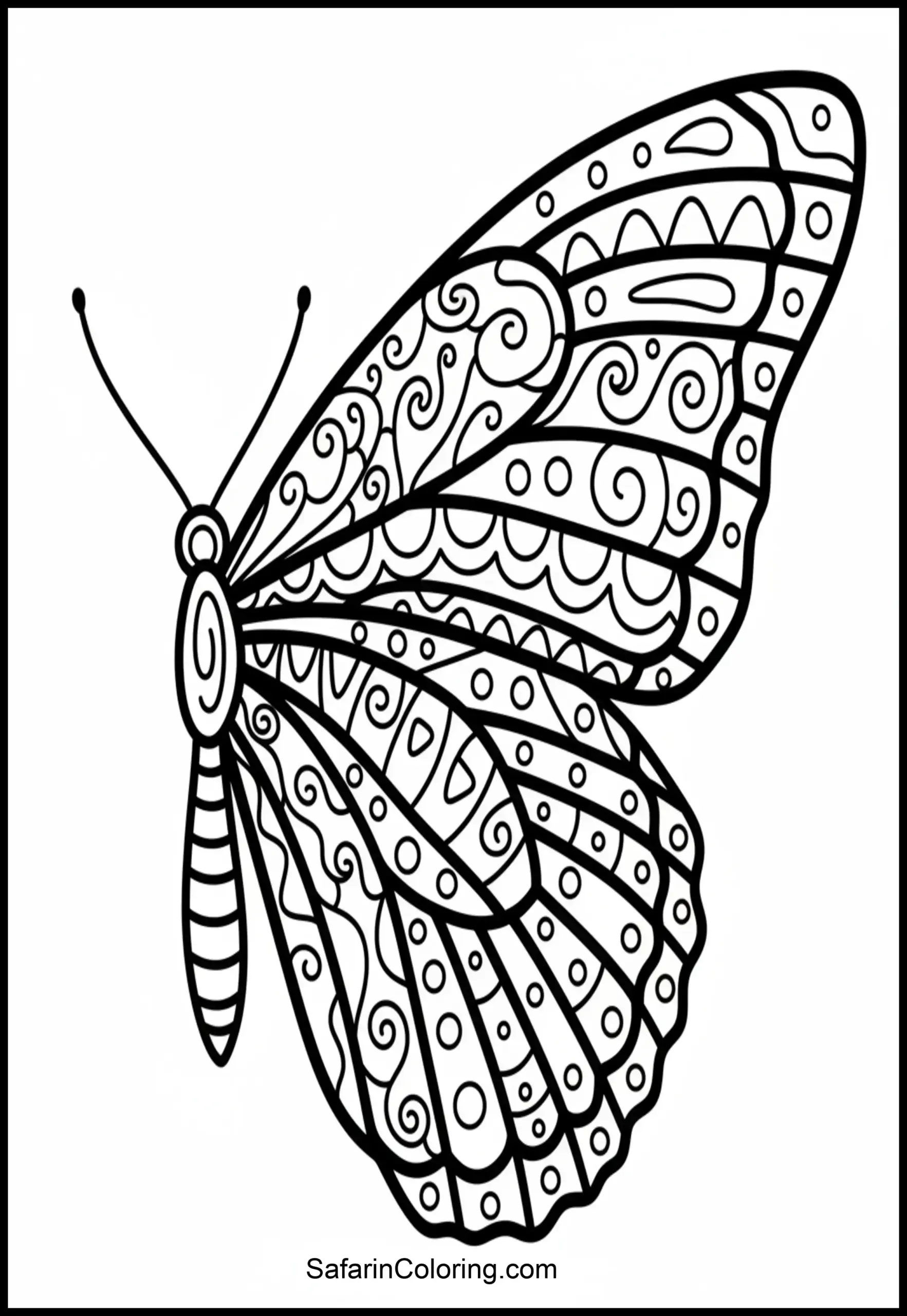
Abstract Butterfly Wings Zoom Scaled
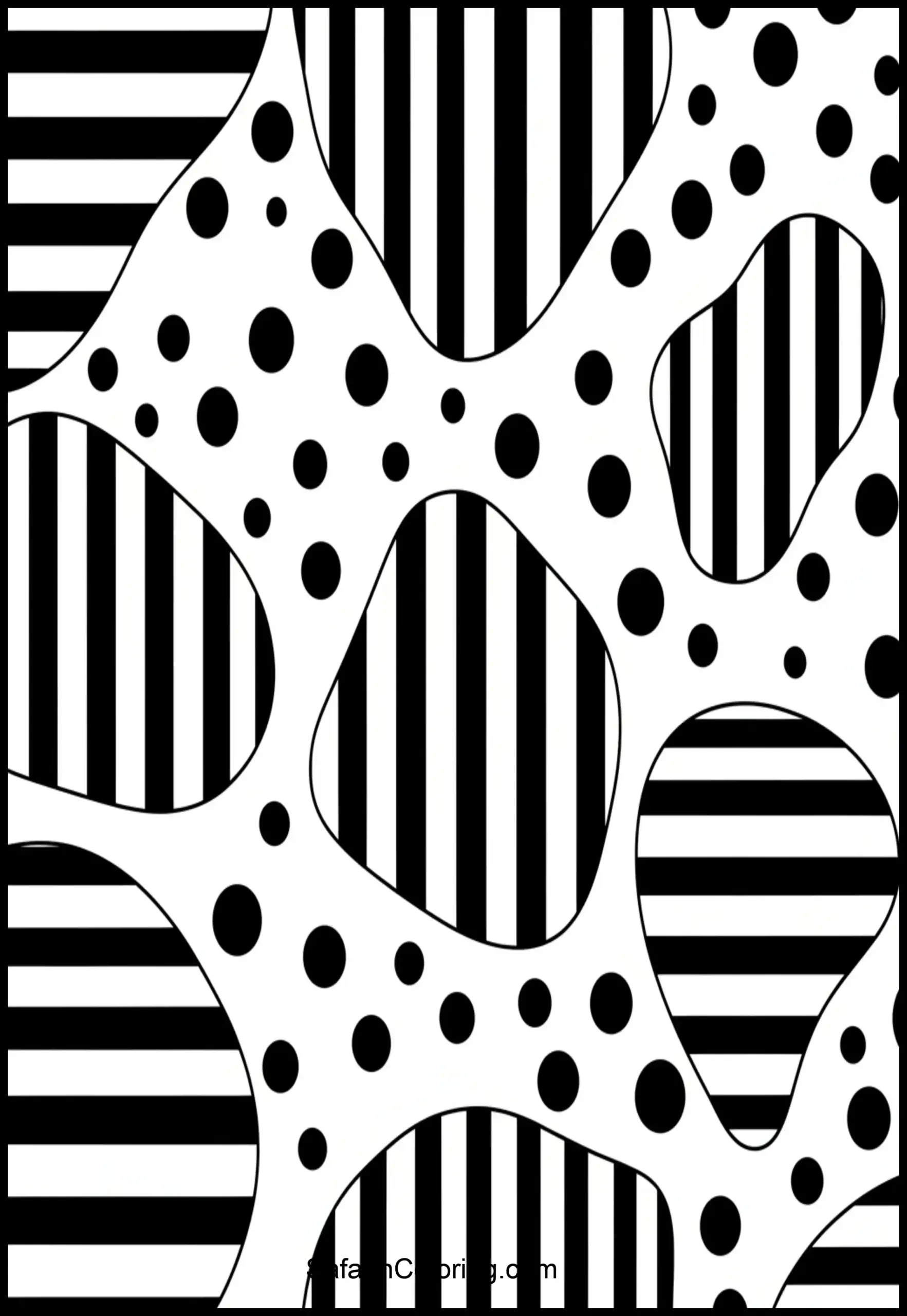
Stripes And Polka Dots Mix Scaled
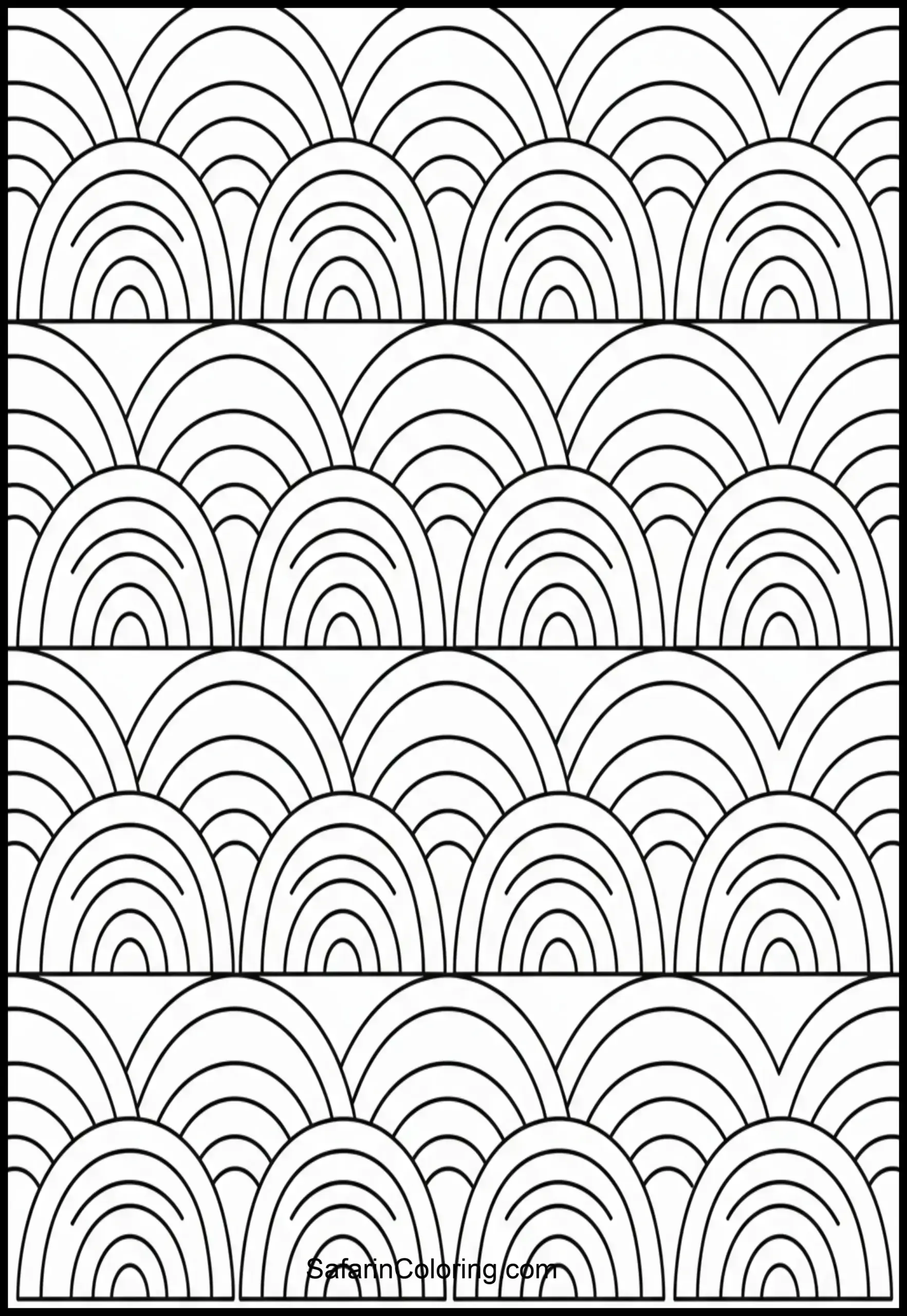
Abstract Rainbow Arches Scaled
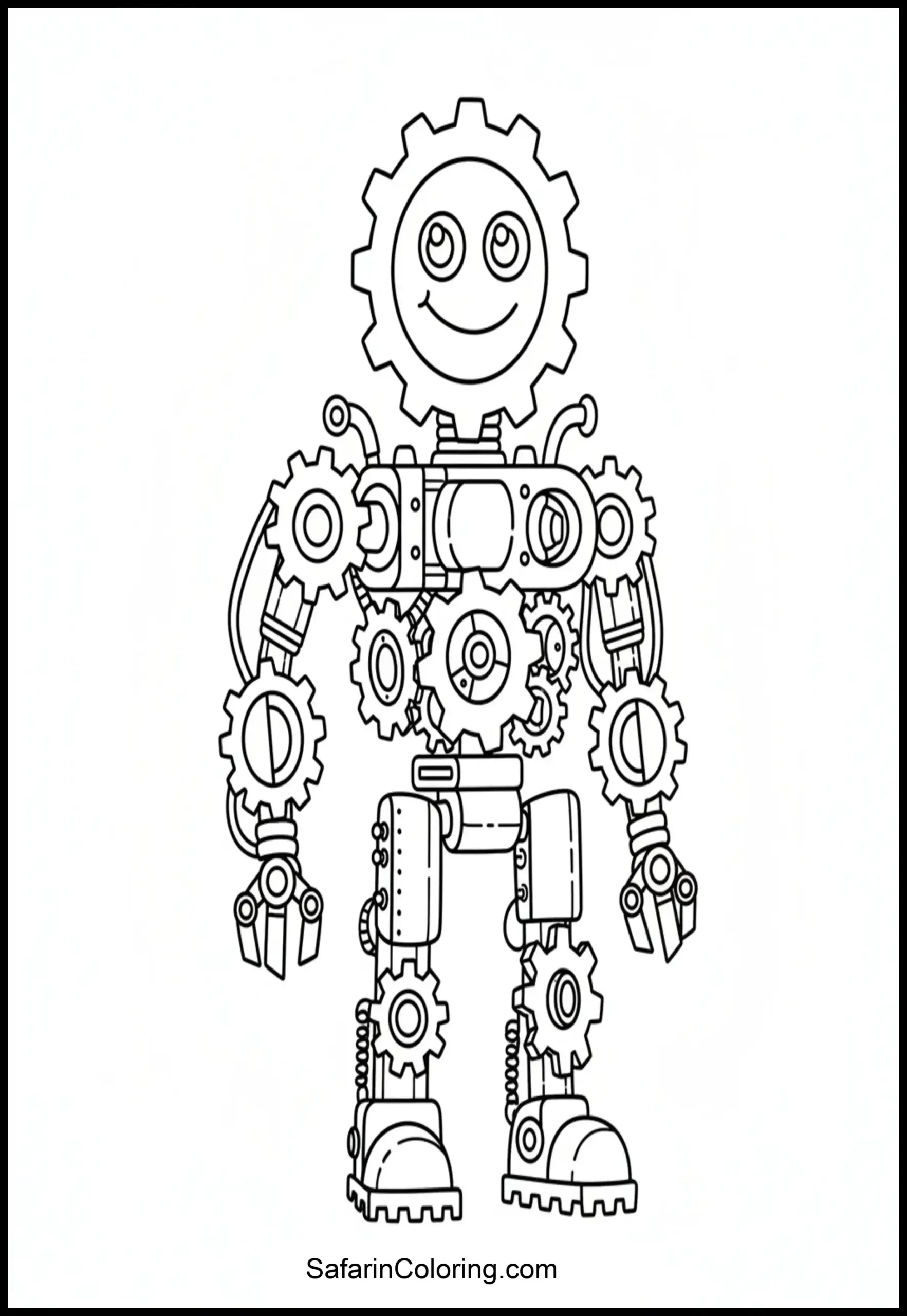
Abstract Gears Cogs Robot Scaled
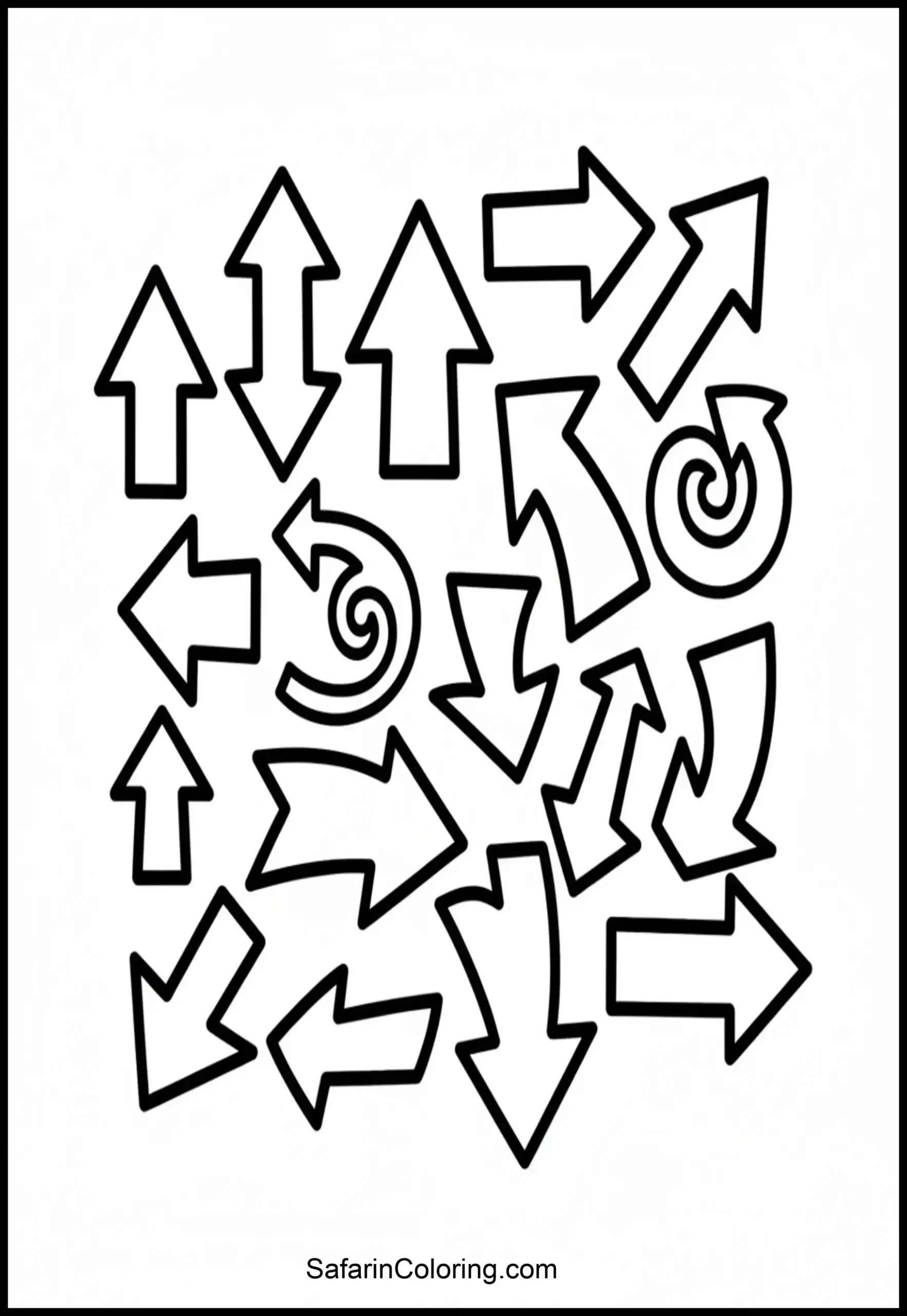
Abstract Arrows Directions Scaled
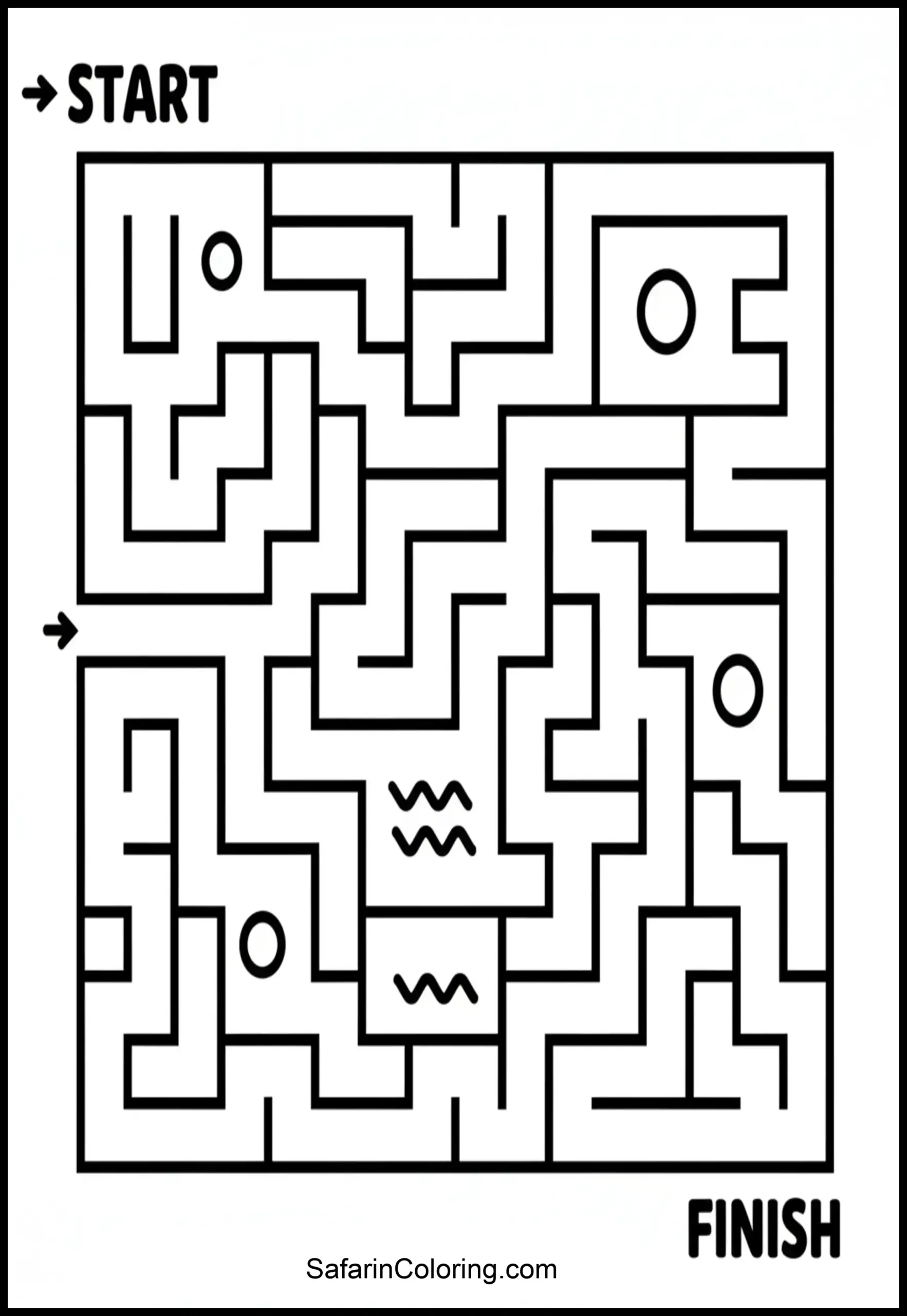
Simple Abstract Maze Pattern Scaled
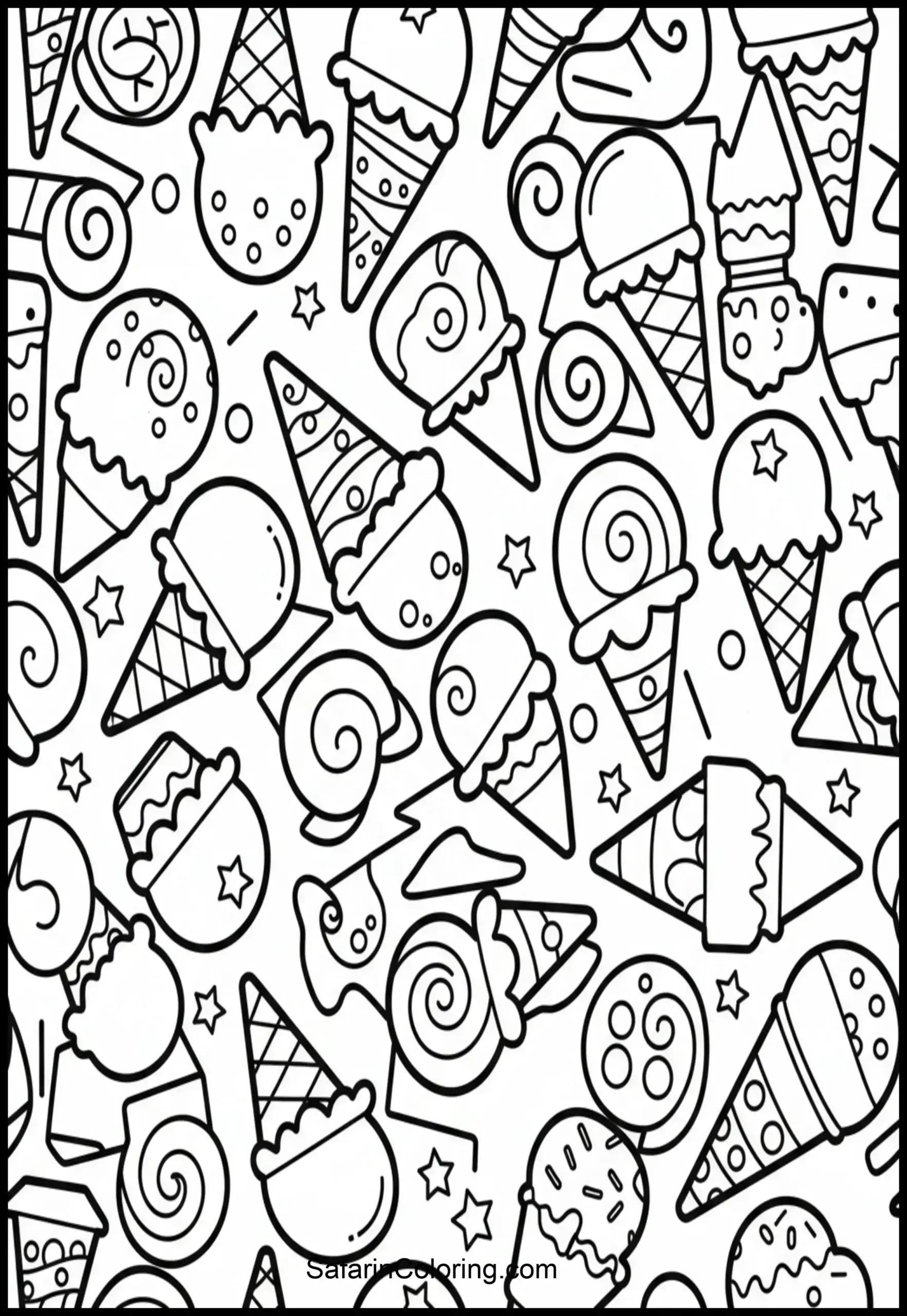
Abstract Ice Cream Cones Scaled
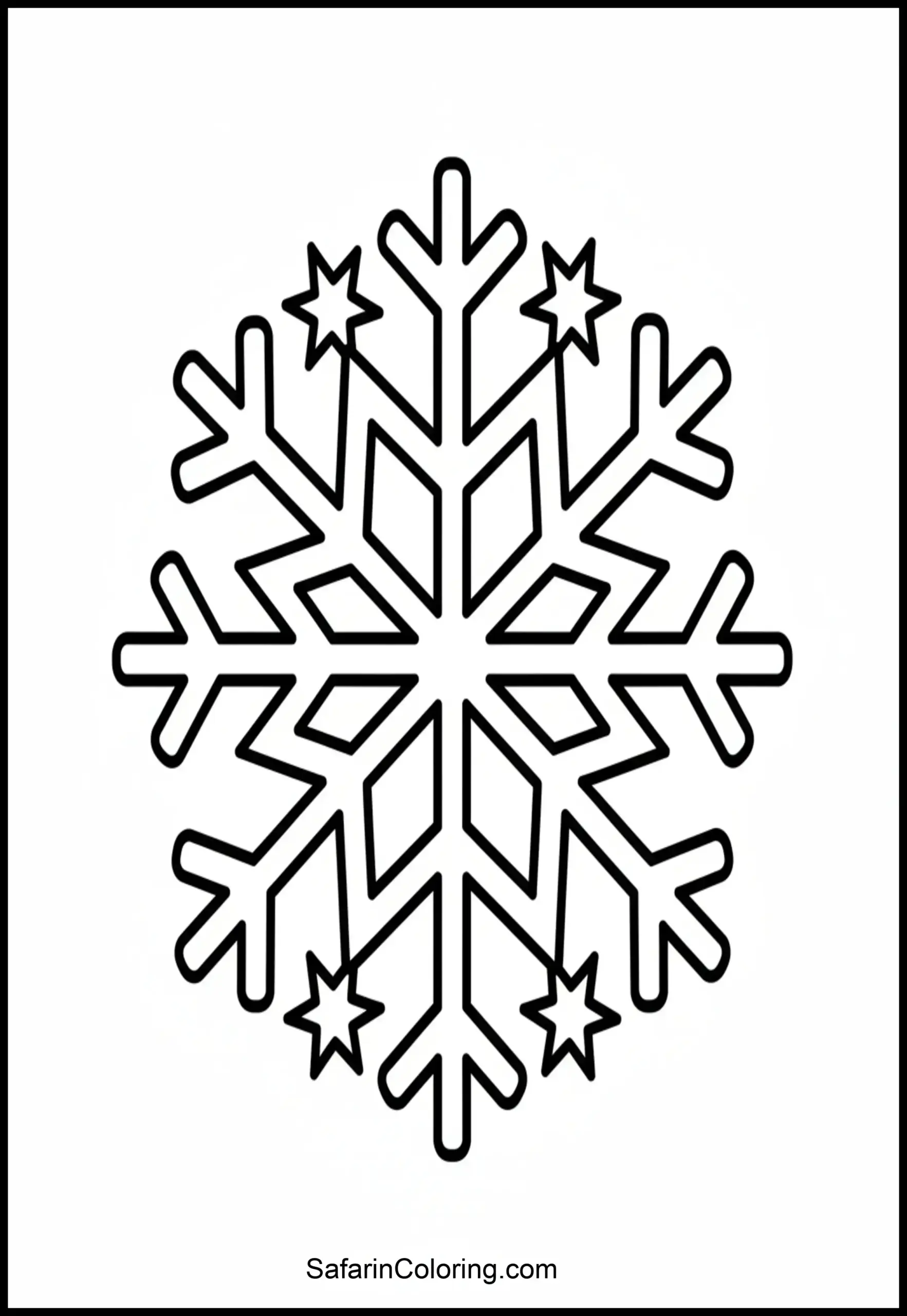
Simple Snowflake Crystal Scaled
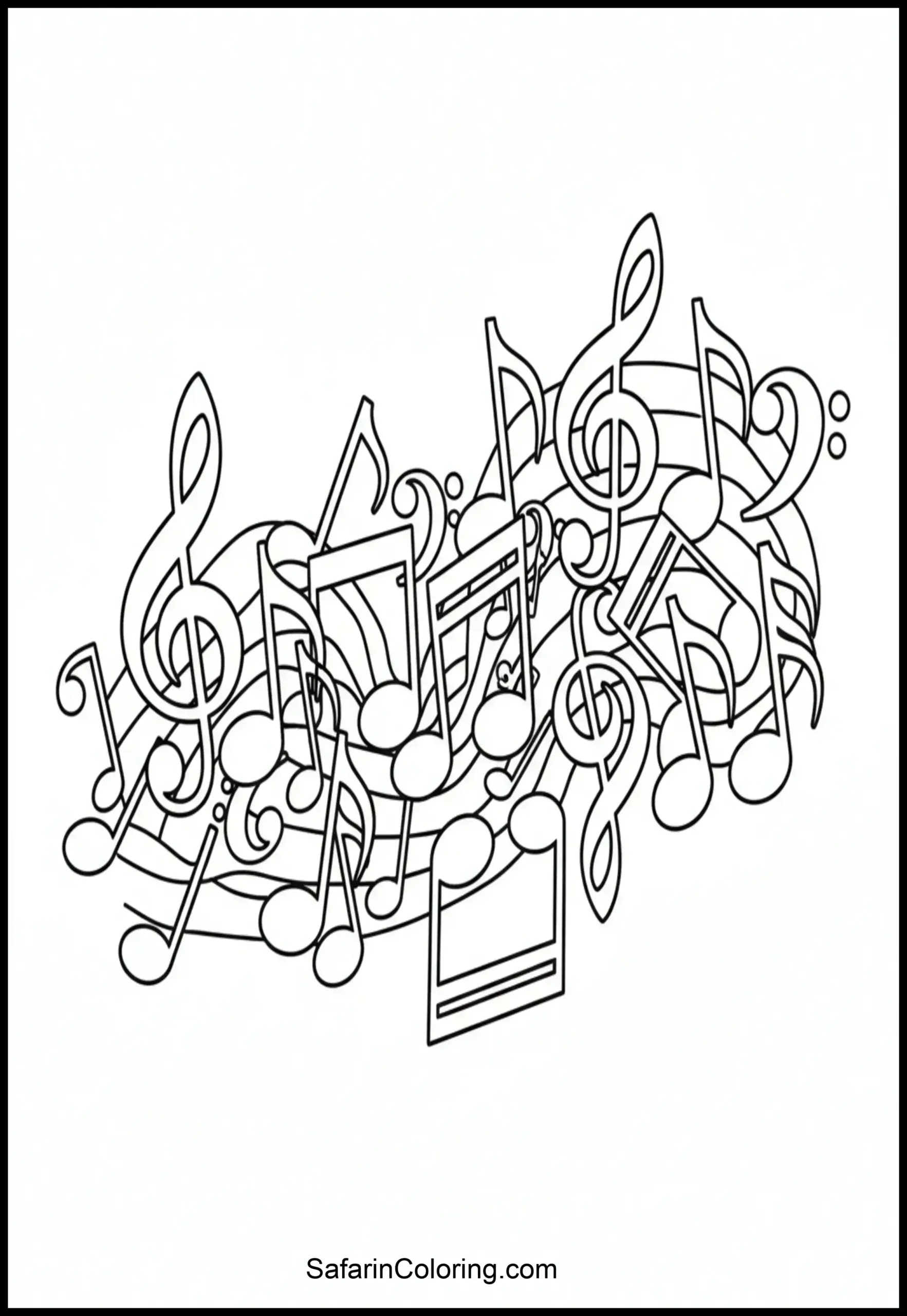
Abstract Musical Notes Pattern Scaled
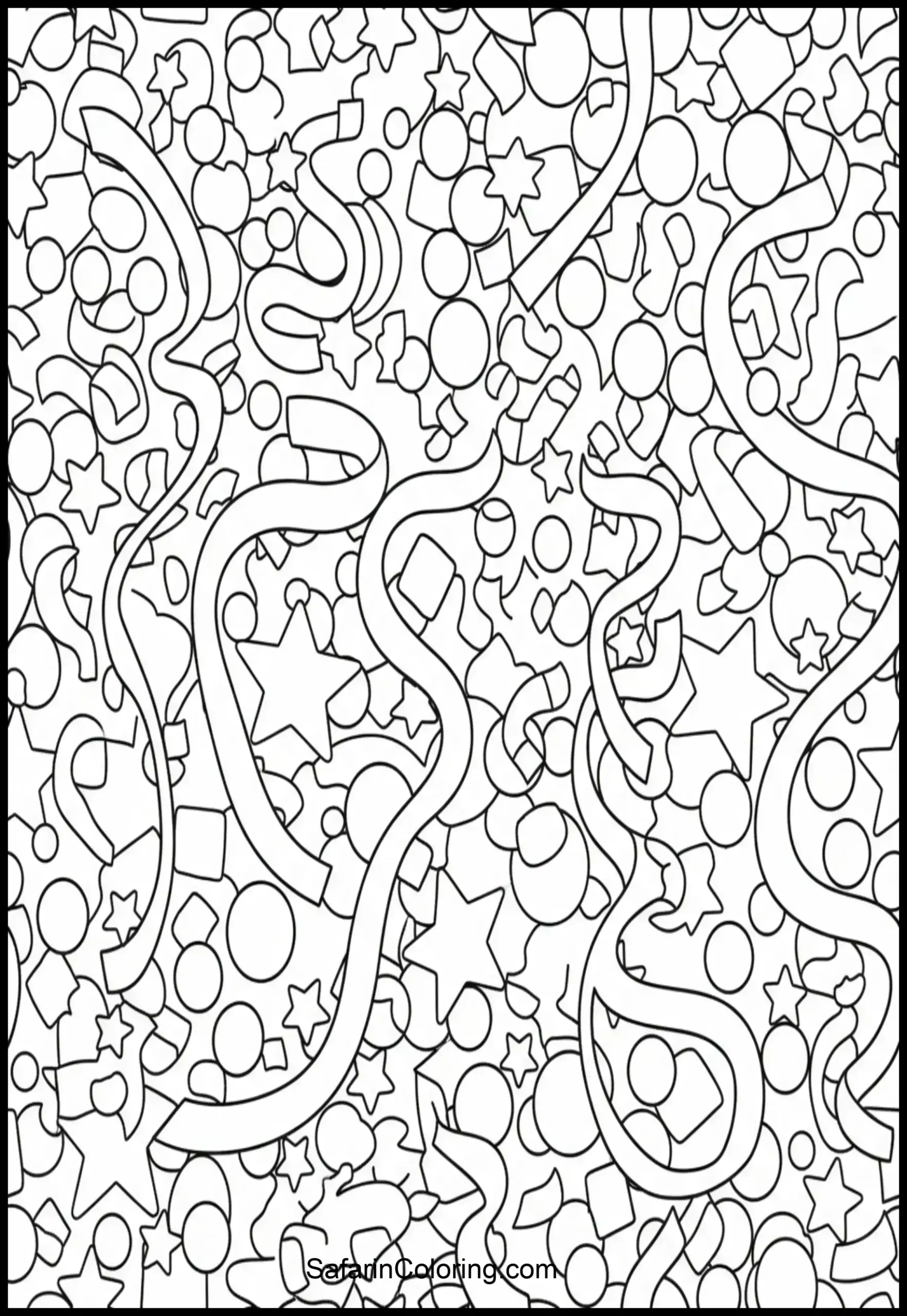
Confetti Streamers Party Pattern Scaled
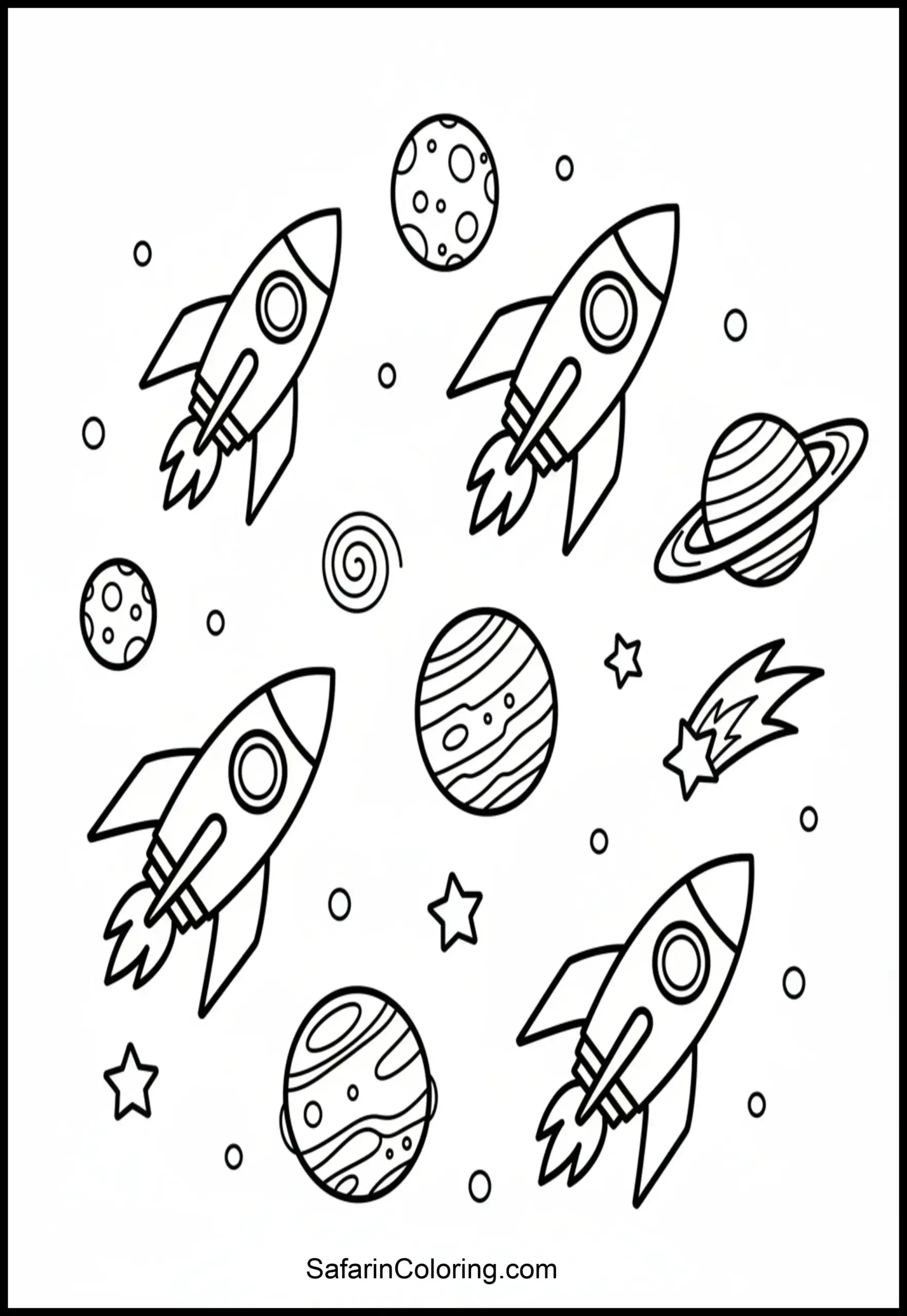
Abstract Space Rockets Planets Scaled
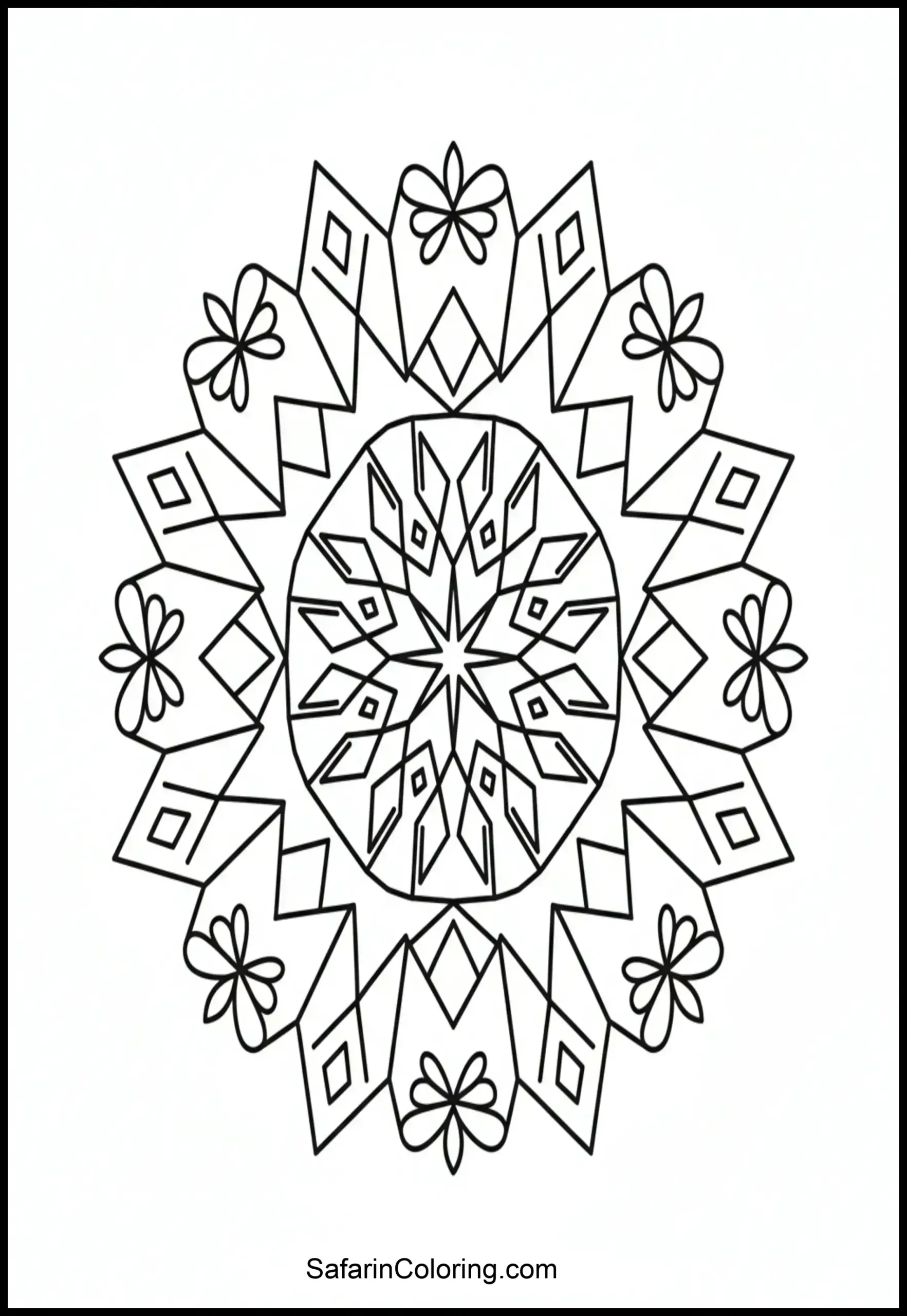
Simple Kaleidoscope Kids Scaled
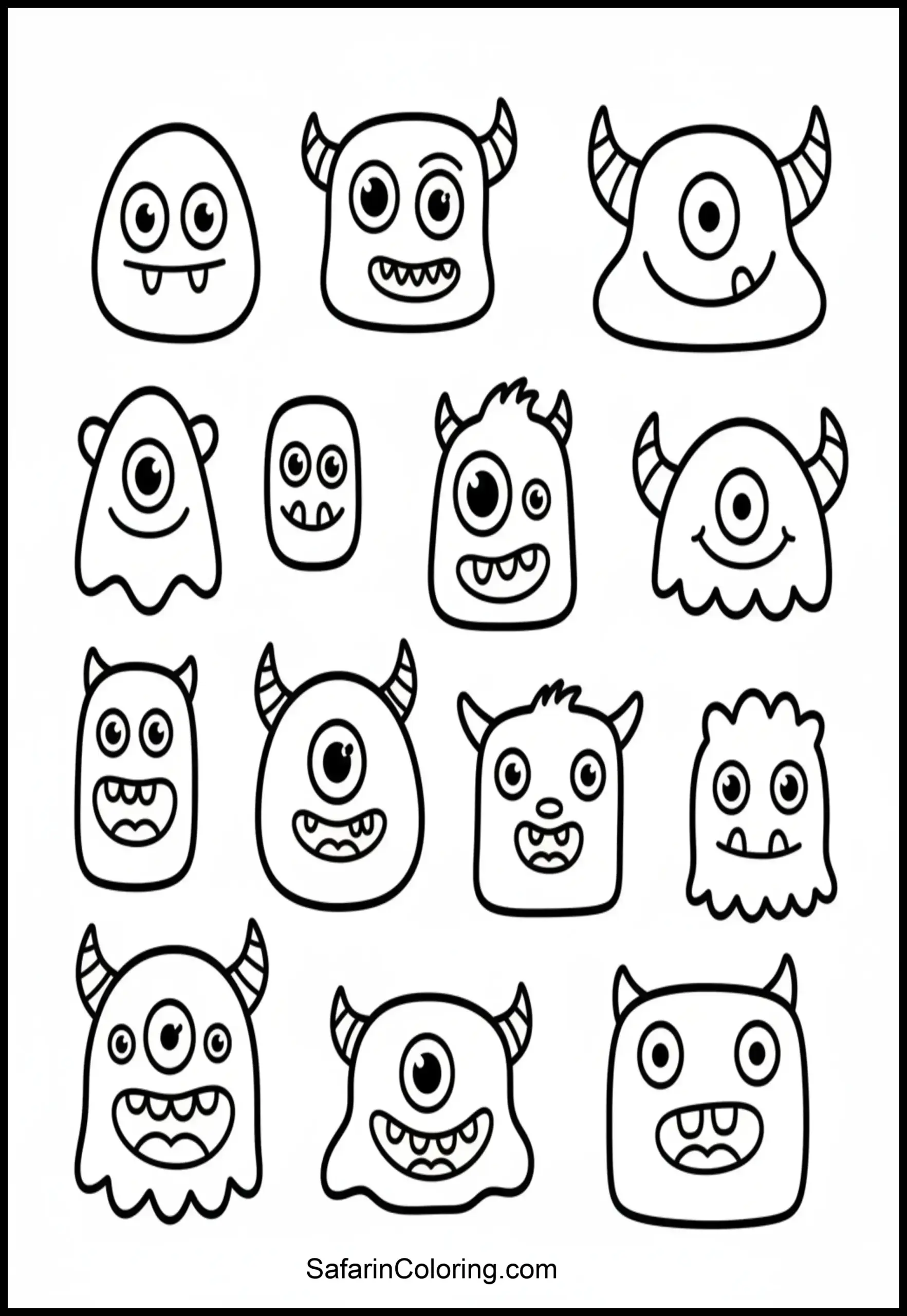
Abstract Monster Faces Doodles Scaled
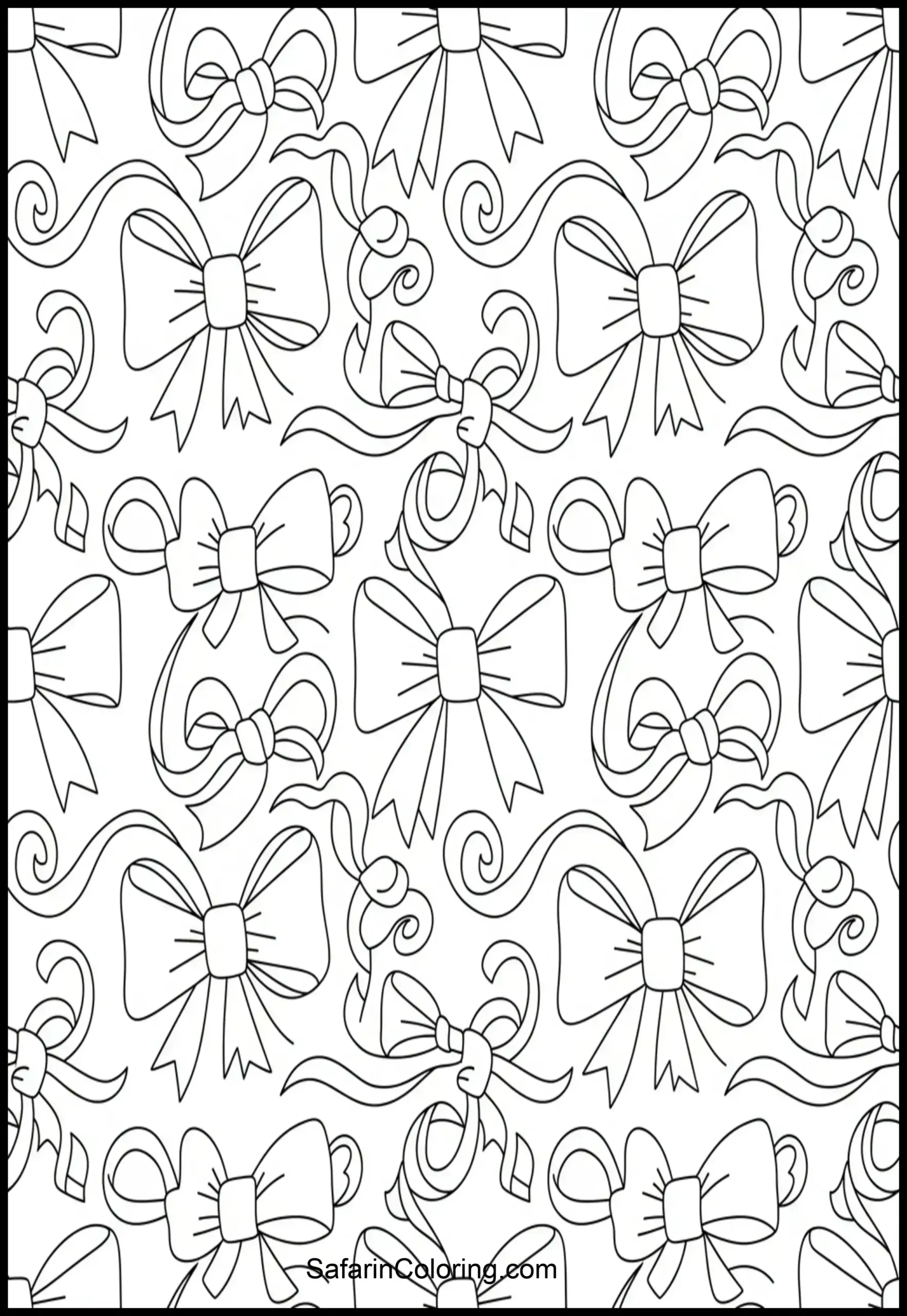
Large Bows Ribbons Pattern Scaled
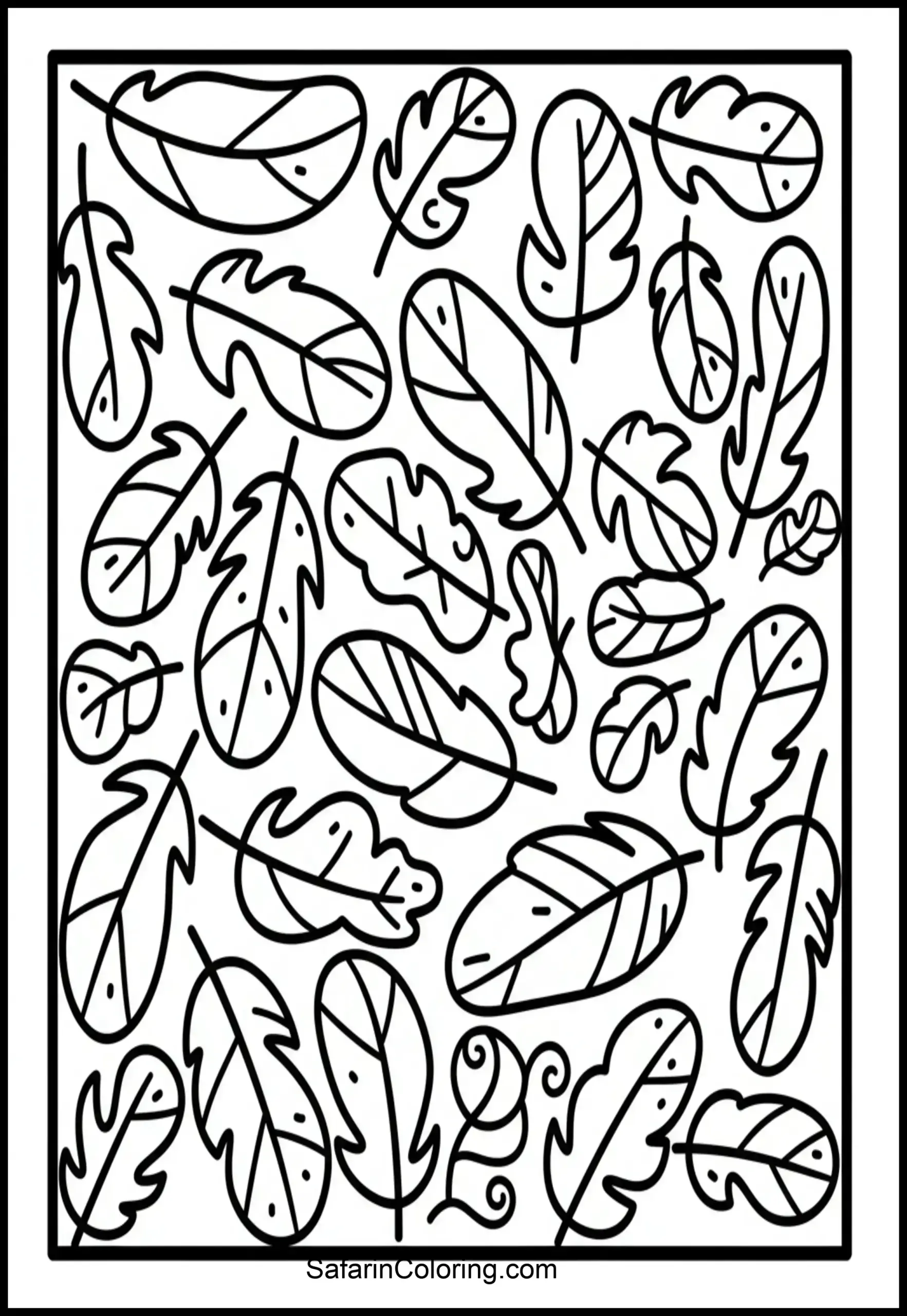
Abstract Feathers Pattern Scaled
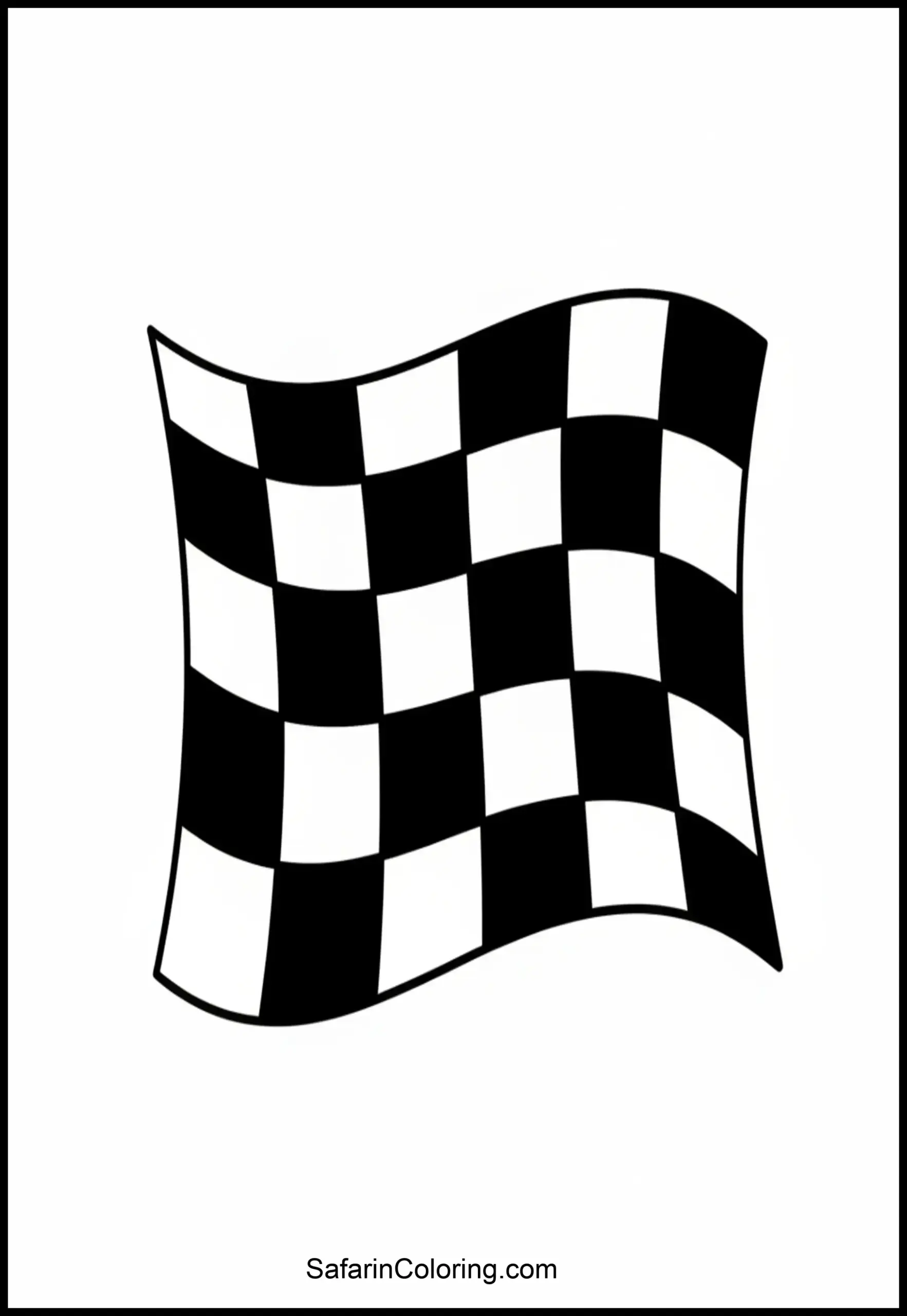
Distorted Checkerboard Pattern Scaled
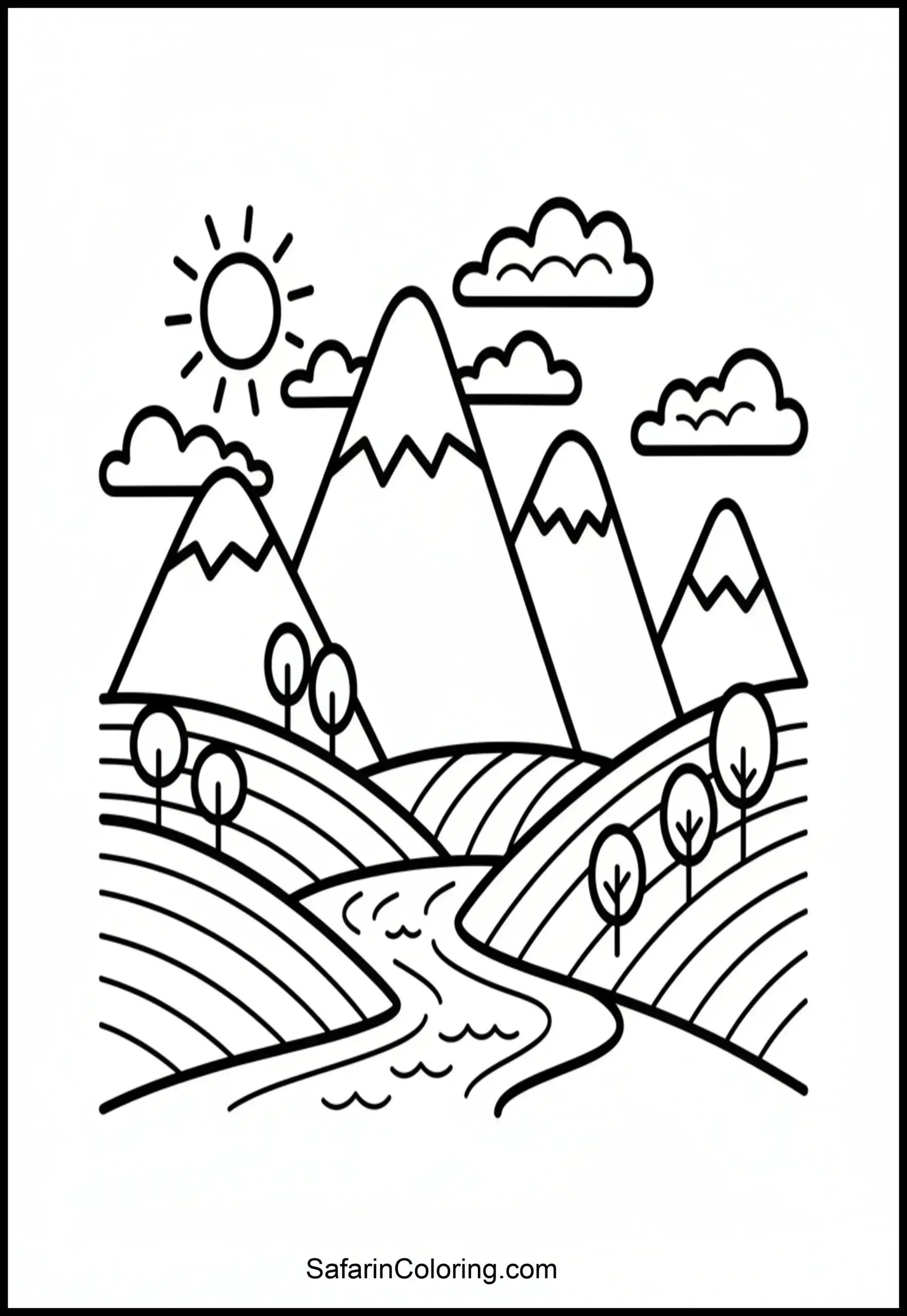
Abstract Mountains Hills Scaled
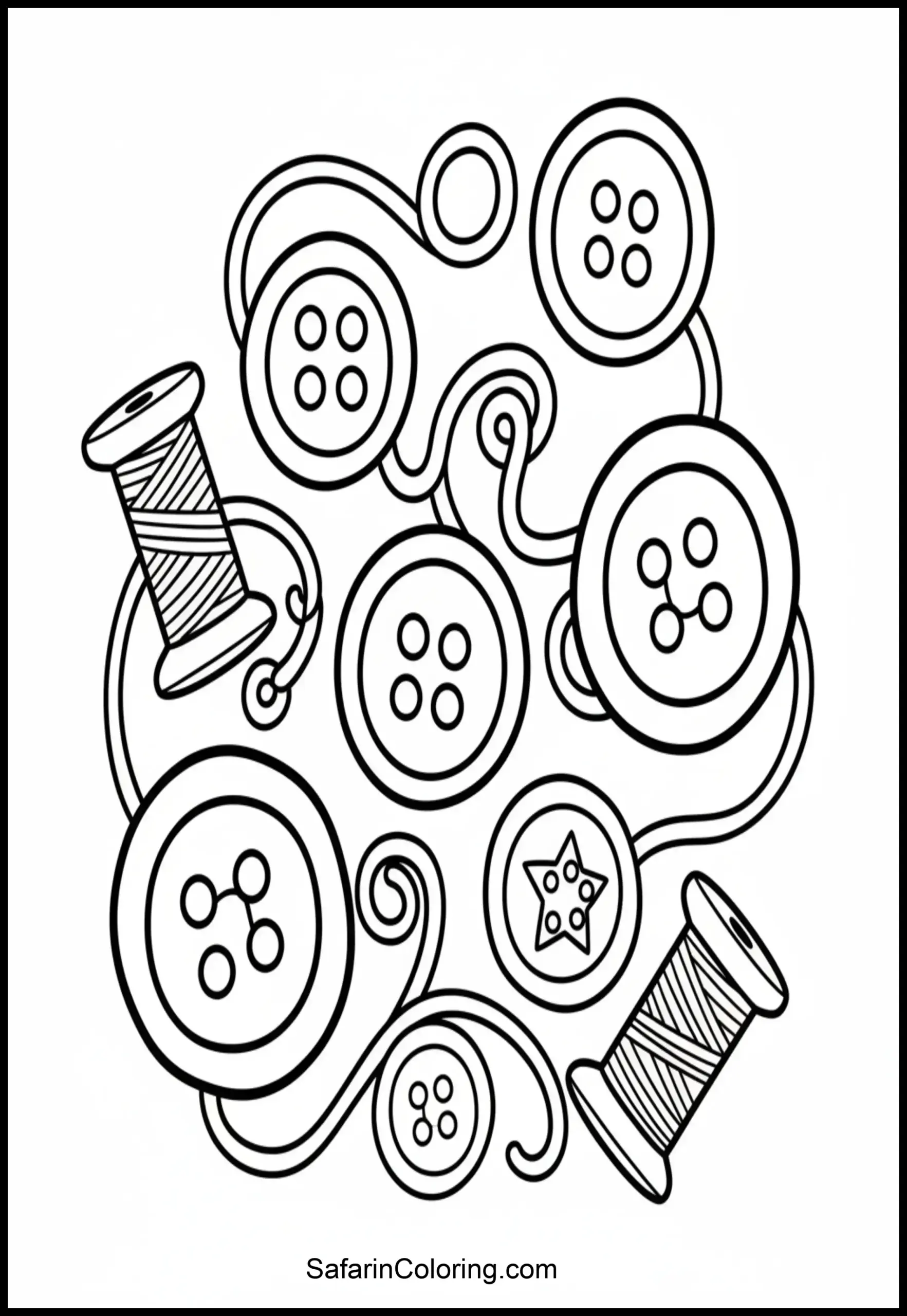
Buttons Thread Sewing Pattern Scaled
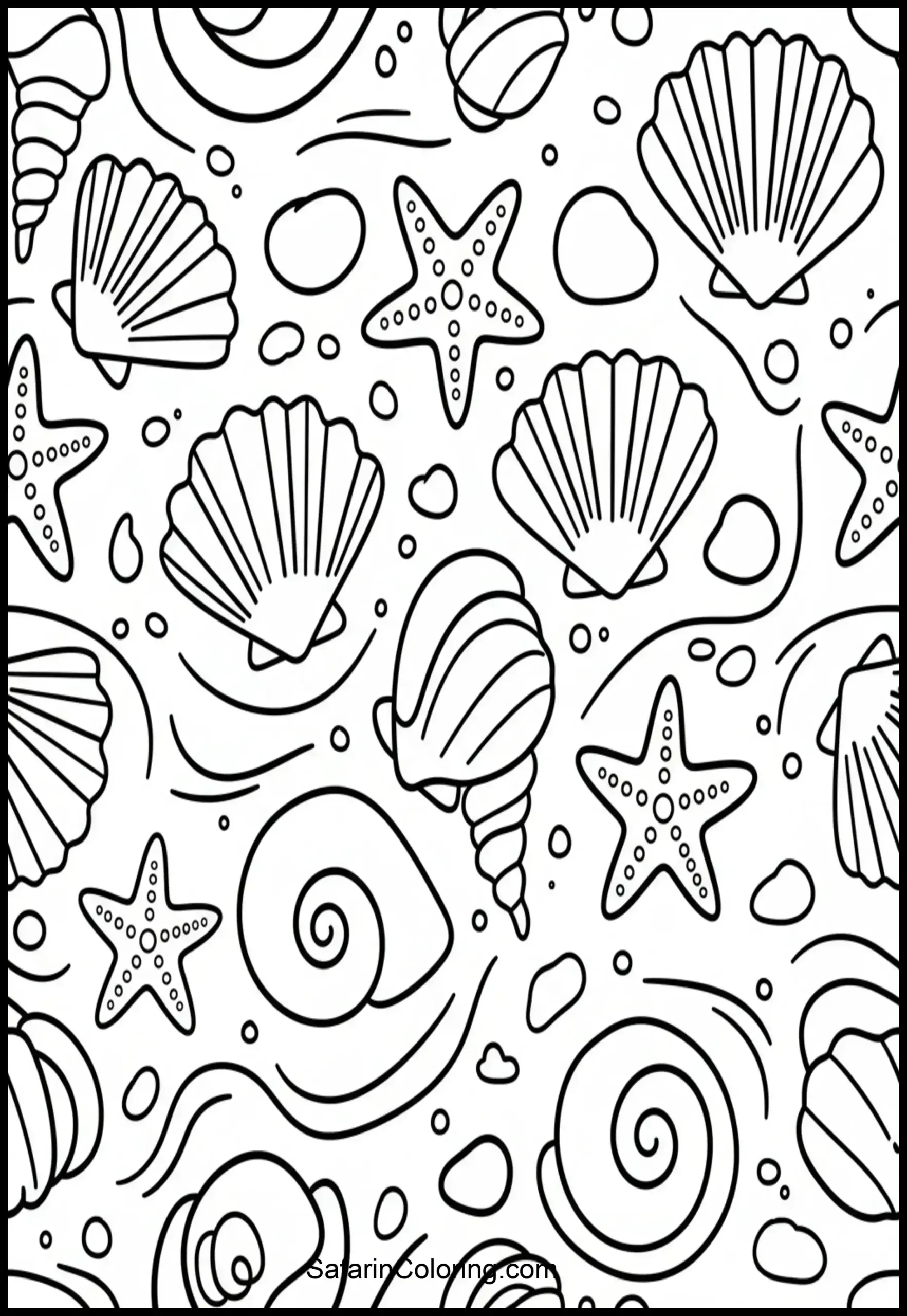
Abstract Seashells Beach Scaled
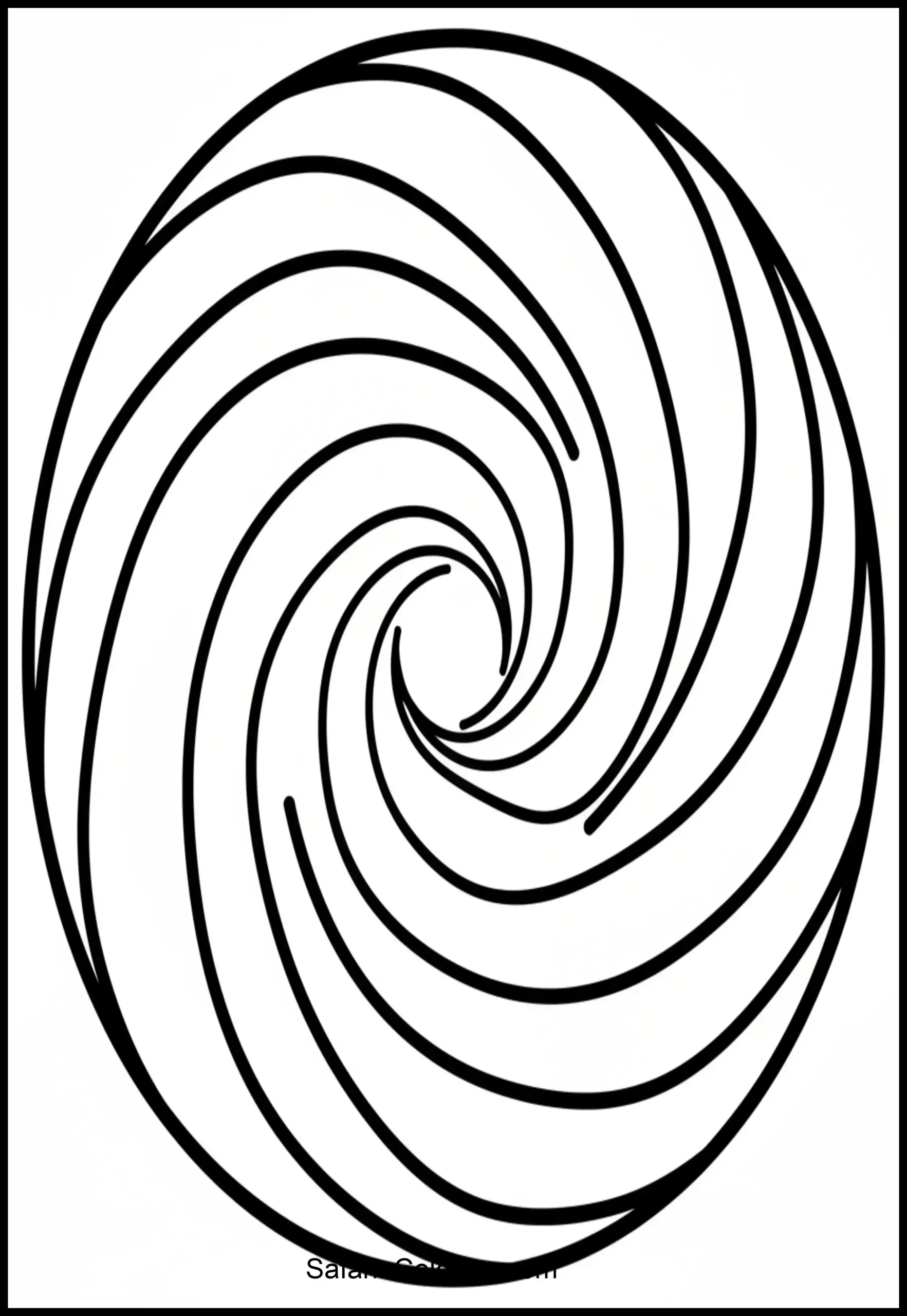
Simple Spiral Hypnosis Scaled
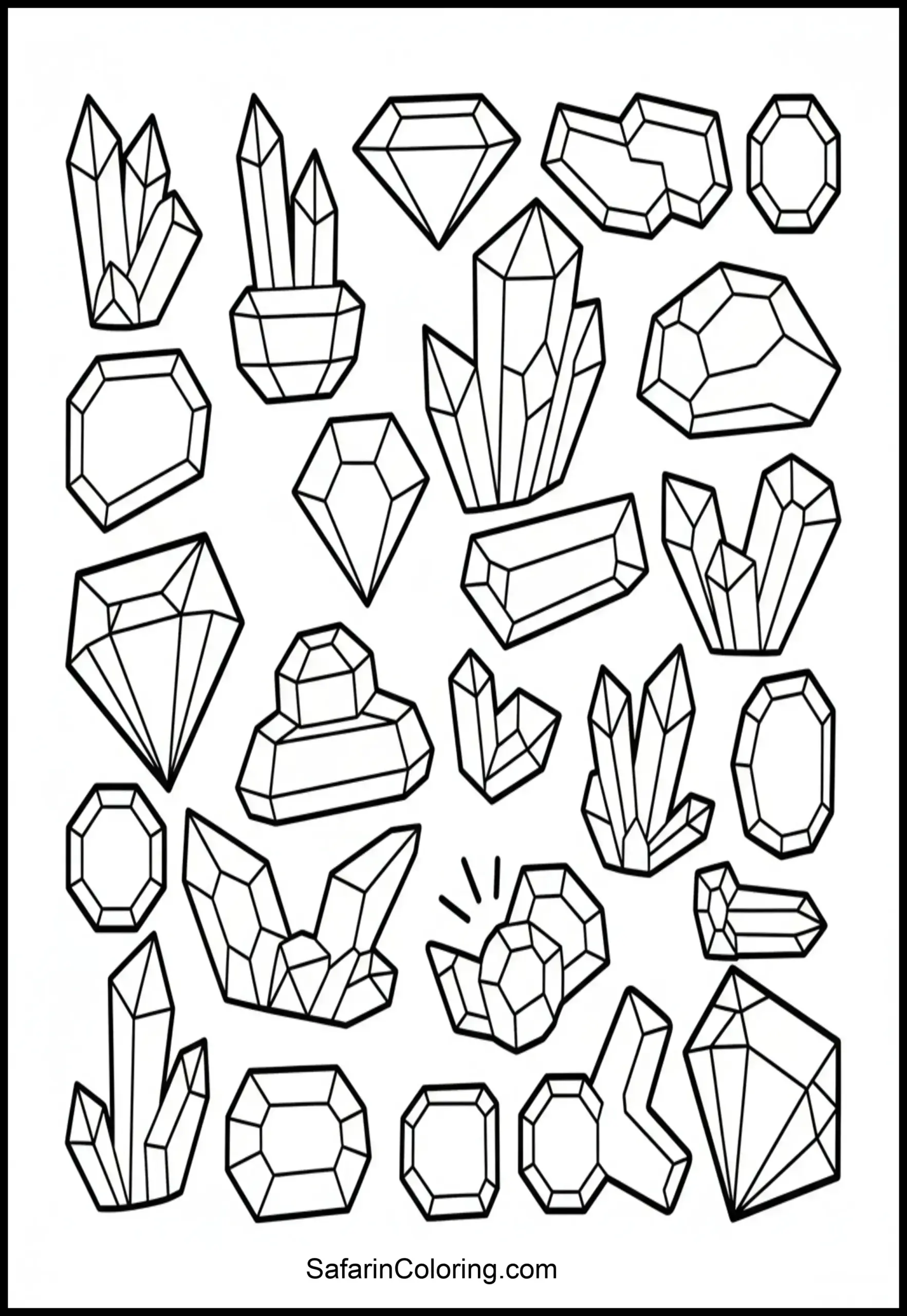
Abstract Gems Crystals Scaled
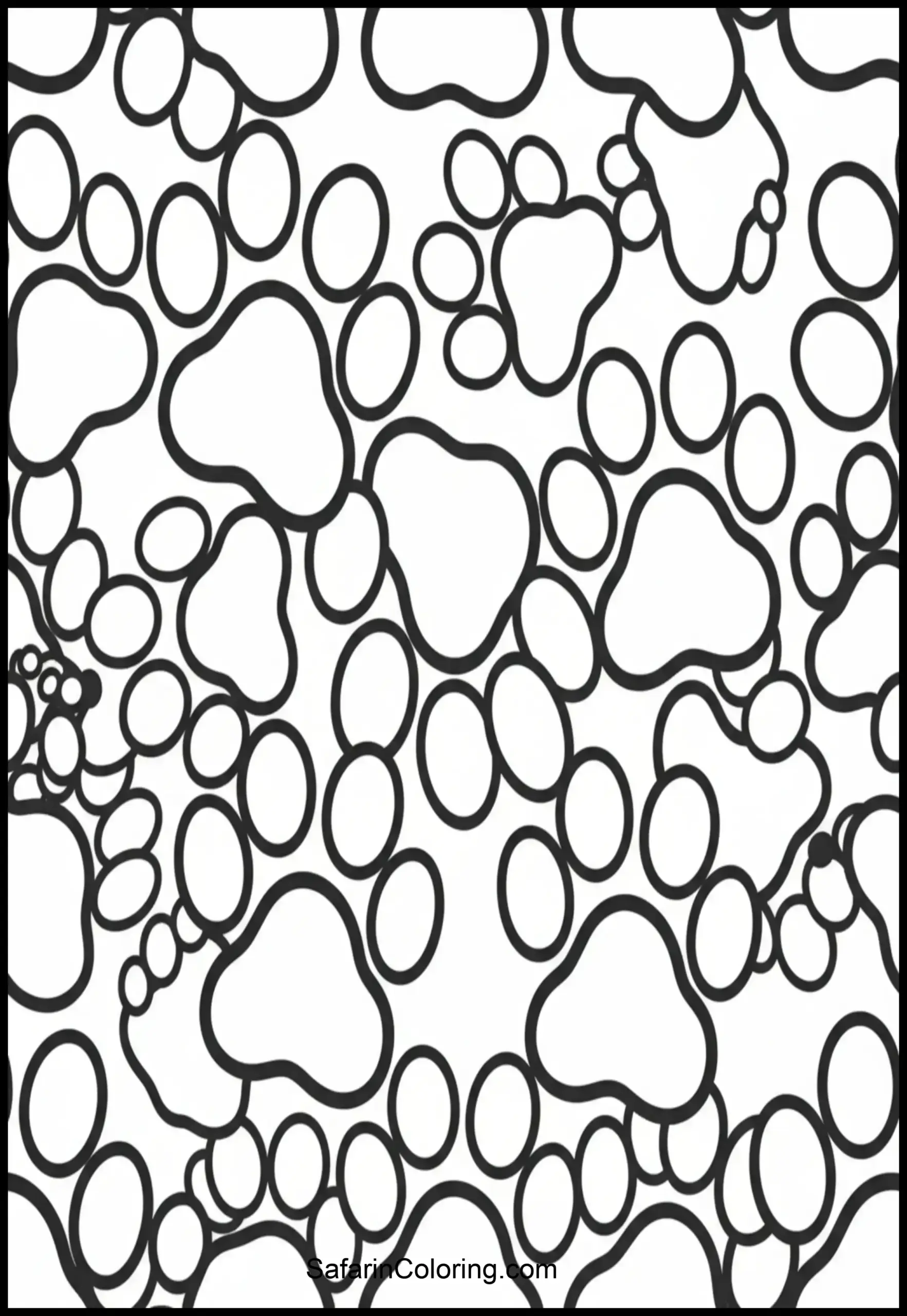
Large Paw Prints Pattern Scaled
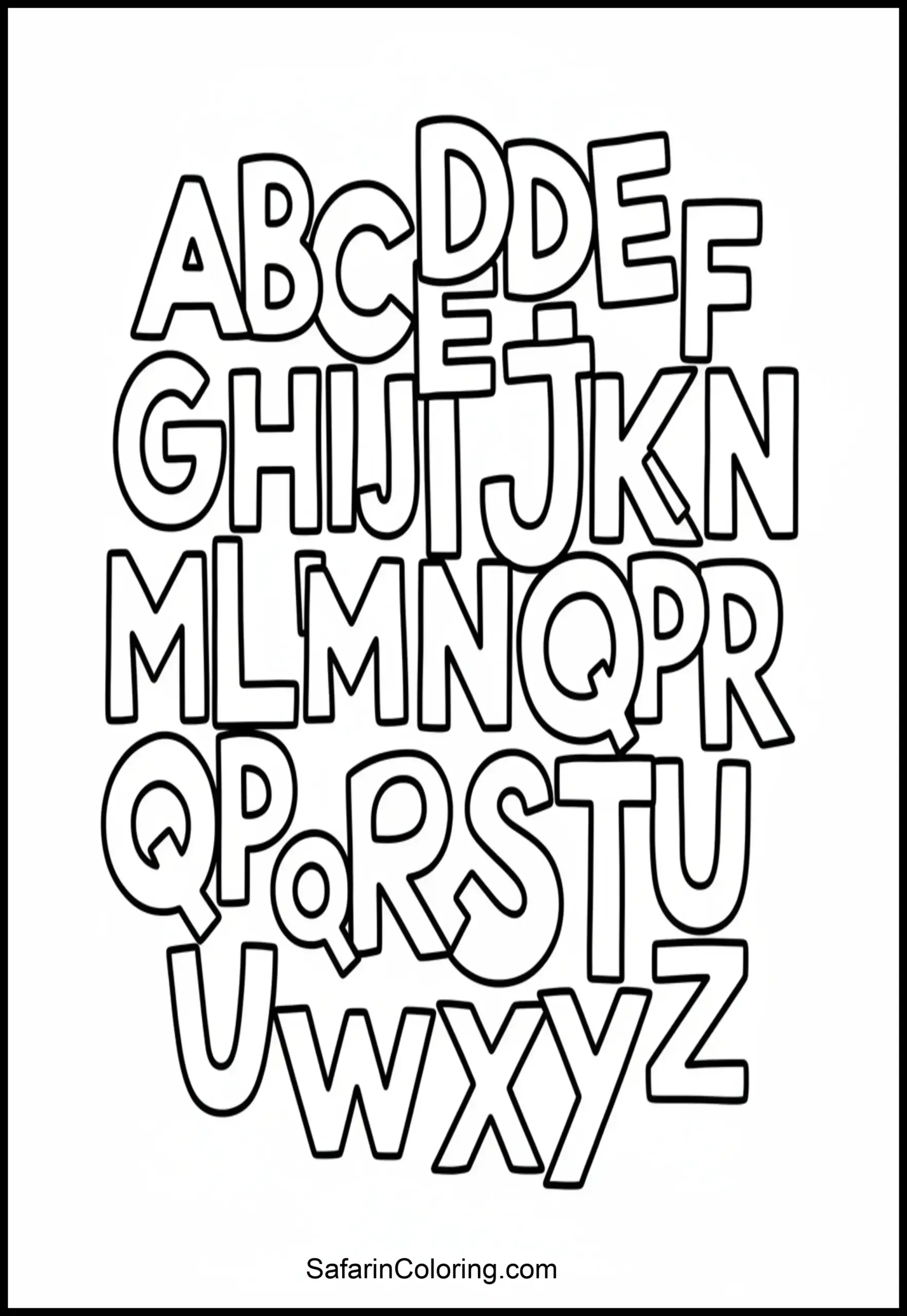
Abstract Jumbled Alphabet Scaled
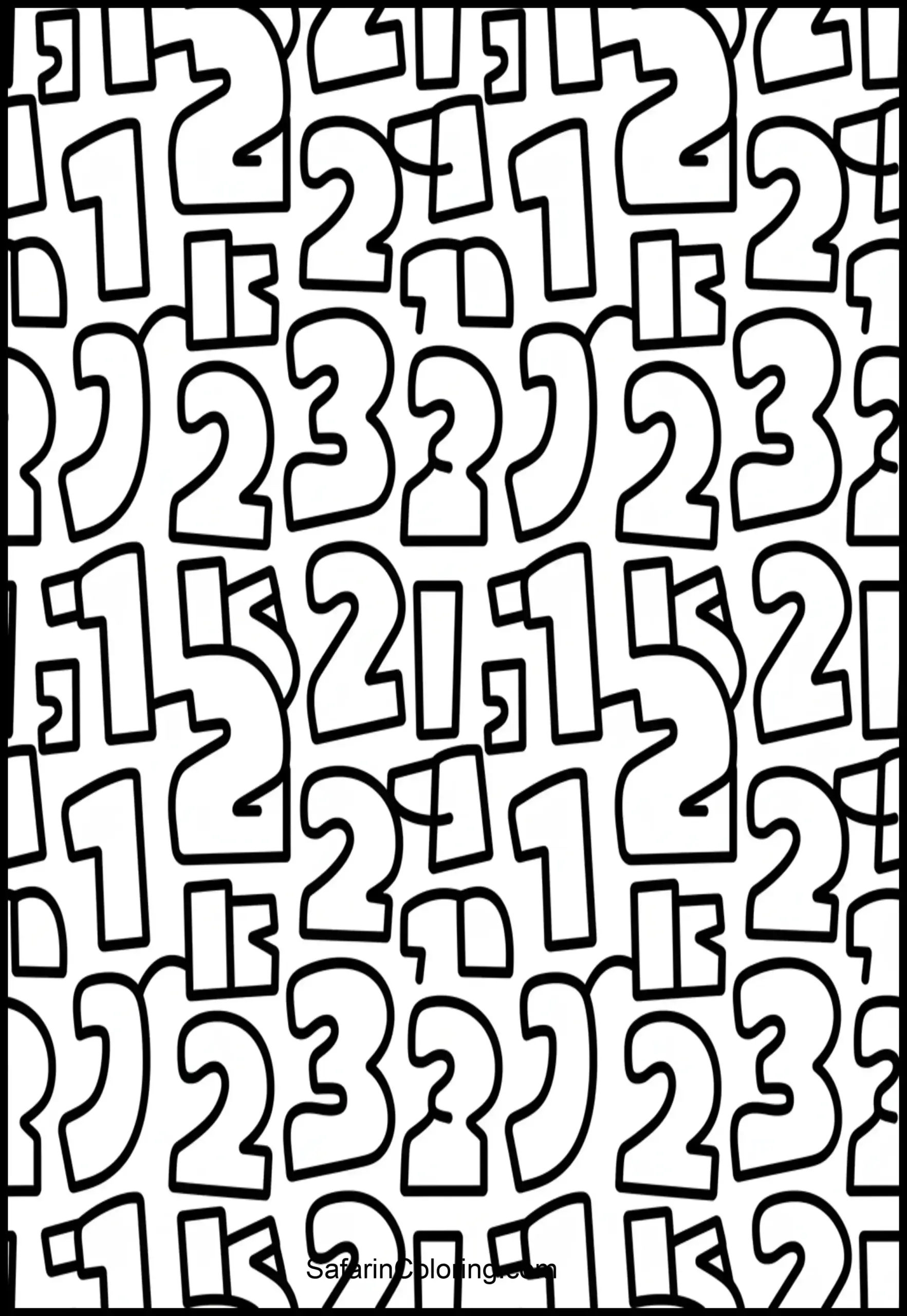
Simple Number Shapes 123 Scaled
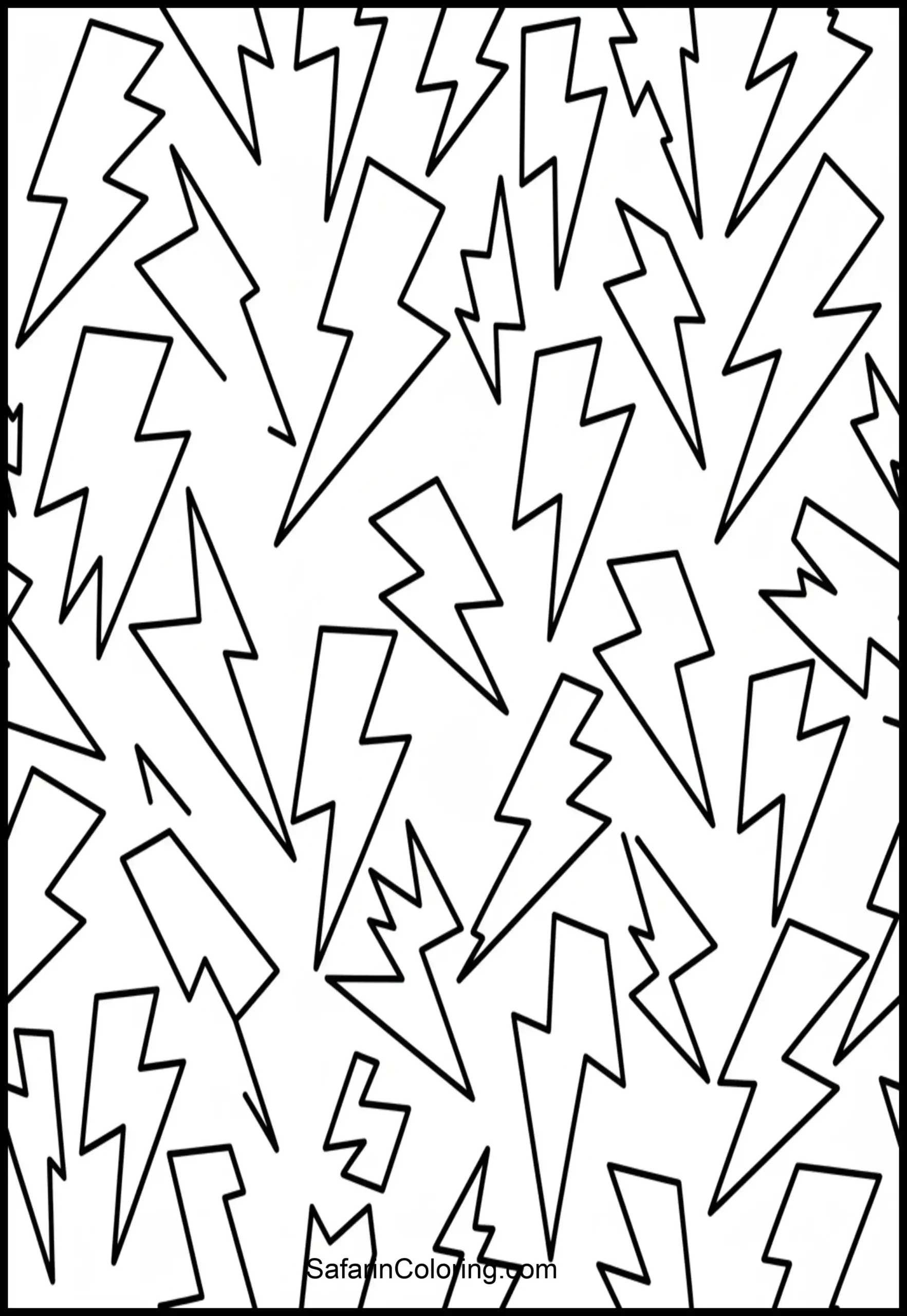
Abstract Lightning Bolts Scaled
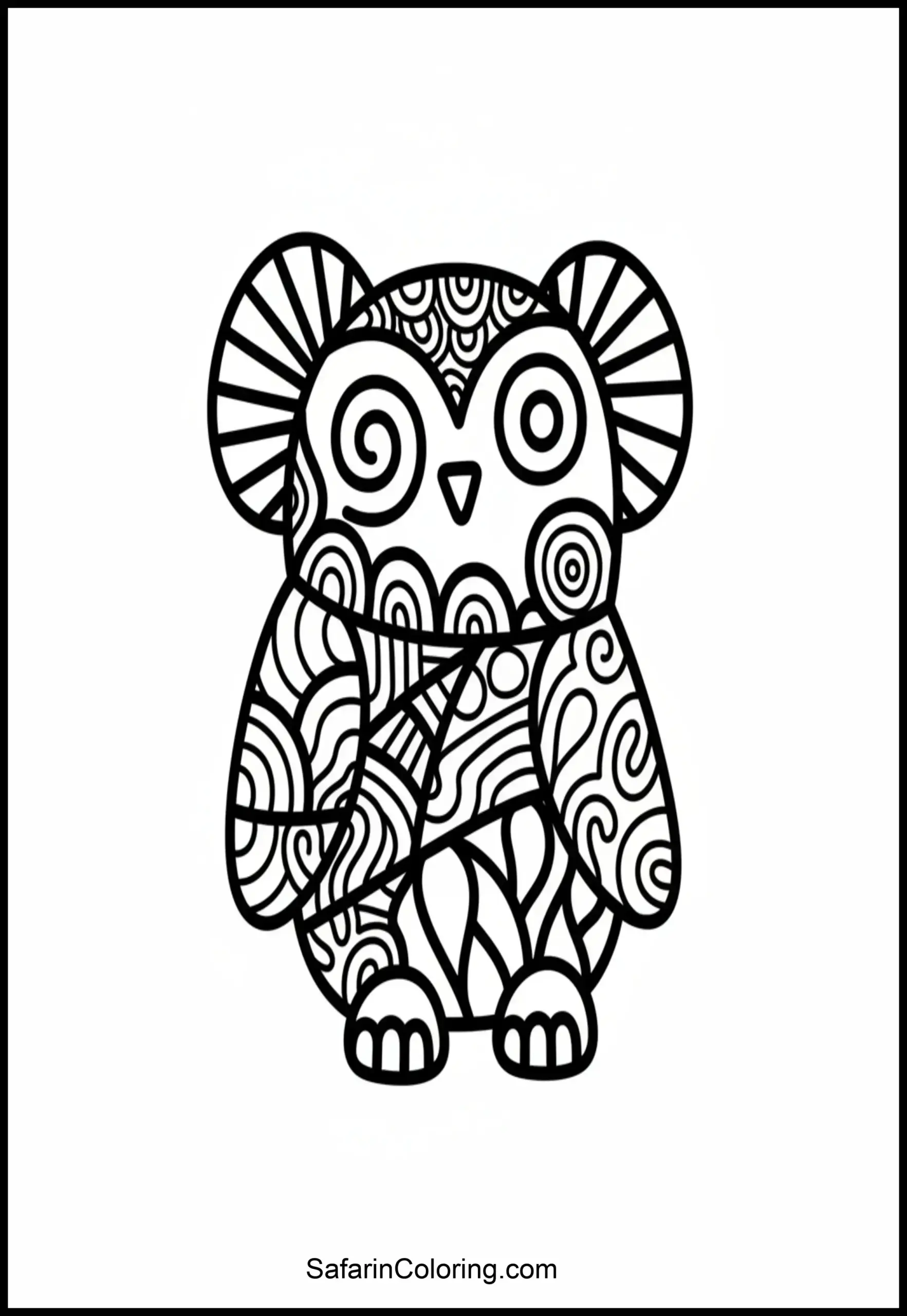
Simple Zentangle Doodle Scaled
Bringing Color to Life: A Guide to Coloring Mediums
The choice of coloring tool dramatically influences the final look of abstract coloring pages for kids. Each medium offers unique benefits:
- Colored Pencils: The artist’s choice for control and detail. They are ideal for blending, layering, and creating subtle gradients within abstract shapes. Wax-based pencils (like Crayola or Prismacolor Scholar) are affordable and easy to use, while oil-based pencils (like Faber-Castell Polychromos) offer superior blending and less wax bloom for a more professional finish.
- Markers: For bold, uniform, and vibrant color, markers are unparalleled. For younger children, choose water-based, washable markers to avoid stains. For older kids or adults wanting to experiment, alcohol-based markers (like Copic or Ohuhu) provide seamless blending capabilities but require thicker, non-bleed paper. The sharp tips are perfect for defining the crisp edges often found in abstract designs.
- Crayons & Oil Pastels: These are excellent for developing fine motor skills and exploring texture. They provide a tactile experience and are great for large, open areas. Oil pastels, a richer and creamier cousin to crayons, can be smudged and blended with fingers to create beautiful, painterly effects that work wonderfully with non-representational art.
Elevating the Details: Gel Pens, Glitter, and Beyond
Once the base colors are down, adding fine details can make an abstract piece truly pop. A set of gel pens, particularly in white, silver, and gold, is an invaluable tool. Use a white gel pen to add highlights, draw intricate patterns over darker colored areas, or create starburst effects. Metallic pens add a touch of shimmer that can accentuate specific shapes within the design. For a more tactile element, glitter glue can be used to trace lines or fill in small sections, adding sparkle and texture. These finishing touches encourage children to think about composition and emphasis, taking their abstract coloring pages for kids from a simple exercise to a finished work of art.
Creating the Ideal Coloring Environment: Workspace and Setup
A dedicated and well-prepared workspace minimizes distractions and fosters focus. The most critical element is lighting. Position the coloring station in a well-lit area, preferably with ample natural light from a nearby window. If using artificial light, opt for a lamp with a neutral or cool-toned bulb to ensure colors are seen accurately. A flat, clean, and uncluttered surface is essential. Protect your table with a craft mat, a placemat, or a few sheets of newspaper, especially when using markers or paint. Ensure the chair and table height are ergonomically appropriate for the child to prevent slouching and discomfort during longer coloring sessions. A comfortable and organized space signals that this creative time is valued.
Transform Your Art: Advanced Techniques for Abstract Coloring Pages for Kids
Going beyond simply filling in the lines can turn a fun activity into a true artistic endeavor. Mastering a few key techniques will empower your child to create stunning results with their abstract coloring pages for kids, transforming flat patterns into dynamic, vibrant works of art. These methods add depth, emotion, and a professional touch, making each page a unique masterpiece. Whether they’re tackling swirling geometric shapes or a patterned zebra coloring page, these skills will elevate their creative expression.
Unlocking Emotion: Color Theory Secrets for Abstract Coloring Pages for Kids
Color is the language of art, and understanding how to speak it can dramatically change the mood of a piece. Instead of choosing colors randomly, encourage your child to think like a designer.
- Complementary Colors: These are colors opposite each other on the color wheel (like blue and orange, or red and green). Using them side-by-side creates high contrast and makes the design “pop” with energy and excitement. This is perfect for dynamic, high-energy abstract patterns.
- Analogous Colors: These colors sit next to each other on the color wheel (like yellow, yellow-green, and green). Using them together creates a sense of harmony, peace, and calm. This is ideal for creating soothing, flowing abstract designs, reminiscent of an underwater scene you might find on fish coloring pages.
Creating Depth: From Flat Shapes to 3D Illusions
Shading is the secret to making two-dimensional shapes look three-dimensional. It creates shadows and highlights, tricking the eye into seeing depth. Here’s a simple layering technique using colored pencils:
- Light Base Layer: Color the entire shape evenly with your main color, using light pressure.
- Add the Shadow: Choose a slightly darker shade of the same color (or even black or a dark complementary color). Apply this darker color along the edges where a shadow would naturally fall—for example, where one shape overlaps another.
- Blend the Transition: Use your original base color and go back over the area where the light and dark colors meet. Use firm, circular motions to blend the two shades together, creating a smooth gradient. This simple process instantly adds a professional-looking dimension.
Bringing Designs to Life: Mastering Texture Effects
Texture adds a tactile quality to your art, making it more interesting and realistic. Even on abstract pages, suggesting different surfaces can create a stunning effect.
- Soft & Furry: Use short, quick, flicking strokes with the tip of a colored pencil. Layering these small lines mimics the look of fur or soft fabric.
- Smooth & Metallic: Create a smooth gradient from dark grey to light grey, leaving a sliver of pure white for a highlight. A colorless blender pencil can help smooth the colors together for a polished, reflective look.
- Rough & Rocky: Use the side of a crayon or pencil lead to create an uneven, broken application of color. Stippling, or making many small dots, can also create a wonderfully gritty texture.
The Art of Recovery: Turning Mistakes into Masterpieces
Mistakes are not failures; they are opportunities for creative problem-solving. Teaching kids how to handle a slip of the hand builds resilience and creativity.
- For Colored Pencils: A high-quality kneaded eraser can lift color without damaging the paper. For stubborn marks, a battery-powered eraser can be a lifesaver. Another trick is to use a white or colorless blender pencil to push the unwanted color deeper into the paper’s grain, effectively “erasing” it.
- For Markers: Since marker ink is permanent, the best strategy is to incorporate the mistake. Can that stray mark become part of a new pattern? Can you color over the area with a darker color to create a deliberate shadow? This reframes the error as a happy accident, a core tenet of creative exploration with abstract coloring pages for kids.
Bring Your Art to Life: Displaying Your Abstract Coloring Pages for Kids
After your child has finished their vibrant creation, the fun doesn’t have to stop. Unlike coloring a realistic animal, like these detailed elephant coloring pages, abstract art can be displayed in countless imaginative ways. It’s a chance to celebrate your child’s unique vision. Let’s turn those finished pages into treasured decorations and heartfelt gifts that showcase their creativity.
Preserving the Masterpiece
To keep colors bright and prevent fading, store finished artwork away from direct sunlight. A simple art portfolio or even a clear-lidded plastic bin can protect pages from dust and wrinkles. For extra special pieces made with crayons, pastels, or charcoal, consider using a clear sealant spray (with adult supervision) to prevent smudging and preserve the artwork for years to come.
Beyond the Frame: Creative Craft Ideas
Transform colored pages into unique DIY projects that give their art a new purpose. Cut striking sections to create one-of-a-kind bookmarks or gift tags. Use a full page as beautiful, personalized wrapping paper for a small present, adding a truly personal touch. You can also fold a page in half to make a stunning greeting card for a birthday or thank you note, letting your child’s art deliver the message.
Unlocking Creativity: Your Abstract Coloring Questions Answered
Diving into abstract art can spark a few questions. Here, we answer some of the most common queries to help you and your child get the most out of this wonderfully imaginative activity.
What are free abstract coloring pages for kids?
Free abstract coloring pages for kids are printable sheets featuring non-representational designs like geometric patterns, swirling lines, mandalas, and random shapes. Instead of coloring a specific object, children are free to explore color combinations and techniques without the pressure of “getting it right.” They are widely available online for download and printing at no cost, offering an accessible and exciting creative outlet.
How do I color abstract pages?
There are no rules! That’s the beauty of abstract art. You can fill each section with a different solid color, create gradients that blend from one hue to another, or even add your own patterns like dots and stripes within the existing shapes. The goal is to experiment, let your intuition guide your color choices, and simply enjoy the creative process without worrying about the final outcome.
What is abstract coloring for adults?
Abstract coloring for adults serves a similar purpose to the kids’ version but often features more intricate and complex designs. Mandalas, zentangles, and highly detailed geometric patterns are common. For adults, it’s primarily a mindfulness activity used for stress relief and meditation, allowing the mind to focus on the repetitive and calming motion of coloring without the cognitive load of realistic depiction.
How do I use abstract coloring sheets?
Simply print them out and grab your favorite coloring tools—crayons, markers, colored pencils, or even paints. Use them as a calming activity for quiet time, a fun family art session, or a creative warm-up before other projects. Teachers can use these abstract coloring pages for kids in the classroom to teach color theory, explore patterns, or as a relaxing activity after a test.
What colors can you use to color an abstract coloring page?
Absolutely any colors you want! This is where abstract coloring truly shines. You can choose a harmonious palette of similar colors (like blues and greens), a contrasting one with complementary colors (like orange and blue), or a completely random, vibrant explosion of every color in the box. Try a monochrome look using different shades of a single color for a sophisticated effect.
Your Creative Journey with Abstract Coloring Pages for Kids Begins Now
Stepping into the world of abstract art opens up a universe of creative freedom for your child. It’s an activity that goes beyond simply filling in the lines; it’s about expressing emotion, exploring color, and building confidence without constraints. These pages provide a wonderful opportunity for kids to develop their artistic intuition and find joy in the pure process of creation. Embracing abstract coloring pages for kids is more than just a pastime—it’s a way to nurture an imaginative and fearless spirit.
So, print out a few pages, gather your coloring supplies, and watch as a simple sheet of paper transforms into a unique masterpiece. Let the colors fly and the creativity flow!
Ready for your next adventure? Explore the beautiful, natural patterns on our zebra coloring pages