We offer a wide collection of free, high-quality printable coloring pages for kids and adults. From cute animals to intricate mandalas, our designs bring creativity and relaxation to everyone. Download, print, and start coloring today!

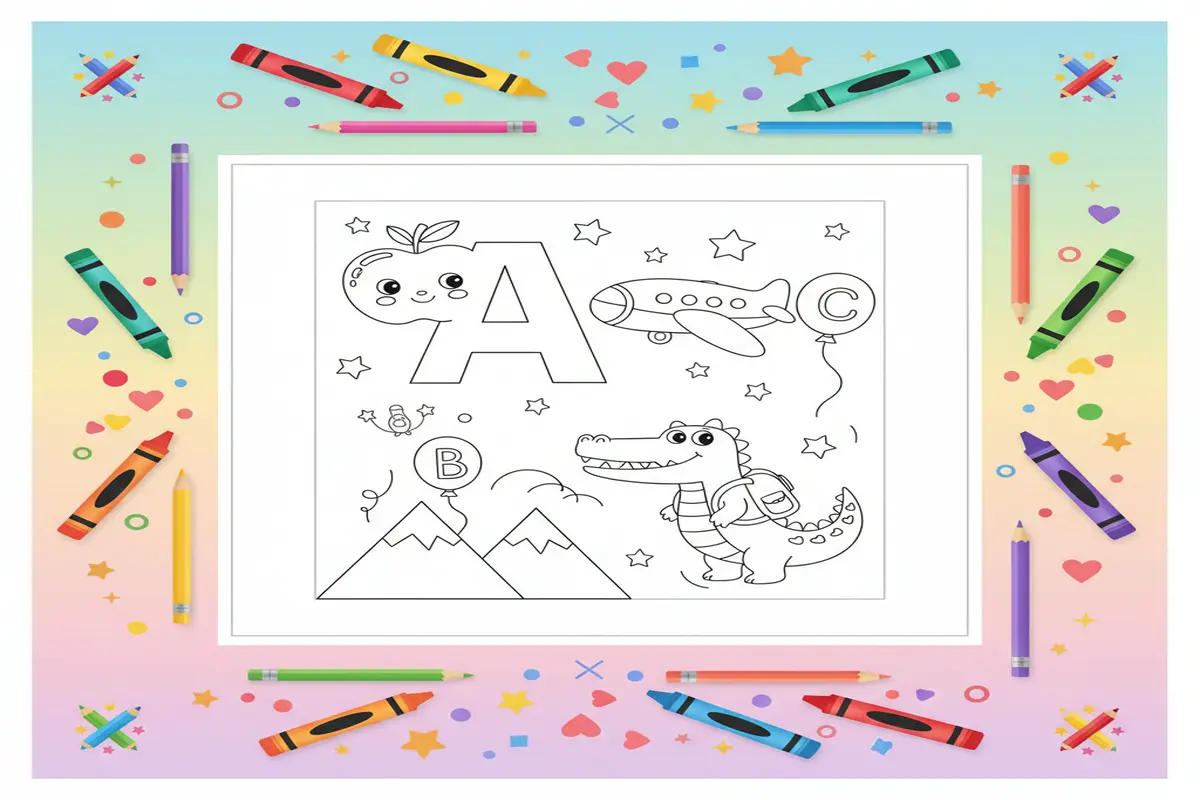
Choosing the right materials is a critical first step in transforming a simple creative session into a rewarding educational experience. High-quality supplies not only produce a more vibrant and durable final product but also prevent common frustrations like torn paper or marker bleed-through, ensuring that children remain engaged with their alphabet coloring pages for kids. The principles of selecting good materials are universal, whether you’re working on a simple letter ‘A’ or a more intricate design like our realistic lion coloring pages. Investing in a well-curated toolkit elevates the entire process from a mere pastime to a genuine artistic endeavor. This guide provides a professional overview of the essential supplies needed to achieve the best possible results.
Table of Contents
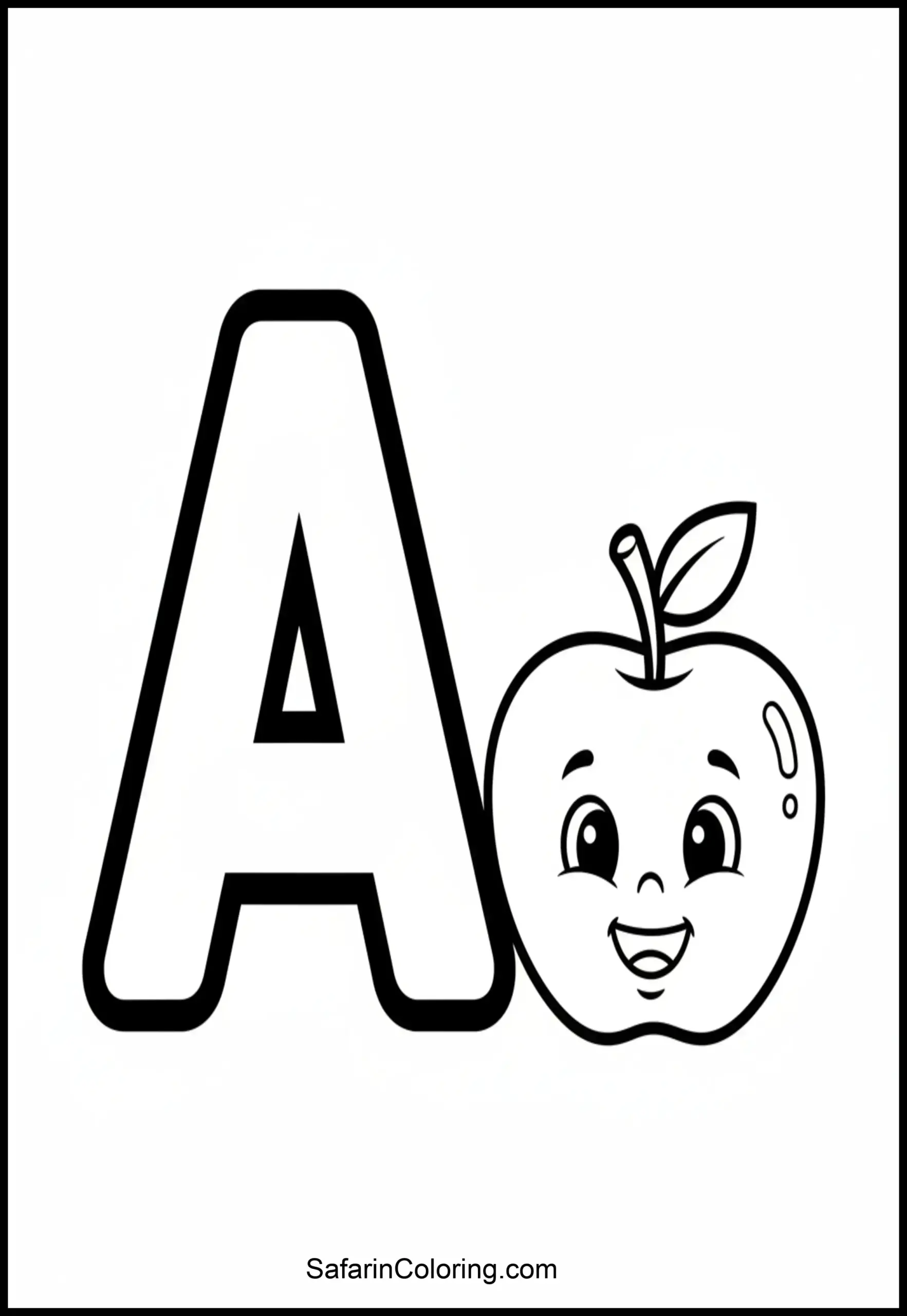
Alphabet A Apple Scaled
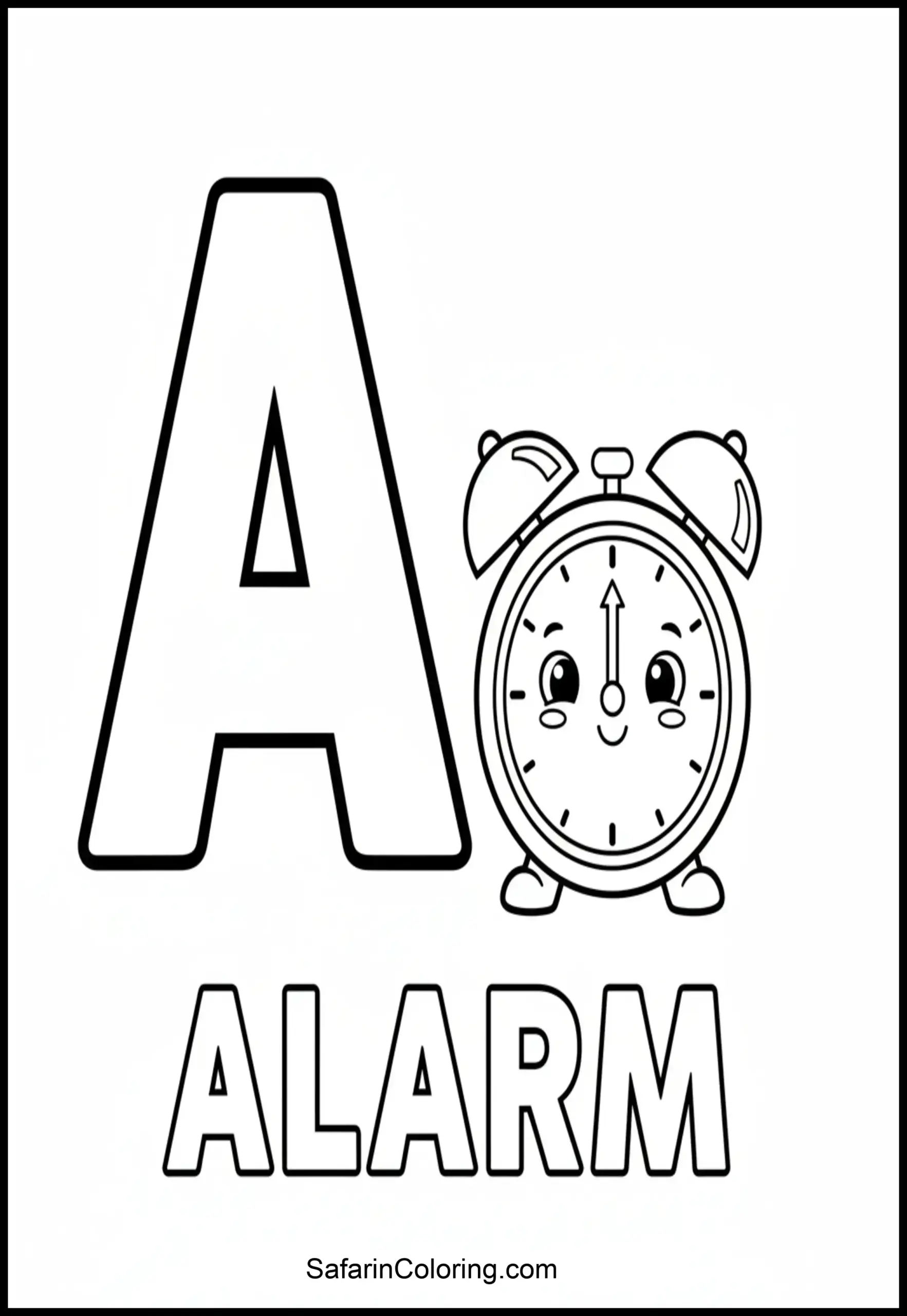
Alphabet A Alarm Clock Scaled
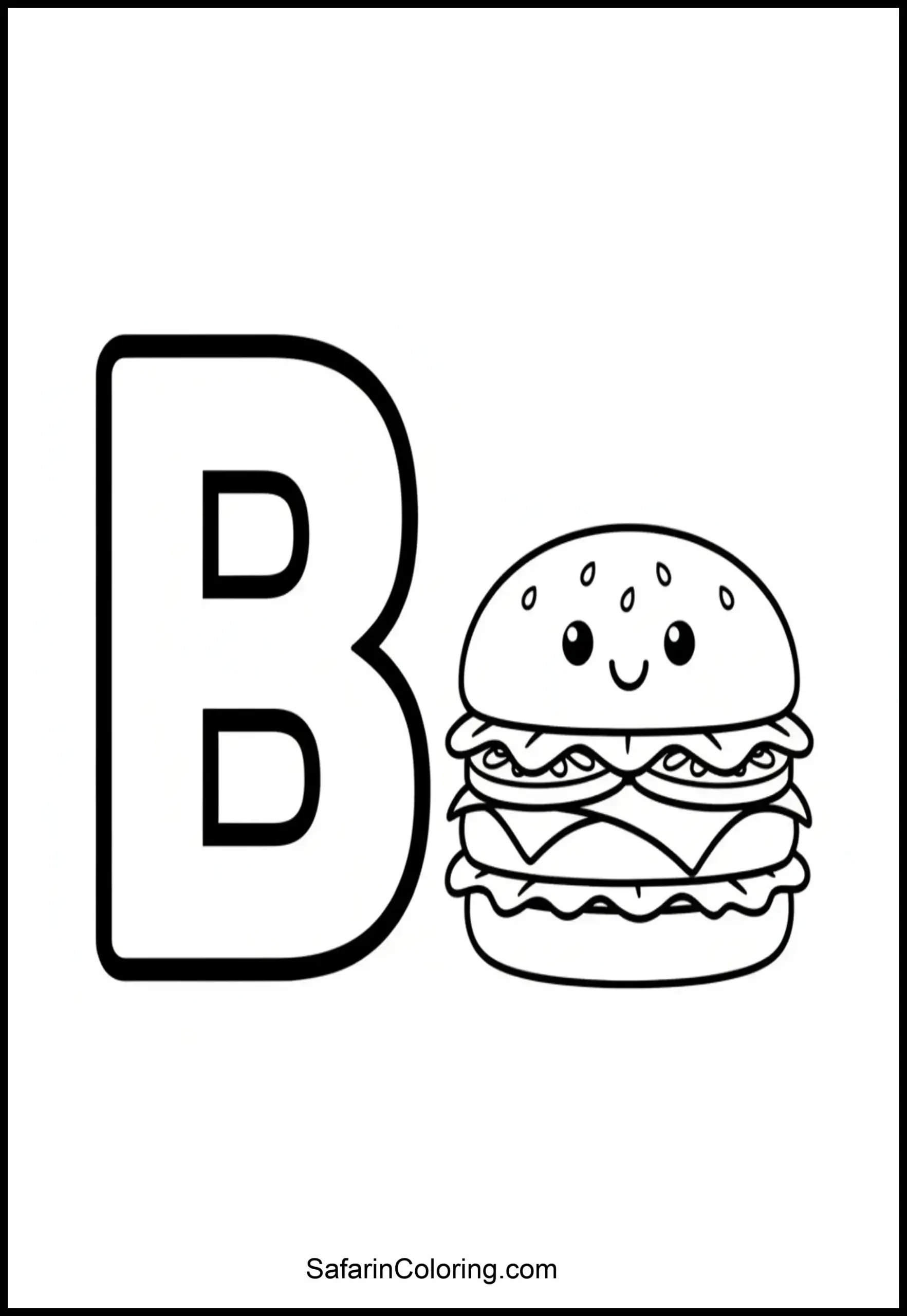
Alphabet B Burger Scaled
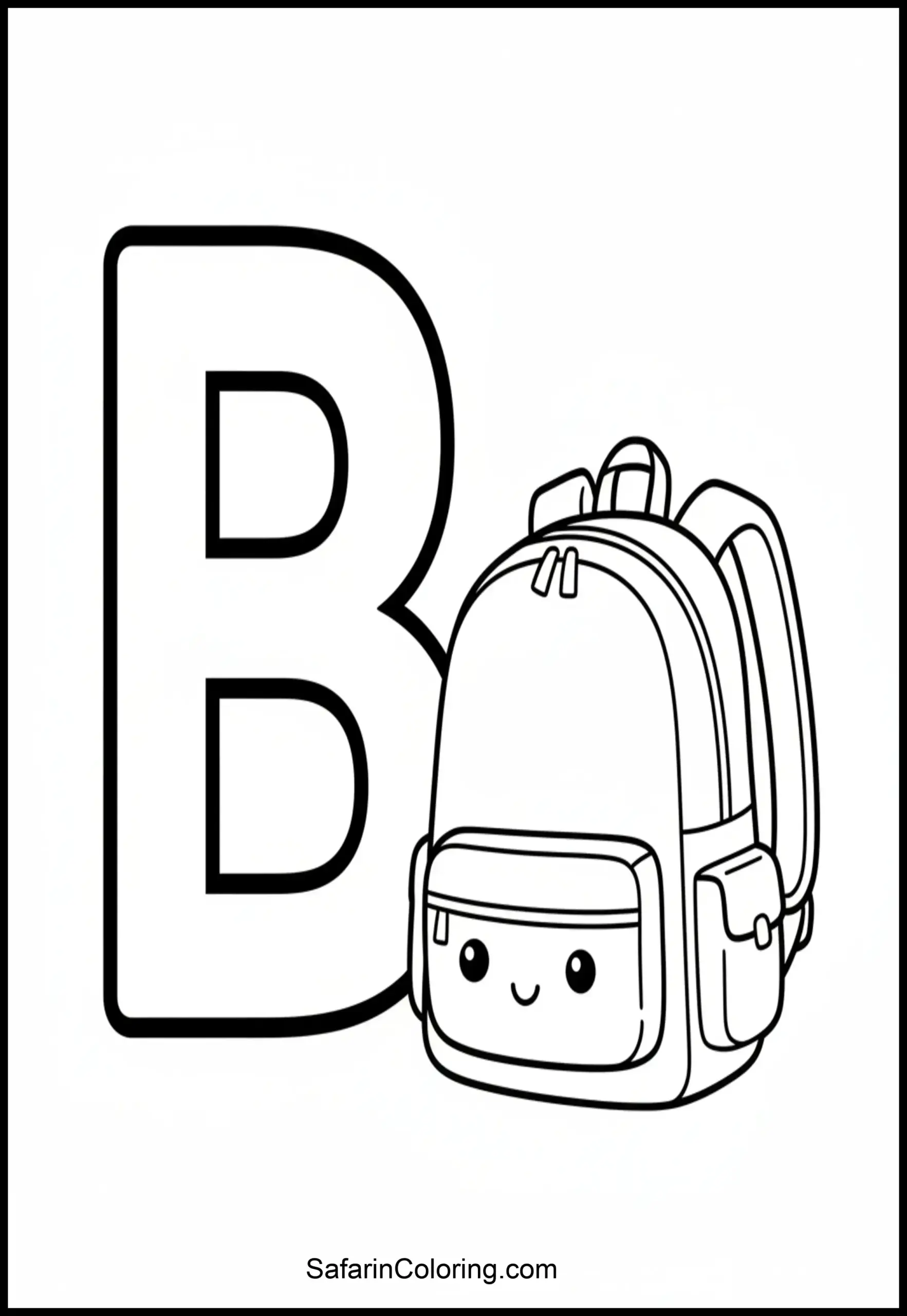
Alphabet B Backpack Scaled
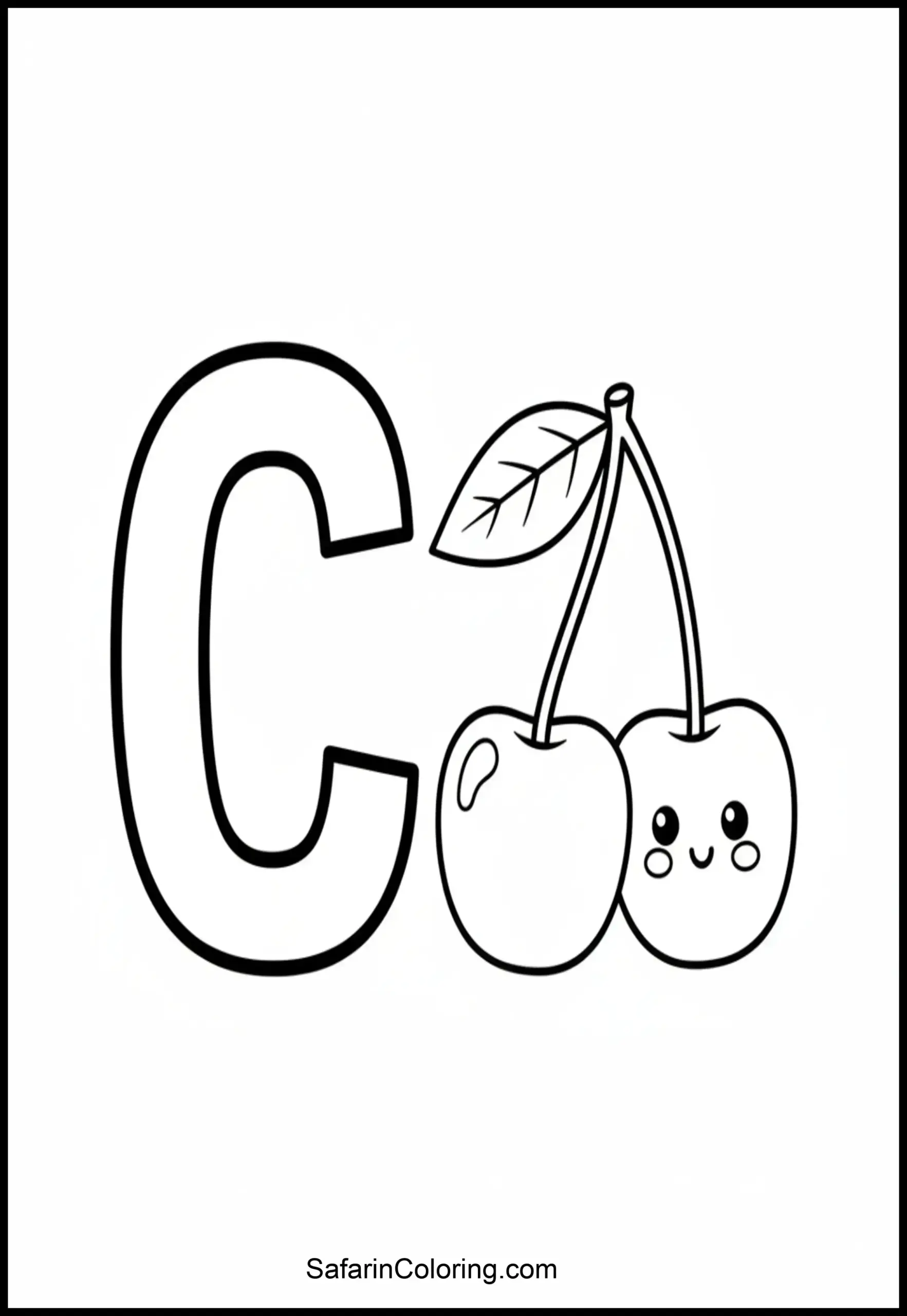
Alphabet C Cherry Scaled
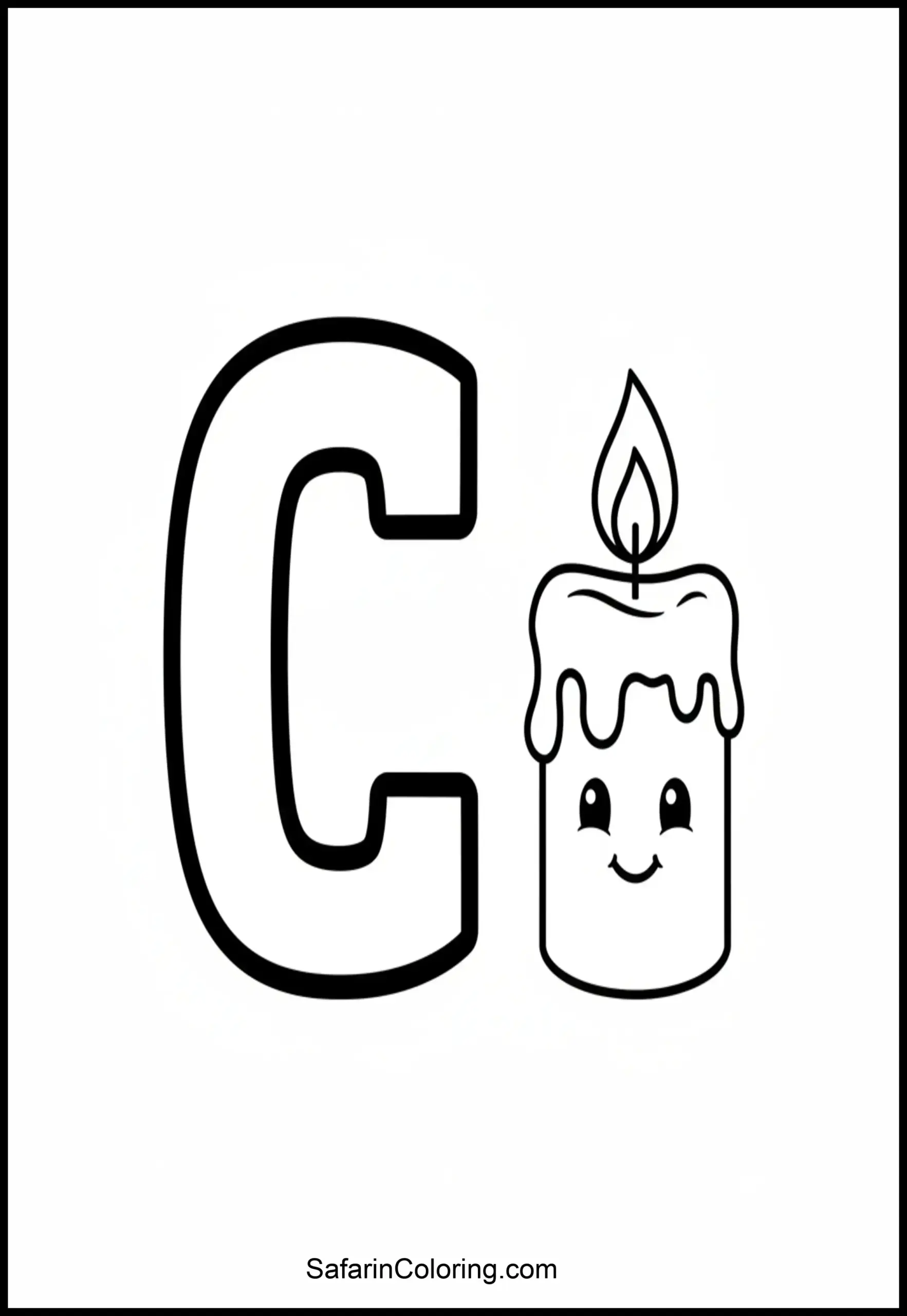
Alphabet C Candle Scaled
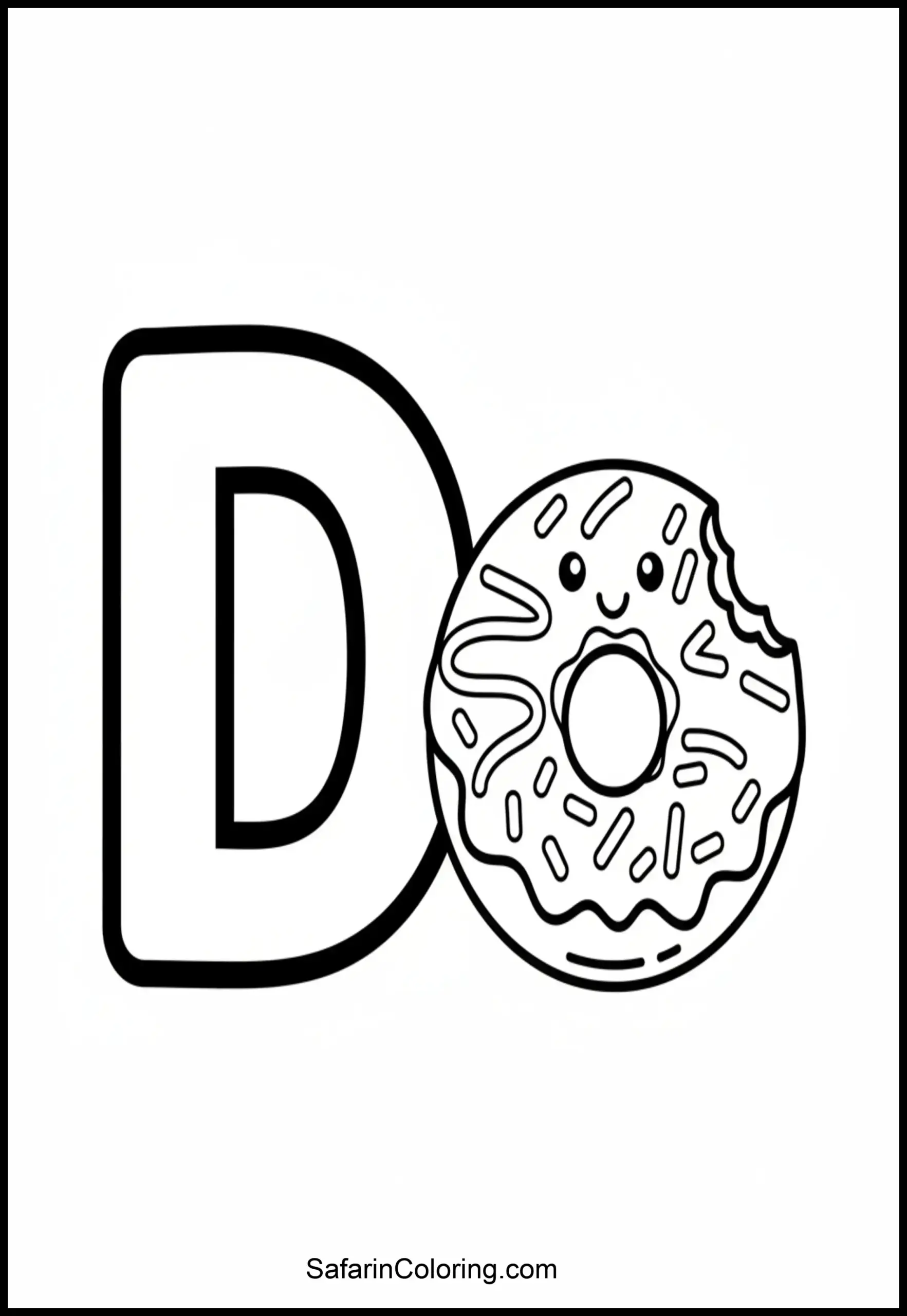
Alphabet D Donut Scaled
Alphabet D Door Scaled
Alphabet E Egg Scaled
Alphabet E Envelope Scaled
Alphabet F Fries Scaled
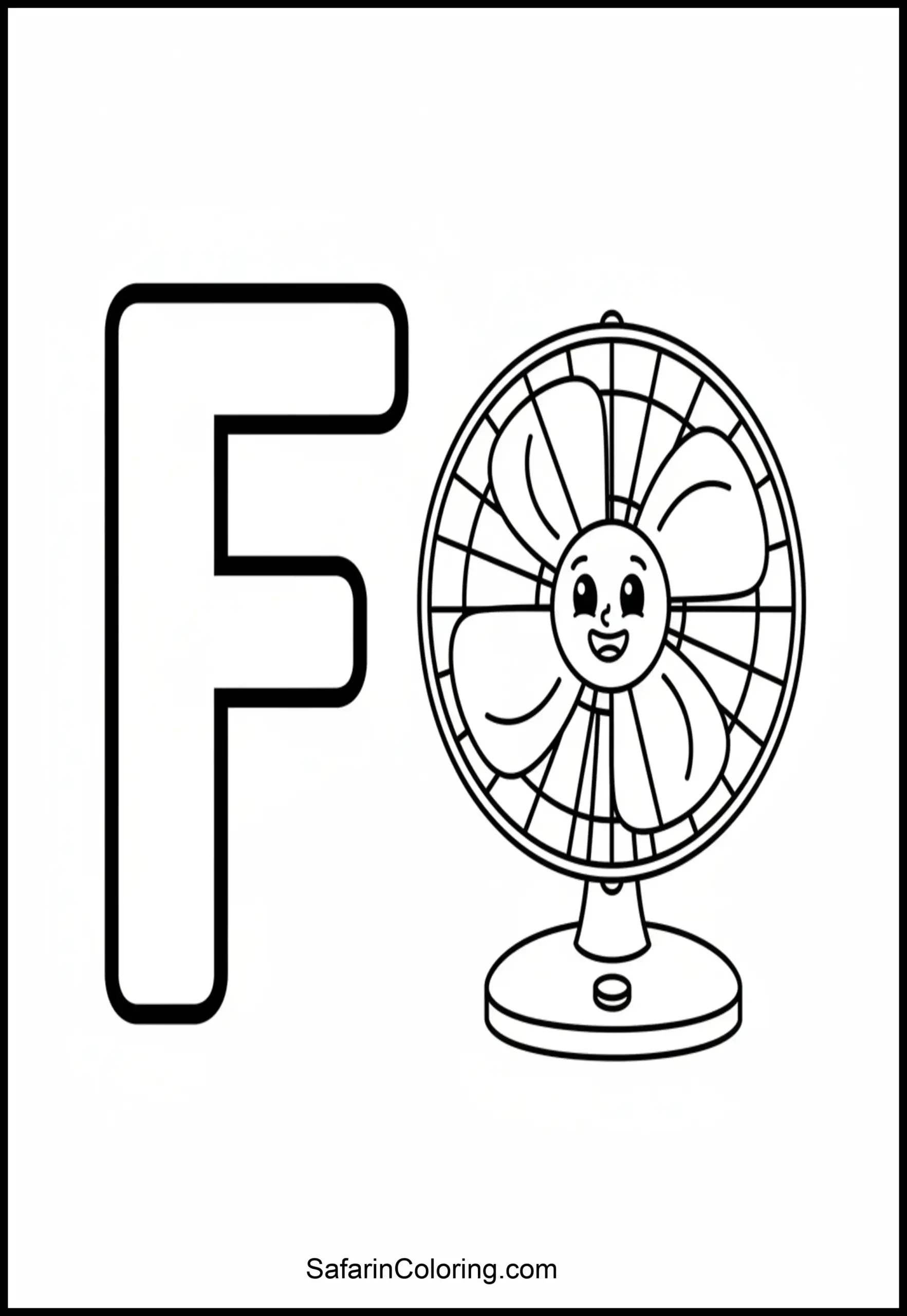
Alphabet F Fan Scaled
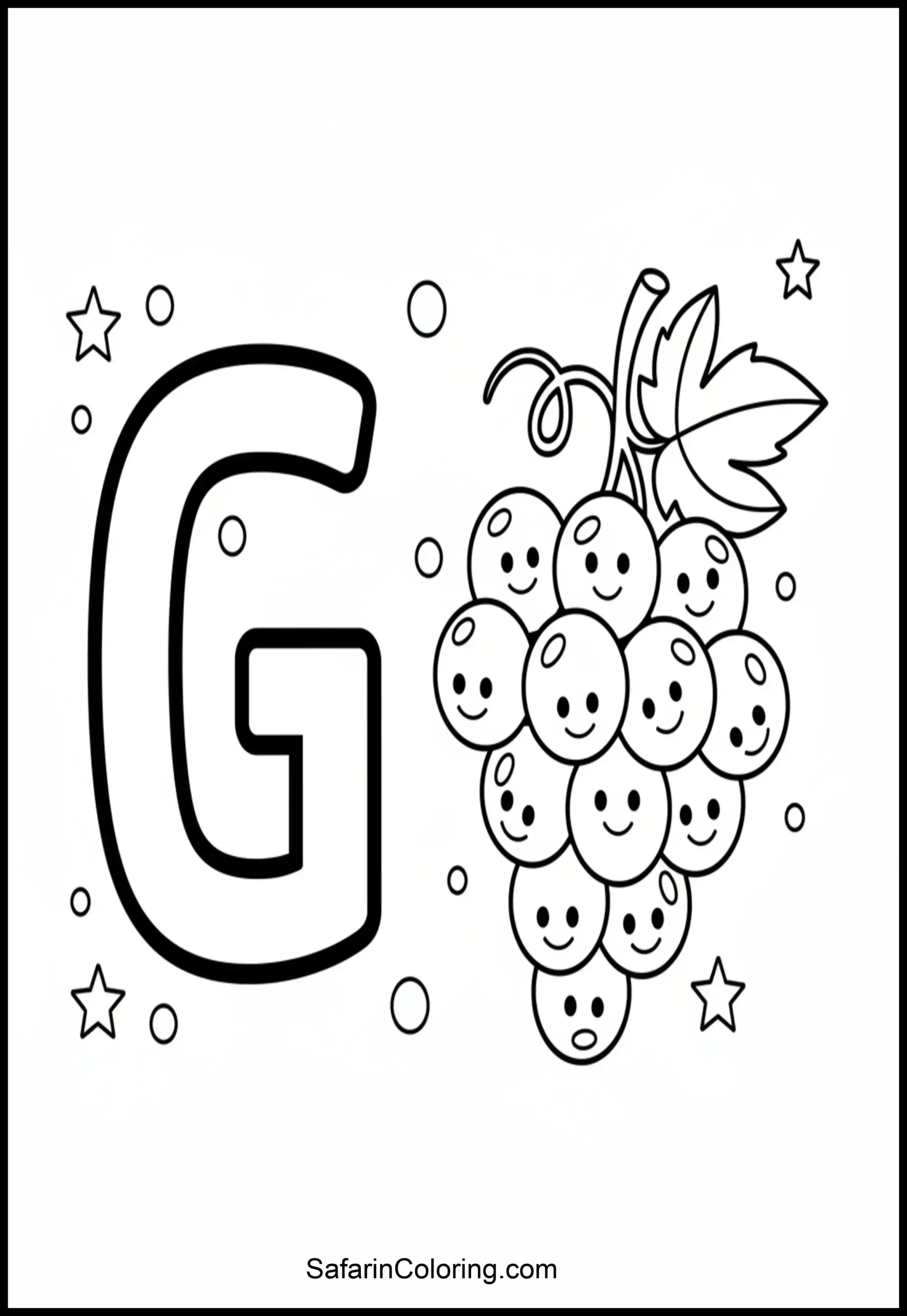
Alphabet G Grapes Scaled
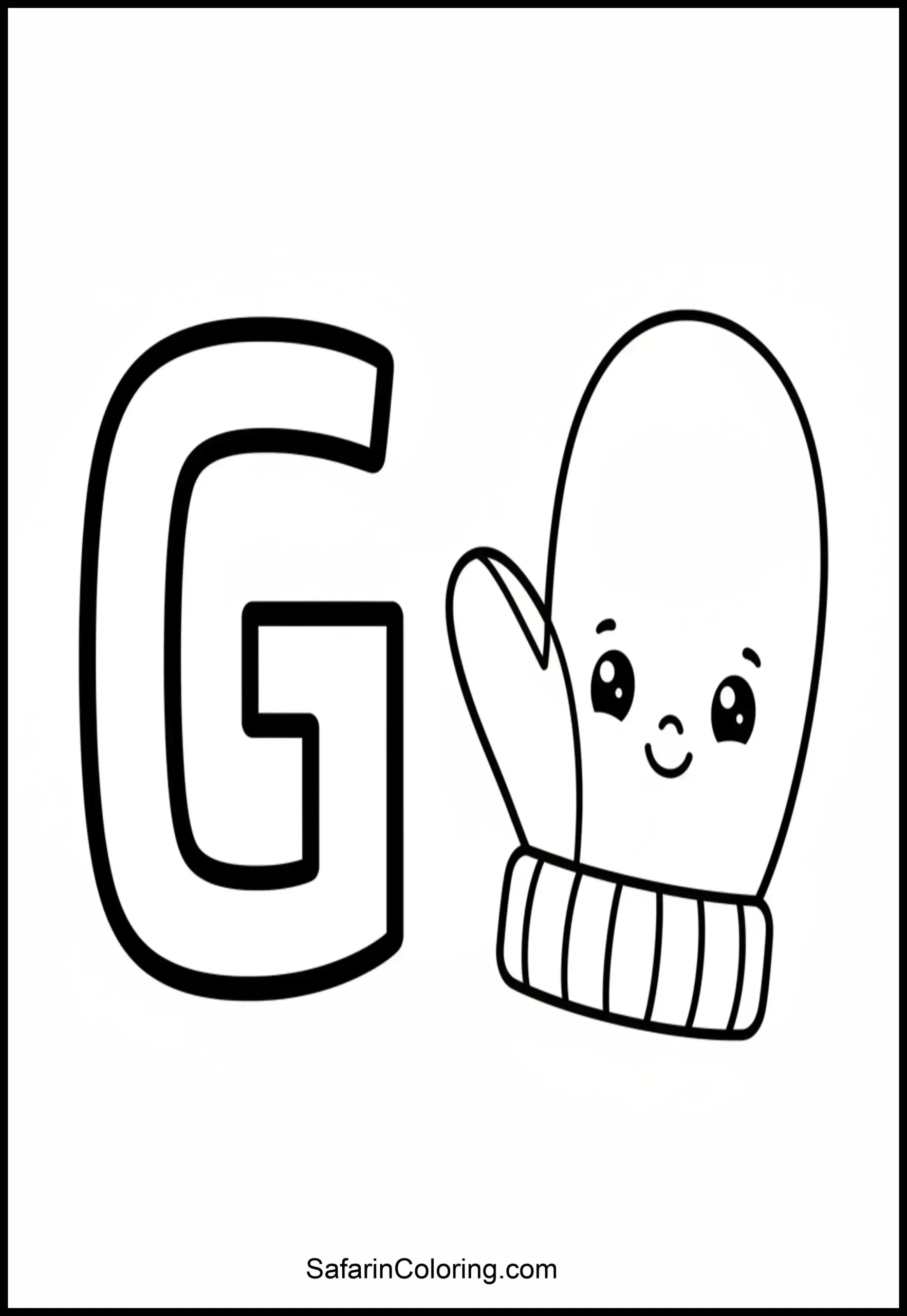
Alphabet G Glove Scaled
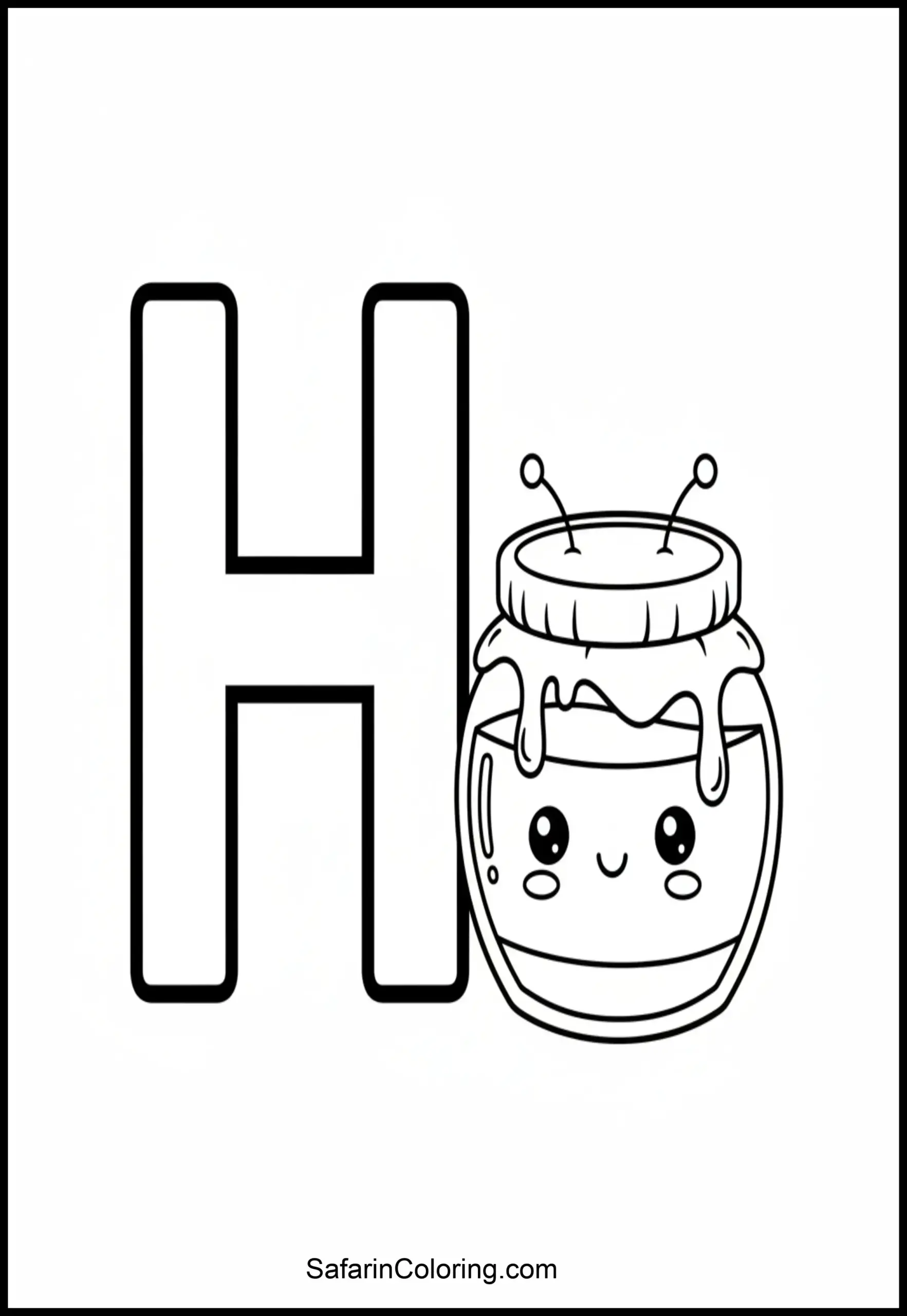
Alphabet H Honey Scaled
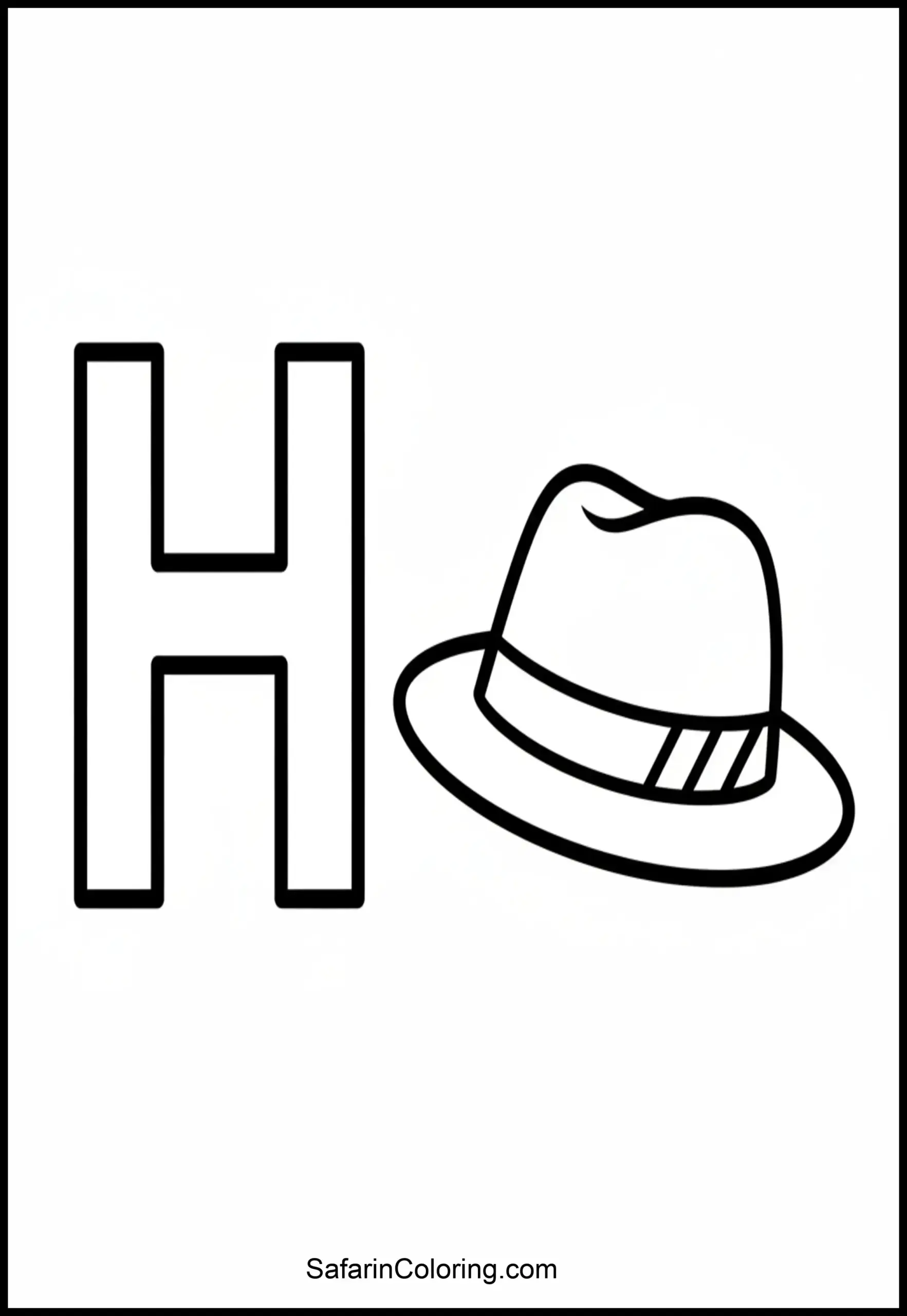
Alphabet H Hat Scaled
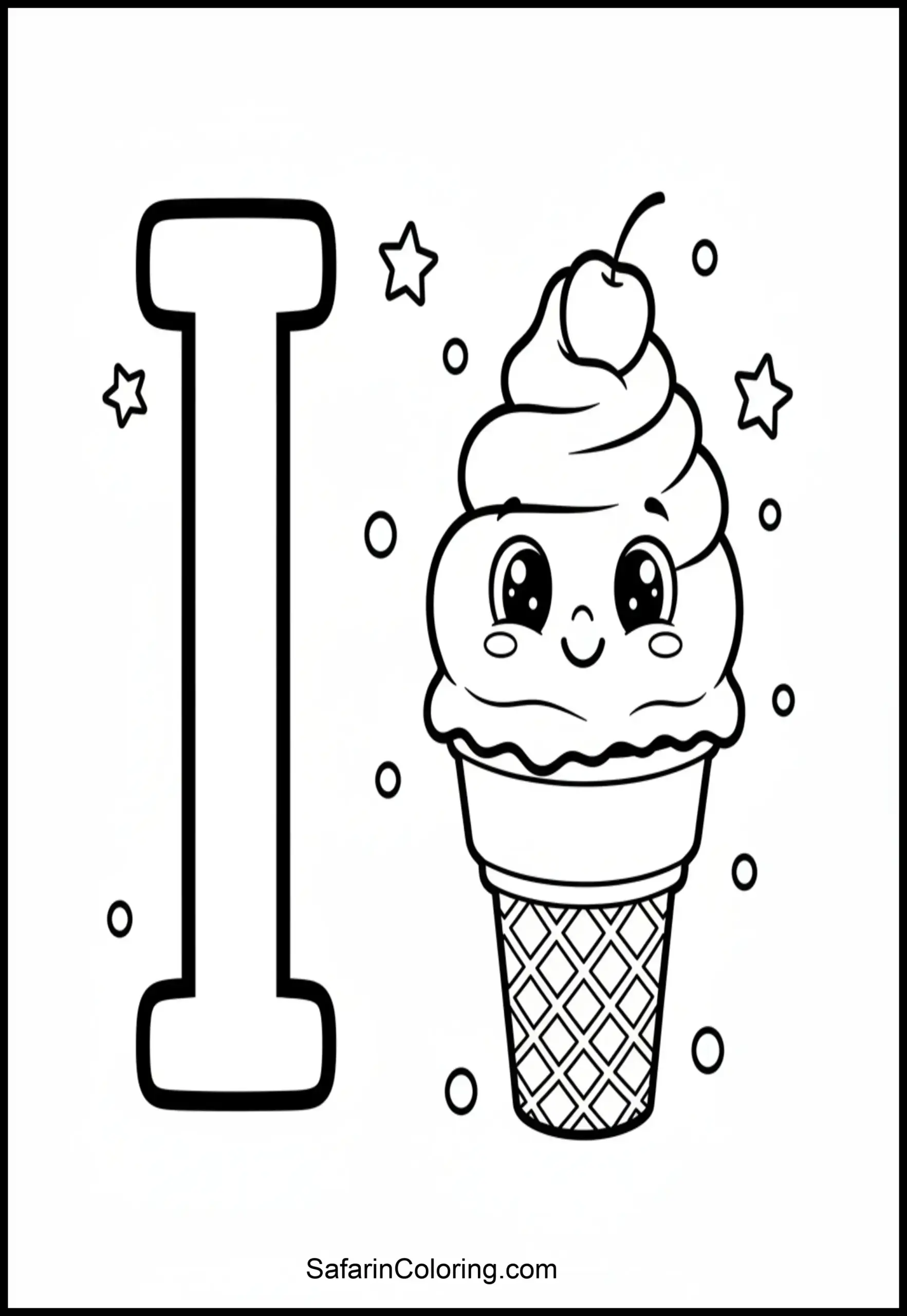
Alphabet I Icecream Scaled
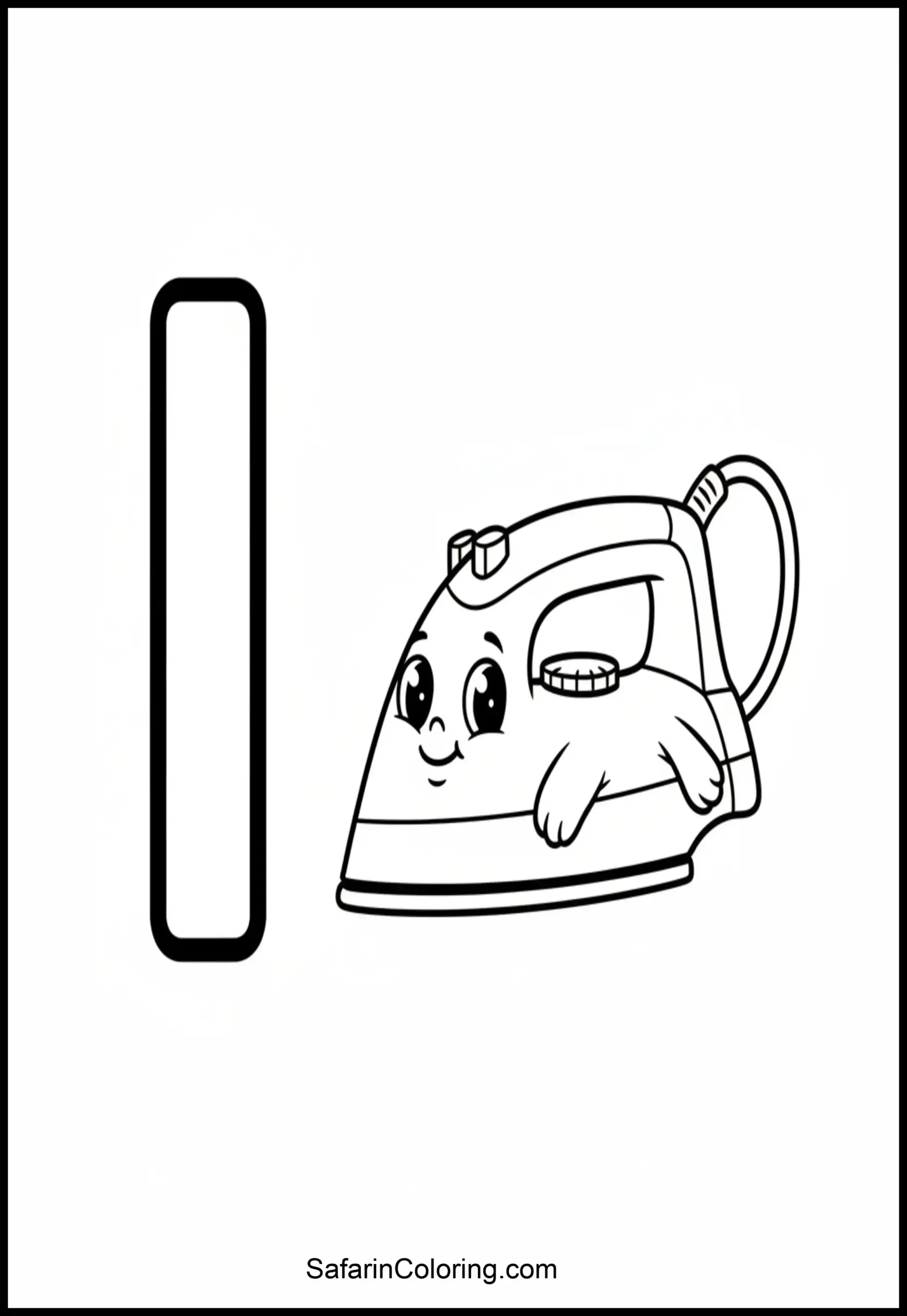
Alphabet I Iron Scaled
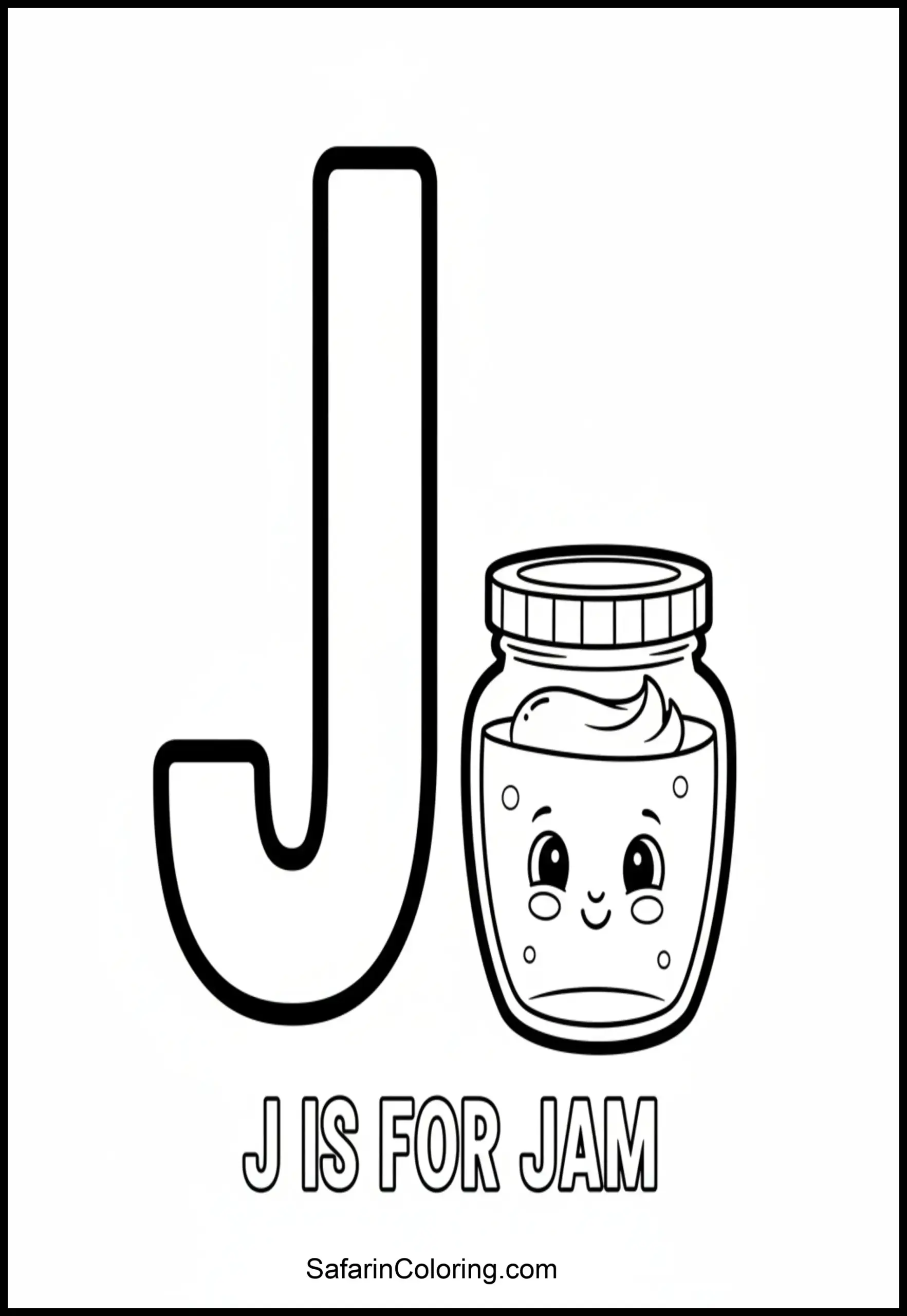
Alphabet J Jam Scaled
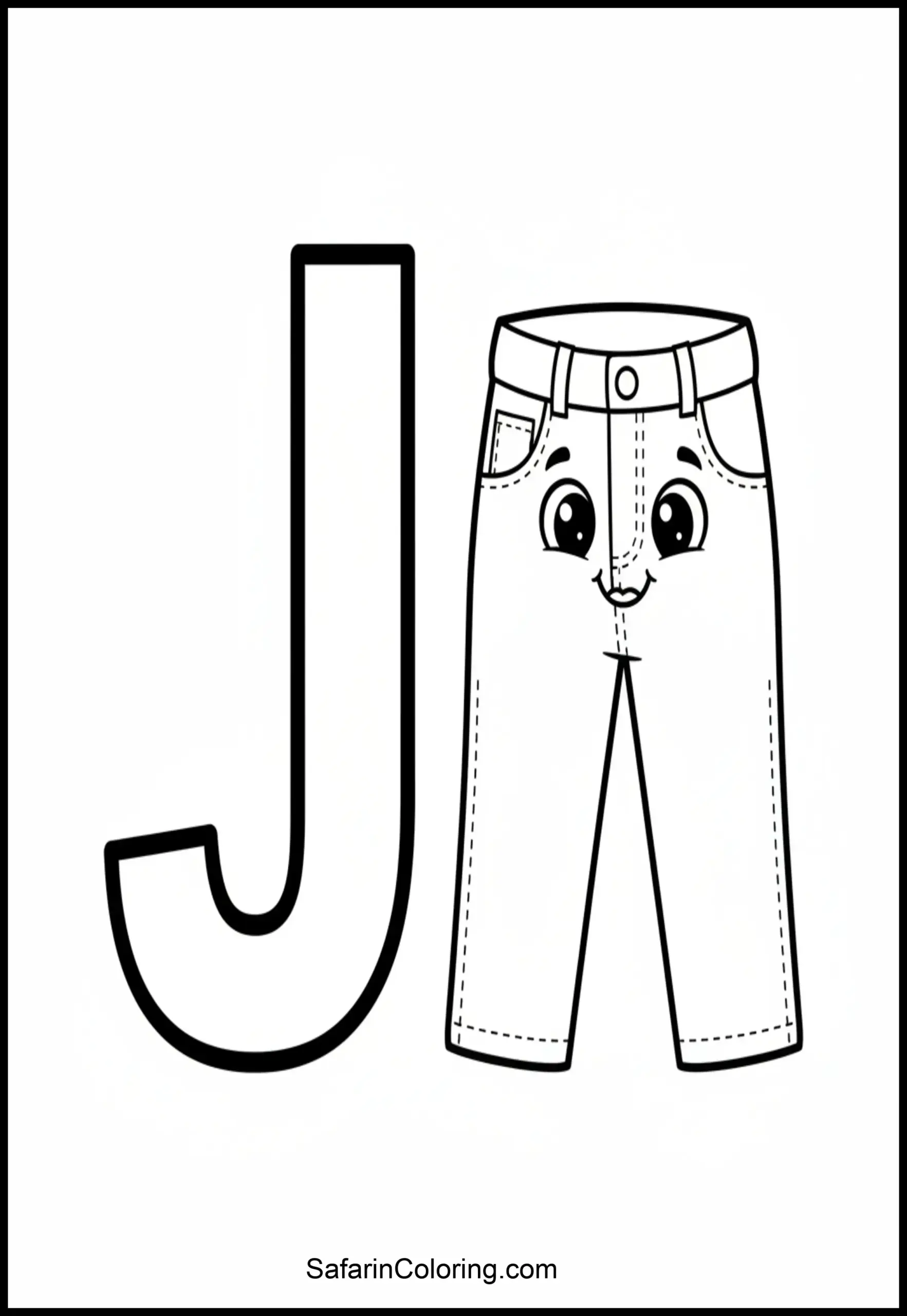
Alphabet J Jeans Scaled
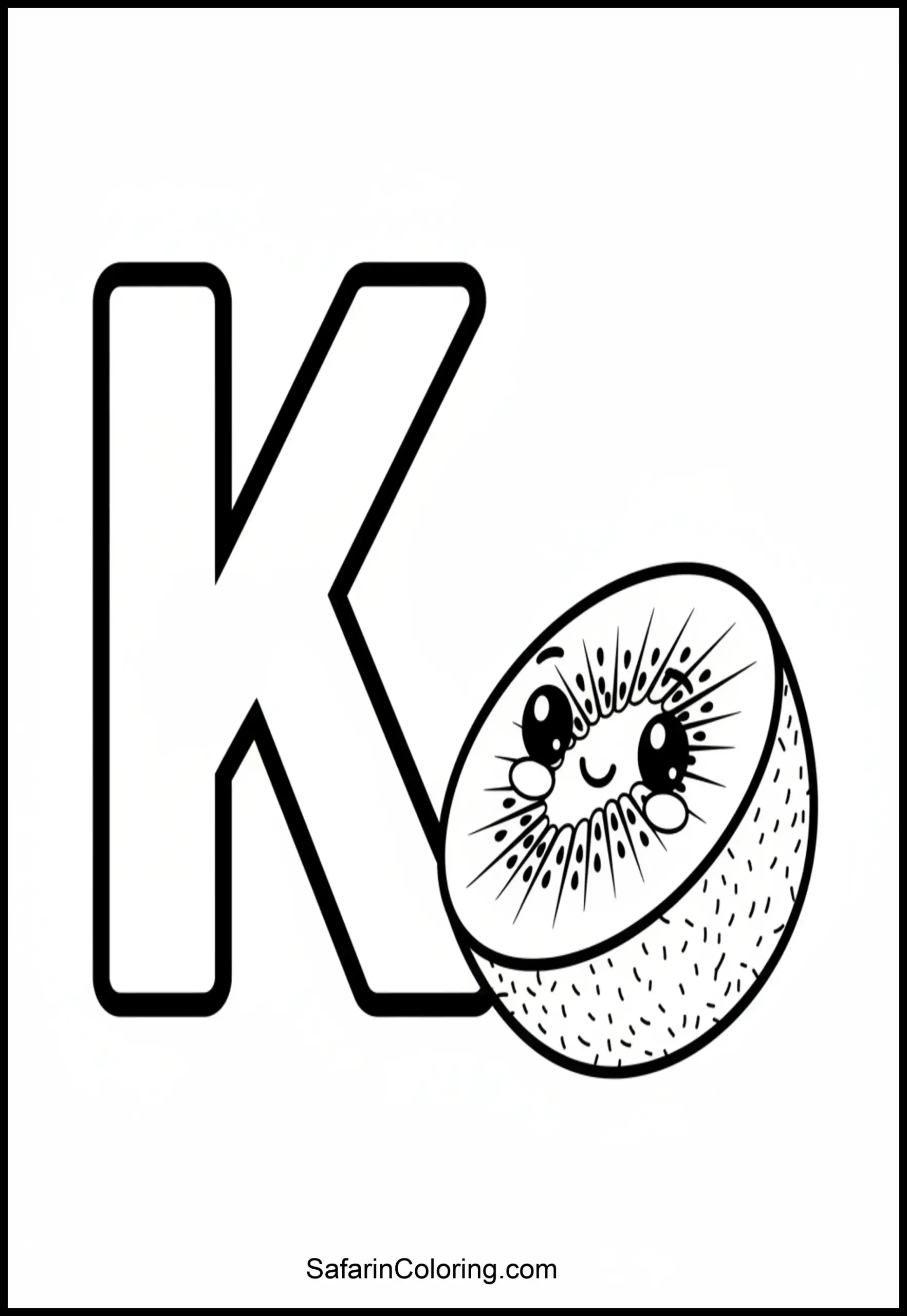
Alphabet K Kiwi Scaled
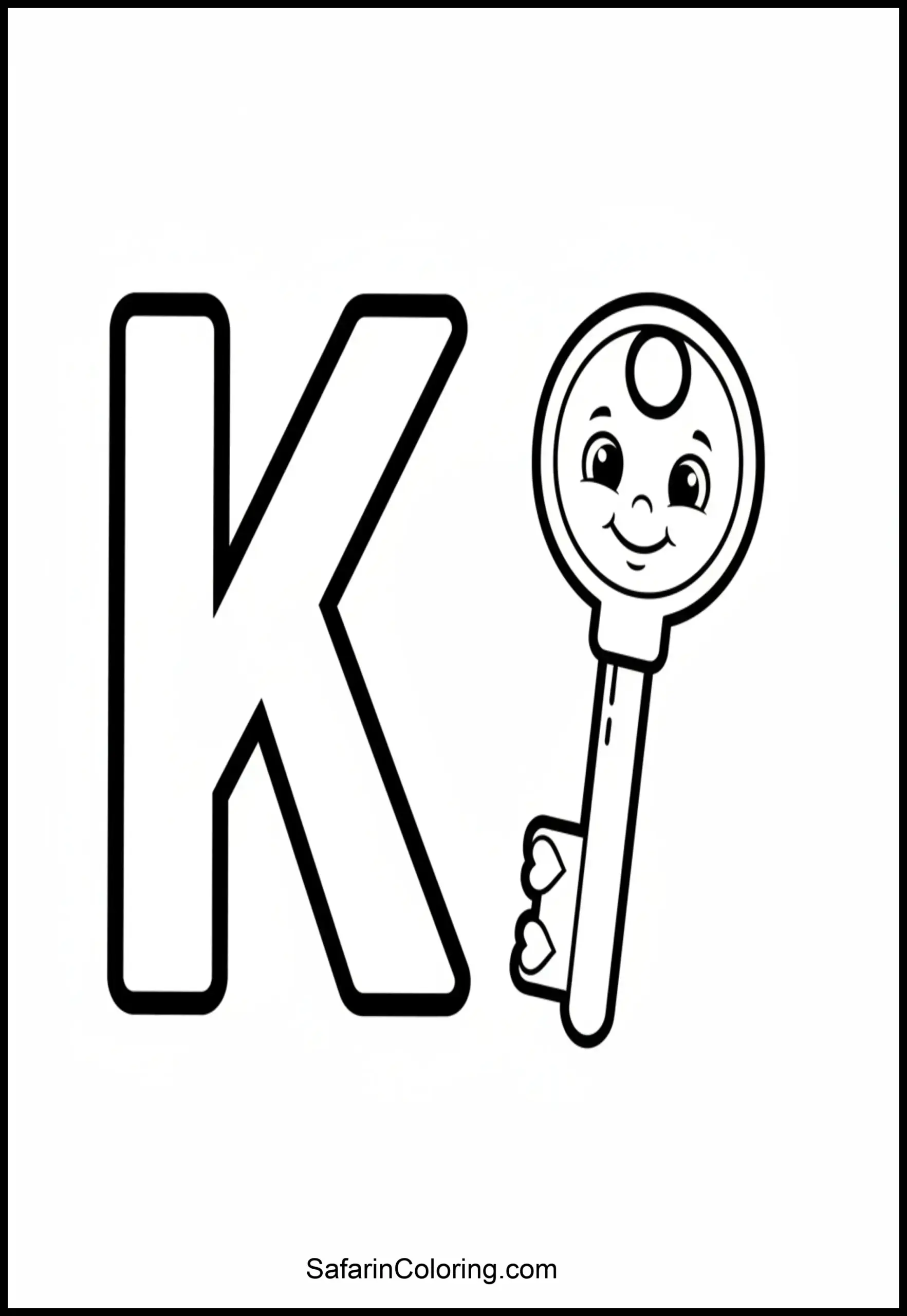
Alphabet K Key Scaled
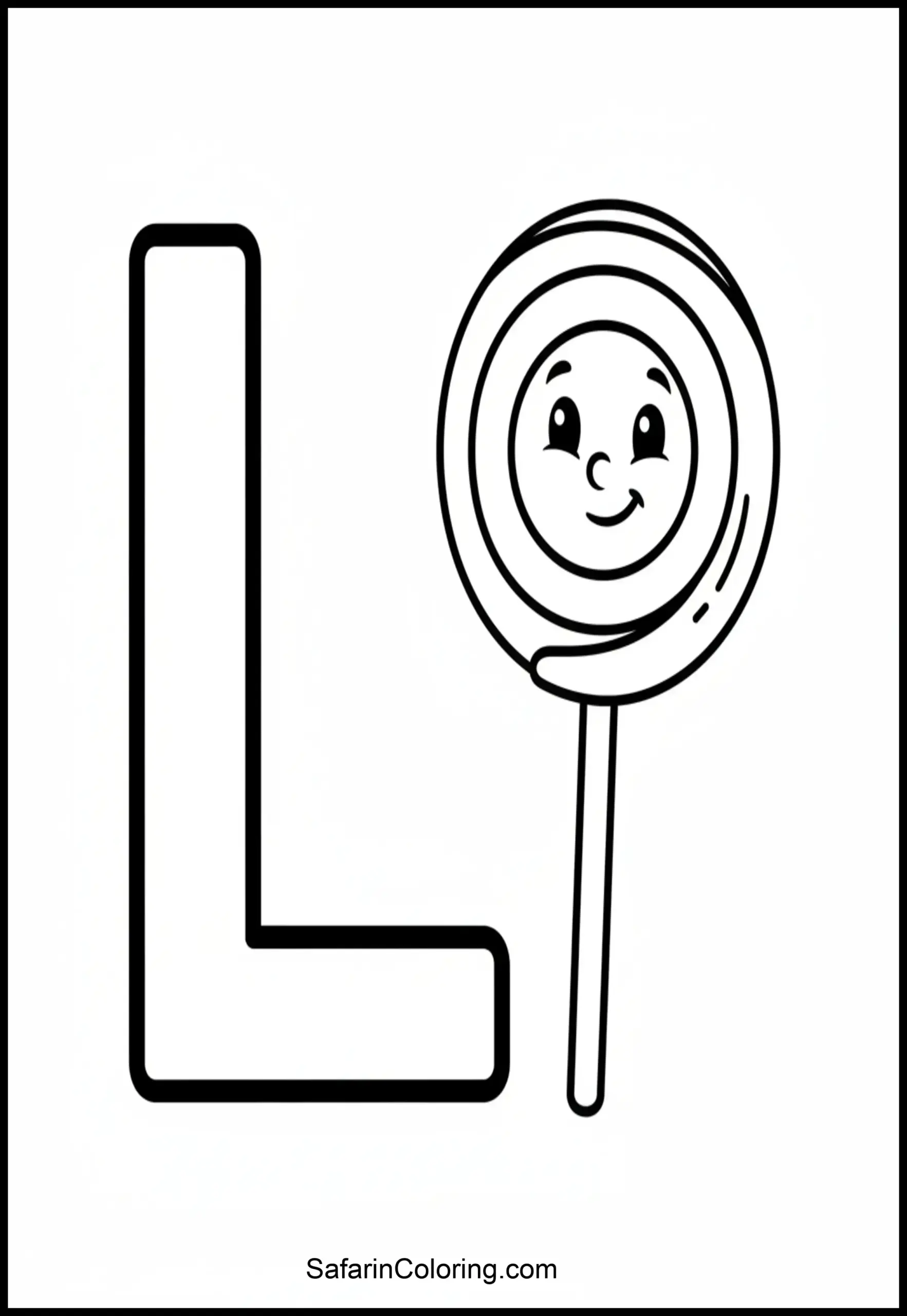
Alphabet L Lollipop Scaled
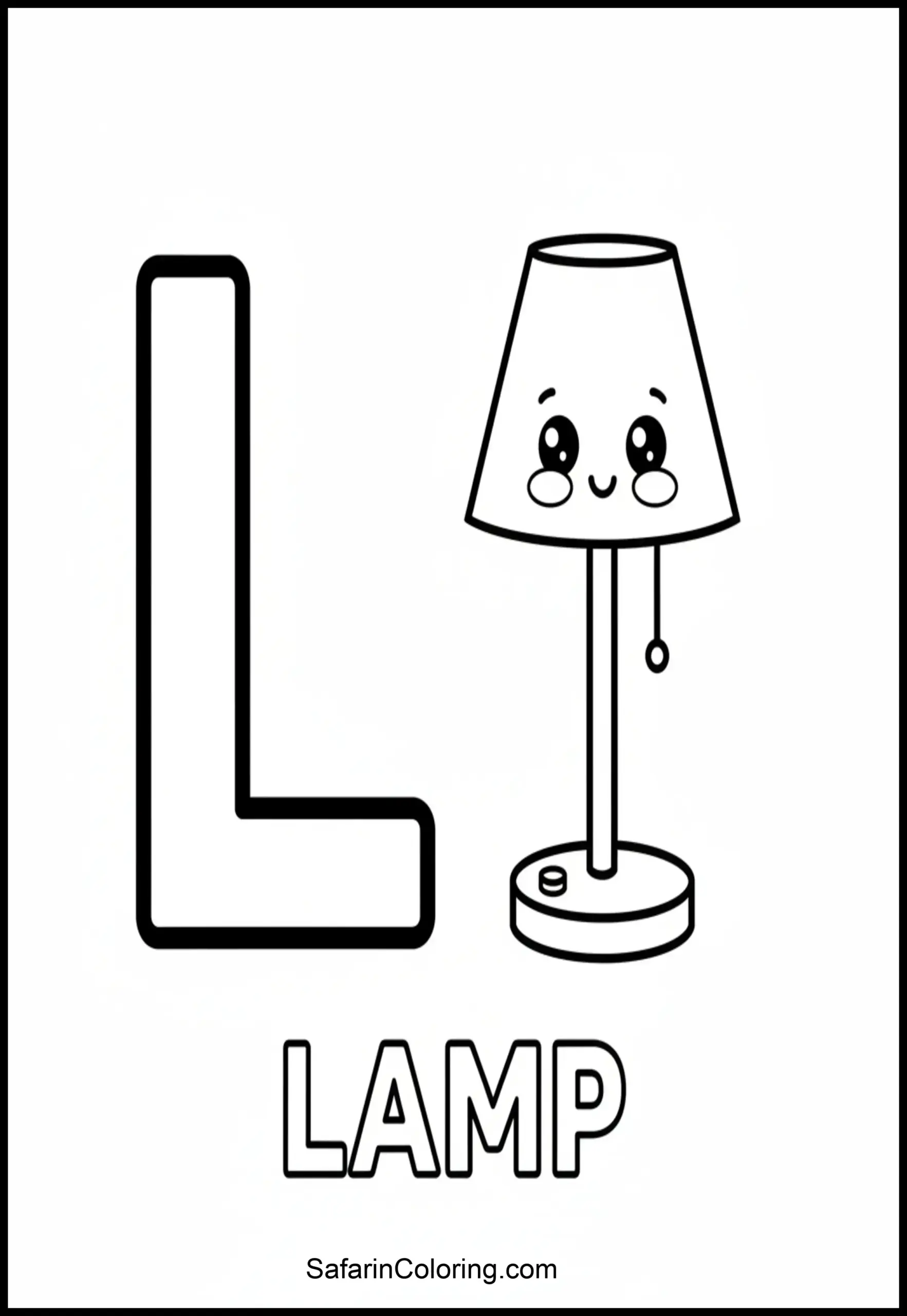
Alphabet L Lamp Scaled
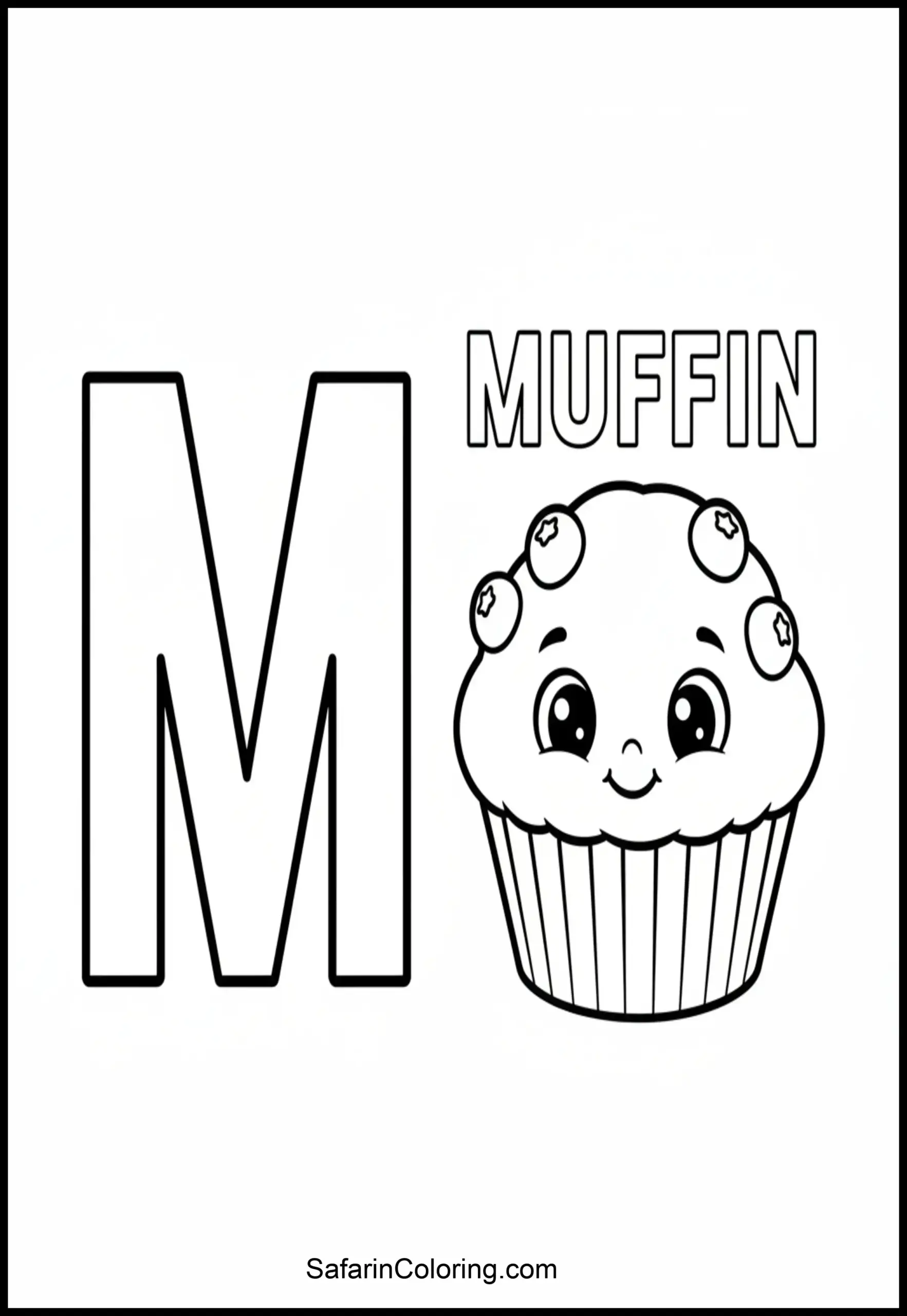
Alphabet M Muffin Scaled
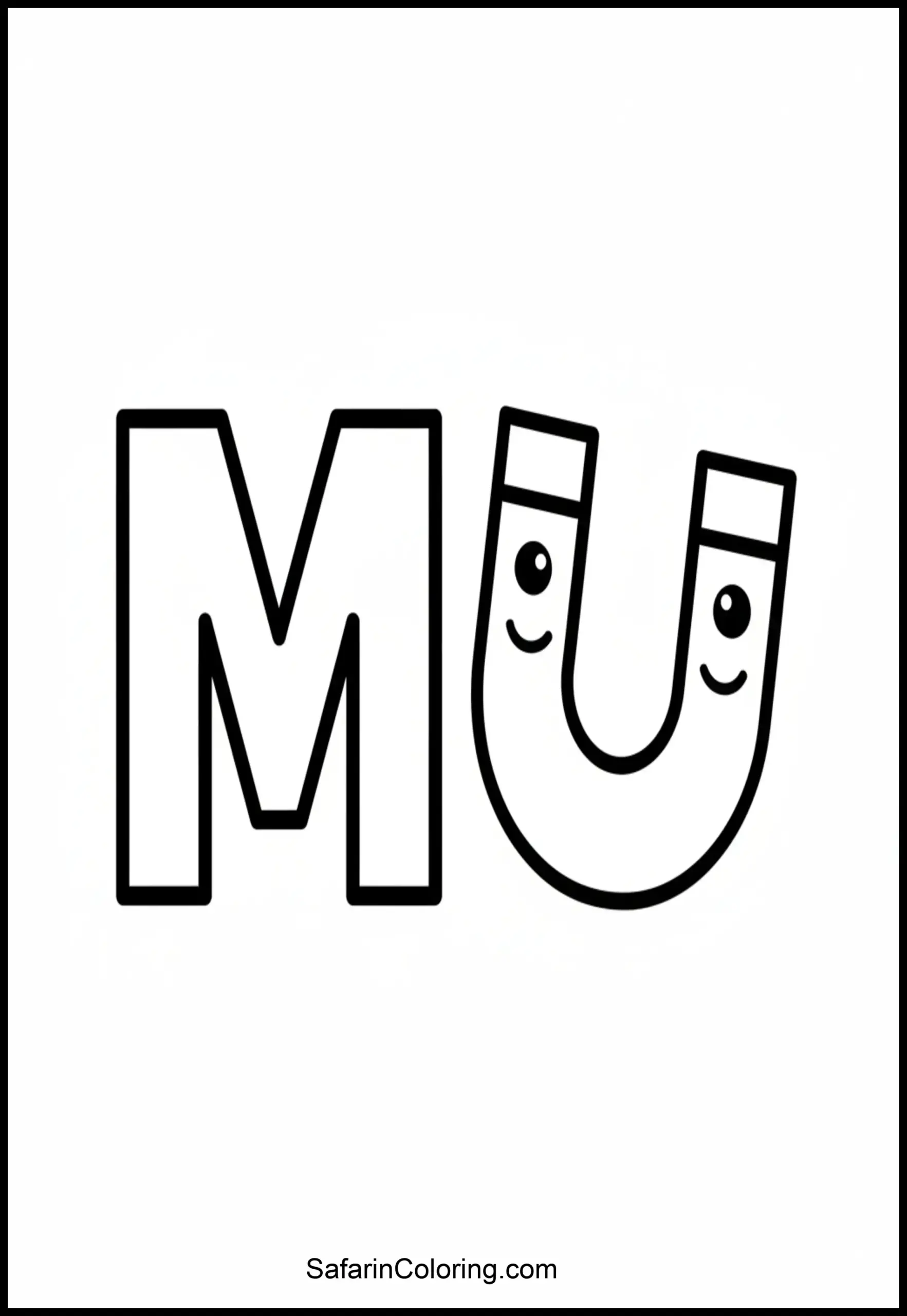
Alphabet M Magnet Scaled
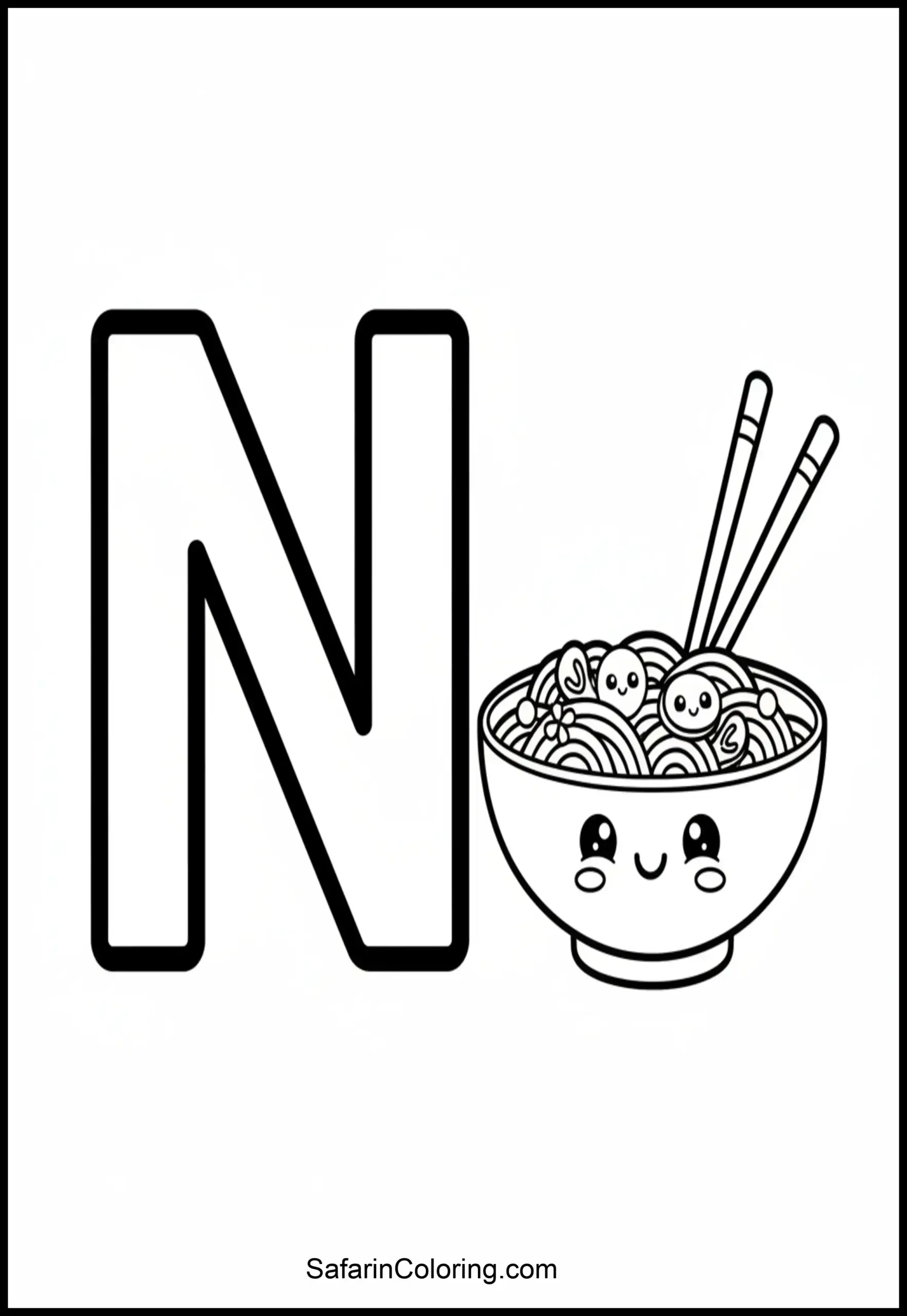
Alphabet N Noodles Scaled
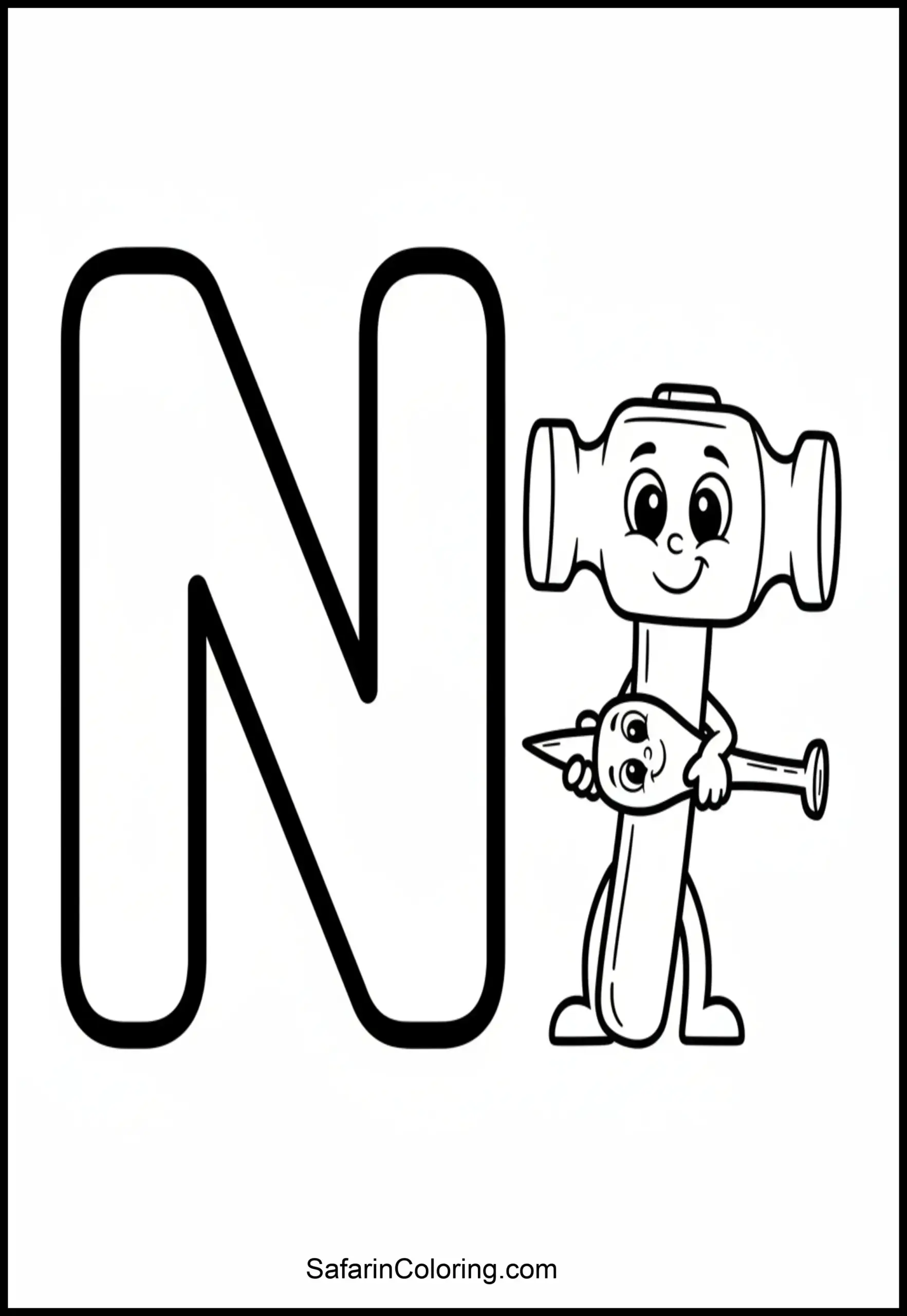
Alphabet N Nail Scaled
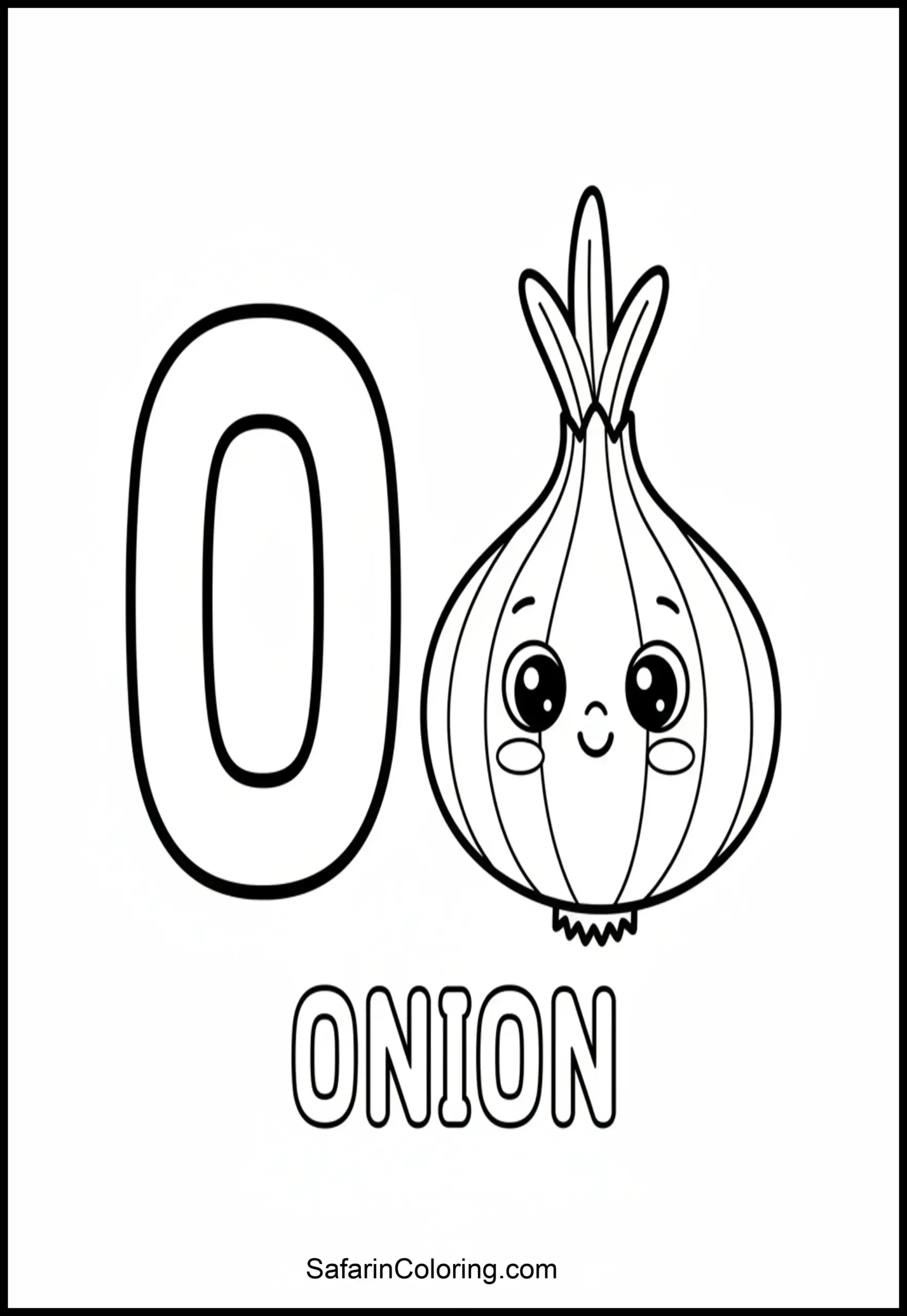
Alphabet O Onion Scaled
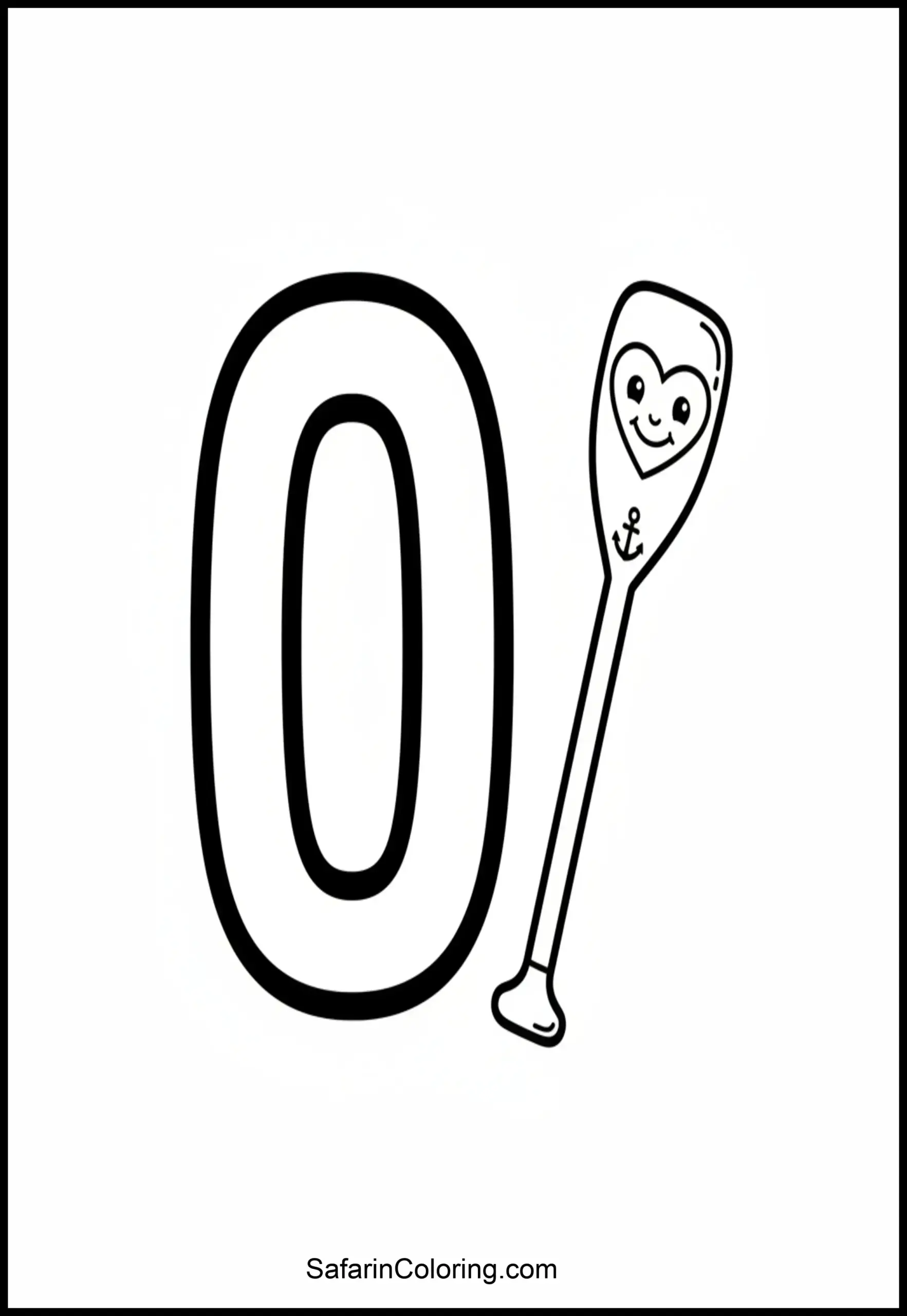
Alphabet O Oar Scaled
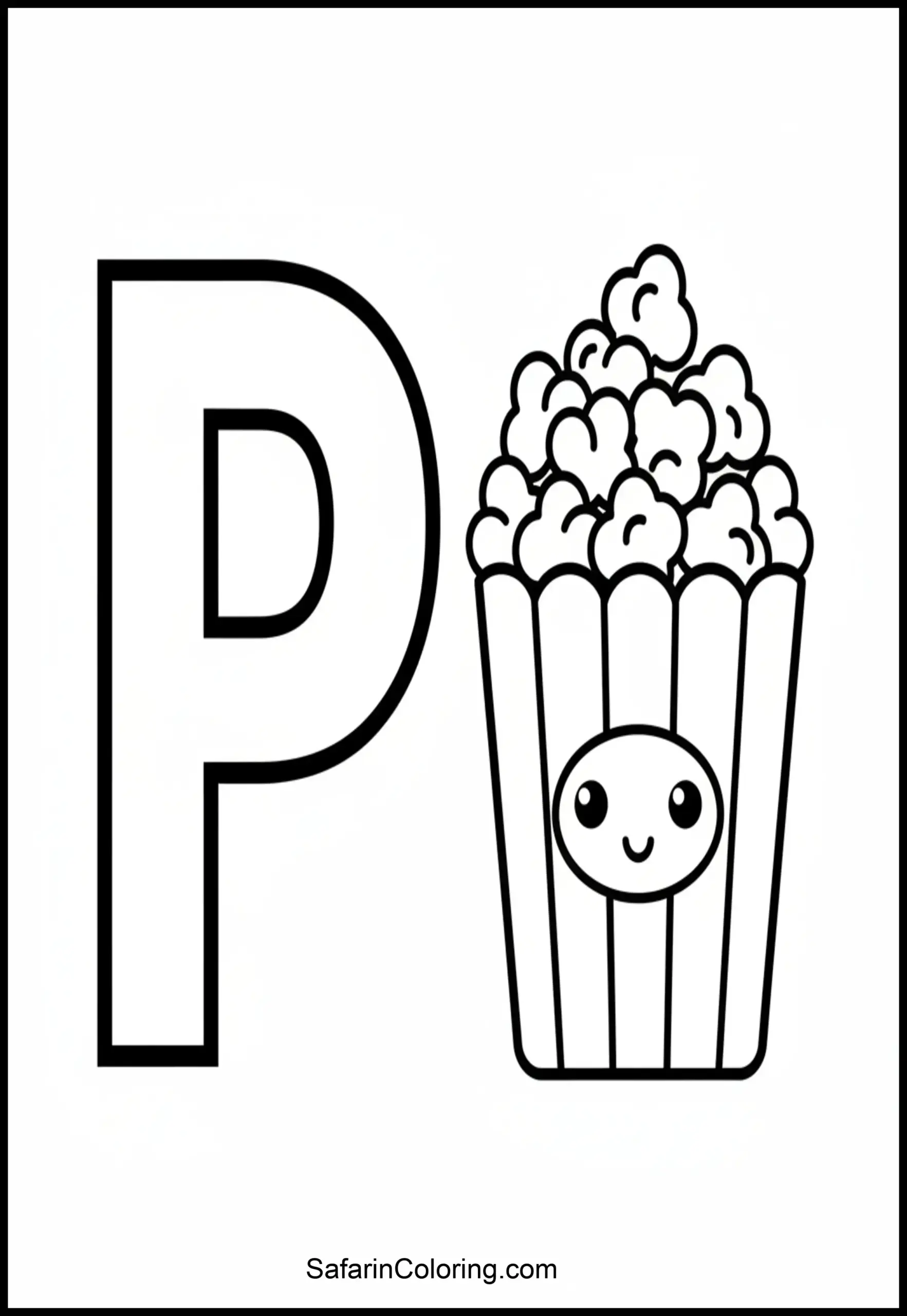
Alphabet P Popcorn Scaled
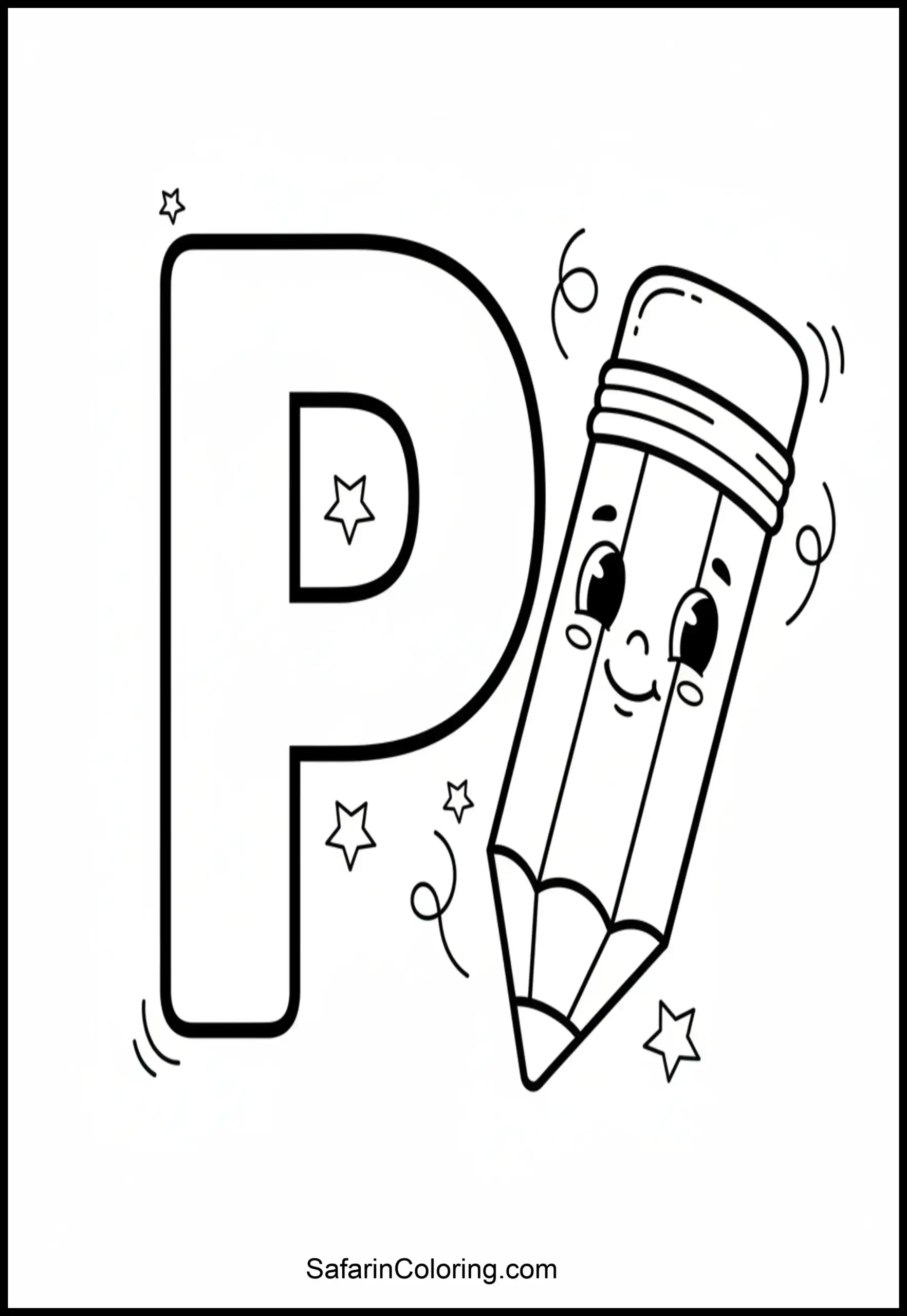
Alphabet P Pencil Scaled
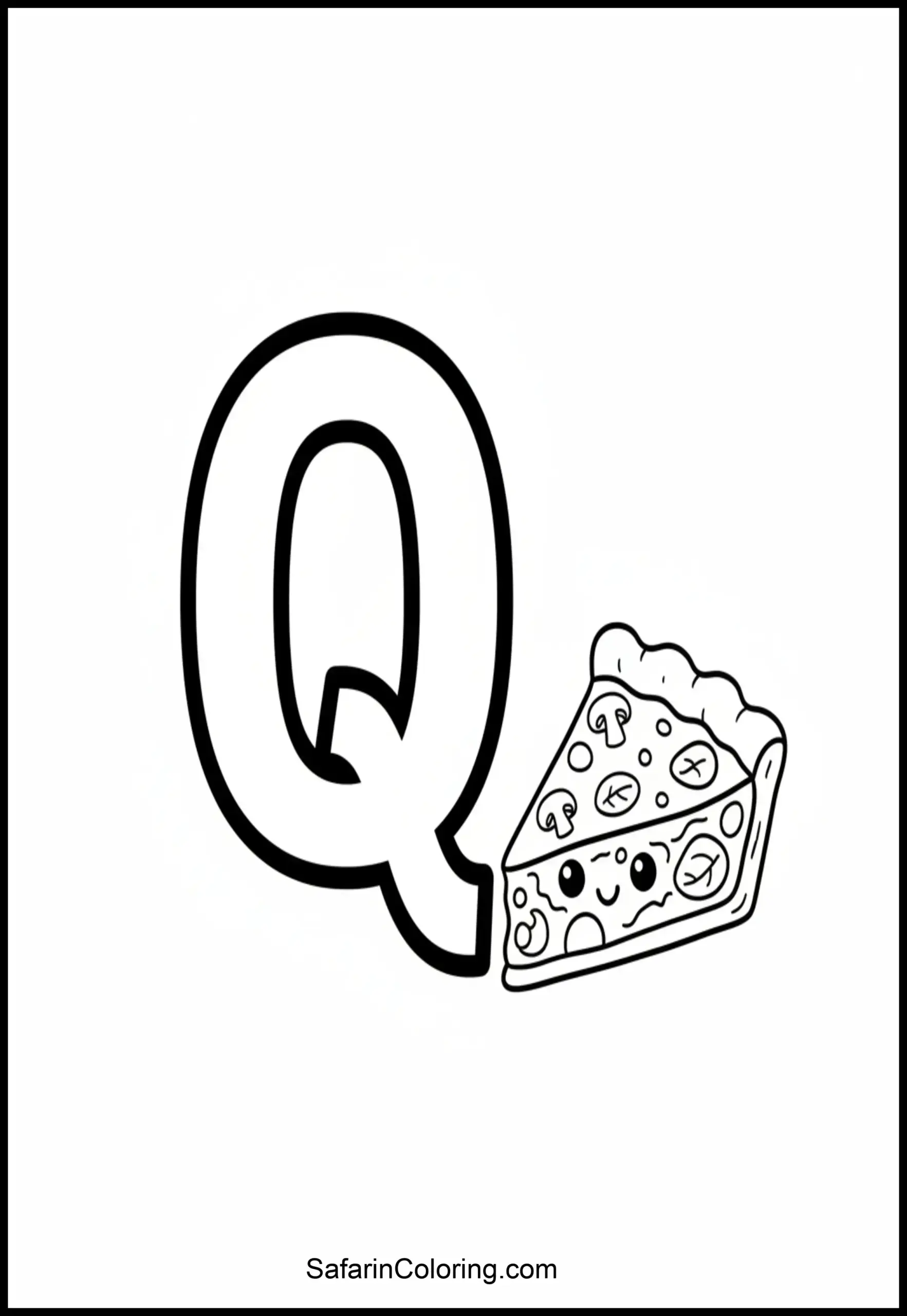
Alphabet Q Quiche Scaled
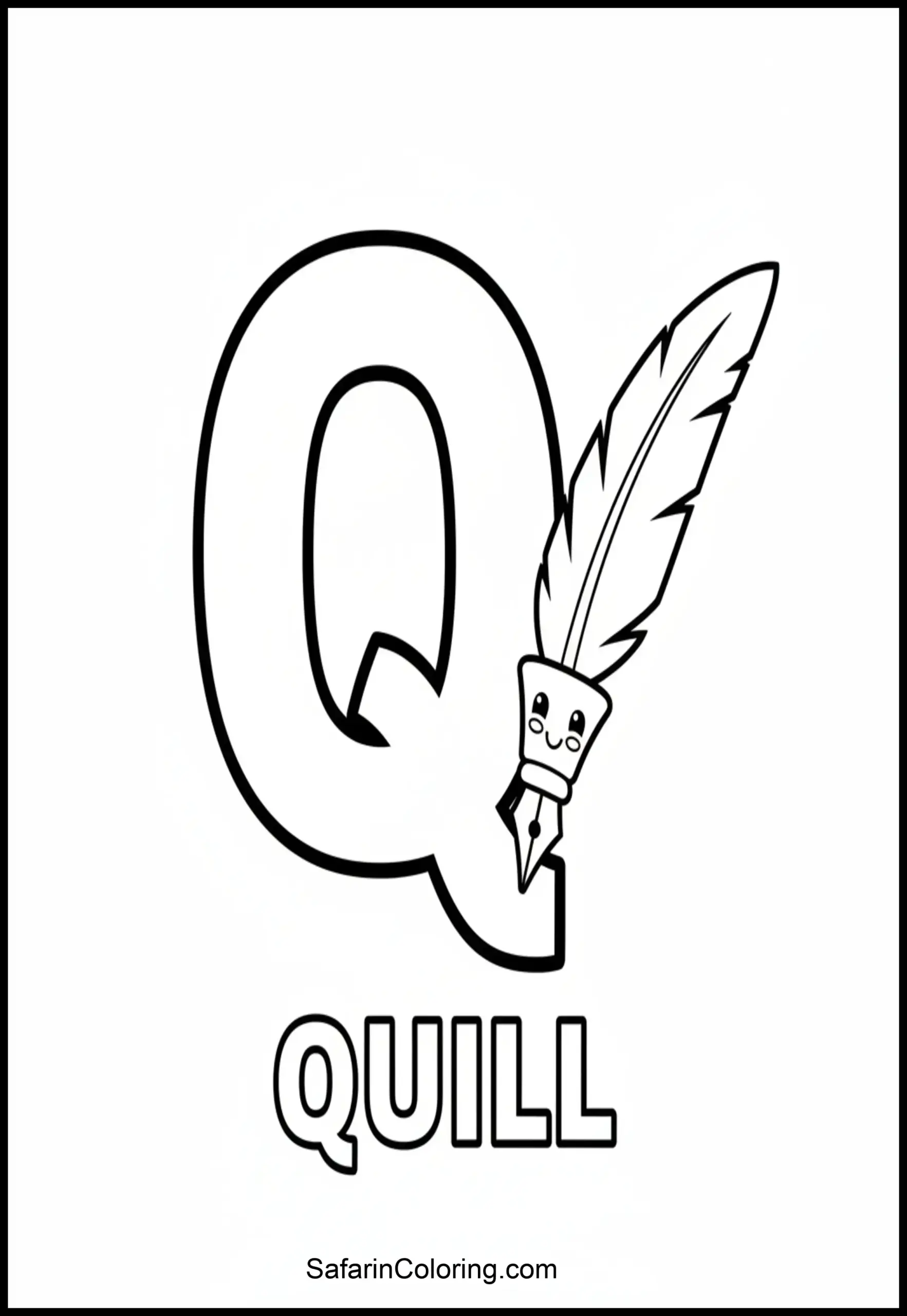
Alphabet Q Quill Scaled
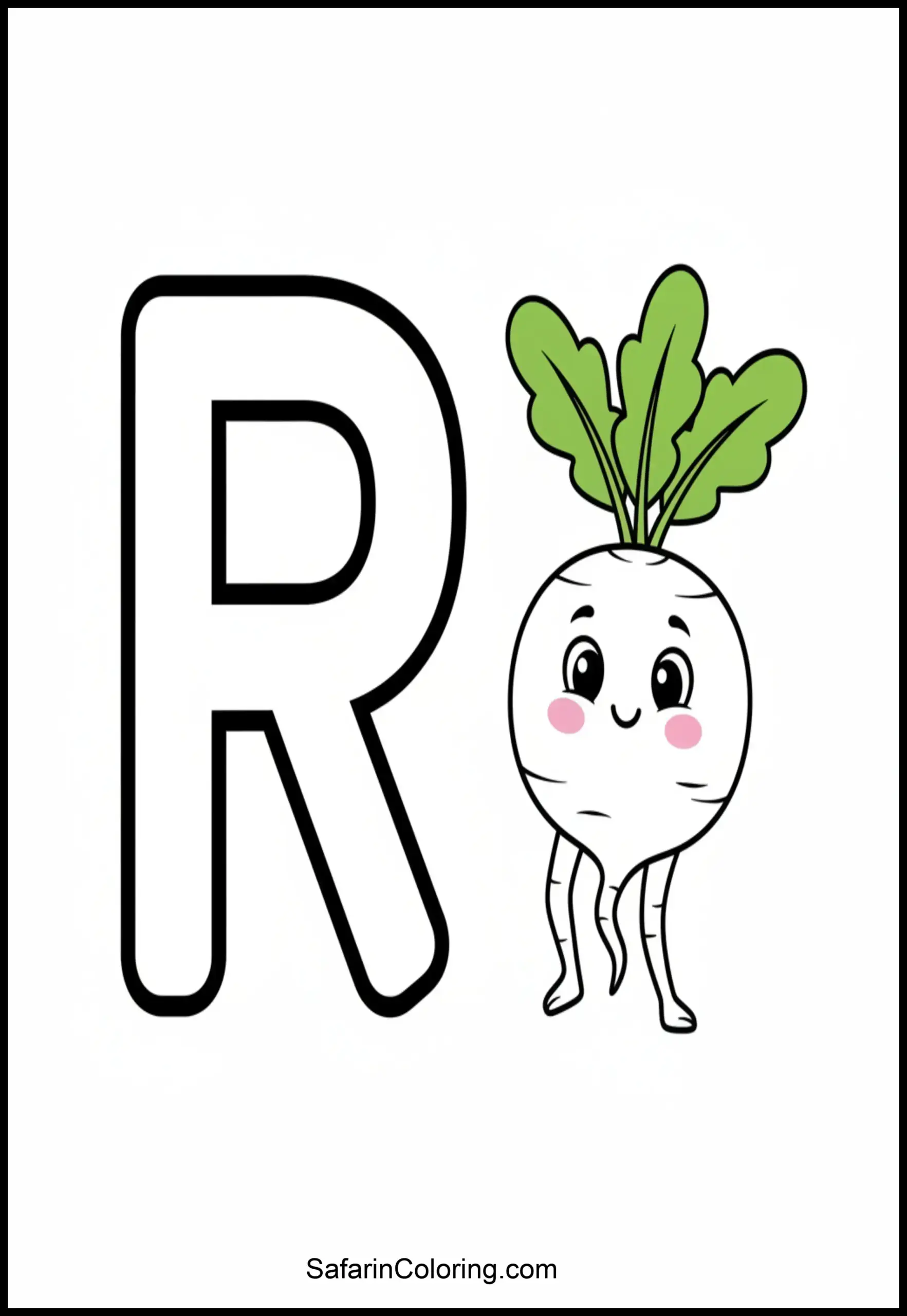
Alphabet R Radish Scaled
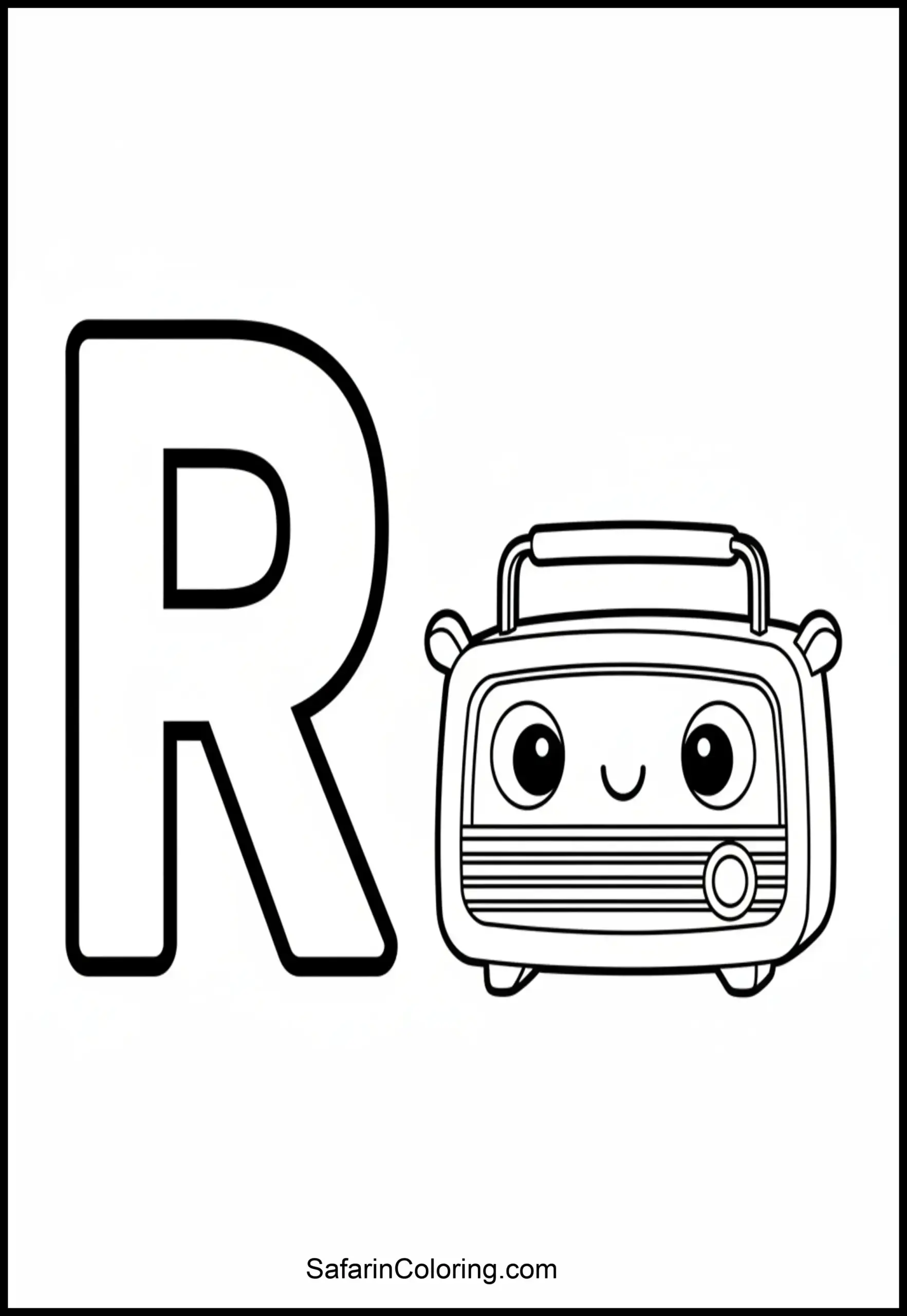
Alphabet R Radio Scaled
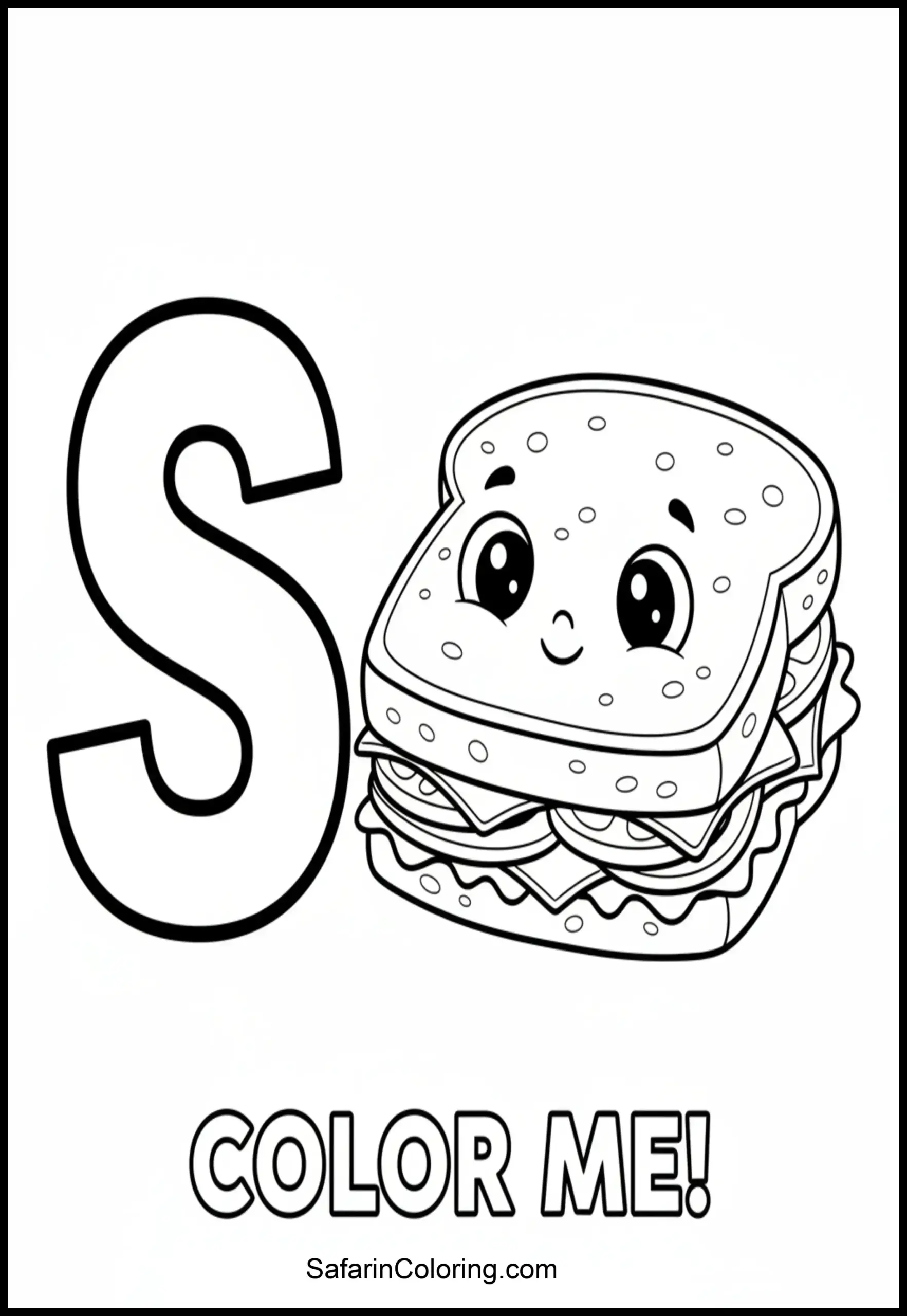
Alphabet S Sandwich Scaled
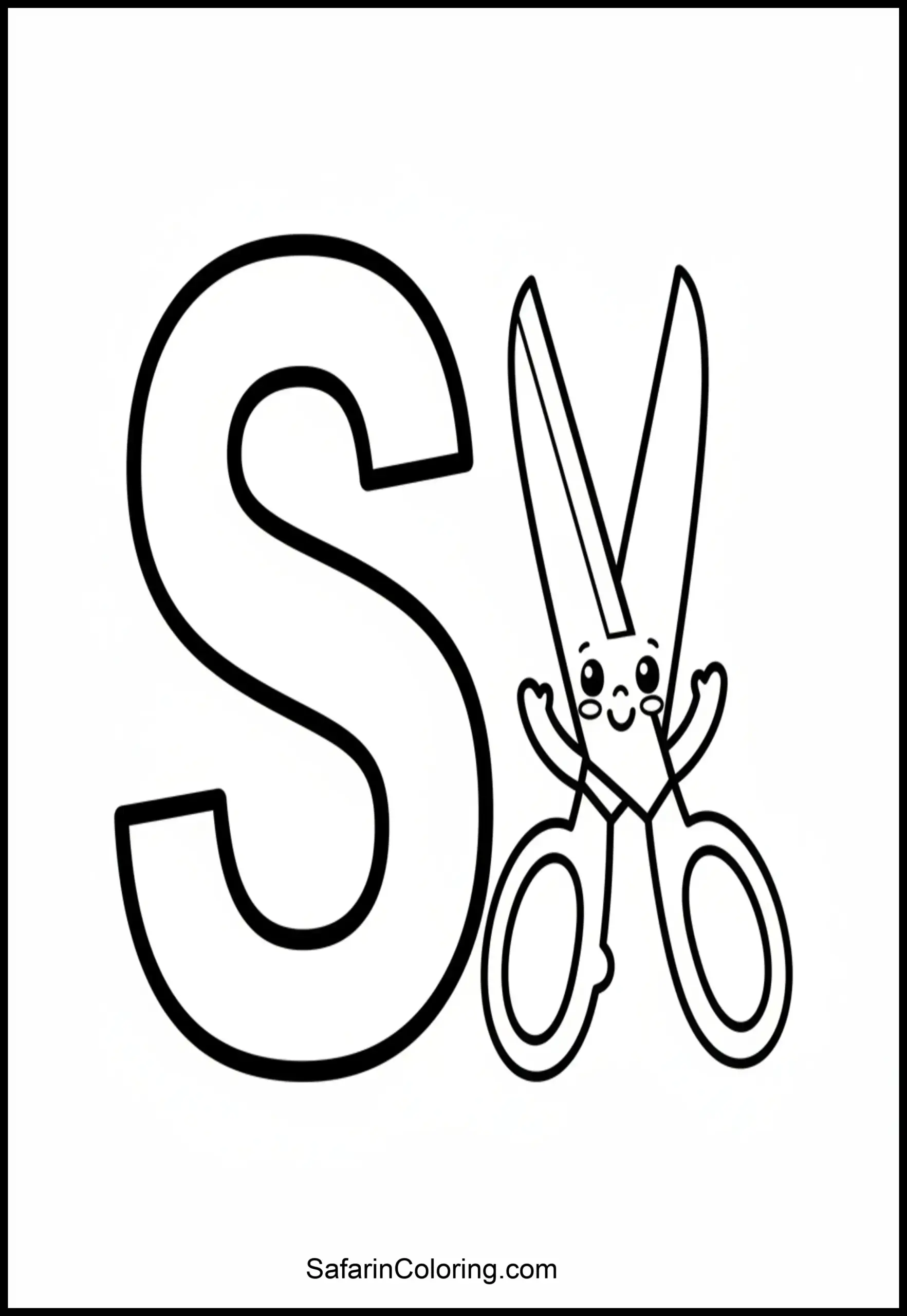
Alphabet S Scissors Scaled
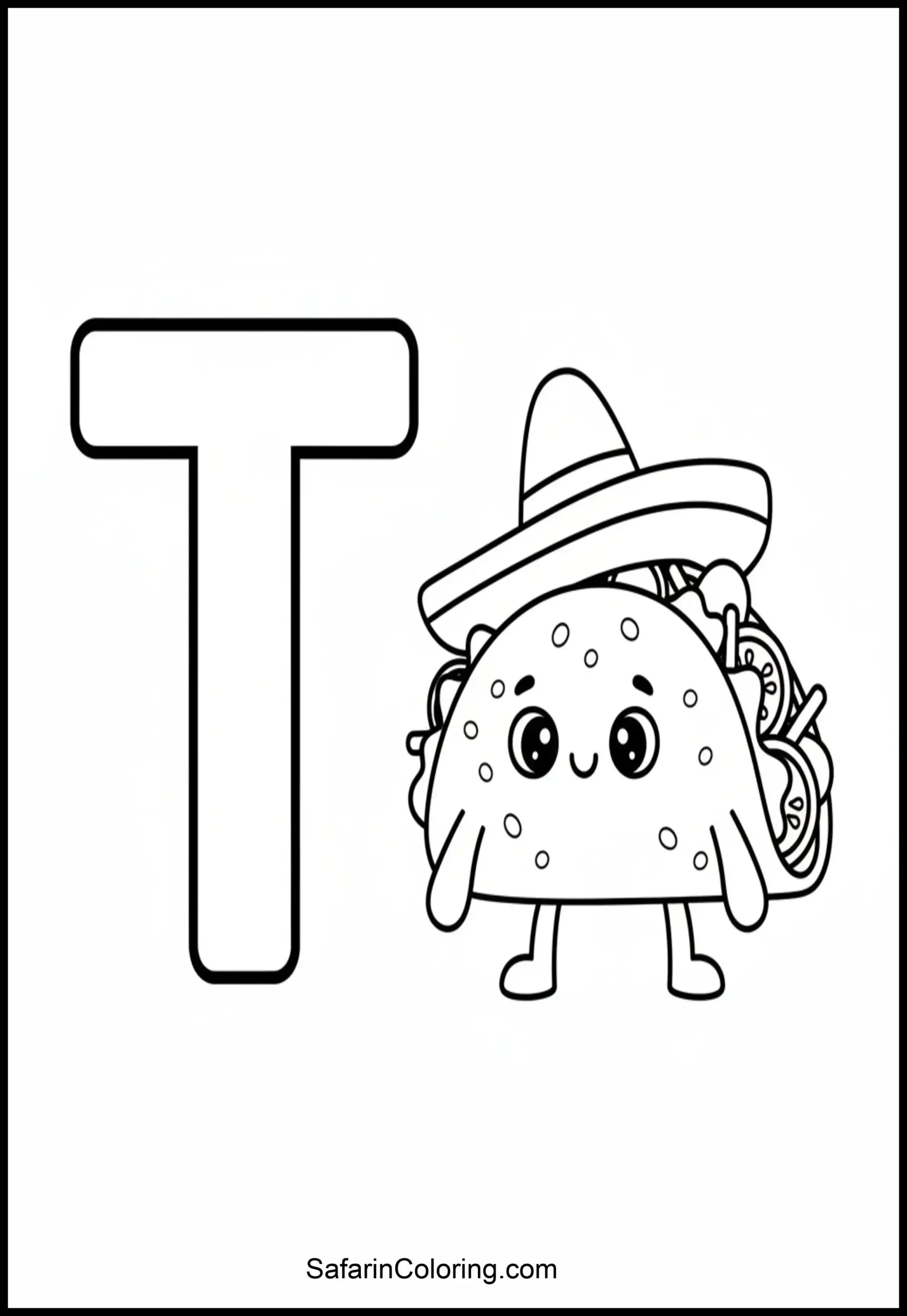
Alphabet T Taco Scaled
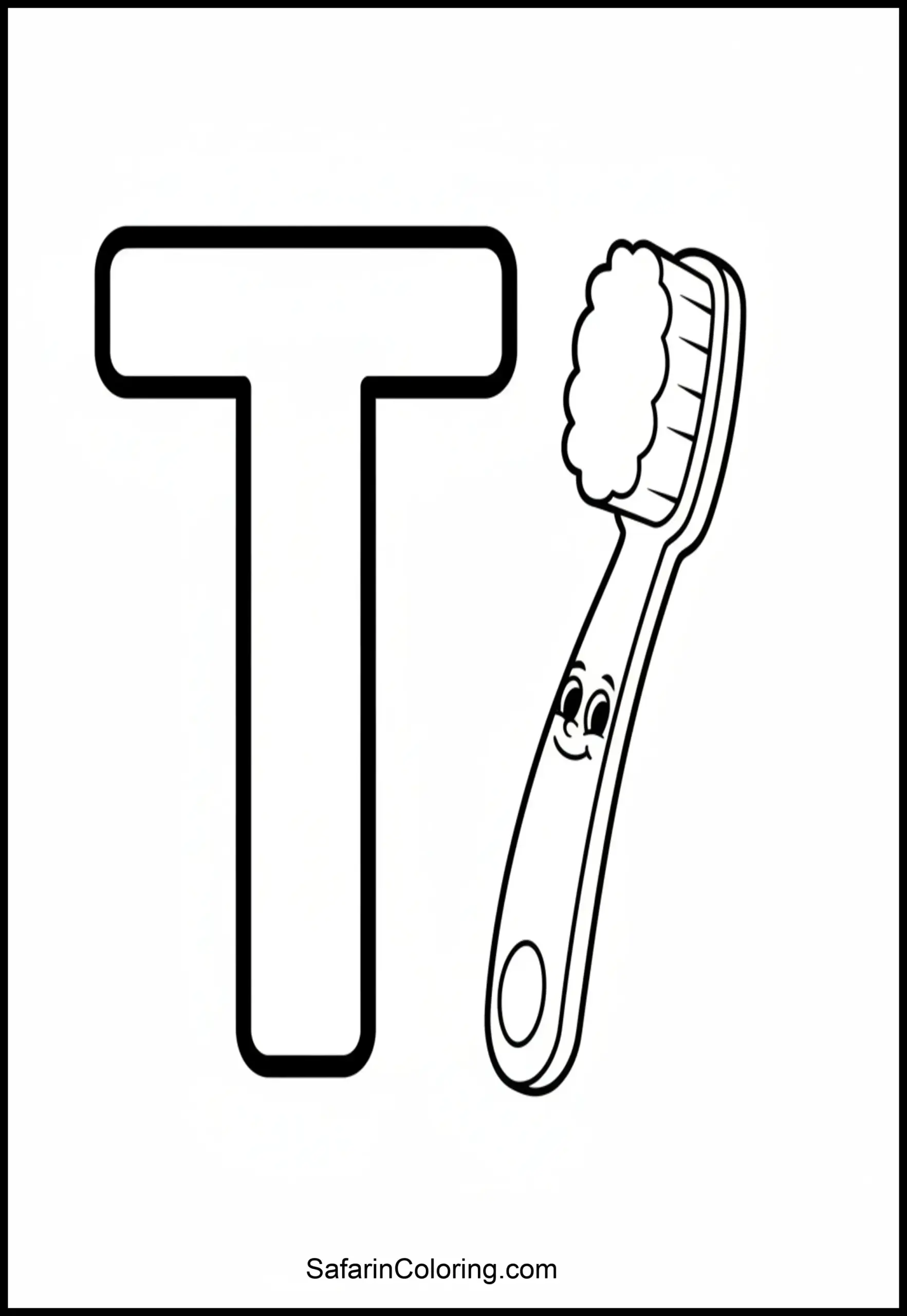
Alphabet T Toothbrush Scaled
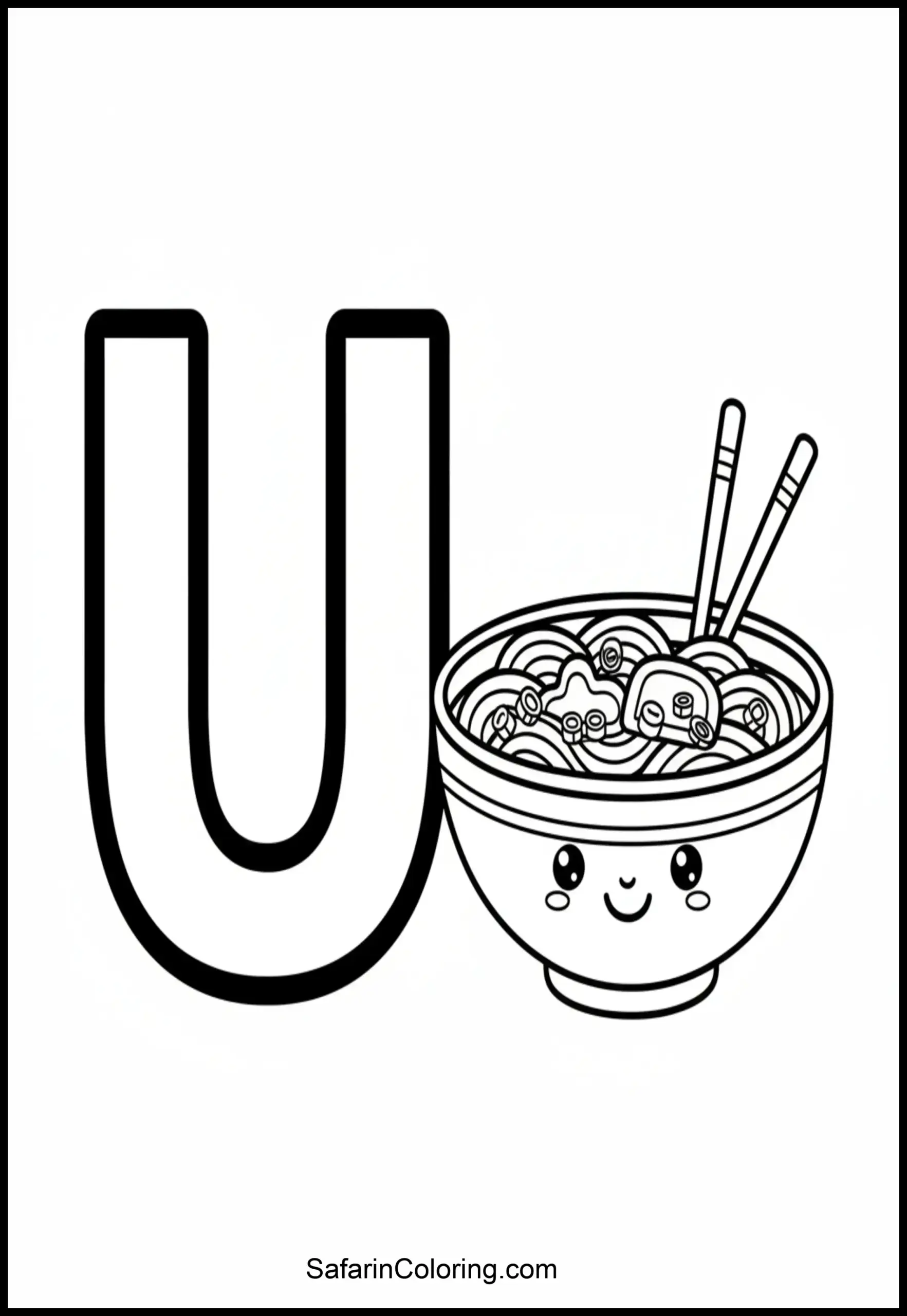
Alphabet U Udon Scaled
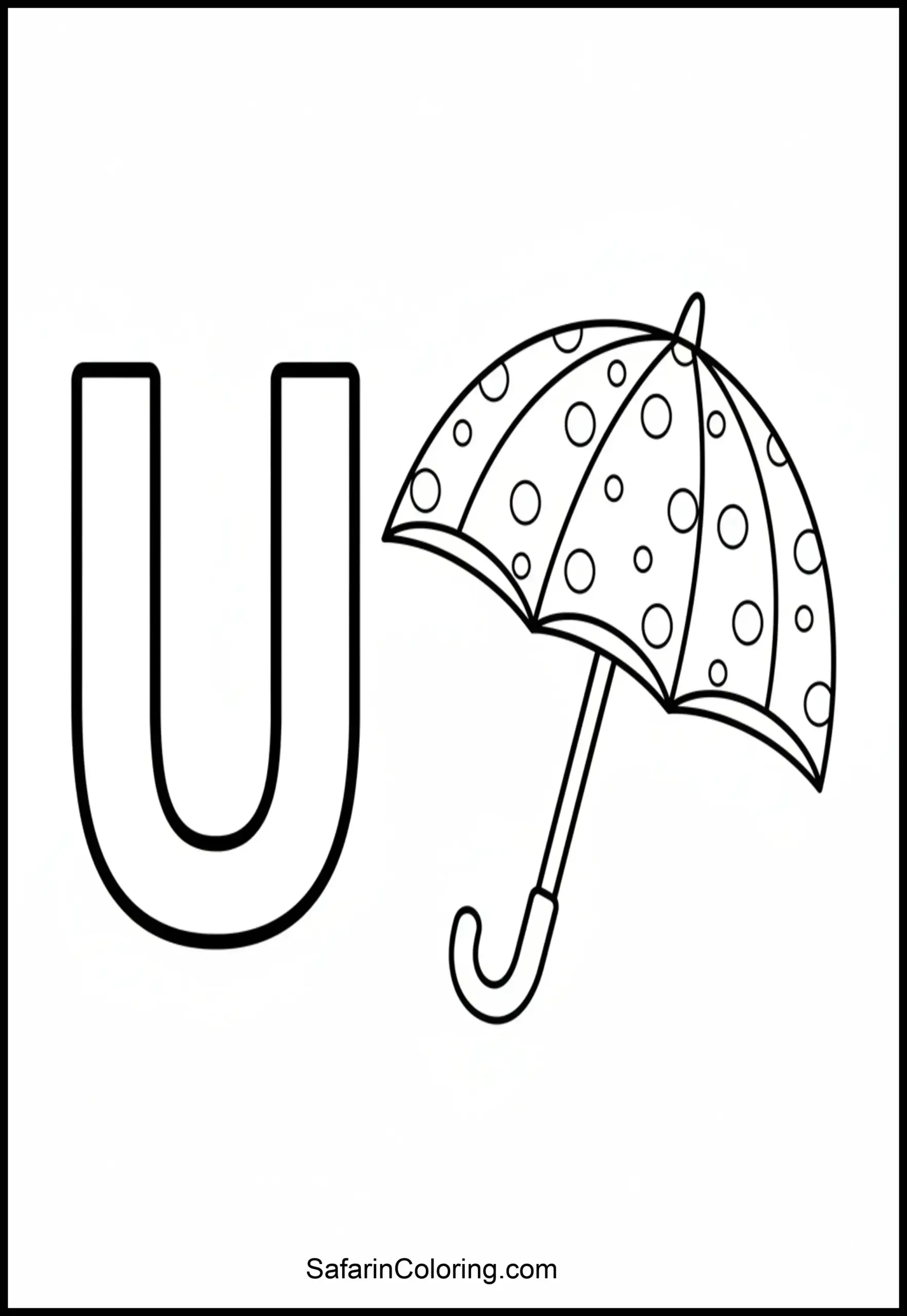
Alphabet U Umbrella Scaled
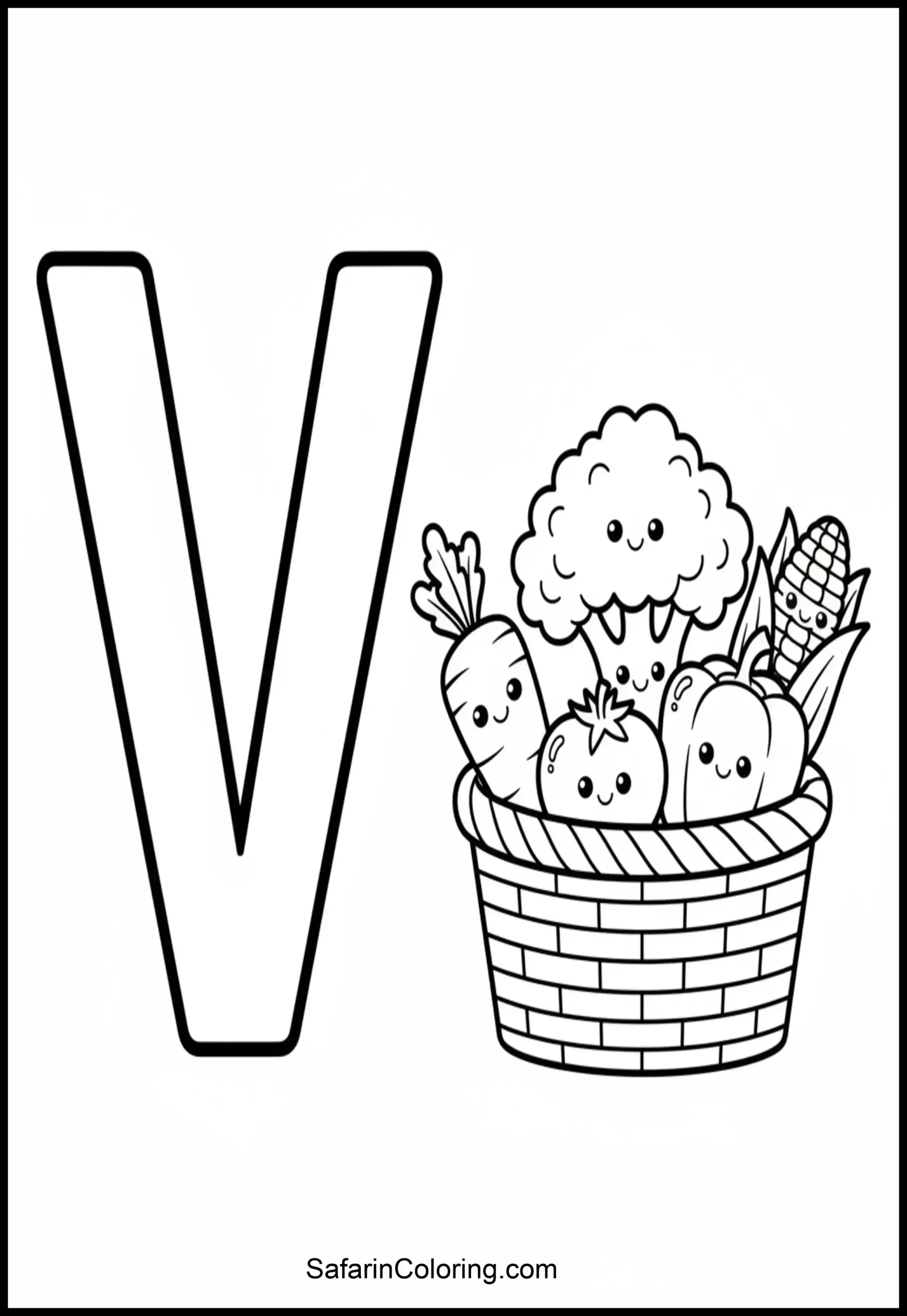
Alphabet V Vegetables Scaled
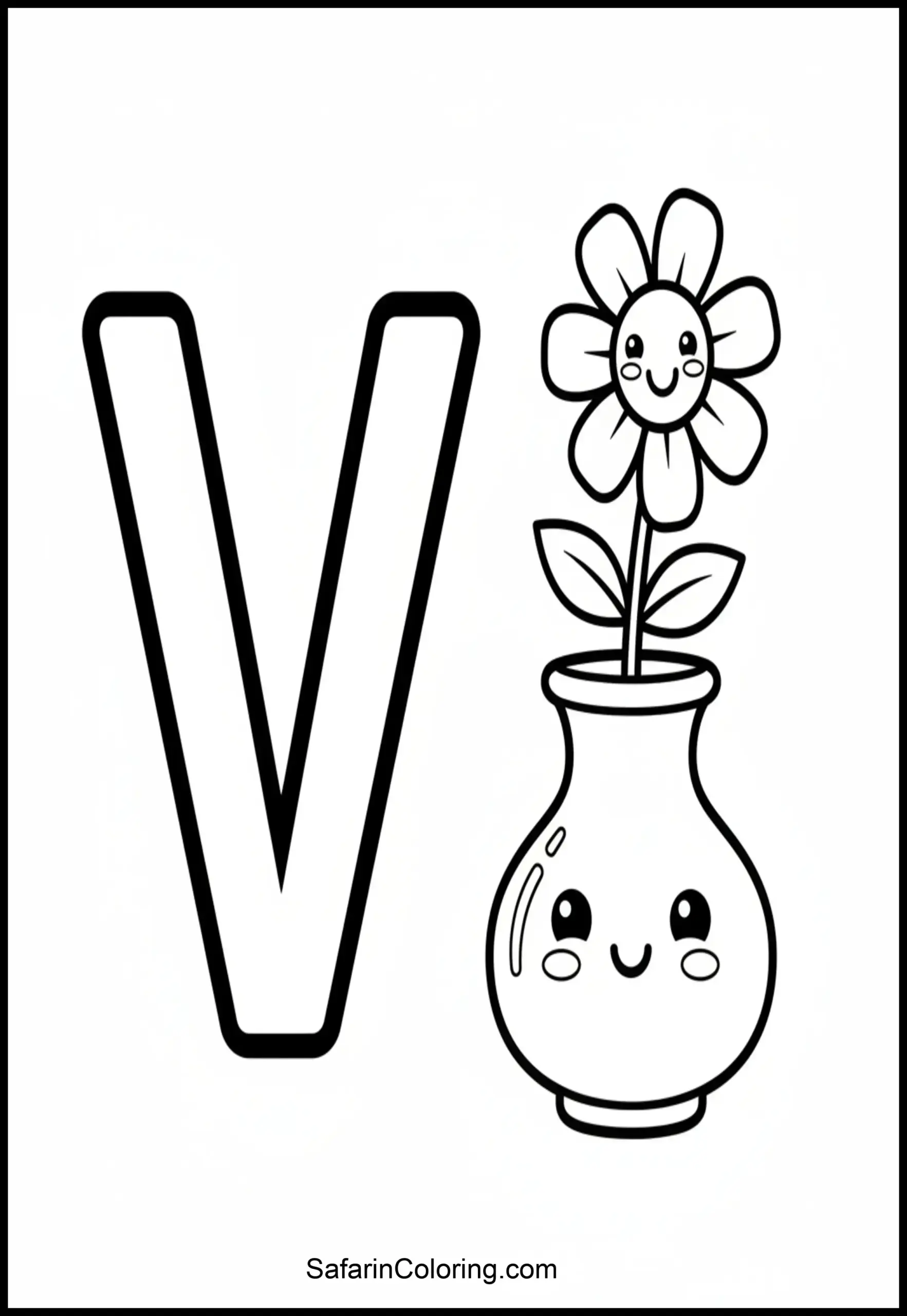
Alphabet V Vase Scaled
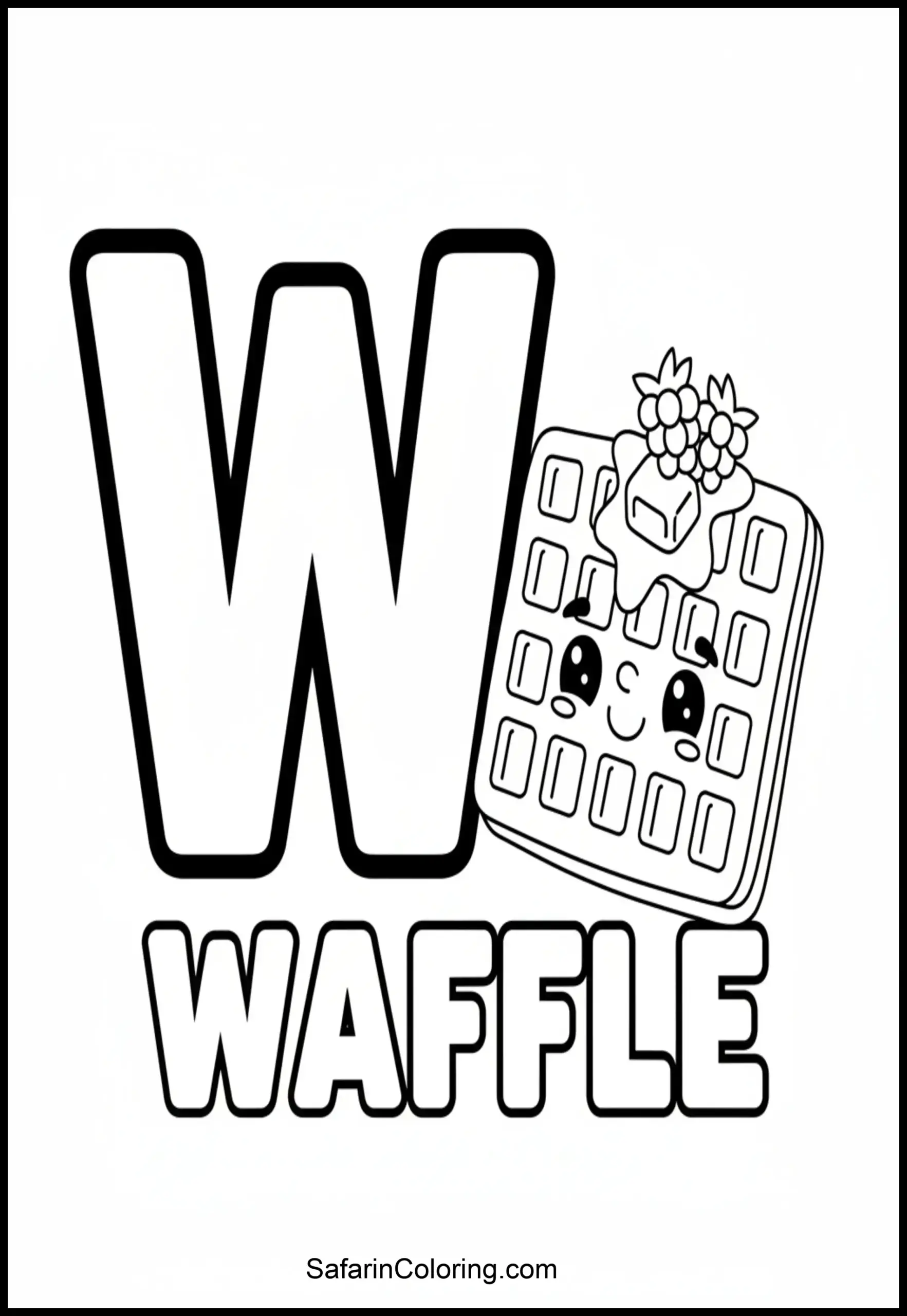
Alphabet W Waffle Scaled
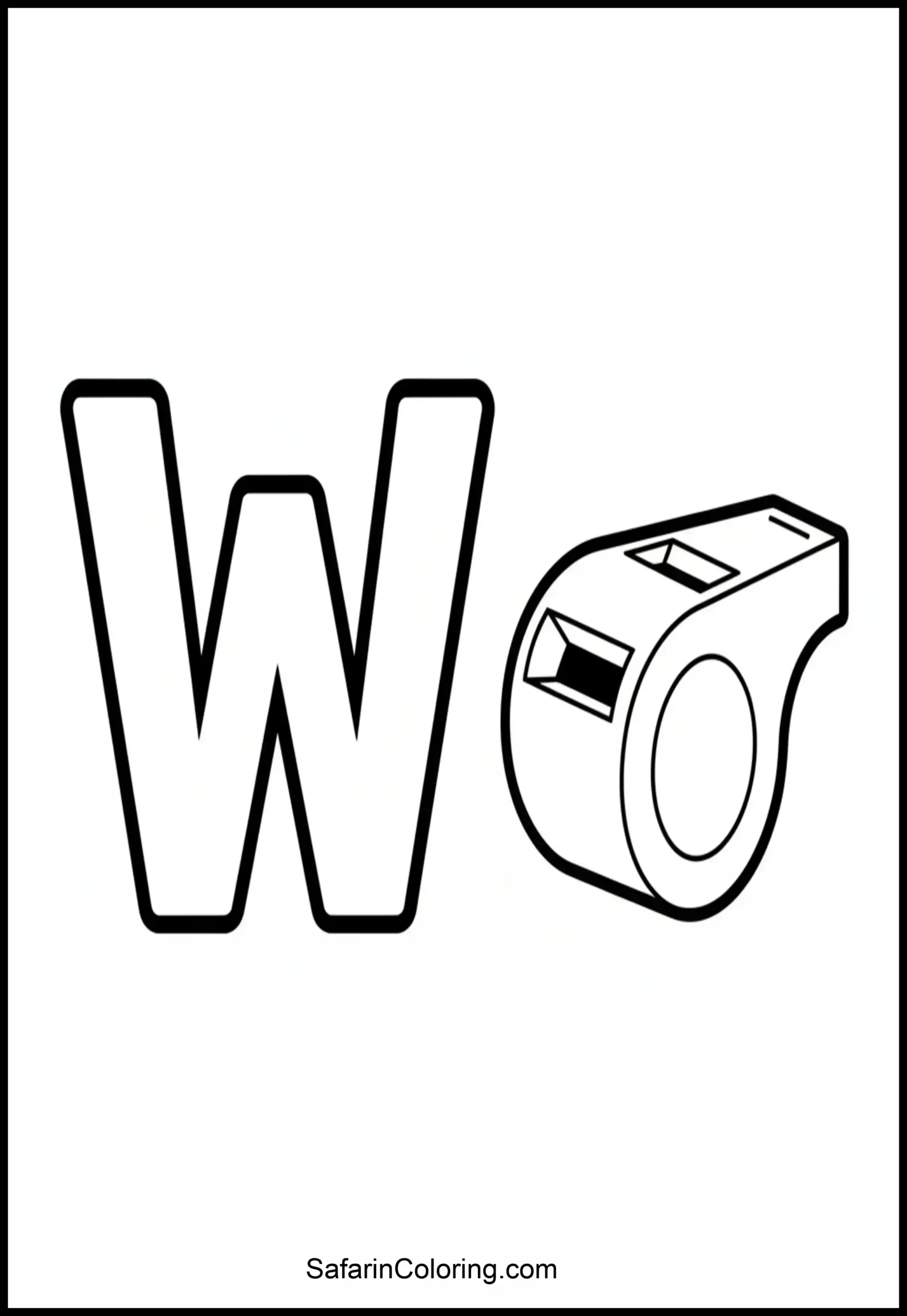
Alphabet W Whistle Scaled
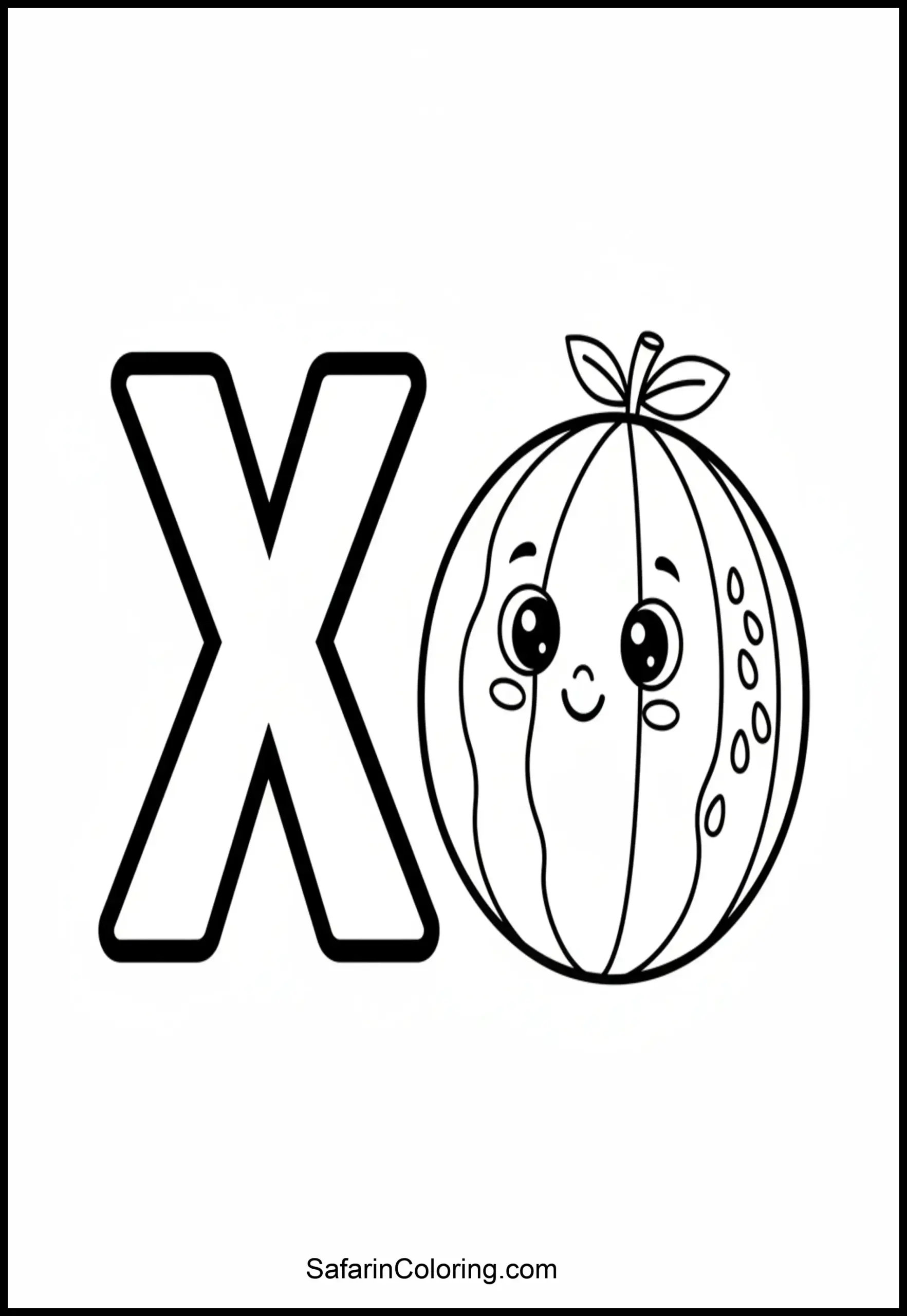
Alphabet X Xigua Scaled
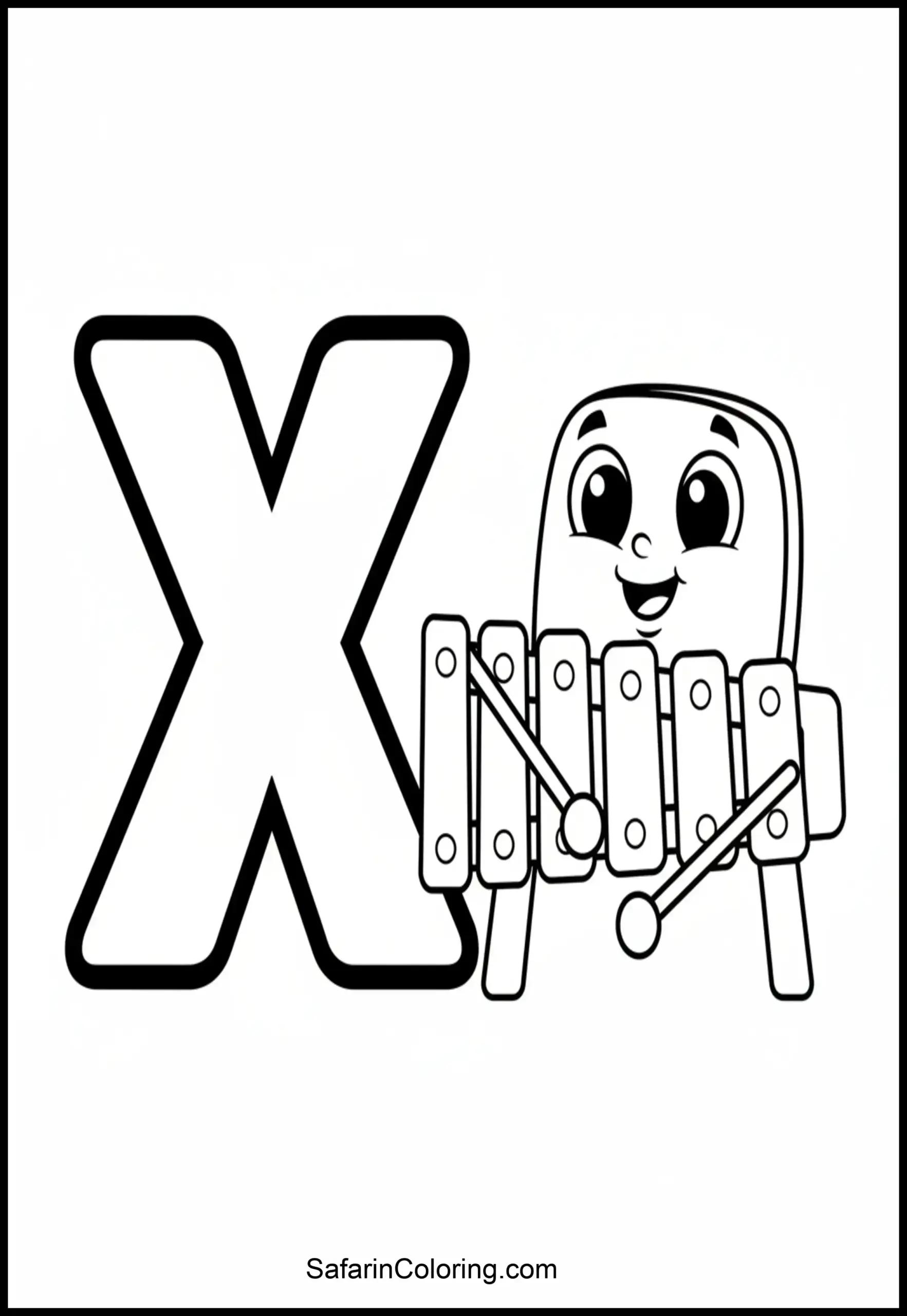
Alphabet X Xylophone Scaled
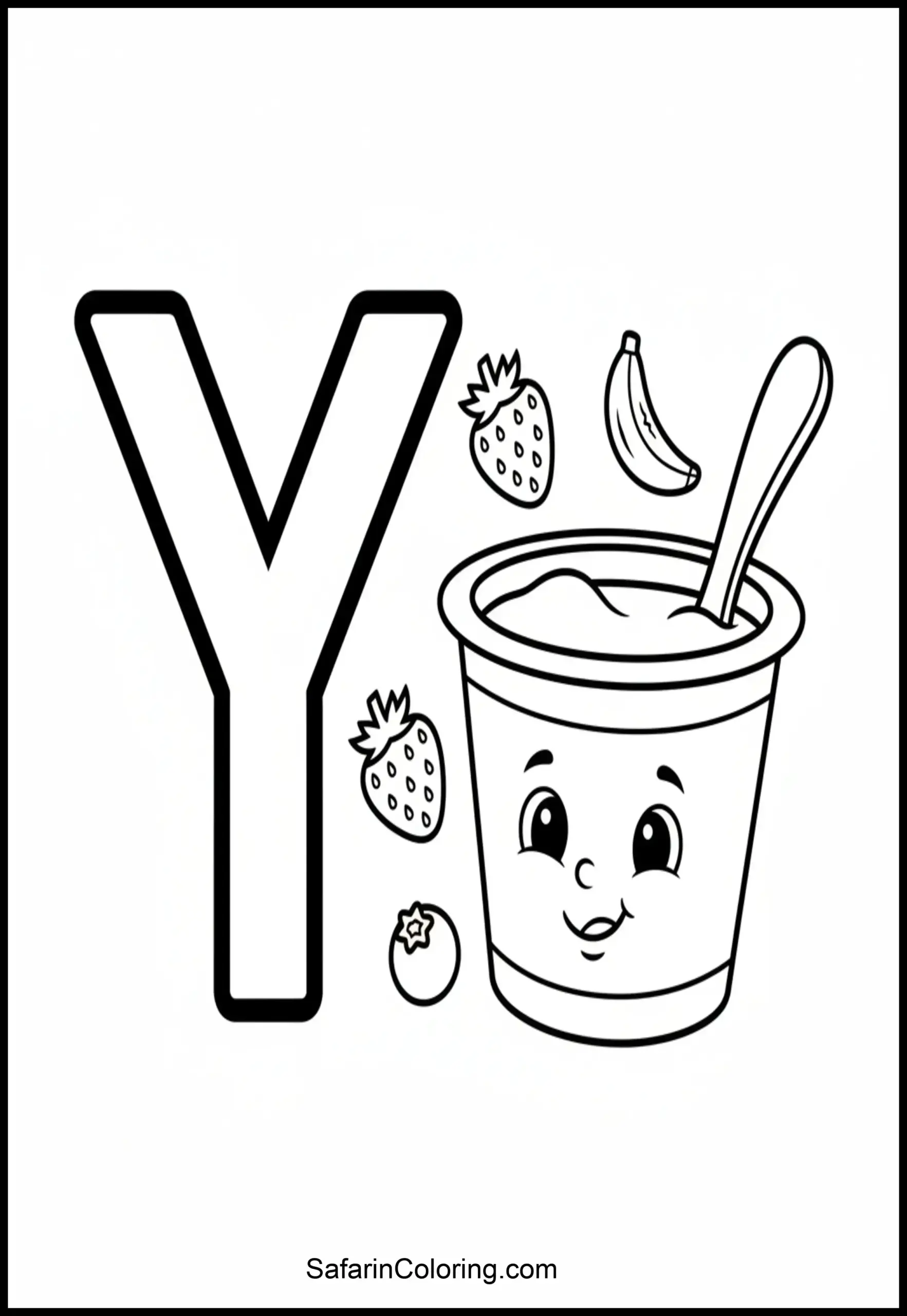
Alphabet Y Yogurt Scaled
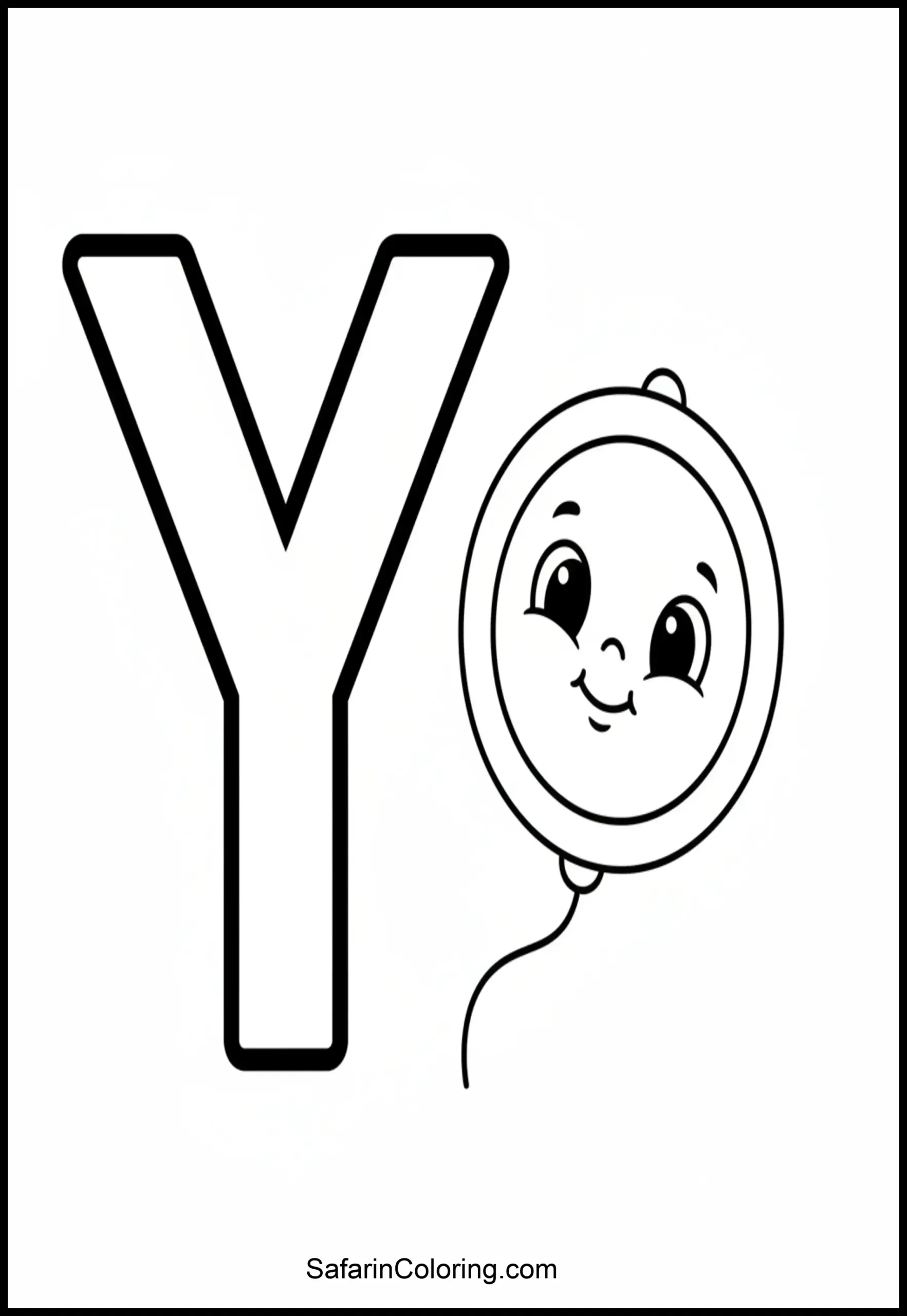
Alphabet Y Yoyo Scaled
The Foundation: Choosing the Best Paper for Your alphabet coloring pages for kids
The paper you print on is the canvas for your child’s creativity and arguably the most important material choice. Standard office copy paper (typically 75-90 GSM – grams per square meter) is often too thin. It is prone to tearing when erased and allows markers to bleed through, potentially damaging the surface underneath.
For a significantly better experience, opt for a heavier weight paper. A smooth, bright white paper with a weight of 120-160 GSM is the ideal choice for most projects. This thickness provides a sturdy base that can handle vigorous coloring with crayons, layering with colored pencils, and even light marker application without significant bleed-through. If you plan to use wet media like watercolor paints or heavy marker saturation, consider a dedicated mixed-media paper or a lightweight cardstock (around 200 GSM). This ensures the finished alphabet coloring pages for kids are durable enough to be displayed proudly on a wall or refrigerator without curling or warping.
The Great Debate: Markers vs. Colored Pencils for Young Artists
The choice between markers and colored pencils often comes down to the desired effect and the artist’s skill level. Each medium offers distinct advantages for coloring.
Markers: Unbeatable for delivering bold, vibrant, and uniform color with minimal effort. They are perfect for filling in large areas and creating high-impact artwork. For children, look for water-based, non-toxic, and washable markers. These are safer and make cleanup far easier. Markers come with various tip styles, but a set containing both a fine tip (for details) and a chisel or brush tip (for broad coverage) offers the most versatility for completing alphabet coloring pages for kids. The primary drawback is their tendency to bleed and the difficulty in blending colors smoothly.
Colored Pencils: The superior choice for developing fine motor skills, control, and advanced techniques like blending, shading, and layering. A quality set of wax-based or oil-based pencils with soft, highly pigmented cores will lay down color smoothly without requiring excessive pressure, which can be tiring for small hands. They allow for subtle color gradations and precise detail work that markers cannot achieve. While they require sharpening, they offer an unparalleled level of artistic control.
Elevating the Art: Advanced Tools for Highlights and Details
To add a professional-looking finish to your artwork, consider incorporating a few specialized tools. These are excellent for older children or for parents who want to add a special touch to a finished piece. A white gel pen is an invaluable tool for adding bright highlights to eyes, shiny surfaces, or lettering, making the colors pop. Metallic or glitter gel pens can be used to add magical accents to specific areas of the design. For crisp outlines or adding intricate patterns within the letters, a set of black pigment fineliner pens in various tip sizes (e.g., 0.3mm, 0.5mm) provides clean, permanent lines that won’t smudge once dry.
Creating the Ideal Coloring Environment: Workspace and Setup
A proper workspace is essential for a comfortable and productive coloring session. Ensure the area is well-lit, preferably with natural, diffuse light to show colors accurately and reduce eye strain. The surface should be flat, smooth, and protected. A simple plastic placemat, a self-healing cutting mat, or even just a few extra sheets of paper underneath your project can prevent indentations and marker stains on your table. Using a clipboard can be a great way to secure the paper, providing a portable and consistently smooth surface, whether coloring at a desk or on the floor. A comfortable chair that supports good posture will allow for longer, more focused periods of creative enjoyment.
Transform Your Pages: Pro-Level Techniques for alphabet coloring pages for kids
Once you’ve chosen your tools, it’s time to elevate your art from simple fill-in-the-blanks to a vibrant masterpiece. Mastering a few core techniques can completely transform your approach to alphabet coloring pages for kids, turning each letter and its associated character into a dynamic, three-dimensional scene. These methods aren’t just for professional artists; they are accessible skills that you and your child can learn together to bring characters like the E for Elephant or Z for Zebra to life with stunning realism and depth.
Harmonious Hues: Mastering Color Theory for alphabet coloring pages for kids
Color choice is the foundation of a visually appealing page. Instead of grabbing random colors, a little knowledge of color theory can create a powerful impact. Think about the mood you want to set.
- Complementary Colors: These are colors opposite each other on the color wheel (like red and green, or blue and orange). Using them side-by-side creates a high-contrast, energetic look. Imagine coloring a page for “O is for Octopus” with a vibrant orange octopus against a deep blue sea. The contrast makes the character pop right off the page.
- Analogous Colors: These are colors that sit next to each other on the color wheel (like yellow, orange, and red). This creates a harmonious, calm, and unified look. This is perfect for natural subjects, like using shades of yellow, gold, and brown for a lion’s mane.
From Flat to Fabulous: Adding Dimension with Shading
Shading is the secret to making a flat drawing look three-dimensional. It’s the difference between a simple circle and a sphere that looks like you can pick it up. Here’s a simple process to start adding depth:
- Establish a Light Source: Before you begin, imagine a light (like a lamp or the sun) shining on your picture from one direction, for example, the top left corner.
- Apply Your Base Color: Color the entire object with its main, mid-tone color.
- Add Shadows: Any part of the object curving away from your imaginary light source will be in shadow. Use a darker version of your base color, or a cool gray/purple, to gently color these areas.
- Create Highlights: The areas closest to the light source will be the brightest. Use a white colored pencil, a gel pen, or even the white of the paper by coloring lightly, to create highlights.
- Blend: Smooth the transitions between your light, mid-tone, and shadow areas for a realistic, rounded look.
Bringing Characters to Life: Creating Realistic Textures
Texture adds a tactile quality to your coloring, making the image more believable and engaging. You can simulate different surfaces with simple pencil strokes.
- Fur and Hair: Use short, quick, directional strokes with a sharp pencil. Overlap the strokes and use multiple shades (a dark, mid, and light tone) to create the illusion of soft, layered fur on animals like a rabbit or bear.
- Scales: For fish or reptiles, draw small, overlapping “U” or crescent shapes. Add a highlight to the top edge of each scale and a shadow to the bottom to make them look rounded and shiny.
- Smooth Surfaces: For objects like an apple or a balloon, use small, circular coloring motions (a technique called scumbling) and blend colors seamlessly to avoid harsh lines.
The Art of the Comeback: Fixing Coloring Mishaps
Mistakes are part of the creative process, not a reason to give up on a page. Many common errors can be gracefully corrected.
- Going Outside the Lines: A battery-operated eraser with a fine point can clean up edges with precision. Alternatively, you can creatively embrace the slip-up by turning the background a darker color, making the object’s edge appear sharp against it.
- Color is Too Dark: Gently lift excess pigment using a kneaded eraser—press it onto the area rather than rubbing. A colorless blender pencil can also sometimes push dark pigment deeper into the paper’s tooth, lightening the appearance.
- Wrong Color Choice: Don’t panic. Try layering a new color over the top. Layering a light color over a dark one can create interesting new hues and textures. Often, a “mistake” can lead to a beautiful, unexpected result.
Bringing Learning to Life: Showcasing Your Alphabet Coloring Pages for Kids
Once your child has finished their colorful masterpiece, the journey doesn’t have to end. Transforming their artwork into cherished keepsakes celebrates their effort and reinforces their learning in a tangible way. Displaying their “A is for Apple” or “L is for Lion” pages creates a proud, immersive learning environment right in your home. For an extra roar of fun, you can even pair their letter ‘L’ creation with one of our cute lion coloring pages.
A Gallery of Growth: Preserving Their First Letters
Protect your little one’s creations for years to come. A simple three-ring binder with clear sheet protectors can become a personal “My First Alphabet” book that they can flip through anytime. For a more decorative approach, use a multi-photo frame to display a rotating gallery of their favorite colored letters on the wall. This not only adds a personal touch to your decor but also keeps the alphabet top-of-mind.
From Page to Present: Creative DIY Crafts
Completed alphabet pages make wonderful raw materials for countless crafts. Cut out the colored letters and pictures to create personalized greeting cards for family and friends. Glue the artwork onto a piece of sturdy cardstock, punch a hole at the top, and add a ribbon to make a unique bookmark. You can even laminate the pages to use as durable, custom placemats that make mealtime a fun learning opportunity.
Your Alphabet Coloring Journey: Questions Answered
Navigating the world of early childhood education can bring up many questions. Here are answers to some common queries about using coloring to teach the alphabet.
### What are the educational benefits of coloring the alphabet?
Coloring the alphabet offers a wealth of benefits beyond simple fun. It strengthens fine motor skills and hand-eye coordination necessary for writing. The activity also enhances focus and patience. By associating letters with specific colors and images (like a green ‘G’ for grass), it creates strong visual and cognitive links, making the alphabet coloring pages for kids a powerful multisensory learning tool.
### How does coloring help with letter recognition?
Coloring requires a child to focus intently on the shape and form of a single letter for an extended period. This repeated exposure helps cement the letter’s unique lines and curves in their memory. As they carefully fill in the space, they are actively engaging with the letter’s structure, which is far more effective for recognition than simply looking at it on a flashcard.
### Are coloring pages an effective way to learn the alphabet?
Absolutely. Coloring pages are a highly effective, low-pressure method for alphabet learning. They transform a potentially tedious task into a creative and enjoyable activity. This play-based approach reduces learning anxiety and increases engagement. Well-designed alphabet coloring pages for kids combine visual, kinesthetic, and auditory learning (when you say the letter sound aloud) for a comprehensive educational experience.
### How do you use coloring pages to teach letters?
To maximize learning, engage with your child during the activity. Start by saying the letter’s name and its most common sound. Talk about the picture on the page (“B is for ‘b-b-ball'”). Encourage them to trace the letter with their finger before coloring. Ask them to use a specific color, which reinforces color recognition as well.
### What age is appropriate for alphabet coloring pages?
Children can begin enjoying alphabet coloring pages as early as age two or three, starting with chunky crayons for basic scribbling. As their fine motor skills develop between ages three and five, they will become more adept at coloring within the lines. This age range is the sweet spot for using these pages as a primary tool for letter recognition and pre-writing skills.
Your Adventure with Alphabet Coloring Pages for Kids Begins Now
From the first stroke of a crayon to the final piece of art displayed proudly on the fridge, the journey of learning the ABCs is filled with color and creativity. These pages are more than just a pastime; they are a foundational tool that builds fine motor skills, enhances letter recognition, and sparks a lifelong love for learning. By embracing this fun and engaging method, you provide a stress-free path for your child to master the building blocks of language. The simple act of coloring becomes a bridge to reading and writing.
Turn learning into a vibrant, memorable experience. Download a set of alphabet coloring pages for kids today and watch your child’s confidence and knowledge grow, one colorful letter at a time.
Ready for your next adventure? Explore our elephant coloring pages