We offer a wide collection of free, high-quality printable coloring pages for kids and adults. From cute animals to intricate mandalas, our designs bring creativity and relaxation to everyone. Download, print, and start coloring today!

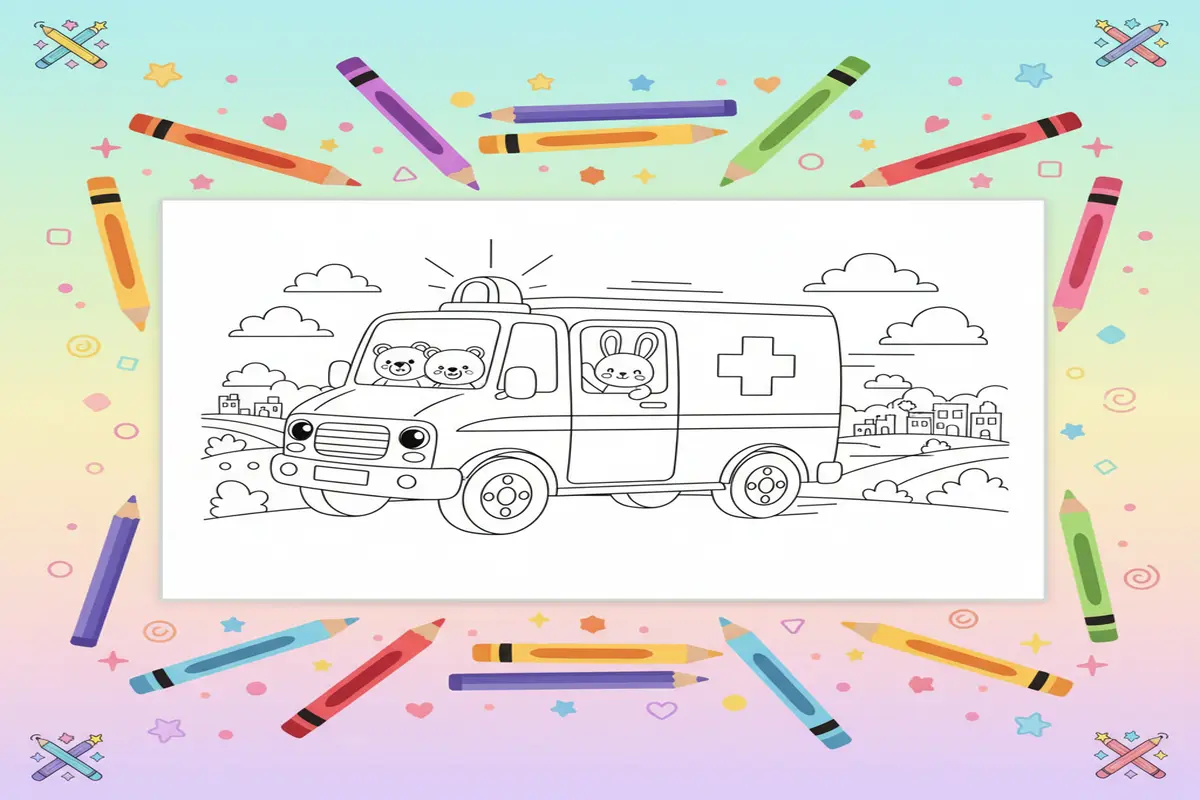
To elevate the creative experience from a simple pastime to a genuine artistic endeavor, selecting the right materials is paramount. High-quality supplies can dramatically improve the final appearance of your ambulance coloring pages for kids, making the colors more vibrant and the process more enjoyable for young artists. This guide provides a professional breakdown of the essential tools and preparation steps needed to achieve stunning results. Once your child masters the clean lines of these vehicles, they can apply the same precision to more intricate designs, like the patterns on our zebra coloring pages. Proper preparation ensures that every red, white, and blue hue stands out, turning a simple printable into a display-worthy piece of art.
Table of Contents
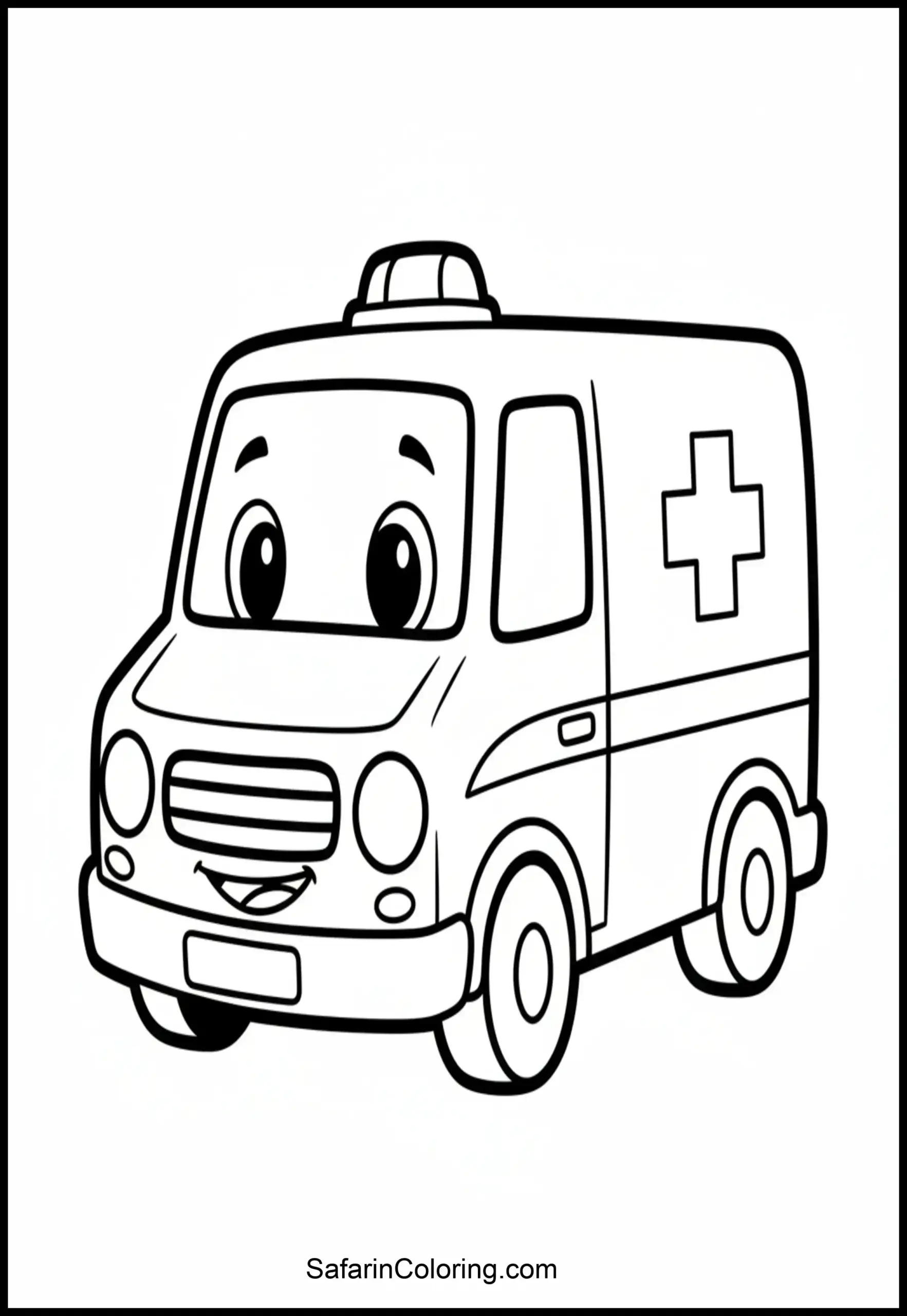
Cute Cartoon Ambulance Smile Scaled
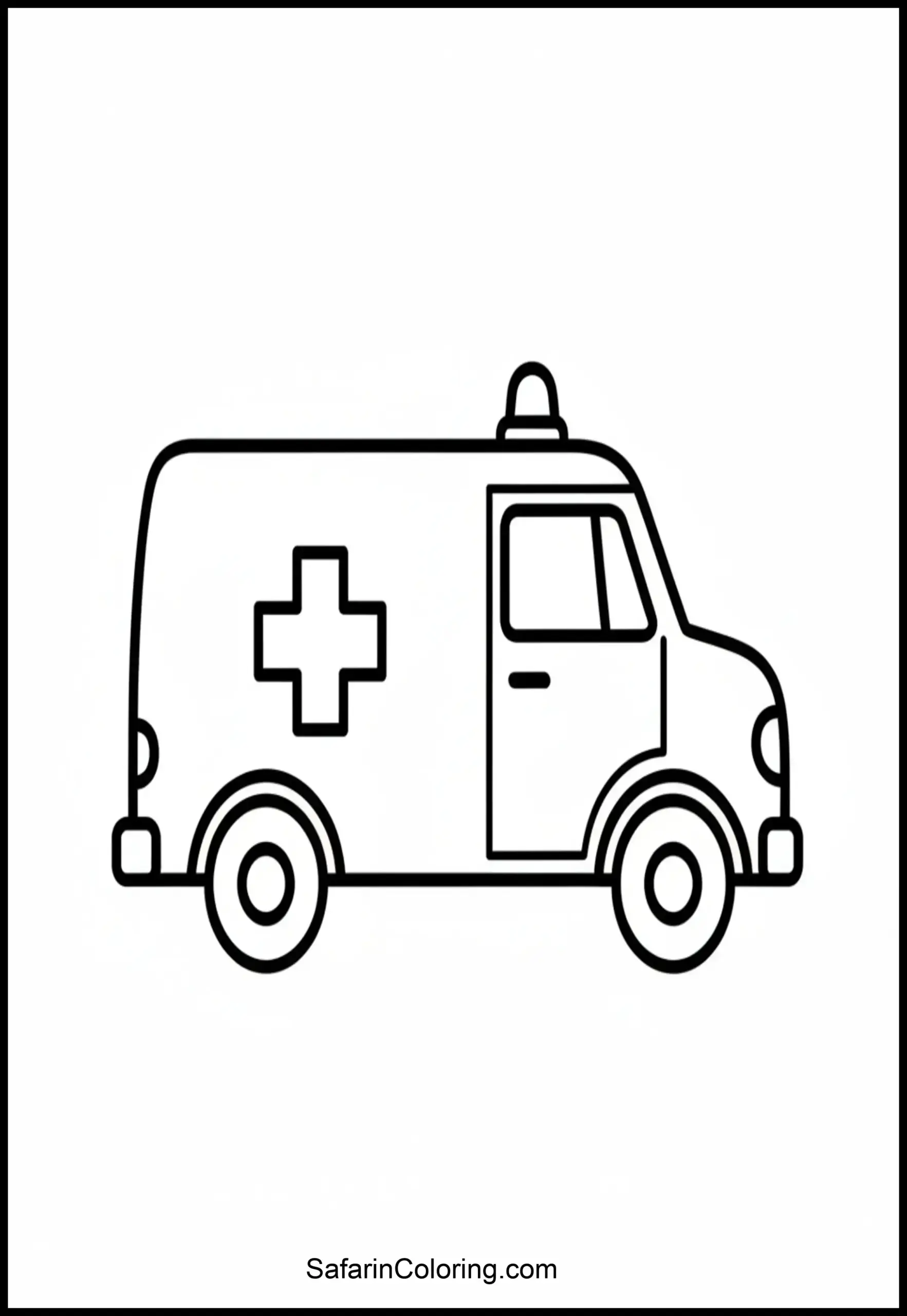
Classic Ambulance Side View Scaled
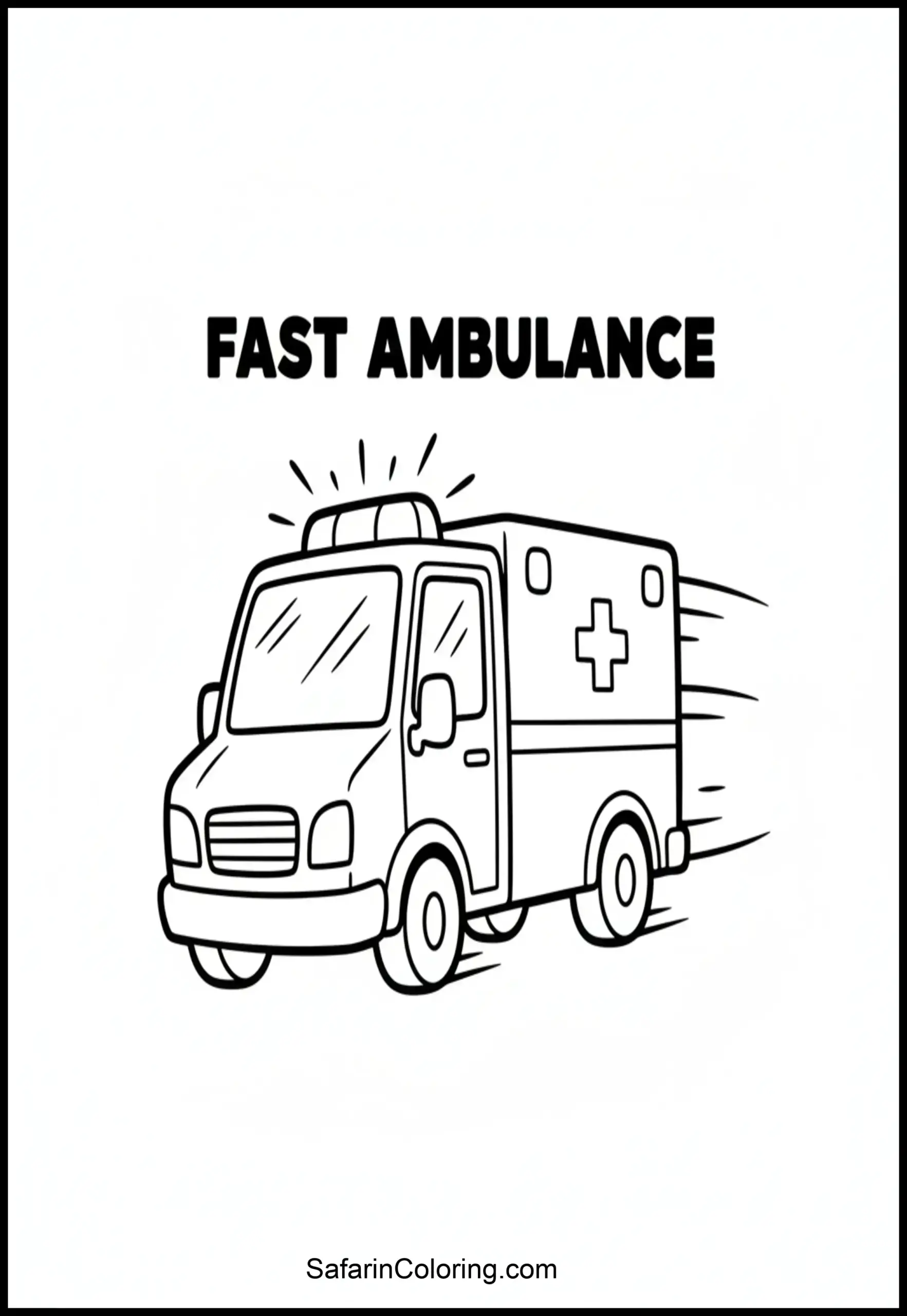
Ambulance Driving Fast Lights Scaled
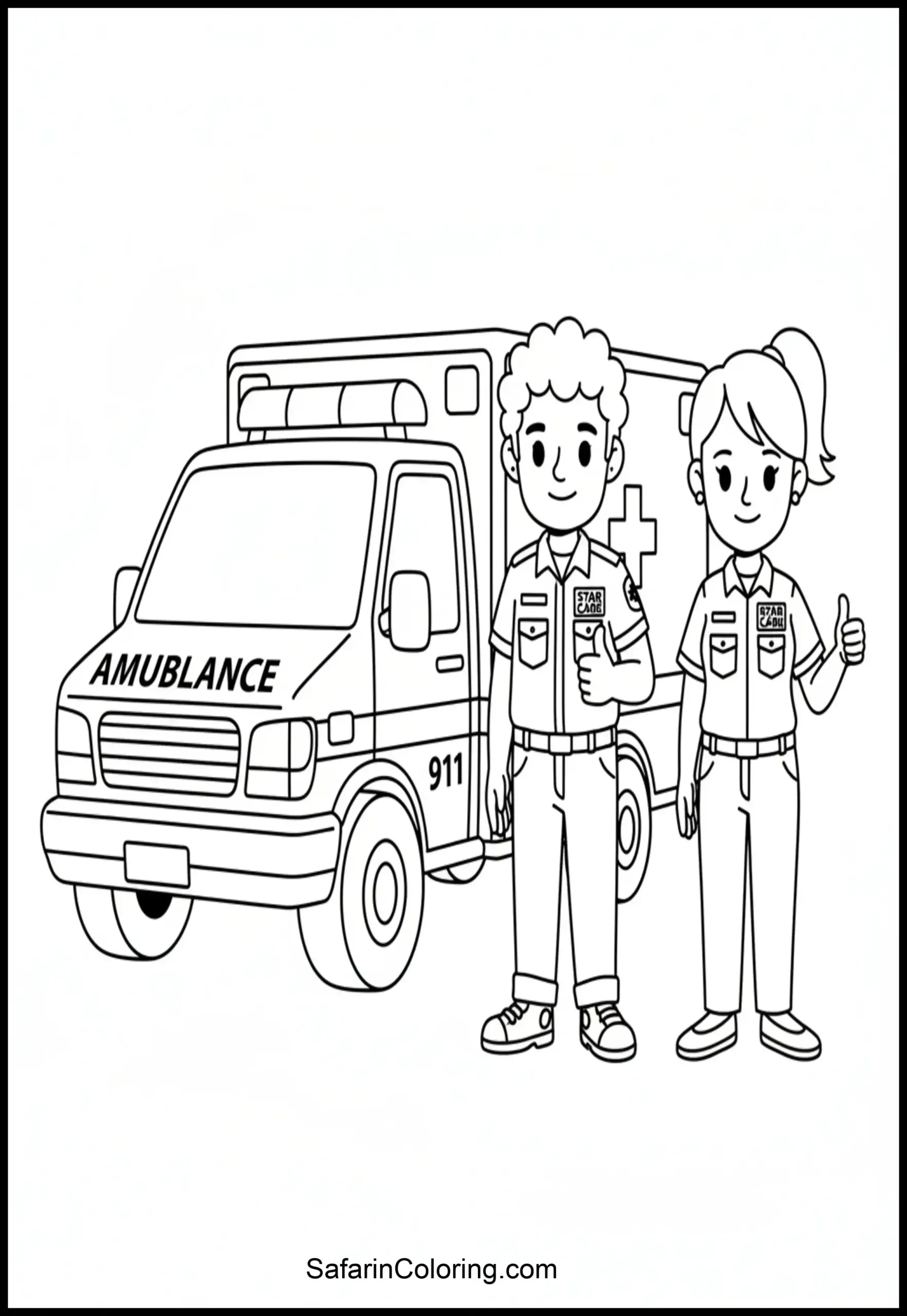
Paramedics With Ambulance Scaled
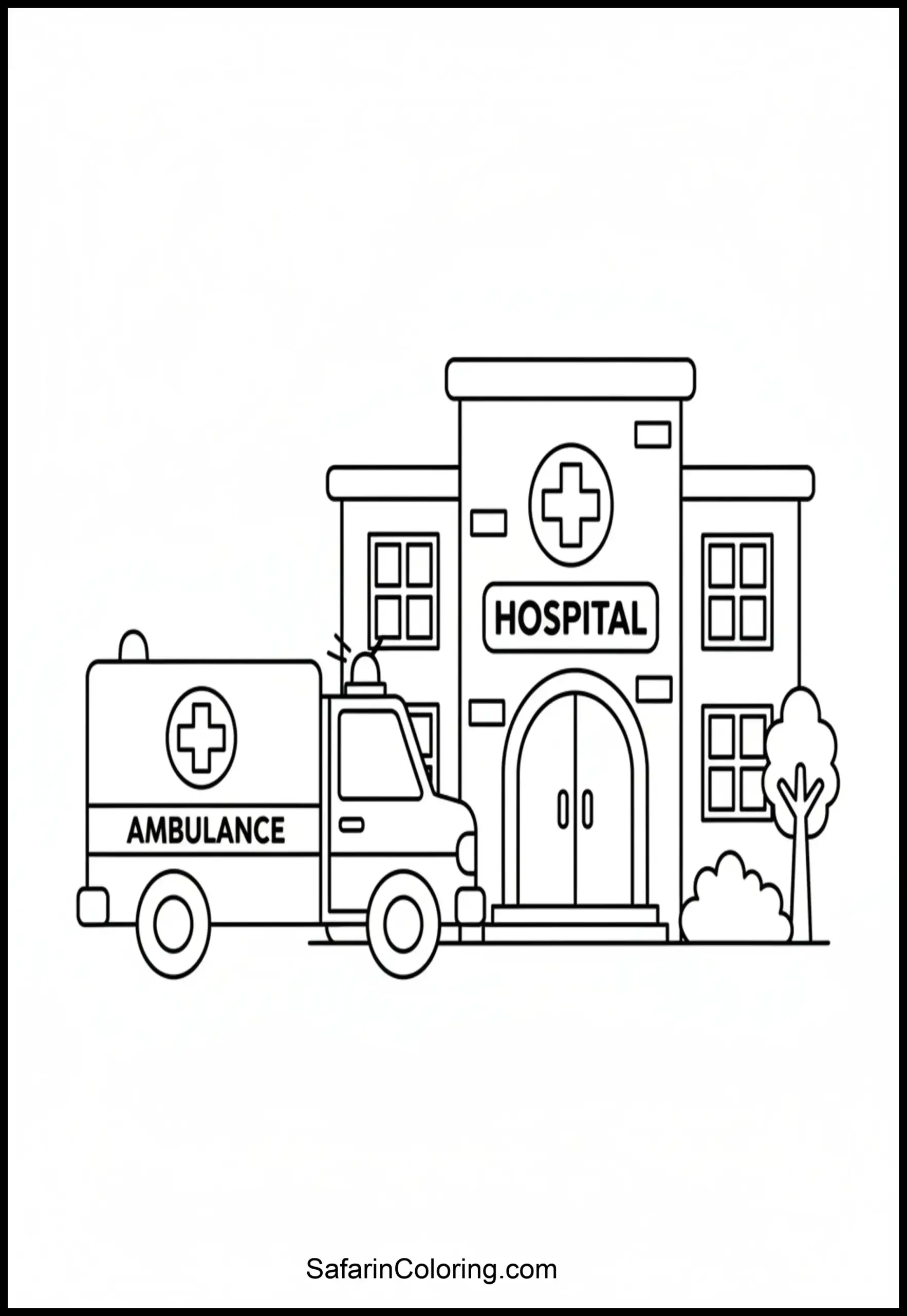
Ambulance At Hospital Scaled
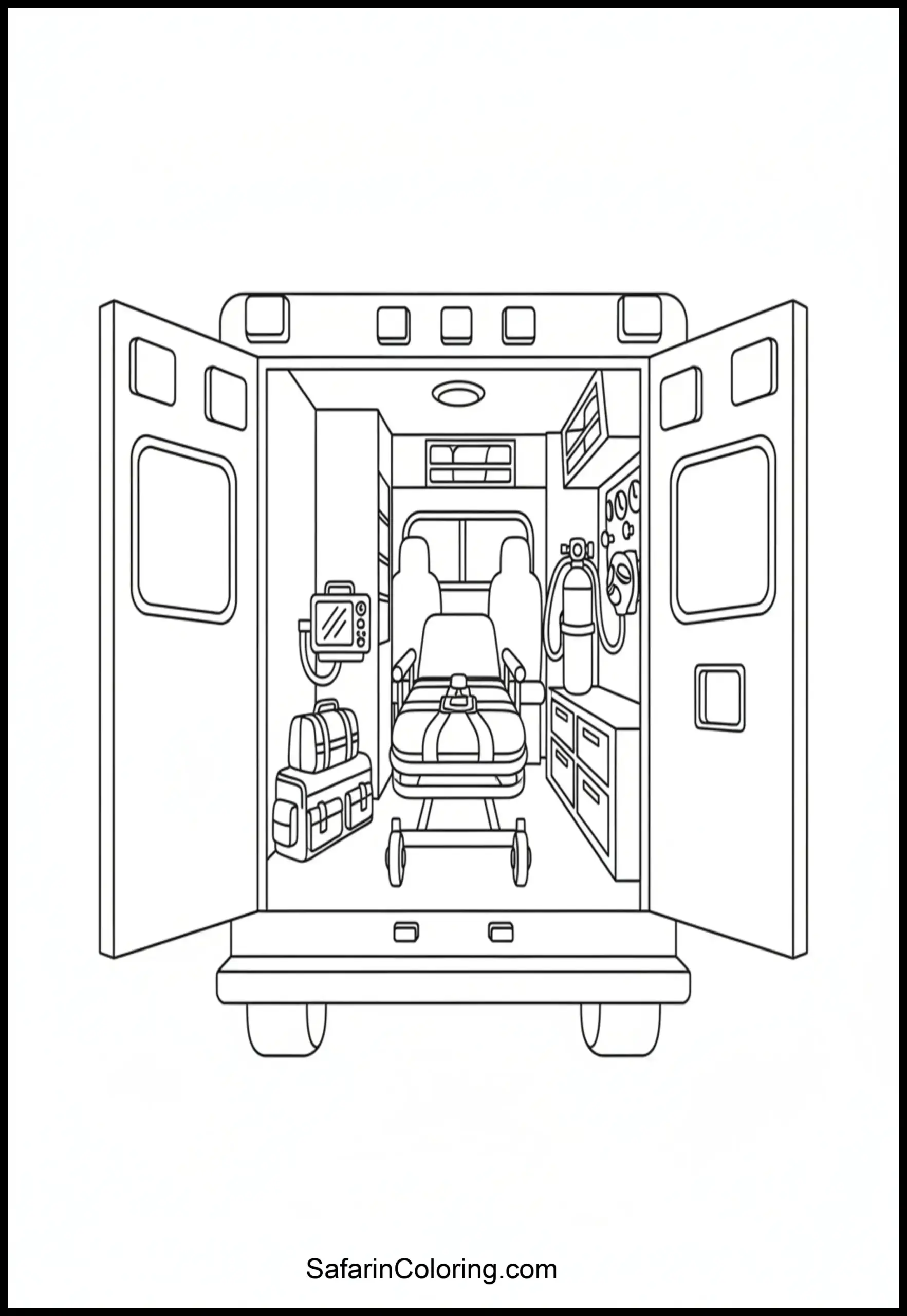
Inside Ambulance View Scaled
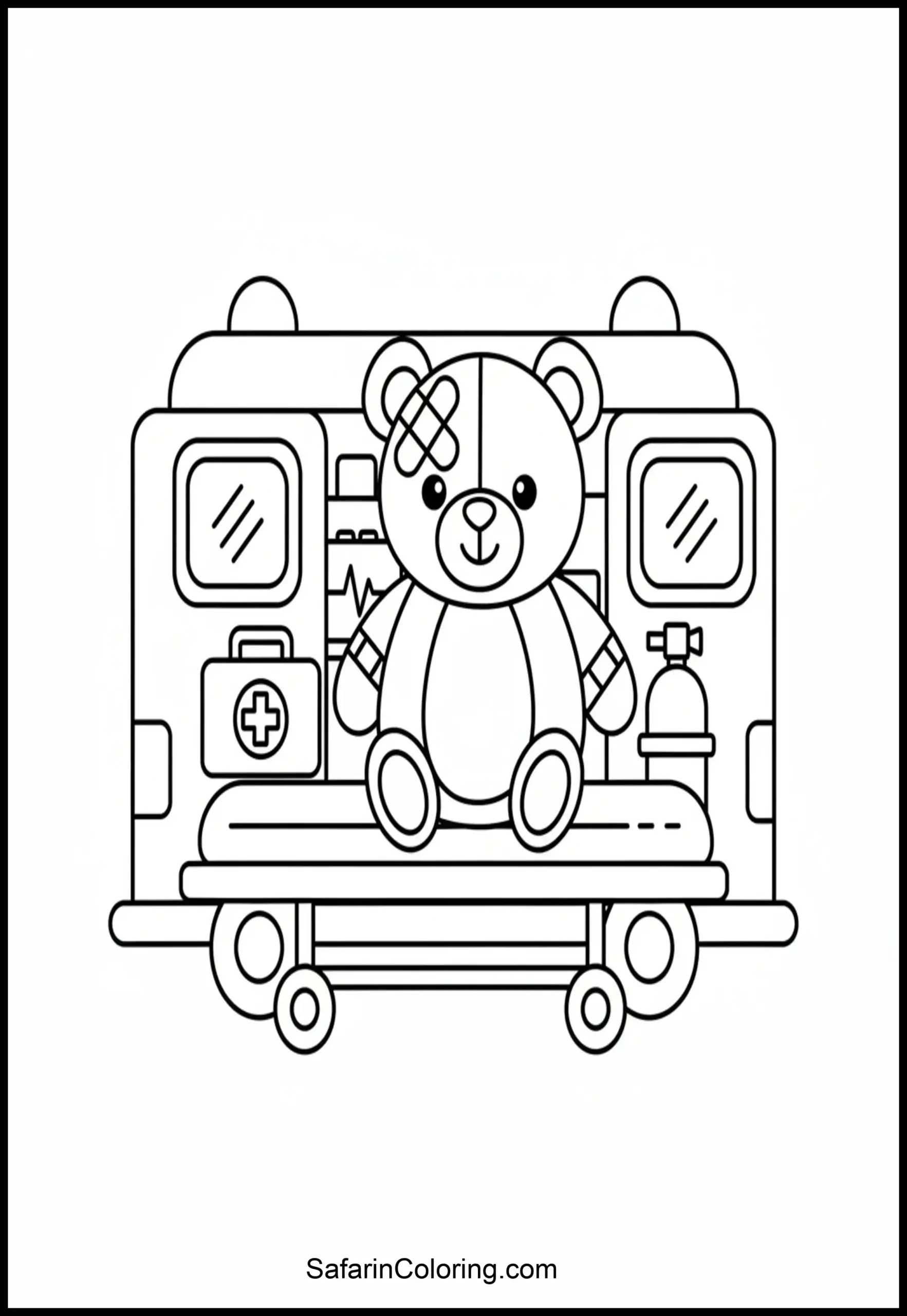
Teddy Bear Patient Ambulance Scaled
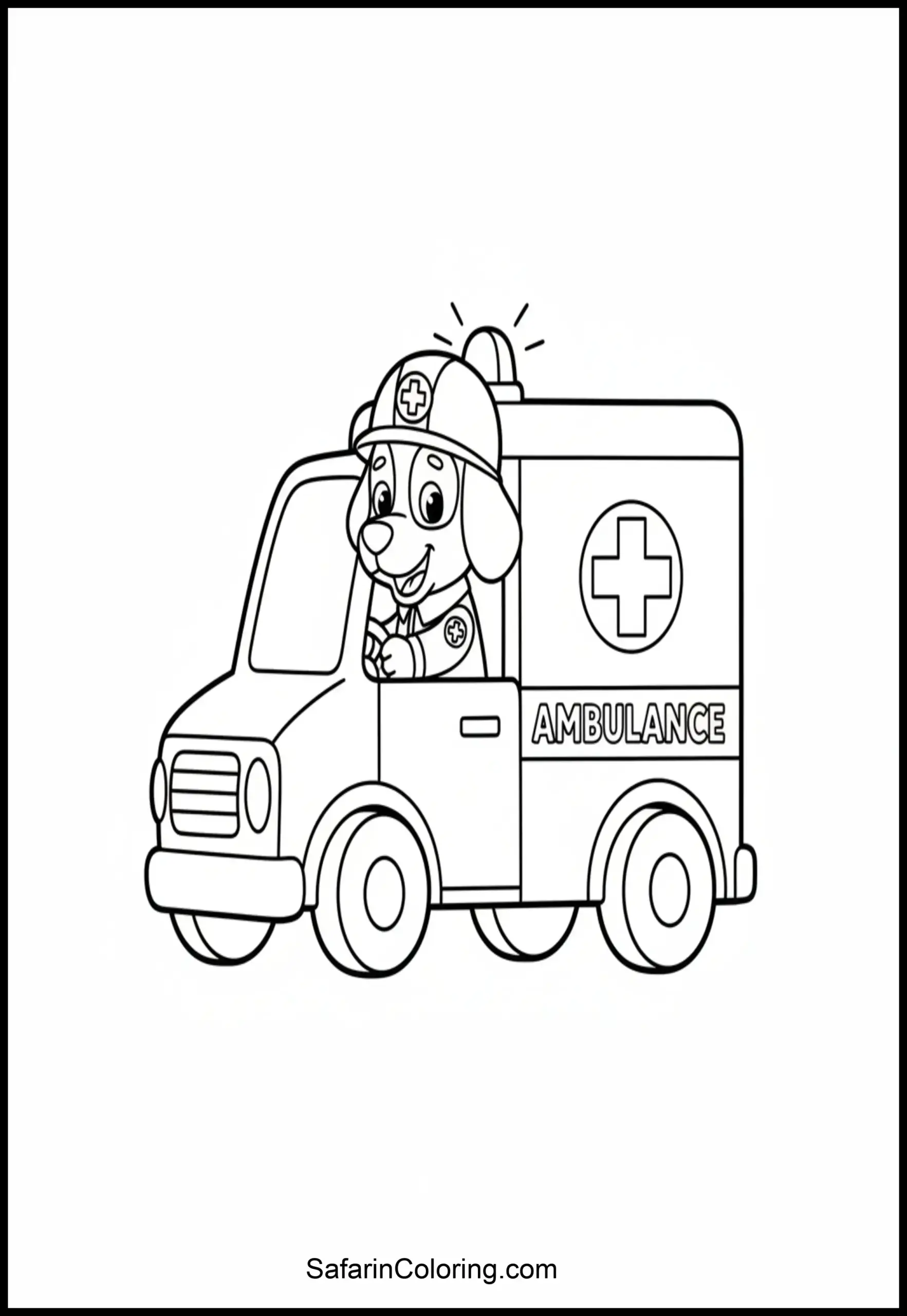
Dog Paramedic Driving Ambulance Scaled
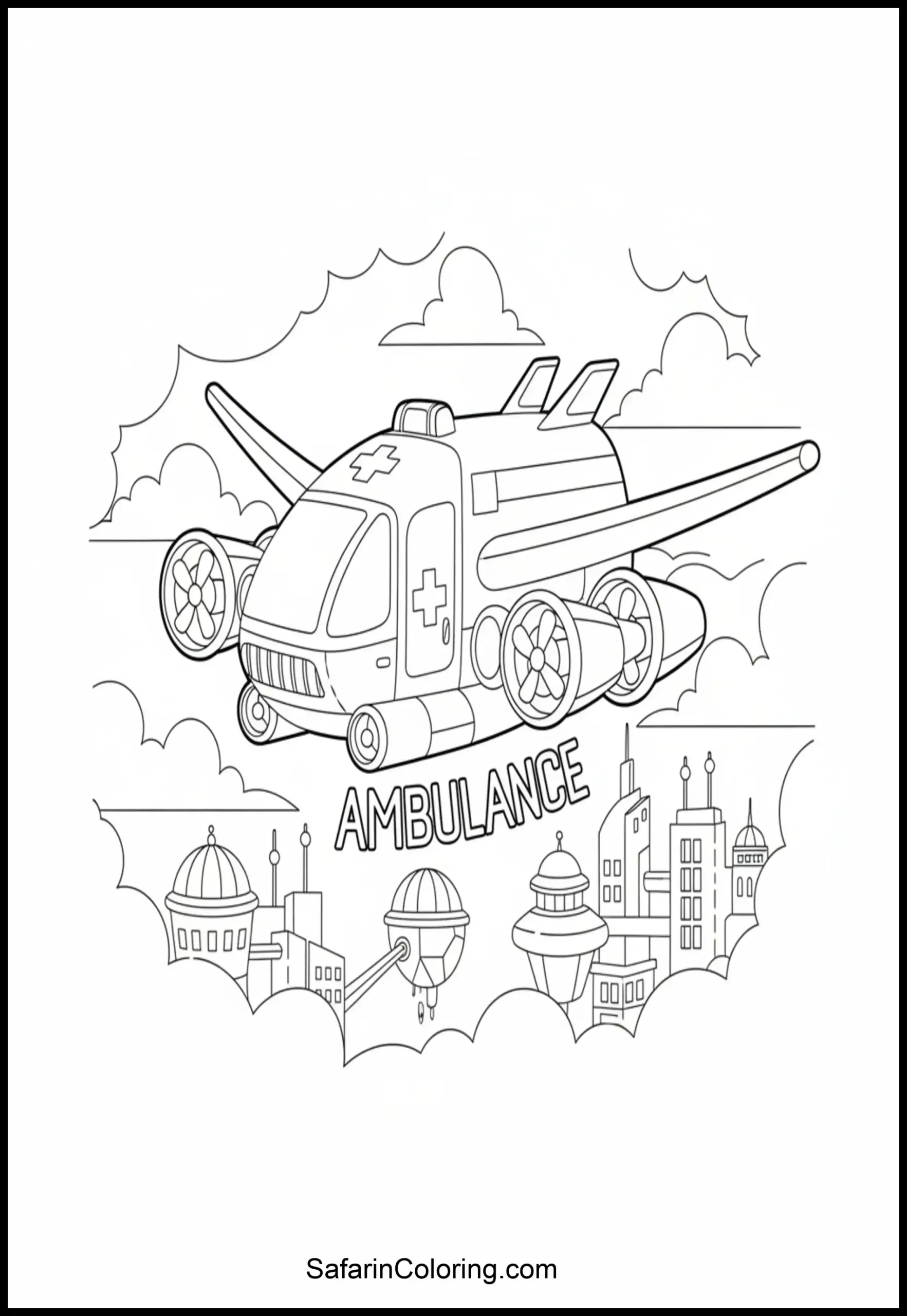
Futuristic Flying Ambulance Scaled
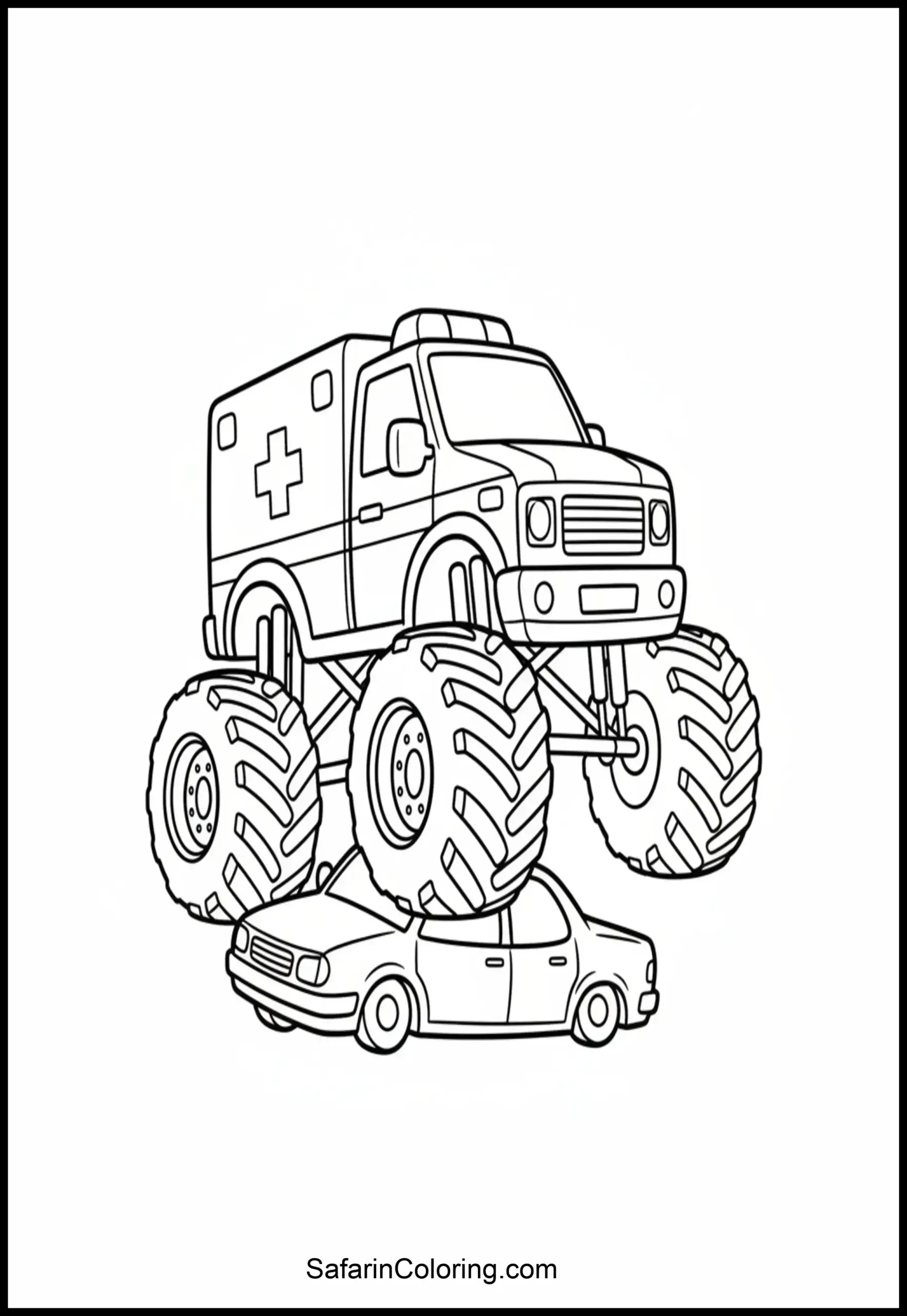
Monster Truck Ambulance Scaled
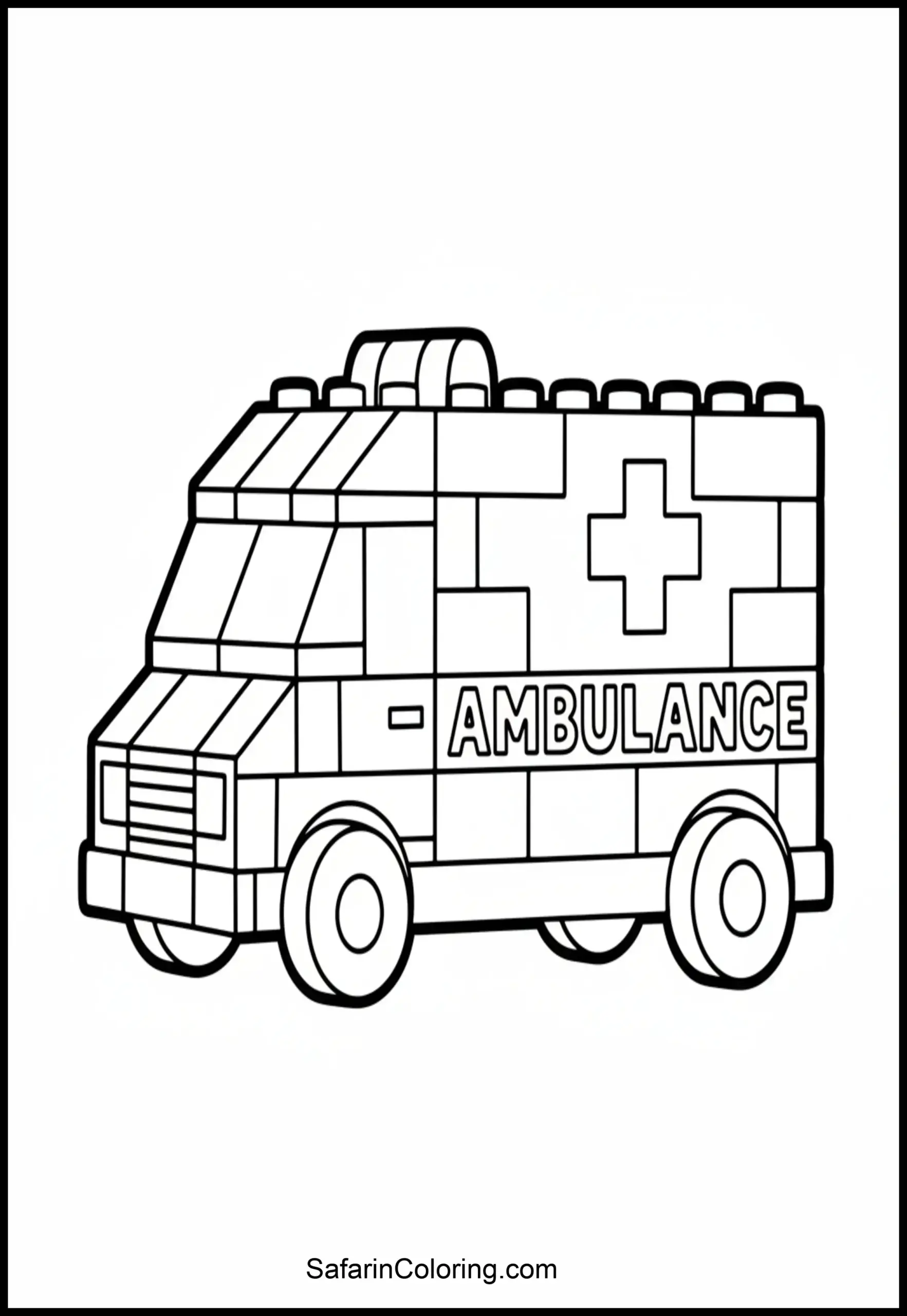
Lego Style Ambulance Scaled
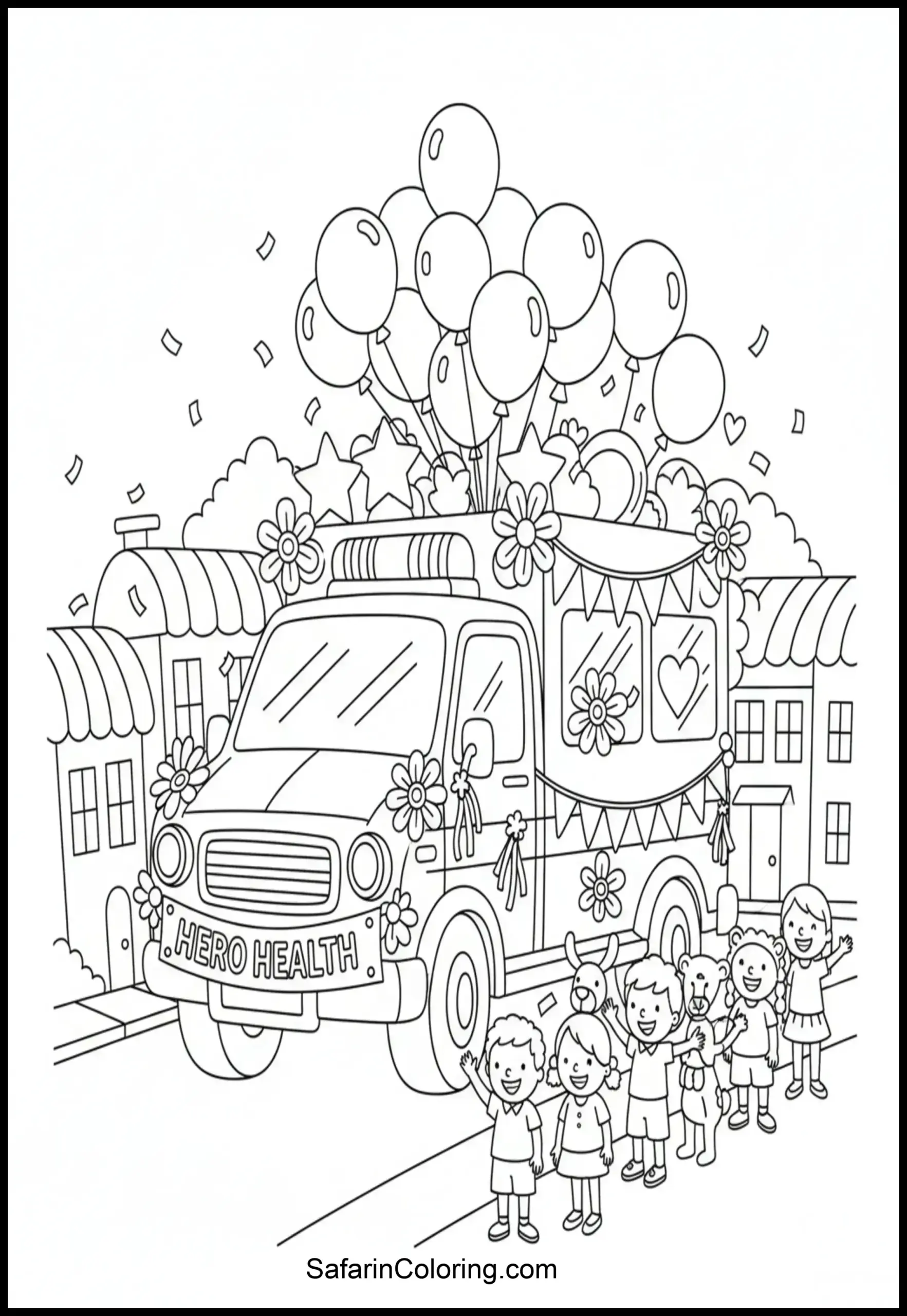
Ambulance Parade Float Scaled
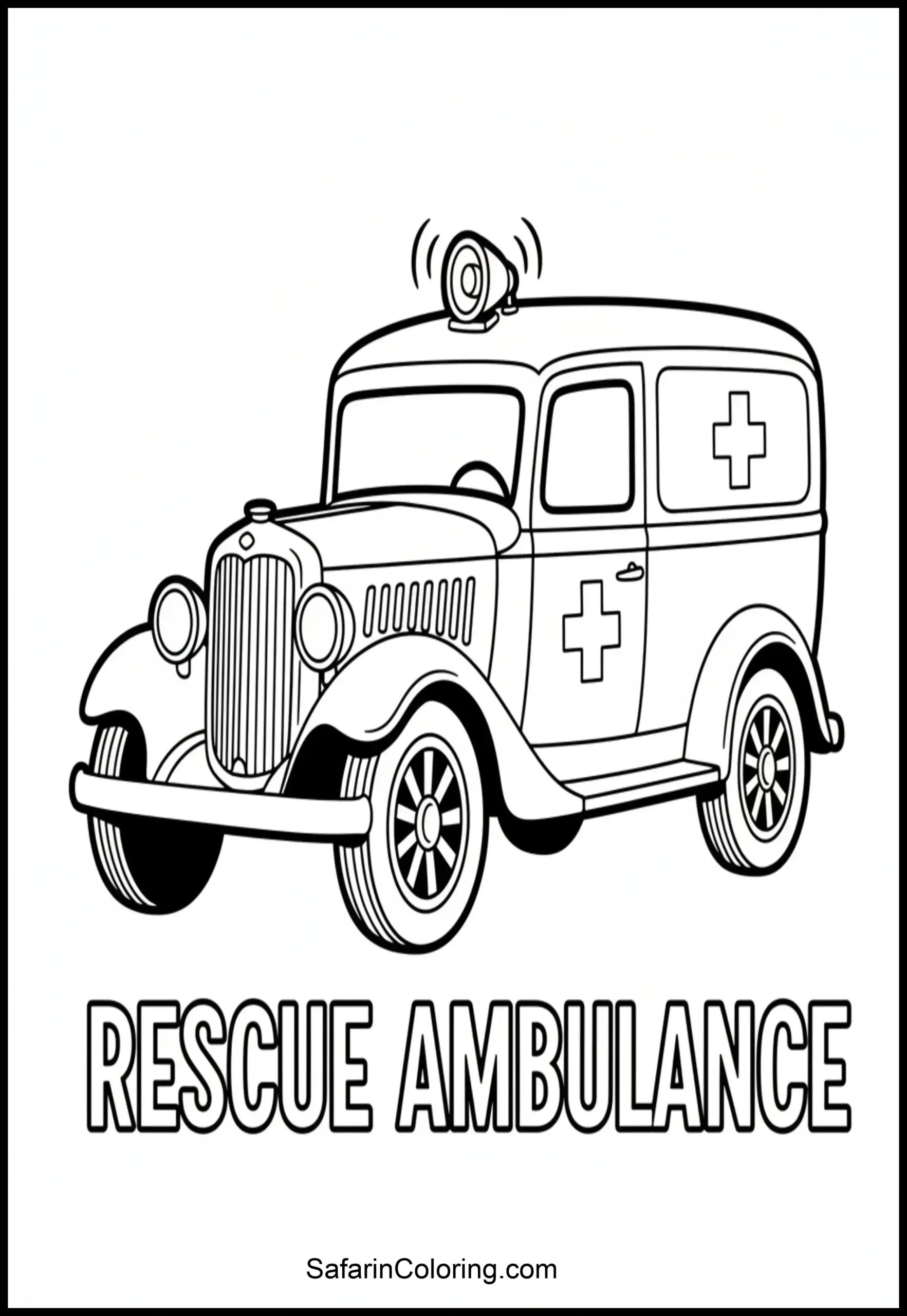
Vintage Ambulance Retro Scaled
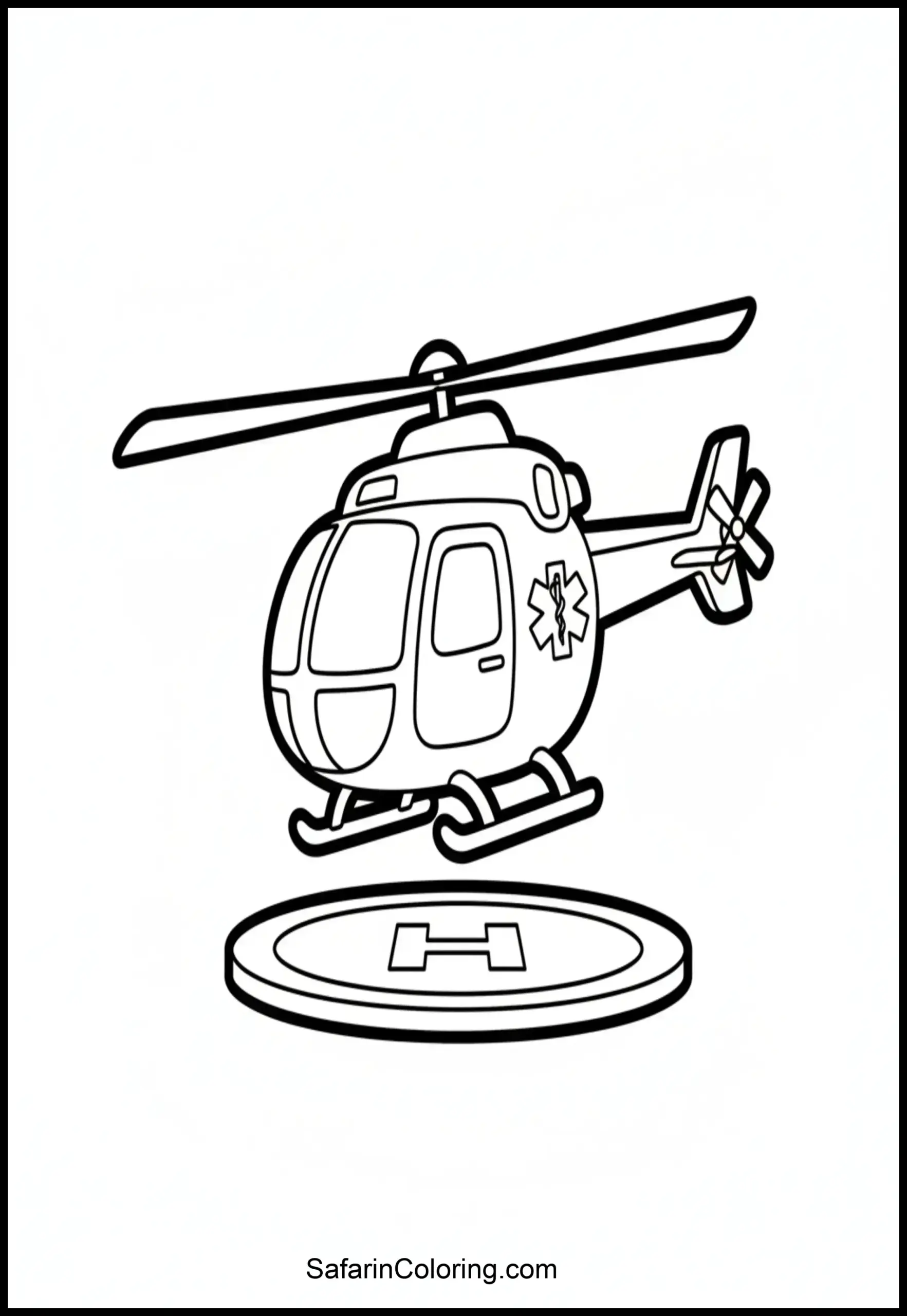
Ambulance Helicopter Landing Scaled
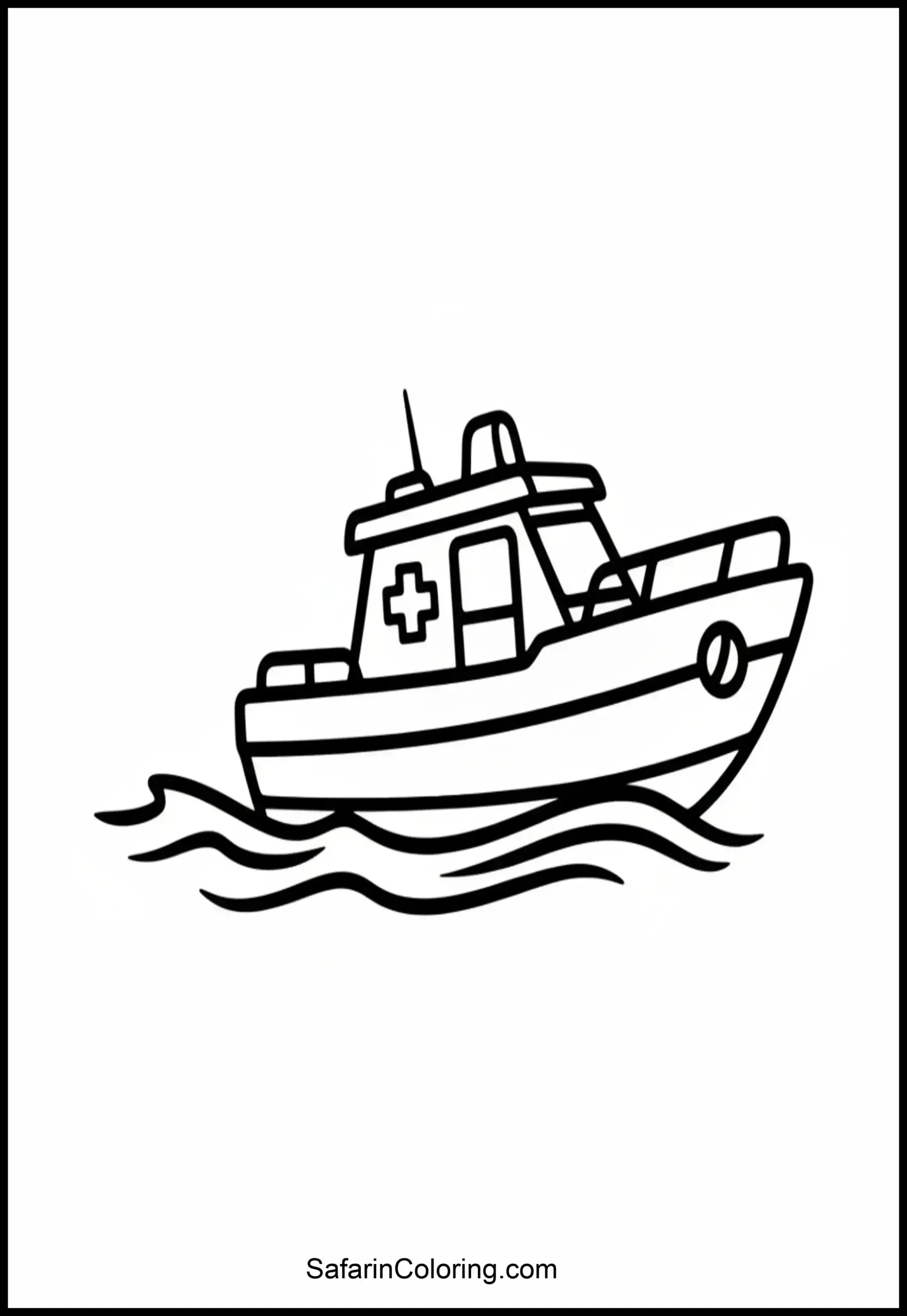
Ambulance Boat Water Rescue Scaled
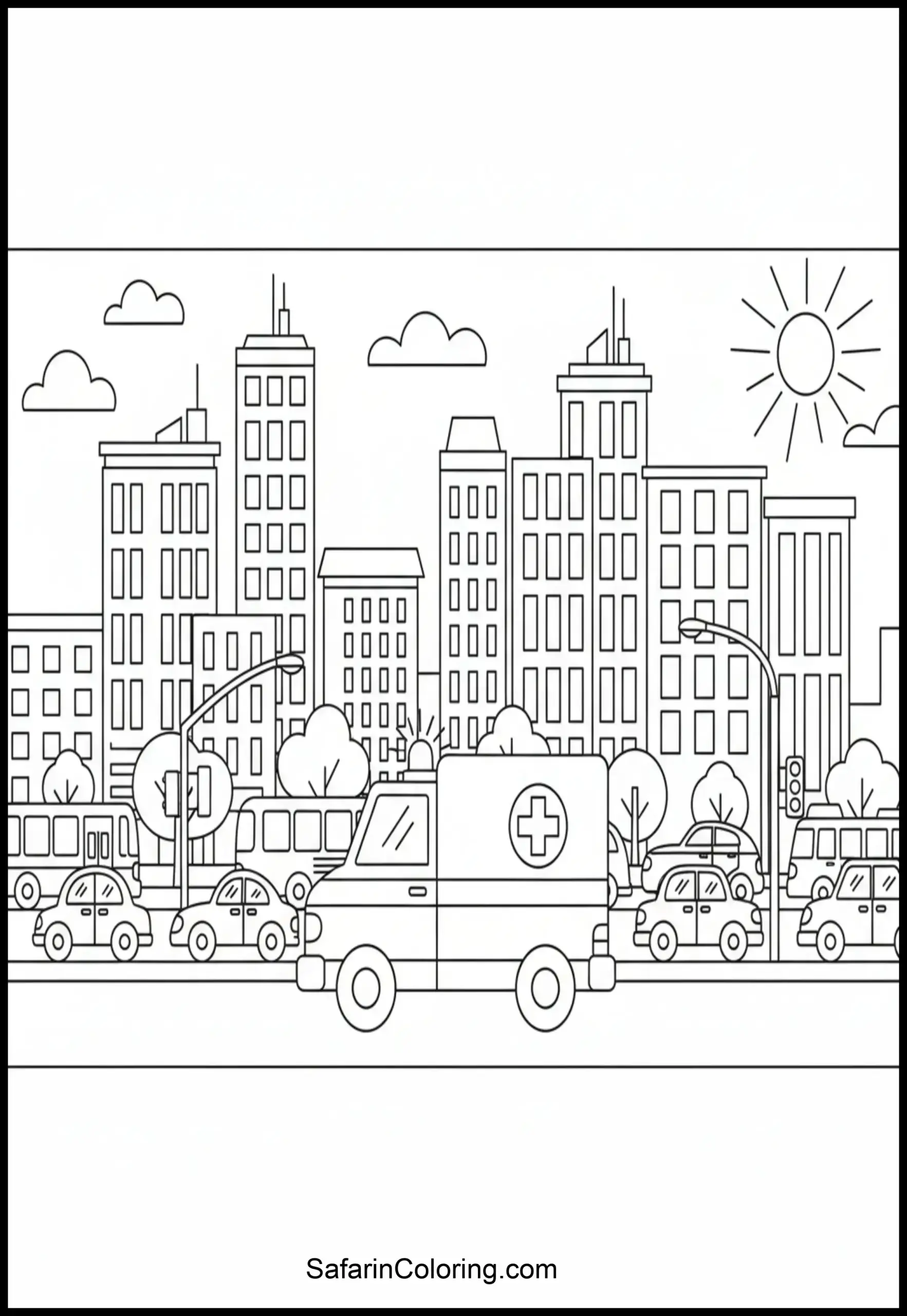
Ambulance City Street Scaled
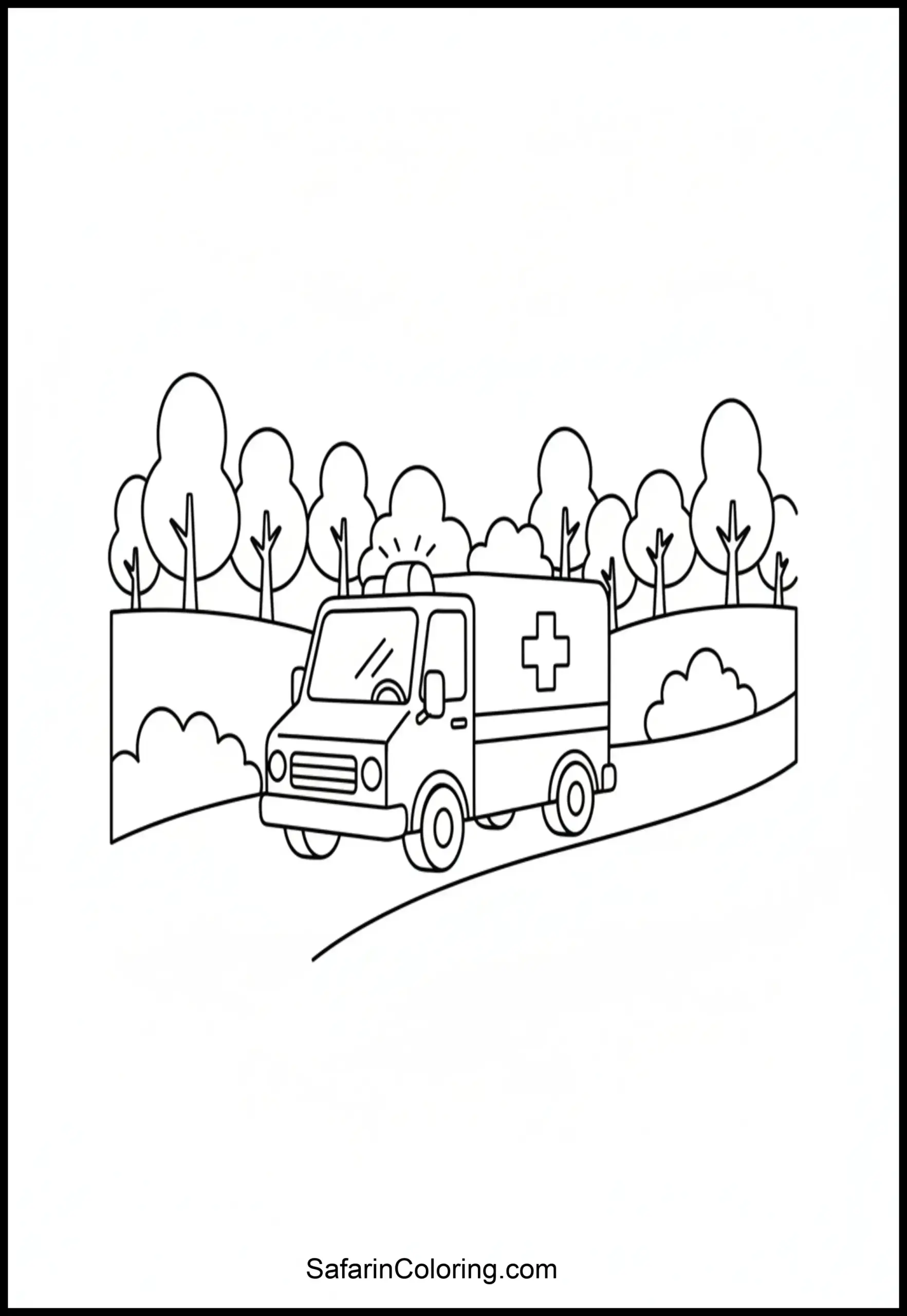
Ambulance Country Road Scaled
A Is For Ambulance Scaled
Ambulance Doors Open Scaled
Waving Ambulance Character Scaled
Emergency Vehicles Group Scaled
Ambulance Cross Symbol Scaled
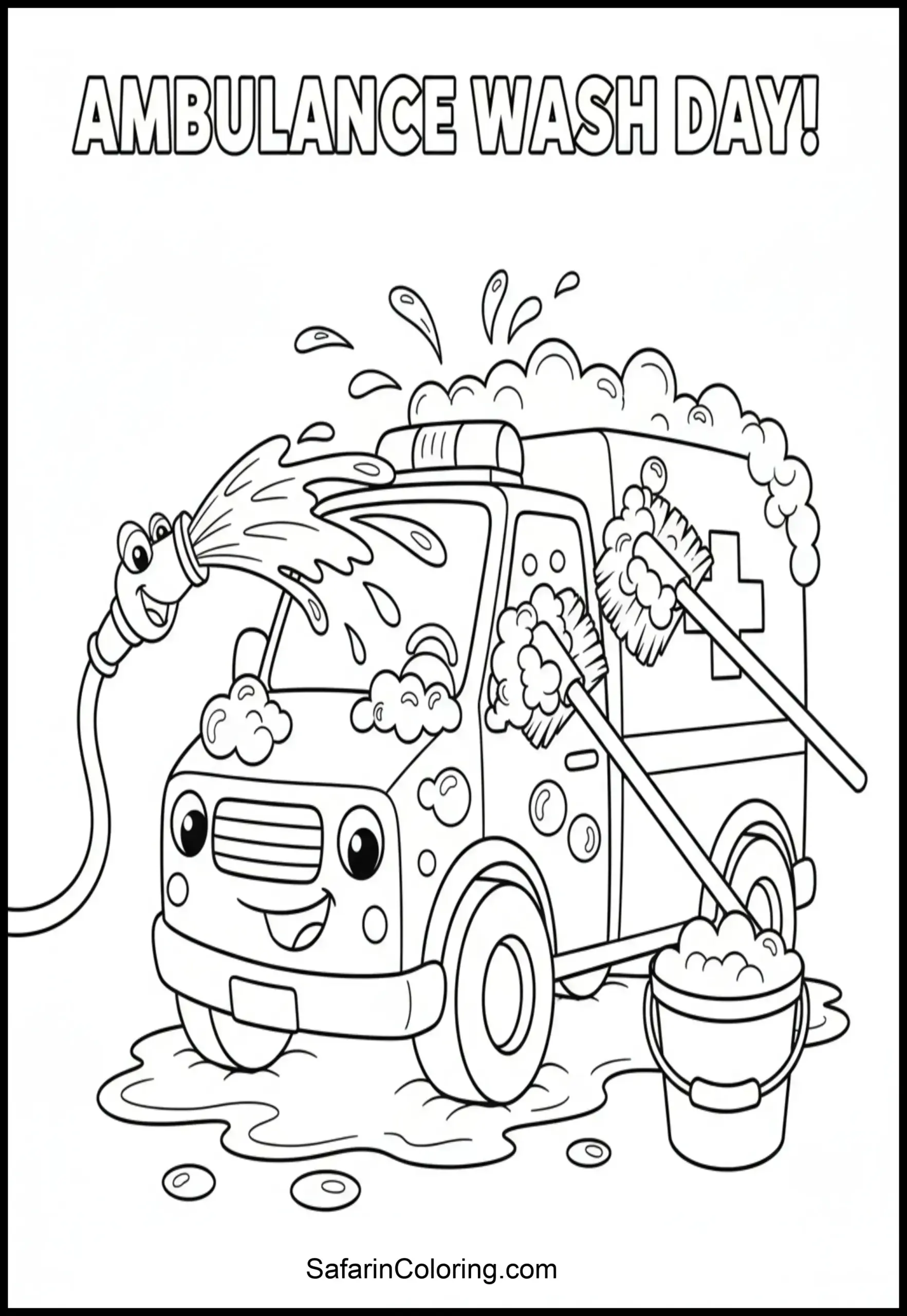
Ambulance Car Wash Scaled
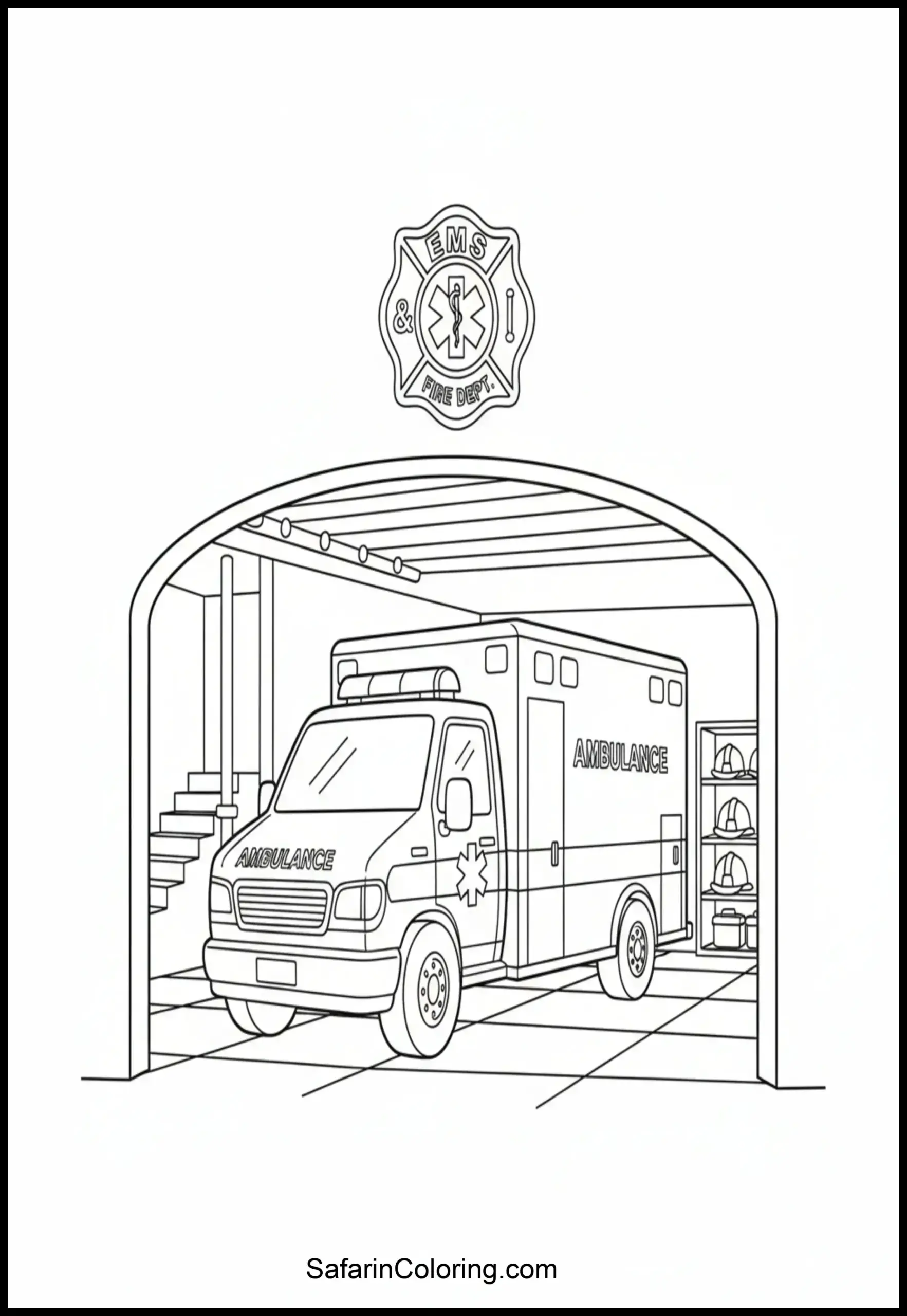
Ambulance In Garage Scaled
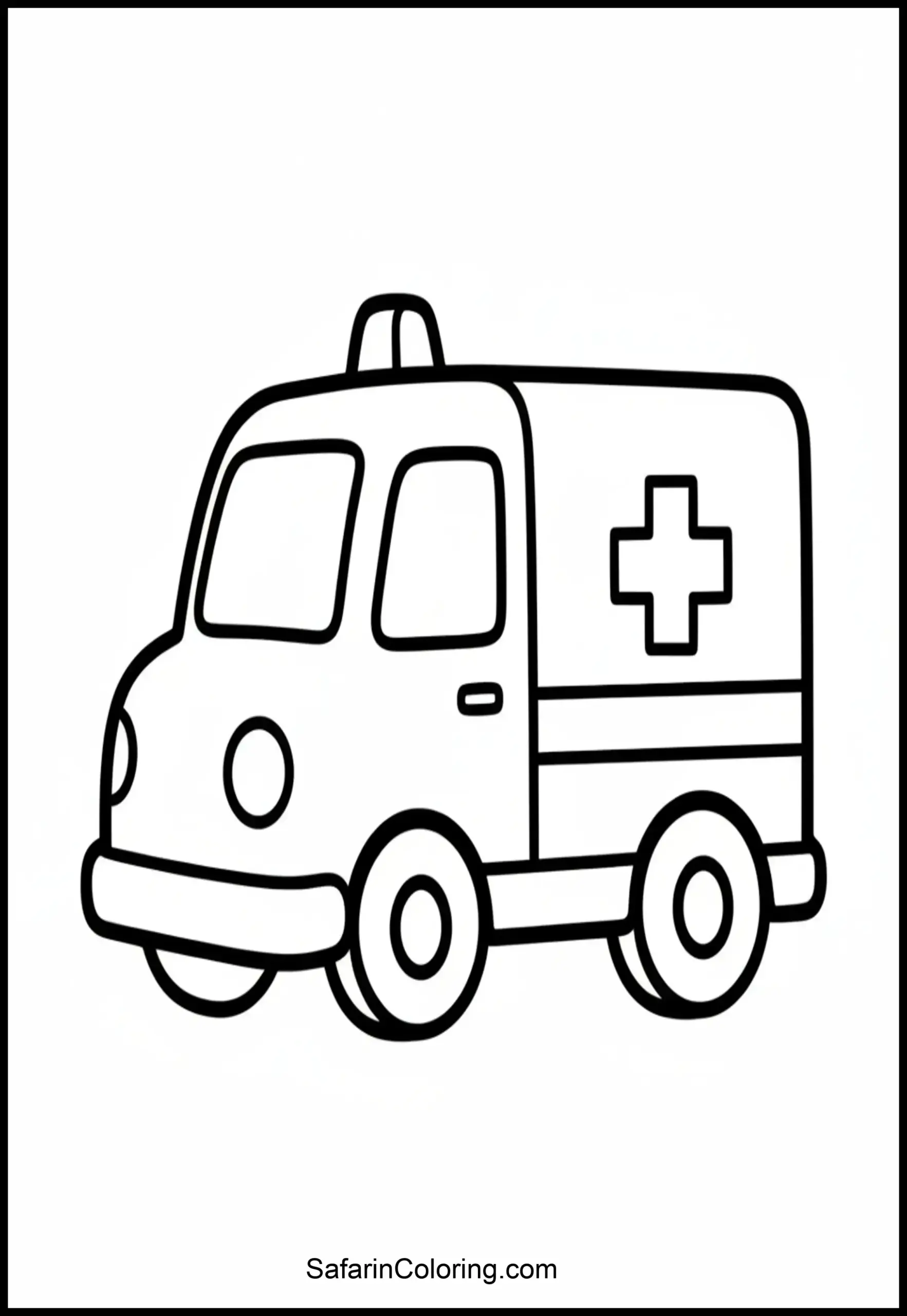
Simple Ambulance Outline Scaled
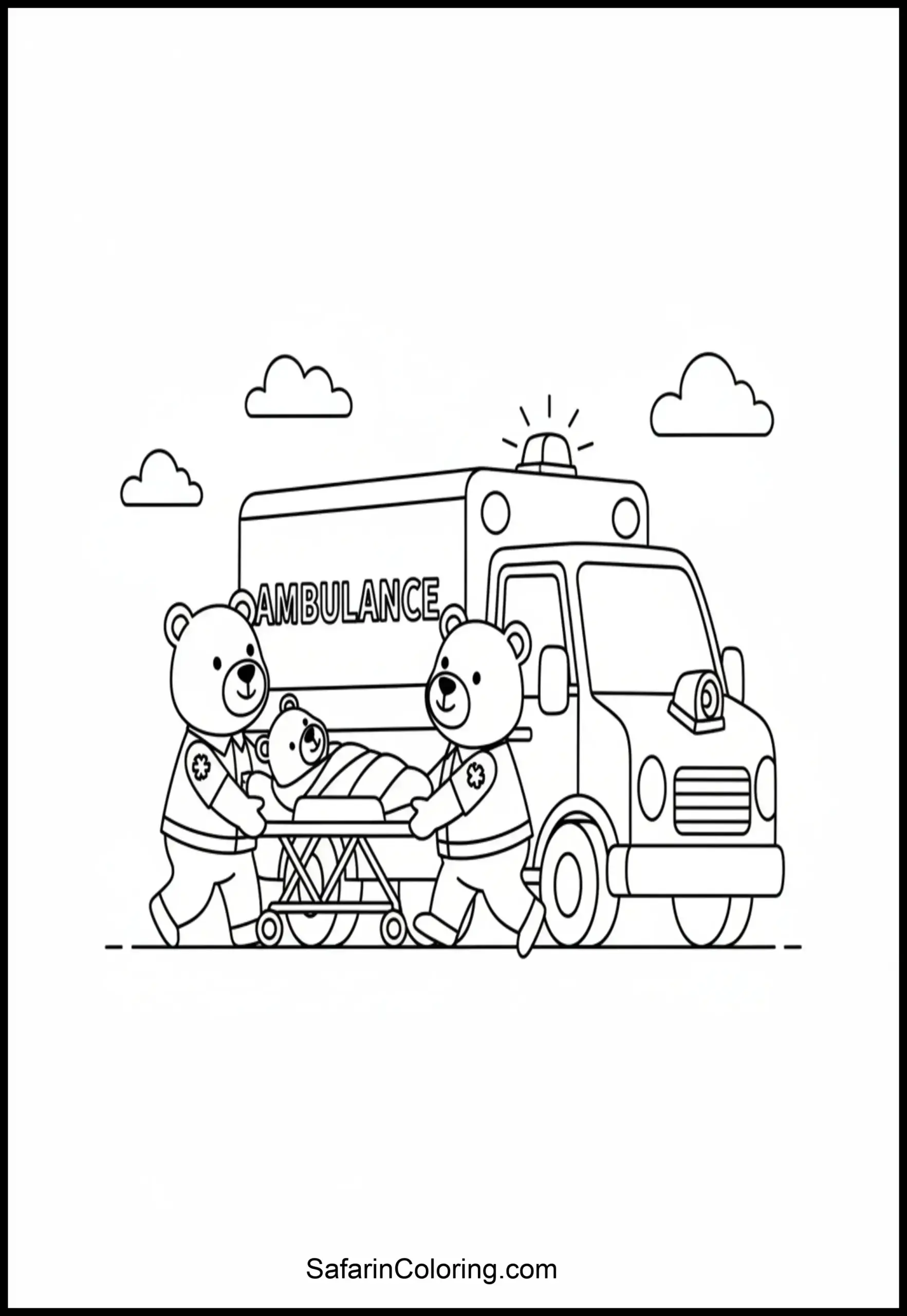
Bear Paramedics Loading Stretcher Scaled
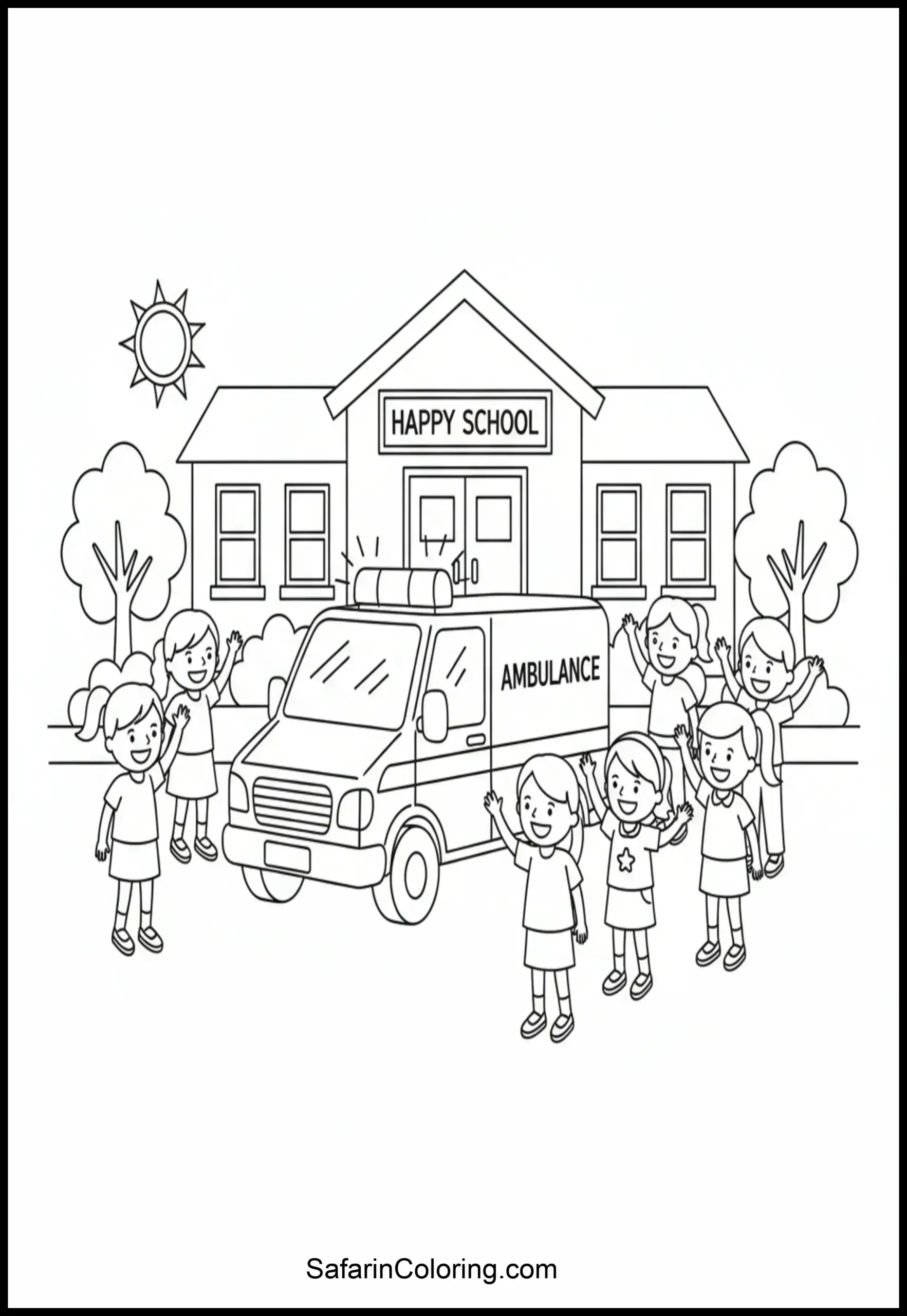
Ambulance At School Scaled
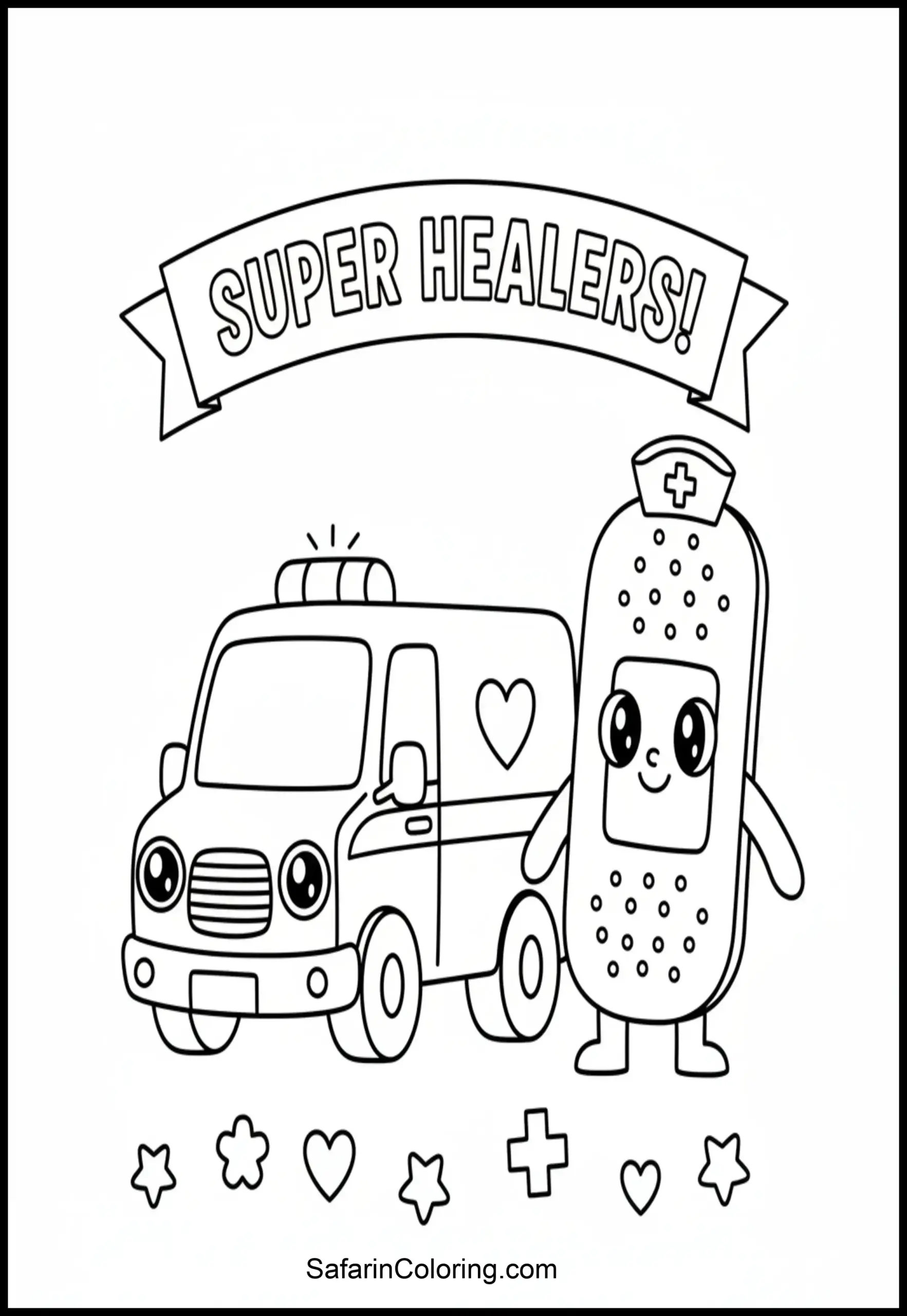
Ambulance Band Aid Mascot Scaled
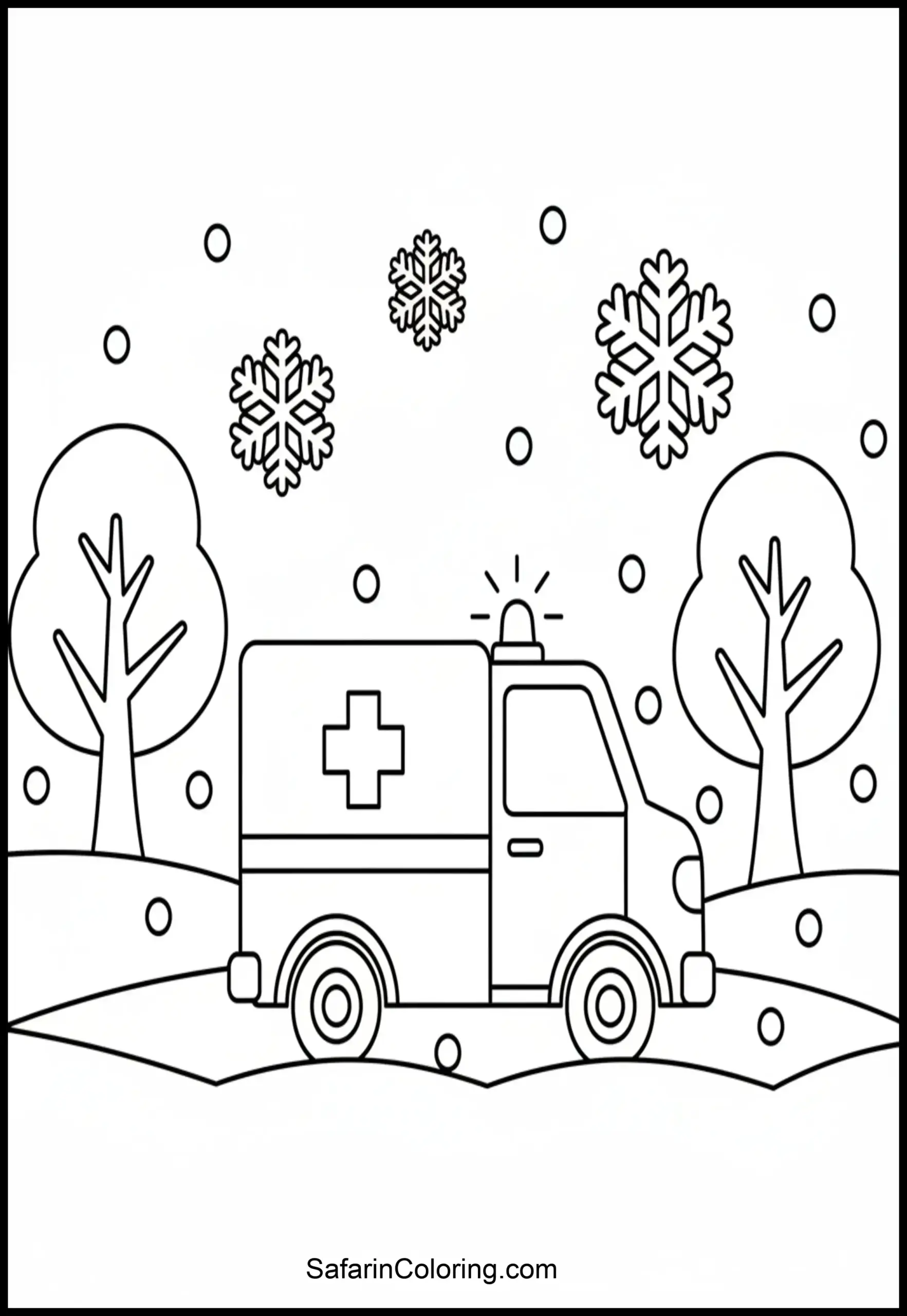
Ambulance In Snow Winter Scaled
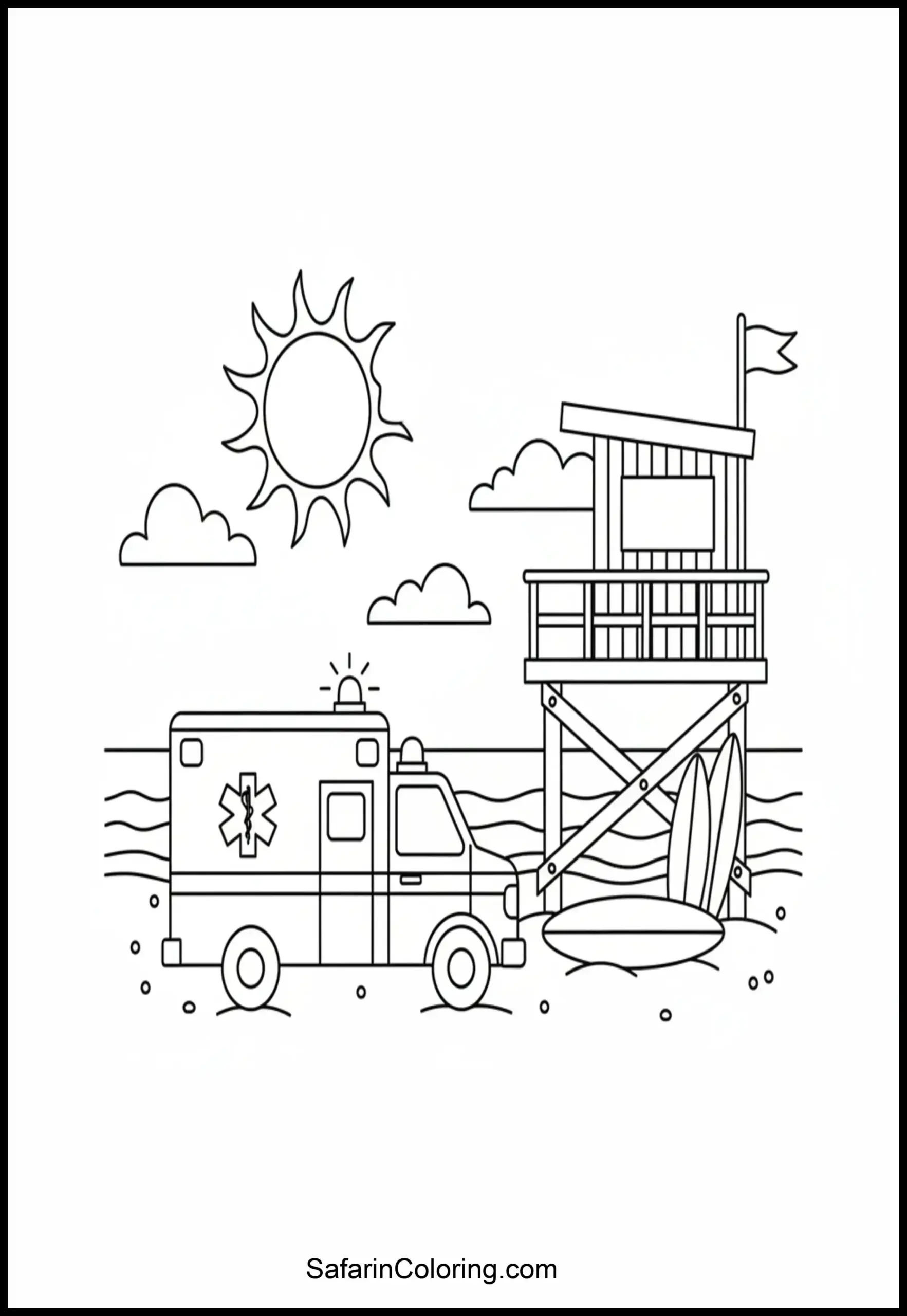
Ambulance At Beach Scaled
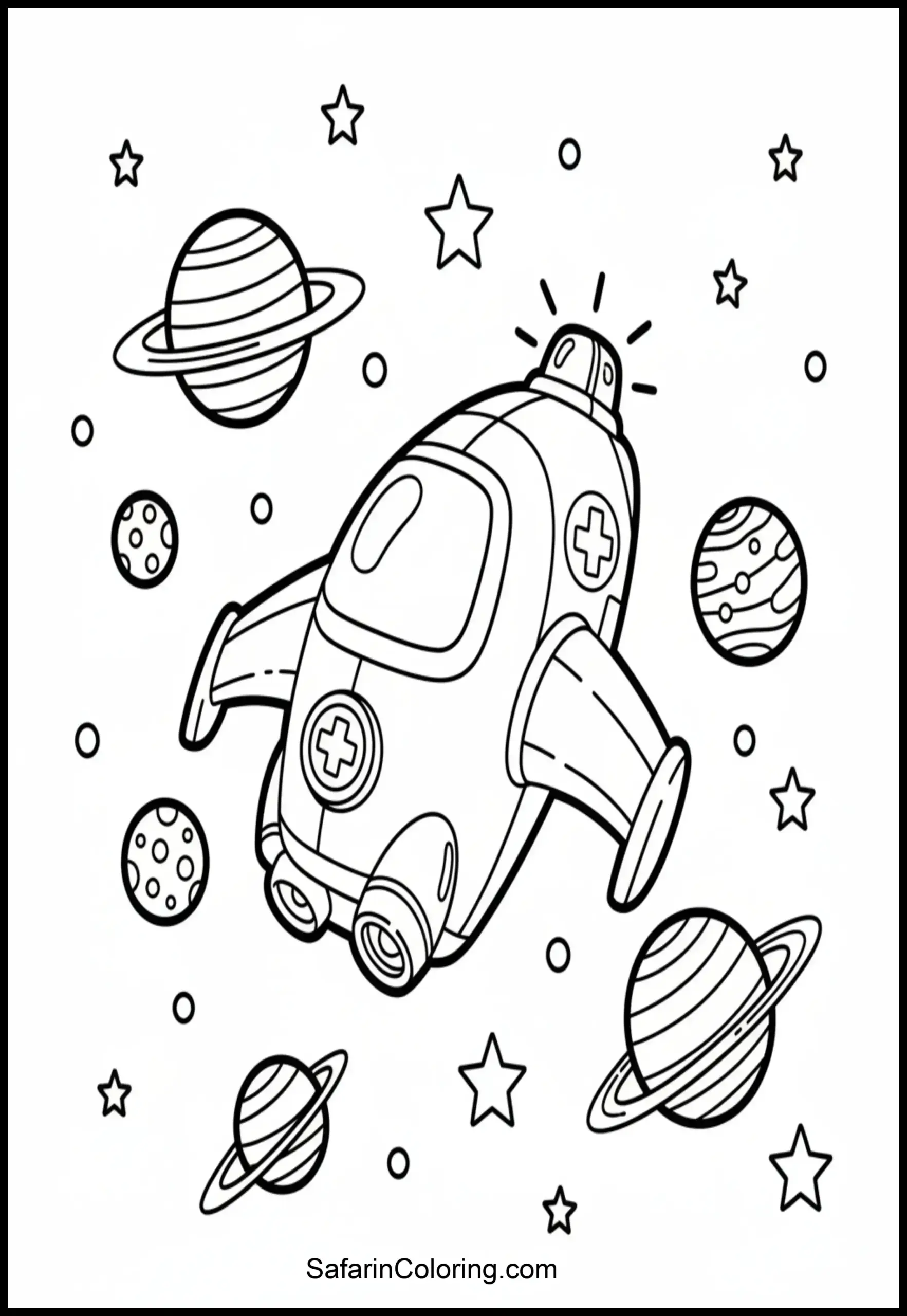
Space Ambulance Spaceship Scaled
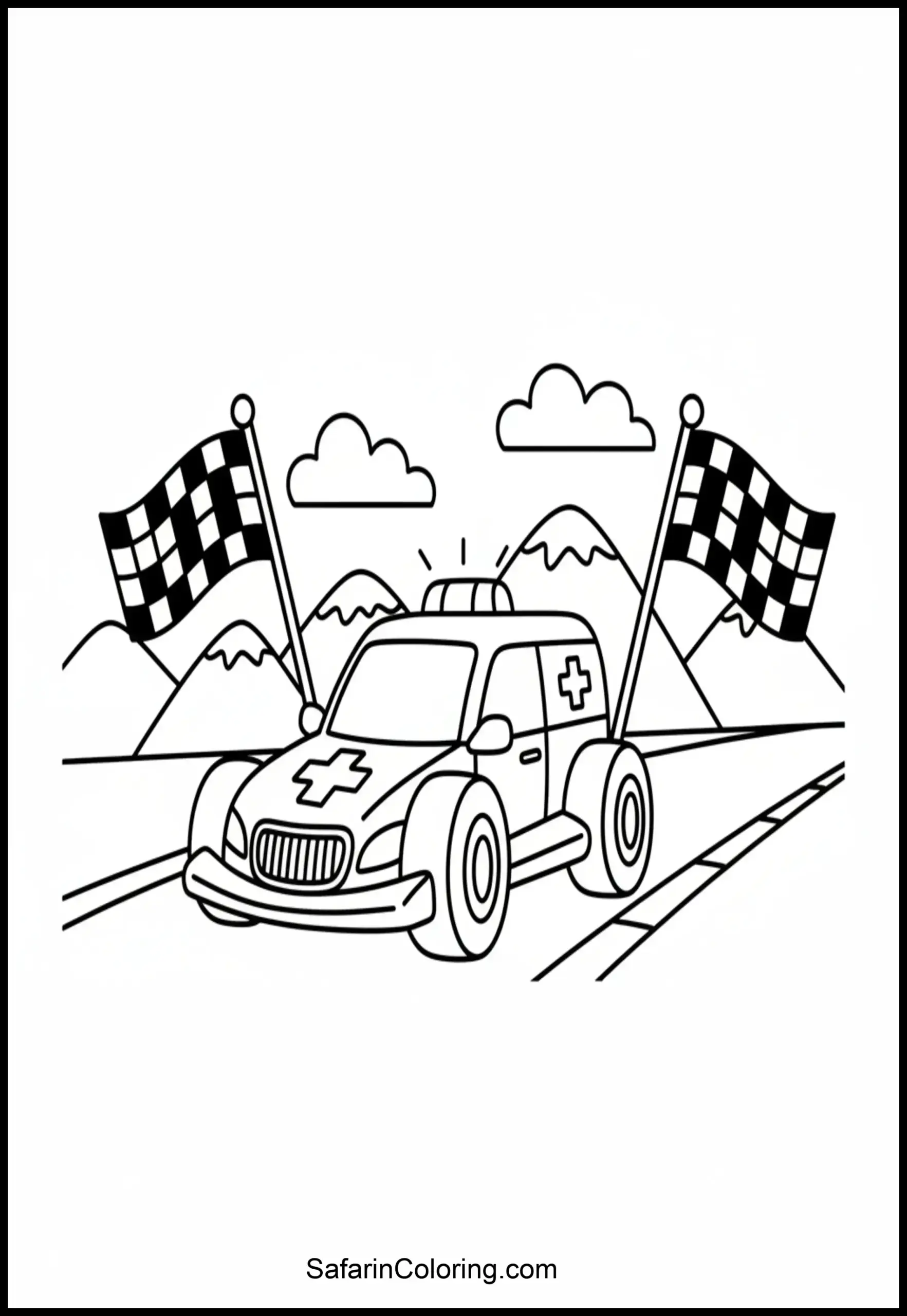
Race Car Ambulance Scaled
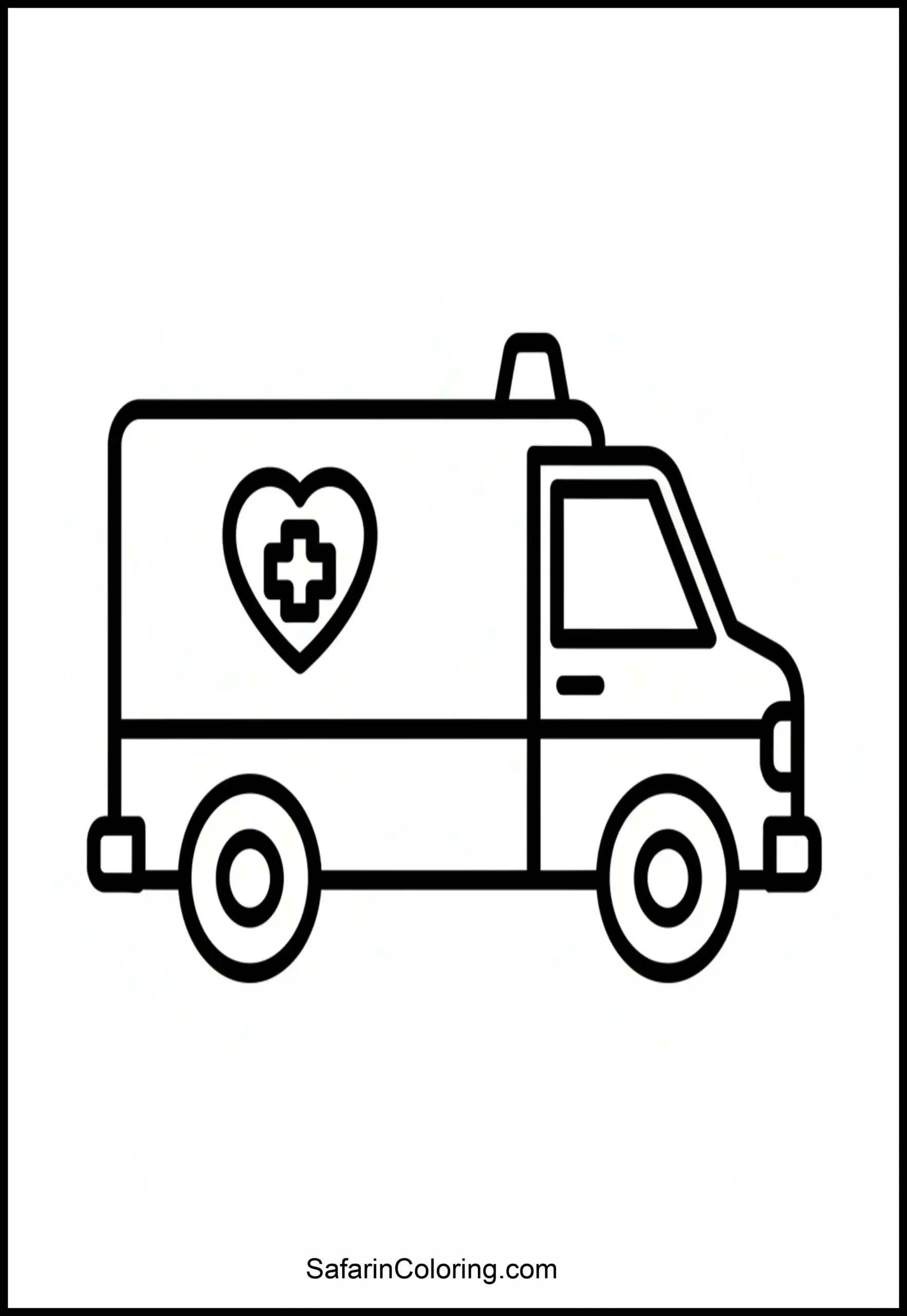
Ambulance Heart Symbol Scaled
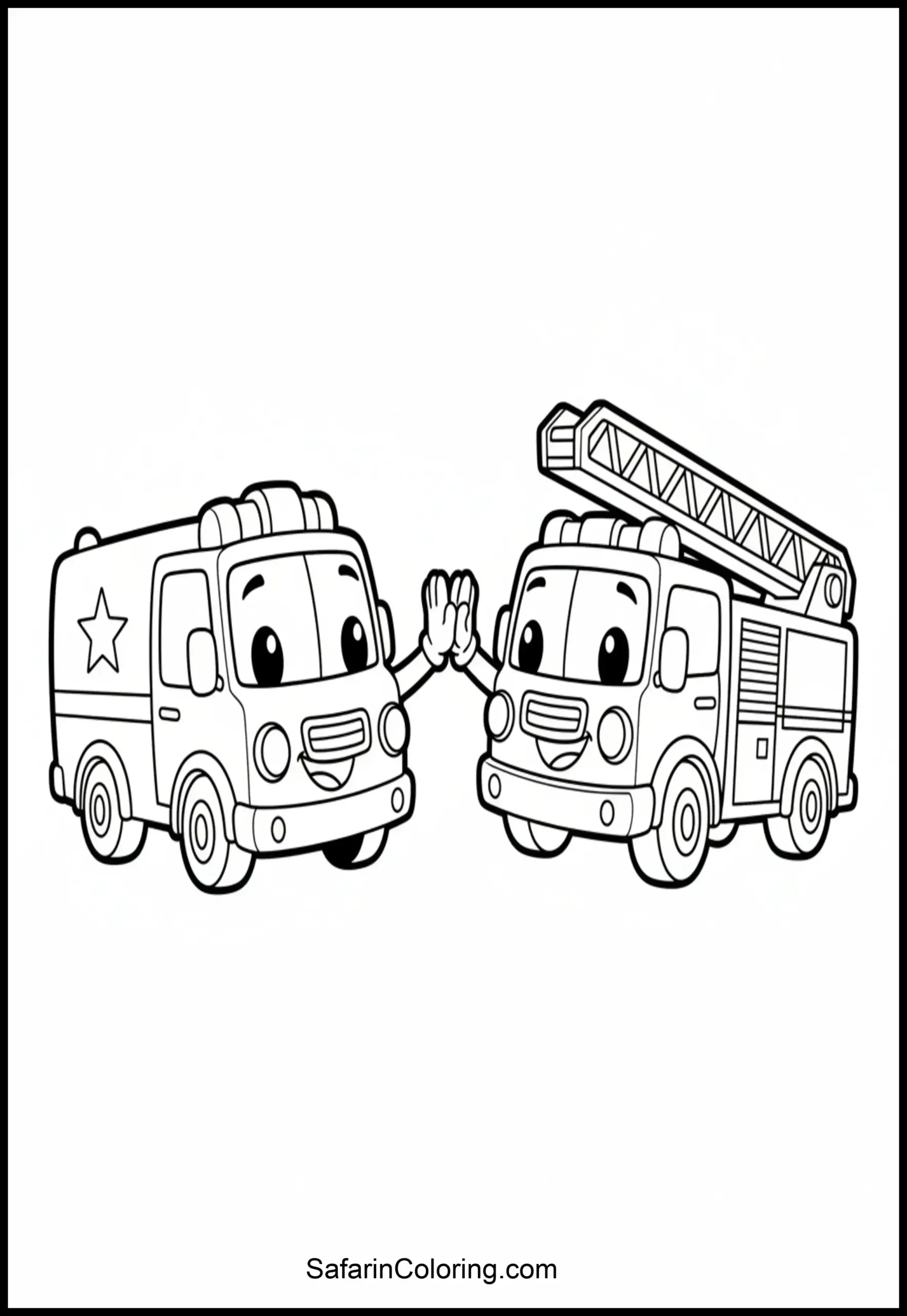
Ambulance Firetruck High Five Scaled
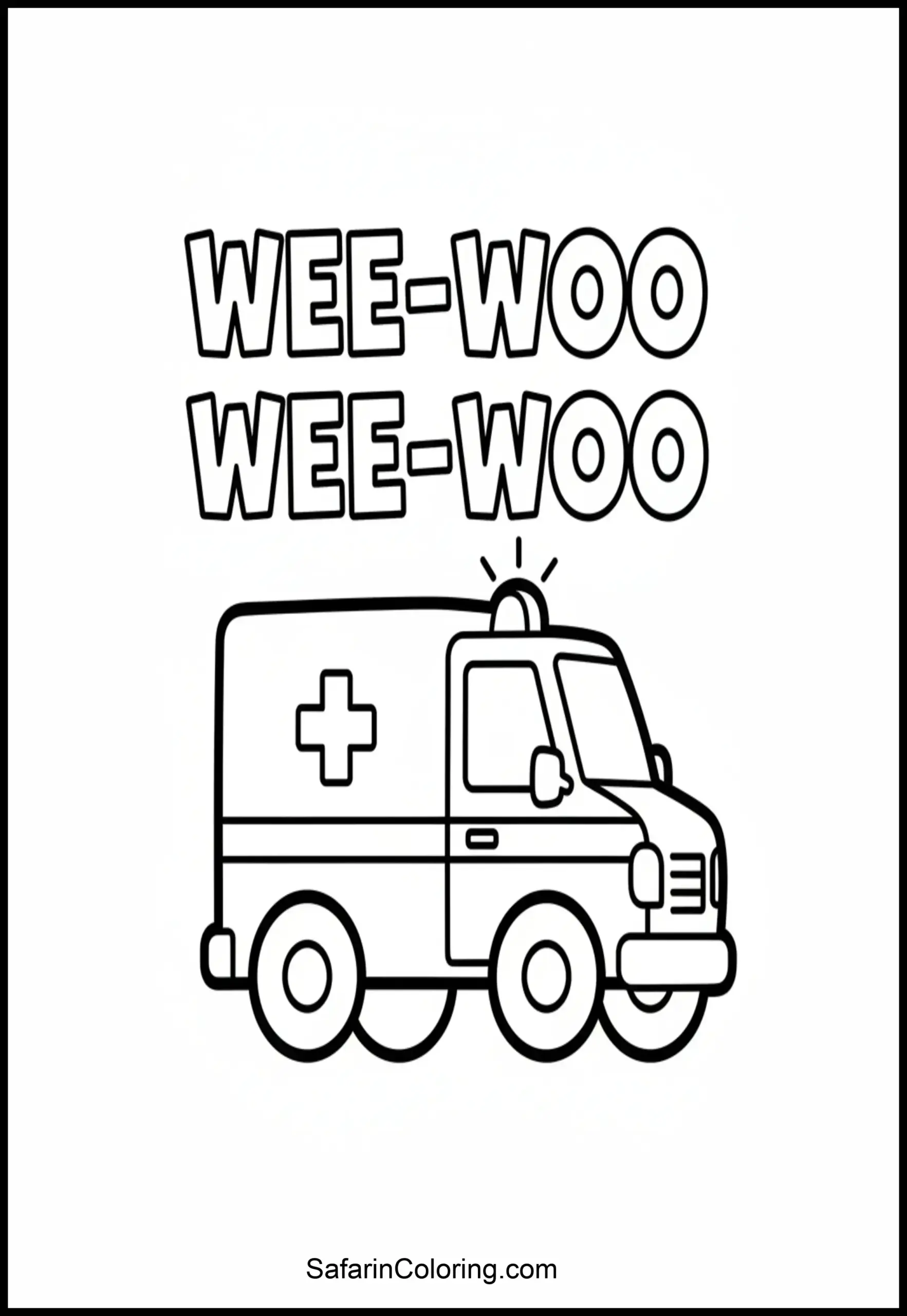
Ambulance Siren Sound Text Scaled
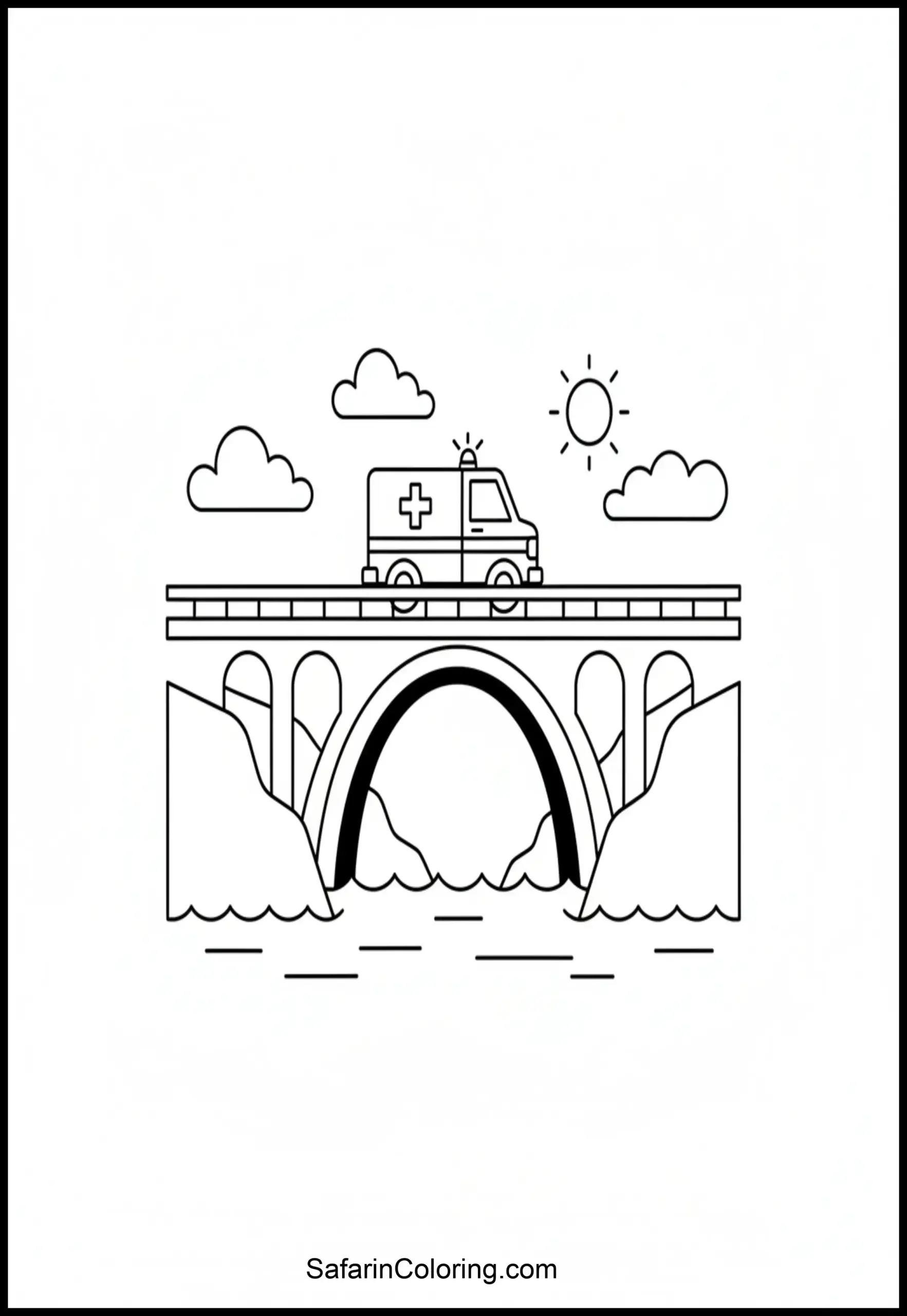
Ambulance Crossing Bridge Scaled
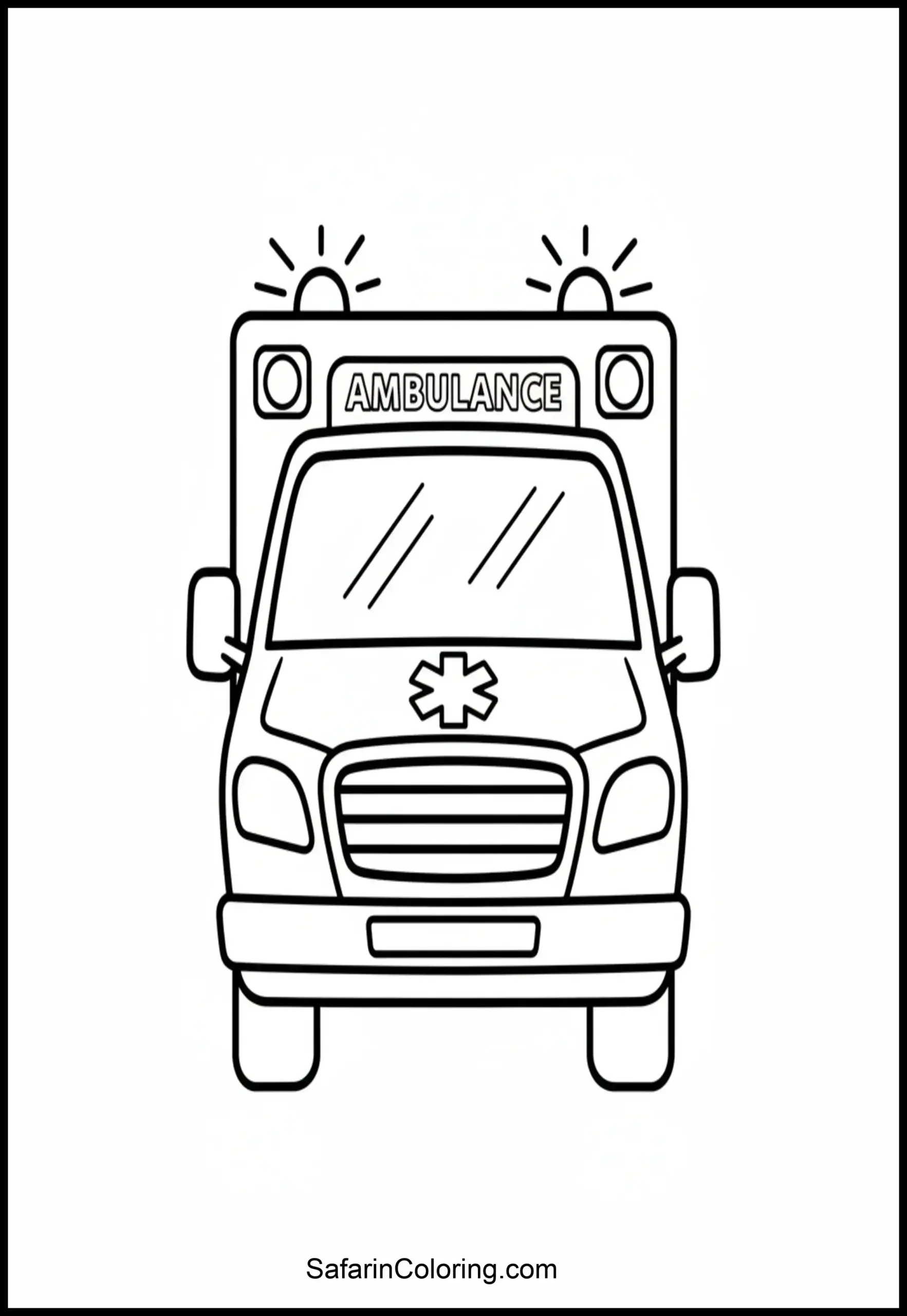
Ambulance Front Flashing Lights Scaled
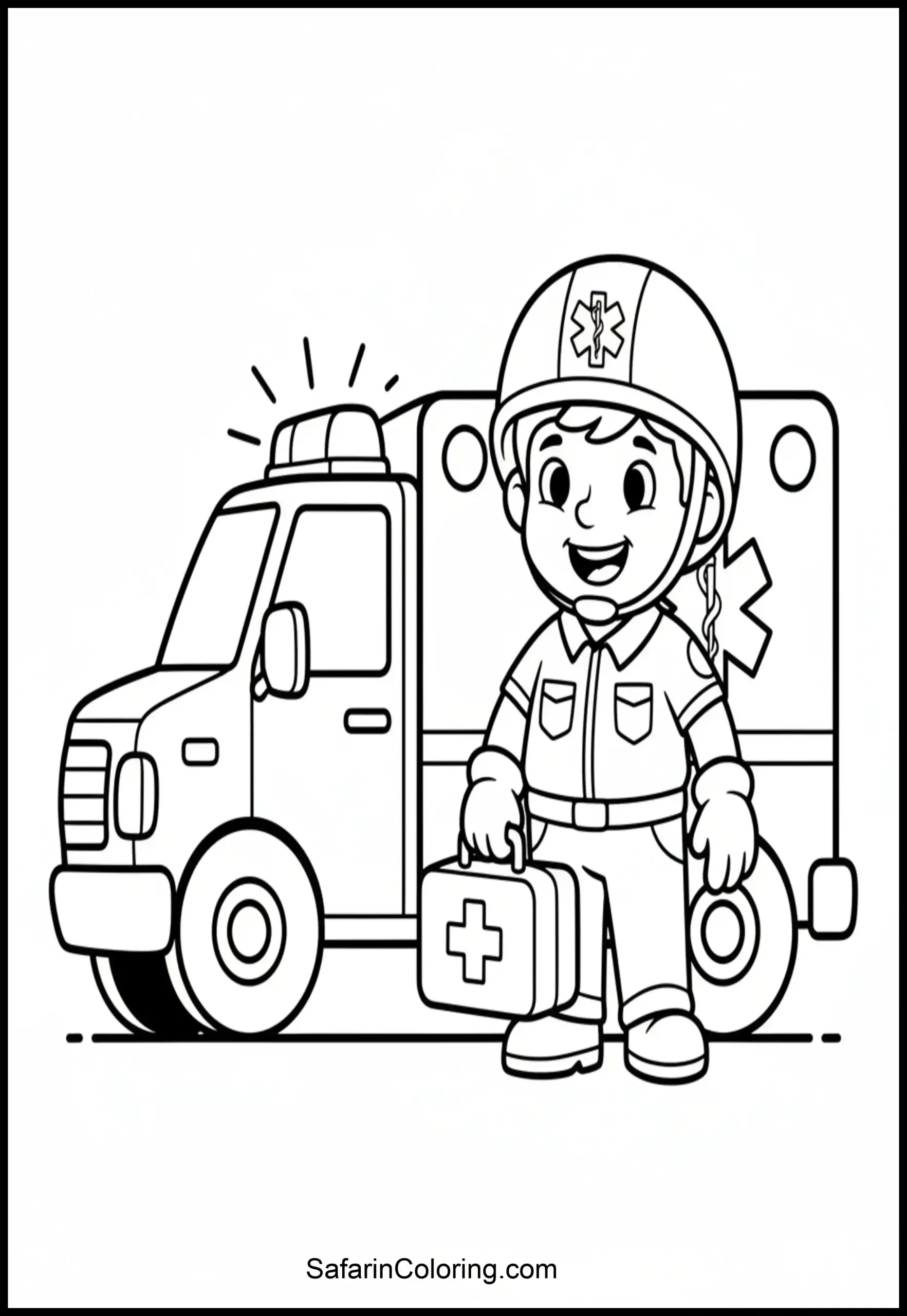
Paramedic With First Aid Kit Scaled
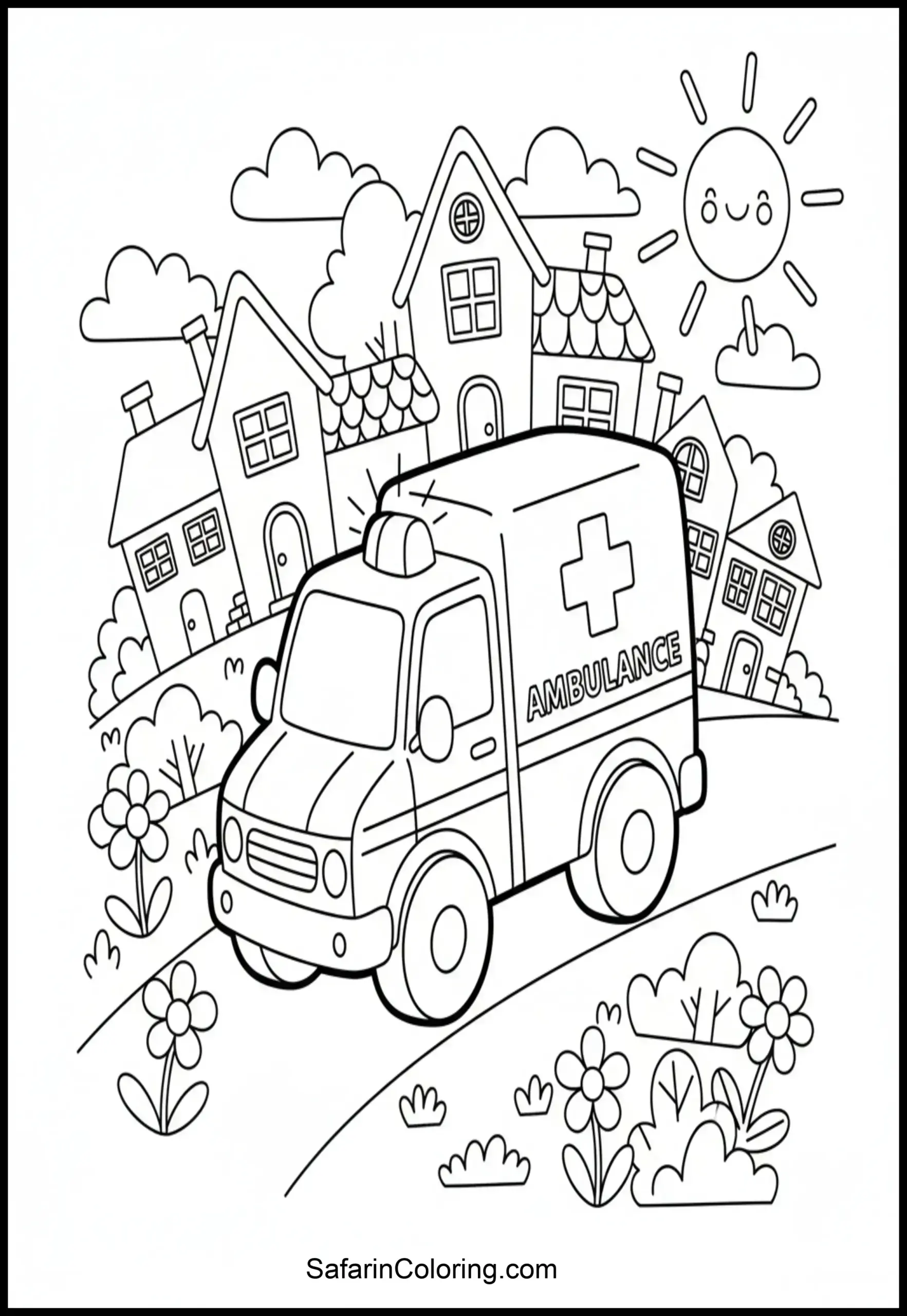
Ambulance Cartoon Neighborhood Scaled
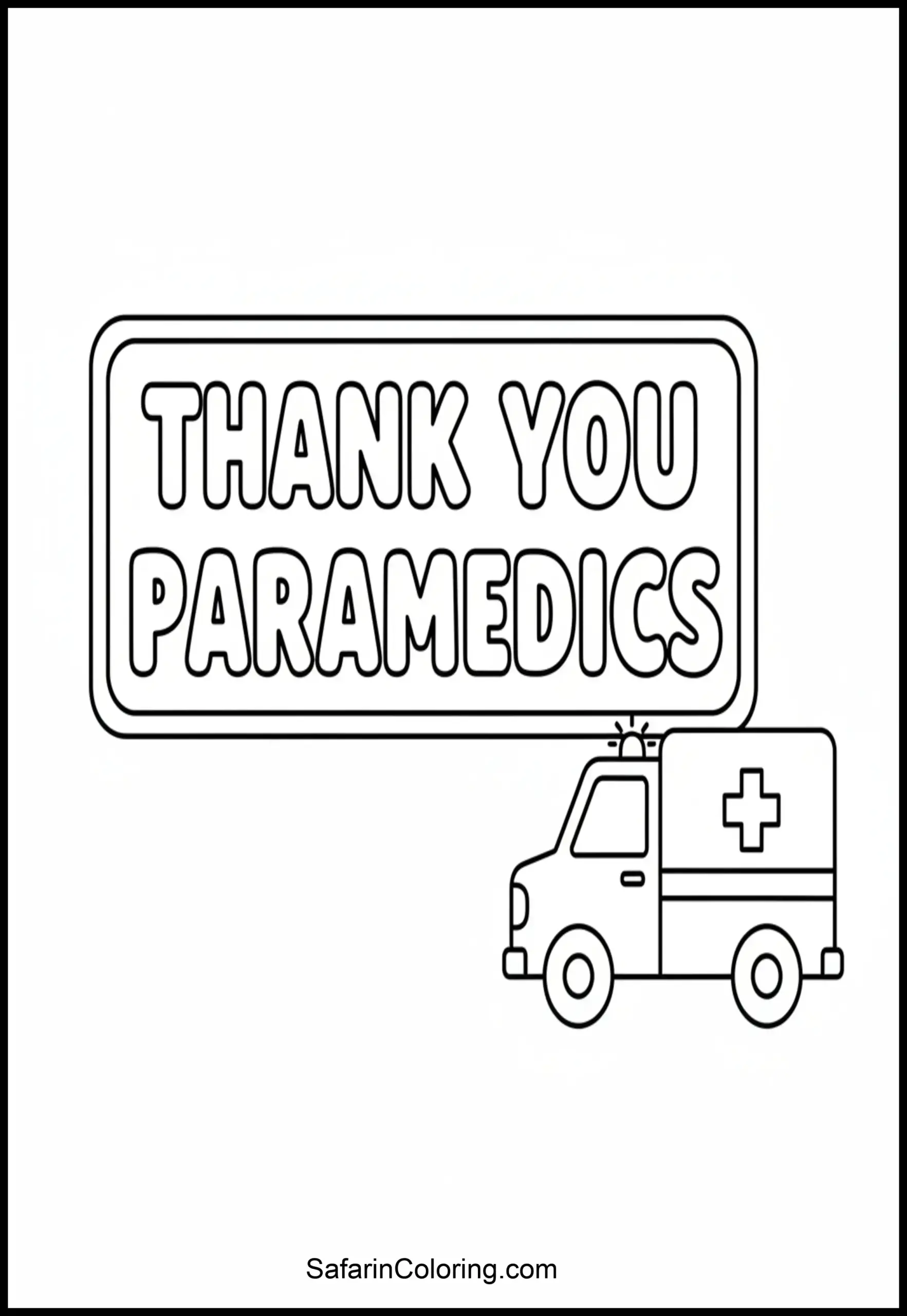
Thank You Paramedics Sign Scaled
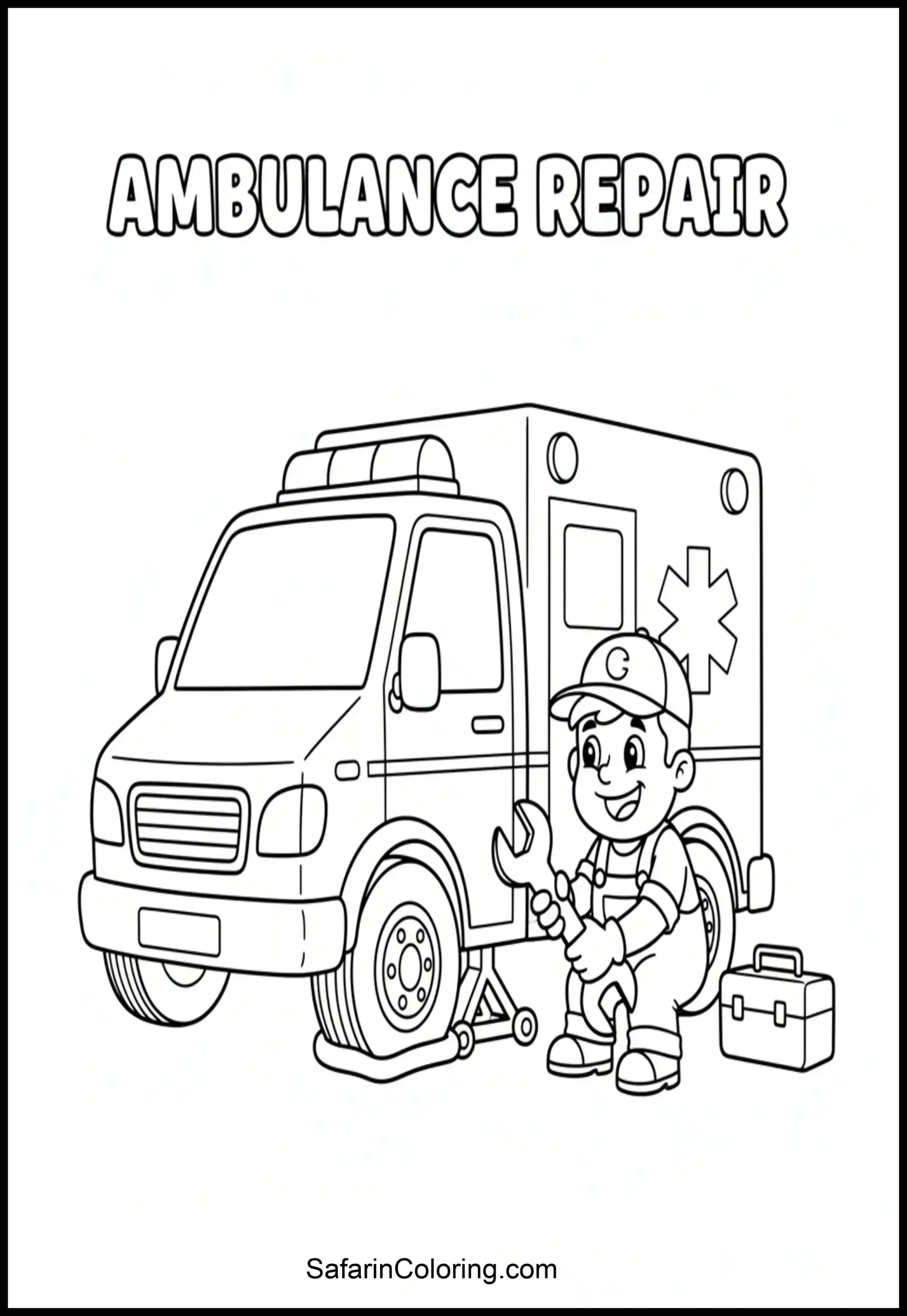
Ambulance Getting Fixed Scaled
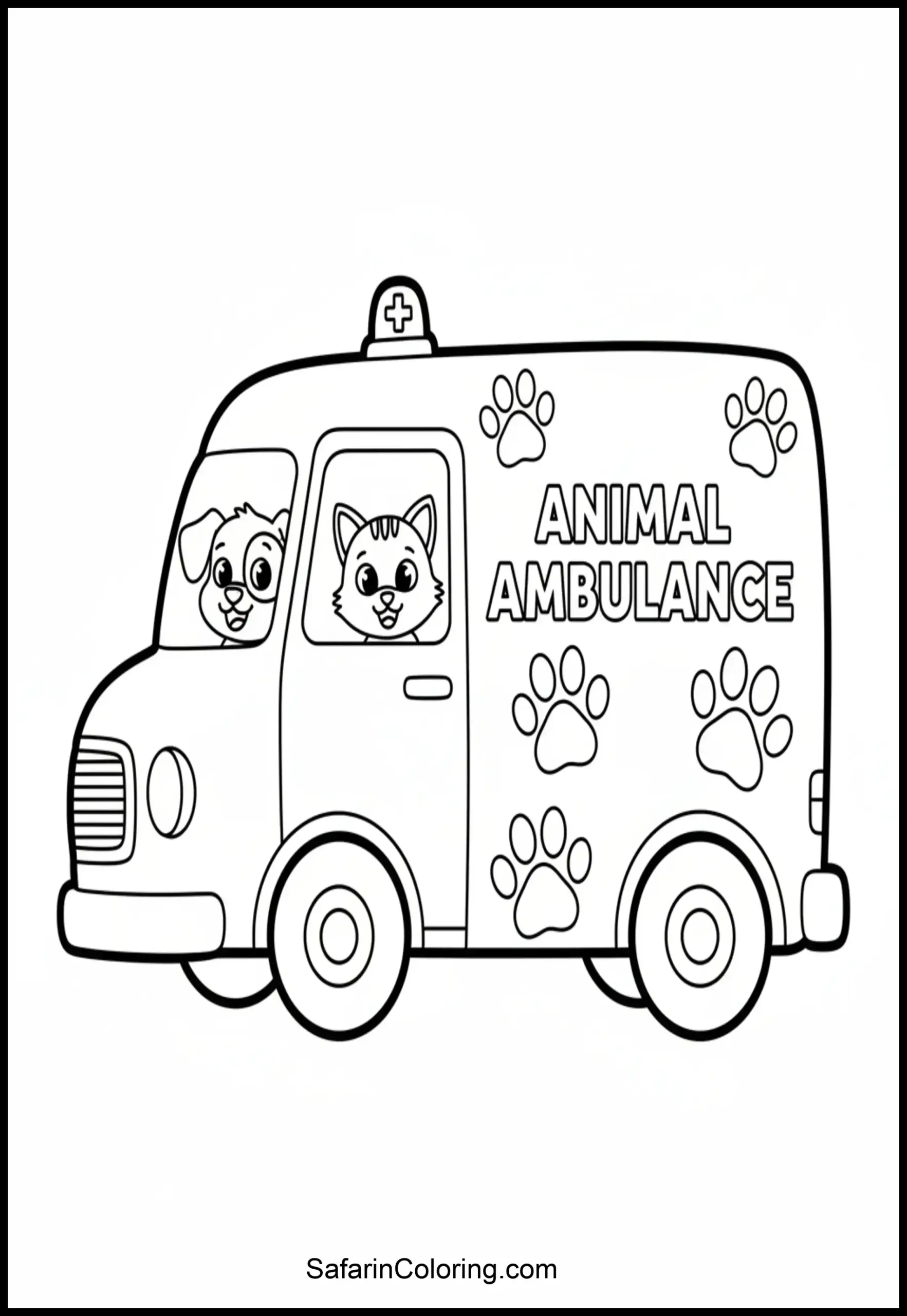
Animal Ambulance Vet Van Scaled
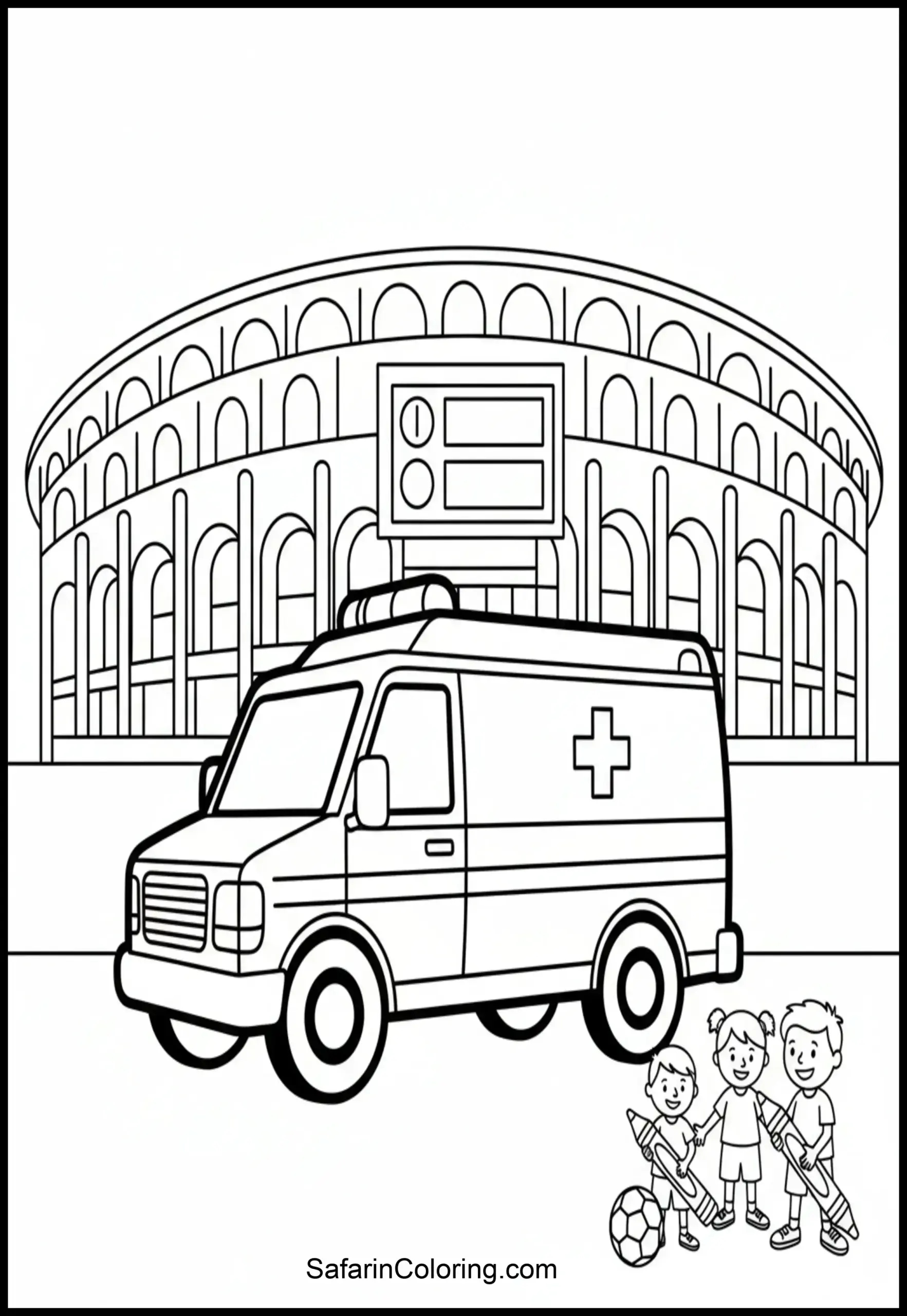
Ambulance At Stadium Scaled
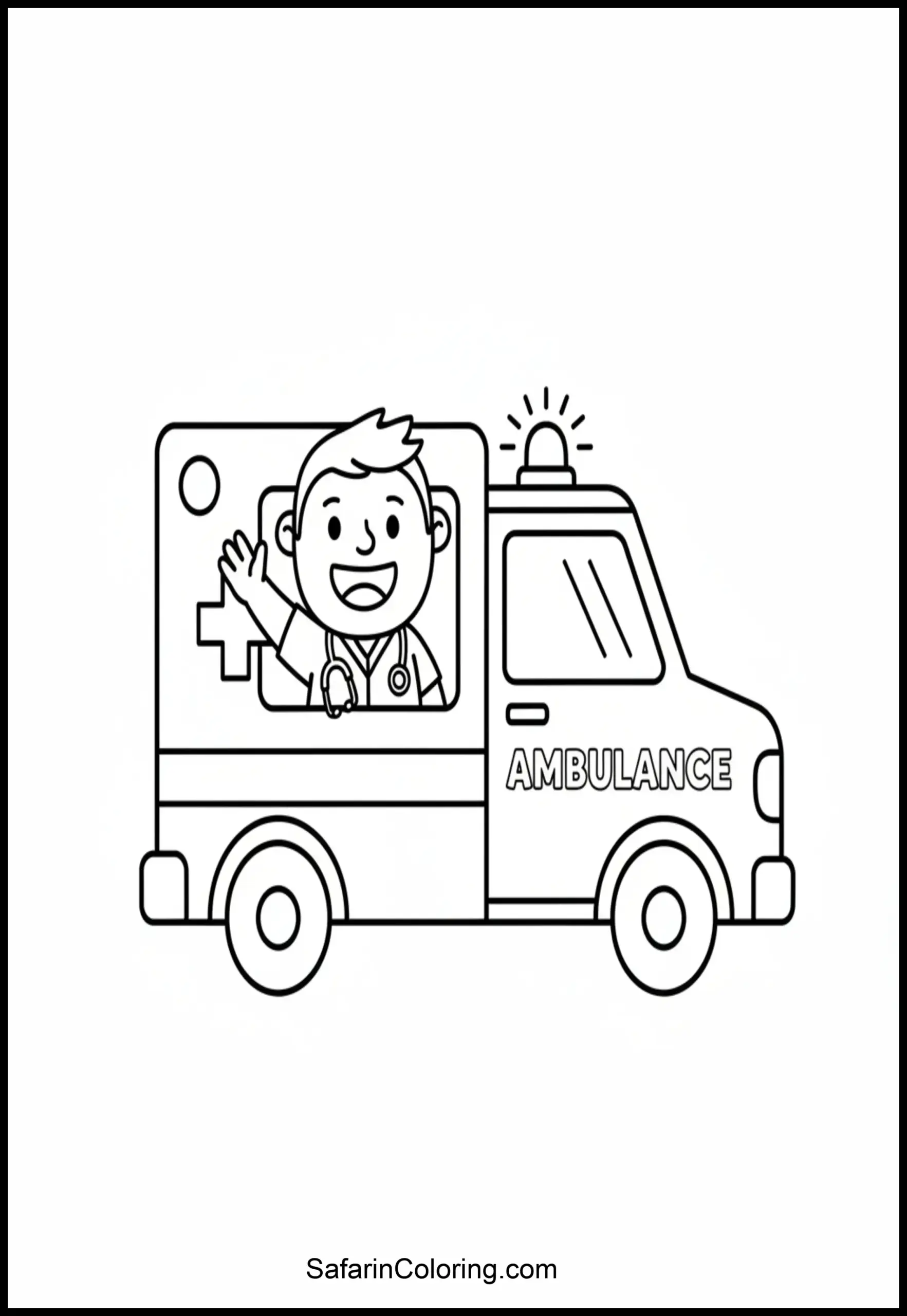
Doctor Waving From Ambulance Scaled
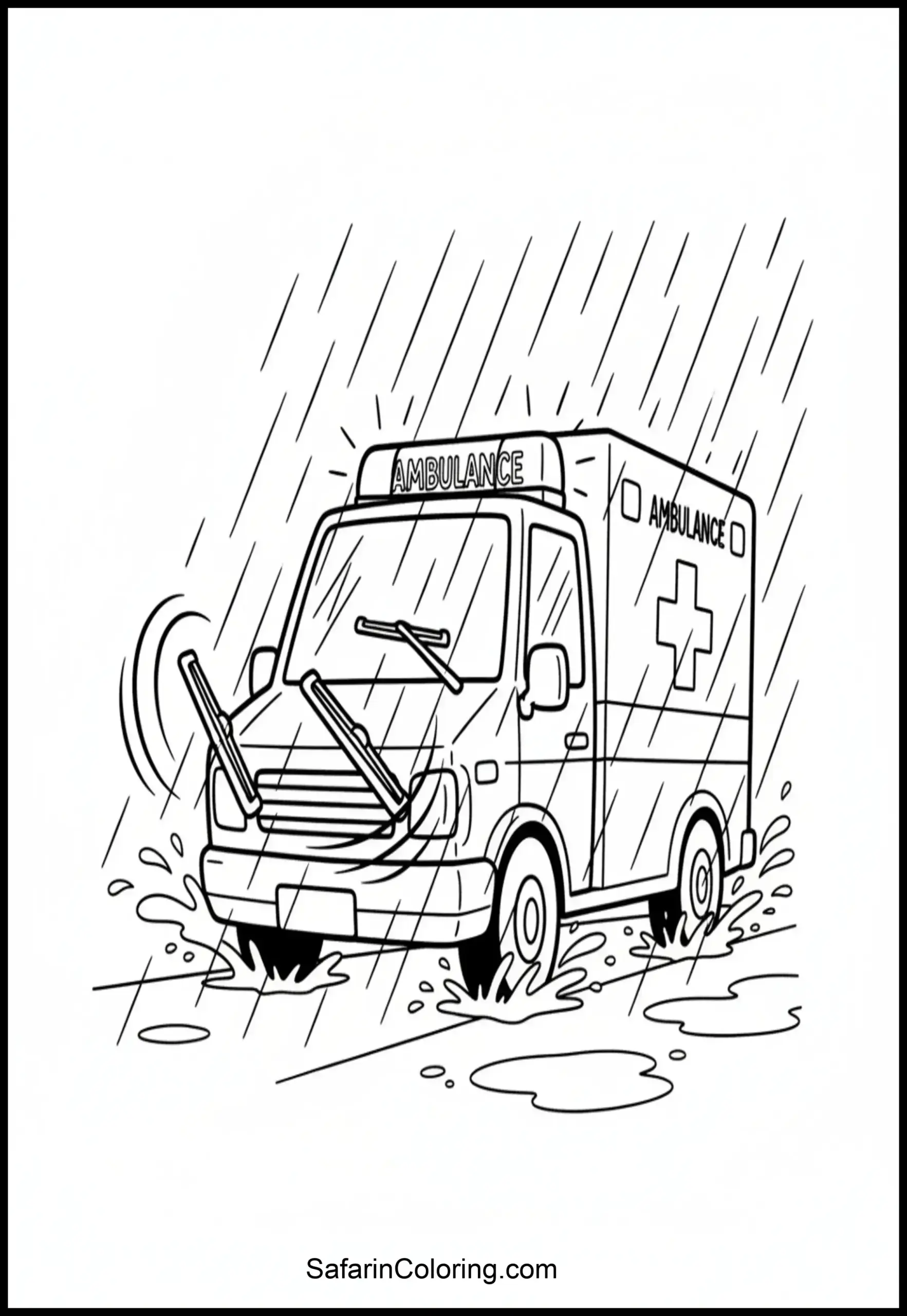
Ambulance In Rain Scaled
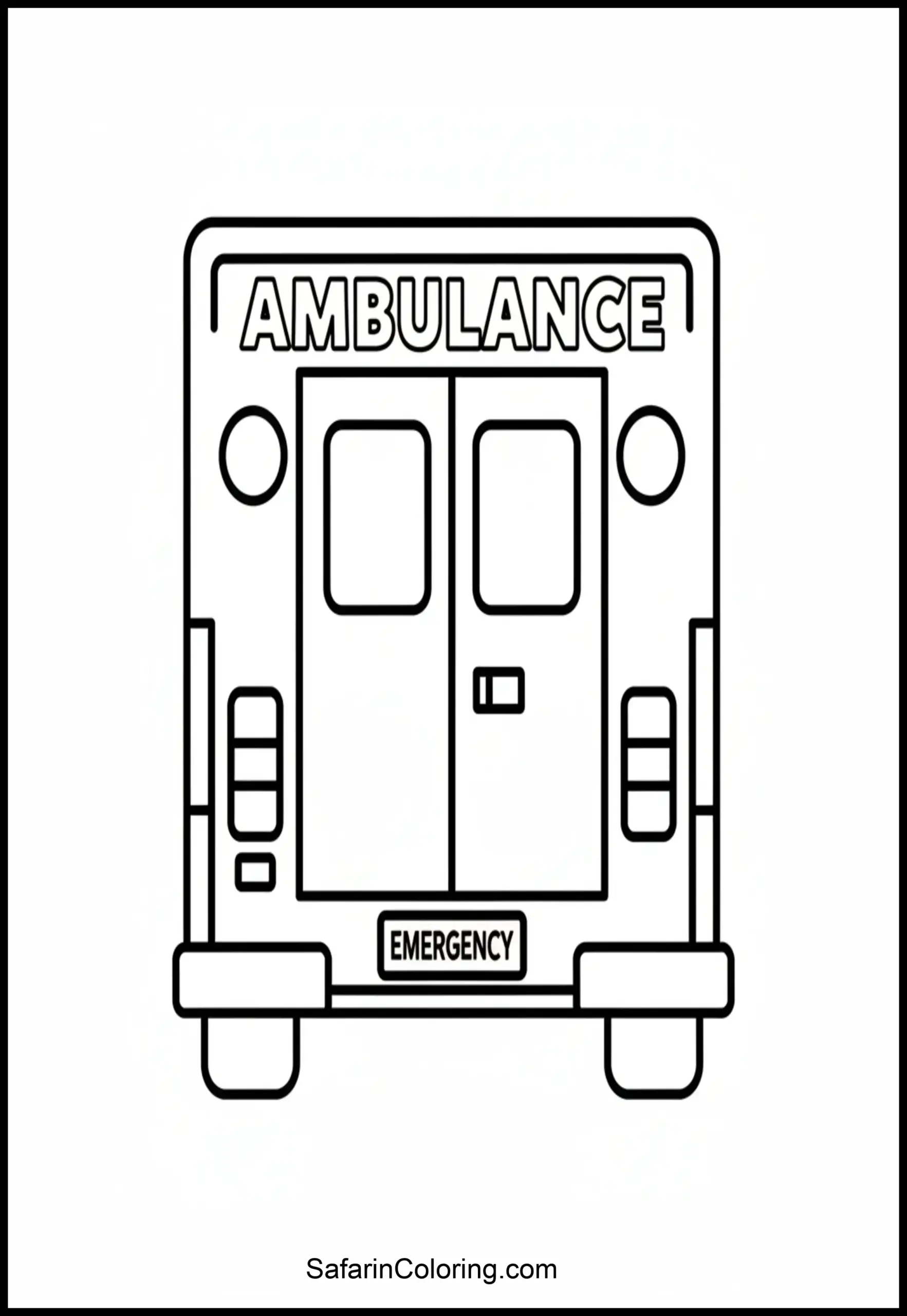
Ambulance Back View Scaled
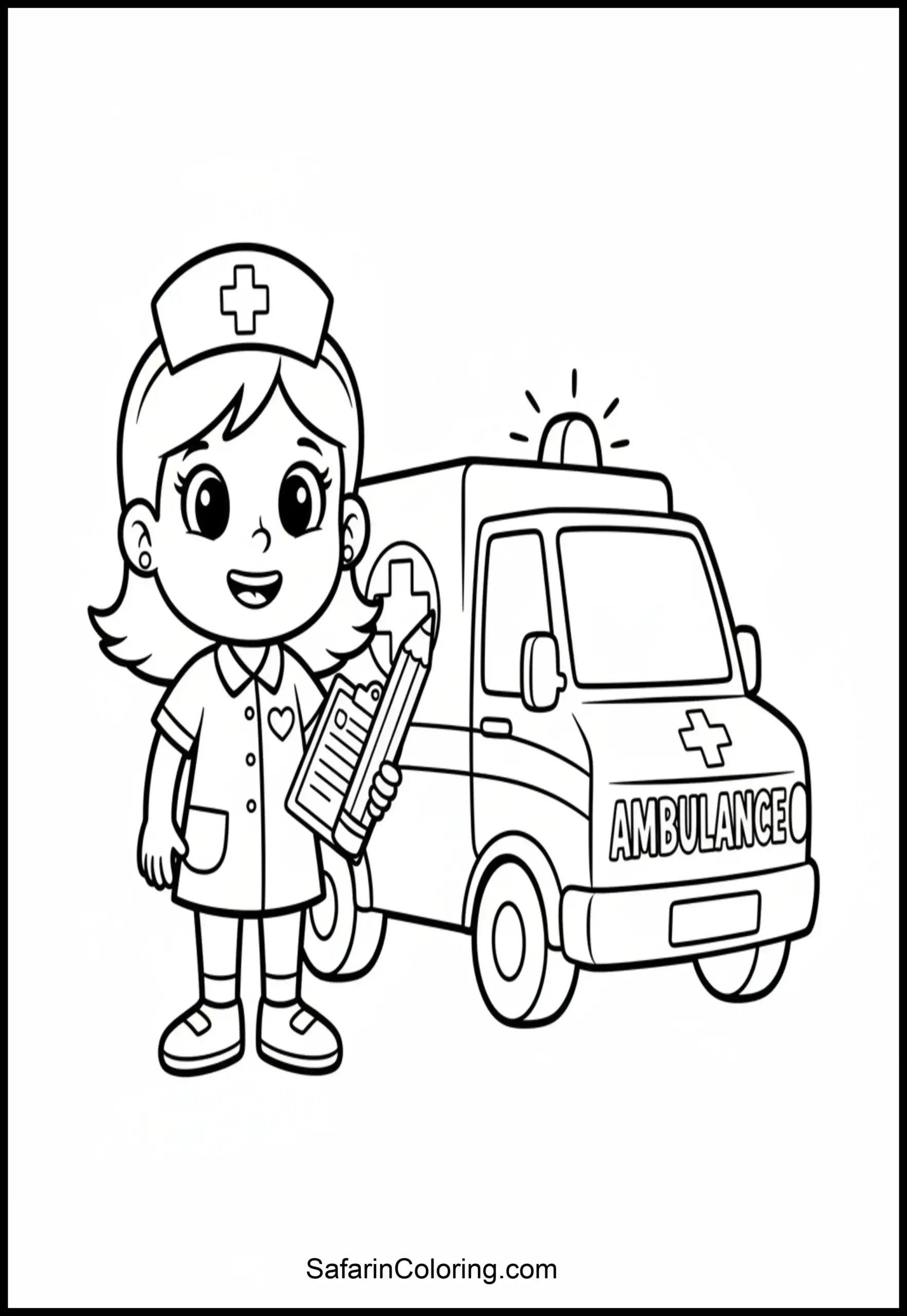
Nurse With Ambulance Scaled
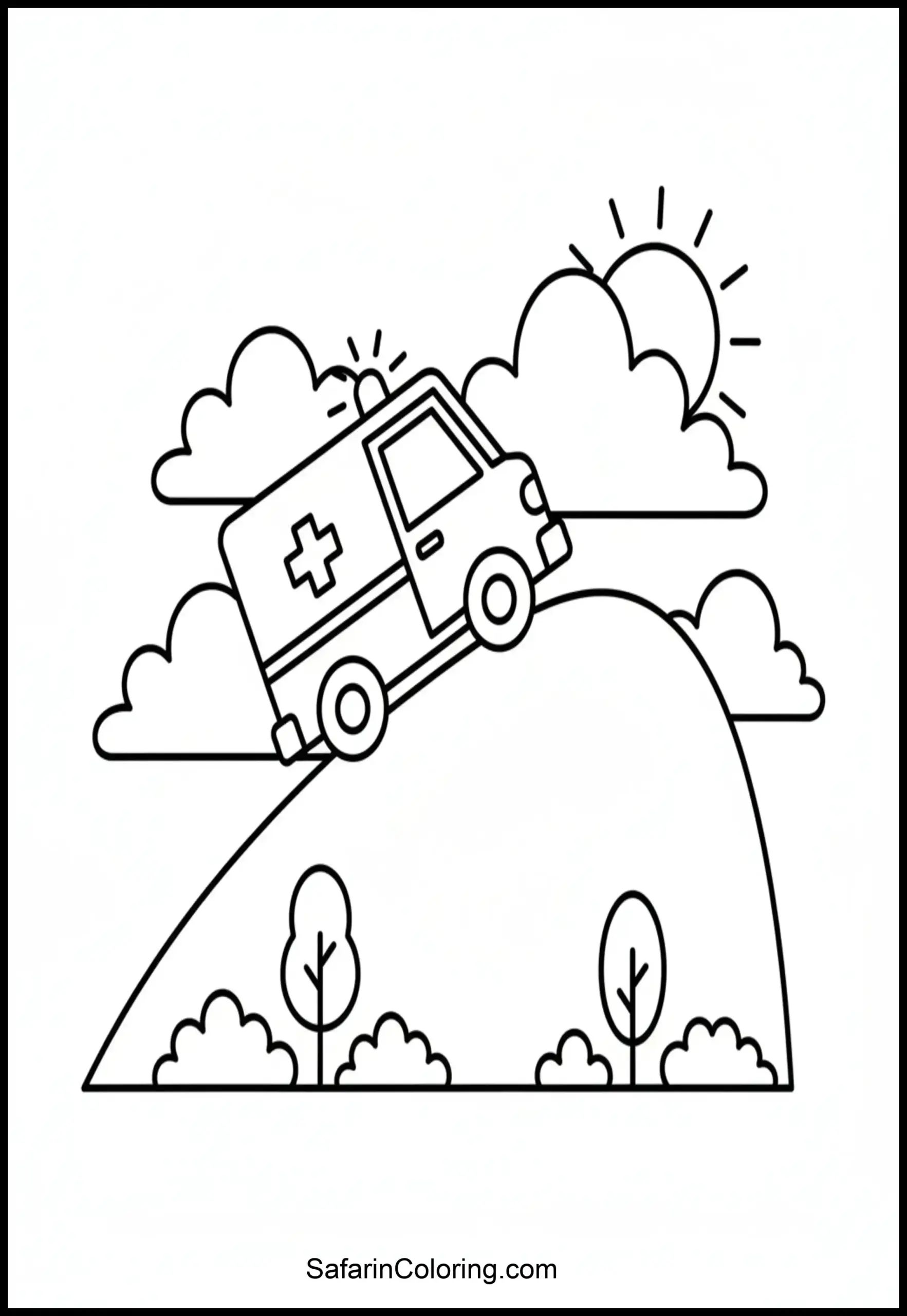
Ambulance Driving Up Hill Scaled
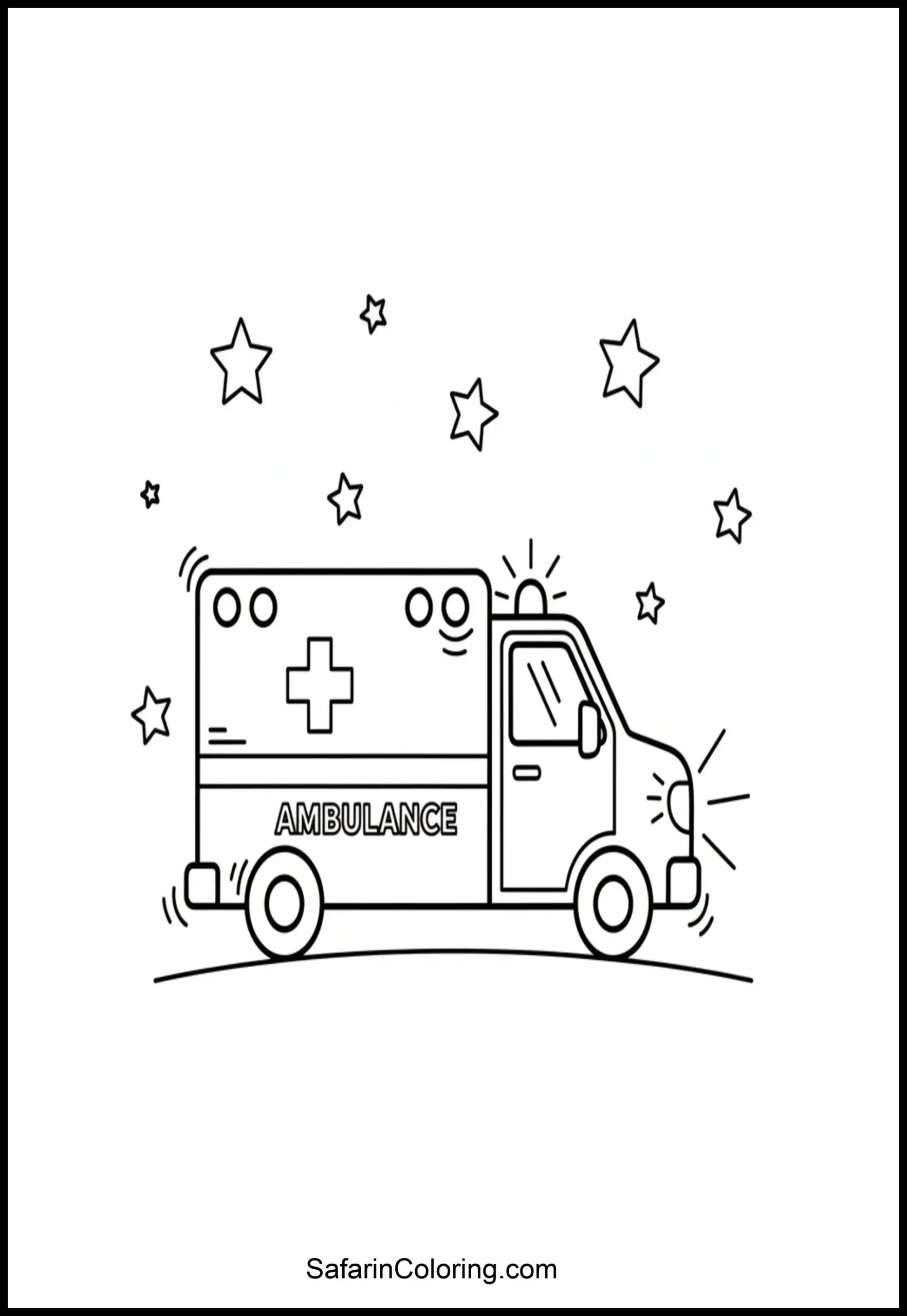
Ambulance At Night Scaled
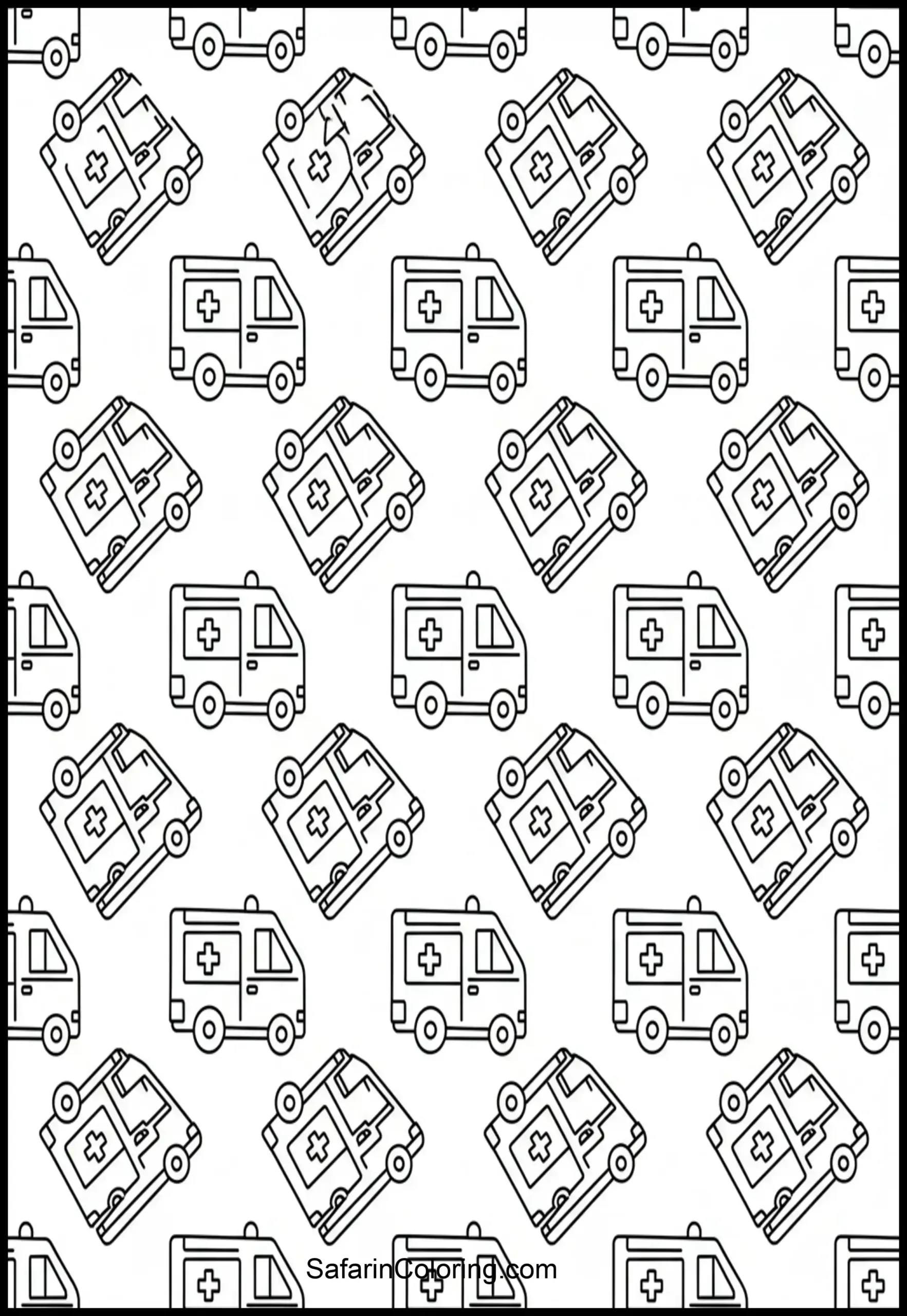
Ambulance Pattern Page Scaled
The Canvas: Selecting the Ideal Paper for Ambulance Coloring Pages for Kids
The foundation of any great coloring project is the paper. While standard 80 GSM (grams per square meter) copy paper is accessible, it’s prone to buckling with markers and may not hold pigment well. For a superior result, we recommend upgrading to a heavier stock. A smooth, bright white cardstock, typically between 160 and 200 GSM, provides a durable and professional-feeling surface. This weight prevents marker bleed-through, ensuring the reverse side remains clean. The paper’s “tooth,” or surface texture, is also a factor; a smoother finish is ideal for markers and gel pens, allowing for even color application, while a slightly textured paper is excellent for colored pencils, as it grabs more pigment for richer layering and blending.
The Artist’s Palette: A Deep Dive into Coloring Mediums
Choosing the right coloring tool depends on the desired effect. Each medium offers distinct advantages for bringing emergency vehicles to life.
- Colored Pencils: Offering the most control, colored pencils are perfect for detailed work. Look for pencils with high-quality, soft cores, as they lay down more pigment with less pressure. Wax-based pencils (like Crayola or Prismacolor Premier) are great for blending and layering, while oil-based pencils (like Faber-Castell Polychromos) are harder, hold a sharper point for fine details, and are less prone to wax bloom. They are ideal for shading the vehicle’s body to create a three-dimensional look.
- Markers: For bold, uniform color, markers are unparalleled. For children, washable, water-based markers are the safest and most practical choice. For a more professional finish, alcohol-based markers (like Copic or Ohuhu) offer superior blending capabilities without tearing the paper fibers. Their vibrant inks are perfect for making the siren lights and bold lettering on the ambulance coloring pages for kids truly pop. Always place a scrap sheet of paper underneath to catch any potential bleed-through.
- Crayons: The classic choice for the youngest artists, crayons are excellent for developing motor skills. For a smoother application, consider higher-quality crayons with better pigment concentration. They are perfect for covering large areas quickly, like the main body of the ambulance.
Precision and Pop: Elevating Your Art with Fine-Liners and Gels
To add a final layer of polish, detail-oriented tools are essential. A white gel pen is a fantastic tool for adding highlights and reflections. A small dot on the siren light, a thin line along the windshield, or a gleam on the chrome bumper can instantly add realism and depth to an otherwise flat image. Similarly, black fine-liner pens (such as a Sakura Pigma Micron) can be used to trace over the printed lines after coloring. This technique, known as “inking,” cleans up any messy edges and makes the entire artwork look sharper and more defined.
The Creative Sanctuary: Optimizing Your Coloring Environment
A well-prepared workspace is crucial for focus and quality. Ensure the coloring surface is flat, clean, and well-lit. Natural daylight is ideal, but a neutral, bright desk lamp can also provide excellent visibility, ensuring colors are perceived accurately. For projects involving markers, protecting your table with a placemat or a few sheets of scrap paper is a wise precaution. An organized setup, with all tools within easy reach, minimizes distractions and allows the artist to immerse themselves fully in the creative process of completing their ambulance coloring pages for kids.
Transform Your Art: Advanced Techniques for Ambulance Coloring Pages for Kids
Taking a line drawing and turning it into a vibrant, realistic scene is a magical process. With the right approach, our ambulance coloring pages for kids can become miniature masterpieces that teach valuable artistic skills. These professional techniques go beyond simply filling in the lines, helping you guide your child to create artwork they can be truly proud of. While coloring the sleek, hard surfaces of a vehicle differs from rendering the textured hide on our elephant coloring pages, the fundamental principles of light, color, and texture are universal keys to unlocking incredible results.
Harmonious Hues: Color Theory for Ambulance Coloring Pages for Kids
Color choices can make or break a picture. Instead of just grabbing the first red crayon for the siren, think about how colors interact.
- Complementary Colors: These are opposites on the color wheel and create high contrast, making elements pop. For an ambulance, the bright red of the siren and decals will look even more striking against a cool blue sky. The orange of a sunset background will make the vehicle’s blue lights appear more intense.
- Analogous Colors: These colors sit next to each other on the color wheel and create a sense of harmony and realism. Use this for the ambulance body itself. Instead of plain white, which can look flat, use a palette of white, very light grey, and a hint of pale blue. Use these shades to show subtle shifts in form and light, giving the vehicle a solid, three-dimensional feel.
From Flat to Form: Bringing Your Ambulance to Life with Shading
Shading is the secret to transforming a two-dimensional shape into a believable 3D object. It’s a simple process that adds instant depth.
- Establish a Light Source: Before you begin, decide where the light (like the sun) is coming from. Let’s say it’s from the top right.
- Apply Your Base Color: Color the main body of the ambulance in its primary light color (e.g., a bright white or light grey).
- Add the Shadows: Any surface facing away from the light source will be in shadow. Use a darker color (like a medium grey) to gently color the left and bottom edges of the ambulance, the area under the bumpers, and the inside of the wheel wells.
- Blend for Smoothness: If using colored pencils, use a white pencil or a colorless blender to soften the transition between the light and dark areas. This creates a gradual, realistic-looking curve instead of a harsh line.
Capturing Realism: Masterful Textures for Your Scene
An ambulance is made of many different materials. Showing these different textures will elevate your artwork.
- Shiny Metal: For the body, use smooth, long strokes in one direction. To create a reflective “gleam,” leave a thin sliver of the paper completely white or use a white gel pen to draw a sharp highlight along the curved edges where the light would hit most directly.
- Rubber Tires: Avoid using a flat black. Instead, layer dark grey and black using small, circular scribbling motions to create a matte, slightly uneven texture. Add a few light grey marks on the sidewall to represent raised lettering.
- Transparent Glass: Lightly color the windshield and windows with a pale blue or grey. Use a white colored pencil or gel pen to draw a few diagonal streaks across the glass to simulate reflections of the sky and clouds.
- Glowing Lights: To make sirens and headlights look like they’re on, color the plastic cover with a medium red or blue, but leave the very center white or fill it with a pale yellow. Color the area immediately surrounding the light with a slightly darker shade to enhance the glowing effect.
The Art of the Undo: Fixing Coloring Mistakes with Confidence
Mistakes are part of the creative process, not a reason to quit. A slip of the hand can be easily managed.
- Colored Pencil Fixes: If a color goes outside the lines, a high-quality kneaded eraser can lift the pigment without smudging. For colors that are too dark, a colorless blender pencil can be used to burnish over the area, smoothing the color and making it appear lighter.
- Marker Recovery: Marker is permanent, but you can still work with it. If you go outside a line, you can sometimes incorporate it by making the background object slightly larger. For small errors, a white gel pen or a dot of acrylic paint can cover the mistake once the marker is dry.
- Creative Camouflage: Sometimes the best fix is to transform the error. A random green streak in the sky can become the tail of a kite, and an accidental brown smudge on the road can become a fallen leaf or a small puddle.
Showcasing Your Ambulance Coloring Pages for Kids: Creative Display Ideas
Once the sirens are colored and the lights are shining bright, it’s time to celebrate your child’s masterpiece! Don’t let these vibrant creations get lost in a drawer. Turning their artwork into a display is a wonderful way to boost their confidence and add a personal touch to your home. Consider creating a dedicated “First Responders Gallery” on a corkboard or using magnetic clips on the refrigerator. You can even frame a particularly special piece to hang in their room, creating a proud reminder of their artistic efforts.
Preserving Your Masterpiece: Archival Tips
To keep those colors looking fresh and vibrant, a little care goes a long way. Store finished pages in a simple portfolio or a three-ring binder with sheet protectors. This prevents smudging, tearing, and fading. For long-term display, consider using a UV-protective spray or framing the artwork behind UV-filtering glass to shield it from sunlight, ensuring their heroic ambulance art stays as bold as a lion’s roar for years to come.
Beyond the Fridge Door: Creative DIY Projects
Transform your child’s colored page into a heartfelt gift or a fun craft. Trim the ambulance out and paste it onto sturdy cardstock to create a unique birthday card for a friend or a thank-you note for a local hero. You can also laminate smaller drawings to make durable bookmarks or gift tags. These simple projects turn a fun coloring session into a meaningful, handcrafted treasure that can be shared with others.
Your Ambulance Coloring Questions Answered
Have a few questions before you and your little artist start this creative rescue mission? Here are some answers to common queries that can help you make the most of your coloring adventure.
What color is an ambulance?
While classic ambulances are often white with red or orange stripes, they come in many colors! In some places, you might see bright yellow or even blue ambulances. This is a great opportunity to talk to your child about how colors can be used for safety and recognition. Encourage them to use traditional colors or invent a whole new, super-vibrant design for their vehicle.
What are the benefits of coloring for preschoolers?
Coloring is a fantastic developmental tool for preschoolers. It helps improve fine motor skills and hand-eye coordination as they learn to stay within the lines. Completing ambulance coloring pages for kids also nurtures focus, patience, and color recognition. It’s a calming, screen-free activity that allows children to express their creativity and feel a sense of accomplishment when they finish their artwork.
How do I print a coloring page?
Printing our pages is simple! First, click on the image you want to color to open the full-size version. Then, right-click on the image and select “Save Image As…” to save it to your computer. Once saved, open the file and click the print icon or go to “File > Print.” Make sure your printer settings are adjusted for standard paper size (like Letter or A4) for the best results.
What are other emergency vehicles for coloring?
After finishing your ambulance, you can expand your fleet of heroes! Look for other emergency vehicle coloring pages like fire trucks, police cars, and rescue helicopters. Coloring a variety of these vehicles can be a great way to teach children about different community helpers and the important jobs they do to keep everyone safe. It makes for a fun and educational coloring theme.
What are the parts of an ambulance?
An ambulance is full of important parts! Key features to point out include the cab where the driver sits, the patient compartment in the back, the flashing emergency lights (or lightbar) on top, and the loud siren. Don’t forget the wheels, windows, and the special symbols like the “Star of Life.” Naming these parts as your child colors adds a fun learning element to the activity.
Your Creative Journey with Ambulance Coloring Pages for Kids Begins
From the first crayon stroke to the final display, exploring ambulance coloring pages for kids is more than just a pastime—it’s an adventure in creativity, learning, and appreciation for our community heroes. This simple activity helps build crucial developmental skills, offers a peaceful way to unwind, and provides a wonderful opportunity for you to connect with your child. Cherish the masterpieces they create and celebrate their unique artistic vision.
Ready for your next adventure? Explore our horse coloring pages-free printable