We offer a wide collection of free, high-quality printable coloring pages for kids and adults. From cute animals to intricate mandalas, our designs bring creativity and relaxation to everyone. Download, print, and start coloring today!

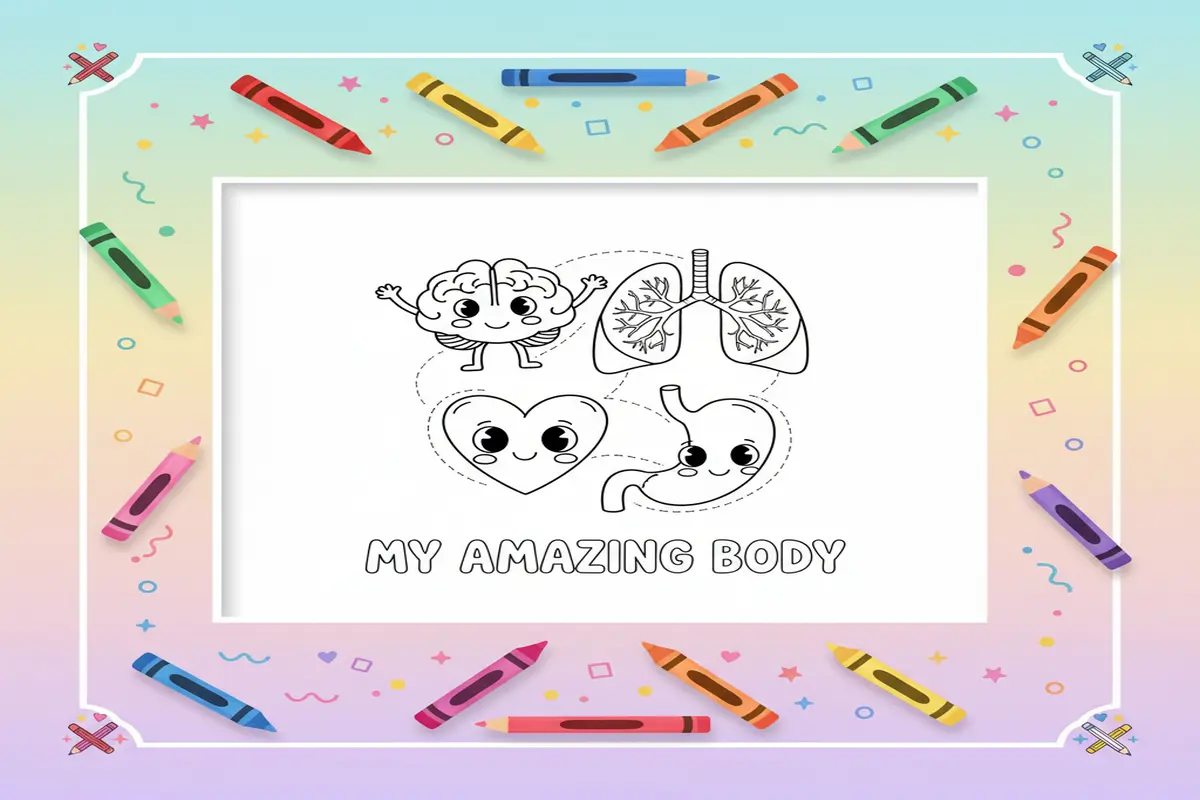
Transforming a simple coloring session into an impactful educational experience starts with the right materials. While any crayon can fill a space, using quality supplies elevates the activity, making it easier for children to engage with the intricate details found in high-quality anatomy coloring pages for kids. Proper preparation ensures that the focus remains on learning about the human body, from the skeletal system to the circulatory network. To extend the learning, you can even compare human structures to those of the animal kingdom, such as the massive frame of an elephant found in our elephant coloring pages. This guide provides a professional breakdown of the essential tools needed to bring these educational diagrams to life.
Table of Contents
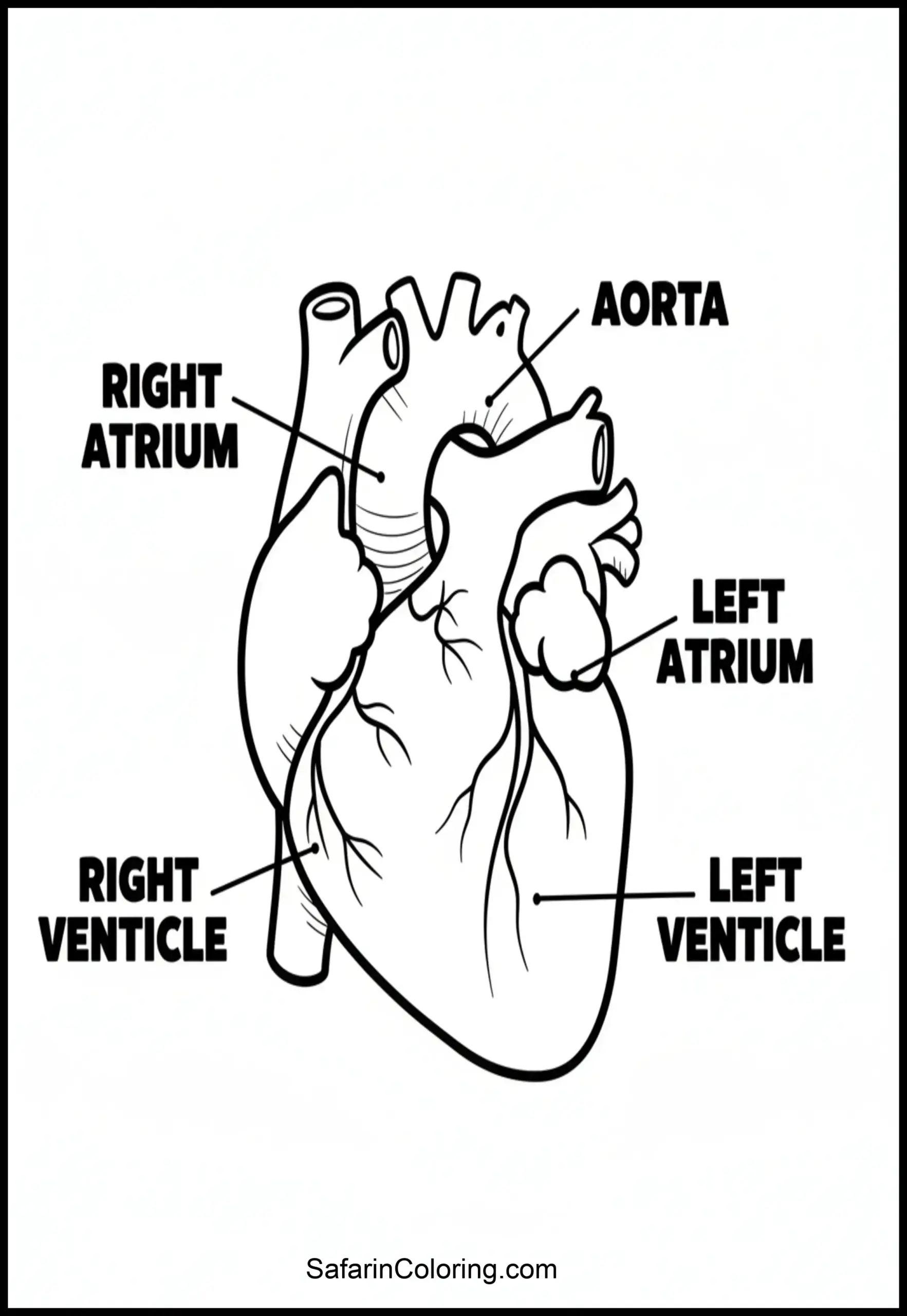
Anatomy Coloring Pages Human Heart Scaled
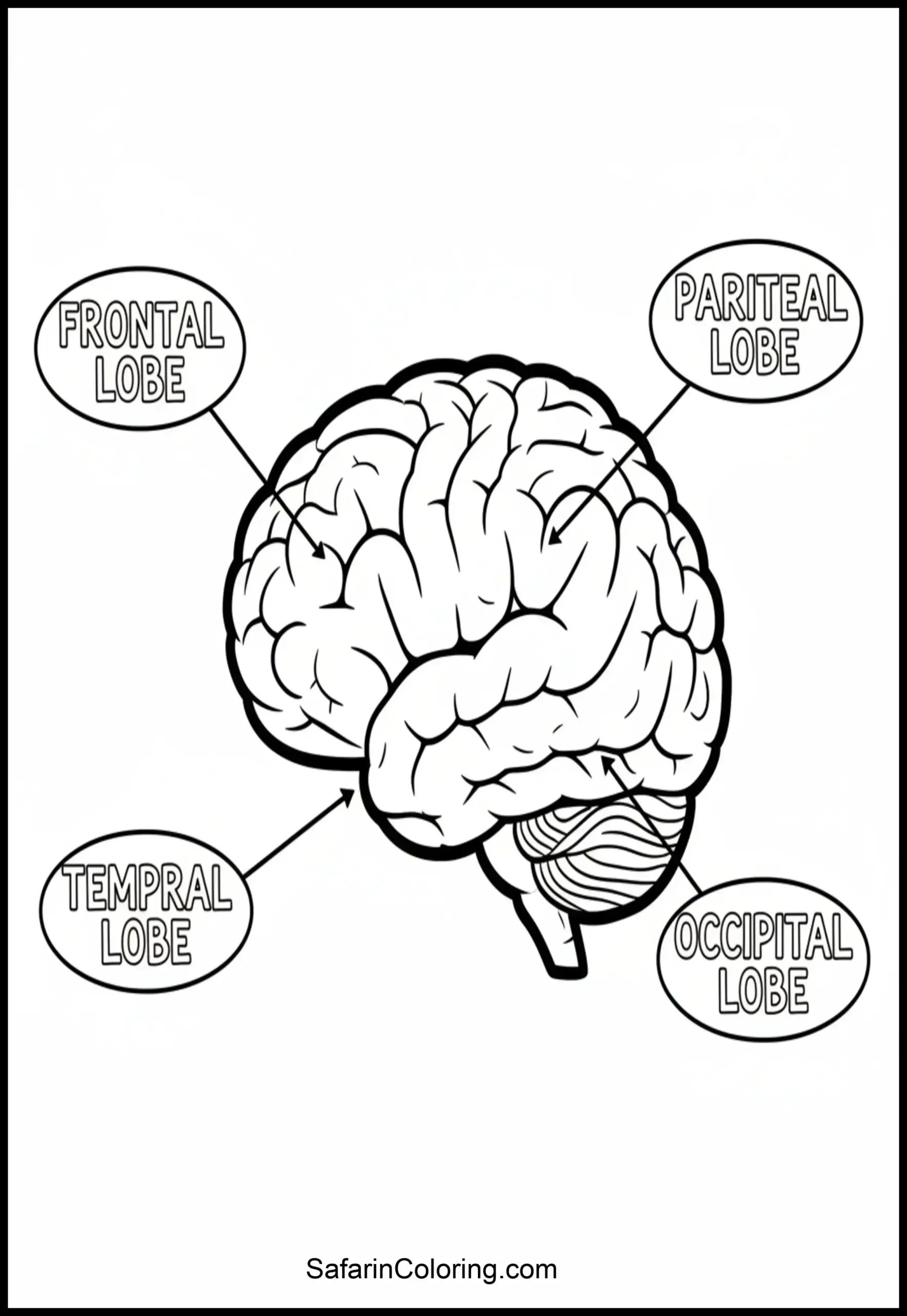
Anatomy Coloring Pages Human Brain Scaled
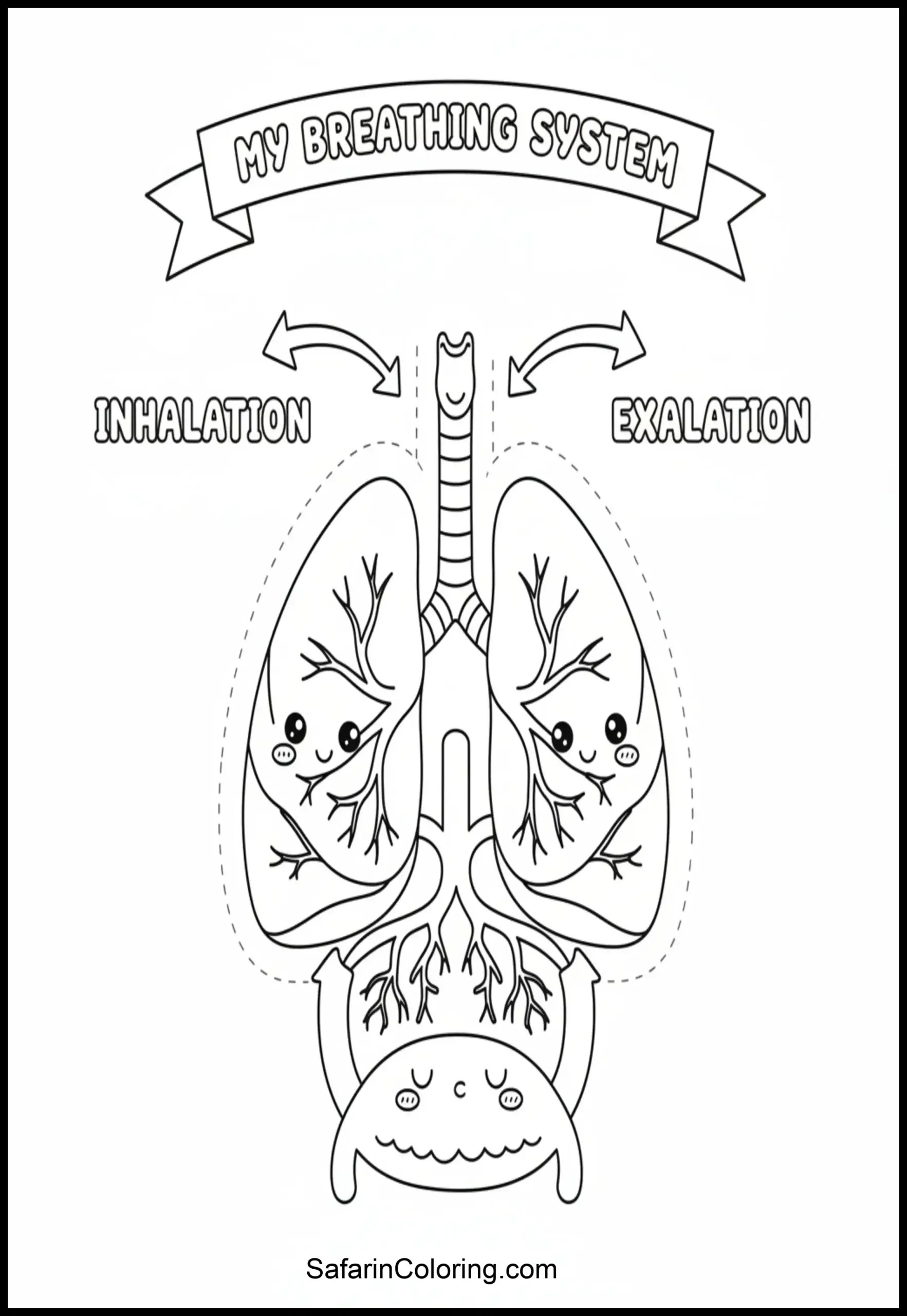
Anatomy Coloring Pages Lungs Breathing Scaled
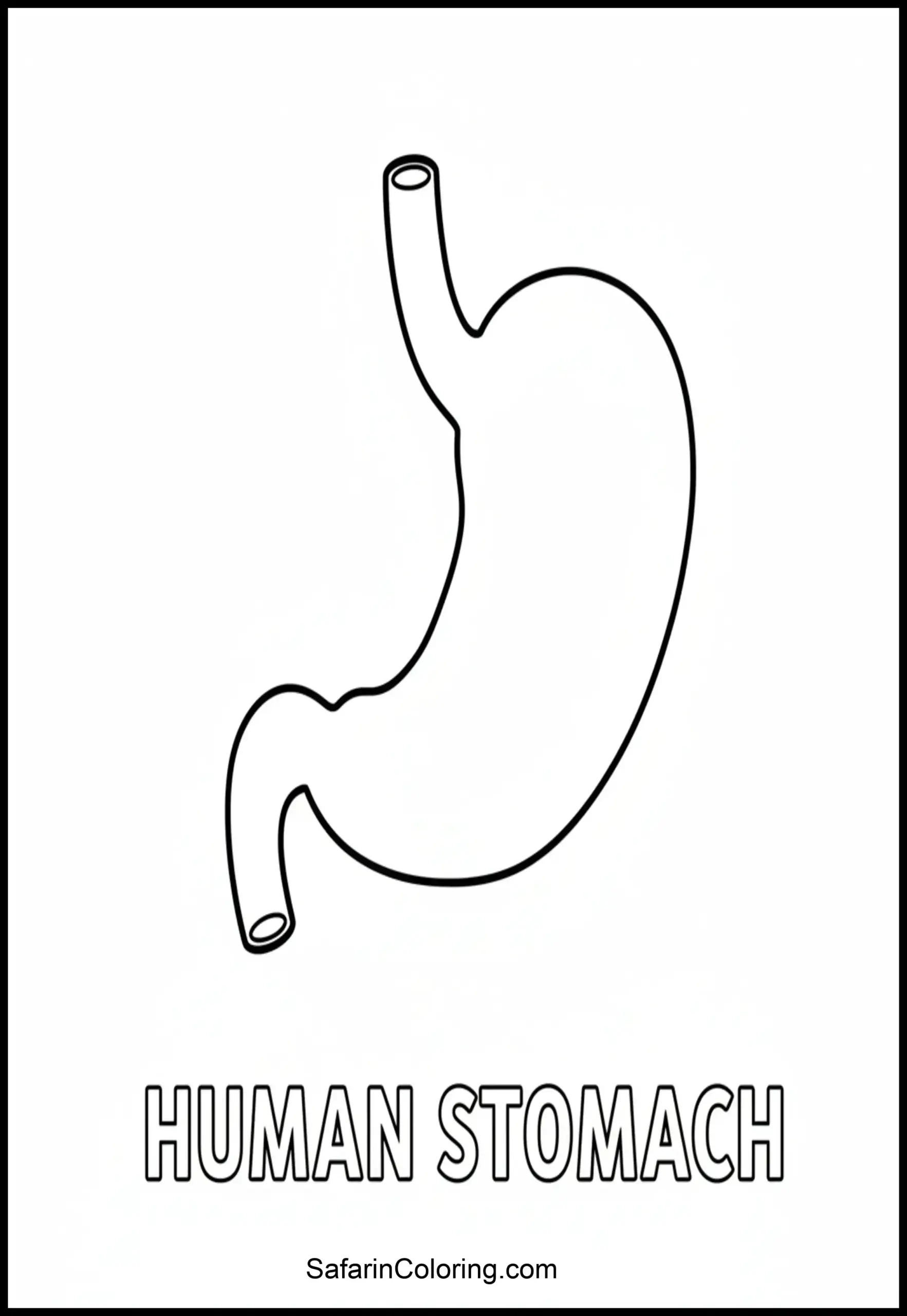
Anatomy Coloring Pages Stomach Organ Scaled
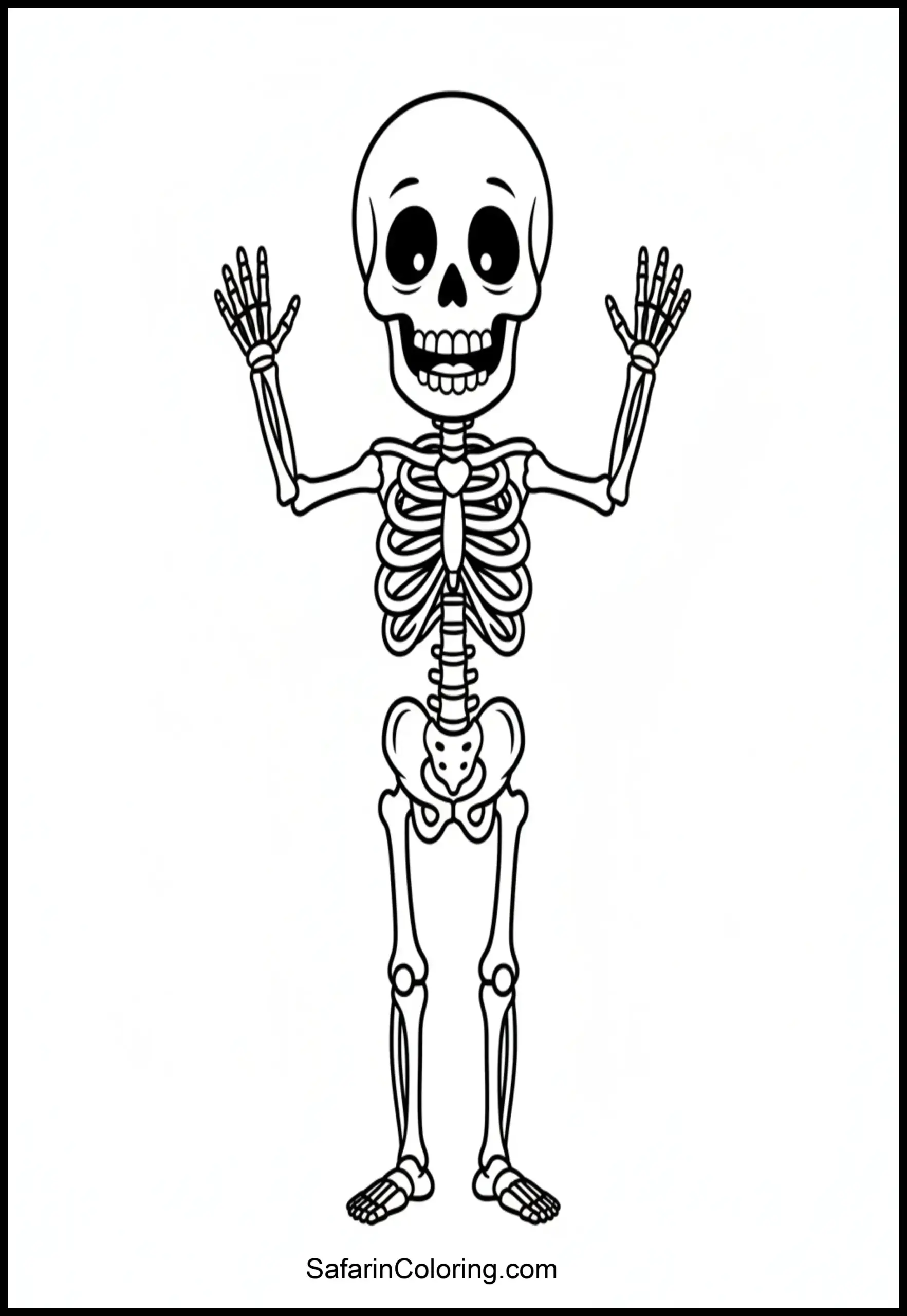
Anatomy Coloring Pages Full Skeleton Scaled
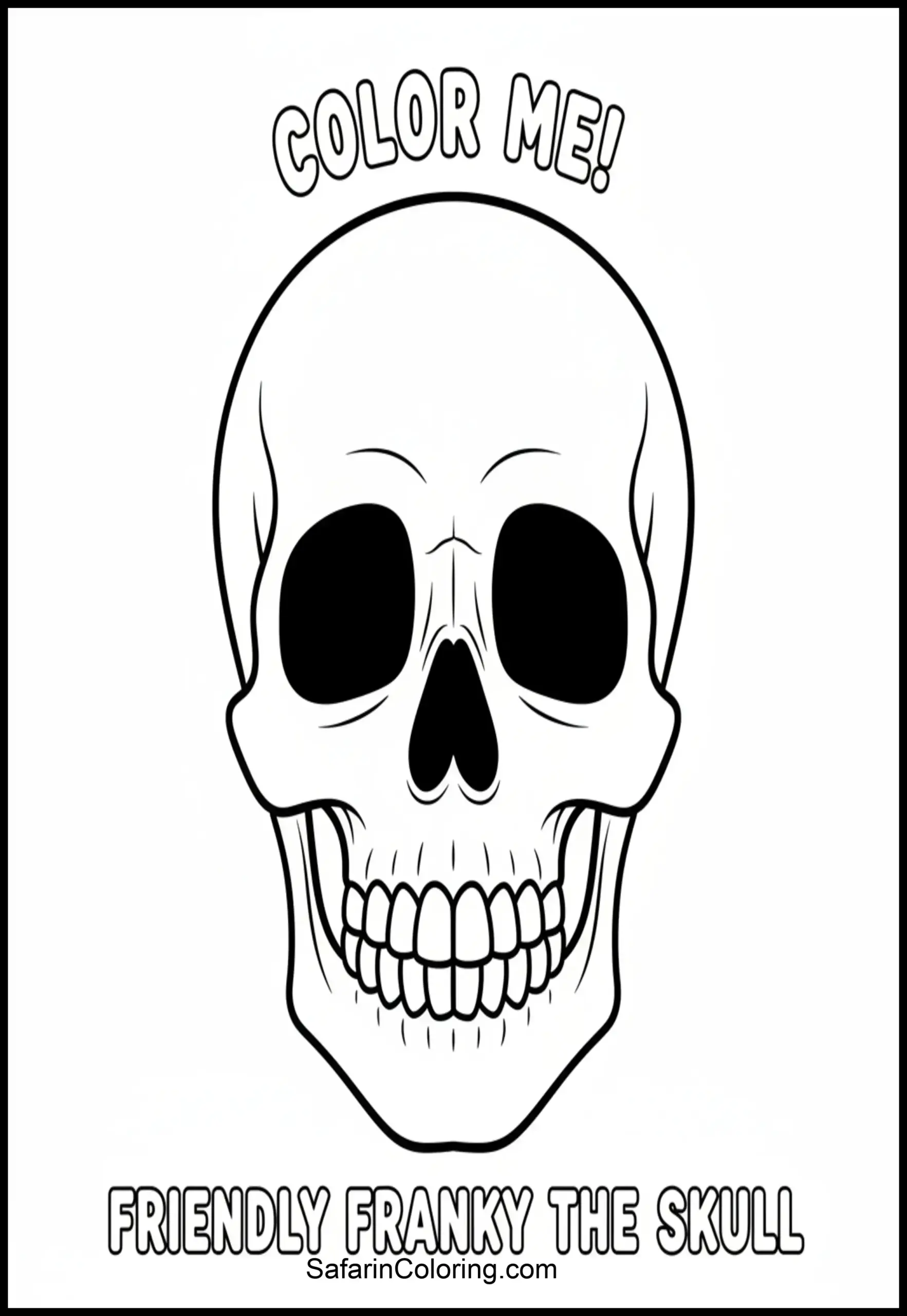
Anatomy Coloring Pages Human Skull Scaled
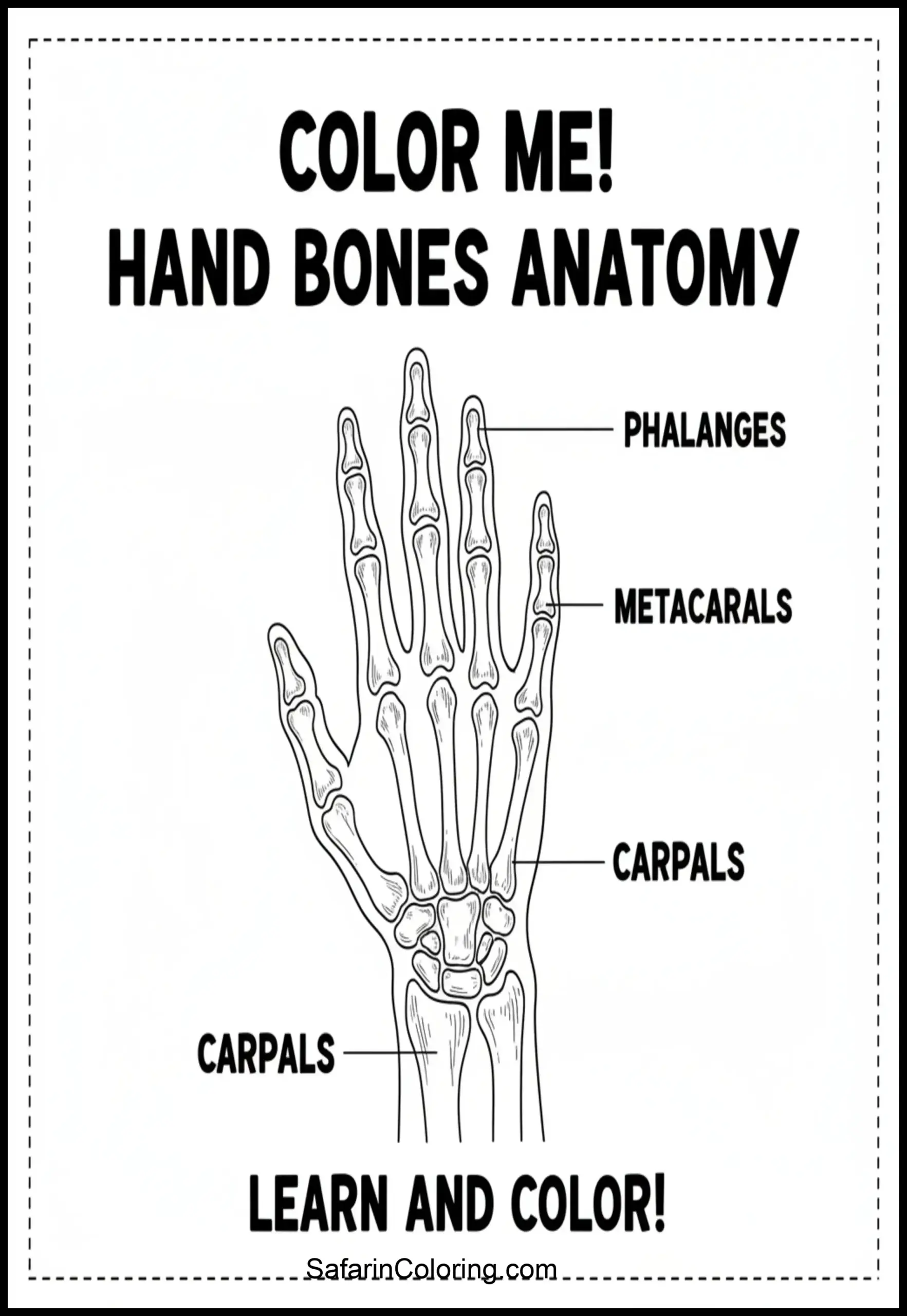
Anatomy Coloring Pages Hand Bones Scaled
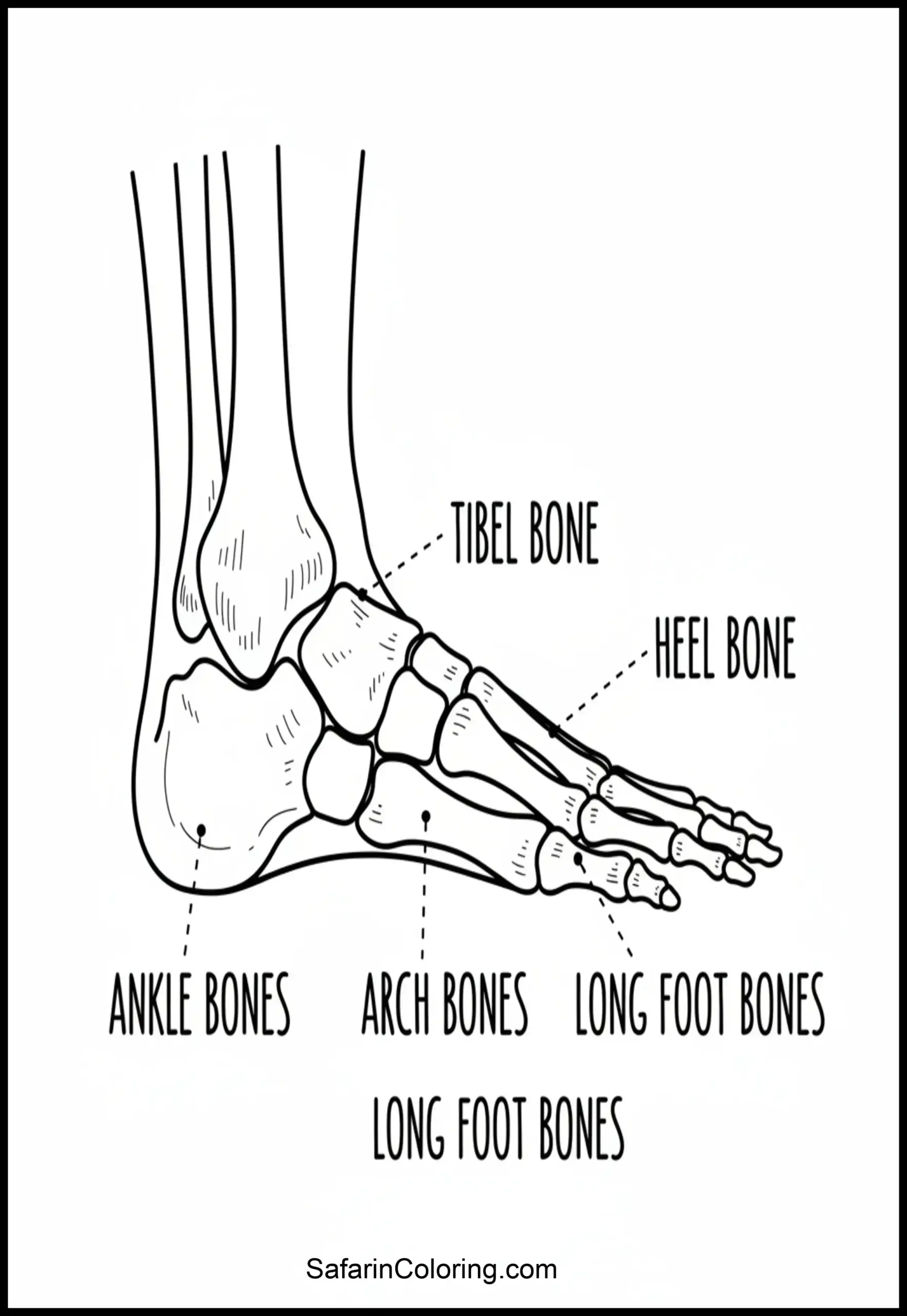
Anatomy Coloring Pages Foot Bones Scaled
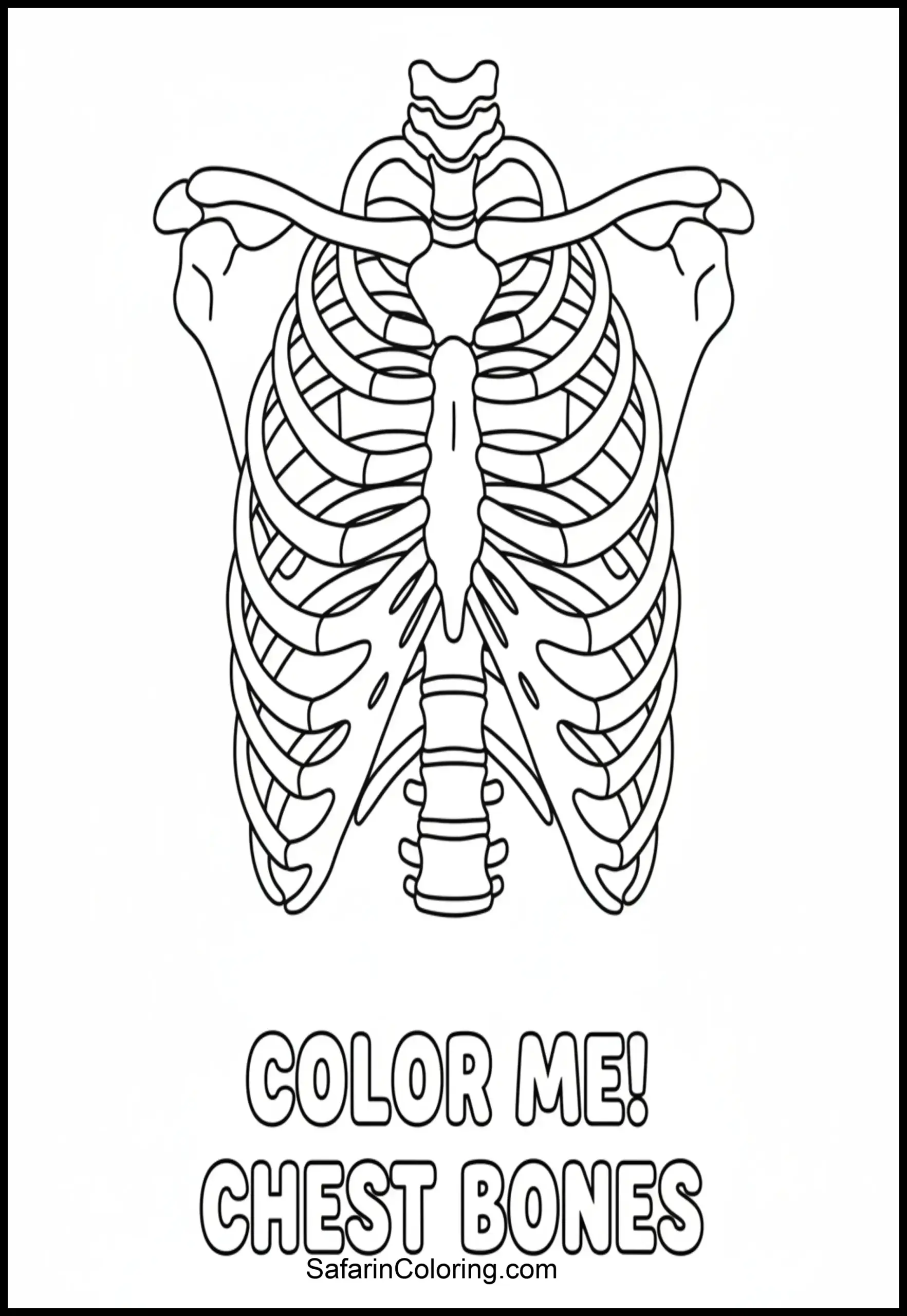
Anatomy Coloring Pages Ribcage Scaled
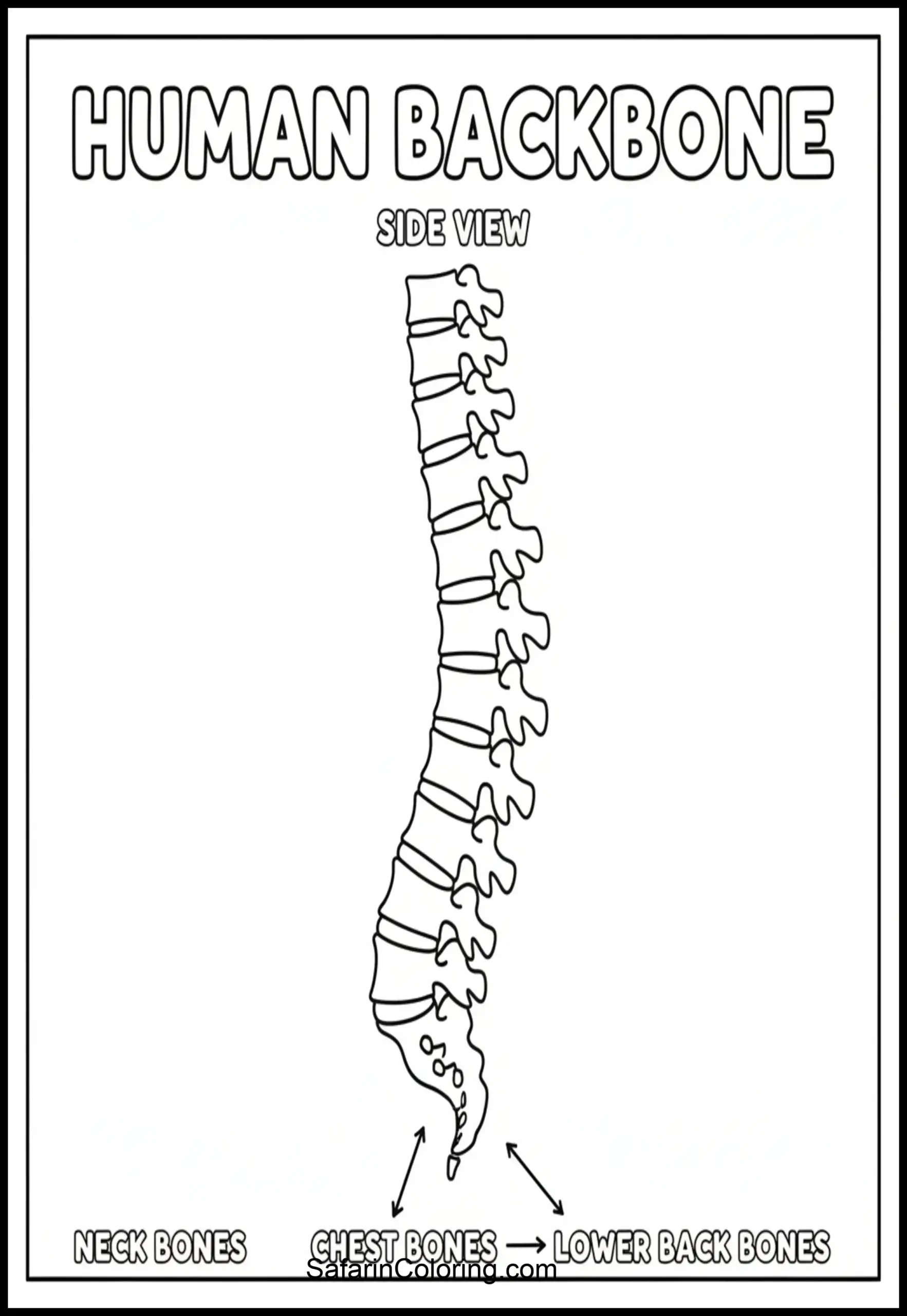
Anatomy Coloring Pages Spine Column Scaled
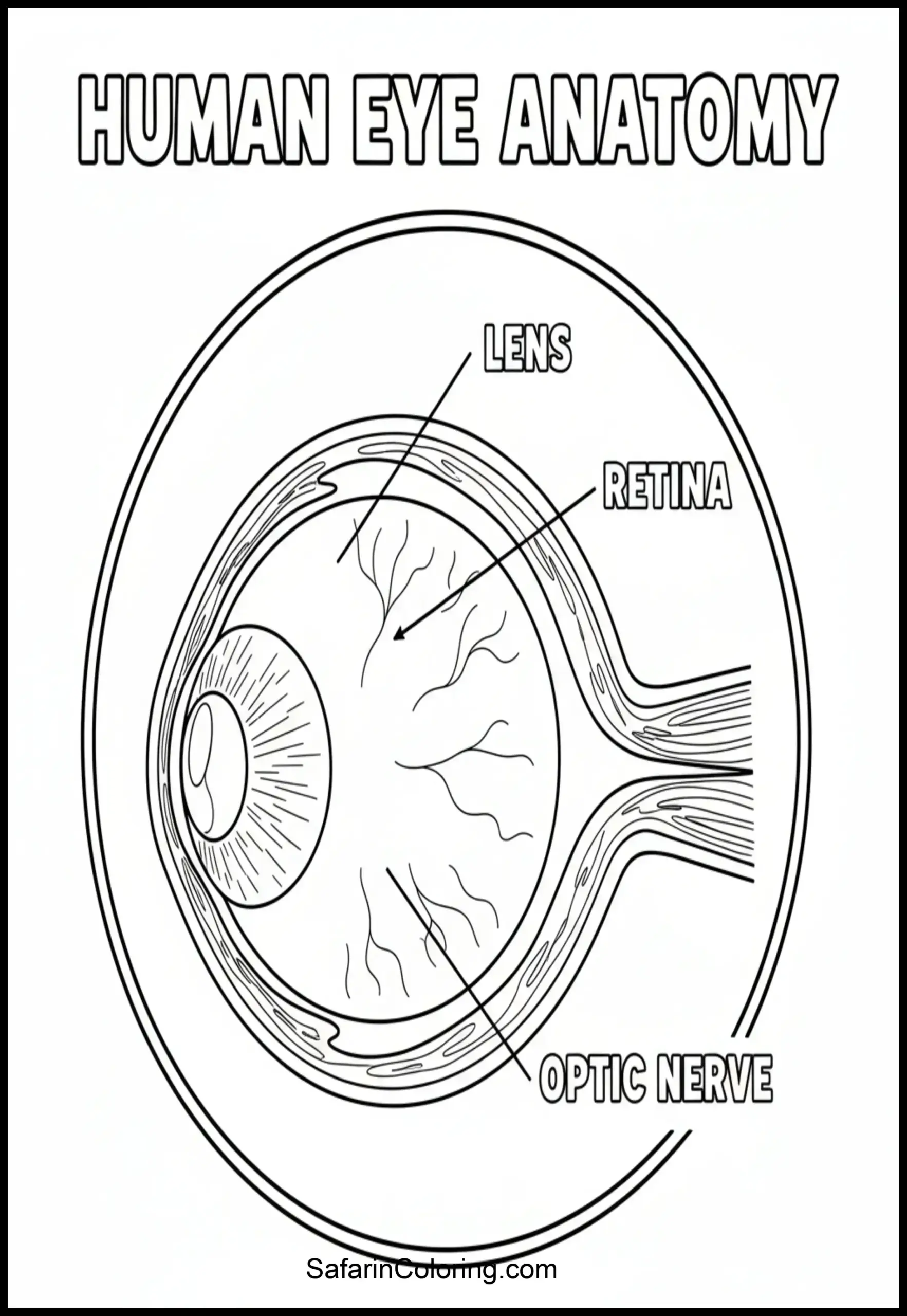
Anatomy Coloring Pages Eye Diagram Scaled
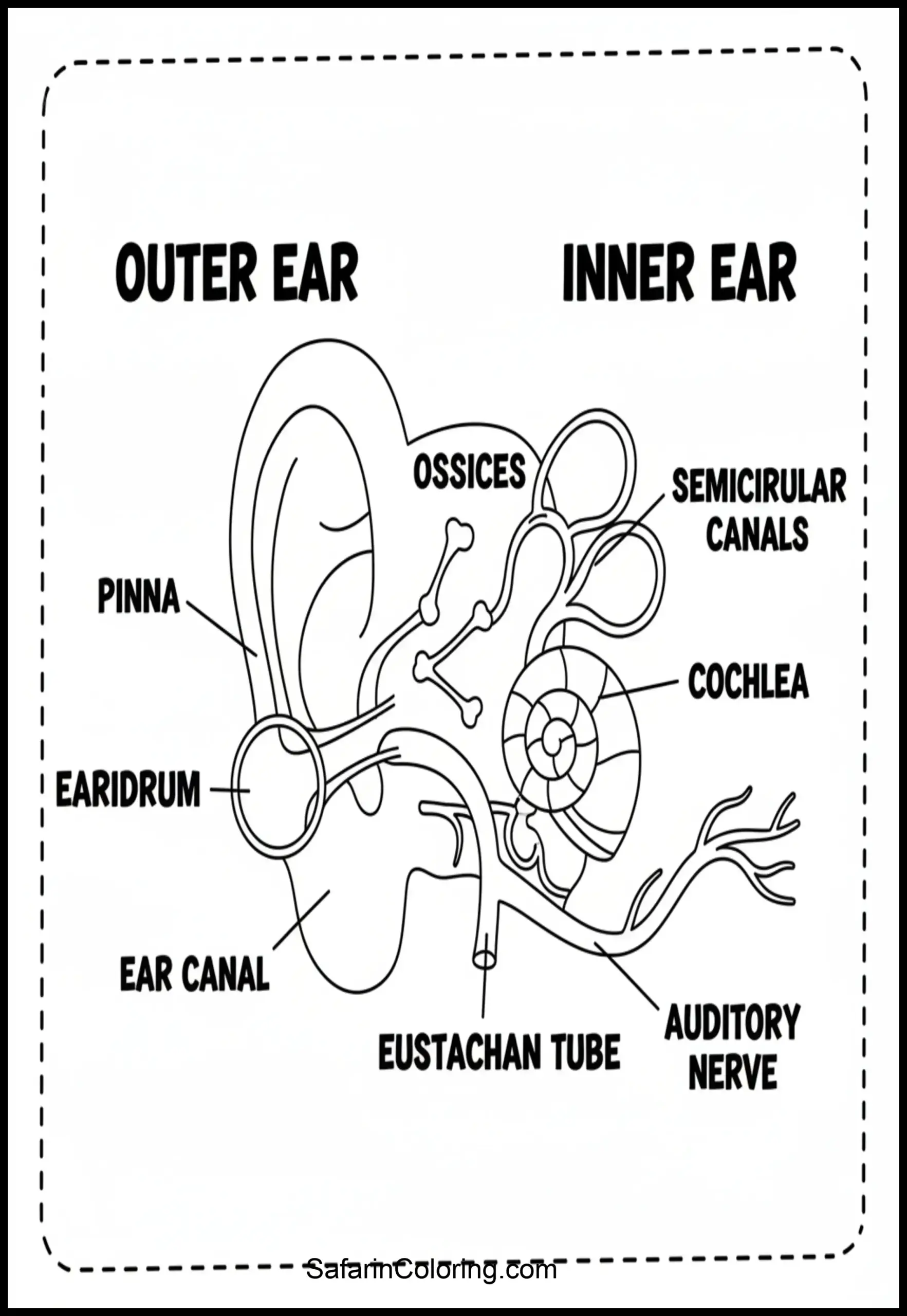
Anatomy Coloring Pages Ear Diagram Scaled
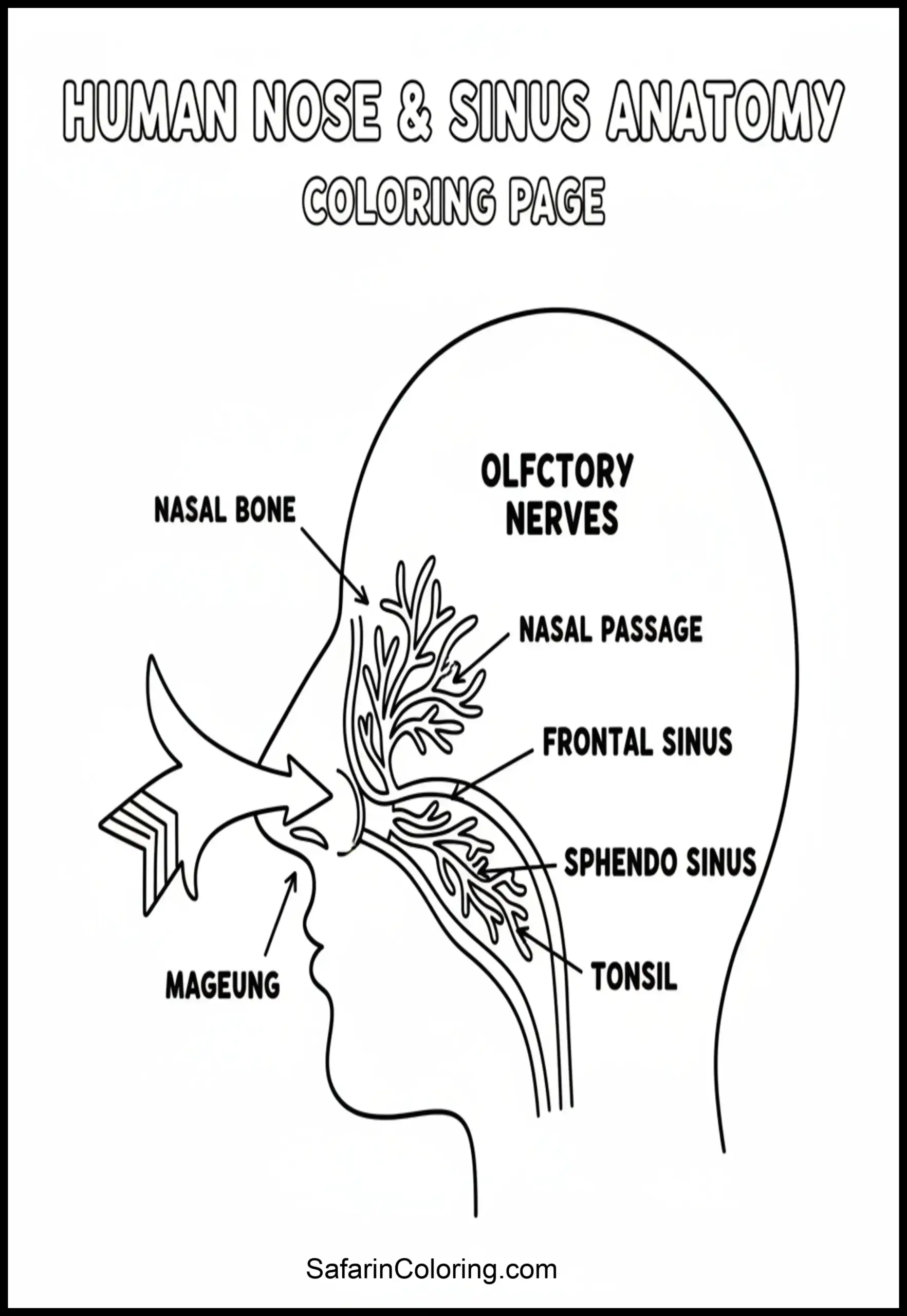
Anatomy Coloring Pages Nose Smell Scaled
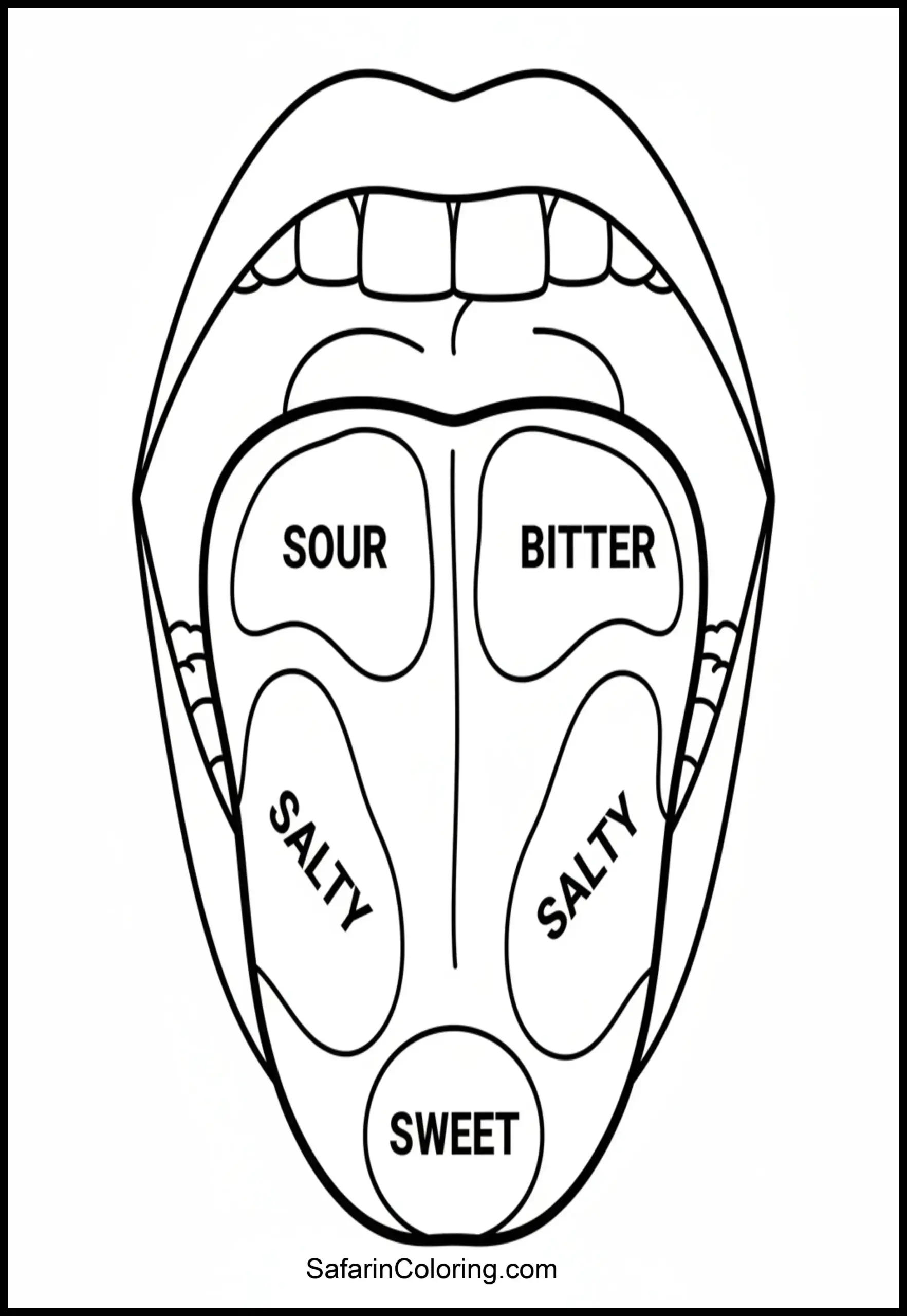
Anatomy Coloring Pages Tongue Taste Scaled
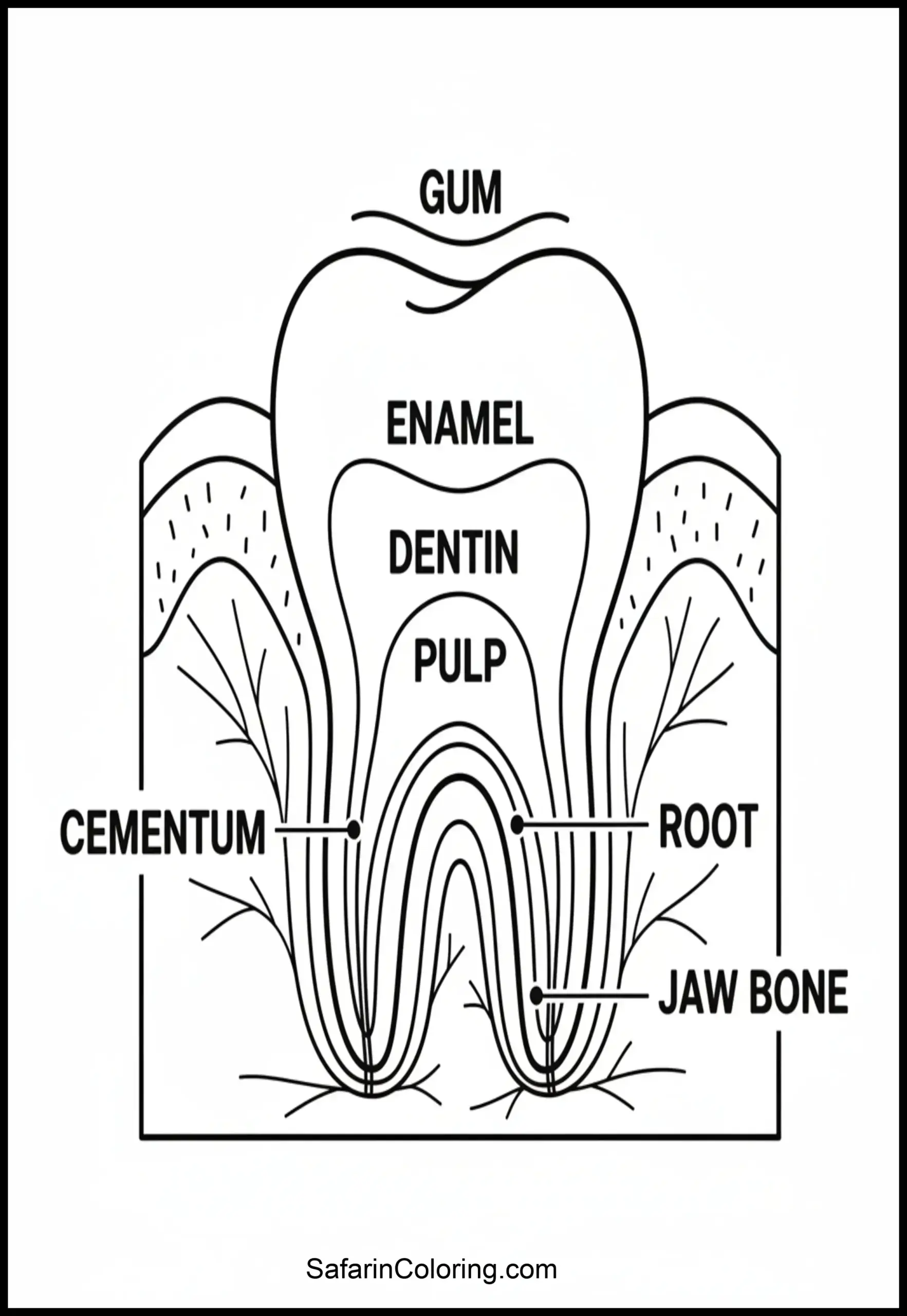
Anatomy Coloring Pages Tooth Cross Section Scaled
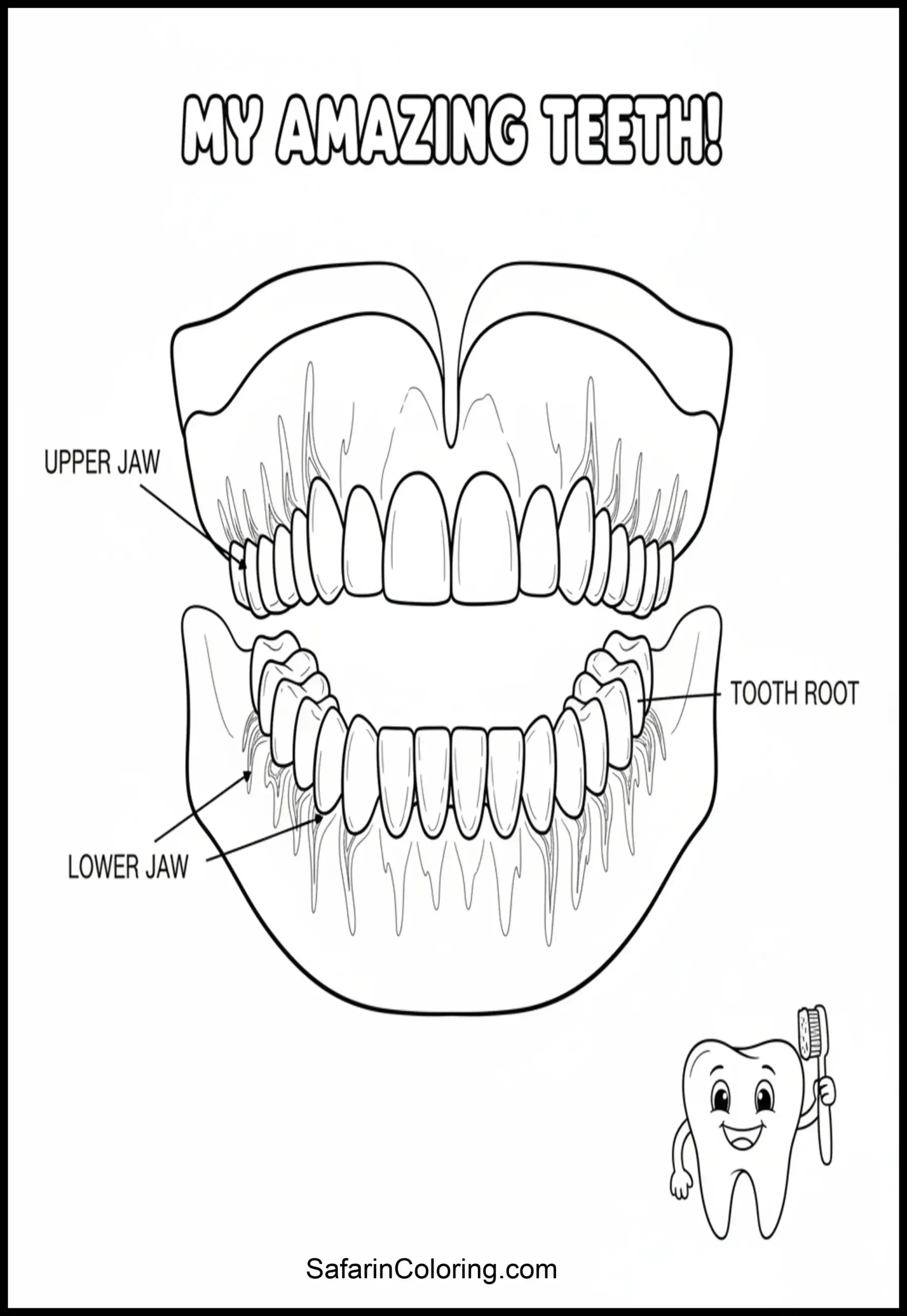
Anatomy Coloring Pages Teeth Jaw Scaled
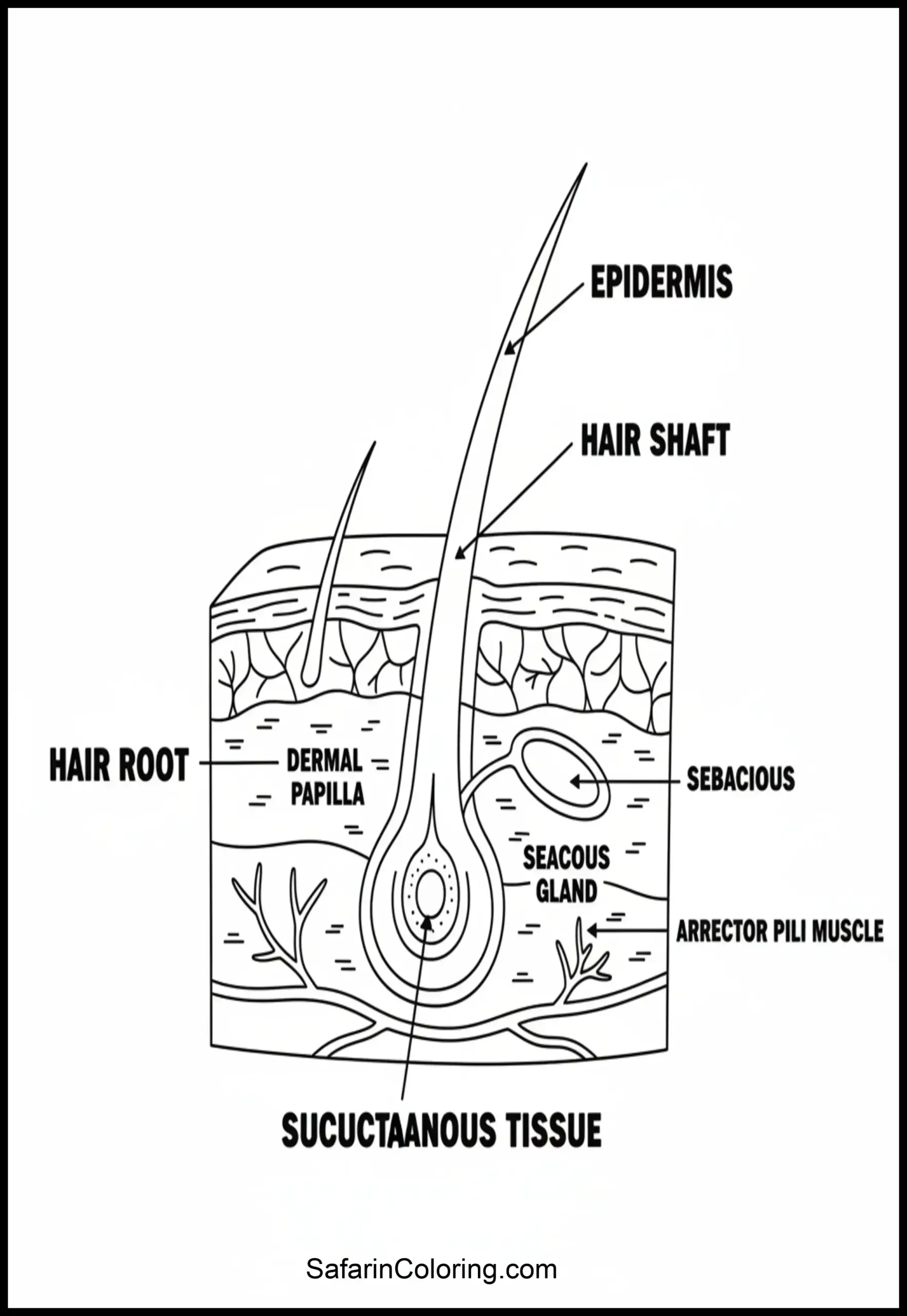
Anatomy Coloring Pages Hair Follicle Scaled
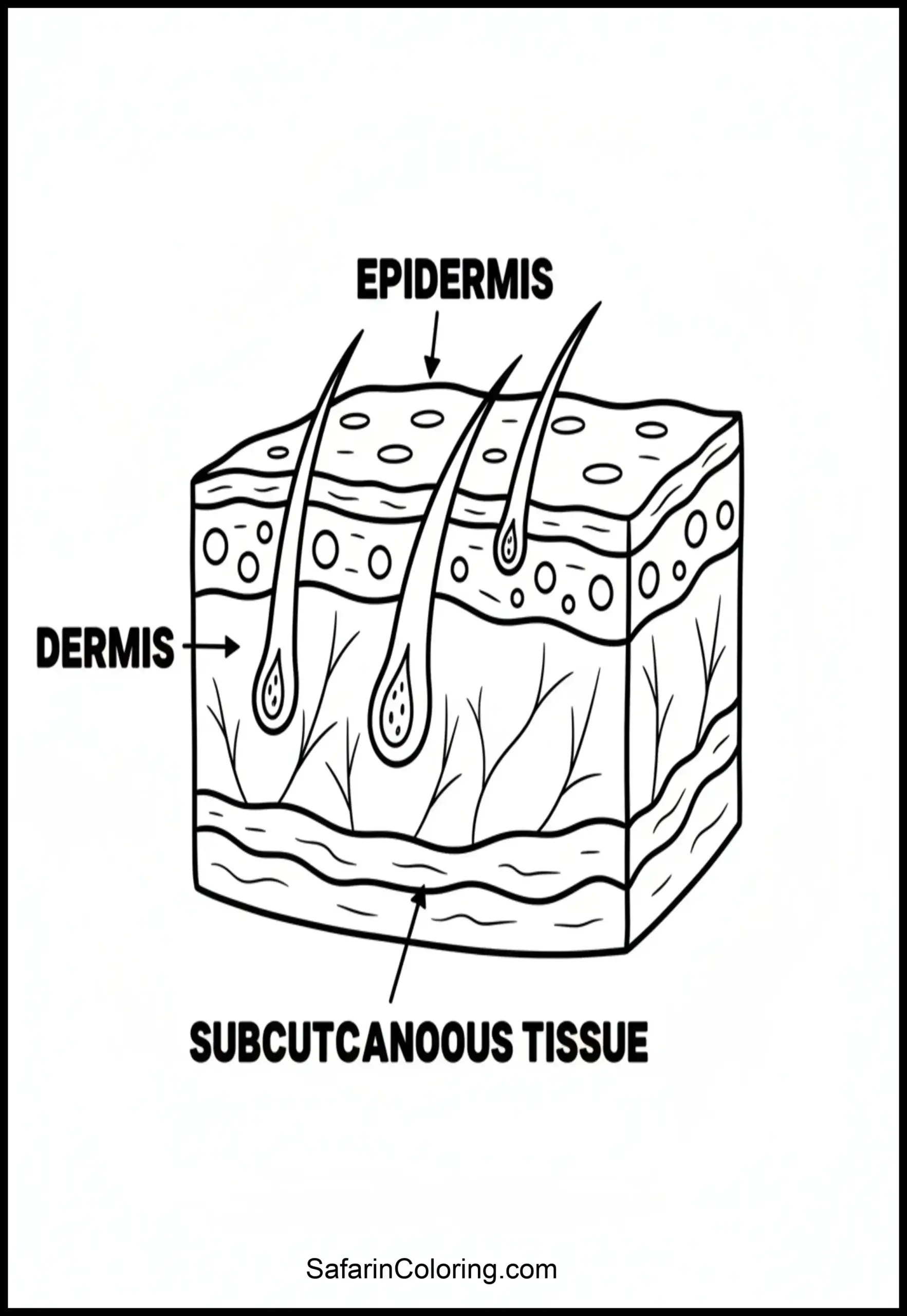
Anatomy Coloring Pages Skin Layers Scaled
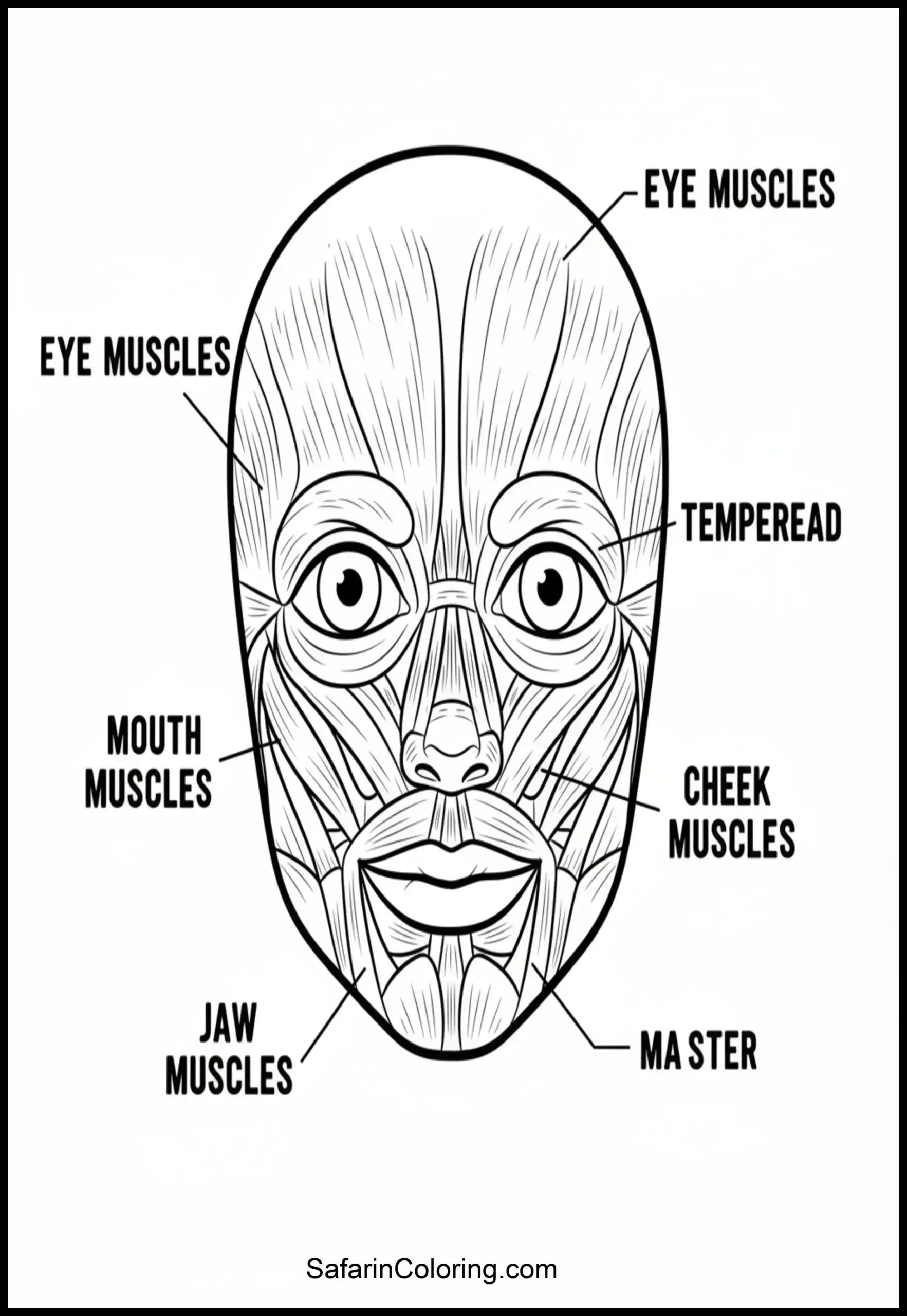
Anatomy Coloring Pages Face Muscles Scaled
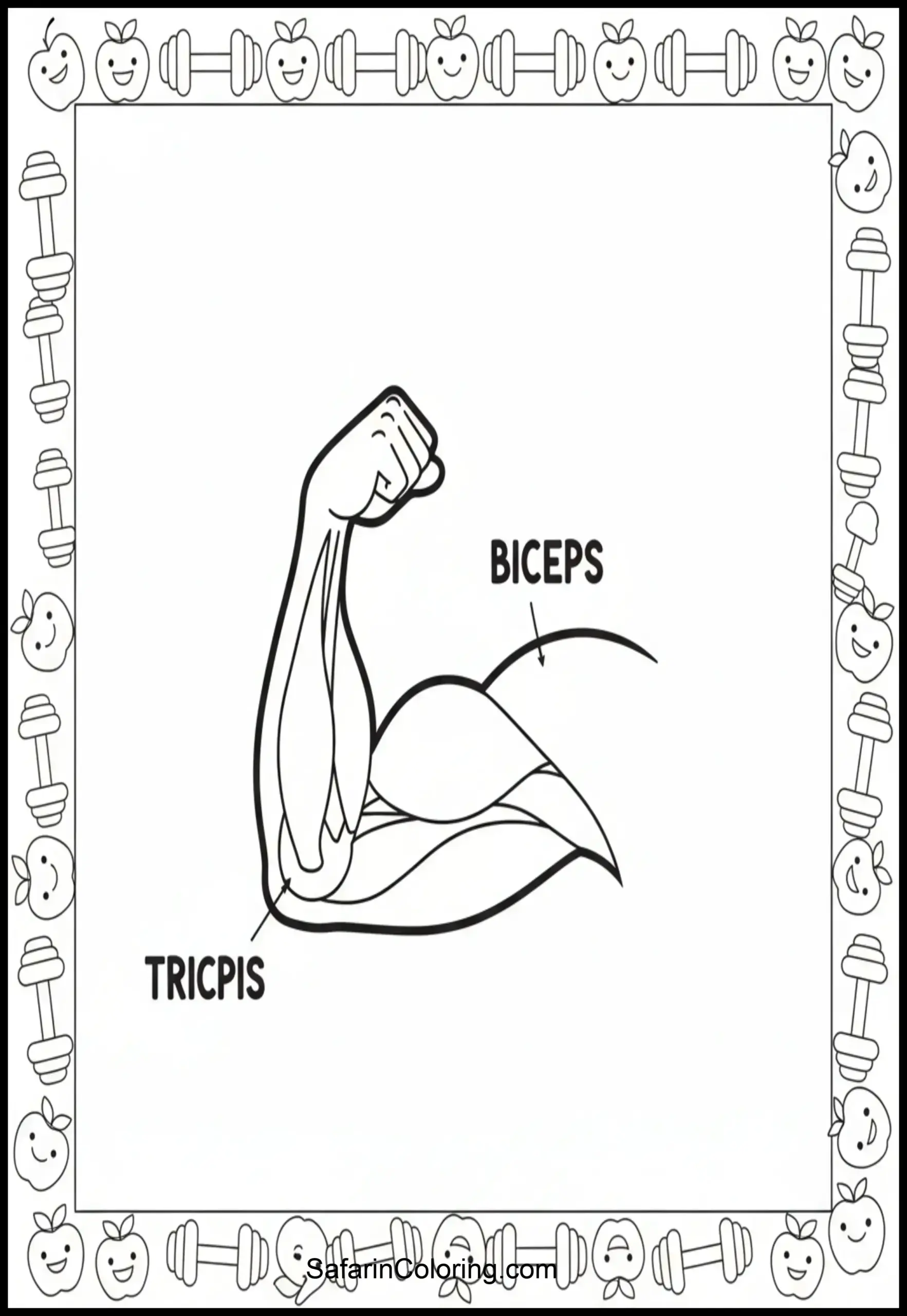
Anatomy Coloring Pages Arm Muscles Scaled
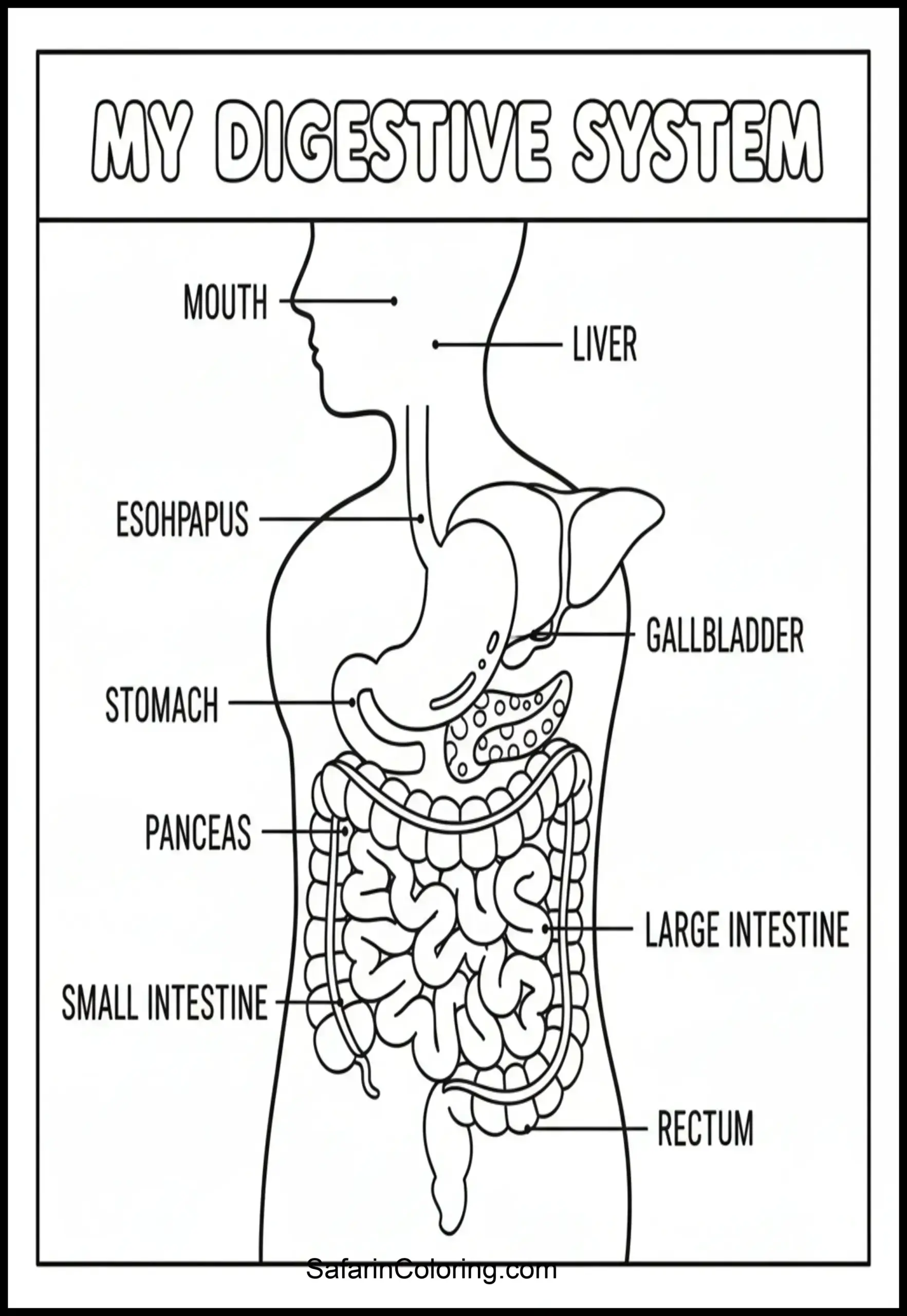
Anatomy Coloring Pages Digestive System Scaled
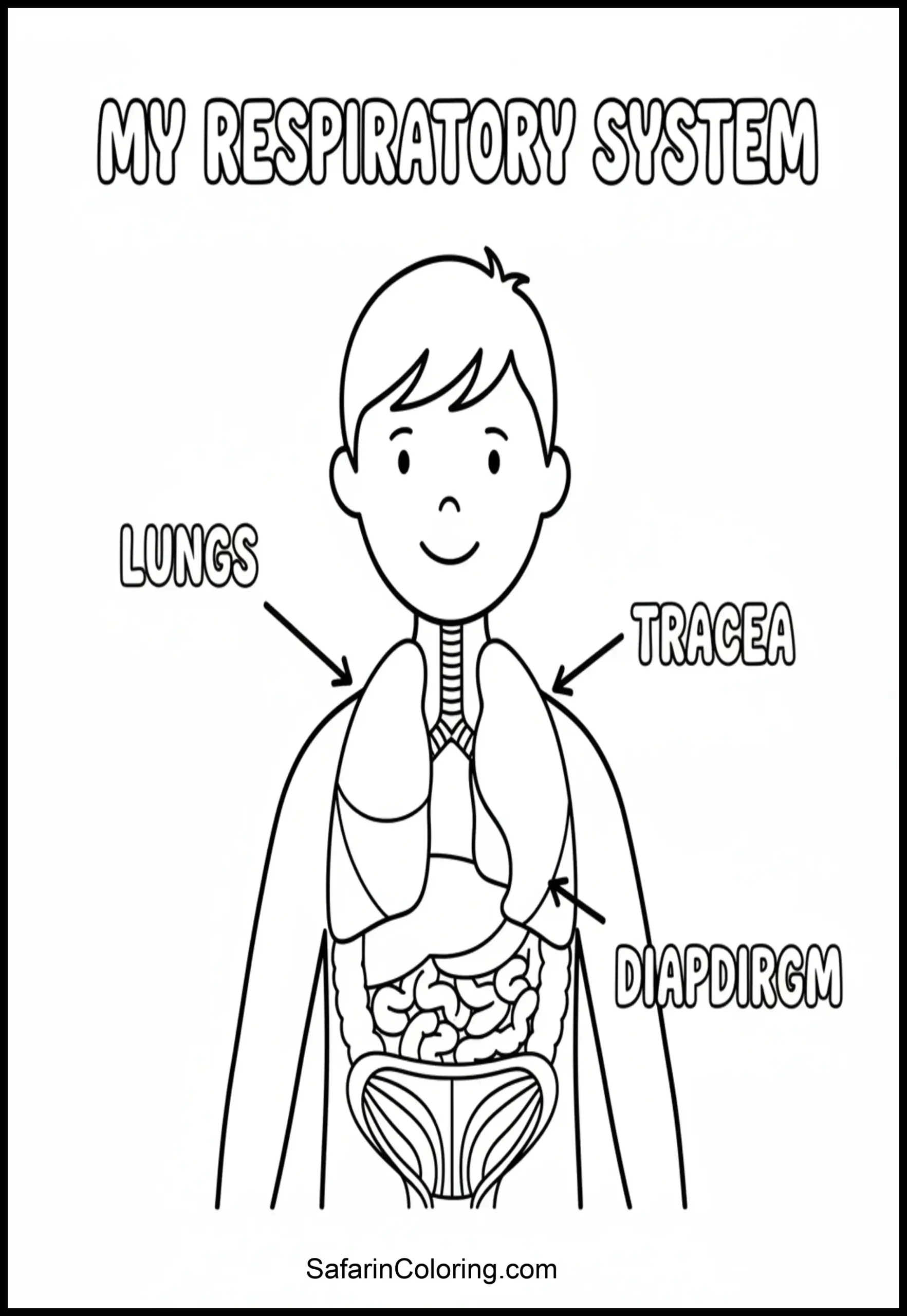
Anatomy Coloring Pages Respiratory System Scaled
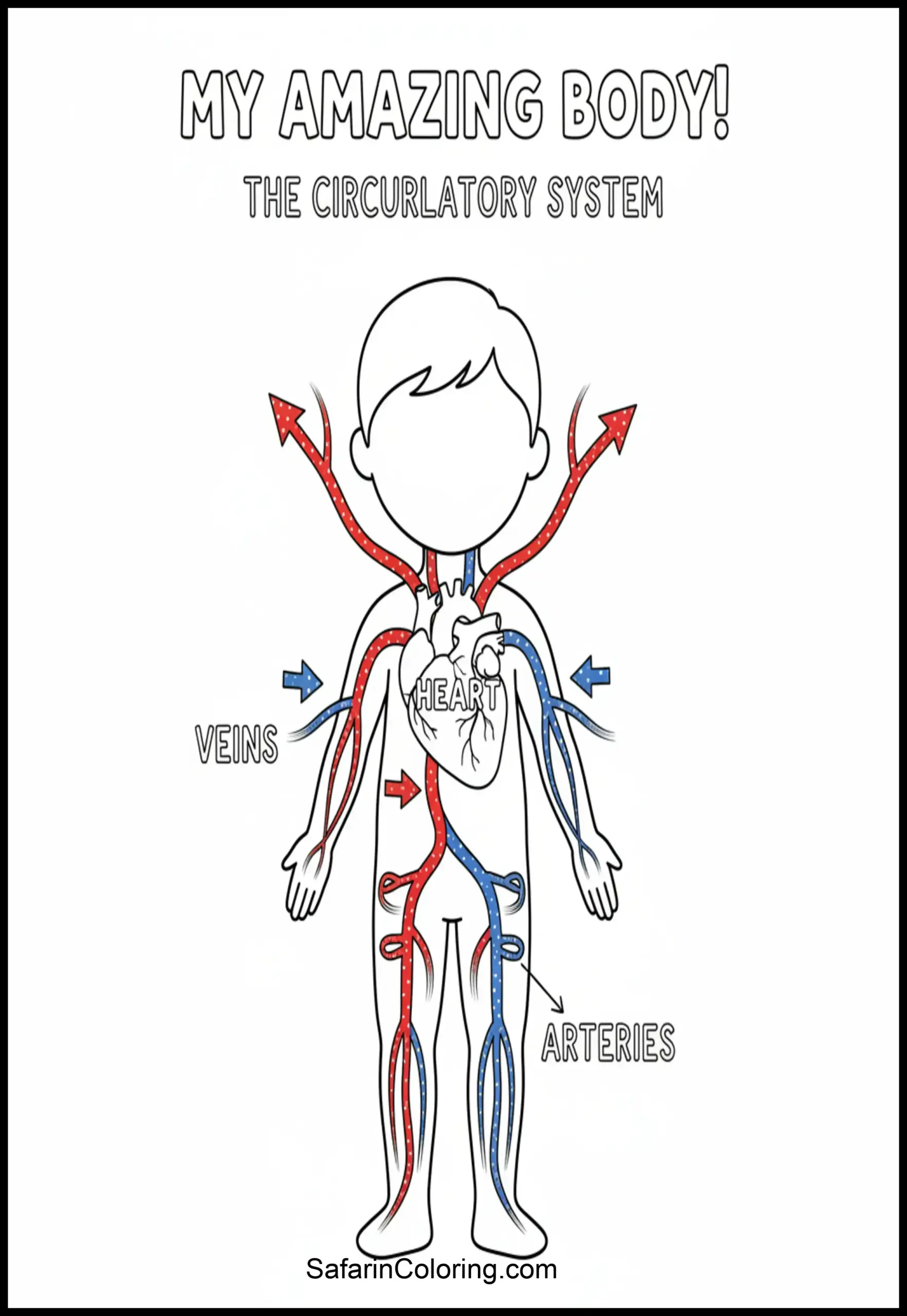
Anatomy Coloring Pages Circulatory System Scaled
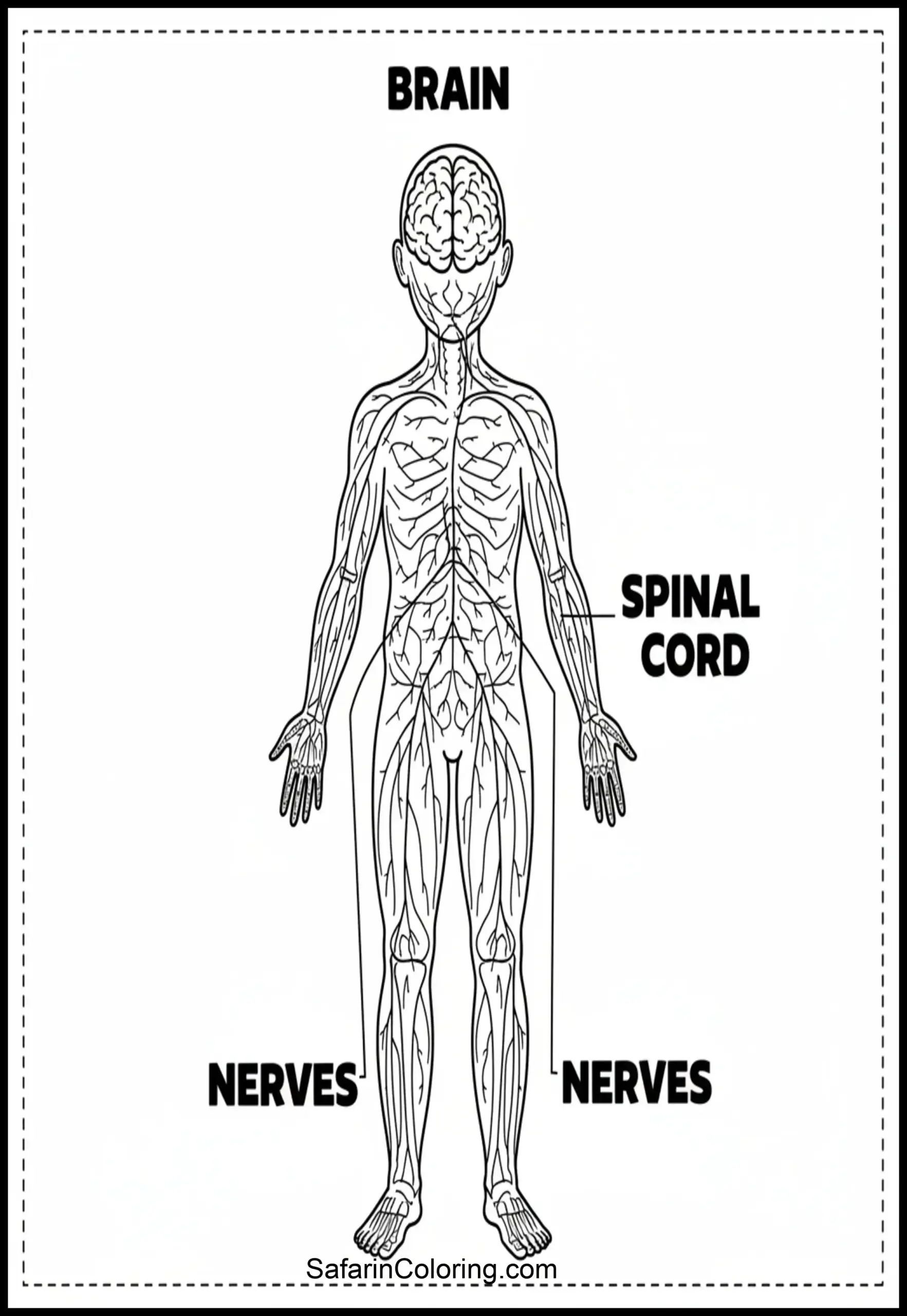
Anatomy Coloring Pages Nervous System Scaled
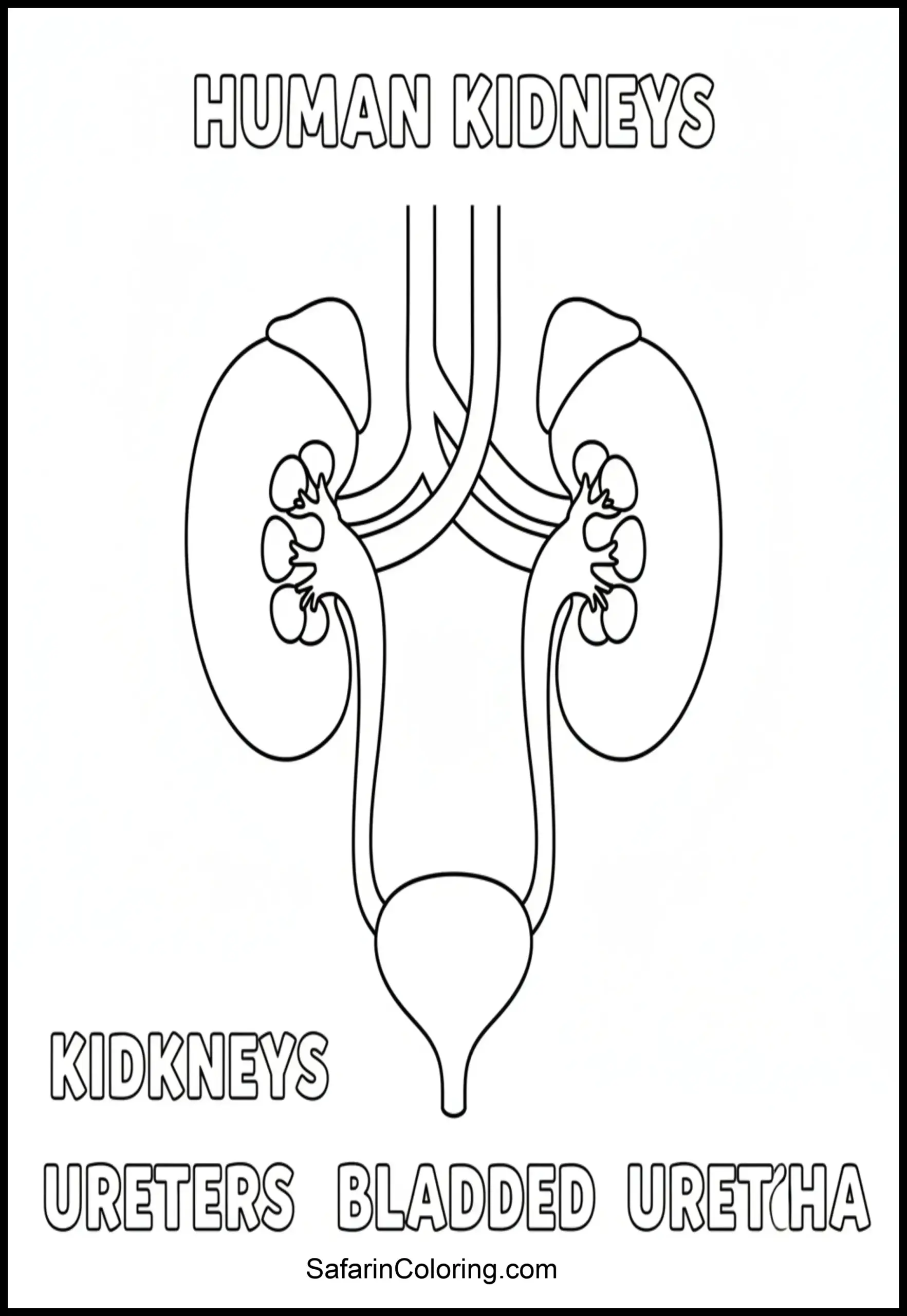
Anatomy Coloring Pages Kidneys Scaled
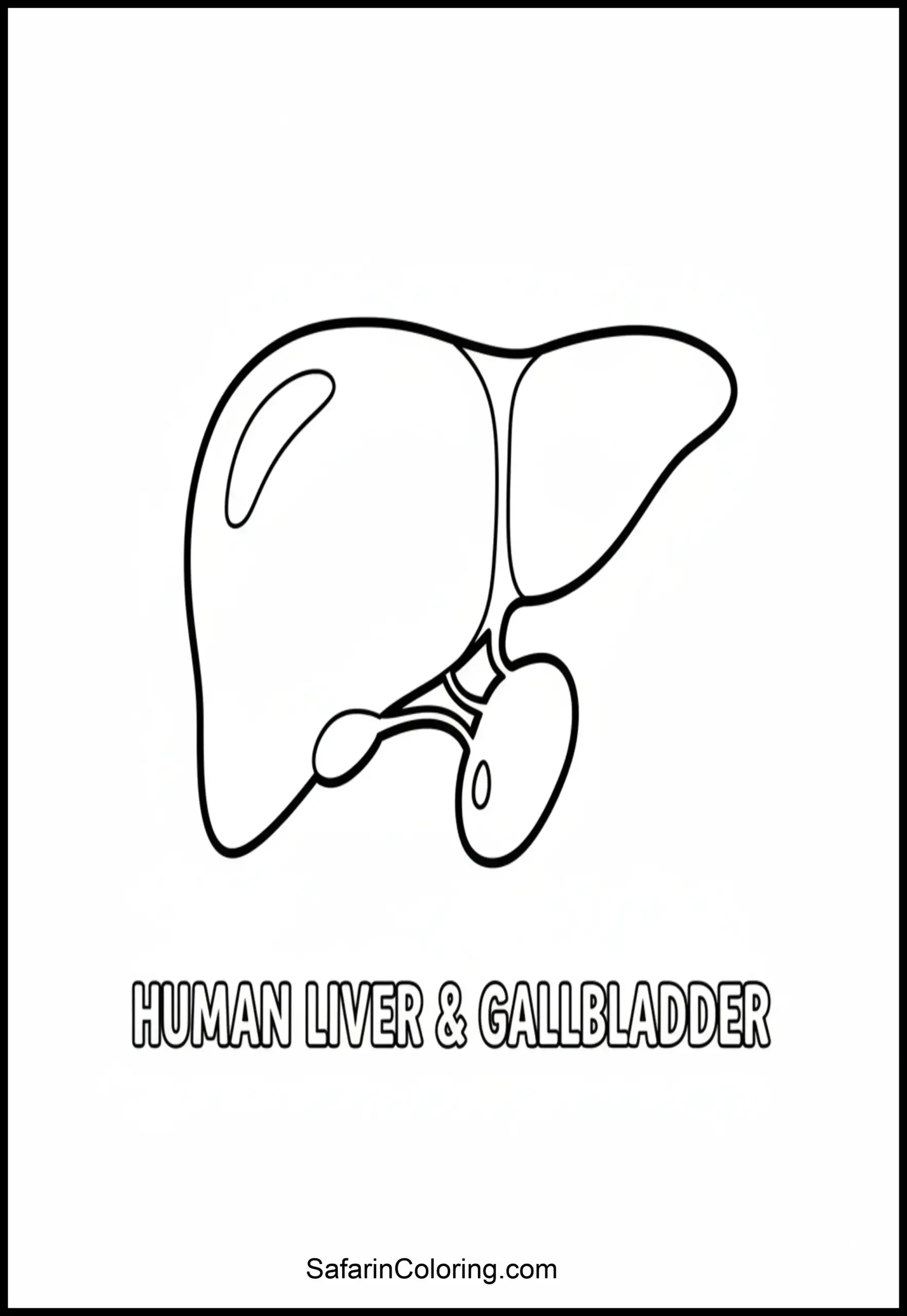
Anatomy Coloring Pages Liver Organ Scaled
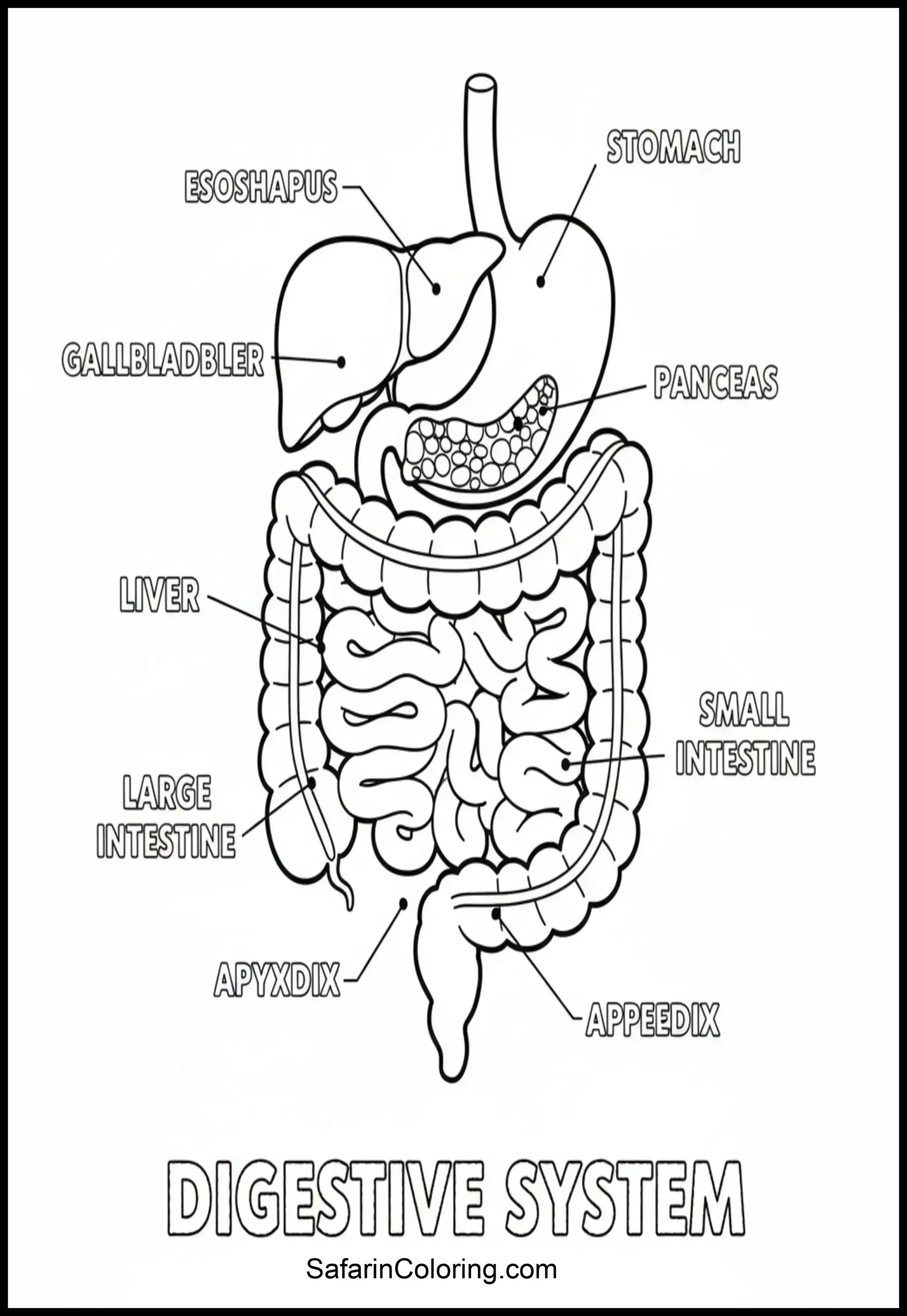
Anatomy Coloring Pages Intestines Scaled
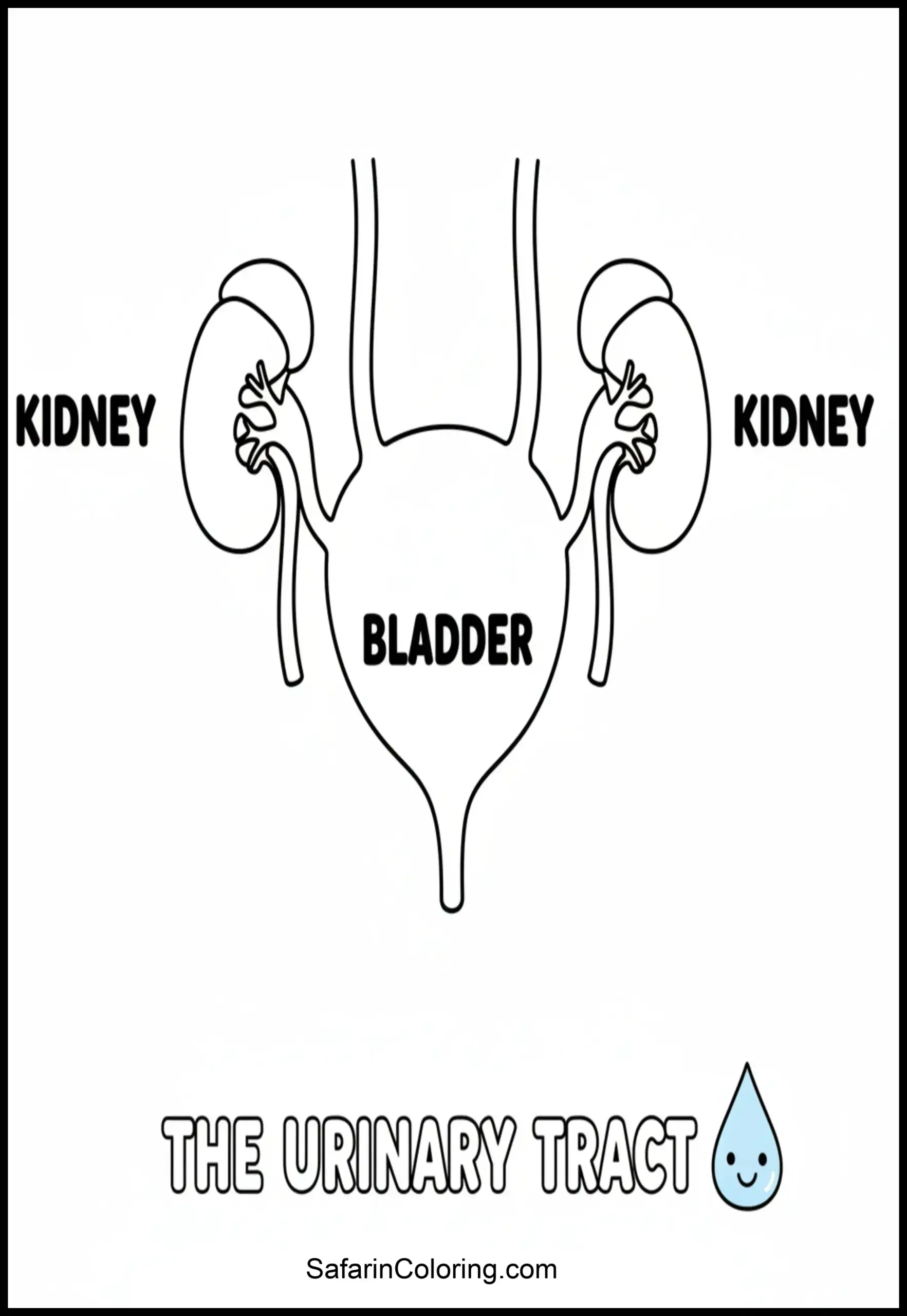
Anatomy Coloring Pages Bladder Scaled
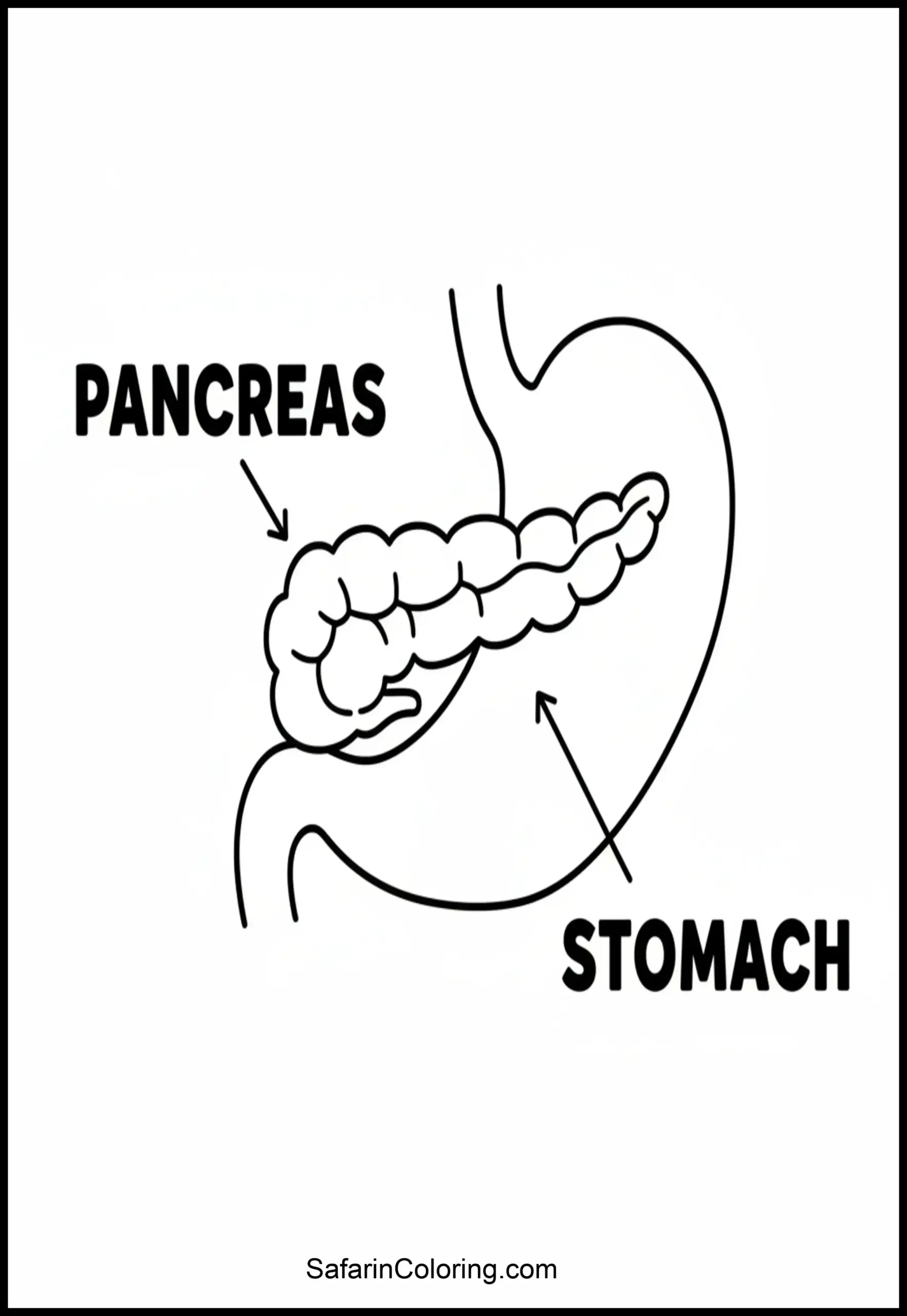
Anatomy Coloring Pages Pancreas Scaled
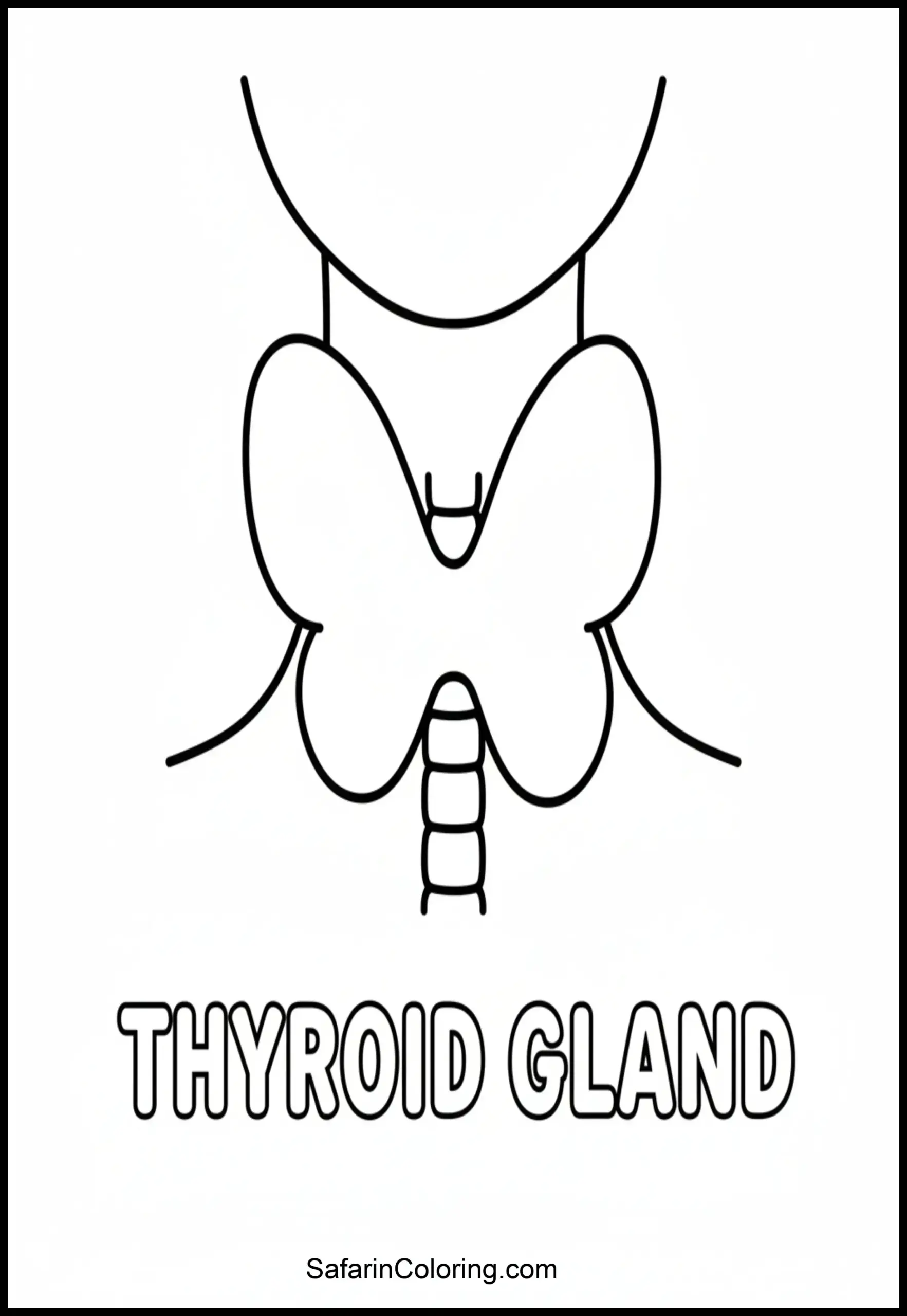
Anatomy Coloring Pages Thyroid Scaled
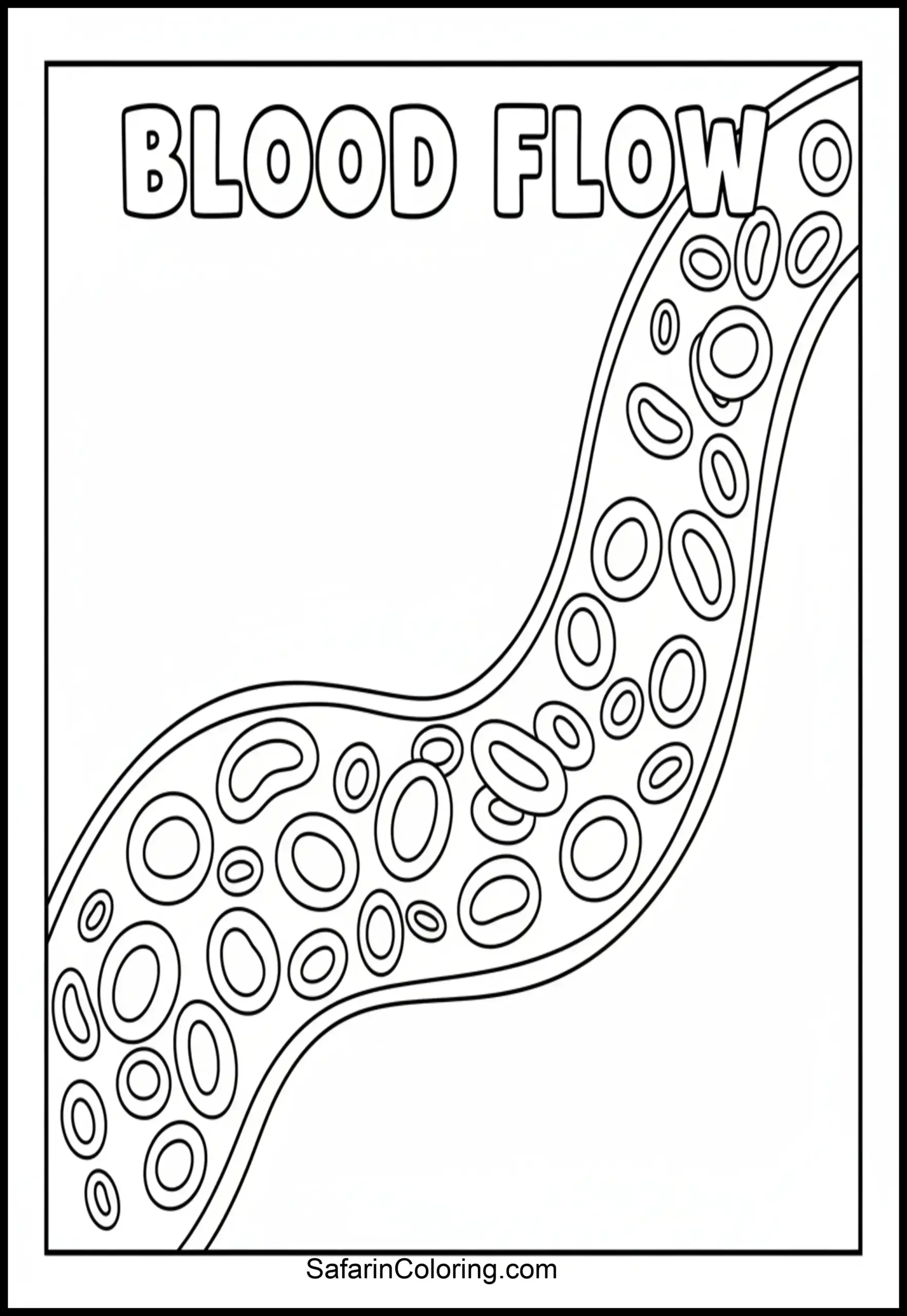
Anatomy Coloring Pages Red Blood Cells Scaled
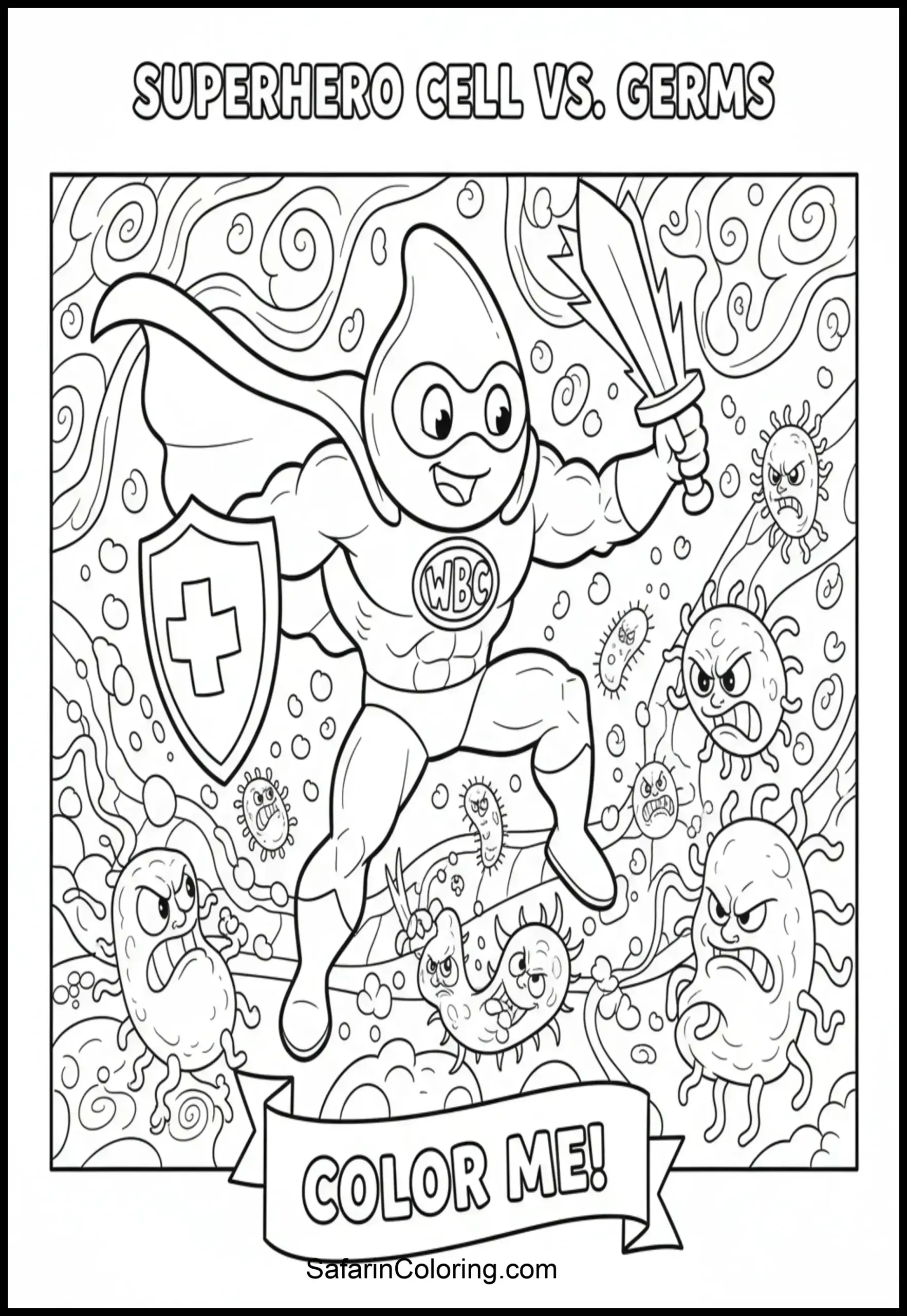
Anatomy Coloring Pages White Blood Cell Scaled
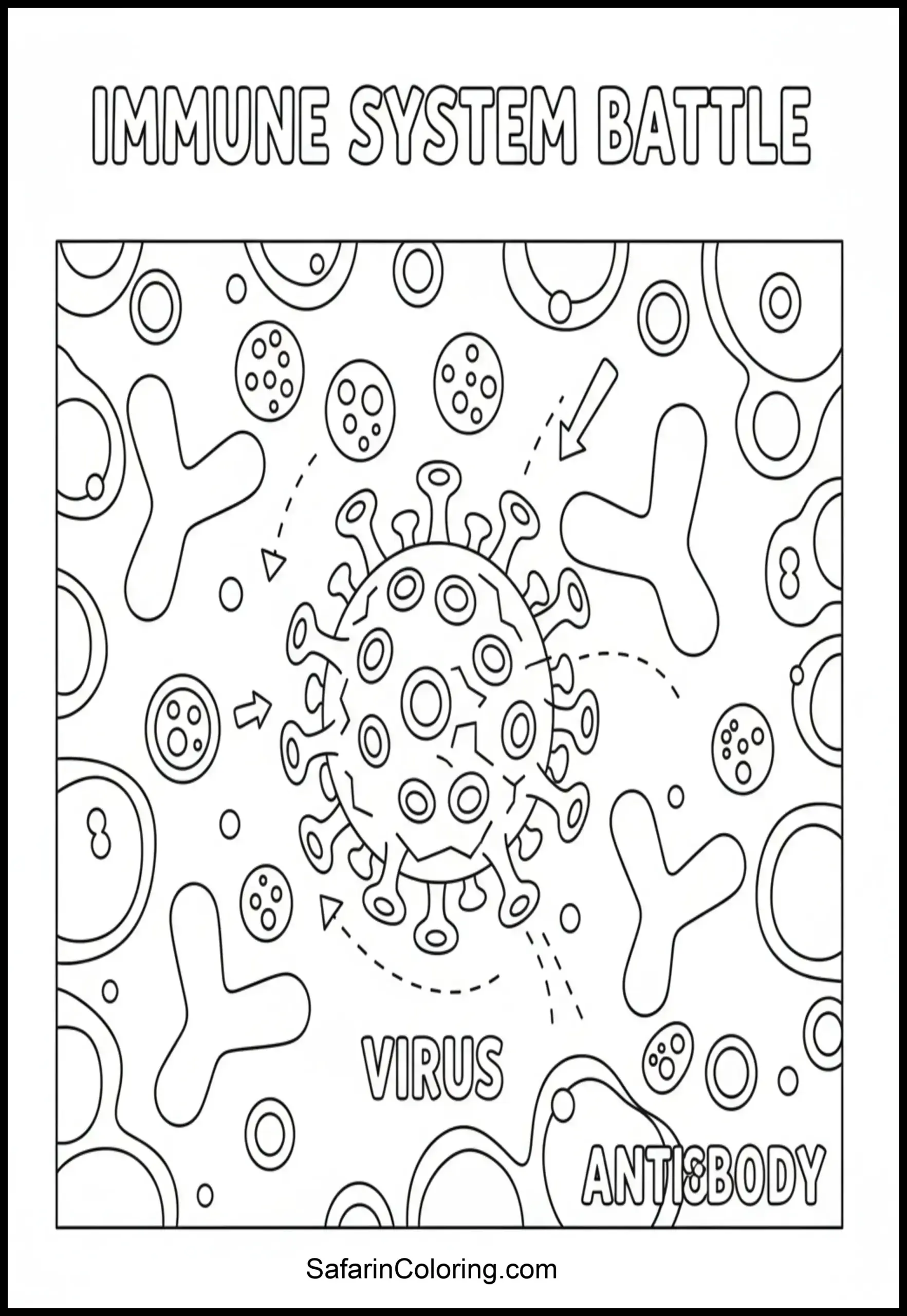
Anatomy Coloring Pages Virus Antibody Scaled
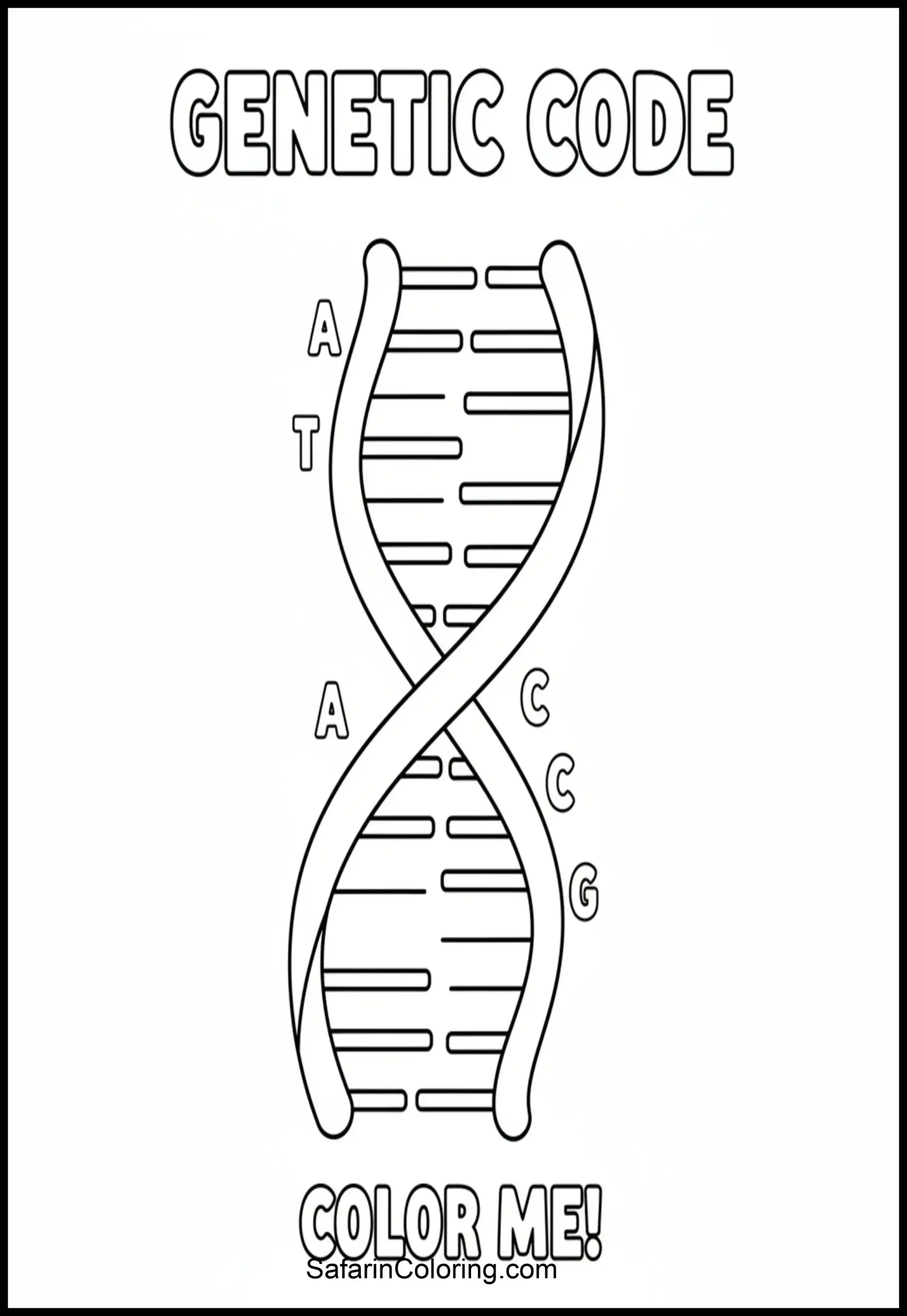
Anatomy Coloring Pages Dna Helix Scaled
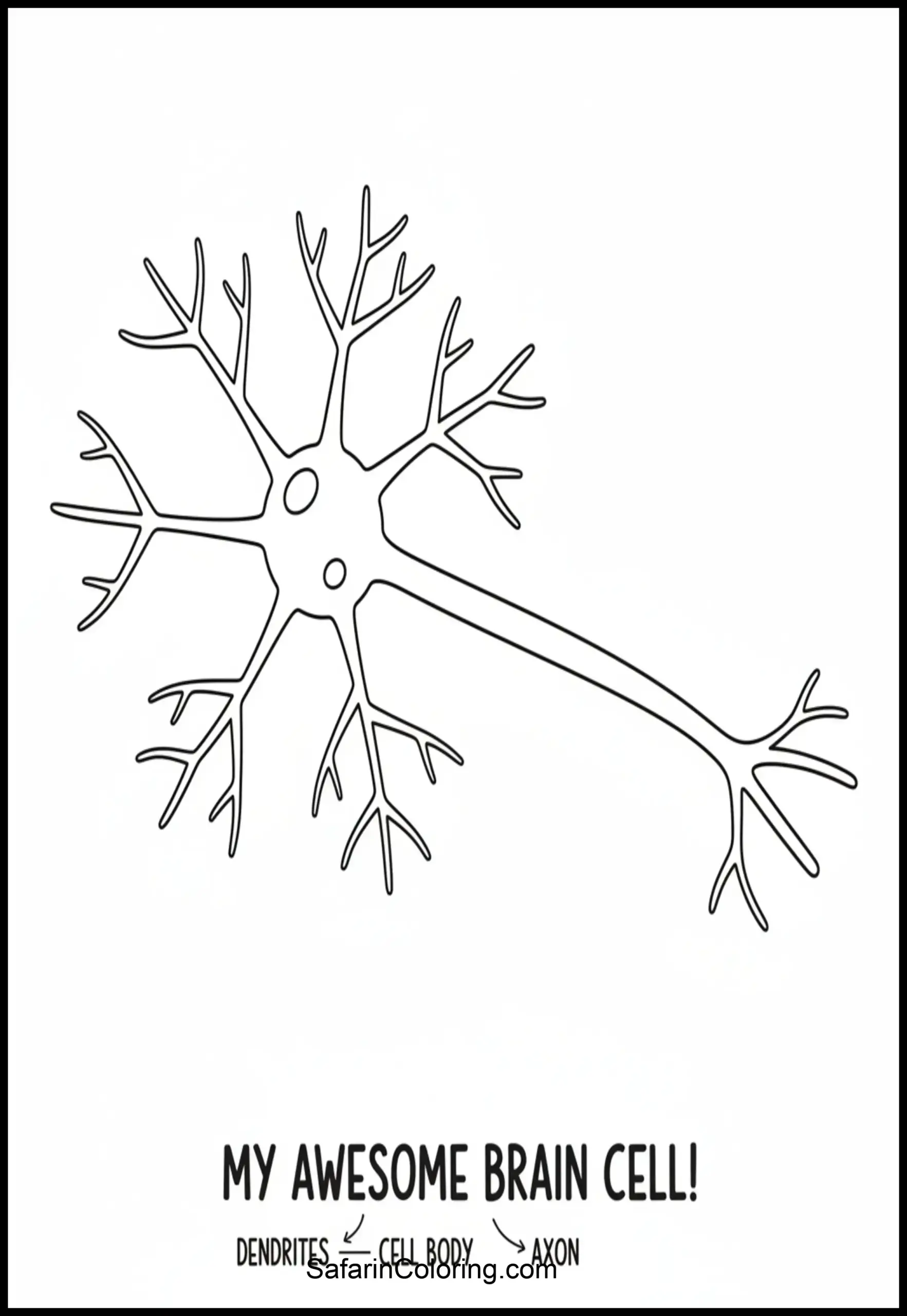
Anatomy Coloring Pages Neuron Cell Scaled
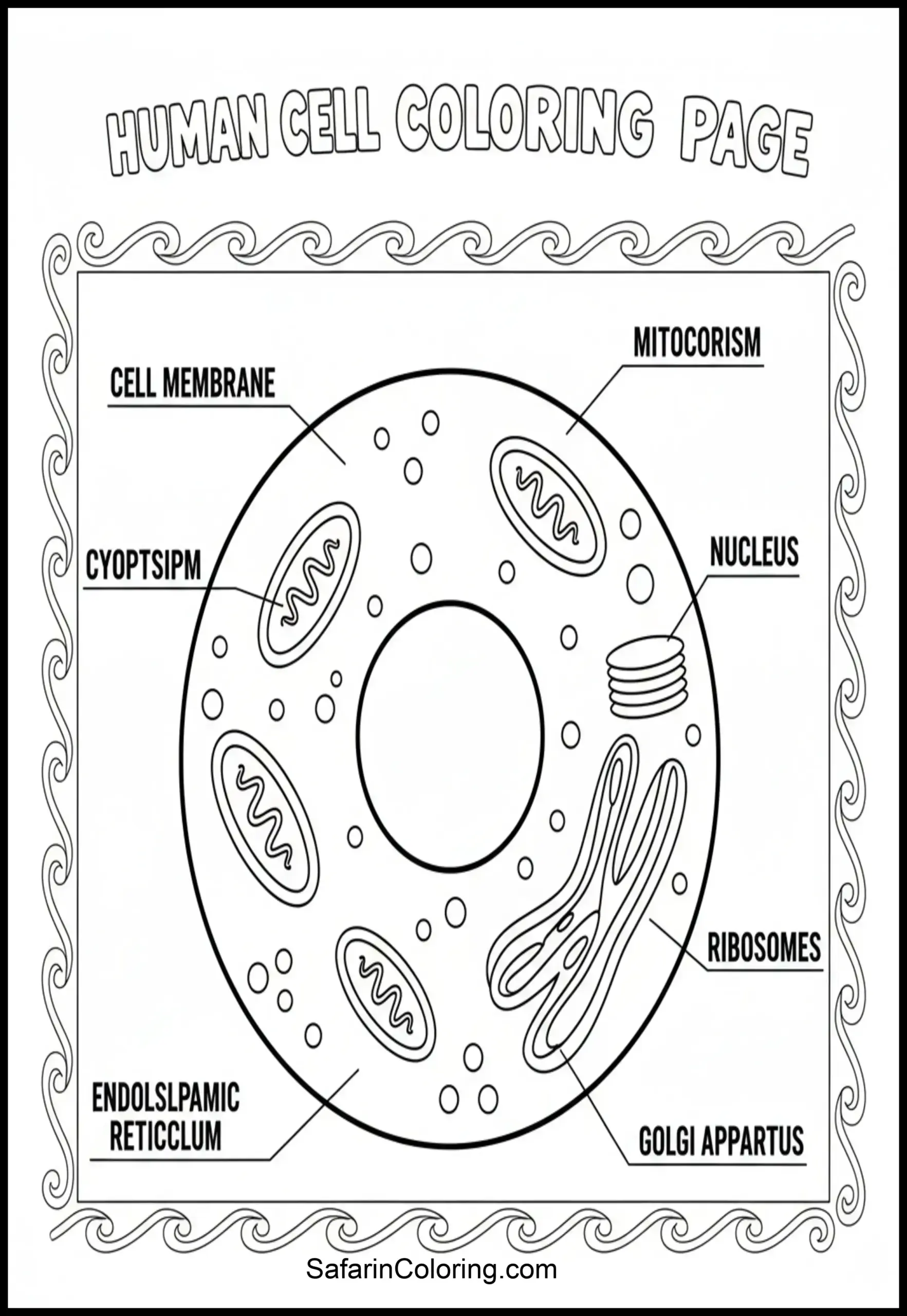
Anatomy Coloring Pages Human Cell Scaled
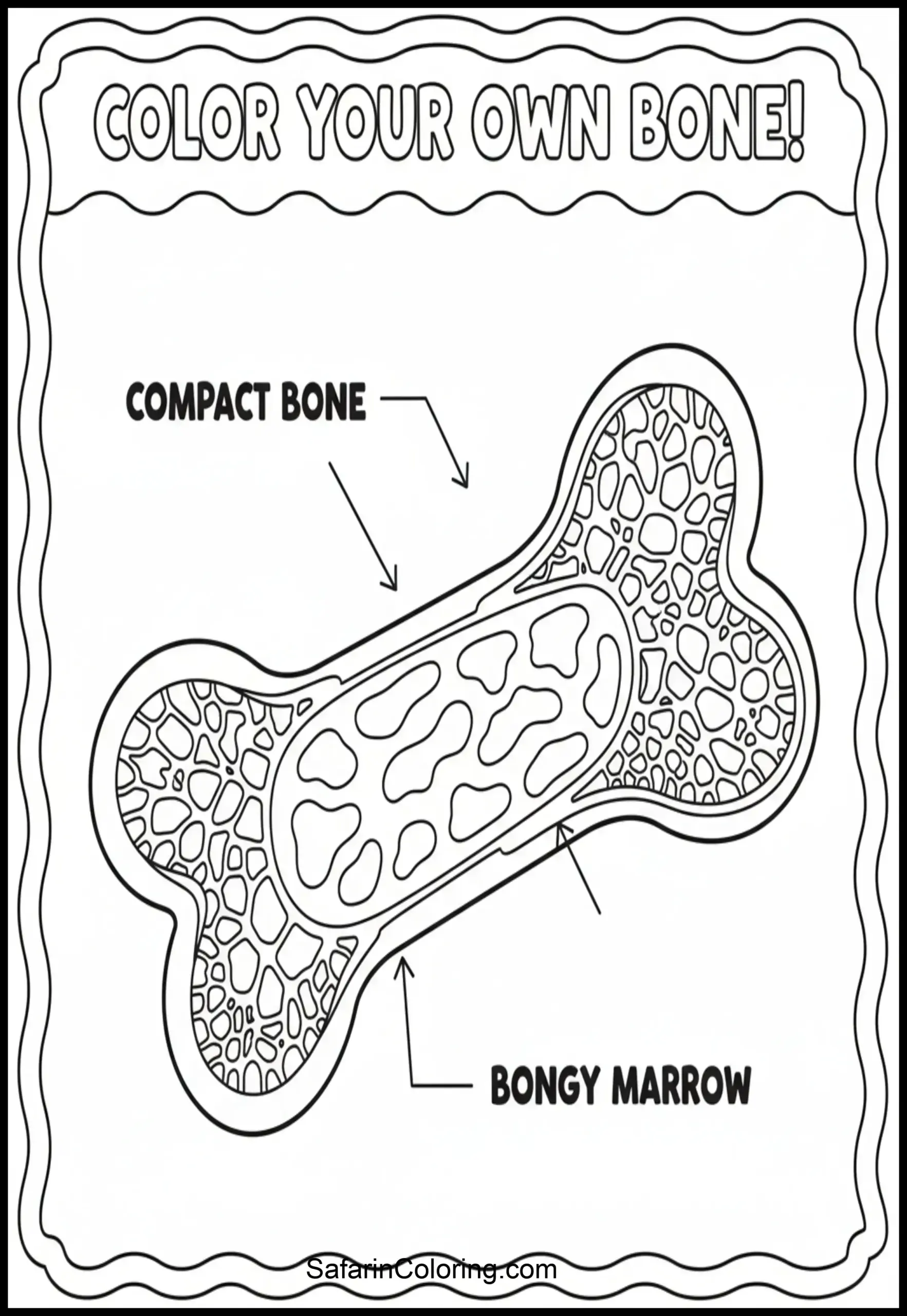
Anatomy Coloring Pages Bone Marrow Scaled
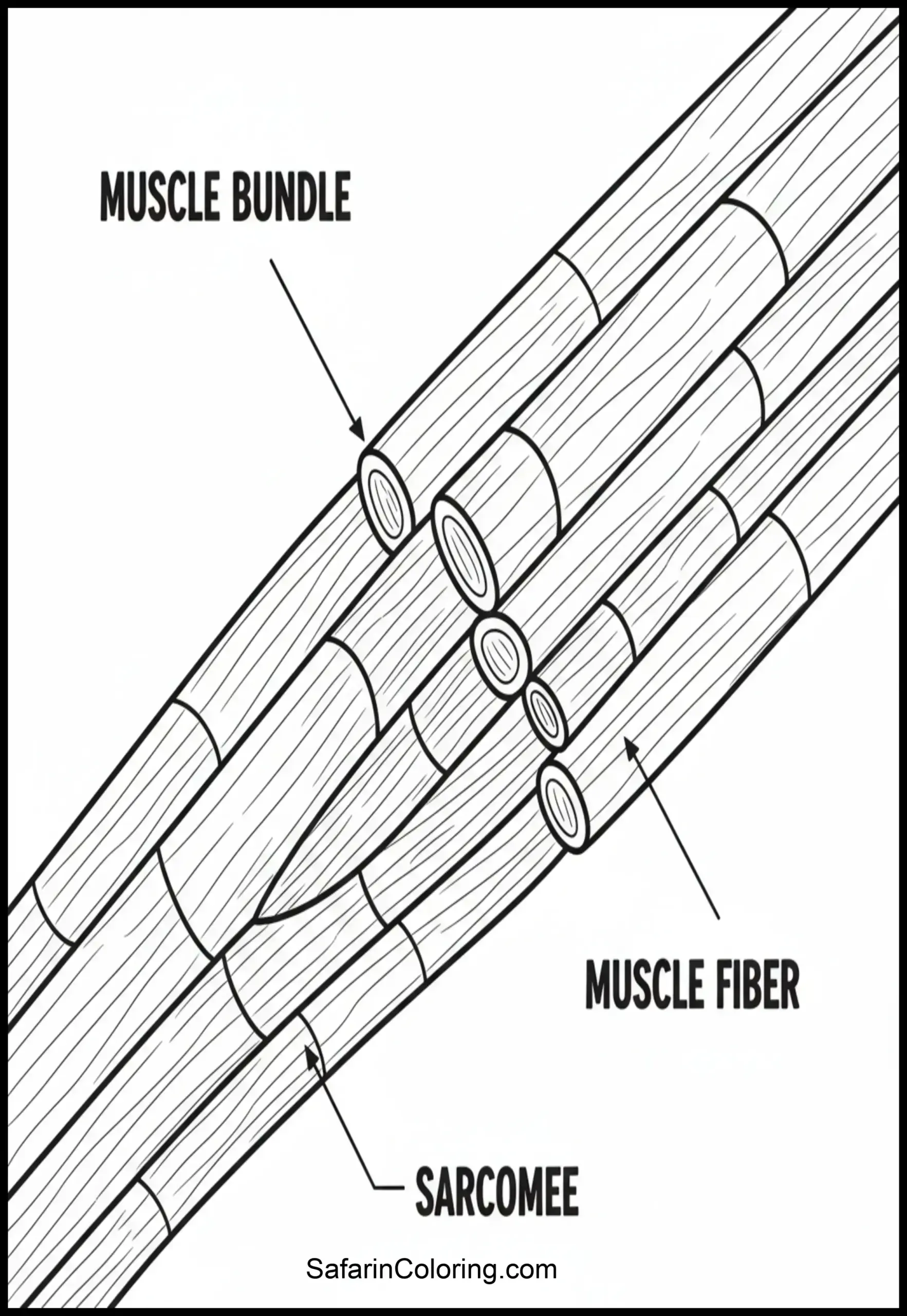
Anatomy Coloring Pages Muscle Fibers Scaled
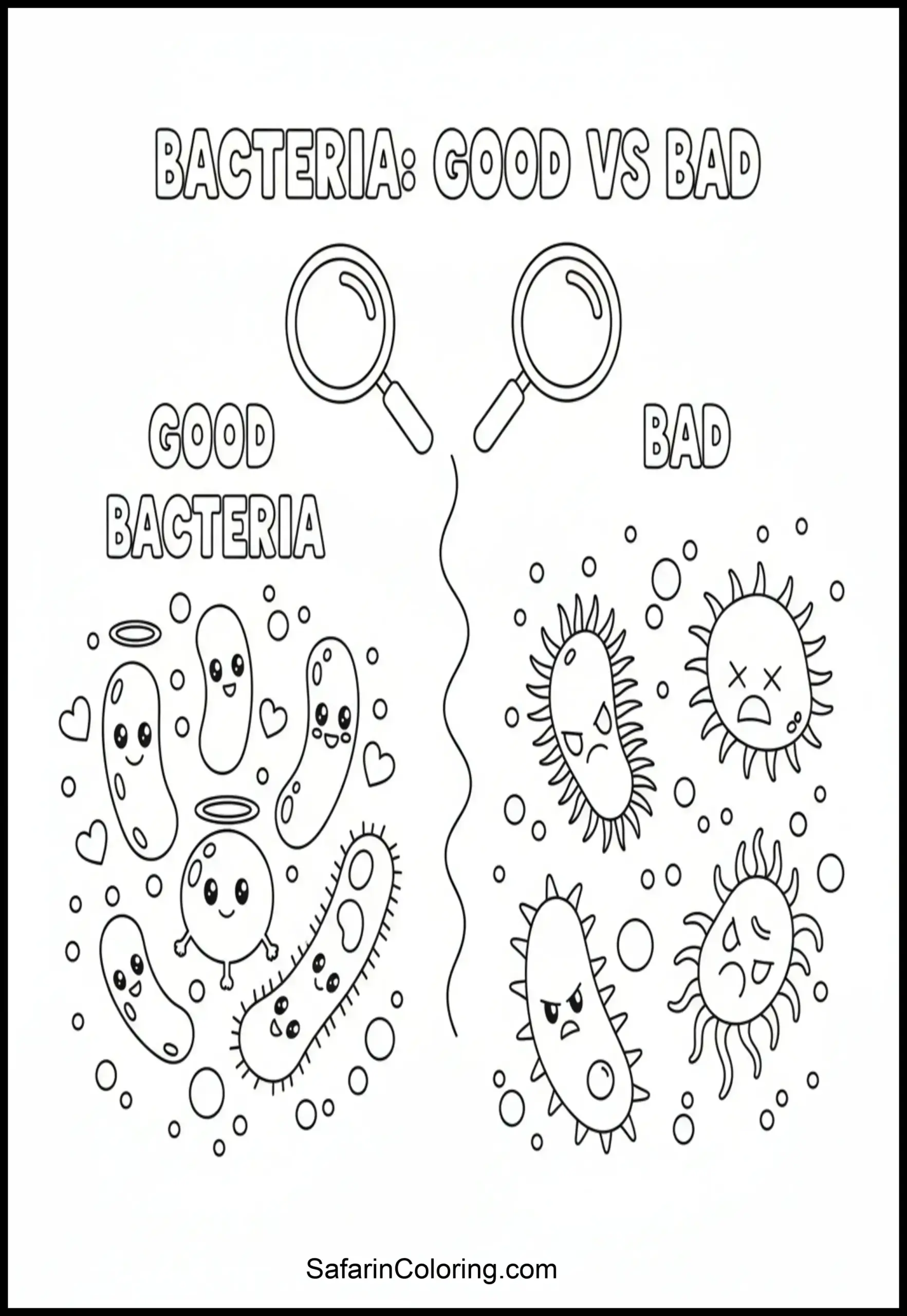
Anatomy Coloring Pages Bacteria Scaled
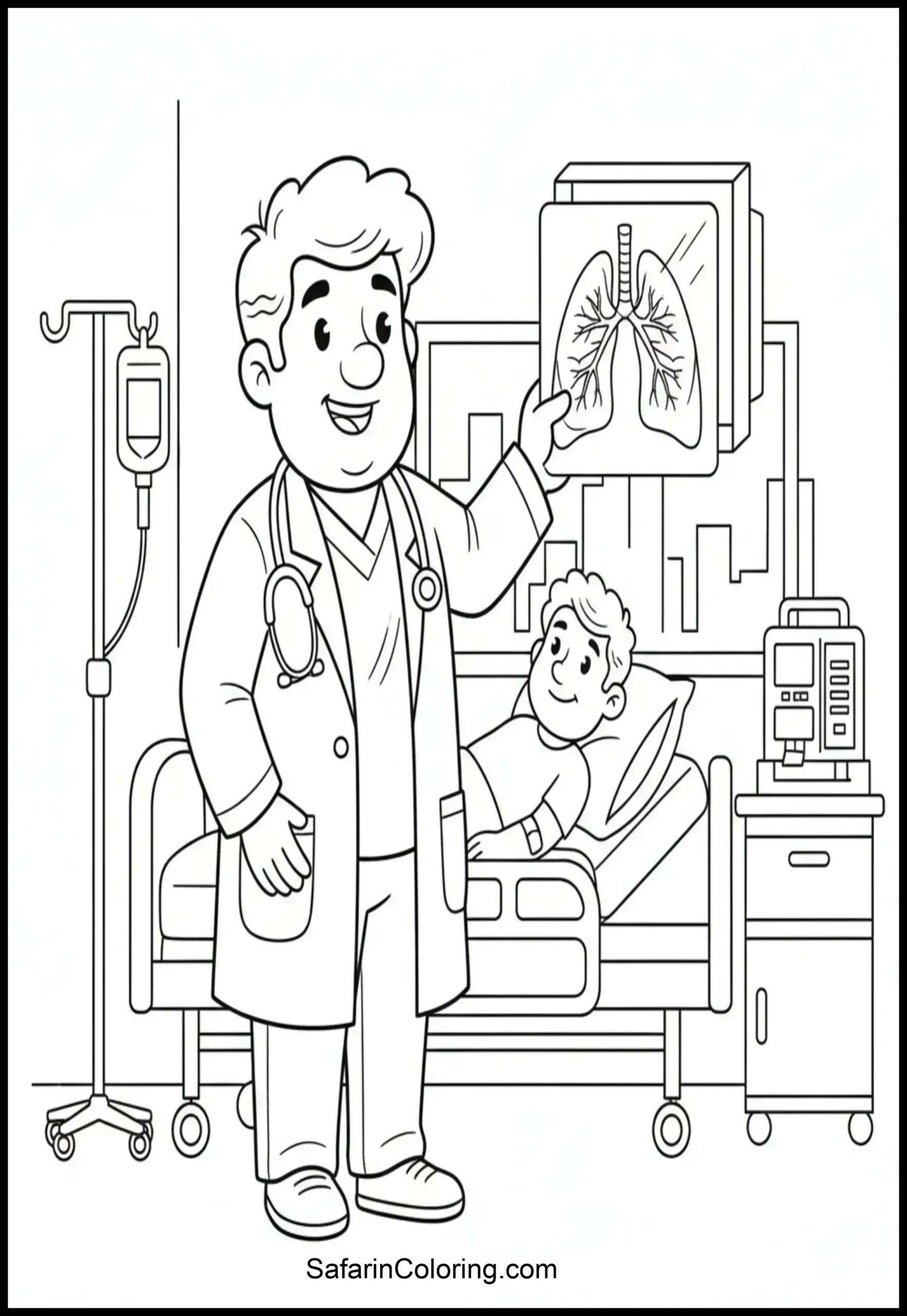
Anatomy Coloring Pages Doctor Xray Scaled
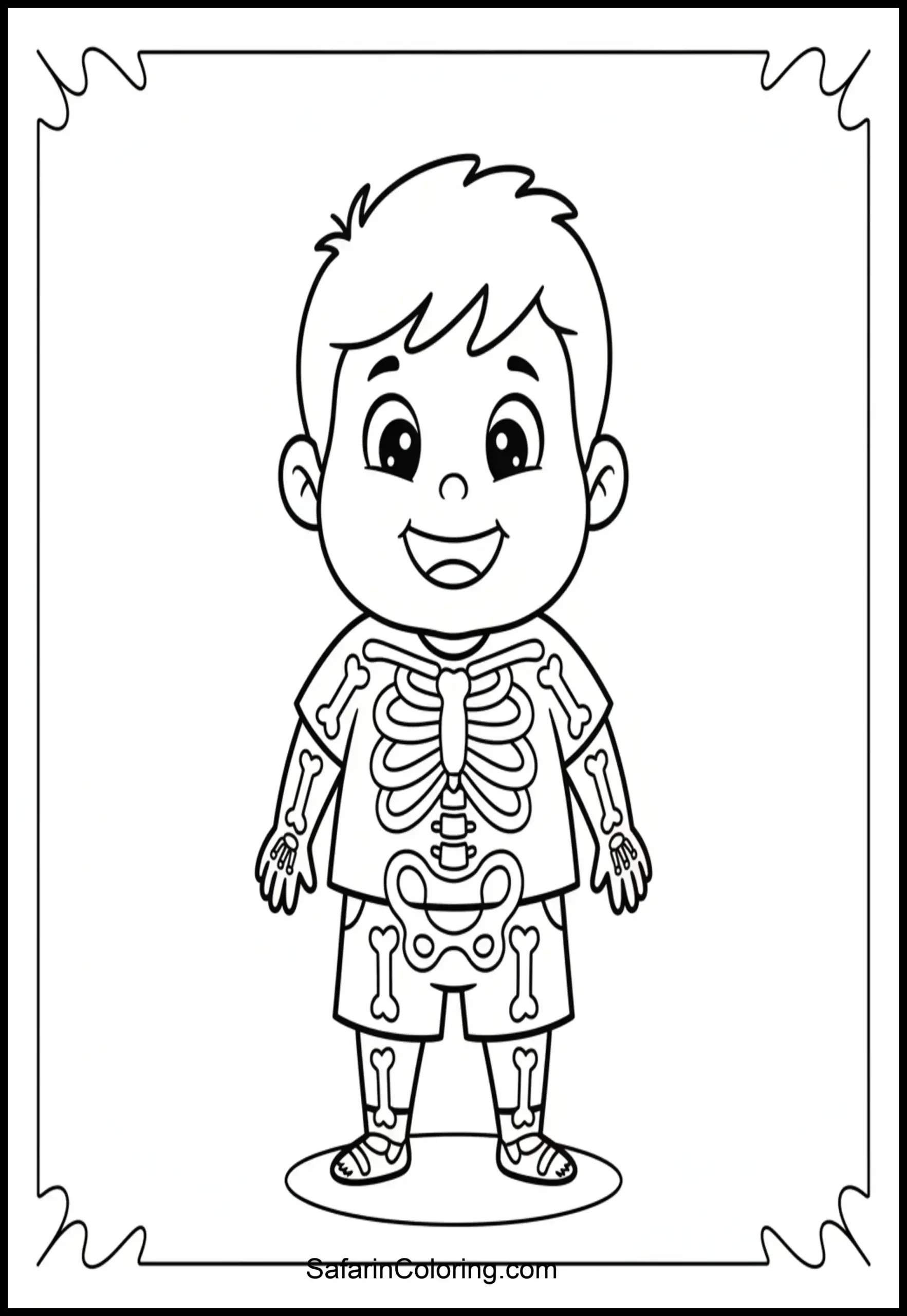
Anatomy Coloring Pages Kid Skeleton Overlay Scaled
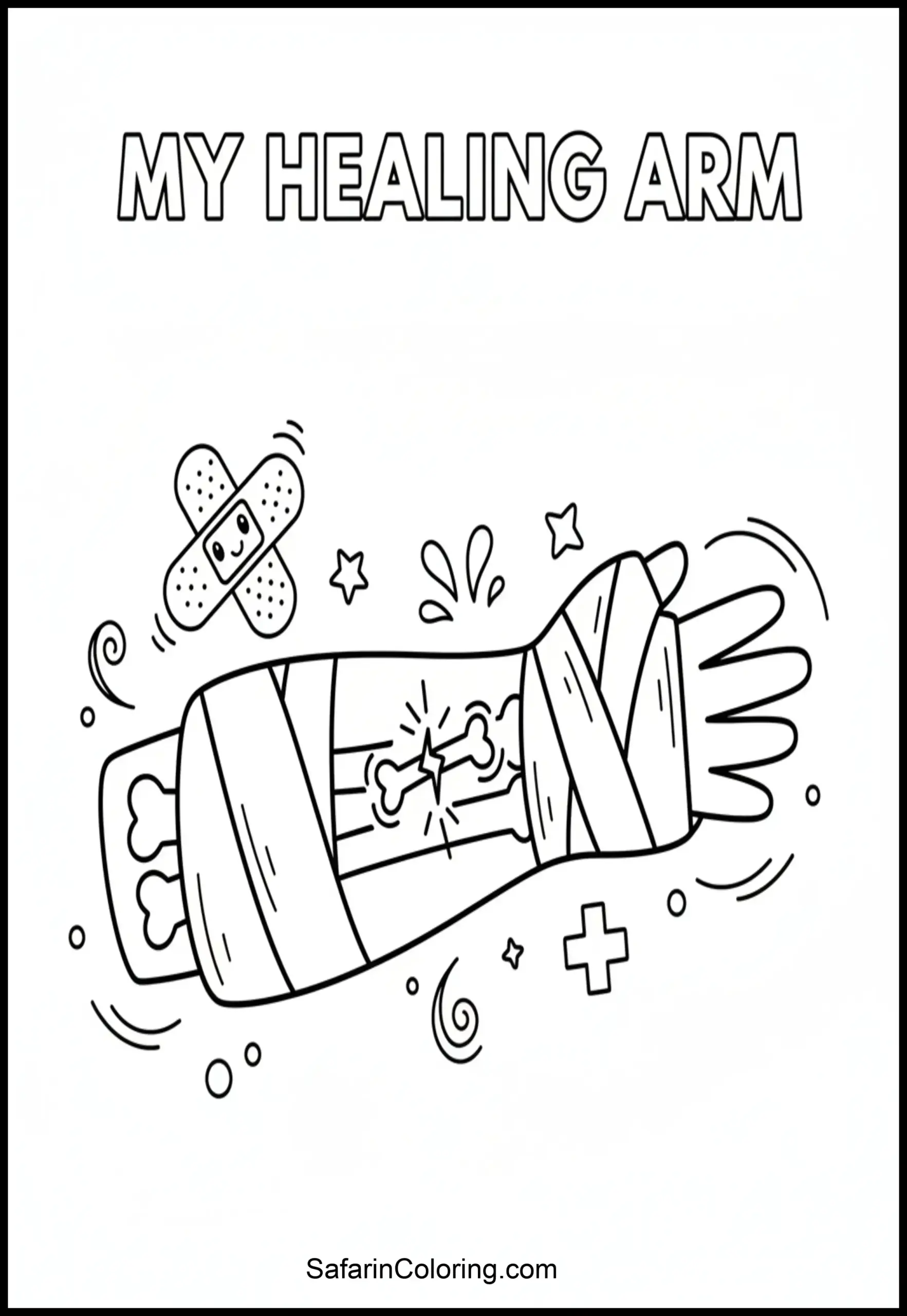
Anatomy Coloring Pages Broken Bone Cast Scaled
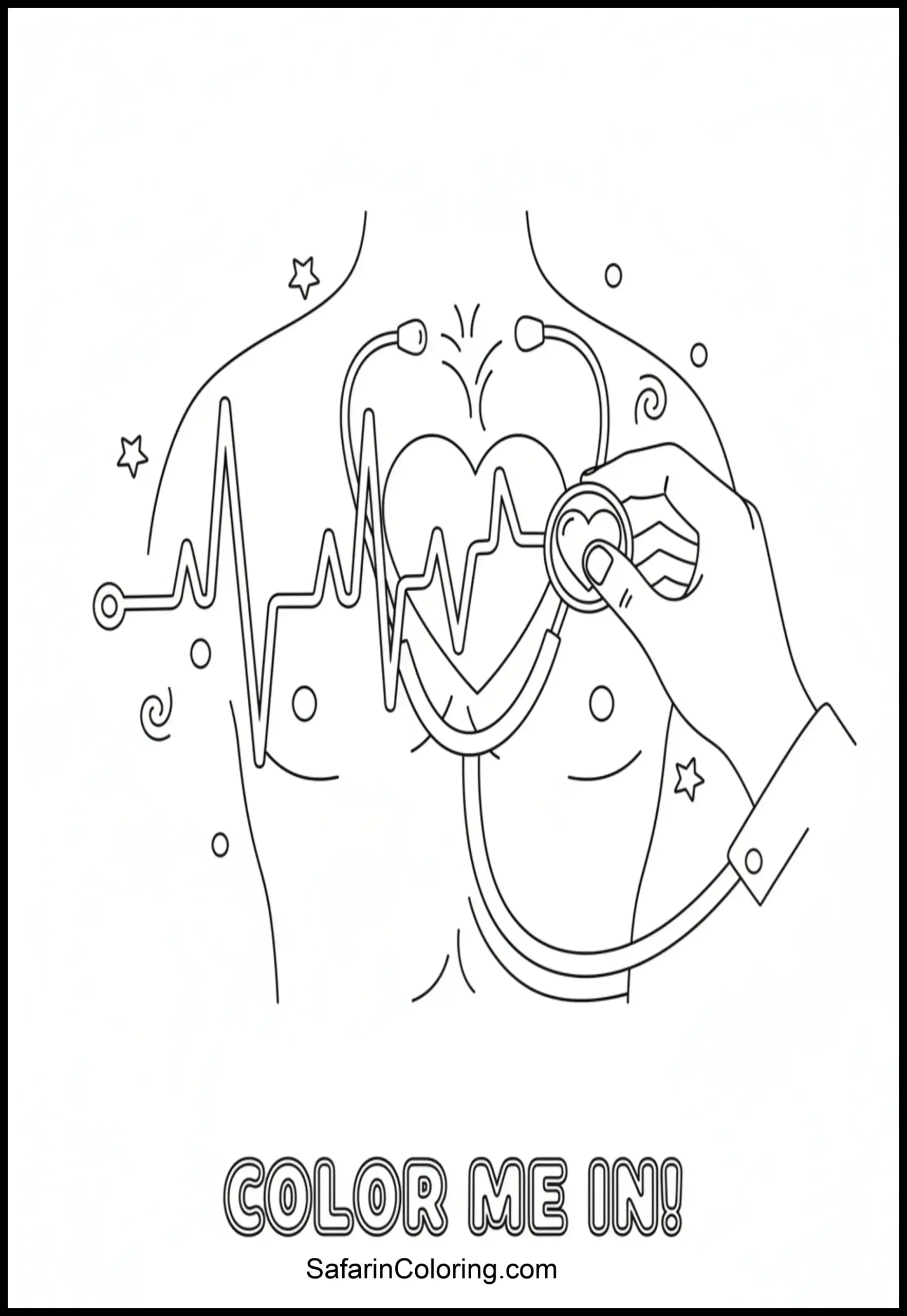
Anatomy Coloring Pages Stethoscope Scaled
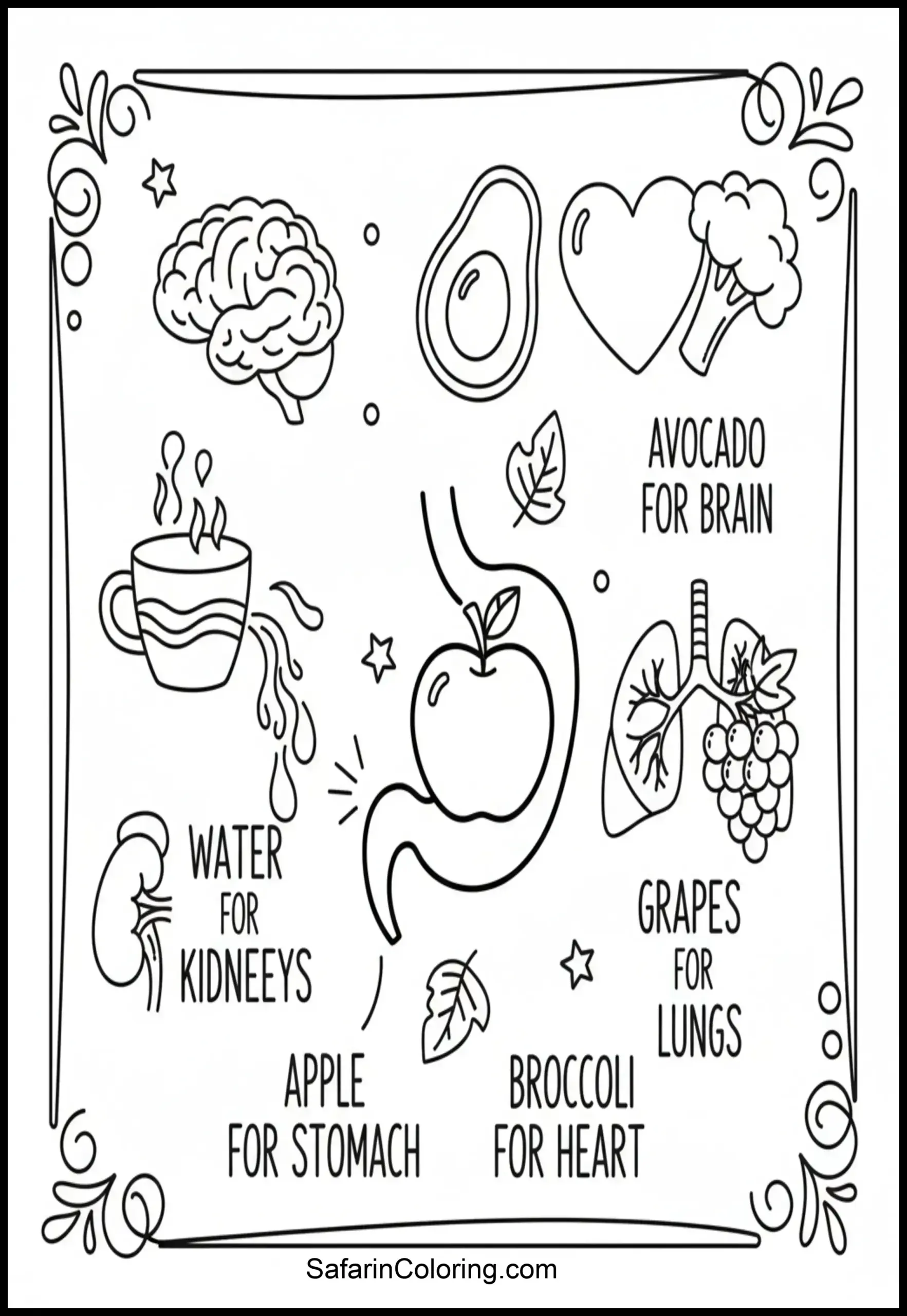
Anatomy Coloring Pages Healthy Organs Scaled
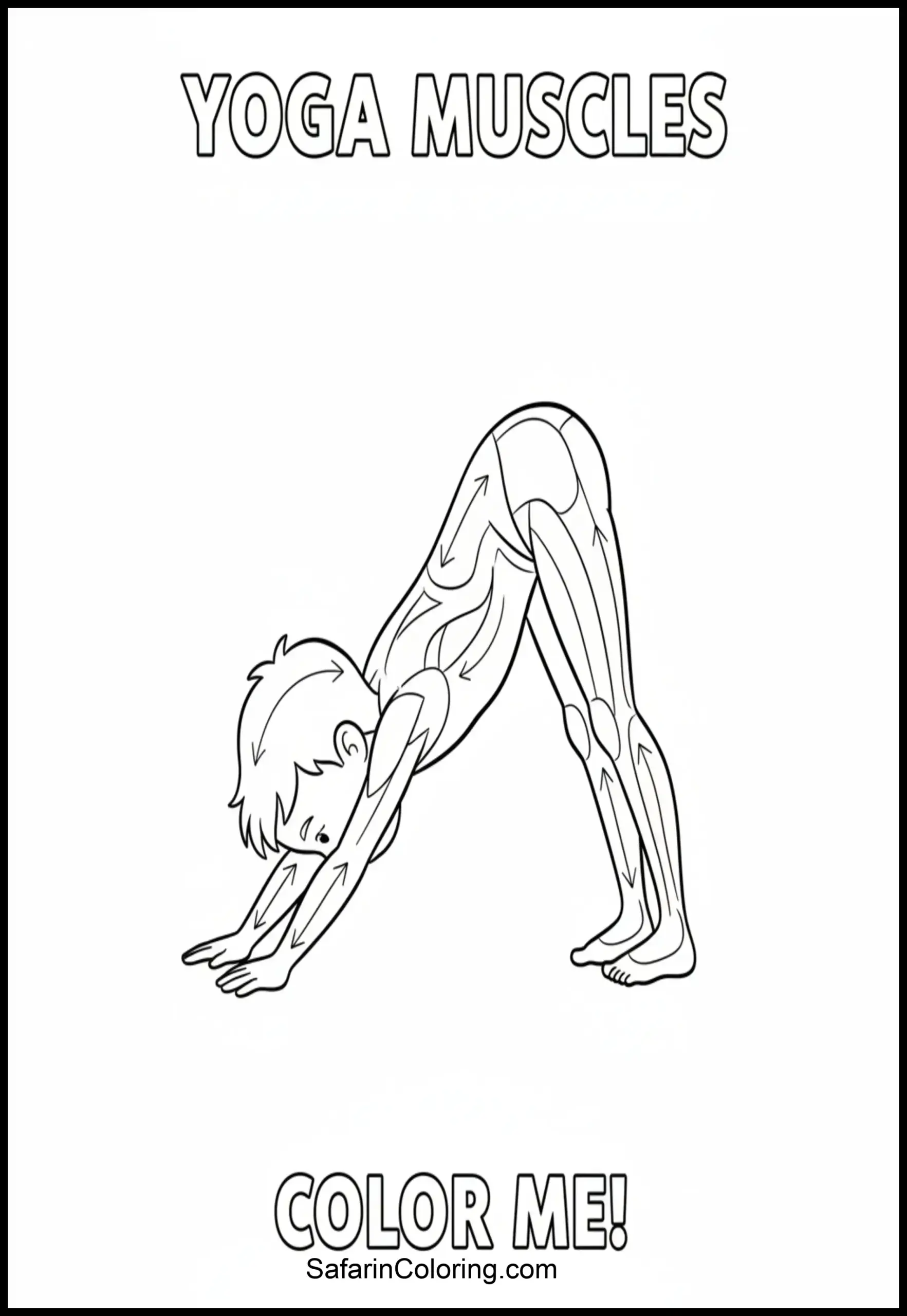
Anatomy Coloring Pages Yoga Muscles Scaled
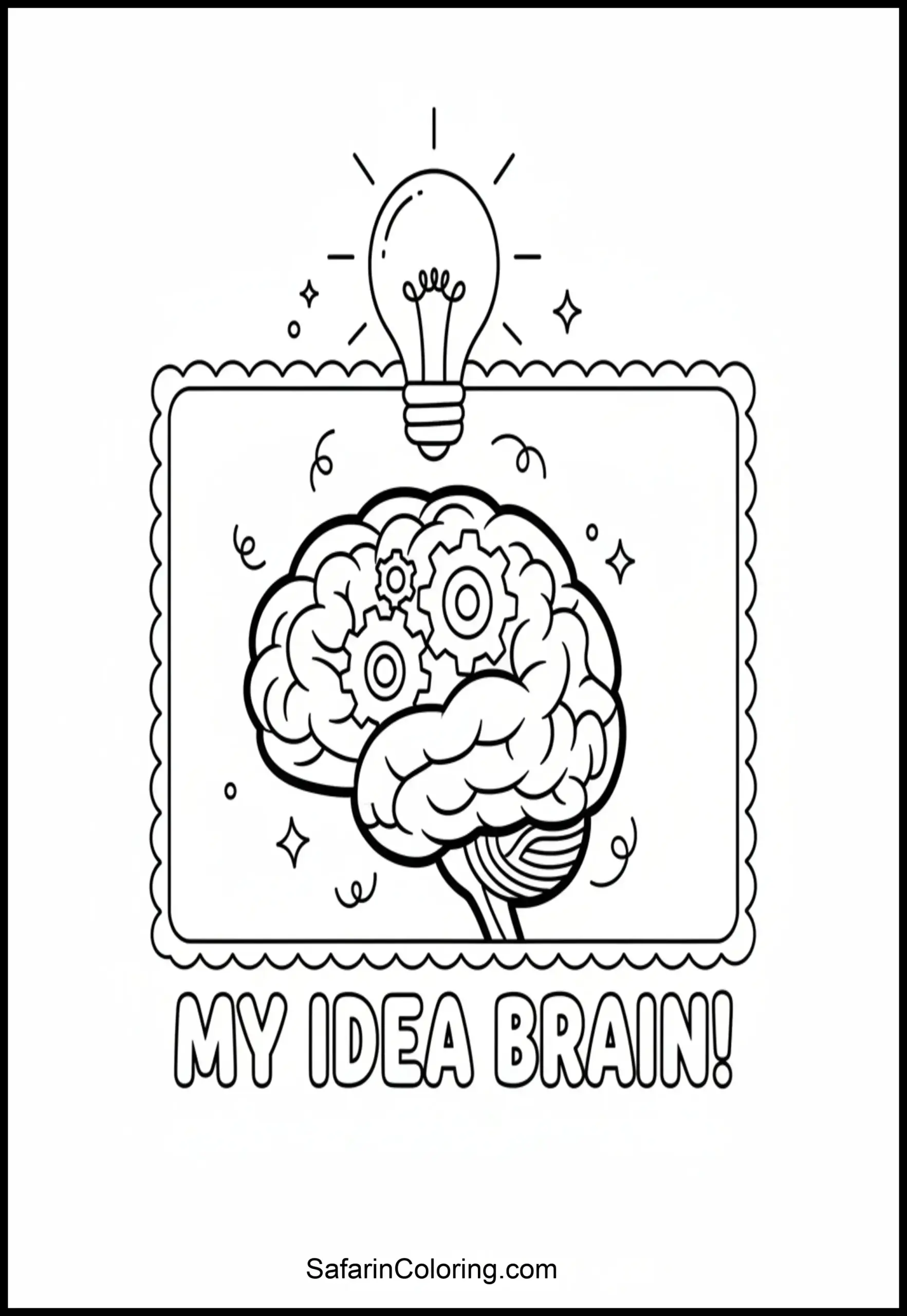
Anatomy Coloring Pages Brain Gears Scaled
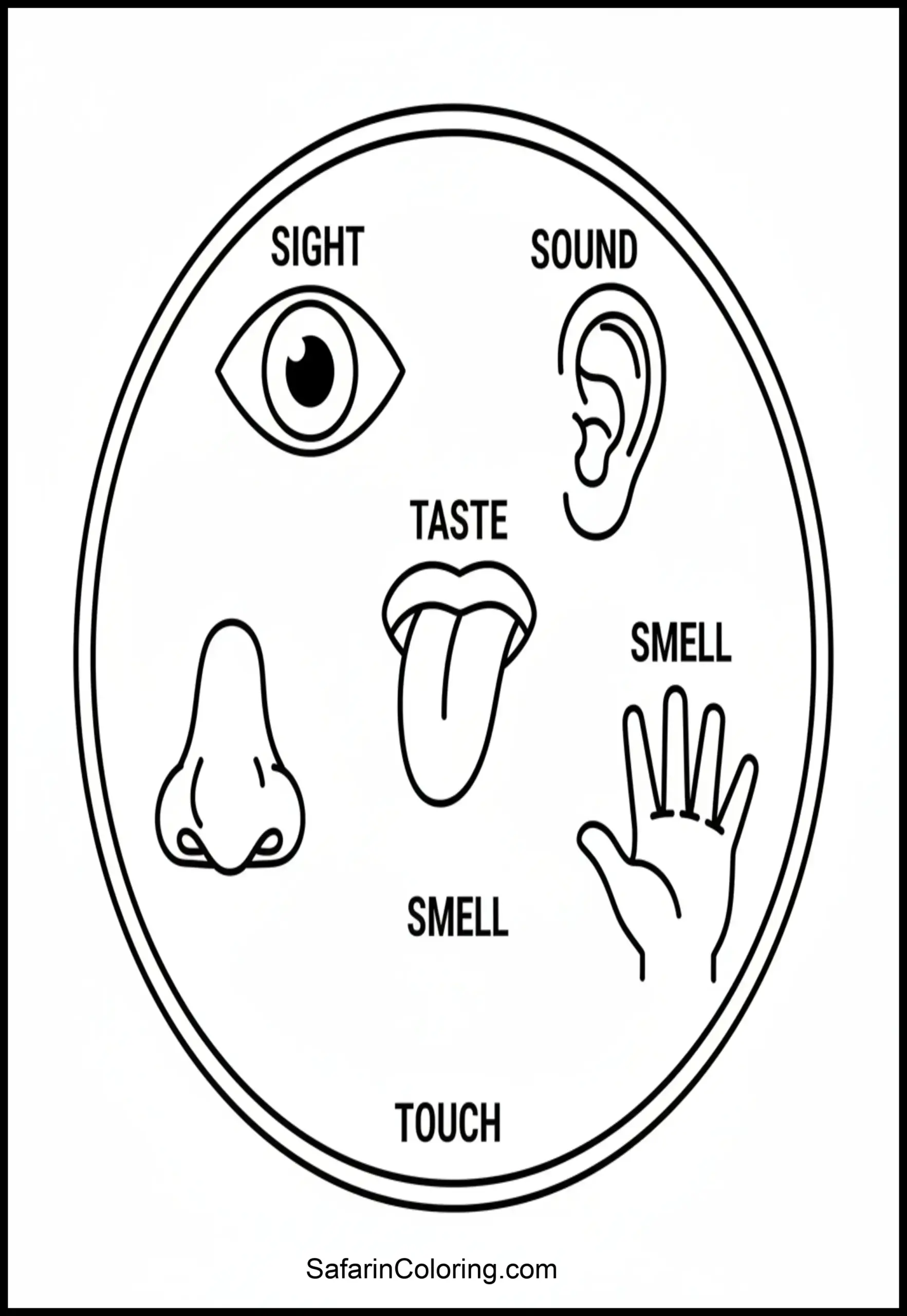
Anatomy Coloring Pages Five Senses Scaled
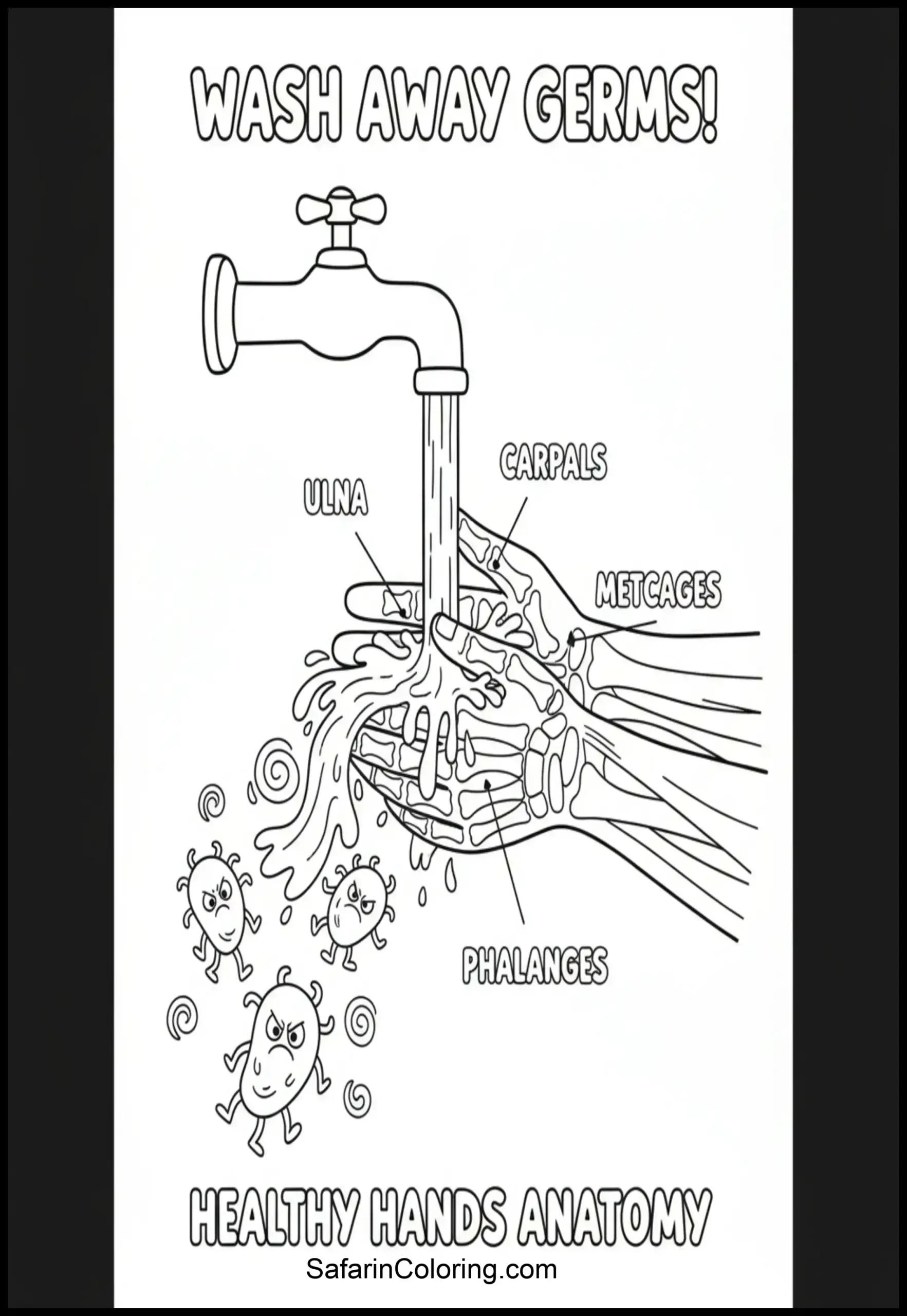
Anatomy Coloring Pages Washing Hands Scaled
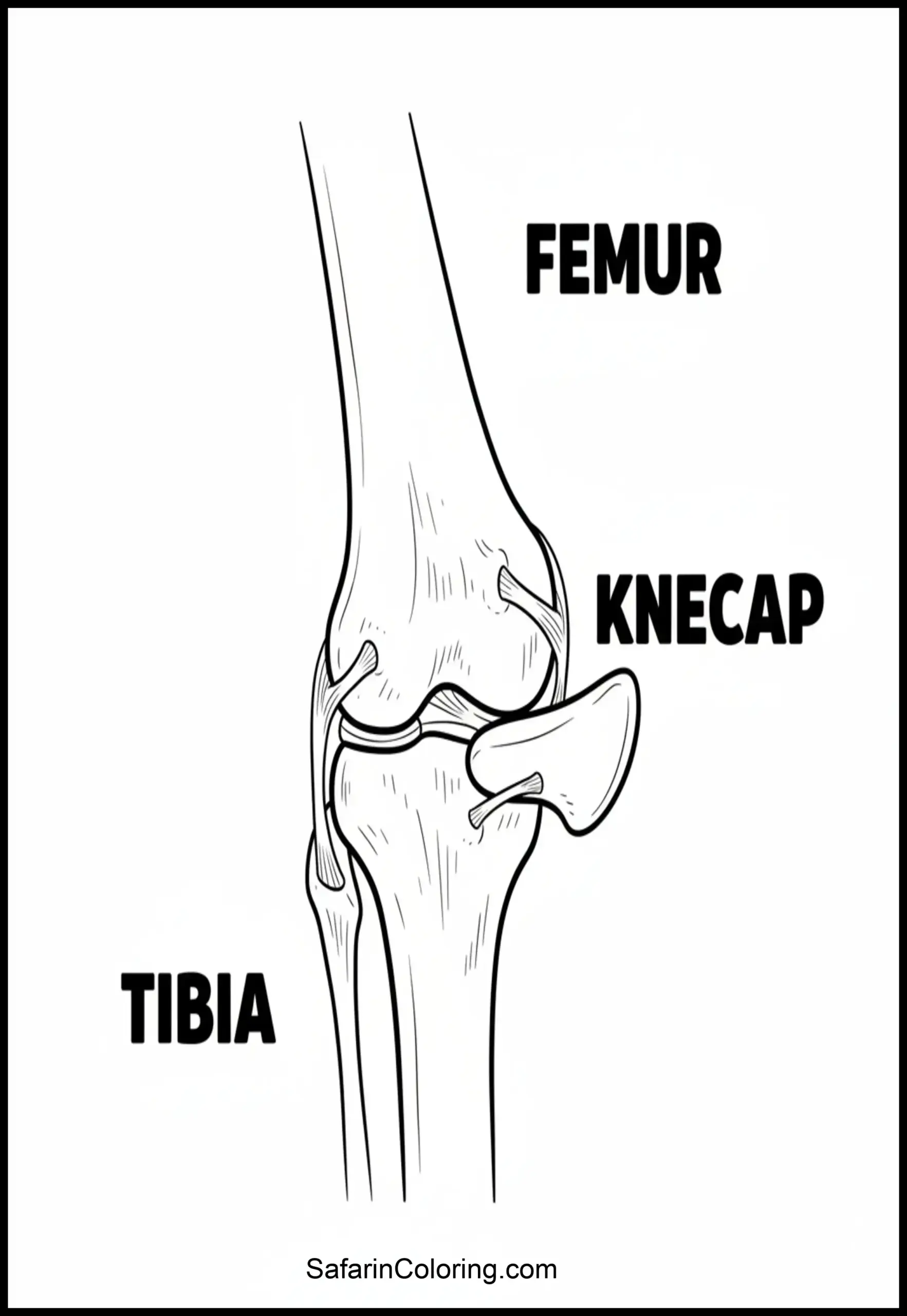
Anatomy Coloring Pages Knee Joint Scaled
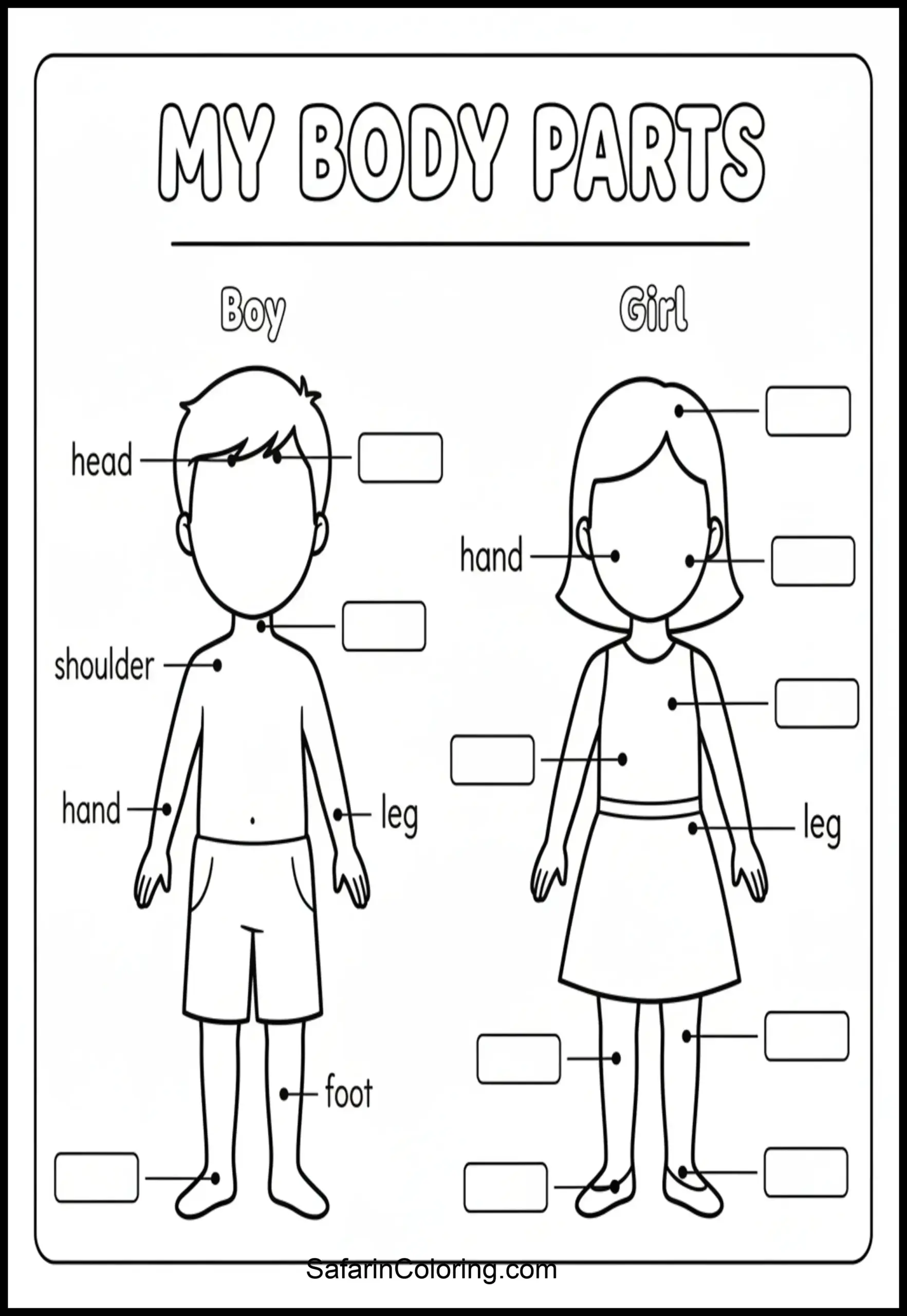
Anatomy Coloring Pages Body Outline Scaled
The Foundation: Choosing Paper for Anatomy Coloring Pages for Kids
The paper you print on is the canvas for your child’s exploration, and its quality can significantly impact the final result. Standard 20 lb (75 GSM) copy paper is often too thin and prone to tearing or marker bleed-through. For a much better experience, consider these options:
- Premium Printer Paper (24-32 lb / 90-120 GSM): This is the ideal starting point. It’s thicker, brighter, and significantly reduces the chance of markers bleeding through to the surface below. Colors appear more vibrant and pencil application is smoother.
- Cardstock (65 lb / 176 GSM or higher): For a truly durable and frame-worthy piece, cardstock is the superior choice. It can handle heavy marker saturation, watercolors, and repeated erasing without damage. Its sturdiness makes it perfect for creating anatomical flashcards or posters for a child’s room.
A paper with a slight “tooth” or fine texture will also grip colored pencil pigment more effectively, allowing for richer color layering and blending.
The Instruments of Learning: Pencils, Markers, and Crayons
The right coloring tool depends on the child’s age and the complexity of the anatomical diagram.
- Colored Pencils: These are the best all-around choice for detailed anatomy coloring pages for kids. Their fine points allow for precision when coloring small areas like individual vertebrae or blood vessels. Oil-based pencils offer smooth, buttery application and excellent blending, while wax-based pencils are more widely available and easier for beginners to use. They are perfect for older children who need to label different parts of the body.
- Washable Markers: For younger children or for coloring larger areas like major muscle groups, markers provide bold, vibrant color with minimal effort. Opt for water-based, washable markers to avoid stains. Look for sets that include both a fine tip for outlines and a chisel tip for filling in broader sections. Always place a scrap piece of paper underneath to catch any potential bleed-through.
- Crayons: While less precise, crayons are excellent for toddlers and preschoolers working on very simple body part diagrams. They help develop fine motor skills and are durable and non-toxic. For detailed anatomy, they are less suitable, but they provide a great entry point for the youngest learners.
Finishing Touches: Fine Liners & Gel Pens
To elevate a colored diagram into a clear learning tool, details are key.
- Black Fine-Liner Pens: A waterproof, archival-quality black pen (like a Sakura Micron) is invaluable for tracing the outlines of bones and organs. This makes the different systems stand out clearly and creates a clean, professional look. It’s also perfect for neatly labeling each part of the anatomy.
- White Gel Pen or Paint Marker: Use a white gel pen to add small highlights to organs, muscles, and bones. This simple technique creates a sense of three-dimensionality, making the illustration pop off the page and helping a child visualize the shape and form of anatomical structures more realistically.
Creating an Optimal Learning Environment: Workspace and Setup
A well-prepared workspace minimizes distractions and encourages focus. Ensure the coloring area is clean, clutter-free, and equipped with excellent lighting. A flexible desk lamp can be directed onto the page to eliminate shadows and reduce eye strain, which is crucial for intricate work on detailed anatomy coloring pages for kids. A comfortable, ergonomic chair that promotes good posture will allow for longer, more comfortable coloring and learning sessions. Having all supplies organized and within easy reach allows the child to stay engaged in the creative and educational process without interruption.
Elevate Your Artwork: Advanced Techniques for anatomy coloring pages for kids
Once you’ve chosen your tools, the real magic begins. Moving beyond simply filling in the lines can transform a simple worksheet into a dynamic educational tool. These professional techniques will add depth, realism, and a “wow” factor to your anatomy coloring pages for kids, making the learning process even more memorable and engaging. By mastering color, shadow, and texture, you can turn a flat illustration of the human body into a vibrant, three-dimensional masterpiece.
Crafting a Vision: Color Theory for anatomy coloring pages for kids
Color isn’t just for decoration; it’s a powerful tool for communication and clarity. Understanding basic color theory can help differentiate various parts of the body and make your page easier to understand.
- Complementary Colors: These are colors opposite each other on the color wheel (like red and green, or blue and orange). Use them to create high contrast and make specific systems stand out. For example, coloring arteries in bright red and adjacent veins in a deep blue makes the circulatory system pop.
- Analogous Colors: These are colors that sit next to each other on the color wheel (like red, orange, and yellow). Use them to create a harmonious look for a single system. You could color a large muscle group using various shades of red, pink, and deep crimson to show its different parts without creating a visual clash.
From Flat to Form: Dimensional Shading Secrets
Shading is the key to turning a two-dimensional drawing into a three-dimensional illusion. This technique gives organs and bones a rounded, realistic appearance.
- Establish a Light Source: Before you start, imagine a light bulb in one of the top corners of the page. This is your light source. All the parts of the body closest to this light will be the brightest.
- Apply a Base Layer: Color the entire object (like a lung or the heart) with your lightest chosen color.
- Build the Shadows: Using a slightly darker shade, add color to the areas farthest away from your imaginary light source. For a spherical object like an eyeball, the shadow would be a crescent shape on the opposite side of the light.
- Blend for Smoothness: Use a medium tone to color between the light and dark areas. Blend the edges where the colors meet using small, circular motions with your pencil or a colorless blender to create a smooth gradient.
Achieving Realism: Texture Techniques for Anatomical Details
Different parts of the body have different textures. Simulating these can add a new layer of realism and tactile understanding. While you might practice creating fur on a lion coloring page, the principles apply here too.
- Bone Texture: To give bones a hard, slightly porous look, use a technique called stippling. After laying down a base color (like ivory or off-white), use the fine tip of a slightly darker pen or pencil to make tiny dots in the shadowed areas. This mimics the porous nature of real bone.
- Muscle Fiber: For muscles, use long, directional strokes that follow the shape and grain of the muscle fiber shown in the drawing. Layering different shades of red with these flowing lines creates the illusion of a strong, fibrous structure. Think of the powerful leg muscles on an elephant coloring page—the same concept applies.
- Soft Tissue: For organs like the brain or intestines, use soft, looping, or circular blending motions to create a smooth, pliable look. Avoid sharp lines to emphasize their soft nature.
The Fearless Fix: Correcting Coloring Mistakes with Confidence
Mistakes happen! Don’t let the fear of going outside the lines or choosing the wrong color stop you. Most errors are correctable.
- The Lift-Off: For colored pencil, a kneaded eraser can gently lift excess pigment without smudging. For stubborn marks, a battery-powered stick eraser can remove color with precision.
- Burnish Over: If you’ve colored too lightly or made a light-colored mistake, you can sometimes correct it by layering heavily with a white or other light-colored pencil. This technique, called burnishing, blends the colors underneath and can cover up minor errors.
- Embrace and Adapt: Sometimes, a “mistake” can be an opportunity. If a color bleeds, you can incorporate it into your shading or background, turning an accident into an intentional artistic choice.
Bringing Science to Life: Showcasing Your Anatomy Coloring Pages for Kids
Once your child has finished their colorful exploration of the human body, don’t just tuck their artwork away. Celebrate their curiosity by transforming their finished pages into a proud display. Creating a dedicated “Anatomy Corner” on a bulletin board or refrigerator door can build their confidence and reinforce what they’ve learned. You can even compare the human skeletal system to the incredible structures found in our elephant coloring pages to spark a wider interest in biology.
A Gallery of Growth: Preserving Their Masterpieces
To protect these learning milestones, consider slipping them into clear plastic sheet protectors and organizing them in a binder. This creates a personal “Anatomy Book” that your child can flip through and add to over time. For special pieces, like a beautifully colored heart or brain, a simple frame can turn their educational art into a treasured keepsake for their bedroom wall.
From Page to Present: Upcycling into Gifts
Completed coloring pages can be transformed into thoughtful, handmade gifts. Cut out a favorite colored organ, like the lungs or stomach, and paste it onto folded cardstock to create a unique get-well card for a loved one. You can also laminate smaller sections to create durable bookmarks or gift tags, turning a simple coloring activity into a practical and personal craft project.
Your Human Body Coloring Questions, Answered
Navigating the world of educational activities can bring up questions. Here are answers to some common queries about using coloring to teach anatomy.
How can I make learning anatomy fun for kids?
Turn it into a game! Use songs like “Head, Shoulders, Knees, and Toes” while coloring the corresponding parts. Create silly stories about what each organ does—imagine the stomach as a food-mixing factory! Interactive activities like building a skeleton model out of pasta or using play-doh to shape organs can supplement coloring and make abstract concepts tangible, exciting, and memorable for young learners.
What are the benefits of using coloring pages to teach anatomy?
Coloring pages are a fantastic multisensory tool. They help translate complex, abstract concepts into simple, visual forms that kids can easily understand. This hands-on activity improves fine motor skills, enhances color recognition, and promotes focus. Most importantly, it creates a positive and stress-free association with learning science, encouraging a lifelong curiosity about how their own bodies work. Using anatomy coloring pages for kids makes the subject accessible and fun.
What body parts should a kid learn first?
Start with the basics that they can see and touch. Begin with external parts like the head, arms, legs, hands, and feet. Then move to major sensory organs: eyes, ears, nose, and mouth. Once they are comfortable with the outside, you can introduce major internal organs that have simple, relatable functions, such as the heart (pumps blood), lungs (help us breathe), and stomach (holds our food).
How do you explain the skeletal system to a child?
Describe the skeleton as the body’s super-strong frame, just like the frame of a house that holds everything up. Explain that bones give our bodies shape, help us stand tall, and protect our soft insides, like the skull protecting our brain. Use simple analogies: joints are like door hinges that let us bend and move. A hands-on activity, like coloring a skeleton page, makes this invisible structure feel real.
Are coloring pages a good way to learn anatomy?
Absolutely! Coloring pages are an effective and engaging entry point for learning anatomy. They simplify complex biological diagrams, making them less intimidating for children. The act of coloring helps reinforce the names, shapes, and locations of different body parts through kinesthetic learning. While not a replacement for deeper study, anatomy coloring pages for kids are a perfect first step that builds a foundational understanding and sparks genuine interest.
Your Incredible Journey Inside: The Magic of Anatomy Coloring Pages for Kids
Embarking on an educational adventure with anatomy coloring pages for kids is more than just a creative pastime; it’s a gateway to understanding the amazing machine that is the human body. By blending art with science, you provide a gentle, engaging, and effective way for children to visualize everything from their own skeleton to the hardworking heart inside their chest. This process not only builds foundational knowledge but also nurtures fine motor skills, encourages focus, and sparks a sense of wonder about biology.
Transform learning from a chore into a colorful celebration of curiosity. Download our anatomy pages today and watch as your child proudly fills in each part, building a connection to their own body one crayon stroke at a time.
Ready for your next adventure? Explore the amazing structures of other creatures with our giraffe coloring pages