We offer a wide collection of free, high-quality printable coloring pages for kids and adults. From cute animals to intricate mandalas, our designs bring creativity and relaxation to everyone. Download, print, and start coloring today!

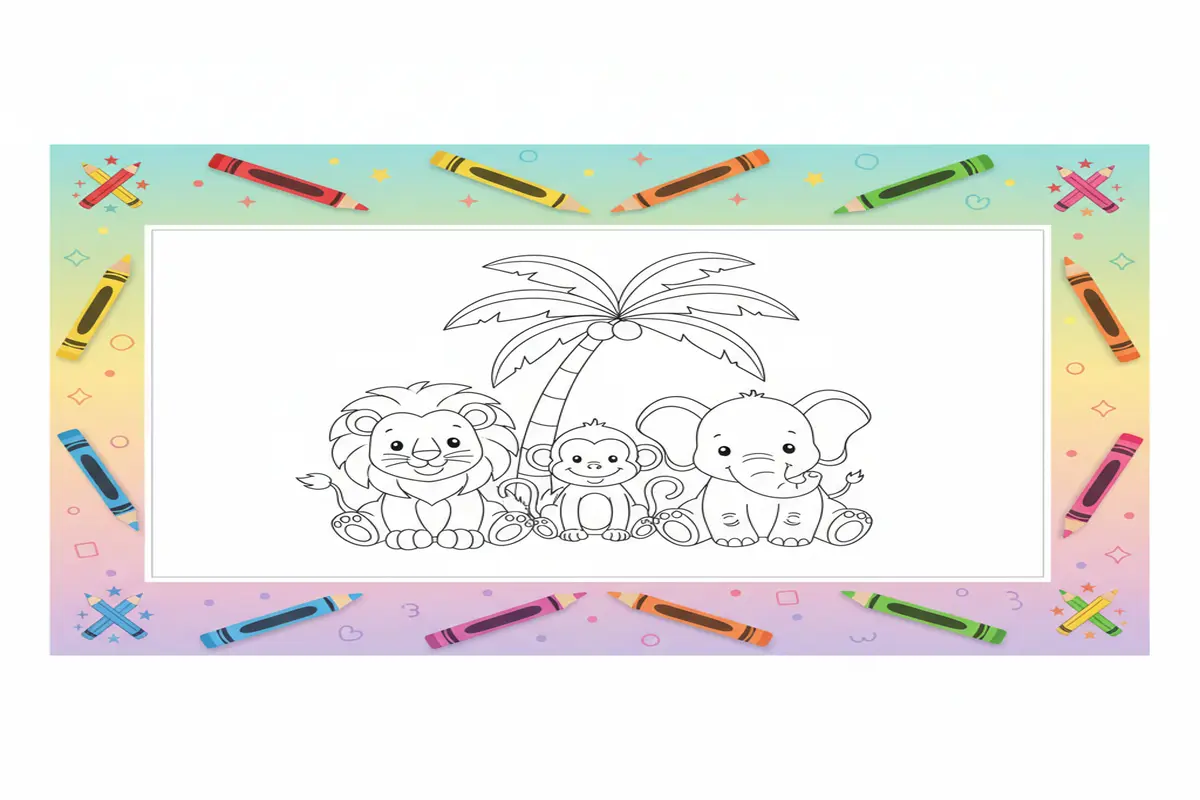
Getting the most out of your animal coloring pages for kids starts long before the first crayon touches the page. Proper preparation and high-quality materials can transform a simple activity into a rich artistic experience, whether your child is tackling a detailed elephant coloring page or a simple farm scene. This guide provides a professional-level overview of the tools and environment needed to elevate your coloring sessions. Choosing the right supplies ensures vibrant results and minimizes frustration, making the creative process more enjoyable for everyone involved.
Table of Contents
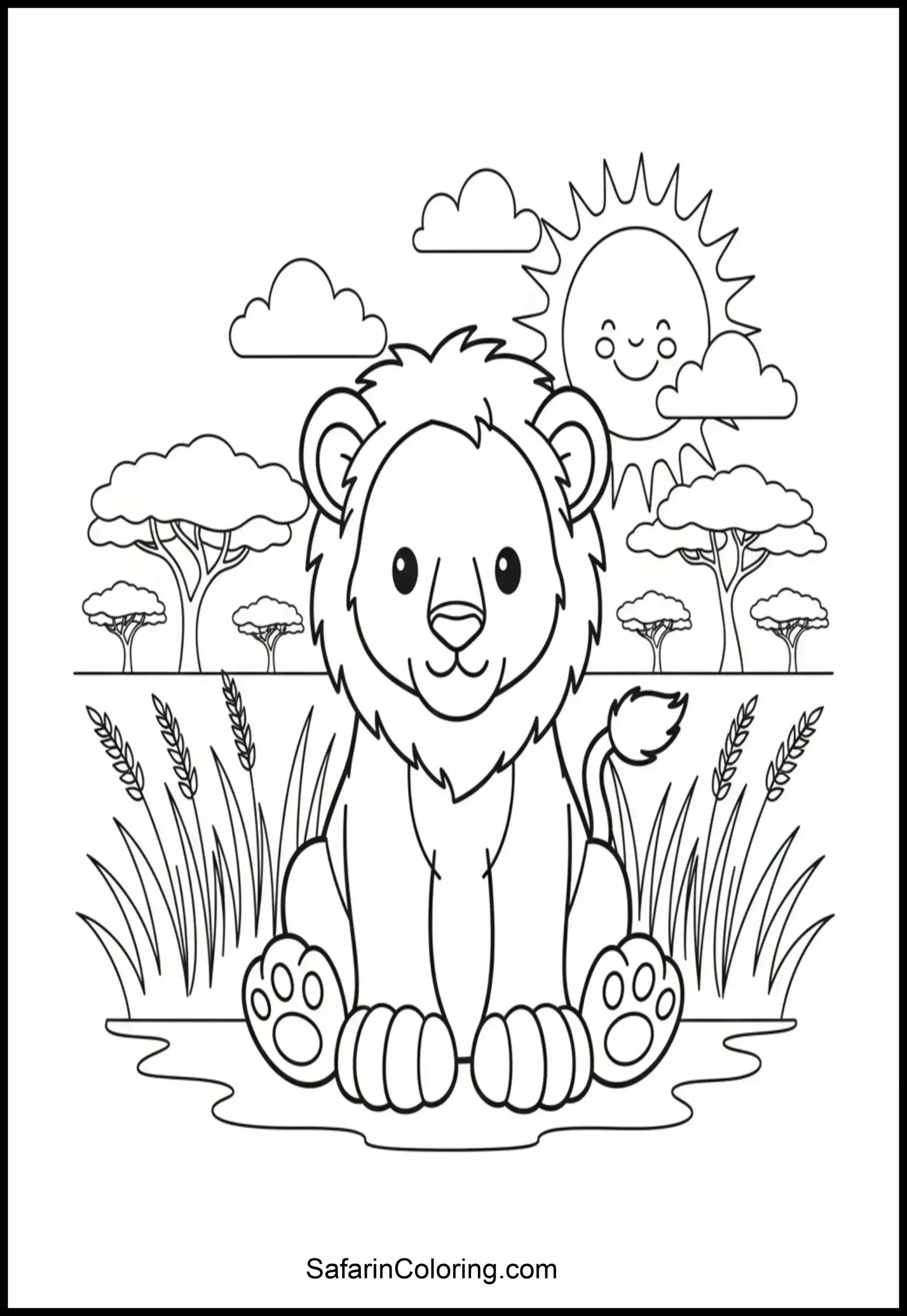
Baby Lion Cub Sitting Scaled
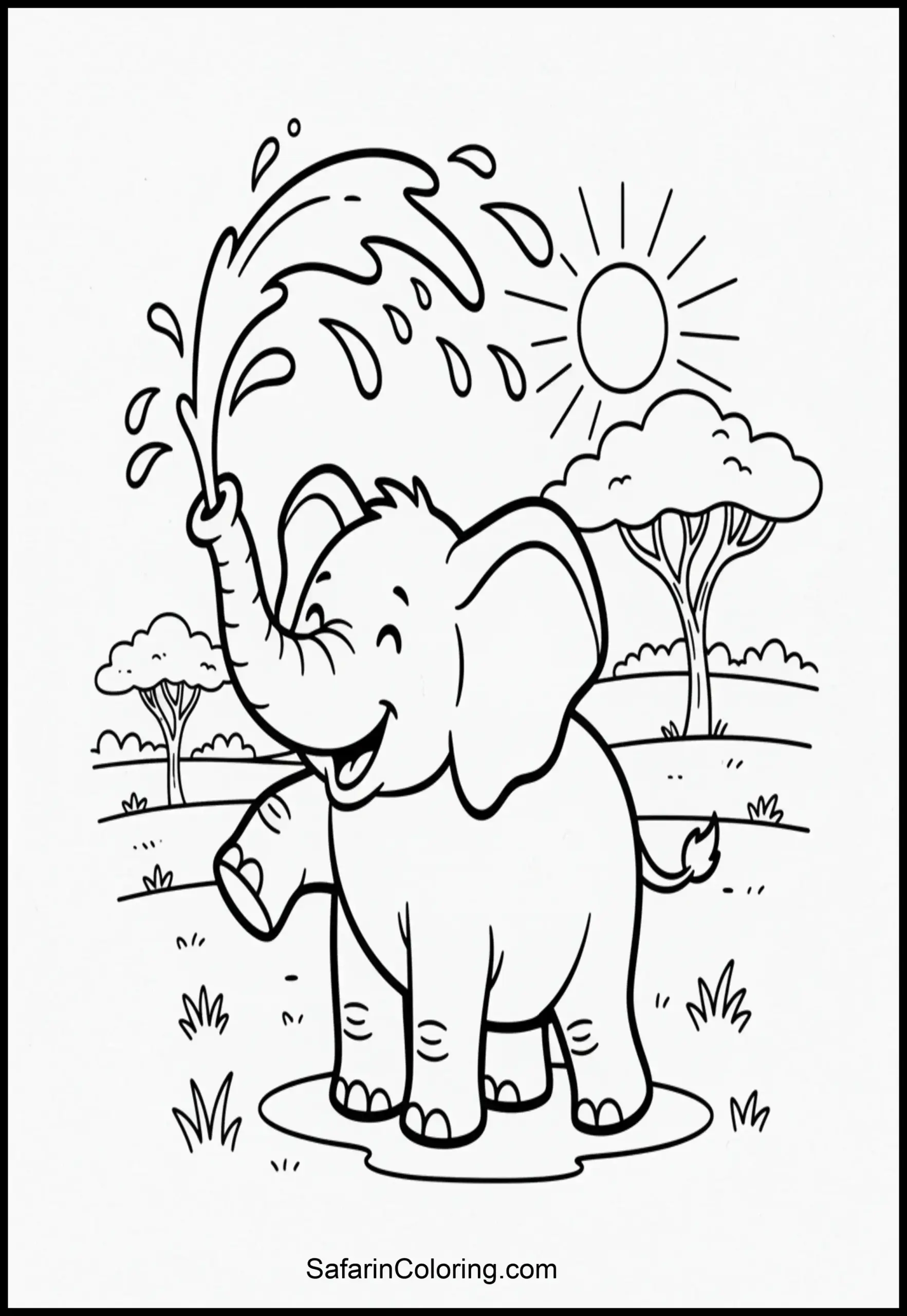
Happy Elephant Water Scaled
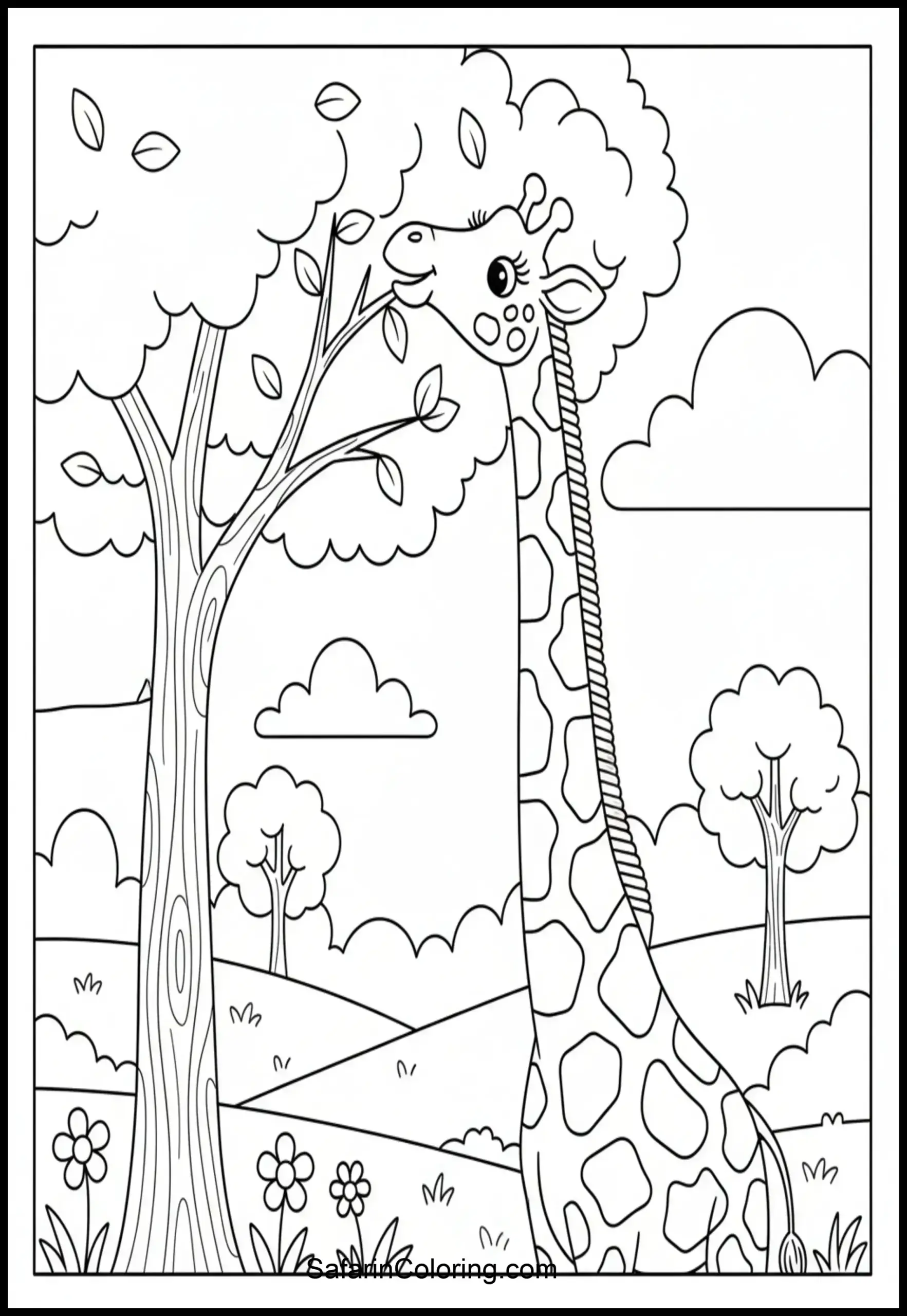
Giraffe Eating Leaves Scaled
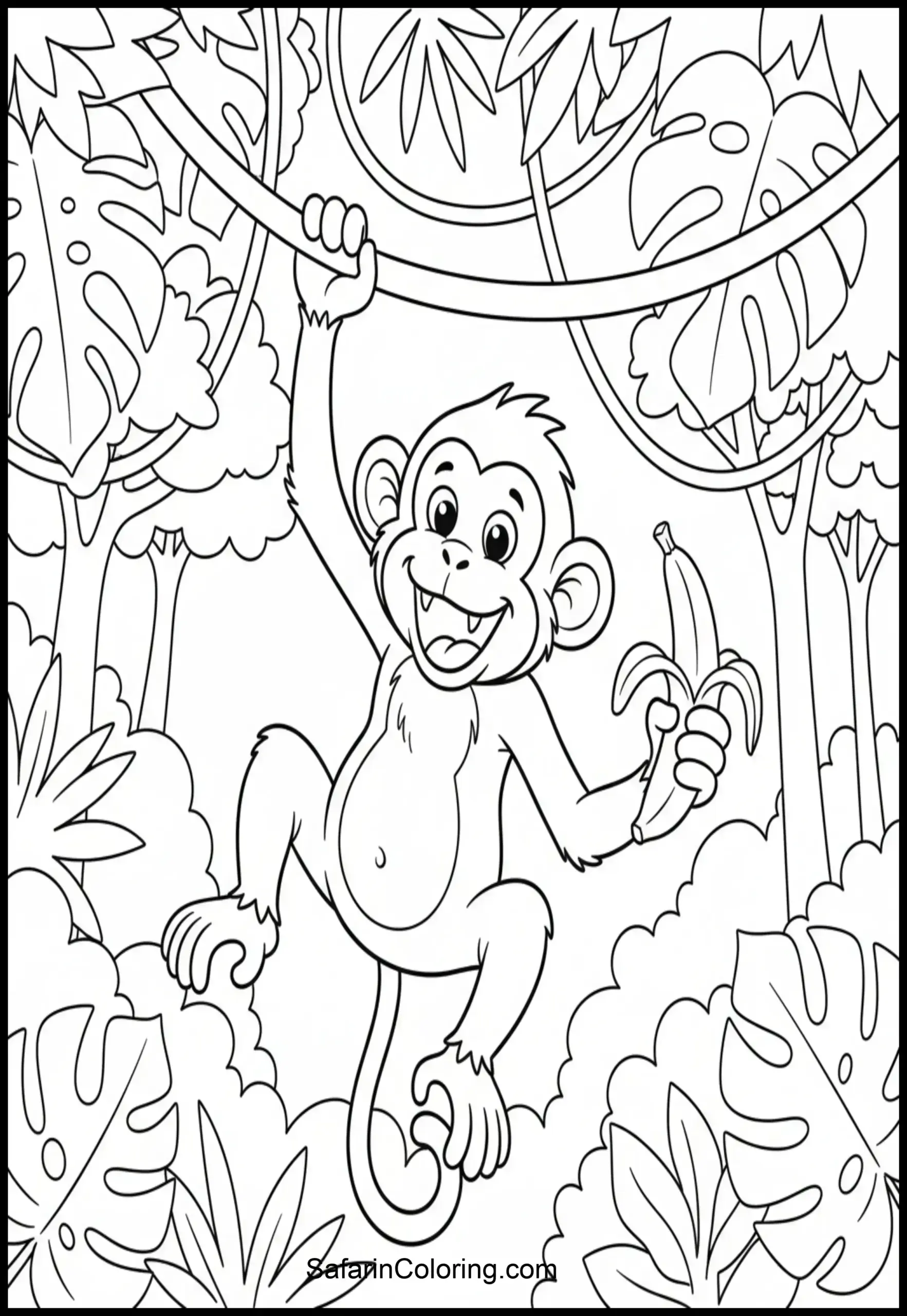
Monkey Hanging Vine Scaled
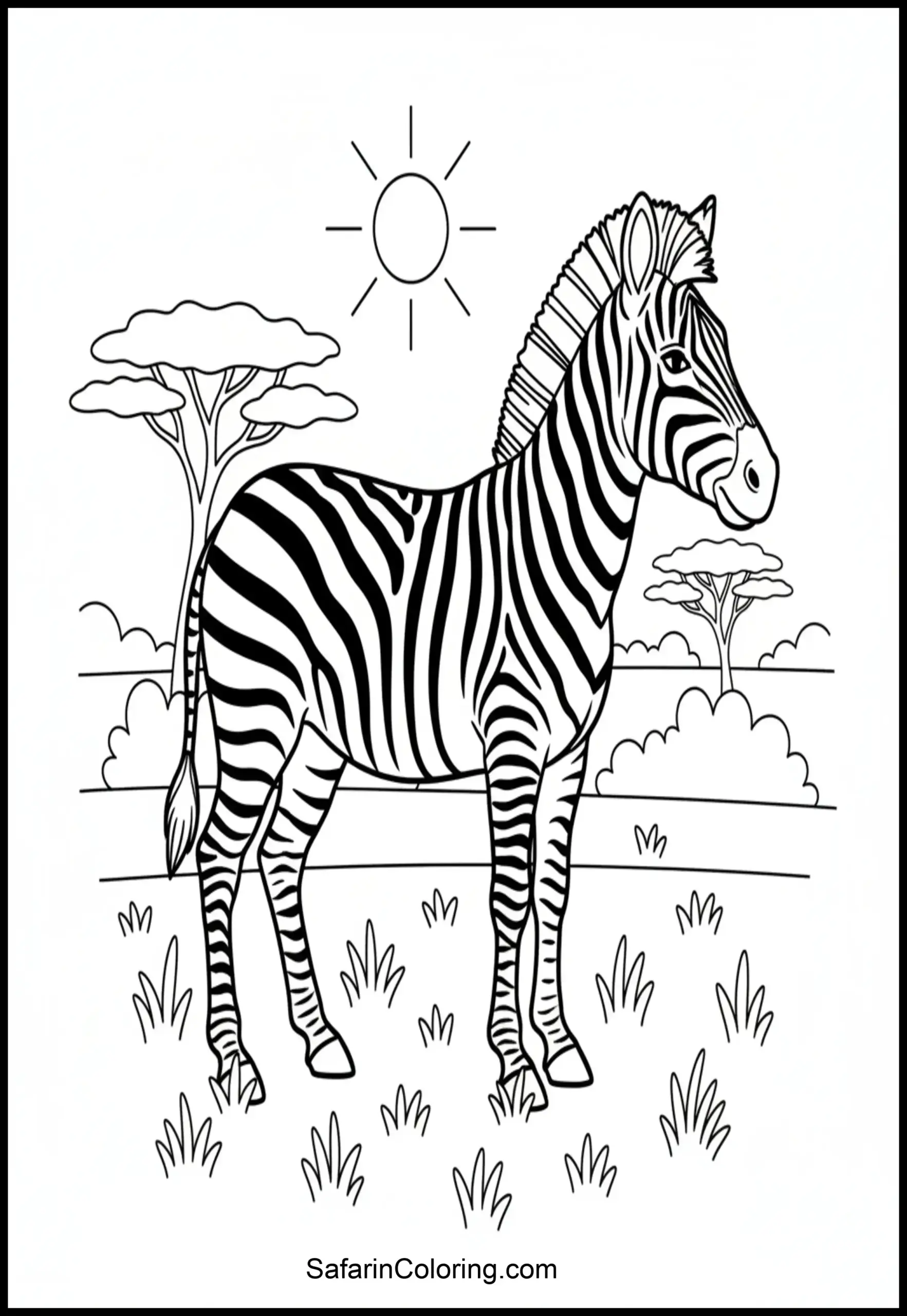
Zebra Stripes Outline Scaled
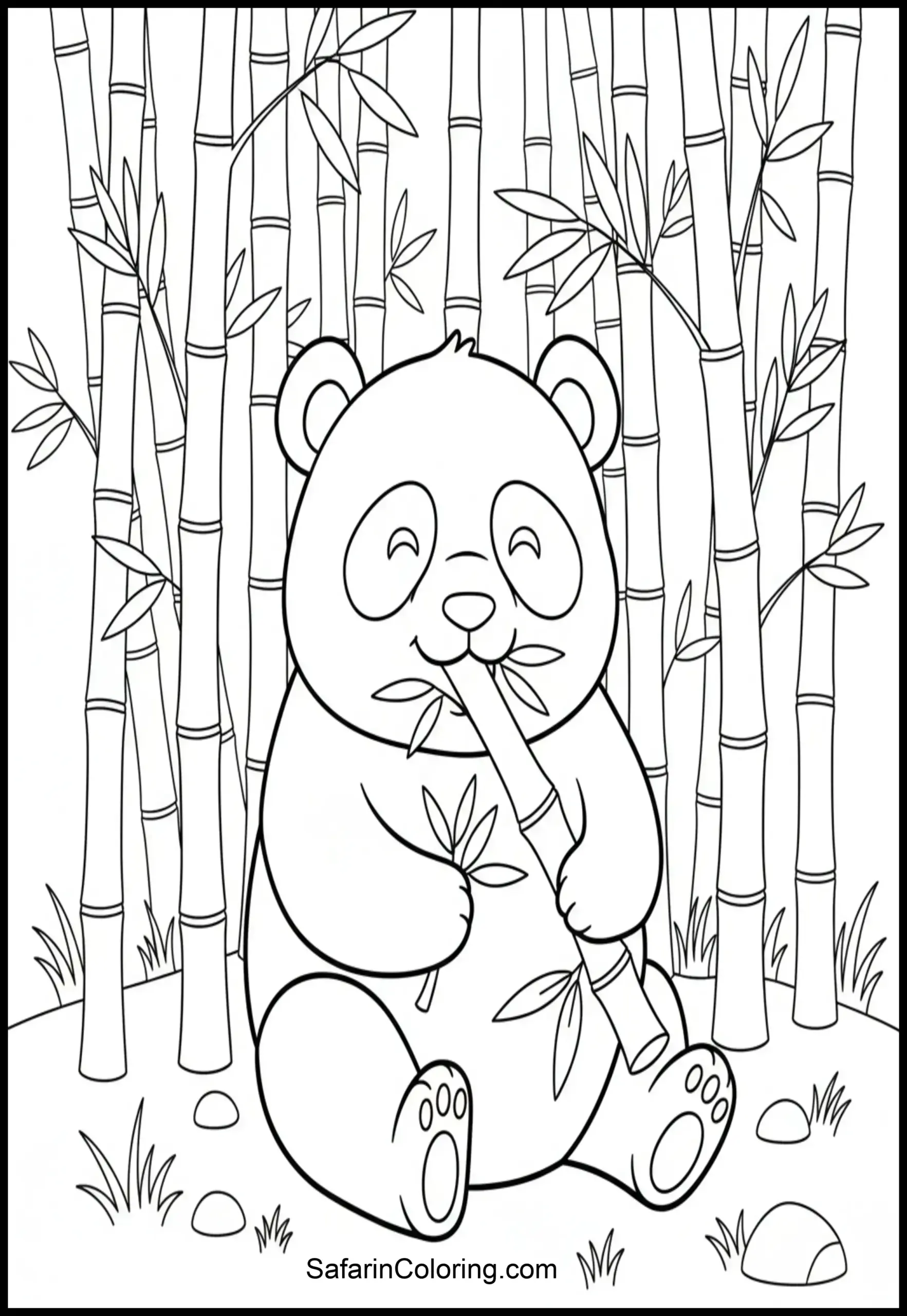
Panda Eating Bamboo Scaled
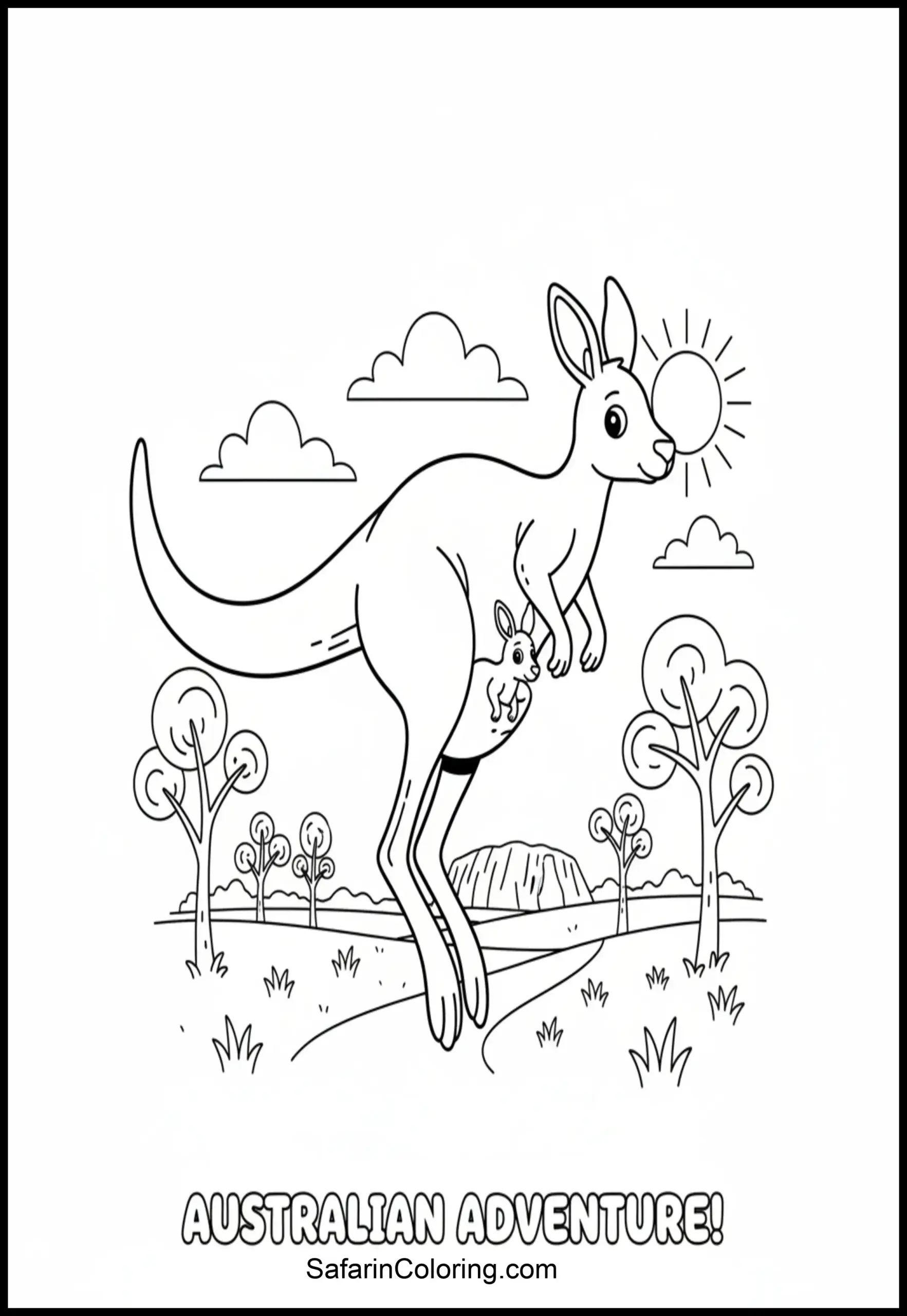
Kangaroo Baby Joey Scaled
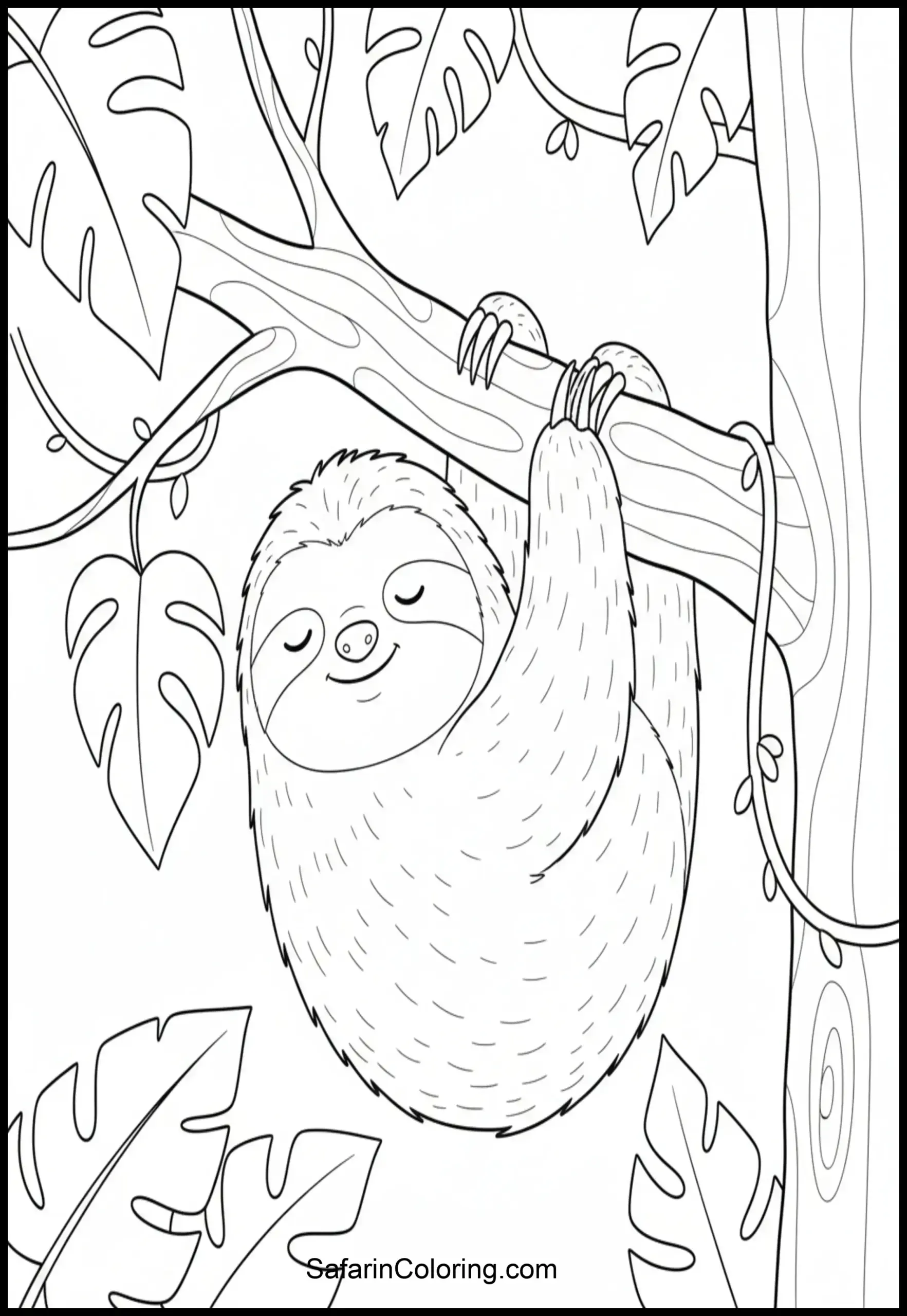
Sloth Hanging Branch Scaled
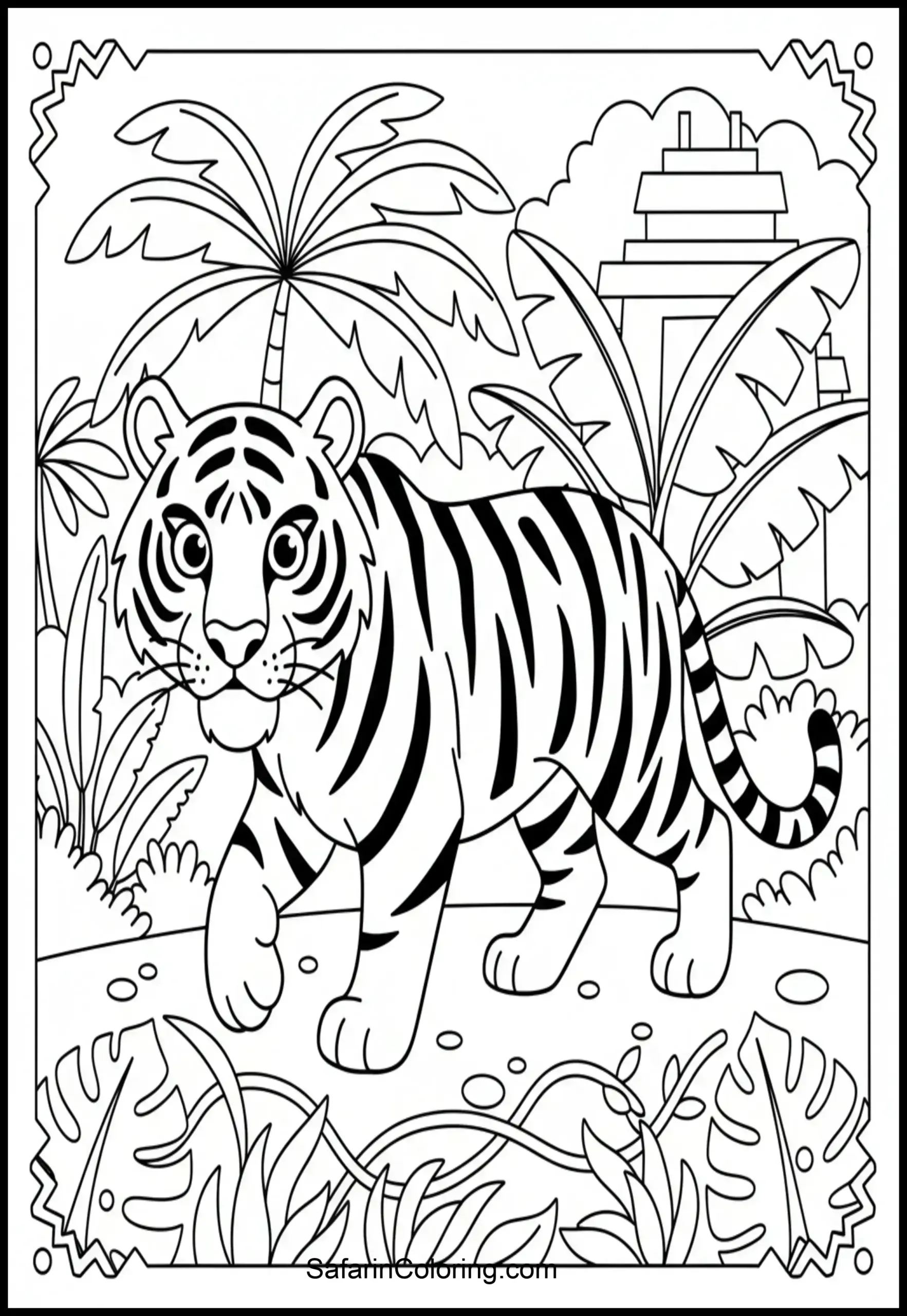
Tiger Walking Jungle Scaled
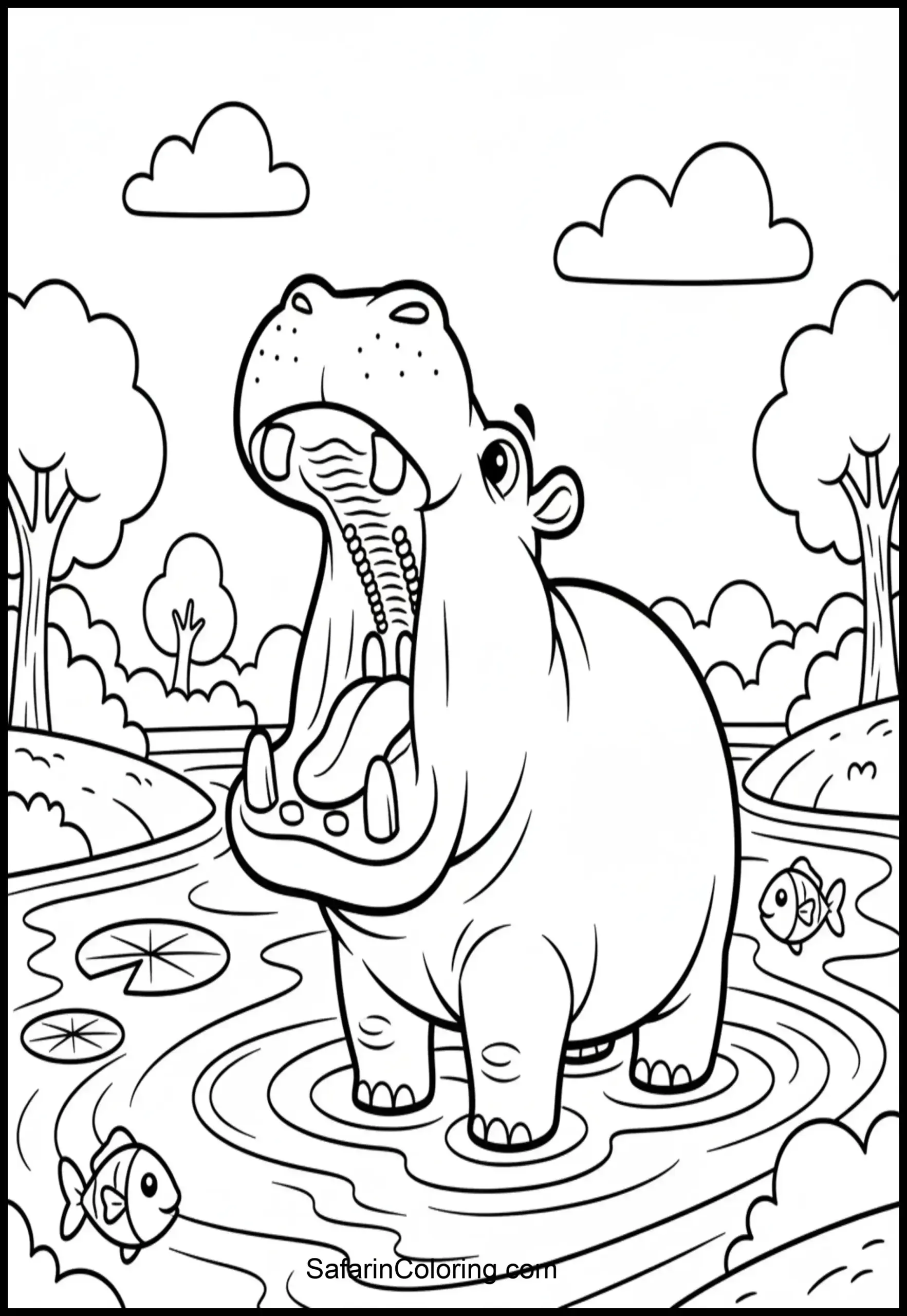
Hippo River Water Scaled
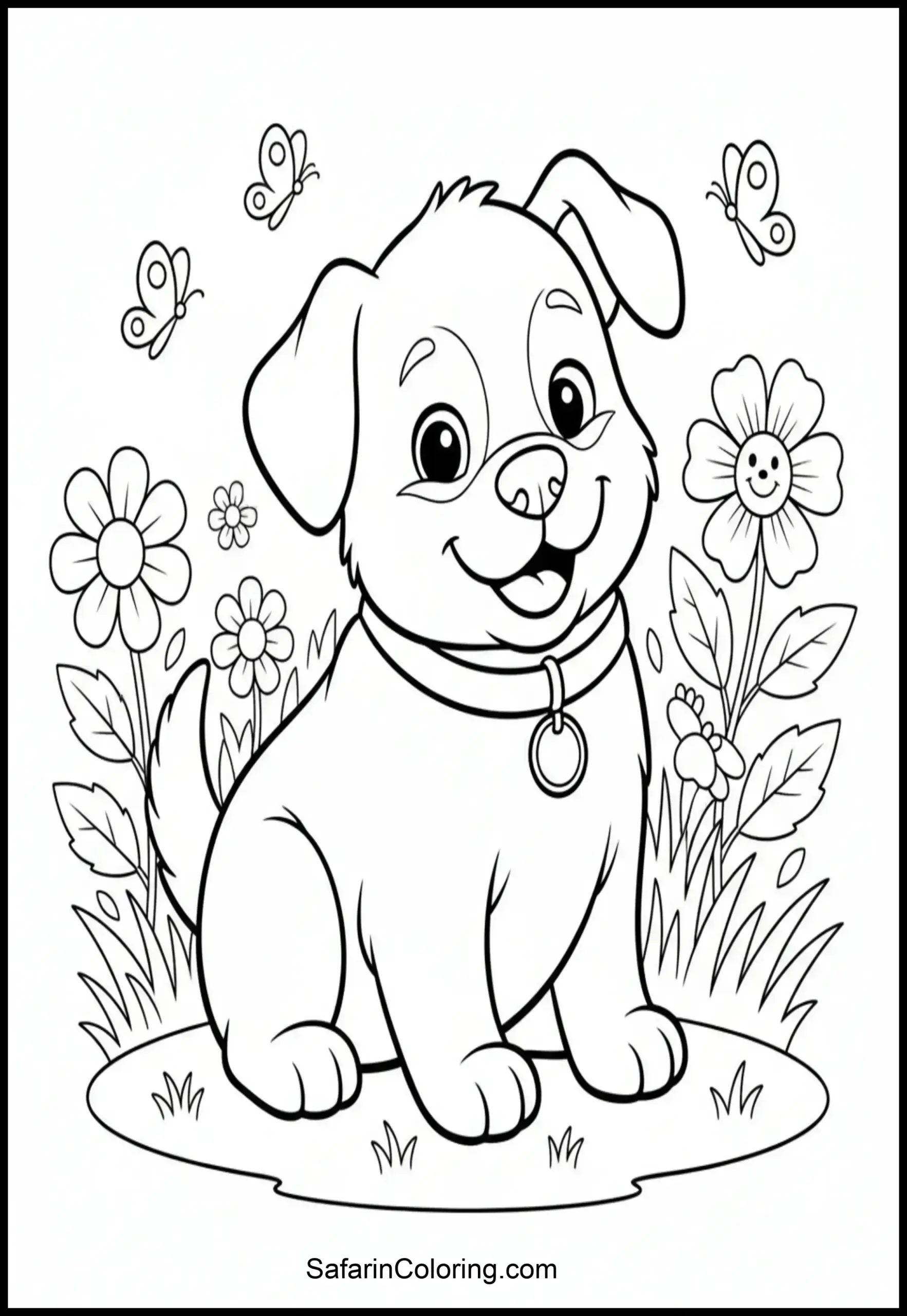
Cute Puppy Dog Scaled
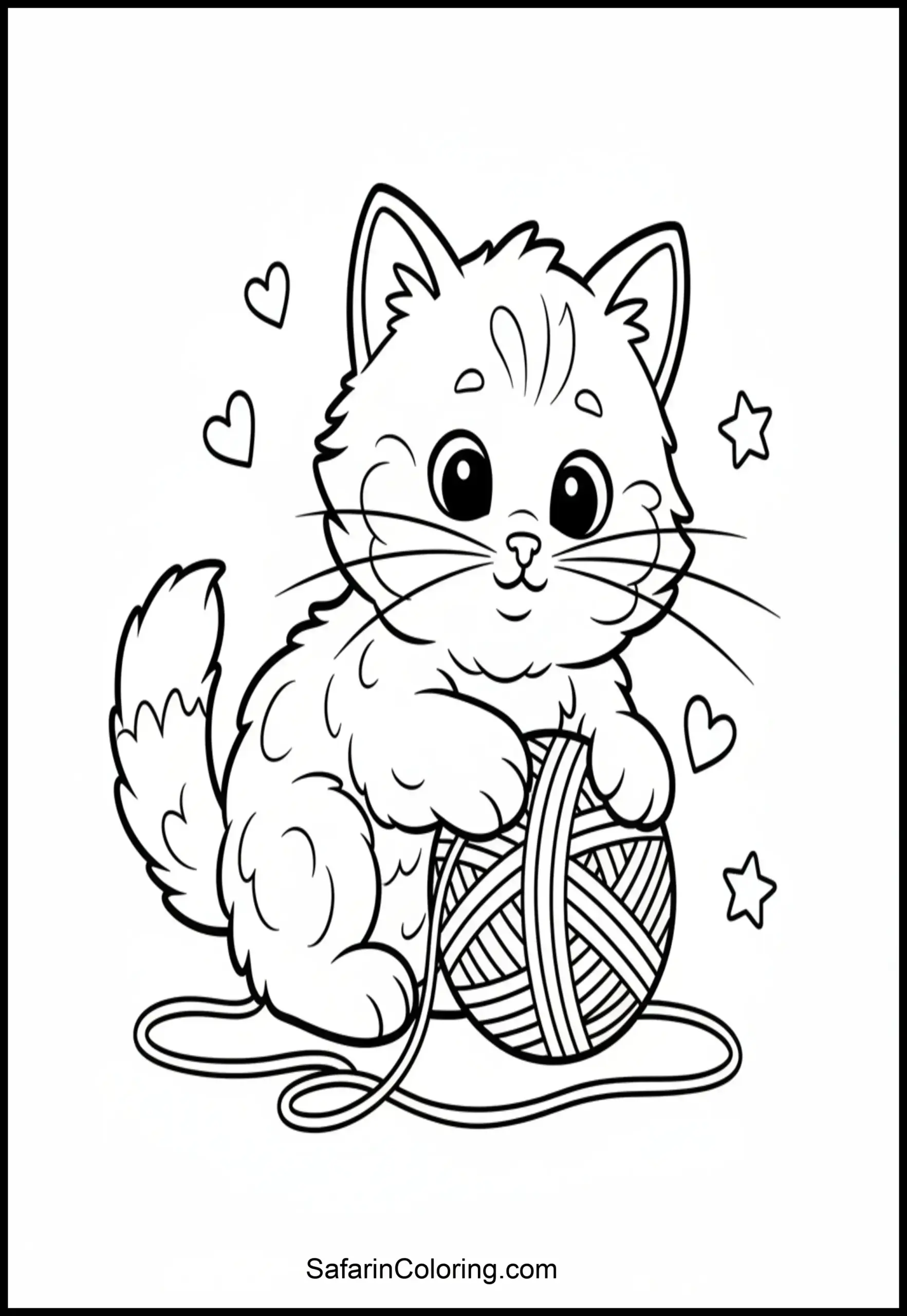
Kitten Yarn Ball Scaled
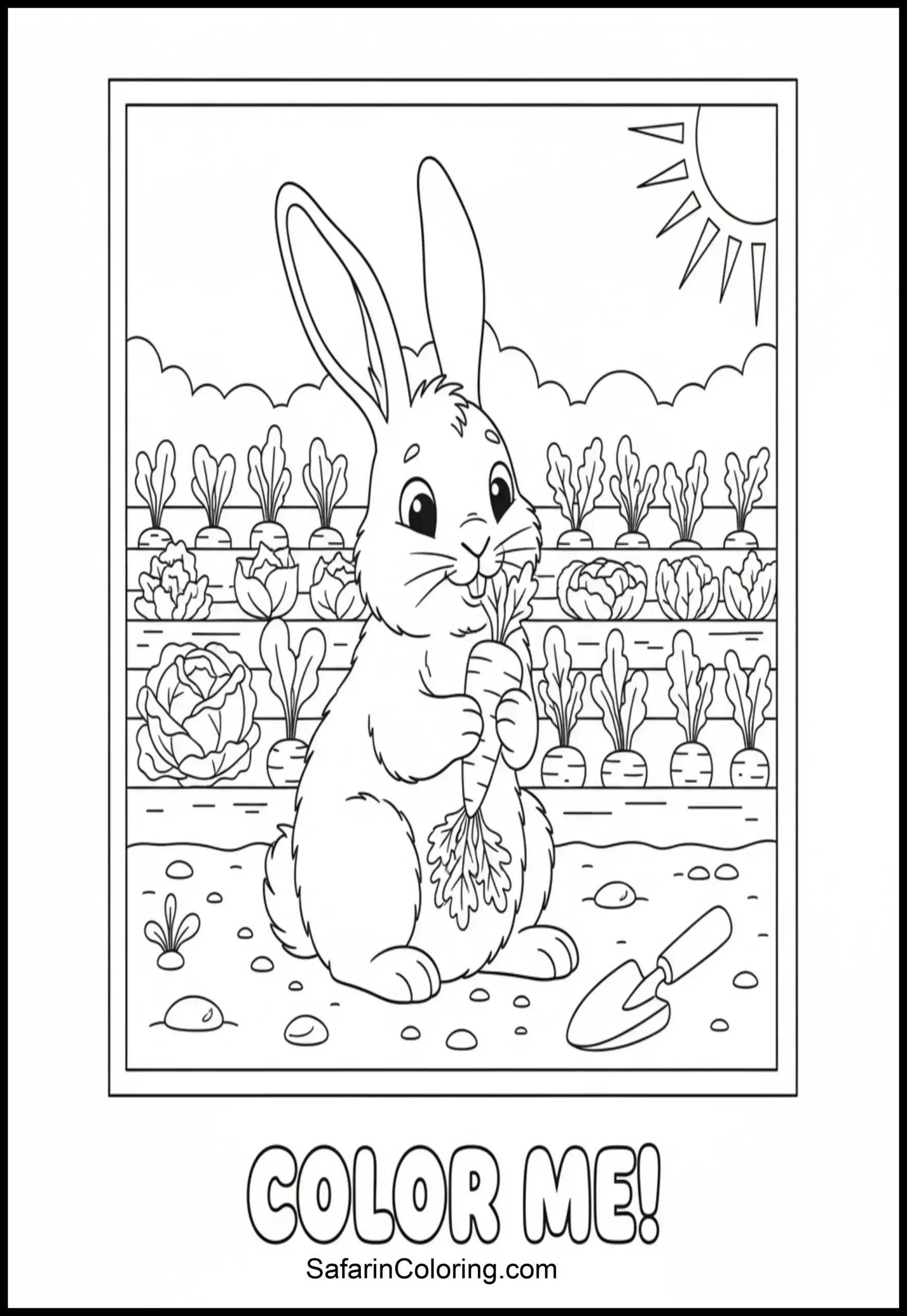
Bunny Rabbit Carrot Scaled
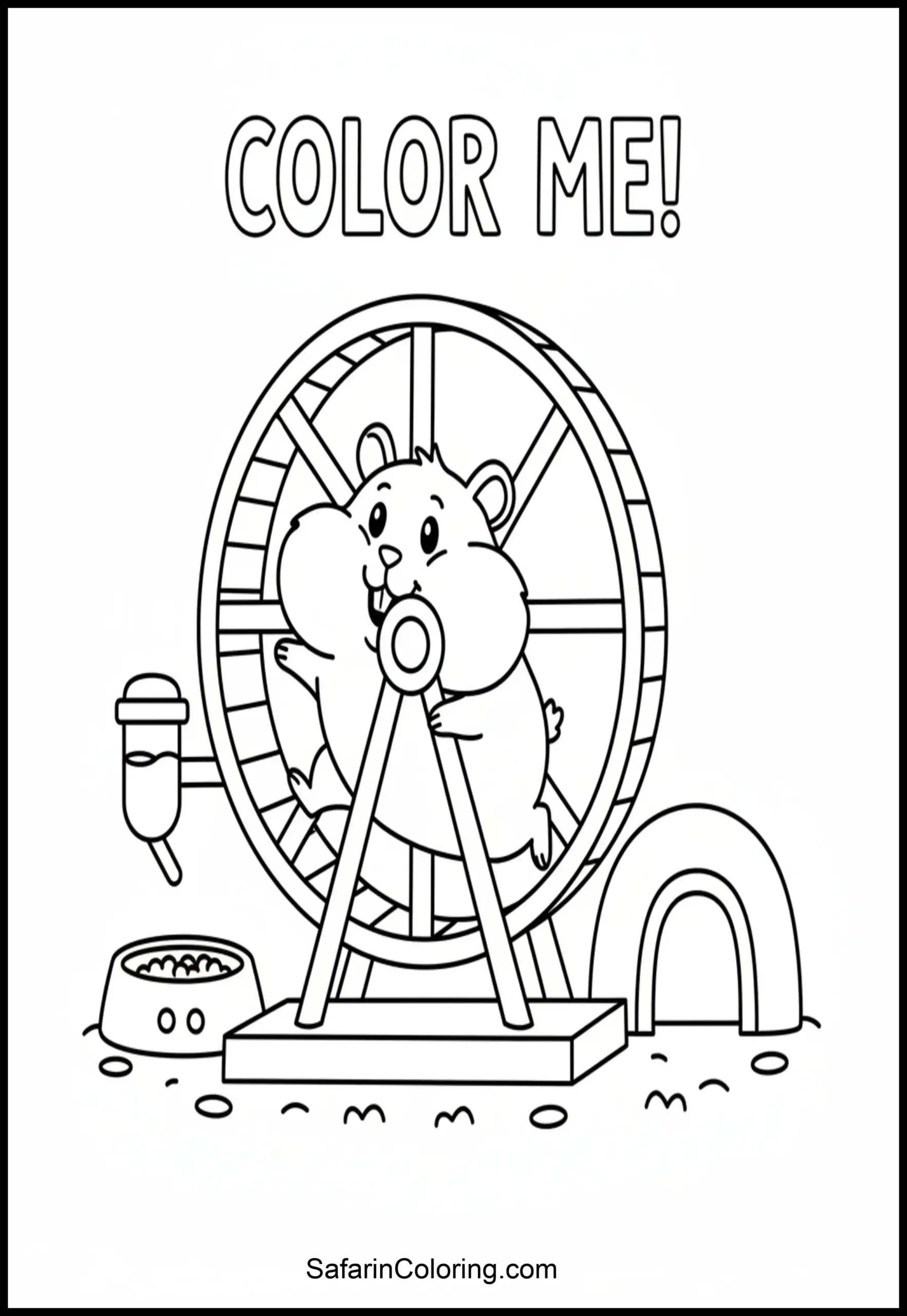
Hamster Running Wheel Scaled
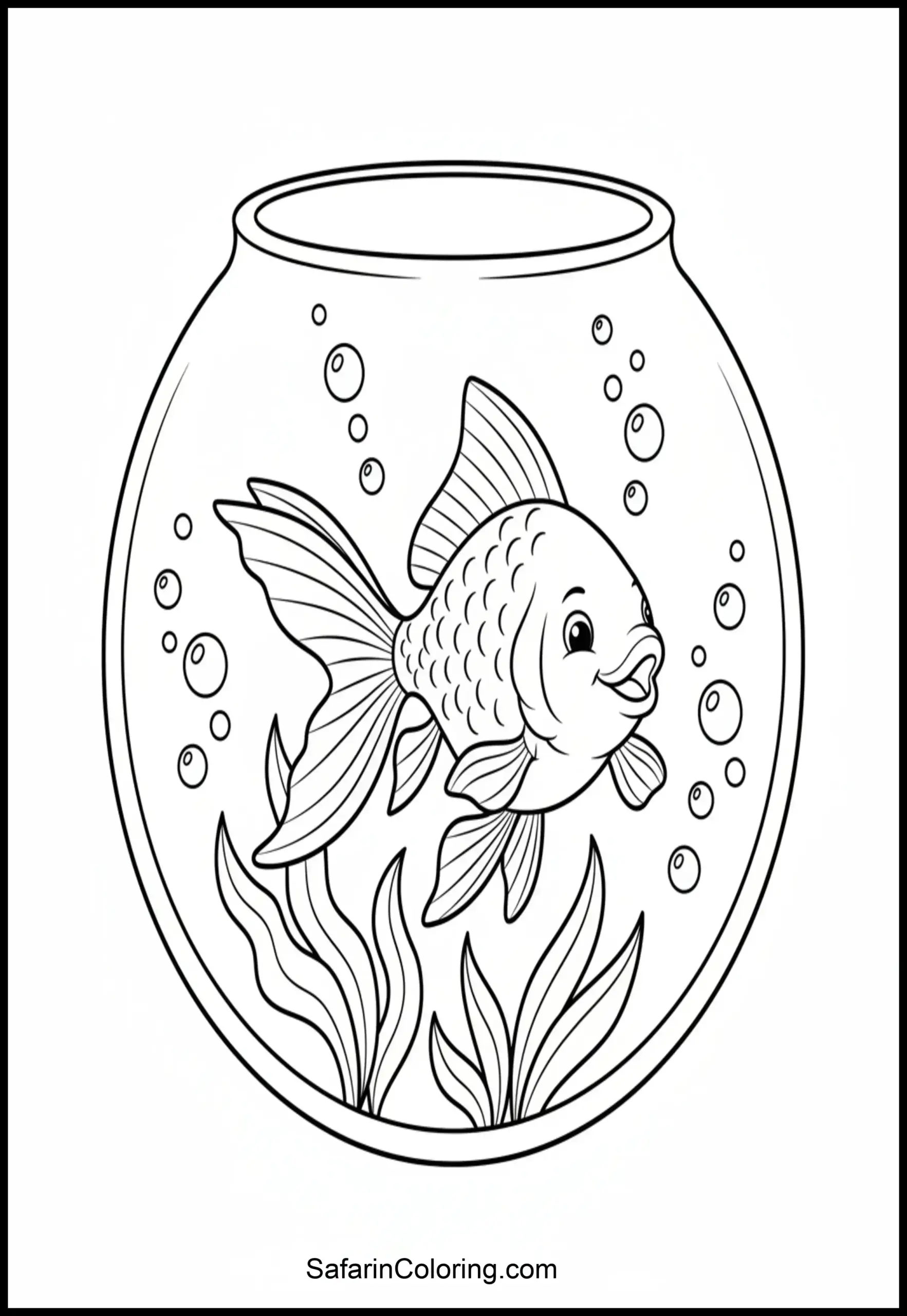
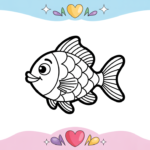
Goldfish In Bowl Scaled
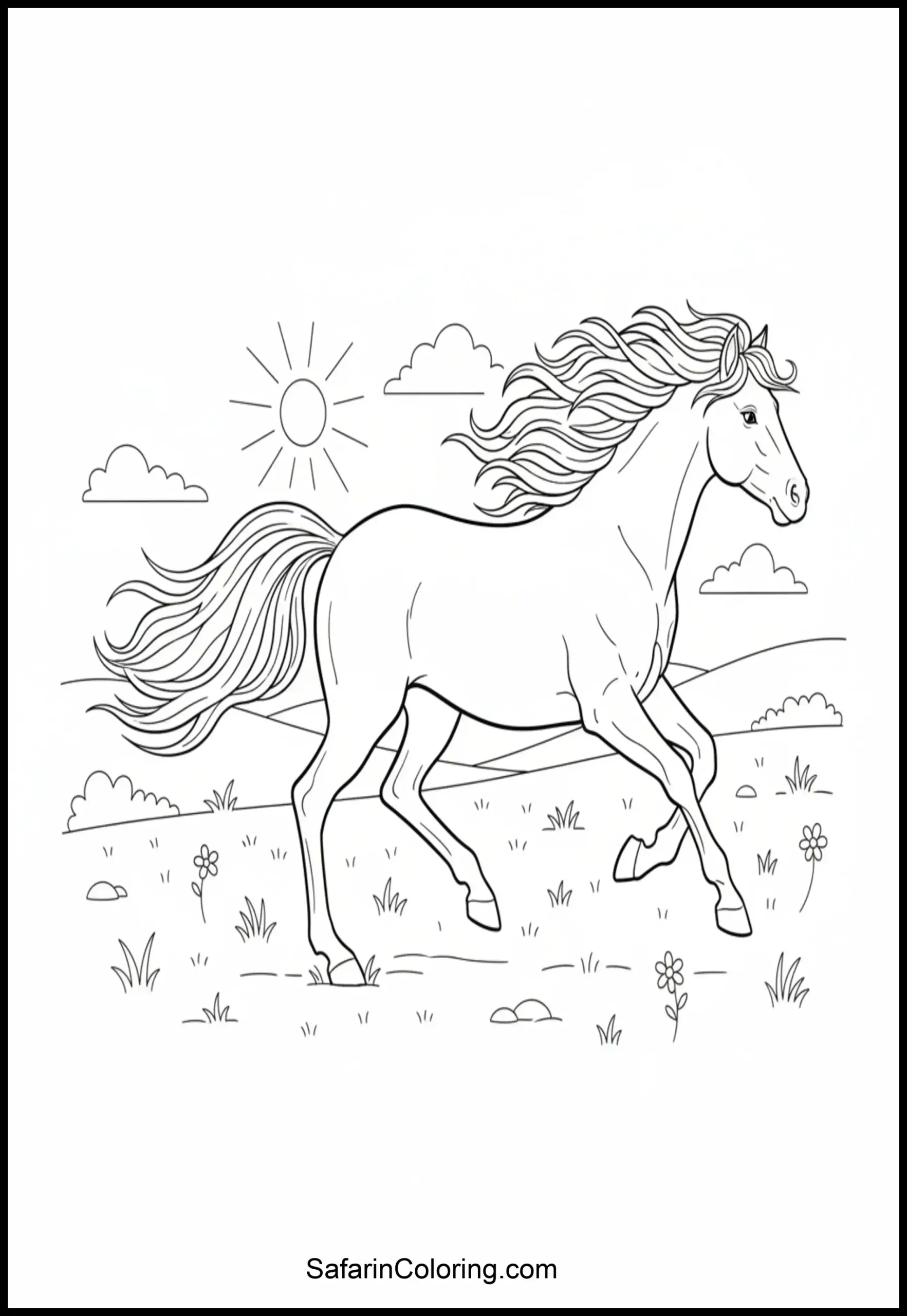
Horse Running Field Scaled
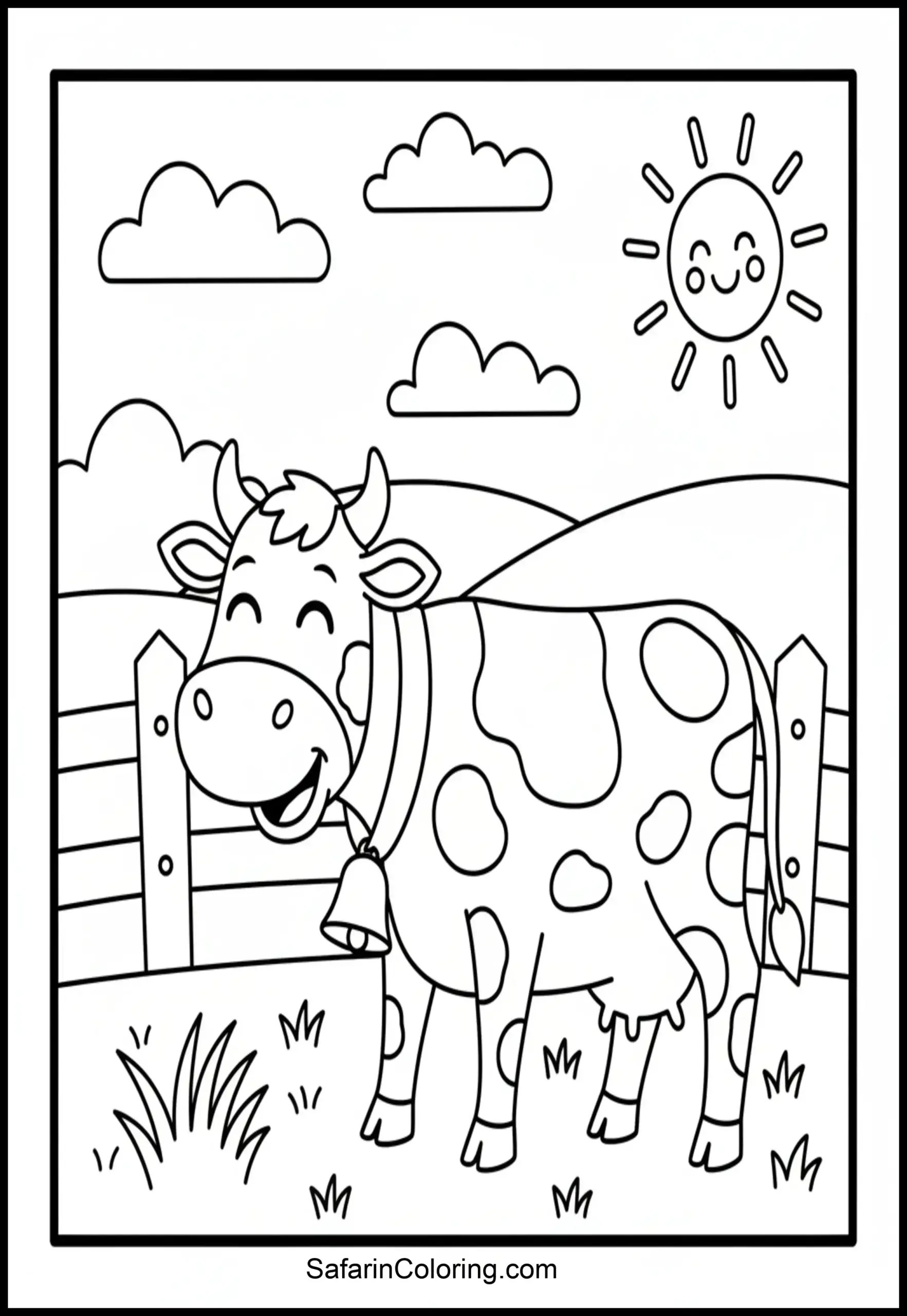
Cow Grazing Meadow Scaled
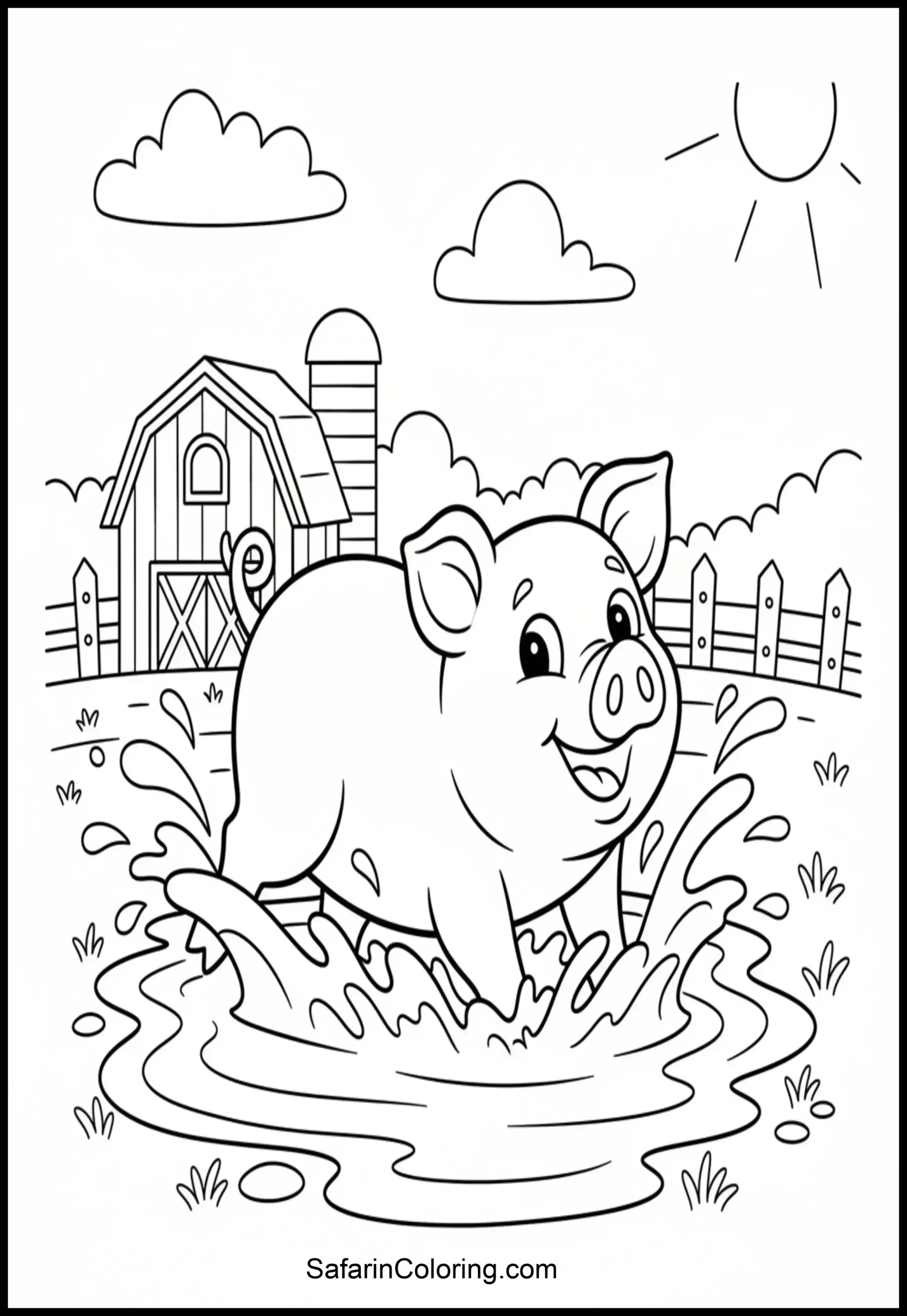
Pig Mud Puddle Scaled
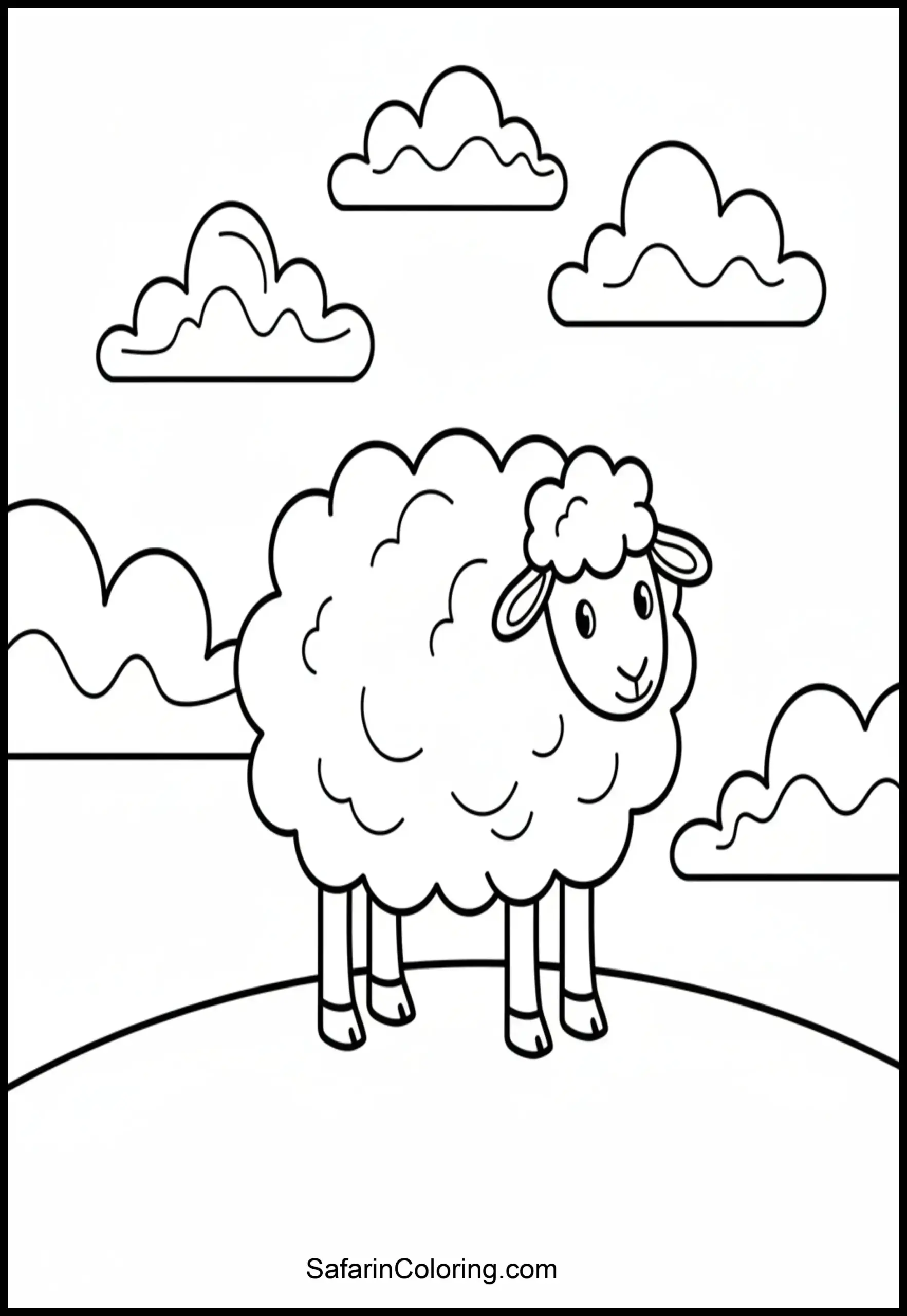
Sheep Fluffy Wool Scaled
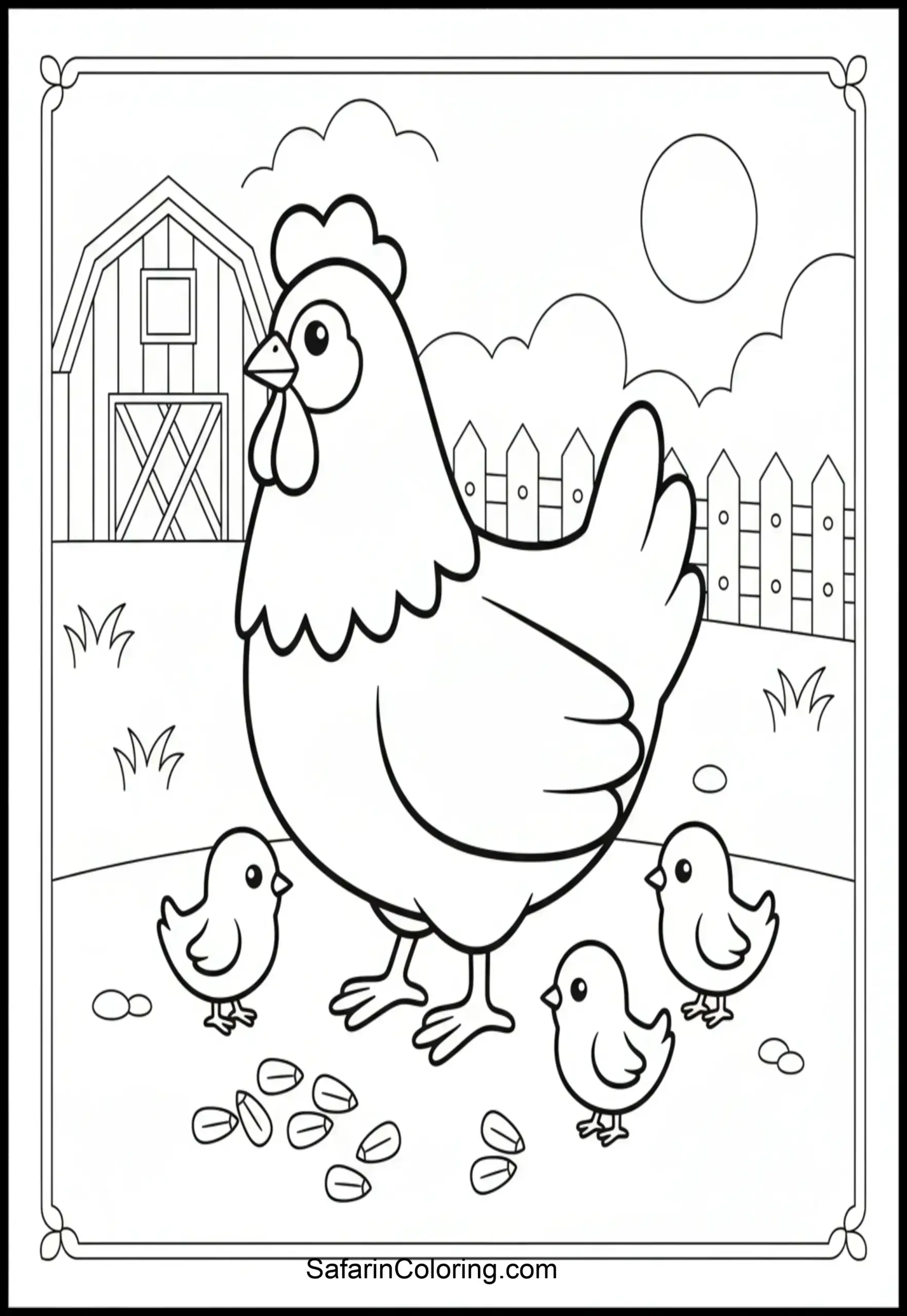
Chicken Mother Chicks Scaled
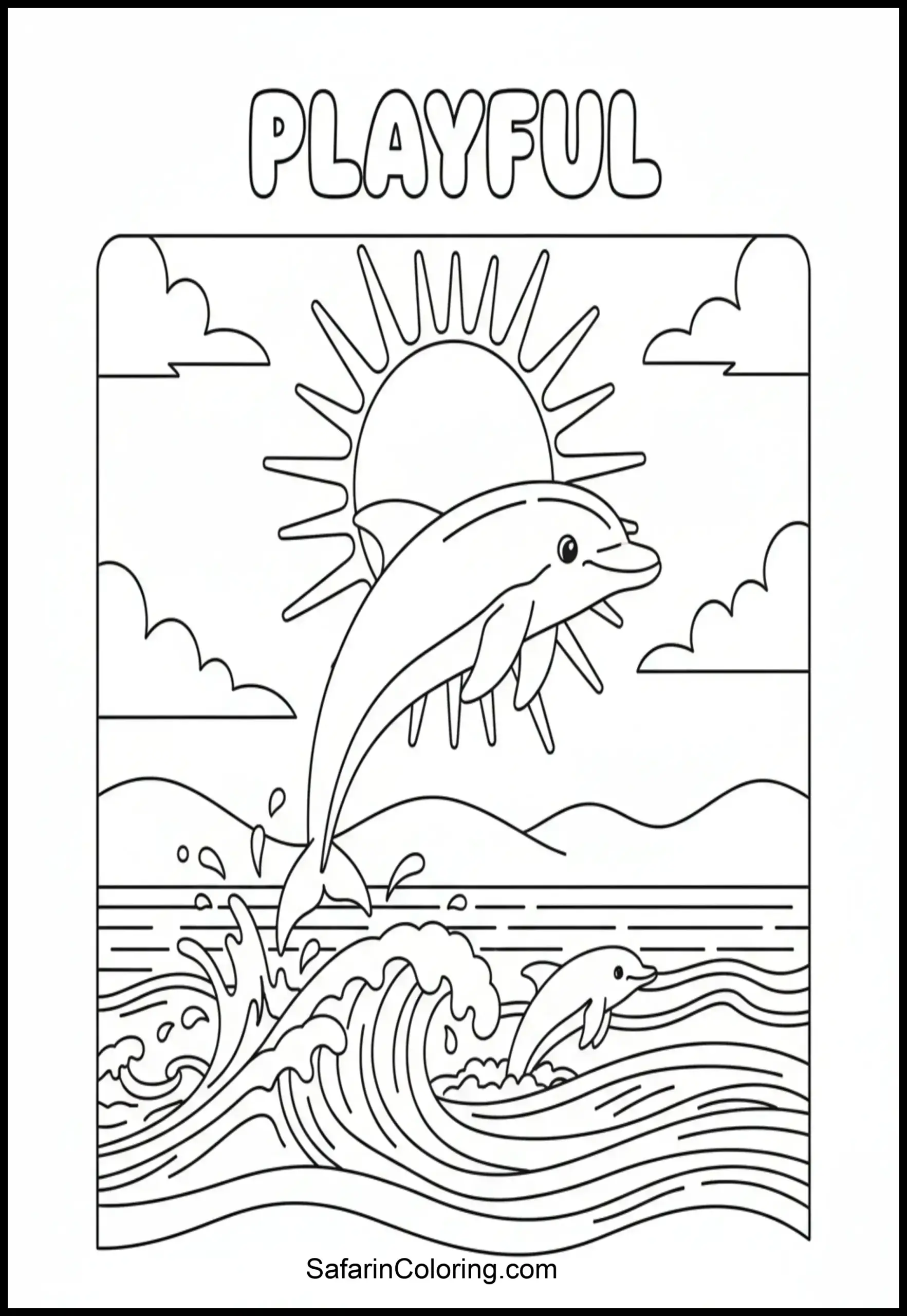
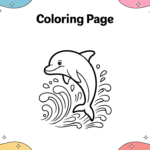
Dolphin Jumping Ocean Scaled
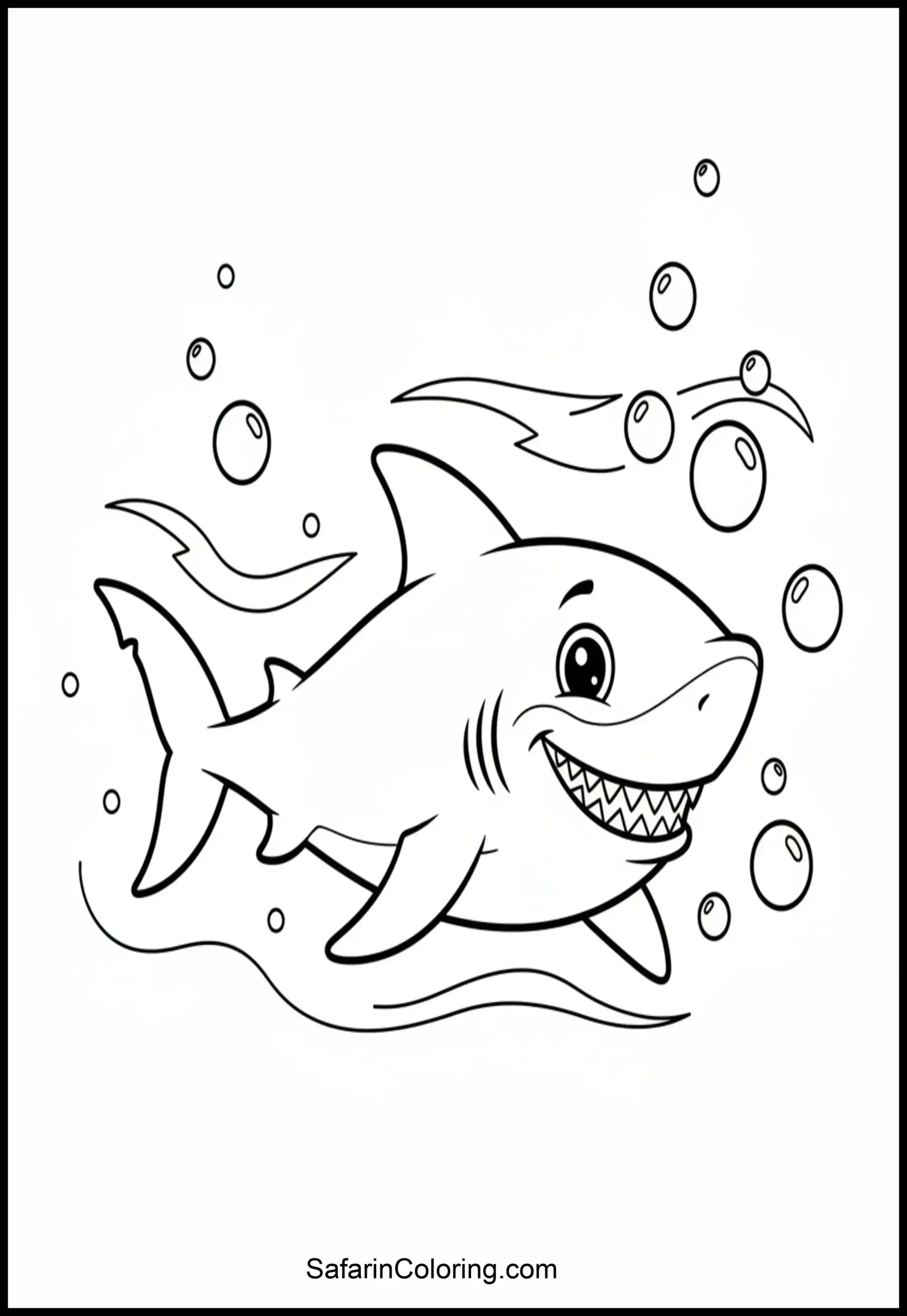
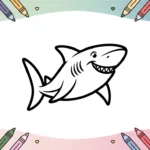
Shark Swimming Teeth Scaled
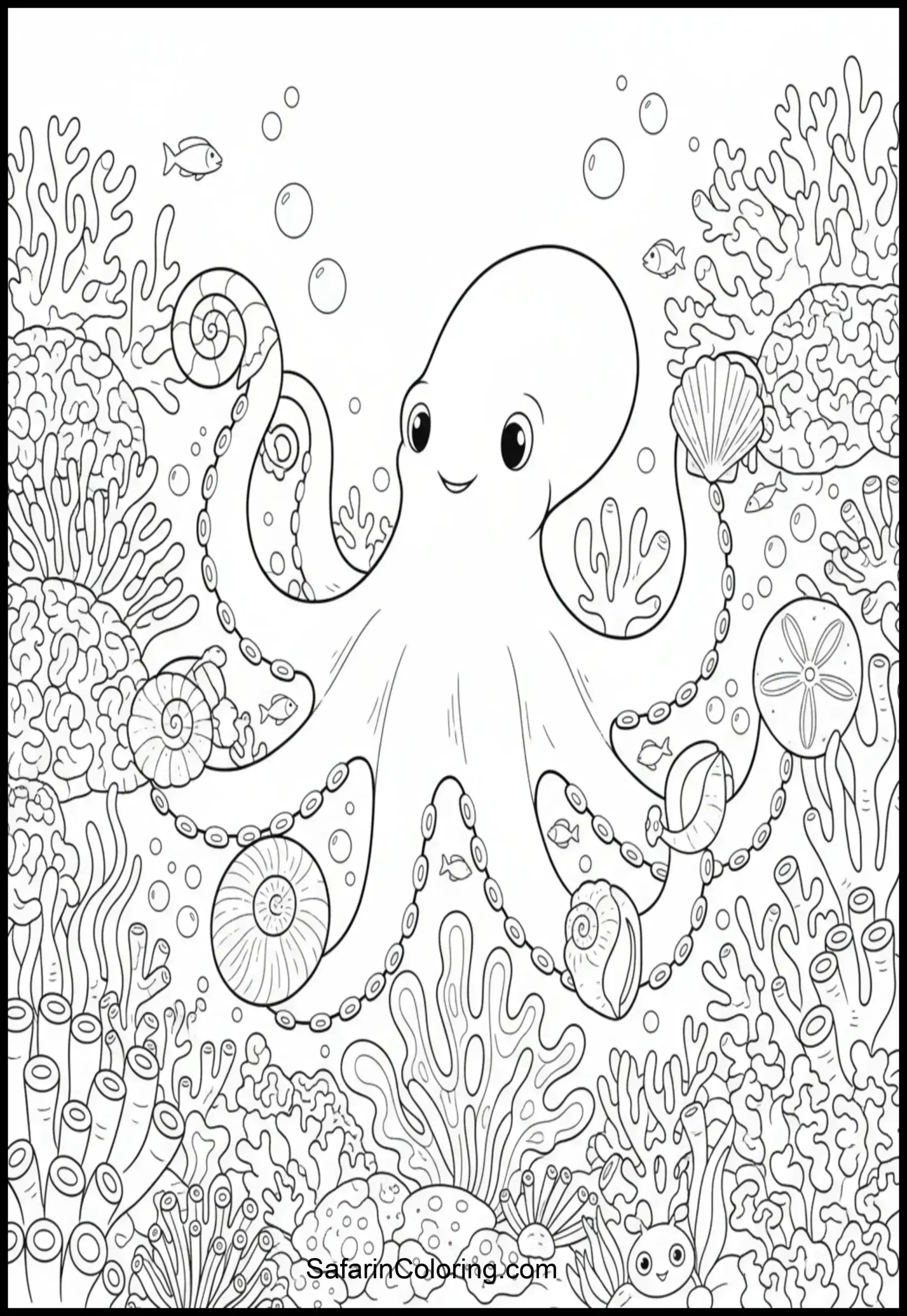
Octopus Underwater Coral Scaled
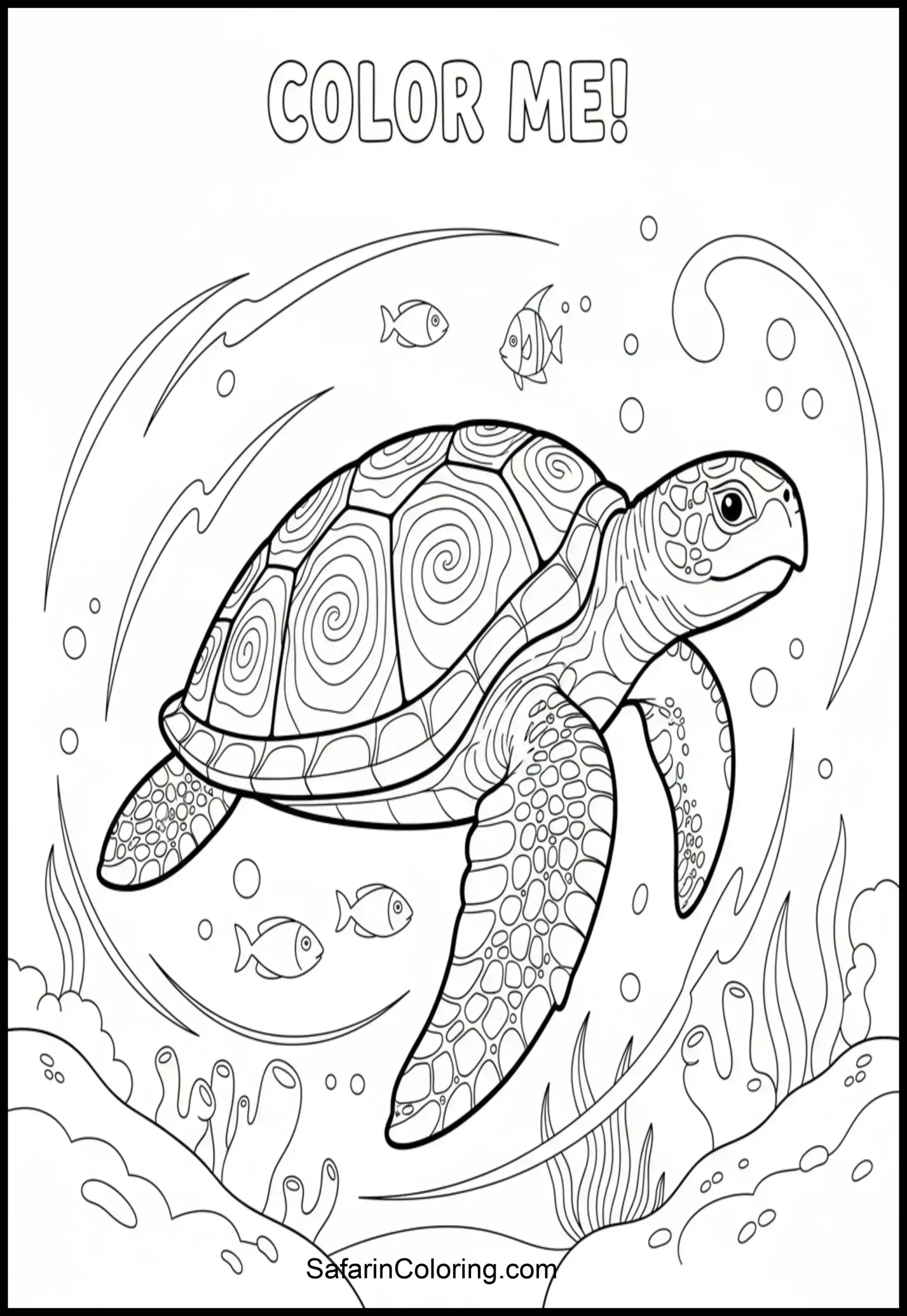
Sea Turtle Swimming Scaled
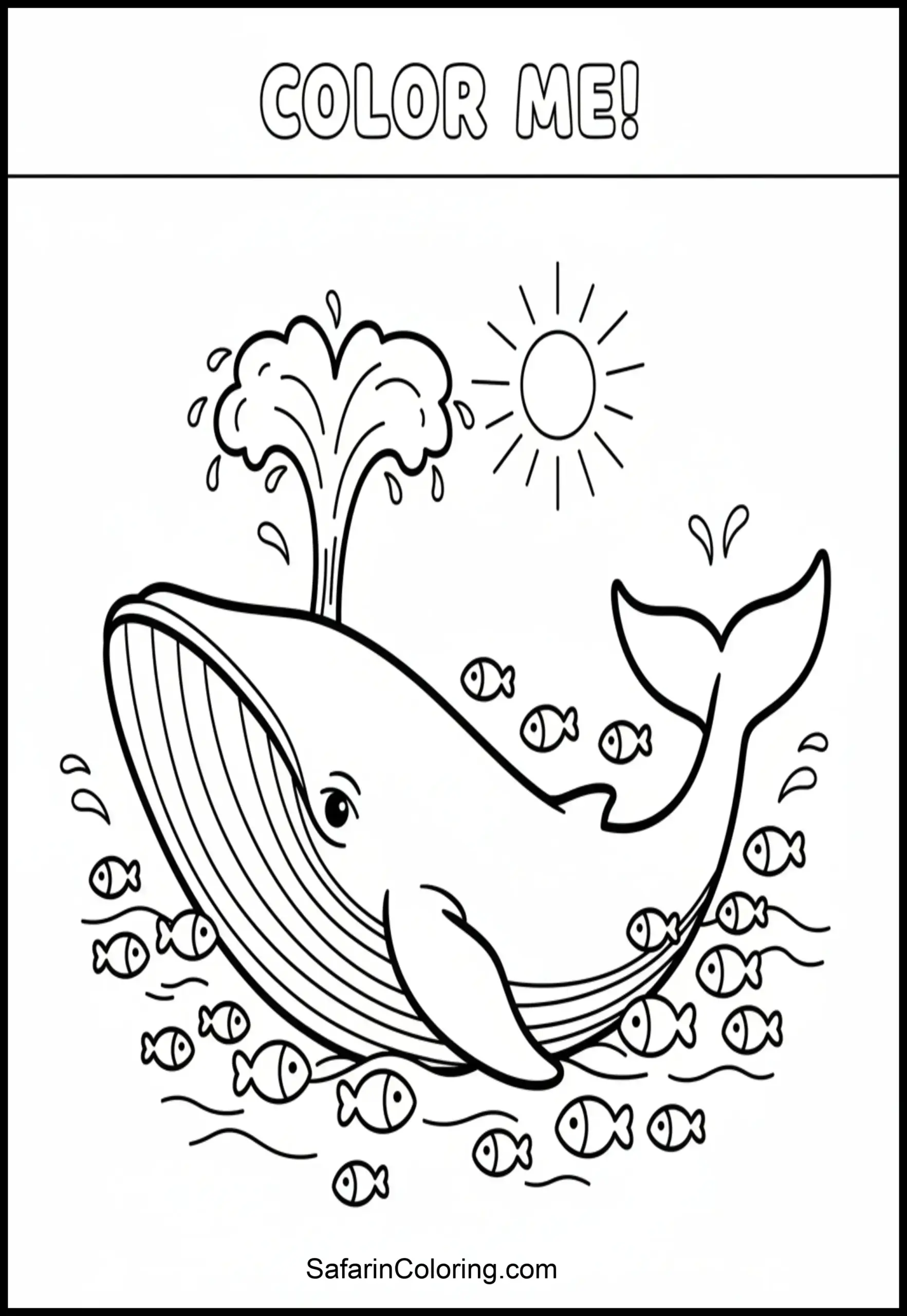
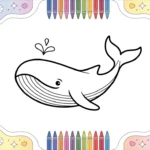
Whale Spouting Water Scaled
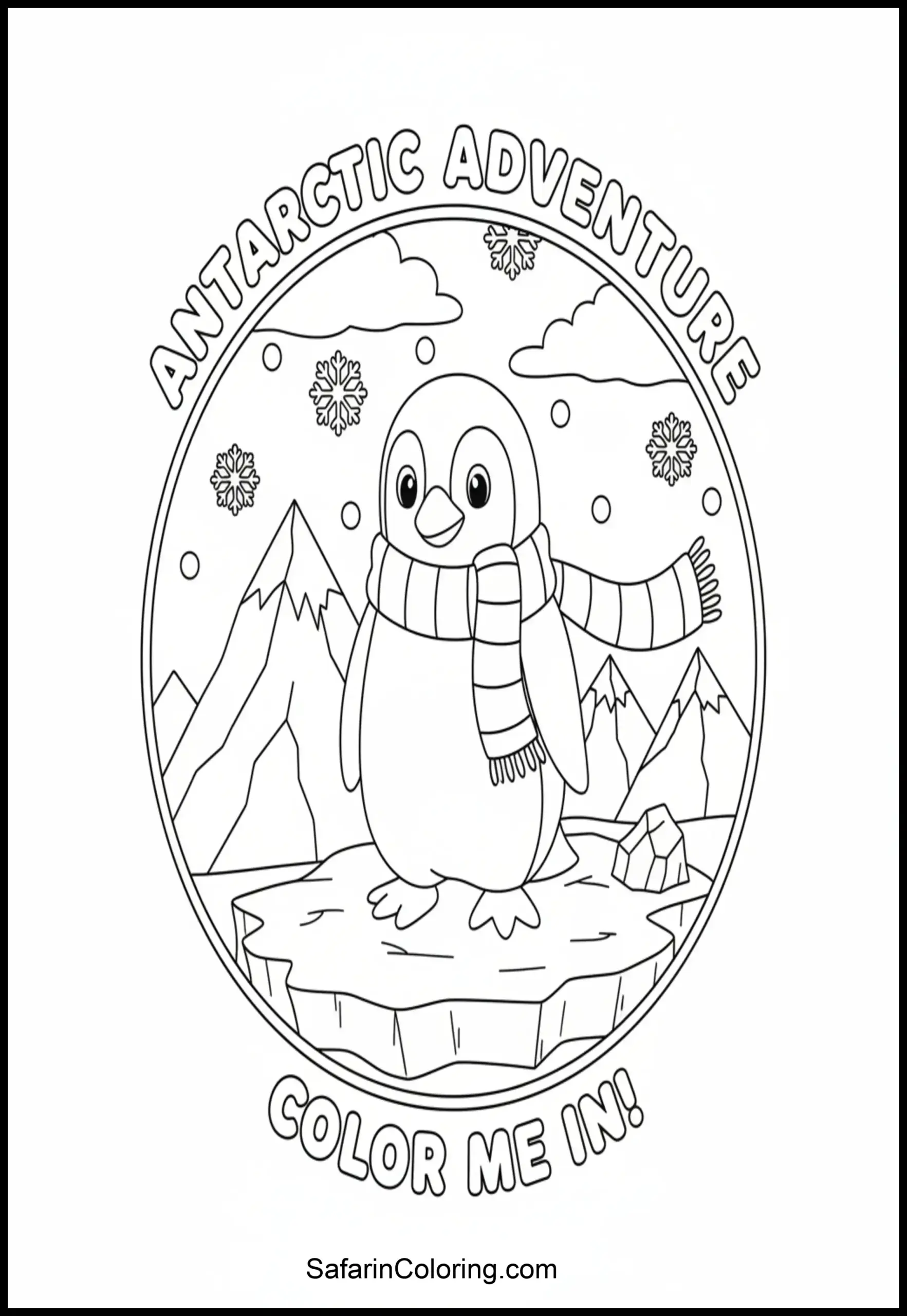
Penguin Wearing Scarf Scaled
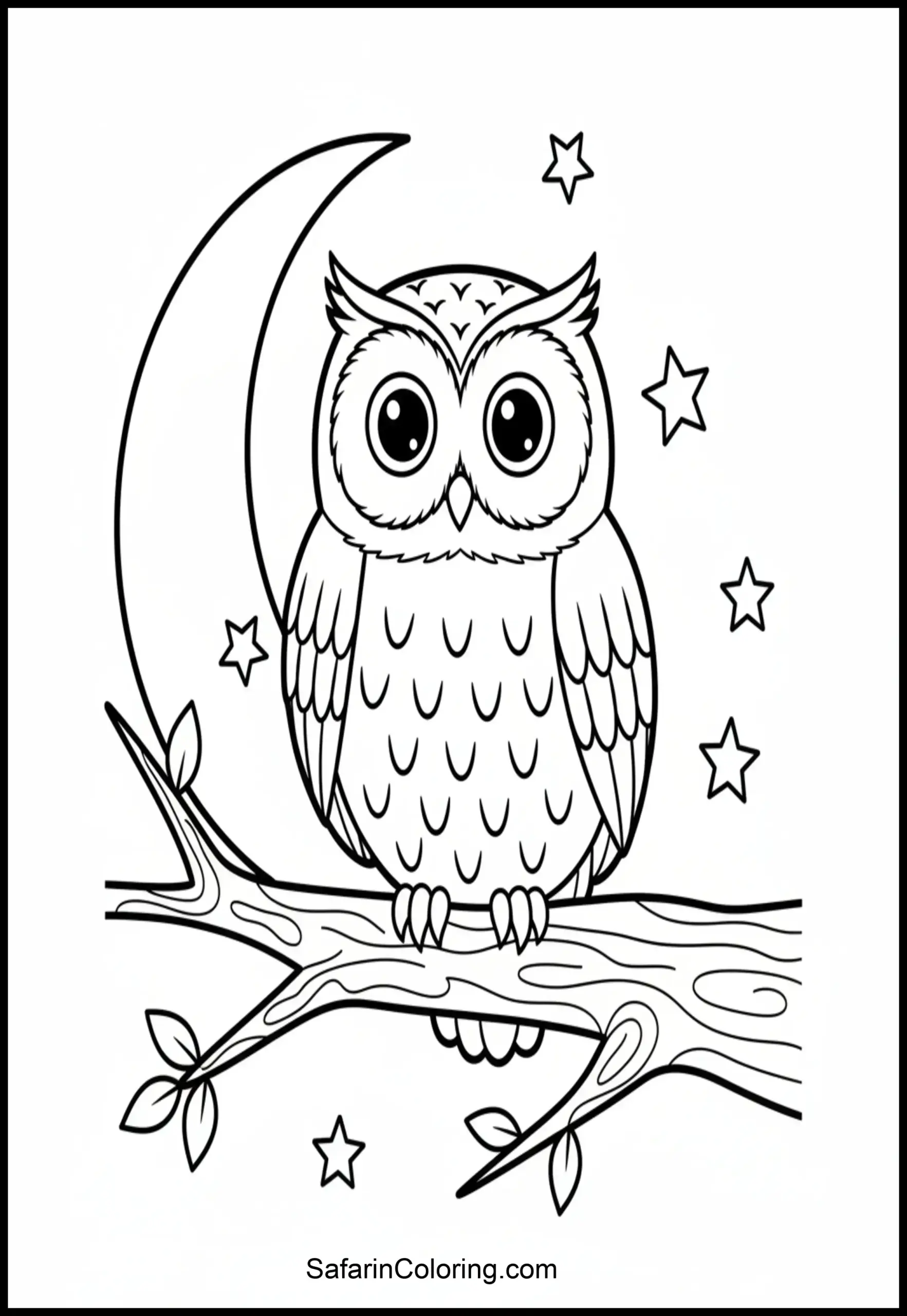
Owl Tree Branch Scaled
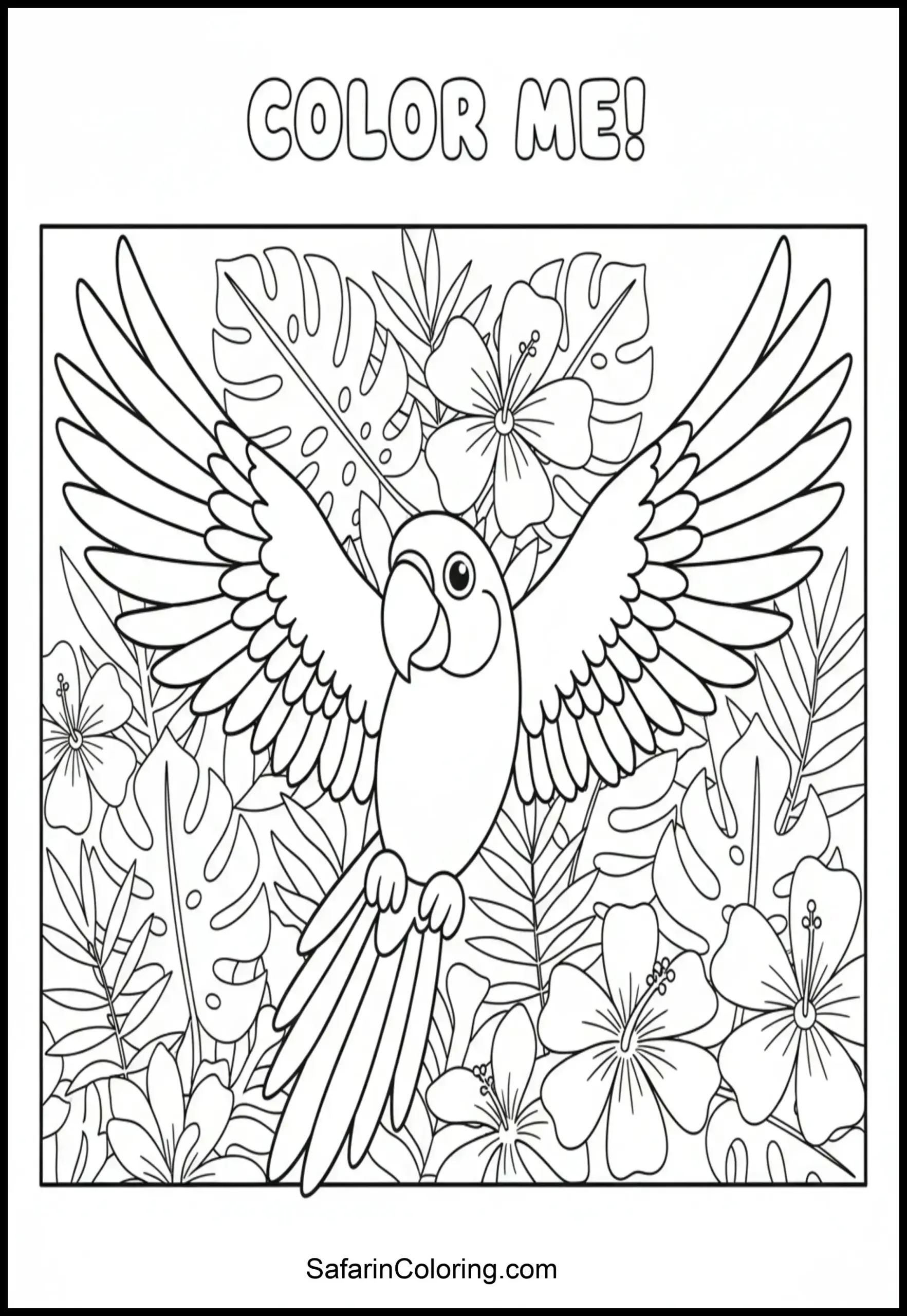
Parrot Tropical Jungle Scaled
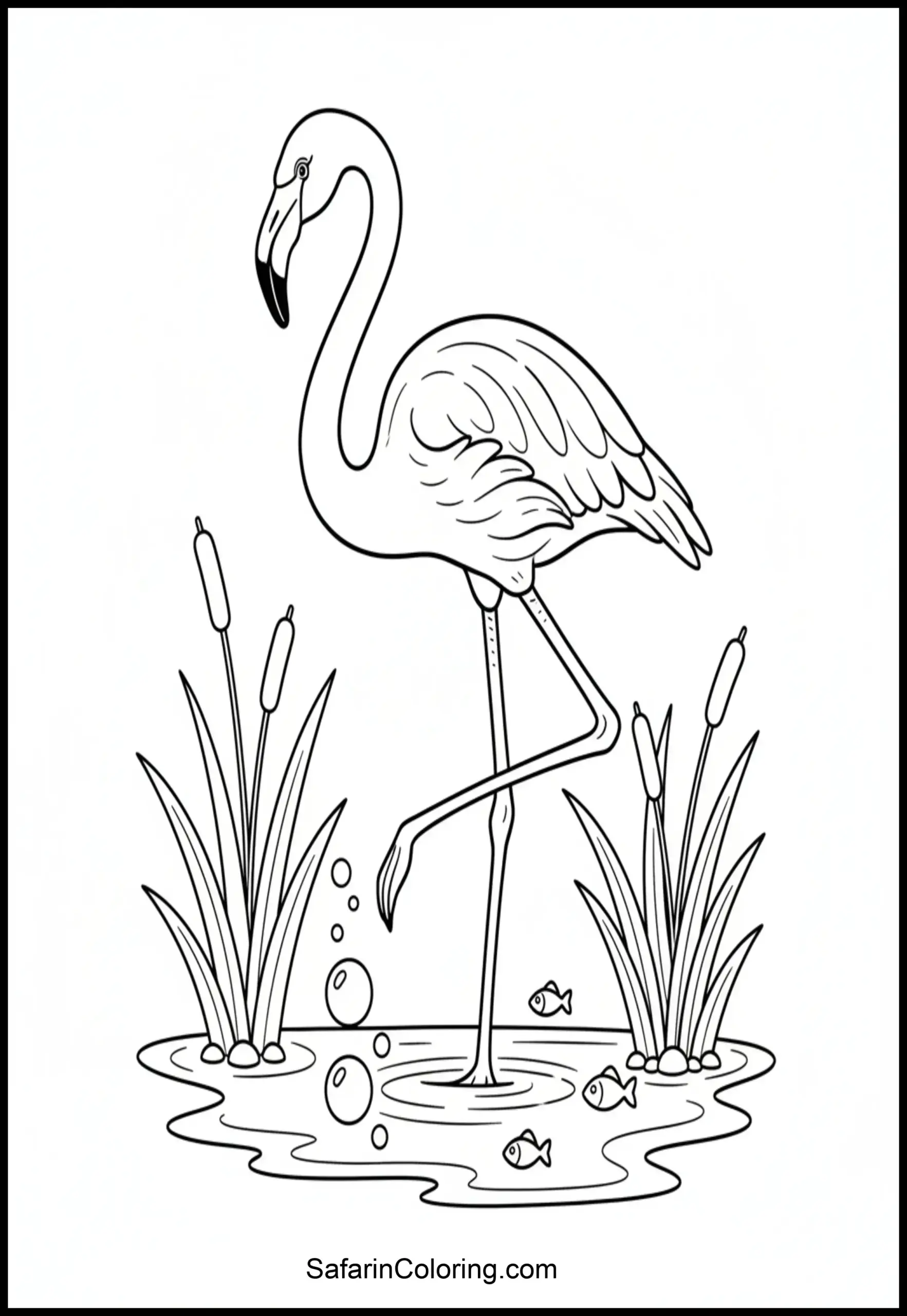
Flamingo One Leg Scaled
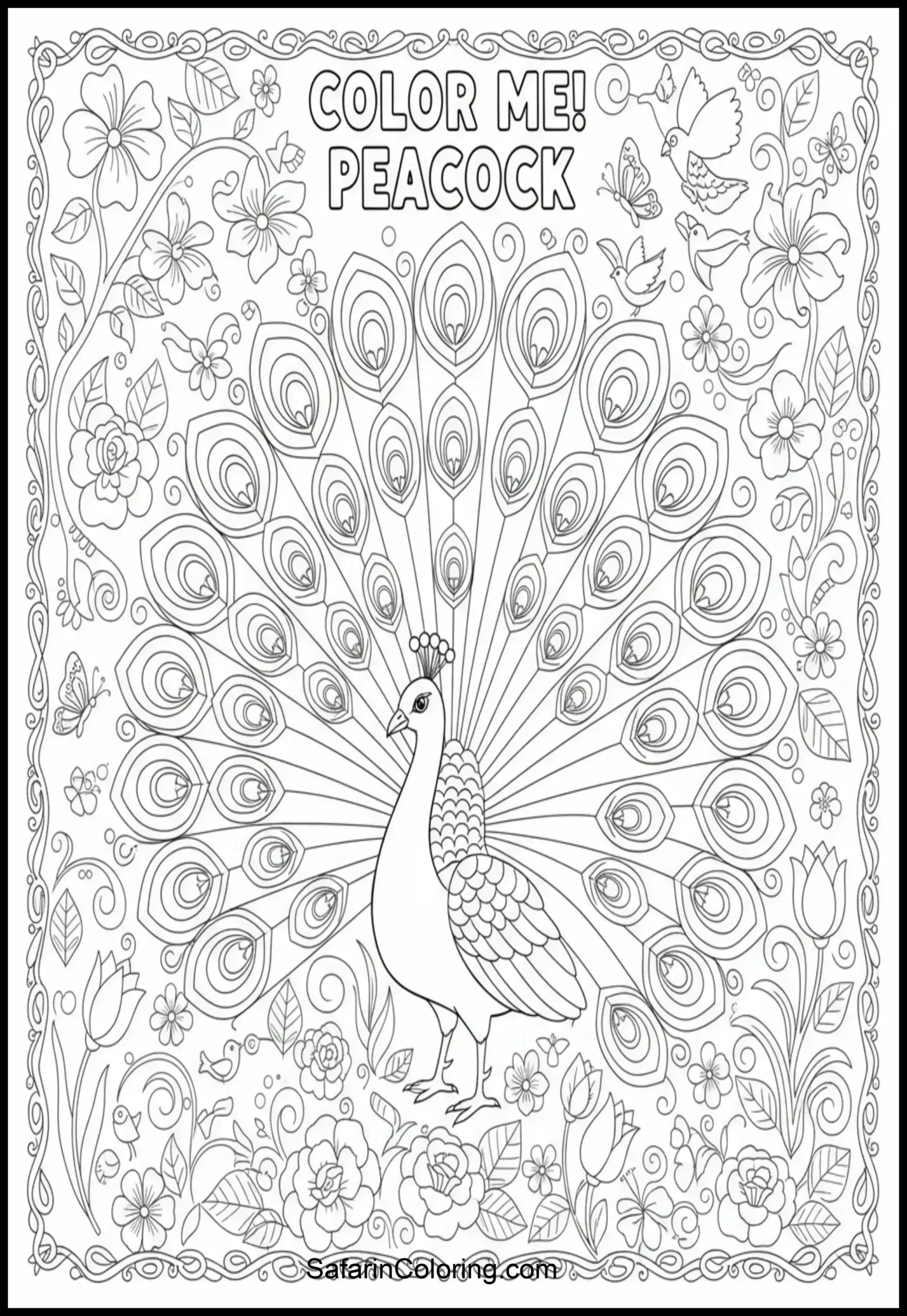
Peacock Open Tail Scaled
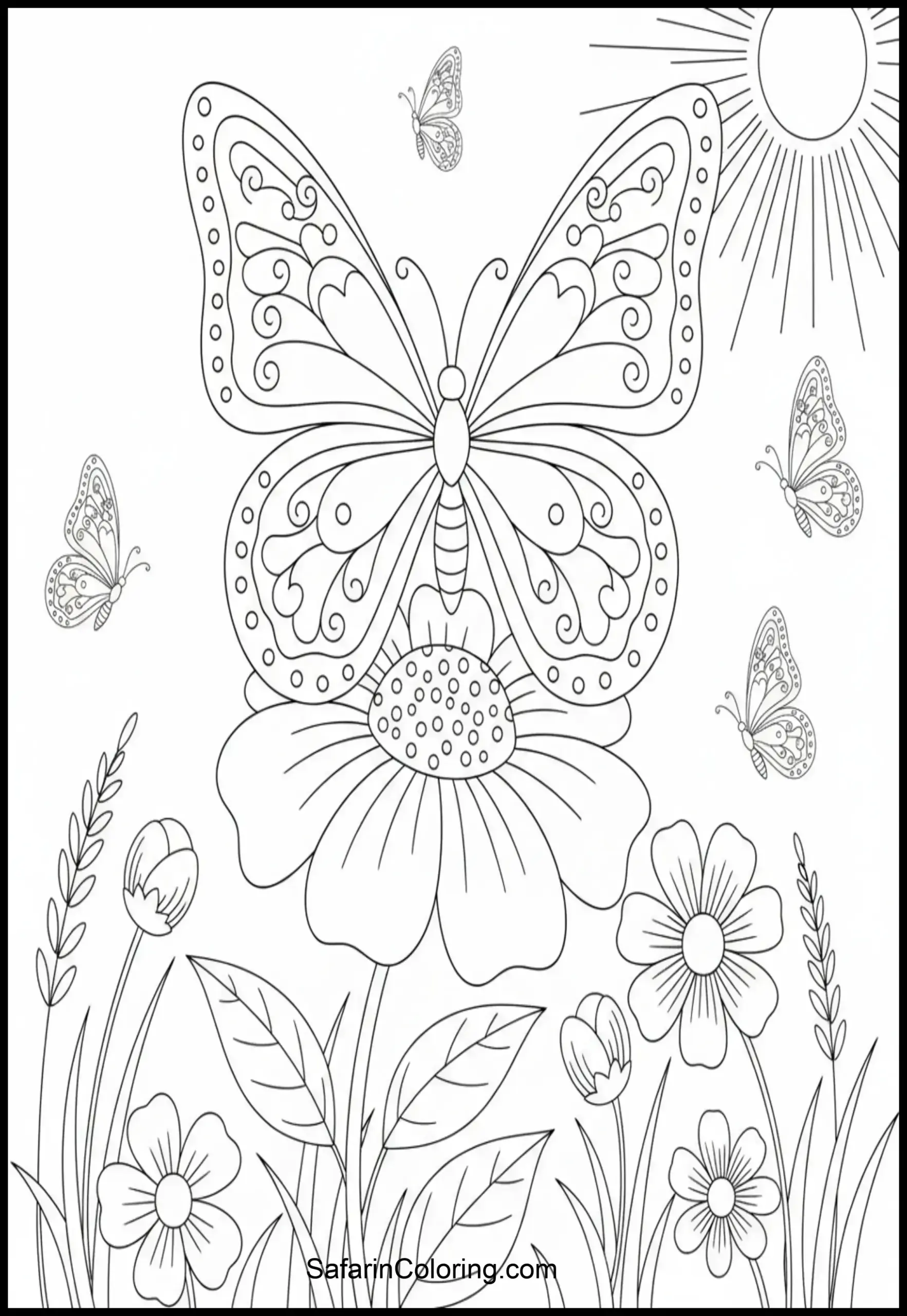
Butterfly On Flower Scaled
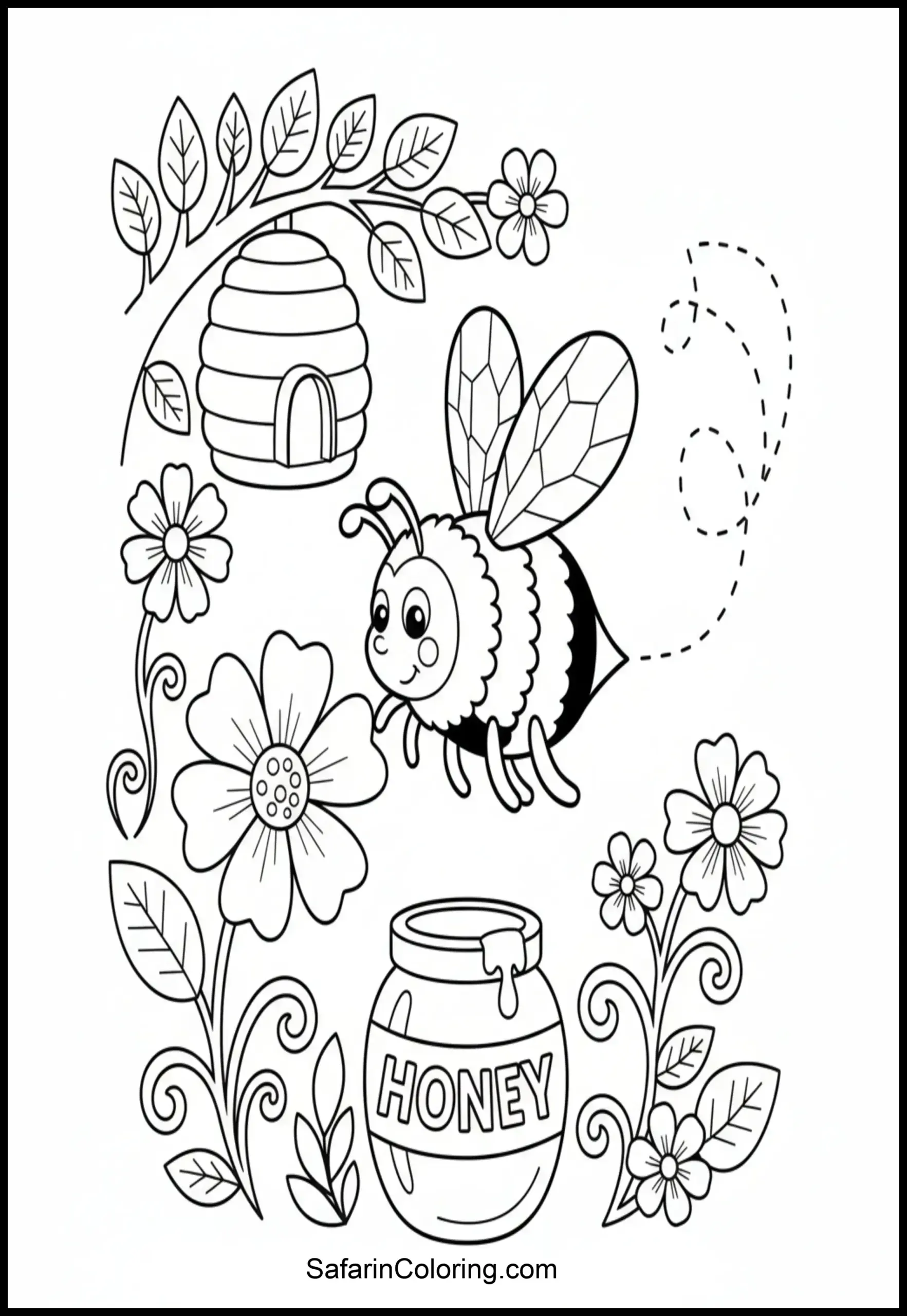
Bee Collecting Honey Scaled
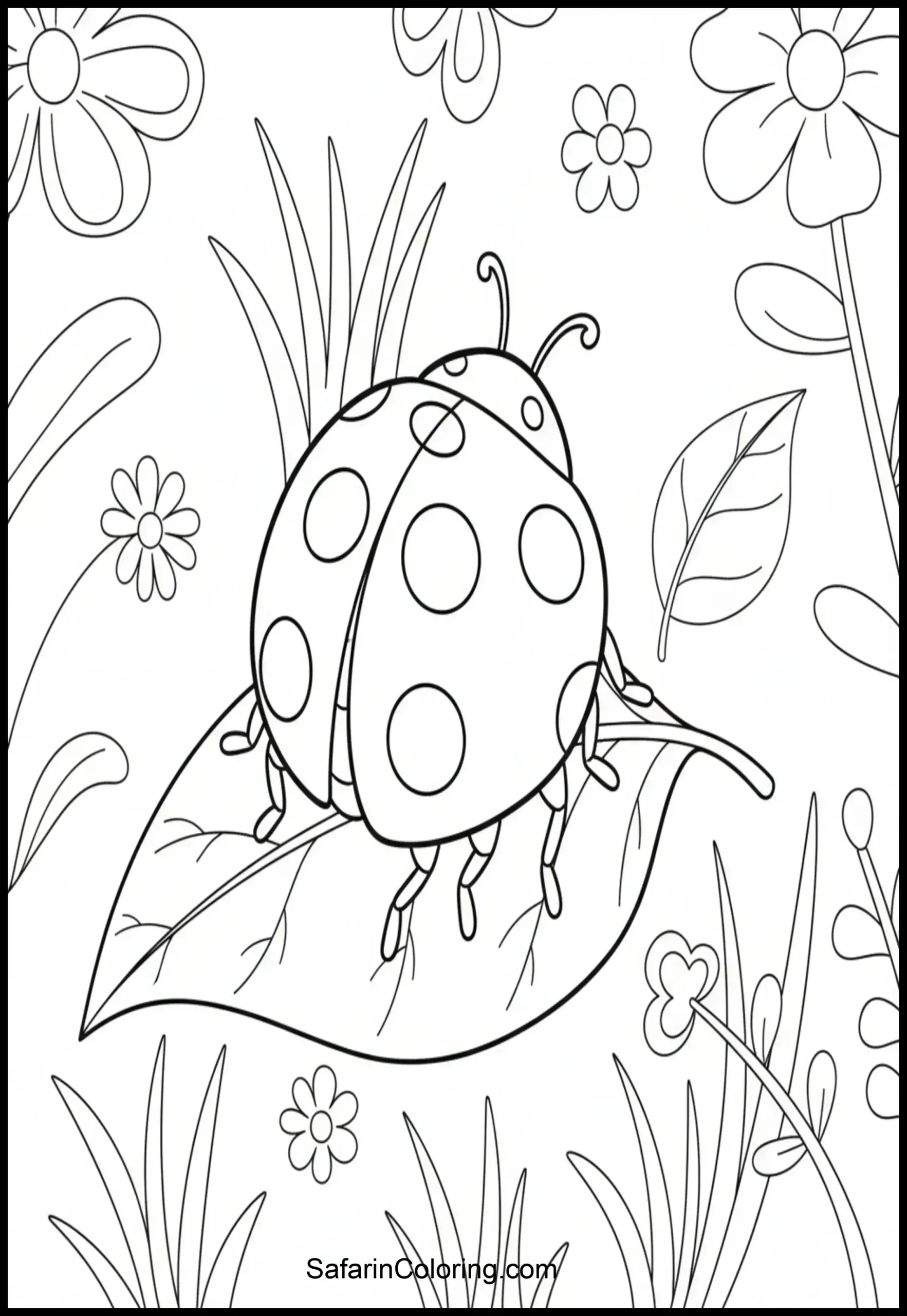
Ladybug On Leaf Scaled
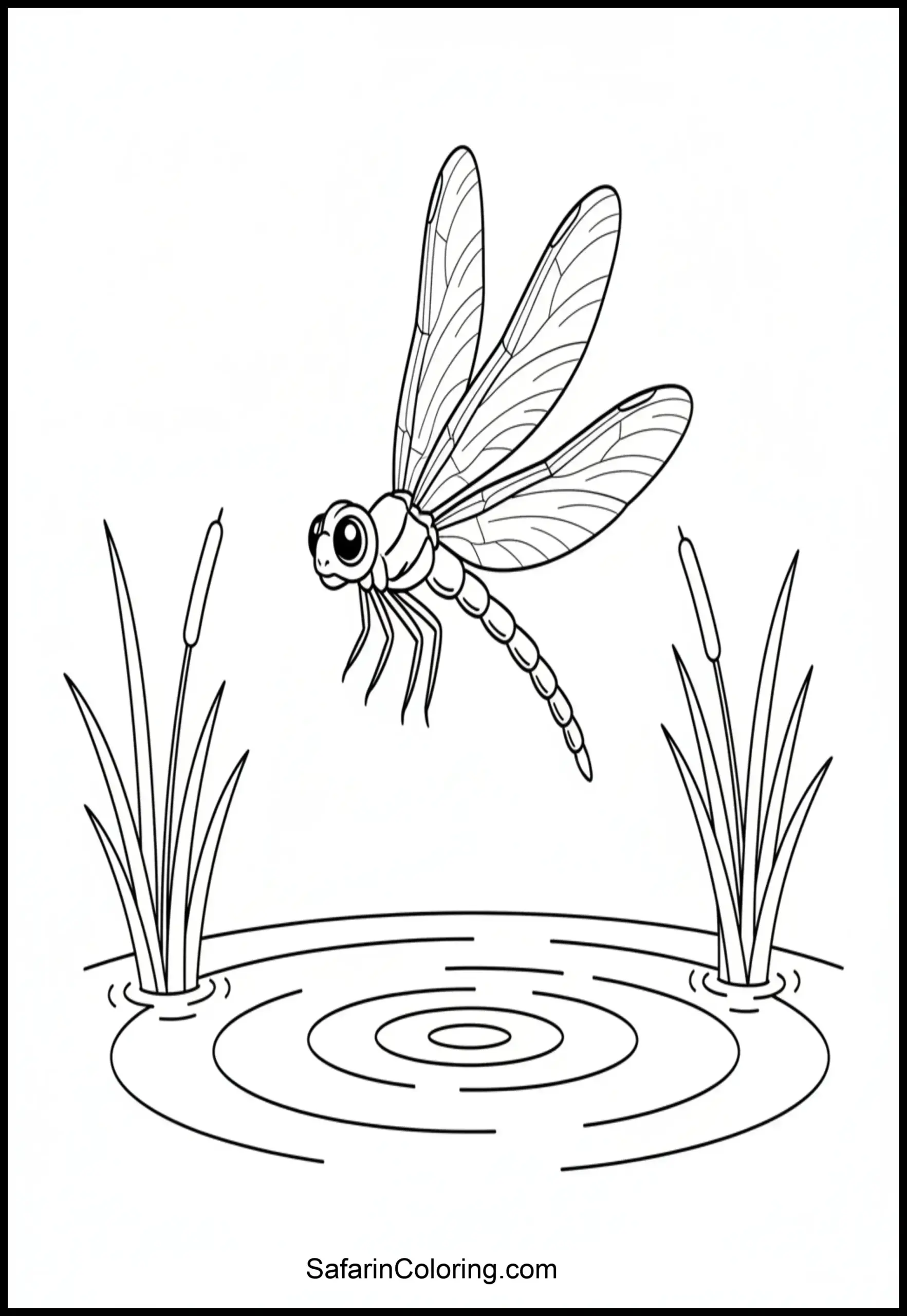
Dragonfly Pond Scene Scaled
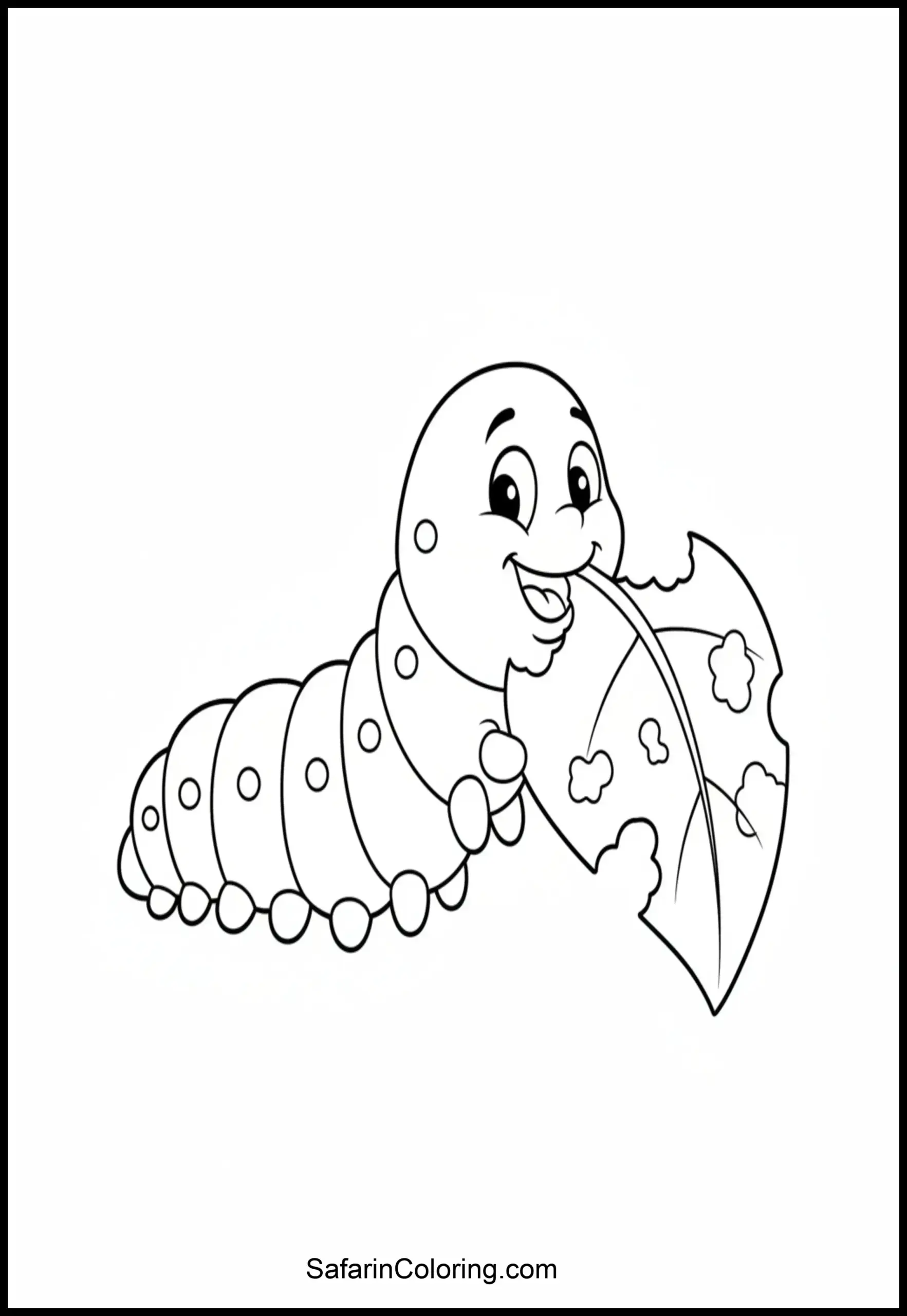
Caterpillar Eating Leaf Scaled
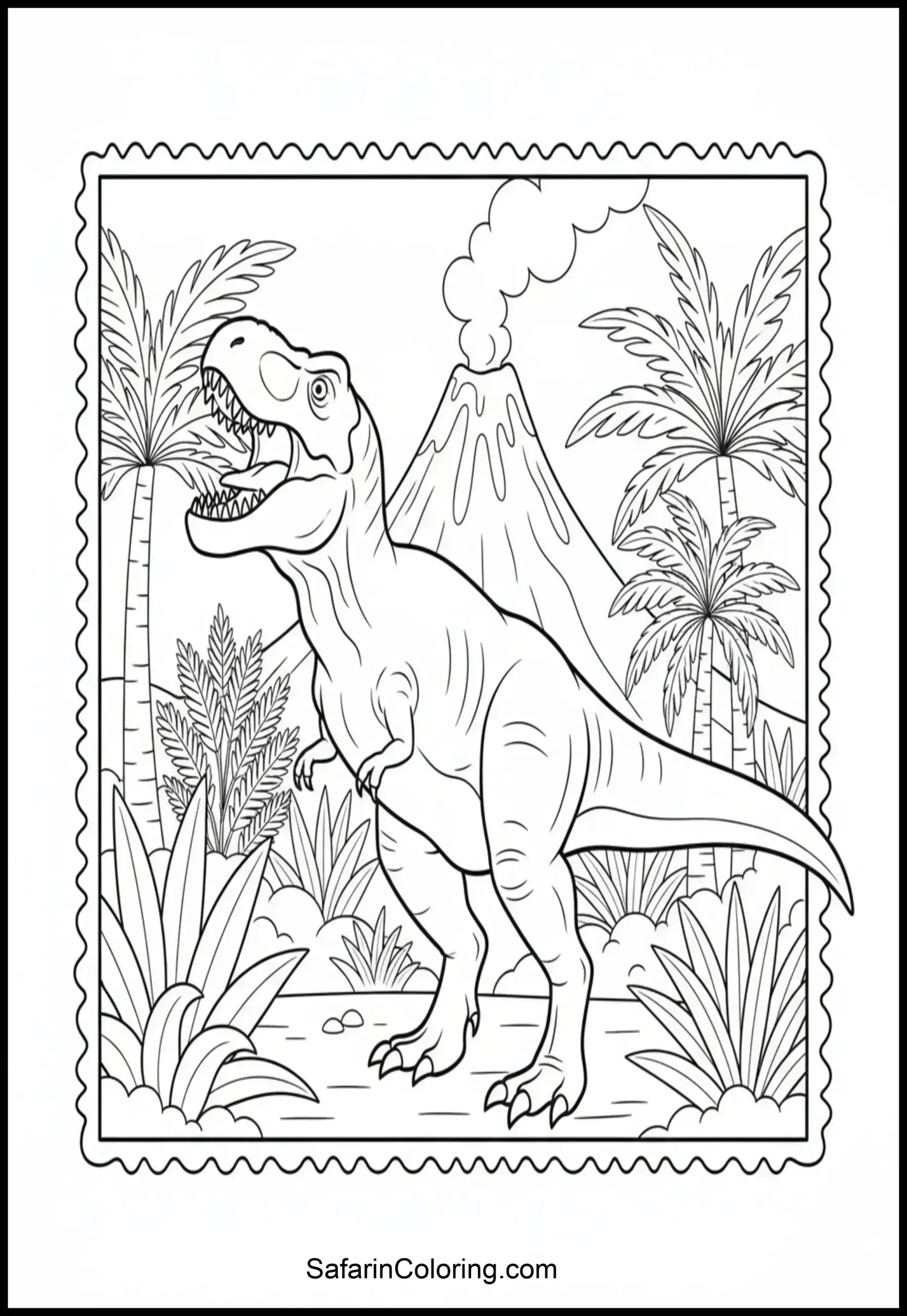
T Rex Dinosaur Roar Scaled
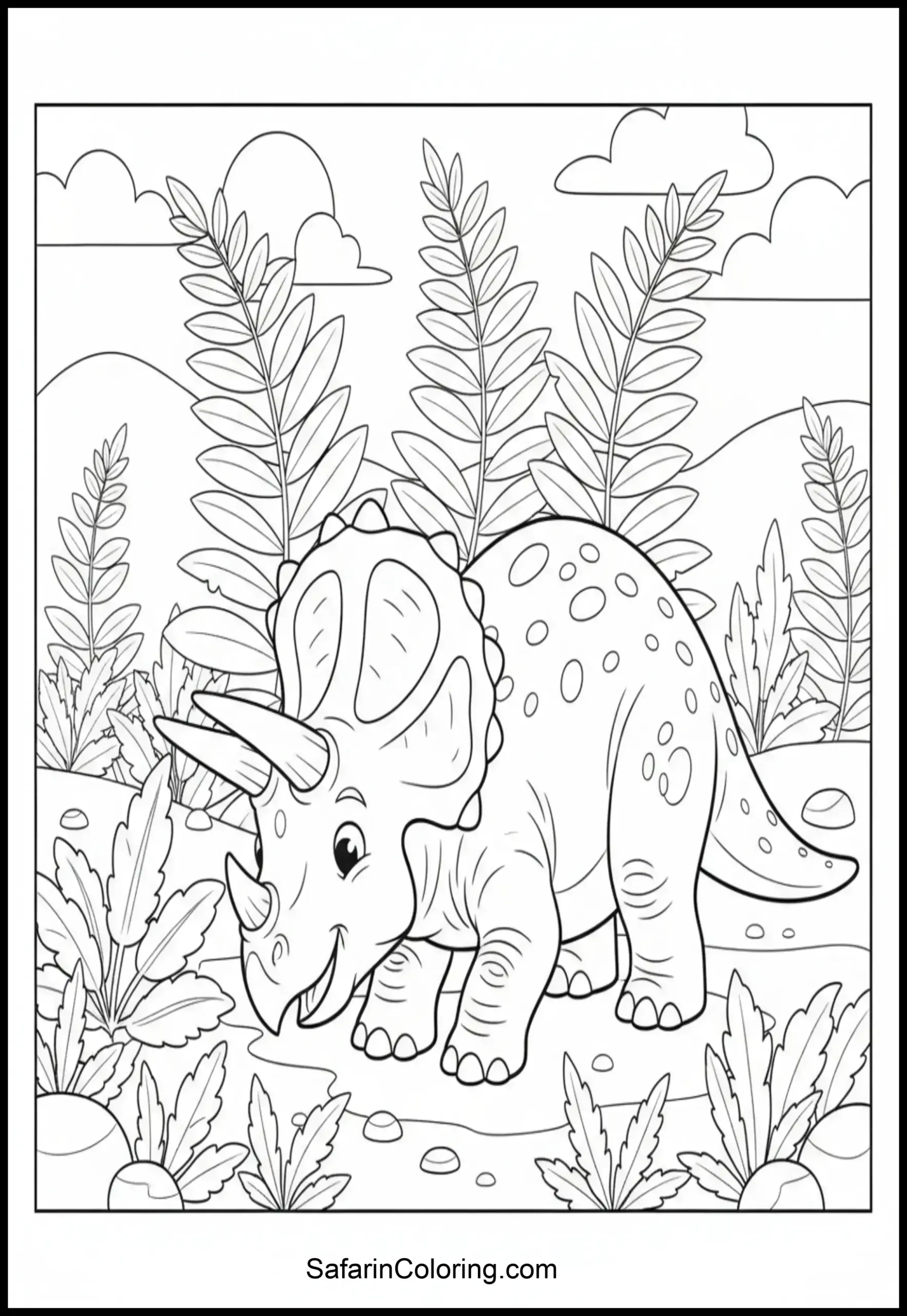
Triceratops Grazing Scaled
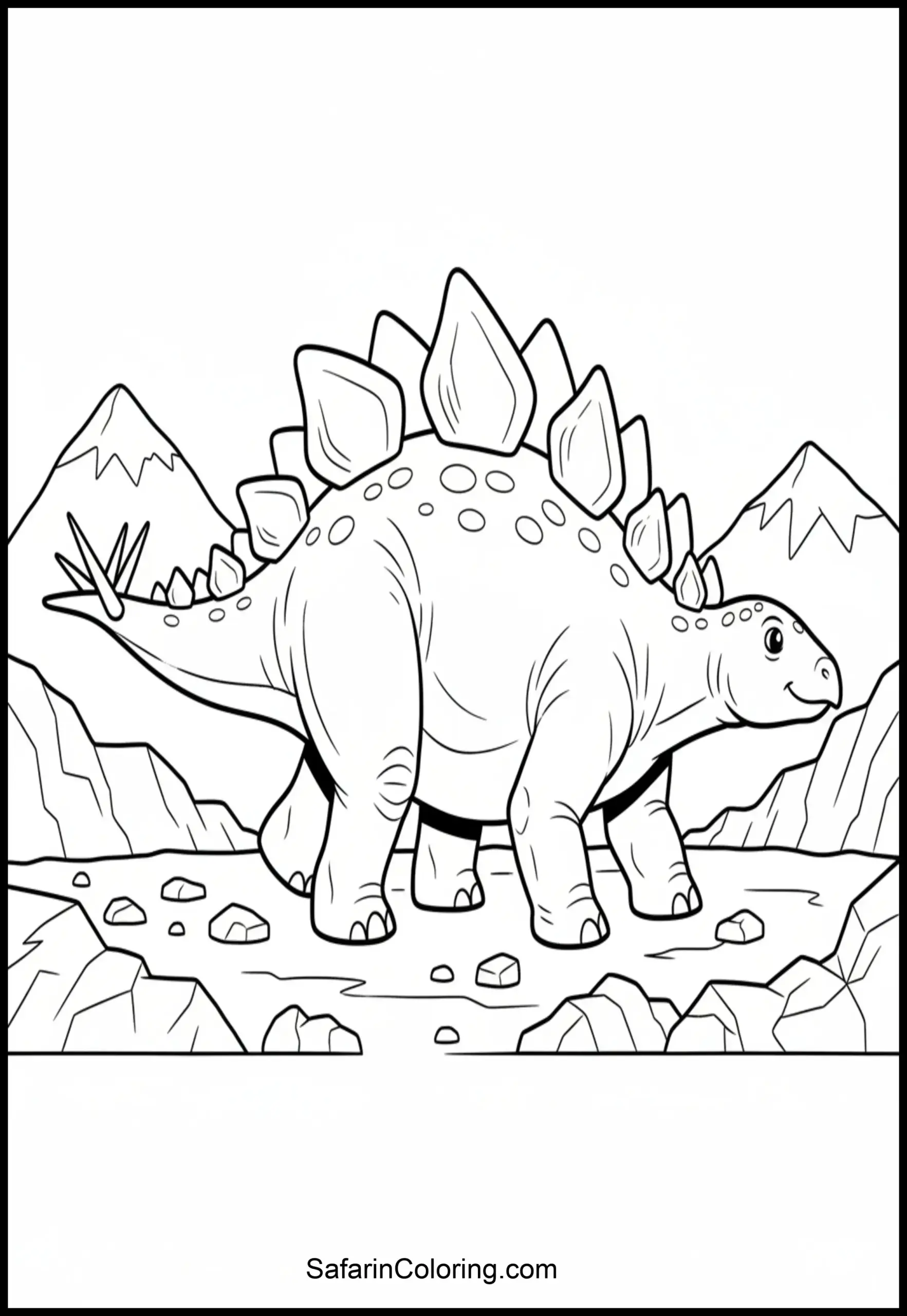
Stegosaurus Walking Scaled
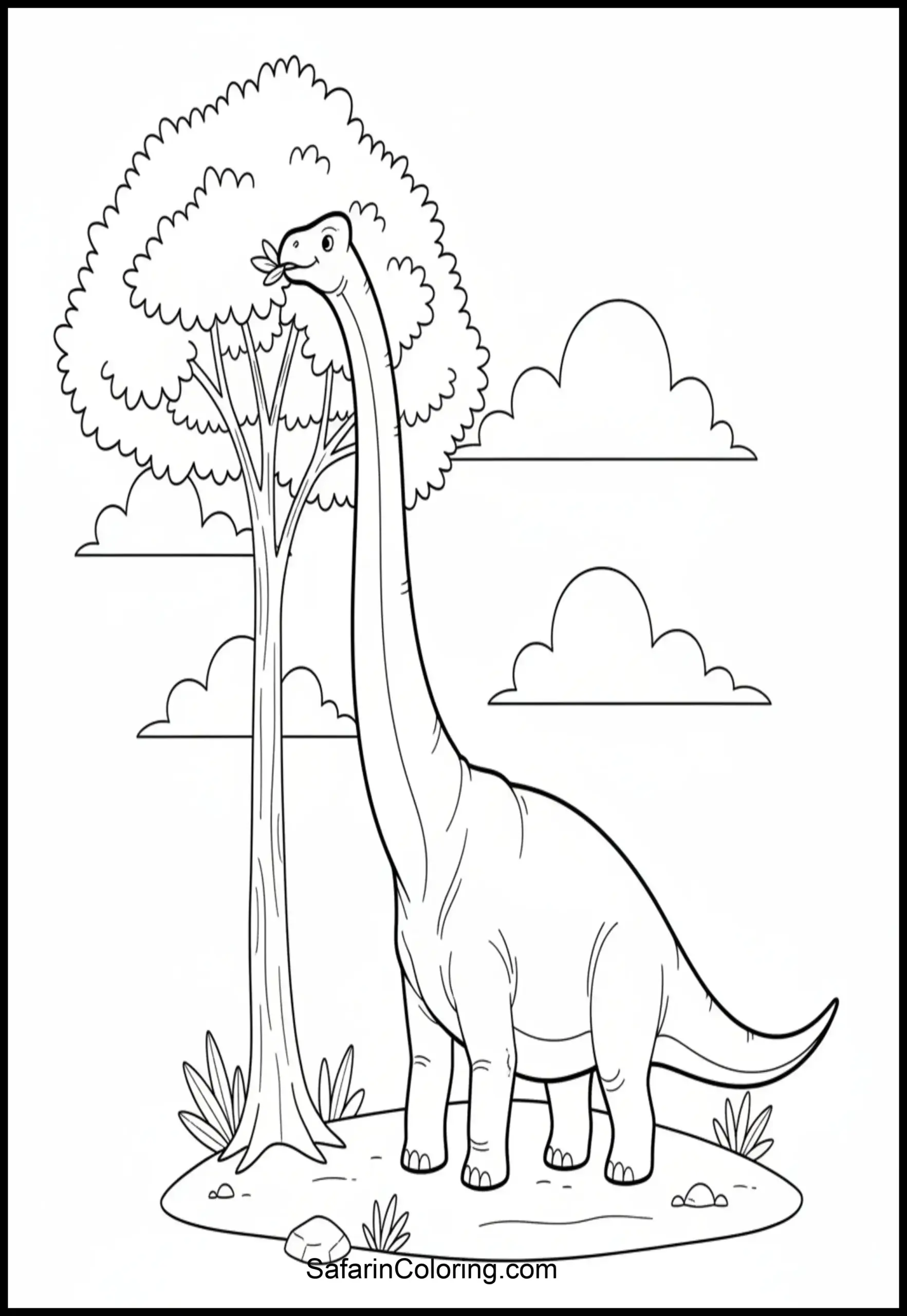
Brachiosaurus Long Neck Scaled
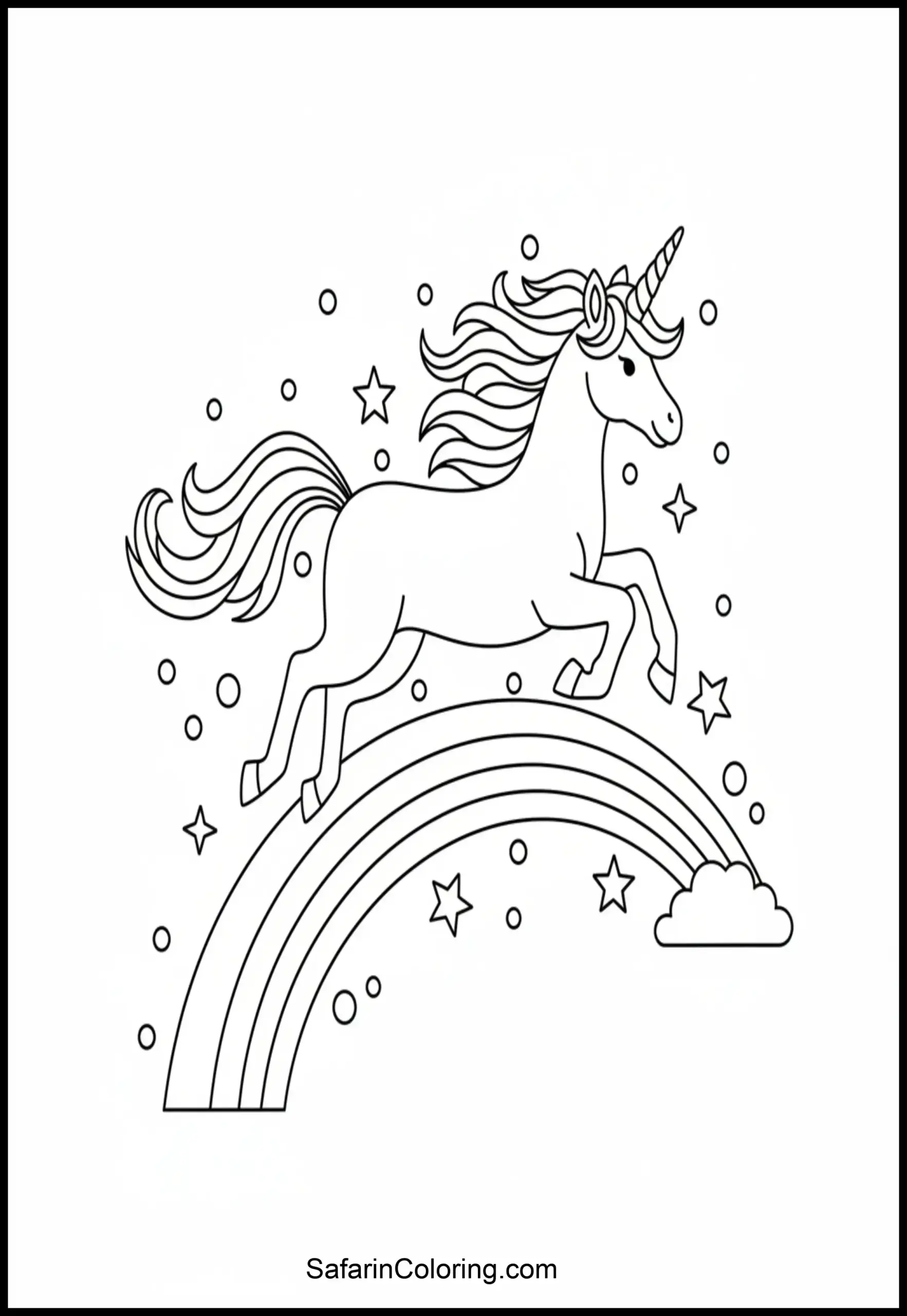
Unicorn Jumping Rainbow Scaled
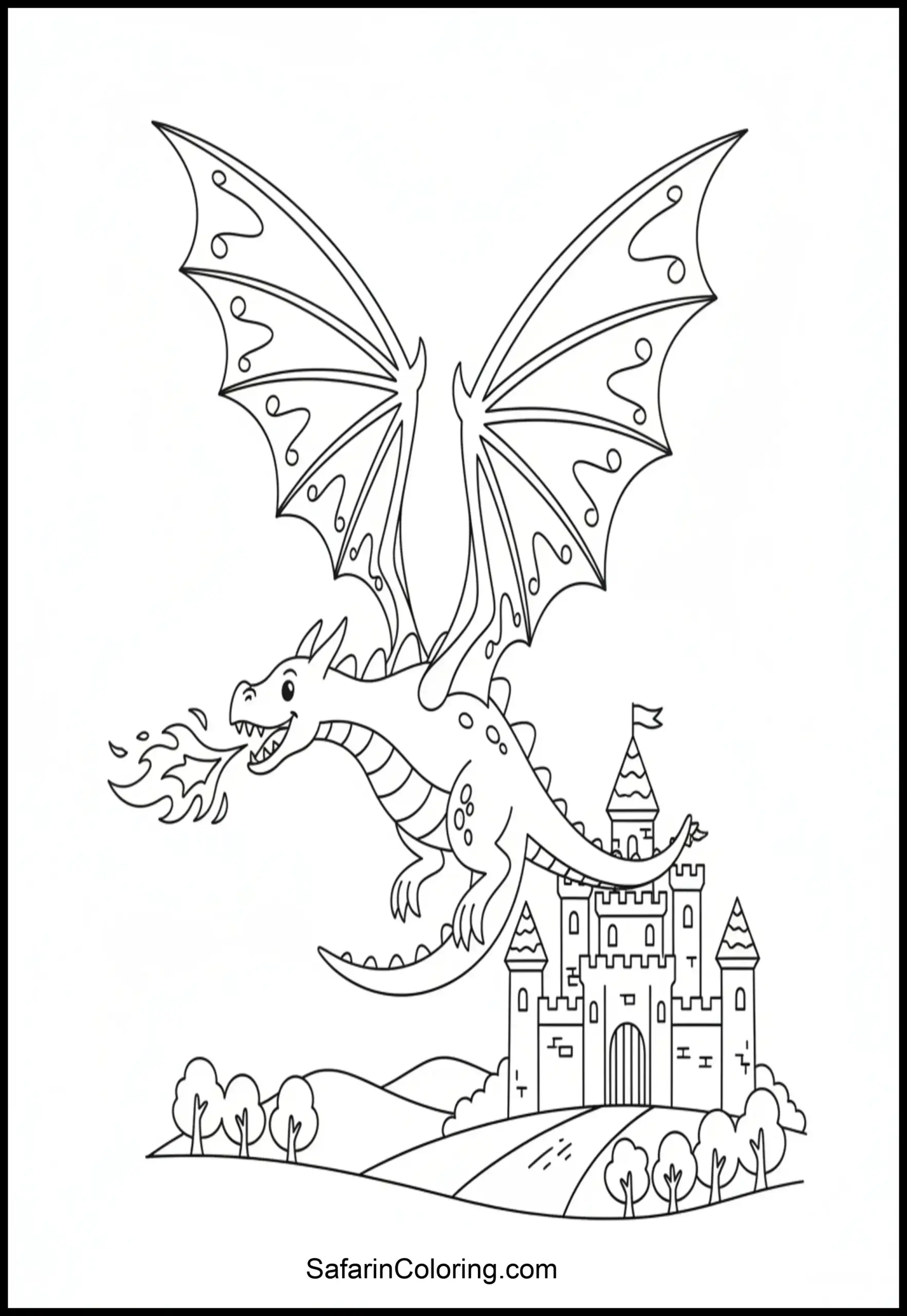
Dragon Flying Fire Scaled
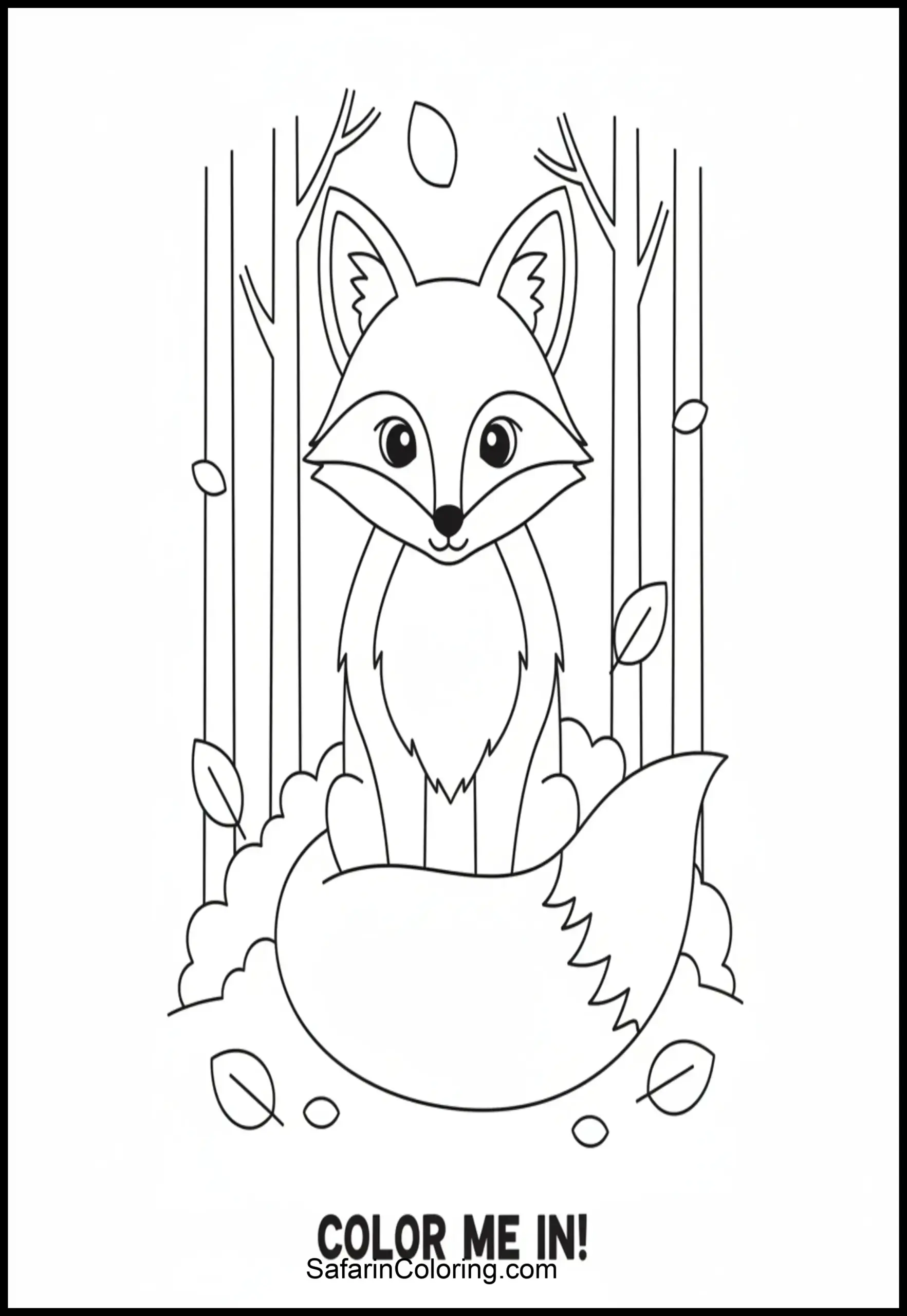
Fox Sitting Forest Scaled
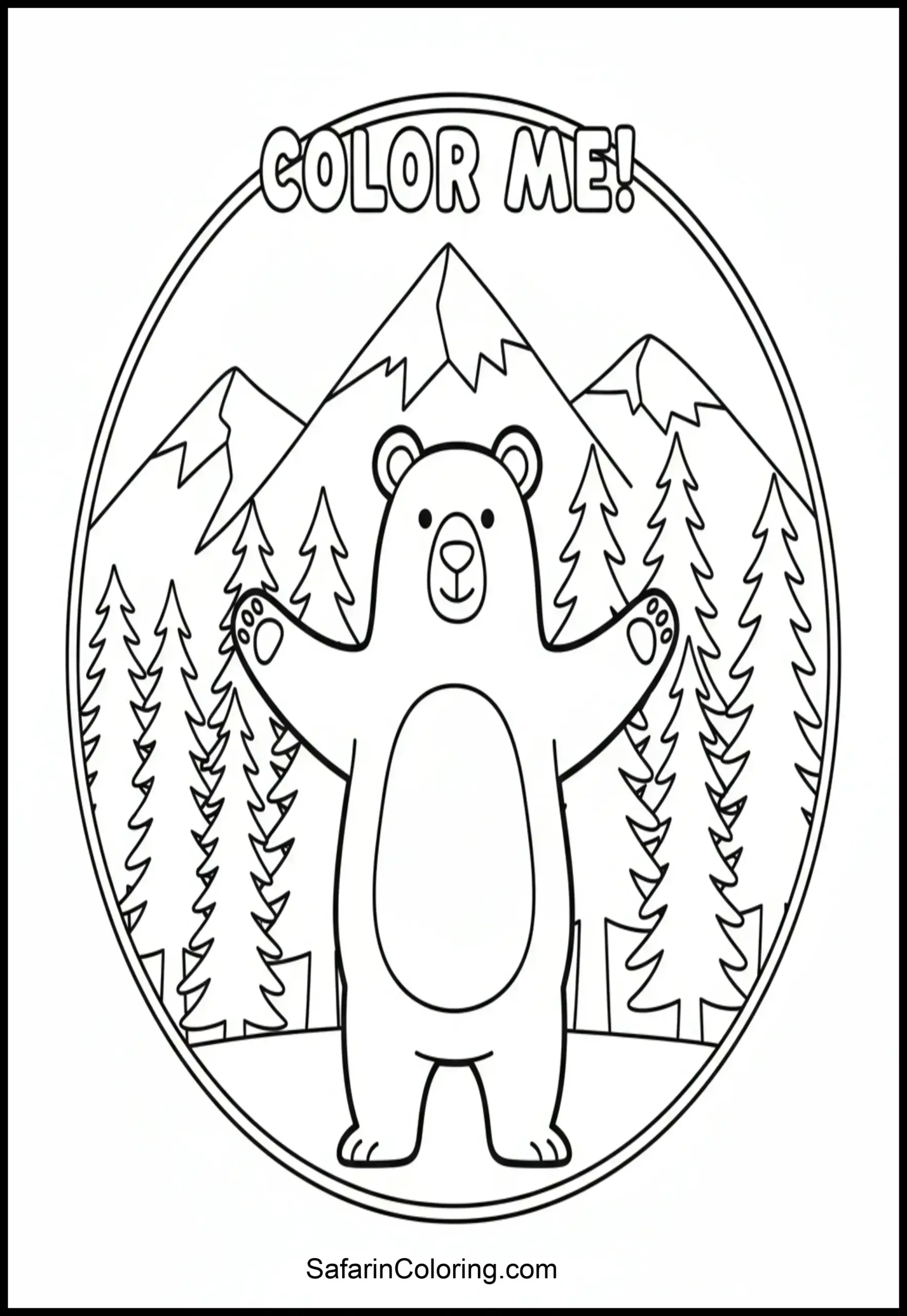
Bear Standing Forest Scaled
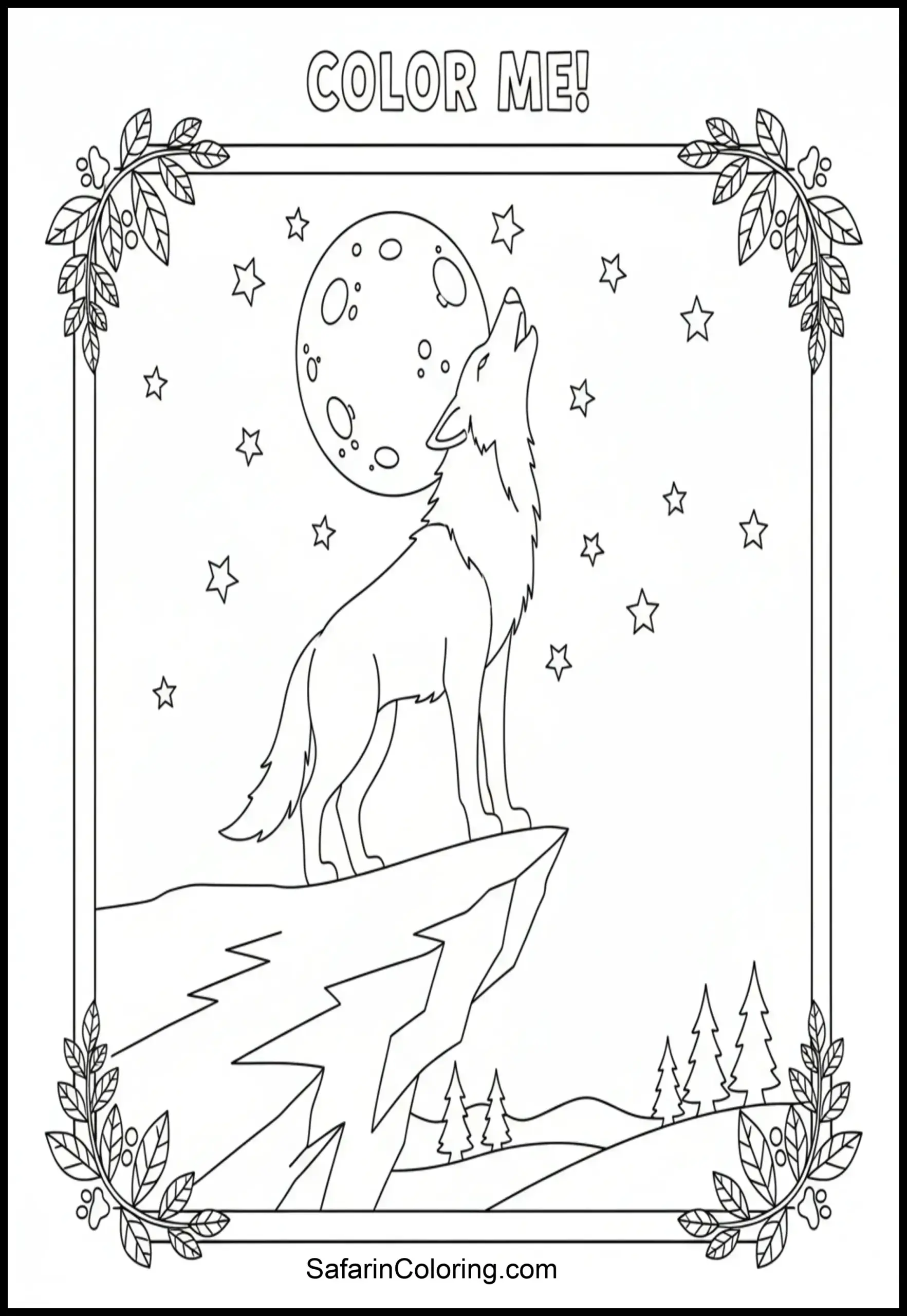
Wolf Howling Moon Scaled
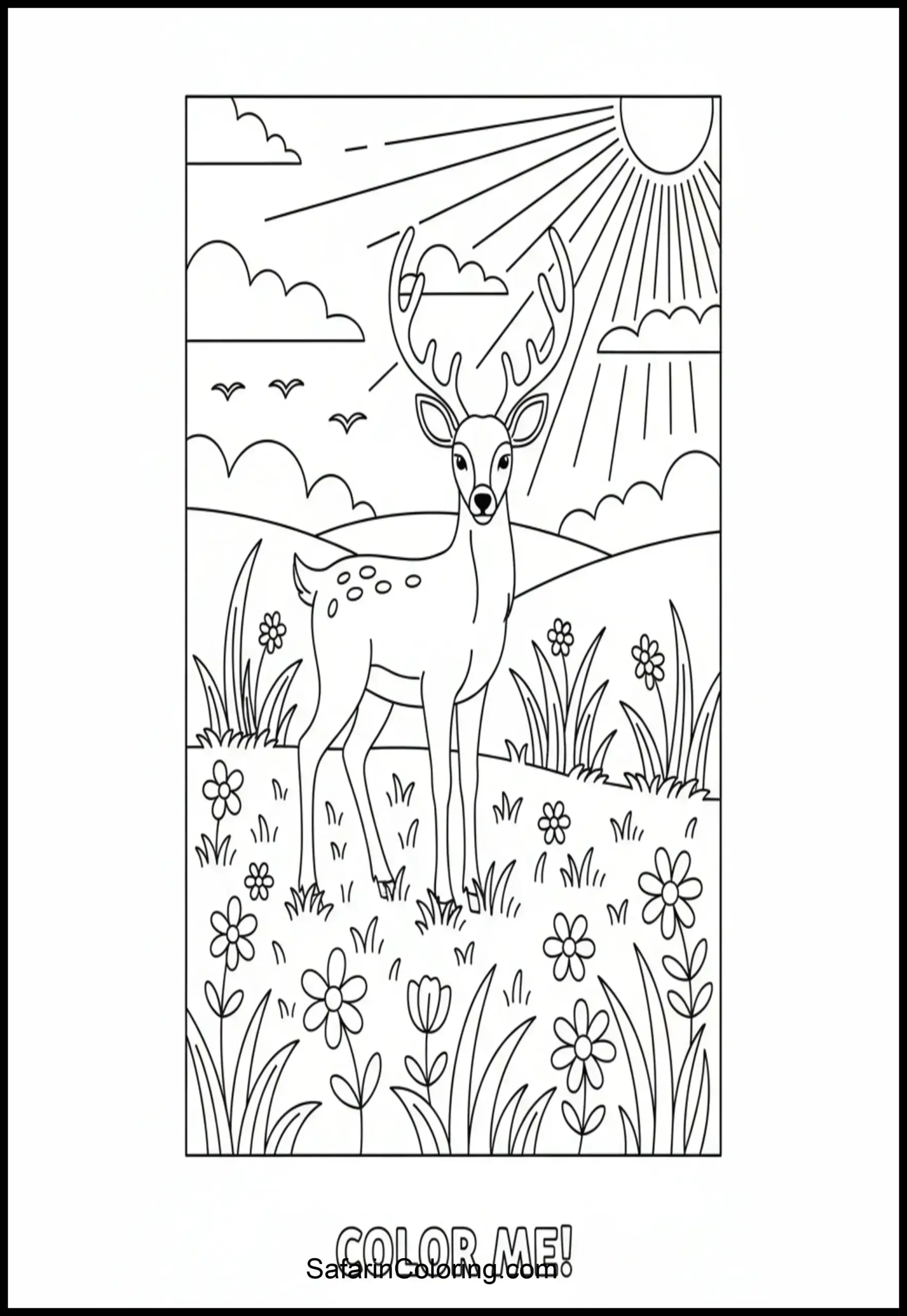
Deer Antlers Meadow Scaled
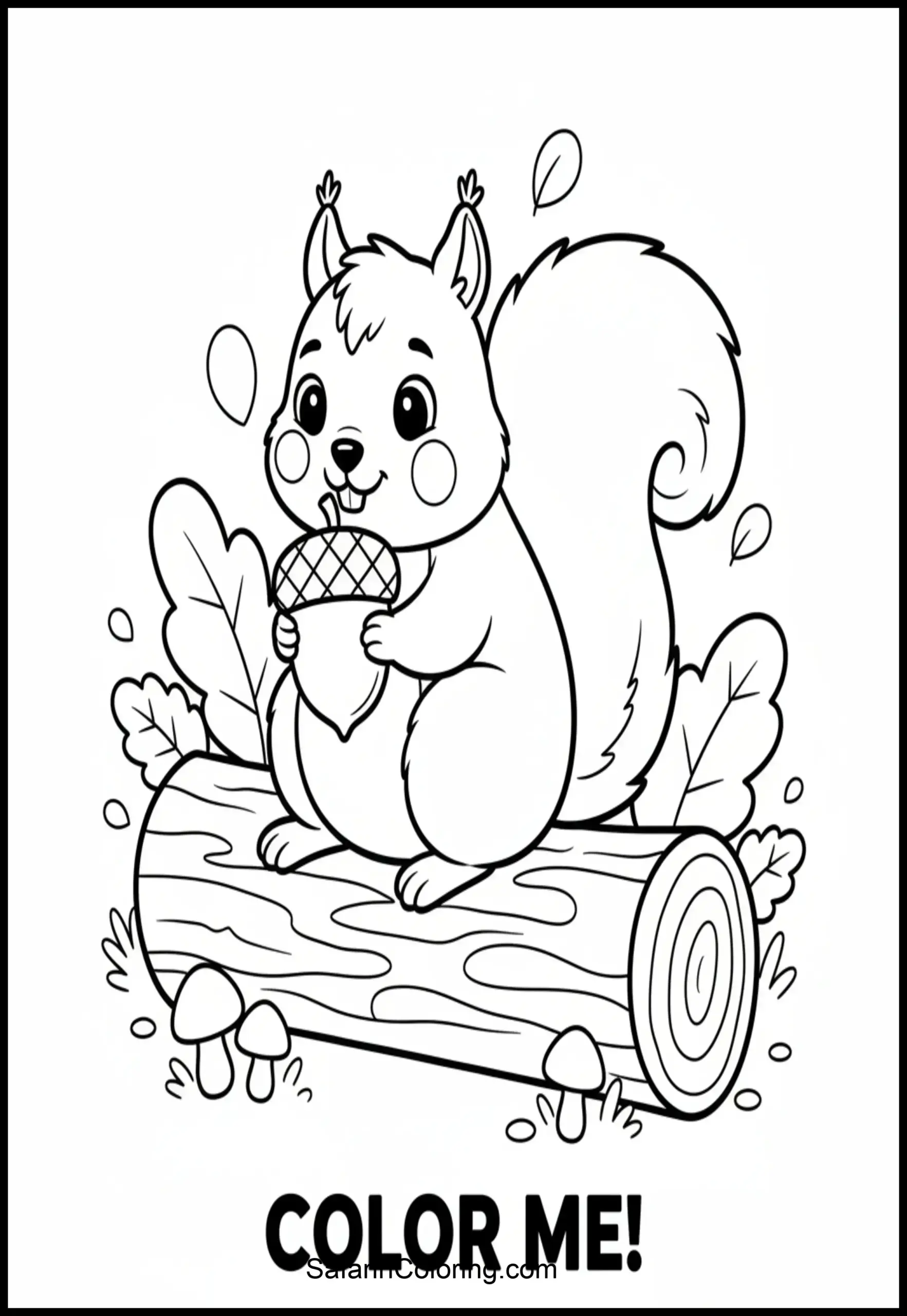
Squirrel Holding Nut Scaled
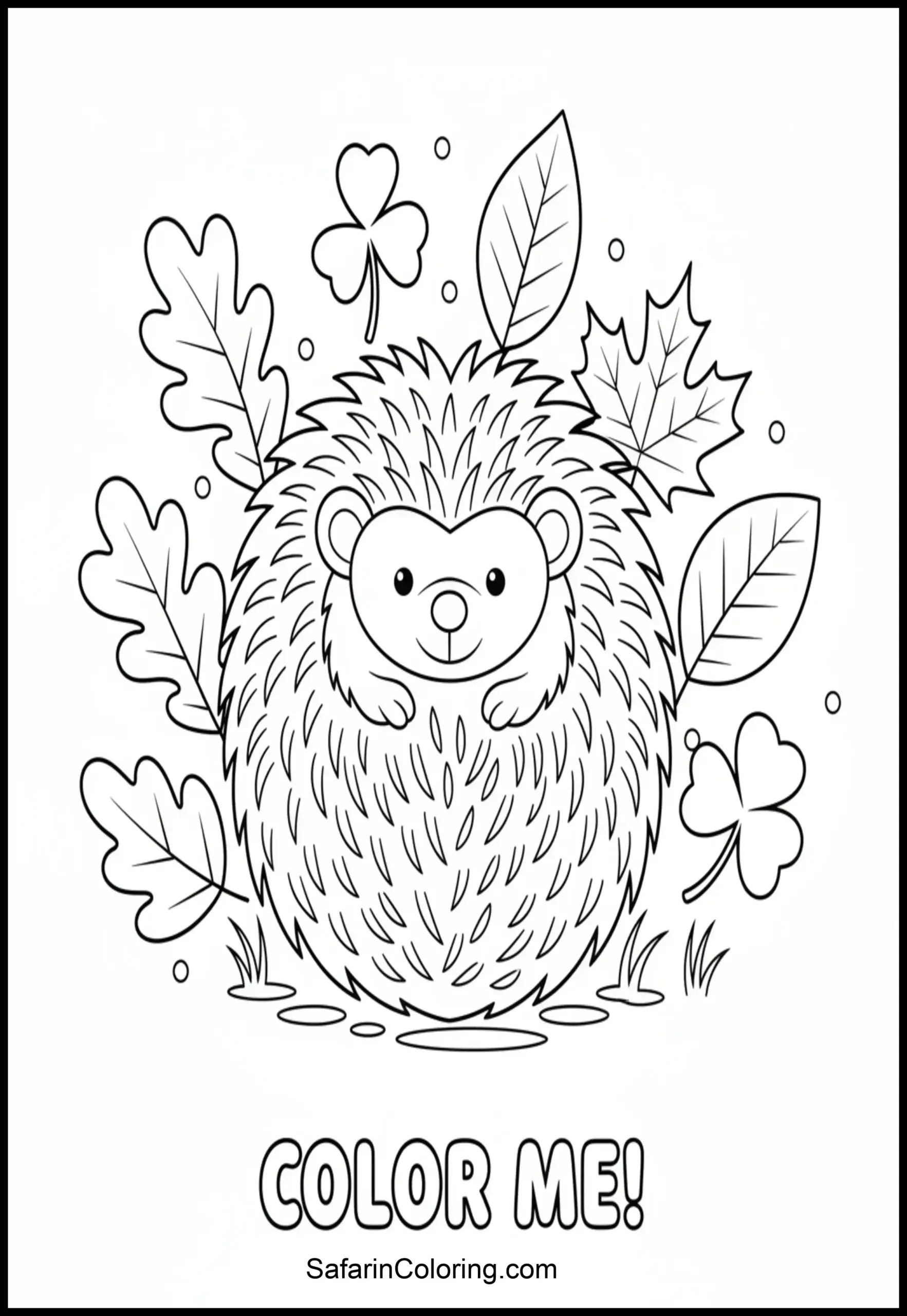
Hedgehog Rolled Ball Scaled
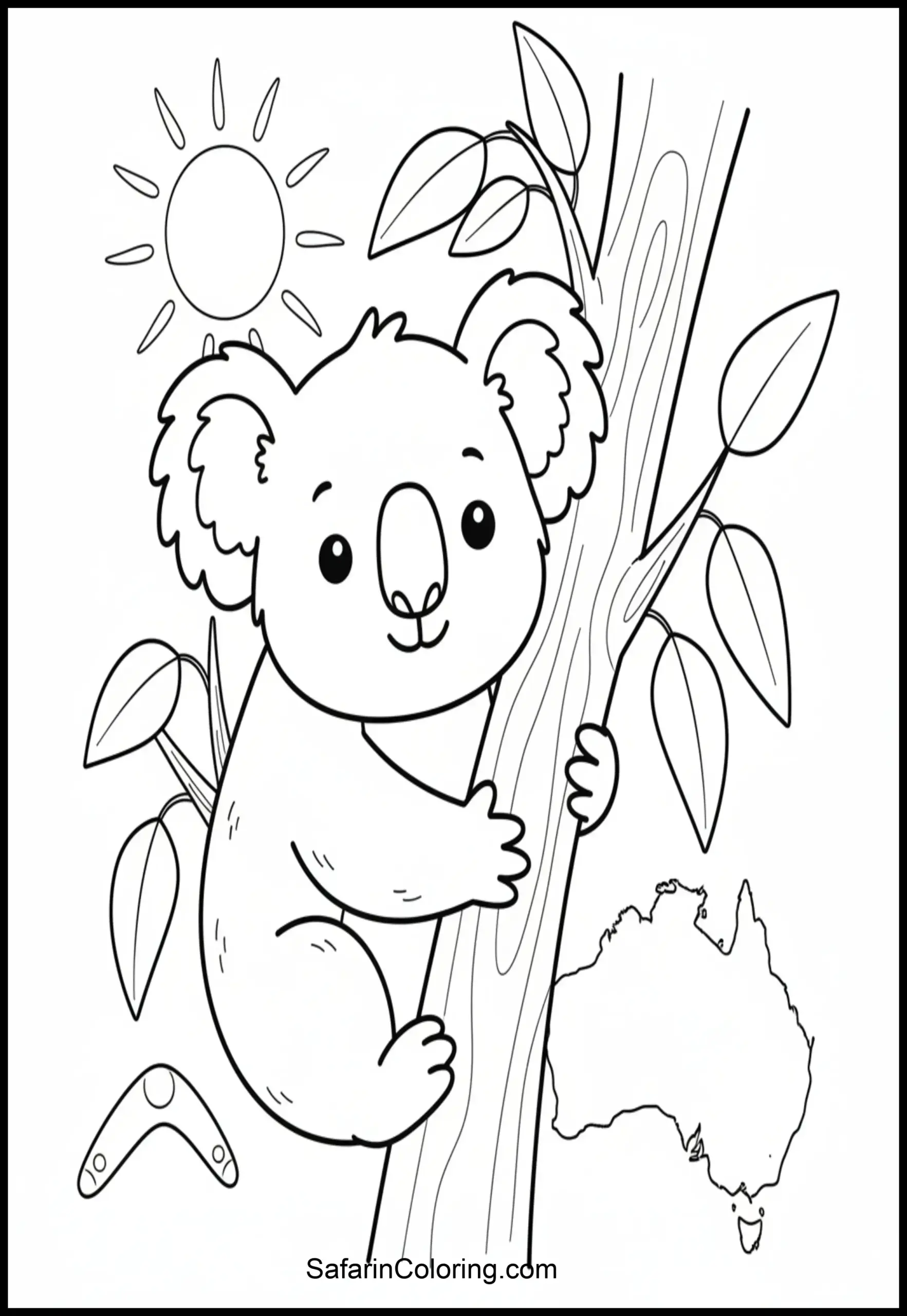
Koala Hugging Tree Scaled
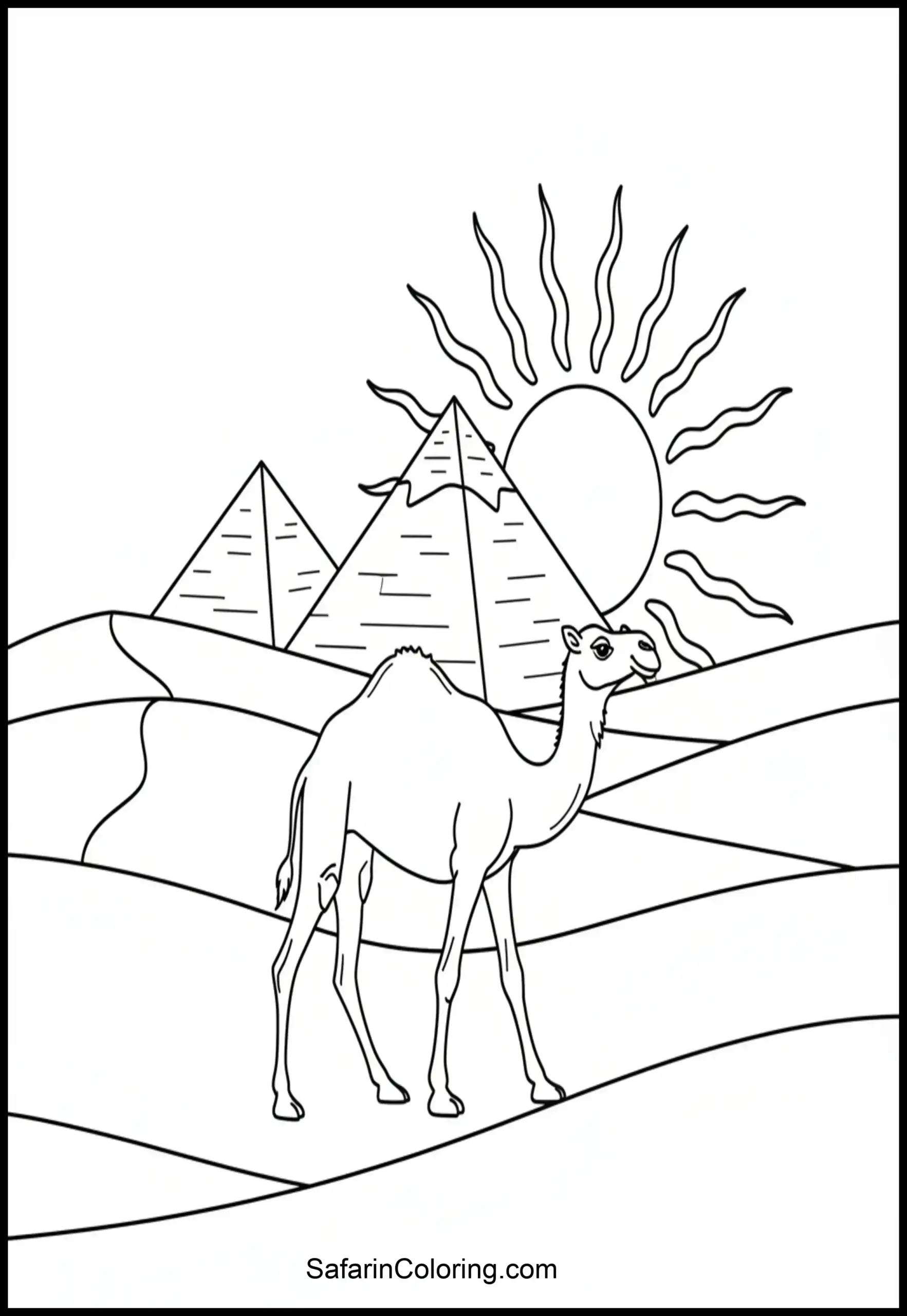
Camel Desert Pyramids Scaled
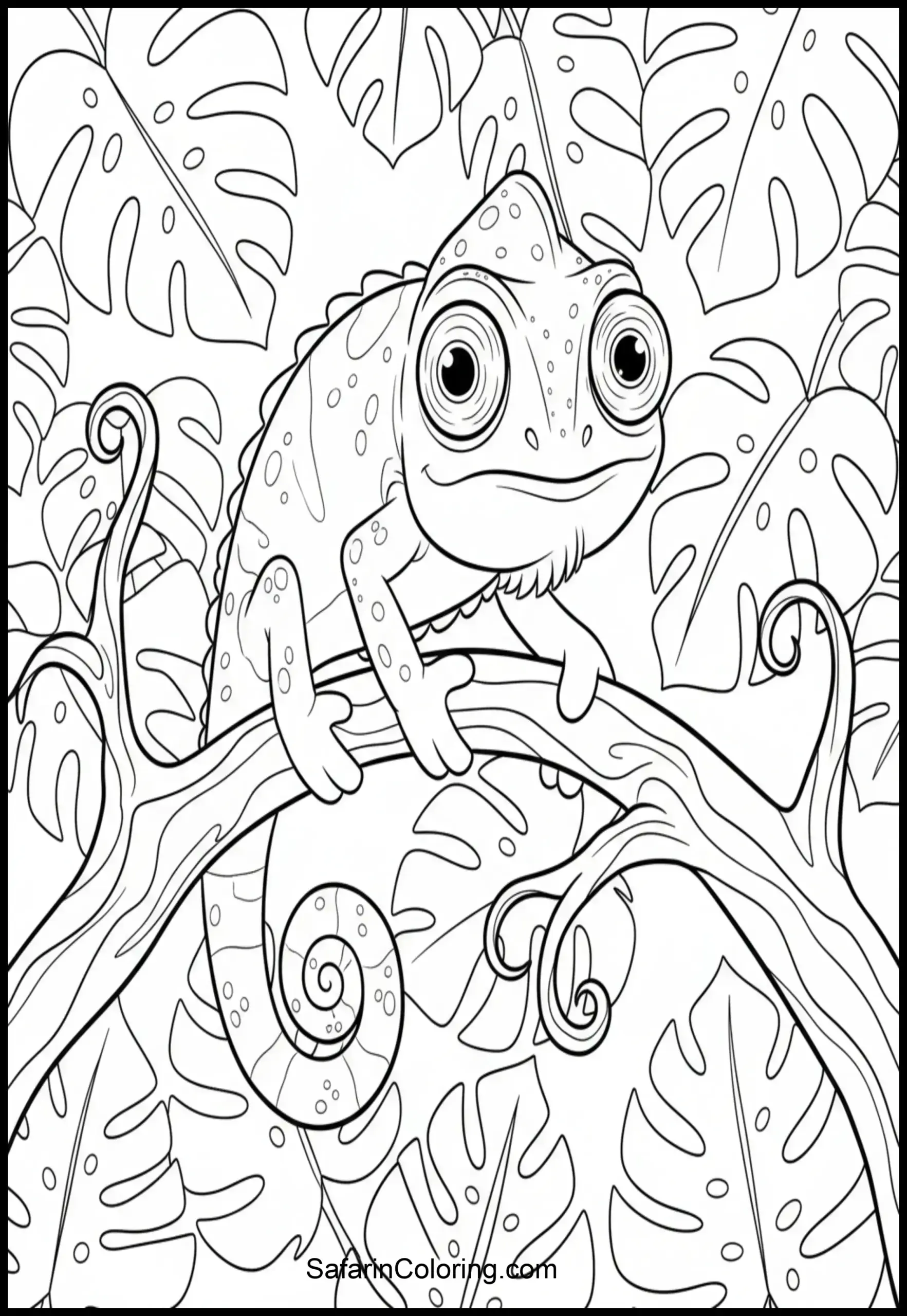
Chameleon On Branch Scaled
The Foundation: Selecting an Optimal Paper Stock
While it’s easy to print on standard office paper, its limitations become apparent quickly. Typical 75-90 GSM (grams per square meter) copy paper is thin, lacks durability, and is highly susceptible to buckling and bleeding, especially with markers. For a significantly better experience, we recommend upgrading your paper stock.
A smooth, bright white paper with a weight of at least 120 GSM is an excellent all-purpose choice. It provides a sturdy canvas that can handle more aggressive coloring and layering. For projects involving wet media like markers or light watercolor washes, a lightweight cardstock (160-200 GSM) is ideal, as its thickness almost entirely prevents bleed-through. A matte finish offers a slight “tooth” or texture, which grips pigment from colored pencils, allowing for richer color application and easier blending.
The Artist’s Palette: A Professional Comparison of Coloring Tools
The right tool can dramatically impact the final look of any art project. Here’s a breakdown of the most common mediums and their professional considerations:
Colored Pencils: The quintessential tool for control and detail. Look for pencils with a high pigment concentration for vibrant, lightfast colors that won’t fade over time.
- Wax-Based (e.g., Prismacolor Premier): These pencils are soft, lay down color smoothly, and are exceptional for blending and layering. They are a fantastic choice for artists of all levels.
- Oil-Based (e.g., Faber-Castell Polychromos): With a harder core, these pencils hold a sharp point longer, making them perfect for intricate details. They produce less wax bloom and are highly durable.
Markers: For bold, uniform color, markers are unparalleled.
- Water-Based (e.g., Crayola Super Tips): These are non-toxic, generally washable, and a safe, affordable choice for young children. However, they can pill or tear the paper if overworked.
- Alcohol-Based (e.g., Copic, Ohuhu): Used by professional illustrators, these markers provide seamless blending and a smooth, streak-free finish. They are a significant investment and will bleed through nearly all standard papers, requiring a dedicated marker pad or a protective sheet placed underneath.
Finishing Touches: Adding Dimension to Your animal coloring pages for kids
To elevate a finished piece from good to great, consider incorporating professional detailing tools. A white gel pen is indispensable for adding highlights to animal eyes, creating the illusion of a wet nose, or drawing fine whiskers over dark colors. It’s a simple tool that adds a surprising level of realism and pop. Similarly, fine-tipped black ink pens (such as Sakura Pigma Micron pens) are perfect for reinforcing outlines that may have been obscured during coloring. This adds a crisp, clean border that makes the colors appear more vibrant and contained.
The Creative Workspace: Ergonomics and Proper Lighting
A well-designed coloring station prevents physical strain and enhances focus. Ensure the table and chair height are appropriate for the artist to maintain good posture, with their feet flat on the floor and elbows at a comfortable 90-degree angle. The workspace should be clean, organized, and free from clutter. Lighting is paramount; diffuse, natural daylight is ideal for accurate color perception. If that isn’t available, use a neutral-white LED desk lamp (around 4000K-5000K) positioned to eliminate shadows cast by the artist’s dominant hand. A comfortable, well-lit space makes the entire experience with animal coloring pages for kids more productive and enjoyable.
Bring Your Pages to Life: Mastering Animal Coloring Pages for Kids
Once you’ve selected the perfect tools, it’s time to elevate your art with advanced techniques. These methods will transform standard animal coloring pages for kids from flat outlines into vibrant, dynamic masterpieces. By understanding color, shading, and texture, you can bring a sense of realism and depth to everything from a spotted leopard coloring page to the wrinkled hide of a mighty elephant. Let’s explore the professional secrets to making your coloring pages pop.
Harmonious Hues: Unleashing Color Theory for animal coloring pages for kids
Choosing the right colors is more than just picking favorites; it’s about creating a mood and visual appeal. Understanding basic color theory can dramatically improve your final piece.
- Complementary Colors: These are colors opposite each other on the color wheel (e.g., red and green, blue and orange). Using them together creates high contrast and makes elements stand out. Imagine a bright orange fish swimming in a deep blue sea. The contrast is exciting and draws the eye.
- Analogous Colors: These are colors that sit next to each other on the color wheel (e.g., yellow, yellow-orange, and orange). Using them creates a harmonious, serene, and cohesive look. This is perfect for coloring a lion’s mane with various shades of gold, brown, and tan to create a natural, blended effect.
From Flat to 3D: Creating Depth with Shading
Shading is the technique that breathes life and volume into a two-dimensional drawing. It creates the illusion of form by mimicking how light falls on an object.
- Establish a Light Source: Before you begin, decide where the light is coming from in your picture (e.g., the top-left corner).
- Apply a Base Layer: Color the entire animal with your lightest chosen color. This is your mid-tone.
- Build the Shadows: Using a slightly darker shade, add color to the areas farthest from your light source. This includes under the belly, on the side of legs facing away from the light, and underneath the chin. Apply pressure gradually to build up the color.
- Add Highlights: Use a white colored pencil or a kneaded eraser to lighten the areas closest to your light source. This could be the top of the animal’s back, the bridge of its nose, or the curve of a muscle. This final touch makes the animal look truly three-dimensional.
Feel the Art: Adding Realism with Texture
Texture is what makes a surface look like it feels a certain way—soft, rough, smooth, or scaly. Different strokes can replicate these effects on your animal coloring pages.
- Fur and Hair: Use short, quick, directional flicks with your pencil or marker. Layer multiple shades of the same color to create depth. For a horse’s mane, follow the natural flow of the hair with long, sweeping strokes.
- Scales or Feathers: Create a pattern of small, overlapping “U” shapes. Add a darker shade at the top of each scale or feather and a highlight at the bottom to make them look curved.
- Rough Skin (Elephants, Rhinos): Use a technique called “scumbling,” which involves making small, circular scribbles. Layer different shades of gray and brown to build up a wrinkled, tough-looking hide.
The Art of Correction: Fixing Common Coloring Mistakes
Mistakes are part of the creative process. Instead of getting frustrated, learn how to correct them gracefully.
- Coloring Outside the Lines: A colorless blender pencil can often be used to push wax-based pigment back inside the line. For more precise fixes, a battery-powered detail eraser is an invaluable tool.
- A Color Is Too Dark: Gently dab a kneaded eraser on the area. It will lift pigment without smudging or damaging the paper’s surface. Avoid rubbing hard, which can create a hole.
- Accidental Smudges: For graphite or dark pencil smudges, a good quality polymer eraser usually works best. To prevent them in the first place, place a spare sheet of paper under your coloring hand.
Showcasing Your animal coloring pages for kids: Creative Display Ideas
Once the last crayon is put away, the fun doesn’t have to end. Transforming your child’s finished artwork into a treasured keepsake or a beautiful piece of decor celebrates their creativity and hard work. A simple frame can turn a vibrant drawing into a gallery-worthy piece for their bedroom wall. You can also create a rotating art display on the fridge with fun magnets or string a clothesline with clips along a wall to showcase a collection of their favorite colored animals.
Preserving Your Masterpiece: Archival Tips
To keep those colorful creations looking bright for years to come, proper storage is key. An artist’s portfolio or a simple three-ring binder with clear sheet protectors makes an excellent scrapbook for their favorite pieces. This not only protects the pages from spills and tears but also creates a wonderful visual diary of their artistic development. For extra special pieces, consider using an acid-free spray fixative to prevent smudging, especially for works made with chalk or charcoal.
Beyond the Page: Creative DIY Projects
Your child’s artwork can become a heartfelt, handmade gift. A beautifully colored Elephant Coloring Page can be folded into a unique birthday card for a grandparent. Trim detailed sections to create personalized bookmarks for family members or use the entire page as custom gift wrap for smaller presents. These simple crafts add a personal touch to any occasion and show your child how their art can bring joy to others.
Your animal coloring pages for kids Questions Answered
What are the benefits of coloring for kids?
Coloring offers a wealth of benefits beyond simple entertainment. It’s a calming activity that can reduce anxiety and stress in children by allowing them to focus on a single, mindful task. Coloring also provides a wonderful outlet for self-expression, helping kids communicate emotions and ideas through their choice of colors and designs. It nurtures creativity and builds confidence as they complete their artwork and feel a sense of accomplishment.
What age is appropriate for coloring pages?
Coloring is a fantastic activity for a wide range of ages, starting as early as toddlerhood. For toddlers (1-3 years), choose pages with large, simple shapes and thick lines to help them practice staying within the boundaries. Preschoolers (3-5) can handle more complex images, while school-aged children can enjoy highly detailed designs that challenge their focus and fine motor skills. The key is to match the complexity of the page to the child’s developmental stage.
What skills does coloring develop?
Coloring is a powerful tool for skill development. It significantly improves fine motor skills and hand-eye coordination as children learn to hold a crayon and color within the lines. This activity also builds concentration, patience, and attention to detail. As they work on animal coloring pages for kids, they learn about different colors, hues, and artistic boundaries, all while strengthening the hand muscles needed for writing.
Are coloring pages good for toddlers?
Yes, coloring pages are excellent for toddlers! They provide a structured way to explore creativity and develop crucial pre-writing skills. Using chunky crayons on simple animal coloring pages for kids helps toddlers strengthen their hand and finger muscles, developing the pincer grasp necessary for holding a pencil later on. It’s a screen-free activity that introduces them to colors, shapes, and the simple joy of creating something beautiful themselves.
How do you print coloring pages from the internet?
Printing coloring pages is typically a straightforward process. First, find a design you like and click on the image or a designated “Download” or “Print” button. This will usually open the image in a new tab or as a PDF file. From there, go to your browser’s “File” menu and select “Print,” or use the keyboard shortcut (Ctrl+P on Windows, Cmd+P on Mac). Adjust your printer settings as needed, ensuring the page is set to “portrait” and fits the paper size.
Your Adventure with animal coloring pages for kids Begins Now
The journey from a blank page to a vibrant masterpiece is filled with more than just color; it’s an opportunity for growth, relaxation, and connection. Engaging with animal coloring pages for kids is a simple yet profound way to nurture your child’s fine motor skills, boost their confidence, and provide a healthy outlet for creative expression. It’s a quiet moment in a busy day, a shared activity, and a chance to create something beautiful together that you can cherish long after the coloring is done.
So grab your favorite crayons, markers, or colored pencils, and dive into a world of artistic fun. Let your child’s imagination run wild and watch as they bring these amazing animals to life with their unique creative touch.
Ready for your next adventure? Explore our Cute Lion Coloring Pages