We offer a wide collection of free, high-quality printable coloring pages for kids and adults. From cute animals to intricate mandalas, our designs bring creativity and relaxation to everyone. Download, print, and start coloring today!

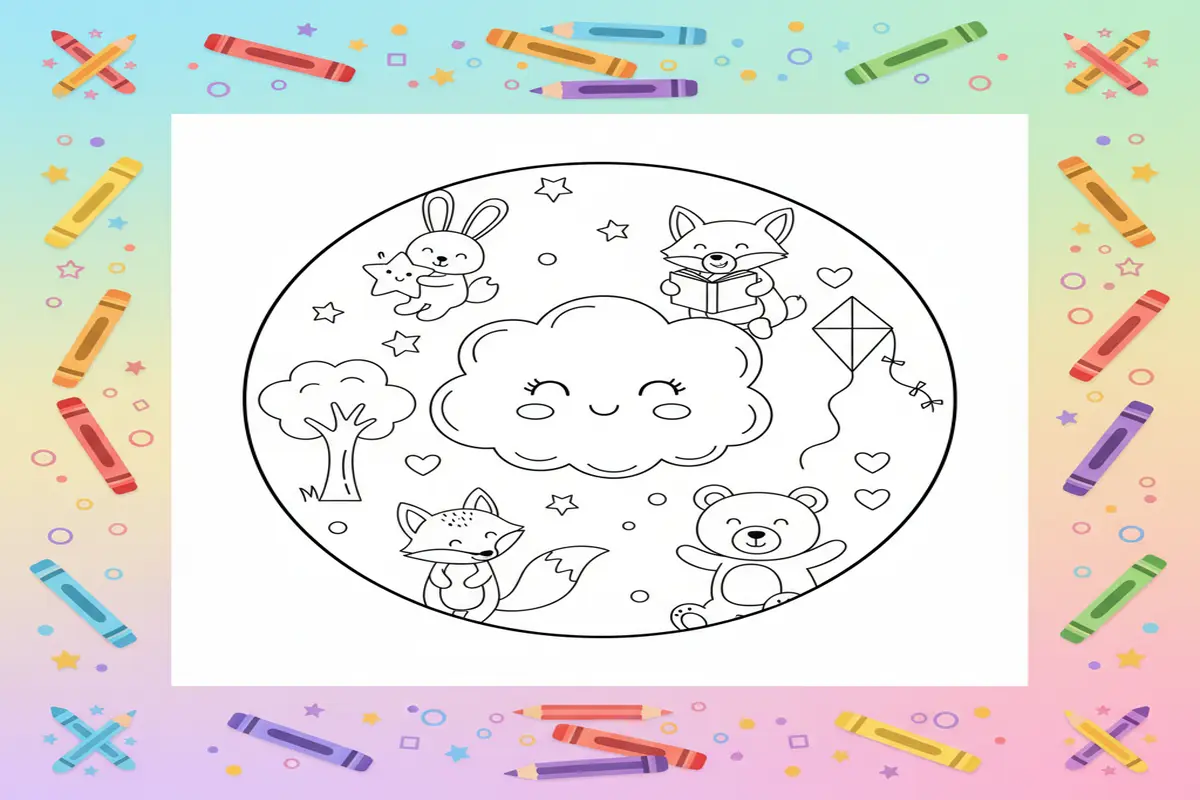
Preparing the right materials is a crucial step in transforming a simple coloring session into a therapeutic and calming experience. The quality of your supplies can directly impact a child’s ability to focus and find relief, making the process of completing anxiety coloring pages for kids more engaging and less frustrating. From the paper’s weight to the vibrancy of the coloring tools, each element contributes to a successful and soothing creative outlet. This guide provides a professional breakdown of the ideal toolkit for bringing these important mindfulness resources to life.
Table of Contents
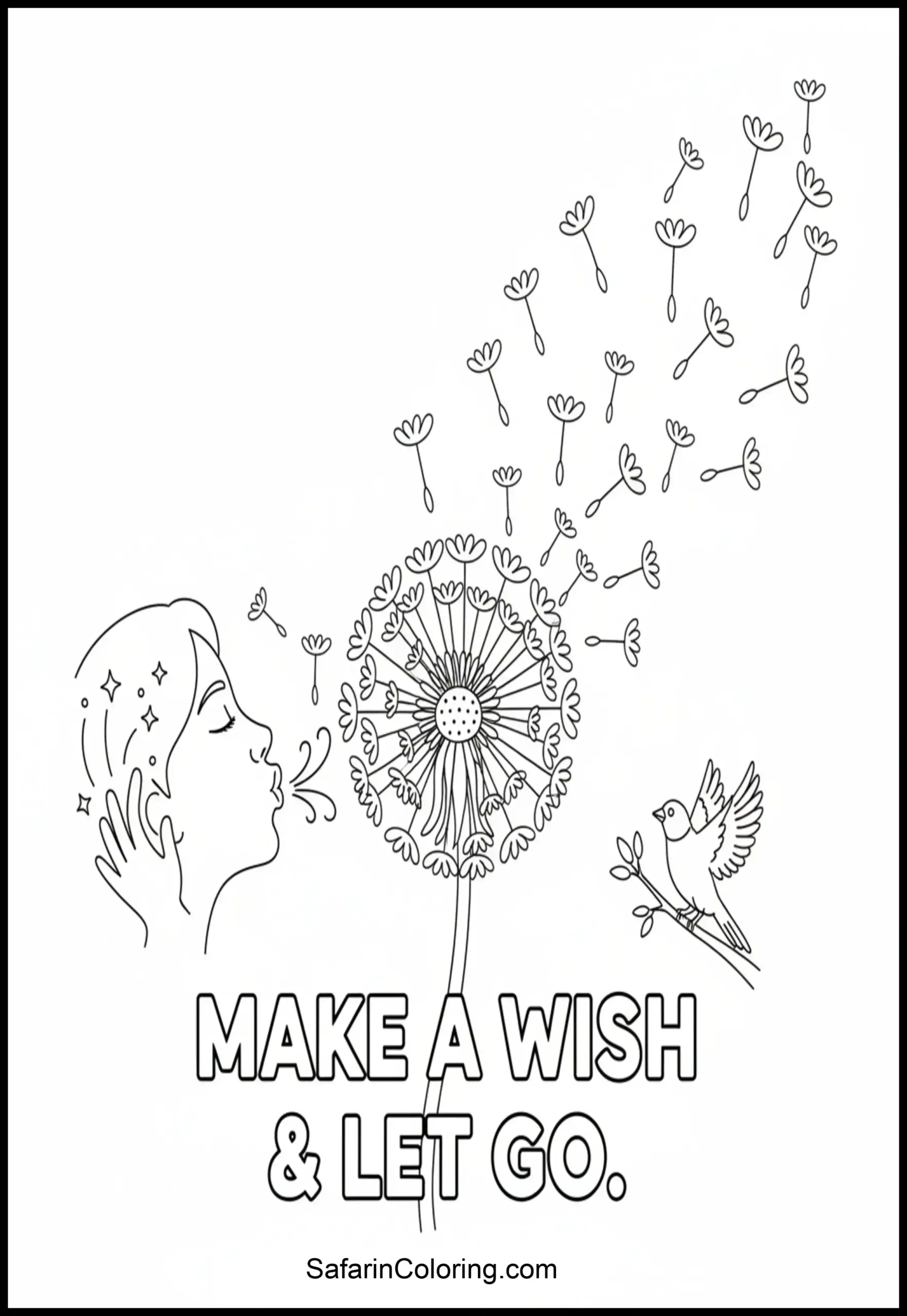
Anxiety Relief Dandelion Blow Scaled
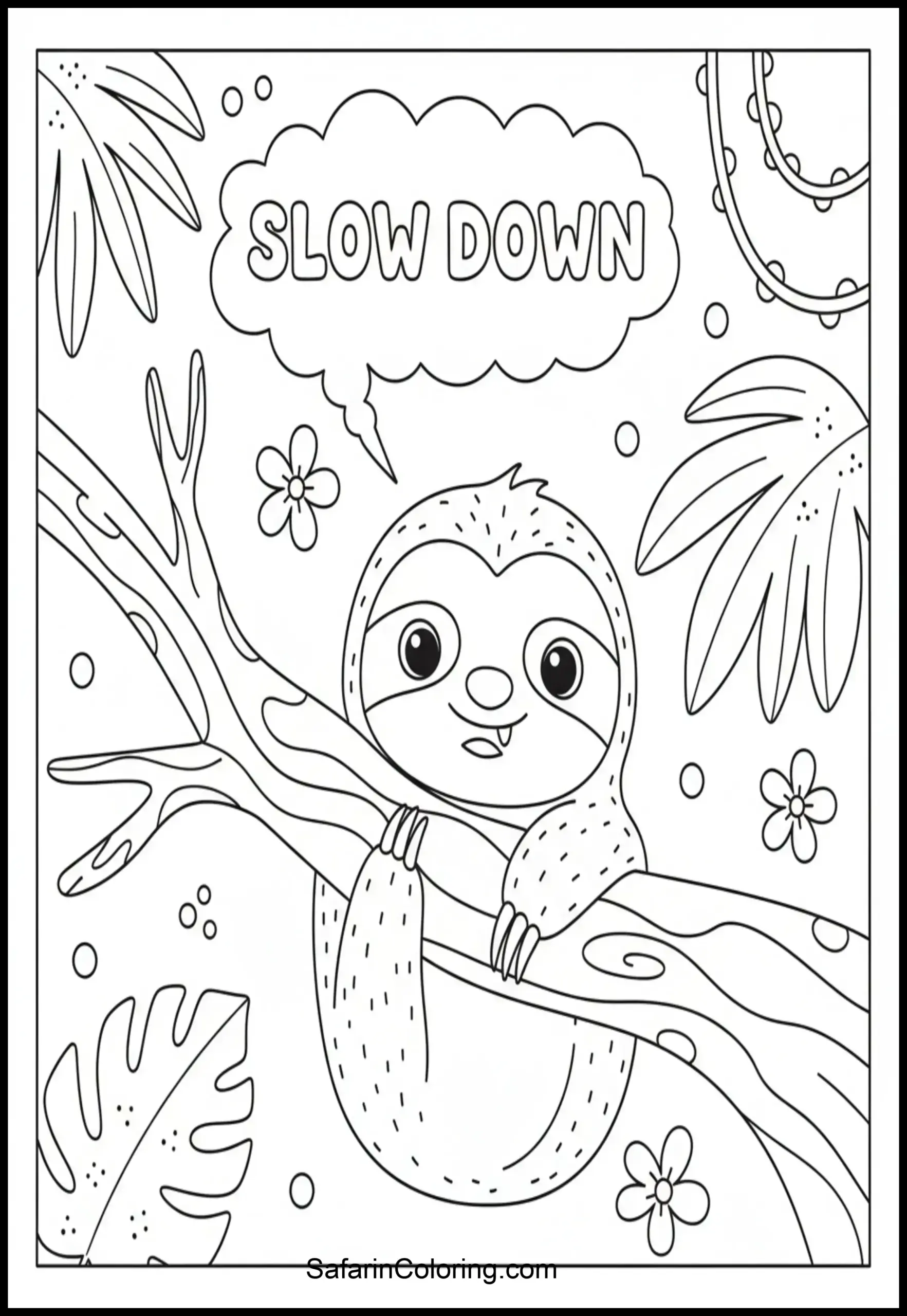
Anxiety Relief Sloth Slow Down Scaled
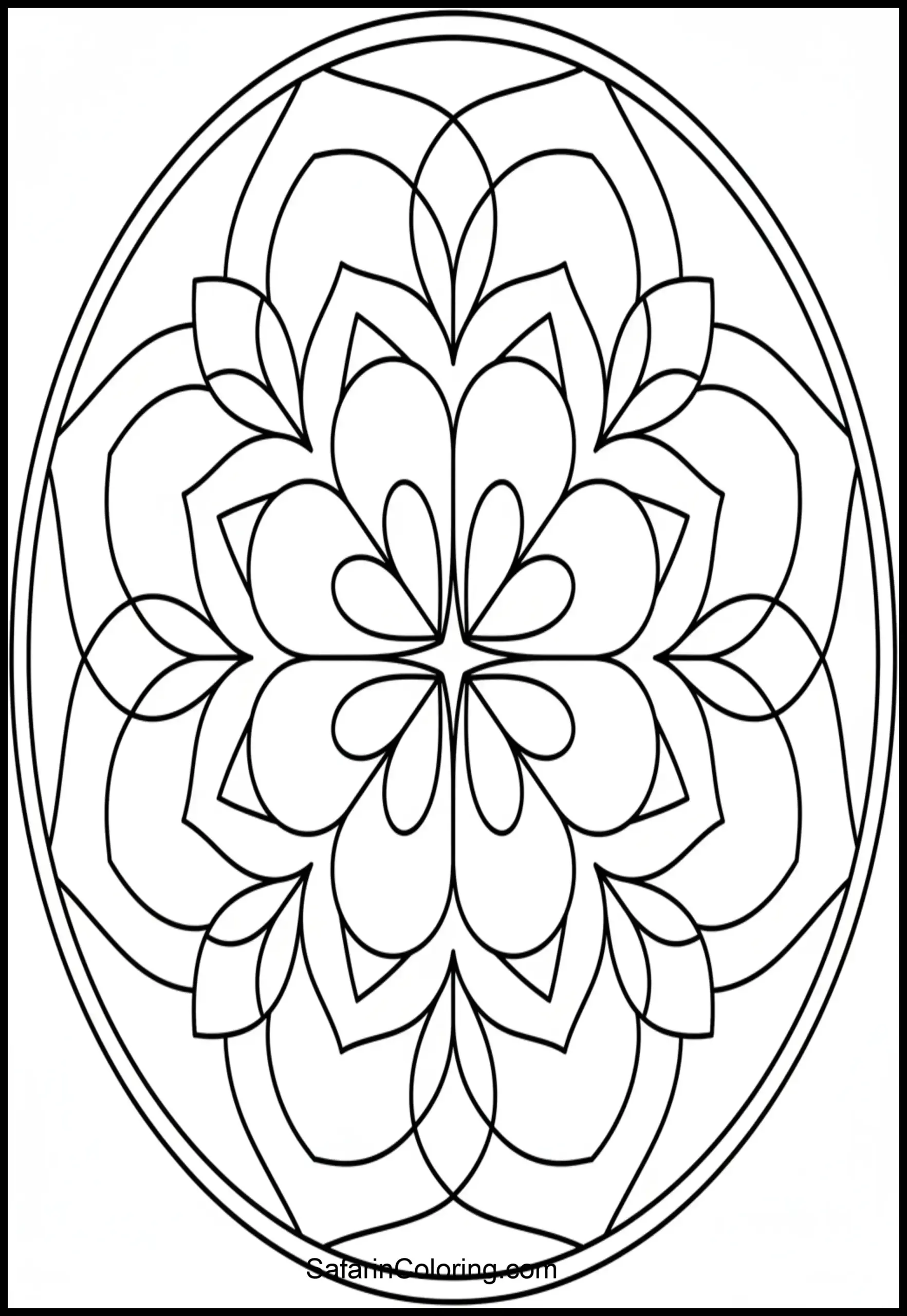
Anxiety Relief Simple Mandala Scaled
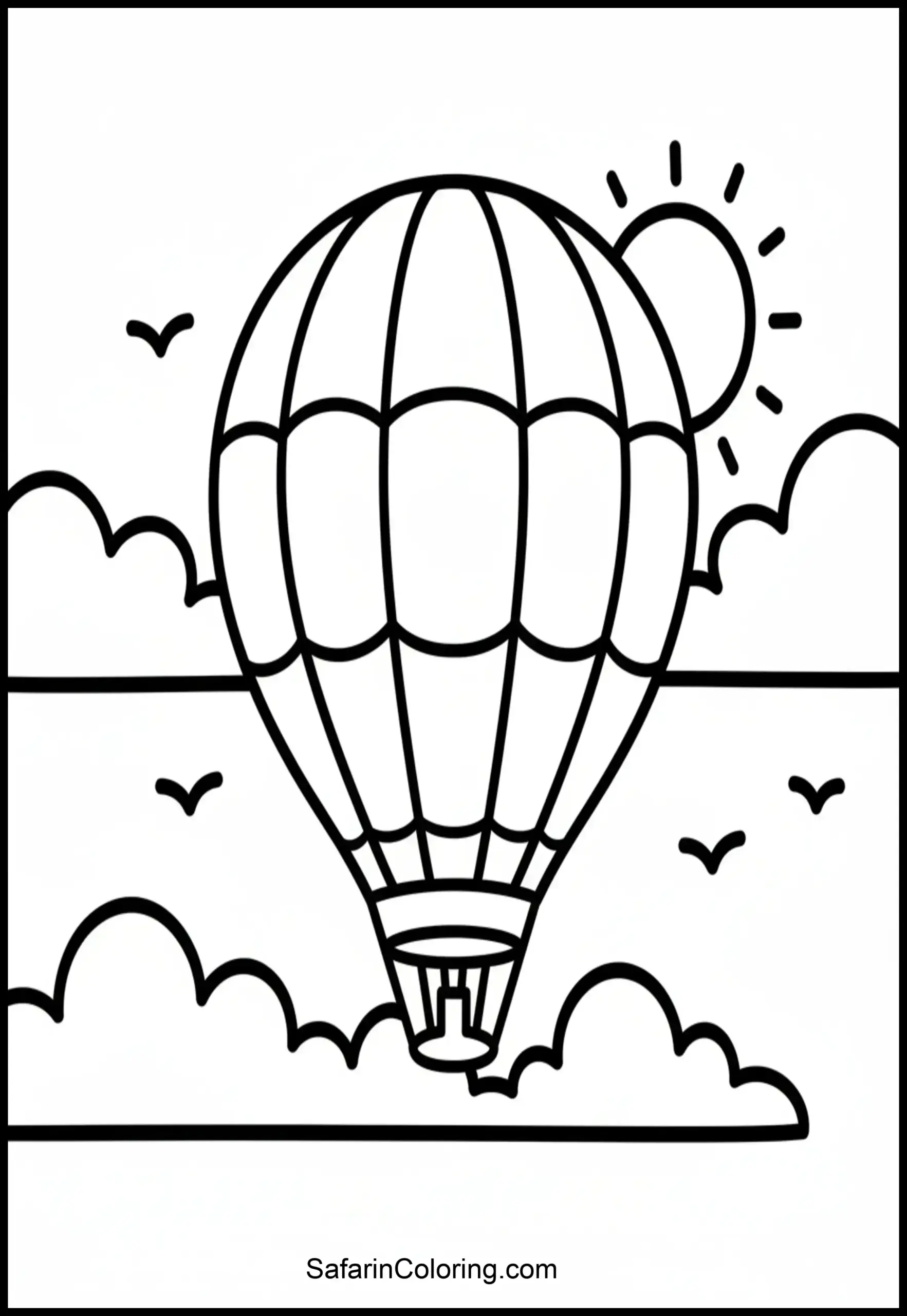
Anxiety Relief Hot Air Balloon Scaled
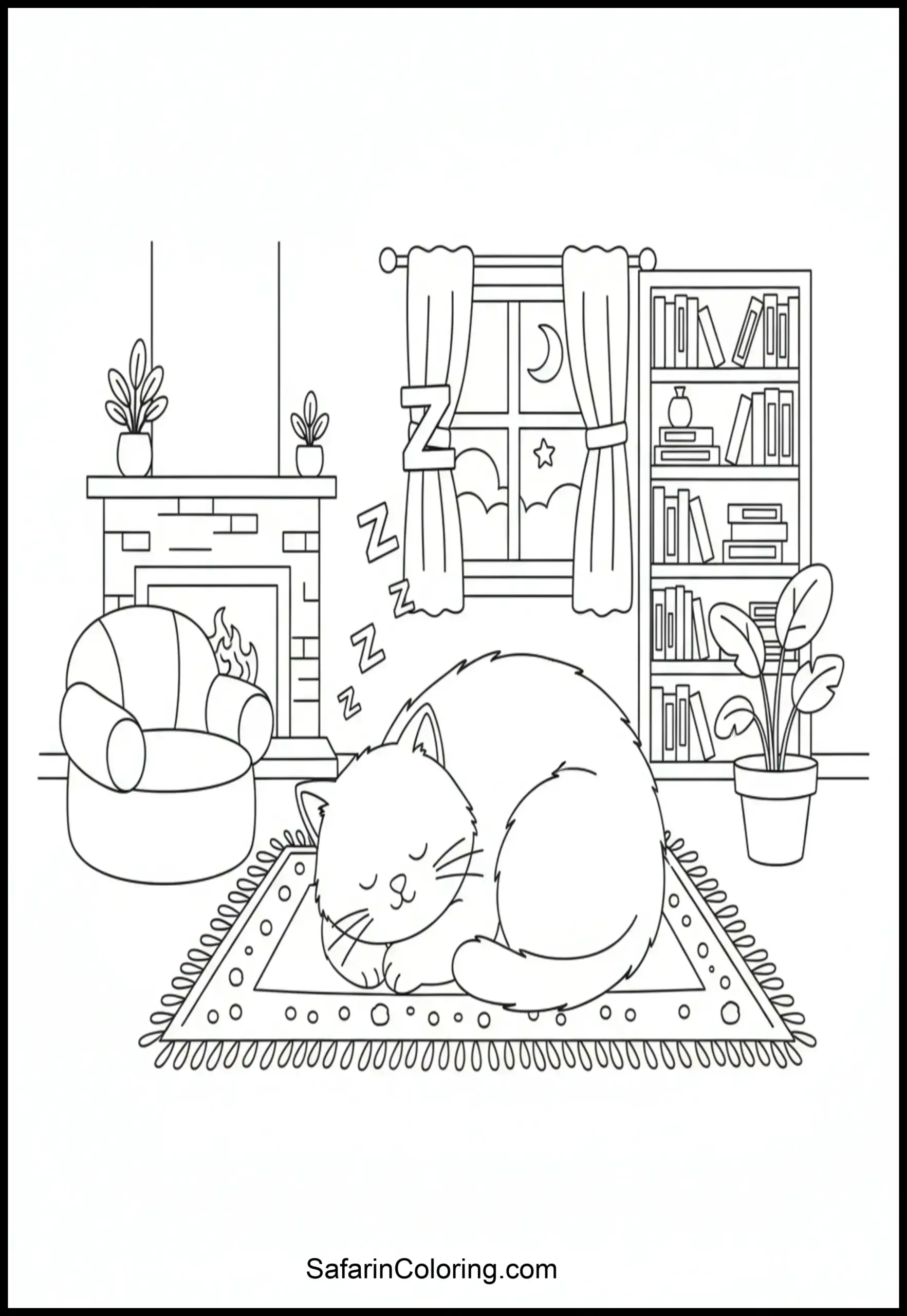
Anxiety Relief Sleeping Cat Scaled
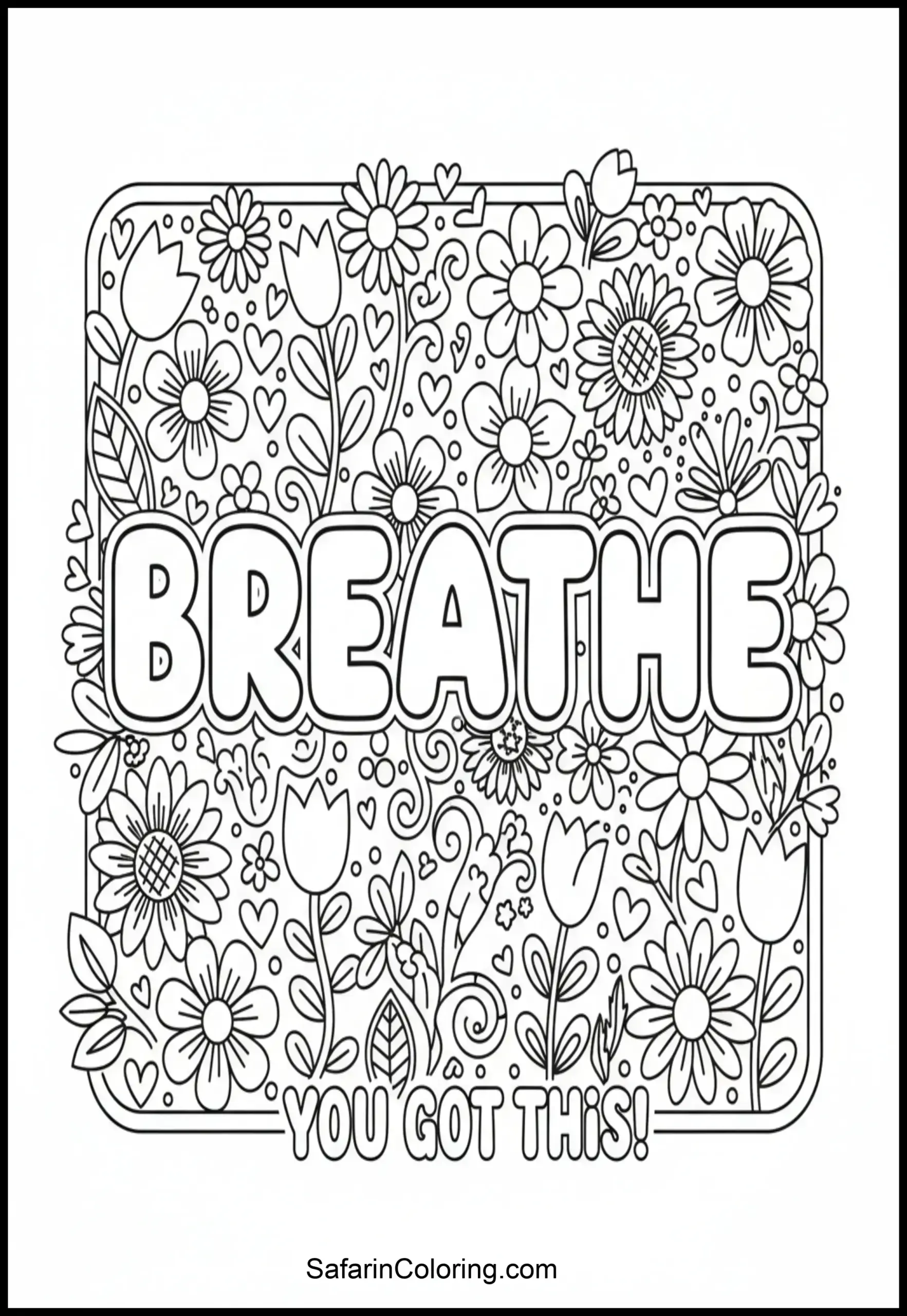
Anxiety Relief Breathe Text Scaled
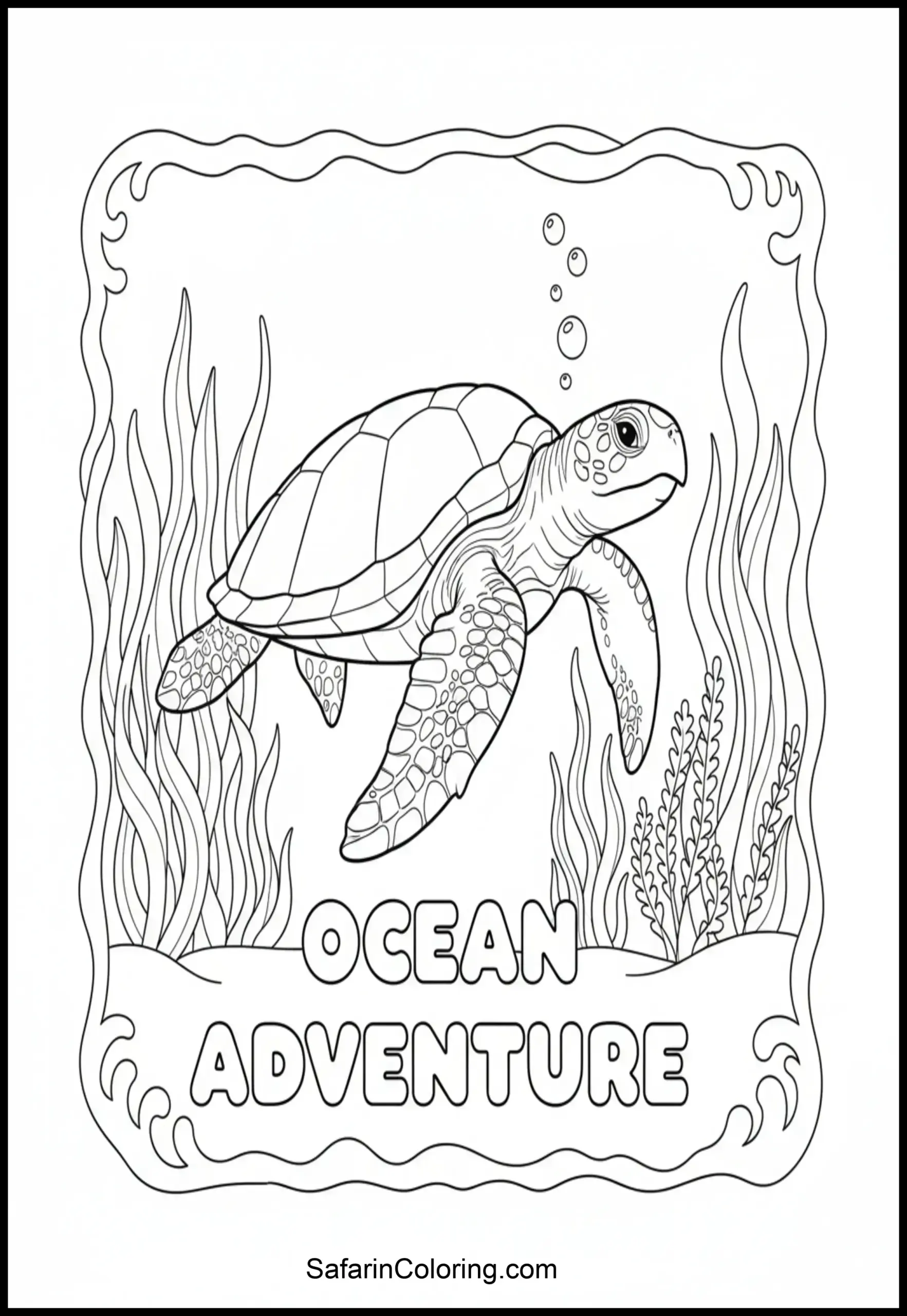
Anxiety Relief Swimming Turtle Scaled
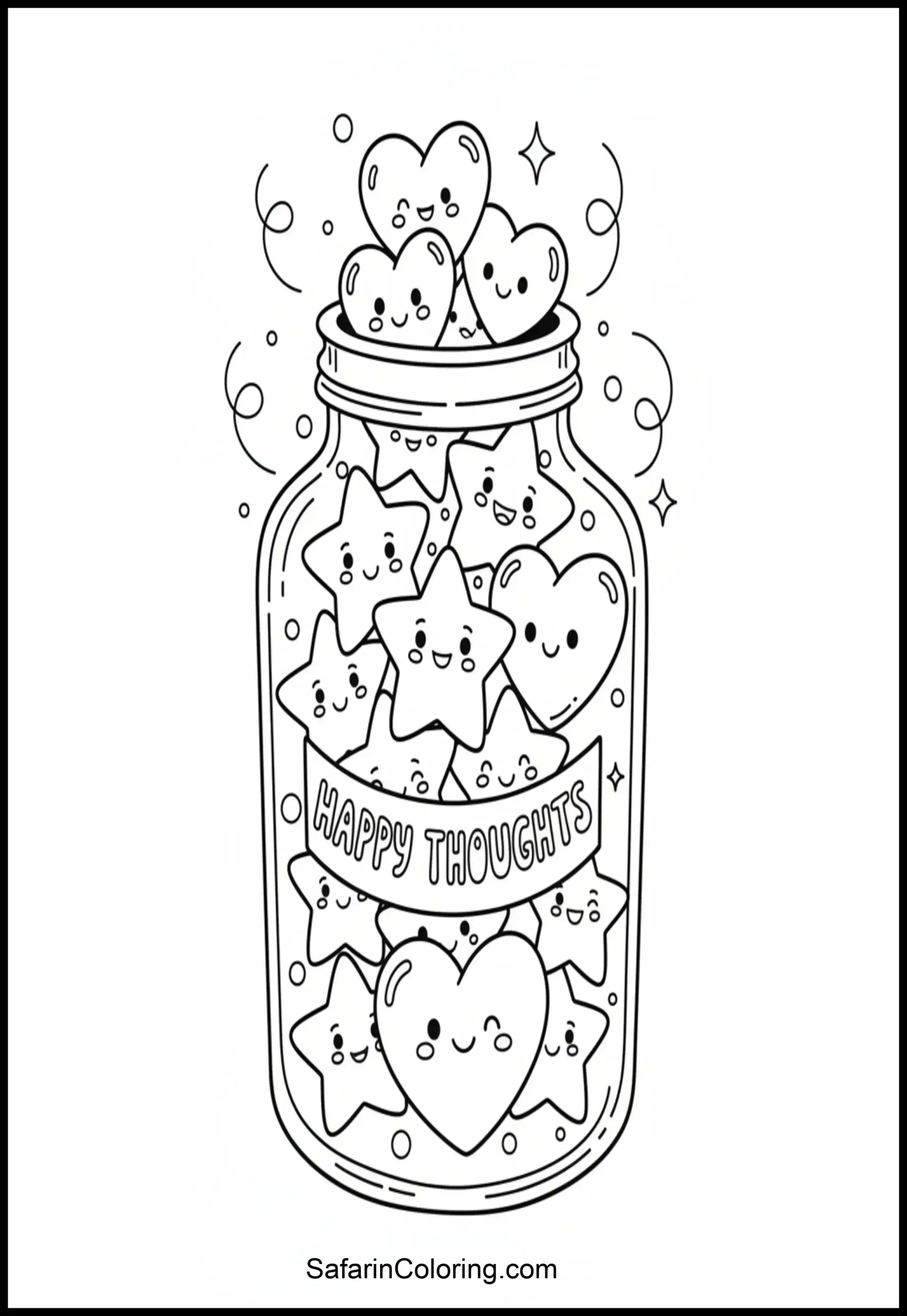
Anxiety Relief Jar Happy Thoughts Scaled
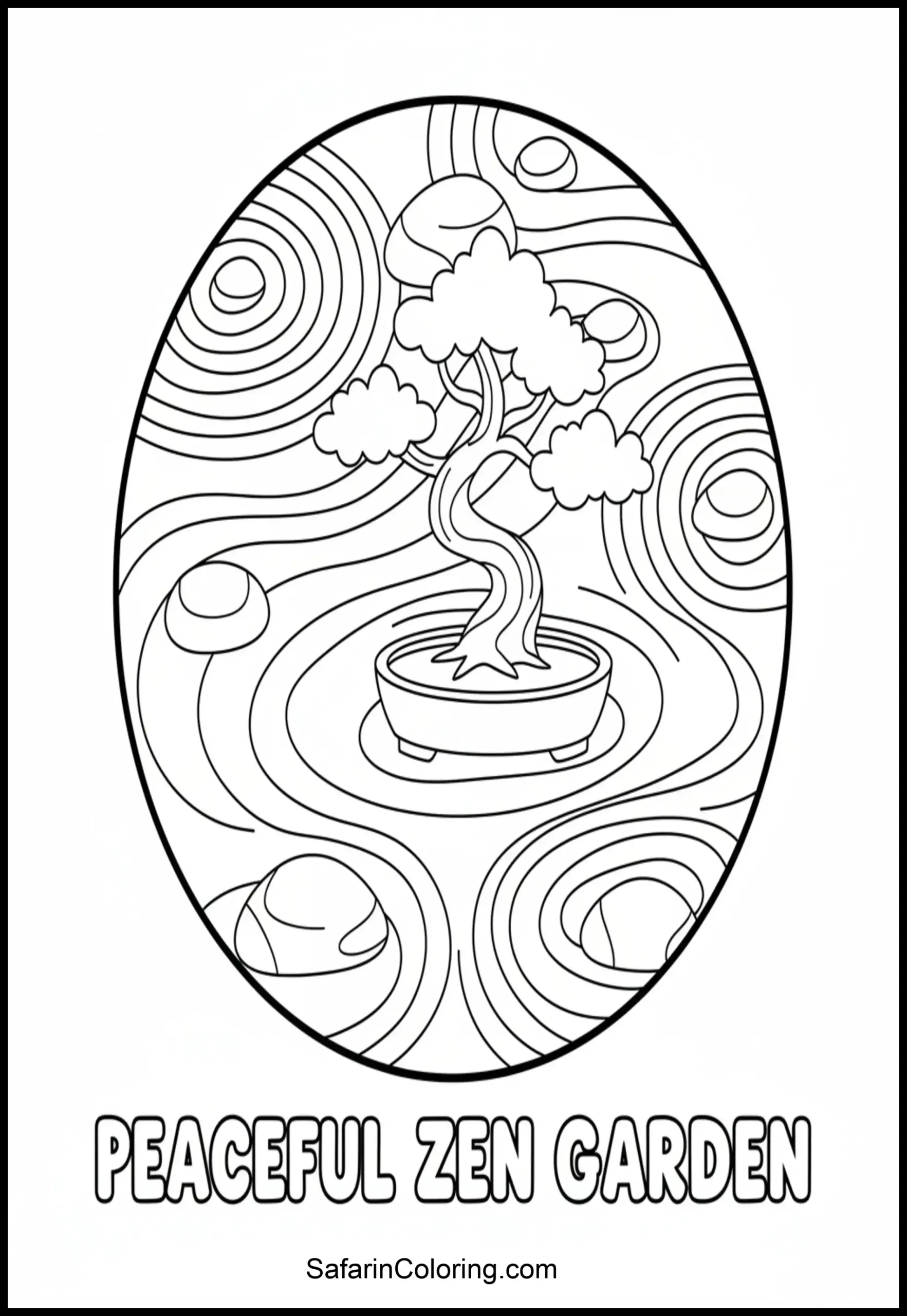
Anxiety Relief Zen Garden Scaled
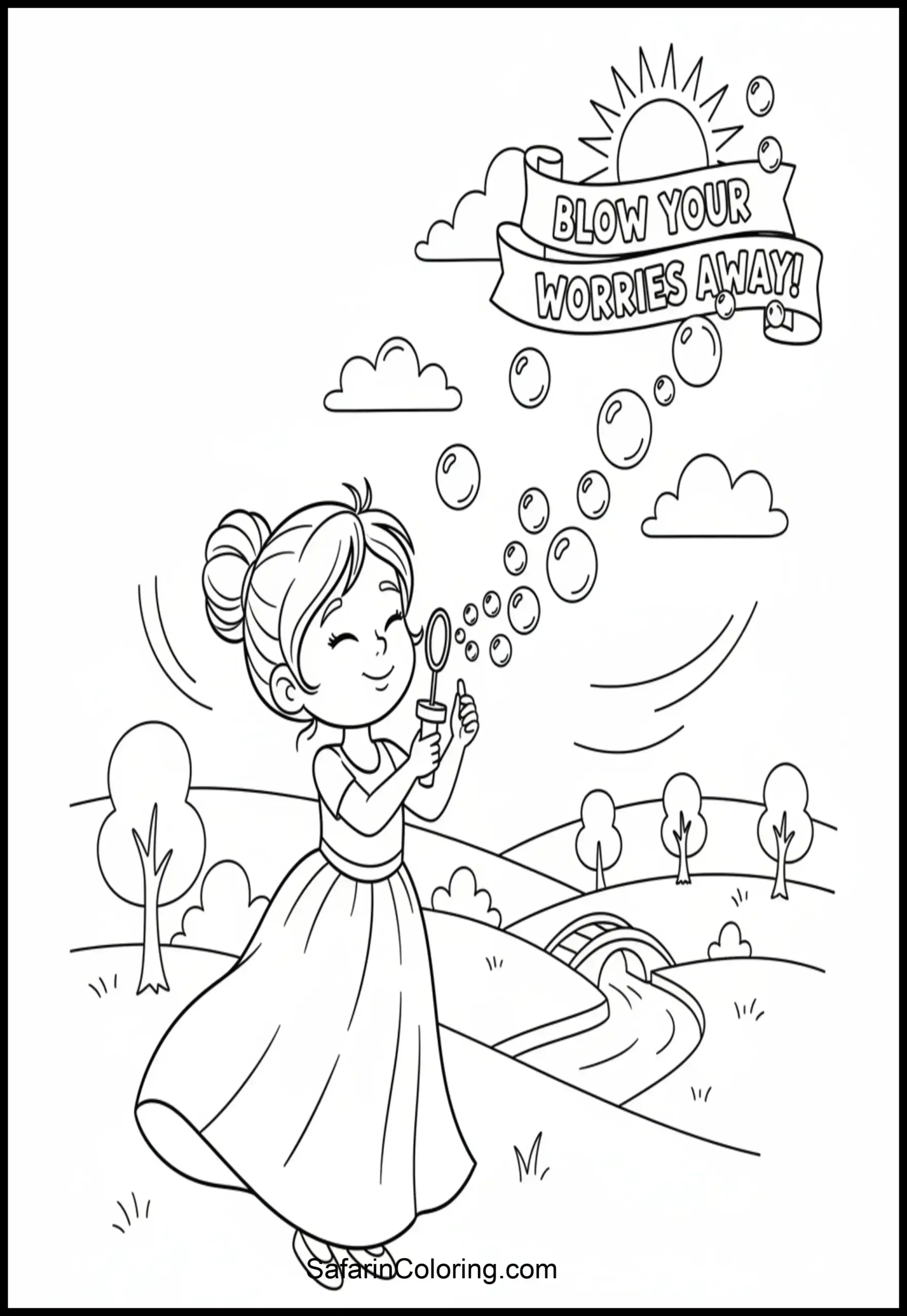
Anxiety Relief Blowing Bubbles Scaled
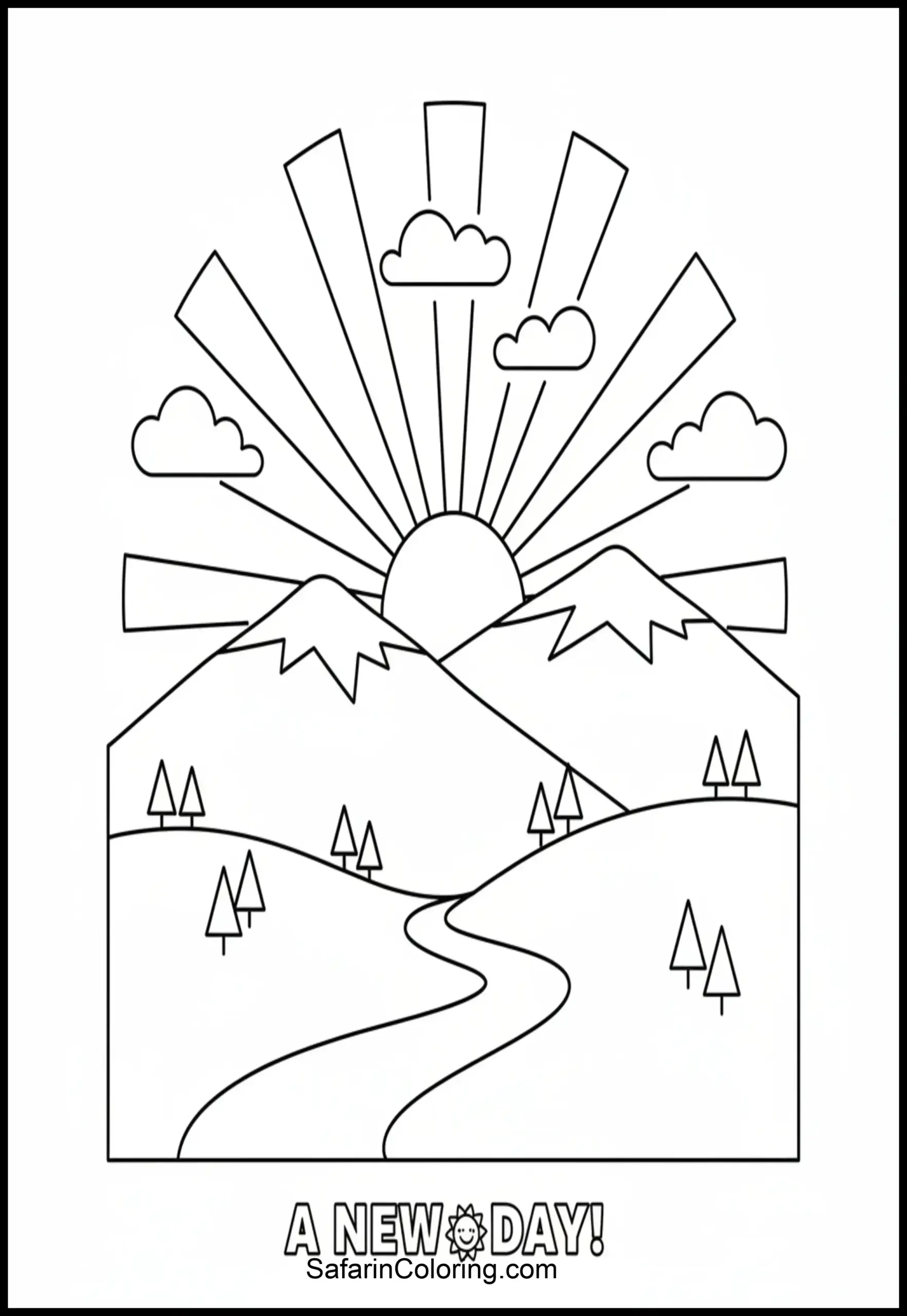
Anxiety Relief Sunrise Mountains Scaled
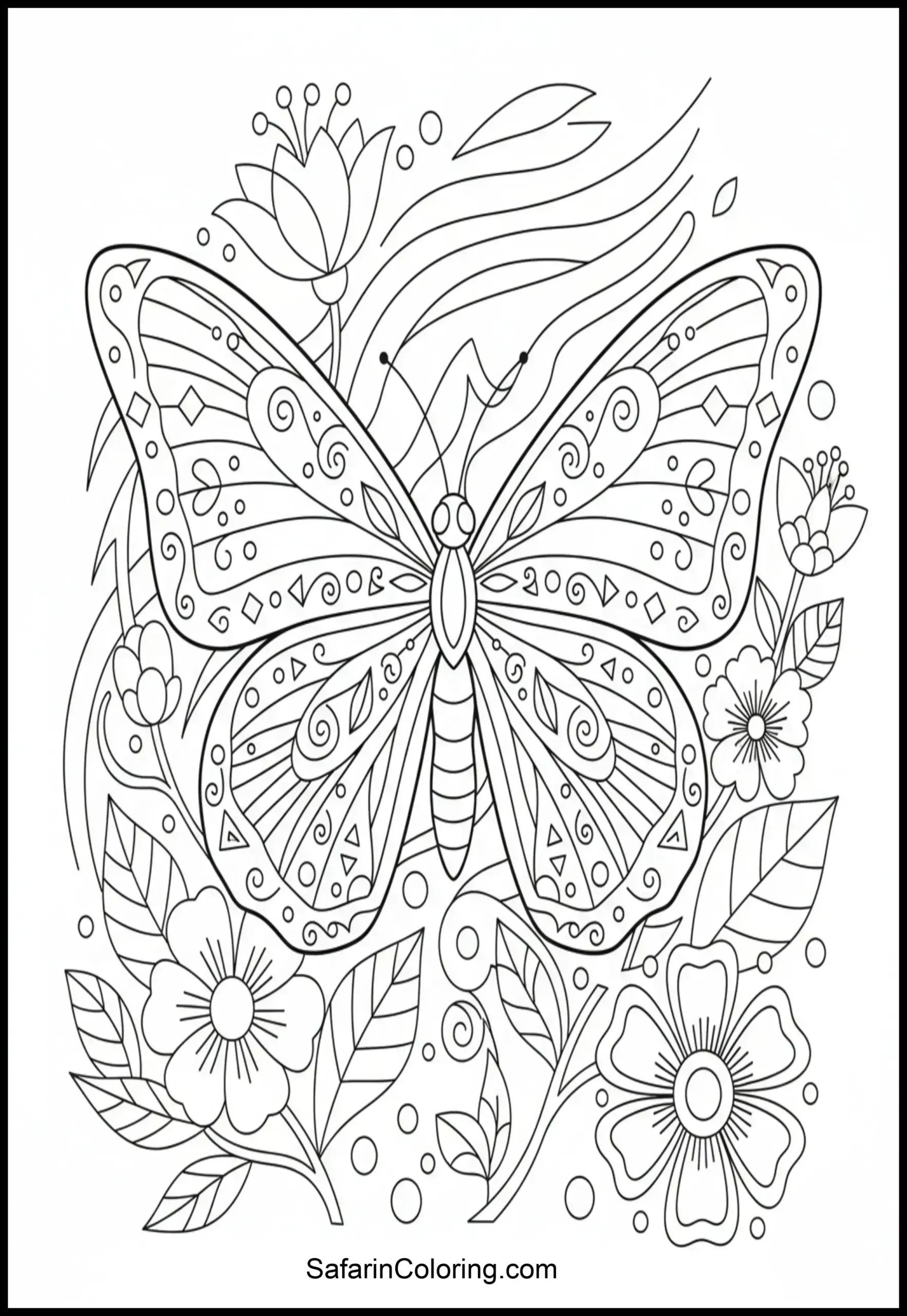
Anxiety Relief Butterfly Pattern Scaled
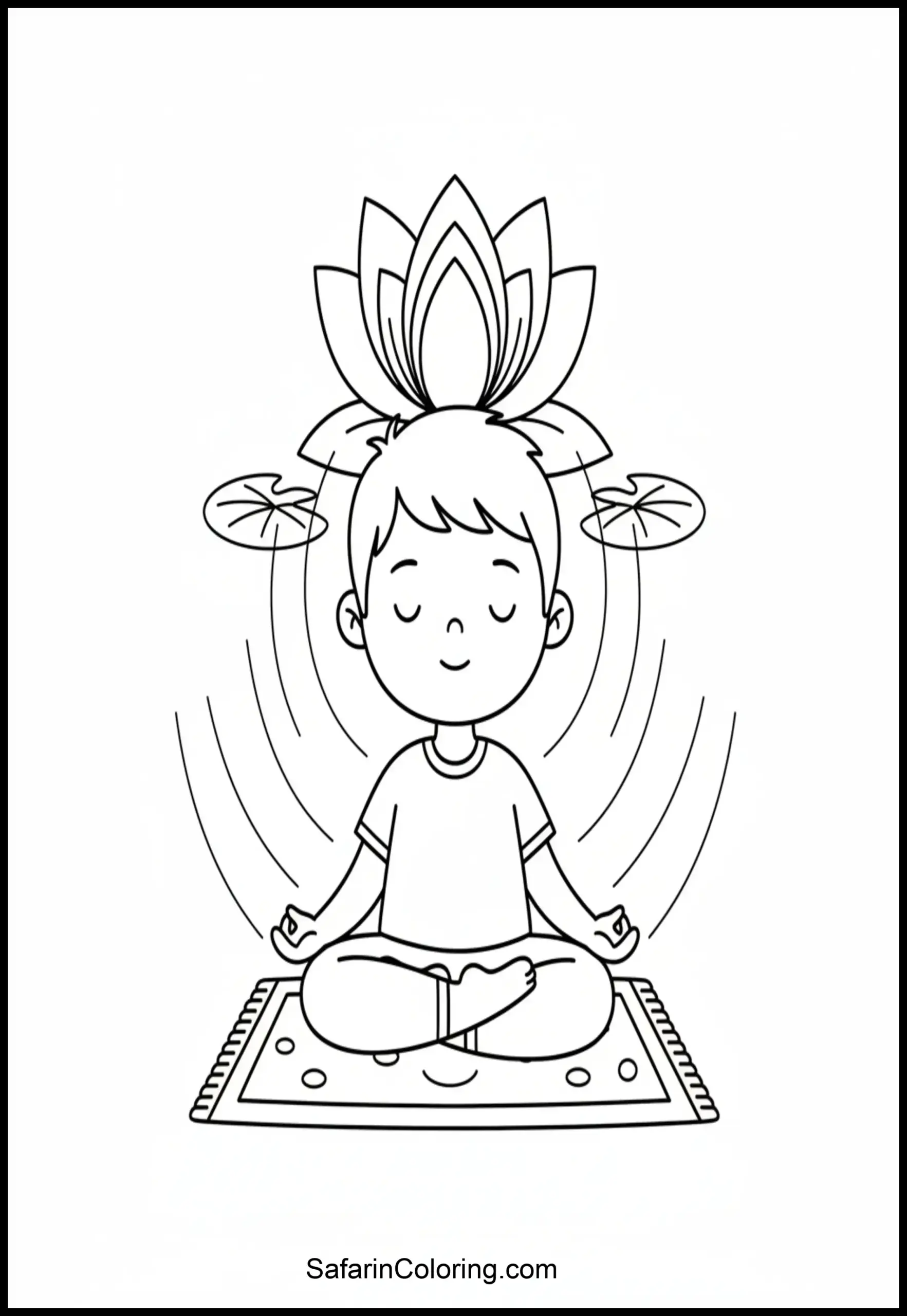
Anxiety Relief Yoga Boy Scaled
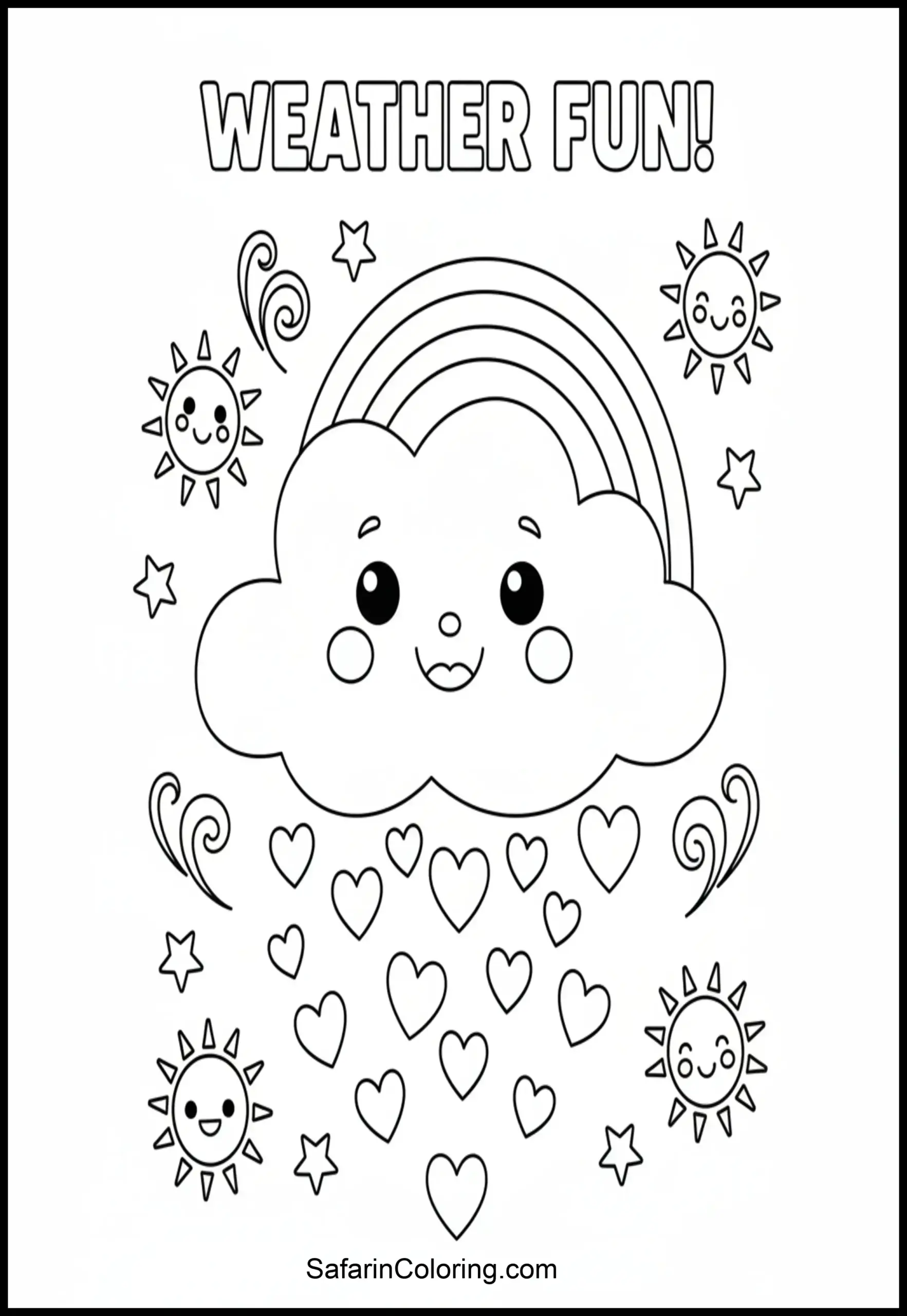
Anxiety Relief Cloud Hearts Scaled
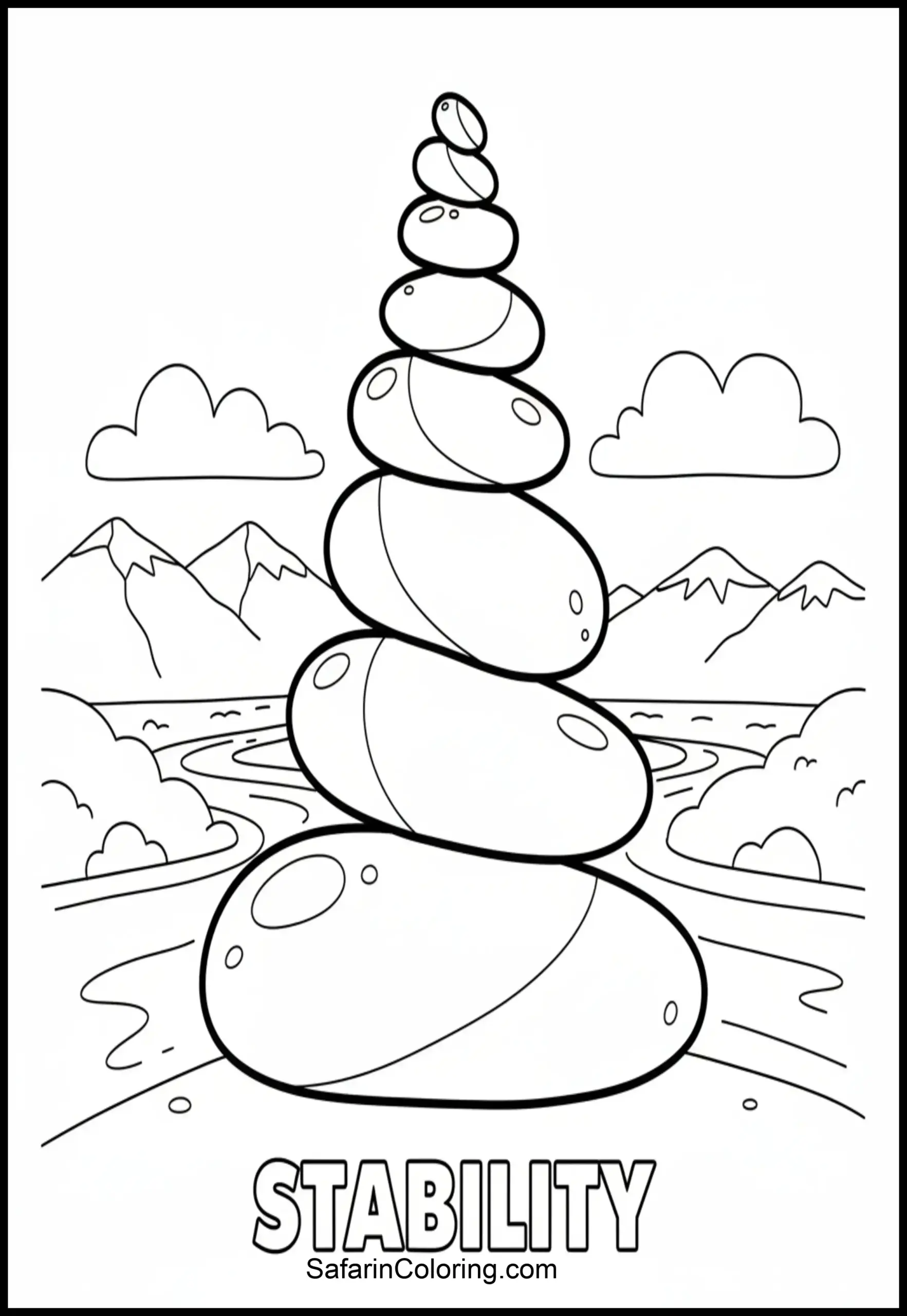
Anxiety Relief Balancing Stones Scaled
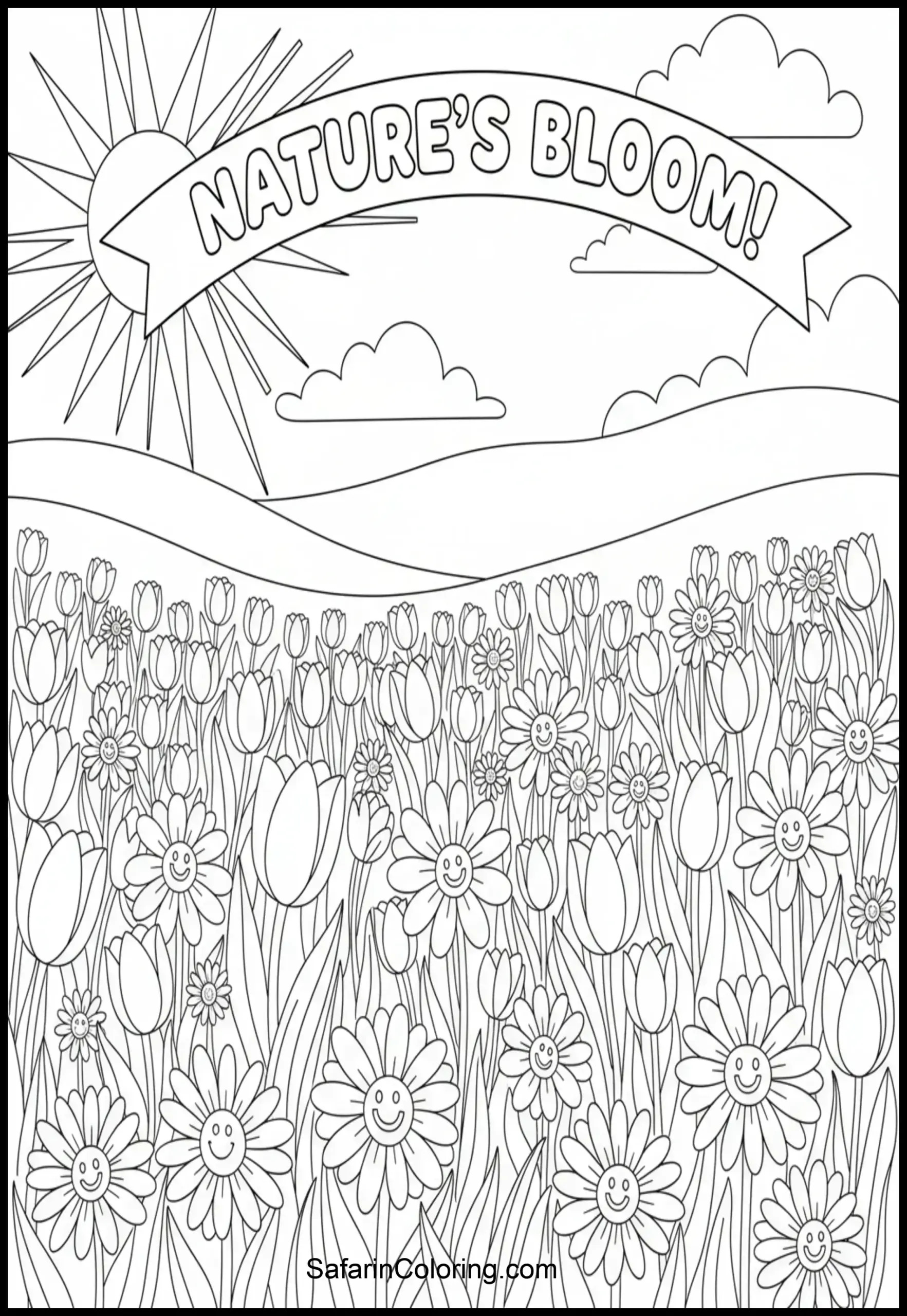
Anxiety Relief Flower Field Scaled
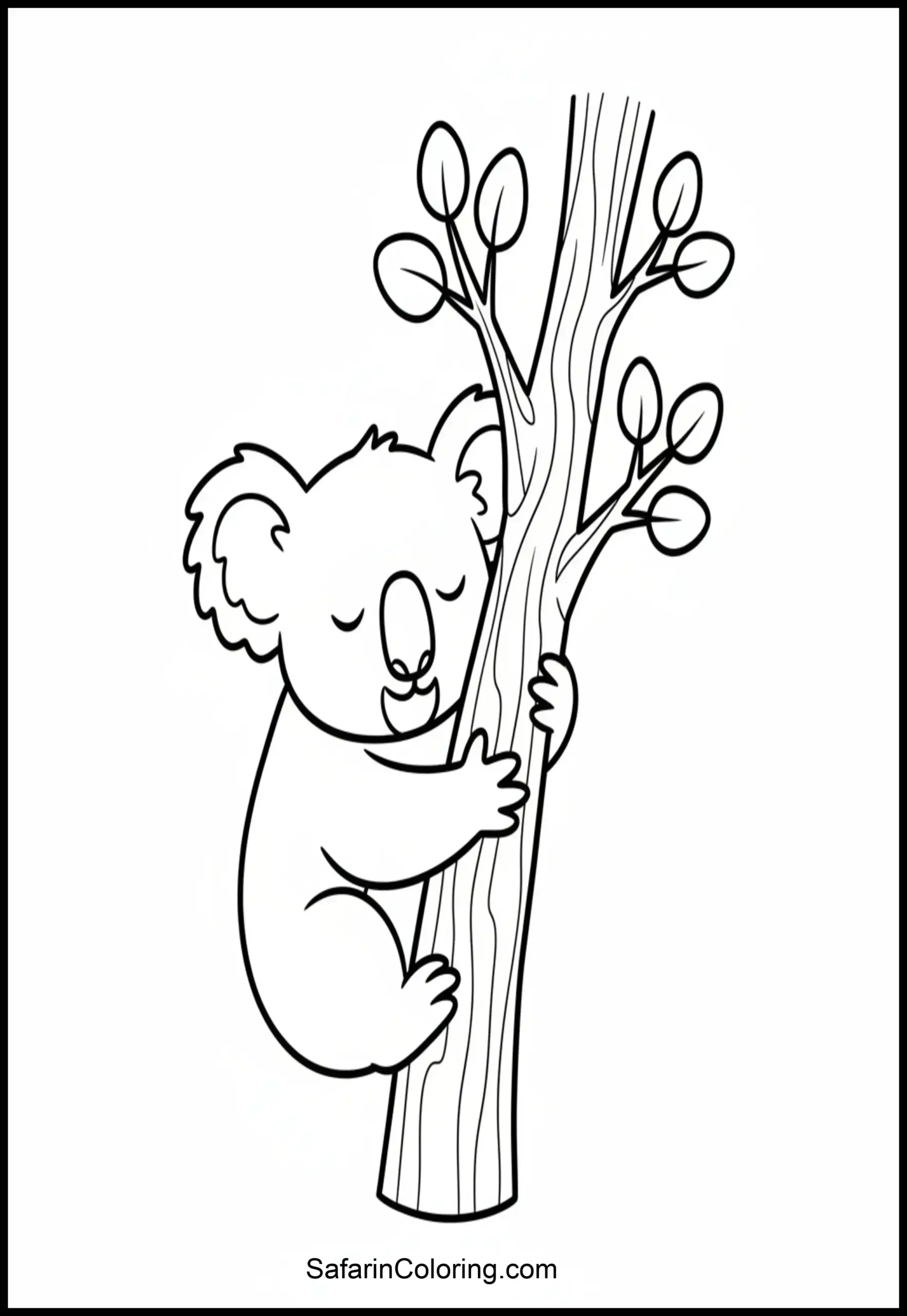
Anxiety Relief Koala Hug Scaled
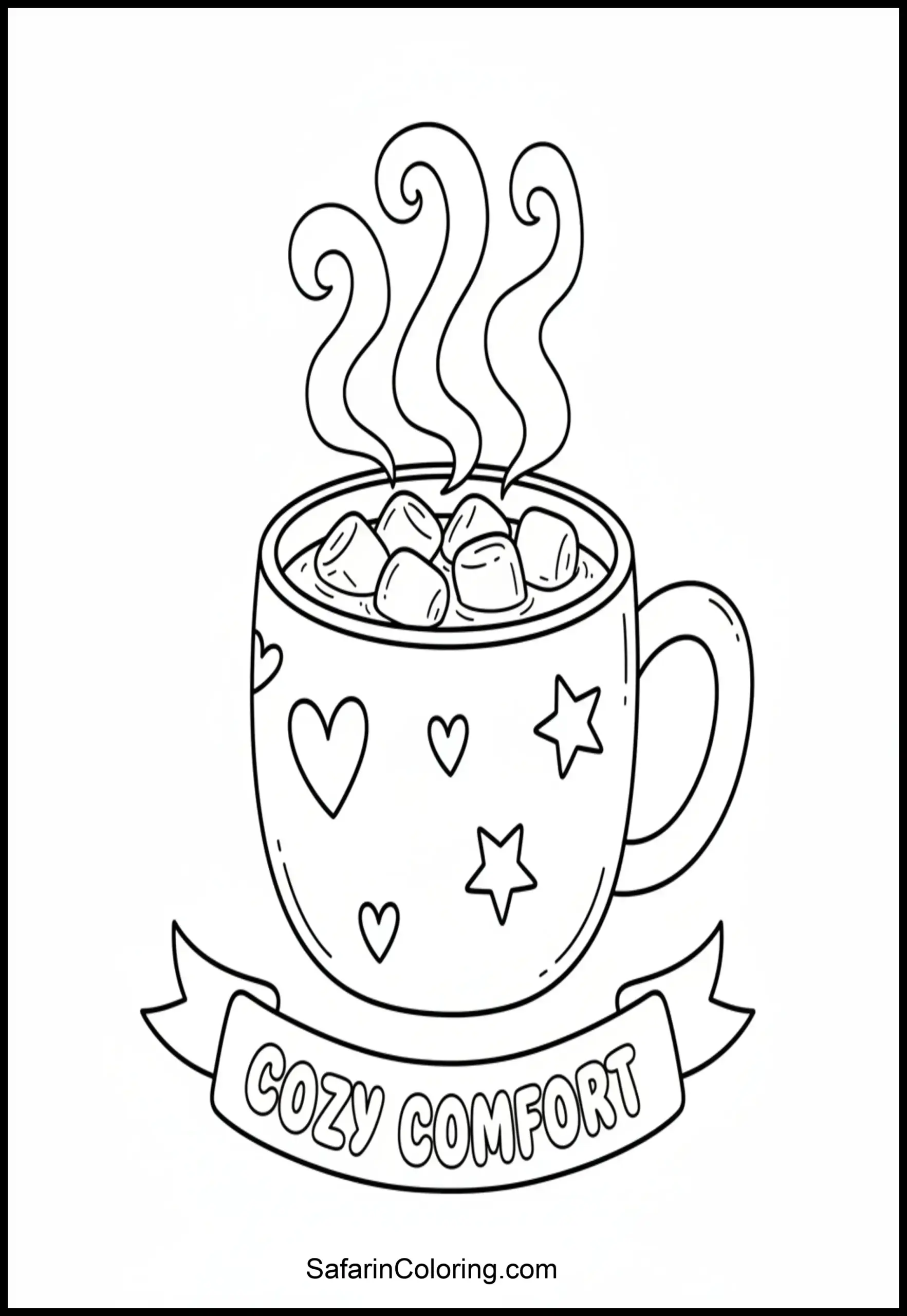
Anxiety Relief Hot Cocoa Scaled
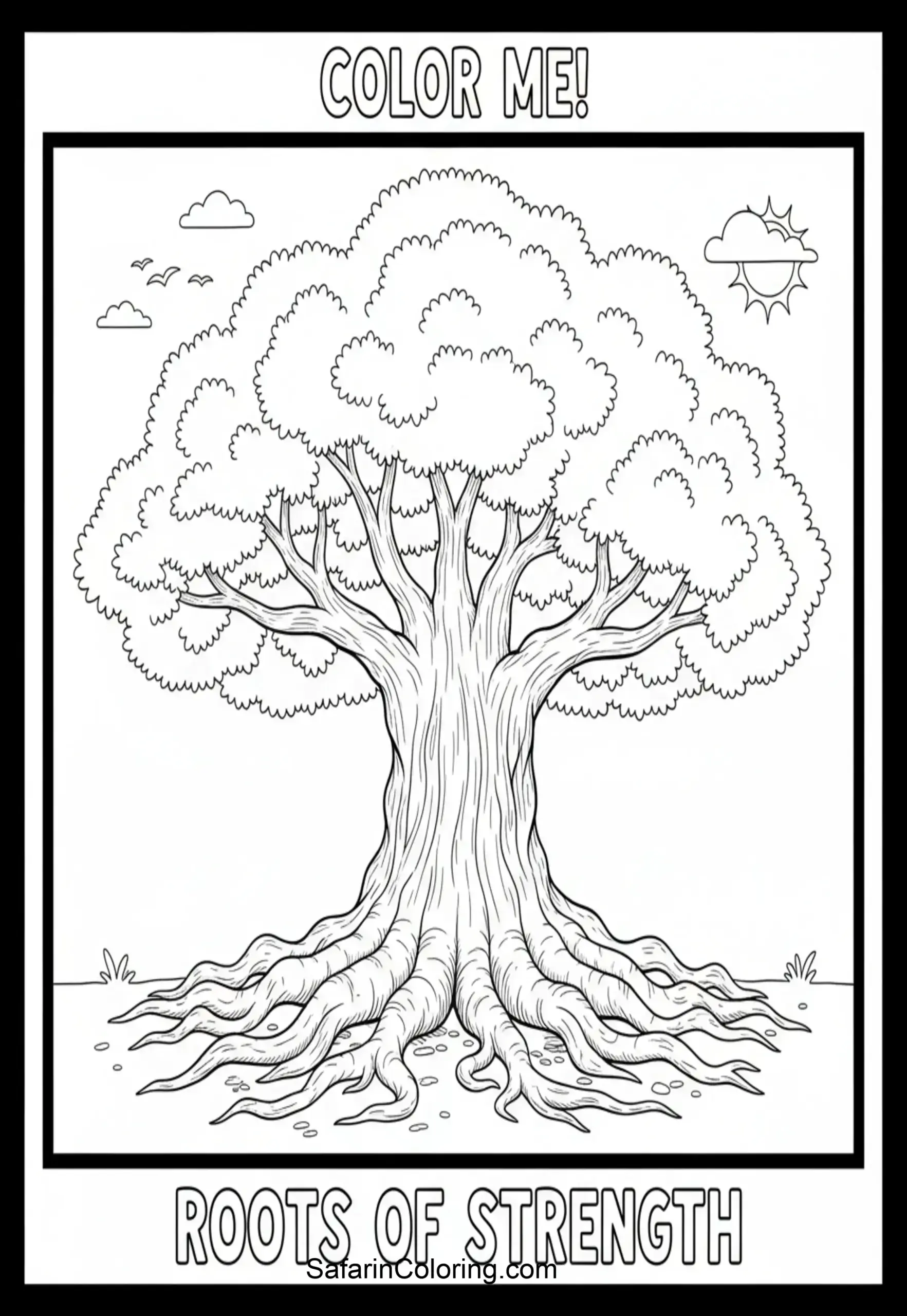
Anxiety Relief Grounding Tree Scaled
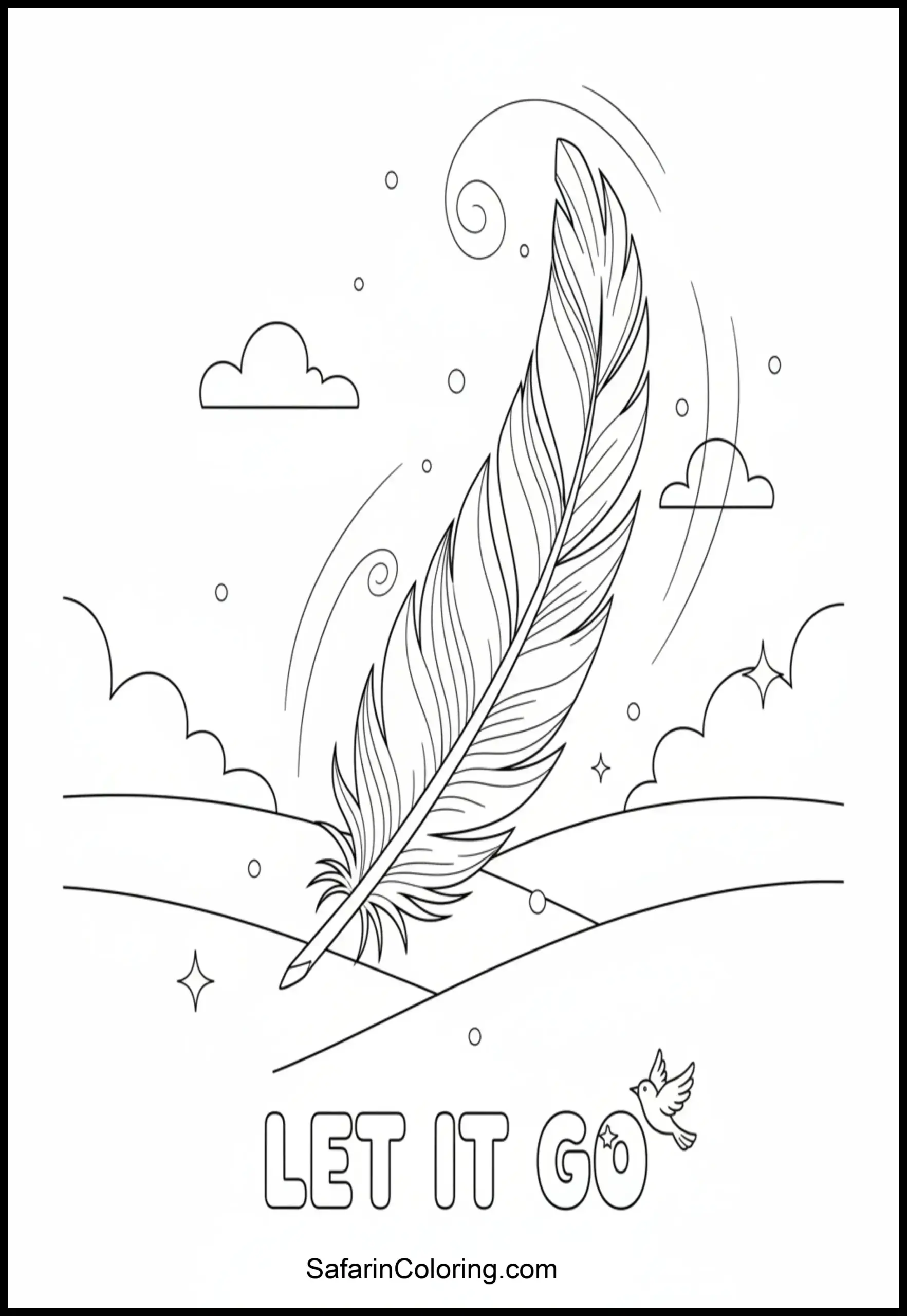
Anxiety Relief Floating Feather Scaled
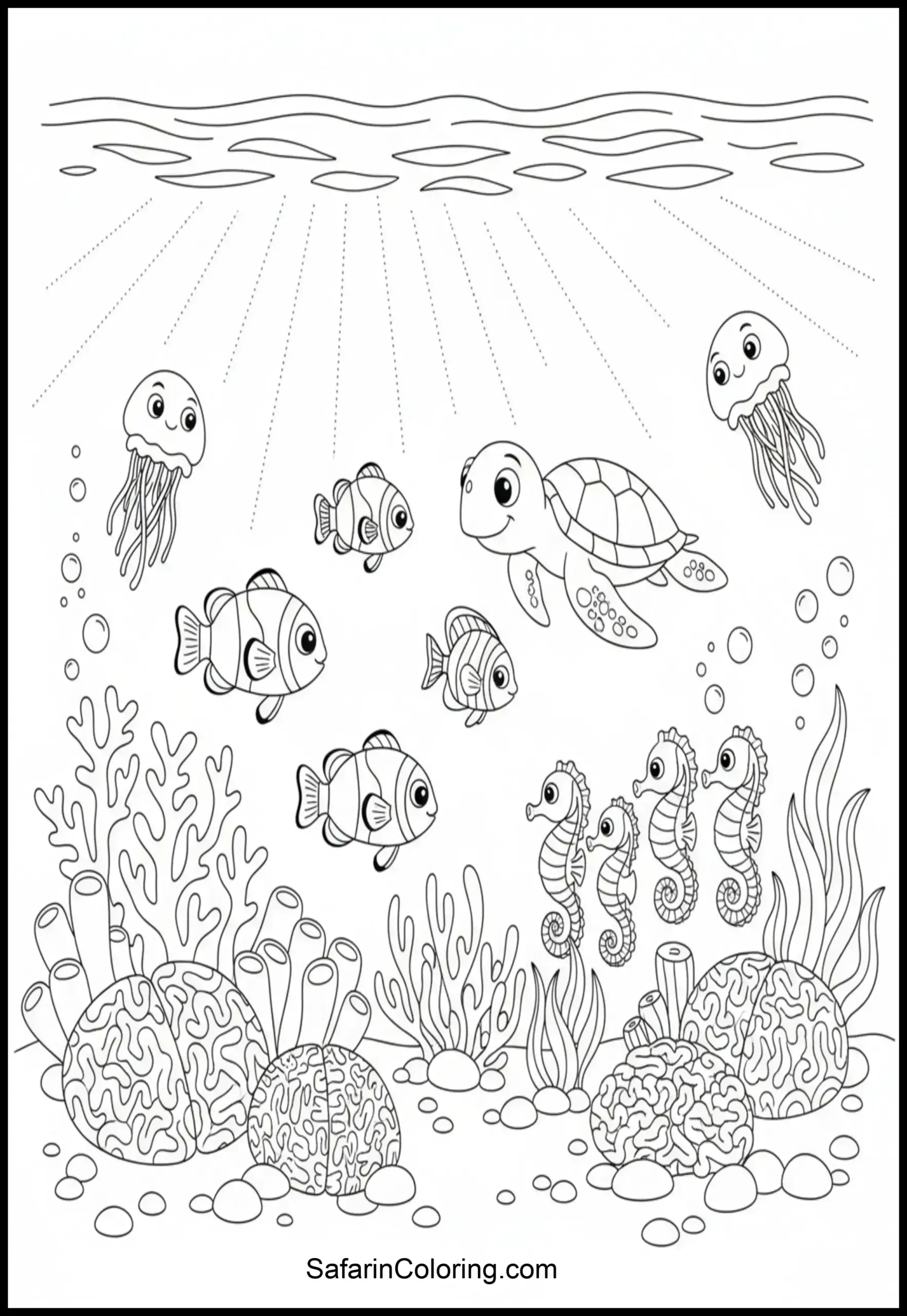
Anxiety Relief Coral Reef Scaled
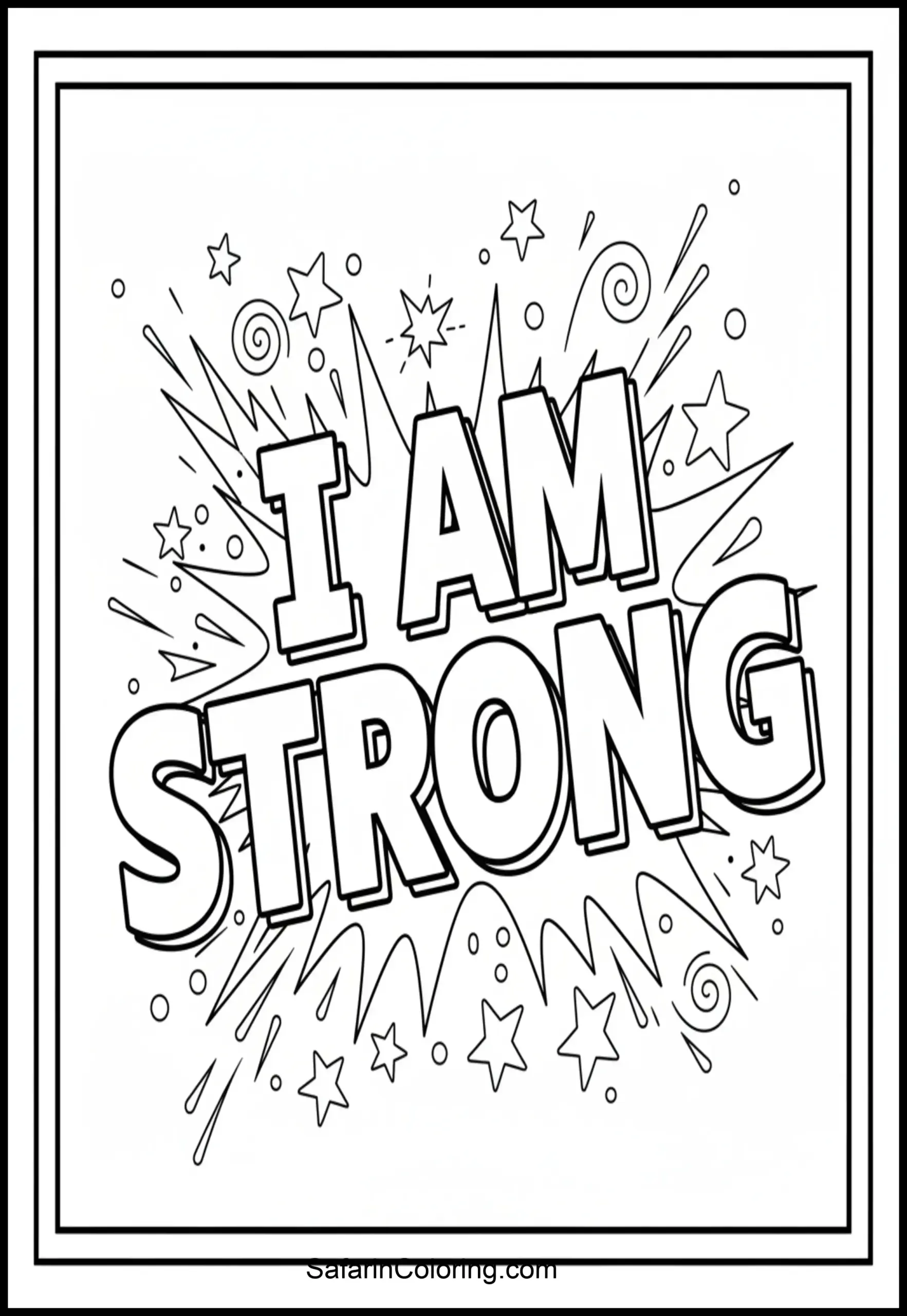
Anxiety Relief Strong Text Scaled
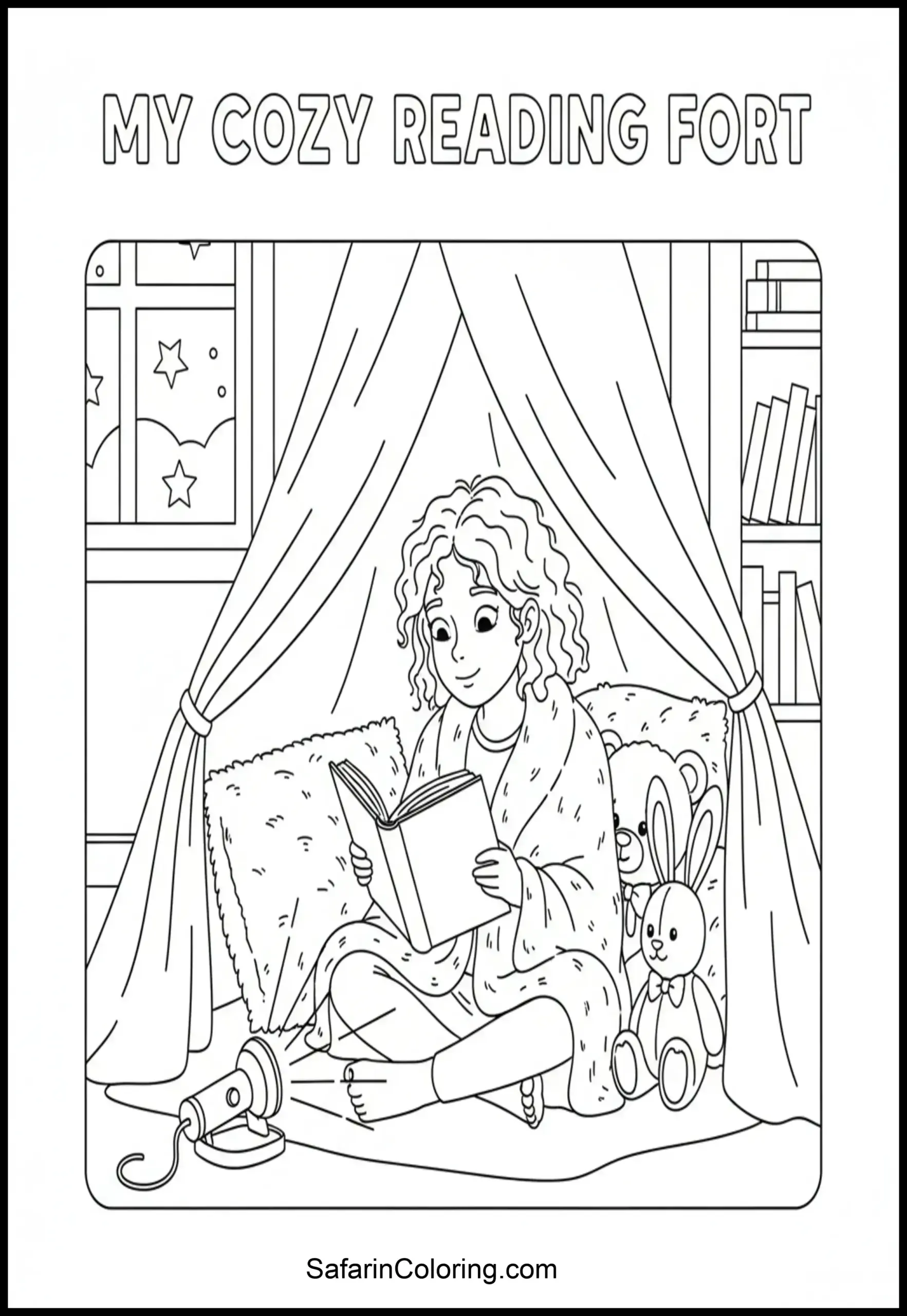
Anxiety Relief Reading Fort Scaled
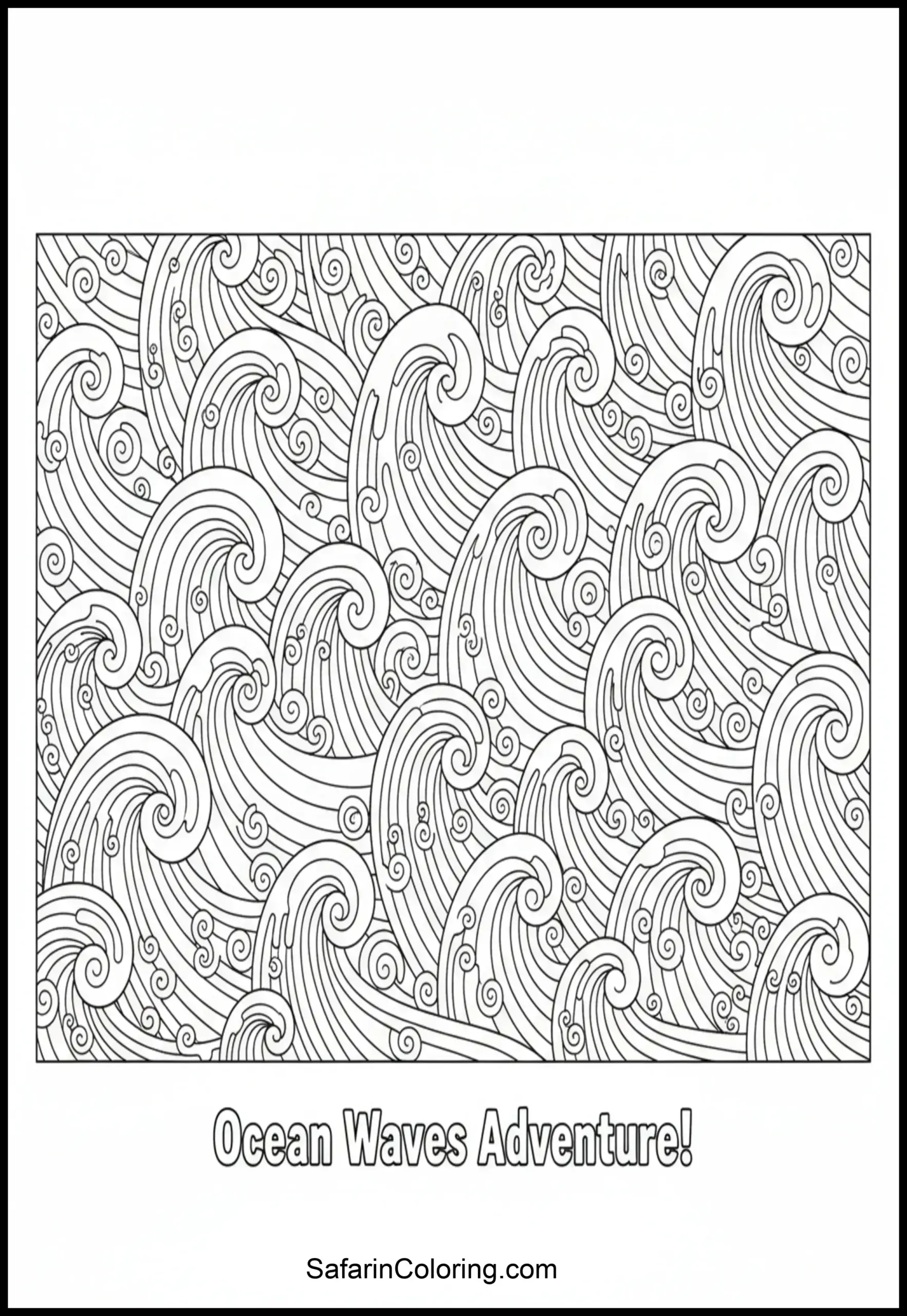
Anxiety Relief Waves Pattern Scaled
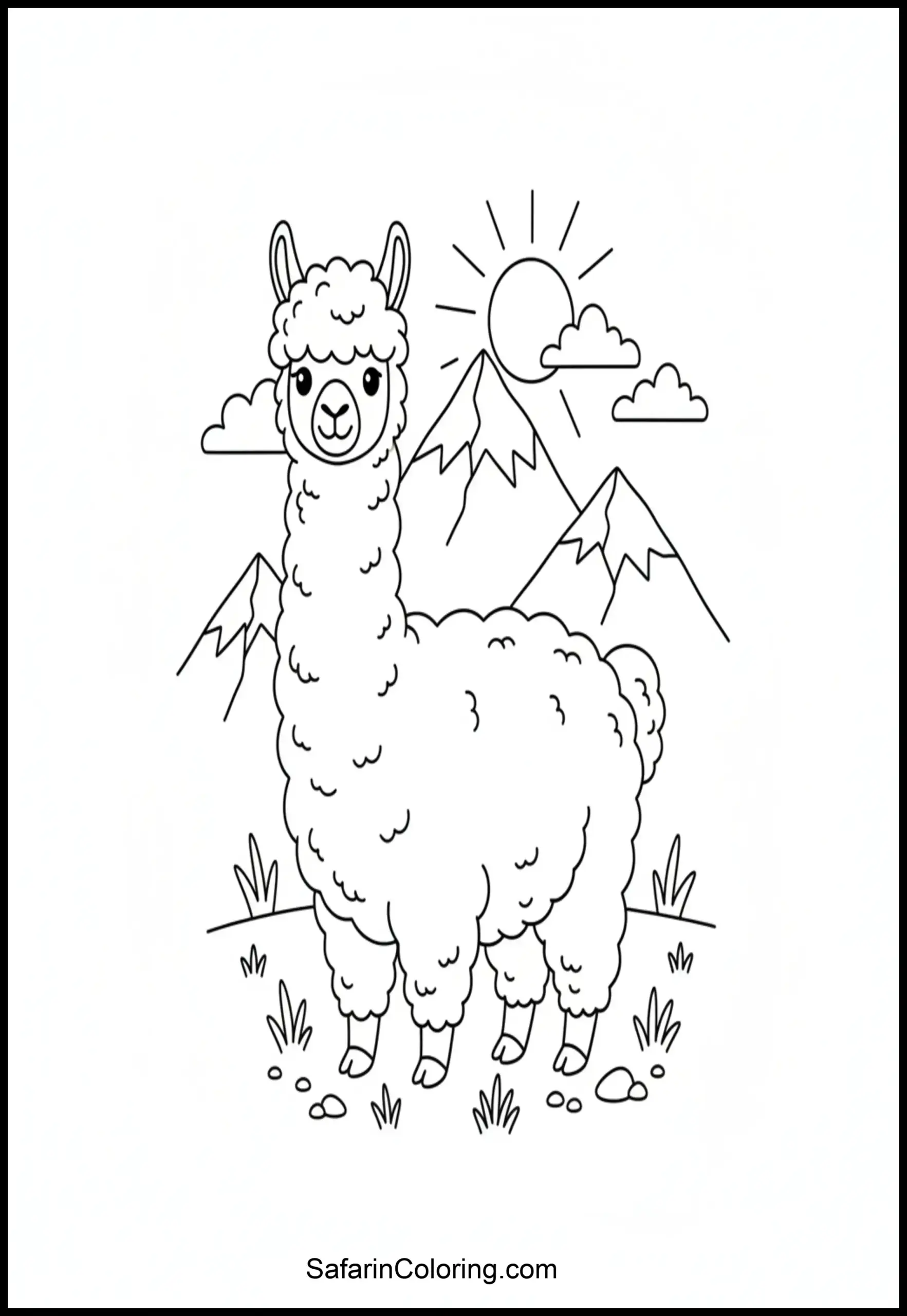
Anxiety Relief Cute Alpaca Scaled
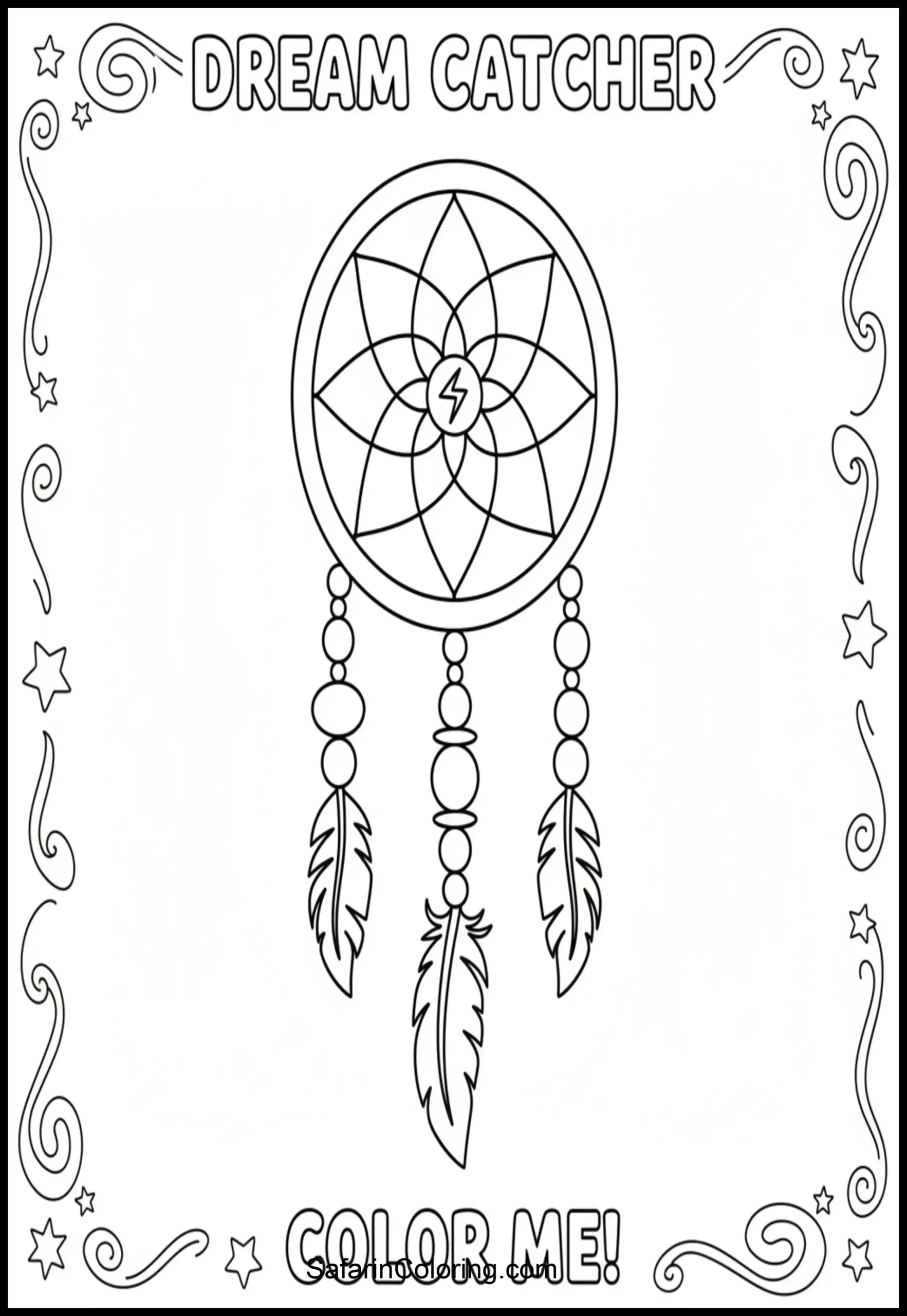
Anxiety Relief Dreamcatcher Scaled
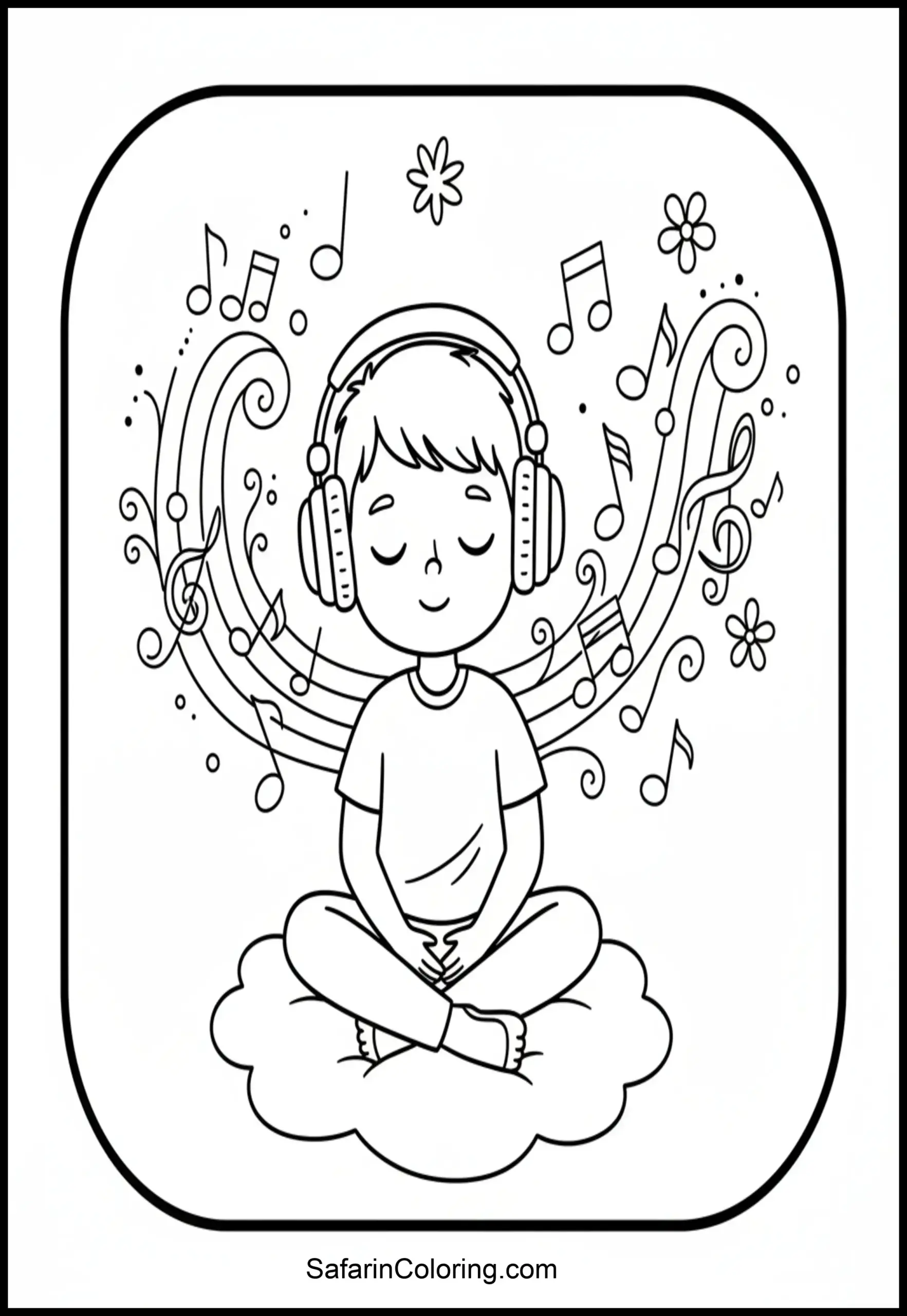
Anxiety Relief Music Boy Scaled
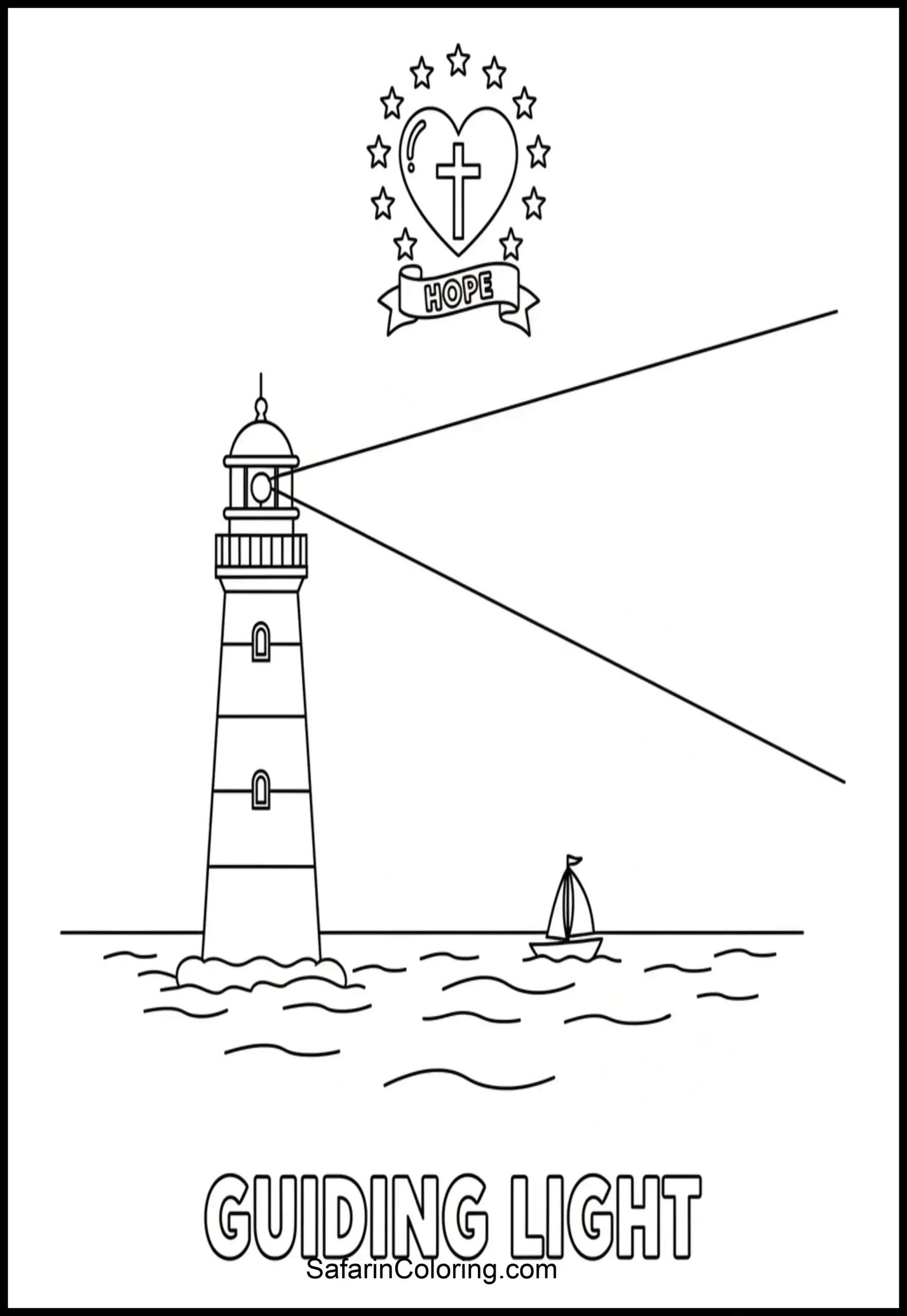
Anxiety Relief Lighthouse Scaled
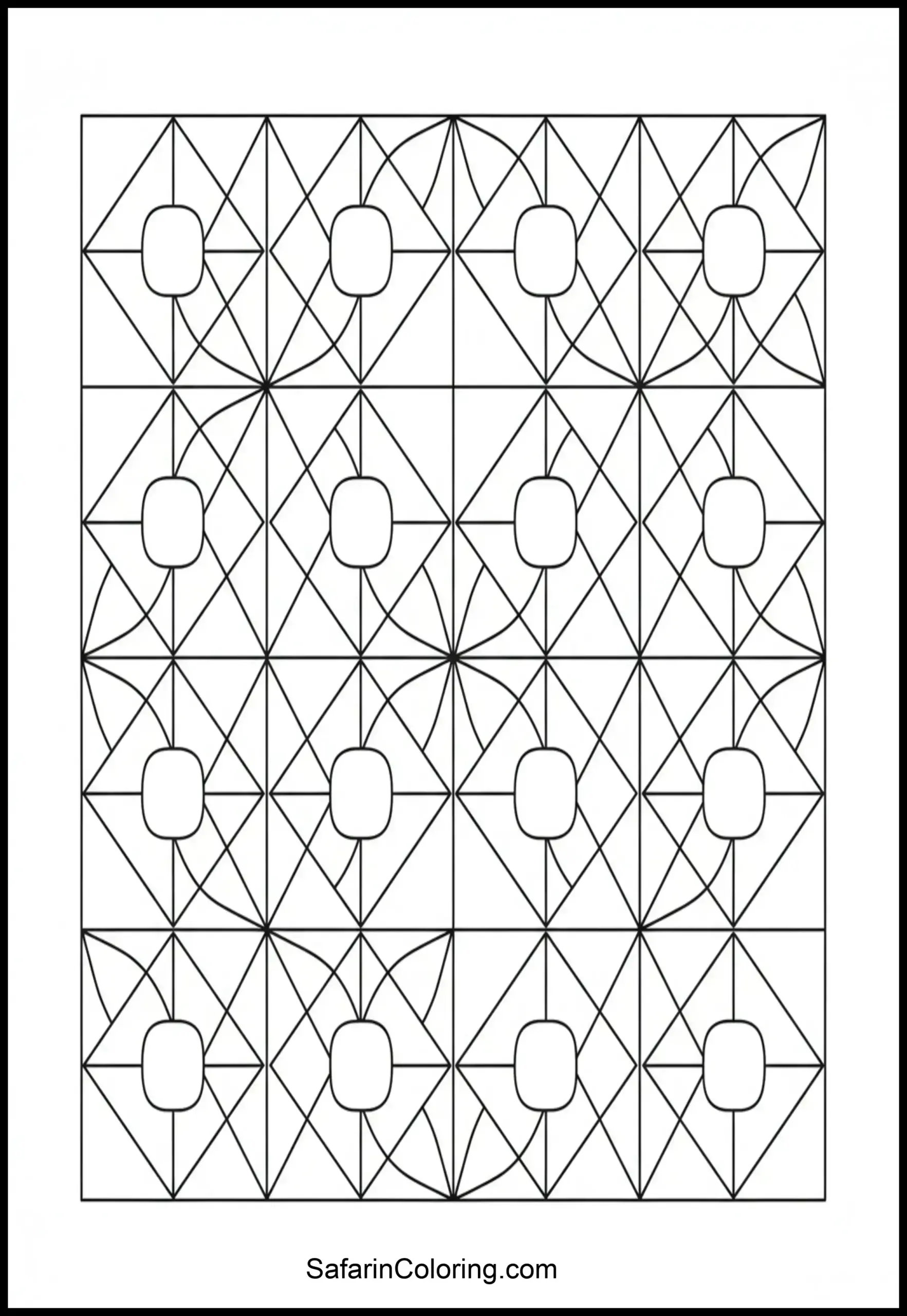
Anxiety Relief Geometric Shapes Scaled
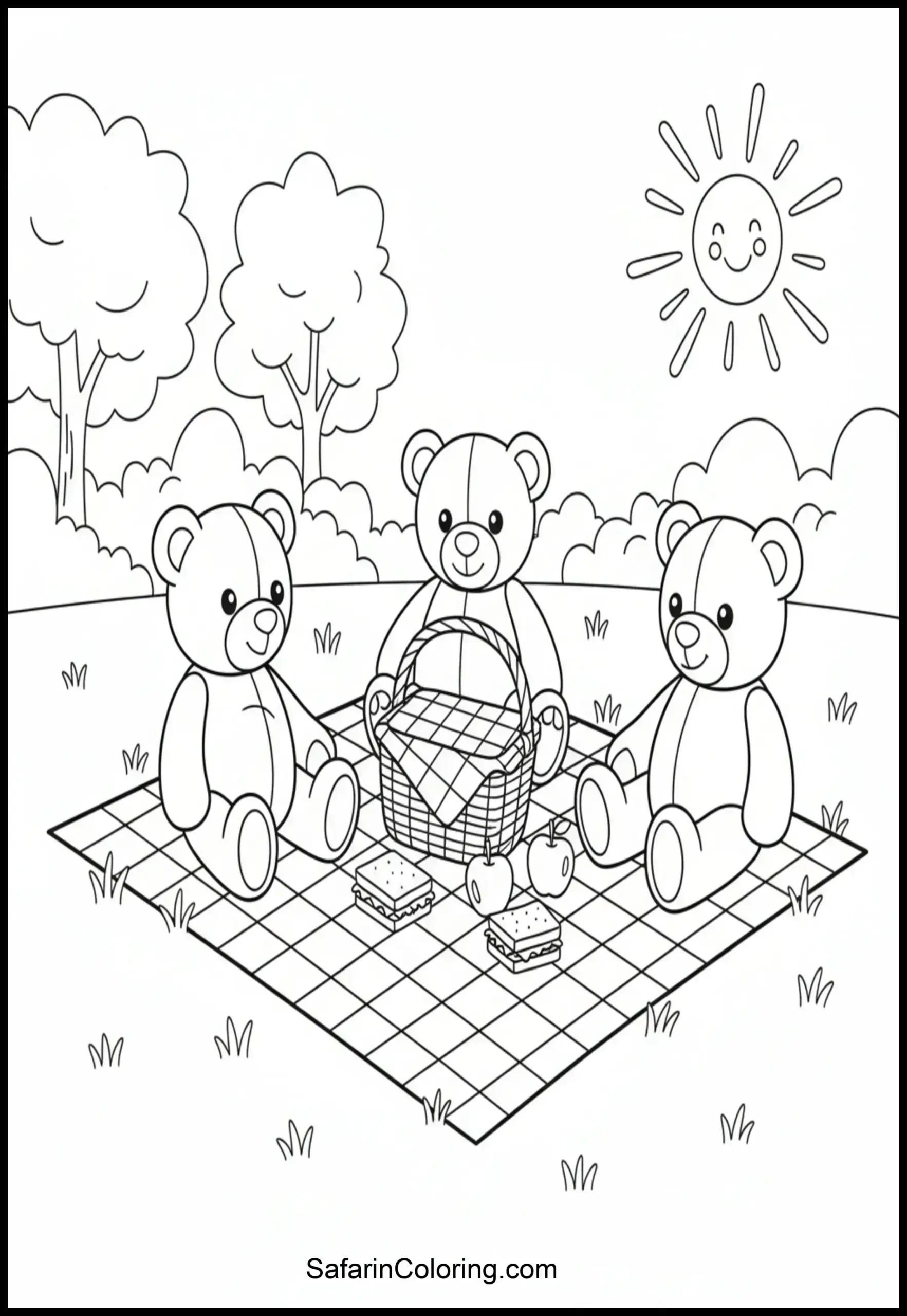
Anxiety Relief Teddy Picnic Scaled
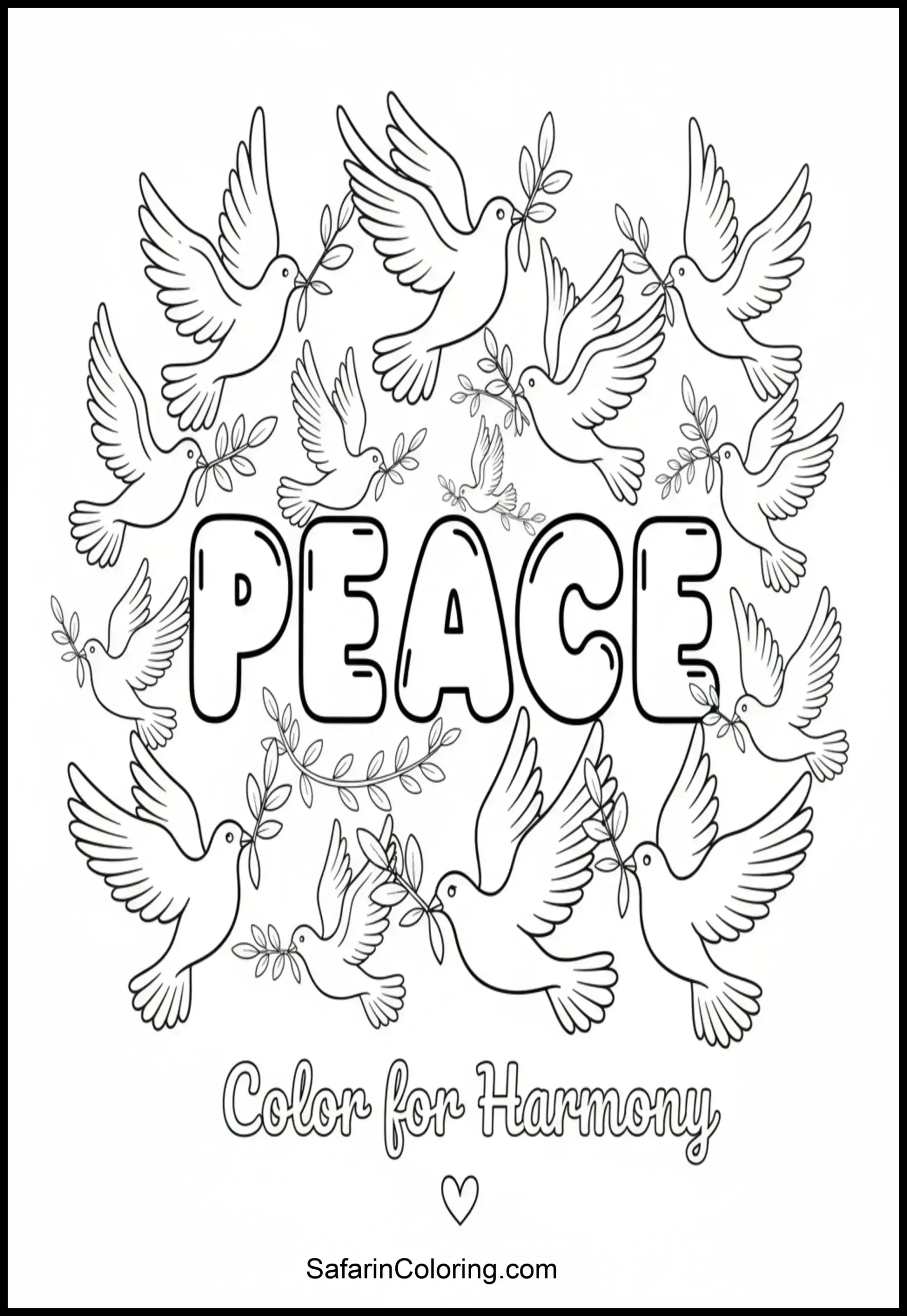
Anxiety Relief Peace Text Scaled
Anxiety Relief Fidget Spinner Scaled
Anxiety Relief Owl Moon Scaled
Anxiety Relief Stress Ball Scaled
Anxiety Relief Ice Cream Scaled
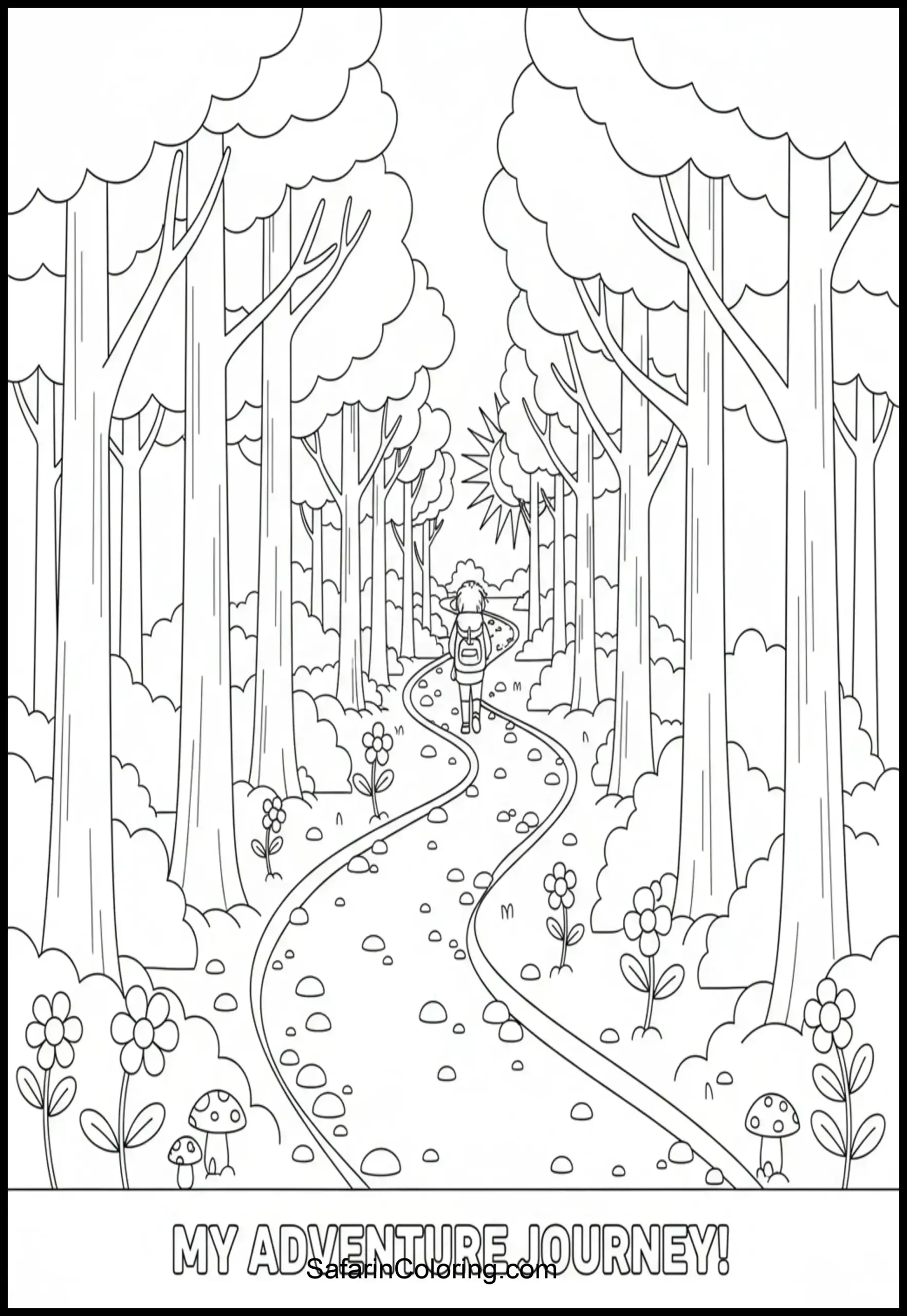
Anxiety Relief Forest Path Scaled
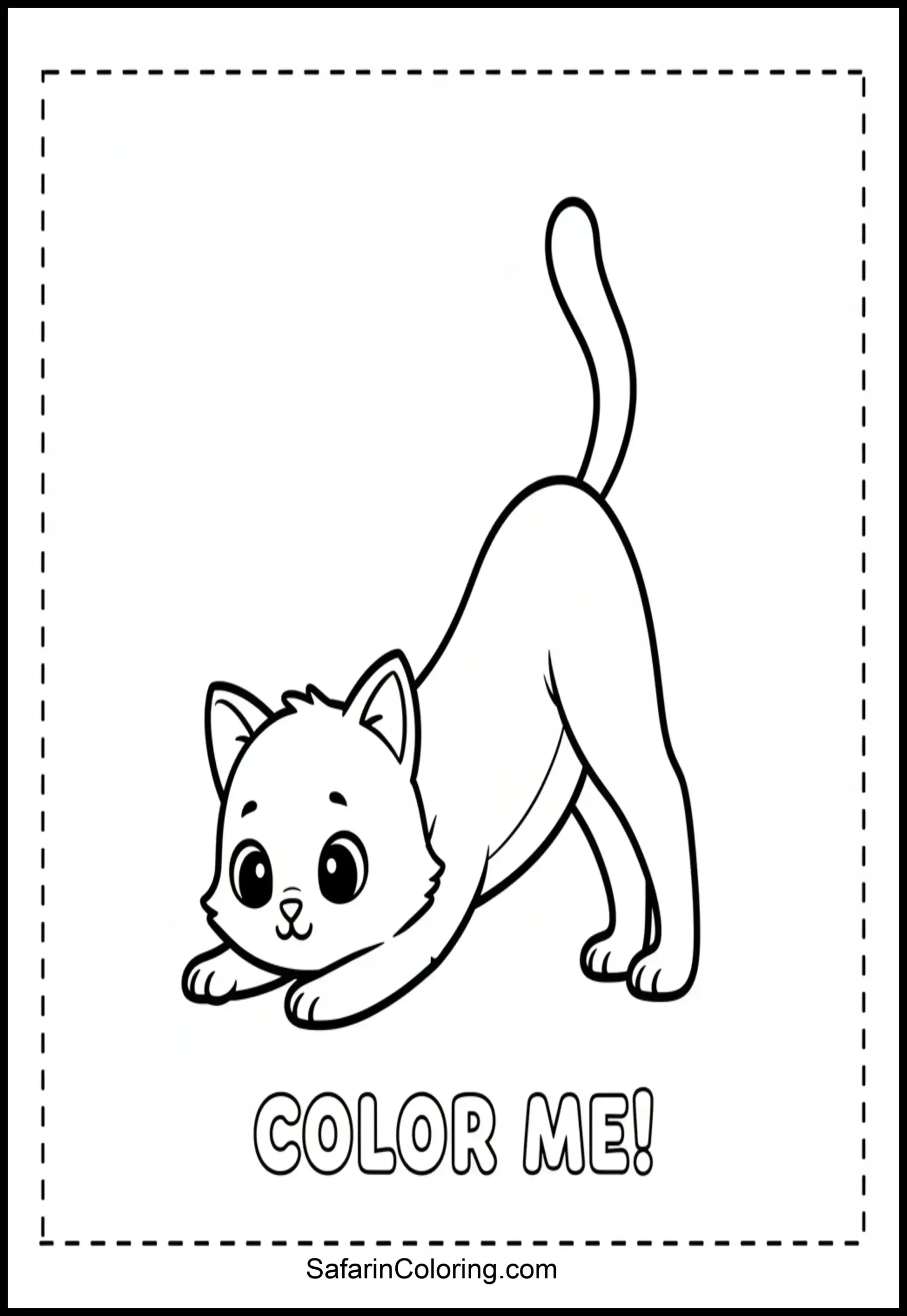
Anxiety Relief Cat Stretch Scaled
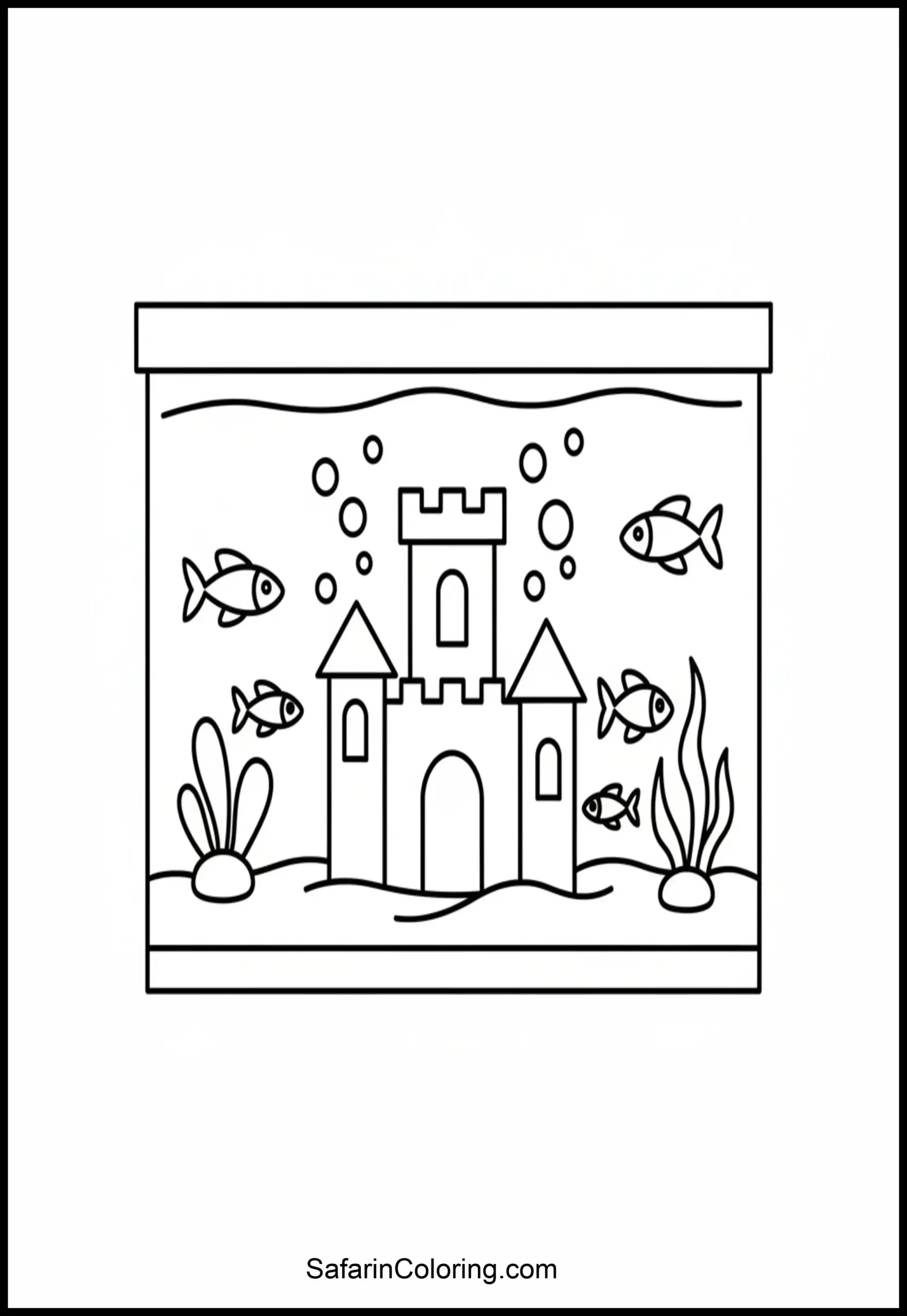
Anxiety Relief Aquarium Scaled
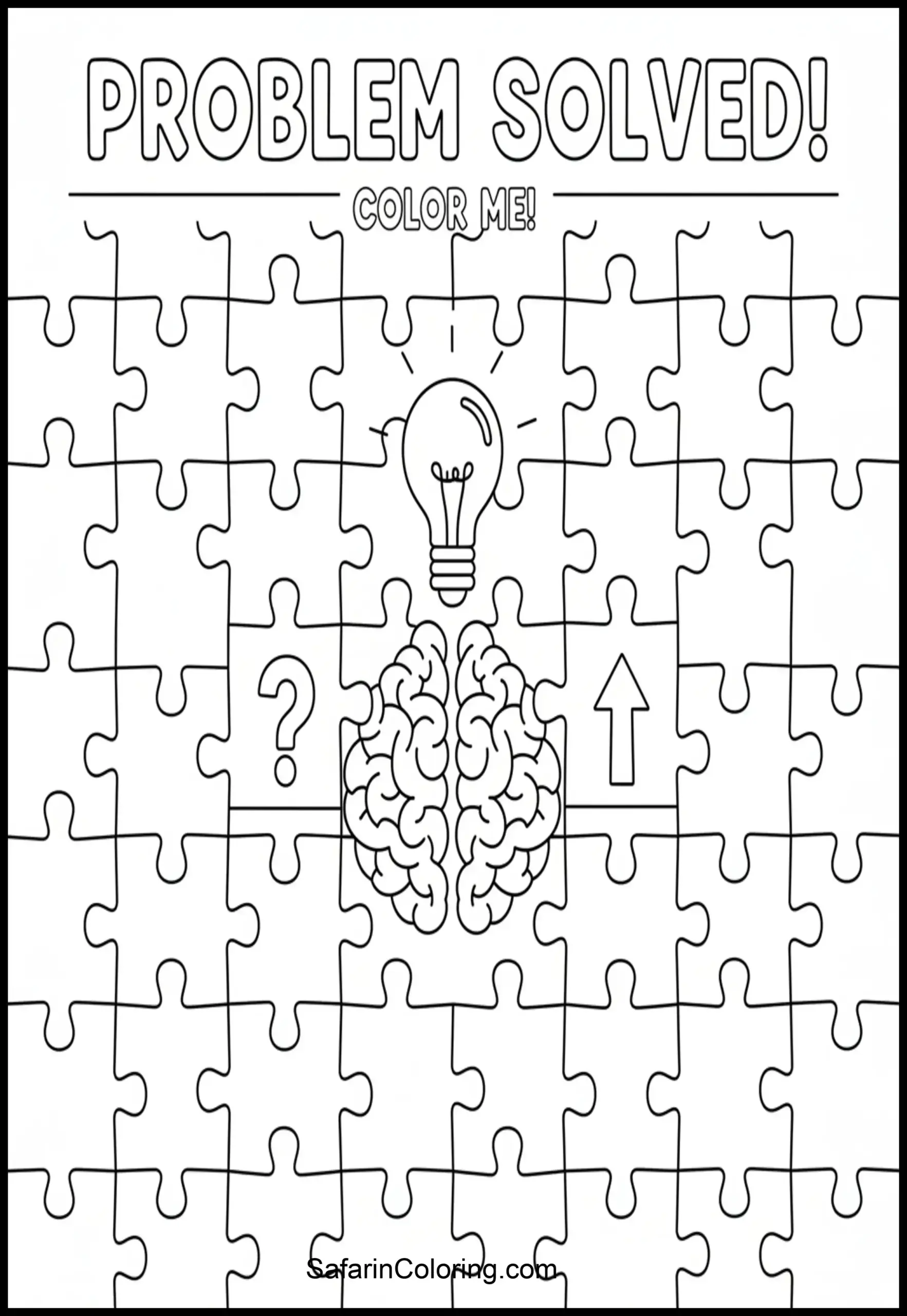
Anxiety Relief Puzzle Pieces Scaled
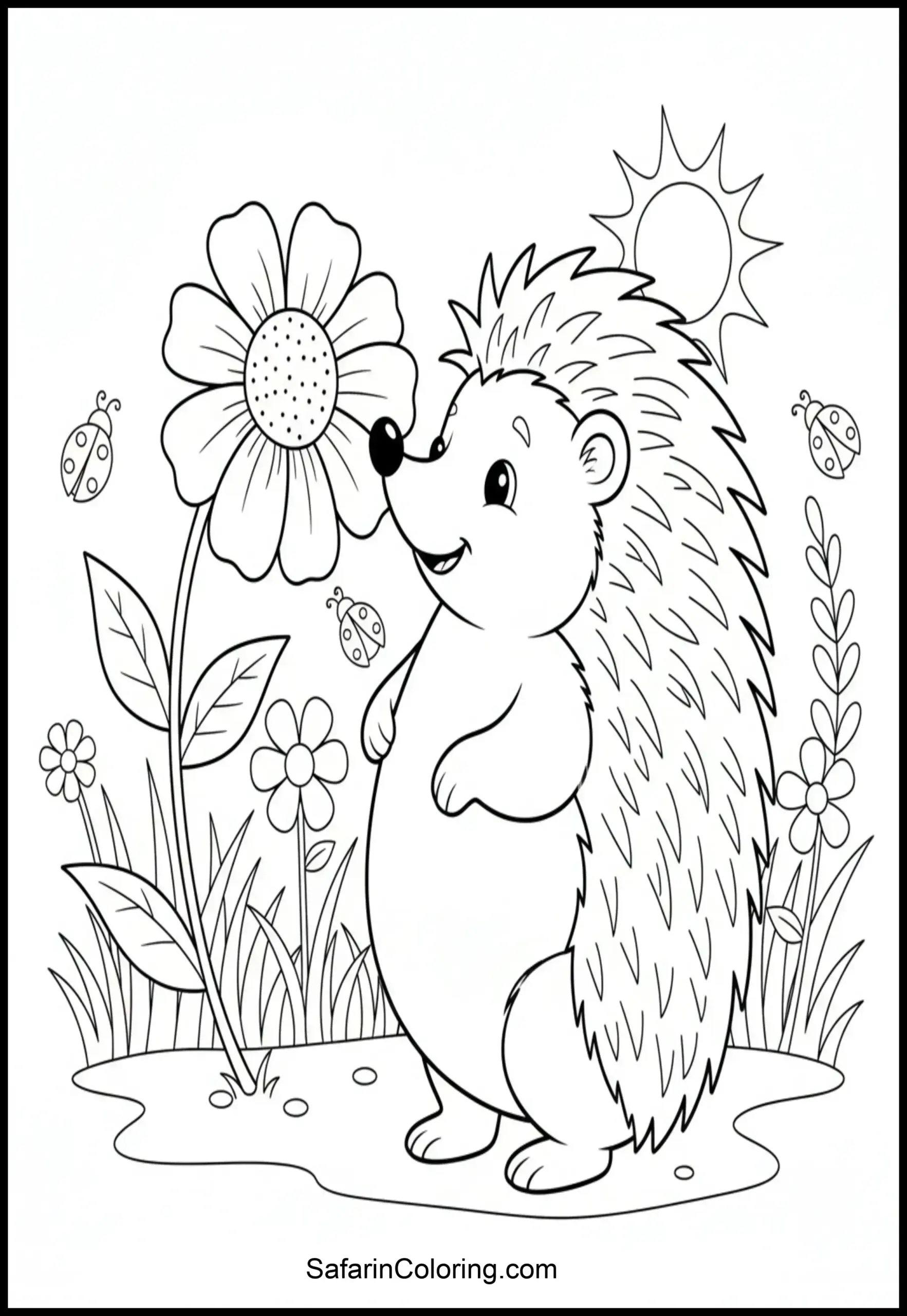
Anxiety Relief Hedgehog Flower Scaled
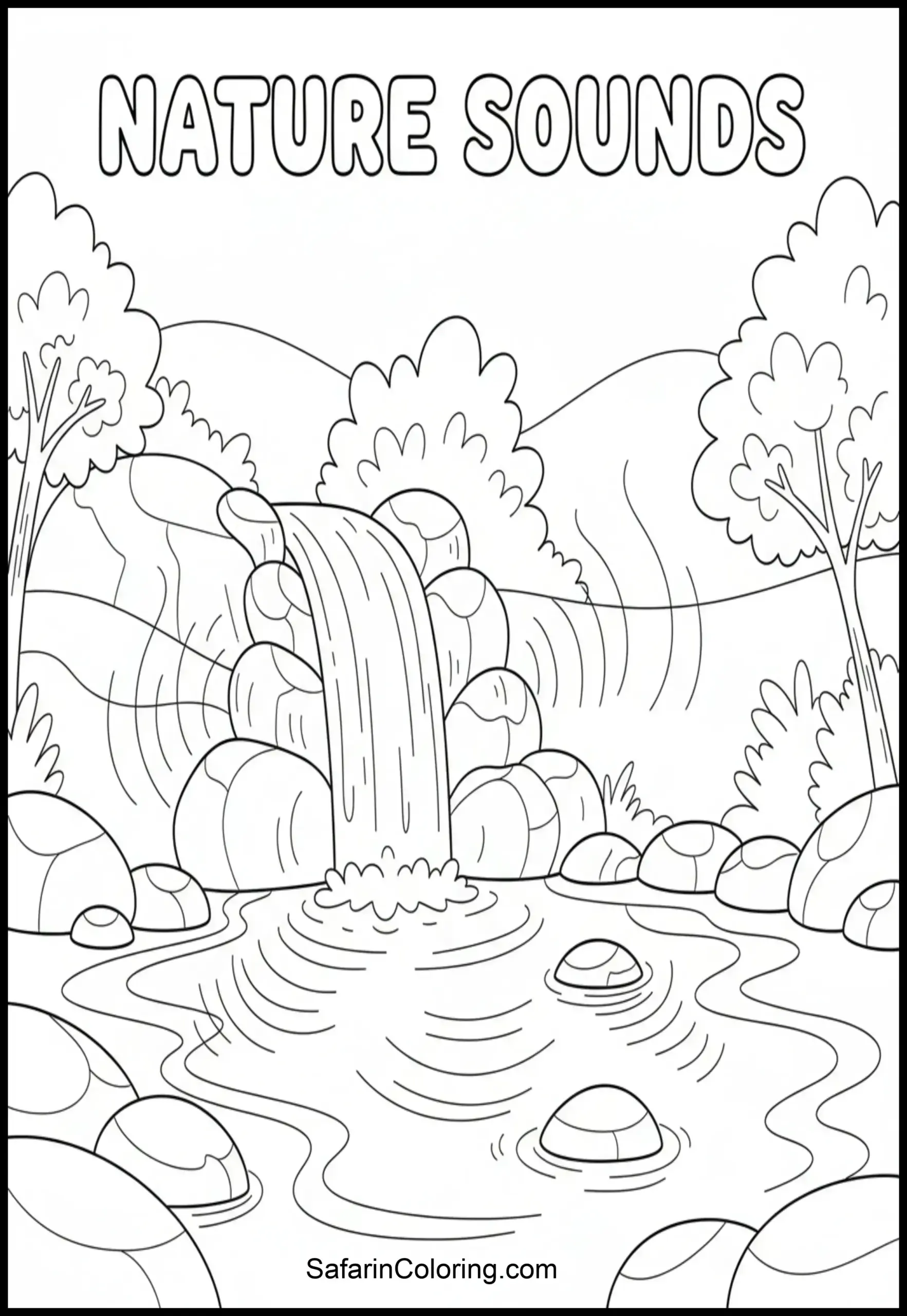
Anxiety Relief Waterfall Scaled
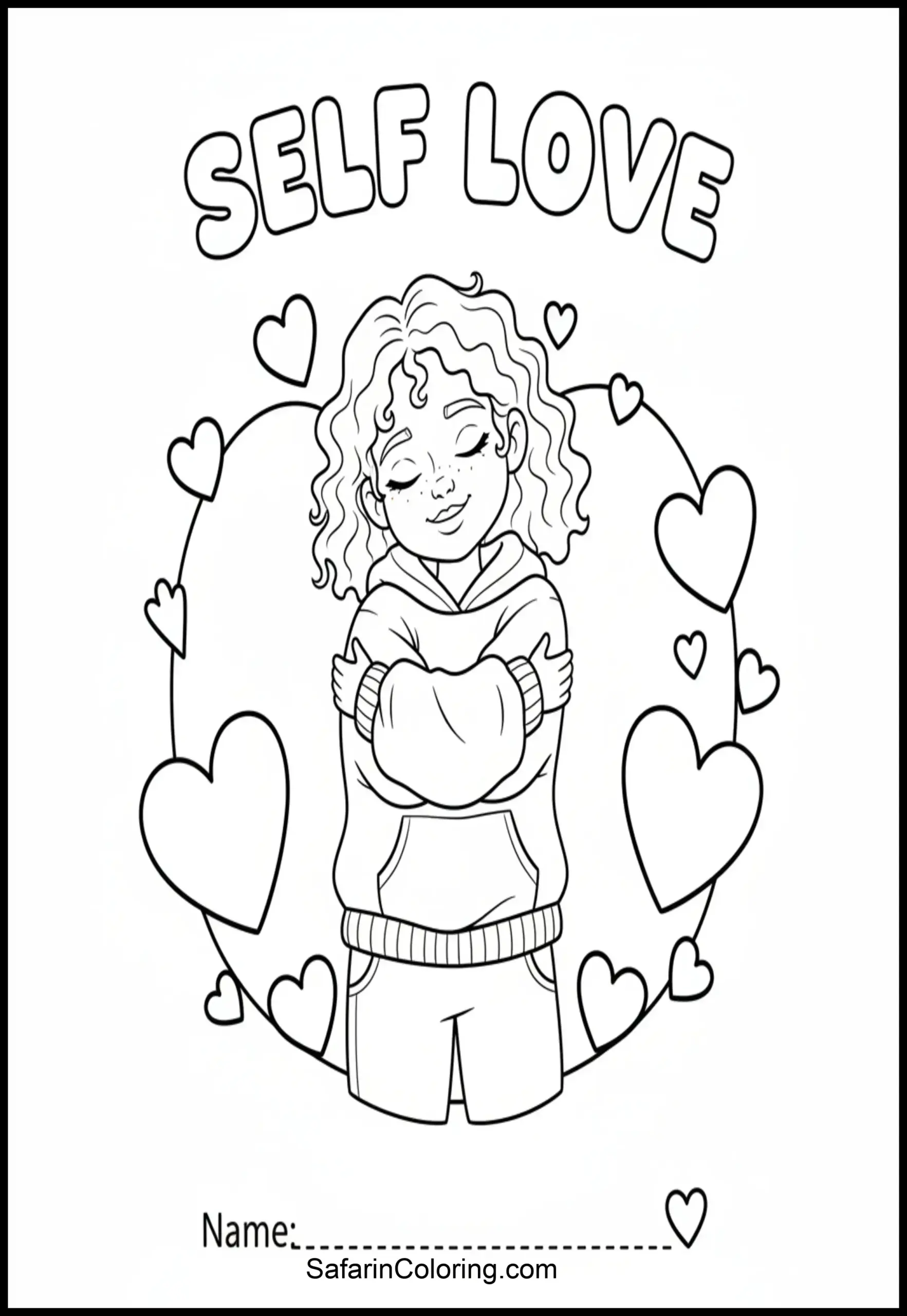
Anxiety Relief Self Hug Scaled
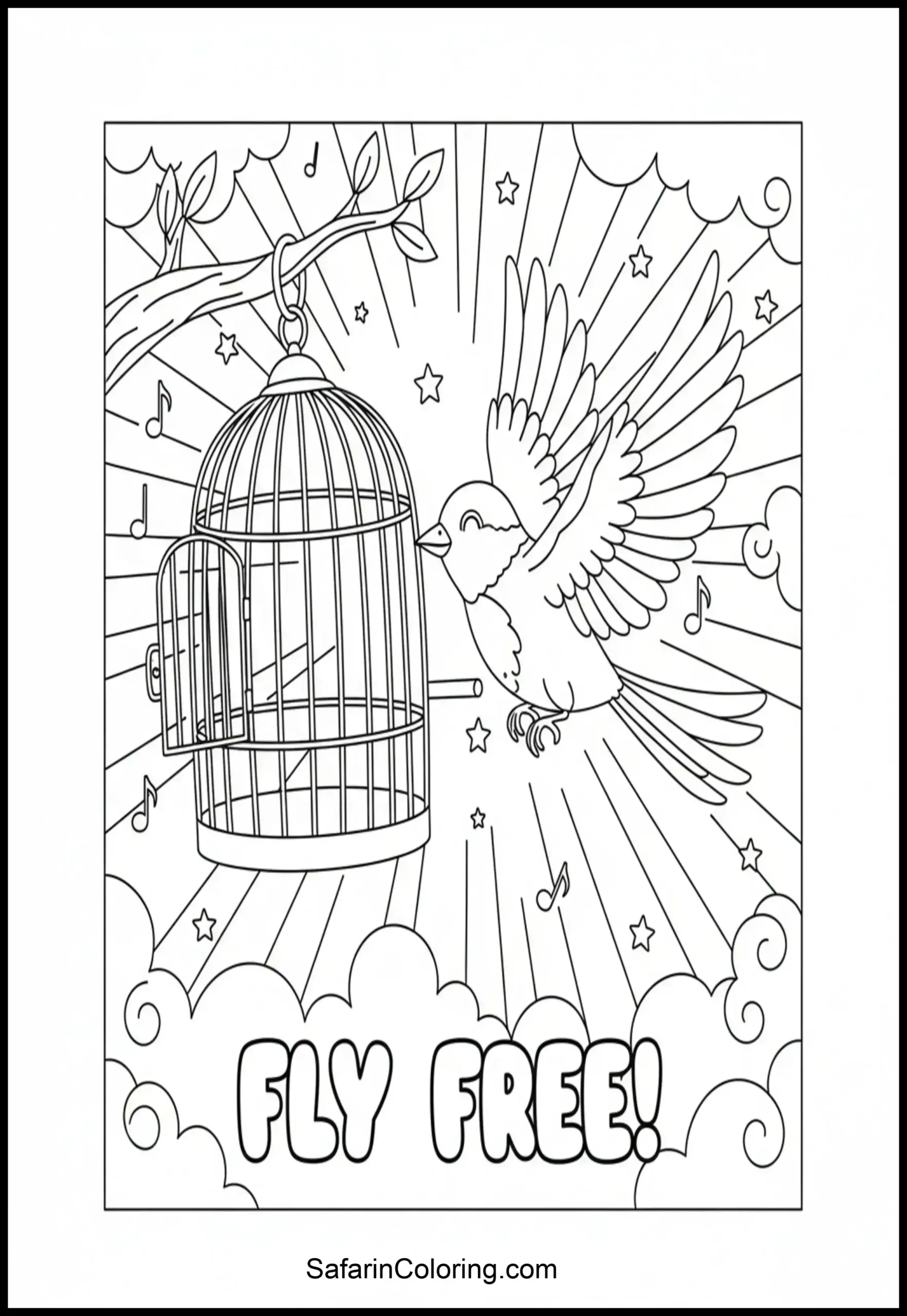
Anxiety Relief Bird Cage Scaled
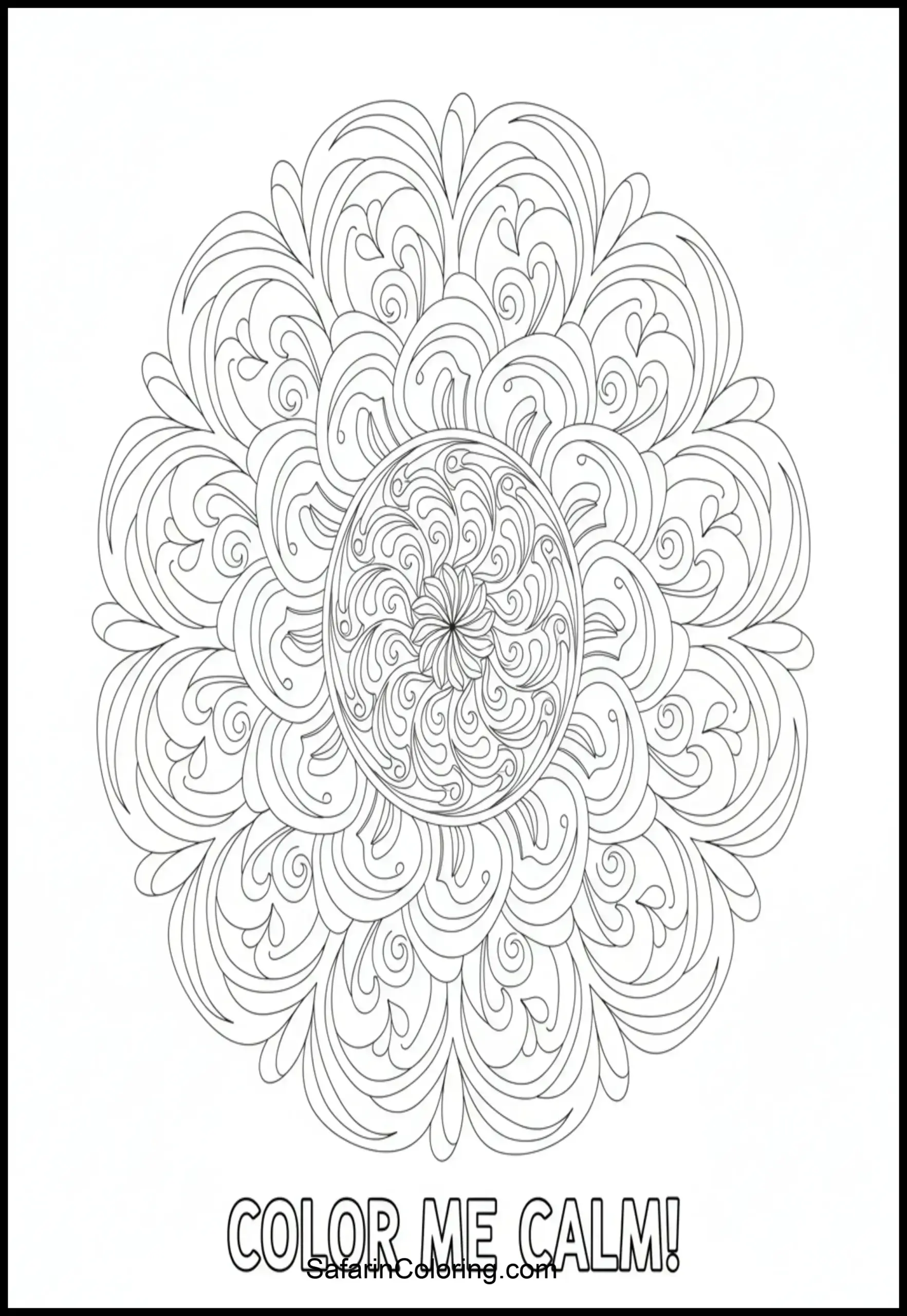
Anxiety Relief Spiral Pattern Scaled
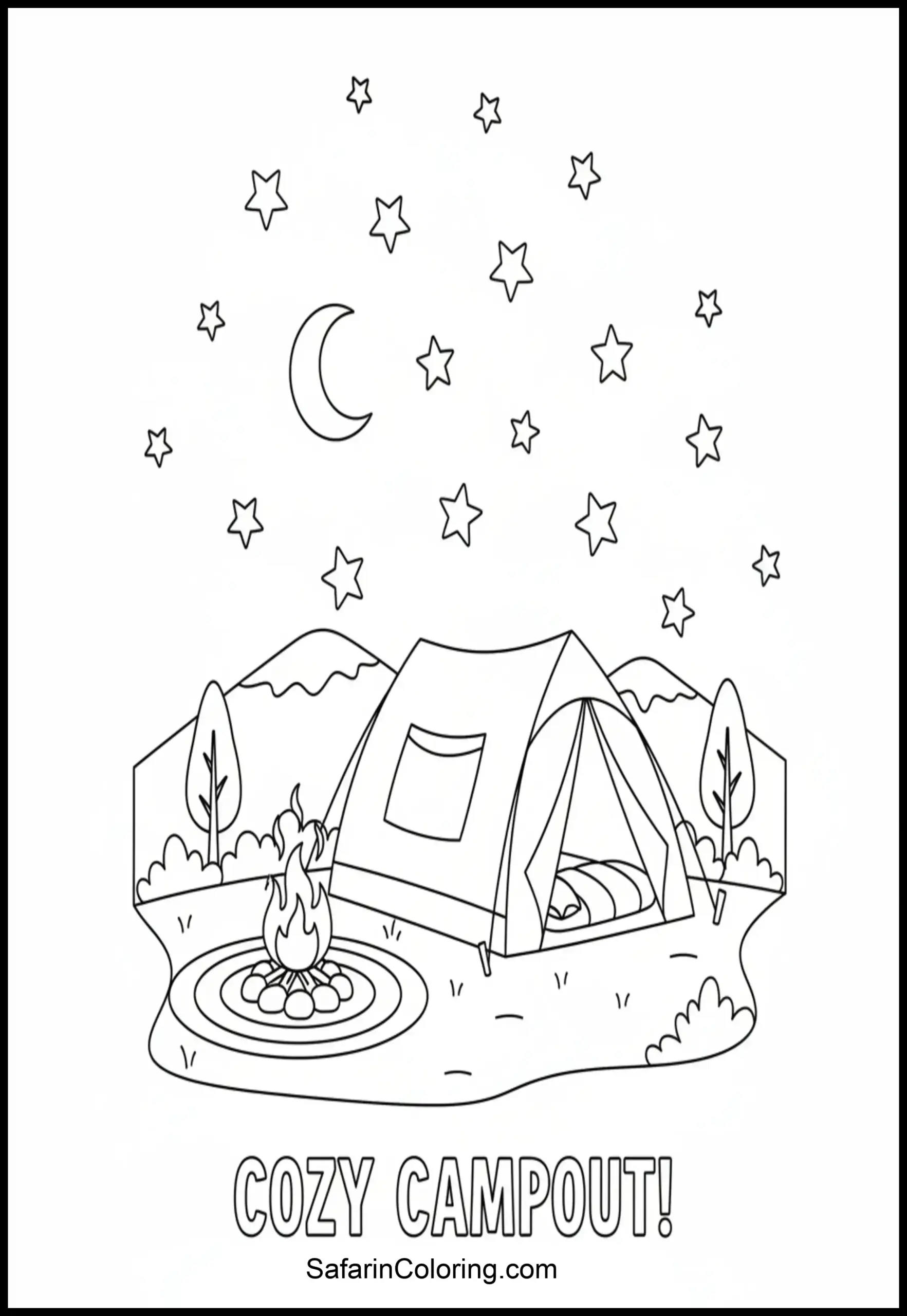
Anxiety Relief Camping Tent Scaled
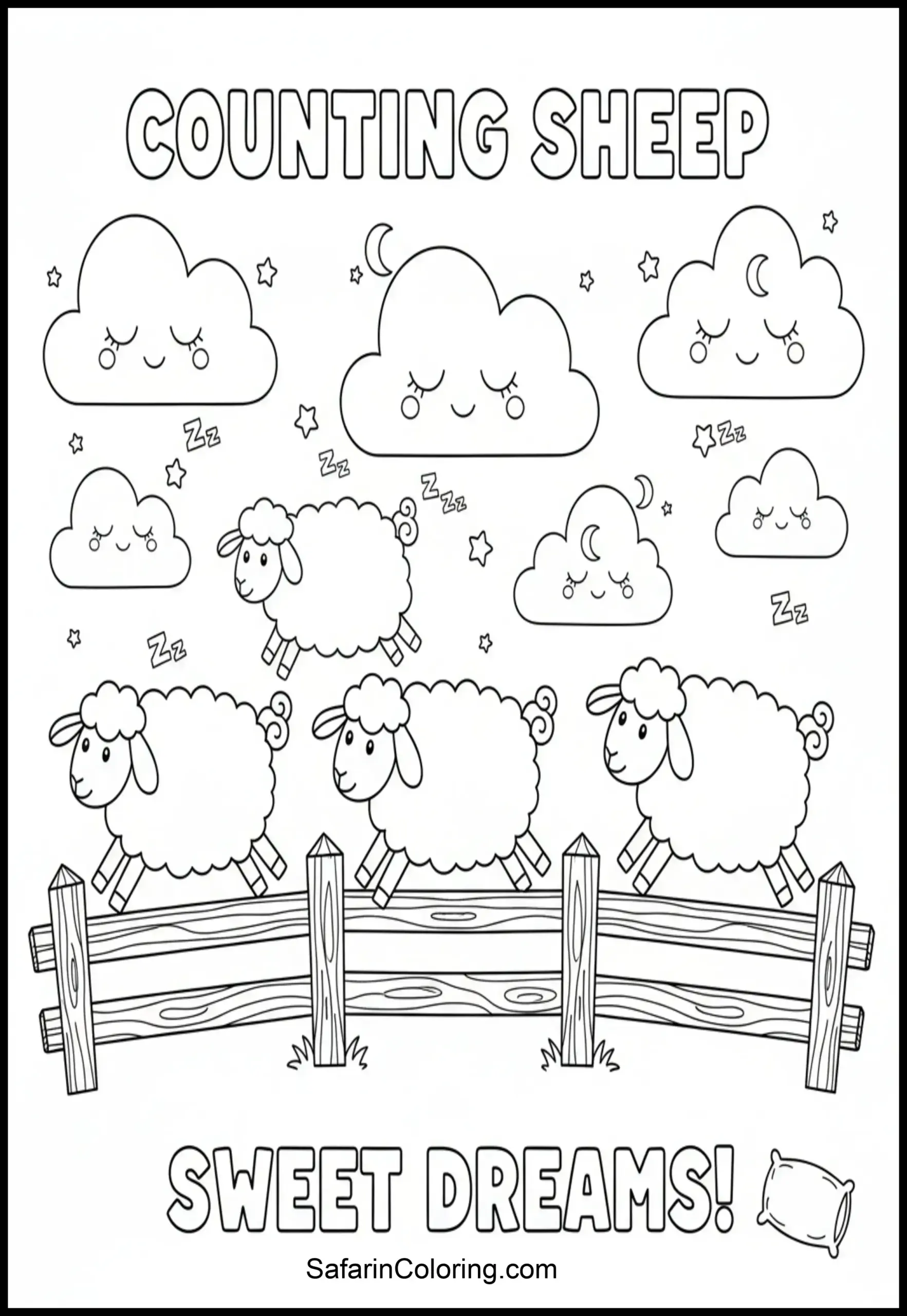
Anxiety Relief Counting Sheep Scaled
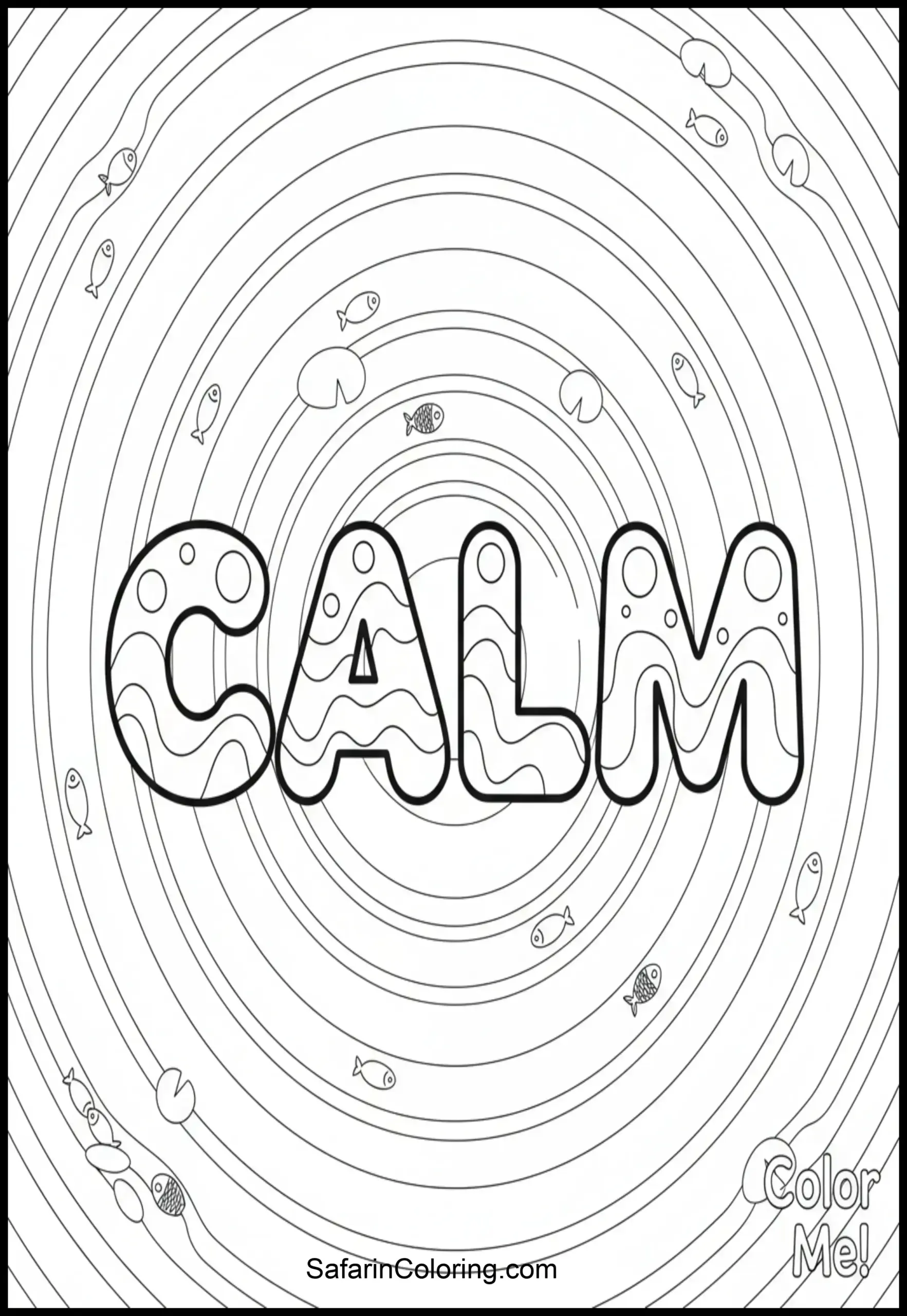
Anxiety Relief Calm Text Scaled
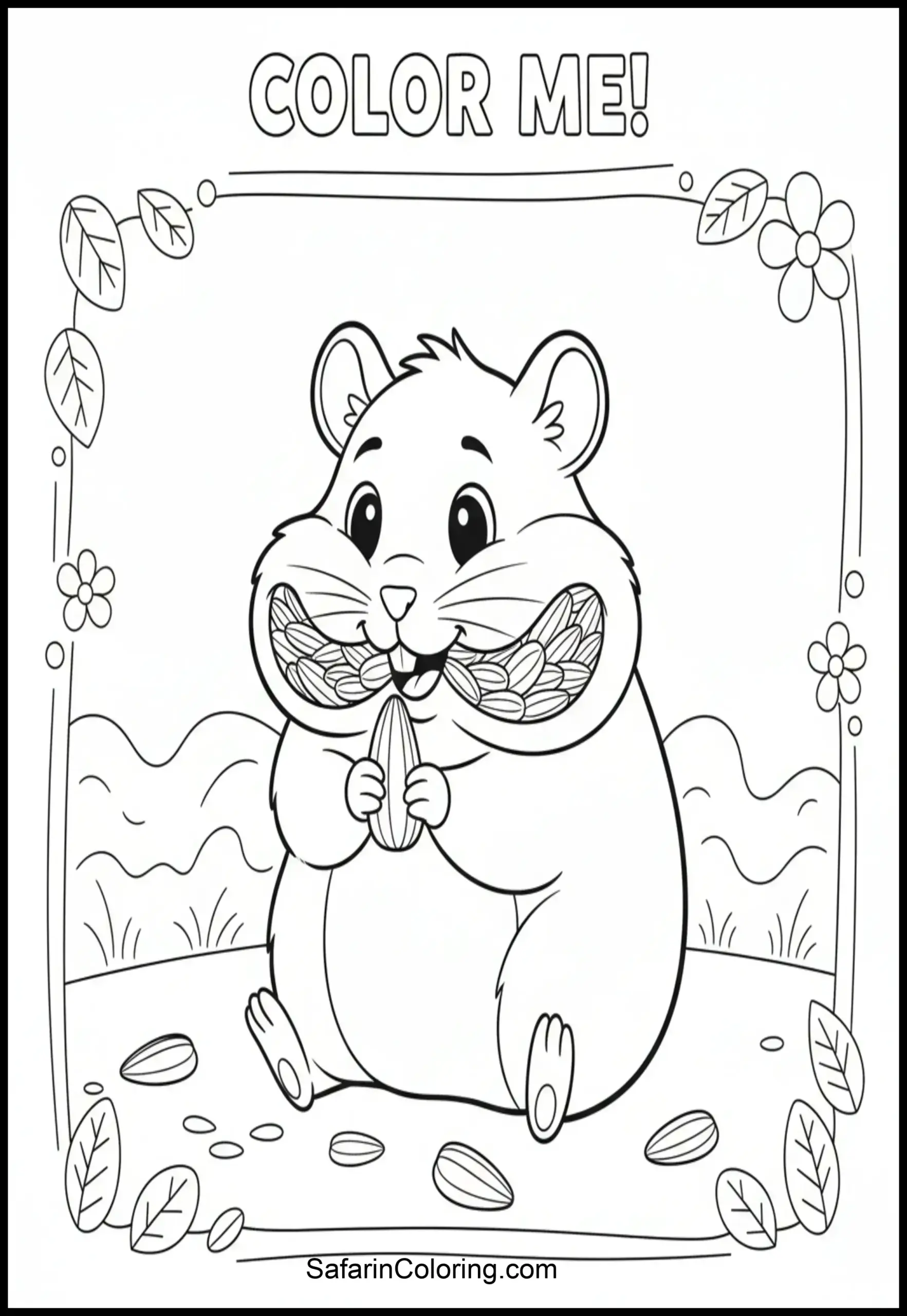
Anxiety Relief Hamster Eating Scaled
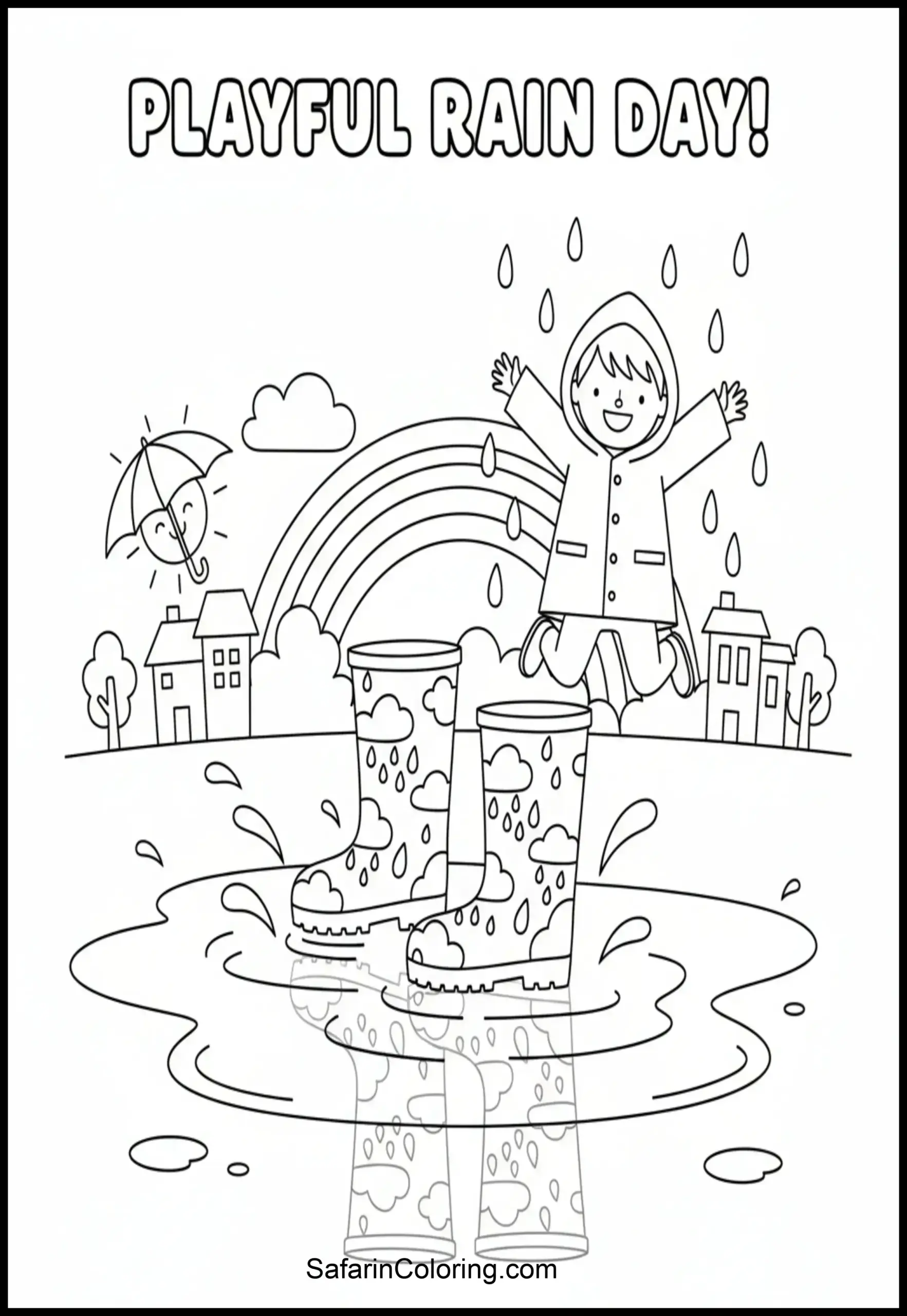
Anxiety Relief Rain Boots Scaled
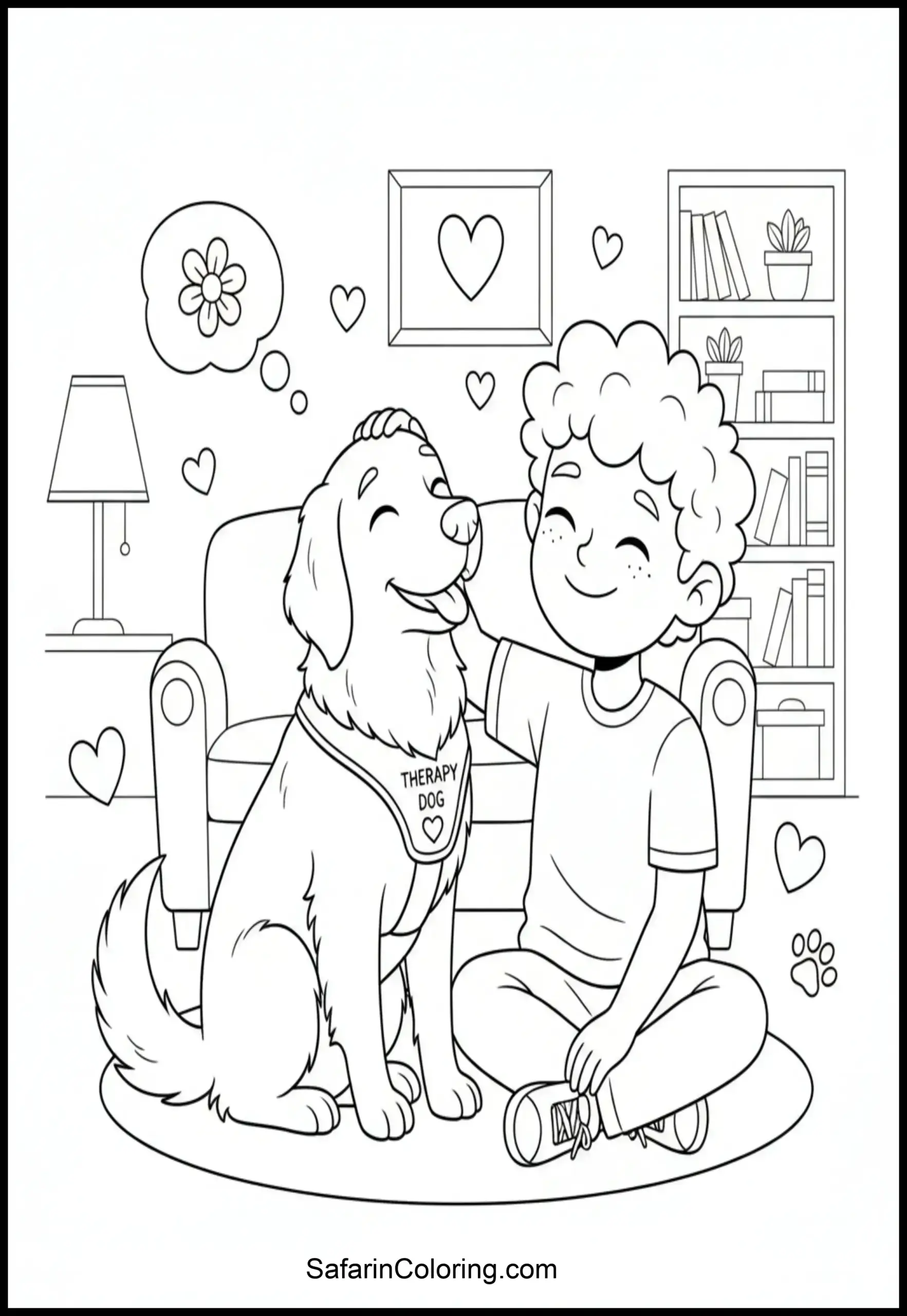
Anxiety Relief Therapy Dog Scaled
The Canvas: Selecting the Right Paper for Anxiety Coloring Pages for Kids
The foundation of any great coloring project is the paper. While standard 80 GSM (grams per square meter) copy paper is accessible, it often leads to marker bleed-through and can tear easily with vigorous coloring, causing unnecessary frustration. For a superior experience, especially with detailed designs like our elephant coloring pages, upgrading your paper is essential.
- For Markers and Gel Pens: Opt for a smooth, bright white paper with a weight of at least 120 GSM. This heavier weight prevents ink from bleeding onto the surface below and provides a durable canvas that holds vibrant color. Some brands offer specific marker paper that is coated to stop bleed-through entirely.
- For Colored Pencils and Crayons: A paper with a slight “tooth” or texture is ideal. Look for drawing paper or light cardstock (around 160-200 GSM). This texture grips the pigment from pencils and crayons, allowing for richer color laydown, easier blending, and more satisfying shading. Cardstock also provides a sturdy final product that can be displayed proudly.
Coloring Implements: A Professional Comparison of Pencils, Markers, and Crayons
The choice of coloring tool can dramatically alter the sensory experience. Different mediums suit different temperaments and artistic goals when working on anxiety coloring pages for kids.
- Colored Pencils: These offer the highest degree of control. They are perfect for teaching blending, shading, and pressure modulation. The repetitive, controlled motion required for shading can be highly meditative. Look for pencils with a soft, pigment-rich core that transfers color smoothly without excessive pressure, reducing hand fatigue.
- Markers: For children who crave instant gratification and bold, vibrant results, markers are an excellent choice. The smooth glide and immediate color saturation can be very satisfying. Always choose non-toxic, water-based markers for safety and easy cleanup. Fine-tip markers are great for intricate patterns, while broad-tip markers are ideal for filling large spaces quickly and efficiently.
- Crayons & Oil Pastels: A classic choice for younger children, crayons are excellent for developing fine motor skills. For a more sophisticated sensory experience, consider oil pastels. They are soft, blendable, and produce a rich, painterly effect that can feel wonderfully expressive and freeing.
Elevating the Art: Incorporating Gel Pens and Fine Liners
To add a special touch that makes the finished piece feel unique, introduce some specialty tools. These are best for adding final details after the primary coloring is complete.
- Gel Pens: Metallic, glitter, or opaque white gel pens are perfect for adding highlights, outlining specific details, or creating magical effects. The smooth, gliding sensation of a gel pen can be very calming.
- Fine Liners: For older kids who want to add crisp definition, a set of black or colored fine-liner pens can be used to outline shapes or add intricate patterns like dots and lines within larger colored areas. This adds a layer of complexity and focus to the activity.
The Calming Zone: Creating an Optimal Workspace for Coloring
The physical environment is just as important as the materials. A dedicated coloring space should be an inviting sanctuary free from distractions. Ensure the area has excellent lighting, preferably natural light, to prevent eye strain and accurately show colors. An organized caddy for pencils and markers prevents clutter and keeps the focus on the creative process. A comfortable chair and a table at the correct height for the child will promote good posture, allowing them to relax and color for longer periods without physical discomfort. This thoughtful setup reinforces the goal of using anxiety coloring pages for kids as a tool for peace and mindfulness.
Transform Your Pages: Pro Techniques for Anxiety Coloring Pages for Kids
Moving beyond simply filling in the lines can elevate the calming benefits of coloring into a deeply rewarding artistic practice. By applying a few professional techniques, you can transform standard anxiety coloring pages for kids from simple activities into vibrant, personal masterpieces. These methods not only enhance the final product but also deepen the focus and mindfulness involved in the creative process, turning each session into a therapeutic escape. Whether working on a majestic lion coloring page or a flowing jellyfish coloring page, these skills will bring your child’s creations to life.
Harmonizing Hues: Emotional Color Palettes for anxiety coloring pages for kids
Color is the language of emotion, and choosing the right palette can significantly impact the calming effect of your coloring session. Instead of random selection, try a more intentional approach using basic color theory.
- Analogous Colors: These are colors that sit next to each other on the color wheel (e.g., blue, blue-green, and green). Using an analogous scheme creates a serene, harmonious look that is naturally pleasing to the eye. This is an excellent choice for pages intended to soothe and relax the mind.
- Complementary Colors: These colors are opposite each other on the color wheel (e.g., orange and blue). They create high contrast and make each other appear brighter. While more energetic, a careful balance—using one color as the dominant hue and the other as an accent—can create a dynamic and visually exciting piece.
Breathing Life into Lines: Mastering Depth with Shading
Shading is the secret to turning a flat, two-dimensional drawing into a realistic, three-dimensional object. This technique adds depth, volume, and a sense of light to your artwork.
- Establish a Light Source: Before you begin, imagine where the light is coming from. The side of the object facing the light will be the lightest, and the side facing away will be the darkest.
- Apply a Base Layer: Color the entire area with your lightest shade, using gentle, even pressure.
- Build Mid-Tones: Using a slightly darker color, begin adding shadows to the areas that are turning away from your imaginary light source. Apply slightly more pressure.
- Define Core Shadows: Use your darkest color for the areas in deepest shadow. These are typically along the edges furthest from the light and where an object casts a shadow on itself.
- Blend Together: Use a colorless blender pencil, a white colored pencil, or even your lightest color to go over the transition areas. Use small, circular motions to seamlessly blend the different shades together for a smooth gradient.
Feel the Image: Creating Realistic Textures
Texture makes an image tactile and believable. You can simulate everything from soft fur to smooth water with simple, repetitive strokes.
- Fur and Hair: Use short, quick, directional strokes with a sharp pencil. Layer different shades (e.g., browns, tans, and yellows for a lion’s mane) and follow the natural direction of the fur’s growth.
- Scales or Feathers: Color each scale or feather individually, shading from dark at the base (where it’s overlapped) to light at the tip. This creates a sense of layering and dimension.
- Water and Sky: Use long, smooth, horizontal strokes for calm water or a clear sky. For a more dynamic look, use scumbling (tight, circular scribbles) and blend different blues and whites together.
Embracing Imperfection: How to Fix Coloring Mistakes Gracefully
Mistakes are not failures; they are opportunities for creative problem-solving. Panicking over a slip of the hand can counteract the calming purpose of anxiety coloring pages for kids. Here’s how to handle common errors.
- Coloring Outside the Lines: For a crisp edge, a white gel pen can cover minor slips on white paper. Alternatively, you can lean into the mistake by thickening the outline of that section with a black fine-liner, or even add a small shadow effect around the object to incorporate the stray mark.
- Wrong Color Choice: Don’t try to erase it, which can damage the paper. Instead, try color layering. Burnish (apply heavy pressure with) a different, often darker, color over the top to alter the original hue. For example, coloring a dark blue over a bright green can create a rich, deep teal.
Celebrating Calm: Creative Ways to Display Anxiety Coloring Pages for Kids
Once your child has finished their colorful creation, the journey doesn’t have to end. Transforming their art into a display celebrates their effort and creates a visual reminder of their calm-down tool. It turns a simple activity into a cherished memory, reinforcing the positive feelings associated with coloring. Whether they’ve brought a magnificent elephant to life or filled a mandala with vibrant hues, their masterpiece deserves a special place.
A Gallery of Growth: Preserving Their Work
Protect your child’s artwork to enjoy it for years to come. Simple clear binder sleeves are perfect for creating a “calm-down portfolio” they can flip through whenever they need a moment of peace. For special pieces, consider laminating them to turn them into durable placemats or wall art. You can also use frames with easy-to-swap-out backs to create a rotating gallery on a wall, showcasing their latest accomplishment and building their self-esteem.
From Page to Present: Heartfelt DIY Crafts
Extend the life of their artwork by turning it into a thoughtful gift or functional item. Cut a finished page into strips to create beautiful, one-of-a-kind bookmarks for family members. Use a hole punch and some ribbon to make personalized gift tags for birthdays and holidays. You can even scan the artwork and print it on cardstock to create unique greeting cards, sharing their calming creativity with loved ones.
Your Questions on Calming Coloring for Kids Answered
How does coloring help a child with anxiety?
Coloring helps children with anxiety by engaging the brain in a simple, repetitive task that requires focus. This gentle concentration helps quiet the amygdala—the brain’s fear center—and allows the prefrontal cortex to take over, promoting logical thought over emotional reaction. The predictable motion of coloring within the lines provides a sense of control and order, which can be incredibly grounding for an anxious mind.
Is coloring good for kids’ mental health?
Absolutely. Coloring is a fantastic tool for promoting good mental health in children. It serves as a form of mindfulness, helping kids stay present and focused on the moment rather than worrying about the past or future. This activity reduces stress, improves motor skills, and enhances concentration. Completing a picture also provides a tangible sense of accomplishment, boosting self-esteem and confidence in a healthy, creative way.
Why is coloring so calming for kids?
Coloring is calming because it combines focus, repetition, and creativity in a low-stakes activity. The rhythmic motion of moving a crayon or marker across the page can be meditative, slowing a child’s breathing and heart rate. It gives their brains a break from overwhelming stimuli and big emotions, allowing them to enter a state of relaxed focus. Choosing colors and filling in shapes provides a structured outlet for self-expression without pressure.
What are the benefits of coloring for emotional regulation?
Coloring offers significant benefits for emotional regulation. It provides a non-verbal outlet for children to process and express feelings they might not have the words for. When a child feels overwhelmed, sitting down with anxiety coloring pages for kids can help them channel that intense energy into a constructive task. This simple act teaches them a valuable self-soothing technique they can use independently to manage frustration, sadness, or anger.
How do you use coloring to calm a child?
To use coloring to calm a child, create a peaceful and inviting space. Offer them a selection of anxiety coloring pages for kids and their favorite coloring tools. Don’t pressure them; simply present it as a quiet, enjoyable option. You can color alongside them to model calm behavior. The goal is not a perfect picture but the process of focusing and creating, which naturally lowers stress levels and helps them de-escalate from an overwhelmed state.
Embracing Peace: Your Anxiety Coloring Pages for Kids Journey
Introducing anxiety coloring pages for kids into your child’s routine is more than just a fun pastime; it’s a powerful tool for building emotional resilience. By providing a simple, screen-free outlet, you empower them to navigate big feelings, improve their focus, and develop a healthy coping mechanism they can carry with them for life. Each page they complete is a small victory—a moment of peace they created for themselves. This journey builds confidence and teaches them that they have the ability to find calm within.
Start today by printing a page and sharing a quiet moment of creativity with your child. Watch as the simple act of adding color brings a sense of tranquility to their day.
Ready for your next adventure? Explore our cute lion coloring pages