We offer a wide collection of free, high-quality printable coloring pages for kids and adults. From cute animals to intricate mandalas, our designs bring creativity and relaxation to everyone. Download, print, and start coloring today!

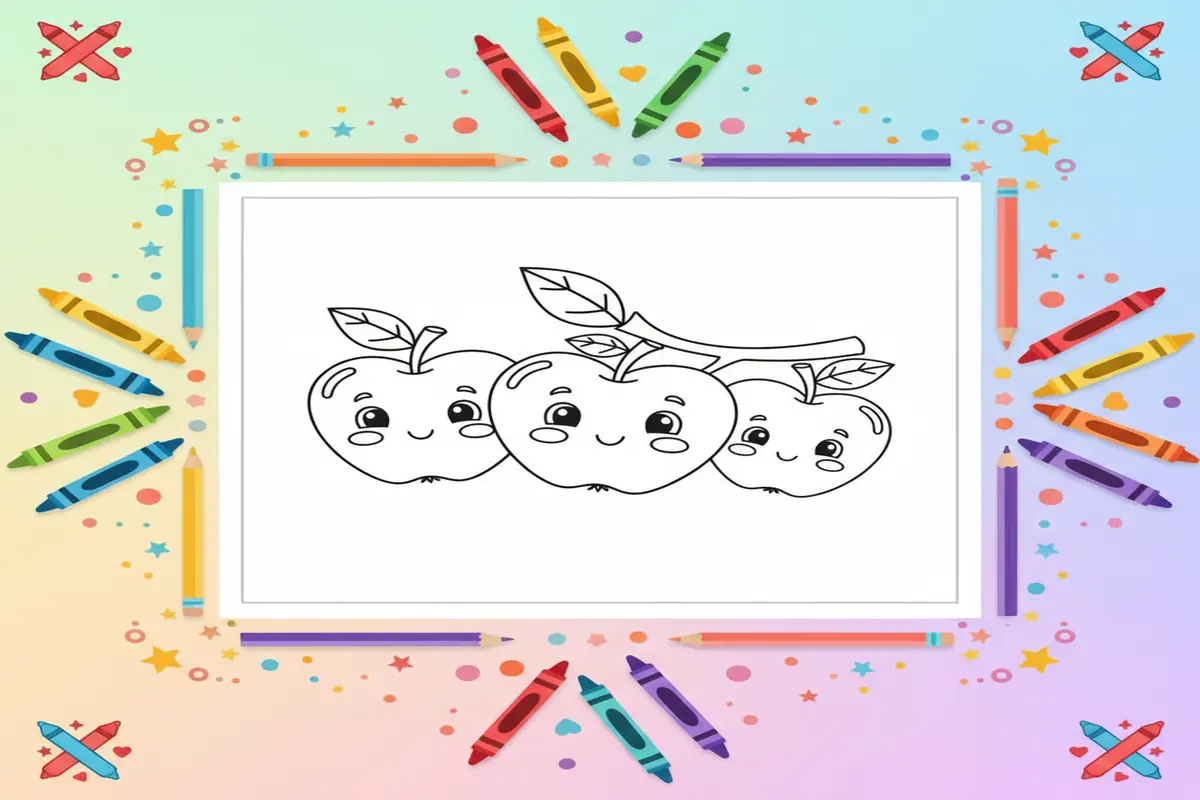
Gathering the right materials transforms a simple activity into a rich artistic experience. Before you print your first set of apple coloring pages for kids, having a well-prepared toolkit ensures vibrant results and a seamless creative process. Proper preparation minimizes frustration and allows children to fully immerse themselves in their art, whether they’re coloring a bushel of apples or exploring other fun designs like our rabbit coloring pages. This guide will walk you through selecting professional-grade supplies that elevate the coloring session from a pastime to a developmental tool for fine motor skills and color theory exploration.
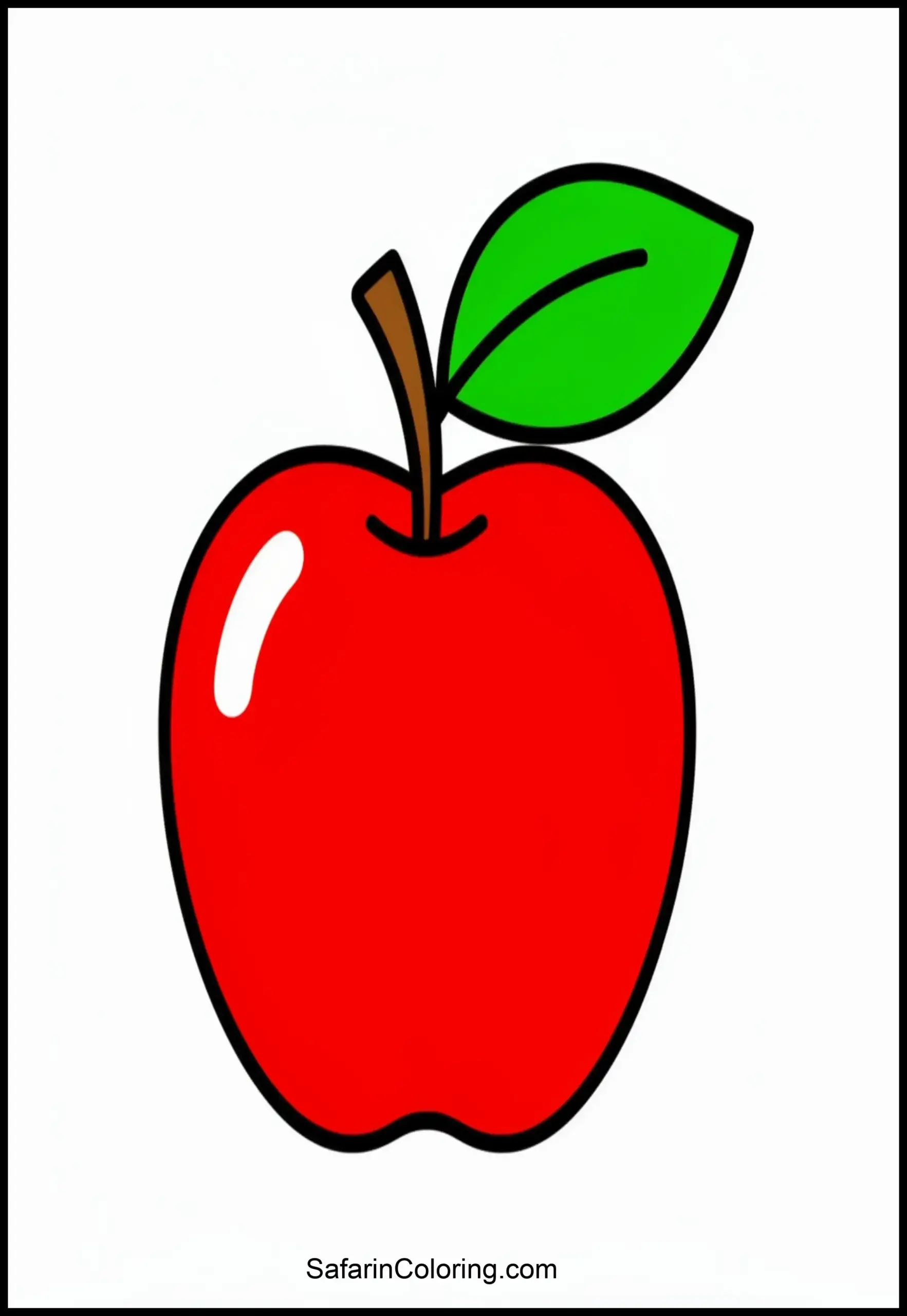
Apple Fruit Simple Scaled
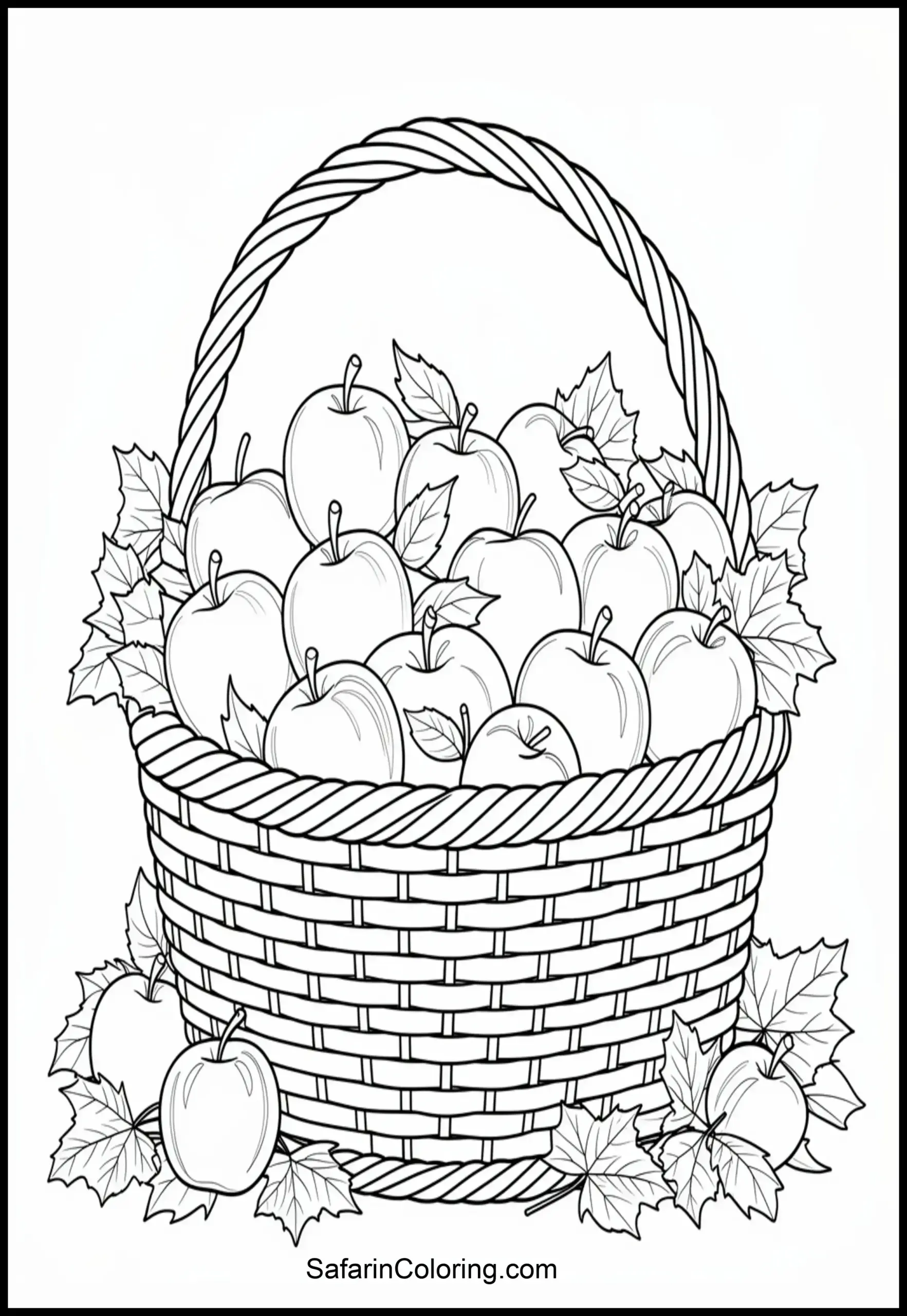
Apple Basket Harvest Scaled
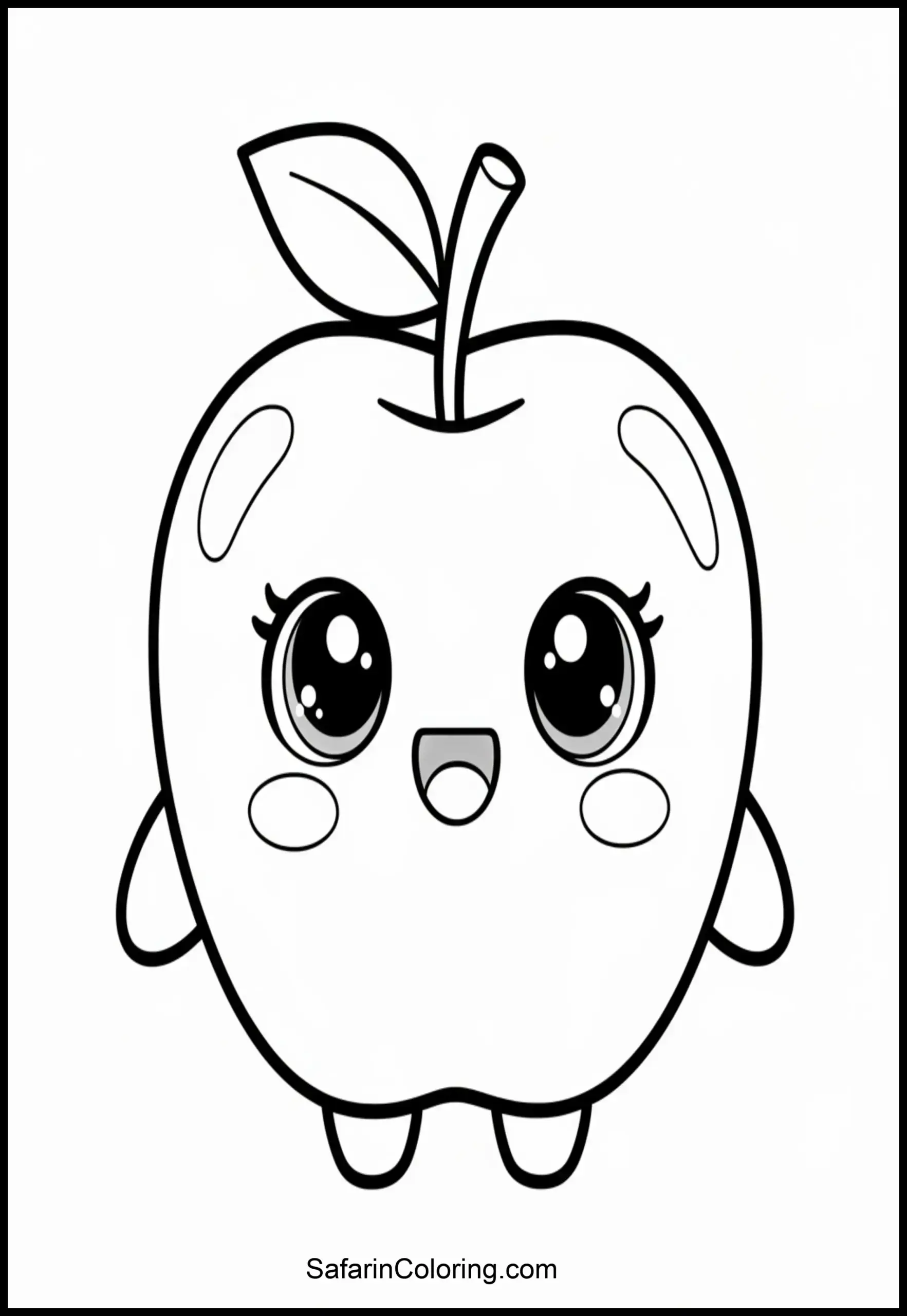
Cute Kawaii Apple Scaled
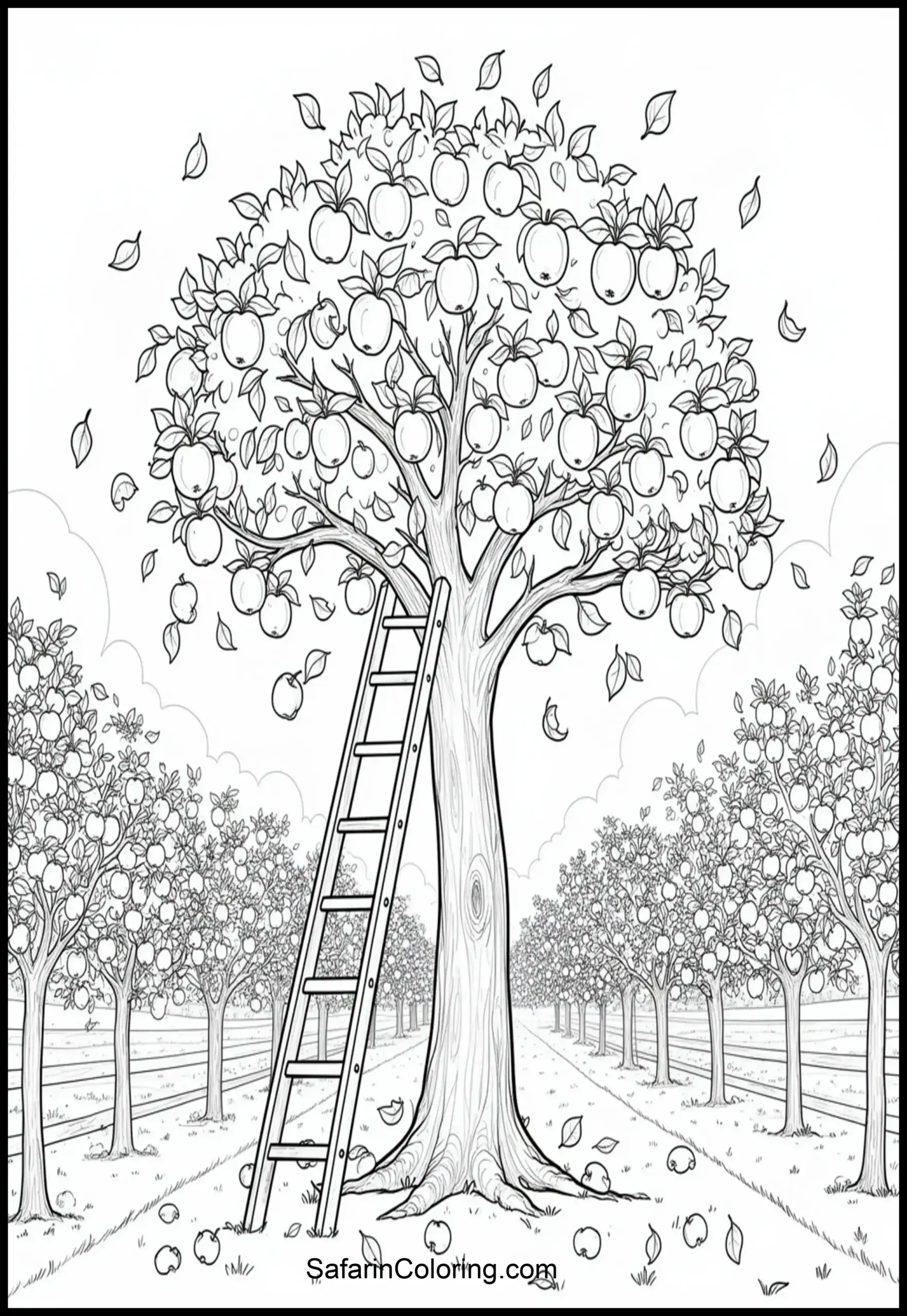
Apple Tree Ladder Scaled
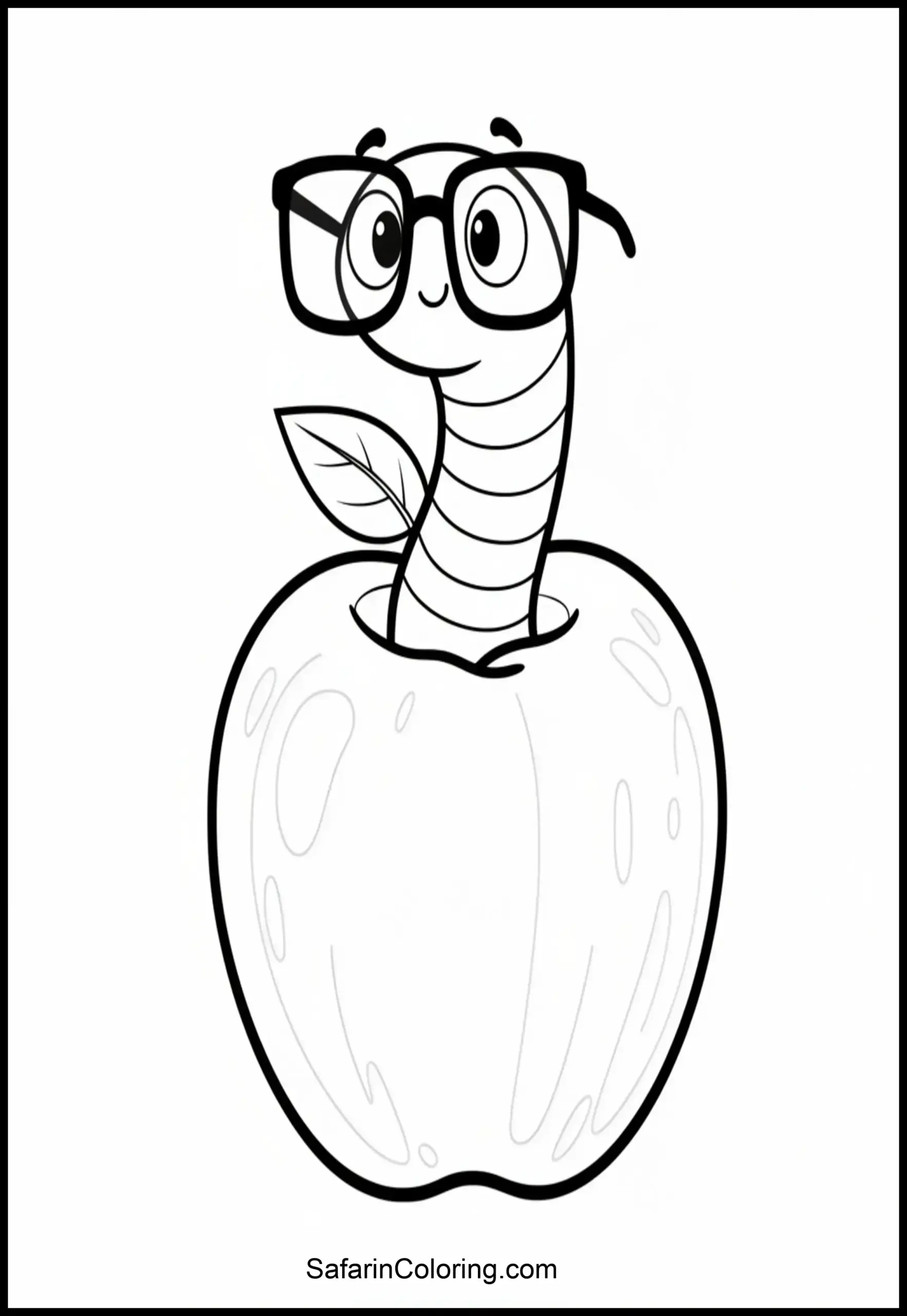
Apple Worm Cartoon Scaled
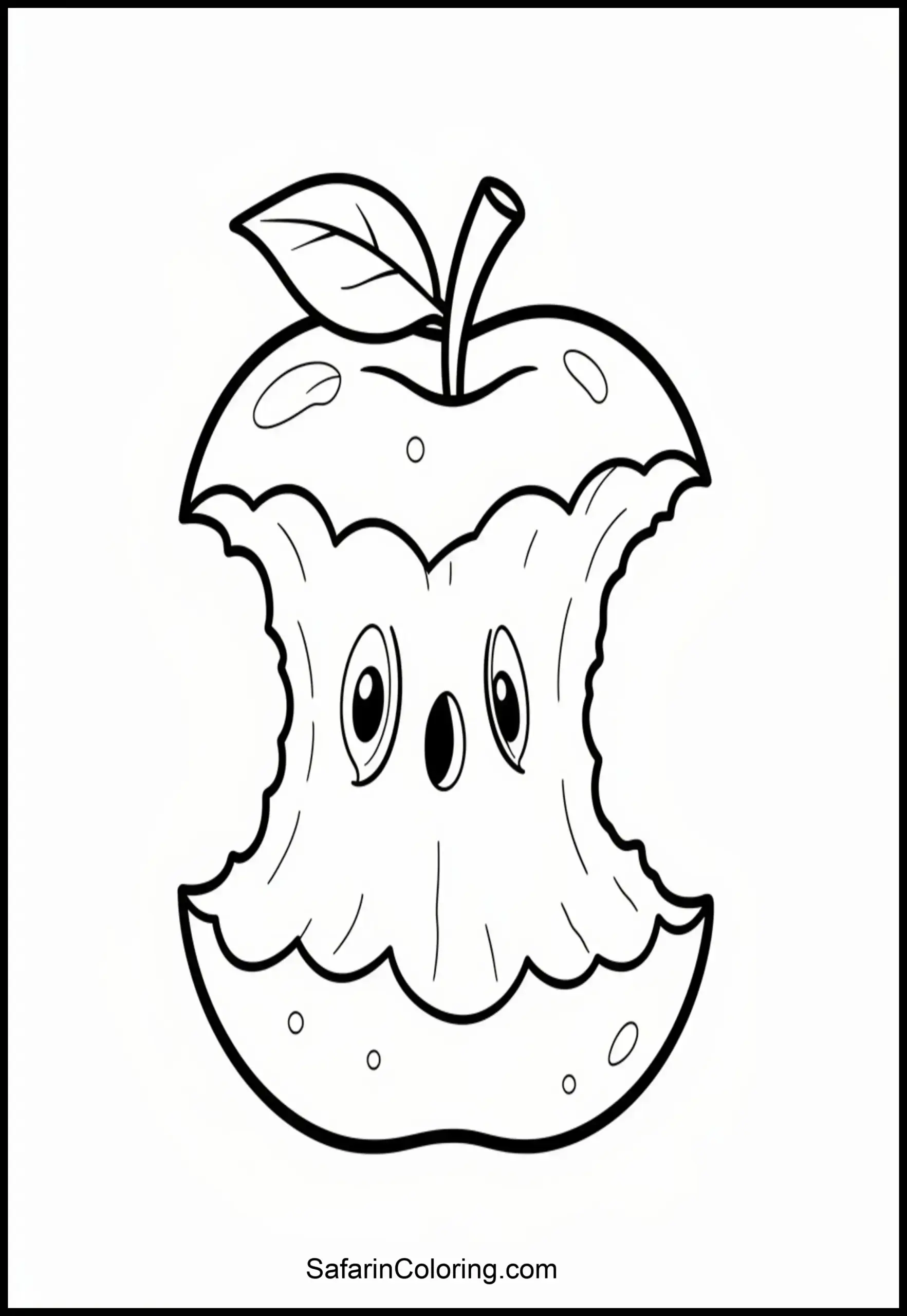
Apple Core Eaten Scaled
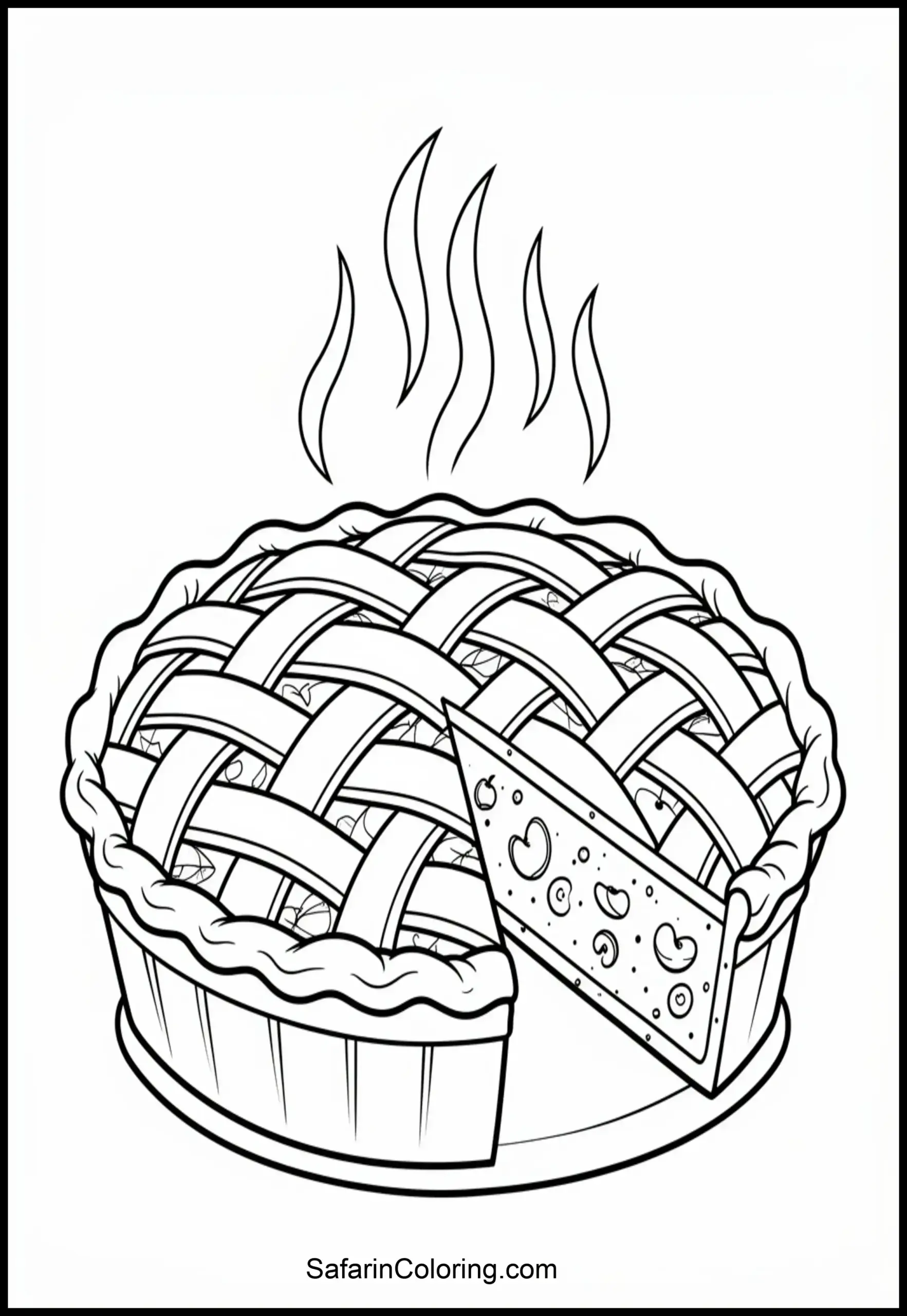
Apple Pie Baking Scaled
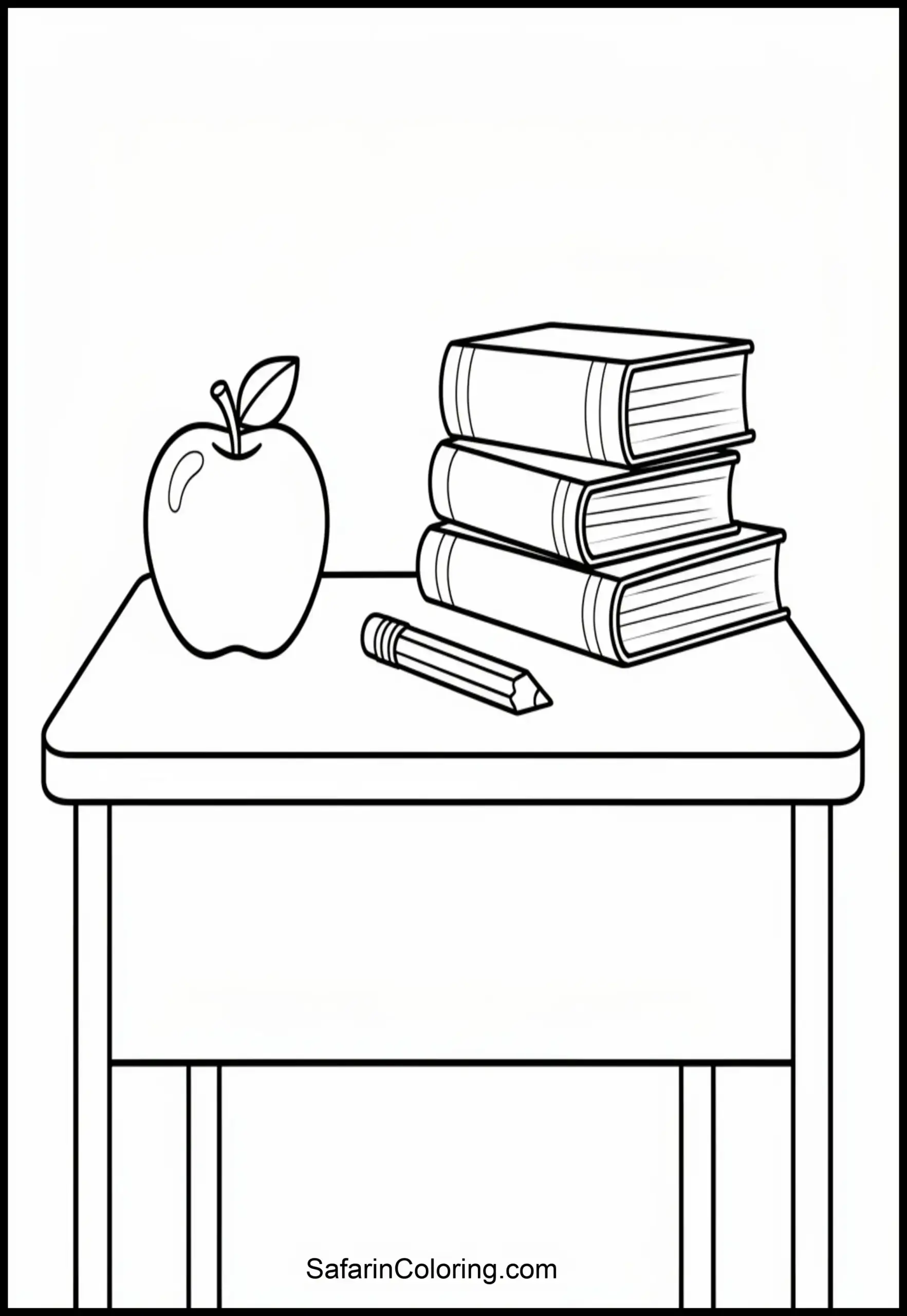
Apple Teacher Desk Scaled
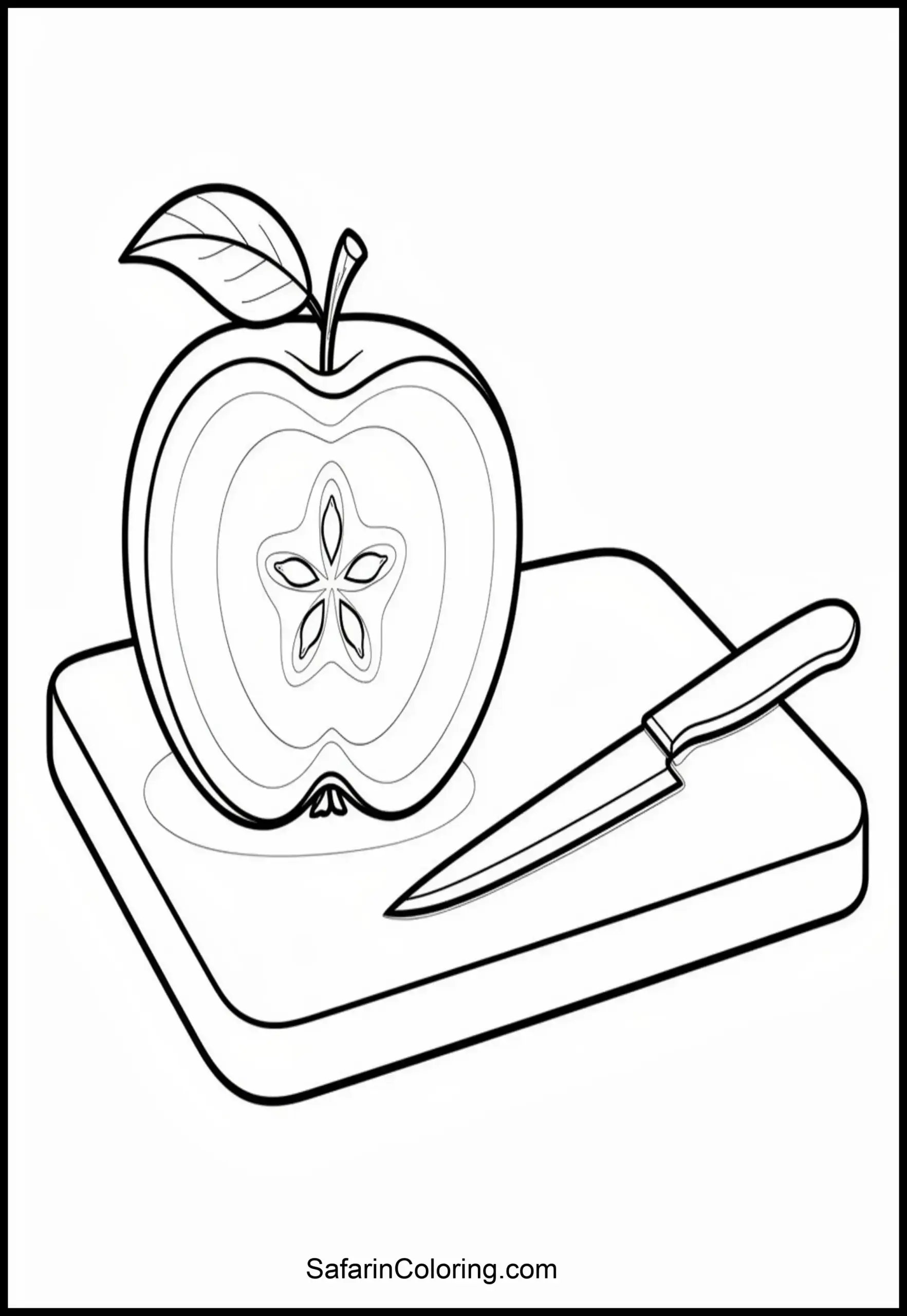
Apple Slices Cut Scaled
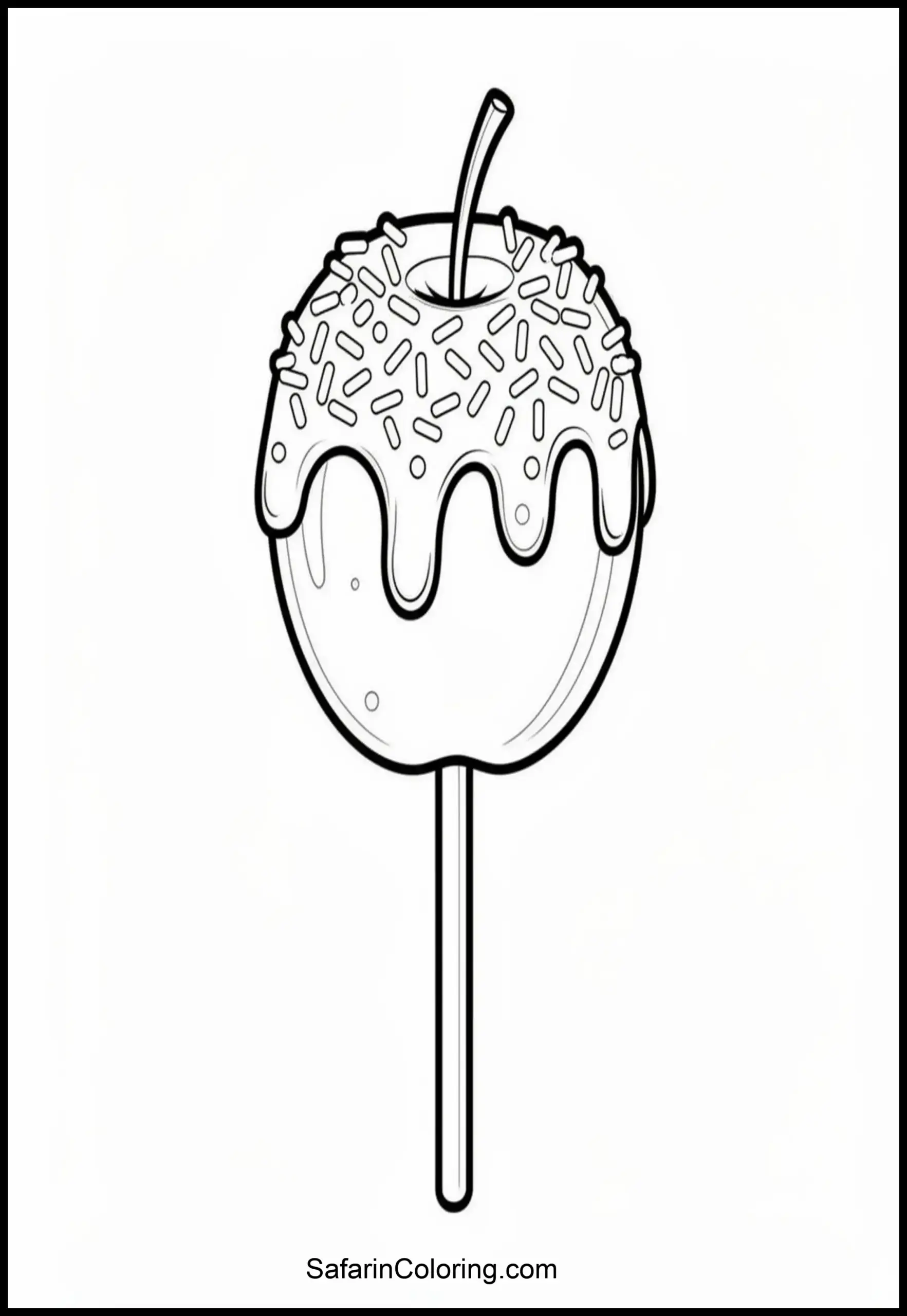
Caramel Apple Treat Scaled
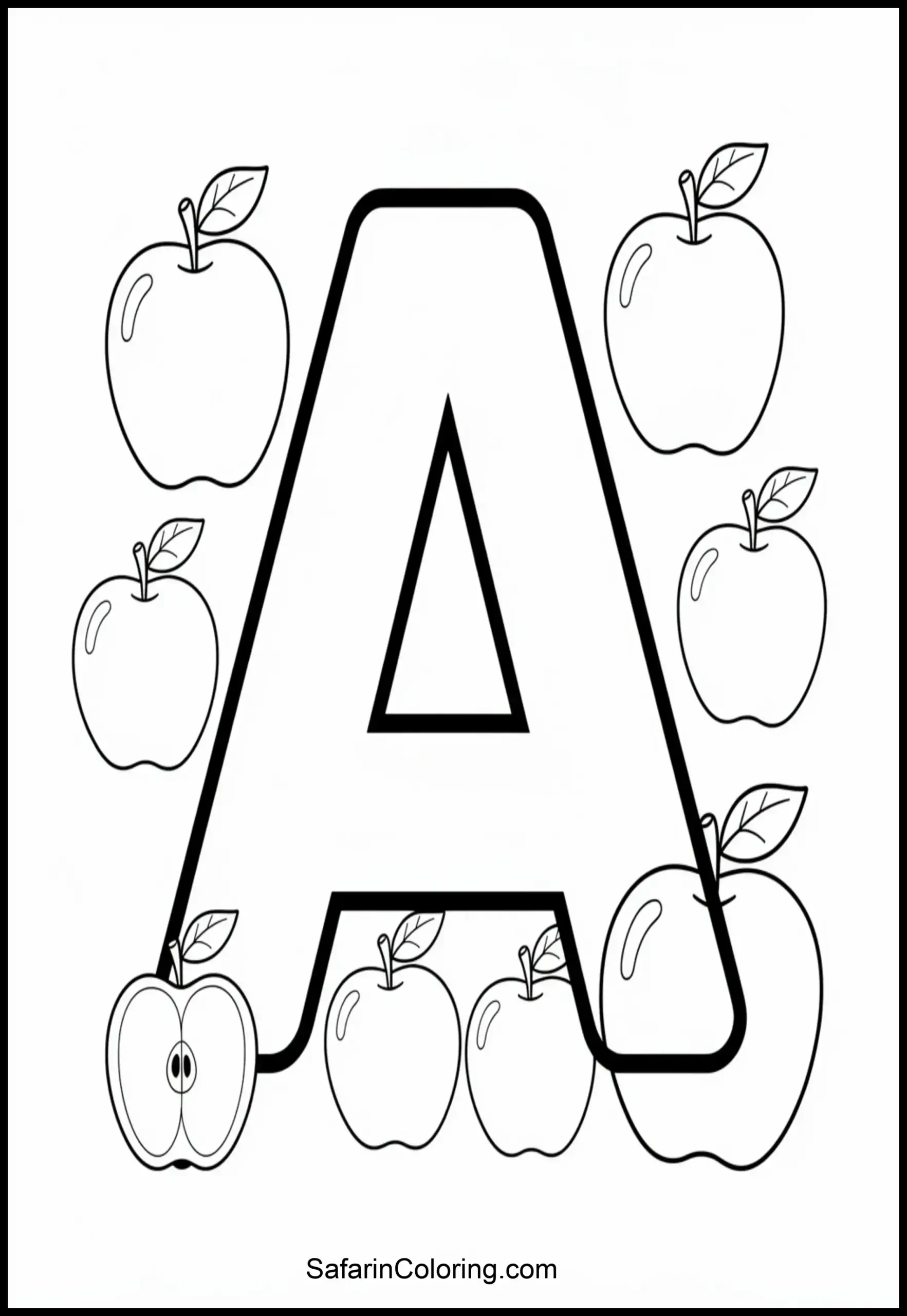
Apple Letter A Scaled
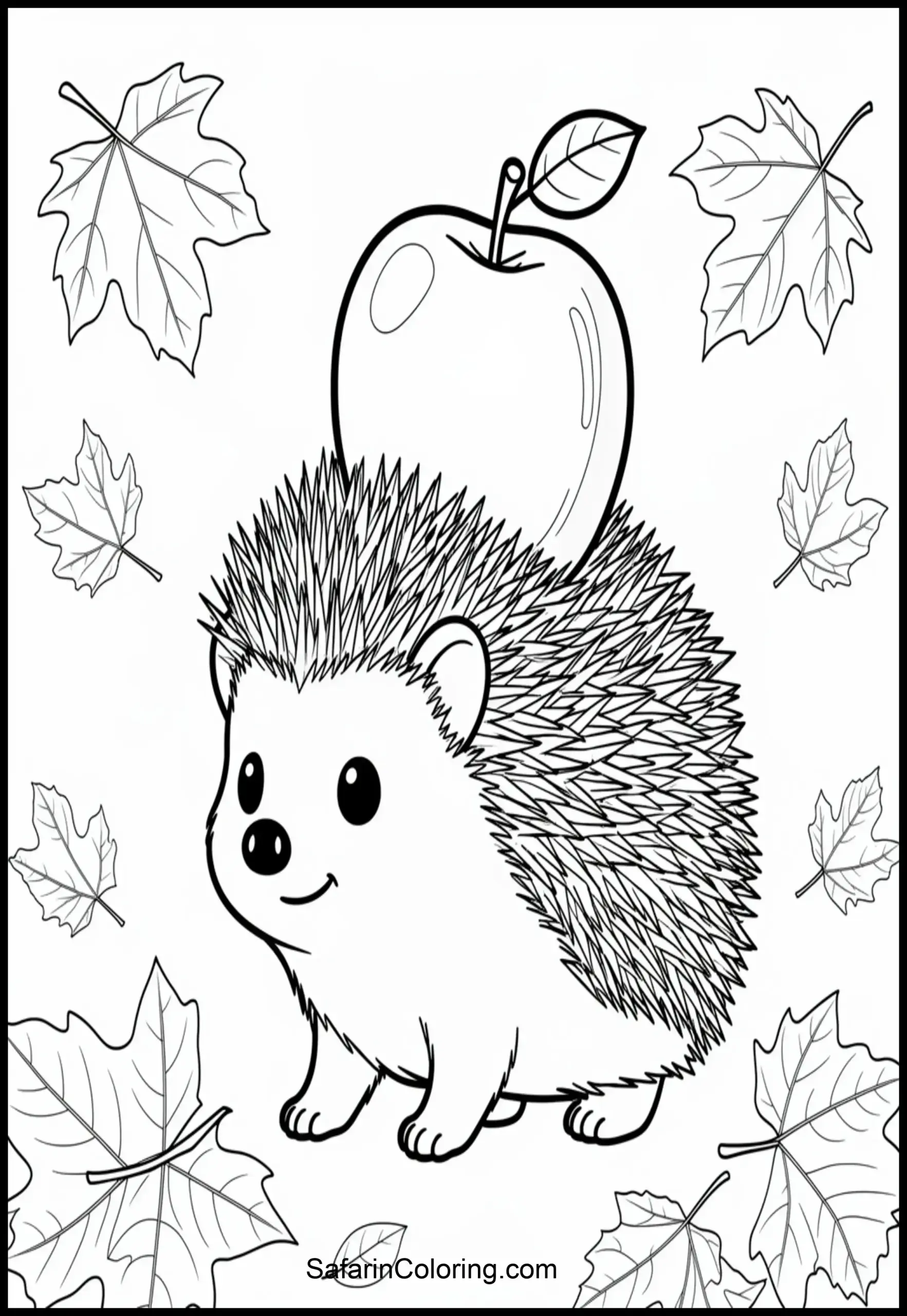
Apple Hedgehog Cute Scaled
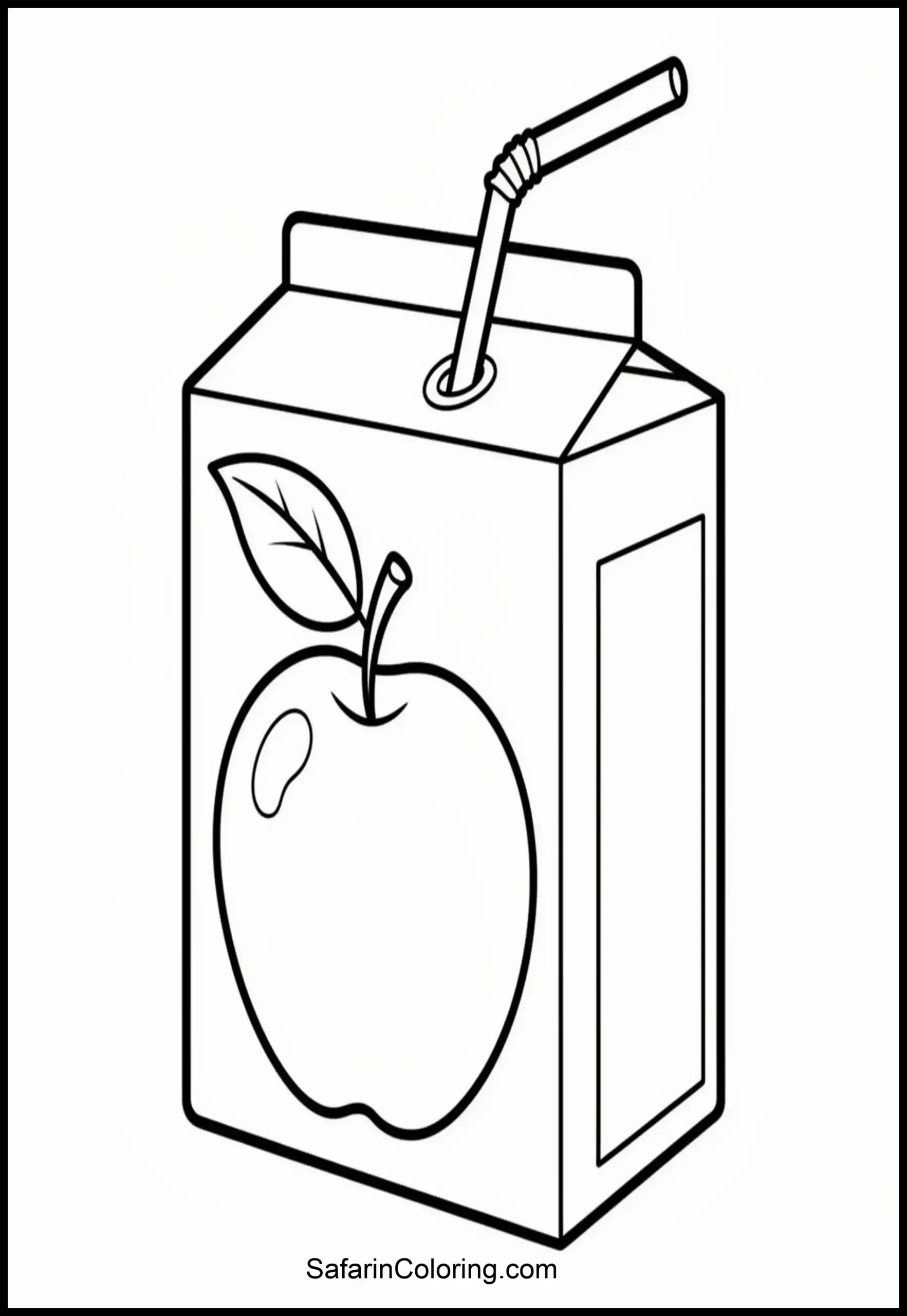
Apple Juice Box Scaled
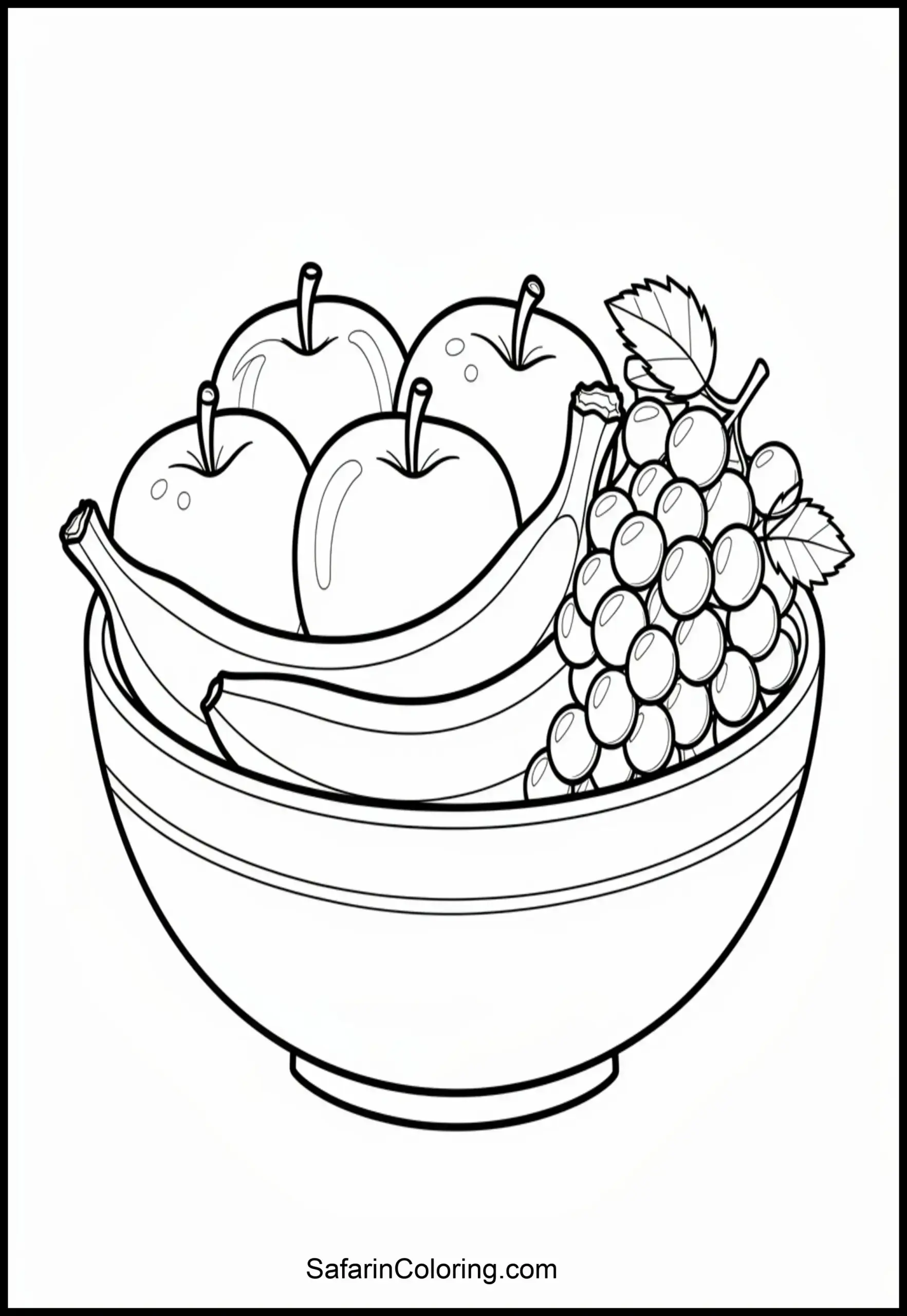
Apple Fruit Bowl Scaled
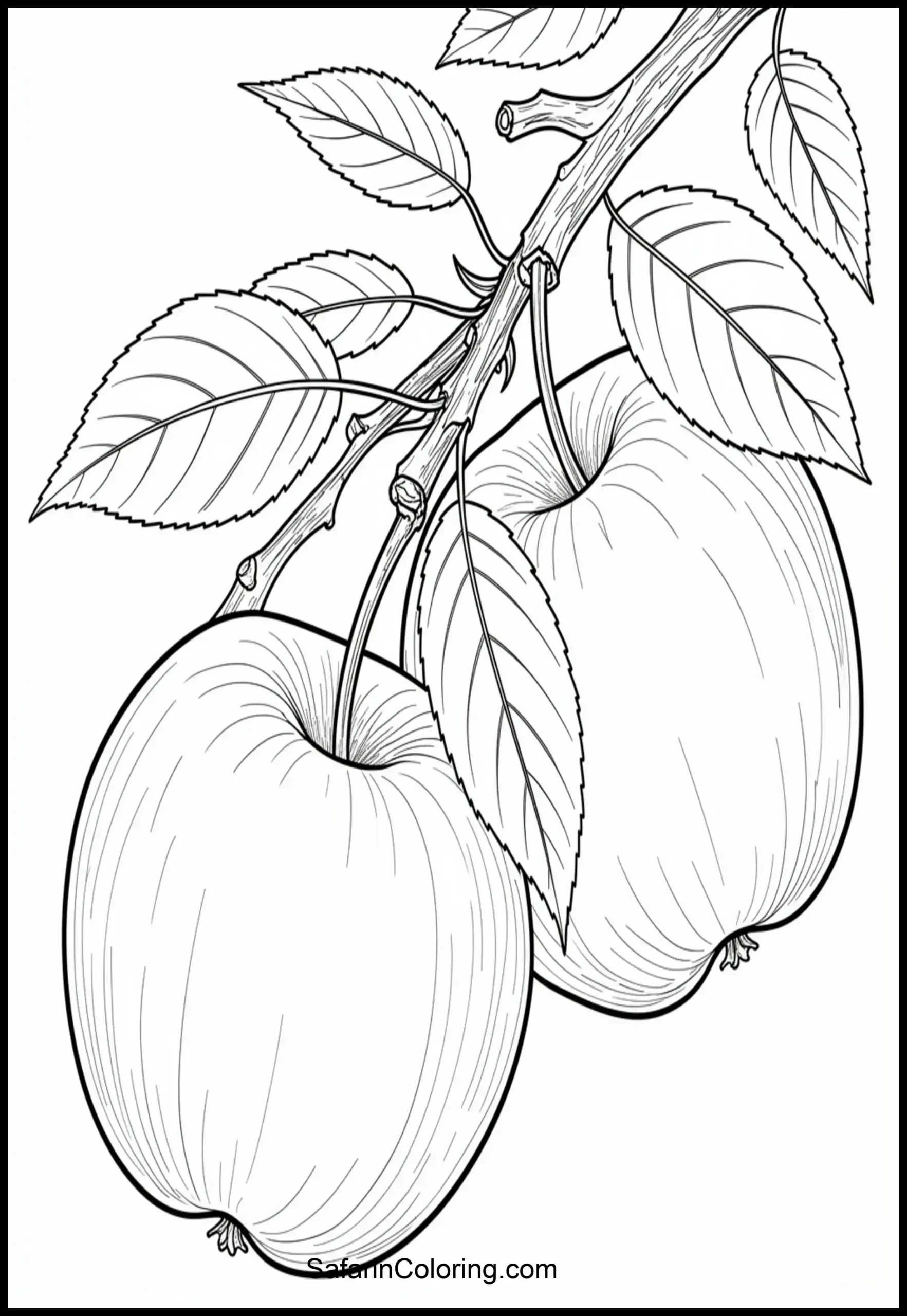
Apple Branch Hanging Scaled
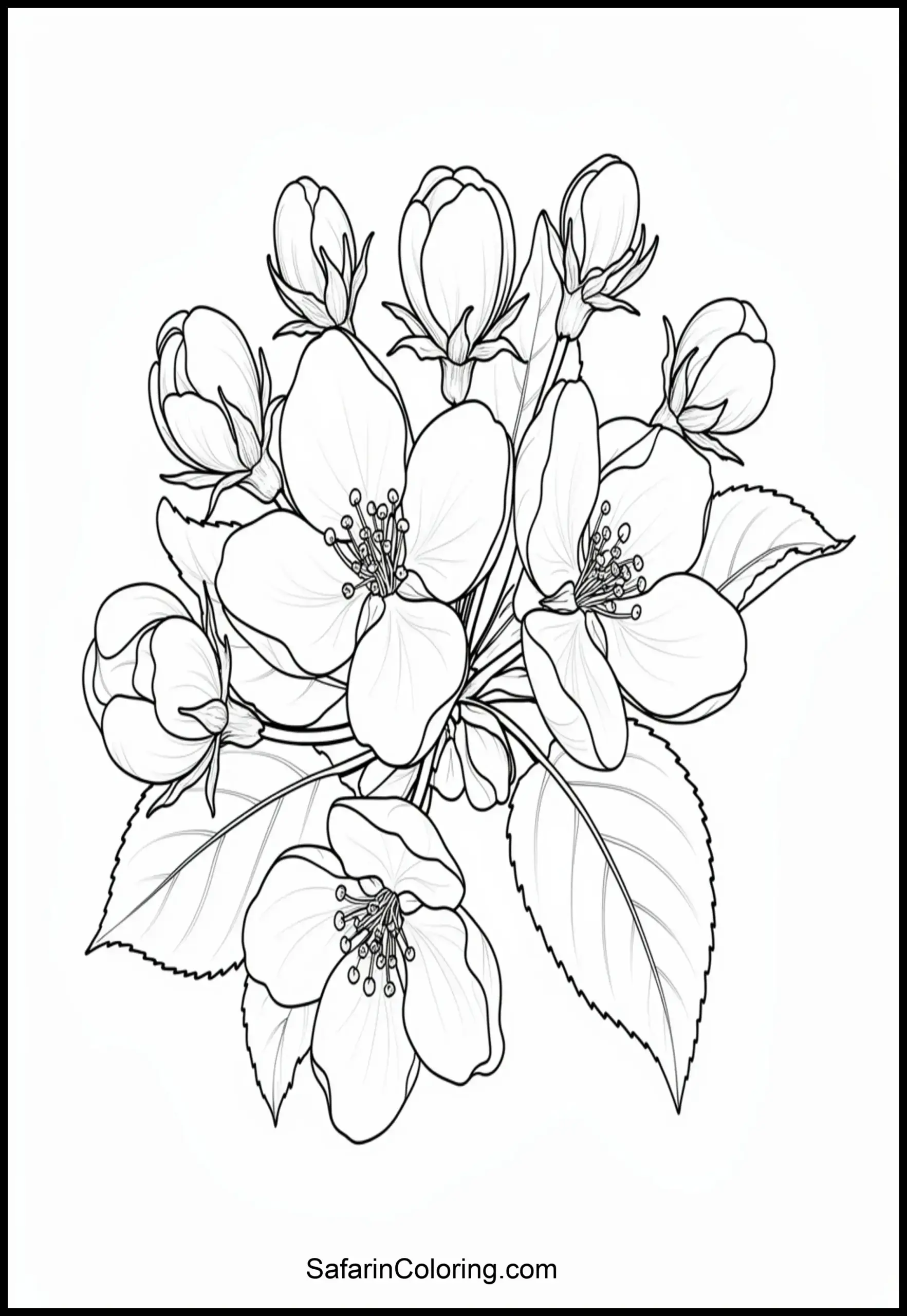
Apple Blossom Flowers Scaled
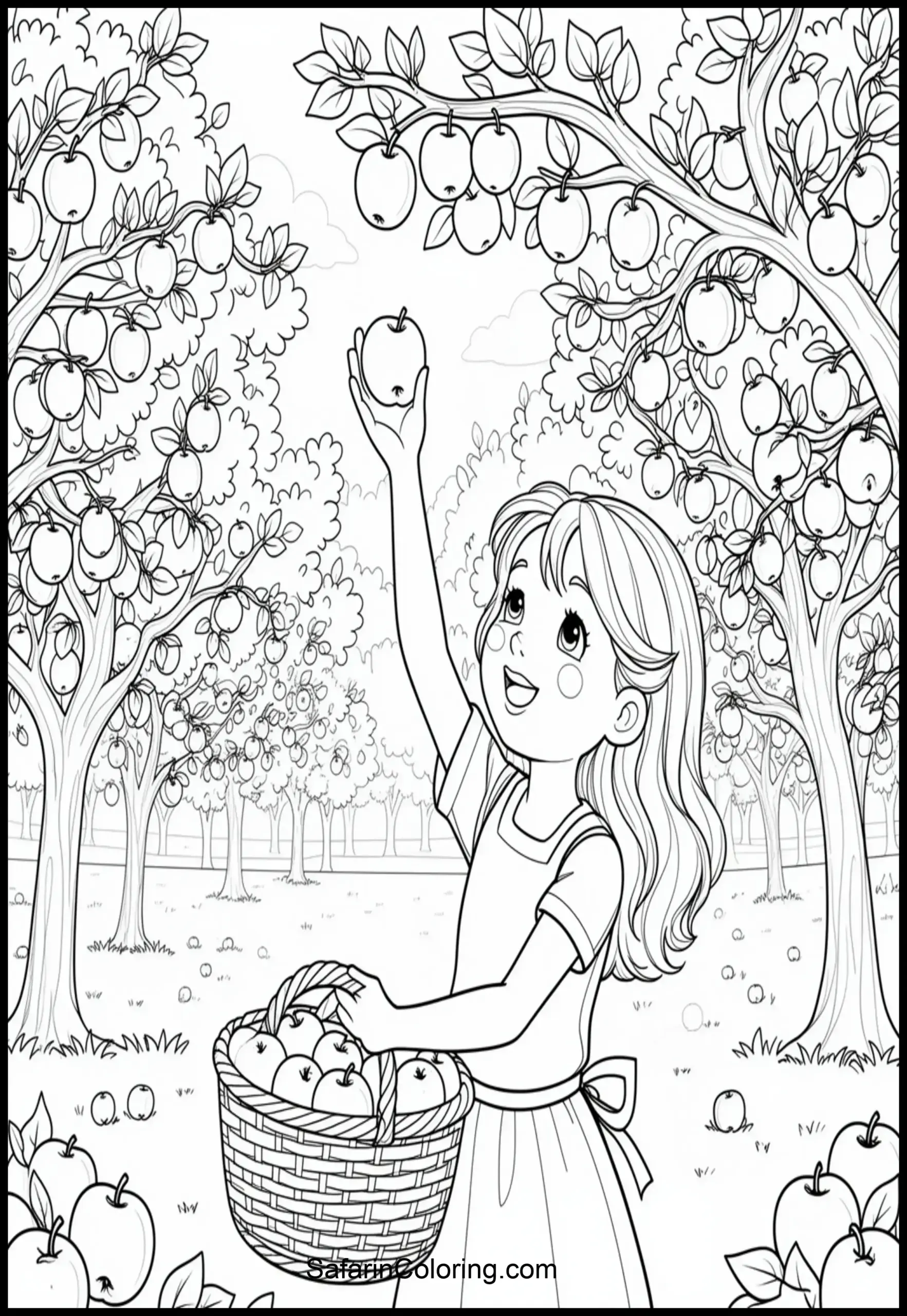
Apple Picking Girl Scaled
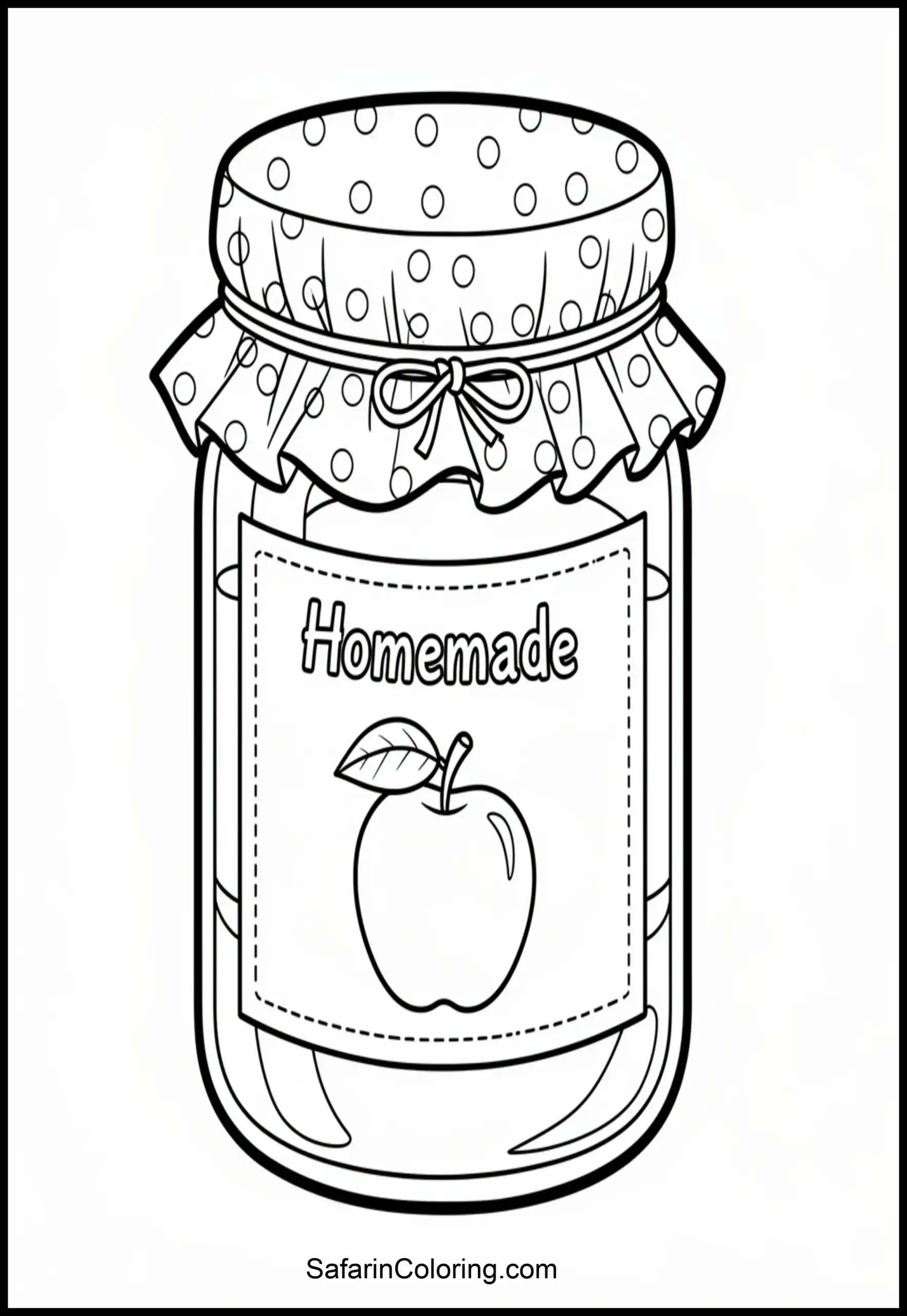
Apple Jam Jar Scaled
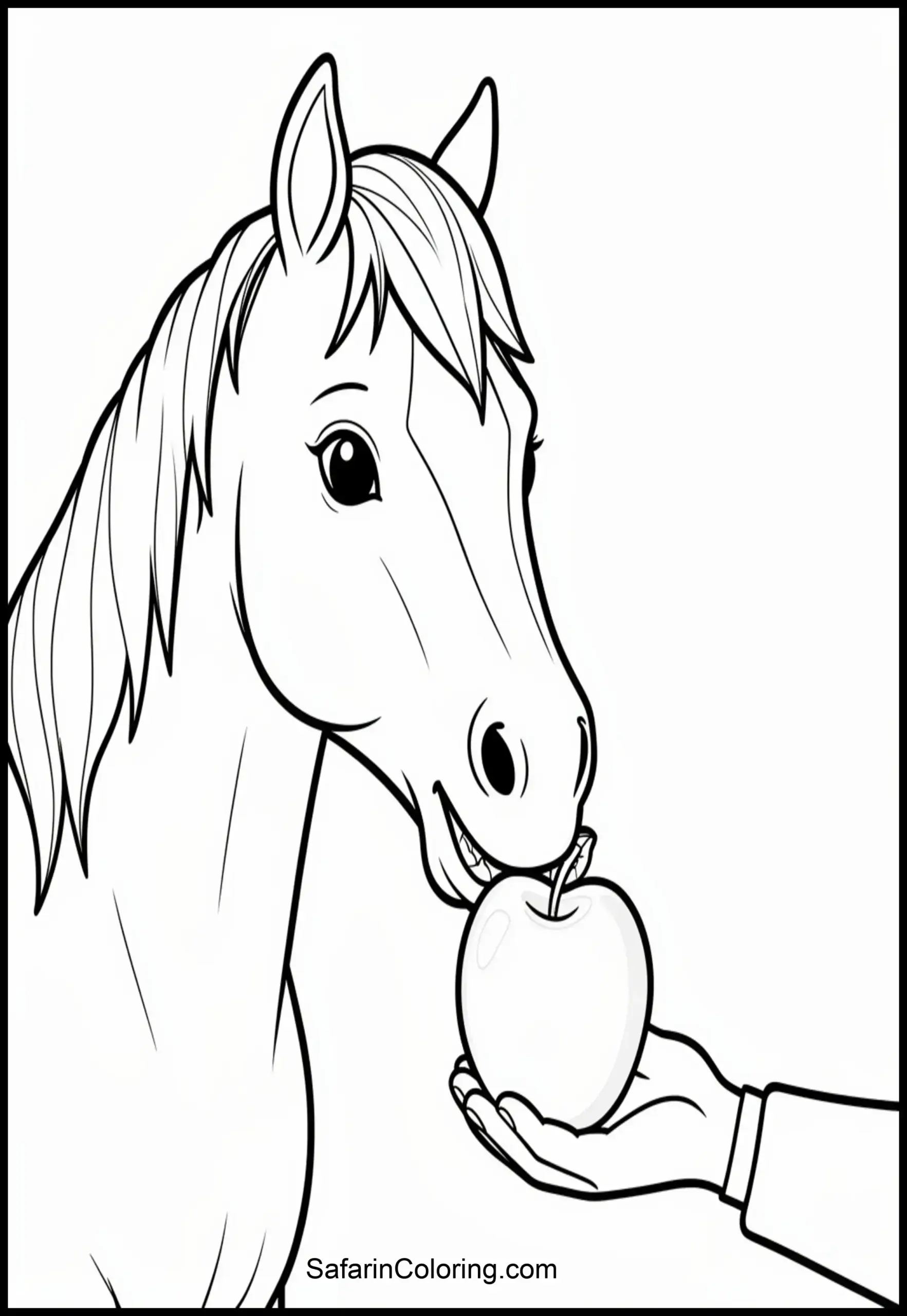
Apple Horse Eating Scaled
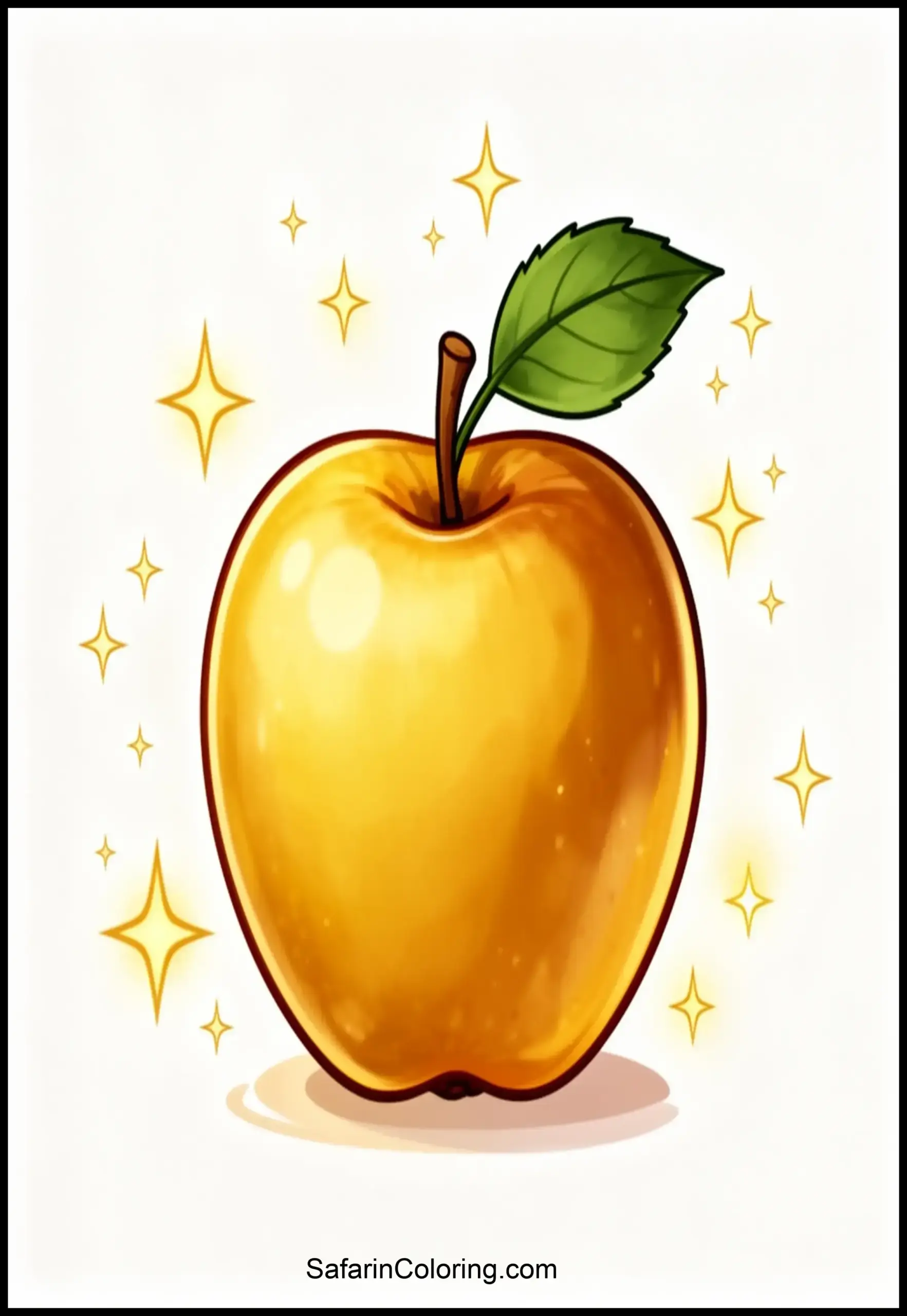
Apple Golden Magic Scaled
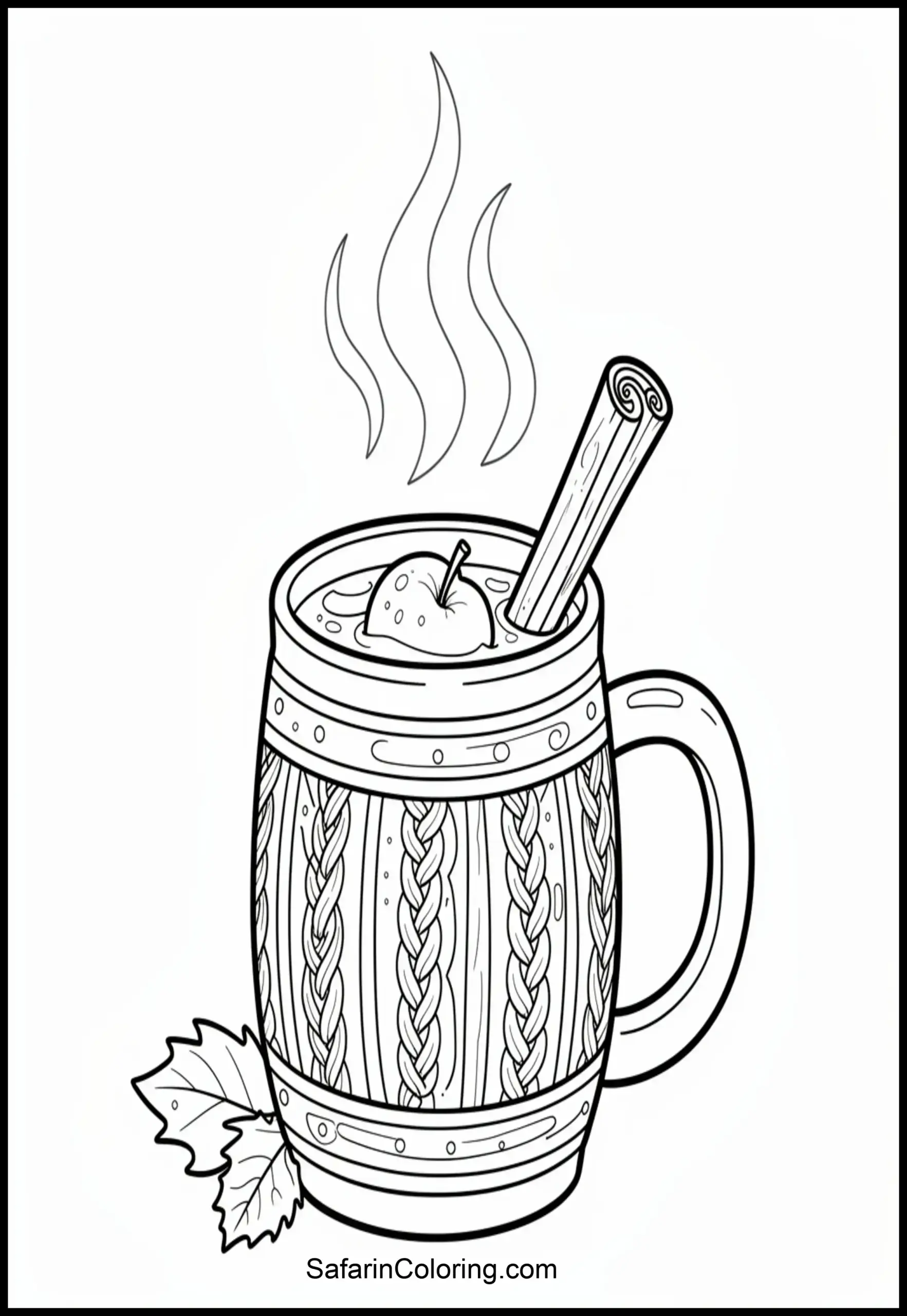
Apple Cider Mug Scaled
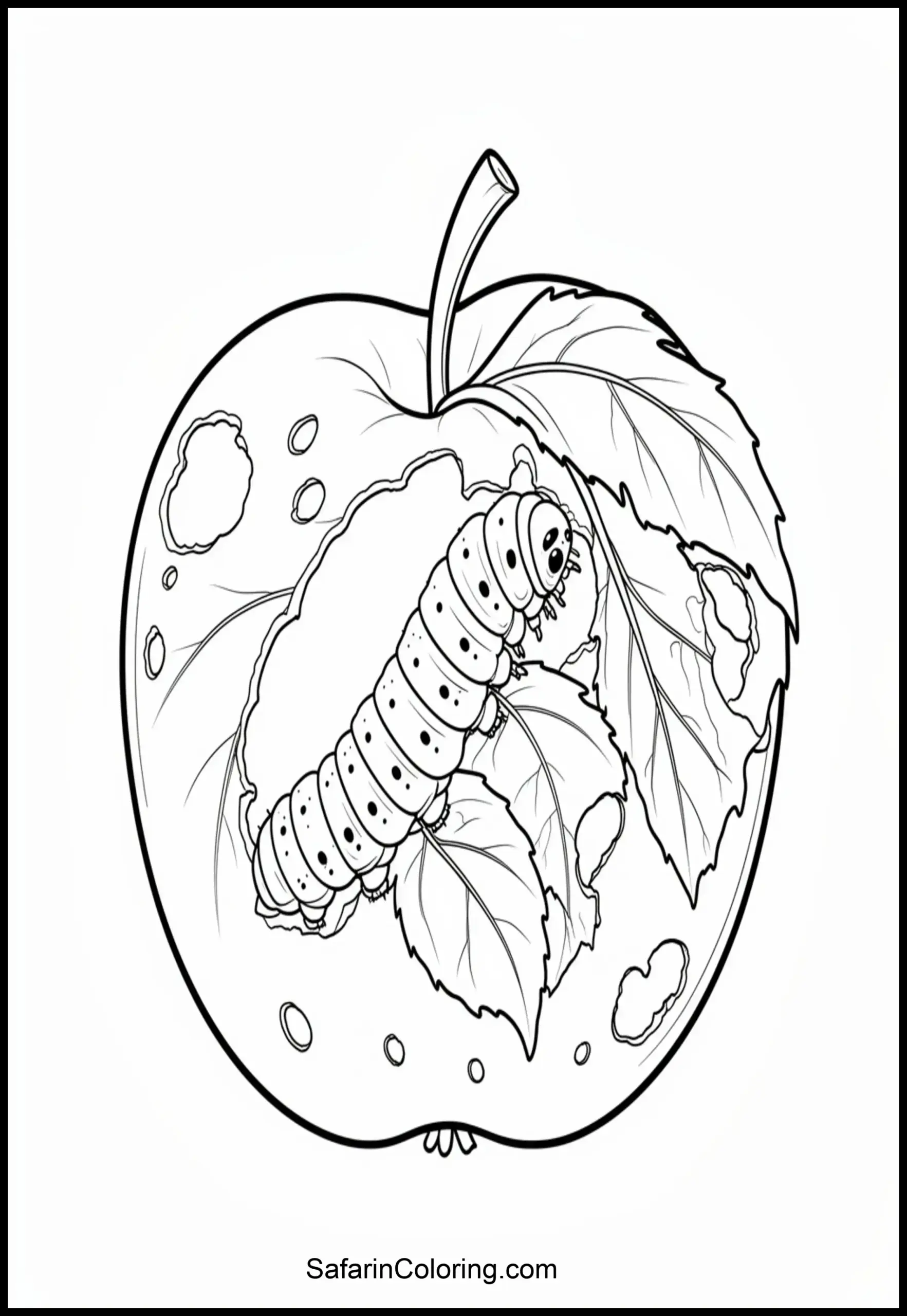
Apple Leaf Caterpillar Scaled
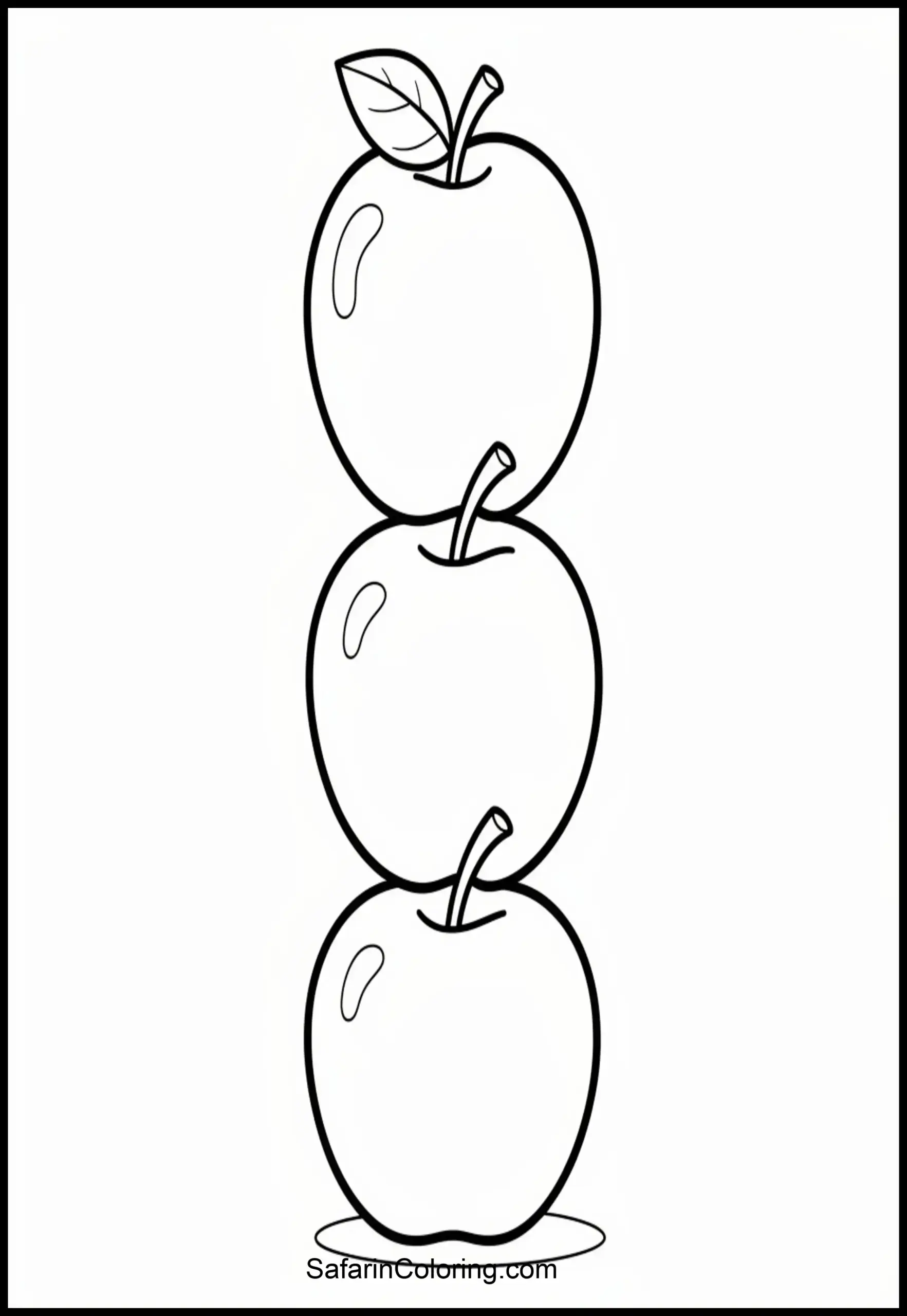
Apple Stack Three Scaled
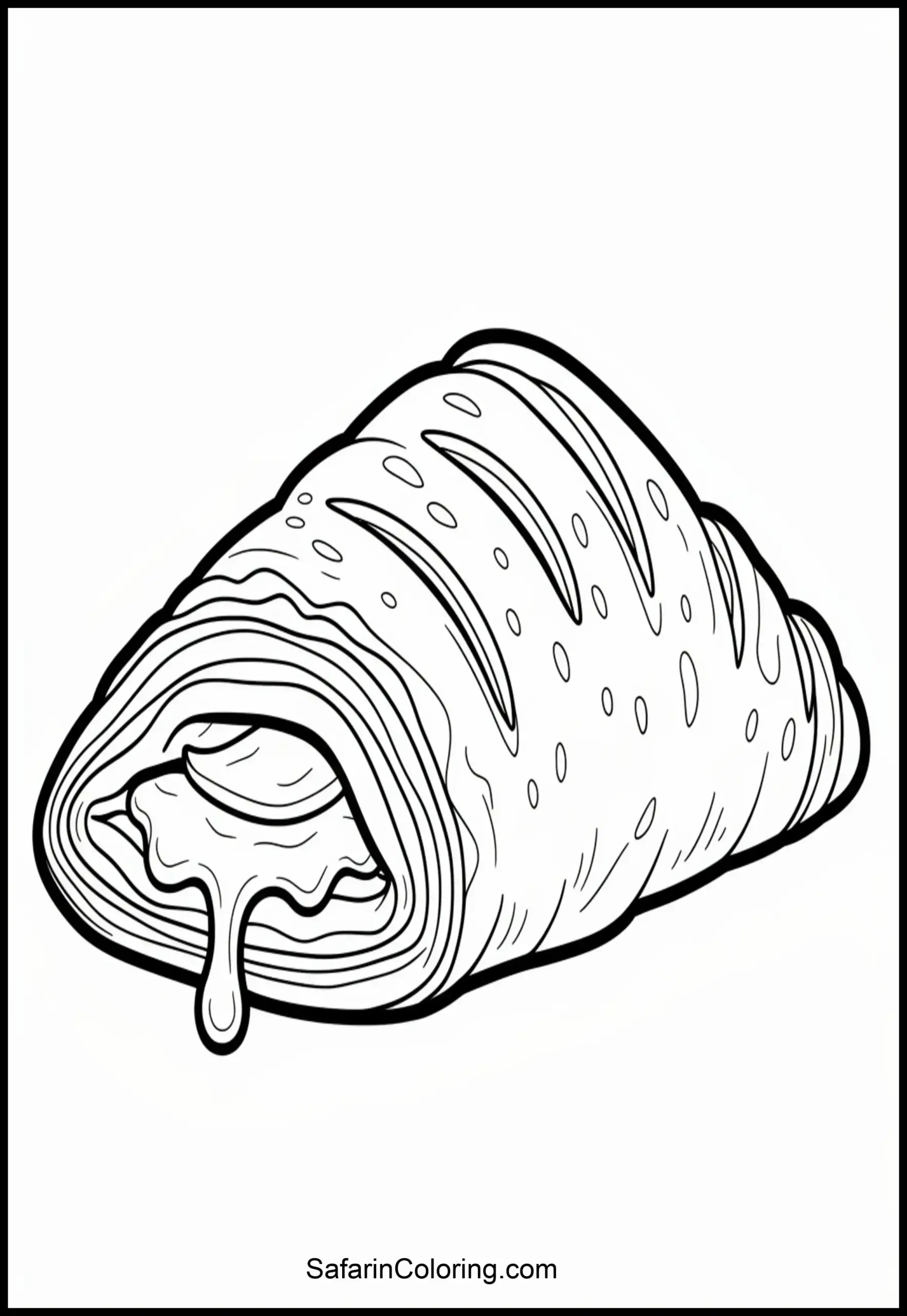
Apple Turnover Pastry Scaled
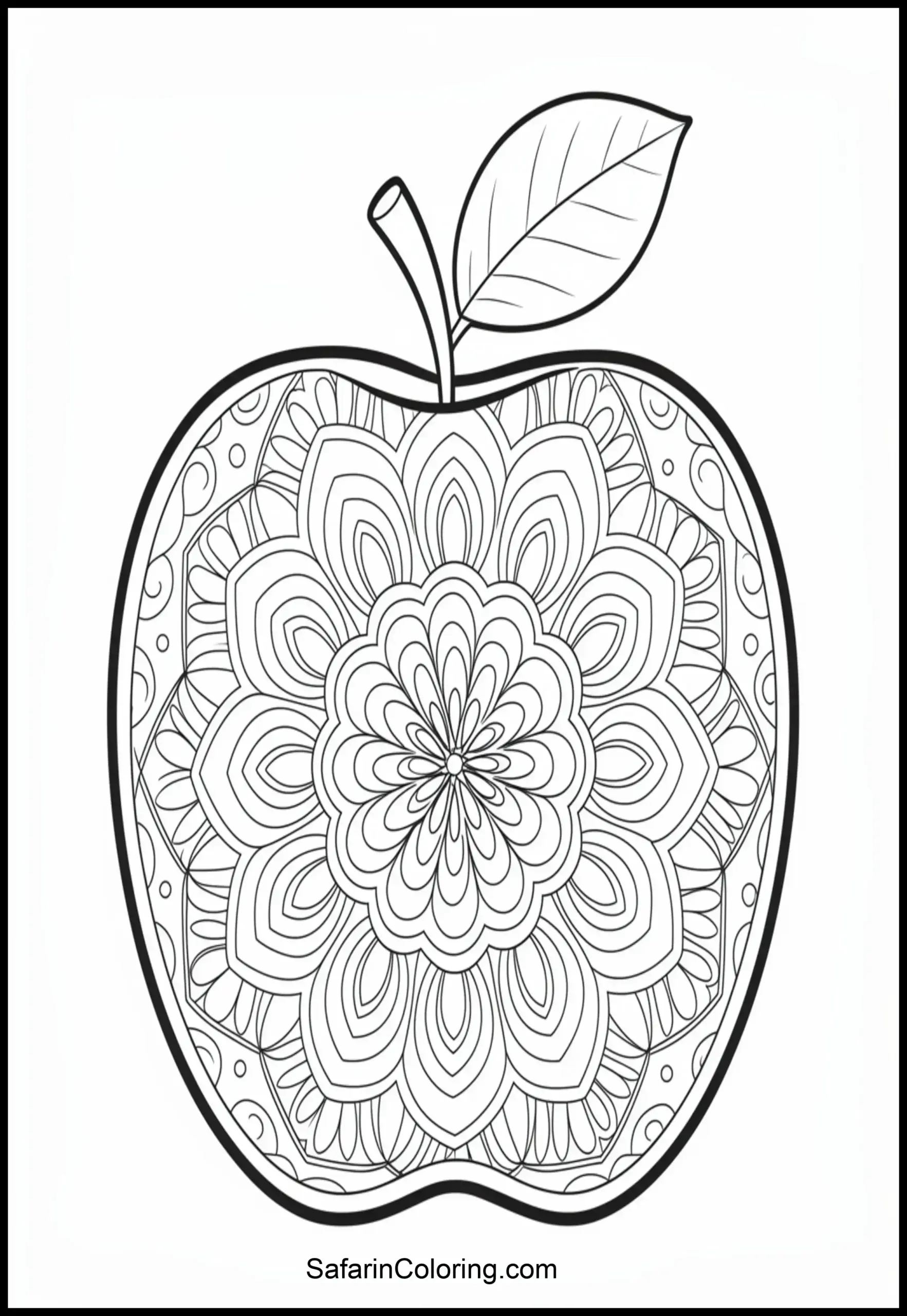
Apple Mandala Pattern Scaled
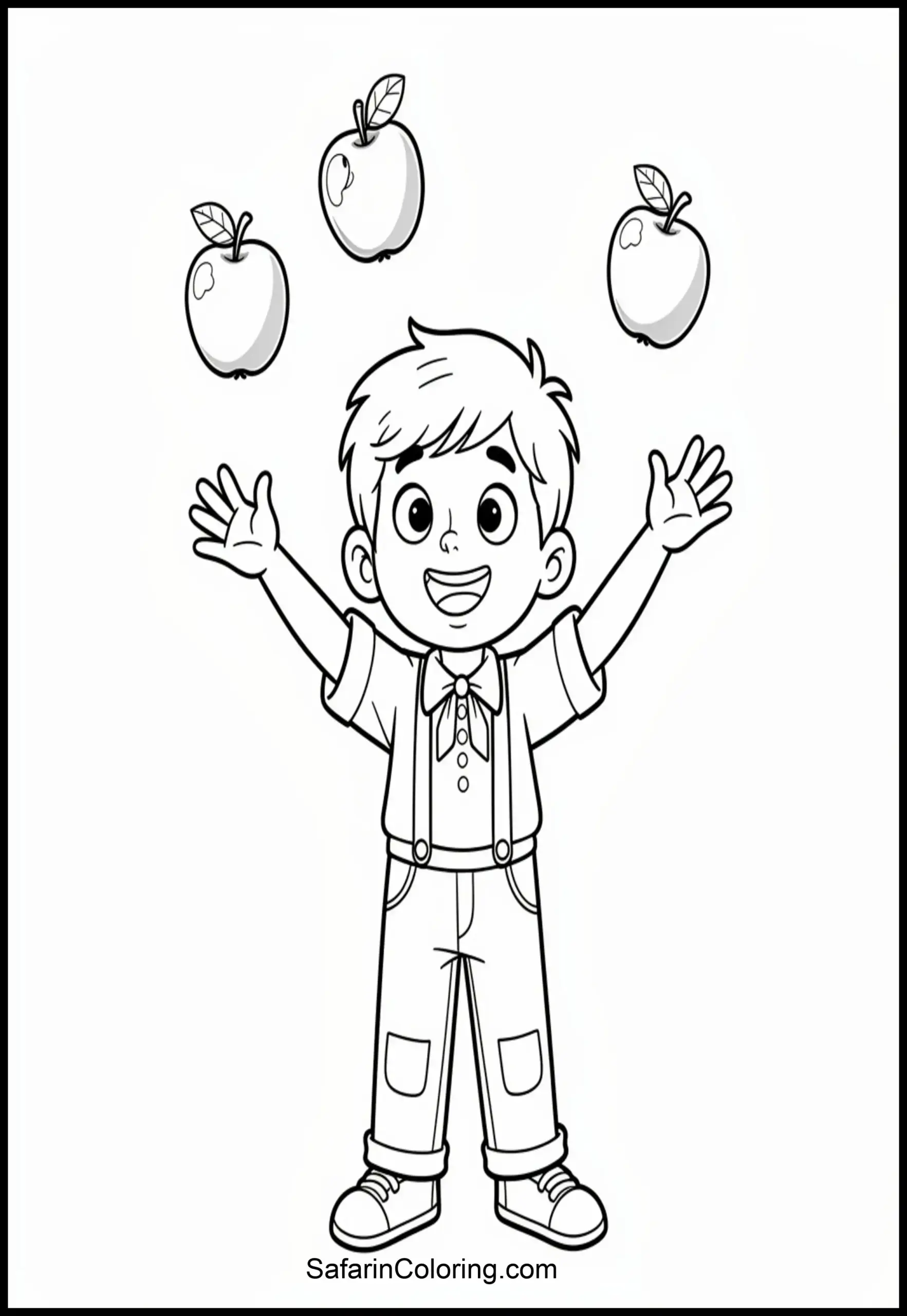
Apple Juggling Boy Scaled
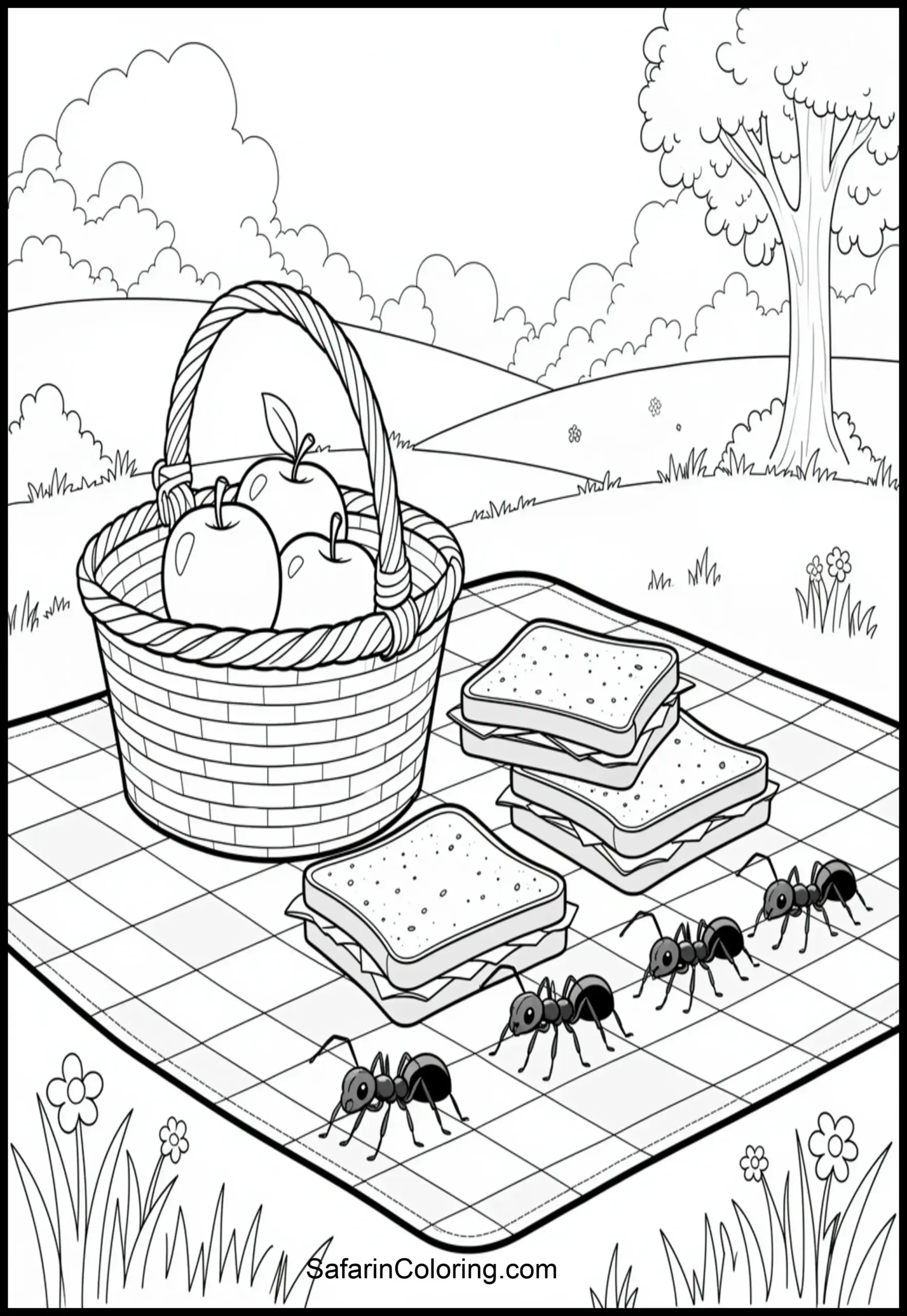
Apple Picnic Scene Scaled
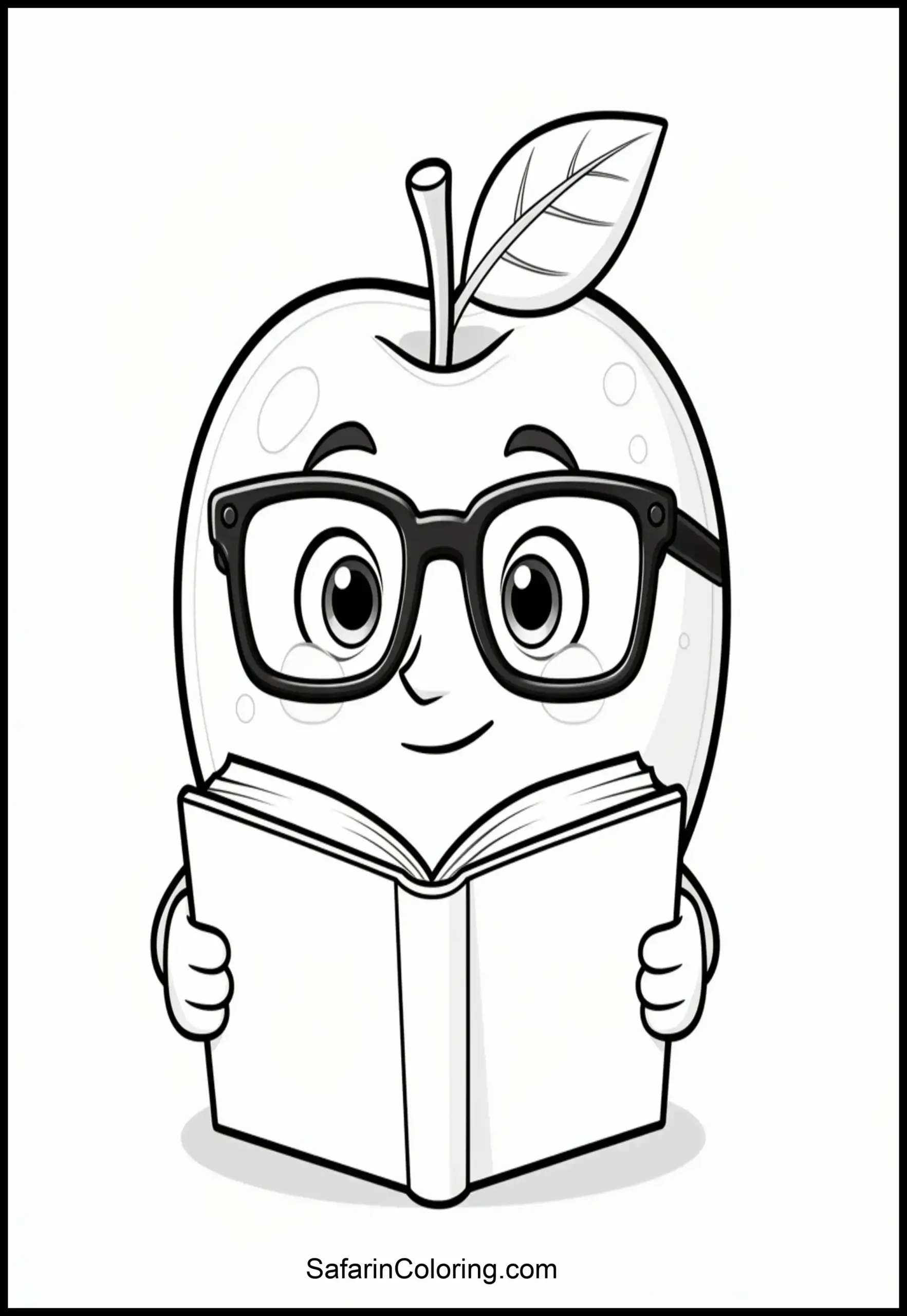
Apple Smart Glasses Scaled
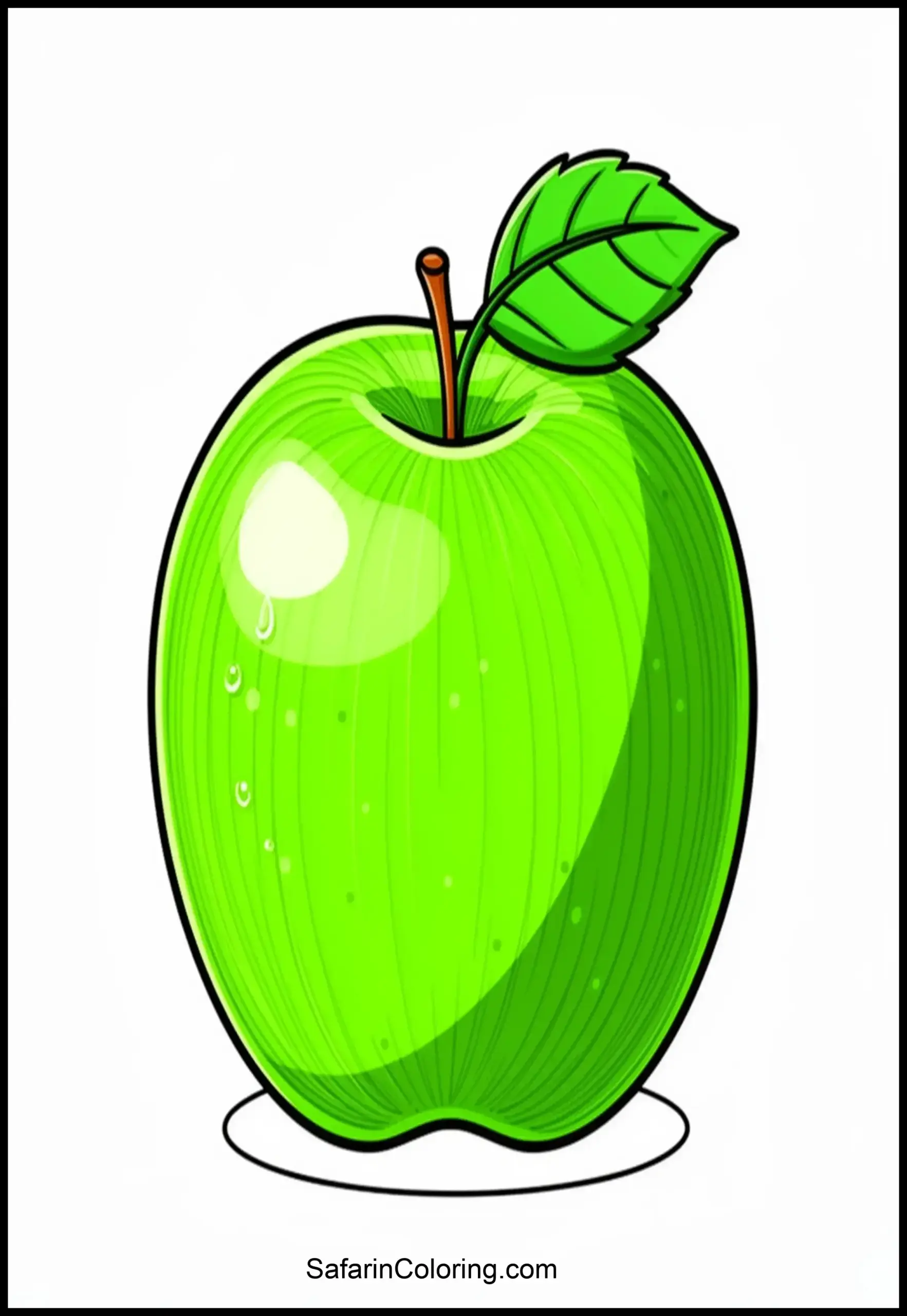
Apple Green Granny Smith Scaled
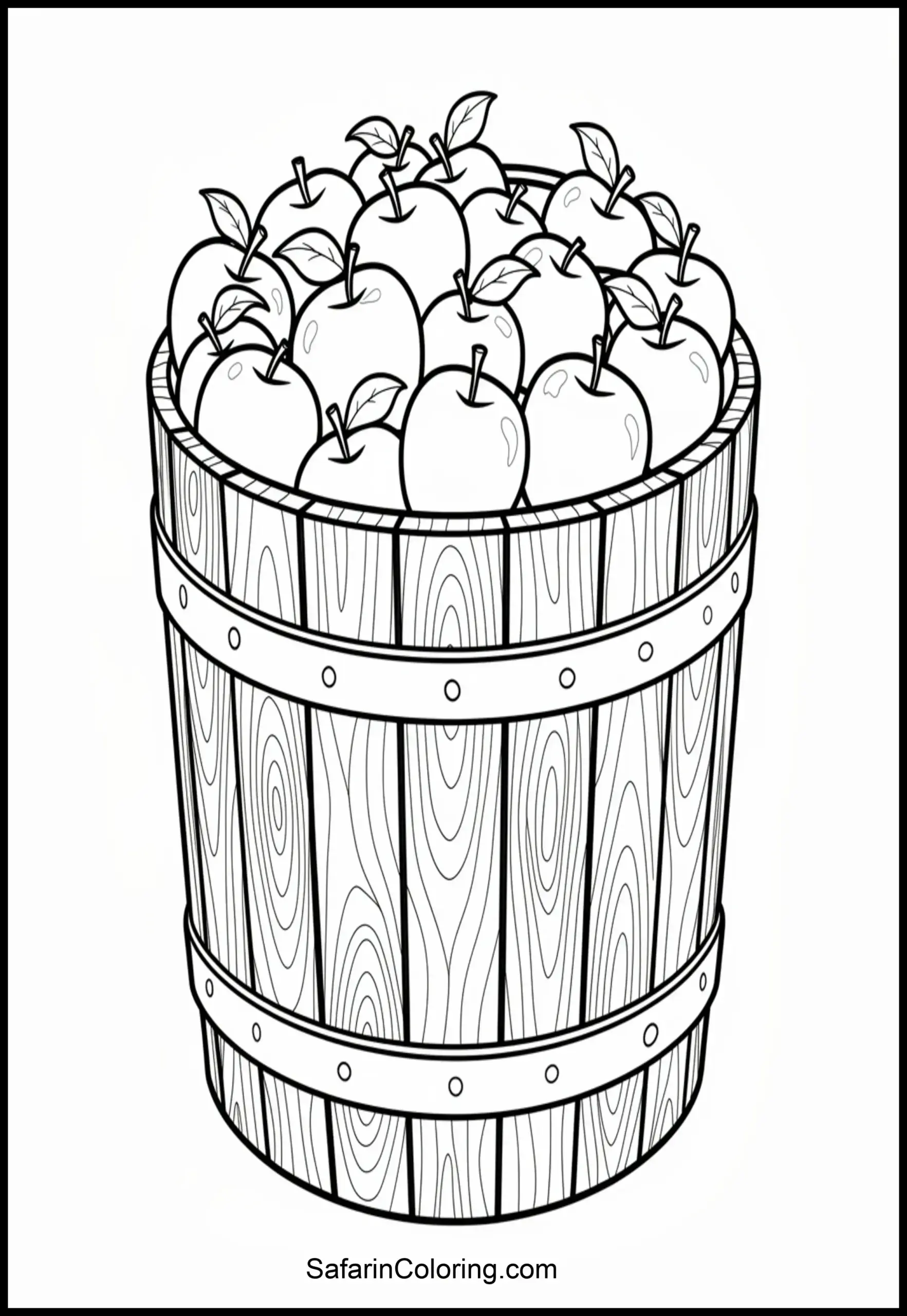
Apple Barrel Wood Scaled
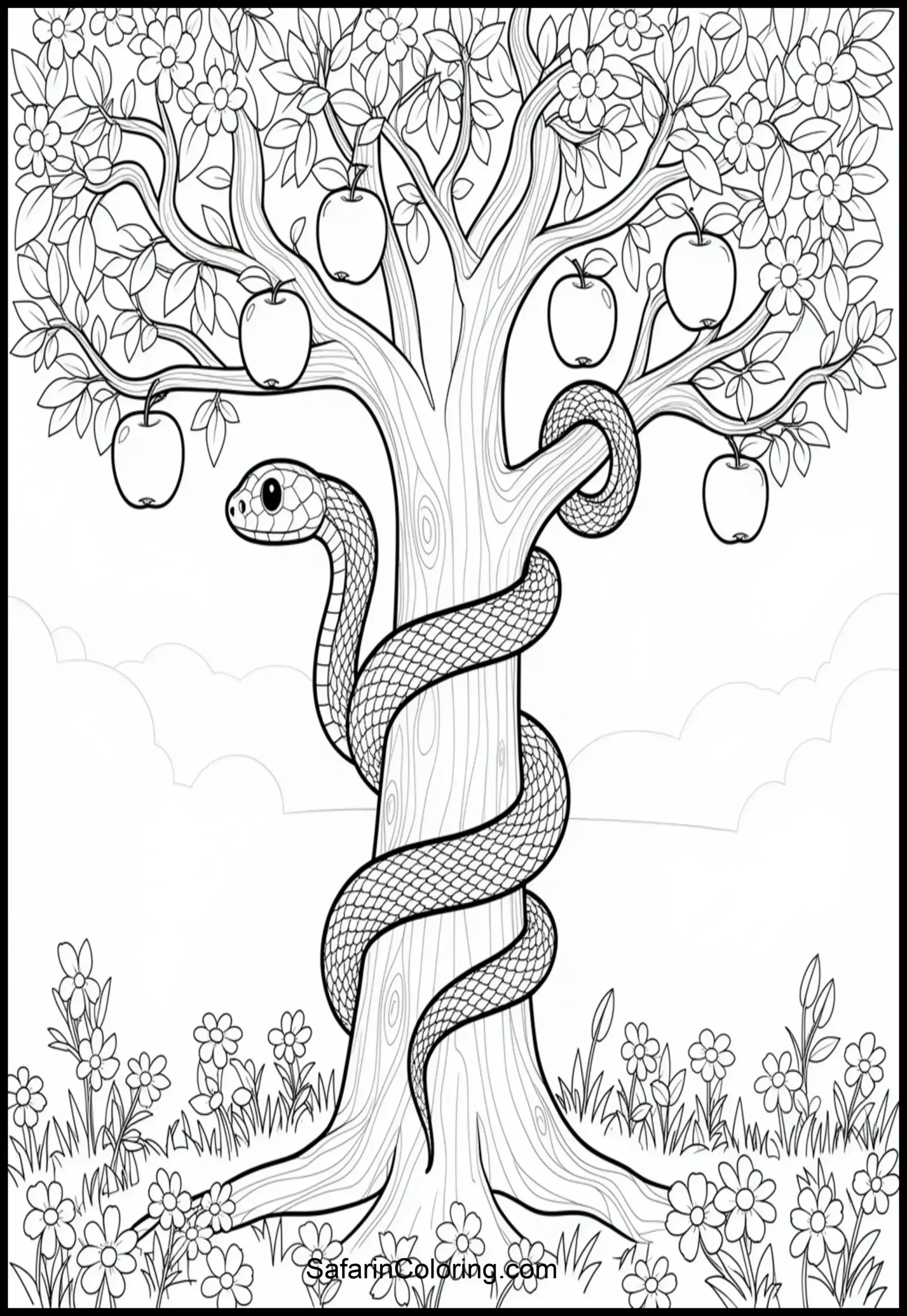
Apple Snake Tree Scaled
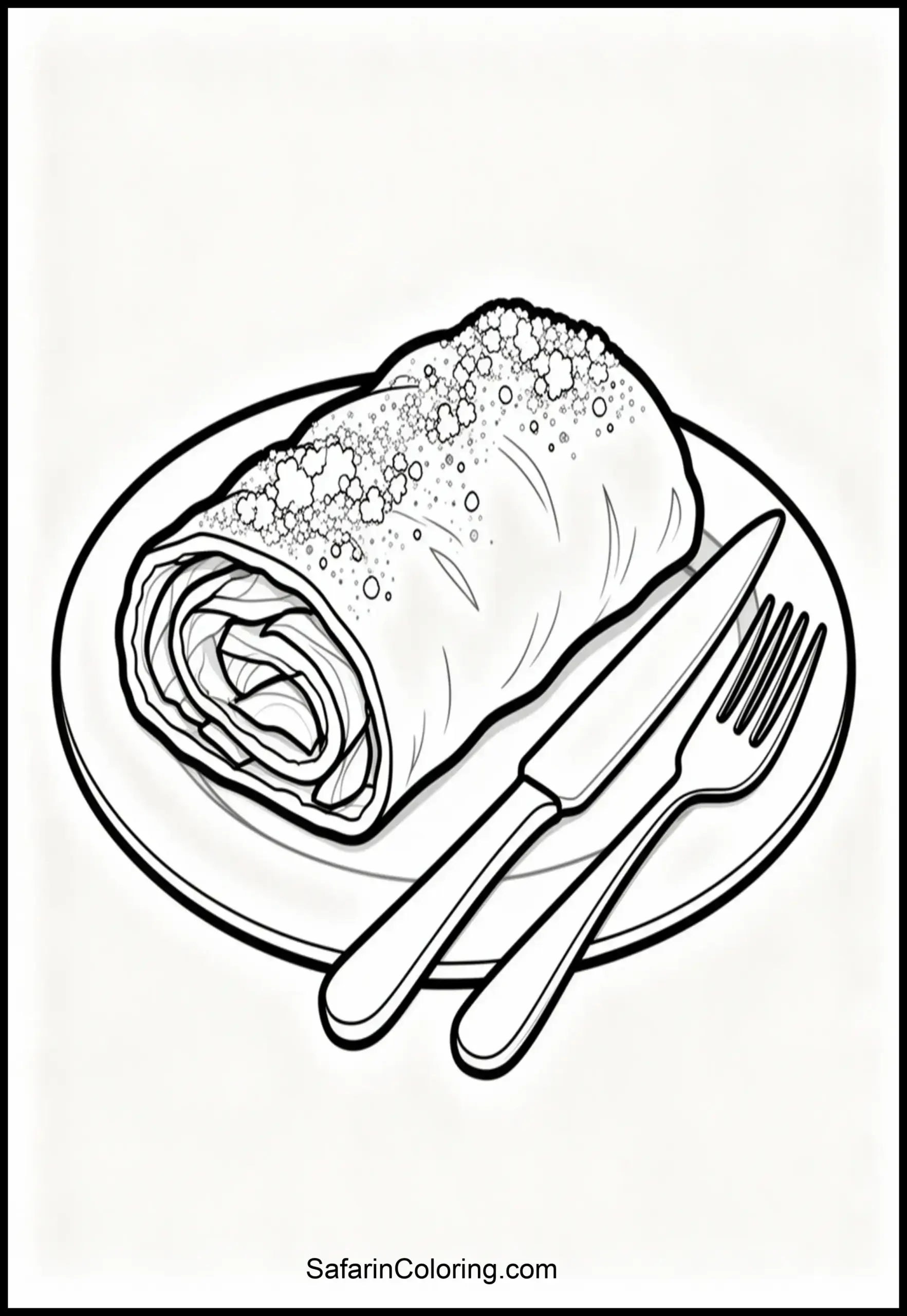
Apple Strudel Dessert Scaled
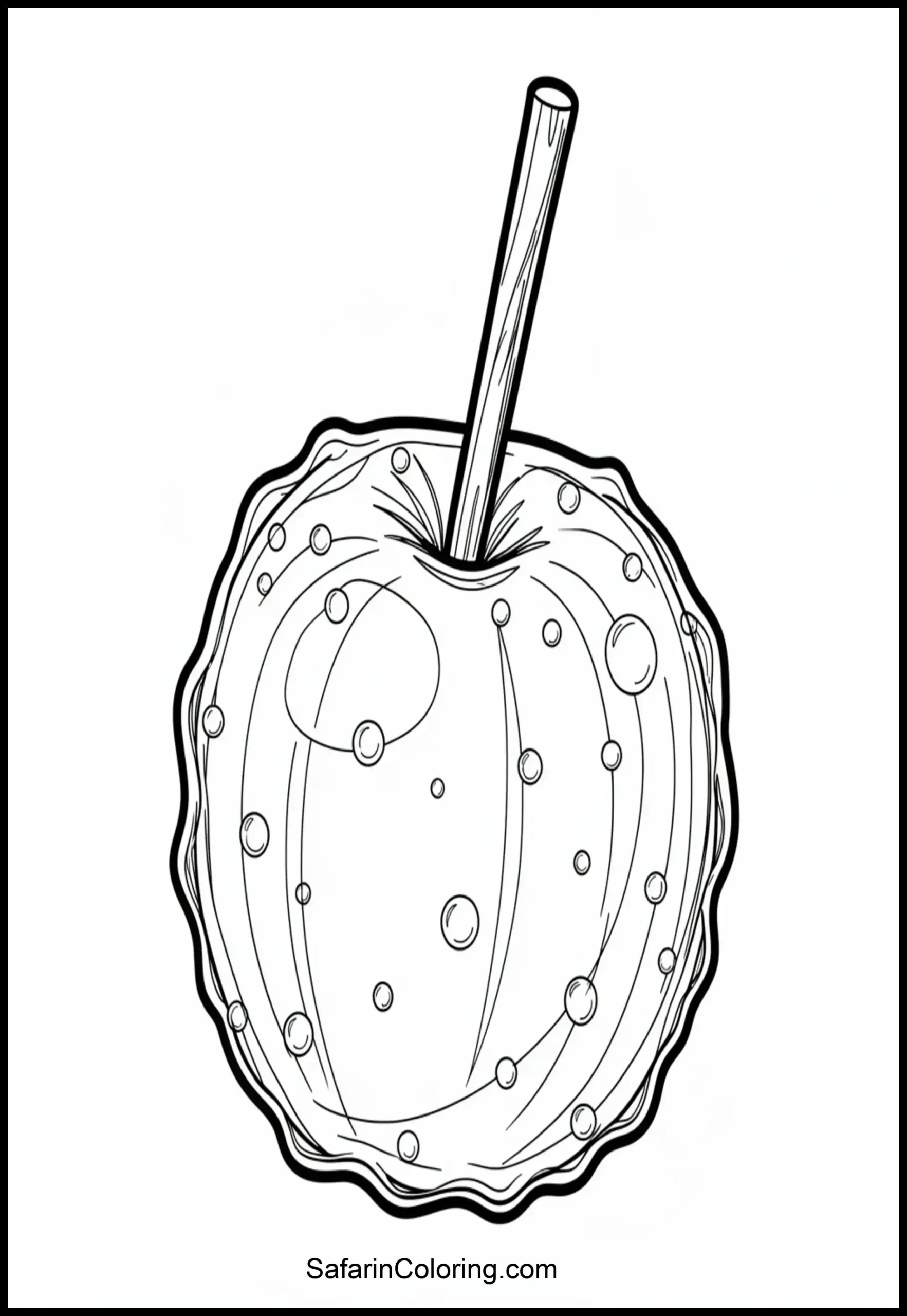
Apple Candied Sugar Scaled
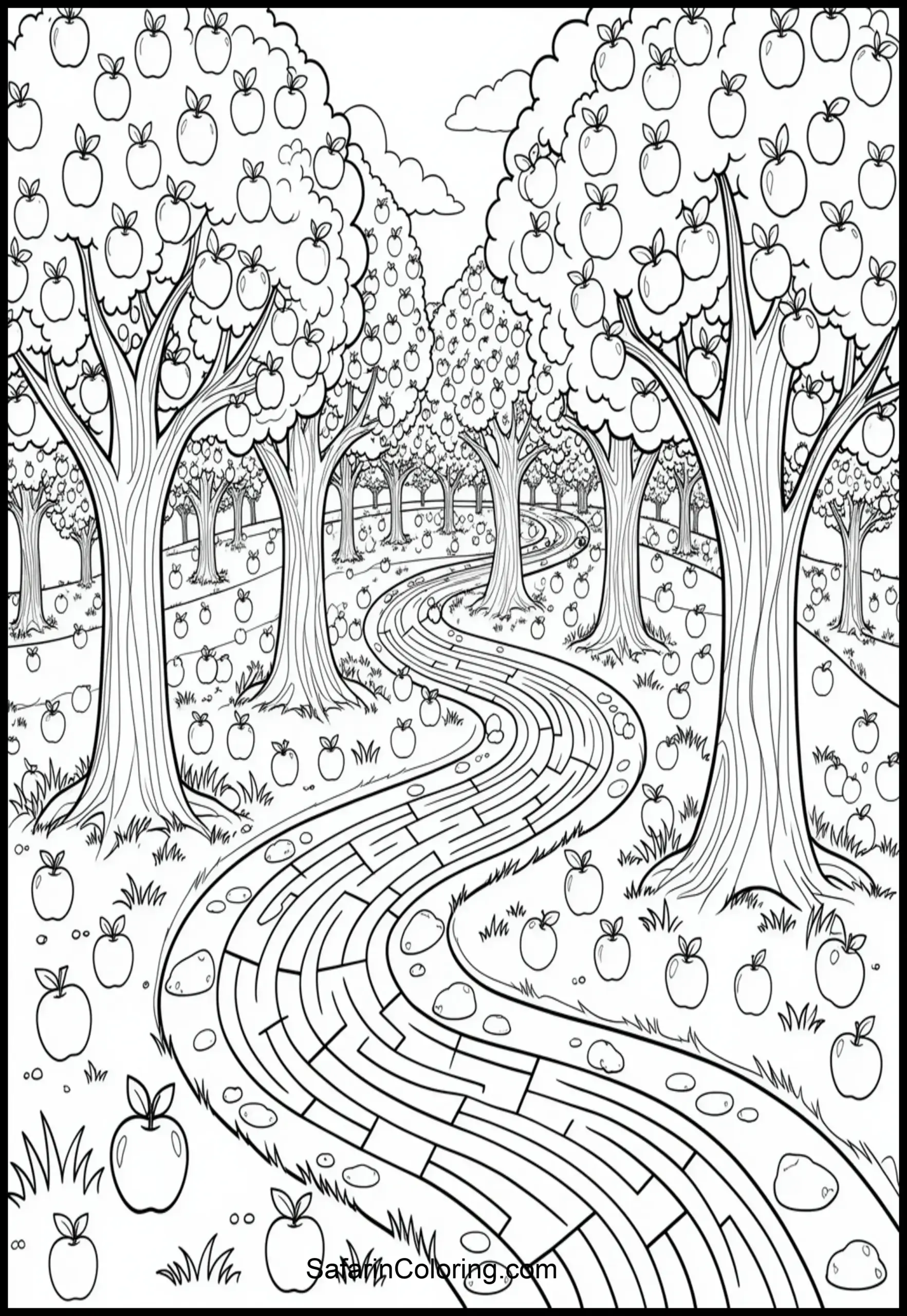
Apple Orchard Maze Scaled
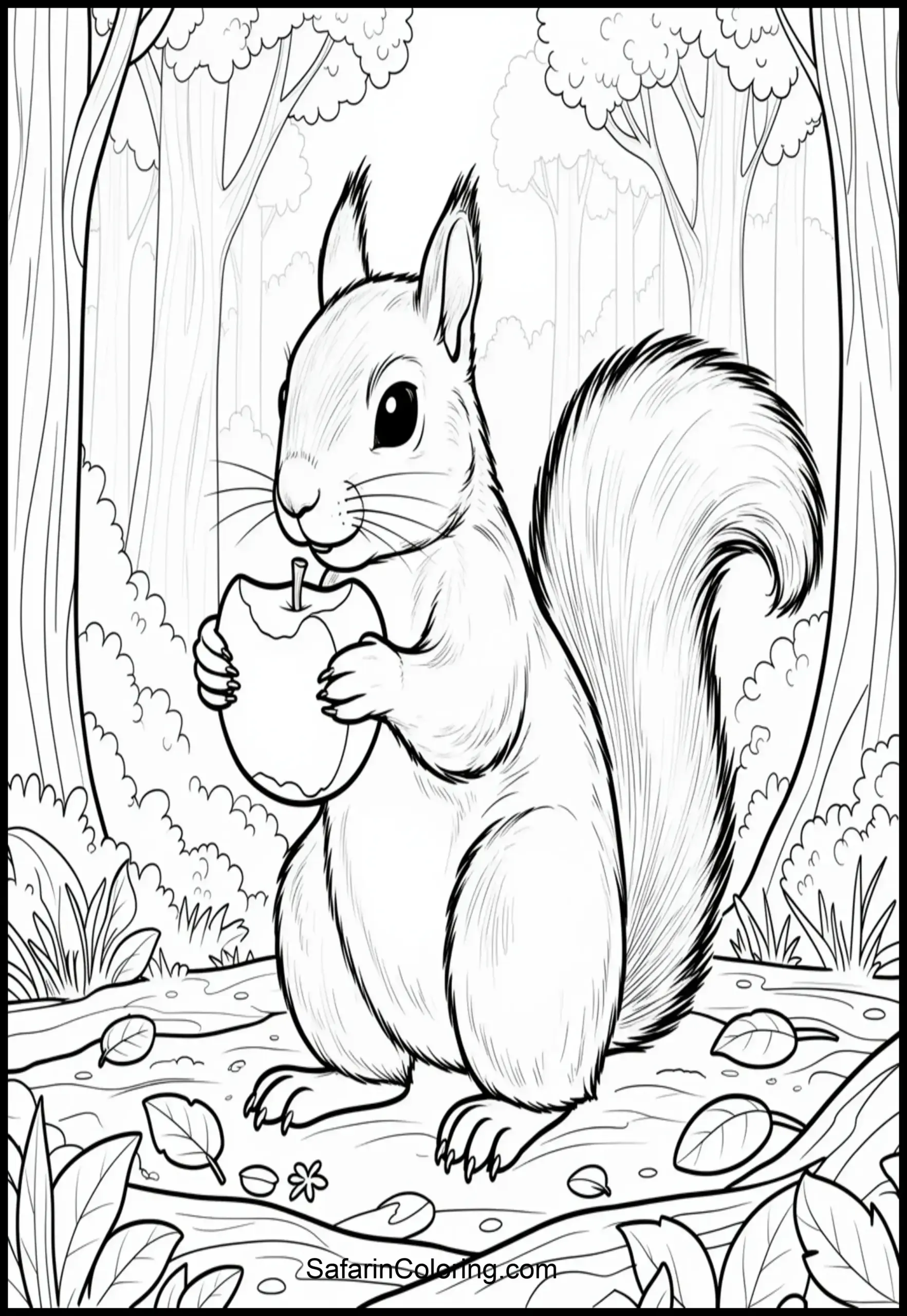
Apple Squirrel Core Scaled
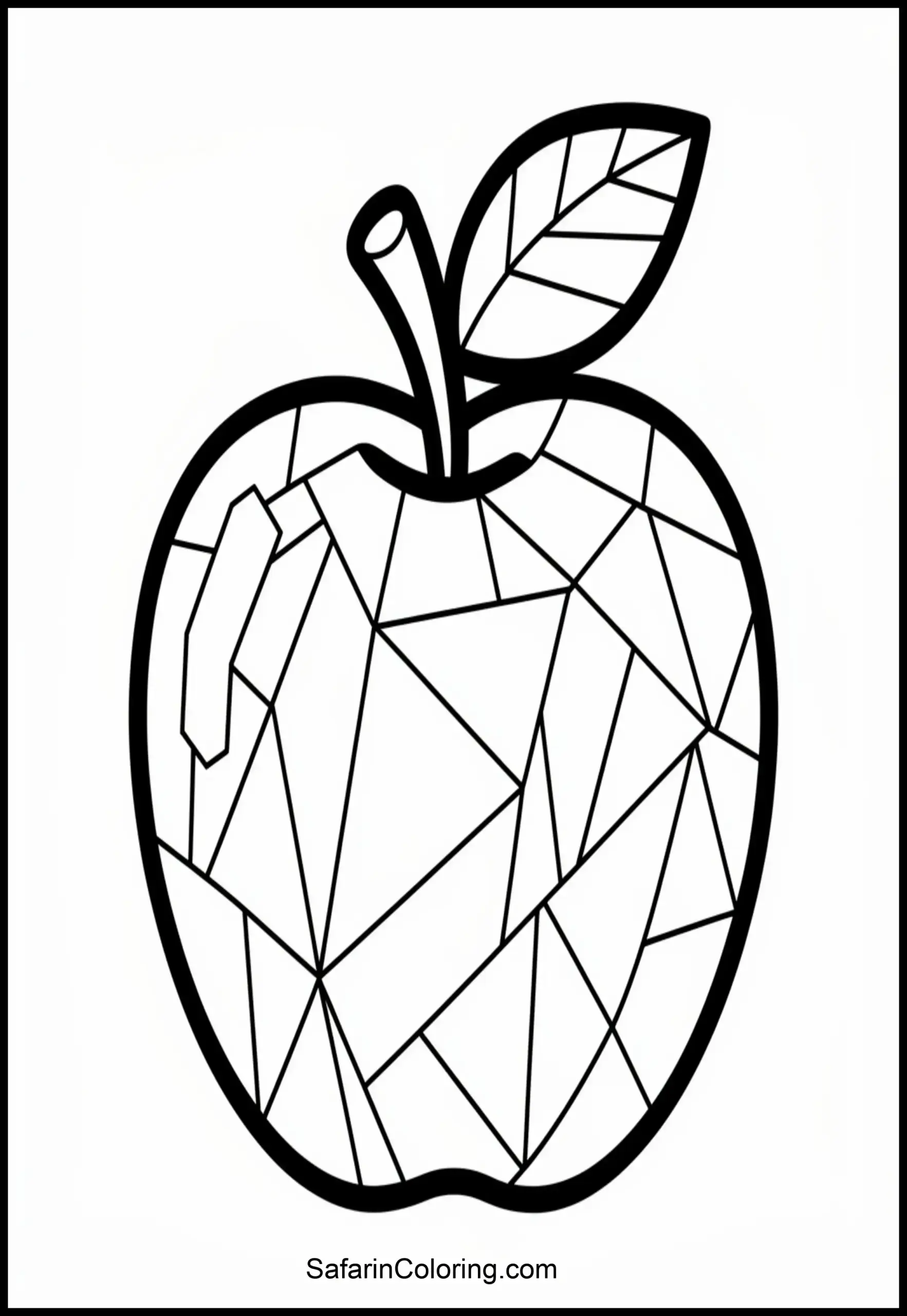
Apple Stained Glass Scaled
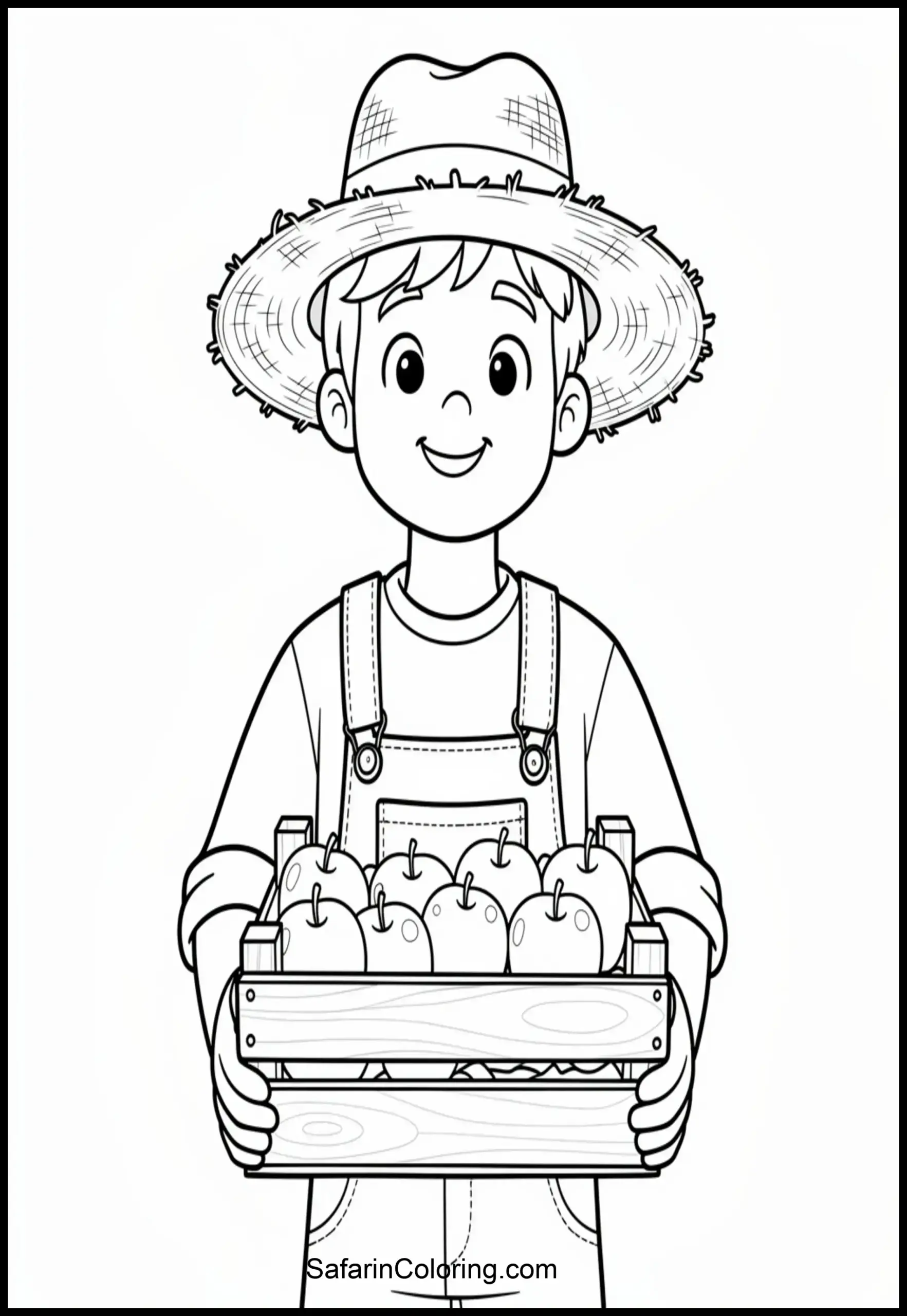
Apple Farmer Crate Scaled
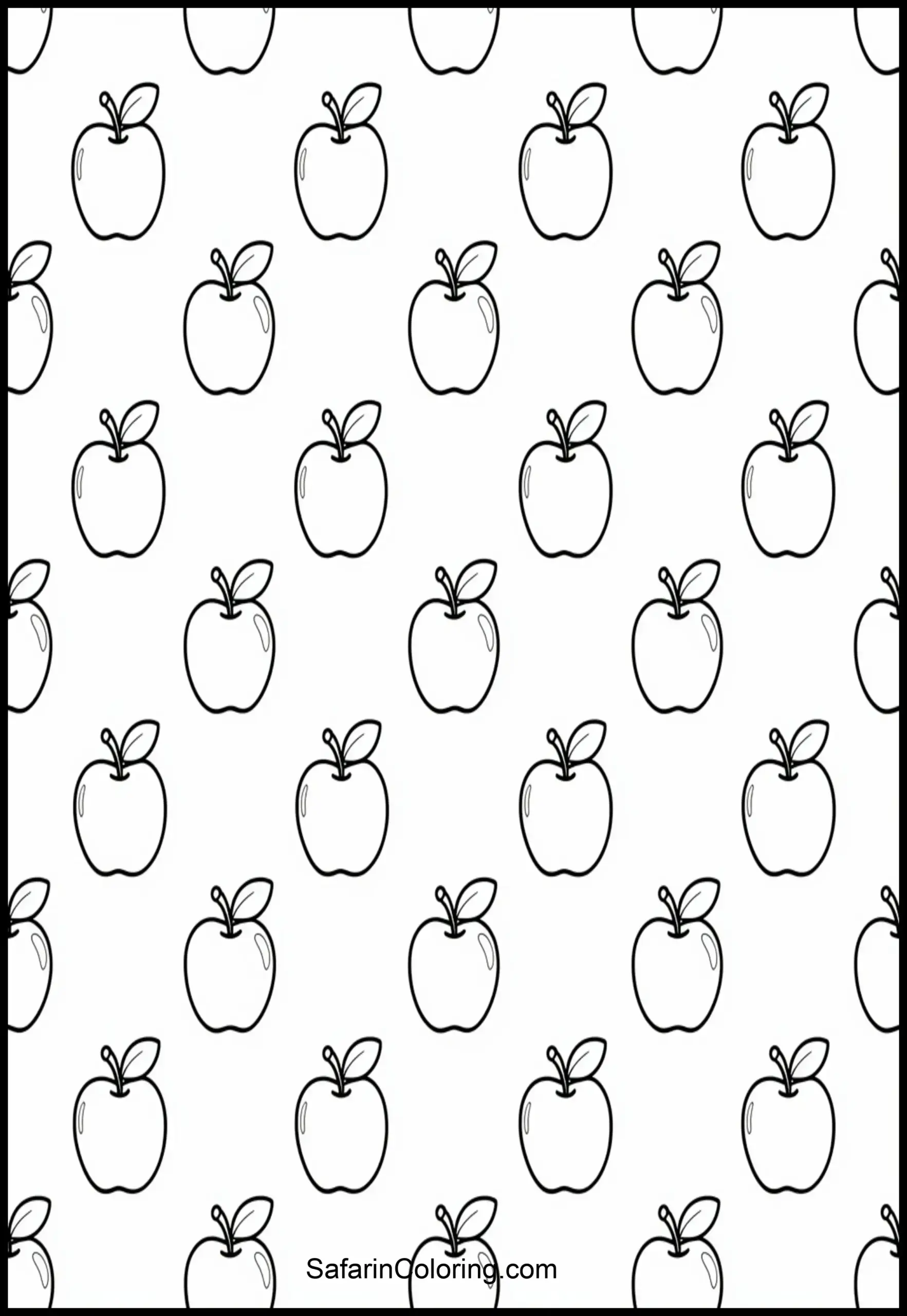
Apple Pattern Wallpaper Scaled
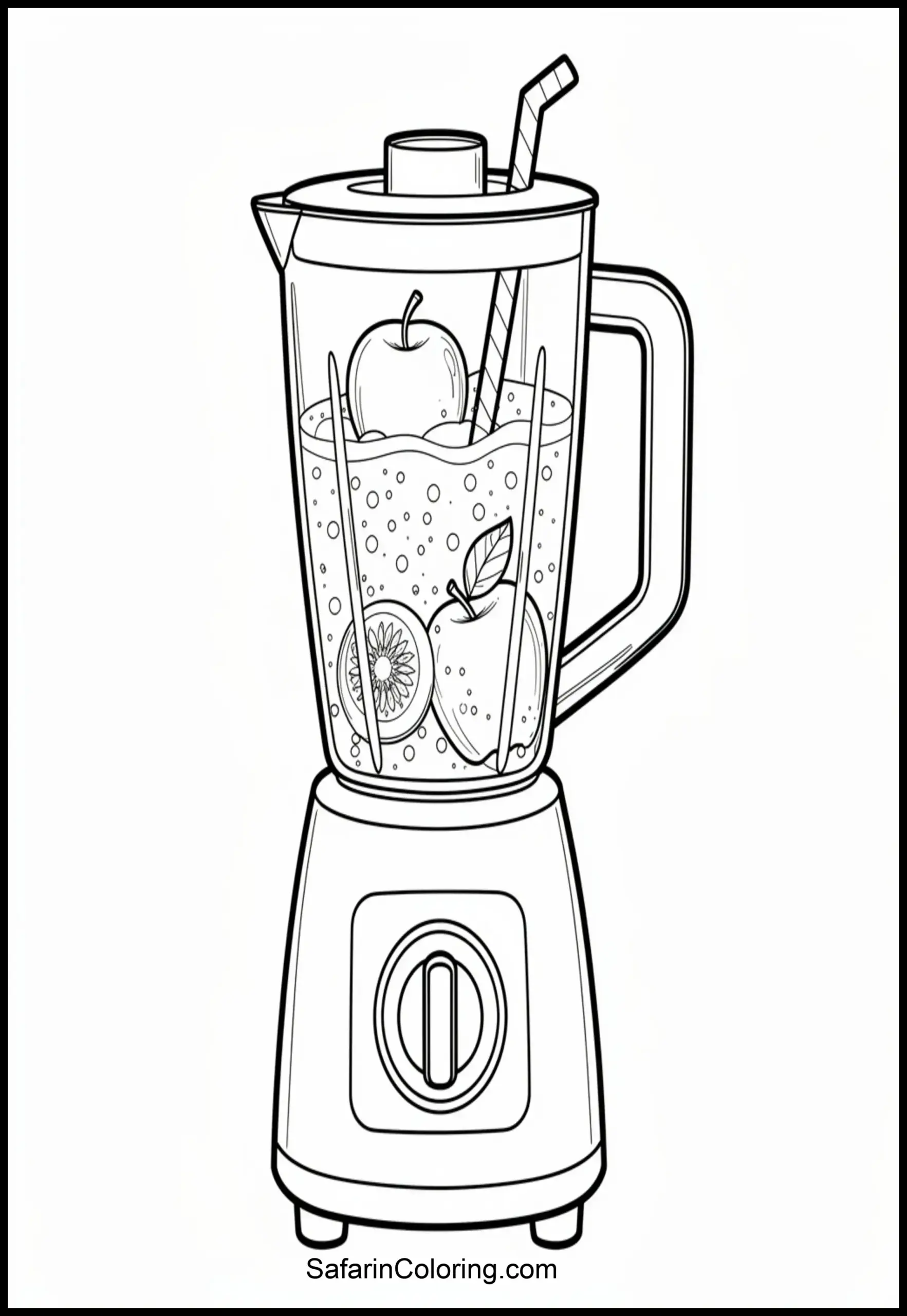
Apple Blender Smoothie Scaled
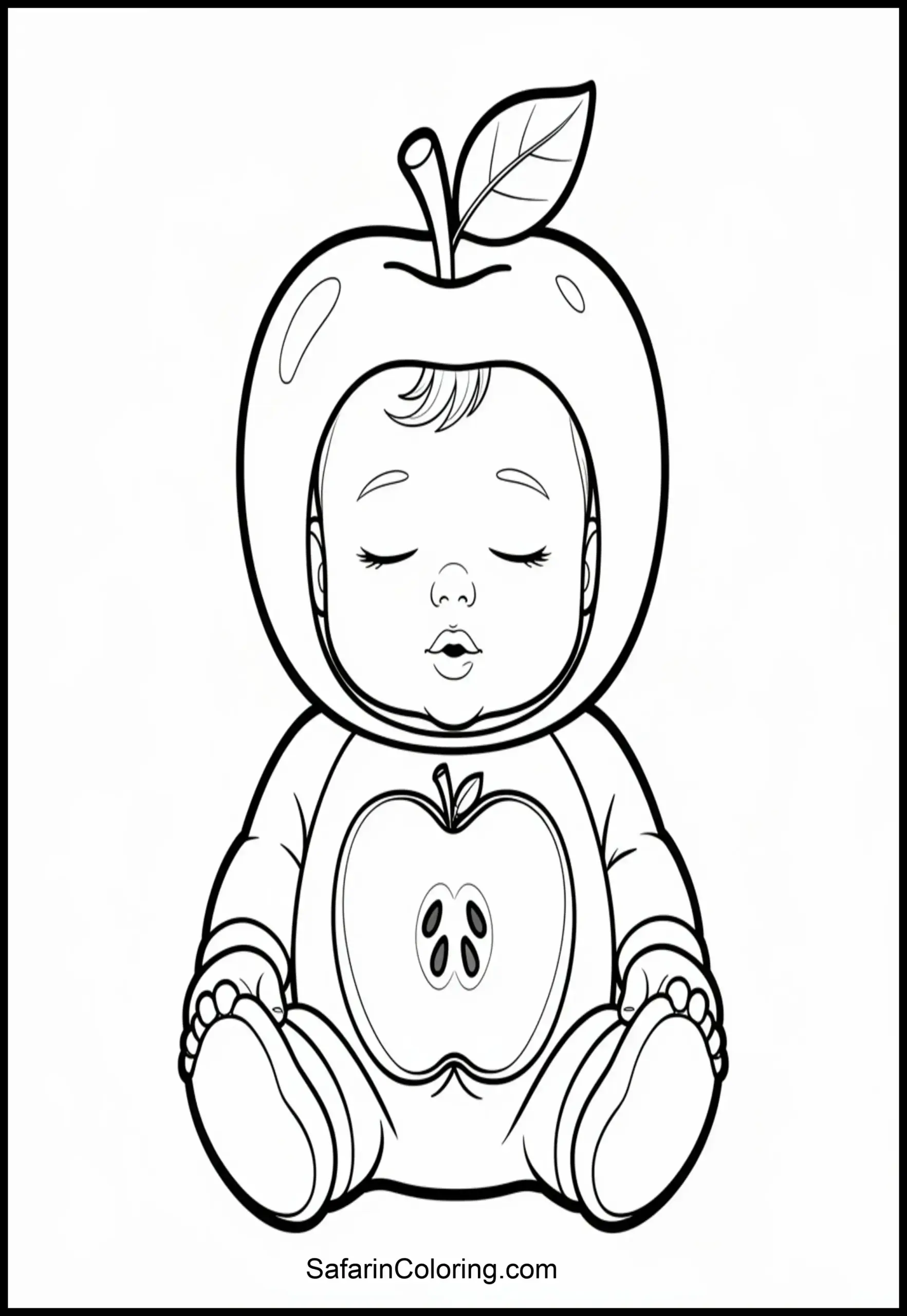
Apple Baby Costume Scaled
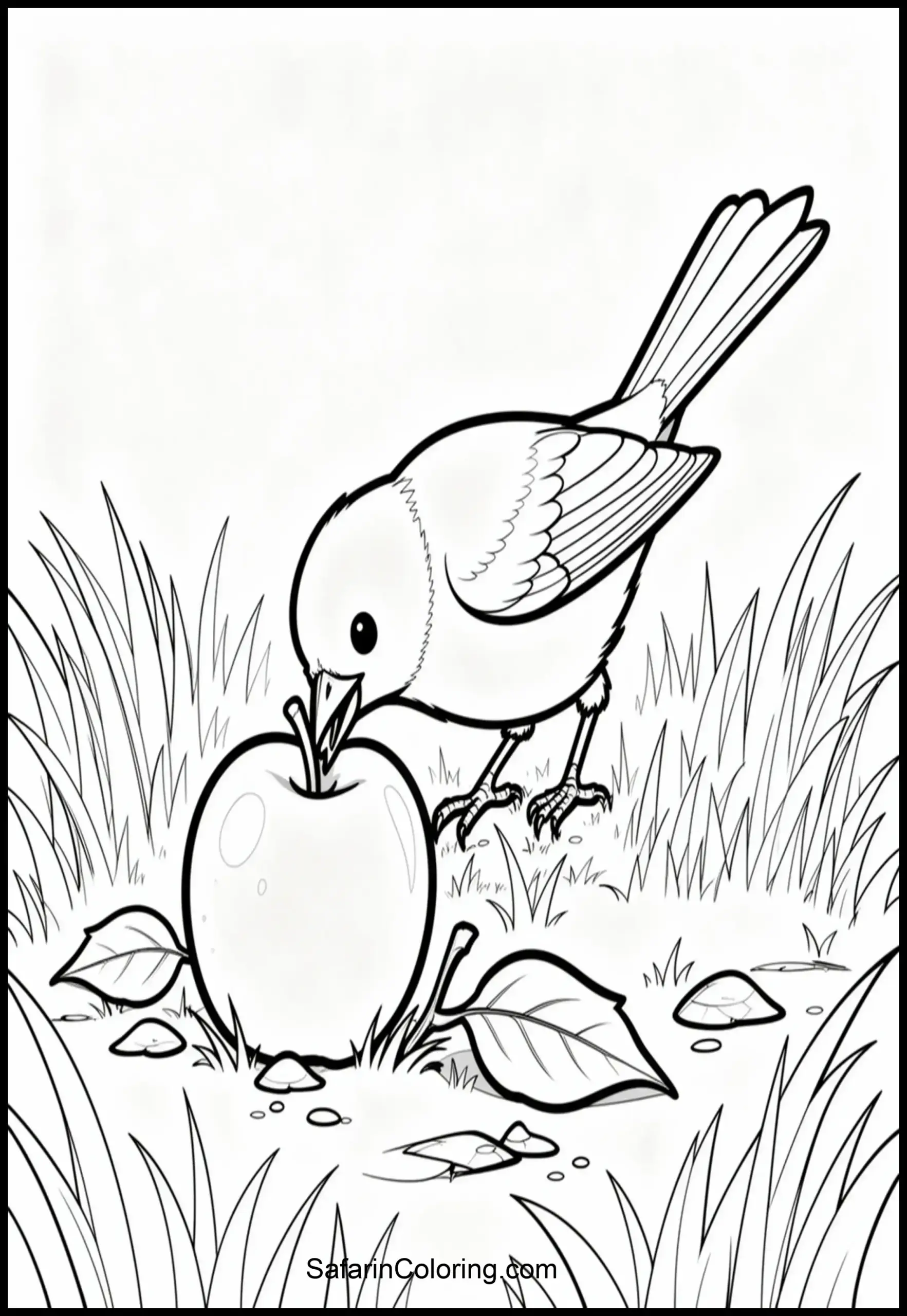
Apple Bird Pecking Scaled
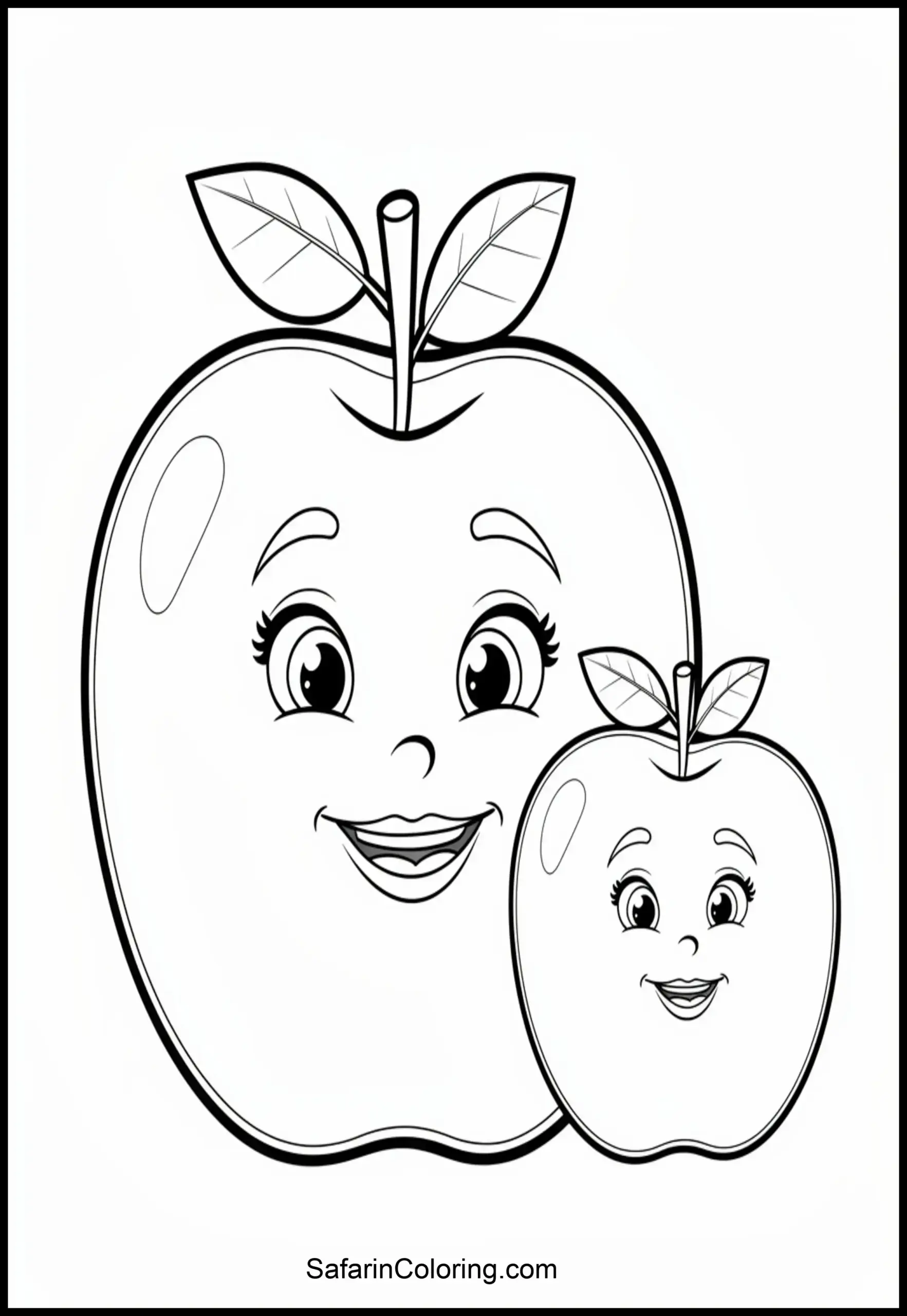
Apple Family Characters Scaled
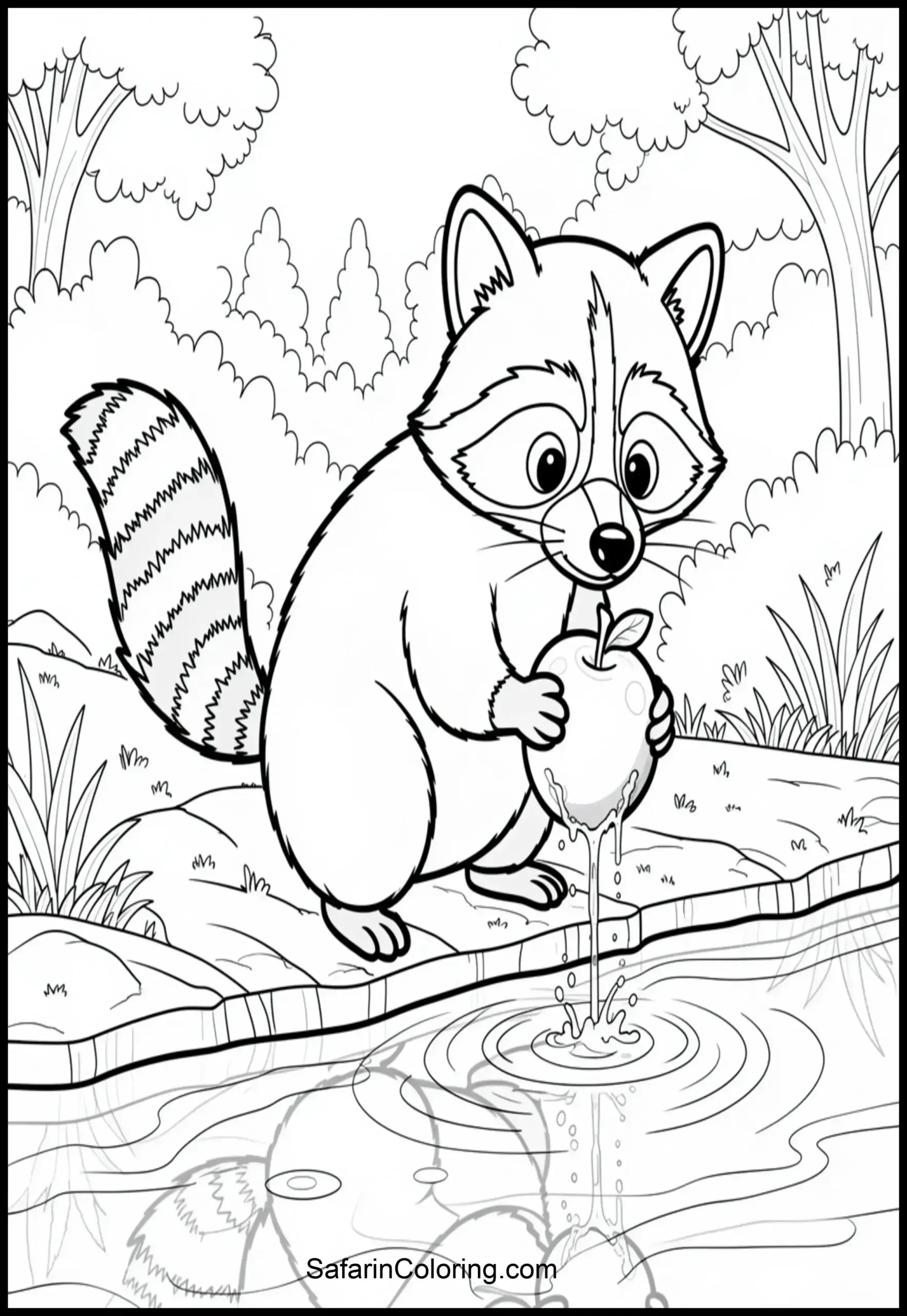
Apple Raccoon Washing Scaled
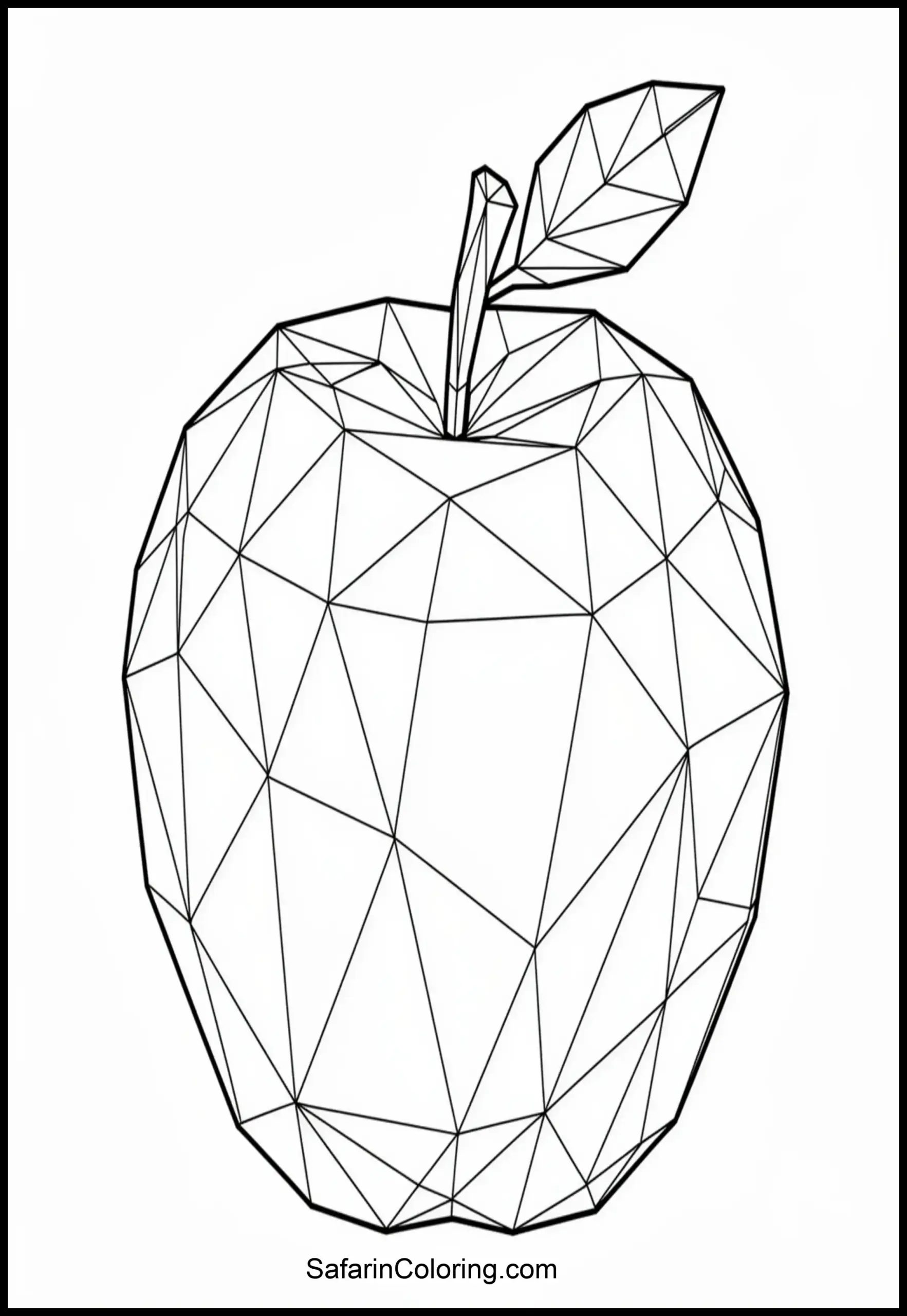
Apple Geometric Poly Scaled
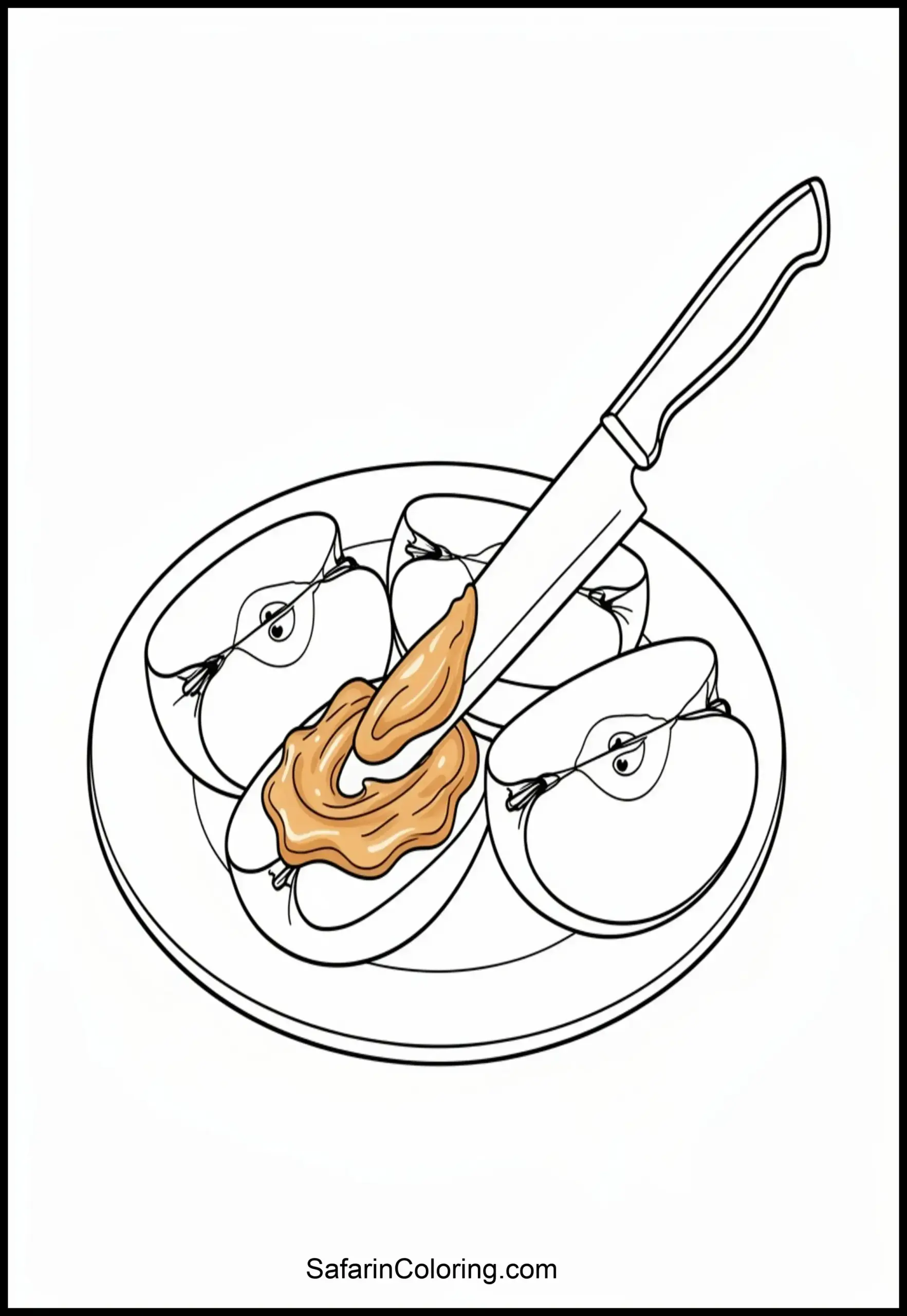
Apple Slices Peanut Butter Scaled
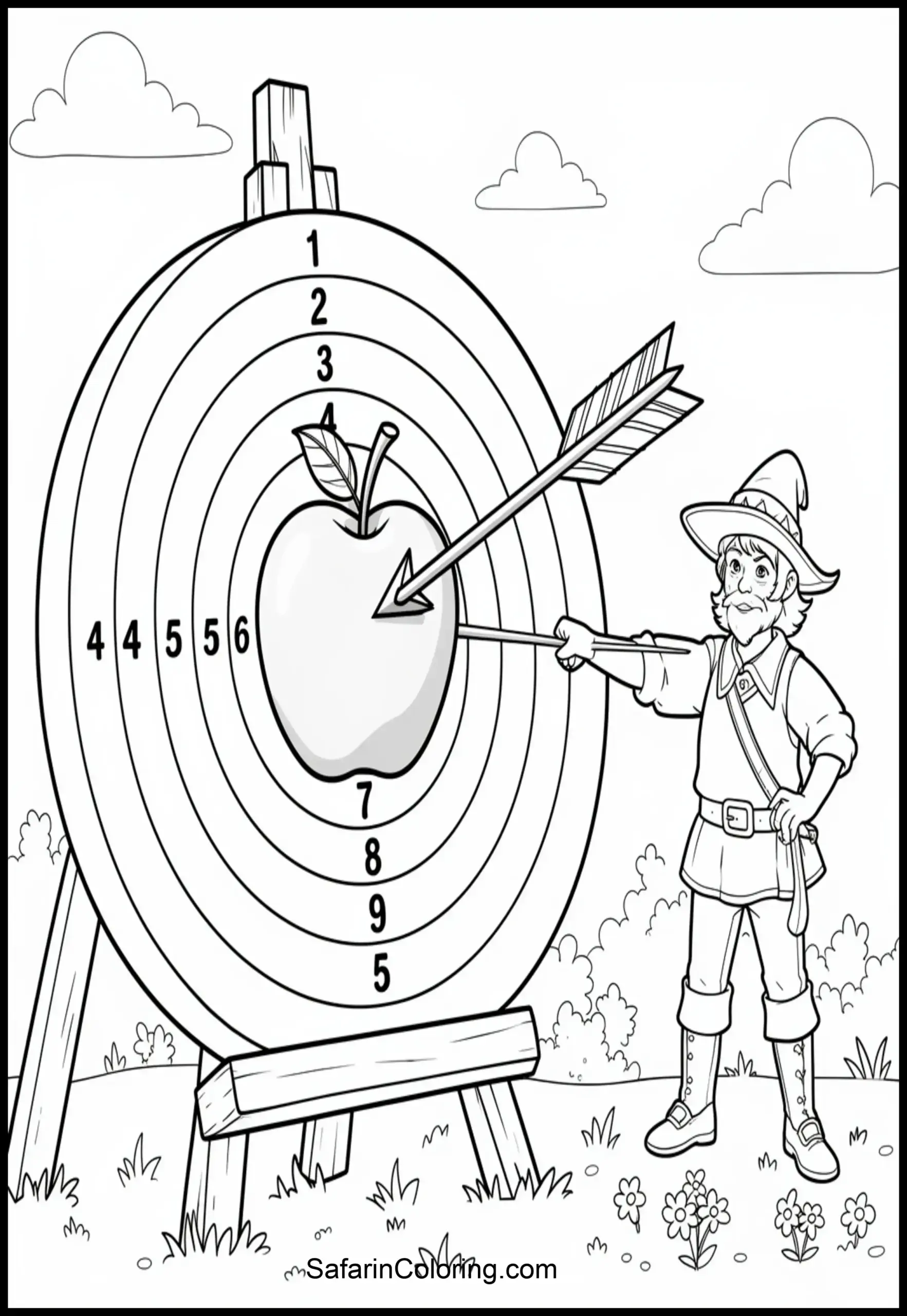
Apple Arrow Shot Scaled
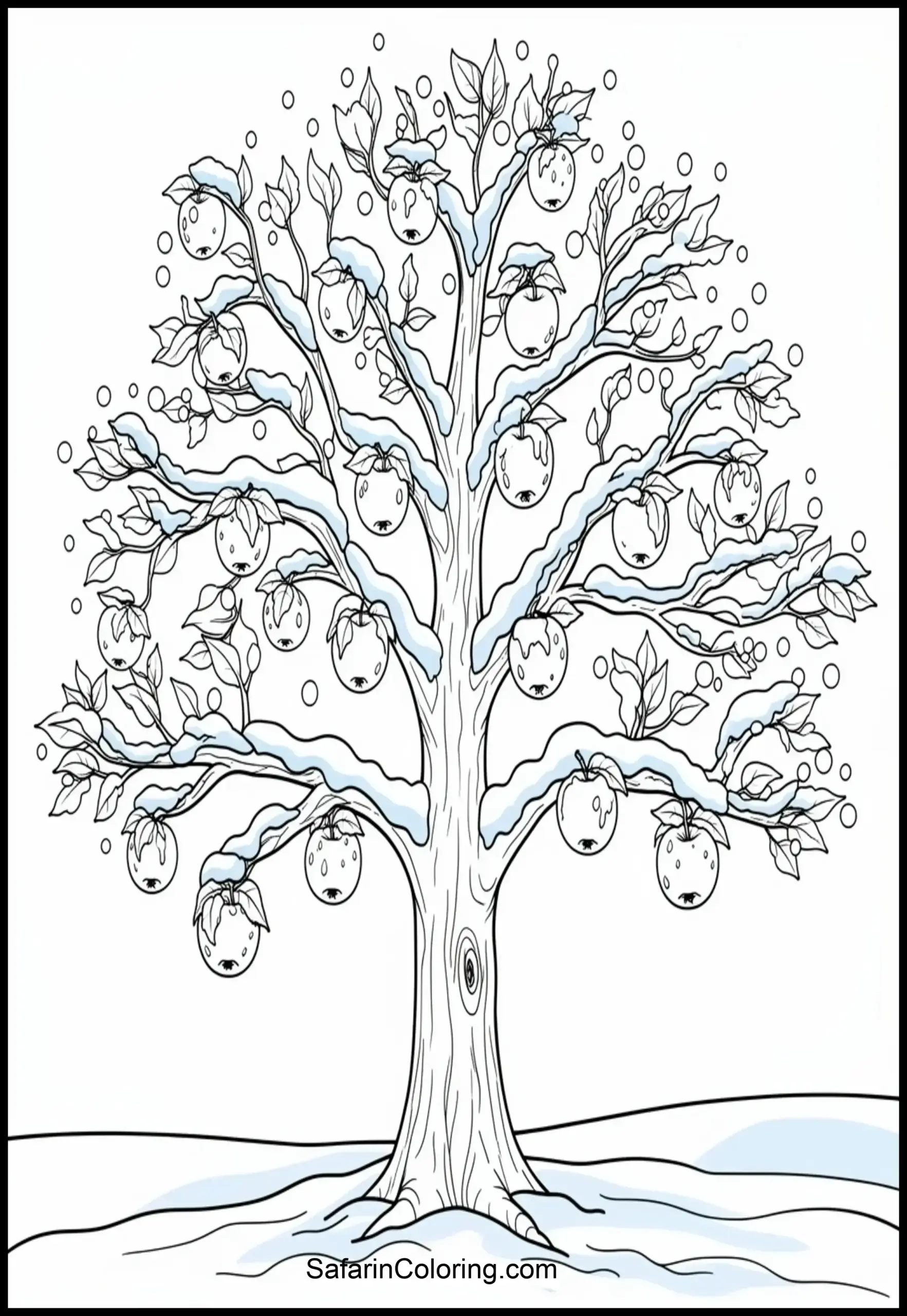
Apple Tree Winter Scaled
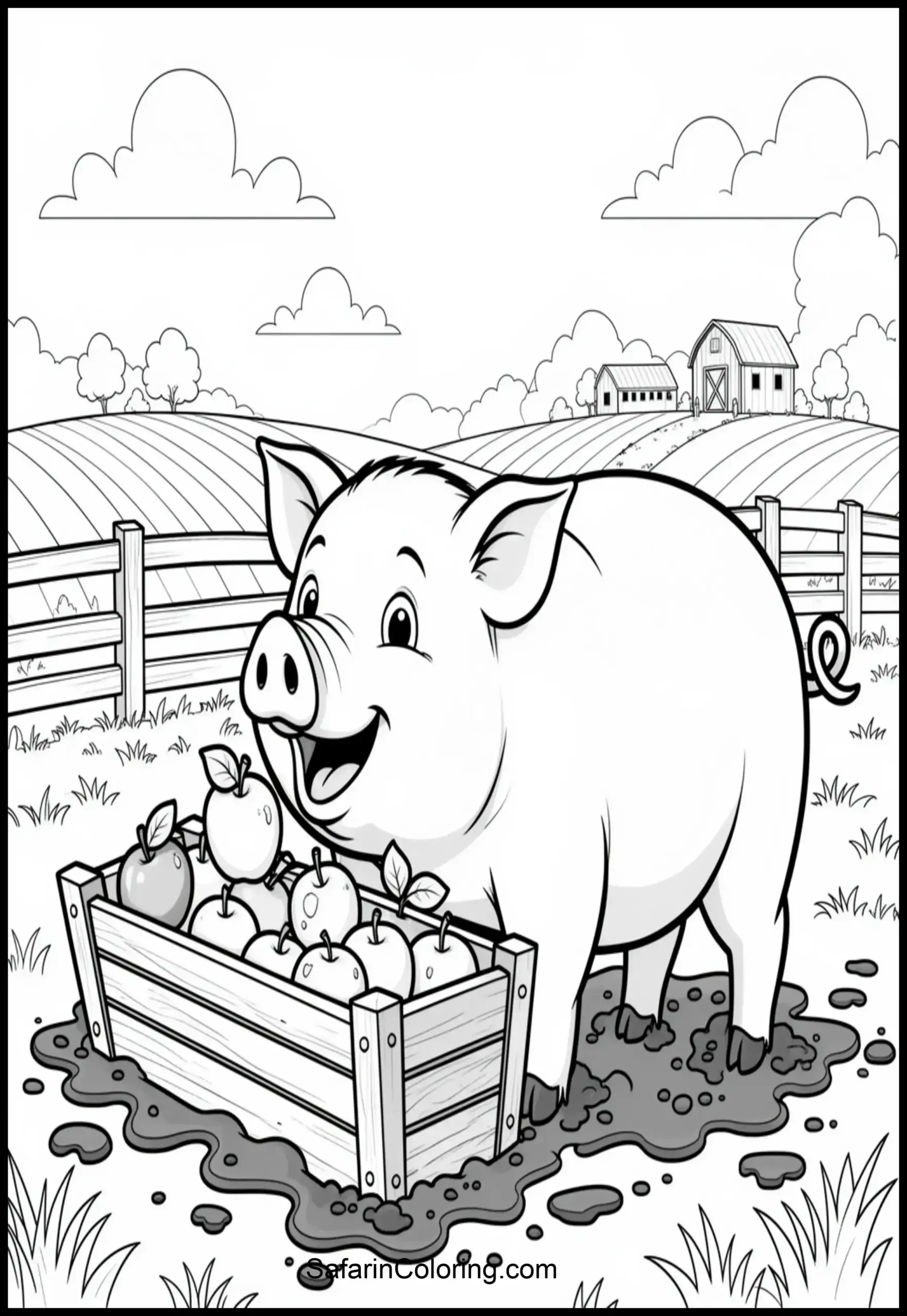
Apple Pig Eating Scaled
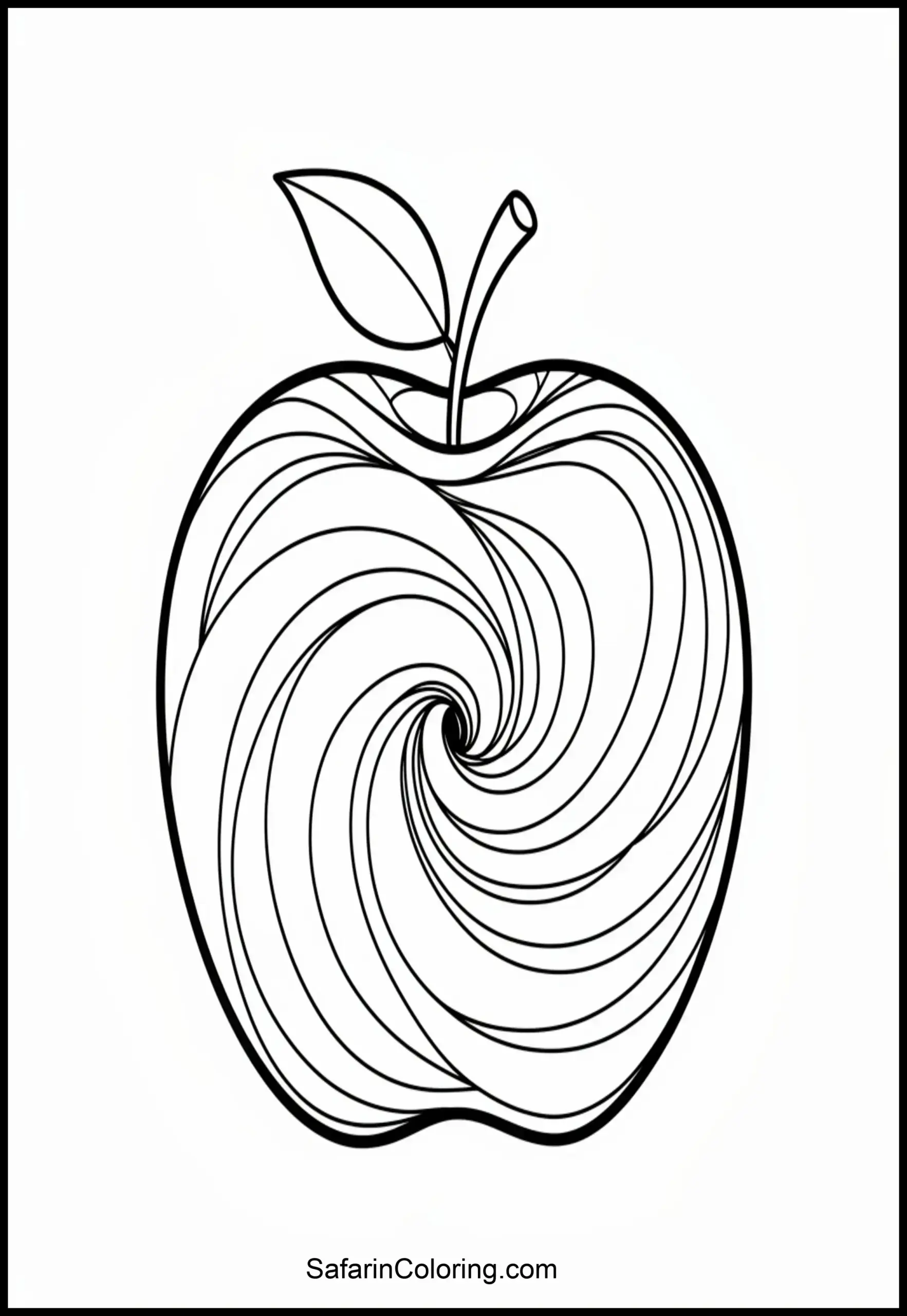
Apple Abstract Swirls Scaled
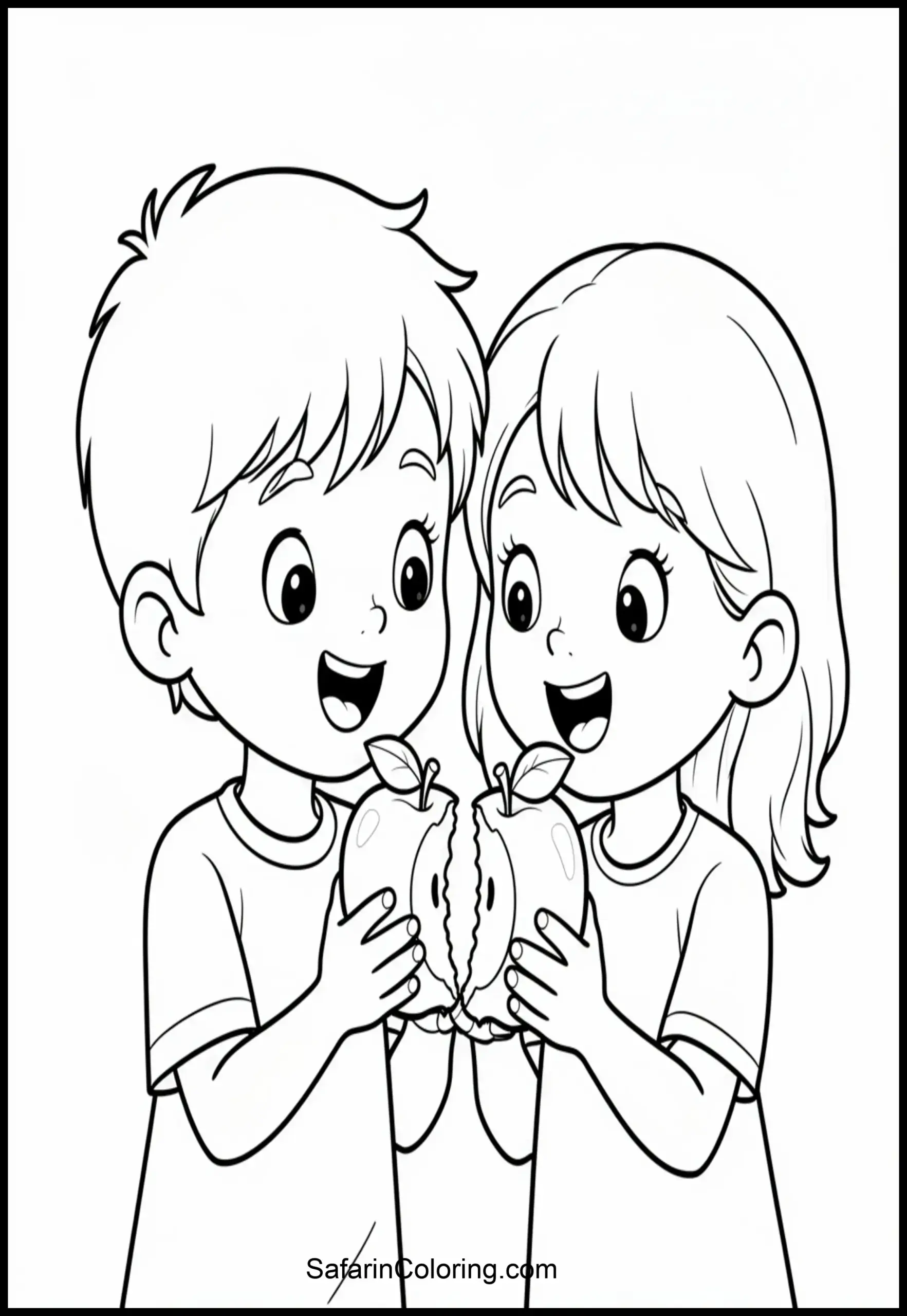
Apple Sharing Friends Scaled
The Canvas: Selecting Optimal Paper for Your Apple Coloring Pages for Kids
The foundation of any great coloring project is the paper. While standard 20 lb (75 GSM) copy paper is accessible, it’s susceptible to tearing and marker bleed-through. For superior results, consider upgrading your paper choice. A heavyweight matte paper, around 28-32 lb (105-120 GSM), offers a more durable surface that can handle aggressive coloring and layering. For projects you intend to display or use with wet media like watercolor pencils, a light cardstock (65-80 lb / 175-216 GSM) is the professional standard. This thicker paper prevents buckling and ensures the rich pigments of your tools remain on the surface, making the reds, greens, and yellows of your apple coloring pages for kids truly pop.
Coloring Mediums: A Professional Comparison for Vibrant Apples
Choosing the right coloring tool depends on the desired effect and the artist’s age. A well-rounded kit includes several options.
- Colored Pencils: Offering precision and control, colored pencils are ideal for detailed work and blending. Look for options with high pigment concentration. Wax-based pencils (like Crayola or Prismacolor Premier) are excellent for smooth layering, while oil-based pencils (like Faber-Castell Polychromos) are harder, hold a finer point for details, and are less prone to wax bloom.
- Markers: For bold, uniform color, markers are unparalleled. Water-based markers (like Crayola Super Tips) are washable and safe for young children. For more advanced young artists, alcohol-based markers (like Copic or Ohuhu) offer professional-level blending capabilities but will bleed through thinner paper, necessitating a heavy cardstock and a protective sheet underneath.
- Crayons: The classic choice for toddlers and preschoolers, crayons are perfect for developing grip strength. Look for highly pigmented, non-toxic crayons that glide smoothly. Twistable or encased crayons can reduce breakage and mess.
Adding Dimension: Advanced Tools for Highlights and Textures
To take your apple coloring pages for kids to the next level, introduce tools that add detail and realism. A white gel pen or a white colored pencil is essential for creating the illusion of light. Adding a small white highlight to the curve of an apple instantly makes it appear rounder and shinier. Similarly, fine-tipped black ink pens can be used to outline specific areas after coloring, which defines shapes and adds a clean, finished look to the artwork. This technique, known as cel shading, is popular in comics and animation and can make the simple shapes of an apple look dynamic and professional.
The Coloring Studio: Creating an Ergonomic and Well-Lit Workspace
The environment is just as important as the materials. A dedicated coloring space should be clean, organized, and, most importantly, well-lit. Natural daylight is ideal as it reveals colors most accurately. If coloring in the evening, use a neutral, bright desk lamp (around 4000K-5000K color temperature) to prevent eye strain and color distortion. Ensure the table and chair are at an appropriate height for the child to sit comfortably with their feet on the floor. An organized station with tools in easy-to-reach caddies or jars minimizes distractions and empowers kids to select their colors independently, fostering a professional and focused approach to their creative work.
Elevate Your Coloring: Mastering apple coloring pages for kids
Going beyond simply filling in the lines can transform a basic printable into a stunning piece of art. The right techniques can elevate any of our free apple coloring pages for kids, turning a simple activity into a valuable lesson in artistic principles. By mastering color, shading, and texture, you can guide your child to create apples that look real enough to eat—skills they can then apply to more complex subjects, from a simple rabbit coloring page to a majestic horse. Let’s explore the professional techniques that will make your next coloring project pop.
Crafting Vibrant Scenes: Color Theory for apple coloring pages for kids
Color choice is the foundation of a beautiful picture. Instead of grabbing just any red crayon, think about the story you want to tell. Understanding basic color theory can create harmony and impact.
- Complementary Colors: These are colors opposite each other on the color wheel, and they create high contrast. For an apple, the classic combination is a red apple with a green leaf. The red and green make each other appear brighter and more vibrant. Encourage kids to place these colors next to each other for a powerful effect.
- Analogous Colors: These colors sit next to each other on the color wheel and create a serene, harmonious feel. To color a golden delicious apple, you might use yellow, yellow-green, and a touch of light orange. These related shades blend beautifully, creating a soft and realistic look.
From Flat to Fabulous: Creating 3D Apples with Shading
Shading is the secret to making a flat, two-dimensional apple look round and solid. This technique, called chiaroscuro, involves using light and dark values to create the illusion of form. Here’s a simple, step-by-step method:
- Establish a Light Source: Before coloring, decide where the light is coming from (e.g., the top left corner).
- Add the Highlight: On the part of the apple closest to the light source, leave a small area white or color it very lightly with yellow. This is where the light hits directly.
- Apply the Mid-Tone: Color the main body of the apple with its primary color (e.g., medium red).
- Create the Core Shadow: On the side of the apple opposite the light source, add a darker shade. Use a dark red, a touch of purple, or even brown, pressing a bit harder.
- Blend: Use your mid-tone color or a white crayon/pencil to gently blend the transitions between the highlight, mid-tone, and shadow. The goal is a smooth gradient that makes the apple look curved.
Bringing Apples to Life: Techniques for Realistic Texture
Texture adds another layer of realism to your coloring. An apple isn’t just one solid color; its surface has a distinct feel.
- For a Shiny Apple Skin: Use smooth, small, circular motions with your colored pencil or crayon. This technique, called burnishing, fills the paper’s tooth and creates a waxy, polished look. Overlapping layers of light, medium, and dark colors will enhance this effect. Be sure to preserve your bright white highlight to represent the shine.
- For a Rough Stem: An apple stem is woody and coarse. Use short, vertical strokes with a dark brown pencil. Add a few even darker lines to suggest the grain of the wood. This contrast between the smooth apple skin and the rough stem will make your artwork more believable.
Flawless Finishes: How to Gracefully Correct Coloring Mistakes
Mistakes are part of the creative process. Knowing how to fix them can build a child’s confidence and save a beautiful picture.
- Going Outside the Lines: For minor slips, a colorless blender pencil can often be used to push wax-based pigment back inside the line. For more significant errors, a white gel pen or a fine-tipped acrylic paint marker can neatly cover the mistake, especially against a colored background.
- Color is Too Dark: If you’ve applied too much pressure and the color is overpowering, a kneaded eraser is your best tool. Gently press and lift the eraser on the area; it will pull up some of the pigment without smudging or tearing the paper. This is perfect for softening shadows or brightening highlights that got covered up.
Showcasing Their Masterpiece: Creative Displays for Your apple coloring pages for kids
Once the last crayon is put away, the fun doesn’t have to stop. Transforming your child’s finished artwork into a cherished display is a wonderful way to celebrate their creativity and effort. You can create a vibrant ‘orchard’ gallery on the fridge, use clothespins on a string for a rustic classroom banner, or frame a particularly special piece as a gift for a grandparent. These colorful pages look fantastic alongside other farm-themed art, like these charming cow coloring pages.
From Fridge to Frame: Keeping Their Art Safe
To protect these budding masterpieces from spills and smudges, consider slipping them into clear plastic sheet protectors and organizing them in a dedicated art binder. This creates a personal portfolio they can look back on with pride. For pieces destined for display, simple lamination can make them durable and give them a professional-looking finish, ensuring their vibrant apple art lasts for years to come.
Handmade with Heart: Apple Art Gift Ideas
A colored apple page can be the foundation for countless heartfelt DIY projects. Carefully cut out the colored apple and glue it to the front of a folded piece of cardstock to create a beautiful, one-of-a-kind greeting card for a teacher or friend. You can also trim the artwork into a rectangle, punch a hole at the top, and add a ribbon to make a custom bookmark. These small, personalized gifts are packed with love and show off your child’s unique talents.
Your Questions About Apple Coloring Sheets Answered
Here we answer some of the most common questions about the wonderful world of coloring, helping you make the most of this simple yet powerful activity.
How does coloring help a child’s development?
Coloring is a fantastic developmental tool that strengthens fine motor skills by improving hand-eye coordination and grip control. It also fosters concentration and patience as children learn to focus on completing a task. Furthermore, it serves as a creative outlet, allowing kids to express themselves, experiment with colors, and build confidence in their artistic abilities.
What are some fun facts about apples for kids?
Apples are fascinating! Did you know there are over 7,500 varieties of apples grown around the world? Apples are part of the rose family, just like pears and plums. Most apples are still picked by hand to avoid bruising. An apple is made of 25% air, which is why it floats in water! Sharing these facts while coloring can make the activity even more engaging.
What colors do you need to color an apple?
While classic red (like Red Delicious) and green (like Granny Smith) are popular choices, encourage kids to be creative! Apples also come in shades of yellow (Golden Delicious) and pink (Pink Lady). Kids can even blend colors, using yellow and red to create a sunset-hued Gala apple. Don’t forget a touch of brown or dark green for the stem and leaf!
What are the benefits of coloring pages for preschoolers?
For preschoolers, coloring pages are more than just fun—they are a crucial pre-writing tool. The act of holding a crayon and coloring within the lines prepares their hands for writing letters and numbers. Using apple coloring pages for kids also helps them learn about colors, shapes, and objects in their world, building foundational knowledge in a playful, stress-free way.
How do you print a full-page coloring page?
To print a coloring page that fills the entire sheet, open the image file and go to your printer settings. Look for an option called “Scale,” “Fit to Page,” or “Print to Fit.” Select this option to ensure the printer automatically enlarges the image to the margins of your paper. Also, check that the paper orientation (portrait or landscape) matches the coloring page layout.
Final Thoughts: Your apple coloring pages for kids Journey Begins
From developing crucial motor skills to providing a canvas for pure creative expression, the simple act of coloring offers a rich harvest of benefits. Each page is an opportunity for a quiet moment of focus, a conversation about nature, or a proud display of a finished masterpiece. The journey with apple coloring pages for kids is about more than just filling in the lines; it’s about making memories, building confidence, and celebrating the vibrant world of color one apple at a time.
Download your favorite designs today and watch your child’s creativity blossom!
Ready for your next adventure? Explore our adorable rabbit coloring pages