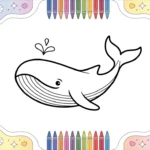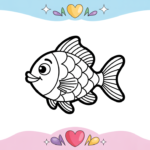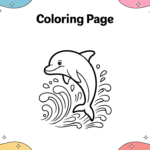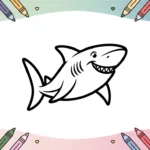
We offer a wide collection of free, high-quality printable coloring pages for kids and adults. From cute animals to intricate mandalas, our designs bring creativity and relaxation to everyone. Download, print, and start coloring today!

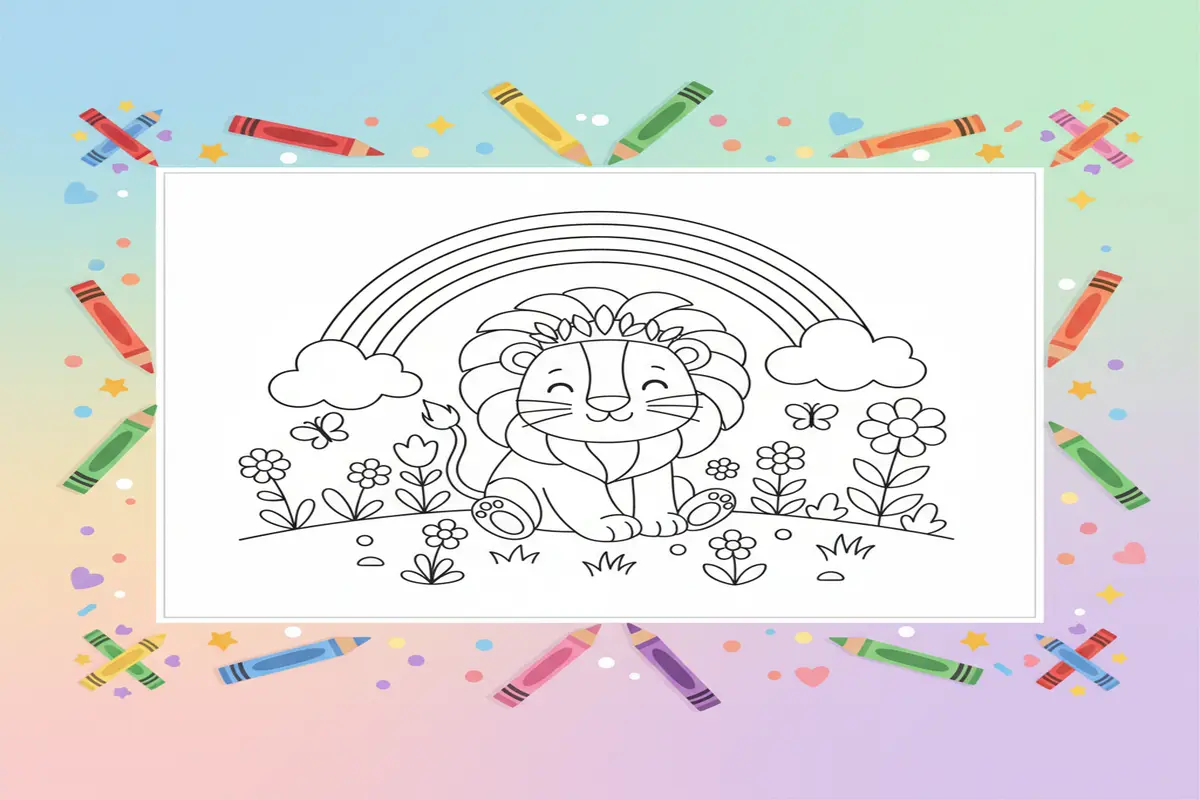
Elevating simple coloring into a genuine creative pursuit begins with the right materials. The quality of your paper, pencils, and markers can transform standard art coloring pages for kids into vibrant masterpieces. Before diving into complex designs like our abstract coloring pages for kids, gathering the proper supplies ensures a smooth, enjoyable, and frustration-free experience for young artists. This guide details the professional-grade tools and setup needed to unlock their full creative potential, turning a fun activity into a foundational artistic practice.
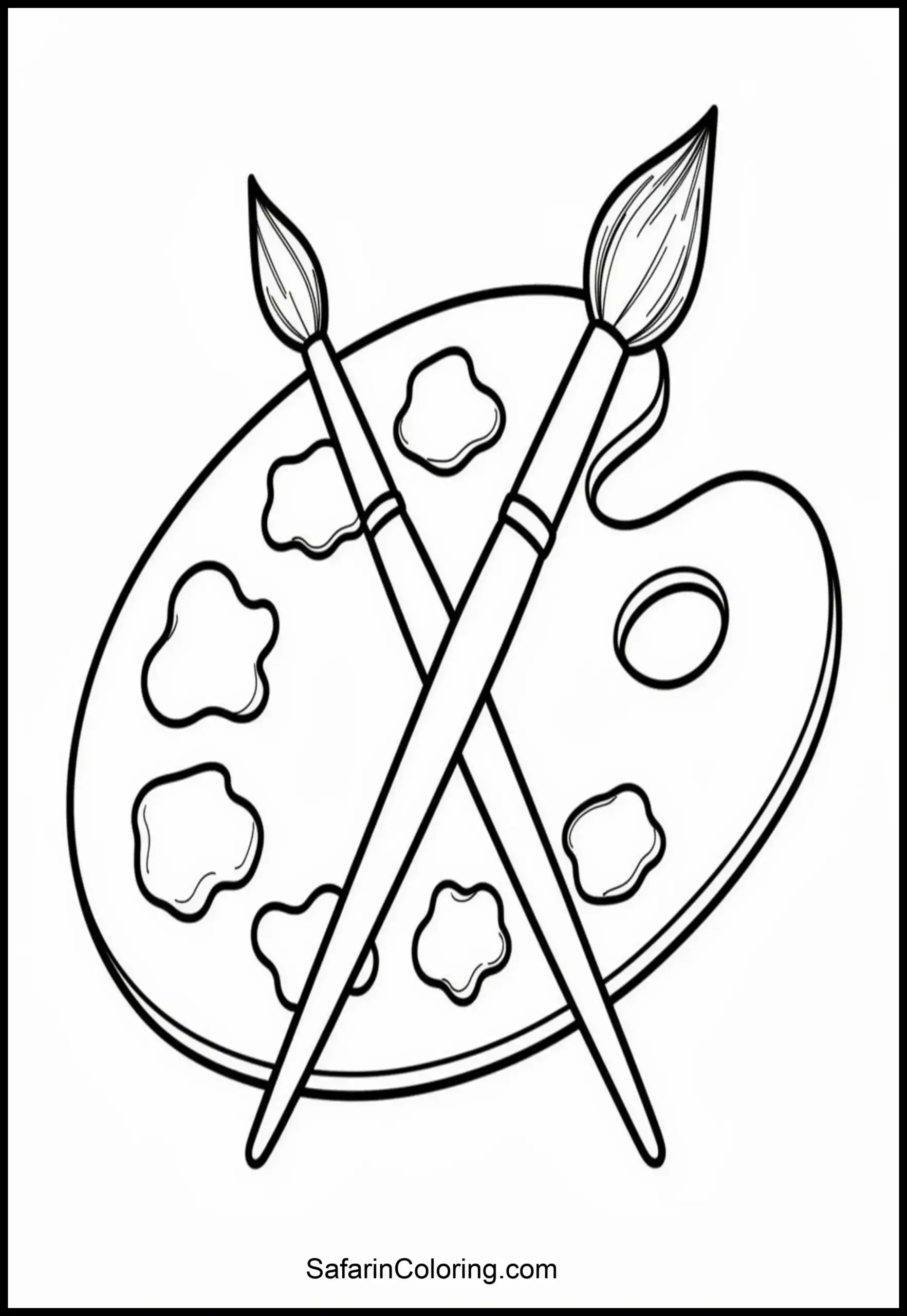
Art Palette Brushes 2 Scaled
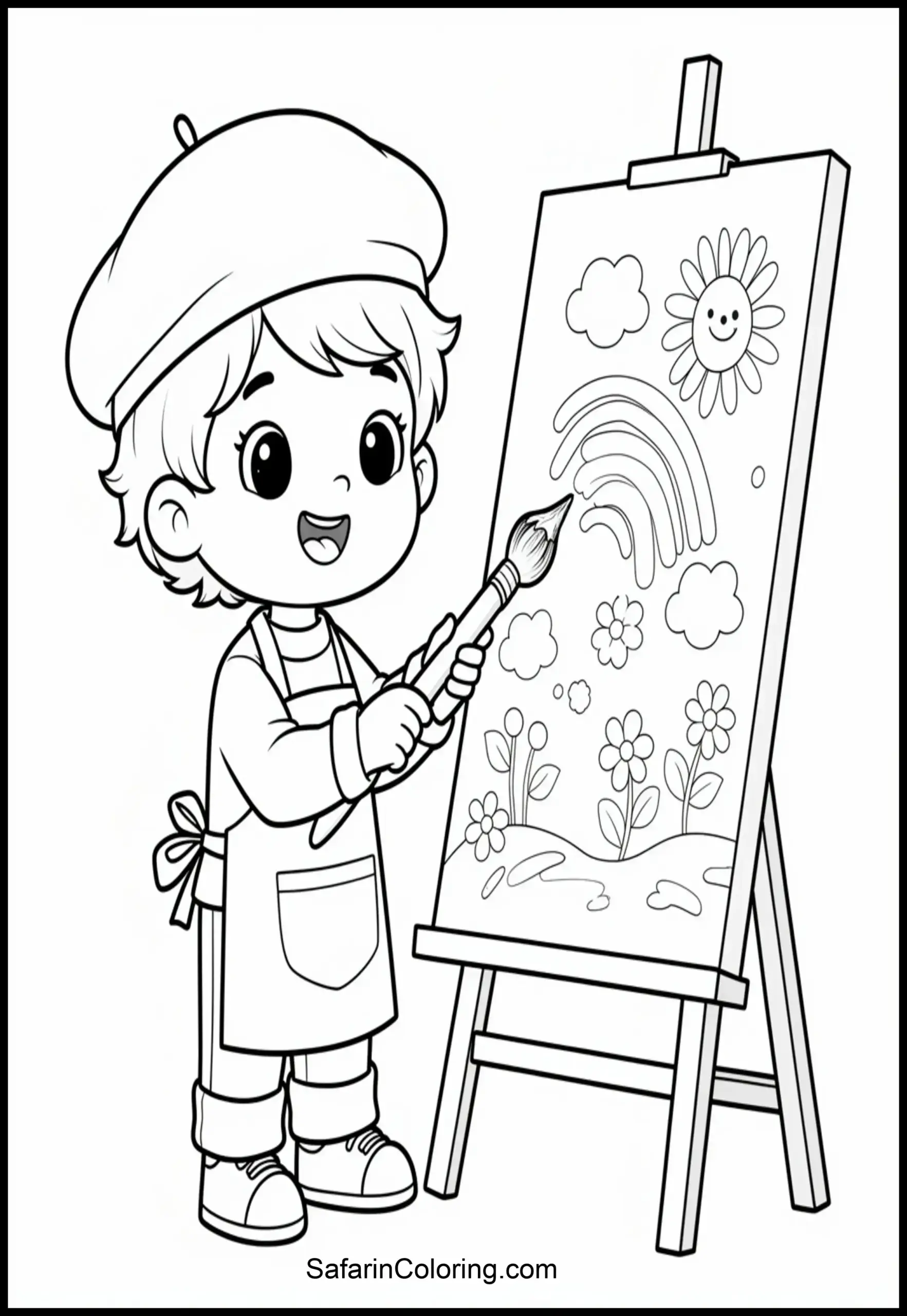
Kid Artist Painting 1 Scaled
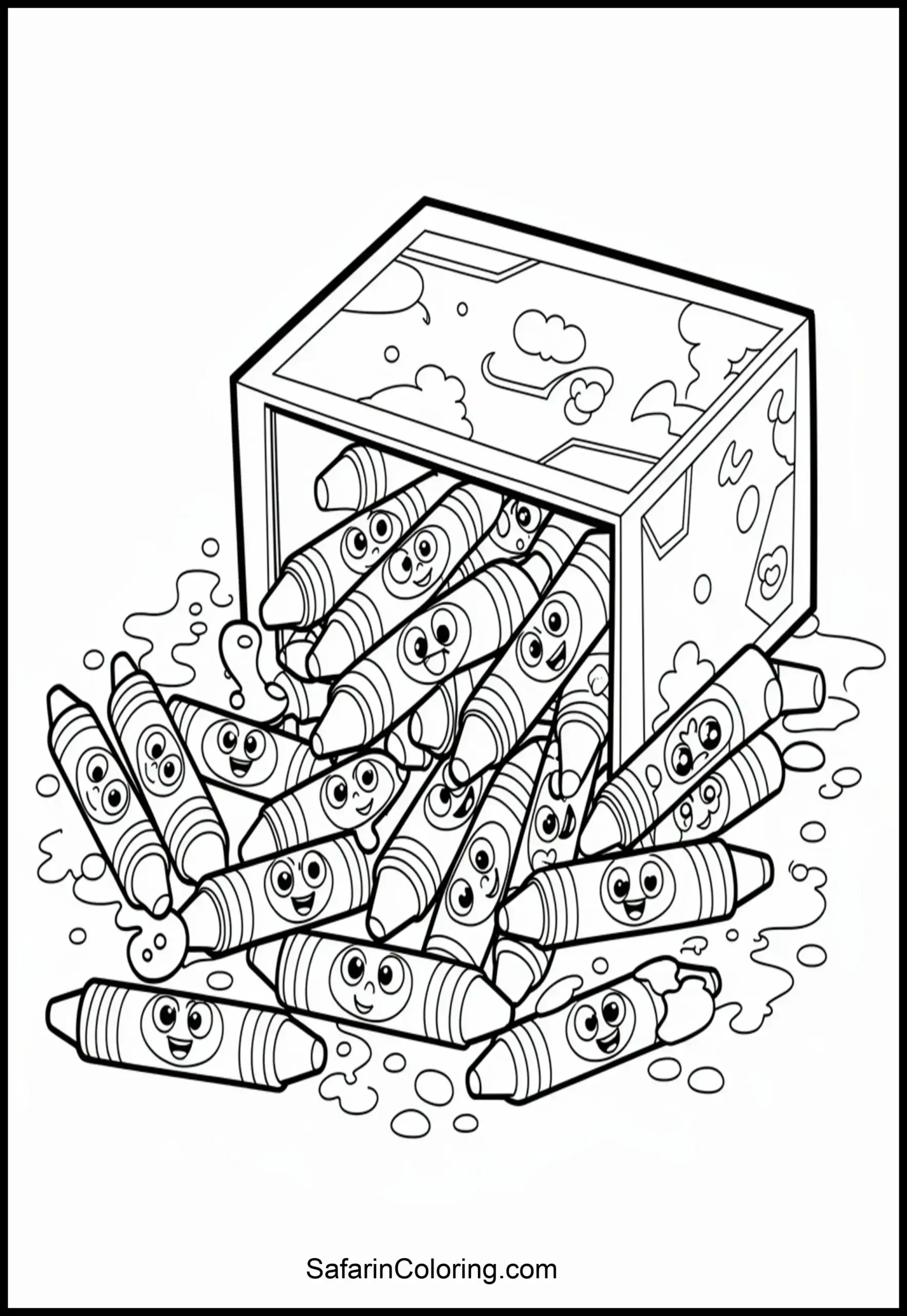
Box Of Crayons Spilled 2 Scaled
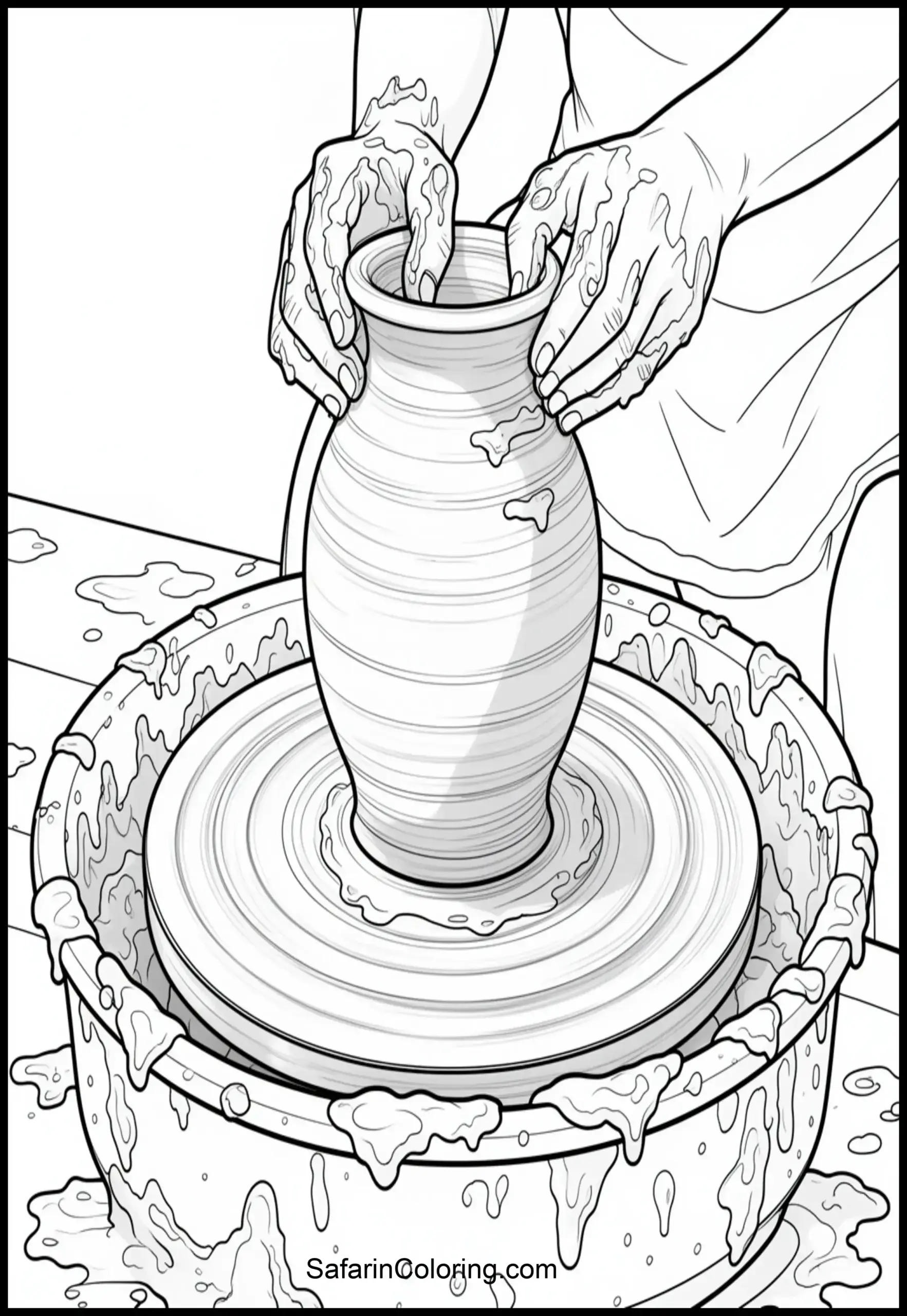
Pottery Wheel Clay 2 Scaled
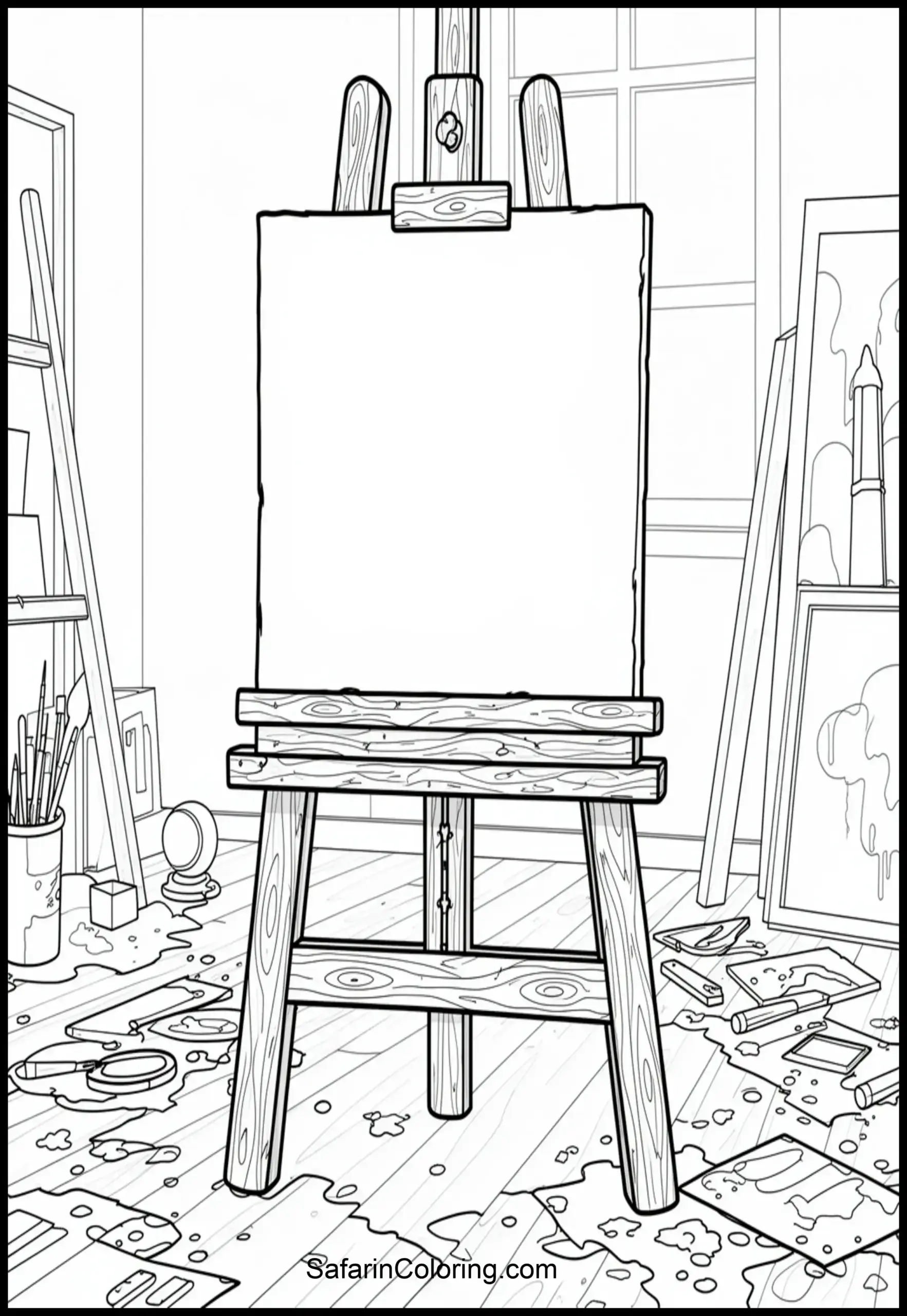
Easel Blank Canvas 2 Scaled
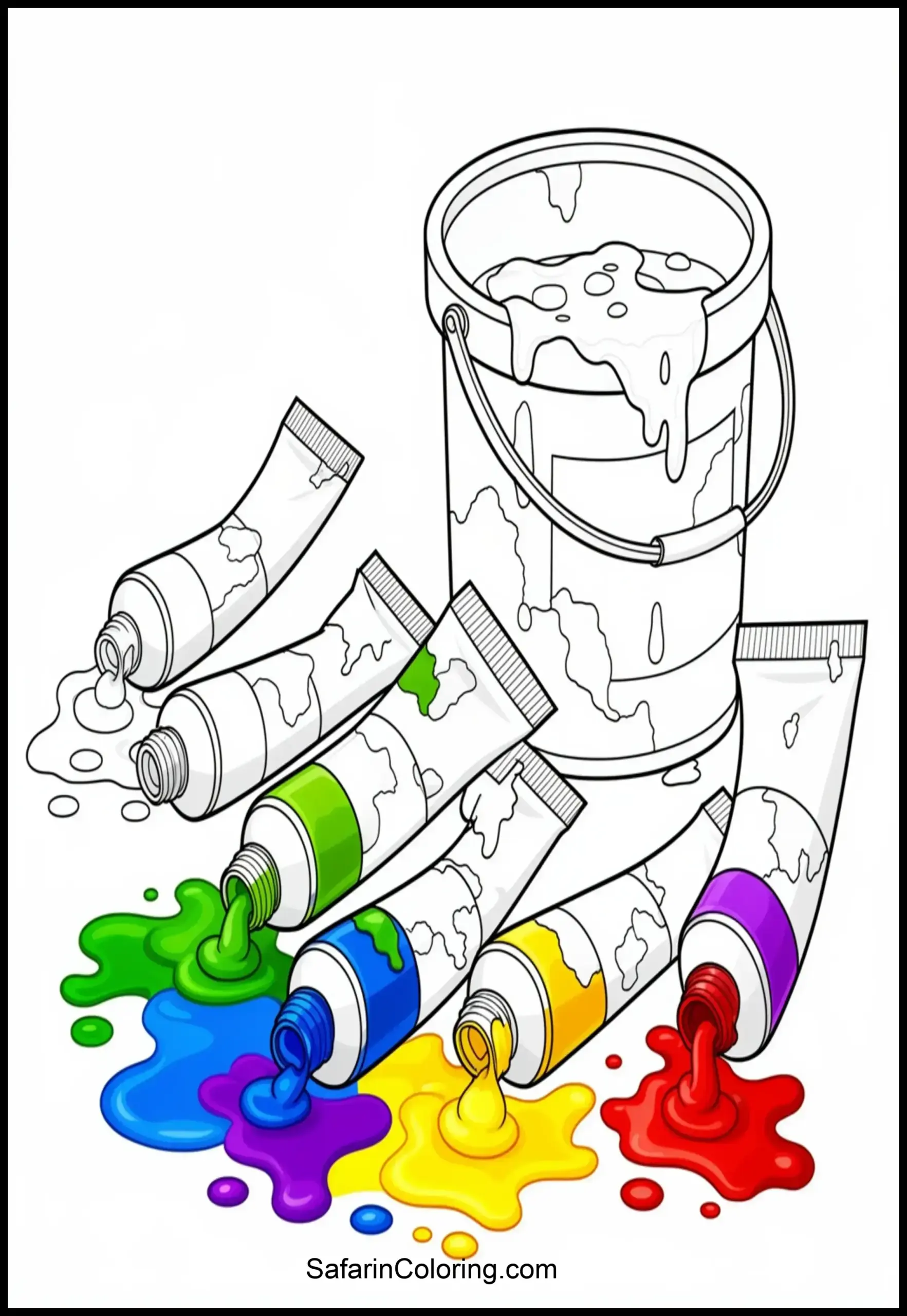
Messy Paint Tubes 2 Scaled
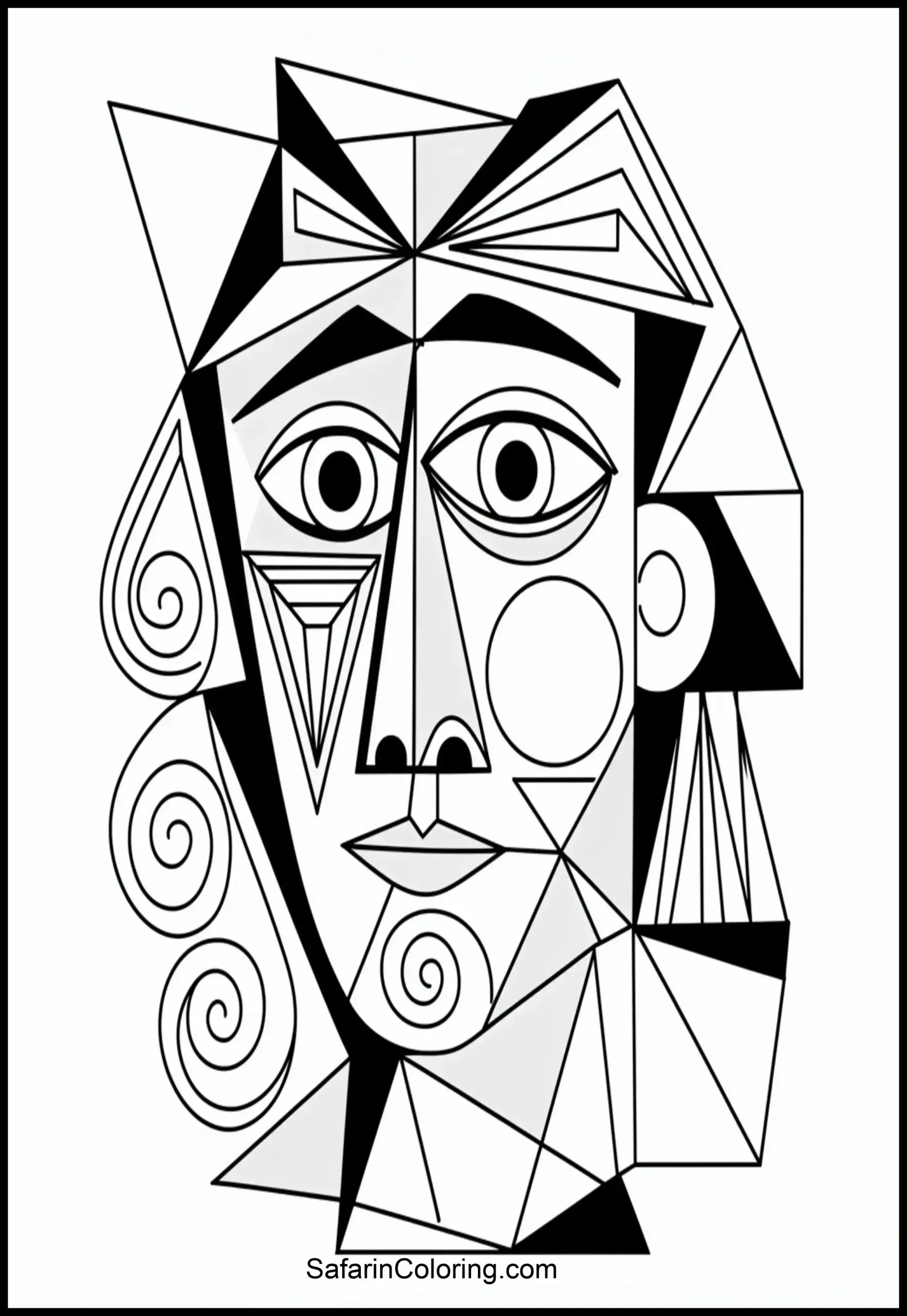
Cubism Face Art 2 Scaled
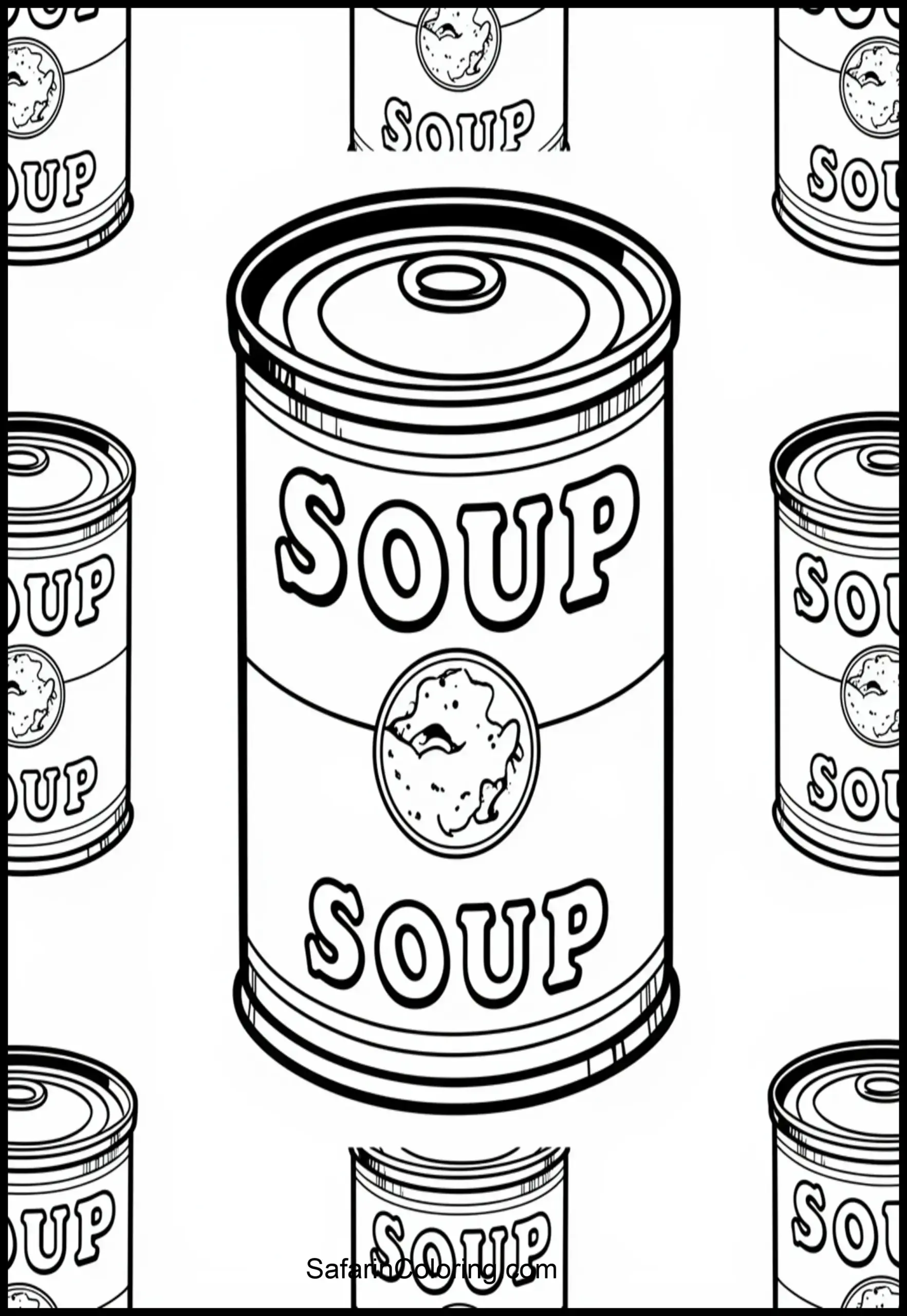
Pop Art Soup Can 1 Scaled
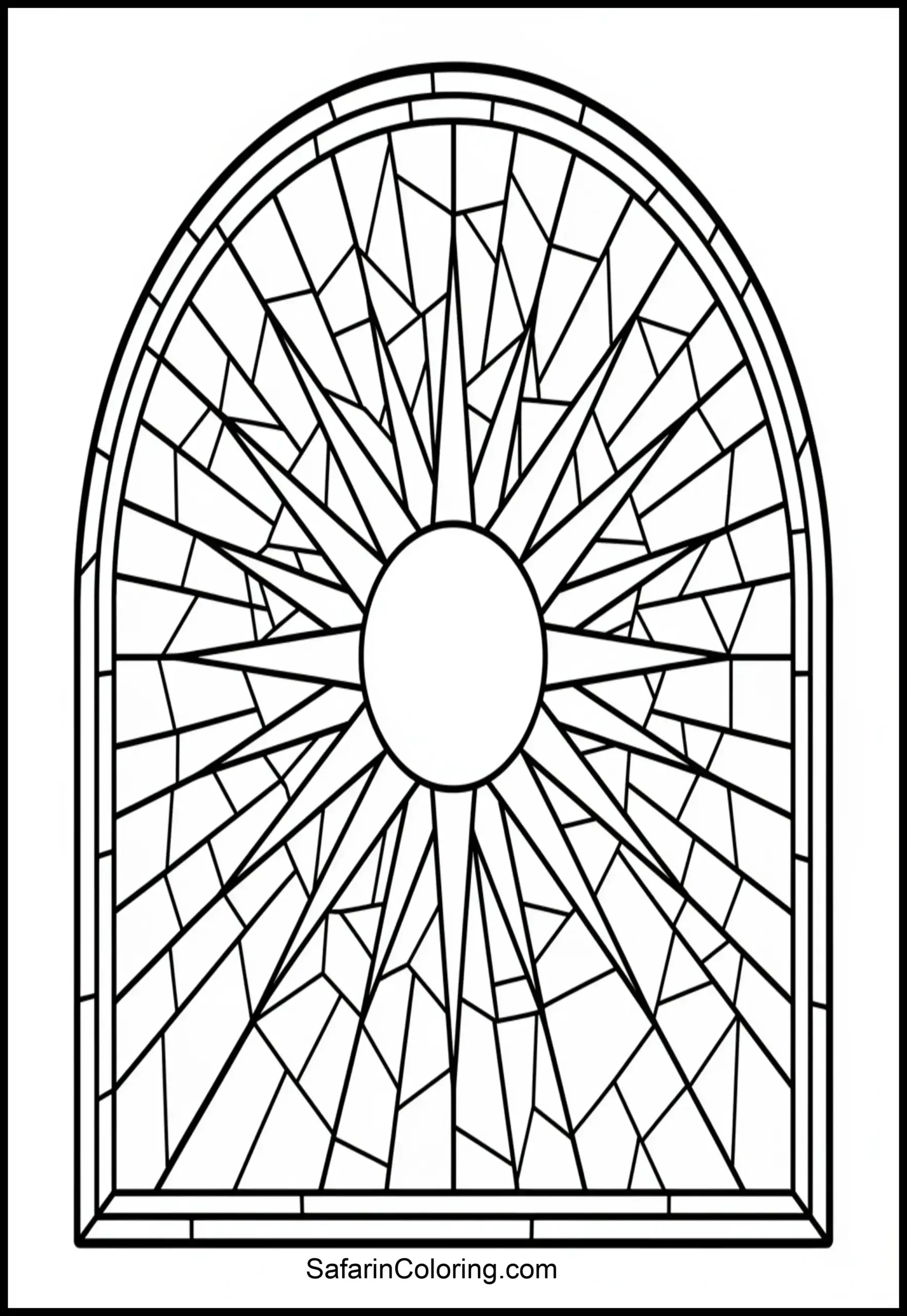
Stained Glass Window 1 Scaled
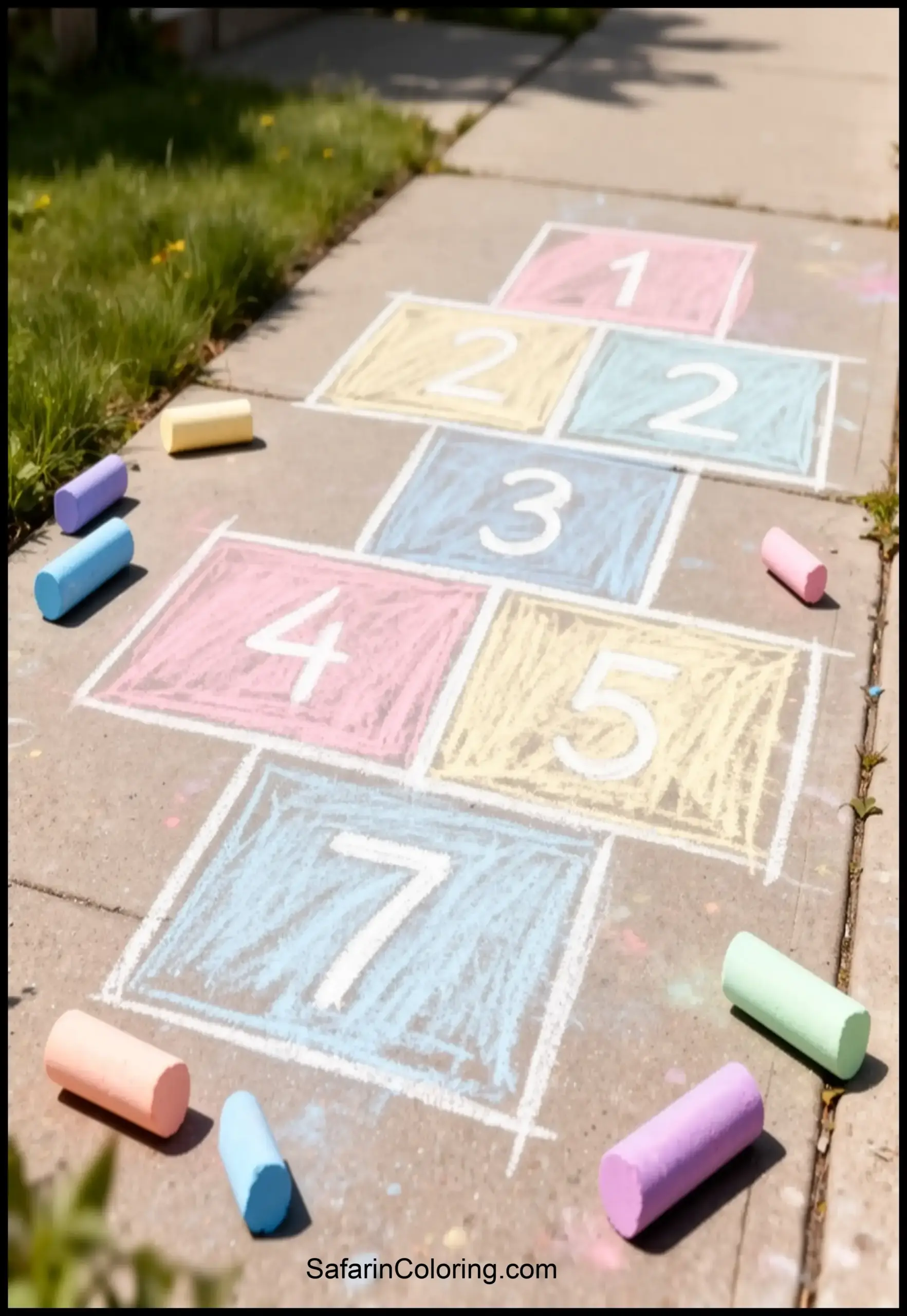
Sidewalk Chalk Art 1 Scaled
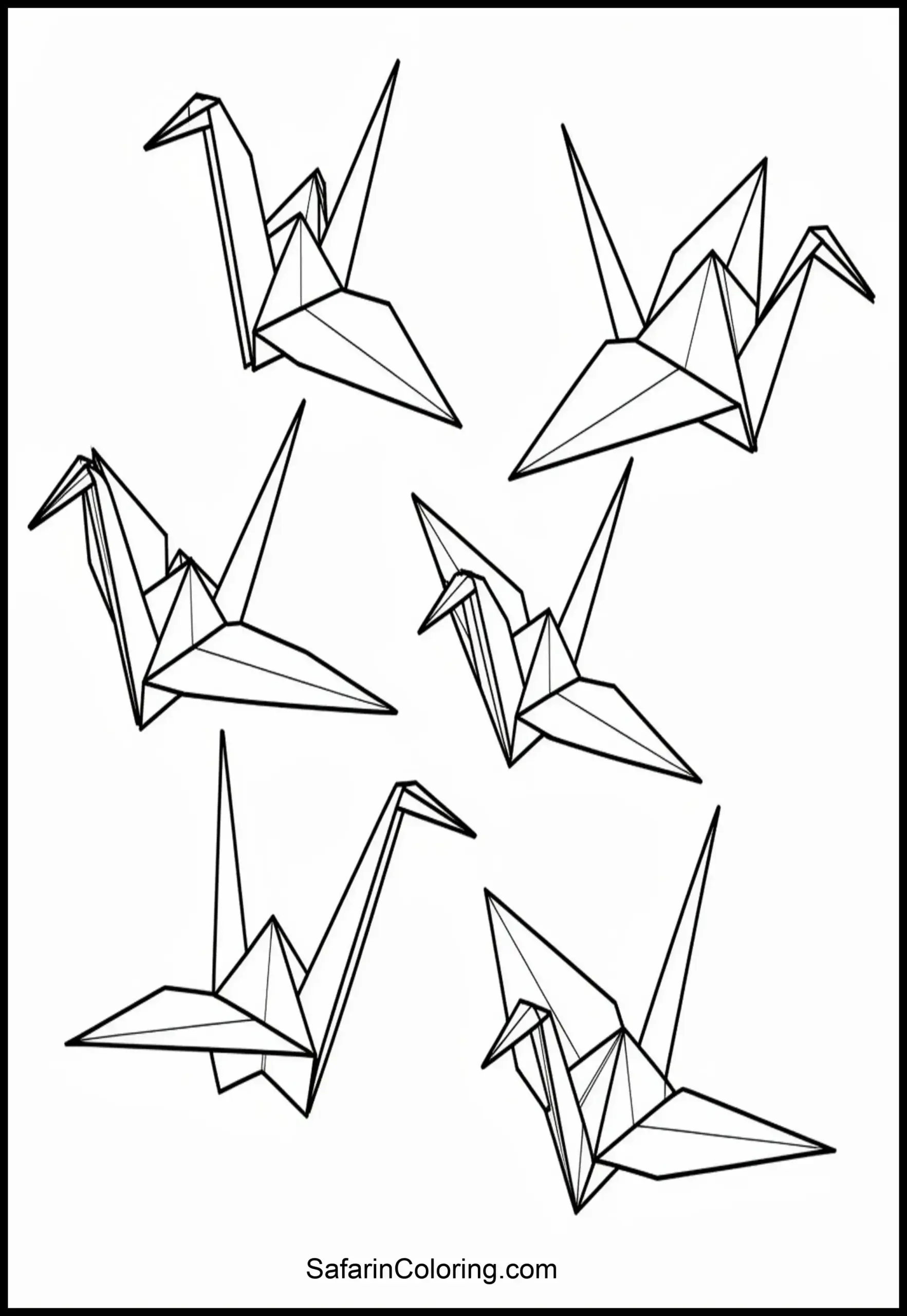
Origami Cranes Paper 1 Scaled
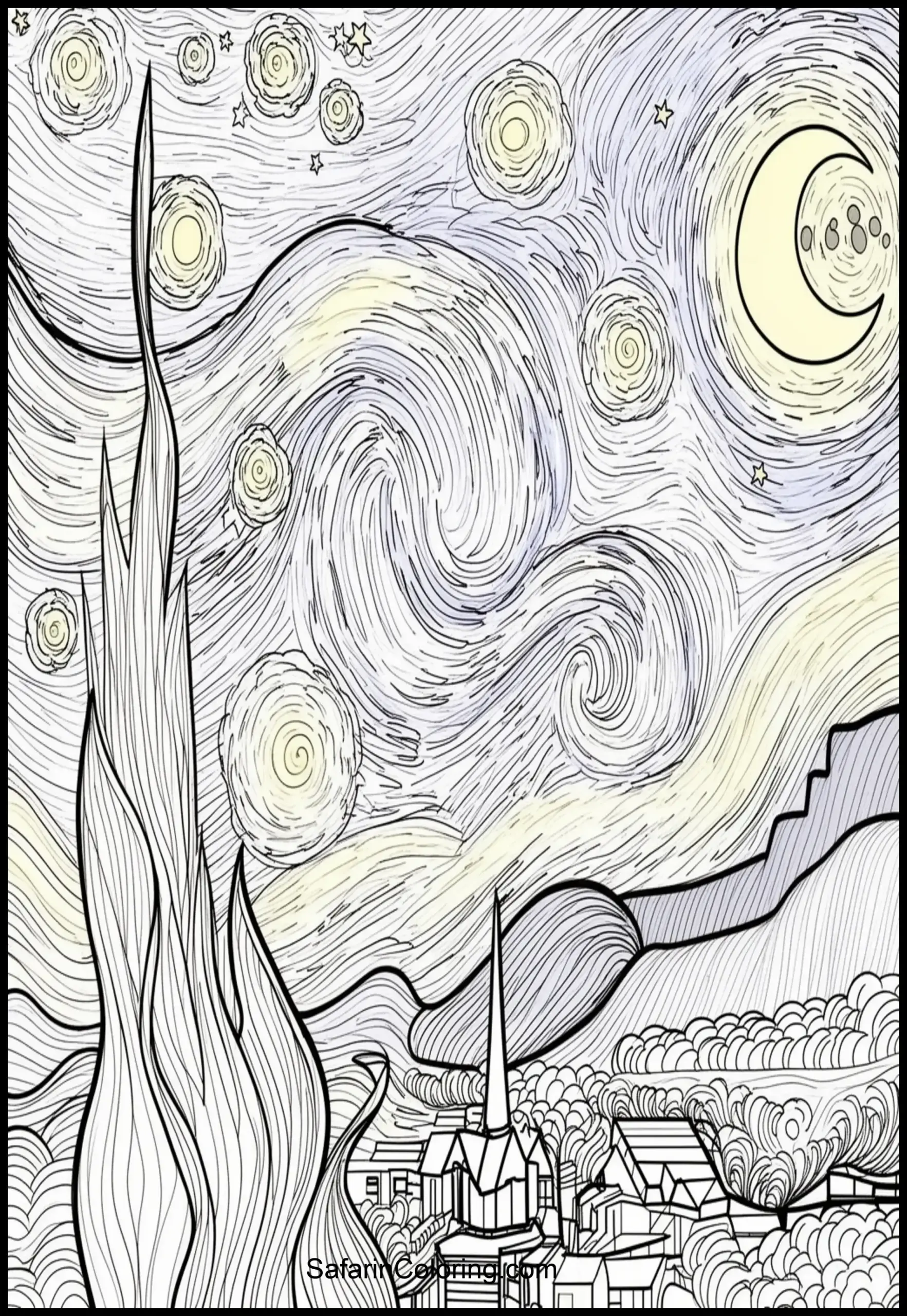
Starry Night Swirls Scaled
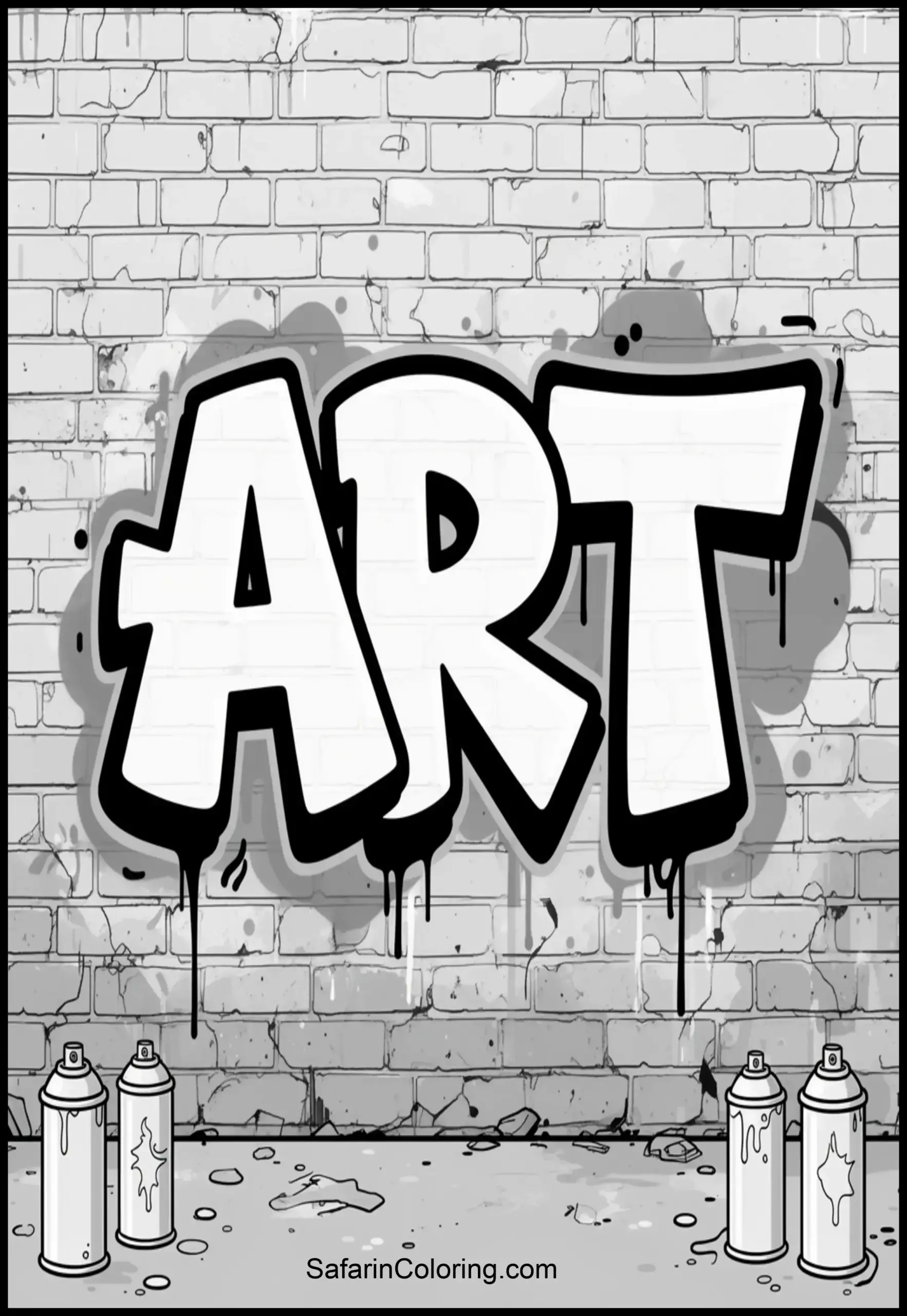
Graffiti Art Wall Scaled
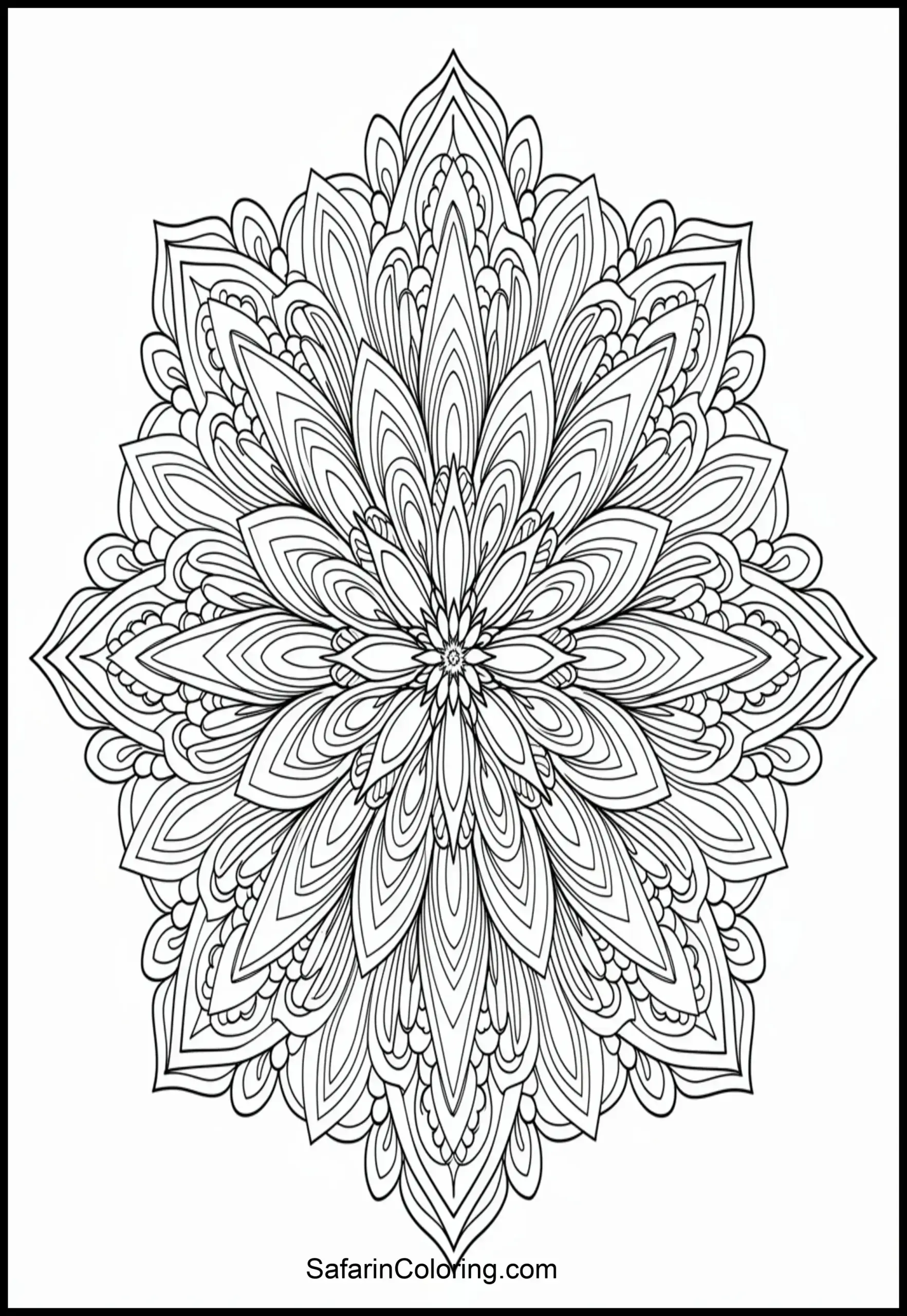
Mandala Art Pattern Scaled
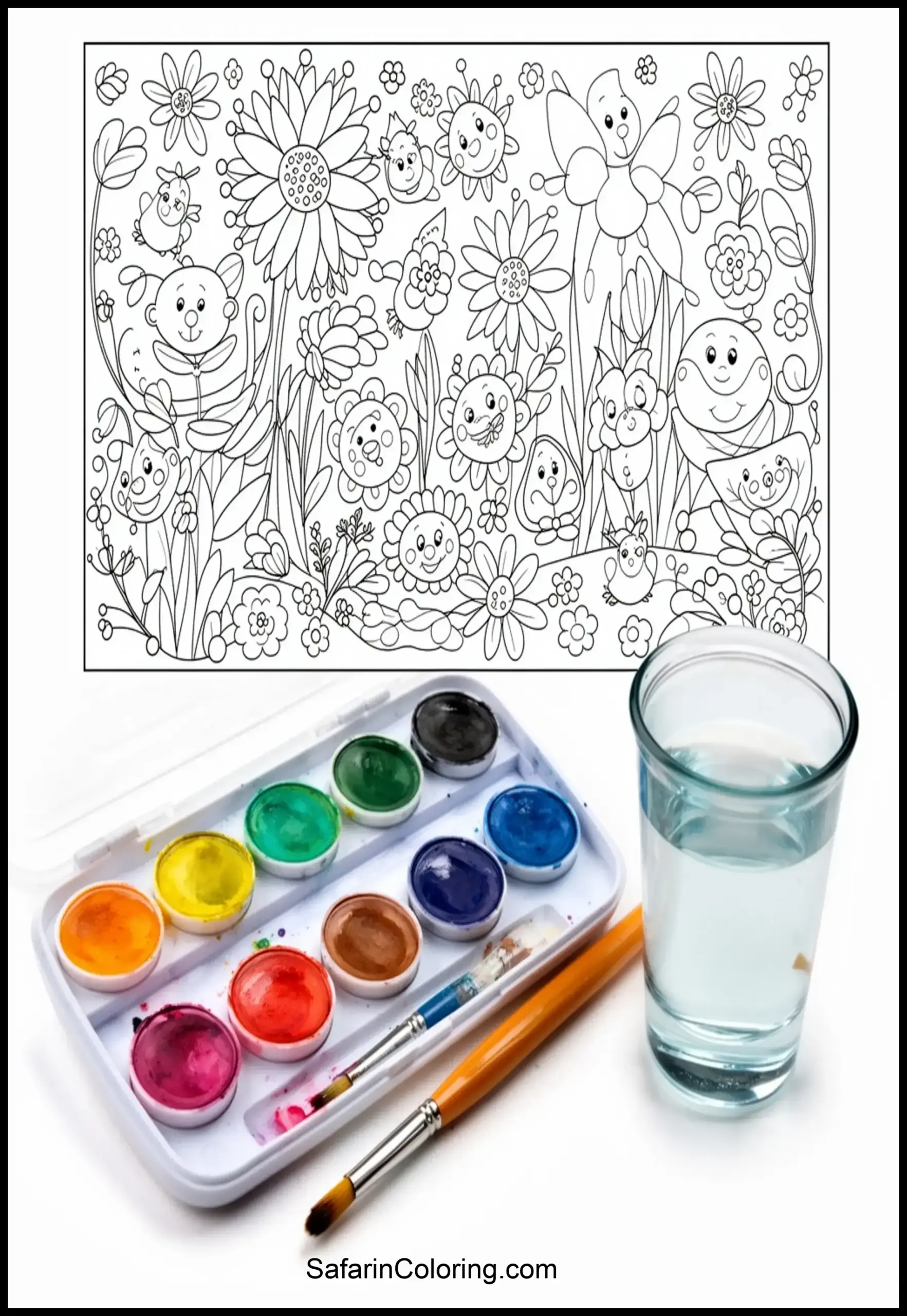
Watercolor Paint Set Scaled
Sketchbook Pencils 1 Scaled
Still Life Fruit Bowl 1 Scaled
Sculpting Clay Bust 1 Scaled
Collage Art Supplies Scaled
Calligraphy Ink Pens Scaled
Art Museum Gallery Scaled
Surreal Melting Clock 1 Scaled
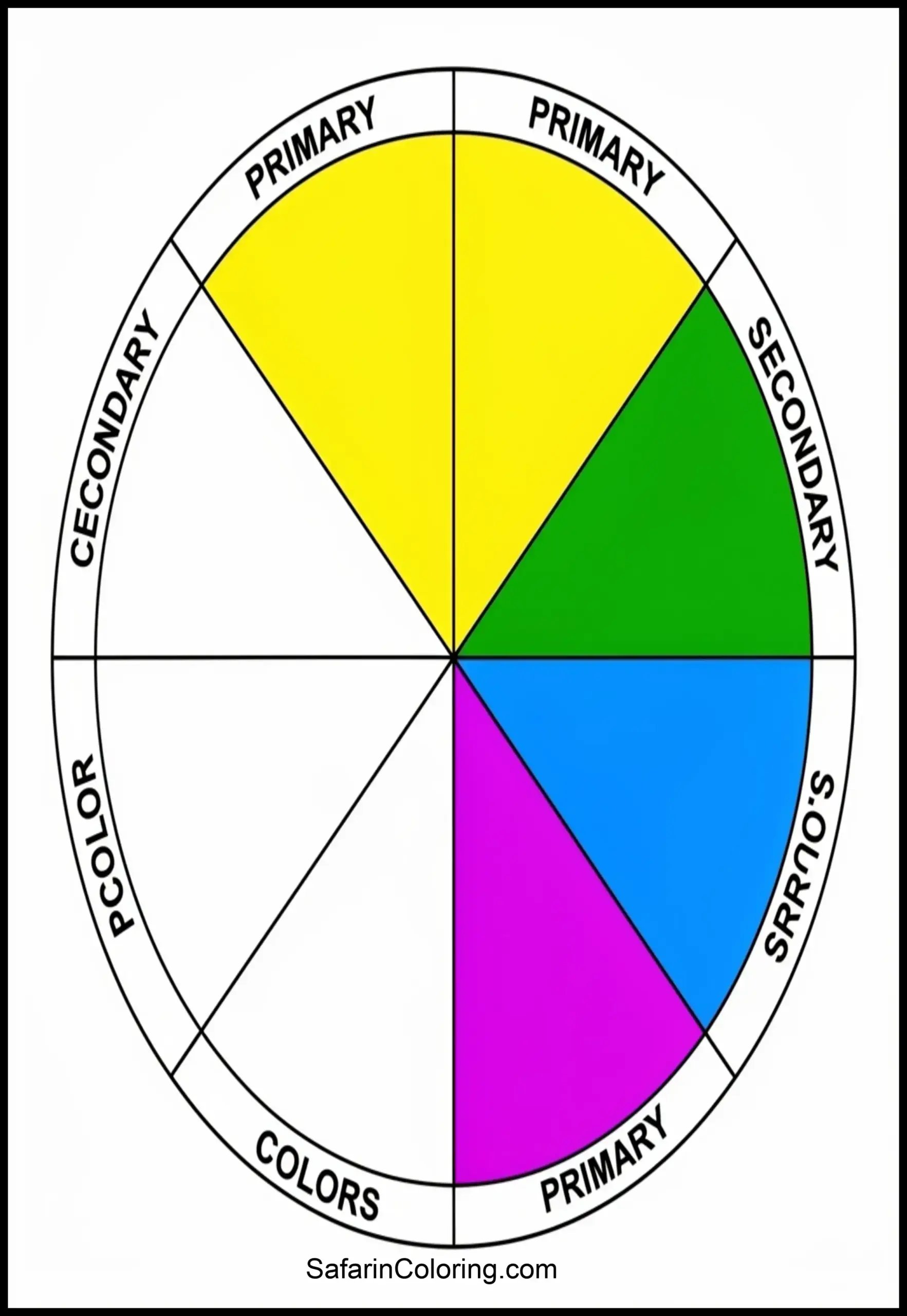
Color Wheel Chart 1 Scaled
Finger Painting Hands 1 Scaled
Mosaic Art Turtle 1 Scaled
Vintage Camera Art 1 Scaled
Fashion Design Art 1 Scaled
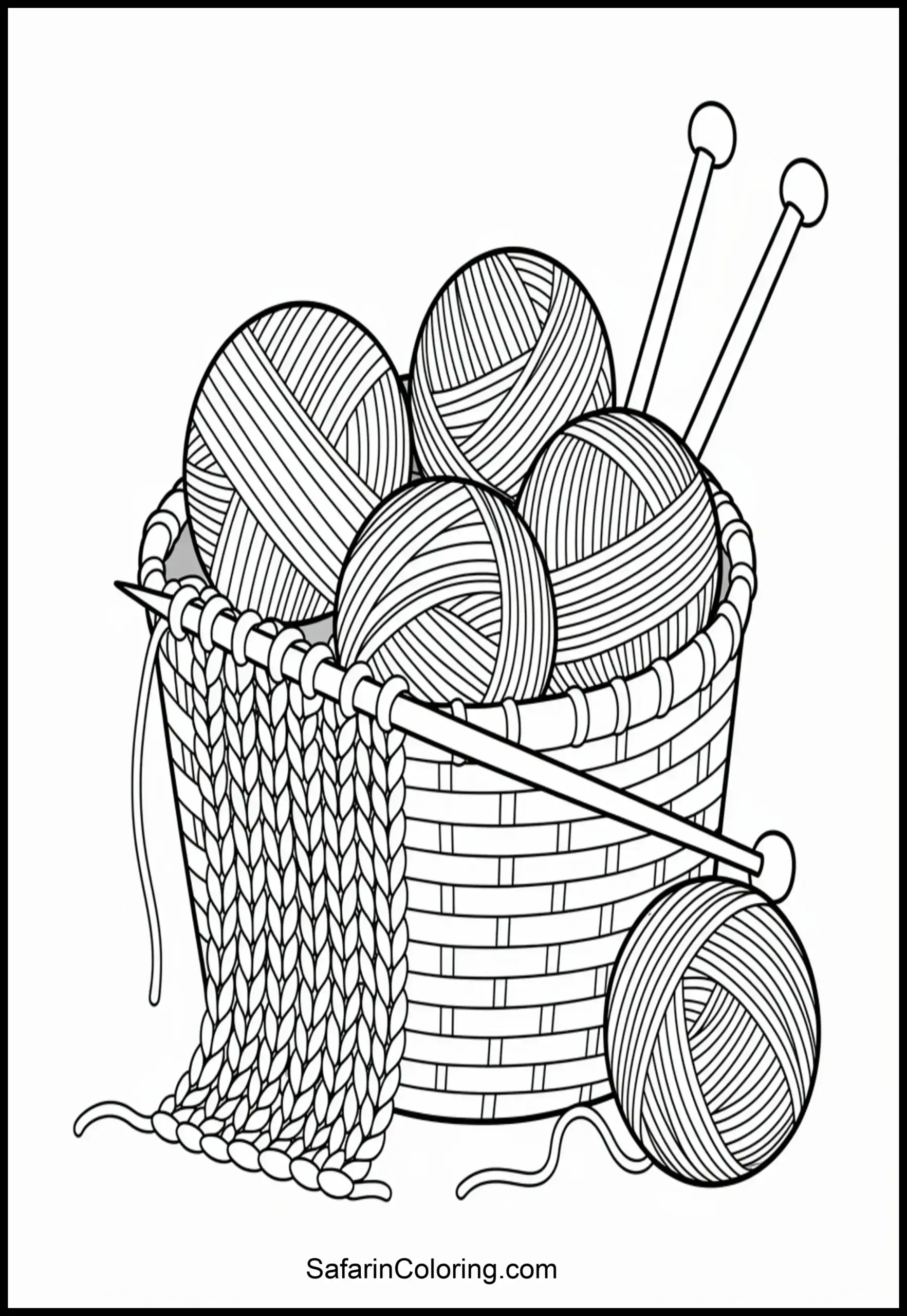
Knitting Yarn Art 1 Scaled
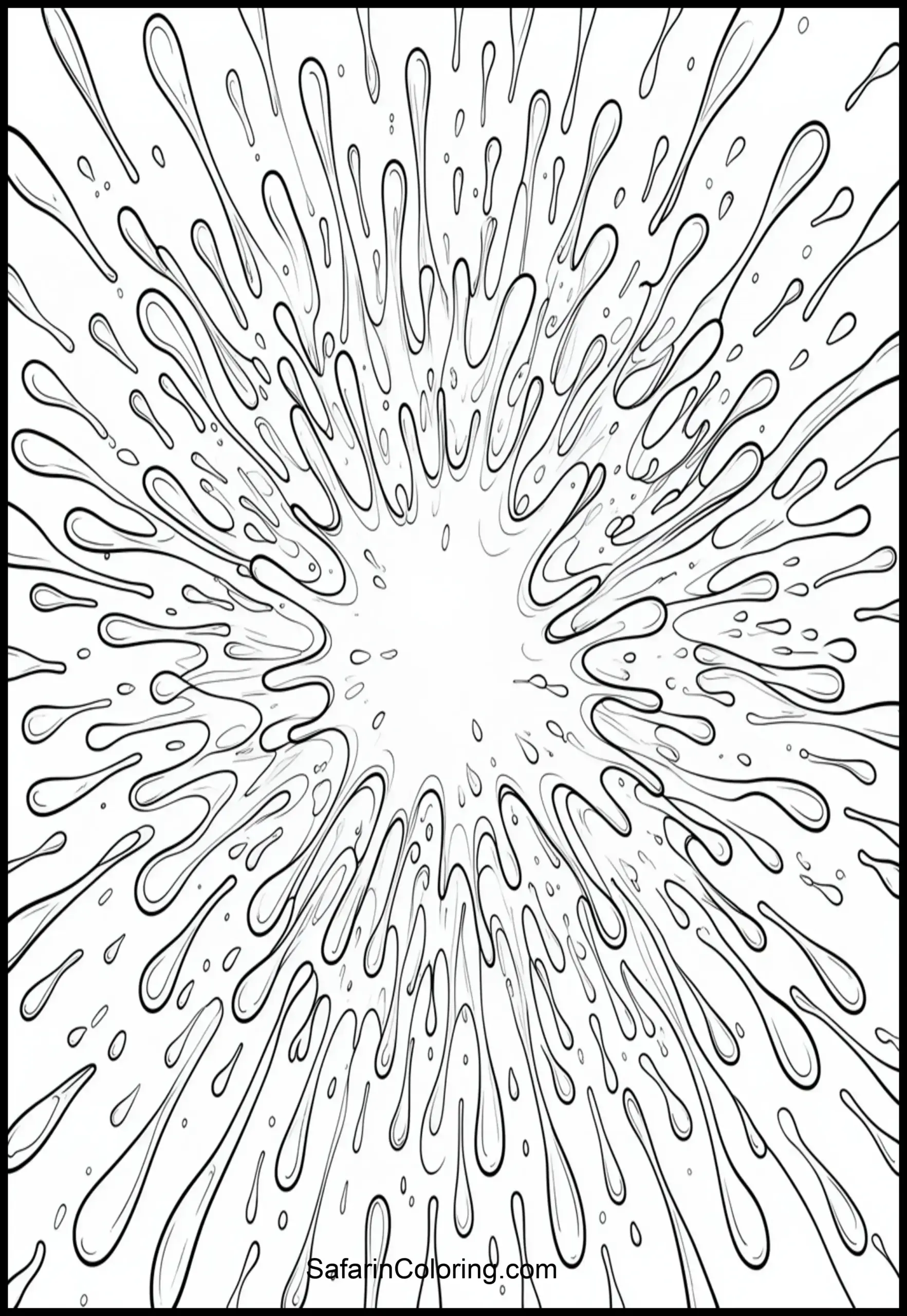
Splatter Paint Art 2 Scaled
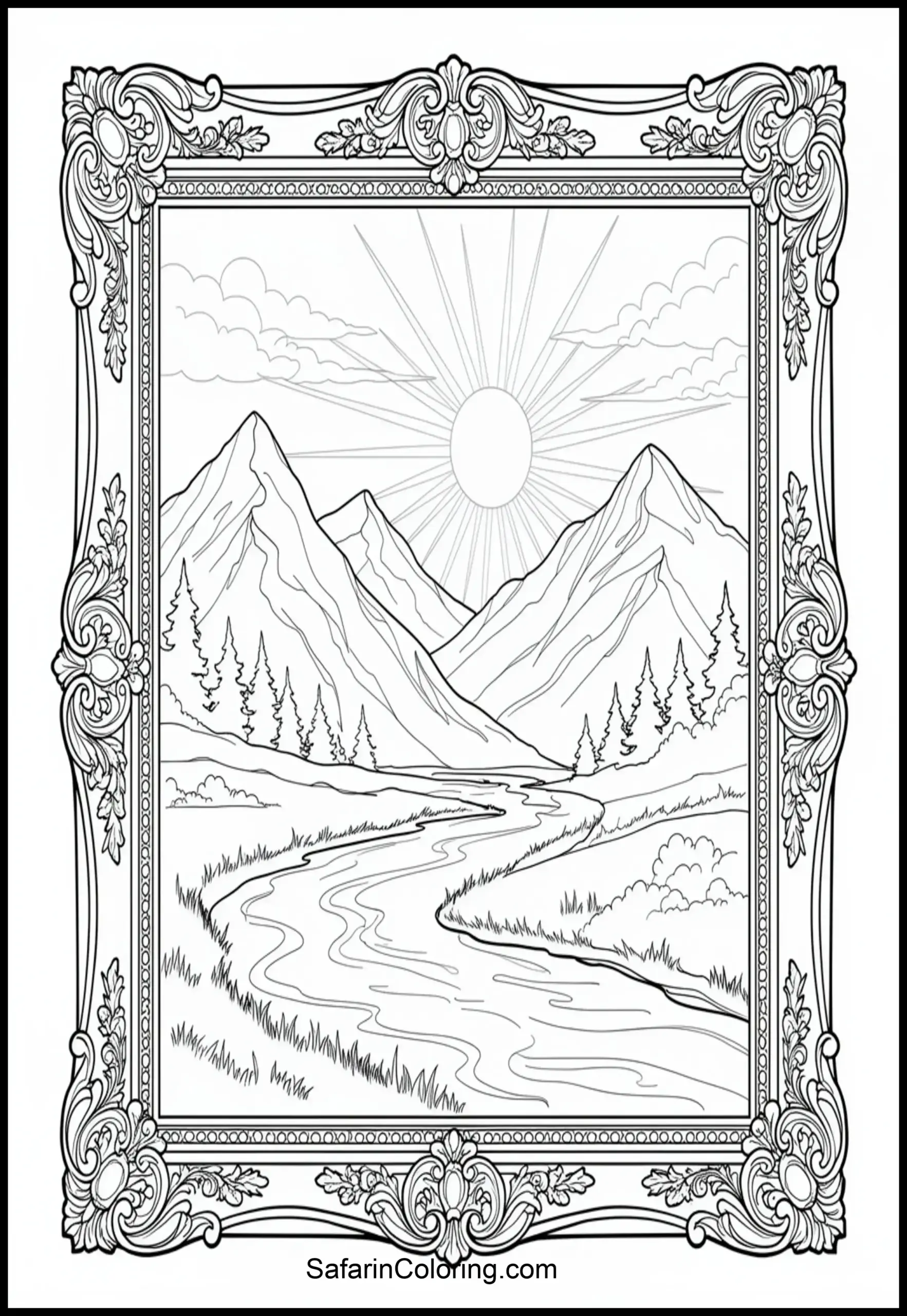
Landscape Painting Frame 2 Scaled
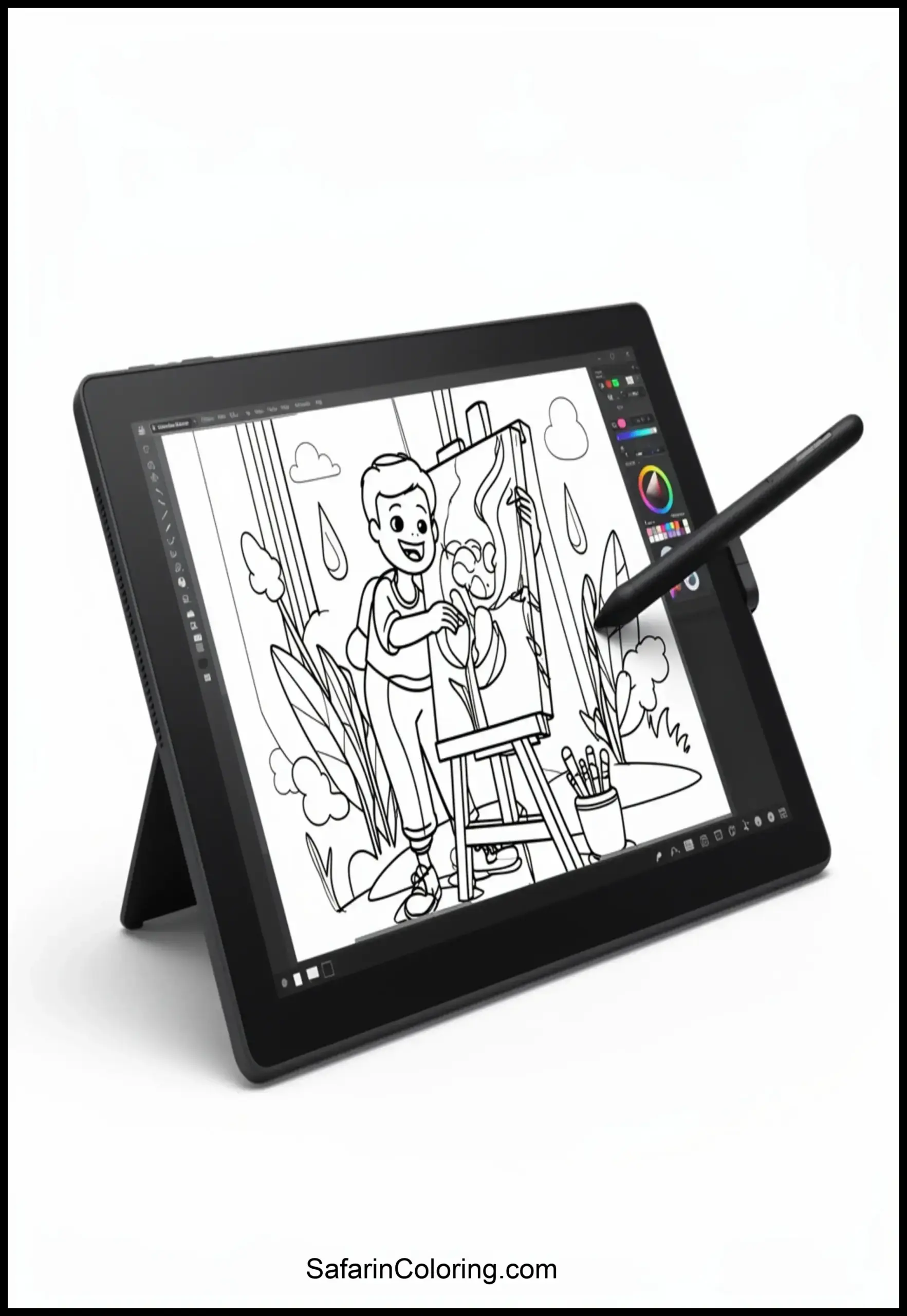
Digital Art Tablet 2 Scaled
Tie Dye Shirt Art 2 Scaled
Bead Making Jewelry 2 Scaled
Zentangle Owl Art 2 Scaled
Paper Mache Craft 2 Scaled
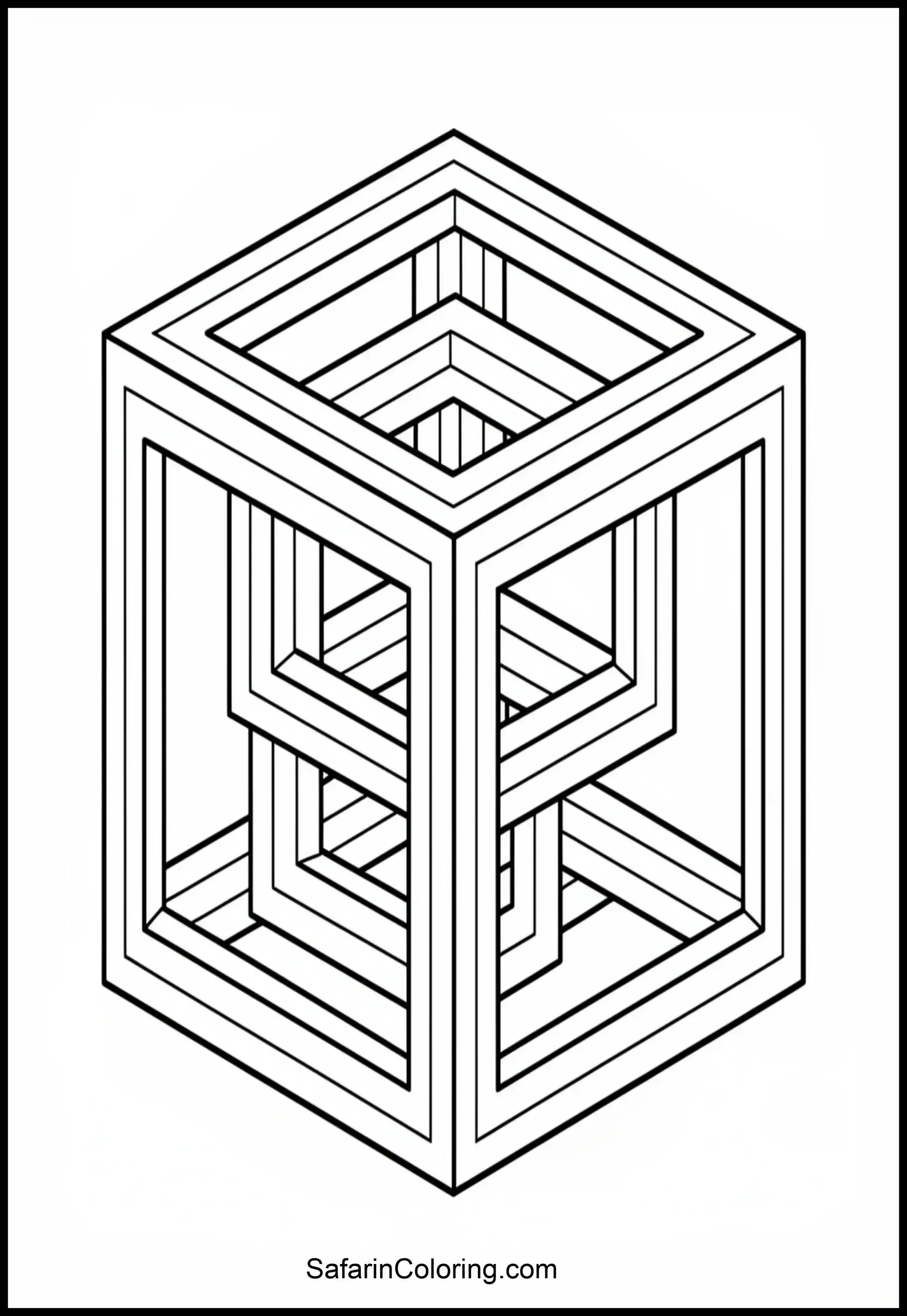
Optical Illusion Cube 2 Scaled
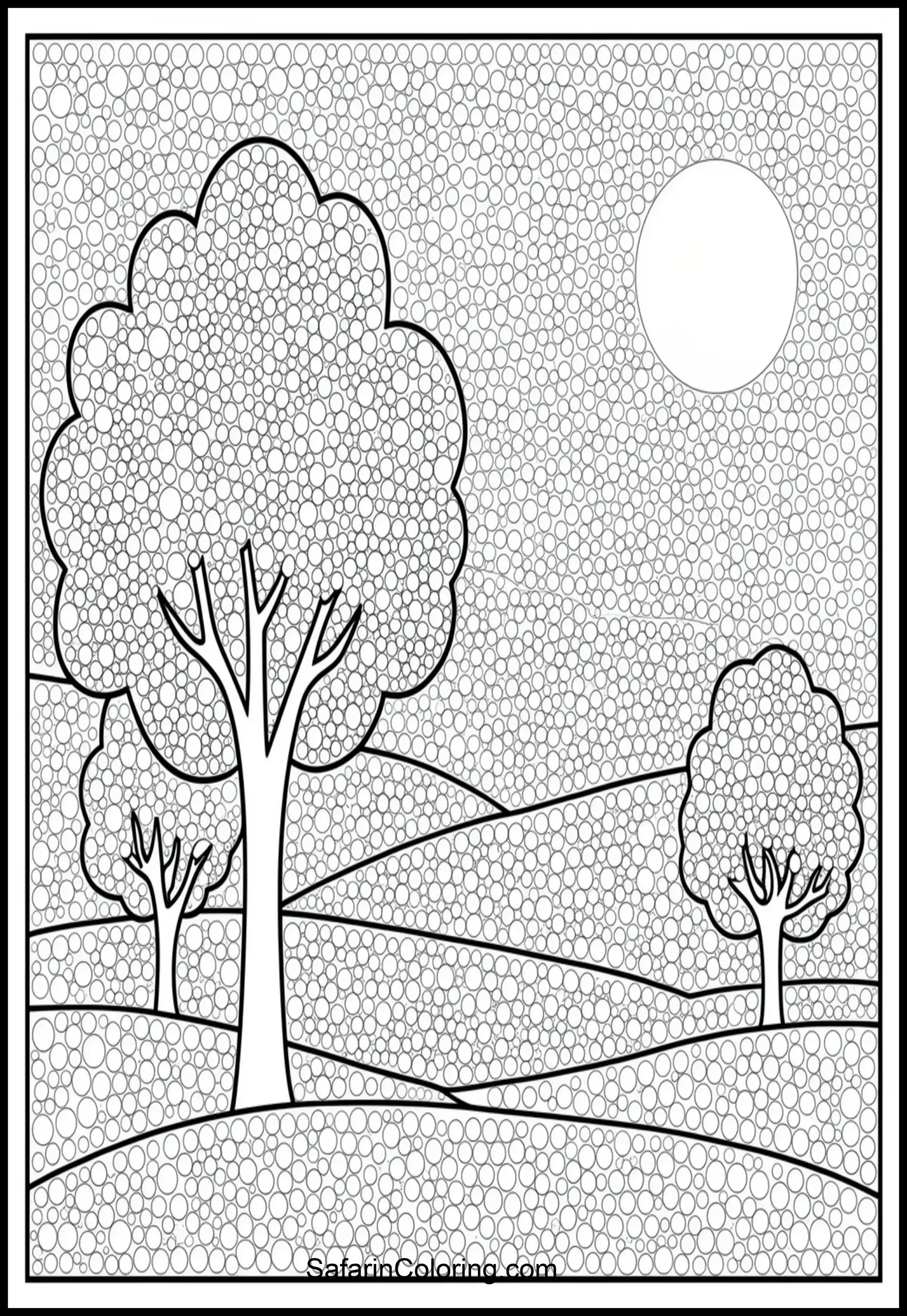
Pointillism Dot Art 2 Scaled
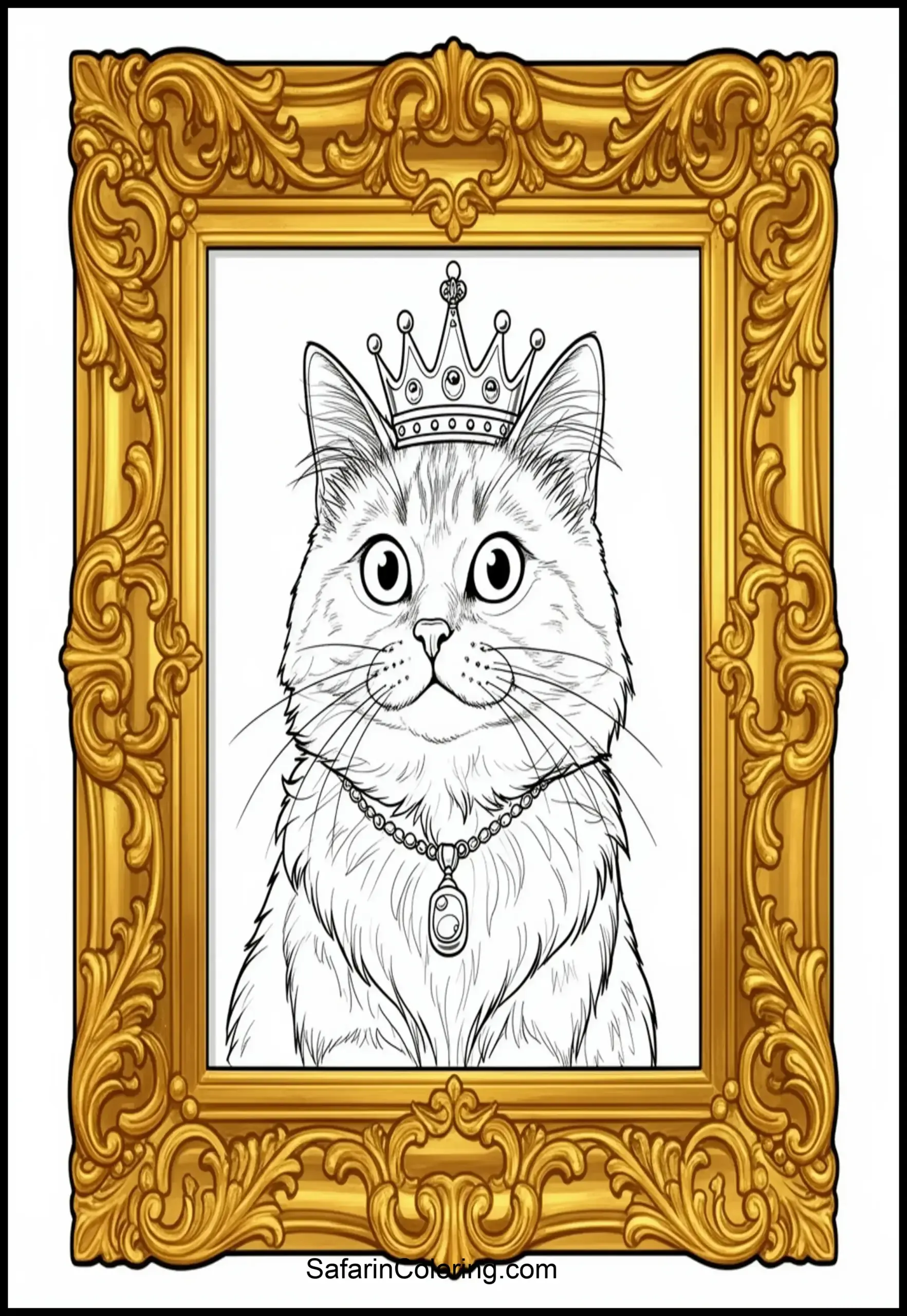
Framed Cat Portrait 2 Scaled
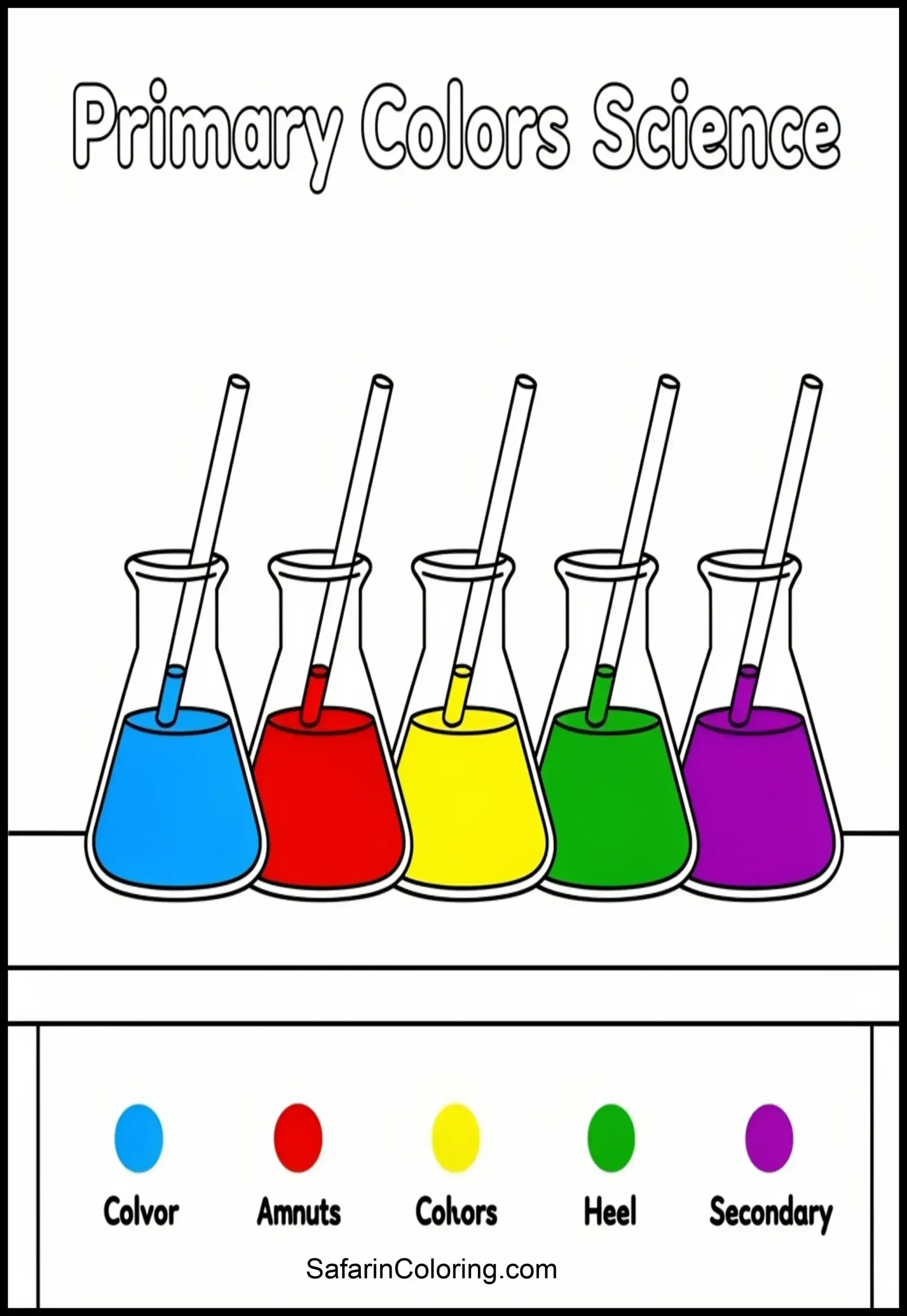
Mixing Colors Science 2 Scaled
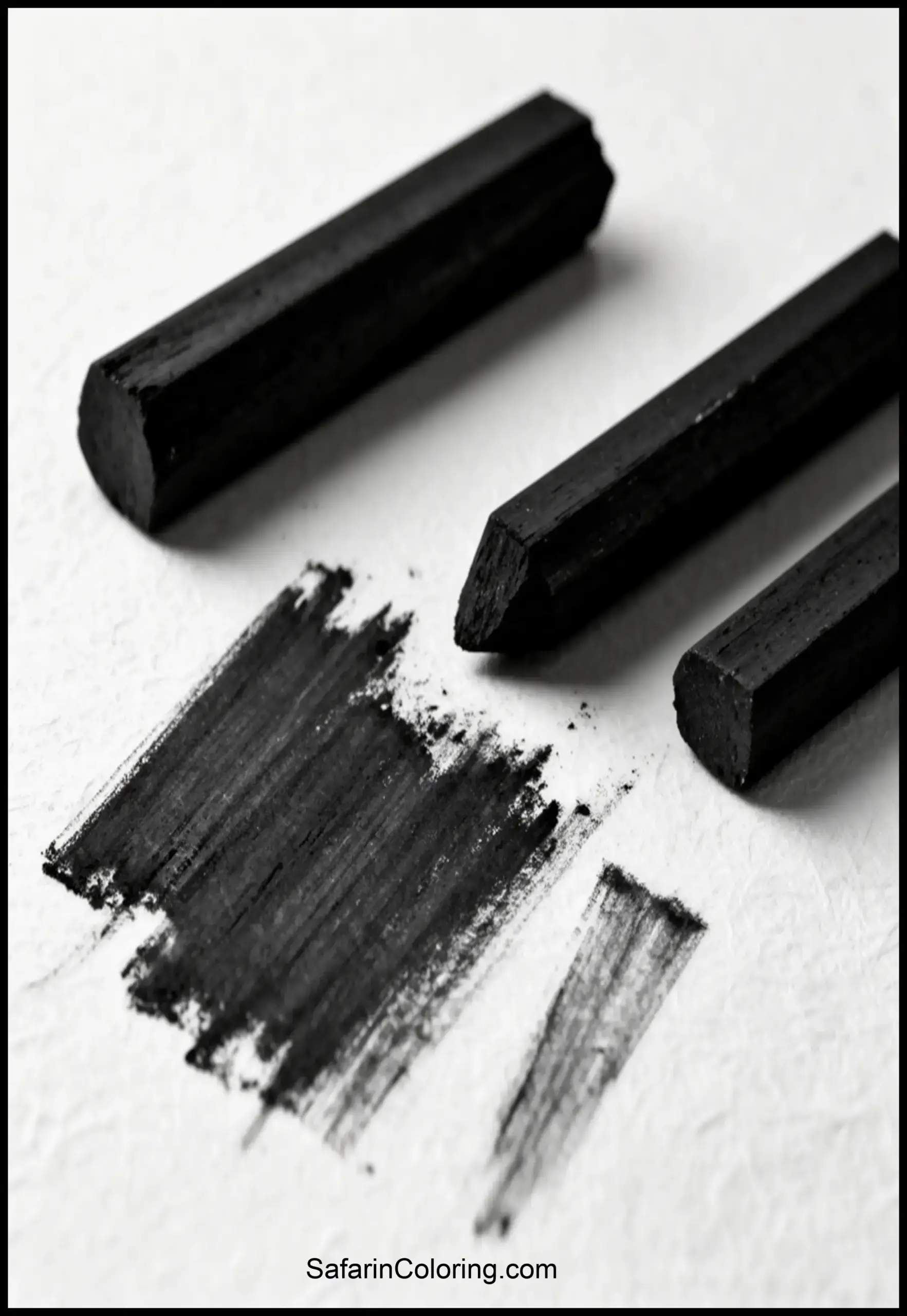
Charcoal Sketching Art 2 Scaled
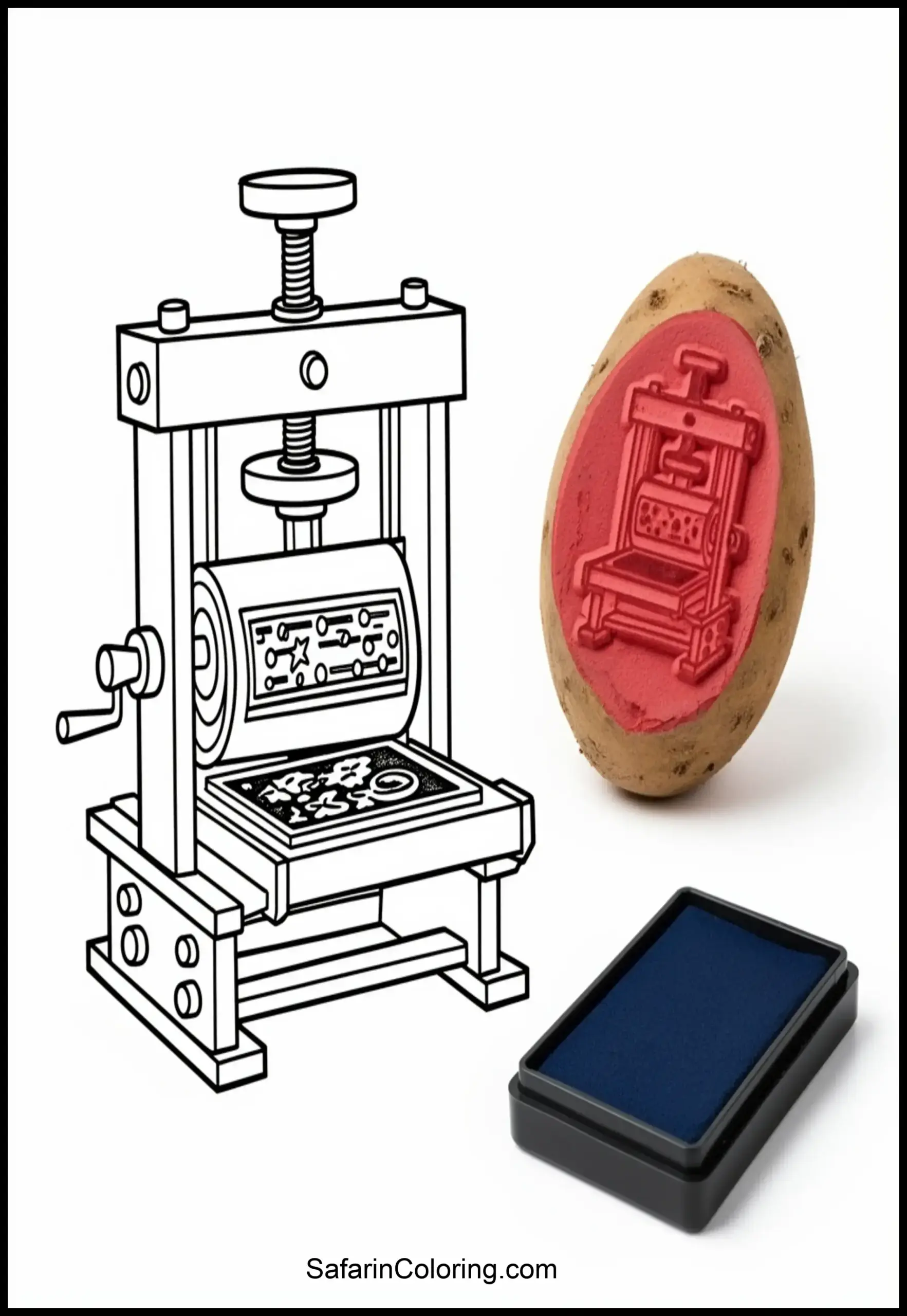
Printing Stamps Art 2 Scaled
Artist Beret Hat 1 Scaled
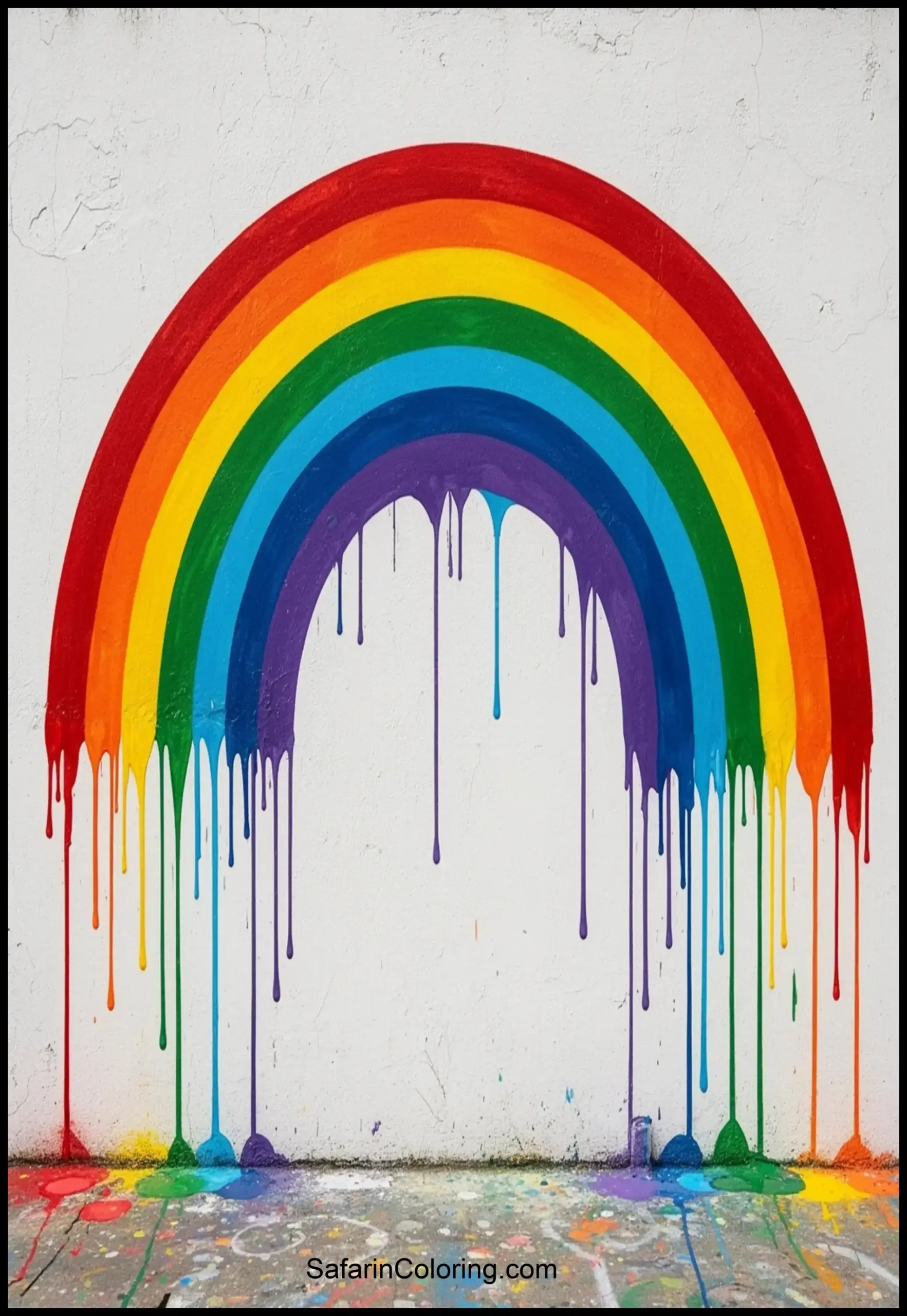
Rainbow Wall Mural 2 Scaled
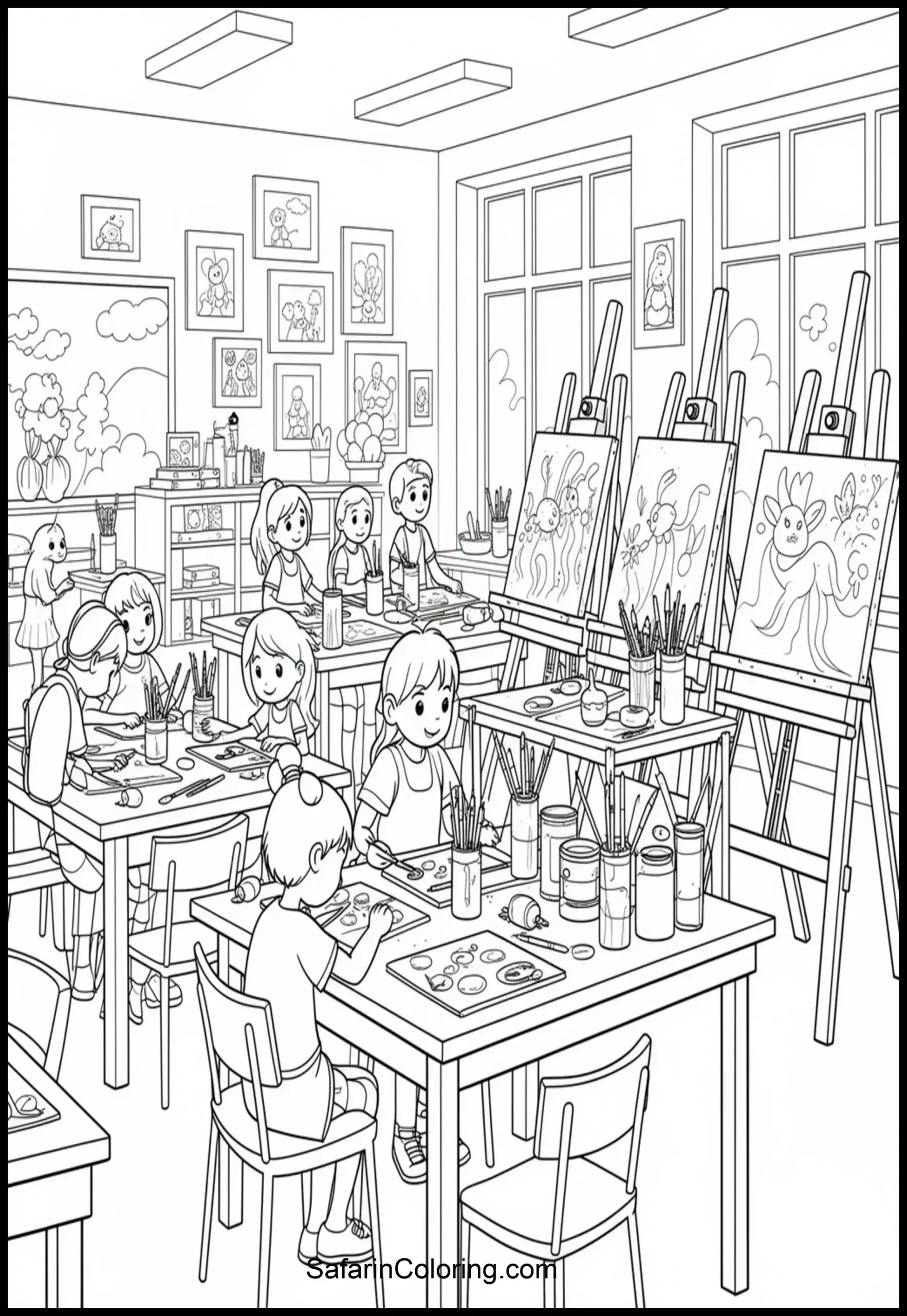
Art Class Room 2 Scaled
Sand Castle Sculpture 2 Scaled
Face Painting Carnival 2 Scaled
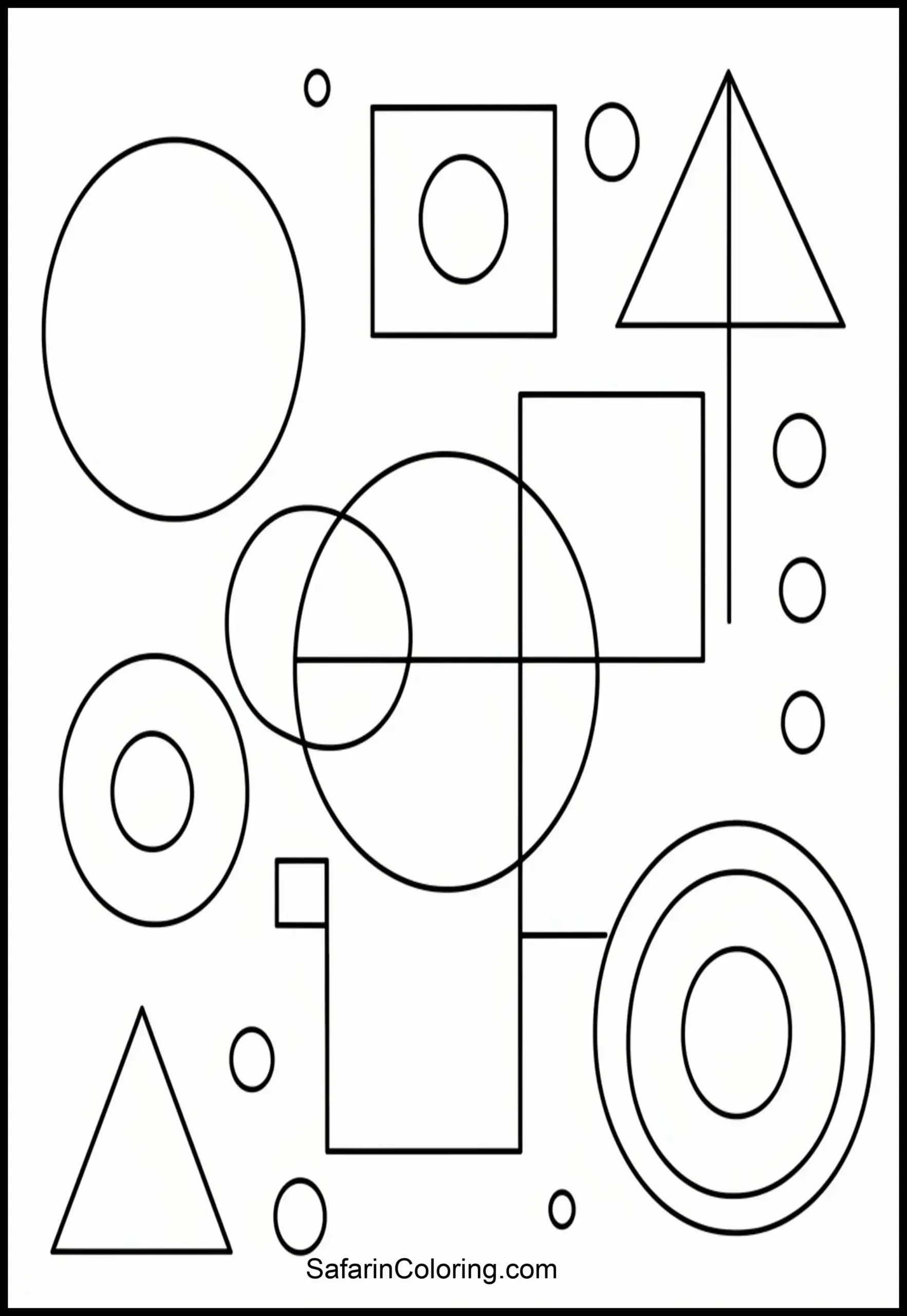
Abstract Shapes Art 2 Scaled
Pastel Chalks Box 2 Scaled
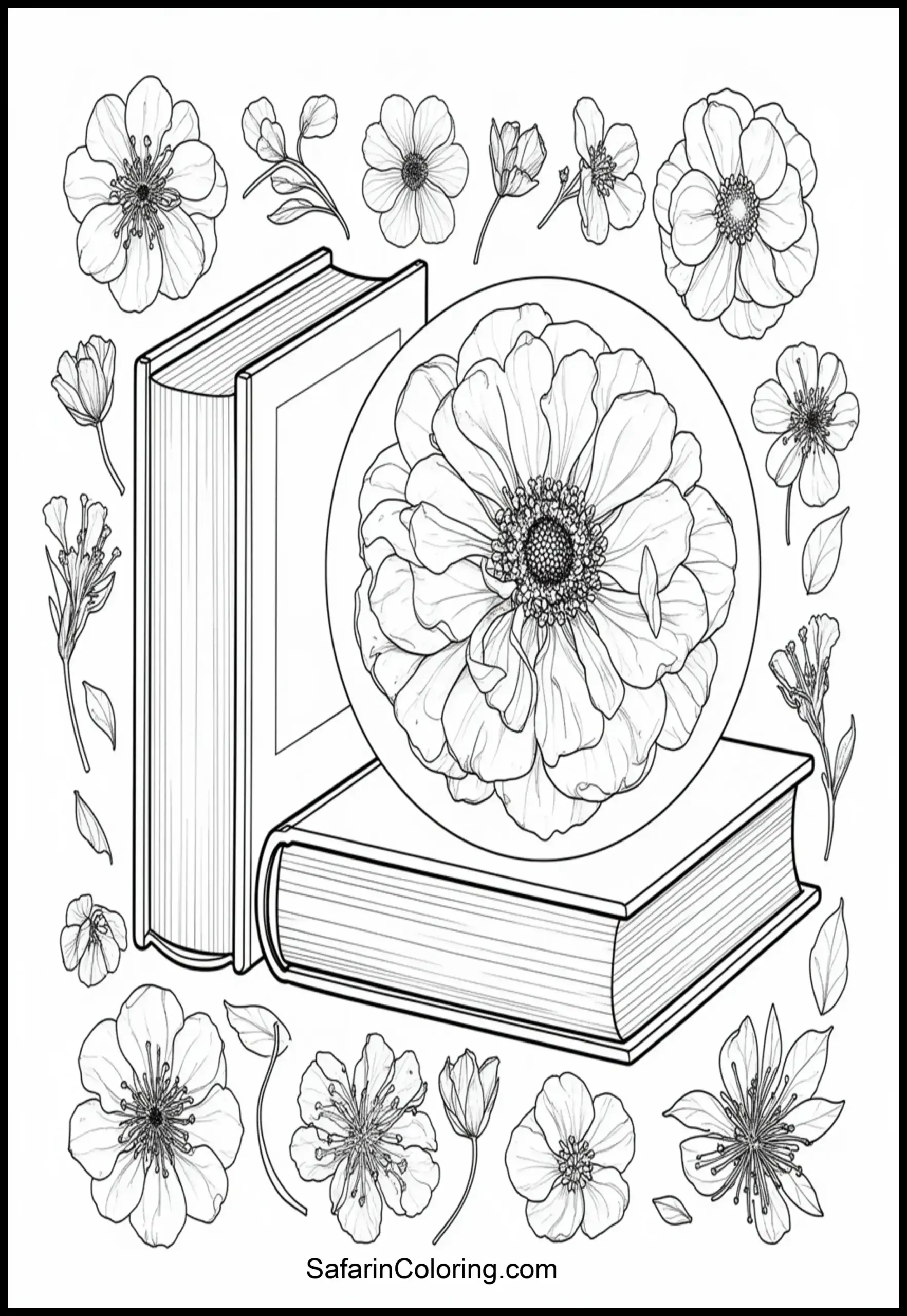
Flower Pressing Art 1 Scaled
Frame Your Own Art 2 Scaled
The Foundation: Choosing the Best Paper for art coloring pages for kids
The surface you color on is as important as the tool you use. Standard office copy paper (typically 75-90 GSM – Grams per Square Meter) is thin and prone to tearing, pilling, and ink bleed-through, especially with markers. For a superior result, consider these professional alternatives:
- Cardstock (110-176 GSM): This heavier paper provides a sturdy, smooth surface that prevents most water-based markers from bleeding through. Its bright white finish makes colors appear more vibrant and saturated. It’s an excellent, affordable upgrade for general coloring.
- Mixed-Media Paper (160-300 GSM): Designed to handle both wet and dry media, this paper has a slight texture (or “tooth”) that grips pencil pigment beautifully, allowing for rich layering and blending. It’s also robust enough to handle alcohol markers with minimal bleed, making it the most versatile option for serious art coloring pages for kids.
Coloring Instruments: A Professional Comparison of Markers and Pencils
Choosing the right coloring tool depends on the desired effect and the artist’s skill level. Both markers and colored pencils offer unique benefits for creating beautiful art.
Markers:
Markers deliver bold, uniform color with minimal effort. The two primary types are:
- Water-Based Markers: Ideal for younger children, these are non-toxic, washable, and generally don’t bleed through heavier paper. However, they can sometimes leave streaks if layered improperly. Brands like Crayola offer excellent, budget-friendly options.
- Alcohol-Based Markers: Preferred by illustrators, these markers contain a dye suspended in alcohol, allowing for seamless blending and creating smooth gradients. They produce professional, vibrant results but will bleed through most papers, requiring a blotter sheet. They are best for older kids and teens working on specialized marker paper.
Colored Pencils:
Colored pencils offer precision, control, and the ability to layer and blend colors.
- Wax-Based Pencils: These are the most common type, with a soft, creamy core that lays down color smoothly. They are excellent for blending and burnishing (applying heavy pressure to combine layers). Their high pigment load creates rich, deep colors perfect for detailed art coloring pages for kids.
- Oil-Based Pencils: These pencils have a harder core that holds a sharp point for longer, making them ideal for fine details and crisp lines. They produce less wax bloom (a cloudy film) and are highly durable.
Finishing Touches: Gel Pens and Highlights for Added Pop
To elevate a piece from good to great, introduce accent tools. These add dimension, texture, and a professional finish that can make a child’s artwork truly stand out.
- White Gel Pen: An indispensable tool for adding bright highlights to eyes, metallic surfaces, or water droplets. It creates a striking contrast on top of marker or pencil, making the image pop.
- Fine-Liners: Black or colored fine-liner pens (like Micron pens) are perfect for reinforcing outlines that may have been covered by color or for adding intricate patterns and textures like fur or wood grain.
- Metallic & Glitter Pens: For a touch of magic, use metallic or glitter pens to accentuate specific areas like jewelry, stars, or fantasy elements, transforming basic art coloring pages for kids into polished works.
The Studio: Creating an Optimal Coloring Environment
A proper workspace minimizes frustration and encourages focus. A well-lit, comfortable area is crucial for long coloring sessions.
- Lighting: Natural daylight is ideal for seeing true colors. If unavailable, use a desk lamp with a neutral white LED bulb (around 4000-5000K) to reduce eye strain and prevent color distortion.
- Surface & Ergonomics: Ensure a clean, flat, and uncluttered surface. For extended periods of coloring, a comfortable chair that supports good posture is essential. A simple, inexpensive drawing board can be angled to reduce neck and back strain, making the creative process more enjoyable and sustainable.
Elevate Your Masterpiece: Pro Techniques for art coloring pages for kids
Once your child has mastered staying within the lines, you can introduce techniques that transform a simple pastime into a genuine artistic endeavor. The right approach can turn basic art coloring pages for kids into vibrant, dimensional works of art they’ll be proud to display. These methods are not about perfection but about exploring the creative potential within every page, from whimsical abstract coloring pages for kids to detailed animal portraits. Let’s unlock the next level of coloring artistry.
Unleashing Vibrant Worlds: Color Theory for art coloring pages for kids
Understanding how colors interact is the secret to creating visually stunning artwork. Instead of choosing colors randomly, encourage your child to think like an artist by introducing two basic concepts:
- Complementary Colors: These are opposites on the color wheel (like red and green, or blue and orange). Using them next to each other creates a powerful, high-contrast effect that makes both colors appear brighter and more dynamic. This is perfect for making specific elements in a picture pop.
- Analogous Colors: These are neighbors on the color wheel (like blue, teal, and green). Using them together creates a harmonious, serene, and cohesive look. This technique is excellent for coloring backgrounds, skies, or bodies of water where you want a smooth, blended feel.
From Flat to Formidable: Mastering 3D Shading
Shading is what gives a two-dimensional drawing the illusion of depth and form. It’s easier than it looks and can be broken down into a simple, step-by-step process.
- Establish a Light Source: Before starting, decide where the “sun” or light is coming from in the picture. This will determine where shadows and highlights fall.
- Apply a Base Layer: Color the entire object with a light, even layer of your chosen base color.
- Add Shadows: Using a slightly darker version of your base color (or even a light gray), gently add color to the sides of the object that are opposite the light source. Build the color up gradually.
- Create Highlights: Use a white colored pencil or the tip of an eraser to create bright spots where the light would hit the object most directly. This simple trick instantly adds a three-dimensional effect.
Breathing Life into Lines: Creating Realistic Textures
Texture adds a tactile quality to your art, making it more engaging and believable. Encourage your child to experiment with different pencil strokes to mimic various surfaces.
- Fur and Hair: Use short, quick, directional flicks of the wrist with several shades of a color. For example, when coloring a lion’s mane on one of our realistic lion coloring pages, layer light yellow, golden ochre, and dark brown strokes to create a sense of depth and softness.
- Smooth Surfaces (like metal or water): Use long, smooth strokes and blend colors carefully. For metal, blend shades of gray with white highlights to create a reflective sheen. For water, blend blues and greens, adding wavy white lines on top to suggest movement and reflections.
- Rough Surfaces (like rock or tree bark): Use scumbling (small, circular scribbles) or cross-hatching (overlapping sets of parallel lines) with multiple colors to build up a coarse, uneven texture.
The Art of the Comeback: Turning Errors into Effects
Mistakes are not failures; they are opportunities for creative problem-solving. Teach your child that almost any coloring “oops” can be fixed or transformed.
- Colored Outside the Lines: Instead of erasing, try turning the smudge into a shadow to ground the object. Alternatively, use a fine-tipped black marker to boldly trace the outline, neatly covering the stray marks and giving the artwork a clean, finished look.
- Wrong Color Choice: Don’t panic. Layering a different color over the original can produce a new, unique hue. A yellow layered over a light blue can create a lovely green.
- Too Much Pressure: If an area becomes waxy or overly saturated, use a colorless blender pencil to smooth the pigments together. You can also gently use a kneaded eraser to lift some of the excess color without damaging the paper.
Transforming Your Space: Creative Displays for art coloring pages for kids
Once the coloring is complete, the fun doesn’t have to end. Transforming your child’s finished pages into decorations or gifts celebrates their effort and adds a personal touch to your home. A simple string with clothespins can create a rotating gallery wall in their room or playroom. For a more modern look, consider framing a series of their favorite pieces, like a collection of vibrant abstract coloring pages, to create a stunning art installation.
Keeping Masterpieces Safe
To preserve your child’s favorite artwork for years to come, proper storage is key. An artist’s portfolio or a simple binder with clear sheet protectors can keep pages from bending or fading. For a digital archive, scan or take high-quality photos of their finished work. This not only creates a backup but also makes it easy to share their creations with family and friends who live far away. This digital collection becomes a beautiful timeline of their growing skills and creativity.
Art Beyond the Page
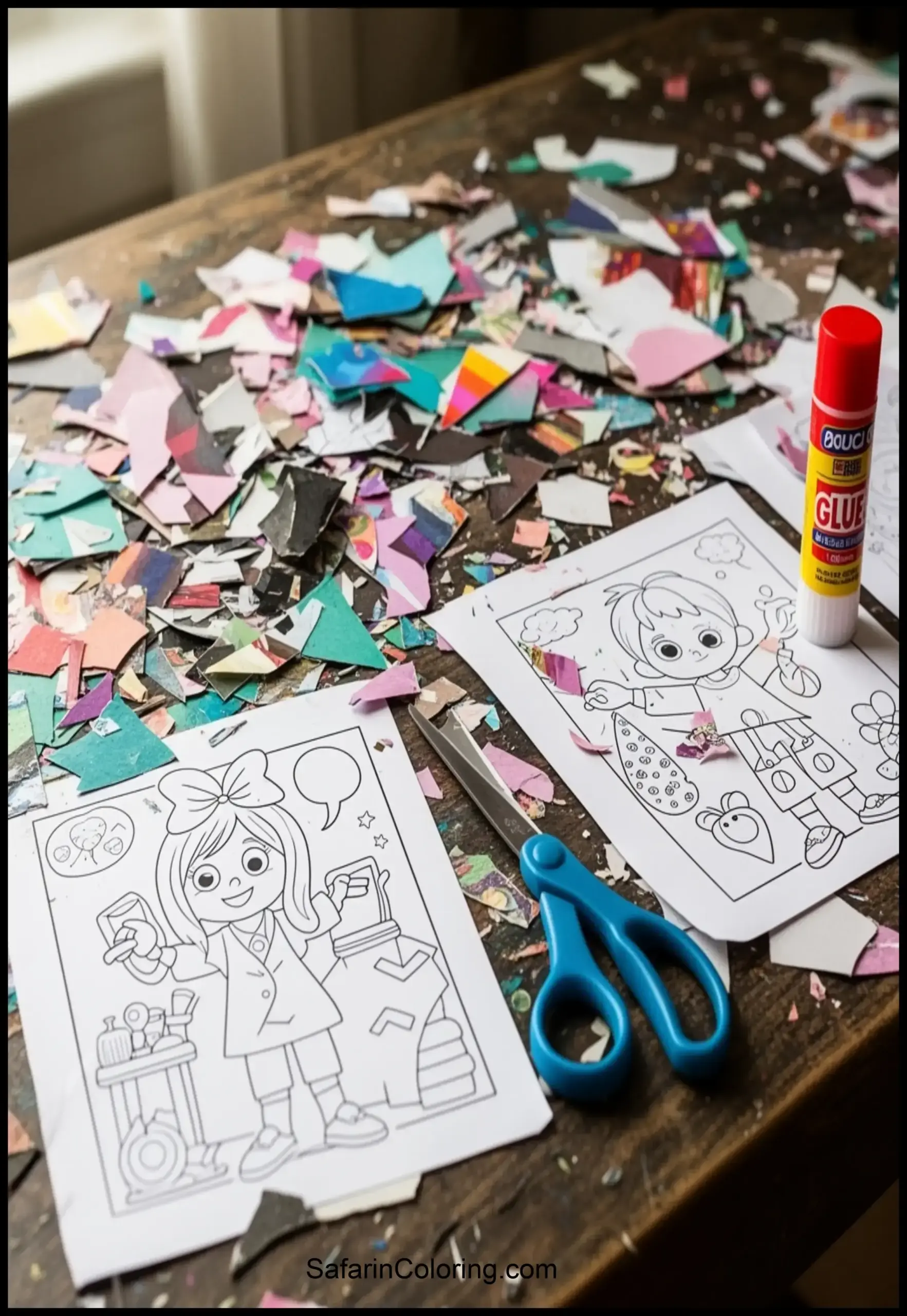
Think outside the frame and repurpose finished coloring pages into unique DIY projects. A beautifully colored page can be cut and folded into a heartfelt greeting card or a custom gift tag. Laminate thinner strips to create durable bookmarks for their favorite books. For a larger project, create a collage by cutting out various shapes and characters from different pages and arranging them on a canvas or poster board, turning individual efforts into a collaborative family masterpiece.
Creative Curiosity: Your Questions About Art Coloring Pages Answered
What are the benefits of coloring for kids?
Coloring is a powerhouse of developmental benefits. It improves fine motor skills and hand-eye coordination as children learn to hold crayons and color within lines. It also nurtures creativity and self-expression, allowing them to explore color combinations and make artistic choices. Furthermore, coloring is a calming activity that can reduce stress and anxiety, providing a healthy outlet for focus and mindfulness. It’s a simple, screen-free way to build essential skills.
How do you teach a child to color in the lines?
Start with thick, bold lines and larger coloring areas. Encourage them to outline the section first before filling it in. Use verbal cues like, “Let’s build a little fence with our crayon around the edge.” Most importantly, make it fun and low-pressure. Praise their effort, not just the result. As their fine motor skills develop, staying within the lines will become easier. The goal is expression, not perfection.
How do I introduce my child to famous artists?
Use coloring as a bridge to the art world. Find coloring pages inspired by famous works, like Van Gogh’s “Starry Night” or Monet’s water lilies. As they color, show them the original painting and share a simple, fun fact about the artist. Visiting a local museum or looking through art books together can also spark their interest. Using art coloring pages for kids makes fine art accessible and interactive.
What is process art for kids?
Process art focuses on the experience of creating, not the final product. It’s about exploring materials and techniques without a specific outcome in mind. Think finger painting, splatter painting, or creating with clay. While coloring pages have a defined structure, you can incorporate process art by letting kids use unconventional tools like cotton swabs or experiment with blending colors freely, emphasizing the joy of the creative journey itself.
What are the best markers for coloring pages?
For young children, washable, broad-tip markers are ideal as they are easy to grip and clean up. For older kids who want more precision, fine-tip markers are a great choice. Water-based markers are generally best as they are less likely to bleed through standard printer paper compared to alcohol-based markers. Always look for non-toxic options to ensure a safe and worry-free coloring experience for everyone.
Begin Your Creative Journey with art coloring pages for kids
From the first crayon stroke to the final display on the wall, the journey with art coloring pages for kids is filled with discovery, growth, and joy. It’s an opportunity to strengthen fine motor skills, encourage focus, and unlock a world of creative self-expression. More than just a simple pastime, coloring is a tool for connection—a quiet moment shared, a conversation started, and a memory created. It empowers children to make choices, celebrate their unique vision, and build confidence one colorful page at a time.
Embrace the beautiful, messy, and wonderful process. Download a page, gather your supplies, and watch your child’s imagination come to life.
Ready for your next adventure? Explore our cute lion coloring pages