We offer a wide collection of free, high-quality printable coloring pages for kids and adults. From cute animals to intricate mandalas, our designs bring creativity and relaxation to everyone. Download, print, and start coloring today!

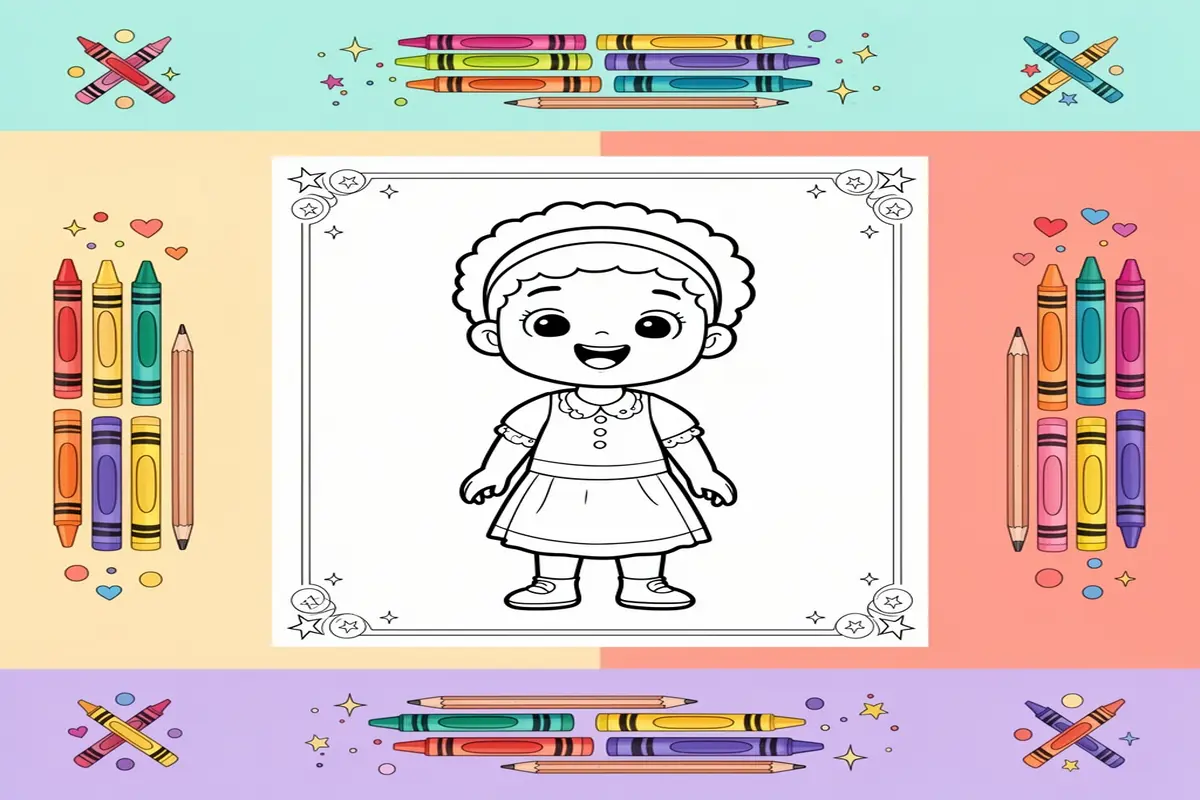
In a world brimming with screens and digital noise, the simple, tactile joy of coloring offers a profound sanctuary for young minds. It’s a quiet space where creativity blossoms, focus deepens, and stories come to life in vibrant hues. This February, we have a uniquely meaningful and engaging activity to share: cute Black History Month coloring pages for kids. These aren’t just any printables; they are gateways to conversation, celebration, and connection. Designed with approachable charm and age-appropriate reverence, these pages transform historical figures, cultural symbols, and themes of unity into delightful art projects. They provide a wonderful, hands-on complement to other artistic explorations, like our collection of cute animal friends, bridging fun and foundational learning. By introducing cute Black History Month coloring pages for kids, we offer parents and educators a gentle, powerful tool to honor legacy, inspire pride, and spark curiosity in the next generation, one colorful page at a time.
Beyond Crayons: The Heart and Mind Behind the Art
Engaging with cute Black History Month coloring pages for kids is far more than a simple pastime. It’s a multifaceted experience that nurtures the young artist’s development on cognitive, emotional, and cultural levels. Let’s explore the powerful psychology and purposeful design that make these resources so special.
The Mindful Magic: Focus, Fine Motor Skills, and Emotional Expression
At its core, coloring is a mindfulness exercise for children. The act of selecting colors, staying within lines, and watching an image emerge demands concentration, which naturally quietens a busy mind and reduces anxiety. This focused state is a foundation for learning. Simultaneously, the precise movements strengthen fine motor skills and hand-eye coordination, essential for writing. When the subject matter is uplifting and celebratory, as with these themed pages, the activity becomes an avenue for positive emotional expression. A child coloring a smiling portrait of an inventor or a symbol of unity is internalizing a narrative of joy, resilience, and achievement.
Weaving Threads of Heritage: Art as an Accessible Introduction to History
History for young children can be an abstract concept. Cute Black History Month coloring pages for kids make it tangible. A friendly illustration of Harriet Tubman leading the way or Mae Jemison floating among stars presents complex stories in an accessible, visual format. This approach allows parents and educators to begin age-appropriate dialogues about perseverance, innovation, and courage. The “cute” aesthetic is intentional—it disarms, engages, and makes these monumental figures and ideas feel relatable and inspiring to a preschooler or early grader, planting seeds of knowledge that will grow with them.
Designed for All Hands: From Toddler Scribbles to Detailed Masterpieces
The beauty of this category lies in its inclusivity. Truly effective cute Black History Month coloring pages for kids are curated with a range of abilities in mind. For the youngest artists, pages feature bold, simple outlines of doves, hearts, or basic shapes adorned with cultural patterns. For older children and even parents who want to join in, more detailed scenes depicting historical moments, intricate African textile designs, or portraits with expressive details offer a satisfying challenge. This ensures that every child, regardless of skill level, can participate meaningfully in the celebration, fostering a sense of accomplishment and shared family or classroom engagement.
Professional Materials & Preparation for cute black history month coloring pages for kids
To ensure a successful and enriching coloring session, proper preparation is key. The right materials not only enhance the final artwork but also make the process more enjoyable and comfortable for young artists. This guide will walk you through selecting the best supplies for your cute black history month coloring pages for kids, transforming a simple activity into a high-quality creative experience that honors the subject matter with care and respect.
The Foundation: Optimal Paper for cute black history month coloring pages for kids
The paper you choose is the literal canvas for creativity. For standard printing of cute black history month coloring pages for kids, a bright white, smooth cardstock in the 80-100 lb (120-150 GSM) range is ideal. This weight prevents bleed-through from markers and handles layered pencil work without tearing. For a more premium feel, consider matte presentation paper. If you plan to display the finished pieces, a slightly textured mixed-media paper can add depth, especially when using colored pencils. Always perform a test print to ensure your printer handles the thicker paper smoothly. For related animal-themed projects that also celebrate diversity and nature, our zebra coloring pages free printable offer another great option on quality paper.
Best Coloring Tools: Markers vs. Pencils for Detailed Artwork
The choice between markers and pencils significantly impacts the look of your cute black history month coloring pages for kids. For vibrant, solid blocks of color, alcohol-based markers (like Copic or Ohuhu) offer seamless blends and are perfect for larger areas, but require bleed-proof paper. Water-based markers (Crayola, Mr. Sketch) are more child-friendly and economical. For detailed shading, texture, and control, colored pencils are superior. Wax-based pencils (Prismacolor) provide rich, blendable pigment, while oil-based (Faber-Castell Polychromos) are excellent for fine lines and layered details. A hybrid approach often yields the best results: use markers for base colors and pencils for intricate shading and highlights.
Finishing Touches: Gel Pens, Highlights, and Outlining
Elevate the artwork with specialized tools for details. White and metallic gel pens (Sakura Gelly Roll) are indispensable for adding highlights to eyes, patterns on clothing, or symbolic stars and sparkles. They work beautifully over both marker and pencil. Fine-line pigment ink pens (Staedtler or Pigma Micron) in sizes 01-05 are perfect for reinforcing outlines, adding delicate patterns, or writing inspirational quotes alongside the images. A set of pastel pencils can be used for soft background washes, helping the main figures in these historical and celebratory scenes pop off the page.
Perfect Workspace: Ergonomics, Lighting, and Organization
A well-prepared workspace maximizes focus and comfort. Ensure ample, natural-like lighting to reduce eye strain and reveal true color fidelity; a daylight LED desk lamp is an excellent investment. Ergonomics are crucial: seat the child at a table where their feet rest flat, and provide a slanted drawing board to improve posture and hand positioning. Keep supplies organized in cups or trays—sorting pencils by color family speeds up the creative process. Have a dedicated test sheet of the same paper handy for trying out color combinations before applying them to the cute black history month coloring pages for kids. Finally, keep a soft brush or cloth nearby to gently erase pencil dust, keeping the artwork clean.
Part 3: Elevating Your Art: Advanced Techniques for cute black history month coloring pages for kids
To transform simple outlines into vibrant works of art, a few key techniques can make all the difference. When working with cute black history month coloring pages for kids, moving beyond basic flat coloring adds depth, emotion, and realism, making the historical figures and symbols truly come alive. This section will guide parents and teachers through professional methods to help young artists achieve stunning results.
Harmonious Palettes: Color Theory for Meaningful Art
Choosing colors isn’t just about preference; it’s about conveying feeling and historical context. For cute black history month coloring pages for kids, consider these approaches:
Complementary Colors: Use opposites on the color wheel (like purple and yellow) to make elements “pop,” such as a bright dress against a vibrant background. This is perfect for drawing attention to central figures.
Analogous Colors: Choose colors next to each other on the wheel (like blues, greens, and teals) for a harmonious, calming effect, ideal for peaceful scenes or background elements.
Symbolic Colors: Incorporate the Pan-African colors—red, black, and green—thoughtfully. A red heart, green leaves of a unity tree, or black outlines can add layers of meaning to the artwork.
From Flat to 3D: Mastering Light and Shadow
Shading is what turns a circle into a sphere and a face into a dimensional portrait. Teach a simple three-step method:
1. Identify Your Light Source: Decide where the “sun” is in your picture (e.g., top left). Every shadow will fall opposite this point.
2. Layer Your Values: Start with a base color. Apply medium pressure for most of the area. On the side opposite your light source, use heavy pressure for the core shadow. On the side closest to the light, use very light pressure or leave a tiny highlight.
3. Blend Smoothly: Use a lighter color or a white colored pencil to gently blend where the different values meet, creating a smooth transition. This technique works wonderfully for rendering the gentle curves of a face on a portrait page or the folds in historical clothing.
Adding Life: Creating Texture and Detail
Texture makes art tactile and believable. Here’s how to approach it:
For Hair: Use short, curved strokes for curls or tight spirals. For afro-textured hair, think of small, overlapping “C” shapes, building up density with layers of color.
For Fabric: Use long, flowing strokes for smooth silk or cotton. For kente cloth patterns, focus on clean, bold lines within the patterns before shading.
For Natural Elements: Use small dots or stippling for rough tree bark on a scene featuring the Underground Railroad, or soft, wavy lines for clouds in the sky. For more practice with natural textures, explore our collection of animal coloring pages for kids, which offer great fur and feather practice.
The Art of Correction: Gracefully Fixing Mistakes
Even professional artists make mistakes. Teach kids that correction is part of the process.
Waxy Pencil Smudges: Use a clean, soft eraser to gently “lift” color. Press and lift without rubbing to avoid tearing paper.
Staying Inside Lines: If color goes outside, don’t panic. Use a fine-tip white gel pen or a slightly lighter shade of the background color to carefully redefine the line.
* Embrace the “Happy Accident”: Sometimes a stray mark can be incorporated into the design—a smudge becomes a cloud, an extra line becomes a strand of hair. This builds creative problem-solving skills. For pages with intricate patterns or symbols, a steady hand can be developed by starting with simpler, adorable coloring pages for kids to build confidence.
By integrating these techniques, children do more than just color—they engage in an artistic process that deepens their connection to the powerful stories within each page. The final result will be a masterpiece they are truly proud to display.
Showcasing Your Cute Black History Month Coloring Pages for Kids: Creative Display Ideas
Once the crayons are down, the learning and creativity don’t have to stop! Turning your child’s finished cute black history month coloring pages for kids into a display or project celebrates their effort and reinforces the lessons learned.
Preserving Your Masterpiece: Archival Tips
Protect these special artworks for years to come. For simple display, consider slipping pages into inexpensive clear plastic sleeves or document frames. For a more permanent keepsake, use acid-free glue sticks to mount them onto sturdy construction paper or cardstock, creating a colorful border. This not only prevents tears but also gives the art a “gallery-ready” look, perfect for a rotating wall of fame on the fridge or a hallway bulletin board.
Beyond Display: Creative DIY Projects
Transform individual coloring pages into meaningful gifts and everyday items. Carefully cut out colored figures to create unique greeting cards for family members, adding a handwritten note about what they learned. Laminate smaller sections to make one-of-a-kind bookmarks. You can even create a simple “Heroes of History” booklet by binding several pages together with ribbon or staples. This tangible result gives children immense pride and extends the conversation about these important figures.
Your Cute Black History Month Coloring Pages for Kids Questions Answered
How to explain Black History Month to kids while coloring?
Keep it simple, positive, and focused on stories. As they color a figure, say, “This is Mae Jemison. She was a brave scientist and the first Black woman to travel to space. We color her picture to remember and celebrate her amazing journey.” Frame it as a special time to learn about brilliant, kind, and courageous people who helped make the world better.
What are the benefits of using coloring pages to teach Black History?
Coloring is a gentle, engaging gateway to complex topics. It improves fine motor skills while allowing for natural conversation. A child focused on coloring a scene of Ruby Bridges is more receptive to her story of bravery. These cute black history month coloring pages for kids make historical figures approachable and memorable, fostering pride and understanding in a stress-free way.
Where can I find free printable Black History Month coloring sheets?
Many educational websites, museums, and community organization sites offer free, high-quality printables. Look for resources that provide brief, age-appropriate biographies alongside the images. Our own collection includes a variety of engaging themes, much like our popular cute black girl coloring pages, designed to celebrate diversity and achievement.
How to choose age-appropriate Black History coloring pages for children?
For preschoolers, opt for simple, bold outlines of symbols (hearts, globes) or objects (trains, lights) connected to an inventor. Early elementary kids can handle portraits with more detail and simple scenes. Older children can engage with pages featuring more complex backgrounds or quotes. The key is matching the visual complexity to their skill level to avoid frustration.
What important figures are included in Black History Month coloring pages?
Common figures include civil rights leaders like Martin Luther King Jr. and Rosa Parks, STEM pioneers like George Washington Carver and Katherine Johnson, artists like Alma Thomas, and modern role-makers like Barack Obama. Seek out sets that also highlight inventors, musicians, and athletes to show the vast breadth of contributions. Finding cute black history month coloring pages for kids that feature a diverse range of heroes is ideal.
Final Thoughts: Your Cute Black History Month Coloring Pages for Kids Journey Begins
This journey with cute black history month coloring pages for kids is about so much more than staying inside the lines. It’s a vibrant, hands-on pathway to building empathy, sparking curiosity, and planting seeds of respect for the monumental contributions of Black historical figures. Each page colored is a conversation started, a story heard, and a connection made between past inspirations and future dreams. By displaying and sharing these creations, you honor both the history and the young artist learning about it.
We hope this guide inspires meaningful and creative moments. Ready for your next adventure? Explore our cute animal coloring pages for kids for more joyful coloring fun!