We offer a wide collection of free, high-quality printable coloring pages for kids and adults. From cute animals to intricate mandalas, our designs bring creativity and relaxation to everyone. Download, print, and start coloring today!

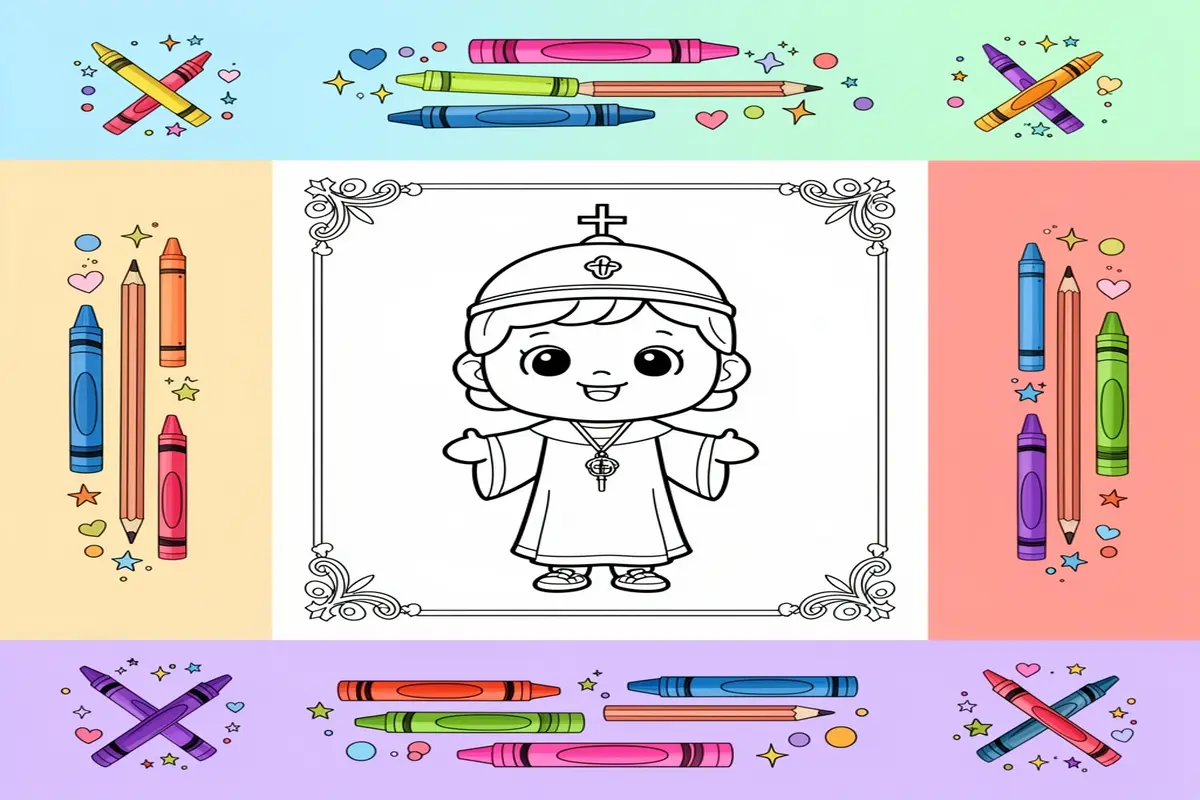
In a world saturated with digital noise, the simple act of coloring offers a rare sanctuary of calm and concentration. For young minds, it’s more than just a pastime; it’s a foundational activity that develops fine motor skills, encourages creative expression, and provides a tangible sense of accomplishment. When this creative practice is woven with the rich tapestry of Catholic faith, it transforms into a powerful tool for spiritual formation. Catholic coloring pages for kids bridge the gap between playful activity and meaningful learning, allowing children to engage with sacred stories, symbols, and saints in a hands-on, memorable way. Whether depicting Noah’s Ark, the gentle sheep of the Good Shepherd, or scenes from the Nativity, these pages turn abstract concepts into vivid, personal explorations. They serve as a gentle introduction to prayer and meditation, fostering a quiet space for reflection amidst the crayons and markers. As we explore the unique value of these resources, it becomes clear that catholic coloring pages for kids are not merely an art project but a joyful journey into the heart of faith, building a foundation that lasts a lifetime.
The Sacred Palette: Where Creativity Meets Catechesis
At first glance, coloring is a universal childhood joy, but when focused through a lens of faith, it becomes a dynamic form of visual catechesis. Catholic coloring pages for kids are meticulously designed to do more than occupy little hands; they are crafted to ignite young hearts and minds, embedding spiritual truths through the engaging process of creation.
The Psychology of Color: Cultivating Calm and Focus
The rhythmic, repetitive motion of coloring is widely recognized for its meditative benefits, reducing anxiety and promoting mindfulness. For children, this focused activity creates a perfect environment for quiet contemplation. As they carefully select colors for a stained-glass window or the robes of the Virgin Mary, they are not just making artistic choices—they are entering a state of flow that quiets distractions. This mindful engagement makes the accompanying stories—of creation, sacrifice, and love—more accessible and impactful, allowing lessons to sink in on a deeper, more personal level than passive listening alone might allow.
A Tapestry of Tradition: Visualizing Two Millennia of Faith
These coloring pages act as a child’s first illustrated guide to a vast cultural and spiritual heritage. From symbols like the Chi-Rho and the Sacred Heart to scenes of biblical events and portraits of saints, each page is a thread in the larger tapestry of Catholic tradition. Coloring a depiction of the Last Supper or the Pentecost makes these pivotal moments tangible, transforming distant historical narratives into personal, colorful creations. This hands-on interaction with iconography and story fosters a sense of connection and belonging to a faith community that spans centuries and continents.
Designed for Disciples: Engaging Every Age and Stage
The beauty of catholic coloring pages for kids lies in their versatility. For the youngest disciples, simple outlines of a dove (representing the Holy Spirit) or a lamb offer an easy entry point. Older children can tackle more intricate scenes, such as Daniel in the lions’ den or the detailed architecture of a cathedral, which challenge their skills and hold their interest. This scalability ensures that every child, regardless of artistic ability or age, can participate meaningfully. It’s an inclusive activity for home, Sunday school, or homeschool settings, where the shared goal is not perfection of the product, but the process of joyful learning and spiritual discovery.
Part 2: Essential Materials & Preparation for catholic coloring pages for kids
To ensure a rewarding and enriching experience with catholic coloring pages for kids, proper preparation is key. Having the right materials on hand transforms a simple activity into an opportunity for focused creativity and learning. This section details the professional-grade supplies and setup that will help children bring sacred images to life with care and reverence.
The Foundation: Selecting Paper for catholic coloring pages for kids
The paper you choose is the literal canvas for your child’s devotional art. For standard printing, opt for a bright white, smooth-finish paper with a weight of at least 100 GSM (grams per square meter). This prevents bleed-through from markers and allows for better blending with colored pencils. If you plan to use wet mediums like watercolor pencils or thin markers, consider upgrading to a dedicated mixed-media paper (140+ GSM). For a special project, such as creating a framed piece of a stained-glass window design, a heavyweight cardstock (over 200 GSM) provides a luxurious, durable feel. Remember, quality paper makes colors appear more vibrant, doing justice to the detailed imagery found in catholic coloring pages for kids.
Best Coloring Tools: A Detailed Medium Comparison
The choice between markers, pencils, and crayons significantly impacts the final result. For most children, a high-quality set of colored pencils offers the best balance. They provide excellent control for small details (like the features of a saint or the patterns on a rosary), allow for layering and shading, and are erasable—a forgiving feature for young artists. Look for pencils with soft, pigmented cores. For broad, vibrant areas, such as a saint’s robe or a church window, alcohol-based markers deliver stunning, bleed-resistant color, though they require a protective sheet underneath. Wax crayons are excellent for younger children but lack the precision for intricate pages. A versatile toolkit might include pencils for detail and markers for bold backgrounds.
Finishing Touches: Enhancing Details with Specialty Tools
Once the main coloring is complete, specialty tools can add impressive depth and brilliance. Fine-line gel pens in metallic gold or silver are perfect for highlighting halos, cross details, or adding decorative borders, introducing a celebratory element to the artwork. A white gel pen can be used to add highlights to eyes or create a sense of light. For blending colored pencils seamlessly, a colorless blender pencil is invaluable. A simple set of fine-tip black markers (0.4mm & 0.8mm) can help redefine any lines that were obscured during coloring, making the image crisp and clean. These finishing touches encourage children to take pride in their work, viewing their completed catholic coloring pages for kids as a true creation.
Perfect Workspace: Crafting an Ergonomic & Inspirational Setup
A dedicated workspace fosters concentration and respect for the activity. Ensure the seating and table height allow the child’s feet to rest flat and their elbows to be at a 90-degree angle. Natural, north-facing light is ideal, but a bright, adjustable desk lamp with daylight LED bulbs prevents eye strain and ensures accurate color perception. Keep supplies organized in cups or trays—this not only minimizes clutter but also teaches stewardship of their tools. To connect the activity to its purpose, you might display a finished page or a relevant religious image nearby for inspiration. For a thematic connection, consider pairing this activity with other gentle, nature-focused pages, such as our peaceful dolphin coloring pages, to cultivate a calm and reflective atmosphere before beginning.
Part 3: Elevating Your Craft: Professional Techniques for catholic coloring pages for kids
To transform simple outlines into vibrant works of art that inspire faith, mastering a few key techniques is essential. These methods will help children and adults alike bring catholic coloring pages for kids to life with depth, realism, and beauty, turning a quiet activity into a profound creative expression.
Harmonious Palettes: Color Theory for Sacred Scenes
Understanding basic color theory can elevate a coloring page from simple to stunning. For catholic coloring pages for kids, this is especially powerful. Teach children about complementary colors (opposites on the color wheel, like blue and orange) to make elements like a stained-glass window pop. For a more peaceful, unified look, such as a scene of the Nativity, guide them toward analogous colors (neighbors on the wheel, like blues, blue-greens, and greens). This approach can set a specific mood—warm golds and reds for Pentecost flames, or cool blues and purples for images of the Blessed Mother. For practice with natural color palettes, our animal coloring pages for kids offer a wonderful starting point.
From Flat to 3D: Mastering Light and Shadow
Shading is what gives a two-dimensional drawing the illusion of form and light. Start by choosing a single, consistent light source (e.g., the sun in a picture of Saint Francis). Then, practice this simple step-by-step method: First, color the entire area with a light, even base layer. Next, apply a medium tone to all areas facing away from your imaginary light. Finally, add your darkest tone only in the deepest crevices and corners farthest from the light. For example, on the folds of a saint’s robe, the darkest shades will be in the tightest folds. This gradual build-up creates beautiful, believable volume.
Adding Realism: Rendering Different Textures
Different elements in your catholic coloring pages for kids require different textural techniques. To create the softness of a lamb beside the Good Shepherd, use small, overlapping circular strokes with a colored pencil. For the rough, stony texture of a castle or the walls of Jerusalem, try short, jagged, and uneven marks. Smooth surfaces, like a chalice or a heavenly glow, require very even, layered pressure with your tool. For intricate, detailed textures, advanced colorists can find great practice with our advanced coloring pages for kids, which build the fine motor skills needed for these effects.
The Art of Graceful Correction: Fixing Coloring Mistakes
Even professional artists make mistakes, and learning to fix them is part of the craft. If a color goes outside the lines, carefully use a white gel pen or a sharpened eraser to redefine the edge. For small smudges, a dab of correction fluid can work before re-coloring. If an area becomes too waxy from heavy pencil use (preventing new layers), gently dab it with a piece of sticky tack to lift some of the wax. The most important lesson is to not let a small error discourage the artist. Often, a “mistake” can be incorporated into the design—a stray mark can become a tiny flower or a beam of light, reminding us that beauty can emerge from unexpected places.
Showcasing Your Catholic Coloring Pages for Kids: Creative Display Ideas
Once your young artist has finished their beautiful work, don’t let it sit in a folder! Displaying their catholic coloring pages for kids celebrates their effort and reinforces the lessons learned. Here are inspiring ways to turn their artwork into a meaningful part of your home or classroom.
Preserving Your Masterpiece: Archival Tips
To ensure these special creations last, consider simple preservation methods. For pages you want to keep long-term, use acid-free sheet protectors in a dedicated binder, organized by theme like Saints or Rosary Mysteries. For display, a simple black frame can make any colored page look like gallery art. You can also use a clothesline and mini clothespins in a playroom to create a rotating gallery that’s easy to update with new masterpieces.
Beyond Display: Creative DIY Projects
Transform completed pages into meaningful gifts and everyday items. Laminate a colored saint page to create a durable bookmark for a prayer book. Fold a colored image of the Holy Family into a heartfelt greeting card for Christmas or a baptism. For a classroom, compile each child’s work into a collective “Class Saint Album.” These projects extend the life of the artwork and deepen the personal connection to the faith, much like the personal touch found in our cute thank you card coloring pages.
Your Catholic Coloring Pages for Kids Questions Answered
Where can I find free Catholic coloring pages?
Many wonderful Catholic parishes, diocesan websites, and dedicated ministry blogs offer free, printable PDFs. These resources often provide pages for saints, sacraments, and Bible stories. Always ensure the source is doctrinally sound. Our own site offers a wide variety of general themes to complement your spiritual activities.
How to use coloring pages for Catholic catechism?
Use them as a hands-on companion to lessons. While coloring a page of the Last Supper, discuss the Eucharist. Color a saint while telling their story. This tactile activity helps children absorb and remember theological concepts and biblical narratives, making catechism interactive and memorable.
What are the benefits of religious coloring for kids?
Beyond improving fine motor skills, religious coloring fosters quiet meditation on sacred images. It opens natural doors for faith-based conversation, helps memorize symbols and stories, and provides a peaceful, screen-free activity that connects creativity with spirituality. It’s a simple tool for nurturing a child’s interior life.
What are popular Catholic saints to color?
Children love coloring familiar and heroic saints. Popular choices include St. Francis of Assisi (with animals), St. Therese of Lisieux (with roses), St. Michael the Archangel, St. Patrick, and the Blessed Virgin Mary. Saints with distinctive symbols, like St. Peter with keys, are especially engaging for catholic coloring pages for kids.
How to print PDF Catholic coloring pages?
Ensure your printer has ink and paper. Open the PDF file, select “Print” from the file menu, and check your settings. For best results, choose “Actual Size” or “Scale 100%” to avoid cropping. Use standard printer paper for practice or cardstock for a sturdier page that handles markers better.
Final Thoughts: Your Catholic Coloring Pages for Kids Journey Begins
Embarking on the journey of using catholic coloring pages for kids is about so much more than keeping little hands busy. It’s a gentle, joyful pathway to introducing the beauty of the faith, one colorful stroke at a time. From learning the stories of the saints to meditating on the mysteries of the Rosary, this simple activity plants seeds of faith, creativity, and peace that can grow for a lifetime. It transforms abstract lessons into tangible art, creating cherished moments of connection and learning.
We hope these ideas for display, DIY projects, and learning enrich your home or classroom. Remember, every page colored is a moment of grace shared. Ready for your next creative adventure? Explore our angel coloring pages for kids for another heavenly theme!