We offer a wide collection of free, high-quality printable coloring pages for kids and adults. From cute animals to intricate mandalas, our designs bring creativity and relaxation to everyone. Download, print, and start coloring today!

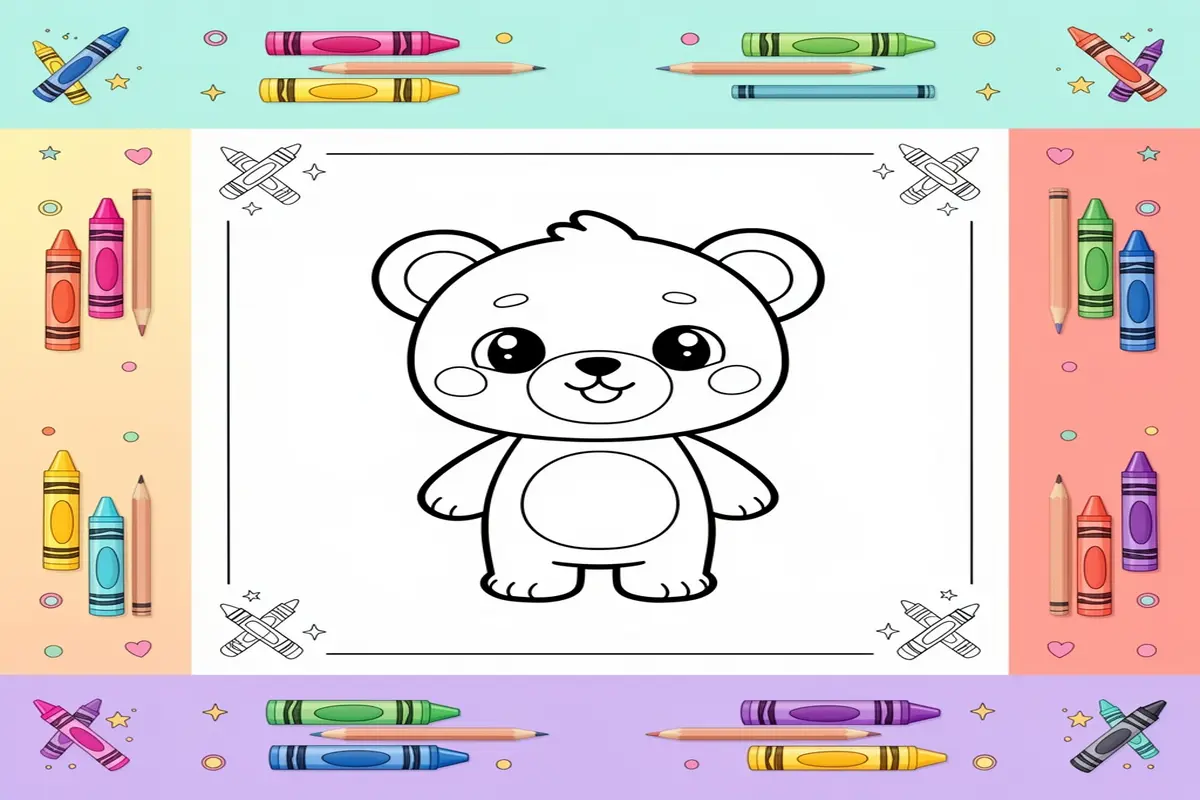
In a world saturated with digital screens, the simple act of coloring offers a profound return to tactile, imaginative play. Character coloring pages for kids are far more than just a quiet-time activity; they are a vibrant gateway to developmental growth, emotional expression, and boundless creativity. These pages, featuring everything from beloved animals to fantastical figures, invite children into a world they can command with their own palette, transforming black-and-white outlines into personal masterpieces. The journey of selecting colors, staying within lines, and bringing a character to life fosters not only fine motor skills but also a deep sense of accomplishment and pride. As we explore the multifaceted benefits of this timeless art form, it becomes clear that character coloring pages for kids are a foundational tool for nurturing young minds, offering a perfect blend of structure and creative freedom that can calm, focus, and inspire. For a delightful dive into the animal kingdom, our collection of cute bear coloring pages for kids provides a wonderful starting point for any young artist.
Beyond the Lines: The Cognitive & Emotional Canvas
Character coloring pages for kids serve as a dynamic canvas for cognitive and emotional development. Far from a passive pastime, this engaging activity quietly builds essential life skills while providing a safe outlet for self-expression and exploration.
The Mindful Stroke: Cultivating Focus and Calm
In our fast-paced era, the focused attention required for coloring is a form of active mindfulness for children. The repetitive motion of shading and the concentration needed to navigate intricate details of a character’s design naturally quiet the mind, reducing anxiety and promoting a state of flow. This meditative practice helps children learn to regulate their emotions, manage stress, and improve their attention spans. The very act of making deliberate color choices for a character’s world allows kids to practice decision-making in a low-pressure, joyful environment, building confidence with every stroke.
A Legacy of Storytelling: From Cave Walls to Coloring Books
The human impulse to depict characters and tell stories through imagery is ancient. Modern character coloring pages for kids are the direct descendants of illustrated manuscripts, folk art, and narrative painting. They continue a timeless tradition of visual storytelling, allowing children to participate in that legacy. By engaging with these pages, kids don’t just color; they interpret narratives, assign roles, and often invent backstories for the characters they are bringing to life. This connection to a cultural history of art empowers them as creators, linking their playful efforts to a grand, creative continuum.
Designed for Growth: Accessibility Meets Challenge
The true genius of well-crafted character coloring pages lies in their inherent scalability. For the youngest artists, simple, bold outlines of friendly characters help develop grip control and color recognition. As skills mature, more complex pages featuring detailed costumes, expressive faces, and dynamic scenes offer an appropriate challenge, encouraging patience and precision. This spectrum ensures that every child, regardless of skill level, can find a page that meets them where they are, providing a sense of achievement and a clear path for artistic progression. Whether a toddler proudly scribbling within a large shape or an older child meticulously blending hues for a dragon’s scales, character coloring pages for kids are a universally accessible tool for creative and cognitive development.
Professional Materials & Preparation for character coloring pages for kids
To transform your character coloring pages for kids from a simple activity into a rich, developmental experience, the right materials and setup are crucial. Proper preparation not only elevates the final artwork but also enhances focus, comfort, and skill-building. This guide outlines the professional-grade supplies and ergonomic considerations that parents and teachers should invest in for optimal results.
The Foundation: Premium Paper for character coloring pages for kids
The paper you choose is the single most important factor in coloring success. Standard printer paper (20-24 lb/75-90 GSM) is prone to bleeding, buckling, and tearing, leading to frustration. For a superior experience, opt for:
Heavyweight Paper (32 lb/120 GSM or higher): This weight prevents bleed-through from markers and handles layered pencil work beautifully. It’s ideal for framing finished pieces.
Smooth Bristol Board (100+ GSM): Offers a velvety surface perfect for colored pencils, allowing for seamless blending and fine detail work often found in character coloring pages for kids.
Specialty Coloring Paper: Many art brands offer pre-perforated pads of coloring paper optimized for both wet and dry media.
Preparation Tip: For home printing, invest in a ream of high-quality, bright white 32 lb paper. When using intricate pages like our realistic lion coloring pages free printable, this paper makes a dramatic difference in detail clarity and color vibrancy.
Best Coloring Tools: A Detailed Medium Comparison
Selecting the right coloring tool depends on the child’s age, motor skills, and the desired outcome.
Colored Pencils (Professional & Student Grade):
Professional (Prismacolor, Faber-Castell): High pigment concentration, superior blendability, and wide color range. Essential for teaching shading and texture on detailed character designs.
Student Grade (Crayola, Bruynzeel): Excellent for younger children, offering durability and decent color payoff. Look for triangular barrels that promote proper grip.
Markers (Alcohol vs. Water-Based):
Alcohol-Based (Copic, Ohuhu): Provide streak-free, blendable coverage with a vast color spectrum. They require heavyweight paper to prevent bleed-through.
Water-Based (Crayola, Stabilo): Non-toxic, washable, and perfect for younger artists. While they can bleed on thin paper, they are the safest and most economical choice for everyday use with character coloring pages for kids.
Finishing Touches: Gel Pens, Blenders, and Highlights
Elevate the artwork with tools that add pop and dimension.
Gel Pens & Metallic Markers: Uniball Signo gel pens are unparalleled for adding tiny white highlights to eyes, stars, or magical effects. Metallic markers can bring armor, jewelry, or sci-fi elements to life on a character page.
Colorless Blenders: A blender marker (for alcohol inks) or a dedicated colorless blending pencil is a professional secret for smoothing gradients and creating seamless transitions in skies, fur, or fabric.
Fine Liners (e.g., Micron): Useful for older children to redefine lines that may have been colored over or to add their own illustrative details.
The Perfect Workspace: Ergonomic and Lighting Setup
A proper environment prevents fatigue and encourages prolonged engagement.
Lighting: Ensure the workspace is flooded with natural light or uses a high-CRI (Color Rendering Index) LED desk lamp. This reduces eye strain and allows for accurate color perception.
Ergonomics: The child’s feet should rest flat on the floor or a stool, with the table at elbow height. For very young children, a tilted drafting board or easel can promote better posture and wrist position.
Organization: Use cups or caddies to separate tools. A simple system (e.g., pencils in one cup, markers in another) fosters independence and respect for materials. Always place a protective mat or scrap paper under the coloring page to protect the table surface.
Part 3: Elevating Your Art: Pro Techniques for character coloring pages for kids
Unlocking the full potential of character coloring pages for kids goes beyond staying inside the lines. It’s about transforming a flat outline into a vibrant, dimensional piece of art. These advanced techniques will help parents and teachers guide young artists toward more professional and satisfying results, turning simple coloring into a masterclass in creativity.
Harmonious Palettes: Color Theory for character coloring pages for kids
Understanding basic color theory can elevate a page from chaotic to captivating. Start with two simple concepts:
Complementary Colors: These are opposites on the color wheel (like blue & orange or red & green). Using them for details or accents makes elements “pop.” Imagine a superhero’s blue suit with fiery orange details—it creates instant visual excitement.
Analogous Colors: These are neighbors on the wheel (like blue, teal, and green). They create a harmonious, soothing look, perfect for backgrounds or creating a specific mood, like a peaceful sunset on a cute beach coloring page.
Encourage kids to plan a simple color scheme before they start. Ask, “Should this jungle scene feel exciting (complementary) or calm and cool (analogous)?”
From Flat to 3D: Mastering Light and Shadow
Shading is the magic trick that adds volume. Teach this simple, step-by-step approach:
1. Identify Your Light Source: Decide where the “sun” is (e.g., top left). Every shadow will be opposite this.
2. Layer Lightly: Start with a base color applied gently. The white of the paper should still slightly show through.
3. Add the Shadows: Using a slightly darker shade of the same color (e.g., dark green over light green), apply more pressure on the sides away from the light. For a character’s arm, shade the inner side.
4. Highlight (Optional): Leave the area closest to the light source the lightest, or add a touch of white gel pen or crayon last.
This technique works wonders on rounded forms like the shell of a leatherback sea turtle coloring page, instantly making it look spherical.
Adding Realism: Simple Texture Techniques
Texture brings a page to life. Here are easy methods for common elements:
Fur and Hair: Instead of coloring in one direction, use short, quick strokes following the shape’s contour. Layer different browns and yellows on a lion’s mane for a tangled, realistic look.
Scales (Fish/Reptiles): Draw tiny “U” shapes or half-circles with a darker color over a light base. This is perfect for adding detail to fish or dragon characters.
Sky and Water: Use smooth, side-to-side strokes with varying pressure. Leave some wispy white spaces for clouds or a gentle gradient from dark blue at the top to light blue at the horizon.
The Art of Correction: Graceful Fixes for Coloring Errors
Mistakes are part of the process. Frame them as creative opportunities:
Too Much Pressure/Dark Colors: If an area is colored too darkly, gently go over it with a white colored pencil or crayon to lighten and blend. This can create a nice muted tone.
Going Outside the Lines: Turn the “mistake” into a feature. A green streak outside a leaf can become a dewdrop or a tiny bug. A dark line outside a character can be turned into a cast shadow on the ground.
* Color Choice Regret: Layer a new color on top! Coloring with wax-based crayons or pencils allows for effective layering. A disliked red area can often be transformed by layering purple or brown over it to create a rich, deep shadow.
By integrating these techniques, character coloring pages for kids become a dynamic educational tool, teaching fundamental art concepts while building confidence and creative problem-solving skills. The goal isn’t perfection, but the joyful process of seeing a two-dimensional character come to life through color, light, and texture.
Showcasing Your Character Coloring Pages for Kids: Creative Display Ideas
The fun doesn’t stop when the last crayon is put down! Turning your child’s completed character coloring pages for kids into displayed art or new projects builds confidence and extends the creative joy. It’s a wonderful way to celebrate their effort and personalize your space.
Preserving Your Masterpiece: Archival Tips
To ensure those vibrant creations last, consider simple preservation methods. For flat display, a standard laminator or clear contact paper works perfectly. For a more gallery-like feel, place the artwork in an inexpensive frame with a mat. For long-term storage of your child’s portfolio, acid-free sheet protectors in a three-ring binder will keep pages from yellowing and protect them from smudges.
Beyond Display: Creative DIY Projects
Transform colored pages into meaningful gifts and everyday items. Create custom greeting cards by folding a completed page in half or gluing it onto cardstock. Laminate and cut out characters to make unique bookmarks or ornaments. For a special gift, compile a year’s worth of artwork into a personalized calendar or a simple hand-stitched book, creating a cherished keepsake of their artistic journey.
Your Character Coloring Pages for Kids Questions Answered
Why is coloring important for child development?
Coloring is a powerhouse for development. It strengthens fine motor skills and hand-eye coordination, laying the groundwork for writing. It fosters creativity, color recognition, and focus. The act of choosing colors and staying within lines also builds decision-making abilities and patience, making character coloring pages for kids a fun and foundational activity.
Where can I find free printable coloring pages?
Numerous educational and parenting websites offer vast free libraries. Look for sites that categorize by theme, difficulty, and interest. For instance, you can find a wonderful variety of themes, from ocean friends to farm animals, on sites like Safari Coloring, which provides pages like these adorable Cute Bunny Coloring Pages.
What are the benefits of coloring for kids?
Beyond pure fun, coloring offers emotional and cognitive benefits. It’s a calming activity that can reduce anxiety and improve mood. It encourages self-expression, boosts concentration, and enhances spatial awareness. Working on detailed character coloring pages for kids can also build perseverance and a great sense of accomplishment.
At what age should a child start coloring?
Toddlers can start with simple, large shapes as early as 12-18 months using chunky crayons under close supervision. By ages 2-3, they begin making deliberate marks and can enjoy very simple pages. Progress to more detailed character coloring pages for kids around age 4 or 5 as their grip and control improve.
How do I turn a picture into a coloring page?
You can easily convert photos or artwork into coloring pages using free tools. Upload your image to a photo editor or a dedicated online converter. Adjust the contrast and use a “posterize” or “threshold” filter to simplify details into black lines. Print the result on sturdy paper for a personalized coloring experience.
Final Thoughts: Your Character Coloring Pages for Kids Journey Begins
The journey with character coloring pages for kids is about so much more than just staying inside the lines. It’s a shared adventure in creativity, a quiet moment of focus, and a tangible record of your child’s growing skills and imagination. Each page completed is a story told in color, a boost to their confidence, and a memory in the making. Embrace the colorful mess, celebrate every unique creation, and enjoy this simple yet profoundly beneficial activity together.
Ready for your next creative adventure? Explore our delightful collection of Cute Bear Coloring Pages for Kids and keep the artistic fun going!