We offer a wide collection of free, high-quality printable coloring pages for kids and adults. From cute animals to intricate mandalas, our designs bring creativity and relaxation to everyone. Download, print, and start coloring today!

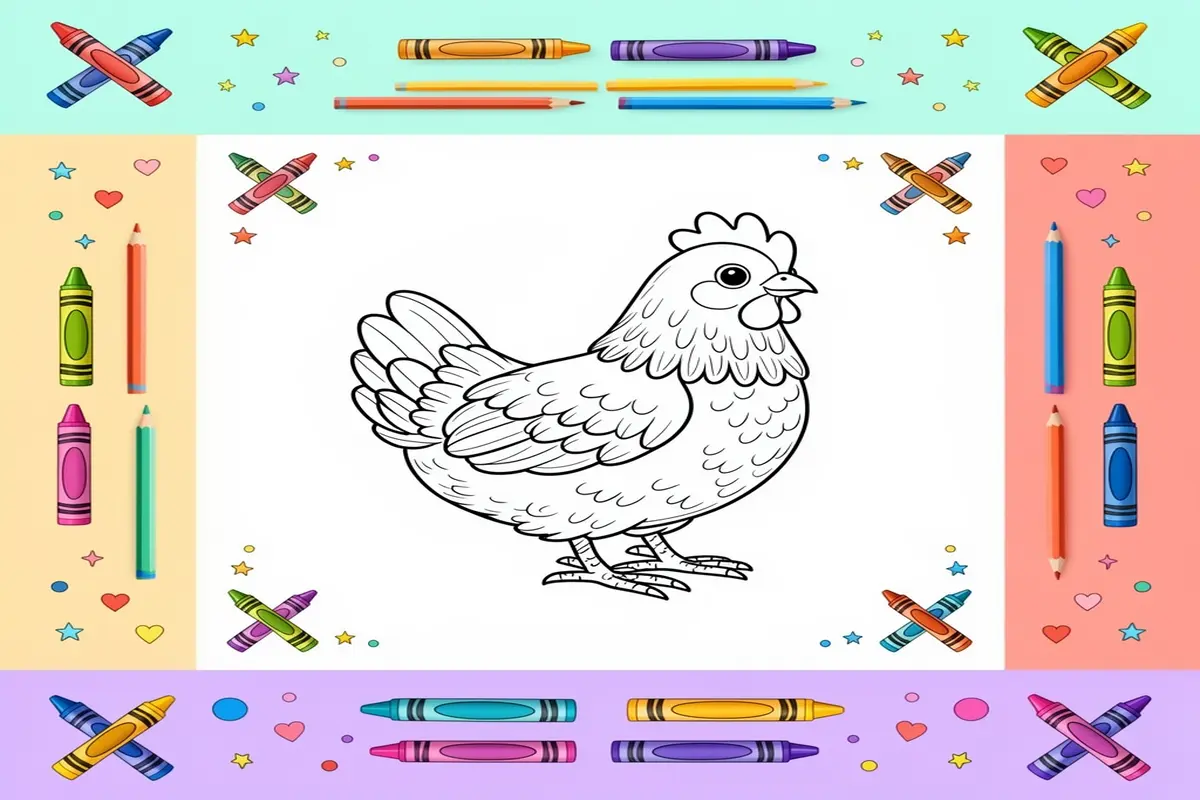
In a world of digital saturation, the simple act of coloring offers a tangible, calming escape. It’s a return to a fundamental joy—where a blank page transforms into a personal masterpiece with just a few strokes of color. For children, this creative process is more than just play; it’s a vital exercise in fine motor development, color recognition, and imaginative storytelling. Enter chicken coloring pages for kids, a delightful and often overlooked theme that brings the charm of the farmyard right to the kitchen table. These pages capture the quirky personalities of hens, roosters, and chicks, from their comical waddles to their vibrant plumage, providing a wonderfully engaging subject for young artists. Whether as a standalone activity or part of a broader exploration of animals, such as our collection of adorable farmyard friends like ducks and pigs, these illustrations open a door to learning and laughter. The appeal of chicken coloring pages for kids lies in their friendly familiarity and the endless color possibilities they present, making them a perfect creative launchpad for children of all ages.
Feathered Friends & Cognitive Benefits: More Than Just a Pretty Picture
Why do children gravitate towards certain subjects? The psychology behind coloring is as rich and layered as the hues in a crayon box. chicken coloring pages for kids serve as an excellent case study in how a specific, relatable theme can enhance the developmental benefits of this timeless activity.
The Focus Factor: Mindfulness on the Farm
Coloring demands a gentle, sustained focus. As a child concentrates on staying within the lines of a chicken’s comb or shading its feathers, they enter a state of flow. This mindful engagement is a powerful antidote to overstimulation, teaching quiet concentration. The recognizable, friendly form of a chicken provides a comforting focal point, reducing anxiety and creating a safe space for creative expression. It’s a simple yet effective tool for emotional regulation, one page at a time.
From Barnyard to Global Symbol: A Feathered History
The chicken is far more than a farm animal; it’s a cultural icon found in folklore, symbolism, and agriculture worldwide. Using chicken coloring pages for kids can spark conversations about where our food comes from, the life cycle of animals, and how different cultures view these creatures—from symbols of fertility to heralds of the dawn. This thematic depth transforms a coloring session into an informal, engaging learning moment, connecting art with basic natural science and cultural awareness in an accessible way.
Universal Appeal: Curated for Every Young Artist
The beauty of this theme is its inherent scalability. For a toddler, a simple, bold outline of a chick is perfect for practicing grip and making joyful scribbles. An older child can tackle a more detailed scene of a hen with her chicks, experimenting with texture and realistic color palettes. This range ensures that chicken coloring pages for kids are never outgrown; they simply evolve with the artist’s skill. They are equally perfect for a quiet afternoon at home, a classroom supplement for a farm unit, or a relaxing group activity, proving that creative tools are most powerful when they meet the artist exactly where they are.
Professional Materials & Preparation for chicken coloring pages for kids
To transform your chicken coloring pages for kids from a simple activity into an enriching artistic experience, the right materials and a prepared environment are key. This guide outlines the professional-grade supplies and setup that will elevate the coloring process, ensuring vibrant results and fostering a child’s focus and creativity. Proper preparation with quality tools can make all the difference in how children engage with and enjoy their chicken coloring pages for kids.
The Foundation: Selecting Premium Paper for chicken coloring pages for kids
The paper you choose is the canvas for your child’s artwork and directly impacts the final result. For standard printing of chicken coloring pages for kids, opt for a bright white, smooth cardstock with a weight of 120-160 GSM (grams per square meter). This heavier weight prevents bleed-through from markers, handles layering with colored pencils beautifully, and resists wrinkling from enthusiastic coloring. For a more textured, artistic feel that mimics traditional drawing paper, a lightly textured mixed-media paper is an excellent choice, especially when using crayons or pencils. Always print a test page to ensure your printer’s ink does not smudge on the chosen paper.
Best Coloring Tools: A Detailed Medium Comparison
The choice of coloring medium defines the style and outcome of the artwork.
Colored Pencils: Ideal for developing fine motor control and detail work, such as shading the feathers on a rooster or adding texture to a nest. Look for pencils with soft, pigmented cores that blend easily. Wax-based pencils offer vibrant layering, while oil-based provide superior blending. They are a clean, precise option perfect for intricate areas.
Markers: Brilliant for bold, saturated colors that make a cheerful barnyard scene pop. For children, alcohol-free, water-based markers are recommended as they are easier to wash off skin and surfaces. To prevent bleed-through on standard paper, use markers specifically labeled “no-bleed” or ensure you’ve printed on the recommended cardstock. Broad-tip markers are great for large areas, while fine tips are perfect for outlines.
Crayons: The classic tool offers a unique, waxy texture and is wonderfully forgiving for younger children. They encourage broad strokes and are excellent for filling large backgrounds, like a sunny sky behind a chicken coloring pages for kids scene. For richer color payoff, choose high-pigment, non-toxic crayons.
Finishing Touches: Gel Pens & Highlighting Details
Once the main coloring is complete, introducing specialty tools can add incredible depth and excitement. Gel pens, particularly in metallic silver, gold, or white, are fantastic for adding highlights to a chicken’s eye, creating a shimmer on an egg, or drawing fine details like individual strands of straw. Glitter glue pens (used with supervision) can add a fun, tactile element for decorative accents. A simple white colored pencil or a white gel pen can also be used on darker colors to create highlights and bring a dimensional quality to the artwork, teaching children advanced artistic techniques in an accessible way.
Perfect Workspace: Optimizing Lighting & Ergonomics
A well-prepared workspace maximizes comfort and minimizes mess, allowing kids to focus fully on their creative farmyard adventure. Ensure the coloring area is bathed in natural light or uses a bright, white LED lamp to reduce eye strain and allow for true color perception. The seating should support good posture; feet should be flat on the floor or a stool, with the table at elbow height. Protect the surface with a washable mat or newspaper. Organize supplies within easy reach in small containers—this not only keeps the area tidy but also empowers the child to manage their materials. For a cohesive farm-themed session, you might also explore our free printable cow coloring pages to complement the chicken pages, building an entire barnyard narrative. Having all materials prepared and the space organized before beginning sets the stage for a successful and enjoyable coloring session.
Mastering chicken coloring pages for kids: Advanced Artistic Techniques
Ready to transform those simple outlines into vibrant, textured masterpieces? Moving beyond basic filling, these professional techniques will help your child or student unlock a new level of artistic expression with their chicken coloring pages for kids. This guide focuses on actionable methods to build confidence and create stunning, frame-worthy art.
Harmonious Palettes: Color Theory for Feathered Friends
Understanding a few color basics can make your chicken illustrations pop. Start with the chicken itself: real roosters and hens often use analogous colors (colors next to each other on the wheel), like reds, oranges, and browns, creating a natural, cohesive look. For a more dynamic, playful rooster, introduce complementary colors. The complement of a chicken’s red comb is green. Adding subtle green shadows around the comb or in the background makes the red appear brighter and more vibrant. For a serene barnyard scene, consider a triadic scheme pulled from simpler subjects, like the primaries often used in cute boat coloring pages, applied softly to the chicken’s environment.
From Flat to 3D: Layering for Feathered Depth
The secret to a plump, realistic chicken is shading. Guide your young artist through this simple layering process:
1. Base Layer: Color the entire chicken body with a light, even layer of your main color (e.g., light yellow or buff).
2. Shadow Layer: Identify your light source (e.g., top-left). Using a slightly darker shade (like golden yellow or light brown), apply gentle pressure to color the opposite sides (bottom-right of the body, under the wings).
3. Blending: Use the original light color to go over the area where the base and shadow meet, softening the line to create a smooth gradient.
4. Highlight: Leave the areas closest to the light source (top of the head, wing curve) as the untouched white of the paper or add a touch of pure white crayon.
Adding Realism: Texturing Feathers and Surroundings
Texture brings a page to life. For a chicken’s body, use short, curved strokes to mimic the direction of fluffy feathers. For tail or wing feathers, try longer, sweeping strokes. A rooster’s comb can be textured with tiny dots or short lines to suggest its bumpy surface. Don’t forget the setting! Create grassy ground with quick, upward green strokes, or give wood grain to a barn wall using parallel brown lines of varying darkness. For texturing other animals in a farm scene, techniques used on horse coloring pages free printable can be adapted for manes and tails, similar to feather textures.
The Art of Correction: Graceful Fixes for Coloring Errors
Mistakes are part of the process. Teach these recovery strategies:
Over-Coloring: If a color is too light, simply layer more of the same color with medium pressure. If it’s too dark in one spot, try blending it outward with a lighter color.
Stray Marks: Turn them into intentional details! A stray brown mark near the foot can become a pebble on the ground. A small streak of red can be transformed into a tiny flower.
Wax Bloom: A white, hazy film from heavy crayon use can be gently removed by lightly rubbing with a soft cloth or the edge of a paper, restoring vibrancy.
* Embrace Imperfection: Often, the best fix is to keep going. A slightly uneven feather texture adds character, making your chicken coloring pages for kids uniquely charming.
Showcasing Your Chicken Coloring Pages for Kids: Creative Display Ideas
Your child’s completed chicken coloring pages for kids are more than just paper—they’re vibrant expressions of creativity. Moving beyond the fridge door, let’s explore inspiring ways to celebrate and preserve these feathered masterpieces.
Preserving Your Masterpiece: Archival Tips
To ensure those colorful chickens stand the test of time, consider simple preservation methods. For truly special pieces, place them in acid-free sheet protectors within a dedicated art portfolio. Laminating is a fantastic, durable option for pages that will be handled often. You can also use a simple, inexpensive frame for a more formal display. Storing artwork flat in a cool, dry place prevents fading and curling, keeping your child’s barnyard gallery looking fresh.
Beyond Display: Creative DIY Projects
Transform colored pages into cherished keepsakes and gifts. Cut out your child’s best chicken and glue it onto a folded cardstock to create a one-of-a-kind greeting card. Laminated pages become durable bookmarks or can be hole-punched and strung together as a unique banner for a farm-themed room. For a fun activity, combine several colored farm animals, like our free printable pig coloring pages, to craft a personalized storybook.
Your Chicken Coloring Pages for Kids Questions Answered
How do you draw a simple chicken for kids?
Start with a large oval for the body and a smaller circle on top for the head. Add a triangle for the beak and a simple comb on top of the head. Draw two straight lines for legs, finishing with three toes on each foot. A curved line at the back makes the tail. This basic framework is perfect for kids to then personalize on their chicken coloring pages for kids.
What are some fun facts about chickens?
Chickens have fantastic color vision and can see more colors than humans! They communicate with over 30 distinct vocalizations for different situations. A mother hen will talk to her chicks while they are still inside the egg. These fascinating creatures are descendants of dinosaurs, specifically the T-Rex, which makes coloring their forms a prehistoric adventure!
What are the benefits of coloring for children?
Coloring enhances fine motor skills and hand-eye coordination as children practice staying within lines. It fosters creativity, color recognition, and focus. The activity is also a wonderful, screen-free way to reduce stress and express emotions, providing a calm and meditative outlet for young minds.
What is the difference between a hen and a rooster?
Roosters (males) are typically larger with brighter, more showy plumage, larger combs and wattles, and long, flowing tail feathers. Hens (females) are usually smaller with more subdued coloring. Roosters crow, while hens lay eggs. Spotting these differences can be a fun learning game when working on chicken coloring pages for kids.
How to print coloring pages at home?
For best results, use standard white printer paper or slightly heavier cardstock for less bleed-through. Ensure your printer ink cartridges are sufficiently full. In your printer settings, select “Best” or “High Quality” for vibrant outlines. Always download and open the PDF file before printing for optimal sizing and clarity.
Final Thoughts: Your Chicken Coloring Pages for Kids Journey Begins
The journey with chicken coloring pages for kids is about so much more than filling in lines. It’s a gateway to learning about nature, developing essential skills, and sharing joyful, creative moments together. Each page colored is a story told, a skill practiced, and a memory made. We hope these ideas for display and discovery have inspired you to celebrate your young artist’s work in new and meaningful ways.
Ready for your next adventure? Explore our free dolphin coloring pages to dive into a whole new world of underwater creativity!