We offer a wide collection of free, high-quality printable coloring pages for kids and adults. From cute animals to intricate mandalas, our designs bring creativity and relaxation to everyone. Download, print, and start coloring today!

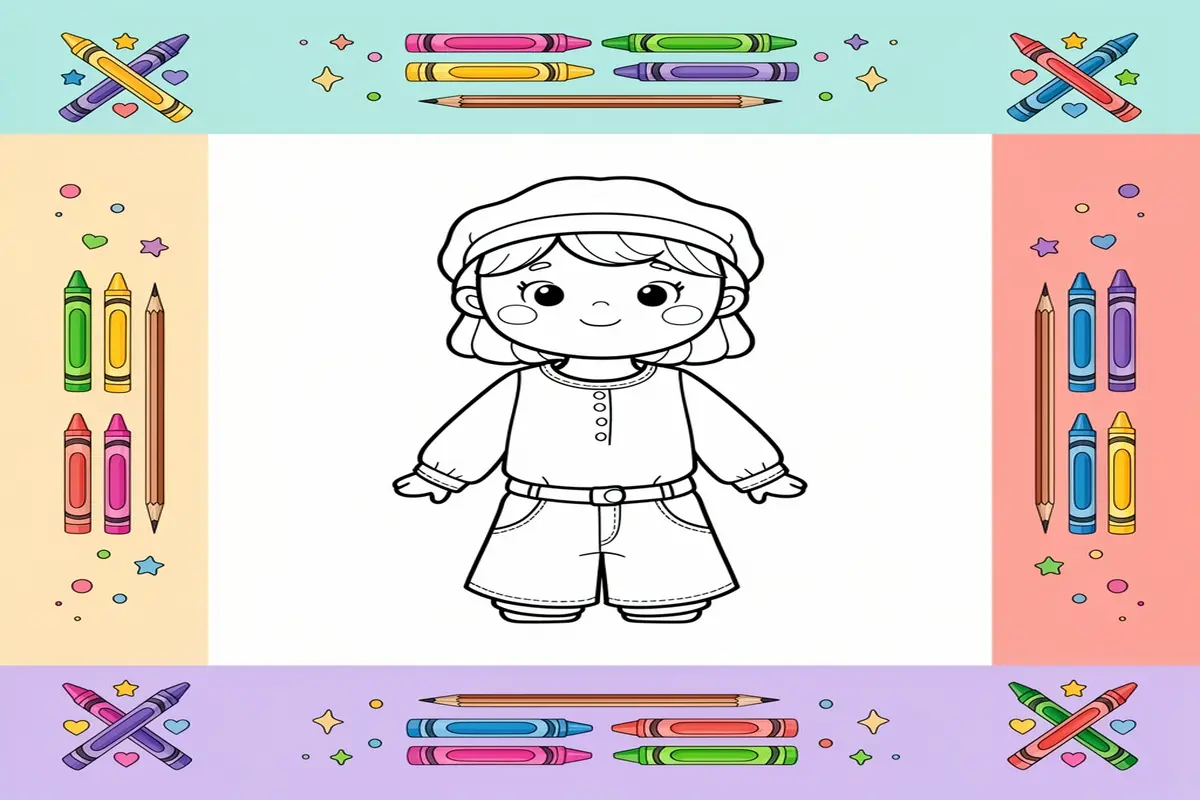
In a world saturated with digital screens, the simple act of coloring remains a powerful portal to creativity, focus, and calm. It’s a tactile, imaginative exercise where a blank page transforms into a personal masterpiece. While children adore coloring everything from majestic elephants to whimsical butterflies, there is a uniquely engaging niche waiting to be explored: clothes coloring pages for kids. This specialized theme does more than entertain; it serves as a foundational tool for self-expression, cultural awareness, and fine motor skill development. By selecting patterns, mixing colors for fabrics, and designing outfits, children embark on a creative journey that mirrors real-world choices. The appeal of clothes coloring pages for kids lies in their relatable subject matter—every child interacts with clothing daily. This connection turns a coloring activity into a playful exercise in identity and style, making these pages a superb resource for parents and educators seeking to combine art with practical learning. Let’s delve into the vibrant world where crayons meet couture.
The Psychology of Pattern & Palette: More Than Just a Pretty Dress
At first glance, coloring a dress or a pair of sneakers seems straightforward. Yet, this activity engages a child’s mind on multiple levels, fostering cognitive and emotional growth in a uniquely accessible way.
The Mindful Stitch: Cultivating Focus and Calm
The intricate details often found in clothes coloring pages for kids—think lace trims, striped shirts, or plaid patterns—require concentration and careful fine motor control. This focused engagement acts as a form of mindfulness, pulling a child’s attention into the present moment. The repetitive motion of coloring within lines and the deliberate choice of hues create a calming, meditative state, reducing anxiety and providing a peaceful break from overstimulation. It’s a creative sanctuary where the only goal is to fill the page with color.
A Wardrobe of Worlds: Exploring Culture and Identity
Clothing is a universal language, telling stories of profession, culture, climate, and celebration. Through clothes coloring pages for kids, children encounter a diverse array of garments—from traditional kimono and Scottish kilts to astronaut suits and ballet tutus. This exposure opens a dialogue about the world’s rich tapestry of cultures and histories. As they color, they’re not just filling in a t-shirt; they’re exploring global heritage and imagining the lives of the people who wear such attire, fostering early empathy and cultural curiosity.
Designed for All: From Toddler Scribbles to Detailed Designs
The beauty of this theme is its inherent scalability. For a toddler, a simple t-shirt outline is a perfect canvas for bold, joyful scribbles that build confidence. For an older child, a page featuring a detailed folk costume or a layered fashion sketch presents an exciting challenge to experiment with color theory, shading, and texture. This range ensures that clothes coloring pages for kids remain a growing, engaging pursuit that adapts to a child’s developing skills, offering endless opportunities for artistic exploration and pride in their evolving creations.
Professional Materials & Preparation for clothes coloring pages for kids
To ensure a successful and enjoyable coloring session with clothes coloring pages for kids, having the right materials and a prepared workspace is crucial. This professional guide outlines the essential toolkit and setup tips to help parents and teachers foster creativity and develop fine motor skills. Proper preparation not only enhances the final artwork but also makes the activity more engaging for young artists.
The Foundation: Selecting Premium Paper for clothes coloring pages for kids
The paper you choose is the canvas for your child’s creativity and directly impacts the coloring experience. For standard home printing of clothes coloring pages for kids, opt for a bright white, smooth cardstock with a weight of 120-160 GSM (grams per square meter). This thickness prevents bleed-through from markers and can handle light layering with colored pencils without warping. For a more artistic project, consider a mixed-media paper, which offers a slightly textured surface ideal for blending colored pencils or even light watercolor washes to create unique fabric textures on outfits. Always have a stack of standard printer paper for quick, casual coloring sessions, but reserve the premium paper for special projects they wish to display.
Best Coloring Tools: A Detailed Comparison of Mediums
The choice of coloring medium dramatically alters the look and feel of the finished clothes coloring pages for kids. Here’s a professional comparison:
Colored Pencils: Ideal for developing fine motor control and detail work. Wax-based pencils (like Crayola) offer vibrant colors and are excellent for beginners. For more advanced blending and realistic shading on clothing folds, invest in a set of oil-based pencils (like Faber-Castell). They layer beautifully and are less prone to wax bloom.
Markers: Provide bold, saturated color perfect for vibrant patterns. For children, alcohol-free, water-based markers are recommended as they are easier to clean and have less odor. Look for dual-tip markers (broad and fine) for coloring large areas and adding intricate details to garments. To prevent bleed-through, always use marker-specific paper or the cardstock mentioned above.
Crayons: A classic tool that is excellent for younger children. Their broader stroke is perfect for filling in larger clothing areas and encourages a looser, more expressive coloring style. They work on virtually any paper surface.
Finishing Touches: Enhancing Details with Gel Pens & Highlights
To elevate the artwork from simple coloring to a polished piece, incorporate detailing tools. Gel pens, especially in metallic, glitter, or neon colors, are perfect for adding buttons, zippers, jewelry, or intricate patterns to clothing designs. White gel pens are invaluable for adding highlights to hair, creating lace textures, or correcting small mistakes. For a truly professional touch on themed pages, consider using fine-line paint pens for outlining. These tools can transform a simple page into something special, much like the intricate patterns found in our abstract coloring pages for kids, encouraging attention to detail.
Perfect Workspace: Optimizing Lighting & Ergonomics
A well-prepared workspace is key to a comfortable and focused coloring session. Ensure the area is well-lit with natural light or a bright, white LED lamp to reduce eye strain and allow children to see true colors. The seating should support good posture; the child’s feet should rest flat on the floor or a stool, with the table at elbow height. Use a desk pad or a large piece of cardboard underneath the coloring page to protect the table surface. Organize materials in shallow containers for easy access, and always keep a cup of water and paper towels nearby if using water-based markers or paints. This organized, dedicated space signals that their creative time is valued and important.
Elevate Your Art: Professional Techniques for clothes coloring pages for kids
Moving beyond simple flat fills can transform a child’s coloring experience from a casual pastime into a true artistic adventure. Mastering a few key techniques for clothes coloring pages for kids unlocks a world of creativity, teaching valuable art skills and producing stunning results that boost confidence. This guide is designed for parents and teachers to help young artists add depth, realism, and personal flair to every outfit they color.
Harmonious Palettes: Color Theory for Stylish Outfits
Understanding basic color relationships turns random color choices into intentional design. For clothes coloring pages for kids, teach the concept of complementary colors (like blue and orange or purple and yellow) for creating vibrant, eye-catching contrasts on accessories or patterns. For a more harmonious, calming look, guide them toward analogous colors—colors next to each other on the wheel, like blue, teal, and green. This is perfect for creating a cohesive outfit, such as a dress with subtle shading. Start simple by choosing a main color for a shirt, then use a complementary color for the buttons or an analogous color for the pants. Exploring our animal coloring pages for kids can be a great way to practice these schemes on different textures before applying them to fabric.
From Flat to 3D: Mastering Shading and Depth
Shading is the magic that makes a colored sleeve look round or a skirt look flowing. Demonstrate a simple light source technique: imagine a sun in one corner of the page. The sides of the clothes closest to the “sun” should be lightest, while areas farther away should be darker. Use gentle, layered pencil pressure to build gradients. For a puffy jacket, keep the center of each puffed section light and darken the edges where it folds. For denim jeans, apply even, medium pressure for the base, then add darker lines along the seams and creases behind the knees. The key is to observe how light naturally falls on fabric, a skill that also beautifully applies when adding dimension to creatures from our realistic lion coloring pages free printable.
Adding Realism: Rendering Fabric and Texture
Different clothing materials require different coloring approaches. Show how to create texture with simple strokes:
Denim: Use short, cross-hatched lines in a blue gradient to mimic woven fabric.
Knitwear: Draw tiny, connected “V” shapes or loops with a colored pencil to simulate a knitted sweater.
Sequins or Sparkle: Leave tiny, scattered white dots uncovered, then color around them brightly.
* Soft Fur Trim: Use short, quick, feathered strokes going in one direction on the cuffs or hood of a jacket.
For patterned clothes, like stripes or polka dots, encourage kids to draw the pattern lightly in pencil first, then color carefully within the lines. This attention to texture makes each piece of clothing unique and realistic.
The Art of Correction: Gracefully Fixing Coloring Errors
Mistakes are part of the learning process. Teach graceful recovery strategies. If a color goes outside the line, don’t panic! Often, the background can be colored to meet the errant stroke, effectively “trimming” the clothing shape. For a small bleed, use a white gel pen or a quality eraser to clean up the edge. If a chosen color isn’t working, layer a new color right over it—dark blues can cover light missteps, and browns can blend and deepen areas. Most importantly, reframe “mistakes” as design opportunities: that stray mark can become a decorative button, a pocket, or a cute patch. The goal is creative problem-solving, building resilience with every clothes coloring page for kids they complete.
Showcasing Your clothes coloring pages for kids: Creative Display Ideas
Once the final crayon stroke is made, the fun doesn’t have to end! Turning your child’s artwork into a display or project builds confidence and extends the creative joy. Here are inspiring ways to celebrate their colorful creations.
Preserving Your Masterpiece: Archival Tips
To keep those vibrant colors bright, consider using acid-free page protectors in a simple binder, creating a personal art portfolio. For favorite pieces, a standard laminator provides a durable, wipeable finish perfect for fridge art or placemats. Framing a selection in inexpensive clip frames creates an instant, rotating gallery for their bedroom or playroom, honoring their hard work.
Beyond Display: Creative DIY Projects
Transform completed clothes coloring pages for kids into meaningful gifts and keepsakes. Carefully cut out colored items to create unique greeting cards, gift tags, or bookmarks sealed with clear contact paper. For a fun learning tool, laminate several pages, punch a hole in the corner, and secure with a ring to make a personalized “clothing lookbook.” This is a fantastic way to reinforce vocabulary, just like our interactive ABC coloring pages for kids.
Your Guide to clothes coloring pages for kids: FAQs
What are the benefits of coloring for kids?
Coloring boosts fine motor skills and hand-eye coordination, essential for writing. It fosters creativity, color recognition, and focus. As a calming, screen-free activity, it also helps children manage emotions and express themselves, making clothes coloring pages for kids a wonderful tool for both educational and emotional development.
Where can I find free printable clothes coloring pages?
Numerous educational websites and parenting blogs offer high-quality, free printables. Look for sites specializing in children’s activities, like Safari Coloring, which provides themed pages. Always ensure you’re downloading from a reputable source to avoid pop-ups and ensure the designs are age-appropriate for your child.
How do I print coloring pages for kids?
For best results, use “Best” or “High-Quality” print settings in your printer dialogue box. Ensure you’re printing the PDF or image at 100% scale. Heavier paper (like cardstock) prevents bleed-through with markers and makes pages more durable for little hands and future displays of their artwork.
How to teach toddlers the names of clothes?
Use clothes coloring pages for kids as a visual aid. As they color a “t-shirt” or “hat,” repeatedly say the name. Integrate the finished pages into play; ask, “Can you put the red sock on the doll?” This multi-sensory approach—seeing, hearing, and doing—solidifies vocabulary in a fun, pressure-free context.
What are the best markers for coloring pages?
For young children, washable, broad-tip markers are ideal for easy grip and vibrant color. Older kids can use fine-tip markers for detailed areas. Always test markers on a corner first; alcohol-based markers may bleed through standard paper. For printable clothes coloring pages, crayons or colored pencils are also excellent, mess-free choices.
The Last Stitch: Celebrating Your clothes coloring pages for kids Journey
The journey with clothes coloring pages for kids is about so much more than staying within the lines. It’s a vibrant pathway to learning, bonding, and creative expression that nurtures your child’s developing mind and confidence. From mastering the names of a winter wardrobe to proudly displaying a gallery of their designs, each page represents a moment of growth and joy. We hope these ideas for display and DIY projects inspire you to celebrate every colorful achievement.
Ready for your next adventure? Explore our cute animal coloring pages for kids to continue the creative fun!