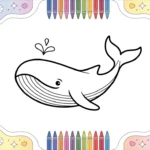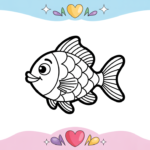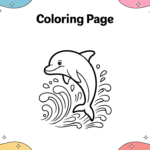
We offer a wide collection of free, high-quality printable coloring pages for kids and adults. From cute animals to intricate mandalas, our designs bring creativity and relaxation to everyone. Download, print, and start coloring today!

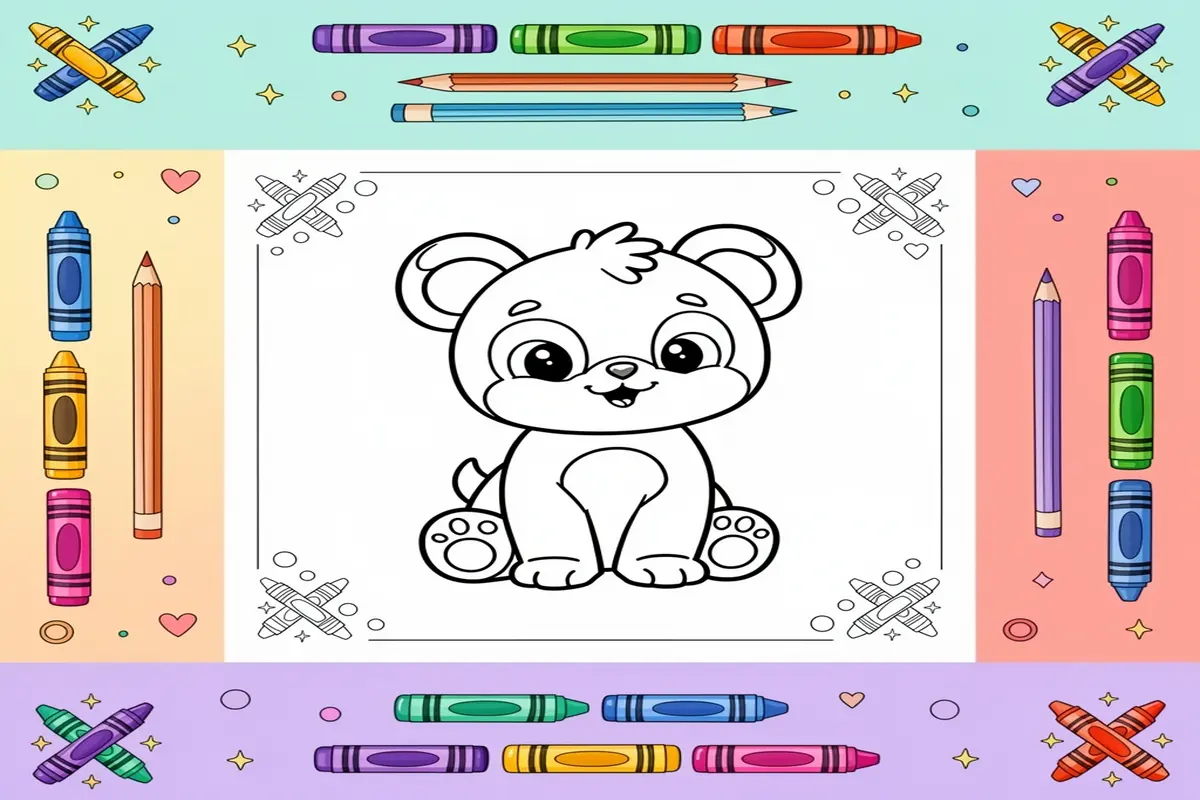
In a world of digital noise and constant stimulation, the simple act of coloring offers a sanctuary of focus and tangible achievement. For children, this creative outlet is more than just play; it’s a foundational exercise in fine motor skills, color recognition, and joyful self-expression. Enter the world of color by number coloring pages for kids, a brilliant fusion of structure and artistry that guides young artists to stunning results. These pages transform the blank canvas of anxiety into a masterpiece of confidence, one numbered section at a time. Whether your child is captivated by the majesty of ocean giants or the charm of farmyard friends, the structured approach of color by number coloring pages for kids provides a satisfying gateway to the wider universe of art. For instance, after mastering a numbered scene, they might feel inspired to freely color a magnificent creature from our collection of free whale coloring pages. This journey from guided to independent creativity is the true magic of this timeless activity.
The Alchemy of Order & Imagination: Why Kids Are Captivated
At first glance, color by number seems like a simple puzzle. But beneath the surface, it works a powerful alchemy, blending cognitive development with creative satisfaction. It’s this unique combination that makes color by number coloring pages for kids an enduring favorite for parents, teachers, and children alike.
The Focus Formula: Building Mindfulness Through Structure
The psychology behind these pages is profound. For a child, a blank page can be intimidating—where to start? What color to use? The numbered system eliminates this paralysis, providing clear, manageable steps. This structure reduces anxiety and builds focus, guiding the child into a state of flow. As they match the number to the color, they practice sustained attention and following instructions, all while their mind enters a calming, meditative state. The result is not just a beautiful picture, but a sense of peaceful accomplishment.
From Paint-By-Kits to Pixels: A Brief History of Guided Art
The concept of guided painting isn’t new. Its roots can be traced back to the Renaissance, where masters like Leonardo da Vinci used numbered patterns for apprentices. It gained mass popularity in the 20th century with commercial paint-by-number kits, allowing everyone to create “masterpieces.” Today, color by number coloring pages for kids are the digital-age successor—easily accessible, printable, and covering an infinite array of themes from dinosaurs to galaxies. This evolution speaks to a timeless human desire: to create beauty with a helpful guide by our side.
Designed for All: The Inclusive Appeal of Numbered Art
The genius of this format is its inherent scalability. For the young toddler, large, simple sections with minimal numbers reinforce basic skills. For the older child, intricate designs with subtle shading challenges their precision and patience. It’s an activity that grows with the child, offering continual challenge and reward. Furthermore, it is wonderfully inclusive, providing a clear path to success for children who may feel overwhelmed by freeform drawing, allowing every child to proudly proclaim, “I made that!” This democratic approach to art is why color by number coloring pages for kids remain a staple in homes and classrooms worldwide.
Part 2: Essential Materials & Setup for Successful color by number coloring pages for kids
To transform your color by number coloring pages for kids from a simple activity into a high-quality, confidence-boosting experience, the right materials and preparation are key. Using professional-grade supplies not only enhances the final artwork but also makes the process smoother and more enjoyable for young artists. This section details the optimal toolkit and environment for achieving vibrant, satisfying results.
The Foundation: Premium Paper for color by number coloring pages for kids
The paper you choose is the single most important factor in coloring success. Standard printer paper (20-24 lb/75-90 GSM) is prone to bleeding, buckling, and tearing, leading to frustration. For color by number coloring pages for kids, opt for a heavier weight:
Cardstock (65-80 lb/176-216 GSM): Ideal for most projects. It provides a sturdy surface that resists bleed-through from markers and handles layered pencil work beautifully.
Marker Paper (70+ GSM): Specifically designed with a smooth, bleed-resistant coating for vibrant, clean results with alcohol-based markers.
Printing Tip: Ensure your printer settings are adjusted for the heavier paper type to prevent jams and ensure crisp, smudge-free number outlines.
Best Coloring Tools: A Detailed Medium Comparison
Selecting the right coloring medium depends on the child’s age, skill level, and desired outcome.
Colored Pencils: Offer the greatest control for detailed areas and are excellent for building color and texture. Look for soft-core pencils (e.g., Prismacolor Premier) with high pigment content for easy blending and vivid coverage without excessive pressure. They are the most forgiving tool for color by number coloring pages for kids.
Markers: Provide bold, uniform color. Alcohol-based markers (e.g., Copic, Ohuhu) blend seamlessly and dry quickly but can bleed through paper. Water-based markers (e.g., Crayola Super Tips) are more affordable and less prone to bleeding on appropriate paper, making them a great starter option. Always test on a corner first.
Crayons: Best for younger children, offering durability and ease of use. For clearer number visibility, use a lighter hand or opt for twistable crayons that don’t have a paper wrapper.
Finishing Touches: Gel Pens, Highlighters & Erasers
Elevate the artwork with tools for detail and correction:
White Gel Pens & Metallic Markers: Perfect for adding sparkling highlights to eyes, water, or stars, and for crisply defining small, challenging sections. They can also be used to cover accidental slips outside the lines.
Precision Erasers: A high-quality vinyl or kneaded eraser is essential for cleanly removing pencil guidelines or stray marks without damaging the paper surface.
Blending Tools: For pencil work, a simple paper blending stump or even a cotton swab can help smooth gradients and create professional-looking transitions within a numbered section.
Creating the Perfect Workspace: Ergonomics & Lighting
A well-prepared space encourages focus and comfort, allowing kids to fully engage with their color by number coloring pages for kids.
Lighting: Ensure ample, cool-white natural or LED light to reduce eye strain and reveal true color values. A small desk lamp directed onto the workspace is ideal.
Surface & Posture: Provide a firm, flat table. For proper ergonomics, the child’s feet should rest flat on the floor or a stool, with the coloring page positioned to avoid hunching.
Organization: Use cups or trays to organize coloring tools by type or color family. This minimizes clutter and helps children quickly find the next color they need, maintaining the activity’s flow. For a thematic adventure that pairs perfectly with this organized setup, explore our detailed Shark coloring pages free printable kids, which are designed to captivate and challenge.
Part 3: Elevating the Art: Advanced Techniques for color by number coloring pages for kids
While color by number coloring pages for kids provide a wonderful guided start, they are also a perfect canvas for teaching advanced artistic techniques. Moving beyond simply filling in spaces, these methods transform a simple activity into a masterclass in art fundamentals, yielding professional-looking results that build immense confidence in young artists.
Harmonious Palettes: Mastering Color Theory
The numbers provide a base, but understanding color relationships unlocks true magic. Teach children about complementary colors (opposites on the color wheel, like red & green) to make elements pop, such as a bright red crab against a deep green seaweed background (you can find a great subject in our crabs coloring pages free printable). For a calmer, more realistic look, introduce analogous colors (neighbors on the wheel, like blue, teal, and green). This is perfect for creating a serene ocean scene, blending shades seamlessly for water, jellyfish, and seaweed. Encourage them to sometimes use two different shades of the same color family within one numbered section to add instant depth.
From Flat to 3D: Shading for Dynamic Depth
Shading is what turns a flat shape into a rounded, three-dimensional object. The key is to imagine a light source. Guide your child to choose one direction (e.g., top-left) where the “sun” is shining. Areas facing the light should be colored lightly or even left with a tiny white highlight. The opposite sides should be colored more heavily with a darker shade of the same color. For example, on a lion coloring page, the top of the lion’s mane would be lighter, while the underside of each curl would be a deeper gold or brown. Use the side of the pencil tip or a gentle circular motion with a crayon to create smooth transitions.
Adding Realism: Texture Techniques That Impress
Texture brings a page to life. Demonstrate how different strokes create different feels:
Fur/Feathers: Use short, quick, overlapping strokes that follow the direction the hair grows. This technique works wonders on everything from a horse’s mane to a bird’s wing.
Scales/Skin: For fish, reptiles, or dragons, try creating a pattern of small, curved “U” shapes or overlapping half-circles within the numbered area before coloring them in uniformly.
* Sky/Water: Use long, smooth, horizontal strokes to create a calm, blended effect. For a bubbly underwater texture, add tiny white circles (with a white gel pen or by leaving small dots uncolored) after the main blue is applied.
The Art of Correction: Gracefully Fixing Coloring Errors
Mistakes are part of the process, and learning to fix them is a valuable skill. If a color goes outside the lines, don’t panic. Use a white gel pen or a very sharp white colored pencil to carefully redefine the border. For a wrong color in a large area, try turning it into a creative opportunity: can that “mistake” become a shadow, a pattern, or a new design element? If not, and using colored pencils, gentle layering of the correct color over the mistake can sometimes blend into a new, intended shade. Most importantly, frame errors as “happy accidents” and problem-solving moments, reducing frustration and fostering resilience in their artistic journey.
Showcasing Your Color by Number Coloring Pages for Kids: Creative Display Ideas
Once your child has completed their masterpiece, the fun doesn’t have to stop! Displaying their artwork boosts confidence and turns their effort into a point of pride. Here are creative ways to celebrate their work and extend the activity.
Preserving Your Masterpiece: Archival Tips
To ensure those vibrant creations last, consider simple preservation methods. For long-term display, use acid-free tape or photo corners to mount the page in a frame without damaging it. Laminating sheets are a quick, budget-friendly option for placemats or wall art that can be wiped clean. For a special portfolio, store finished pages in a large, flat art portfolio or a simple binder with clear sleeves, creating a growing gallery of their progress.
Beyond Display: Creative DIY Projects
Transform completed pages into functional art and heartfelt gifts. Carefully cut out colored sections to create unique greeting cards, gift tags, or bookmarks (laminate these for durability). For a festive decoration, string several pages together to make a colorful banner for their bedroom. You can also decoupage them onto a small box or picture frame, adding a personal touch to their belongings. These projects teach kids that art can be repurposed and shared with loved ones.
Your Color by Number Coloring Pages for Kids Questions Answered
What are the benefits of color by number for kids?
Color by number activities offer a powerful blend of fun and learning. They reinforce number and color recognition, enhance concentration, and provide a satisfying, structured creative outlet. The guided format builds confidence as children see a clear picture emerge from their efforts, making it a fantastic tool for developing early math and pre-reading skills in a stress-free way.
At what age can a child do color by number?
Children can typically start simple color by number pages around age 3 or 4. Begin with pages using large areas, just 2-3 colors, and very clear, large numbers. As their fine motor control and number comprehension grow (ages 5-7), they can handle more complex pages with smaller spaces and a broader color palette, making color by number coloring pages for kids adaptable for years.
How do you make your own color by number?
Create a personalized page by sketching a simple outline drawing on paper. Within each section, lightly write a number. Then, create a key at the bottom assigning a color to each number. For a tech-assisted version, use free online tools or basic photo editing software to convert a simple photo or drawing into a numbered template.
Does color by number help with fine motor skills?
Absolutely. The act of coloring within designated, often small, areas requires precise hand-eye coordination and control of the coloring utensil. This practice strengthens the small muscles in the hands and fingers, which is crucial for developing the fine motor skills needed for writing, buttoning clothes, and using utensils effectively.
Where can I find free color by number printables?
You can find a wonderful variety of free, high-quality printables online on educational blogs, parenting websites, and museum sites. For a fantastic collection of themed pages, from ocean animals to farm creatures, explore resources like our free Whale Coloring Pages, which often include numbered options to get you started.
Final Thoughts: Your Color by Number Coloring Pages for Kids Journey Begins
The journey through color by number coloring pages for kids is about so much more than just staying inside the lines. It’s a gentle pathway where focus is nurtured, foundational skills are built, and the joy of creating something beautiful becomes a regular part of your child’s world. Each completed page is a testament to their growing abilities and a tangible memory of calm, focused time spent together. By displaying their art and exploring the endless themes available, you turn a simple activity into a cherished ritual that celebrates their progress and unique creativity.
Ready for your next adventure? Explore our Alphabet Coloring Pages for Kids to blend artistic fun with letter learning!