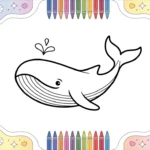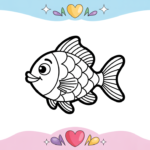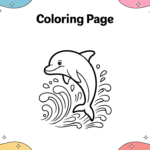
We offer a wide collection of free, high-quality printable coloring pages for kids and adults. From cute animals to intricate mandalas, our designs bring creativity and relaxation to everyone. Download, print, and start coloring today!

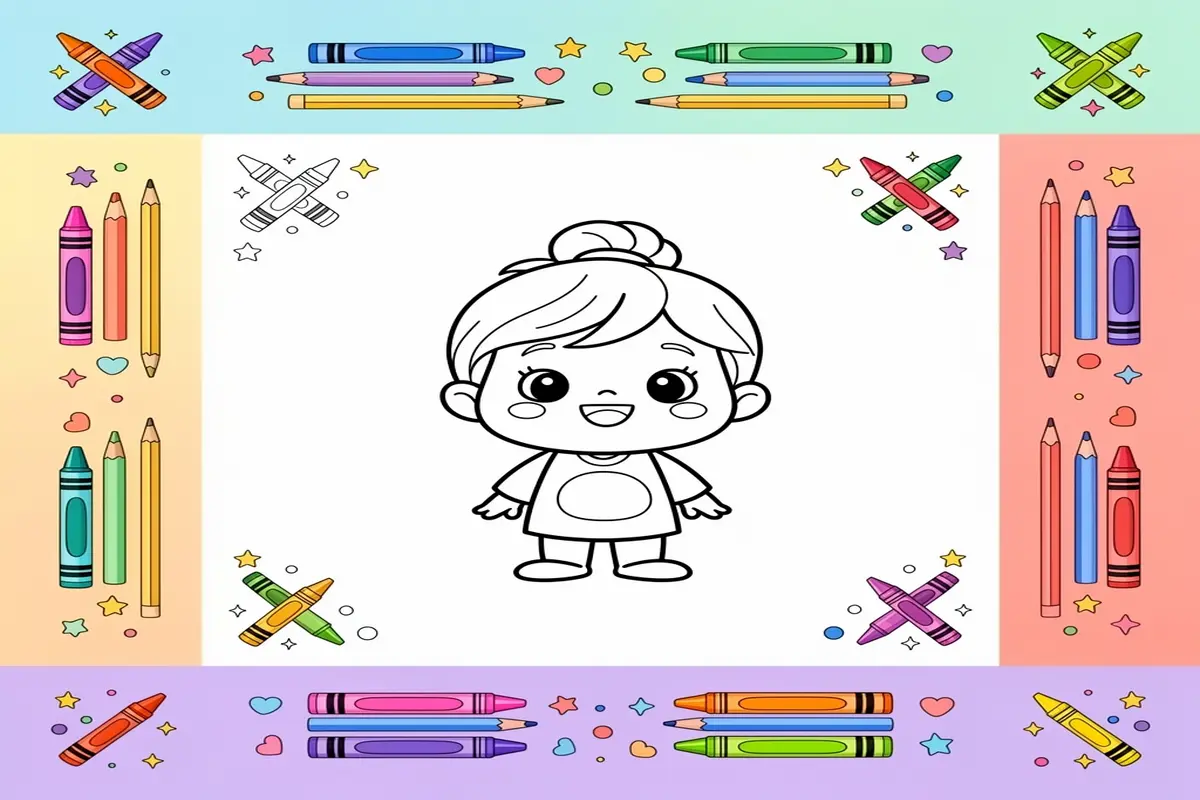
In a world that often moves too fast for little hearts and minds, finding a sanctuary of calm is a precious gift. The simple, profound act of coloring has emerged as a powerful therapeutic tool, offering children a nonverbal language to process emotions, quiet anxiety, and build resilience. This is the transformative magic of coping skills coloring pages for kids. More than just a pastime, these intentionally designed pages serve as a bridge between overwhelming feelings and manageable calm, guiding young ones to focus on the present moment through the gentle rhythm of filling shapes with color. Whether a child is navigating the frustrations of a challenging day, the nervous energy of a new situation, or simply needs a mindful break, these resources provide a safe, creative outlet. The beauty of this approach lies in its accessibility; the barrier to entry is wonderfully low, requiring nothing more than a printed page and some crayons. From the serene depths of the ocean with our free dolphin coloring pages to countless other themes, each sheet can become a personal canvas for emotional regulation. Integrating coping skills coloring pages for kids into a child’s routine is a proactive step toward equipping them with lifelong tools for emotional well-being, turning creative expression into a foundational pillar of mental health.
The Mindful Mechanics: How Coloring Cultivates Resilience
At first glance, coloring seems like simple play. Yet, beneath the surface of swirling blues and sunny yellows, a powerful psychological process is at work, making coping skills coloring pages for kids a potent tool for emotional development.
The Focused Mind: Anchoring in the Present Moment
The core mechanism of coloring as a coping skill is its ability to induce a state of mindfulness. When a child concentrates on staying within the lines, chooses colors, and feels the crayon glide across the paper, their brain’s amygdala—the center for fear and emotion—calms down. This focused attention acts as an anchor, pulling them away from swirling worries about the past or future and into the safety of the ‘now.’ The repetitive, rhythmic motion is meditative, lowering heart rate and reducing feelings of stress or panic. This practice of single-tasking is a critical skill in our multitasking world, teaching children that it’s okay—and beneficial—to slow down and immerse themselves in one calming activity.
From Doodles to Development: A Historical Tool for Expression
While the formal use of coloring as a therapeutic intervention is modern, the instinct to use art for expression is ancient. Children have always drawn and colored to make sense of their experiences. Today’s coping skills coloring pages for kids are the evolution of this innate drive, structured to guide that expression toward positive outcomes. These pages often incorporate elements like mandalas, nature scenes, or positive affirmations, designs proven to promote relaxation. They provide a structured yet open-ended framework that feels safer than a blank page for a child in distress, offering a manageable task where they can exercise control and achieve a satisfying result, thereby boosting self-esteem and a sense of accomplishment.
A Toolkit for Every Child: Universal Benefits, Personal Journeys
Who benefits from this practice? The answer is nearly every child. Those with anxiety, ADHD, or sensory processing challenges can find profound focus and calm. Children dealing with grief, anger, or big life transitions can use the pages to externalize and sit with difficult feelings in a non-threatening way. Even children without specific challenges gain invaluable emotional literacy, learning to recognize when they feel overwhelmed and proactively choose a healthy calming strategy. The versatility of coping skills coloring pages for kids means they can be tailored—a child fascinated by the animal kingdom might find deep peace coloring a detailed elephant, while another might connect with abstract patterns. It’s a personal toolkit, built one colored page at a time.
Part 2: Essential Materials & Preparation for Effective Coping Skills Coloring Pages for Kids
To maximize the therapeutic and developmental benefits of coping skills coloring pages for kids, the right materials and environment are crucial. Proper preparation transforms a simple activity into a powerful, focused exercise in emotional regulation. This section details the professional-grade supplies and setup that parents and educators should consider to create an optimal coloring experience that supports mindfulness and skill-building.
The Foundation: Selecting Paper for Coping Skills Coloring Pages
The paper you choose directly impacts the coloring experience and final result. For standard coping skills coloring pages for kids, a smooth, bright white paper between 80-100 GSM (grams per square meter) is ideal for most coloring tools. This weight prevents bleed-through from markers while providing enough tooth for colored pencils to layer pigment effectively. For a more premium feel, especially with wet mediums, upgrade to cardstock (120-140 GSM). If you are printing intricate designs, such as the detailed patterns found in our abstract coloring pages for kids, a high-quality printer paper is essential to maintain line clarity. Always have a stack of scrap paper to place underneath the working sheet to protect your table surface.
Best Coloring Tools: A Detailed Medium Comparison
The choice between markers, pencils, and crayons influences both the creative process and the development of fine motor control.
Colored Pencils: The top recommendation for therapeutic coloring. They require controlled pressure, promoting calm, focused strokes. Look for pencils with soft cores (like wax- or oil-based) that blend easily. They are excellent for shading and creating gradients, allowing a child to express emotional nuance on their coping skills coloring pages for kids.
Markers: Provide vibrant, immediate color payoff which can be highly satisfying. Use fine-tip markers for detailed areas and brush tips for broad, sweeping strokes. The key is to select alcohol-based or high-quality water-based markers that are bleed-resistant to prevent frustration. They are perfect for bold, confidence-boosting artwork.
Crayons: Ideal for younger children or for targeting different sensory needs. The tactile feedback and slight resistance can be grounding. For older kids, high-pigment, soft crayons can be used for impressionistic, textured effects.
Finishing Touches: Gel Pens, Blenders, and Highlights
Elevate the artwork and engagement with specialty tools. Gel pens and metallic markers are fantastic for adding highlights, creating patterns, or outlining, bringing a magical “pop” to finished pages. A colorless blender pencil or marker is a professional tool for seamlessly smoothing colored pencil layers, teaching children about patience and technique. For pages themed around calmness, consider incorporating lightly scented pencils or markers for an added sensory dimension, directly linking the activity to the calming strategies practiced.
Creating the Perfect Workspace: Ergonomics and Atmosphere
The environment is as important as the materials. Ensure proper lighting to reduce eye strain—natural light is best, supplemented by a bright, neutral-white desk lamp. The seating should support good posture; feet should rest flat on the floor or a stool. Minimize clutter to reduce cognitive load and promote mindfulness. Having a dedicated, organized kit for all coloring materials helps signal the start of a focused coping activity. Playing soft, instrumental music in the background can further enhance concentration and make the session with coping skills coloring pages for kids a truly immersive and regulating ritual.
Part 3: Elevating Emotional Expression: Advanced Techniques for Coping Skills Coloring Pages for Kids
To transform a simple coloring activity into a powerful therapeutic tool, mastering a few artistic techniques can make all the difference. These methods not only enhance the visual appeal of coping skills coloring pages for kids but also deepen the mindful, calming experience. By guiding children through these steps, you help them build focus, patience, and a sense of accomplishment.
Harmonious Palets: Color Theory for Calm Minds
Understanding basic color theory can turn coloring into an intentional emotional exercise. For pages designed to soothe anxiety, like our cute calm coloring pages, teach children about analogous colors—those next to each other on the wheel, like blue, teal, and green. These create serene, harmonious scenes perfect for relaxation. Conversely, for pages meant to express energy or joy, introduce complementary colors (opposites like purple and yellow) to make elements pop. This conscious choice empowers kids to visually represent and manage their feelings.
From Flat to 3D: Mastering Shading for Depth
Shading is the magic that brings a two-dimensional drawing to life and requires focused attention, a key coping skill itself. Start with a simple object on a page, like a beach ball from our cute beach coloring pages. Guide your child to:
1. Choose a Light Source: Decide where the “sun” is (e.g., top left).
2. Apply Base Color: Color the entire object evenly.
3. Add Shadows: Using a slightly darker shade of the same color, gently apply more pressure on the side opposite the light source.
4. Highlight: Leave a small white area on the side closest to the light.
This step-by-step process builds patience and shows how persistence creates beautiful results.
Adding Realism: Simple Texture Methods
Creating texture makes coloring immersive. On an animal page, like a lion from our lion coloring pages free printable kids adults, demonstrate short, quick strokes to mimic fur direction. For a smooth surface like a calm ocean, use long, even, side-to-side strokes. For a bumpy cactus or a fluffy cloud, use small circular motions or dots. Encouraging kids to think about how something feels* and then represent it on paper is a fantastic sensory integration exercise, grounding them in the present moment.
The Art of Correction: Gracefully Fixing Coloring Errors
A core lesson in coping skills coloring pages for kids is that “mistakes” are just opportunities. If a color goes outside the line, show them how to gently redefine the border with a darker shade of the background. If they dislike a color choice, frame it as a chance to practice problem-solving: “Can we turn this area into a pattern by adding dots or stripes over it?” This reframes frustration into creative innovation, teaching resilience. Remind them that just like feelings, no part of their artwork is ever truly ruined—it can always be adapted into something new.
Showcasing Your Coping Skills Coloring Pages for Kids: Creative Display Ideas
Once the coloring is complete, the journey doesn’t have to end! Displaying your child’s artwork validates their effort and turns their coping skills coloring pages for kids into daily visual reminders of their emotional strength. This transforms a simple activity into a lasting source of pride and encouragement.
Preserving Your Masterpiece: Archival Tips
Protect these valuable creations for years to come. For simple display, a colorful washi tape border on the fridge or a bulletin board works wonderfully. For more permanent keepsakes, consider affordable framing with a colorful mat or using a clear page protector in a dedicated binder. Laminating favorite pages is a fantastic way to make them durable for repeated viewing or even as placemats, turning mealtime into a moment of calm reflection.
Beyond Display: Creative DIY Projects
Take the artwork to the next level with fun DIY projects. Turn colored pages into unique greeting cards for loved ones, adding a heartfelt, personal touch. They can be cut into bookmarks, decoupaged onto a trinket box, or even used to create a personalized “calm down corner” poster. For a beautiful collective project, bind a series of themed pages, like our cute calm coloring pages, into a custom-made storybook that narrates their emotional journey.
Your Coping Skills Coloring Pages for Kids Questions Answered
What are examples of coping skills for kids?
Great examples include deep breathing (“smell the flower, blow out the candle”), using sensory tools like stress balls, talking about feelings, physical activity, and engaging in creative outlets. Coping skills coloring pages for kids are a prime example of a creative, mindfulness-based skill that helps children pause, focus, and process emotions in a safe, non-verbal way.
Is coloring a good coping skill?
Absolutely. Coloring is an excellent, accessible coping skill. It acts as a form of active meditation, redirecting focus away from stressful thoughts and onto a simple, manageable task. The rhythmic motion and need for concentration create a calming effect, making it a perfect tool for emotional regulation that feels more like play than work.
How does coloring help with anxiety?
Coloring helps with anxiety by engaging the brain’s frontal lobe, which is responsible for logic and problem-solving, while quieting the amygdala, the brain’s fear center. This mindful focus on the present moment—choosing colors, staying within lines—breaks the cycle of anxious thoughts and lowers the heart rate, effectively creating a state of relaxation.
What are the benefits of coloring for children?
The benefits are vast! Coloring enhances fine motor skills and hand-eye coordination. It boosts creativity and color recognition. Most importantly for emotional health, it teaches patience, improves focus and concentration, and provides a constructive outlet for expressing feelings. It’s a foundational practice in mindfulness.
How do you explain coping skills to a child?
Explain that coping skills are like a superhero’s toolbox for handling big feelings. Just as a superhero has different tools for different problems, we have different ways to feel better. Say, “Sometimes when you feel wobbly or upset, these tools—like taking deep breaths or using your coping skills coloring pages for kids—help you feel strong and calm again.”
Final Thoughts: Your Coping Skills Coloring Pages for Kids Journey Begins
The simple act of coloring is far more than just keeping little hands busy. It’s a gentle gateway to self-awareness, a practical strategy for navigating big emotions, and a beautiful opportunity for connection. By integrating coping skills coloring pages for kids into your routine, you’re equipping your child with a lifelong tool for mindfulness and resilience. Each finished page is not just art; it’s a testament to their growing ability to find calm and joy within themselves.
Ready for your next adventure? Explore our cute animal coloring pages for kids to continue the journey of creativity and calm!