We offer a wide collection of free, high-quality printable coloring pages for kids and adults. From cute animals to intricate mandalas, our designs bring creativity and relaxation to everyone. Download, print, and start coloring today!

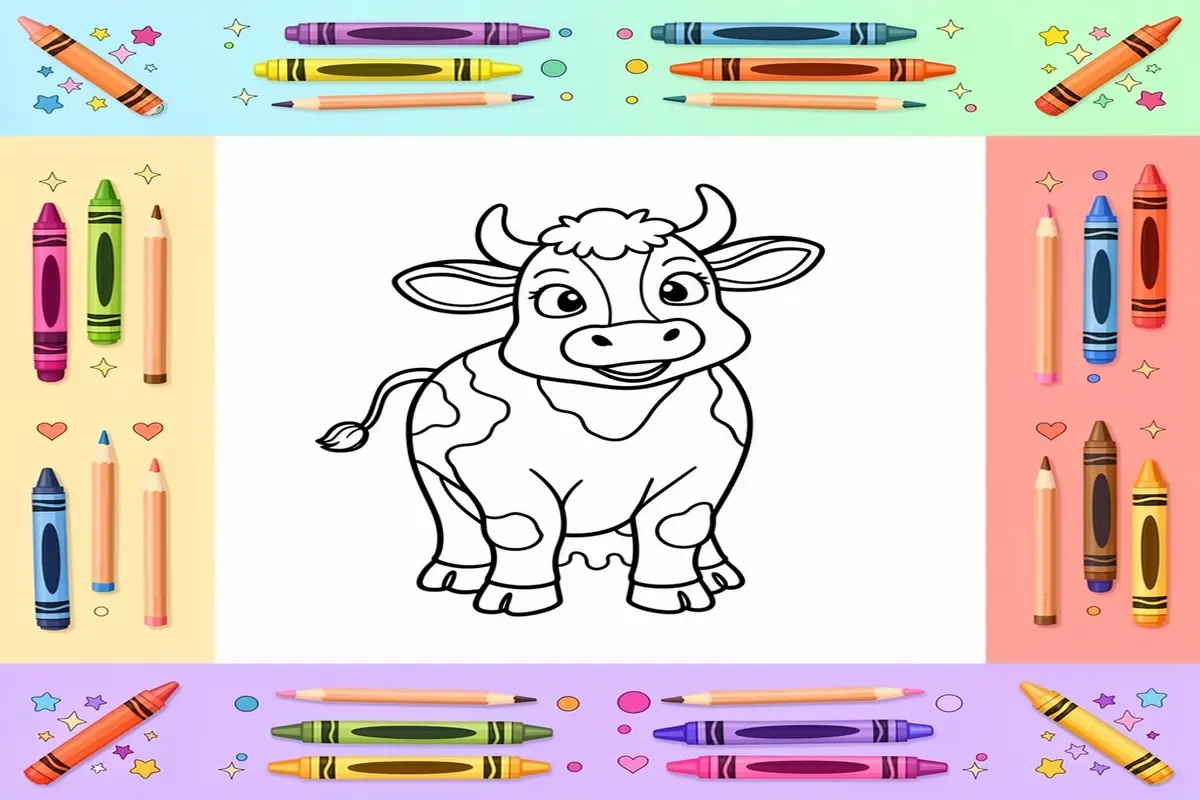
In a world of digital noise and fleeting screens, the simple act of coloring offers a sanctuary of focus and tangible creativity. It’s a quiet rebellion, a return to the fundamental joy of making a mark. Within this realm, animal themes hold a special power, connecting children to the natural world in a deeply personal way. cow coloring pages for kids are a perfect entry point to this pastoral wonder. More than just an outline of a farm animal, these pages invite young artists to explore gentle giants, to play with patterns of spots, and to imagine serene meadow scenes. The humble cow becomes a canvas for storytelling, color theory, and fine motor skill development. As a foundational farmyard friend, starting with cow coloring pages for kids can naturally lead to exploring a whole menagerie, from our delightful free dolphin coloring pages to the majestic creatures of the savanna. It’s a creative journey that begins in the barnyard and can expand to encompass the entire animal kingdom.
The Gentle Gaze: Why Cows Captivate Young Artists
What is it about the cow that makes it such an enduring and effective subject for children’s art? The appeal is multifaceted, rooted in psychology, culture, and developmental appropriateness.
Comfort in Familiarity: The Psychology of a Friendly Muse
Unlike fantastical creatures, cows represent a comforting familiarity. They are animals many children recognize from books, songs, and perhaps even real-life visits to a farm. This familiarity reduces anxiety around the “blank page.” The cow’s form is often perceived as soft, rounded, and non-threatening—a psychologically safe subject to engage with. Coloring within its comforting contours becomes an act of mindfulness, allowing a child’s focus to settle and their mind to calm. The repetitive motion of shading a large, simple shape can be incredibly soothing, making cow coloring pages for kids a subtle tool for emotional regulation and present-moment awareness.
Barnyard to Global Icon: A Cultural Canvas
The cow is far more than livestock; it is a global cultural icon. From the sacred cows of India to the mythic bovine of European folklore and the quintessential American dairy farm, this animal is woven into human history. When a child colors a cow, they are unconsciously connecting to these ancient stories and agricultural traditions. It opens a door for gentle conversations about where food comes from, about different ways of life around the world, and about our interdependence with animals. This cultural weight, presented in an accessible format, adds a layer of richness to the simple activity, transforming it from mere busywork into a touchpoint for learning and cultural curiosity.
From Simple Silhouettes to Detailed Pastures: Art for Every Age
The beauty of cow coloring pages for kids lies in their incredible versatility. For the toddler or preschooler, a large, bold outline of a cow with minimal background is perfect for practicing grip and boundary recognition. As skills develop, pages can introduce more complexity: a cow with detailed spots, a scene with a barn and fence, or even a whimsical cow with anthropomorphic features. This scalability ensures that the theme grows with the artist. An older child can tackle shading, experiment with realistic hide textures, or create an entire storybook scene. This range ensures that every child, regardless of skill level, can find a cow coloring page that offers just the right level of challenge and creative satisfaction.
Part 2: Essential Materials for cow coloring pages for kids: A Professional Guide
To ensure your young artists get the most out of their cow coloring pages for kids, having the right materials is as important as the design itself. Proper tools enhance the experience, improve the final result, and can even develop better fine motor skills. This section details the professional-grade supplies and setup that will transform simple coloring into a rich, creative activity.
The Foundation: Selecting Premium Paper for cow coloring pages for kids
The paper you choose is the canvas for creativity. For standard printing of cow coloring pages for kids, a bright white, smooth cardstock in the 120-160 GSM (grams per square meter) range is ideal. This weight prevents bleed-through from markers, handles layered pencil work without tearing, and gives the artwork a substantial feel. For a more textured, artistic finish, consider a lightly textured mixed-media paper, which grips colored pencil pigments beautifully, allowing for sophisticated blending and shading on those detailed cow spots and farm scenes. Always run a printer test page on a single sheet before printing your entire batch.
Best Coloring Tools: A Detailed Medium Comparison
The choice between markers, colored pencils, and crayons defines the artwork’s style.
Colored Pencils (Professional Choice): Opt for artist-grade pencils with soft, pigmented cores. Brands like Prismacolor or Faber-Castell allow for seamless blending, perfect for creating realistic gradients on a cow’s hide or soft skies in the background. They offer precision for small areas and are generally mess-free.
Markers (Vibrant & Bold): Alcohol-based markers (e.g., Copic, Ohuhu) provide streakless, vibrant color and are excellent for large, smooth areas. However, they require bleed-proof paper. For younger children, high-quality water-based markers are safer and easier to control, though layering is less effective. Markers make the colors on a friendly cartoon cow truly pop.
Crayons & Gel Sticks (For Young Hands): These are excellent for toddlers and preschoolers. Their broad strokes and ease of use build confidence. Look for crayons that are highly pigmented and easy to grip. The waxy texture can create a lovely, nostalgic effect.
Finishing Touches: Gel Pens, Highlights, and Outliners
Elevate the finished cow coloring pages for kids with detailing tools. Fine-tip gel pens in white, silver, or gold are perfect for adding whimsical details like sparkles in the cow’s eyes, highlights on its nose, or decorative patterns on a barn. A black felt-tip pen (like a Pigma Micron) can be used to carefully redefine any lines that were obscured during coloring. For a fun mixed-media approach, children can use small round stickers or dab on acrylic paint with a cotton swab to create flowers in the meadow or textured spots on the cow.
Perfect Workspace: Ergonomic Setup for Focused Creativity
A proper workspace promotes longer, more engaged coloring sessions. Ensure the seating allows the child’s feet to rest flat on the floor or a stool, with the table at elbow height. Natural, north-facing light is optimal, but a high-CRI (Color Rendering Index) LED desk lamp can prevent eye strain and show true colors. Keep supplies organized in cups or caddies—this not only minimizes clutter but also teaches responsibility. For extended projects, consider using a portable desk easel to angle the coloring page, which improves posture and gives a better view of the work. Pair this activity with other farm-themed pages, like our adorable goat coloring pages free printable kids, to create a complete farmyard scene and extend the educational play.
Mastering cow coloring pages for kids: Advanced Techniques for Stunning Results
Ready to transform a simple cow coloring pages for kids activity into a gallery-worthy masterpiece? Moving beyond basic fill-ins, these advanced techniques will help young artists develop real artistic skills and create vibrant, textured, and dimensional artwork. The journey from a flat outline to a dynamic scene is an exciting process of discovery, perfect for nurturing a deeper love for art. For a fantastic collection of farm friends to practice on, explore our cow coloring pages free printable and pig coloring pages.
Harmonious Palettes: Color Theory for cow coloring pages for kids
Understanding basic color relationships can make any cow coloring pages for kids project pop. Start with complementary colors—those opposite on the color wheel—to create exciting contrast. Imagine a Holstein cow: use deep blues or purples in the shadows of the white patches to make them seem luminous. For a more calming, natural look, try analogous colors (colors next to each other). A pastoral scene with a brown cow could feature analogous greens and yellows in the grass and sky, creating a harmonious, serene feeling. Encourage kids to think about mood: warm browns and oranges feel cozy, while cool blues and grays might depict a misty morning.
From Flat to 3D: Shading for Depth and Dimension
Shading is the magic that turns a circle into a sphere and a cow’s body into a rounded, solid form. Teach a simple three-step method: Base, Shadow, Highlight. First, color the entire area with a light base color (e.g., light brown for the cow). Next, identify your light source (e.g., the sun in the top corner) and apply a medium or dark tone to the opposite* side of that light. Finally, add a bright highlight with a very light color or by leaving a tiny white spot on the side closest to the light. Practice on simpler shapes first, like the cow’s nose or an apple in the scene, to build confidence.
Adding Realism: Texture Techniques for Fur and Environment
A cow isn’t just a smooth shape—it has hair, spots, and a living environment. To create a furry texture, use short, quick strokes with your coloring tool instead of long, smooth ones. Layer different shades of the same color (light brown, medium brown, dark brown) with these strokes to build depth. For a spotted cow like a Holstein, don’t just color the spots solid black. Add a hint of gray or blue on the edge where light might hit, making the spots look rounded. Don’t forget the background! Use different green strokes for grassy texture and soft, blended blues for the sky, tying the whole cow coloring pages for kids scene together.
The Art of Correction: Graceful Fixes for Coloring Mistakes
Mistakes are part of the creative process, and learning to fix them is a valuable skill. For small slips outside the lines, a white gel pen can be a savior, carefully covering the stray mark. If an area becomes too dark or muddy, try “lifting” color. With colored pencils, a kneaded eraser can gently dab and lighten areas. For a larger area that a child wishes they’d colored differently, turn it into a creative opportunity! That “wrong” color can become a shadow, or you can layer the desired color right on top, often creating interesting, rich effects. The key is to stay calm and see every mark as part of the artwork’s unique story.
Showcasing Your Cow Coloring Pages for Kids: Creative Display Ideas
The fun doesn’t have to stop when the last spot is colored! Turning your child’s finished cow coloring pages for kids into a gallery or craft project builds confidence and extends the creative joy. Here are inspiring ways to celebrate their artwork.
Preserving Your Masterpiece: Archival Tips
Protect and display those colorful bovines with simple methods. For a classic look, place the page in a standard 8.5″x11″ frame, perhaps with a colorful mat border. For a rotating gallery, use clip frames or washi tape on a dedicated “art wall.” To prevent crayon or marker from smudging over time, you can lightly spray the finished page with a clear, acid-free art fixative before displaying.
Beyond Display: Creative DIY Projects
Transform colored pages into keepsakes and gifts. Laminate a page and cut it into unique bookmarks. Cut out the cow shape, glue it onto folded cardstock, and create a homemade greeting card. For a fun mobile, color and cut out several cows from different cow coloring pages for kids, attach strings, and hang them from a branch or hoop. You can even decoupage them onto a small box for special trinket storage.
Your Cow Coloring Pages for Kids Questions Answered
How do you draw a simple cow for kids?
Start with a large oval for the body and a circle for the head. Add two simple ears on top, four straight lines for legs, and a curved line for a tail. Draw two spots on the body and friendly eyes. This basic outline is perfect for kids to trace or use as a guide before they dive into their own cow coloring pages for kids.
What are the benefits of coloring for children?
Coloring boosts fine motor skills and hand-eye coordination. It serves as a calming, screen-free activity that fosters focus and patience. It’s also a wonderful outlet for self-expression and color recognition, making a session with cow coloring pages for kids both educational and therapeutic.
How to print coloring pages for free?
Many educational websites offer free PDF downloads. Simply find a page you like, such as our free printable collection, ensure your printer has paper and ink, and select “Print” from your browser or PDF reader. For best results, use the “Fit to Page” option in your print settings.
What are some interesting facts about cows?
Cows have best friends and can become stressed when separated. They have nearly 360-degree panoramic vision and an excellent sense of smell. There are over 800 different breeds worldwide, which is why cow coloring pages for kids can feature so many different shapes, sizes, and spot patterns!
What is the best paper for coloring pages?
For crayons, a slightly textured paper works well. For markers, a smoother, heavier paper (like cardstock) prevents bleeding and warping. If using gel pens or wanting vibrant colors, a bright white, medium-weight paper is ideal. Test different types to see what your young artist prefers for their farmyard creations.
Final Thoughts: Your Cow Coloring Pages for Kids Journey Begins
From the first curious stroke of a crayon to the proud display of a finished masterpiece, the journey with cow coloring pages for kids is filled with more than just color. It’s a quiet space for growth, a playful lesson about the animal kingdom, and a shared moment of creativity away from digital screens. These simple pages hold the potential to build skills, spark conversation, and create lasting, joyful memories.
We hope this guide inspires countless hours of creative fun on the farm. Ready for your next adventure? Explore our free printable horse coloring pages and continue the barnyard fun!