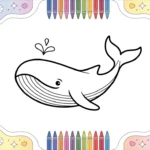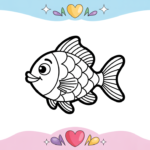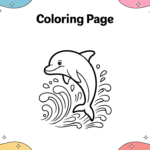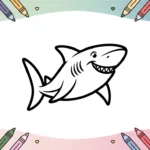
We offer a wide collection of free, high-quality printable coloring pages for kids and adults. From cute animals to intricate mandalas, our designs bring creativity and relaxation to everyone. Download, print, and start coloring today!

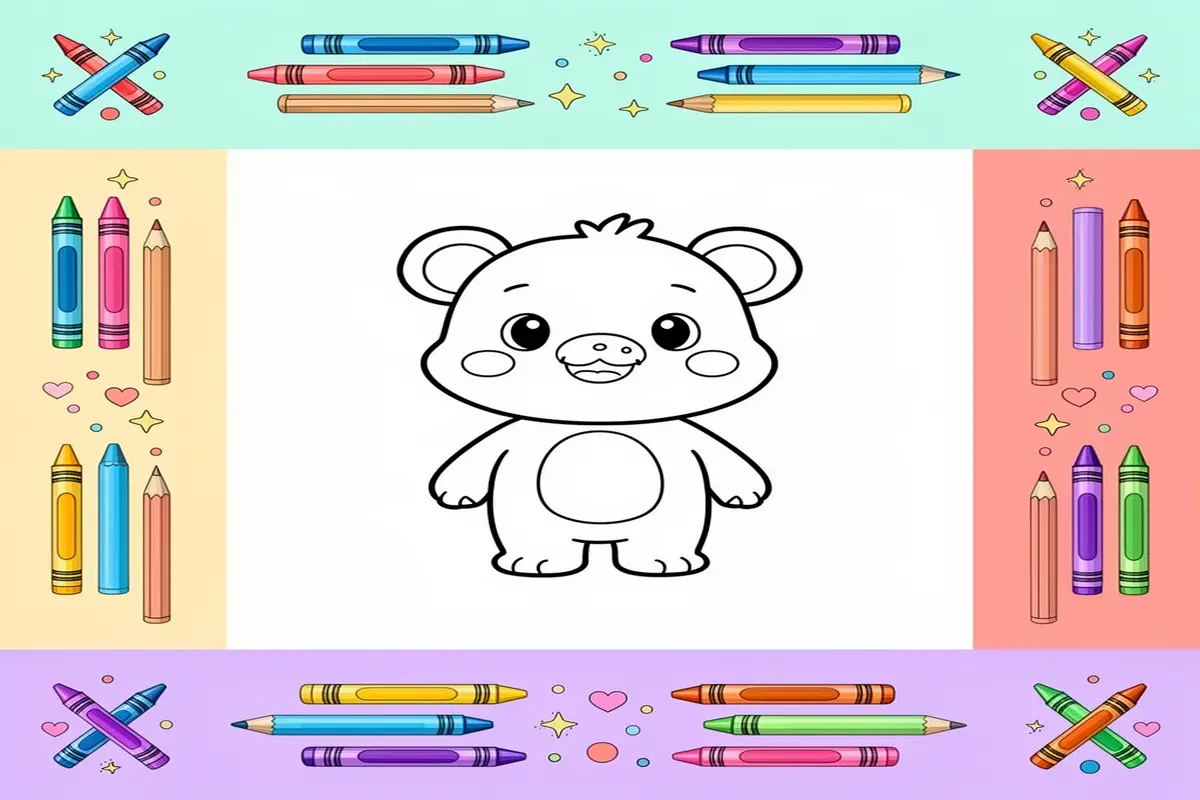
In a world saturated with digital noise, the simple act of coloring offers a profound sanctuary for young minds. It’s a tactile, imaginative journey back to the fundamentals of creativity, where a blank outline transforms into a vibrant world of a child’s own making. This is the unique magic of creation coloring pages for kids. More than just a pastime, these pages serve as a foundational canvas for developing fine motor skills, color theory intuition, and emotional expression. From the majestic sweep of a whale’s tail to the intricate patterns of a butterfly’s wings, every page is an invitation to explore, decide, and invent. Whether your young artist is drawn to the serene depths of the ocean with our free dolphin coloring pages or the wild expanse of the savanna, creation coloring pages for kids provide the structured freedom necessary for authentic artistic growth. They are the first step in a lifelong dialogue between vision and execution, teaching that within every line lies potential waiting to be unlocked.
The Alchemy of Art: Why Creation Coloring Captivates
At its core, the appeal of creation coloring pages for kids is both primal and sophisticated. It taps into a universal desire to make one’s mark, to bring order and beauty to a defined space. This activity is a quiet rebellion against passive consumption, empowering children as active creators.
The Mindful Stroke: Cultivating Focus and Calm
The rhythmic, repetitive motion of coloring within lines is a naturally meditative act. It requires a gentle focus that pushes aside distractions, guiding a child into a state of flow. This mindful engagement is a powerful tool for self-regulation, helping to soothe anxiety and build concentration stamina. The very act of choosing colors—will the sky be a traditional blue, a fiery sunset orange, or a fantastical purple?—is an exercise in decision-making and emotional projection, allowing feelings to be expressed safely and vividly on the page.
From Cave Walls to Coloring Books: A Timeless Human Impulse
To color is to participate in a tradition as old as humanity itself. Our ancestors told stories and documented their world through pigments on stone. Modern creation coloring pages for kids are a direct descendant of that impulse, offering contemporary motifs—from astronauts to anime—while fulfilling the same fundamental need to decorate and narrate. This historical thread connects today’s child with the timeless human drive to create, making each colored page part of a grand, ongoing story of artistic expression.
A Spectrum for Every Story: Inclusive Designs for All Ages
The true genius of a well-curated collection lies in its range. Effective creation coloring pages cater to the tiny hands of a preschooler practicing grip with bold, simple shapes, just as they challenge the older child with intricate patterns and realistic details, like those found in advanced coloring pages for kids. This inclusivity ensures that every child, regardless of skill level or interest, can find a page that speaks to them. Whether it’s a cute cartoon character that sparks joy or a detailed animal portrait that inspires careful study, the right page meets the artist where they are, providing a personalized platform for creative confidence to flourish.
Professional Supplies for creation coloring pages for kids: Your Complete Toolkit
The right materials are crucial for transforming the creation coloring pages for kids from a simple activity into a rich, developmental experience. Proper tools enhance fine motor control, boost color vibrancy, and increase engagement, allowing children to fully express their creativity. This section details the essential supplies and setup needed to support your young artist’s journey in the creation coloring pages for kids.
The Foundation: Selecting Paper for creation coloring pages for kids
Paper choice directly impacts the final artwork and the child’s enjoyment. For standard coloring with crayons or colored pencils, a smooth, bright white paper around 80-100 GSM (grams per square meter) is ideal, as it provides a clean backdrop for colors and resists light bleeding. When using markers, especially alcohol-based ones, opt for heavyweight (100+ GSM), bleed-resistant marker paper to prevent colors from soaking through and damaging surfaces. For advanced techniques like watercolor pencils or light washes, a cold-press watercolor paper (140 GSM minimum) offers the necessary texture and absorbency. Always test your chosen medium on a spare sheet first. For a fantastic variety of printable pages that work beautifully with these papers, explore our collection of animal coloring pages for kids.
Best Coloring Tools: Markers vs. Pencils & Beyond
The core of your toolkit lies in the coloring medium, each offering distinct advantages for the creation coloring pages for kids.
Colored Pencils: The quintessential tool for developing precision and pressure control. Look for pencils with soft, pigmented cores (like wax- or oil-based) that blend easily. They are less messy and excellent for detailed work, such as in intricate abstract coloring pages for kids. A set of 24-48 colors provides ample range without being overwhelming.
Markers: Brilliant for bold, vibrant blocks of color. For children, start with water-based markers, as they are washable and less prone to bleeding through paper. As skills advance, consider fine-tip alcohol markers for professional, blendable results, but always use them with protective backing sheets. A dual-tip marker (broad and fine) offers great versatility.
* Crayons & Gel Crayons: Excellent for younger children, building hand strength with their resistance. Gel crayons offer a unique, smooth, almost paint-like application that can be blended with a finger.
Finishing Touches: Gel Pens, Highlights, and Outliners
Elevate completed pages with special-effect tools that add depth and sparkle. Gel pens, especially in metallic, glitter, or neon colors, are perfect for adding highlights, accents, and fine details over both pencil and marker. White gel pens are indispensable for creating highlights on darker colors. Consider adding a set of fine-line permanent pens (like archival ink liners in sizes 0.3mm to 0.8mm) for children who enjoy outlining their work or adding intricate patterns after coloring, which can add a professional touch to their creations.
Perfect Workspace: Lighting & Ergonomics for Focused Creation
A well-prepared workspace promotes longer, more comfortable, and focused coloring sessions. Prioritize natural daylight or a high-quality, bright LED desk lamp with adjustable color temperature to reduce eye strain and ensure true color representation. Ergonomics are key: ensure the child’s feet rest flat on the floor or a stool, with the table at elbow height. The coloring page should be angled slightly, using a clipboard or a slanted desk board, to improve posture and wrist position. Keep supplies organized in cups or caddies within easy reach to maintain workflow and minimize distractions, fostering an environment dedicated to the joyful creation coloring pages for kids.
Part 3: Elevating Your Art: Professional Techniques for creation coloring pages for kids
Moving beyond simple fill-in, advanced techniques can transform a flat image into a vibrant masterpiece. Mastering these methods turns the activity of creation coloring pages for kids into a true artistic education, building confidence and fine motor skills. Let’s explore how to add depth, harmony, and realism to every page.
Harmonious Palettes: Color Theory for creation coloring pages for kids
Understanding basic color relationships prevents muddy results and creates visually pleasing art. Teach young artists about complementary colors (opposites on the wheel, like orange and blue, which make each other pop) and analogous colors (neighbors on the wheel, like blue, teal, and green, which create serene harmony). For a vibrant underwater scene from our free dolphin coloring pages, using analogous blues and greens feels natural, while a complementary orange sunset in the background would create stunning contrast. Start with a limited palette to keep it simple and effective.
From Flat to 3D: Mastering Light and Shadow
Shading is the magic that adds dimension. The key is to imagine a light source (e.g., the sun in the top corner). Step 1: Identify the Light Source. Step 2: Apply Base Color lightly across the entire shape. Step 3: Add Shadow on the side opposite the light using a darker tone of the same color (e.g., dark green for a light green leaf). Step 4: Apply Highlight on the side closest to the light by leaving a tiny area white or using a very light tint. Practice this on rounded objects like the apples in our apple coloring pages for kids to see dramatic, three-dimensional results.
Adding Realism: Texture Techniques for Young Artists
Texture brings a page to life. Different strokes create different feels. For fur or hair (like on a lion from our lion coloring pages), color in the direction the hair grows, using short, quick strokes instead of long, smooth ones. For scaly skin (like a fish or reptile), try overlapping small, curved “U” shapes. For a smooth, shiny surface (like a car or balloon), use even, heavy pressure for a solid, glossy look. Encourage kids to experiment with stroke patterns on a separate sheet first.
The Art of Correction: Gracefully Fixing Coloring Mistakes
Mistakes are part of the creative process! Teach these graceful fixes. For small slips outside the lines, use a white gel pen or a sharpened white colored pencil to cover the stray mark. For color choices that turned out too dark, try layering a lighter color on top; yellow can often lighten a green, for instance. If an area feels overworked and waxy, gently scrape off some pigment with a toothpick or craft knife (adult supervision required) to reveal fresh paper for re-coloring. The goal is to problem-solve, not to strive for impossible perfection.
Showcasing Your Creation Coloring Pages for Kids: Creative Display Ideas
Once your young artist has brought the story of Genesis to life with color, it’s time to celebrate their work! Moving beyond the coloring book, these masterpieces can become cherished decor and heartfelt gifts that extend the learning and joy.
Preserving Your Masterpiece: Archival Tips
Protect and proudly display your child’s artwork. For long-term keepsakes, consider using acid-free sheet protectors in a binder to create a “Creation Story Gallery.” For wall displays, a simple clip frame or washi tape border allows for easy rotation of new pieces. You can also use a clear laminating sheet for placemats or bookmarks, making the artwork durable for everyday use and ensuring those creation coloring pages for kids last for years to come.
Beyond Display: Creative DIY Projects
Transform completed pages into meaningful projects. Create handmade greeting cards for religious holidays by folding a colored page and adding a heartfelt message. Cut out colored animals or elements to make unique gift tags or ornaments. For a special gift, bind several pages together into a custom storybook. A beautifully colored page featuring sea creatures, like the ones from our free dolphin coloring pages, can become a stunning cover for a folder of all their aquatic art.
Your Creation Coloring Pages for Kids Questions Answered
What did God create on each day of creation?
According to Genesis, the days are: 1) Light & Darkness; 2) Sky & Sea; 3) Land, Seas, & Vegetation; 4) Sun, Moon, & Stars; 5) Birds & Sea Creatures; 6) Land Animals & Humankind; 7) God rested. Using creation coloring pages for kids is a perfect visual aid to help children remember this beautiful sequence.
How to teach the days of creation to preschoolers?
Keep it simple, sensory, and fun! Use one page per day, pairing coloring with a short song or hand motion (e.g., flapping arms for birds). Incorporate related toys (plastic animals, star stickers) to make it tactile. Repetition with engaging creation coloring pages for kids helps solidify the story in a way preschoolers love.
Where can I find free printable creation coloring pages?
Many fantastic Christian education websites and blogs offer free, high-quality printables. Look for sets that clearly depict each day’s events with child-friendly illustrations. Sites like ours provide themed pages that can complement the creation story, such as separate sheets for the animals and celestial bodies created.
What are the benefits of Bible coloring pages for kids?
They combine faith formation with developmental growth. Coloring these pages enhances fine motor skills, focus, and color recognition. More importantly, it provides a quiet, engaging time for children to absorb biblical stories, ask questions, and connect creatively with their faith, making scripture tangible and memorable.
What are some activities for the 7 days of creation?
Beyond coloring, try a creation “scavenger hunt” for items in nature, create a collage for each day using magazine cutouts, or build a diorama. Acting out the story with costumes or puppets is also a hit. Each activity, starting with creation coloring pages for kids, reinforces the lesson through different learning styles.
Final Thoughts: Your Creation Coloring Pages for Kids Journey Begins
The journey through the days of creation with crayons in hand is about so much more than staying within the lines. It’s a shared experience of wonder, a gentle introduction to foundational faith, and a celebration of your child’s unique creativity. Each finished page is a testament to their growing understanding and a tangible memory of time spent learning about the world’s beautiful beginnings.
We hope this guide inspires you to create, display, and explore the Bible’s stories together. Remember, the benefits—from quiet concentration to spiritual curiosity—will color your child’s development in the most beautiful ways. Ready for your next adventure? Explore our animal coloring pages for kids to continue discovering the amazing creatures of our world!