We offer a wide collection of free, high-quality printable coloring pages for kids and adults. From cute animals to intricate mandalas, our designs bring creativity and relaxation to everyone. Download, print, and start coloring today!

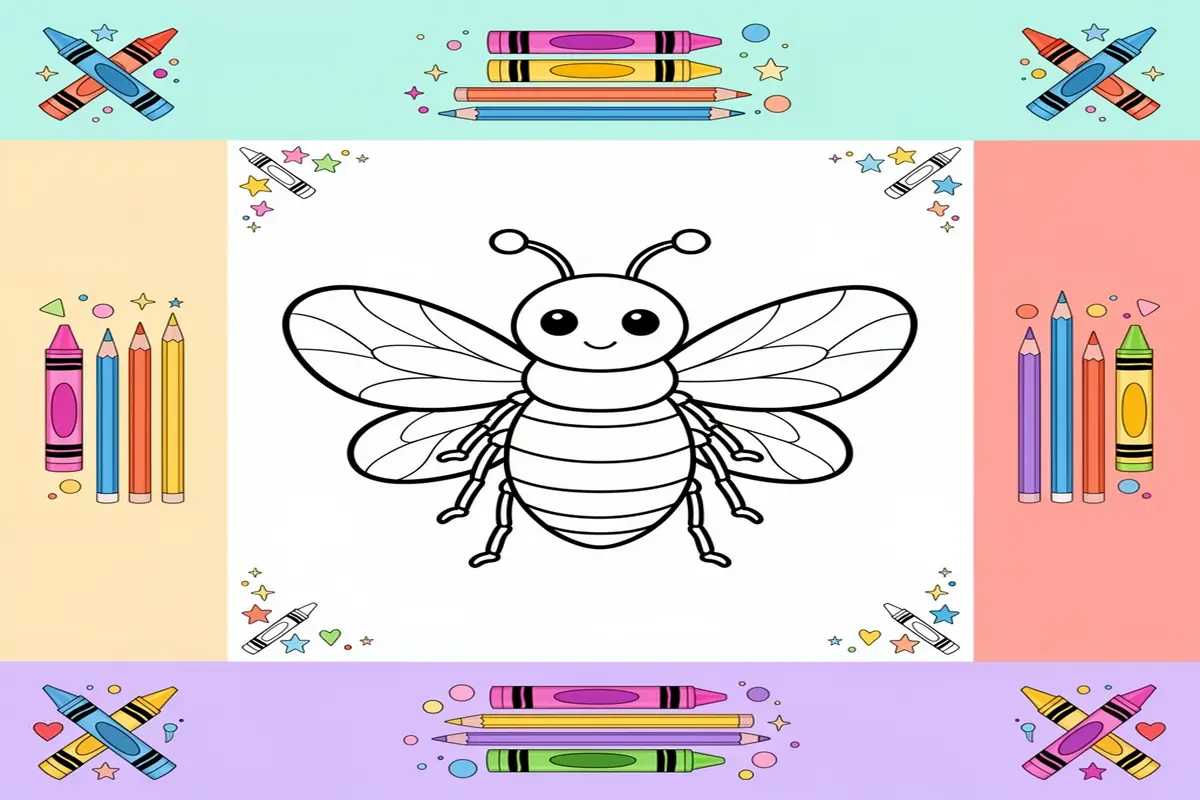
In a world of screens and digital noise, the simple act of coloring offers a quiet sanctuary for young minds. It’s a tactile, imaginative journey where creativity blossoms with every stroke of a crayon. When that journey leads into the fascinating microcosm of insects, the adventure becomes truly magical. Our collection of cute bug coloring pages for kids is designed to transform any apprehension about creepy-crawlies into delight. These aren’t your average garden-variety sketches; they are charming, approachable illustrations of ladybugs with polka-dot wings, bumblebees with cheerful smiles, and caterpillars on whimsical journeys. Introducing children to nature’s smaller wonders through art fosters curiosity, reduces fear, and builds a foundational appreciation for biodiversity. It’s a joyful starting point for artistic expression and calm focus. While bugs captivate with their tiny details, the animal kingdom offers endless inspiration. For another engaging artistic safari, explore our majestic collection of lion coloring pages. Let’s dive into the miniature universe awaiting within these cute bug coloring pages for kids and discover why they are a perfect blend of education and enchantment.
Part 1: The Miniature Muse: Why Bugs Captivate Young Artists
The Psychology of the Small: Building Empathy Through Art
Why do cute bug coloring pages for kids hold such a unique appeal? It begins with scale. The insect world is a hidden universe, often overlooked, making it ripe for discovery. By rendering these creatures in a friendly, cartoonish style, we demystify them. A child coloring a smiling ant carrying a giant leaf isn’t just practicing fine motor skills; they’re engaging in a narrative. They project stories onto these tiny characters, building empathy and understanding for life forms different from themselves. This process of personification is a powerful cognitive tool, turning potential fear into fascination and care. The act of choosing colors for a butterfly’s wings or a beetle’s shell becomes a lesson in observation and gentle stewardship of the natural world.
A Lineage of Illustration: From Scientific Plates to Playful Pages
The artistic depiction of insects has a rich history, evolving from meticulous scientific engravings in old naturalist journals to the vibrant, character-driven art of modern children’s media. Today’s cute bug coloring pages for kids sit at a wonderful intersection of this legacy. They retain the educational value of highlighting a bug’s distinct anatomy—the number of legs, the shape of antennae—but present it through a lens of joy and accessibility. This cultural shift allows art to be a gateway to science. As children color, they unconsciously absorb the basic forms and structures of these creatures, laying groundwork for more formal learning later. The page becomes a playful canvas where natural history meets boundless imagination.
Designed for Delight: Accessibility Meets Creative Challenge
Who benefits most from these entomological escapades? The beauty of this theme is its universal appeal. For the very young artist, simple outlines of a round ladybug or a chubby caterpillar offer a manageable and satisfying coloring experience, boosting confidence with every completed picture. For older children or those seeking more detail, intricate scenes of bees in a honeycomb garden or a parade of diverse insects on a log provide a rewarding challenge that promotes sustained focus and attention to detail. Furthermore, these pages are a fantastic resource for parents and educators looking for themed activities that combine art, science, and storytelling. Whether used for a quiet afternoon at home, a classroom unit on insects, or a rainy-day rescue, cute bug coloring pages for kids are curated to spark joy and creativity at every skill level.
Professional Materials & Preparation for cute bug coloring pages for kids
To transform your cute bug coloring pages for kids from a simple activity into an engaging and skill-building experience, proper preparation is key. Having the right materials on hand not only enhances the final artwork but also encourages children to explore their creativity with confidence. This guide outlines the essential toolkit and setup for optimal coloring sessions, ensuring that every ladybug, butterfly, and caterpillar is brought to life vibrantly.
The Foundation: Premium Paper for Your cute bug coloring pages for kids
The choice of paper is the first critical decision. Standard printer paper (20-24 lb) is prone to bleeding and buckling with wet media. For superior results, opt for a heavier weight paper. Cardstock (65-80 lb) provides a sturdy, bleed-resistant surface ideal for markers and mixed media. For a truly professional feel, consider smooth Bristol paper (100+ GSM), which allows for exceptional blending with colored pencils. When printing your cute bug coloring pages for kids, ensure your printer settings are adjusted for the thicker paper type to avoid jams and ensure crisp lines.
Best Coloring Tools: A Detailed Medium Comparison
Selecting the right coloring medium depends on the desired outcome and the child’s skill level.
Colored Pencils: Ideal for detail work on tiny insect wings and antennae. Look for soft-core pencils with high pigment quality for smooth layering and blending. They offer excellent control, making them perfect for the intricate patterns found on many cute bug coloring pages for kids.
Markers: Provide vibrant, solid blocks of color. Fine-tip markers are essential for outlining and small areas, while brush tips allow for dynamic strokes. Use alcohol-based markers for seamless blending on specialized marker paper, or choose water-based to minimize bleed-through on cardstock. For a broader thematic connection, the techniques used for vibrant underwater scenes in our free dolphin coloring pages translate wonderfully to creating glossy, colorful beetle shells.
Crayons: A classic choice for younger children, offering a tactile experience and bold, waxy textures. They are excellent for filling larger areas but lack the precision for very fine details.
Finishing Touches: Gel Pens, Highlights, and Embellishments
Elevate the artwork with special effects that make bugs sparkle and shine. Gel pens, especially in metallic silver, gold, and white, are perfect for adding dewdrops on leaves, highlighting insect eyes, or creating shimmering wings. Glitter glue can be used sparingly for a tactile, sparkly effect. For a mixed-media approach, children can use small round stickers or even dab on acrylic paint with a cotton swab to create textured patterns on a butterfly’s wings. These tools add a magical final layer to the completed cute bug coloring pages for kids.
Perfect Workspace: Ergonomic Setup and Lighting
A well-prepared workspace fosters focus and comfort. Ensure the coloring area is well-lit with natural light or a bright, white LED lamp to reduce eye strain and allow true color perception. The seating should support good posture, with the table at an appropriate height. Protect the work surface with a large craft mat or newspaper. Organize materials within easy reach using cups for pencils and markers, and keep a clean cloth for wiping hands. Having a dedicated, tidy space signals that this is a special creative time, setting the stage for a successful and enjoyable coloring session.
Part 3: Elevating Your Art: Advanced Techniques for cute bug coloring pages for kids
Ready to transform those adorable bug outlines into vibrant, textured masterpieces? Moving beyond basic filling, these advanced techniques will help kids (and adults!) add depth, realism, and professional flair to their cute bug coloring pages for kids. This is where simple coloring becomes an artistic adventure, building fine motor skills and color theory knowledge in a fun, engaging way.
Harmonious Palettes: Color Theory for Your Garden Friends
Understanding simple color relationships can make a ladybug pop or a butterfly look magical. For cute bug coloring pages for kids, try these easy approaches:
Complementary Colors: Use opposites on the color wheel to create exciting contrast. Think a bright green caterpillar on a reddish-purple leaf, or blue details on an orange butterfly’s wings. This makes elements “vibrate” with energy.
Analogous Colors: Choose colors that sit side-by-side on the wheel for a harmonious, natural look. A bee could be colored with varying shades of yellow, orange-yellow, and orange, creating a soft, blended effect perfect for a fuzzy body. For more nature-inspired palettes, explore our animal coloring pages for kids, which offer great practice.
From Flat to 3D: Mastering Simple Shading
Shading adds volume and makes your bugs look like they could crawl off the page. Teach this easy, step-by-step method:
1. Identify Your Light Source: Decide where the “sun” is (e.g., top left). Every shadow will be opposite this.
2. Layer Your Colors: Start by coloring the entire area with your lightest shade (e.g., light green for a grasshopper).
3. Add Mid-Tones: Apply a medium shade to areas slightly away from the light, like the underside of the bug’s body or the curves of its wings.
4. Apply Darkest Shadows: Use your darkest shade (like a deep green or brown) in the deepest crevices—under the head, between segments, or at the very base of the legs. Blend by gently overlapping your layers.
Adding Realism: Texture Techniques for Bugs and Habitats
Texture brings your scene to life. Here’s how to render different surfaces:
Fuzzy or Hairy Textures: For bumblebees or caterpillars, use tiny, short strokes or dots with a sharp pencil or fine-tip marker instead of smooth coloring. Direction matters—follow the shape of the body.
Smooth, Shiny Shells: For a ladybug’s shell or a beetle’s back, leave a small, curved white streak untouched to mimic a light reflection. Color around it smoothly with bold, even pressure.
Nature Textures: Create leafy backgrounds with light, uneven strokes. For a simple sky, a soft, smooth gradient from dark blue at the top to light blue near the horizon works wonders. You can practice creating beautiful natural scenes with our cute beach coloring pages, which are great for sky and water gradients.
The Art of Correction: Gracefully Fixing Coloring Errors
Mistakes are part of the process! Here’s how to handle common issues:
Coloring Outside the Lines: If using colored pencils, gently use a white eraser to clean up edges. For markers, incorporate the stray mark into the background (turn it into a tiny flower or leaf).
A Color That’s Too Dark: Layer a lighter color on top to soften it. A yellow layer can brighten a too-dark green, for example.
* Blending Mishaps: If colors get muddy, define edges again with a slightly darker shade of your main color to bring back clarity. Remember, in art, there are no true mistakes—only opportunities for creative problem-solving, turning every cute bug coloring pages for kids project into a unique success.
Showcasing Your Cute Bug Coloring Pages for Kids: Creative Display Ideas
Once the crayons are down, the fun continues! Transforming your child’s completed cute bug coloring pages for kids into a gallery of their own boosts confidence and extends the creative joy. Here are inspiring ways to celebrate their tiny masterpieces.
Preserving Your Masterpiece: Archival Tips
To keep those vibrant ladybugs and butterflies bright, consider simple preservation. For special pieces, use acid-free sheet protectors in a binder to create a growing portfolio. A more decorative option is to laminate the page, making it durable enough for placemats or fridge magnets. For a classic display, use washi tape to create a rotating gallery on their bedroom wall or the kitchen cabinet—it’s easy to swap out as new bugs are colored!
Beyond Display: Creative DIY Projects
Turn artwork into keepsakes and gifts. Punch a hole in the top of a colored butterfly page, add a ribbon, and you have a beautiful gift tag. Create simple bookmarks by cutting out individual bugs, laminating the strip, and adding tassels. For a collaborative project, assemble several colored pages into a homemade “Bug Encyclopedia” book, combining art with learning. These projects give a wonderful second life to every creation, just like the charming scenes found in our cute beach coloring pages.
Your Cute Bug Coloring Pages for Kids Questions Answered
How to print cute bug coloring pages for free?
Many educational and parenting websites offer free, printable PDFs. Simply search for “free printable bug coloring pages,” select a design, and click print. Ensure your printer has paper and ink. For best results, use “Best” or “High Quality” print settings to get crisp lines perfect for your cute bug coloring pages for kids.
What are the benefits of bug coloring pages for kids?
Coloring bug pages boosts fine motor skills, hand-eye coordination, and focus. It also serves as a gentle introduction to entomology, teaching children about different insects, their shapes, and colors in a fun, low-pressure way. The activity fosters creativity and can be a calming, mindful exercise for young minds.
Where to find easy ladybug coloring pages for preschoolers?
Look for pages with large, simple outlines and minimal detail. Educational platforms and free coloring sites often have categories filtered by difficulty. Search “simple ladybug coloring page” or “easy bug outlines for toddlers.” These are ideal for small hands just starting their cute bug coloring pages for kids journey.
How to color a cute caterpillar coloring page?
Encourage bright, imaginative colors! Kids can use classic green or a rainbow pattern for each segment. Start with lighter crayon shades and add details like a face or stripes with darker colors. Discuss the caterpillar’s transformation to a butterfly to make the activity a storytelling experience.
Are butterfly coloring pages good for kindergarten?
Absolutely! Butterfly pages are excellent for kindergarten. They often have symmetrical wings, offering a natural lesson in patterns and balance. Coloring them helps with color recognition and staying within lines, while the subject itself captivates children’s interest and sparks conversations about nature.
Final Thoughts: Your Cute Bug Coloring Pages for Kids Journey Begins
The humble coloring page is a gateway to so much more than just passing time. It’s a quiet space for your child to develop essential skills, express their unique perspective, and discover the fascinating micro-world of insects. Each completed page, from a dotted ladybug to a patterned butterfly, is a testament to their growing abilities and imagination. By displaying and repurposing their art, you validate their effort and turn a simple activity into cherished memories. So, gather those crayons, spread out the pages, and let the creative exploration buzz to life.
Ready for your next adventure? Explore our cute bird coloring pages and let your creativity take flight!