We offer a wide collection of free, high-quality printable coloring pages for kids and adults. From cute animals to intricate mandalas, our designs bring creativity and relaxation to everyone. Download, print, and start coloring today!

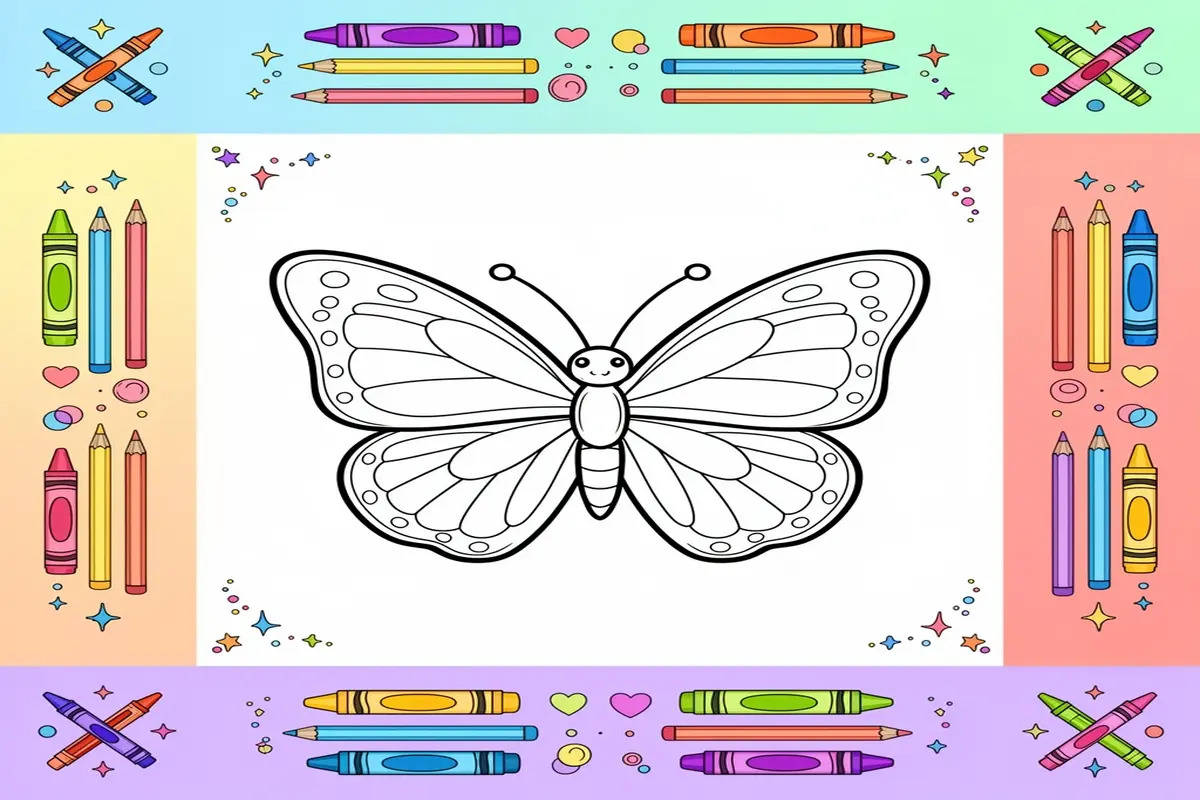
In a world saturated with digital screens, the simple, tactile joy of coloring offers a precious sanctuary for young minds. It’s a portal to imagination, focus, and pure, unadulterated fun. Among the most enchanting gateways to this creative realm are cute butterfly coloring pages for kids. These aren’t just outlines on a page; they are invitations to a magical garden where artistry takes flight. With their gentle curves, whimsical patterns, and symbolic beauty, butterflies captivate children, encouraging them to explore a spectrum of colors and express their inner visions. The act of transforming a black-and-white sketch into a vibrant masterpiece builds confidence and fine motor skills, making cute butterfly coloring pages for kids a foundational artistic adventure. And while butterflies flutter into the heart, the creative journey doesn’t stop there. For young artists fascinated by the animal kingdom, exploring our collection of cute bird coloring pages offers another delightful avenue for colorful expression.
The Enchanting Appeal: Why Butterflies Captivate Young Artists
What is it about these delicate insects that makes them such a perennial favorite in the world of children’s art? The answer lies in a beautiful blend of visual charm, symbolic meaning, and developmental perfection.
The Psychology of Color: A Soothing Symphony for Growing Minds
Coloring is a form of active meditation for children, and butterflies provide the ideal canvas. The symmetrical wings offer a satisfying sense of order and balance, which is inherently calming. Choosing colors for each segment allows a child to practice decision-making and color theory in a low-pressure, joyful environment. This focused activity can help quiet anxiety, improve concentration, and provide a tangible sense of accomplishment. The very nature of cute butterfly coloring pages for kids—often featuring friendly faces and simple, bold lines—is designed to be approachable, reducing frustration and fostering a love for creative tasks that can last a lifetime.
A Canvas of Culture and Transformation
Butterflies are more than just pretty insects; they are powerful symbols across cultures, universally representing transformation, hope, and new beginnings. This deeper resonance, even if subtly perceived by a child, adds a layer of storytelling to the coloring experience. A child isn’t just coloring a bug; they are giving life to a creature that embodies change and beauty. This connection allows parents and educators to weave gentle lessons about nature, growth, and metamorphosis into a simple art activity, enriching the moment beyond the page.
Curated for Every Little Hand: From Toddler to Tween
The beauty of cute butterfly coloring pages for kids lies in their incredible versatility. For the youngest artists, pages with large, simple areas are perfect for practicing grip and basic color recognition. As skills develop, more intricate designs with detailed wing patterns, tiny flowers, or background scenes challenge older children and even tweens, refining their precision and patience. This scalable complexity ensures that the humble butterfly remains a engaging subject for years, growing alongside the child’s abilities and providing a consistent, comforting creative outlet through various stages of development.
Professional Materials & Preparation for cute butterfly coloring pages for kids
To ensure a successful and enjoyable coloring session with cute butterfly coloring pages for kids, proper preparation is key. Having the right materials on hand transforms a simple activity into an opportunity for artistic expression and skill development. This guide outlines the essential toolkit, from foundational paper to specialized tools, helping parents and educators create an optimal environment for young artists to bring their fluttery masterpieces to life.
The Foundation: Selecting Premium Paper for cute butterfly coloring pages for kids
The choice of paper is the most critical, yet often overlooked, element. Standard printer paper (20-24 lb) is prone to bleeding and buckling. For superior results, opt for a medium-weight paper (32 lb or 80-100 GSM). This density provides a smooth, durable surface that handles multiple layers of color without tearing. For children experimenting with wet mediums like markers, consider dedicated marker paper, which has a bleed-resistant coating. When printing your cute butterfly coloring pages for kids, ensure your printer settings are adjusted for “high quality” or “photo” to produce crisp, dark lines that are easy for small hands to follow. For a thematic art project, you might also explore our abstract coloring pages for kids which can be paired with butterfly pages to create a vibrant, mixed-media display.
Best Coloring Tools: A Detailed Medium Comparison
The debate between colored pencils and markers is central to planning. Each has distinct advantages for coloring cute butterfly coloring pages for kids.
Colored Pencils: Ideal for developing fine motor control and patience. Wax-based pencils (e.g., Crayola) offer smooth application and are excellent for beginners. For more advanced young artists, oil-based pencils provide richer pigmentation and superior blendability, perfect for creating gradients on butterfly wings. Pencils allow for precise detailing, making them the top choice for intricate wing patterns.
Markers: Brilliant for bold, vibrant color blocks. Alcohol-based markers (like those from Copic or Ohuhu) offer seamless blending but can bleed through paper. Water-based markers (e.g., Crayola SuperTips) are more child-friendly and budget-conscious. Use markers for quick, saturated backgrounds or large wing sections, then layer pencils on top for detailed patterns—a professional technique kids love to learn.
Finishing Touches: Gel Pens, Highlights, and Embellishments
Elevate the artwork from simple to spectacular with detailing tools. Metallic or white gel pens are indispensable for adding magical highlights to butterfly wings, creating dewdrops, or tracing delicate antennae. They work wonderfully over both pencil and marker. Glitter glue pens can be used sparingly for a touch of sparkle on wing accents. For a mixed-media approach, consider non-toxic watercolor paints for a soft, blended wash background, making the brightly colored butterfly pop. These tools empower children to add personal flair and celebrate the whimsical nature of cute butterfly coloring pages for kids.
Perfect Workspace: Ergonomics, Lighting, and Organization
A well-prepared space prevents frustration and fosters focus. Ensure the coloring area has bright, natural light or a quality desk lamp to reduce eye strain. The seating should support good posture; the child’s feet should rest flat, with the table at elbow height. Use a clipboard or a hardback book behind the paper for a stable surface, especially if coloring on a soft table. Organize materials within easy reach—a simple muffin tin or small cups are perfect for sorting pencils and markers by color. Lay down a protective mat or newspaper to catch stray marks, and keep a soft eraser and pencil sharpener handy to maintain tools without interruption.
Part 3: Elevating Your Art: Professional Techniques for cute butterfly coloring pages for kids
Ready to transform those simple outlines into stunning works of art? Moving beyond basic filling, these professional techniques will help kids (and adults!) add incredible depth, realism, and creativity to their cute butterfly coloring pages for kids. This section is your guide to turning a fun activity into a masterclass in artistic skill.
Harmonious Palettes: Color Theory for Winged Wonders
Understanding a little color theory can make a world of difference. For cute butterfly coloring pages for kids, try these two approaches:
Complementary Colors: These are opposites on the color wheel (like blue & orange or purple & yellow). Using them on adjacent wing sections makes each color “pop” with vibrant energy.
Analogous Colors: These are neighbors on the wheel (like blue, blue-green, and green). This scheme creates a soothing, harmonious look, perfect for a gentle, realistic butterfly. Encourage young artists to plan a palette before they start, just like they might when choosing colors for our cute bird coloring pages.
From Flat to 3D: Mastering Simple Shading
Shading is the magic that adds form. Teach a simple three-step method:
1. Identify Your Light Source: Decide where the “sun” is (e.g., top left). Every shadow will be opposite.
2. Layer Your Colors: Start with your lightest color over the entire area. Then, apply a medium tone to the areas further from the light. Finally, add the darkest shade only in the deepest creases and along the very edges opposite the light.
3. Blend Gently: Use a lighter touch or a white colored pencil to softly blend where the color zones meet, especially on the rounded body and curved wings.
Adding Realism: Texture Techniques for Wings and Nature
Textures bring your butterfly to life. Here’s how to create different effects:
Powdery Wings: Use small, light, circular strokes with a colored pencil to mimic the delicate, dusty texture of real butterfly wings. Avoid heavy, solid lines.
Fuzzy Bodies: For the thorax and head, use very short, quick dashes or dots in varying shades of brown or black to create a soft, furry appearance.
Floral Backgrounds: Don’t forget the setting! Create soft, fluffy clouds with blended blues and whites, or textured flower petals with gentle line work. For more nature-inspired texturing practice, our cute bunny coloring pages offer great opportunities for fur and grass.
The Art of Correction: Gracefully Fixing Coloring Mistakes
Mistakes are part of the process. Here’s how to handle them gracefully:
Waxy Pencil Smudges: If colored pencil wax smears outside the lines, use a sticky-tack or a white eraser to gently “lift” the color. Press and lift repeatedly—don’t scrub.
Overly Dark Areas: If an area is colored too darkly, you can often lighten it by gently layering a white or a very light colored pencil over the top to blend and soften the hue.
Embrace “Happy Accidents”: A stray mark can become a new pattern element on a wing or a tiny flower in the background. Encourage creative problem-solving over perfection.
By integrating these techniques, your cute butterfly coloring pages for kids become more than just a pastime—they become a joyful gateway to foundational art skills, patience, and creative confidence.
Showcasing Your Cute Butterfly Coloring Pages for Kids: Creative Display Ideas
Once the final burst of color is applied, the fun doesn’t have to stop! Transforming your child’s artwork from a tabletop project into a cherished display is a wonderful way to celebrate their creativity and build their confidence.
Preserving Your Masterpiece: Archival Tips
To ensure those vibrant colors last, consider simple preservation methods. For long-term storage, place finished pages in acid-free sheet protectors within a binder, creating a personal art portfolio. For wall displays, use a simple clip frame or washi tape to avoid damaging the paper. You can also lightly spray finished pages with a fixative or laminate them, making them durable enough for repeated admiration or even as placemats.
Beyond Display: Creative DIY Projects
Take the artwork a step further with fun DIY crafts. Carefully cut out the colored butterfly and glue it onto a folded cardstock to create a beautiful, personalized greeting card. Punched-out shapes make perfect gift tags or decorative bookmarks. For a magical room decoration, string a series of colored butterflies along twine to create a charming garland. These projects extend the activity and turn art into thoughtful gifts, just like the creations from our cute bunny coloring pages.
Your Cute Butterfly Coloring Pages for Kids Questions Answered
How to teach kids about butterflies through coloring?
Use coloring as a springboard for learning. As your child colors, discuss the butterfly’s life cycle—egg, caterpillar, chrysalis, adult. Point out body parts like antennae and wings. Talk about how butterflies help flowers grow (pollination) and ask them to choose realistic or fantastical colors. This turns a quiet activity into an engaging, educational moment about nature and science.
What are the benefits of butterfly coloring for child development?
Coloring cute butterfly coloring pages for kids strengthens fine motor skills and hand-eye coordination as children practice staying within lines. It fosters creativity and color recognition while also providing a calming, focused activity that can reduce anxiety and improve concentration. It’s a fun, screen-free way to support artistic expression and emotional regulation.
What age group are cute butterfly coloring pages most suitable for?
These pages are wonderfully adaptable. Toddlers (2-3) enjoy simple, large-winged designs with thick lines. Preschoolers (4-5) can handle more detail and practice scissor skills by cutting out their finished work. School-aged children (6+) appreciate intricate patterns and can use them to learn about symmetry and different species, making cute butterfly coloring pages a hit across a broad age range.
Where can I find free printable cute butterfly coloring sheets?
You can find a fantastic variety of free, high-quality printable coloring pages right here on our website! We offer numerous adorable and engaging designs perfect for little artists. Simply browse our collection, download your favorites, and print them at home for instant, endless coloring fun.
What are the best colors for a monarch butterfly coloring page?
The iconic monarch is known for its vibrant orange wings with black veins and borders, and white spots along the edges. Encourage kids to use rich orange, bold black, and bright white for a realistic look. However, the beauty of cute butterfly coloring pages for kids is creative freedom—a rainbow monarch is equally wonderful!
Final Thoughts: Your Cute Butterfly Coloring Pages for Kids Journey Begins
The simple act of coloring a butterfly can open a world of creativity, learning, and quiet joy for your child. From the first chosen crayon to the proud display of their finished masterpiece, this activity nurtures developmental skills, sparks conversations about the natural world, and creates lasting memories. Each page is more than just a picture; it’s a canvas for imagination, a lesson in patience, and a celebration of your child’s unique perspective.
We hope this guide inspires you to create, display, and learn together. Remember, every colorful wing is a step in your child’s creative journey. Ready for your next adventure? Explore our cute bird coloring pages for another delightful flight of fancy!