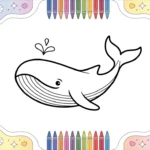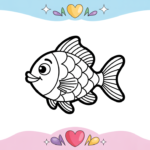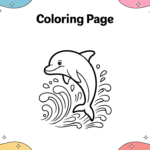
We offer a wide collection of free, high-quality printable coloring pages for kids and adults. From cute animals to intricate mandalas, our designs bring creativity and relaxation to everyone. Download, print, and start coloring today!

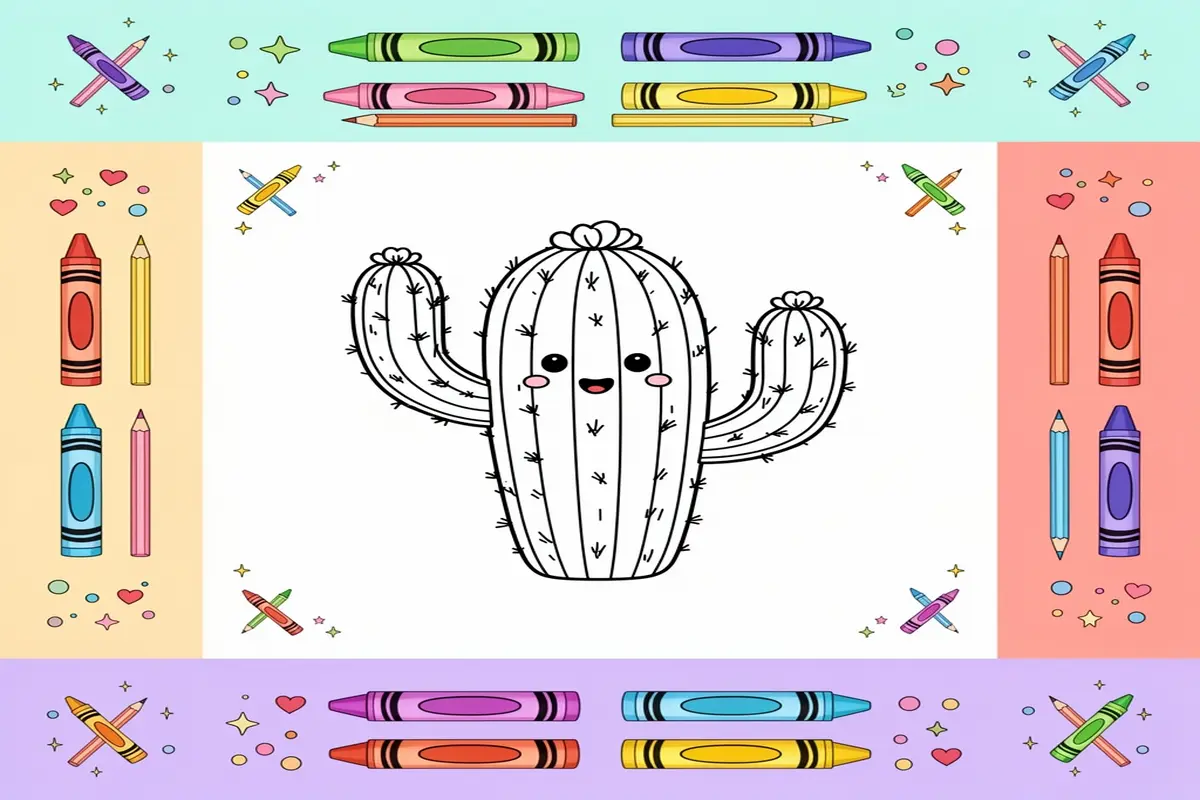
In a world of vibrant screens and constant stimulation, the simple act of coloring offers a sanctuary for young minds. It’s a tactile, imaginative journey where focus blossoms and self-expression takes root. Among the myriad of themes available, there’s something uniquely charming about cute cactus coloring pages for kids. These delightful designs transform the resilient, spiny desert dweller into an adorable companion, sparking joy and creativity. Unlike more complex subjects, these friendly, rounded cacti with smiling faces provide the perfect balance of simple shapes and engaging details, making them an ideal artistic starting point for little hands. As children select hues for a pot, color in cheerful blooms, or imagine a sunny desert sky, they’re not just playing—they’re developing fine motor skills, color recognition, and a sense of peaceful accomplishment. Explore our vast collection, from these charming desert friends to majestic ocean creatures like our free whale coloring pages, and discover the perfect printable to inspire your young artist’s next masterpiece.
The Prickly & The Playful: Why Kids Adore Cactus Companions
What is it about these succulent characters that captures a child’s imagination so completely? The appeal of cute cactus coloring pages for kids lies in a delightful fusion of the familiar and the fantastic. They are a gateway to creative storytelling and artistic exploration, wrapped in a package that is both approachable and endlessly customizable.
The Psychology of the Friendly Flora: Building Confidence with Simplicity
The foundational shapes in cactus designs—ovals, circles, and cylinders—are inherently non-intimidating. For a young child, successfully coloring within these clear, friendly forms builds immense artistic confidence. This simplicity is strategically disarming; it removes the fear of “making a mistake” and replaces it with the joy of completion. The addition of cute faces, hats, or flowers personalizes the experience, allowing the child to project emotions and narratives onto their page. This process is more than play—it’s a foundational exercise in empathy and creative storytelling, where a cute cactus coloring pages for kids becomes a character in their own imagined world.
From Desert Icons to Cartoon Stars: A Brief Cultural Bloom
While cacti have long been symbols of arid landscapes and resilient survival, their transformation into cartoon icons is a relatively modern phenomenon. This shift mirrors a broader trend in popular culture where natural elements are anthropomorphized to foster connection and delight. The cute cactus, with its softened spines and expressive eyes, becomes an accessible ambassador from the natural world. Coloring these pages offers a subtle, engaging way to introduce themes of environmental adaptation and the unique beauty of desert ecosystems, all through the lens of charm and whimsy.
A Garden of Varieties: Pages for Every Growing Artist
The beauty of this theme is its incredible range. Some cute cactus coloring pages for kids feature a single, simple potted plant, perfect for toddlers and preschoolers practicing their grip. Others present elaborate desert scenes with multiple cacti varieties, playful animals like lizards or birds, and detailed backgrounds that challenge older children and even adults. This scalability ensures that the activity grows with the child, continually offering an appropriate level of engagement. Whether a quick creative break or a focused afternoon project, these pages are curated to nurture every skill level, proving that the most rewarding creative gardens often sprout from the simplest of seeds.
Part 2: Essential Materials & Preparation for Cute Cactus Coloring Pages for Kids
To ensure your young artists have the best experience bringing their cute cactus coloring pages for kids to life, proper preparation is key. The right materials not only enhance the final artwork but also make the process more enjoyable and frustration-free. This guide outlines a professional toolkit tailored for these charming, spiky subjects, helping parents and educators set the stage for creative success.
The Foundation: Selecting Premium Paper for Cute Cactus Coloring Pages for Kids
The paper you choose is the single most important factor in coloring quality. For cute cactus coloring pages for kids, which often feature bold outlines and fun details, a heavier paper stock prevents bleed-through and allows for layering. Look for smooth-surface, acid-free paper with a weight of at least 100 GSM (grams per square meter). This density is sturdy enough to handle markers without warping and provides a superior tooth for colored pencils to grip and blend. For home printing, invest in a ream of dedicated “marker paper” or heavyweight multipurpose paper. This ensures the intricate patterns of a smiling cactus or its textured pot are rendered crisply.
Best Coloring Tools: A Detailed Medium Comparison
The choice between markers, colored pencils, and crayons dramatically affects the outcome of your cute cactus coloring pages for kids.
Colored Pencils (Professional Grade): Ideal for control and detail. Wax-based pencils offer vibrant layering, perfect for adding depth to a cactus’s ridges. Oil-based pencils blend smoothly for realistic shading on rounded cactus bodies. Brands with high pigment concentration provide rich color with less pressure, which is easier for small hands.
Markers (Alcohol vs. Water-Based): Alcohol-based markers (like Copic or similar) offer seamless, bleed-free blends for creating stunning sunset backgrounds behind your cactus scenes. However, for most children, high-quality water-based markers are the safer, more practical choice. They are washable, odorless, and provide vibrant, flat colors ideal for filling in large areas like flower pots or a bright sun. Always test for bleed-through on your chosen paper.
Crayons: While excellent for developing grip strength in younger children, they lack the precision for finer details. They work best for broad, expressive strokes rather than the intricate patterns often found in cute cactus coloring pages for kids.
Finishing Touches: Gel Pens, Highlights, and Outlining
Elevate the artwork from simple to spectacular with detailing tools. Gel pens and metallic markers are perfect for adding whimsical highlights to dewdrops on cactus spines or creating playful patterns on a pot. A white gel pen is indispensable for adding bright highlights to eyes or creating a glossy sheen. For older kids, fine-line archival ink pens (0.3mm or 0.5mm) can be used to reinforce outlines or add custom patterns, making each page uniquely theirs. These tools encourage attention to detail and bring an extra dimension of fun to the creative process, much like the details found in our cute butterfly coloring pages.
Perfect Workspace: Optimizing Lighting and Ergonomics
A proper workspace prevents fatigue and lets creativity flow. Ensure the coloring area is well-lit with natural light or a bright, neutral-white LED lamp to reduce eye strain and allow for true color perception. The seating should support good posture; feet should be flat on the floor or a stool, with the table at elbow height. Use a clipboard or a hardback book underneath the coloring page to provide a firm, portable surface. Keep materials organized within easy reach—a simple cup for pencils and a small tray for other tools minimizes distractions and helps children focus on filling their cute cactus coloring pages for kids with joy.
Part 3: Elevating Your Art: Pro Techniques for cute cactus coloring pages for kids
Ready to transform those simple outlines into vibrant, textured masterpieces? Moving beyond basic filling, these professional techniques will help kids (and adults!) add incredible depth and realism to their cute cactus coloring pages for kids. This isn’t just about staying inside the lines—it’s about bringing a desert scene to life.
Harmonious Palettes: Color Theory for Your Desert Scene
Understanding a little color theory can make a world of difference. For cute cactus coloring pages for kids, try these approaches:
Analogous Colors: Create a soothing, natural look by using colors next to each other on the wheel. For a cactus body, try blending different greens with a touch of yellow. The pot can use shades of terracotta, orange, and red.
Complementary Colors: For a vibrant, eye-catching pop, use colors opposite each other. A bright green cactus looks fantastic against a red clay pot. Use this for a single flower bloom or decorative pot details to make them stand out.
Nature’s Palette: Draw inspiration from real deserts. Think about the soft greens and blues of a cactus, the warm browns and oranges of sand and clay, and the brilliant pinks or yellows of a rare flower. For more animal-inspired color schemes, check out our zebra coloring pages free printable and giraffe coloring pages.
From Flat to 3D: Mastering Shading and Light
Shading is what turns a flat shape into a rounded, dimensional object. Decide where your light source is (e.g., the top right corner of the page) and stick with it.
1. Base Layer: Color the entire cactus with your main, medium green.
2. Add Shadows: On the side opposite your light source, apply a darker green or blue-green. Concentrate this in the grooves and along the edges facing away from the light.
3. Add Highlights: On the side closest to the light, apply a lighter green or yellow-green. Use a lighter touch or leave tiny white spots for a sun-kissed effect.
4. Blend: Gently go over the borders between your light, medium, and dark shades with your medium color to create a smooth gradient.
Adding Realism: Creating Cactus Texture and Details
Texture gives character. A cactus isn’t smooth—it has ridges, spines, and a unique surface.
Spines and Needles: Don’t just draw black lines. Use a sharp, dark brown or gray pencil to create tiny lines. Cluster them more densely on shadowed sides. For a softer look, use small dots.
Cactus Ribs: Use your shading technique to emphasize the vertical ribs. The raised ribs get highlights, while the grooves between them get shadows.
The Pot: Give the clay pot a gritty texture by using small, circular scribbles with a brown pencil. Add a dark shadow underneath it to “ground” it on the page.
Background: A simple, soft blue sky (lighter near the horizon) or a sweep of yellow-orange sand can make your cactus pop without distracting from it.
The Art of Correction: Gracefully Fixing Coloring Mistakes
Mistakes are part of the process! Here’s how to handle common issues:
Colored Outside the Lines? If you go over a cactus outline into the background, use the background color (e.g., sky blue) to carefully redraw the line. The eye will be drawn to the stronger shape.
Color Too Dark or Muddy? You can often lighten an area by gently dabbing it with a kneaded eraser. It will lift some pigment, allowing you to layer a better color on top.
Unhappy with a Color Choice? Try layering a new color over it. For example, a too-bright green can be toned down by lightly layering a bit of brown or gray over it, creating a more realistic, dusty desert plant.
Embrace It! Sometimes a “mistake” can become a new feature. An errant mark can be turned into a friendly ladybug visiting the cactus or a unique pattern on the pot. The goal is creative fun, not perfection.
Showcasing Your Cute Cactus Coloring Pages for Kids: Creative Display Ideas
Once your young artist has filled their cute cactus coloring pages for kids with vibrant life, it’s time to celebrate their work! Moving beyond the fridge door, thoughtful display and creative reuse can build confidence and extend the fun.
Preserving Your Masterpiece: Archival Tips
Protect those precious creations from fading and wear. For long-term storage, use acid-free portfolios or flat files. To display, consider simple, inexpensive clip frames or washi tape borders that won’t damage walls. For a special piece, you can even have it professionally laminated into a placemat, making it both durable and functional for everyday use.
Beyond Display: Creative DIY Projects
Transform completed pages into heartfelt gifts and keepsakes. A colored page makes a perfect, personalized greeting card when folded and glued onto cardstock. You can also create charming bookmarks by laminating a thin strip cut from the artwork. For a fun group project, combine several colored pages into a unique desert-themed banner or a custom-cover storybook about a friendly cactus family, sparking even more imaginative play.
Your Cute Cactus Coloring Pages for Kids Questions Answered
How to draw a simple cactus for kids?
Start with a simple oval or rounded rectangle for the main body. Add smaller ovals or circles for arms. Draw short, even lines or tiny “V” shapes all over for spines. Top it off with a simple flower (a circle with petals) and a happy face. It’s a fantastic, confidence-boosting first drawing that complements coloring activities.
What are the benefits of coloring for children’s development?
Coloring enhances fine motor skills and hand-eye coordination as children learn to control crayons and stay within lines. It fosters creativity, color recognition, and focus. It’s also a wonderful, screen-free activity for emotional expression and stress relief, providing a calm, mindful moment in a child’s day.
Where can I find free printable cactus coloring pages?
You can find a wonderful variety of free, high-quality printable coloring pages right here on our site! We offer numerous cute cactus coloring pages for kids designed specifically for little hands, featuring friendly smiles and simple shapes that are perfect for preschoolers and older children alike.
What are the best colors for a cactus coloring page?
While traditional greens are great, encourage creativity! Cacti can be shades of blue, purple, or even rainbow. Use bright pinks, yellows, or oranges for flowers. The sky can be a classic blue, a stunning sunset gradient, or a starry night. With cute cactus coloring pages for kids, there are no wrong color choices.
How to make a cactus coloring page educational?
Turn coloring into a learning moment. Discuss desert habitats and how cacti store water. Count the cactus arms or spines. Practice letter “C” for cactus. Ask your child to name the colors they choose in both English and another language. It seamlessly blends art with early science, math, and literacy skills.
Final Thoughts: Your Cute Cactus Coloring Pages for Kids Journey Begins
The journey with cute cactus coloring pages for kids is about so much more than just staying inside the lines. It’s a gateway to creative confidence, quiet focus, and joyful family moments. Each page completed is a testament to your child’s growing skills and vibrant imagination, a little masterpiece born from simple shapes and a rainbow of possibilities. We hope these ideas for display, DIY projects, and educational fun help you make the most of this delightful activity.
Ready for your next adventure? Explore our cute bunny coloring pages for another adorable coloring experience!