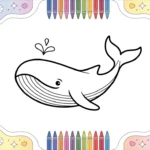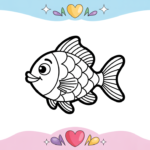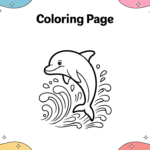
We offer a wide collection of free, high-quality printable coloring pages for kids and adults. From cute animals to intricate mandalas, our designs bring creativity and relaxation to everyone. Download, print, and start coloring today!

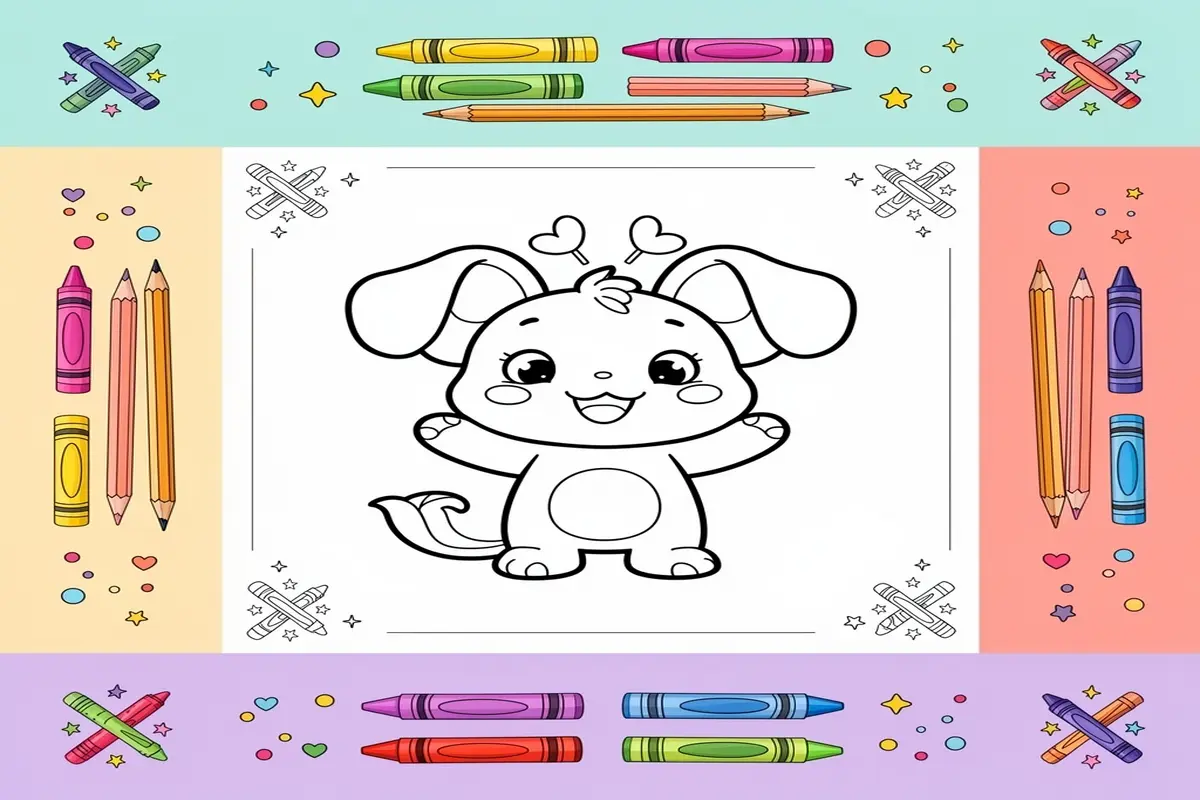
In a world that often moves too fast for little minds, finding a quiet harbor for creativity and calm is a precious gift. The simple act of coloring, once a childhood staple, has been rediscovered as a powerful tool for mindfulness and emotional regulation. This is where the magic of cute calming coloring pages for kids truly shines. More than just a pastime, these pages are carefully crafted portals to a gentler world, combining adorable, friendly subjects with soothing, manageable designs. They invite children to slow down, focus on the present moment of choosing a sky-blue or a grass-green, and experience the profound satisfaction of creating something beautiful. From the gentle curves of a smiling whale to the delicate wings of a butterfly, each page is an opportunity for a mini-retreat. By integrating cute calming coloring pages for kids into daily routines, parents and educators can provide a tactile, screen-free escape that nurtures both artistic expression and inner peace, laying the foundation for lifelong coping skills wrapped in joy.
The Alchemy of Adorable: Why Cute + Calm is a Winning Formula
What transforms a simple line drawing into a therapeutic experience for a child? The answer lies in the deliberate fusion of aesthetic appeal and psychological design. Cute calming coloring pages for kids are not random; they are built on an understanding of what attracts, holds attention, and ultimately relaxes a young mind.
The Psychology of “Cute”: Triggering Positive Engagement
The “cuteness” factor is a powerful neurological trigger. Characters with large eyes, rounded shapes, and friendly expressions—think of a chubby penguin or a bunny with a tiny flower—activate caregiving responses and feelings of affection. This positive emotional engagement is the first step toward a calming activity. A child feels drawn to the page, not intimidated by it. This welcoming aesthetic lowers barriers to entry, making the cute calming coloring pages for kids an appealing choice over more stimulating or complex alternatives, encouraging a willing and happy participant in the quiet ritual of coloring.
Design for Mindfulness: Simplicity as a Superpower
Calm is often found in clarity. Unlike overly detailed or chaotic images that can lead to frustration, these pages typically feature clear outlines, generous spaces, and harmonious compositions. This intentional simplicity allows a child to focus without feeling overwhelmed. The repetitive motion of coloring within these friendly boundaries induces a meditative state, quieting the “noise” of the day. The act becomes about the process—the feel of the crayon, the emergence of color—rather than a pressured outcome. This is the core therapeutic value of cute calming coloring pages for kids: they make mindfulness accessible and fun.
A Spectrum of Serenity: From Farmyards to Deep Seas
The themes themselves are curated for comfort. While adventurous subjects have their place, calming pages often explore universally comforting worlds: gentle forest animals, underwater scenes with floating jellyfish, blooming gardens, or sleepy celestial motifs. These themes connect children to natural, rhythmic worlds, further enhancing the soothing effect. Whether it’s a farmyard friend from our collection of free printable pig coloring pages or a majestic but gentle giant from the savanna, the subject matter is chosen to evoke wonder, not worry, completing the perfect recipe for a peaceful, creative session.
Part 2: Essential Materials & Preparation for Cute Calming Coloring Pages for Kids
To maximize the therapeutic and creative benefits of cute calming coloring pages for kids, proper preparation is key. Having the right tools on hand transforms a simple activity into a high-quality, engaging experience that can hold a child’s focus and reduce anxiety. This section details the professional-grade materials and setup recommendations to ensure every coloring session is a success, starting with the very foundation: the paper you print on.
The Foundation: Choosing Paper for Cute Calming Coloring Pages for Kids
The paper you select directly impacts the final result and the child’s enjoyment. Standard printer paper (20-24 lb) is prone to bleeding and tearing, especially with markers. For superior results, opt for a medium-weight paper. Cardstock (65-80 lb) is an excellent choice for most projects, providing a sturdy surface that resists bleed-through and can handle layering and erasing. For a truly premium feel, consider smooth Bristol paper (100+ GSM), which allows for exceptionally clean blends with colored pencils. When printing your chosen designs, such as our cute calming coloring pages featuring gentle animals, high-quality paper ensures the intricate lines remain crisp and defined.
Best Coloring Tools: Markers vs. Pencils for Calming Art
The choice between markers and colored pencils often depends on the desired outcome and the child’s motor skills. For vibrant, bold color with smooth coverage, alcohol-based markers (like Copic or Ohuhu) are unparalleled, but they require bleed-proof paper. A more practical and budget-friendly option for families is high-quality water-based markers, which offer good color payoff with less risk of bleeding through cardstock. For detailed, textured work and superior shading control, colored pencils are ideal. Wax-based pencils (like Crayola) are soft and blendable, while oil-based pencils (like Faber-Castell) offer harder leads for fine detail, perfect for adding texture to fur or scales on animal pages. Many artists start with pencils for base layers and use markers for bold accents.
Finishing Touches: Gel Pens, Highlighters, and Blenders
Elevate the finished artwork with special-effect tools that add a magical touch. Gel pens, especially in metallic, glitter, or pastel shades, are perfect for adding highlights to eyes, creating sparkle on water, or tracing outlines. White gel pens are indispensable for adding highlights on top of darker colors. Consider keeping a set of fine-line archival ink pens for children who enjoy adding their own patterns or reinforcing lines before coloring. For colored pencil work, a colorless blender marker or a specialized blending stump can help smooth gradients and merge colors seamlessly, teaching kids advanced techniques in a fun, accessible way. These tools are particularly effective on pages with soothing patterns, like our cute calm coloring pages.
Perfect Workspace: Ergonomics and Calming Ambiance
The physical setup is crucial for fostering a calm, focused coloring environment. Ensure the workspace is well-lit with natural or full-spectrum LED light to reduce eye strain. The seating should support good posture; the child’s feet should rest flat, with the table at elbow height. Organize materials in easy-to-reach containers to minimize frustration. To complete the calming atmosphere, consider playing soft, instrumental music in the background and having a dedicated, clutter-free space for the activity. This intentional setup signals to the child that it’s time to unwind, making the most of their session with cute calming coloring pages for kids. Preparing all materials—sharpened pencils, sorted markers, and printed pages—beforehand allows the child to transition smoothly into the creative flow without interruptions.
Part 3: Elevating Your Art: Advanced Techniques for Cute Calming Coloring Pages for Kids
Once your child has mastered staying within the lines, a whole new world of artistic expression opens up. These advanced techniques for cute calming coloring pages for kids transform simple coloring into a mindful art practice, building confidence and creating stunning results. Let’s explore how to add depth, realism, and personal flair.
Link: For a perfect canvas to practice these skills, our collection of cute calm coloring pages offers serene scenes ideal for detailed work.
Harmonious Palettes: Color Theory for Serene Scenes
Choosing colors isn’t just random; it’s about creating a mood. For cute calming coloring pages for kids, we want to use colors that feel peaceful and cohesive.
Analogous Colors: These are colors that sit next to each other on the color wheel (like blue, blue-green, and green). They naturally blend and create a harmonious, soothing look—perfect for a gentle ocean scene with our free dolphin coloring pages or a quiet sunset sky.
Complementary Colors: These are opposites on the wheel (like blue and orange). Used subtly, they can make elements pop. Imagine a cute orange goldfish against soft blue water—the contrast is vibrant yet balanced. Use a bright complement for a single flower in a field, drawing the eye without overwhelming the page.
From Flat to 3D: Mastering Simple Shading
Shading adds volume and makes drawings come alive. Teach this easy, three-step method:
1. Identify Your Light Source: Decide where the “sun” is (e.g., top-left corner). Every shadow will be opposite this.
2. Layer Your Pressure: Color the entire area lightly with your base color. Then, go over the areas farthest from the light source (the “shadow side”) with medium pressure. Finally, add a third, heavy-pressure layer right along the deepest edge.
3. Blend: Use a lighter color pencil or a blending stump to gently smooth the transitions between light and dark areas. This creates a soft, realistic gradient.
Adding Realism: Basic Texture Techniques
Texture gives character to your creations. Here’s how to suggest different surfaces:
Fur & Fluff: For animals on pages like our cute bear coloring pages for kids, use short, quick strokes that follow the direction the fur grows. Layer different shades of the same color to create depth.
Water & Sky: Use long, smooth, horizontal strokes. For water, leave tiny white spaces for sparkle. For a smooth sky, blend thoroughly with a circular motion.
Scaly or Rough Skin: For creatures like turtles or dragons, create a pattern of small, overlapping “U” shapes or dots, then lightly shade one side of each scale to suggest curvature.
The Art of Correction: Gracefully Fixing Coloring Mistakes
Mistakes are part of the process! Here’s how to handle them without stress:
Over-Coloring: Accidentally colored outside the lines? Use a white gel pen or a sharpened white colored pencil to carefully redefine the border. It can often cover light to medium stray marks.
Color Choice Regret: If a color feels too dark or harsh, try coloring lightly over it with a white pencil to mute it, then layer your new, preferred color on top. This can create interesting new tones.
* Embrace the “Happy Accident”: Sometimes a slip can be incorporated. A stray mark can become a butterfly, a floating leaf, or a speckled pattern. This creative problem-solving is a valuable lesson in resilience and innovation, keeping the activity truly calming.
By integrating these techniques, children move from simply filling space to intentionally creating art. This mindful focus is the true heart of a calming creative session, building skills that extend far beyond the page.
Showcasing Your Cute Calming Coloring Pages for Kids: Creative Display Ideas
The journey doesn’t end when the last crayon is put down. Displaying your child’s finished cute calming coloring pages for kids masterpieces validates their effort and turns their mindful art into a source of daily joy and pride. Here are creative ways to celebrate their work.
Preserving Your Masterpiece: Archival Tips
To ensure those adorable creations last, consider simple preservation. For pieces you want to keep long-term, use acid-free sheet protectors in a binder or have them laminated at a local print shop. This protects against fading and smudging. For wall displays, inexpensive clip frames or washi tape (which is gentle on walls) allow for easy rotation of artwork, creating a dynamic, ever-changing gallery of their calming creations.
Beyond Display: Creative DIY Projects
Transform colored pages into meaningful gifts and keepsakes. Laminate a finished page and cut it into unique bookmarks. Adhere a colored design to a folded cardstock to create a heartfelt greeting card. For a special gift, decoupage several pages onto a wooden box or tray. You can even start a seasonal garland by stringing up themed pages, like these delightful Cute Bunny Coloring Pages, for a charming, personalized decoration.
Your Cute Calming Coloring Pages for Kids Questions Answered
How to use calming coloring pages for kids with anxiety?
Create a consistent, quiet ritual. Offer the coloring activity during stressful transitions or before bedtime. Focus on the process, not the outcome. Use gentle prompts like, “Let’s just focus on these soft lines,” to anchor their attention. This mindful practice provides a safe, non-verbal outlet for big feelings, making cute calming coloring pages for kids a powerful tool for emotional regulation.
What are the benefits of coloring for children’s mental health?
Coloring promotes mindfulness, reducing stress and anxiety by focusing the mind on a simple, repetitive task. It enhances fine motor skills and concentration. The act of choosing colors and completing a picture boosts self-esteem and provides a sense of control. It’s a screen-free activity that allows for emotional expression and quiet relaxation.
Where can I find free printable cute animal coloring pages?
Numerous educational and parenting websites offer free, high-quality printables. Look for sites specializing in child development or art therapy resources. For a vast collection of adorable options, explore dedicated coloring sites like Safari Coloring, which feature everything from farm animals to sea creatures, all designed to be engaging and age-appropriate for young artists.
What are the best calming colors for kids’ coloring pages?
Soft, cool tones like blues, greens, lavenders, and gentle pastels (mint, peach, sky blue) are inherently soothing. Encourage the use of these hues for backgrounds or large areas. However, the true benefit comes from the child’s choice, so allow freedom—sometimes expressing joy with bright yellows or pinks on a cute calming coloring page is exactly the emotional release they need.
How to choose age-appropriate mindfulness coloring for kids?
For toddlers and preschoolers, select pages with large, simple shapes and friendly characters. School-aged children can handle more detail, like patterns within an animal’s shape or scenic backgrounds. The key is that the design should feel achievable, not frustrating. A page that is both cute and calming for kids will match their motor skills, holding their attention without causing stress.
Final Thoughts: Embracing the Cute Calming Coloring Journey
The simple act of coloring is far more than a pastime; it’s a gateway to mindfulness, creativity, and emotional well-being for your child. By providing cute calming coloring pages for kids, you’re offering them a tangible tool to navigate big emotions, build confidence, and find quiet joy in a busy world. From the focused silence of creation to the pride of displaying their art, this journey strengthens skills that extend far beyond the page.
Remember, the goal is never perfection, but presence. Celebrate each stroke of color as a step toward calm. Ready for your next creative adventure? Explore our Cute Calm Coloring Pages for a fresh collection designed to inspire peace and happiness.