We offer a wide collection of free, high-quality printable coloring pages for kids and adults. From cute animals to intricate mandalas, our designs bring creativity and relaxation to everyone. Download, print, and start coloring today!

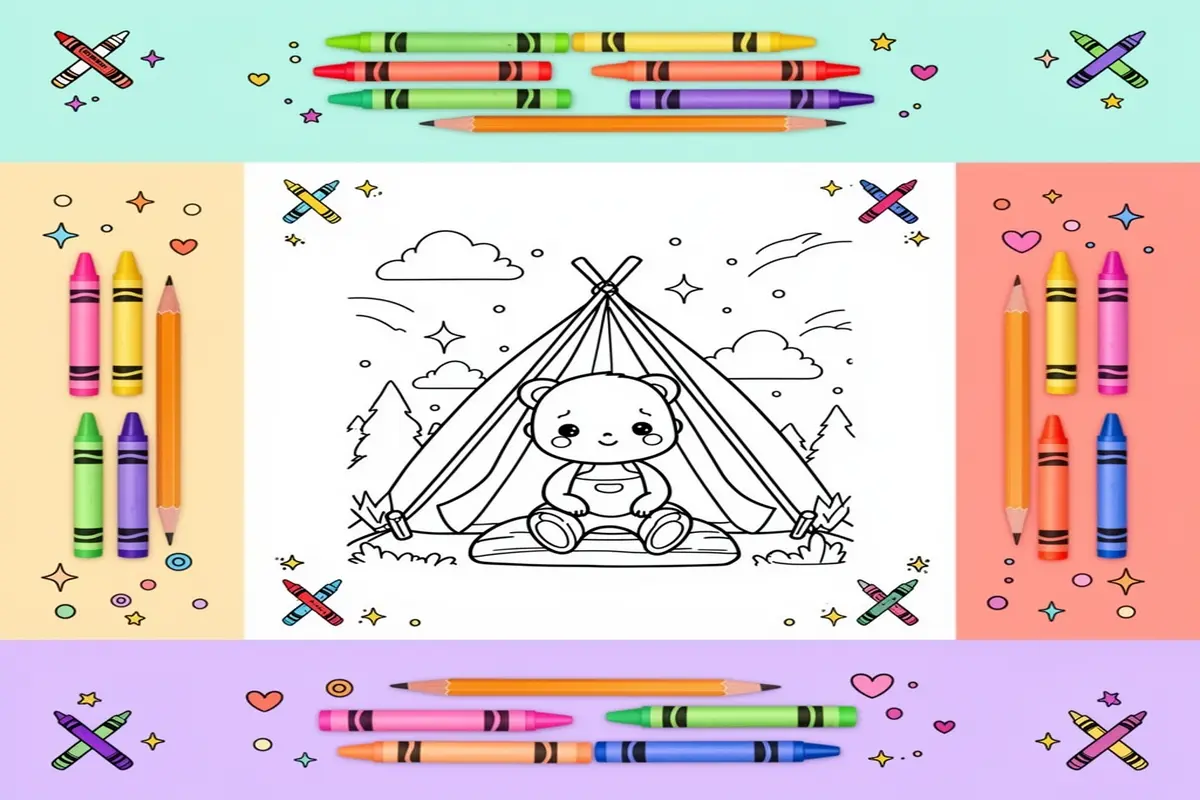
Imagine the quiet rustle of leaves, the gentle crackle of a campfire, and the wide-eyed wonder of a child discovering the great outdoors. Now, picture capturing that magical essence on paper, ready to be brought to life with a rainbow of crayons. This is the unique charm of cute camping coloring pages for kids. More than just an activity, these pages are a gateway to imaginative play, blending the beloved theme of outdoor adventure with the developmental benefits of artistic expression. They transform the simple act of coloring into a storytelling session, where a smiling bear in a sleeping bag or a cheerful lantern under a starry sky becomes the protagonist of a grand, kid-created narrative. For parents and educators seeking to nurture creativity, fine motor skills, and a love for nature, these adorable scenes offer the perfect, screen-free canvas.
The appeal of cute camping coloring pages for kids lies in their ability to make the wilderness friendly and accessible. They demystify the camping experience, presenting tents, backpacks, and forest critters in a joyful, approachable style that invites young artists to engage without intimidation. It’s a wonderful way to prepare for a first family trip or to relive cherished memories from a past adventure. While the safari might feature majestic lions (as seen in our free lion coloring pages), the camping scene celebrates the cozy, communal, and whimsical side of nature. Let’s explore why these particular pages are becoming a cherished tool for creative growth and family bonding.
The Great Indoors Meets The Great Outdoors: Why Camping Themes Captivate
At the intersection of fantasy and familiar experience lies a powerful draw for young minds. Cute camping coloring pages for kids masterfully tap into this by presenting an idealized, joyful version of an adventure many children dream about or have personally enjoyed. The theme itself is a narrative playground.
The Psychology of Play: Building Worlds with Color
Coloring is often discussed for its calming, mindfulness benefits, but when paired with a thematic set like camping, it evolves into dynamic, cognitive play. As a child selects a green for the pine trees or a yellow for the tent’s glow, they are not just filling space—they are making executive decisions about their miniature world. This process reinforces memory (“What color was our real tent?”), encourages problem-solving (“Should the river be blue or teal?”), and fosters emotional connection to the subject. The “cute” aesthetic is particularly key; it lowers frustration thresholds, making the activity inviting and rewarding, which boosts confidence and a sense of accomplishment.
A Timeless Tradition, Reimagined for Tiny Hands
The imagery of camping is deeply rooted in stories of exploration and family togetherness. Modern cute camping coloring pages for kids take this timeless tradition and reimagine it through a lens of bright, cheerful illustration. Gone are the daunting, realistic survival sketches; in their place are grinning raccoons, flowers dotting the campsite, and marshmallows with happy faces. This historical connection to pioneer spirit and scout adventures is gently woven into scenes that feel safe, fun, and endlessly customizable. It’s a way to pass on the cultural love for the outdoors in a format that is immediately accessible to the digital generation.
Curated for Every Young Explorer: From Toddlers to Tweens
The beauty of this niche lies in its scalability. For a toddler, a simple page with a large, smiling campfire and a single tent helps practice grip and boundary recognition. For an older child, a complex scene featuring a detailed landscape with a hiking trail, a fishing pond, and a star-filled sky challenges their dexterity and artistic choices. This range ensures that cute camping coloring pages for kids are not a one-time activity but a growing companion to a child’s developmental journey. They serve as a creative outlet for the artistically inclined and a structured, relaxing exercise for those who benefit from focused, quiet time, proving their value across a wide spectrum of interests and abilities.
Part 2: Essential Materials & Preparation for Cute Camping Coloring Pages for Kids
To ensure your young artists get the most out of their cute camping coloring pages for kids, proper materials and preparation are key. This professional guide details the optimal toolkit, transforming a simple activity into an engaging, skill-building experience. The right supplies not only make coloring easier but also enhance the final artwork, making those adorable camping scenes truly pop.
The Foundation: Selecting Premium Paper for Cute Camping Coloring Pages
The paper you choose is the literal canvas for your child’s creativity. For printable cute camping coloring pages for kids, standard printer paper (20-24 lb) is sufficient for casual use with crayons or pencils. However, for a superior experience, especially when using markers, upgrade to a heavier weight paper. Look for “marker paper” or “drawing paper” with a weight of 70-100 GSM. This prevents bleed-through, allows for smoother blending, and gives the artwork a more finished feel. A bright white, smooth surface will make the cheerful colors of a campsite or a smiling cartoon bear appear more vibrant. For a special project, consider cardstock (around 65 lb/176 GSM), which is excellent for displays or turning into greeting cards.
Best Coloring Tools: A Detailed Medium Comparison
The choice of coloring medium dramatically affects the outcome and enjoyment of cute camping coloring pages for kids.
Colored Pencils: Ideal for developing fine motor control and detail work. Wax-based pencils (like Crayola) offer vibrant colors and are great for beginners. For more advanced blending and realistic shading on scenes like forest backgrounds or animal fur, consider oil-based pencils (like Faber-Castell). They allow for layering colors to create depth in a nighttime camping sky or the texture of a log.
Markers: Provide bold, saturated color perfect for making elements like tents, backpacks, and campfires stand out. For children, water-based markers are the safest and easiest to clean. Dual-tip markers (fine and broad) offer versatility for both outlining and filling. To avoid frustration and paper damage, ensure you use the recommended heavier paper to prevent bleed-through.
Crayons: The classic choice for young children. They are durable, inexpensive, and excellent for covering large areas with color. Look for triangular or jumbo crayons that are easier for little hands to grip. While less precise, they impart a wonderfully textured, nostalgic look perfect for a rustic camping theme.
Finishing Touches: Gel Pens, Highlights, and Embellishments
Elevate the completed pages with special effects that add sparkle and dimension. Gel pens and metallic markers are fantastic for adding magical details. Use a white gel pen to draw stars in a night sky, create dewdrops on leaves, or add highlights to a character’s eyes. Silver or gold pens can embellish lanterns, zippers on backpacks, or the rim of a marshmallow roasting stick. For a fun, tactile element, consider adding small, glued-on google eyes to animals or using glitter glue sparingly on campfire flames. These details encourage children to add their own narrative to the scene, fostering storytelling alongside art. For more intricate nature scenes, our cute-bug-coloring-pages offer excellent practice for fine-detail work with these tools.
Perfect Workspace: Optimizing Lighting and Ergonomics
A well-prepared workspace prevents fatigue and allows children to focus on the fun. Prioritize natural light whenever possible, positioning the coloring area near a window. For evening sessions or darker rooms, use a bright, neutral-white LED desk lamp to reduce eye strain and ensure colors are seen accurately. Ergonomics are equally important for small artists. Ensure the child’s feet are flat on the floor or a stool, and the table height allows forearms to rest comfortably. An angled drawing board or a binder propped under the paper can improve posture and provide a better view of the cute camping coloring pages for kids. Keep all materials within easy reach in cups or organizers to maintain a tidy, inviting creative zone.
Part 3: Elevating Your Art: Advanced Techniques for Cute Camping Coloring Pages for Kids
Ready to transform those adorable outlines into vibrant, textured masterpieces? Moving beyond basic fills, these professional techniques will bring your cute camping coloring pages for kids to life with stunning depth and realism. This guide is perfect for parents and teachers looking to guide young artists toward more polished results.
Harmonious Palettes: Color Theory for the Great Outdoors
Choosing colors isn’t just random; it’s about creating mood and harmony. For your cute camping coloring pages for kids, consider these schemes:
Analogous Harmony: Use colors next to each other on the color wheel for a serene, natural feel. Think greens for trees, blue- greens for a tranquil lake, and yellows for a soft campfire glow. This is perfect for creating a peaceful forest scene.
Complementary Pop: Colors opposite each other (like orange and blue) create vibrant contrast. Use this to make a bright orange tent stand out against a twilight blue sky or to have a red plaid blanket pop on green grass.
Theme-Based Palettes: A daytime scene calls for bright sky blues and sunny yellows, while a nighttime page can use deep purples, blues, and muted greens, accented by the warm yellow and orange of a campfire. For more adorable animal friends to color, explore our collection of cute bear coloring pages for kids and cute bunny coloring pages.
From Flat to 3D: Mastering Simple Shading
Shading adds instant volume. Teach kids this simple three-step method:
1. Identify Your Light Source: Decide where the sun or campfire light is coming from (e.g., top left corner).
2. Apply Base Color: Color the entire object with your main color, pressing lightly.
3. Add Depth: Using the same crayon or pencil, apply more pressure to color the areas farthest from the light source (e.g., the right side of a marshmallow stick, the underside of a tent). For rounded objects like lanterns or rocks, shade in a curved line along the edge.
Adding Realism: Texture Techniques for Camping Scenes
Texture makes elements feel touchable. Here’s how to render common camping items:
Furry Friends: For a cute raccoon or sleeping fox, use short, quick, overlapping strokes in the direction the fur grows. Leave tiny spots of white paper uncolored for a shiny, textured effect.
Wood Grain: On logs, canoe paddles, or picnic tables, color lightly in long, slightly wavy lines following the length of the wood. Add a few darker lines and small knots for realism.
Sparkling Night Sky: Use a white crayon or colored pencil to lightly draw tiny stars and constellations before coloring the sky dark blue or purple. The wax-resist technique will make the stars magically appear.
Flickering Fire: Layer colors from light to dark: yellow at the flame’s core, then orange, with hints of red at the very edges. Use outward, wispy strokes to suggest movement and heat.
The Art of Correction: Graceful Fixes for Coloring Mistakes
Even pros make mistakes! Here’s how to recover gracefully:
Over-Coloring: If a color goes outside the lines, don’t panic. Use the background color to carefully redefine the edge. For example, if green tree color spills into the sky, use your blue sky color to clean up and reshape the treetop.
Color Choices Gone Wrong: If a color looks too dark or clashes, try layering a lighter color on top. A light yellow can soften a too-bright green, and a white pencil can mute and blend harsh lines.
* Embrace “Happy Accidents”: A stray mark can become a firefly, a hidden berry in the bushes, or a pebble on the path. Encourage creative problem-solving—it’s part of the artistic journey with these charming cute camping coloring pages for kids.
Showcasing Your Cute Camping Coloring Pages for Kids: Creative Display Ideas
Once the coloring adventure is complete, the fun doesn’t have to stop! Transforming those completed pages into cherished keepsakes is a wonderful way to celebrate your child’s creativity and extend the camping theme.
Preserving Your Masterpiece: Archival Tips
Protect your child’s artwork from fading and wear. For simple display, a standard laminator works wonders, making pages durable for repeated handling. For a more polished look, consider inexpensive clip frames or document frames. You can also create a dedicated “camping gallery” on a wall or refrigerator using themed washi tape or clothespins on a string of fairy lights for a magical, starry-night effect.
Beyond Display: Creative DIY Projects
Turn colored pages into functional art! Create custom greeting cards for grandparents by gluing the artwork onto folded cardstock. Laminate and cut out elements like tents or campfires to make unique bookmarks. For a special gift, compile the best pages into a personalized storybook about a camping trip, binding them with ribbon. You can even use them as decorative placemats for a themed backyard picnic.
Your Cute Camping Coloring Pages for Kids Questions Answered
How to print camping coloring pages for free?
Search for reputable websites offering free printables, like educational blogs or dedicated coloring sites. Ensure you select the “high-quality” or “best” print setting in your printer dialog box for crisp lines. Use standard printer paper for practice, but cardstock is excellent for a better coloring experience and more durable finished art, perfect for your cute camping coloring pages for kids.
What are the benefits of coloring for kids’ development?
Coloring enhances fine motor skills and hand-eye coordination as children practice staying within lines. It fosters creativity and color recognition, while also serving as a calming, focused activity that can reduce anxiety and improve concentration. It’s a fun, screen-free way to support early learning.
How to make camping coloring pages more fun?
Incorporate mixed media! Let kids glue cotton ball “clouds,” sprinkle glitter for starry skies, or use brown sugar for “sand.” Tell a story about the scene as they color. Take the activity outdoors for a real camping vibe, or use themed stickers to add extra elements to their cute camping coloring pages for kids.
What supplies are best for kids’ coloring pages?
For young children, thick crayons or washable markers are ideal for easy grip and minimal mess. Older kids may enjoy the precision of fine-tip markers or the blendability of colored pencils. Always have a good eraser handy, and consider providing a variety of paper types, from standard printer paper to textured watercolor paper for different effects.
Where can I find free printable camping coloring sheets?
Many educational resource hubs and family-friendly websites offer free downloads. Look for sites with categories like “nature” or “summer activities.” For instance, if your child loves outdoor themes, they might also enjoy our collection of adorable animal coloring pages for kids which feature many forest friends.
Final Thoughts: Your Cute Camping Coloring Pages for Kids Journey Begins
The simple act of coloring these charming scenes is more than just a pastime; it’s a launchpad for imagination, conversation, and family connection. Each completed page is a snapshot of your child’s growing skills and a testament to the joy found in simple, creative play. We hope this guide has inspired you with new ideas for printing, playing, and proudly displaying your artwork.
Remember, the greatest benefit lies in the shared experience and the memories you create together. So, gather your supplies, pick out your favorite cute camping coloring pages for kids, and let the adventure begin. Ready for your next creative adventure? Explore our cute beach coloring pages for another fantastic theme!