We offer a wide collection of free, high-quality printable coloring pages for kids and adults. From cute animals to intricate mandalas, our designs bring creativity and relaxation to everyone. Download, print, and start coloring today!

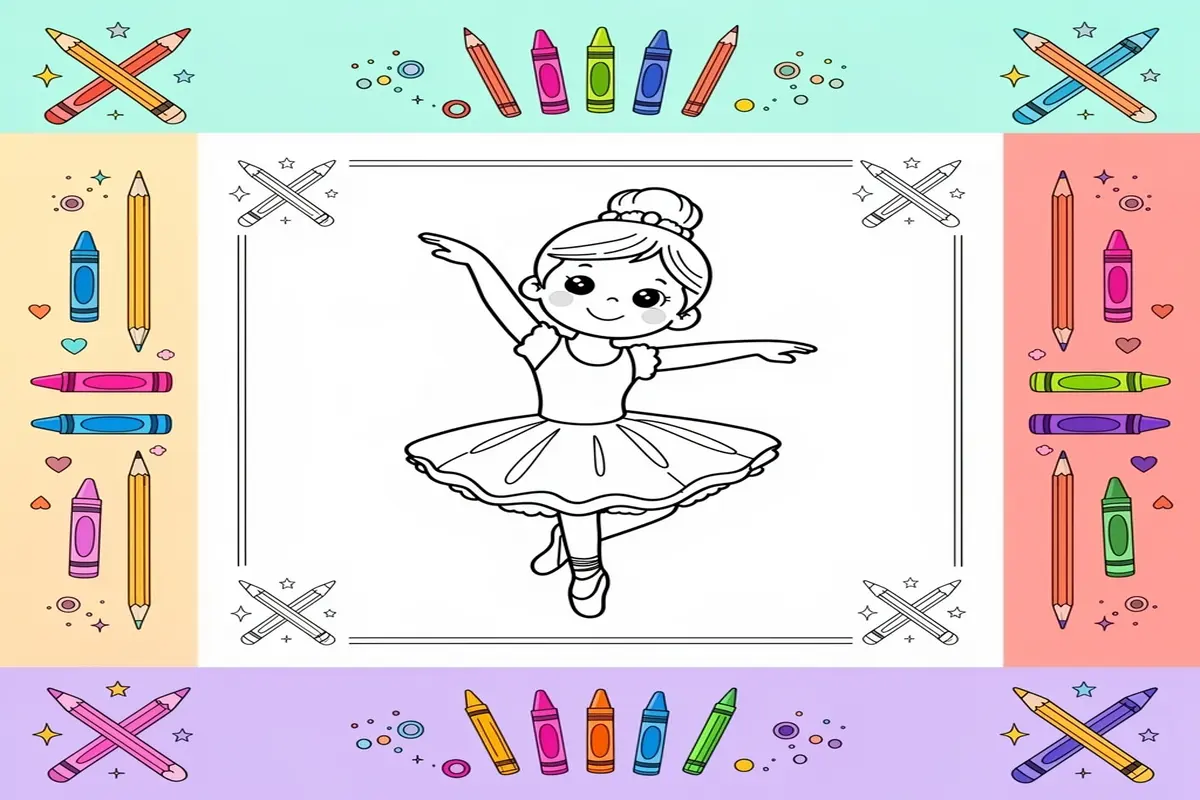
Imagine the quiet hum of concentration, the soft scratch of crayon on paper, and the burst of color that brings a static figure to life. Coloring has long been a cherished portal to mindfulness and creative expression for children, offering a sanctuary from the digital noise. Yet, when the subject turns to movement and melody, the experience transforms. Dance coloring pages for kids elevate this simple activity into a dynamic exploration of rhythm, culture, and personal storytelling. These aren’t just outlines to fill; they are frozen moments of ballet’s grace, hip-hop’s energy, and folk dance’s vibrant traditions, waiting for a child’s imagination to set them in motion with color. By engaging with dance coloring pages for kids, young artists don’t just practice fine motor skills—they connect with the universal language of movement, learning about different styles and expressing emotional narratives through their palette choices. It’s a beautiful fusion of art appreciation and artistic creation. For a different kind of graceful movement, explore our collection of elegant horse coloring pages, which capture another form of powerful beauty.
Part 1: The Captivating Psychology of Movement and Hue
The Mindful Waltz: Focus, Calm, and Emotional Expression
At its core, coloring is a meditative act. The focused attention required to stay within lines and make color decisions naturally quietens the mind, reducing anxiety and promoting a state of flow. Dance coloring pages for kids add a profound layer to this psychological benefit. The very subject—dance—is associated with joy, release, and emotional expression. As a child selects a passionate red for a flamenco dancer’s dress or a serene blue for a ballerina’s tutu, they are engaging in non-verbal emotional processing. They aren’t just coloring a person; they are defining a performance’s mood, learning that art, like dance, is a powerful vehicle for feeling. This combination of mindful focus and thematic emotional exploration makes these pages a unique tool for developing emotional intelligence and calm.
A Global Celebration: Cultural Discovery on the Page
Dance is a heartbeat of culture, and these coloring pages serve as an accessible introduction to world traditions. From the swirling skirts of Irish step dancers to the precise movements of Japanese Kabuki, dance coloring pages for kids open a window to global heritage. Parents and educators can use these illustrations as springboards for conversations about geography, history, and music. Why does a Bharatanatyam dancer from India have specific jewelry? What do the colors in a traditional West African costume represent? This contextual coloring transforms an art activity into an immersive learning experience, fostering curiosity and respect for the world’s beautiful diversity through the universal medium of dance.
Designed for Every Stage: From Toddler Twirls to Detailed Pirouettes
The beauty of dance-themed coloring lies in its incredible scalability. For the youngest toddlers, simple, bold outlines of a dancing animal or a smiling character in a tutu provide the perfect canvas for large, joyful scribbles that build confidence. For school-aged children, more detailed pages featuring intricate costumes, multiple dancers on a stage, or scenes from famous ballets like Swan Lake offer a rewarding challenge that hones precision and patience. Teenagers and even adults might find solace and sophistication in pages with elaborate patterns, abstract interpretations of movement, or historical dance figures. This range ensures that dance coloring pages for kids (and kids at heart) can grow with the artist, continually offering an appropriate and engaging creative outlet for every skill level and interest.
Professional Materials & Preparation for dance coloring pages for kids
To ensure your young artists get the most out of their dance coloring pages for kids, proper preparation with quality materials is key. This not only elevates the final artwork but also enhances the coloring experience, making it more enjoyable and skill-building. A well-prepared session with the right tools allows children to fully express the grace and movement inherent in these dance-themed illustrations.
The Foundation: Selecting Premium Paper for dance coloring pages for kids
The paper you choose is the stage upon which the performance happens. For standard coloring, a smooth, bright white paper around 100-120 GSM (grams per square meter) is ideal. It provides a sturdy surface that prevents bleed-through from markers and can handle layered pencil work. If you plan to use wet mediums like markers or brush pens, consider investing in marker-specific paper. For a luxurious feel that mimics a professional artist’s pad, heavyweight mixed-media paper (190+ GSM) allows for incredible blending and texture without warping. Always print your dance coloring pages for kids on the best paper your printer can handle to do the intricate details justice.
Best Coloring Tools: Markers vs. Colored Pencils
The choice between markers and pencils defines the artwork’s style. Alcohol-based markers (like Copic or Ohuhu) offer vibrant, blendable colors with a seamless finish, perfect for bold costumes and dynamic backgrounds. However, they require bleed-proof paper. Water-based markers are more child-friendly and easier to clean, though they can streak. Colored pencils, particularly soft-core or oil-based varieties like Prismacolor, provide superior control for shading and detailing. They are excellent for teaching children gradient techniques to add depth to a dancer’s tutu or leotard. A hybrid approach often yields the best results: using pencils for detailed skin tones and facial features and markers for large, colorful costume areas.
Finishing Touches: Gel Pens, Highlights, and Fine Liners
This is where dance coloring pages for kids truly come to life with sparkle and precision. Gel pens, especially in metallic gold, silver, and glitter colors, are perfect for adding magical details to jewelry, headpieces, and stage lights. White gel pens are indispensable for creating highlights on fabric folds, adding a gleam to eyes, or correcting small mistakes. For older children looking to refine their work, a set of fine-line artist pens (sizes 0.1 to 0.5) allows them to re-outline and accentuate details that may have become obscured during coloring, ensuring every pirouette and leap remains crisp and defined.
Perfect Workspace: Ergonomic Setup and Lighting
A proper workspace maximizes comfort and creativity. Ensure the coloring surface is stable and at an appropriate height to prevent hunching. Good, natural lighting is best, but a bright, white LED desk lamp can prevent eye strain and ensure true color representation, which is crucial when selecting subtle shades for dance coloring pages for kids. Keep supplies organized in cups or trays for easy access. Placing a scrap sheet of paper under the child’s hand can prevent smudging, especially when working with pencil. For extended sessions, consider printable options from other themes to maintain interest; for instance, after coloring a ballet scene, they might enjoy the flowing forms found in our free dolphin coloring pages.
Part 3: Elevating Your Art: Professional Techniques for Dance Coloring Pages for Kids
Ready to transform your child’s dance coloring pages for kids from simple outlines into vibrant, dynamic works of art? This section moves beyond basic filling to introduce professional techniques that build fine motor skills, artistic understanding, and immense pride in creation. Let’s unlock a new level of creativity.
Harmonious Palettes: Color Theory for Dance Pages
Understanding simple color relationships can make a ballet scene serene or a salsa page sizzle. Teach young artists two key concepts:
Complementary Colors: Colors opposite on the wheel (like blue & orange or purple & yellow). Using these in small accents makes elements “pop”—perfect for a single dramatic flower on a dancer’s costume or a spotlight on stage.
Analogous Colors: Colors next to each other (like blue, teal, and green). These create harmony and are ideal for blending the colors of a flowing skirt or a serene, monochromatic background. For more practice with harmonious scenes, explore our cute beach coloring pages or cute calm coloring pages.
From Flat to 3D: Mastering Light and Shadow
Adding shading gives dancers form and makes them look like they’re leaping off the page. Guide your child with this simple step-by-step approach:
1. Choose a Light Source: Decide where the “sun” or stage light is (e.g., top left).
2. Light Side: Color areas facing the light with the lightest pressure or a lighter hue.
3. Shadow Side: Apply heavier pressure or a slightly darker shade (add a touch of black or a complementary color) to the opposite sides.
4. Blend: Use a white colored pencil, a blending stump, or simply gentle, circular pencil strokes to soften the line between light and dark. Watch as that tutu becomes a rounded, three-dimensional shape.
Adding Movement and Texture: Bringing Fabric and Form to Life
Different dance styles call for different textures. Here’s how to render them:
Flowing Fabric (Ballet skirts, Capes): Use long, smooth, curving strokes that follow the direction of the fabric’s flow. Layer colors lightly to create a sense of transparency.
Sequins and Sparkle (Costumes): Leave tiny white dots or shapes unpainted. Later, add a touch of glitter gel pen or simply color a small circle with a bright yellow to mimic reflection.
Skin and Hair: Use small, circular strokes for soft skin texture. For hair, draw lines in the direction it grows, leaving highlights for shine.
The Art of Correction: Graceful Fixes for Coloring Mistakes
Mistakes are part of the process! Turn them into learning moments with these graceful fixes:
Over-Colored Lines: If color spills outside the lines, don’t stress. Use a fine-tip white gel pen or a white colored pencil to carefully redefine the edge. This often adds a nice highlighted effect.
Unwanted Smudges: Turn a smudge into a shadow! Integrate it into your shading plan by darkening the area intentionally.
Color Choice Regret: Layer over it! Coloring pencils are often semi-transparent. A light layer of a new color can mix with the old to create an interesting, intended effect. Encourage experimentation—the best dance coloring pages for kids are those where the artist feels free to explore.
Showcasing Your Dance Coloring Pages for Kids: Creative Display Ideas
Your child has filled their dance coloring pages for kids with vibrant life—now it’s time to celebrate that creativity! Moving beyond the coloring book, displaying their artwork boosts confidence and transforms their effort into a joyful part of your home’s decor.
Preserving Your Masterpiece: Archival Tips
To ensure those twirling ballerinas and dynamic hip-hop dancers stay bright, consider simple preservation. For pieces you truly love, use acid-free paper when printing. A quick, light spray of a clear, matte art sealant (used in a well-ventilated area) can prevent wax crayon from smudging and protect against fading. For a simpler method, slide finished pages into inexpensive clear plastic sleeves and store them in a binder, creating a growing gallery of their artistic journey.
Beyond Display: Creative DIY Projects
Turn completed pages into cherished gifts and keepsakes. Laminate a favorite page and trim it to create a unique bookmark. Fold a colored page around a blank cardstock note to make a stunning greeting card for a dance teacher or grandparent. For a grand project, compile a year’s worth of masterpieces into a custom calendar or a simple hand-bound book. You can find more inspiration for themed creative projects with our cute ballerina coloring pages.
Your Dance Coloring Pages for Kids Questions Answered
Where can I find free dance coloring pages?
You can find a wonderful selection of free, high-quality dance coloring pages for kids on dedicated educational and activity sites like Safari Coloring. These platforms offer instant PDF downloads featuring ballerinas, jazz dancers, and more, perfect for home or classroom use without any cost.
What are the benefits of coloring for kids?
Coloring builds fine motor skills and hand-eye coordination as children practice staying within lines. It fosters creativity, color recognition, and focus. It’s also a fantastic, screen-free activity for emotional expression and relaxation, making it beneficial for both cognitive development and quiet time.
How do I print coloring pages?
After downloading your chosen dance coloring pages for kids, open the PDF file. Select “Print” from your software’s menu. Ensure you choose “Fit to Page” in your printer settings for optimal sizing. For best results, use the paper type discussed in the next question.
Does coloring help with fine motor skills?
Absolutely. The precise grip and controlled movements required to color small areas are fundamental exercises for developing the small muscles in the hands and fingers. This strengthens fine motor skills, which are crucial for future tasks like writing, buttoning clothes, and using utensils.
What is the best paper for printable coloring pages?
For standard crayons and colored pencils, a bright white, medium-weight (24-32 lb) printer paper provides good results. For markers or more serious projects, upgrade to cardstock (65-110 lb), which prevents bleed-through and offers a sturdier surface. This is ideal for display-worthy dance coloring pages.
Final Thoughts: Your Dance Coloring Pages for Kids Journey Begins
The journey with dance coloring pages for kids is about so much more than just filling in lines. It’s a celebration of movement, color, and your child’s unique imagination. From the first tentative strokes to the proud display of their finished artwork, this simple activity nurtures development, provides peaceful joy, and opens a world of creative expression. Each page completed is a step in their growing confidence and ability.
We hope this guide inspires you to print, create, and display with enthusiasm. Remember, every masterpiece starts with a single splash of color. Ready for your next adventure? Explore our cute butterfly coloring pages for another theme of grace and beauty!