We offer a wide collection of free, high-quality printable coloring pages for kids and adults. From cute animals to intricate mandalas, our designs bring creativity and relaxation to everyone. Download, print, and start coloring today!

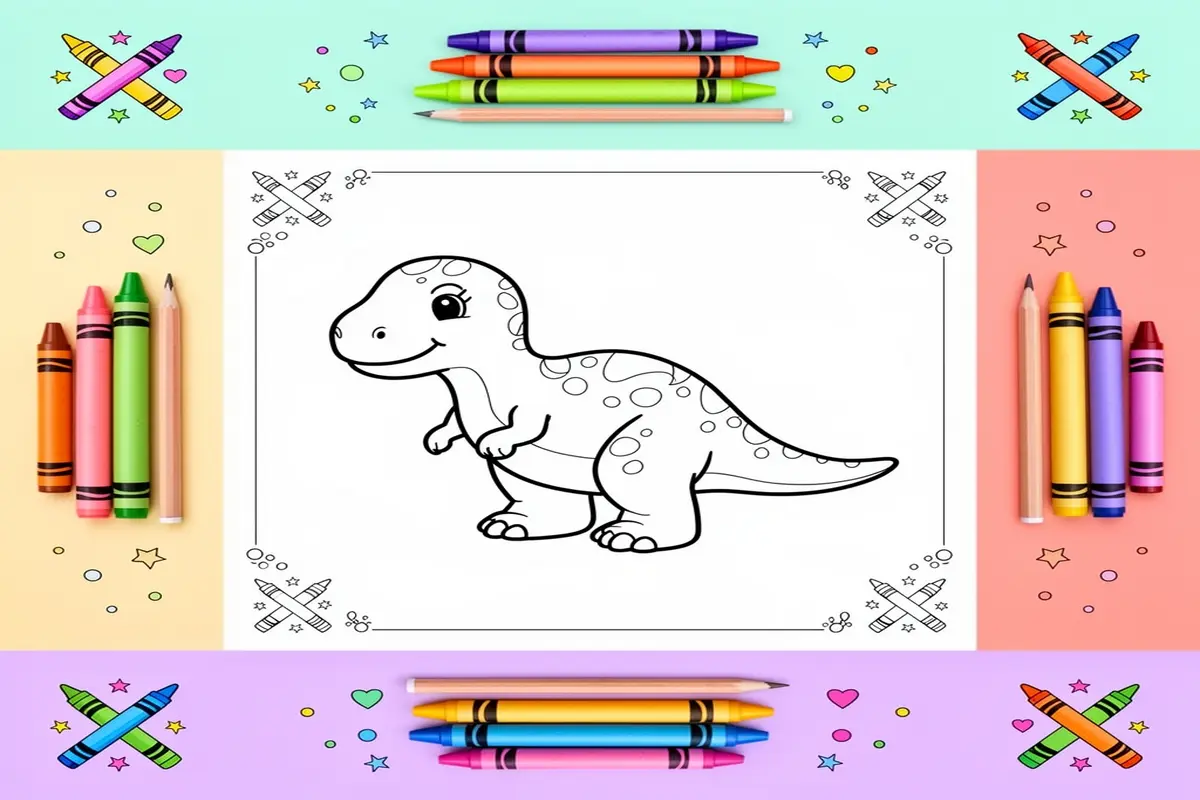
In a world saturated with digital screens, the simple act of coloring offers a tangible, calming escape. It’s a portal to mindfulness, a quiet moment of focus where creativity can flourish without bounds. For young explorers, few subjects ignite the imagination quite like the mighty creatures of the Mesozoic era. That’s where dinosaur coloring pages for kids become more than just an activity—they are a gateway to a lost world, blending artistic expression with a sense of awe-inspiring discovery. These pages invite children to become paleo-artists, deciding if a T-Rex was emerald green or a Triceratops sported vibrant purple plates. The journey through dinosaur coloring pages for kids fosters not only fine motor skills but also a foundational curiosity about natural history and science. And while dinosaurs reign supreme in prehistoric popularity, the creative adventure doesn’t end there. For young marine biologists in the making, our collection of free dolphin coloring pages offers a deep dive into the wonders of the ocean, providing another fantastic avenue for artistic and educational exploration.
The Timeless Roar: Why Dinosaurs Captivate Young Minds
The Psychology of Prehistoric Play: More Than Just Coloring
What is it about dinosaurs that creates such a powerful, universal appeal for children? Psychologists point to the concept of “fearful fascination.” Dinosaurs are safely scary—monstrously large and powerful, yet completely extinct, allowing kids to explore concepts of danger and strength from a position of absolute security. Engaging with dinosaur coloring pages for kids allows them to master these colossal creatures with their crayons, transforming intimidation into a sense of control and accomplishment. This process is deeply empowering, building confidence alongside creativity.
A Canvas for Cognitive Development: Building Skills Stroke by Stroke
Beyond the roar and the teeth, these coloring activities are stealthy learning tools. As a child concentrates on staying within the lines of a Stegosaurus’s spiky plates or considers the habitat to draw around a Brachiosaurus, they are honing critical cognitive abilities. Focus, patience, and spatial awareness are all quietly developed. The act of selecting colors—will this Pterodactyl blend into the sky or stand out?—encourages decision-making and color theory basics. Each completed dinosaur coloring page for kids is a testament to growing fine motor skills and hand-eye coordination, laying a foundation for future writing and detailed artistic pursuits.
Curated for Every Young Explorer: From Toddlers to Budding Paleontologists
The beauty of this theme lies in its incredible versatility. For tiny hands just learning to grip a crayon, simple, bold outlines of a friendly Brontosaurus provide the perfect starting point. Older children, hungry for detail and accuracy, can tackle intricate scenes of Velociraptors in jungle settings or detailed skeletal diagrams, making the activity a rewarding challenge. This scalability ensures that dinosaur coloring pages for kids remain a engaging resource for years, growing with the child’s abilities and deepening their interest. Whether used as a quiet afternoon activity, a supplement to a science lesson, or the theme for a roaring birthday party, these pages are a timeless tool for creative growth and joyful learning.
Professional Materials & Preparation for dinosaur coloring pages for kids
To ensure a successful and enjoyable coloring session, proper preparation is key. The right materials not only enhance the final artwork but also make the process more engaging for young paleontologists. This guide details the essential supplies and setup needed to bring your dinosaur coloring pages for kids to vibrant, prehistoric life.
The Foundation: Selecting Premium Paper for dinosaur coloring pages for kids
The paper you choose is the bedrock of your coloring project. For standard printing of dinosaur coloring pages for kids, a bright white, smooth paper with a weight of 100-120 GSM (grams per square meter) is ideal. This weight is thick enough to prevent bleed-through from markers while providing a smooth surface for colored pencils to layer effectively. For a more artistic endeavor, consider switching to a dedicated marker paper or even a lightly textured mixed-media paper, which can add depth to scales and skin textures. Always print a test page to check your printer’s ink alignment and the paper’s performance before starting the main activity.
The Coloring Mediums: Markers, Pencils, and Crayons Compared
The choice of coloring tool dramatically affects the outcome of your dinosaur scenes.
Colored Pencils: The most versatile and controllable medium. Wax-based pencils offer vibrant colors and are excellent for blending, perfect for creating gradients on a dinosaur’s frill or spikes. Oil-based pencils provide a smoother laydown and are superb for fine details like teeth and claws. They are a mess-free option, making them a parent-favorite.
Markers: For bold, graphic, and uniform color, alcohol-based markers are unparalleled. They blend seamlessly, allowing for realistic shading on large dinosaur bodies. However, they require specific bleed-proof paper. Water-based markers are a safer, more affordable choice for younger children, though they can cause paper to buckle. For a fun twist, use water-based markers with a wet brush to create watercolor effects on prehistoric landscapes.
Crayons: The classic tool offers a unique, waxy texture and is excellent for building muscle strength in little hands. They encourage broad, confident strokes, ideal for filling large dinosaur silhouettes. For a more detailed approach, check out our advanced coloring pages for kids which pair well with high-quality crayons that have a sharper point.
Finishing Touches: Gel Pens, Highlights, and Outlining
Elevate the artwork with specialized tools for detail and shine. Gel pens, especially in white, silver, and gold, are perfect for adding highlights to a dinosaur’s eye, creating scaly textures, or drawing stars in a Jurassic night sky. Fine-line pigment liners (e.g., 0.1-0.5 mm) are essential for redefining outlines that may have become obscured during coloring or for adding intricate patterns to the dinosaur’s skin. A colorless blender marker (for alcohol-based systems) or a white colored pencil can be used to soften harsh lines and create smooth transitions, adding a professional touch to the finished piece.
Creating the Perfect Coloring Workspace: Ergonomics and Lighting
A well-prepared environment prevents fatigue and fosters focus. Ensure the work surface is at an appropriate height to prevent hunching; a flat table is fine, but a slight angle (using a clipboard or drawing board) can reduce neck strain. Lighting is critical—natural daylight is best, but a bright, white LED desk lamp that eliminates shadows is an excellent alternative. Organize materials within easy reach using cups for tools and trays for paper. Protecting the surface with a large craft mat or newspaper simplifies cleanup and allows children to color freely. Finally, keep a scrap sheet of the same paper printed on for testing colors and techniques before applying them to the main dinosaur coloring pages for kids.
From Simple to Stunning: Mastering dinosaur coloring pages for kids
Unlocking the full potential of dinosaur coloring pages for kids goes beyond simply staying inside the lines. With a few key techniques, children can transform their prehistoric scenes from flat drawings into vibrant, dynamic masterpieces. This guide for parents and teachers focuses on actionable, artistic methods that build skill and confidence, turning every T-Rex and Triceratops into a lesson in creativity.
Harmonious Palettes: Color Theory for Dinosaur Worlds
Understanding basic color relationships can make any dinosaur coloring pages for kids project pop. Start with complementary colors—those opposite on the color wheel—to create exciting contrast. Imagine a bright orange Carnotaurus against a deep blue jungle background; the colors make each other appear more vibrant. For a more serene, natural look, teach analogous colors (colors next to each other). A Brachiosaurus colored in shades of green, yellow-green, and blue-green will look wonderfully cohesive. Don’t be afraid to get creative with palettes! A purple and red “volcanic” Stegosaurus or a sunset-colored Pterodactyl sky can make the activity even more engaging and open discussions about artistic license versus realism.
From Flat to 3D: Mastering Light and Shadow
Adding shading is the magic trick that brings a dinosaur to life. First, decide on an imaginary light source (e.g., the sun in the top corner of the page). The sides of the dinosaur facing the light will be the lightest. The opposite sides, and areas underneath the body, neck, and tail, will be darker. Start by coloring the entire area with a base color lightly. Then, using the same crayon or pencil, apply more pressure to add layers of color in the shadow areas. For smoother transitions, try blending with a colorless blender pencil or by gently layering a lighter color over the boundary between dark and light. This technique adds immense depth, making that Tyrannosaurus look like it’s stomping right off the page.
Adding Realism: Creating Prehistoric Textures
Dinosaurs weren’t smooth! Texturing is what gives character to your dinosaur coloring pages for kids. For scaly skin, like that of an Ankylosaurus, use small, overlapping “U” or “C” shaped marks with a sharp colored pencil. For the rough, bumpy hide of a Triceratops, try a stippling technique with the pencil tip to create tiny dots. Feathery textures on dinosaurs like Velociraptor* can be suggested with quick, light, outward strokes. Don’t forget the environment—use sideways, sweeping motions for sandy grounds (like in a desert scene) and short, scribbly green marks for lush foliage. Exploring textures on other animals, such as the smooth skin in our dolphin coloring pages, can provide great comparative practice.
The Art of Correction: Graceful Fixes for Coloring Mistakes
Mistakes are part of the creative process. A common issue is coloring outside the lines. Instead of erasing (which can smear), use the background to your advantage. Thicken a tree line or add a bush over the stray mark. For a color that turned out too dark, try gently lightening it by layering a lighter color on top (yellow can lighten green, white can pale blue). If a section feels unbalanced, introduce a new element—a strategically placed rock, plant, or even a small insect can cover a multitude of sins. The key is to foster a problem-solving mindset, showing children that in art, there are no true errors, only opportunities to make their dinosaur world more detailed and unique.
Showcasing Your Dinosaur Coloring Pages for Kids: Creative Display Ideas
Your child’s dinosaur coloring pages for kids are more than just paper—they’re proud achievements and vibrant stories. Moving beyond the coloring book, here’s how to celebrate and preserve their prehistoric masterpieces.
Preserving Your Masterpiece: Archival Tips
To ensure those T-Rexes and Triceratops stand the test of time, consider simple preservation methods. For special pieces, use acid-free sheet protectors in a binder to create a “dino portfolio.” You can also laminate favorite pages to make them spill-proof and durable for play. For a gallery wall, use inexpensive clip frames that allow for easy swapping as new masterpieces are completed, keeping the display fresh and exciting.
Beyond Display: Creative DIY Projects
Transform completed pages into keepsakes and gifts. Cut out colored dinosaurs, glue them onto folded cardstock, and create unique greeting cards. For a fun reading companion, laminate a colored dinosaur, punch a hole at the top, add a tassel, and you have a custom bookmark. You can even decoupage several pages onto a small wooden box or picture frame, creating a one-of-a-kind treasure chest for small toys or a special gift for grandparents.
Your Dinosaur Coloring Pages for Kids Questions Answered
How do you color a realistic dinosaur?
Start with a light base layer and gradually add darker shades for depth, focusing on shadows under the belly, neck, and legs. Use reference images for inspiration, blending greens, browns, and grays. Textured strokes can mimic scaly skin. Remember, realism is a fun challenge, but creativity is key in dinosaur coloring pages for kids!
What are the benefits of coloring for kids?
Coloring boosts fine motor skills, hand-eye coordination, and pencil grip. It fosters creativity, color recognition, and focus. It’s also a fantastic, screen-free activity for emotional expression and relaxation, building confidence with each completed page.
Where can I find free printable dinosaur coloring pages?
Numerous educational and parenting websites offer free, high-quality printables. For a fantastic selection of dinosaur coloring pages for kids and other themes, explore sites like SafariColoring, which provides a wide range of animal pages, from zebra coloring pages free printable to ocean creatures.
What color is a T-Rex supposed to be?
Scientists aren’t certain! Fossil evidence doesn’t preserve color. Current theories suggest T-Rex could have had camouflage patterns of browns, greens, and grays, or even patches of feathers with color. Encourage kids to research and imagine—their version is perfectly valid.
Is coloring good for toddlers?
Absolutely! For toddlers, coloring is primarily about sensory exploration and developing gross motor movements. It introduces them to holding tools and making marks, building the foundation for future writing. Use large, simple outlines and supervise with chunky crayons for a positive first art experience.
Final Thoughts: Your Dinosaur Coloring Pages for Kids Journey Begins
The journey through the world of dinosaur coloring pages for kids is about so much more than staying within the lines. It’s an adventure in creativity, a quiet moment of focus, and a tangible boost to developing skills. Each page colored is a story told, a fact discovered, and a burst of personal pride displayed on your fridge or transformed into a gift.
We hope this guide inspires countless hours of joyful, creative exploration. Remember, there’s no right or wrong color for a Brachiosaurus—only the joy found in the process. So grab those crayons, print your next page, and let the Jurassic creativity roar!
Ready for your next adventure? Explore our lion coloring pages free printable for kids & adults and continue your safari of creativity!