We offer a wide collection of free, high-quality printable coloring pages for kids and adults. From cute animals to intricate mandalas, our designs bring creativity and relaxation to everyone. Download, print, and start coloring today!

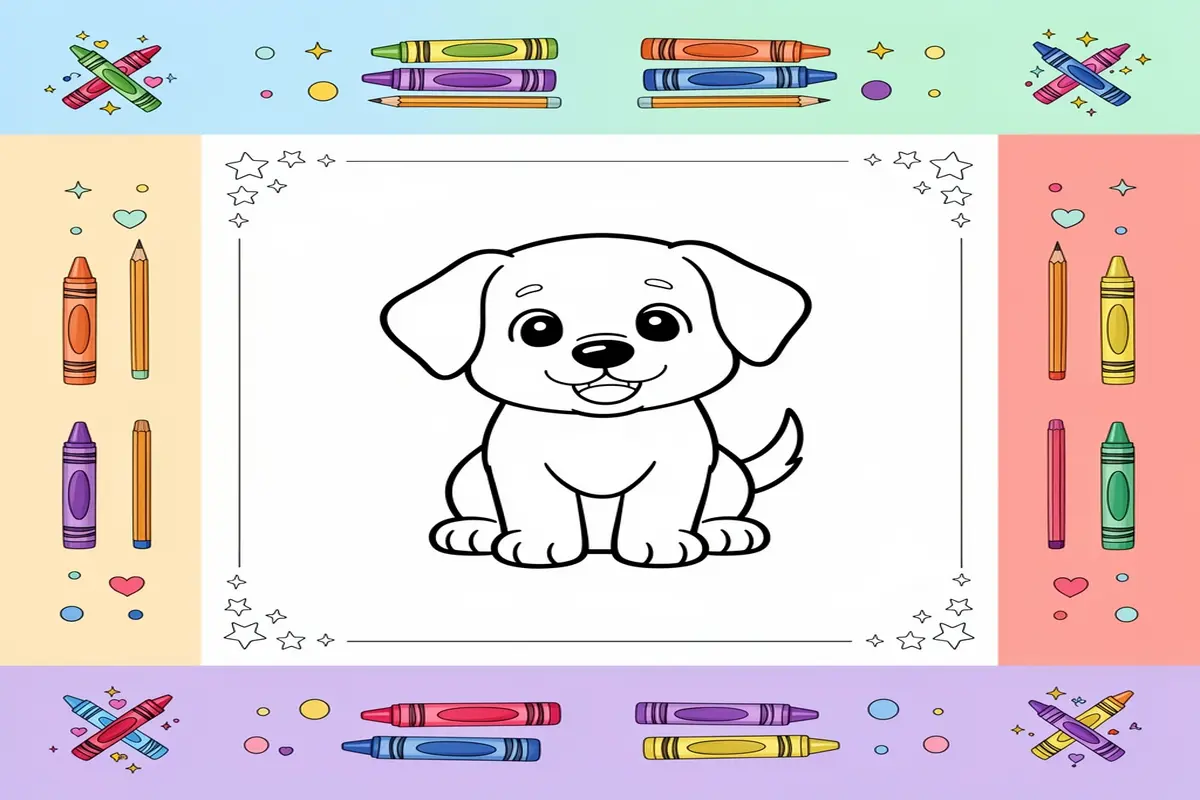
In a world of digital noise, the simple act of coloring offers a profound sanctuary for young minds. It’s a tactile, imaginative journey where creativity blossoms and focus deepens. Among the vast menagerie of subjects, dog coloring pages for kids hold a special, enduring charm. These pages do more than just depict our beloved four-legged friends; they open a gateway to storytelling, emotional connection, and artistic exploration. From playful puppies to noble guardians, each outline invites a child to infuse personality with every stroke of color. This activity transcends mere pastime, fostering fine motor skills, color recognition, and a calming sense of accomplishment. As we explore the delightful universe of printable art, remember that the joy of animal-themed creativity extends far beyond the doghouse. For a deep dive into oceanic wonders, our collection of free dolphin coloring pages offers another captivating adventure. Today, we celebrate the unique appeal and developmental magic found within dog coloring pages for kids.
The Canine Connection: More Than Just a Pet Project
What is it about dogs that captivates the human heart so completely? This bond, ancient and unwavering, is precisely why dog coloring pages for kids are such a powerful tool for engagement. They tap into a child’s natural affinity for animals, transforming a blank page into a canvas of companionship.
The Psychology of Playful Pals: Fostering Focus and Empathy
Coloring a familiar, friendly subject like a dog naturally lowers anxiety and builds concentration. The process is meditative, guiding a child into a state of flow where the outside world fades away. As they choose a shade for a floppy ear or a spotted coat, they aren’t just coloring; they’re making caring decisions. They are practicing empathy, considering what makes their paper pup happy, healthy, and unique. This subtle exercise in nurturing and attention to detail is a foundational social-emotional lesson, all disguised as fun.
A Breed Apart: A Rich History of Artistic Companionship
Dogs have been by our side in life and art for millennia, depicted in cave paintings, classical mosaics, and royal portraits. This long-standing cultural canvas gives dog coloring pages for kids a timeless quality. When a child colors a German Shepherd, a Beagle, or a fluffy mutt, they are participating in an artistic tradition that spans continents and centuries. It connects them to history through a subject that feels intimately personal and modern, bridging the gap between ancient companionship and contemporary creativity.
Curated for Every Young Artist: From Paws to Prodigy
The beauty of this theme lies in its incredible versatility. Simple, bold outlines of a sleeping puppy are perfect for tiny hands just learning to hold a crayon, while intricate scenes of dogs in detailed environments challenge older children and even adults. This scalability ensures that every child, regardless of skill level, can find joy and a sense of achievement. Whether it’s their first foray into staying within the lines or an advanced project exploring light and shadow on fur, dog coloring pages for kids grow with the artist, offering endless opportunities for creative development and pride.
Professional Materials & Preparation for dog coloring pages for kids: Your Complete Toolkit
To ensure a smooth and enjoyable coloring session with dog coloring pages for kids, having the right materials prepared is essential. This professional setup not only elevates the final artwork but also enhances the child’s focus and fine motor skill development. Proper preparation prevents frustration and allows the young artist to fully engage with the creative process, whether they’re coloring a playful puppy or a detailed dog breed.
The Foundation: Selecting Premium Paper for dog coloring pages for kids
The paper you choose is the single most important factor in coloring success. For standard printed dog coloring pages for kids, a bright white, smooth cardstock (around 160-200 GSM) is ideal. This weight prevents bleed-through from markers and can handle layered pencil work without tearing. For a more artistic finish, consider mixed-media paper, which has a slight tooth to hold colored pencil pigment beautifully, allowing for realistic fur texture on your canine creations. Always have a few extra sheets on hand for practice runs or enthusiastic artists who want to color multiple pages, like moving from a friendly farm scene to a wild safari adventure with our free zebra coloring pages free printable.
Best Coloring Tools: A Detailed Medium Comparison
The choice between markers, colored pencils, and crayons dramatically affects the outcome of your dog coloring pages for kids.
Colored Pencils (Professional Grade): The preferred tool for control and detail. Wax-based pencils (like Prismacolor Premier) offer vibrant, blendable colors perfect for creating depth in a dog’s coat. Oil-based pencils provide a firmer point for finer details like whiskers. Look for pencils with high pigment concentration for rich color with less pressure.
Markers (Alcohol vs. Water-Based): Alcohol-based markers (e.g., Copic, Ohuhu) provide seamless, bleed-free blends and are excellent for large, smooth areas. They require specialized marker paper to prevent bleed-through. Water-based markers (like Crayola Super Tips) are child-friendly, affordable, and work well on cardstock, though layering can cause paper pill.
Crayons & Gel Sticks: Excellent for younger children developing grip strength. Gel crayons offer bold, opaque coverage with minimal pressure, making them inclusive for various ability levels.
Finishing Touches: Gel Pens, Blenders, and Highlights
Elevate the artwork from simple to spectacular with detailing tools. White gel pens (Sakura Gelly Roll) are indispensable for adding highlights to a dog’s eyes, nose, and glossy fur. Clear blender pencils or markers can smooth colored pencil gradients, creating a more photorealistic effect. For metallic accents on collars or tags, a set of fine-tip metallic markers adds a delightful touch. Keep a quality pencil sharpener and a kneaded eraser handy for precise corrections without damaging the paper surface.
Perfect Workspace: Optimizing Lighting and Ergonomics
A well-prepared workspace is crucial for comfort and concentration. Ensure the coloring area is illuminated by bright, natural light or a daylight-simulation lamp to reduce eye strain and reveal true color representation. The seating should support good posture, with the table at elbow height. Use a clipboard or a hardback book under the coloring page for a stable surface, especially if working on a soft table. Organize materials within easy reach in small containers to minimize clutter and maximize the creative focus on bringing the dog coloring pages for kids to life.
Part 3: Elevating Your Art: Advanced Techniques for dog coloring pages for kids
Ready to transform those adorable outlines into vibrant masterpieces? Moving beyond basic filling, these professional techniques will help kids (and adults!) develop real artistic skills and achieve stunning results with their dog coloring pages for kids. This section focuses on the principles that bring flat images to life.
Harmonious Palettes: Color Theory for dog coloring pages for kids
Understanding simple color relationships can make artwork pop. For a playful puppy, try an analogous palette—colors next to each other on the wheel, like golden yellow, orange, and light brown for a warm, cohesive look. For a dynamic, high-energy scene, like a dog playing with a ball, use complementary colors (opposites on the wheel). A blue bandana on a golden-retriever-colored dog creates instant visual interest. Don’t forget nature’s perfect palettes for inspiration; our animal coloring pages for kids collection is a great reference for realistic fur and environmental colors.
From Flat to 3D: Mastering Light and Shadow
Shading is the magic trick that adds volume. First, decide where your light source is (e.g., the sun in the top left). Then, apply this three-step method to your dog coloring pages for kids:
1. Base Layer: Color the entire area with your main, medium tone.
2. Shadows: Apply a darker version of your color (or a cool brown/blue) to the areas farthest from the light—under the ears, beneath the belly, on the side of the muzzle.
3. Highlights: Leave the lightest areas (top of the head, bridge of the nose) slightly uncolored or add a touch of white or cream with a colored pencil. Blend gently where the colors meet.
Adding Realism: Texturing Furry Friends
A dog’s coat is defined by its texture. Here’s how to render it:
Short Fur: Use short, quick strokes all going in the same direction, following the contour of the dog’s body. Vary pressure for a natural look.
Long, Fluffy Fur: Use longer, curving strokes that overlap. Layer different shades of the same color to create depth within the fur clumps.
Wet Nose & Eyes: For a glossy nose, color solidly dark but leave a small white spot for a light reflection. Eyes are not just one color; color the iris with a gradient and leave a tiny white dot to make them sparkle with life.
The Art of Correction: Graceful Fixes for Coloring Errors
Mistakes are part of the process! Teach these graceful recovery techniques:
Over-coloring: Turn a stray mark into a blade of grass, a freckle, or part of a patterned collar.
Color Bleed: If color goes outside the line, define a new, slightly thicker outline to make it look intentional.
Too Dark: Lighten an area by gently going over it with a white colored pencil or a kneaded eraser to lift some pigment. You can then layer a new color on top.
Embrace Imperfection: Remember, art is expressive. A slightly uneven color can add character, much like the unique patterns on other favorite animals, such as those found in our zebra coloring pages free printable. The goal is creative enjoyment and skill-building.
Showcasing Your Dog Coloring Pages for Kids: Creative Display Ideas
Once the crayons are down, the fun continues! Showcasing your child’s artwork is a wonderful way to celebrate their creativity and build confidence. Let’s explore some inspiring ways to move their dog coloring pages for kids from the table to the spotlight.
Preserving Your Masterpiece: Archival Tips
Before displaying, consider protecting the artwork. For pieces you want to last, use acid-free tape or photo corners to mount them on backing paper, preventing yellowing. A simple, clear sheet protector works for portfolios. For a more permanent solution, an inexpensive laminator seals in color and makes pages durable for repeated handling or fridge display. Spray fixatives (used in a well-ventilated area) can also prevent wax crayon from smudging.
Beyond Display: Creative DIY Projects
Turn completed pages into cherished gifts and keepsakes. Create custom greeting cards by folding cardstock and gluing the colored page to the front. Laminate and hole-punch a corner to make a bookmark. For a grandparent’s gift, frame a special piece or compile a year’s worth of artwork into a simple bound book. You can even decoupage them onto a small keepsake box. For more animal-themed fun, explore our collection of free dolphin coloring pages to expand the artistic menagerie.
Your Dog Coloring Pages for Kids Questions Answered
Where can I find free dog coloring pages?
Numerous educational and parenting websites offer free, printable dog coloring pages for kids. Sites like Safari Coloring provide a wide variety of breeds and cute cartoon pups, all downloadable as PDFs. Libraries and community centers sometimes also offer free coloring sheets. Always ensure you’re using a reputable site for safe, age-appropriate content.
How do you make a dog coloring page?
Start with a simple, clear line drawing of a dog. Use a black pen or digital drawing tool to outline the shape, focusing on the dog’s key features like its head, body, legs, and tail. Ensure the lines are bold and that there are enclosed spaces for coloring. You can simplify a real photo by tracing its basic outlines, removing details and shading to create a kid-friendly template.
What are the benefits of coloring for kids?
Coloring boosts fine motor skills and hand-eye coordination as children learn to stay within lines. It fosters creativity and color recognition while providing a calming, focused activity that can reduce anxiety. It’s also a great opportunity for self-expression and can build confidence as children complete their dog coloring pages for kids and feel proud of their work.
How to turn a photo of your dog into a coloring page?
Use photo editing software or a free mobile app. Convert your photo to black and white, then dramatically increase the contrast to turn shadows and highlights into bold outlines. Use a “posterize” or “cutout” filter to simplify details. Finally, trace or clean up the lines to create a clear, printable outline ready for your child to color.
Is coloring good for child development?
Absolutely. Coloring is a foundational activity that supports early childhood development. It strengthens the hand muscles needed for writing, improves focus and concentration, and teaches color theory and spatial awareness. Completing a page provides a sense of accomplishment, making activities like finishing dog coloring pages for kids both fun and developmentally valuable.
Final Thoughts: Your Dog Coloring Pages for Kids Journey Begins
The simple act of coloring a playful puppy can open a world of creativity, learning, and quiet joy for your child. From the first chosen crayon to the proud display on the wall, each dog coloring pages for kids project is more than just art—it’s a building block for developmental skills and a cherished moment of calm. We hope these ideas for display, DIY projects, and answers to common questions inspire you to make coloring a regular, rewarding part of your family’s routine.
Ready for your next adventure? Explore our free whale coloring pages to dive into a new thematic ocean of creativity!