We offer a wide collection of free, high-quality printable coloring pages for kids and adults. From cute animals to intricate mandalas, our designs bring creativity and relaxation to everyone. Download, print, and start coloring today!

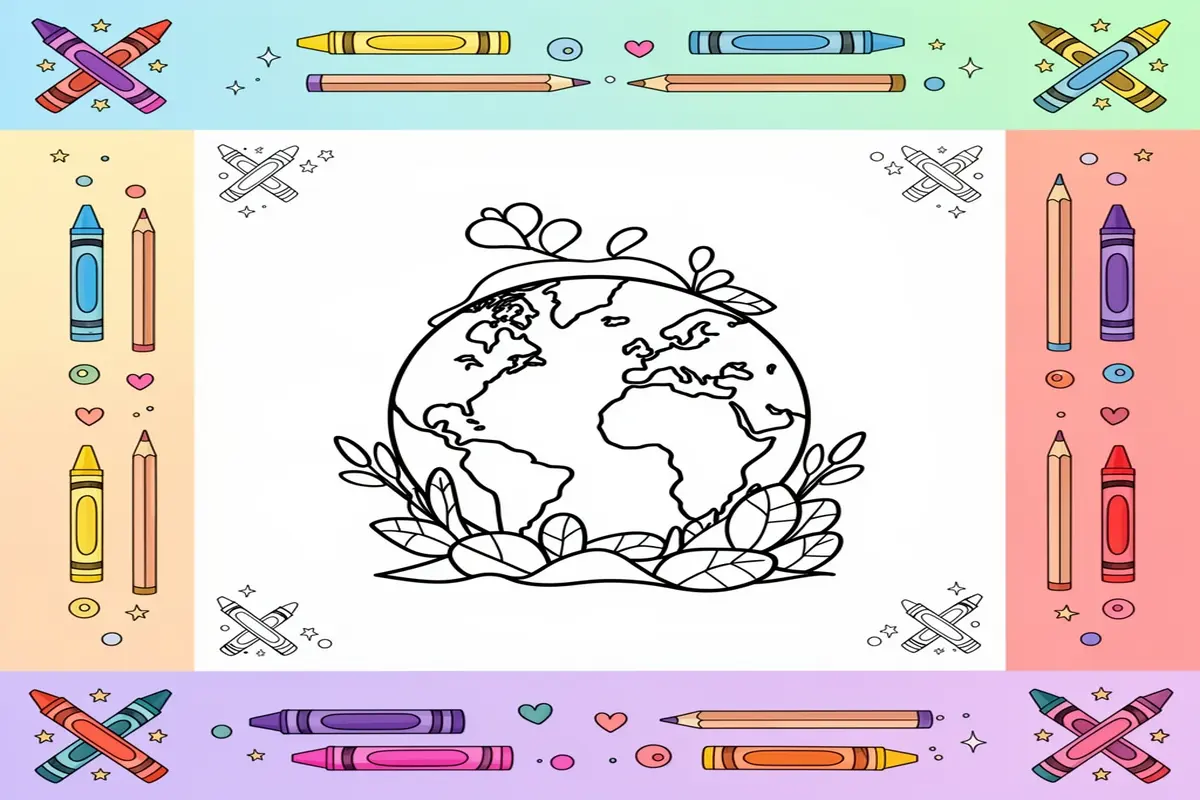
In a world increasingly dominated by screens, the simple act of coloring offers a profound return to tactile creativity and quiet focus. It’s more than just filling in shapes; it’s a gateway to mindfulness, a canvas for self-expression, and a powerful tool for education. This is especially true when the subject matter connects to something greater than ourselves—our planet. Earth Day coloring pages for kids transform this beloved activity into a meaningful conversation about nature, conservation, and our shared home. By engaging with images of lush forests, diverse wildlife, and our vibrant blue planet, children don’t just create art; they begin to internalize the beauty and fragility of the ecosystems they are coloring. This makes Earth Day coloring pages for kids a uniquely impactful resource for parents and educators seeking to blend creativity with core values. For a deep dive into oceanic wonders that complement this terrestrial focus, explore our collection of free dolphin coloring pages, celebrating another critical part of Earth’s biosphere.
The Green Palette: Psychology & Purpose of Planetary Art
The Mindful Connection: Coloring as Conscious Engagement
Beyond the joy of selecting the perfect shade of green for a leaf or blue for a clean river, coloring engages the brain in a state of flow. This focused attention quietens the mental chatter, reducing anxiety and fostering a sense of calm. When the theme is Earth Day, this mindfulness is directed toward positive, nurturing imagery. The repetitive, rhythmic motion of coloring a detailed forest scene or a globe surrounded by hearts becomes a meditative practice that reinforces a connection to the natural world. It’s a peaceful, screen-free activity that allows the concept of environmental care to sink in on a subconscious, emotional level, making the lesson of stewardship feel personal and peaceful.
From Crayons to Conservation: A Brief History of Eco-Education
The marriage of art and environmental messaging is not new, but it has evolved beautifully. Earth Day itself, born in 1970, sparked a global movement that quickly recognized the need to engage the youngest generation. Educators and artists began creating materials that translated complex issues like pollution and endangered species into accessible, visual formats. Early Earth Day coloring pages for kids were often simple line drawings of trees and recycling symbols. Today, they have blossomed into intricate, beautiful designs featuring solar panels, wind turbines, children planting gardens, and intricate mandalas of Earth’s flora and fauna. This evolution mirrors our growing understanding of ecology, offering a creative timeline of environmental awareness that families can color together.
Designed for All Hands: Inclusivity in Environmental Action
The beauty of Earth Day coloring pages for kids lies in their universal appeal and adaptability. For the youngest artists, large, simple shapes of the planet or happy animals provide an easy entry point to discuss basic concepts like “home” and “care.” School-aged children can tackle more complex scenes of ecosystems or diagrams of the water cycle, turning a coloring session into a stealthy science lesson. For older kids and even adults, intricate designs with patterns of leaves, flowers, and wildlife offer a challenging and rewarding artistic outlet that reinforces the theme. This range ensures that every child, regardless of skill level, can participate in the Earth Day conversation, feeling a sense of accomplishment and connection. These pages are more than a pastime; they are a foundational tool for building a generation of informed, caring planetary citizens.
Professional Materials & Preparation for earth day coloring pages for kids
To ensure a successful and enriching Earth Day coloring session, proper preparation is key. Having the right materials on hand transforms a simple activity into a high-quality creative experience that honors the spirit of the day. This guide details the essential supplies and setup needed to make your earth day coloring pages for kids vibrant, durable, and educationally impactful.
The Foundation: Selecting Premium Paper for earth day coloring pages for kids
The paper you choose is the literal groundwork for your project. For standard home or classroom use, a bright white, smooth-finish printer paper (24 lb / 90 GSM) is sufficient for crayons and colored pencils. However, to truly make your earth day coloring pages for kids stand out and allow for advanced techniques, consider upgrading to heavyweight mixed-media paper (100+ GSM) or cardstock. Thicker paper prevents bleed-through from markers, withstands erasing, and provides a superior surface for blending. For a thematic connection, you could even print on recycled paper, sparking a conversation about sustainability as part of the Earth Day lesson.
Best Coloring Mediums: A Detailed Comparison
The choice of coloring tools dramatically affects the final artwork’s look and feel.
Colored Pencils: Ideal for detail and control, especially for intricate designs like those found in our animal coloring pages for kids. Look for pencils with soft, pigmented cores for smooth blending. They allow children to layer colors—perfect for creating textured tree bark, gradient ocean waters, or detailed animal fur.
Markers: Brilliant for bold, solid areas of color. For Earth Day pages featuring large shapes like the globe, sun, or leaves, markers provide vibrant, uniform coverage. Use alcohol-based markers for professional, bleed-free blends, or opt for high-quality water-based markers to avoid bleed-through on standard paper. Always test on a corner first.
Crayons: A classic, tactile option excellent for younger children. They encourage pressure control and can be used for wax-resist techniques when combined with watercolor washes.
Finishing Touches: Gel Pens, Blenders, and Highlights
Elevate the artwork with tools that add pop and dimension. White gel pens are invaluable for adding highlights to clouds, stars, or water droplets. Metallic gel pens in silver or gold can illustrate recycling logos or solar panels. For colored pencil work, a dedicated colorless blender pencil smoothes gradients seamlessly. Consider adding eco-glitter glue (biodegradable) for a special sparkle on flowers or raindrops, reinforcing the celebration of our planet’s beauty.
Creating the Perfect Workspace: Ergonomics and Lighting
A well-prepared environment fosters focus and creativity. Ensure ample, natural light if possible, supplemented by a bright, white LED desk lamp to reduce eye strain. The coloring surface should be stable and flat. For ergonomics, provide seating where the child’s feet can rest flat on the floor and the table height allows forearms to be parallel to the floor. Keep all materials—pencils, sharpeners, erasers—within easy reach in cups or trays. Playing soft background music or nature sounds can further enhance the calming, focused atmosphere for completing earth day coloring pages for kids.
Elevate Your Art: Advanced Techniques for earth day coloring pages for kids
Ready to transform those printable sheets into stunning works of art? Moving beyond basic filling, these advanced techniques will help kids (and adults!) add depth, realism, and professional flair to their earth day coloring pages for kids. This isn’t just about staying inside the lines—it’s about bringing our planet to life on the page.
Harmonious Palettes: Color Theory for Earth’s Ecosystems
Understanding simple color relationships can make a world of difference. For earth day coloring pages for kids, try these thematic approaches:
Complementary Colors: Use opposites on the color wheel for vibrant contrast. Think rich blues of the ocean against the warm oranges of a sunset sky, or a green tree with tiny red flowers. This makes elements “pop.”
Analogous Colors: Create serene, natural scenes by using colors next to each other on the wheel. For a forest, blend yellows, greens, and blue- greens. For a coral reef, use pinks, reds, and oranges. This technique is perfect for rendering realistic landscapes and seascapes, much like the serene underwater worlds found in our Fish coloring pages and Jellyfish coloring pages.
From Flat to 3D: Mastering Light and Shadow
Shading is the magic that turns a circle into a sphere and a tree into a dimensional object. Teach this simple step-by-step method:
1. Identify Your Light Source: Decide where the sun or light is coming from (e.g., the top corner of the page).
2. Apply Base Color: Color the entire object with your main, medium tone.
3. Add Shadows: On the side opposite the light source, apply a darker shade of your color. Use gentle, layered pressure with your pencil or a darker marker.
4. Highlight: On the side closest to the light, leave a thin strip very light or use an eraser to gently lift some color for a glowing effect.
For a globe, this means one side is bright blue and green, while the opposite curve slips into deeper, shadowed tones.
Adding Realism: Textures of the Natural World
Each element on Earth has a unique texture. Here’s how to suggest them:
Fur and Grass: Use short, quick, directional strokes instead of long, smooth ones. Vary the pressure for a natural, uneven look—ideal for animals from a Lion coloring pages sheet.
Clouds and Water: For soft clouds, use a circular, blending motion with a colored pencil. For water, use long, smooth, horizontal strokes. Layer different shades of blue with white to show waves and reflections.
Tree Bark and Mountain Stone: Create rough, gritty textures with small, sharp, scribbled circles and broken lines. Use a mix of browns, grays, and even hints of green for moss.
The Art of Correction: Graceful Fixes for Coloring Errors
Mistakes are part of the creative process. Here’s how to handle them gracefully:
Pencil Smudges: Use a clean eraser gently. For larger areas, carefully erase and reapply color with lighter layers.
Marker Bleed: If color goes outside the line, don’t panic. Use a finer-tip black pen to redefine the border, turning the bleed into a natural shadow or a thicker outline.
* “Wrong” Color Choices: Incorporate them! Turn an accidental bright pink streak in the sky into a unique sunset reflection. Encourage problem-solving—art is about adaptation.
Remember, the goal of earth day coloring pages for kids is to celebrate creativity and our planet, not perfection. Every stroke is a step toward greater skill and appreciation.
Showcasing Your Earth Day Coloring Pages for Kids: Creative Display Ideas
Once the crayons are down, the fun continues! Transforming those beautiful Earth Day coloring pages for kids into decor or gifts reinforces the message and celebrates your child’s creativity. Here are inspiring ways to give their artwork a second life.
Preserving Your Masterpiece: Archival Tips
To ensure those vibrant planets and happy animals last, consider simple preservation. For flat displays, a standard laminator works wonders, protecting against spills and tears. For a more art-gallery feel, place the page in an inexpensive frame. You can also create a dedicated “Earth Day Art” binder with clear sleeve protectors, allowing your child to build a portfolio of their eco-friendly artwork over the years.
Beyond Display: Creative DIY Projects
Turn coloring pages into meaningful projects. Help your child cut out their colored Earth or animal shapes to glue onto folded cardstock, creating unique Earth Day greeting cards for family. Punched and strung on twine, smaller elements become charming garlands. You can also decoupage them onto a recycled jar to make a pencil holder or a planter for a small seedling, perfectly tying the activity back to caring for our planet. For more ocean-themed inspiration, check out our free dolphin coloring pages.
Your Earth Day Coloring Pages for Kids Questions Answered
How do you explain Earth Day to a child?
Explain Earth Day as our planet’s special birthday party! It’s a day to say “thank you” to Earth for giving us air, water, trees, and homes for animals. We celebrate by learning how to be good helpers—like cleaning up litter, saving water, and recycling—so the Earth stays healthy and happy for a very, very long time.
What are some Earth Day activities for kids?
Beyond using Earth Day coloring pages for kids, great activities include a nature scavenger hunt, planting seeds or a tree, starting a small home recycling bin, or a “trash pick-up” walk in your neighborhood. Crafting with recycled materials, like making robots from boxes, is also a fantastic hands-on way to learn about reusing.
What can kids draw for Earth Day?
Kids can draw a happy Earth with a smile, people planting trees, animals in their natural habitats, or scenes showing the “3 R’s” (like a person placing a bottle in a recycling bin). They can also illustrate contrasts, like a clean, green city next to a polluted one, to show why protecting our planet is so important.
What are the benefits of coloring pages for kids?
Coloring builds fine motor skills, focus, and color recognition. For Earth Day specifically, these pages serve as a gentle, engaging educational tool. They open conversations about environmental stewardship, allow for creative expression of nature’s beauty, and can reduce anxiety through mindful, calm activity, making big concepts feel accessible and positive.
What are the 3 R’s of recycling for kids?
Teach the 3 R’s as a helpful eco-friendly motto: Reduce (use less stuff, like saying no to a plastic straw), Reuse (find new uses for old things, like a jar becoming a crayon holder), and Recycle (put certain materials like paper and plastic in a special bin so they can be made into something new). It’s a planet-protecting promise!
Final Thoughts: Your Earth Day Coloring Pages for Kids Journey Begins
The journey with Earth Day coloring pages for kids is about so much more than staying inside the lines. It’s a colorful gateway to conversations about responsibility, wonder for the natural world, and the empowering idea that even small hands can make a big difference. Each page colored is a moment of learning, a spark of creativity, and a step toward raising a generation that values and protects our beautiful planet.
We hope these ideas for display, DIY projects, and learning have inspired you. Remember, every recycled crayon, every proudly hung masterpiece, and every question answered plants a seed for a greener future. Now, grab those eco-friendly crayons and let the coloring—and caring—begin!
Ready for your next adventure? Explore our animal coloring pages for kids to continue the wildlife celebration!