We offer a wide collection of free, high-quality printable coloring pages for kids and adults. From cute animals to intricate mandalas, our designs bring creativity and relaxation to everyone. Download, print, and start coloring today!

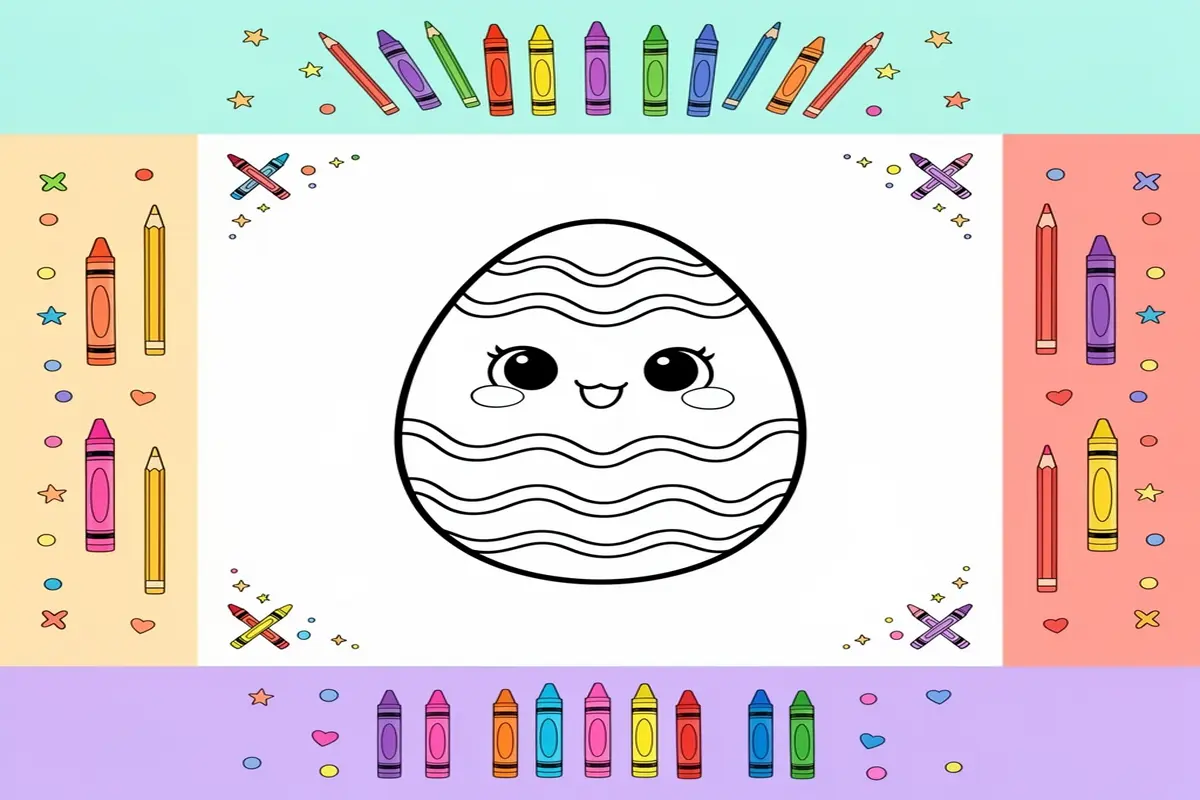
As the first hints of spring begin to bloom, a timeless tradition stirs in the hearts of children everywhere: the joyful hunt for colorful eggs. Yet, the magic begins long before the search, in the quiet, focused moments of creation. Easter egg coloring pages for kids transform this seasonal symbol into a personal masterpiece, offering a unique blend of artistic freedom and festive celebration. More than just a simple activity, these pages serve as a gateway to developing fine motor skills, exploring color theory, and expressing boundless imagination. The humble egg shape becomes a universe of possibility—a blank slate awaiting stripes, polka dots, intricate patterns, or whimsical scenes. Whether your young artist is drawn to classic designs or fantastical creations, our collection of easter egg coloring pages for kids provides the perfect starting point for a springtime art adventure. For those who also love exploring the wonders of the natural world, our free dolphin coloring pages offer another avenue for creative marine discovery.
The Psychology & Timeless Appeal of a Decorated Canvas
The Calming Focus: Mindfulness in Every Stroke
In our fast-paced digital world, the simple act of coloring provides a vital oasis of calm. Easter egg coloring pages for kids are particularly effective tools for mindfulness, guiding young minds into a state of focused flow. The repetitive motion of filling in spaces, the deliberate choice of a color palette, and the satisfaction of watching a design come to life all work in concert to soothe anxiety and improve concentration. This meditative practice allows children to be fully present in the moment, building neural pathways for patience and attention to detail that extend far beyond the coloring table.
A Symbol Through Time: From Ancient Ritual to Modern Art
The decorated egg is a symbol rich with history, spanning cultures and millennia. By engaging with easter egg coloring pages for kids, children connect with a tradition that signifies rebirth, new life, and celebration. They are participating in a creative lineage that dates back to ancient Persia and early Christian communities. This activity becomes more than just play; it’s a hands-on lesson in cultural heritage. Coloring these pages opens a dialogue about spring festivals around the world, allowing parents and educators to weave stories of tradition into the creative process, making the art both personally meaningful and educationally enriching.
Designed for All: Where Every Artist Finds Their Place
The true beauty of easter egg coloring pages for kids lies in their universal accessibility. Curated collections thoughtfully cater to every developmental stage and interest. Toddlers and preschoolers can enjoy bold, simple outlines with large spaces perfect for practicing grip and control. School-aged children can tackle more complex patterns with geometric shapes, floral motifs, or hidden details that challenge their growing skills. For the advanced young artist, pages may feature elaborate mandala-style eggs or scenes that incorporate the egg into a larger spring landscape. This tiered approach ensures that every child, from the tentative beginner to the confident creator, can experience the pride of completion and the joy of self-expression through their personalized Easter egg art.
Part 2: Essential Materials & Preparation for Stunning easter egg coloring pages for kids
Before your young artists begin bringing their easter egg coloring pages for kids to life, gathering the right materials is crucial for a successful and enjoyable experience. Proper preparation not only enhances the final artwork but also fosters creativity and minimizes frustration. This guide outlines a professional toolkit tailored for these intricate and festive designs, ensuring every bunny, basket, and patterned egg looks its vibrant best.
The Foundation: Selecting Premium Paper for easter egg coloring pages for kids
The paper you choose is the single most important factor in coloring success. For printable easter egg coloring pages for kids, standard printer paper (20-24 lb) is sufficient for light pencil or crayon work but will bleed and warp with most markers. For superior results, opt for:
Cardstock (65-80 lb): The ideal choice. Its thickness prevents bleed-through, allows for blending, and gives a substantial, professional feel to finished artwork.
Mixed Media Paper (90+ GSM): Designed to handle wet and dry media, this is perfect if children plan to experiment with water-based markers or light watercolor washes over their designs.
Bright White vs. Natural: Bright white paper makes colors appear more vivid, while natural or ivory offers a softer, classic look perfect for Easter themes. For a wide variety of animal-themed pages that pair perfectly with Easter, explore our collection of free dolphin coloring pages, which are also optimized for quality paper.
Best Coloring Tools: Markers, Pencils, and Crayons Compared
Each coloring medium offers a different effect, and having a selection allows kids to explore textures and techniques on their easter egg coloring pages for kids.
Colored Pencils (Professional Choice): Offer the greatest control for detailed patterns. Look for soft-core, blendable pencils with high pigment levels. They allow for layering and shading, perfect for creating gradients on a large Easter egg or adding texture to a bunny’s fur.
Markers (Vibrant Impact): Provide brilliant, uniform color. For children, alcohol-based markers are less recommended due to permanent ink and strong odor. Instead, choose high-quality water-based markers with dual tips (broad and fine). Always test for bleed-through on your chosen paper. They excel at filling large areas with bold, Easter-ready hues.
Crayons (Classic & Tactile): Excellent for younger children, offering ease of use and a nostalgic feel. Modern twist-up crayons in larger diameters are less prone to breaking. While blending is more challenging, they can create lovely, waxy textures ideal for a springtime scene.
Finishing Touches: Gel Pens, Highlights, and Embellishments
Elevate the artwork from simple to spectacular with detailing tools. These are especially magical for easter egg coloring pages for kids, as they mimic the shine of real decorated eggs.
Gel Pens & Metallic Markers: Essential for adding shimmering patterns, dots, stripes, and highlights. Silver and gold pens can outline designs or create a dazzling “foil” effect on eggs. Pastel gel pens are perfect for subtle, festive details.
White Gel Pen or Correction Pen: An invaluable tool for adding highlights to eyes, creating a glossy effect on eggs, or drawing intricate white patterns over darker colored areas.
Embellishments (Optional): For a mixed-media approach, consider non-toxic glue sticks for attaching glitter, small stickers, or even pieces of tissue paper to create a collage effect on selected areas of the page.
Perfect Workspace: Optimizing Lighting and Ergonomics
A well-prepared workspace ensures comfort and allows colors to be seen accurately, reducing eye strain and improving focus.
Lighting: Natural daylight is optimal. Position the workspace near a window. For evening or low-light conditions, use a bright, white LED desk lamp that illuminates the page evenly without casting a yellow hue or harsh shadows.
Ergonomics & Surface: Ensure the child is seated at a table with their feet flat on the floor. The coloring surface should be hard, flat, and protected. Use a large clipboard or place a few sheets of cardstock under the working page to provide a firm base if coloring at a kitchen table.
Organization: Use cups or trays to separate different media (pencils, markers, gel pens). Lay out all chosen colors before starting to encourage thoughtful color planning and prevent constant searching. Keep a scrap sheet of the same paper nearby for testing colors and techniques.
Mastering Easter Egg Coloring Pages for Kids: Advanced Techniques for Stunning Results
Ready to transform those simple outlines into vibrant masterpieces? Moving beyond basic filling, these advanced techniques will help your child (and you!) create easter egg coloring pages for kids that truly stand out. This guide focuses on professional, yet accessible, methods to develop fine motor skills and artistic understanding.
Harmonious Palettes: Color Theory for Easter Egg Coloring Pages for Kids
Understanding a few color basics can elevate a page from chaotic to captivating. For easter egg coloring pages for kids, try these schemes:
Complementary Colors: These are opposites on the color wheel (like blue & orange or purple & yellow). Using them on adjacent stripes or patterns makes each color “pop” with vibrant energy.
Analogous Colors: These are neighbors on the wheel (like blue, teal, and green). This scheme creates beautifully serene and harmonious eggs, perfect for a calming spring scene. For more practice with harmonious nature palettes, explore our fish coloring pages or abstract coloring pages for kids.
Pastel Palette: The classic Easter look! Mix any bright color with plenty of white or use light pressure for a soft, dreamy effect.
From Flat to 3D: Shading and Depth Creation
The secret to making an egg look round is shading. Guide your child through this simple step-by-step process:
1. Identify Your Light Source: Decide where the “sun” is (e.g., top left). Every shadow will be opposite.
2. Apply Base Color: Color the entire egg with your main color, using even, light pressure.
3. Add the Core Shadow: On the side opposite your light source, apply the same color again with medium to heavy pressure. Leave the center and the area near the light source lighter.
4. Blend: Use a lighter colored pencil or a white pencil to gently smooth the transition between the dark shadow and the mid-tone. For a smooth gradient, layering is key.
Adding Realism: Texture and Pattern Techniques
Easter eggs are the perfect canvas for experimenting with texture! Here’s how to render different effects:
Speckled Eggs: Use the stippling technique. With a fine-tip marker or a sharp colored pencil, create tiny dots. Vary the density and color for a natural look.
Metallic or Glitter Effects: First, color a section solidly. Then, using a silver or gold gel pen, draw fine lines or dots along one edge of a pattern to simulate light catching a shiny surface.
Fur or Fuzzy Lines: Perfect for adding a cute bunny to your scene! Instead of coloring in smooth strokes, use short, quick, overlapping dashes in the direction the fur grows. Layer different shades of the same color for depth. You can practice this fun texture on our cute bunny coloring pages.
Sky Background: Use a blue pencil on its side and make soft, circular strokes for a smooth sky. Add faint white clouds by gently erasing small circular areas or by leaving them blank from the start.
The Art of Correction: Gracefully Fixing Coloring Errors
Mistakes are part of the creative process. Here’s how to handle them gracefully:
Waxy Pencil Smudges: Use a sticky-tack or a specialized colored pencil eraser to lift excess wax off the paper before trying to erase, which can smear pigment.
Color Outside the Lines: Turn it into a design feature! Thicken the border line evenly around the egg with a darker color to incorporate the stray marks.
A Color That’s Too Dark: If an area is overly dark, gently layer a lighter, complementary color over it to neutralize and soften the shade (e.g., a light yellow over a too-dark purple can create a softer grayish hue).
* Prevention is Best: Place a scrap paper under the coloring hand to prevent oils from skin smudging the work. Work from top to bottom and left to right (if right-handed) to avoid dragging your hand across fresh color.
By integrating these techniques, the journey through easter egg coloring pages for kids becomes a rich educational experience in art fundamentals, yielding results that families will cherish for seasons to come.
Showcasing Your Easter Egg Coloring Pages for Kids: Creative Display Ideas
Once your child has filled their easter egg coloring pages for kids with vibrant hues, the fun doesn’t have to stop! Transforming these colorful creations into cherished home decor or heartfelt gifts is a wonderful next step.
Preserving Your Masterpiece: Archival Tips
To ensure your child’s artwork lasts, consider simple preservation methods. For a professional touch, use a spray fixative or clear acrylic sealer to prevent crayon or pastel smudging. Laminating pages is a durable option for bookmarks or placemats. For framed displays, acid-free mats and UV-protective glass will keep colors from fading, turning a simple coloring page into a lasting keepsake.
Beyond Display: Creative DIY Projects
Get crafty by repurposing completed pages into new treasures. Cut out colored eggs to create unique greeting cards, gift tags, or Easter basket decorations. You can even decoupage them onto wooden eggs or a decorative tray. For a collaborative project, combine several finished pages into a handmade storybook about spring. If your child loves all kinds of animals, they might enjoy extending their artistic skills to our delightful rabbit coloring pages free printable, perfect for a spring-themed collection.
Your Easter Egg Coloring Pages for Kids Questions Answered
How to print free Easter egg coloring pages?
Simply find a reputable website offering free, high-quality PDFs. Ensure your printer has paper and ink, select the desired page, and choose “Fit to Page” in your print settings for the best results. For a smooth experience, download the file first, then open and print from Adobe Reader.
What are the benefits of coloring for kids?
Coloring boosts fine motor skills and hand-eye coordination. It serves as a calming, screen-free activity that fosters creativity and color recognition. It also provides a fantastic opportunity for self-expression and can build confidence as children complete their easter egg coloring pages for kids and see their beautiful results.
What is the meaning of the Easter egg tradition?
The Easter egg is a ancient symbol of new life, rebirth, and fertility, perfectly aligning with the spring season. In Christian tradition, it represents Jesus’ resurrection and the empty tomb. The custom of decorating eggs dates back centuries and has evolved into the joyful, colorful art and hunts we enjoy today.
What are the best art supplies for coloring pages?
For beginners, high-quality wax crayons or thick colored pencils are excellent. For vibrant results, try washable markers. Older kids may enjoy the blendability of gel pens or soft pastels. Always have a good eraser and sharpener on hand to empower their creativity on their easter egg coloring pages for kids.
How do you color Easter eggs on paper?
Start by outlining your design with light pencil or a fine marker. Use even, consistent strokes, and consider blending colors for a gradient effect. Encourage kids to experiment with patterns like stripes, polka dots, or zigzags. There are no rules—the goal is to have fun and fill the page with joyful color!
Final Thoughts: Your Easter Egg Coloring Pages for Kids Journey Begins
The simple act of coloring an Easter egg page is a gateway to so much more than just staying inside the lines. It’s a moment of focused calm, a burst of creative confidence, and a tangible memory made with every stroke of color. These activities weave together artistic development, family bonding, and the celebration of seasonal traditions in one accessible package. We hope this guide inspires you to create, display, and cherish the artwork that comes from this special time.
Remember, the journey of creativity is ongoing. Each finished page is a testament to your child’s growing skills and imagination. So gather your supplies, print your favorite designs, and let the colorful adventure unfold.
Ready for your next adventure? Explore our spring-themed animal coloring pages free printable!