We offer a wide collection of free, high-quality printable coloring pages for kids and adults. From cute animals to intricate mandalas, our designs bring creativity and relaxation to everyone. Download, print, and start coloring today!

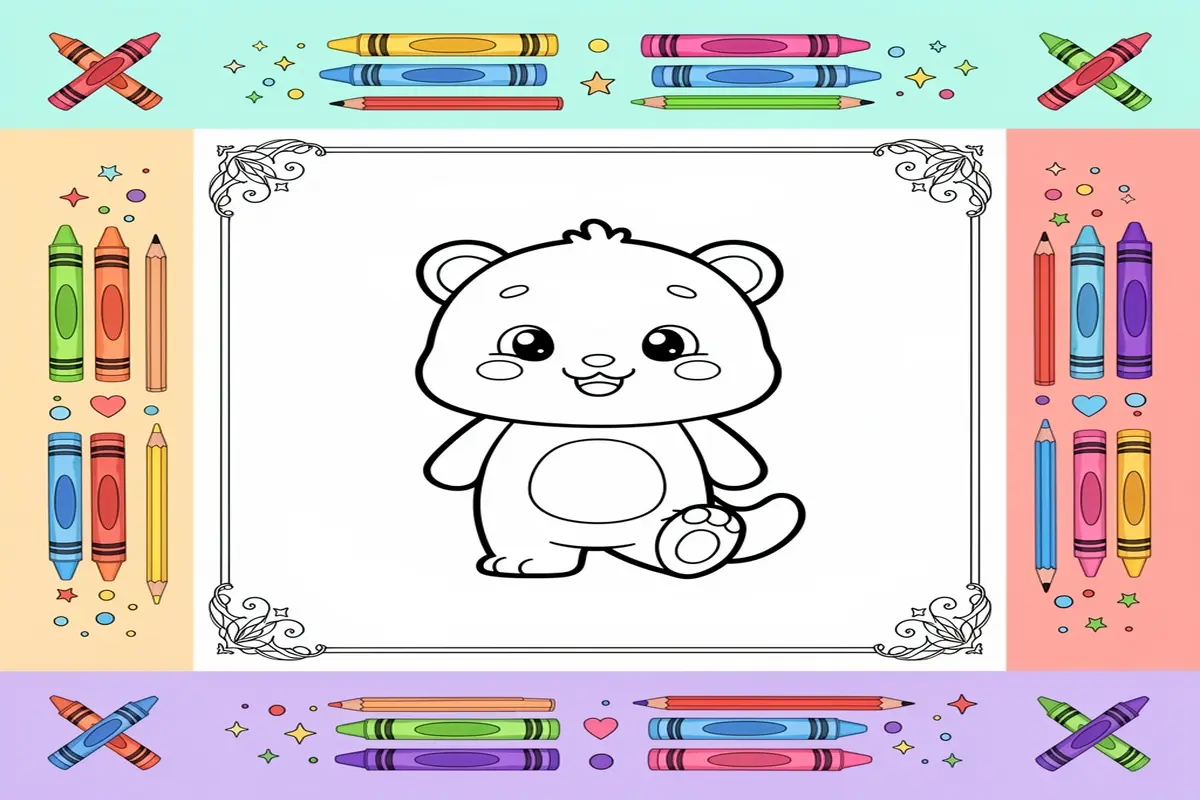
In a world saturated with digital noise, the simple act of coloring offers a profound sanctuary for young minds. Far more than just a quiet pastime, educational coloring pages for kids represent a powerful, screen-free tool for cognitive development, emotional regulation, and creative expression. These carefully designed pages transform a fun activity into a dynamic learning experience, where every stroke of color reinforces knowledge, from the anatomy of a leatherback sea turtle to the letters of the alphabet. By engaging with educational coloring pages for kids, children naturally develop fine motor skills, enhance their focus, and build a foundational understanding of the world around them—be it wildlife, history, or science. This journey with crayons and markers is where play and education seamlessly converge, fostering a lifelong love for learning through artistry.
The Hidden Curriculum: Where Fun Meets Fundamental Learning
At first glance, coloring is pure recreation. Yet, beneath the surface of every illustrated scene lies a rich, multi-sensory curriculum. Modern educational coloring pages for kids are strategically crafted to serve as engaging teaching aids, turning abstract concepts into tangible, colorful discoveries.
The Cognitive Palette: Building Brainpower One Hue at a Time
Coloring is a deceptively complex neurological workout. As a child selects a color and works to stay within the lines, they are honing critical executive functions: focus, decision-making, and problem-solving. The repetitive, mindful motion of coloring activates the brain’s frontal lobes, which govern organization and attention. This meditative state reduces anxiety and builds patience, providing a calming counterbalance to the overstimulation of modern childhood. Pages designed with educational coloring pages for kids in mind, such as intricate animal anatomy sheets or detailed castle illustrations, demand a higher level of engagement, subtly strengthening neural pathways associated with both creativity and logical thinking.
A Bridge to Knowledge: Thematic Exploration Through Art
The true magic of educational coloring lies in its thematic depth. A page isn’t just a picture; it’s a portal. Coloring a savannah scene becomes a lesson in ecosystems and animal adaptations. Bringing a historical figure to life with color sparks conversations about culture and legacy. This method of thematic learning leverages visual and kinesthetic pathways, helping children retain information more effectively than through passive reception. By connecting the act of coloring to a specific subject—whether it’s the planets, the life cycle of a frog, or world landmarks—these pages build a scaffold of knowledge that is both personal and memorable.
Designed for Developmental Stages: From Scribbles to Masterpieces
The best educational coloring pages for kids are curated to meet learners where they are. For toddlers, large, simple shapes and familiar objects like friendly animals build confidence and grip strength. Preschoolers thrive with pages that introduce letters, numbers, and basic themes, such as our alphabet coloring pages. School-aged children are ready for complexity—detailed maps, scientific diagrams, and historical scenes that challenge their precision and expand their factual knowledge. This intentional scaling ensures that every child, regardless of skill level, experiences the joy of achievement and the thrill of learning something new through their own creative agency.
Professional Materials & Preparation for educational coloring pages for kids
To maximize the learning and creative benefits of educational coloring pages for kids, proper preparation is key. Having the right materials on hand transforms a simple activity into an enriching experience that develops fine motor skills, color theory understanding, and sustained focus. This guide outlines the professional-grade supplies and setup recommended by educators to ensure your young artists are fully equipped to engage with everything from intricate animal anatomy sheets to vibrant alphabet pages.
The Foundation: Selecting Premium Paper for educational coloring pages for kids
The paper you choose is the single most important factor in the final result and the child’s enjoyment. For standard home printing, opt for a bright white, smooth card stock with a weight of 120-160 GSM (grams per square meter). This weight prevents bleed-through from markers and can handle vigorous erasing and layering with colored pencils without tearing. For a more specialized tactile experience, especially with pencil crayons, a slightly textured mixed-media paper can help blend colors beautifully. Always print a test page, such as a detailed leopard coloring pages free printables, to check your printer’s alignment and the paper’s performance before starting a big project.
Best Coloring Tools: A Detailed Medium Comparison
The choice between mediums depends on the child’s age, the page’s detail, and the desired educational outcome.
Colored Pencils (Core Tools for Detail): Ideal for educational coloring pages for kids featuring fine lines, such as abc coloring pages for kids or intricate animal patterns. Look for pencils with soft, pigmented cores that offer smooth application with minimal pressure. Brands with a wide color range encourage color experimentation and subtle blending, teaching gradient and shading concepts.
Markers (Vibrant Color & Broad Coverage): Excellent for younger children or pages with larger areas, as they provide instant, bold color. Use alcohol-based markers for professional, bleed-free blends on marker paper, or high-quality washable markers for everyday use on card stock. They are perfect for building confidence and exploring bold color combinations on pages like cheerful dinosaur or vehicle sheets.
Crayons (Tactile & Developmental): The classic choice for developing hand strength in preschoolers. Their resistance on paper provides essential sensory feedback. Opt for crayons with rich pigments that are easy to grip.
Finishing Touches: Gel Pens, Blenders, and Erasers
Elevate the artwork and problem-solving aspects with specialized tools. White gel pens or opaque paint pens are invaluable for adding highlights, fixing small mistakes, or drawing on dark backgrounds, a technique that can be used on space or nighttime-themed pages. A dedicated colorless blender marker or a high-quality pencil-shaped eraser allows children to correct errors and refine their work, teaching resilience and attention to detail. These tools empower kids to view their coloring as a process of iterative improvement.
Creating the Optimal Workspace: Ergonomics and Lighting
A proper workspace promotes longer engagement and better results. Ensure the coloring surface is stable and at a comfortable height to prevent slouching. Natural, diffused daylight is the best lighting to reduce eye strain and show true colors. If using artificial light, a full-spectrum LED desk lamp is an excellent alternative. Organize materials within easy reach using cups for pencils and markers and a small tray for erasers and sharpeners. This organized setup not only fosters independence but also subconsciously teaches children to prepare and care for their tools, completing the professional approach to using educational coloring pages for kids.
Part 3: Elevating the Experience: Advanced Techniques for Educational Coloring Pages for Kids
Moving beyond simply filling in lines, advanced coloring techniques can transform a simple activity into a profound artistic and educational journey. By introducing concepts like color theory, shading, and texture, parents and educators can help children develop a keen eye for detail, understand visual principles, and gain immense satisfaction from creating beautiful, realistic artwork. Mastering these methods turns educational coloring pages for kids into a masterclass in observation and fine motor skill development.
Harmonious Palettes: Color Theory for Young Artists
Understanding basic color relationships empowers children to make intentional, aesthetically pleasing choices. Start with the color wheel. Explain that complementary colors (opposites like blue & orange or red & green) create vibrant contrast and make elements “pop,” perfect for making a cheetah stand out against the savanna. Analogous colors (neighbors on the wheel, like blue, teal, and green) create harmony and calm, ideal for an underwater scene with fish and jellyfish. Encourage them to plan a palette before starting, turning the page into a lesson in visual planning.
From Flat to 3D: Mastering Light and Shadow
Shading is the magic that adds volume and life. Teach children to imagine a light source (like the sun) in one corner of the page. The sides of objects facing the light are lightest; the opposite sides are darkest. Use a three-step approach: 1) Base Color: Apply the main color evenly. 2) Shadow: Add a darker shade of the same color (or a complementary for depth) to areas away from the light. 3) Highlight: Leave the lightest areas white or add a very light tint. Practice this on rounded subjects like the elephant’s body or a seahorse’s curled tail to see the 3D effect emerge.
Adding Realism: Creating Convincing Textures
Texture makes a drawing feel tangible. Demonstrate specific strokes for different surfaces:
Fur & Hair: Use short, quick, overlapping strokes in the direction the hair grows, as on a lion’s mane. Vary pressure for light and dark patches.
Scales: For fish or sea turtles, draw small, curved “U” shapes in rows, shading the bottom of each scale.
Smooth & Shiny: For a wet dolphin’s skin or a smooth abstract shape, use even, solid color with a sharp, bright white highlight.
* Sky: Use the side of a colored pencil crayon in gentle, circular motions to create a soft, blended gradient from dark blue at the top to light near the horizon.
The Art of Correction: Gracefully Fixing Coloring Errors
Mistakes are part of the learning process. Teach graceful recovery strategies. For small slips outside the lines, use a white gel pen or a sharpened eraser to clean up edges. If a color turns out too dark, they can try lightening it by gently layering a lighter color on top (yellow can lighten green, for example). For larger “mistakes,” reframe it: “That’s a creative opportunity! Can we turn that smudge into a cloud, a leaf, or a pattern?” This builds resilience and creative problem-solving, core benefits of educational coloring pages for kids. Encourage them to see the entire page as a work in progress, where every mark contributes to the final masterpiece.
Showcasing Your Educational Coloring Pages for Kids: Creative Display Ideas
Once the coloring is complete, the learning and creativity don’t have to stop! Transforming finished pages into displays and projects reinforces a child’s sense of accomplishment and extends the educational value. Here are inspiring ways to celebrate their hard work.
Preserving Your Masterpiece: Archival Tips
Protect and showcase your child’s artwork to build their confidence. For long-term display, consider using acid-free sheet protectors in a binder, creating a personalized portfolio. Laminating pages makes them durable for placemats or reusable learning tools. Simple, inexpensive frames can turn any masterpiece into gallery-worthy wall art for their room or your home office, providing a constant source of pride and a visual reminder of their progress.
Beyond Display: Creative DIY Projects
Take the finished pages into the realm of hands-on crafts. Help your child create handmade greeting cards, bookmarks, or gift tags for family and friends, adding a personal touch to any occasion. You can also decoupage colored pages onto a plain box or notebook for a custom storage solution. For a fun learning extension, compile themed pages, like our free dolphin coloring pages, into a homemade book, encouraging storytelling and factual recall about the subject.
Your Educational Coloring Pages for Kids Questions Answered
What are the educational benefits of coloring?
Coloring is a powerhouse for early education. It teaches color recognition, improves focus and concentration, and provides a foundation for understanding boundaries and structure. Thematically designed educational coloring pages for kids can introduce letters, numbers, animals, and scientific concepts in a low-pressure, engaging way, making learning feel like play.
How does coloring help with fine motor skills?
The act of gripping crayons, making controlled strokes, and staying within lines requires precise muscle coordination in the hands, fingers, and wrists. This practice is essential for developing the strength and dexterity needed for future tasks like writing, buttoning clothes, and using utensils effectively.
At what age should a child start coloring?
Toddlers can begin exploring with large, chunky crayons around 18 months to 2 years old, initially through scribbling. By ages 3-4, they typically start showing more control and intent. Always choose age-appropriate tools and simple, large-image educational coloring pages for kids to match their developmental stage and ensure a positive experience.
Where can I find free educational coloring pages?
Many educational websites and libraries offer free, printable resources. Look for pages that align with your child’s interests or current learning themes, such as animals, the alphabet, or seasons. For instance, you can find a vast collection of free, high-quality pages organized by theme on sites dedicated to this craft, offering everything from farm animals to ocean life.
How to make coloring pages educational?
Go beyond just filling in shapes. Discuss the subject on the page—ask questions about the animal’s habitat or the letter’s sound. Incorporate counting by having your child count specific elements. Use it as a prompt for a short story. This interactive approach transforms a simple activity into a rich, educational coloring pages for kids experience that builds knowledge and vocabulary.
Final Thoughts: Your Educational Coloring Pages for Kids Journey Begins
The simple act of coloring is far more than a quiet-time activity; it’s a foundational tool for growth. Through educational coloring pages for kids, children not only explore their artistic side but also build critical cognitive and motor skills, all while absorbing new information about the world around them. It’s a joyful, screen-free way to foster a love for learning, boost self-esteem, and create lasting memories together.
Remember, every page completed is a step forward in their development. So, gather your crayons, celebrate every scribble and shaded area, and watch your child’s confidence and capabilities blossom with each colorful creation.
Ready for your next adventure? Explore our ABC coloring pages for kids to combine art with early literacy!