We offer a wide collection of free, high-quality printable coloring pages for kids and adults. From cute animals to intricate mandalas, our designs bring creativity and relaxation to everyone. Download, print, and start coloring today!

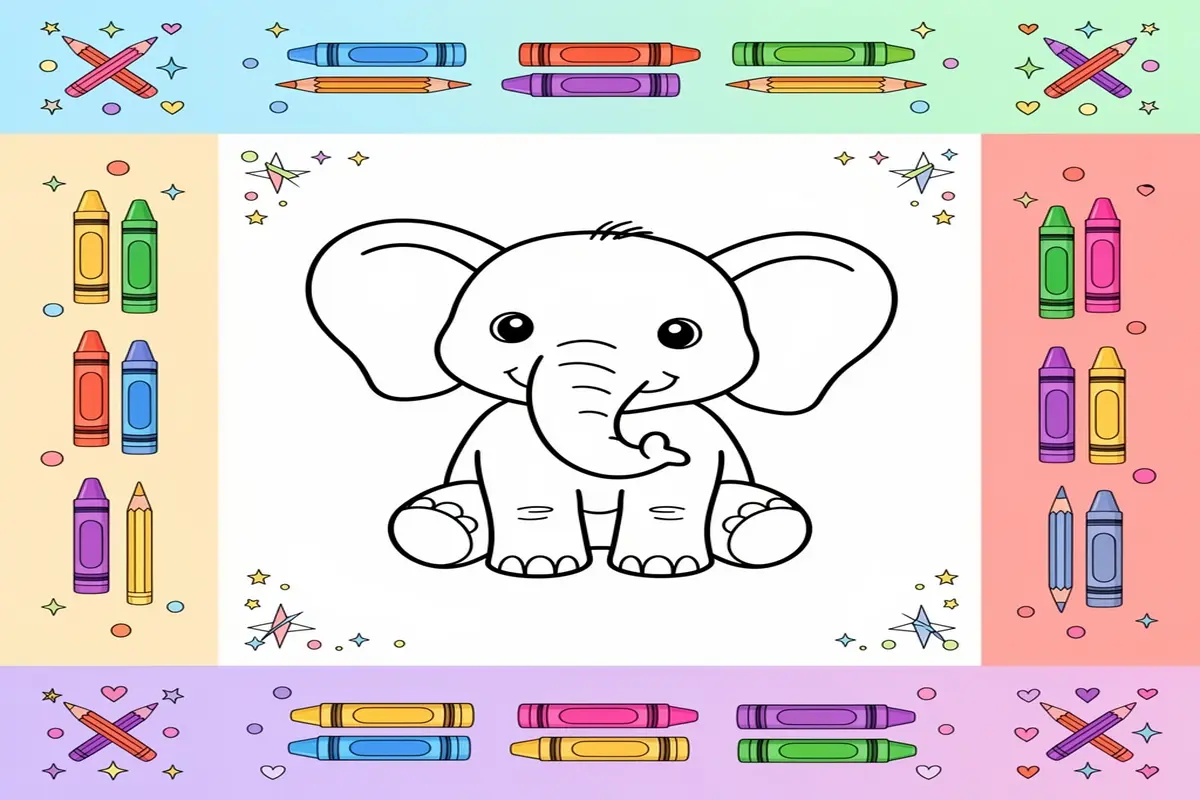
In a world saturated with digital noise, the simple act of coloring offers a profound sanctuary for young minds. It is a tactile, imaginative journey back to the fundamentals of creativity. Among the most captivating subjects for this artistic exploration are the gentle giants of the savanna. Elephant coloring pages for kids do more than just fill an afternoon; they open a portal to learning about one of nature’s most intelligent and majestic creatures. As children select hues for a wrinkled trunk or vast ears, they engage in a quiet, focused activity that builds fine motor skills, color recognition, and a deep sense of calm. This makes our collection of elephant coloring pages for kids a perfect starting point for a broader adventure into the animal kingdom, much like the aquatic wonders found in our free dolphin coloring pages. Whether aiming for realistic gray tones or a fantastical rainbow pachyderm, these pages provide a canvas for unlimited expression and a joyful introduction to wildlife appreciation through art.
The Gentle Giant on Paper: More Than Just a Coloring Activity
The Psychology of Calm: Mindfulness Through Repetition
The very structure of a coloring page—defined lines, predictable shapes—creates a container for a child’s energy. Focusing on the large, distinct areas of an elephant’s body requires a gentle, sustained attention that naturally quietens a busy mind. This repetitive, low-stakes creative act is a form of active meditation for children, reducing anxiety and promoting a state of flow. The process of choosing colors and seeing a blank page transform into a personal masterpiece builds confidence and provides a tangible sense of accomplishment, making elephant coloring pages for kids a powerful tool for emotional regulation and creative focus.
A Cultural & Biological Canvas: Stories in Every Line
Elephants are not just animals; they are symbols across cultures, representing wisdom, memory, strength, and family bonds. When a child colors an elephant, they are interacting with this rich tapestry of meaning. The distinct physical features—the trunk, tusks, and large ears—become conversation starters about adaptation and habitat. Parents and educators can use these elephant coloring pages for kids as a springboard to discuss conservation, social herd structures, and the animal’s role in ecosystems across Africa and Asia, turning an art project into an immersive educational experience.
Curated for Every Young Artist: From Toddler to Tween
The beauty of this theme lies in its scalability. For tiny hands just learning to grip a crayon, simple, bold outlines of a baby elephant are perfect. For older children seeking a challenge, intricate mandala-style designs featuring elaborate patterns on an elephant’s back or detailed herd scenes provide hours of engaging complexity. This range ensures that elephant coloring pages for kids remain a go-to resource, growing with the child’s developing skills and offering endless opportunities for artistic exploration, from the first scribble to carefully shaded masterpieces.
Professional Materials & Preparation for elephant coloring pages for kids
To ensure a successful and enjoyable coloring session, proper preparation is key. The right materials not only enhance the final artwork but also make the process more engaging for young artists. This guide will walk you through the essential supplies and setup needed to bring your elephant coloring pages for kids to life with vibrancy and detail.
The Foundation: Premium Paper for elephant coloring pages for kids
The paper you choose is the canvas for creativity and directly impacts the performance of your coloring tools. For standard elephant coloring pages for kids, a good-quality printer paper (80-100 GSM) is sufficient for crayons and colored pencils. However, if using markers, especially alcohol-based ones, upgrading to marker paper (around 100-140 GSM) is crucial to prevent bleed-through and feathering. For a mixed-media approach or watercolor pencils, a heavier weight paper (160 GSM+) or dedicated mixed-media pad will handle moisture and layering without warping. Always print a test page to ensure your printer’s ink is compatible and won’t smudge when colored over.
The Artist’s Palette: Comparing Coloring Mediums
Selecting the right coloring tool depends on the desired outcome and the child’s skill level.
Colored Pencils: Ideal for developing fine motor skills and achieving detailed textures, like the wrinkled skin of an elephant. Wax-based pencils (e.g., Crayola) offer smooth application, while oil-based (e.g., Faber-Castell) allow for better blending and layering. They are clean, precise, and excellent for all ages.
Markers: Provide vibrant, solid blocks of color. Water-based markers (like washable varieties) are safe and easy to clean, perfect for younger children. For more intense, blendable color on elephant coloring pages for kids, alcohol-based markers (e.g., Copic, Ohuhu) are superior but require bleed-proof paper. A great alternative for detailed animal pages are fine-tip markers, which allow for precise work on small areas like the elephant’s eye or tusks.
Crayons: The classic choice for preschoolers, offering durability and ease of use. They are best for broad, expressive strokes rather than fine detail. Look for soft, richly pigmented crayons that require less pressure to lay down vivid color.
Precision and Shine: Detailing Tools and Embellishments
Once the base colors are down, detailing tools can elevate the artwork. Gel pens and metallic markers are fantastic for adding highlights to an elephant’s eye, creating a sense of wetness on its skin, or tracing patterns. White gel pens are particularly useful for adding highlights on darker colors. For a textured effect, consider using colored pencil over marker to create depth in the elephant’s skin folds. If your young artist enjoys other African animals, they might also enjoy adding similar detailed touches to our zebra coloring pages free printable.
Creating the Ideal Coloring Environment
A well-prepared workspace fosters focus and creativity. Ensure ample, natural light or a good-quality desk lamp to reduce eye strain and allow for accurate color perception. The seating should support good posture—feet flat on the floor and the table at elbow height. Keep supplies organized in cups or trays for easy access. Placing a scrap paper underneath the elephant coloring pages for kids will protect the work surface, especially when using markers. Finally, have a damp cloth nearby for quick clean-ups of hands or tools, making the experience seamless and enjoyable.
Part 3: Elevating Your Art: Advanced Techniques for Elephant Coloring Pages for Kids
Ready to transform a simple outline into a stunning masterpiece? Moving beyond basic crayon fills, these advanced techniques will help young artists (and the adults guiding them) bring incredible depth, realism, and creativity to their elephant coloring pages for kids. This journey into artistic skills builds confidence and turns coloring time into a true learning adventure.
Harmonious Palettes: Color Theory for Majestic Elephants
Understanding a few basic color relationships can make artwork pop. For elephant coloring pages for kids, try these approaches:
Complementary Colors: Use opposites on the color wheel for vibrant contrast. An elephant shaded in soft grays and blues looks dynamic against a background with hints of orange (like a sunset) or sitting beside complementary orange octopus coloring pages.
Analogous Colors: Create harmony by using colors next to each other. An elephant could feature a range of analogous blues, blue-grays, and purples for a cool, unified look. This scheme works beautifully for jungle or savanna backgrounds, connecting your elephant to other creatures like those found on free dolphin coloring pages or giraffe coloring pages.
Realistic vs. Imaginative: Discuss with your child: Should the elephant be a natural gray/brown, or would they prefer a rainbow-hued magical creature? Both are valid artistic choices!
From Flat to 3D: Mastering Light and Shadow
Shading is the magic that makes a shape look solid. Guide your young artist with these steps:
1. Choose Your Light Source: Decide where the sun or light is (e.g., top left). Every shadow will be opposite this point.
2. Start Light: Color the entire elephant with a very light base gray or color.
3. Add Mid-Tones: Apply a medium tone to areas where the light doesn’t hit directly, like the lower belly, behind the legs, and the back side of the ears.
4. Deepen the Shadows: Use a dark pencil or crayon to add the deepest shadows in crevices—under the trunk, between the legs, and in the folds of the skin. Blend gently where the dark and light areas meet to avoid harsh lines.
Adding Realism: Texturing the Elephant’s Unique Skin
An elephant’s skin is famously rough and wrinkled, which is fun to recreate!
Wrinkles and Folds: Instead of drawing lines, try coloring small, connected “C” shapes and cracks in the shadow areas. Leave the raised parts of the wrinkles slightly lighter.
Dry Skin Texture: Use a very light, circular scribble technique with a sharp-colored pencil to create a pebbled effect. For a more advanced method, gently rub a crayon sideways over a rough surface (like sandpaper) before applying it to the page for a broken, textured look.
Smooth Contrast: Make the elephant’s tusks smooth by coloring them evenly with a white or cream pencil, using sharp strokes in one direction. This contrast highlights the textured skin.
The Art of Correction: Graceful Fixes for Coloring Mistakes
Mistakes are part of the process! Here’s how to manage them without frustration:
Pencil Power: If using colored pencils, a good white eraser can lift color, especially from lighter areas. Erase gently.
Turn It Into Texture: A stray mark outside the lines can become a blade of grass, a flying bug, or a pebble on the ground. Incorporate it into the scene.
Layer Over It: Often, going over a light mistake with the correct, darker color will cover it completely. This works well for shading in darker areas.
* Prevention is Key: Encourage artists to start with light pressure. It’s easier to add more color than to remove it. Work from the background to the foreground; color the sky and landscape before carefully filling in the large elephant shape at the end.
By exploring these techniques, each session with elephant coloring pages for kids becomes a masterclass in art fundamentals, fostering patience, creativity, and immense pride in the finished work.
Showcasing Your Elephant Coloring Pages for Kids: Creative Display Ideas
Once your young artist has filled their elephant coloring pages for kids with vibrant hues, the fun doesn’t have to stop! Transforming these masterpieces into home decor or heartfelt gifts adds a wonderful sense of accomplishment and pride.
Preserving Your Masterpiece: Archival Tips
To ensure those colorful creations last, consider simple preservation methods. For a professional touch, use a can of clear, acid-free spray fixative to prevent crayon or pastel smudging. Laminating sheets are perfect for making placemats or durable art cards. For framed displays, opt for a matte to keep the paper from touching the glass, preventing moisture damage. Storing flat in a large portfolio or art case keeps pages crisp for years.
Beyond Display: Creative DIY Projects
Turn colored pages into meaningful projects. Create custom greeting cards by gluing the elephant onto folded cardstock. Laminate and cut out your favorite elephants to make unique bookmarks. For a larger statement, decoupage several colored pages onto a wooden tray or storage box. These projects make wonderful, personalized gifts for family members and celebrate your child’s creativity in a tangible way. For another fantastic animal art project, check out our zebra coloring pages free printable.
Your Elephant Coloring Pages for Kids Questions Answered
How do you draw an elephant step by step?
Start with a large oval for the body and a smaller circle for the head. Add a big ear on the side of the head and a trunk that curves down. Draw four sturdy legs and a simple tail. Finally, add a tusk and an eye. Keep shapes simple and rounded for a kid-friendly look. This basic structure is perfect for creating your own elephant coloring pages for kids.
What are the benefits of coloring for kids?
Coloring boosts fine motor skills and hand-eye coordination as children learn to stay within lines. It fosters creativity and color recognition while providing a calming, focused activity that reduces stress. It’s also a great way for kids to express emotions non-verbally and build confidence in their artistic abilities.
How do I print free coloring pages?
Visit a trusted website like ours and navigate to your desired page, such as our elephant coloring pages for kids. Ensure your printer has paper and ink. Click the print button, often found near the image. For best results, select “Fit to page” in your printer settings. Use standard printer paper for practice or cardstock for a sturdier finish.
What are some fun facts about elephants for kids?
Elephants are the largest land animals! They use their trunks like a super-tool for breathing, smelling, drinking, and grabbing food. They have thick, wrinkly skin to help keep them cool. Elephants live in close family groups led by the oldest female, and they can communicate with deep rumbles that travel for miles.
What is the best age to start coloring?
Children can start exploring with chunky crayons as early as 18 months old, focusing on sensory experience. Structured coloring, like using elephant coloring pages for kids, becomes engaging around ages 3-4 as motor skills develop. The key is to provide age-appropriate tools and praise the effort, not perfection, to foster a lifelong love for art.
Final Thoughts: Your Elephant Coloring Pages for Kids Journey Begins
The simple act of coloring an elephant opens a gateway to creativity, learning, and precious moments of calm. From discovering the majestic animal’s fun facts to developing essential skills and proudly displaying finished art, each page represents a step in your child’s creative journey. These activities are more than just keeping busy; they’re building confidence, focus, and joyful memories.
We hope this guide inspires you to celebrate every scribble and masterpiece. Remember, the goal is to enjoy the process of creation together. Ready for your next adventure? Explore our lion coloring pages free printable kids adults and continue your safari of creativity!