We offer a wide collection of free, high-quality printable coloring pages for kids and adults. From cute animals to intricate mandalas, our designs bring creativity and relaxation to everyone. Download, print, and start coloring today!

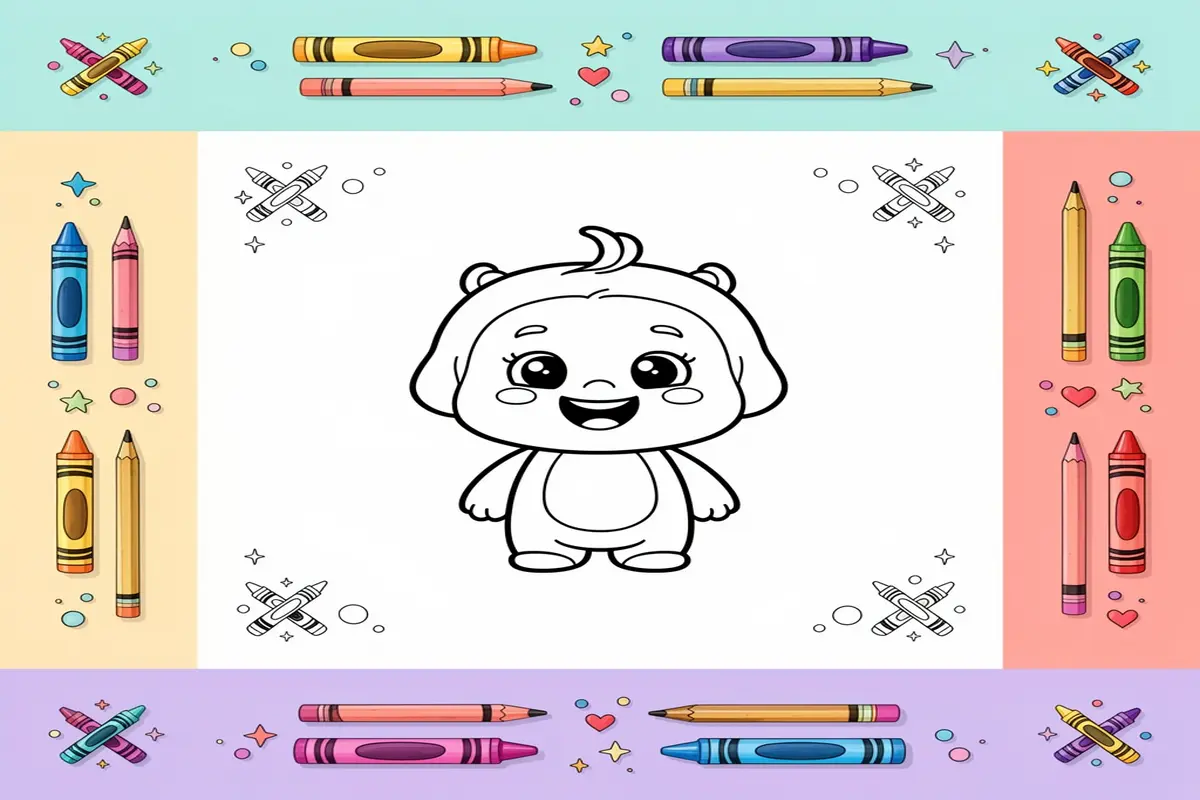
In a world where children are constantly navigating a whirlwind of new experiences, finding tools to help them understand and express their inner world is invaluable. Enter the transformative realm of emotions coloring pages for kids. Far more than a simple pastime, these specialized pages act as a gentle, non-verbal bridge between a child’s complex feelings and the outside world. Through the simple, focused act of choosing colors and filling in lines depicting joy, sadness, calm, or excitement, children engage in a form of emotional literacy that is both accessible and profoundly therapeutic. This creative practice offers a safe space for self-discovery, allowing young minds to process their feelings at their own pace, without pressure. It’s a foundational step towards emotional intelligence, complementing other creative outlets like exploring the serene depths of our free dolphin coloring pages. As we delve deeper, we uncover how these emotions coloring pages for kids are not just art projects, but essential tools for healthy psychological development.
The Heart of the Matter: Why Coloring Feelings Resonates
At the intersection of art therapy and child development lies the powerful utility of emotions coloring pages for kids. This practice transcends mere coloring, offering a structured yet open-ended avenue for emotional exploration and communication.
The Mindful Stroke: Cultivating Calm and Focus
The rhythmic, repetitive motion of coloring has a naturally meditative quality. For a child feeling anxious or overwhelmed, focusing on the tangible task of coloring within the lines of a “calm” or “peaceful” character can act as an anchor. This mindful engagement lowers cortisol levels, redirects racing thoughts, and creates a pause in the emotional storm. The very act becomes a coping mechanism, teaching children that they can manage big feelings through a calm, creative activity. It’s a practical lesson in self-regulation, built one colorful stroke at a time.
From Abstract to Concrete: Giving Form to Feelings
Young children often lack the sophisticated vocabulary to articulate complex emotions like frustration, envy, or loneliness. Emotions coloring pages for kids solve this by providing visual representations. A character with a tear or a slumped posture can symbolize sadness, while a bright, smiling sun might represent happiness. By externalizing the feeling onto the page, it becomes something they can observe, name, and literally “color over” or transform. This process demystifies emotions, making them feel more manageable and less intimidating, which is a crucial step in developing empathy for oneself and others.
A Tool for Every Child: Universal Accessibility and Benefit
The beauty of this resource is its inclusivity. Whether a child is a chatterbox or naturally reserved, highly expressive or struggling with articulation, emotions coloring pages for kids meet them where they are. They require no special artistic skill, removing the fear of “getting it wrong.” Parents, teachers, and counselors can use these pages as a non-threatening starting point for conversations, asking, “What color does your happy feel like today?” or “Does this character look like how you felt when you couldn’t find your toy?” From the toddler learning basic feeling words to the older child grappling with more nuanced social emotions, this tool scales to support a wide spectrum of developmental stages and needs.
Professional Materials & Preparation for emotions coloring pages for kids
To maximize the therapeutic and educational benefits of emotions coloring pages for kids, the right materials and a prepared environment are essential. This isn’t just about keeping children busy; it’s about providing tools that enhance fine motor development, allow for authentic emotional expression, and create a calm, focused space for self-reflection. Proper preparation transforms a simple activity into a meaningful practice in emotional intelligence.
The Foundation: Selecting Paper for Lasting Emotions Art
The paper you choose directly impacts the child’s experience and the longevity of their work. For standard crayons and colored pencils, a smooth, bright white paper (90-110 GSM) provides excellent color vibrancy and reduces crayon “grittiness.” However, if using markers or exploring wet mediums like watercolor pencils for blending, a heavier weight paper (120-160 GSM) is non-negotiable to prevent bleed-through and buckling. For a special project, consider printing your emotions coloring pages for kids on cardstock; the substantial feel can make the finished artwork feel more important, something to be displayed or revisited as a tool for discussing feelings. For a thematic connection, consider our animal coloring pages for kids, which can be paired with emotions pages to discuss how animals might feel.
The Best Coloring Tools: Precision vs. Expression
The choice between markers, pencils, and crayons influences how a child engages with the emotional content.
Colored Pencils: The ideal tool for detailed emotions coloring pages for kids. They offer control for shading and blending, perfect for illustrating subtle emotional gradients (e.g., blending blues for sadness or warm yellows and reds for anger). Look for pencils with soft, pigmented cores that require less pressure, reducing hand fatigue.
Markers: Excellent for bold, confident expression of feelings. Broad-tip markers are great for filling large areas with color, representing overwhelming joy or excitement, while fine-tip markers are perfect for outlining and adding detailed features to emotional faces. Always opt for alcohol-based or high-quality water-based markers that offer streak-free application to avoid frustration.
Wax Crayons & Gel Crayons: Fantastic for younger children or for conveying texture. The tactile feedback and vibrant, opaque layers can be very satisfying for expressing strong, simple emotions.
Finishing Touches: Enhancing Details with Specialty Tools
Elevate the artwork and engagement with a few specialized supplies. Gel pens and metallic markers are superb for adding highlights to tears (sadness), drawing sparkles in eyes (joy), or creating a glowing aura around a calm figure. A set of quality pencil crayons with a wide range of skin tones is crucial for ensuring all children can represent themselves authentically on their emotions pages. A simple white colored pencil or a white gel pen can be used for corrections or adding light details over darker colors, teaching problem-solving when a color choice doesn’t match the felt emotion.
Creating the Optimal Workspace for Emotional Exploration
The physical setup is as important as the materials. Ensure ample, natural light or a bright, neutral-toned LED lamp to reduce eye strain and allow for true color perception. The seating should support good posture; a table and chair where the child’s feet can rest flat on the floor promotes focus. Organize materials in accessible containers—having all tools within reach prevents disruptive searching that can break contemplative flow. Before beginning, briefly discuss the purpose of the emotions coloring pages for kids, giving permission to choose colors intuitively based on current feelings, not realistic representations. This prepares the mind for a reflective, rather than purely recreational, activity.
Mastering emotions coloring pages for kids: Advanced Techniques for Expressive Art
Helping children bring emotions coloring pages for kids to life goes beyond staying inside the lines. By introducing a few artistic techniques, you can transform a simple activity into a powerful tool for emotional expression and skill development. These methods empower young artists to add depth, feeling, and personality to every page, turning flat images into vibrant stories.
Harmonious Palettes: Color Theory for Emotional Expression
Color is the primary language of emotion on the page. Teach kids to think like artists by exploring color relationships. Complementary colors (like blue & orange or purple & yellow) create vibrant contrast and energy—perfect for highlighting big, bold feelings. Analogous colors (like blue, teal, and green) sit side-by-side on the color wheel and create soothing, harmonious scenes, ideal for calm or contented emotions. For a page featuring a joyful character, suggest a warm analogous scheme of yellows and oranges. For a scene about feeling calm, like those found in our cute calm coloring pages, cool blues and greens would be a perfect choice. This intentional selection helps children visually communicate the specific feeling on the page.
From Flat to 3D: Shading for Emotional Depth
Shading is the magic that makes a flat circle look like a sphere or a simple face look rounded and real. Start with a simple step-by-step approach. First, have your child color the entire area with a light, even layer of their base color. Next, identify a light source (e.g., “Let’s pretend the sun is in this top corner”). Finally, using the same crayon or pencil with more pressure, or a slightly darker shade, color a second layer along the side opposite the imaginary light. Practice this on rounded objects like balloons or cheeks on emotions coloring pages for kids. This technique adds volume, making the emotions feel more tangible and real, as if the character could step off the page.
Adding Realism: Texture Methods for Tactile Feel
Texture brings a delightful sensory element to coloring. Demonstrate simple patterns to mimic different surfaces. For a furry friend feeling shy, use small, quick, overlapping strokes to create soft fur. For a smooth, worried brow, use long, even, side-to-side strokes. A glittery, excited dress could be filled with tiny stars and dots. You can practice creating organic textures with our jellyfish coloring pages, using wavy lines for flowing tentacles and stippling for a spotted bell. Encouraging kids to think about how something feels and then representing that on paper deepens their connection to the subject and its expressed emotion.
The Art of Correction: Graceful Fixes for Coloring Errors
Mistakes are part of the creative process, and learning to fix them builds resilience. For waxy crayon marks that go outside the lines, use a blunt toothpick to gently scrape* away the excess wax—it lifts off cleanly. For lighter pencil smudges, a good white eraser is key. If a color turns out too dark, show them how to layer a lighter color on top to modify the hue (e.g., coloring yellow over dark blue can create a brighter green). The most important technique is to reframe “errors” as opportunities. A stray line can become a strand of hair, a background pattern, or a new decorative element. This problem-solving approach reduces frustration and keeps the focus on the joyful, expressive process of bringing emotions coloring pages for kids to life.
Showcasing Your emotions coloring pages for kids: Creative Display Ideas
Once your child has poured their feelings onto the page, it’s time to celebrate their work! Displaying their art validates their emotional effort and boosts their confidence. Here are some creative ways to honor their masterpieces and extend the activity into meaningful projects.
Preserving Your Masterpiece: Archival Tips
To keep these special pages looking vibrant, consider simple preservation methods. For a gallery wall, use inexpensive clip frames that allow for easy swapping of new artwork. A dedicated binder with clear sheet protectors creates a personal “emotions portfolio” your child can revisit. For truly special pieces, a quick spray of clear, non-toxic art sealant can prevent crayon or marker smudging, making the art durable enough for crafting.
Beyond Display: Creative DIY Projects
Transform completed pages into gifts and keepsakes that spread the message of emotional awareness. Laminate and hole-punch a corner to create beautiful bookmarks. Cut out the colored emotion characters and glue them onto folded cardstock for unique, heartfelt greeting cards. You can also decoupage them onto a small wooden box, creating a special “feelings treasure chest.” For a collaborative project, combine several pages into a personalized “Emotions of the Week” calendar. For more creative inspiration, our cute calm coloring pages offer serene designs perfect for mindful crafting.
Your emotions coloring pages for kids Questions Answered
How does coloring help a child’s emotional development?
Coloring provides a safe, non-verbal outlet for children to process complex feelings. The focused, repetitive motion is calming for the nervous system, while choosing colors and expressing themselves on the page helps them understand and name their internal experiences, building crucial emotional intelligence from a young age.
What colors represent feelings?
While personal, common associations include red for anger or excitement, blue for sadness or calm, yellow for happiness and energy, green for peace or envy, and black for fear or mystery. Discussing why a child chose a specific color for an emotion on their emotions coloring pages for kids offers incredible insight into their personal world.
How do you teach children to identify emotions?
Use emotions coloring pages for kids as a conversation starter. Ask, “What makes the character feel this way?” or “When have you felt like this?” Pair coloring with naming feelings in daily life, using books, and modeling your own emotions. The act of coloring the facial expression and body language reinforces recognition.
Is coloring good for emotional regulation?
Absolutely. Coloring requires focus, which draws attention away from overwhelming feelings and acts as a mindfulness exercise. This rhythmic, creative activity lowers stress hormones, provides a sense of control, and creates a pause that helps children return to a calmer, more regulated state.
What are the benefits of coloring for anxiety?
For anxiety, coloring serves as a portable, grounding tool. It engages the brain’s logical, detail-oriented side, which can quiet the anxious, emotional centers. The predictable, contained activity provides a comforting structure, reducing racing thoughts and physical symptoms of anxiety through mindful engagement.
Final Thoughts: Your emotions coloring pages for kids Journey Begins
The simple act of coloring becomes a profound journey when it’s guided by emotional exploration. Through these pages, children learn that all feelings have a place, that they can be expressed safely, and that they are the artists of their own inner world. This practice builds resilience, self-awareness, and a lifelong coping skill, all while creating beautiful, tangible memories of growth.
Remember, this is more than just coloring—it’s a dialogue without words, a moment of connection, and a step toward emotional well-being. Keep the conversations flowing and the crayons moving. Ready for your next adventure? Explore our cute animal coloring pages for kids to continue the fun and learning!