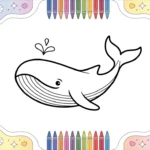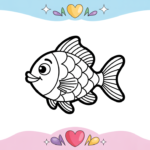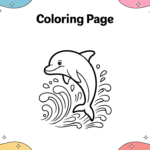
We offer a wide collection of free, high-quality printable coloring pages for kids and adults. From cute animals to intricate mandalas, our designs bring creativity and relaxation to everyone. Download, print, and start coloring today!

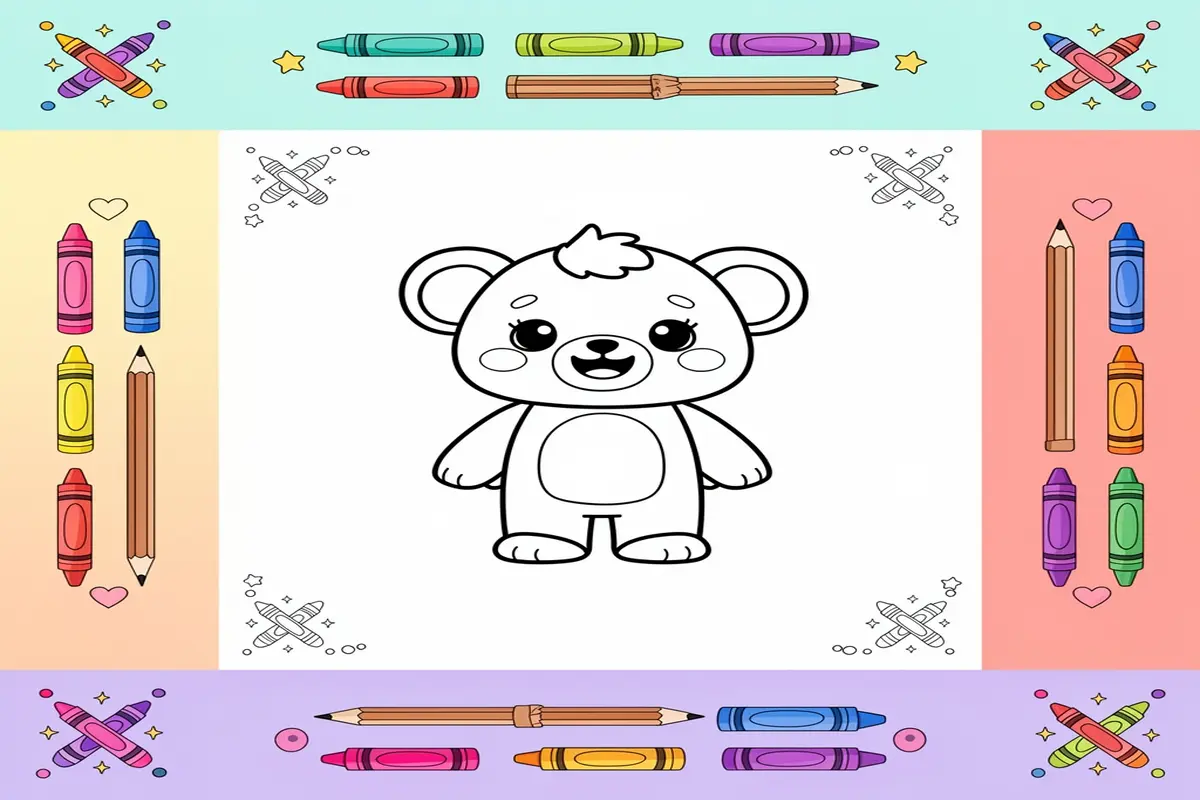
In a world of digital noise and constant stimulation, the simple act of coloring offers a profound sanctuary for young minds. It’s more than just filling in lines; it’s a foundational practice in creative courage and self-expression. encouraging coloring pages for kids are specifically designed to do more than entertain—they are crafted to uplift, validate, and inspire. These pages often feature positive affirmations, achievable challenges, and joyful subjects that whisper, “You can do this,” with every stroke of a crayon. By providing a safe, structured space for artistic exploration, these tools help children translate inner feelings into vibrant external displays, building a bridge between effort and accomplishment. Whether it’s a friendly whale gliding through a serene ocean or a page adorned with empowering words, the right encouraging coloring pages for kids can transform a quiet afternoon into a pivotal moment of personal growth and pride.
Beyond the Lines: The Psychological Power of Positive Creation
The Confidence Catalyst: From Attempt to Achievement
At the heart of encouraging coloring pages lies a powerful psychological principle: the growth mindset. When a child faces a blank page, there is a moment of uncertainty. Pages designed with encouragement in mind—through manageable complexity, uplifting themes, or embedded positive messages—actively combat this hesitation. Each completed section, whether a perfectly shaded area or a color choice that makes them smile, serves as a micro-victory. This repeated cycle of attempt and achievement reinforces neural pathways associated with perseverance and self-efficacy. The very act of making decisions about color and technique within a bounded space reduces anxiety about “making a mistake,” teaching children that the creative process itself is valuable, regardless of the outcome.
A Historical Palette: Art as Emotional Expression
While coloring books are a modern invention, the use of art as a tool for emotional regulation and encouragement is timeless. From ancient cave paintings telling stories of survival to medieval illuminated manuscripts that inspired awe, humans have long used imagery to process experiences and uplift the spirit. Today’s encouraging coloring pages for kids are the descendants of this tradition, repurposed for developmental support. They function as a child’s first canvas for intentional emotional expression, allowing them to externalize feelings they may not yet have words for. Coloring a “brave lion” or a “kind heart” allows them to explore and embody those concepts in a tangible, safe way.
Designed for All: Inclusivity in Creative Encouragement
The true beauty of these resources is their universal accessibility. Encouraging coloring pages for kids are not solely for the naturally artistic; they are for every child. For the perfectionist, they offer a structured path to letting go. For the hesitant artist, they provide a supportive framework to begin. For the energetic child, they cultivate focus and calm. Themes range from fantastical creatures and beloved animals to pages featuring affirmations and diverse representations, ensuring every child can find a page that resonates with their identity and interests. This inclusivity ensures that the message of encouragement is not a one-size-fits-all platitude but a personalized invitation to create and feel capable.
Professional Materials & Preparation for encouraging coloring pages for kids
The right materials and a prepared environment are crucial for successfully encouraging coloring pages for kids. A well-stocked, organized space empowers children to explore their creativity without frustration, turning a simple activity into a rich, skill-building experience. This guide details the essential toolkit and setup to maximize the benefits of every coloring session.
The Foundation: Premium Paper for encouraging coloring pages for kids
The paper you choose directly impacts the child’s experience and final masterpiece. For standard crayons and colored pencils, a smooth, bright white paper with a weight of 100-120 GSM (grams per square meter) prevents bleed-through and allows for easy blending. When using markers, especially alcohol-based ones, heavyweight marker paper (160+ GSM) or cardstock is non-negotiable to prevent warping and bleeding. For a special project, consider printing your chosen designs, like our detailed Realistic Lion Coloring Pages Free Printable, on high-quality matte photo paper to achieve stunning, gallery-worthy results. The tactile feel of good paper is inherently encouraging coloring pages for kids, as it communicates that their art is valued.
Advanced Coloring Mediums: A Detailed Comparison
Selecting the right tools is key to unlocking different creative expressions and skill levels.
Colored Pencils: Ideal for developing fine motor control and patience. Wax-based pencils (e.g., Crayola) offer vibrant colors and are excellent for beginners. For advanced techniques like layering and realistic shading, invest in artist-grade, oil-based pencils with superior pigment density. They allow children to achieve professional-looking results on intricate pages.
Markers: Provide immediate, bold color and are fantastic for building confidence. For young children, water-based markers are easy to wash and are typically non-toxic. As skills progress, alcohol-based markers (with proper ventilation) offer seamless blending capabilities, perfect for encouraging coloring pages for kids who want to experiment with gradients and depth, such as on our Abstract Coloring Pages for Kids.
Crayons & Gel Sticks: The classic choice for preschoolers. Their broad tips are perfect for large areas and help develop grip strength. Gel sticks offer a unique, smooth application that is less messy than traditional paints.
Precision Tools and Finishing Touches
Elevate the artwork with tools designed for detail and embellishment. A set of fine-tip black pens (0.3mm to 0.5mm) is essential for outlining, adding patterns, or defining features after coloring. For sparkle and special effects, a curated selection of gel pens, metallic markers, and white paint pens can add highlights, create textures, or draw attention to key elements. A quality pencil sharpener (for colored pencils) and a good eraser are fundamental maintenance tools that prevent frustration and keep the workspace functional.
Creating the Optimal Coloring Workspace
A dedicated, well-considered space is as important as the materials themselves. Ensure the area is well-lit with natural or full-spectrum artificial light to reduce eye strain and allow for true color perception. Ergonomics matter: provide a chair and table at the correct height so the child’s feet are flat and forearms can rest comfortably. Use organizers, trays, or cups to sort tools by type and color, promoting independence and orderly habits. This prepared environment is the ultimate form of encouraging coloring pages for kids, as it signals that their creative time is important and supported.
Part 3: Elevating Young Artistry: Professional Techniques for encouraging coloring pages for kids
Moving beyond simple color filling, this section introduces techniques that transform a flat page into a vibrant, textured masterpiece. These professional methods are perfect for parents and teachers guiding children through more detailed pages, like our realistic lion coloring pages or intricate abstract coloring pages for kids. Mastering these skills turns the act of coloring into a true artistic education, making encouraging coloring pages for kids a powerful tool for developing fine motor skills and artistic confidence.
Harmonious Palettes: Color Theory for encouraging coloring pages for kids
Understanding basic color relationships can elevate a child’s work instantly. Start with two simple concepts:
Complementary Colors: These are opposites on the color wheel (like blue & orange or red & green). Using them side-by-side makes each color “pop” with vibrant energy. A child coloring a cheetah could use orange for the fur and hints of blue in the shadows for dramatic effect.
Analogous Colors: These are neighbors on the wheel (like blue, teal, and green). They create serene, harmonious scenes perfect for a peaceful seahorse in a coral reef. Encourage kids to pick a “color family” for different sections of their artwork to create mood and cohesion.
From Flat to 3D: Mastering Light and Shadow
Shading adds dimension, making a sphere look round or a tree trunk look solid. Teach this simple, step-by-step approach:
1. Identify Your Light Source: Decide where the “sun” is in the picture (e.g., top left).
2. Apply Base Color: Color the entire object with your main, medium tone.
3. Add Shadows: On the side away from the light source, apply a darker version of your color (e.g., use a purple over red, or a darker blue pencil with more pressure).
4. Highlight: On the side closest to the light, leave a thin strip very light or even white. This three-tone method instantly creates volume.
Adding Realism: Texture Techniques for Young Hands
Texture brings a page to life. Here are easy ways to simulate different surfaces:
Fur and Hair: Instead of coloring in long strokes, use short, quick, overlapping dashes in the direction the fur grows. Vary pressure for a natural look on a cute bear.
Scales: For fish or dragons, draw tiny, connected “U” shapes and color each one slightly differently.
Sky and Water: Use smooth, even, circular motions to create a soft blend. For clouds, color lightly around them, leaving the cloud shape white.
Rough Surfaces: For tree bark or mountains, use small, tight, circular scribbles with a sharp pencil to mimic a gritty feel.
The Art of Correction: Gracefully Fixing Coloring Errors
Mistakes are part of the process! Teach these graceful fixes to reduce frustration:
Pencil Press-Too-Hard: Gently use a white eraser. If a ghost line remains, incorporate it as a “highlight” or very light shadow.
Color Outside the Lines: Turn the error into a feature. A stray blue mark near a bird could become a tiny butterfly or a flower petal with a few added details.
Muddy Colors: If colors blend into a brown mess, define edges with a dark colored pencil or fine-tip marker. Outline the shape to make it distinct again.
* Wrong Color Choice: Layer over it! Coloring pencils are semi-transparent. A yellow layer can tone down a too-bright purple, often creating an interesting, intended shadow effect.
By integrating these professional techniques, you empower children to see themselves as capable artists. Each encouraging coloring page for kids becomes a canvas for exploration, problem-solving, and pride in creating something truly unique and visually stunning.
Part 4: Showcasing Your encouraging coloring pages for kids: Creative Display Ideas
The journey doesn’t end when the last crayon is put down. Celebrating your child’s artwork is a powerful form of encouragement, validating their effort and creativity. Transforming their finished encouraging coloring pages for kids into home décor or gifts builds confidence and makes the activity even more meaningful.
Preserving Your Masterpiece: Archival Tips
Before displaying, consider protecting the artwork. For pieces you want to last, use acid-free sheet protectors in a binder to create a growing portfolio. For wall displays, a simple, inexpensive frame with a mat can make any page look gallery-worthy. You can also use clear contact paper to laminate pages for use as placemats or durable bookmarks, ensuring their colorful creations withstand everyday love.
Beyond Display: Creative DIY Projects
Turn colored pages into thoughtful projects. Cut out beautifully colored animals or shapes to create unique greeting cards or gift tags. For example, a colored dolphin from our free dolphin coloring pages can become a stunning birthday card. Punch a hole in the top of a finished page, add a ribbon, and create a festive ornament. Binding a collection of themed pages together with staples or rings creates a custom storybook they can be proud of.
Part 5: Your encouraging coloring pages for kids Questions, Answered
What are the benefits of coloring for kids?
Coloring is a powerhouse activity that develops fine motor skills, hand-eye coordination, and focus. It serves as a foundation for writing while allowing kids to explore color theory and artistic expression. It’s also a calming, screen-free time that encourages patience and provides a sense of accomplishment upon completion.
How does coloring help a child’s emotional development?
Coloring provides a safe, non-verbal outlet for emotions. The rhythmic, focused action is meditative, helping children process feelings like frustration or excitement. Choosing colors and creating art allows them to express internal states they might not have words for, building emotional awareness and resilience.
How do you encourage a child to color?
Focus on the process, not perfection. Sit and color alongside them, creating a shared, pressure-free activity. Offer a variety of tools (markers, crayons, gel pens) and engaging pages that match their interests. Display their finished work prominently. Using encouraging coloring pages for kids with positive themes can naturally spark motivation.
What skills does coloring develop in a child?
Beyond artistic skills, coloring develops critical pre-writing grips and fine motor control. It enhances concentration, spatial awareness, and decision-making (color choice). It also fosters creativity, planning, and can introduce educational concepts like letters, numbers, and animals in a fun, engaging way.
Does coloring help with anxiety in kids?
Yes, coloring is a recognized therapeutic tool. The repetitive motion and required focus act as a form of mindfulness, pulling attention away from anxious thoughts and into the present moment. This calming effect can lower heart rate and reduce feelings of stress, making encouraging coloring pages for kids a simple, effective coping strategy.
Final Thoughts: Your encouraging coloring pages for kids Journey Begins
Embracing coloring as more than just a pastime opens a door to holistic development for your child. It’s where fine motor skills are honed, creativity is unleashed, and quiet moments of emotional regulation are found. By providing engaging pages, celebrating their unique creations, and integrating their art into your daily life, you transform a simple activity into a powerful tool for growth and connection. Remember, every stroke of color is a step toward confidence and calm.
Ready for your next adventure? Explore our vast collection of animal coloring pages for kids and keep the creativity flowing!