We offer a wide collection of free, high-quality printable coloring pages for kids and adults. From cute animals to intricate mandalas, our designs bring creativity and relaxation to everyone. Download, print, and start coloring today!

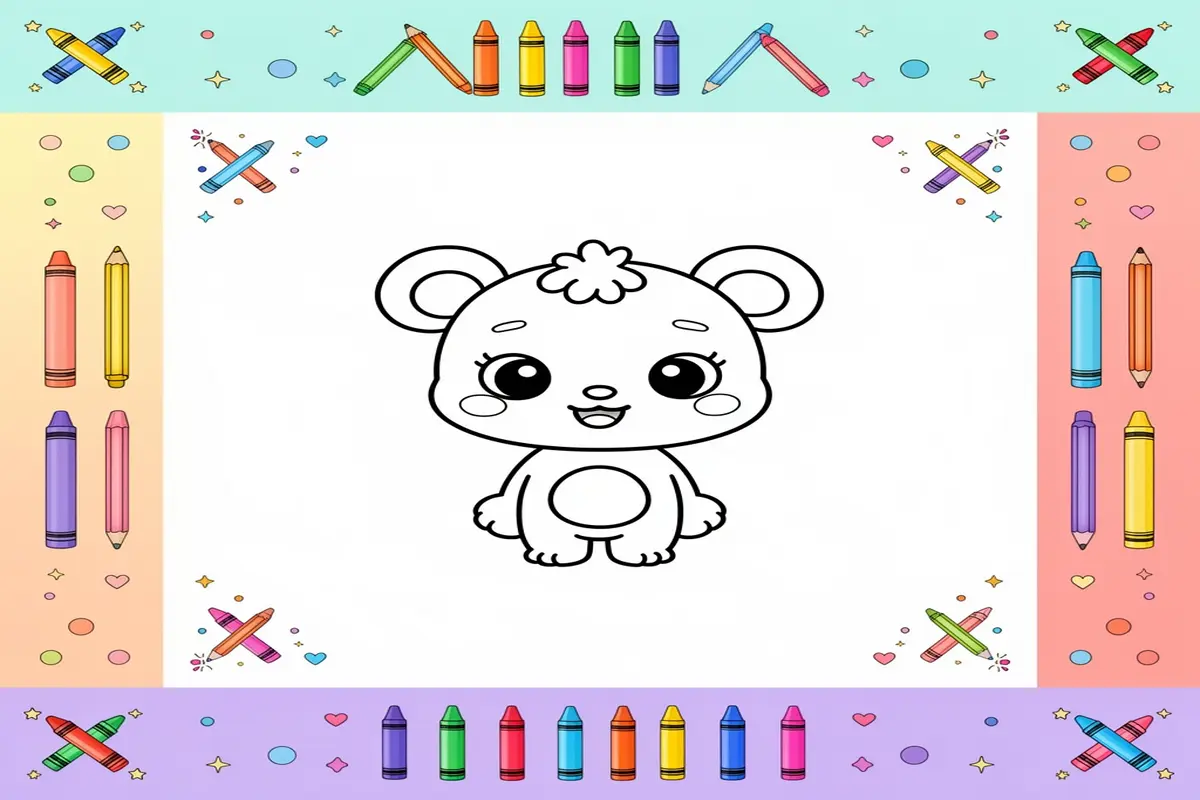
In the vibrant world of childhood creativity, few activities are as universally engaging and profoundly beneficial as coloring. It is a simple portal to focus, calm, and self-discovery. While animal themes, from majestic elephants to playful dolphins, captivate young minds, there is a uniquely powerful niche in the realm of face coloring pages for kids. These pages go beyond simple outlines; they invite children into the intimate art of portraiture and emotional exploration. Coloring a face—whether human, animal, or fantastical—requires a different kind of attention, encouraging kids to consider expression, identity, and the stories behind the eyes. This specialized focus makes face coloring pages for kids an invaluable tool for developing empathy and fine motor skills in a joyful, accessible way. As we delve into this creative journey, we uncover how these particular pages serve as more than just art; they are mirrors and windows for young souls.
The Canvas of Connection: Psychology & Universal Appeal
At its core, the act of coloring is a mindful practice, a quiet rebellion against the overstimulation of the digital age. Face coloring pages for kids elevate this practice by centering on the most communicative part of any being: the face. This focus taps into our innate human drive for connection and recognition.
The Mindful Gaze: Fostering Focus and Emotional Intelligence
When a child colors a face, they are not merely filling spaces. They are making decisions that convey mood and personality. Should the smile be wide and sunny yellow, or thoughtful and shaded with blue? Are the eyes sparkling with excitement or calm with contentment? This process naturally guides children to contemplate and label emotions, building their emotional vocabulary and empathy. It’s a safe, non-verbal way to explore complex feelings, much like the dedicated emotions coloring pages designed for similar therapeutic benefits. The concentrated attention required to detail a nose, lips, and eyes also enhances fine motor control and patience, turning a fun activity into a foundational developmental exercise.
A Timeless Practice: From Cave Walls to Printable Pages
The human fascination with depicting faces is as old as art itself. From ancient masks and ceremonial face paint to the classic portrait, representing the human visage has always been a way to honor identity, tell stories, and understand our place in the world. Modern face coloring pages for kids are a direct descendant of this timeless tradition, democratizing portraiture for little hands. They bridge cultural gaps, allowing children to color faces from a myriad of backgrounds and species, fostering an early appreciation for diversity and the universal language of expression.
Designed for All: From Toddler Scribbles to Detailed Masterpieces
The beauty of this category lies in its scalability. For the youngest artists, simple, cartoonish faces with bold lines provide a perfect canvas for practicing grip and color recognition. As skills advance, so do the options: more realistic human portraits, intricate animal faces like a wise owl (a delightful focus on the facial features), or even imaginative characters that blend human and fantasy elements. This range ensures that every child, regardless of skill level, can find a face coloring page that challenges them just enough to be engaging without causing frustration, making art a confident and joyful pursuit for all.
Professional Materials & Preparation for Face Coloring Pages for Kids
To ensure a successful and enjoyable coloring session with face coloring pages for kids, proper preparation is key. Having the right materials on hand transforms a simple activity into a rich, creative experience that enhances fine motor skills and color recognition. This section details the essential toolkit and setup, empowering parents and educators to facilitate artistic exploration.
The Foundation: Selecting Premium Paper for Face Coloring Pages for Kids
The paper you choose directly impacts the final artwork and the child’s experience. For standard printing of face coloring pages for kids, opt for bright white, smooth-finish paper with a weight of 100-120 GSM (grams per square meter). This weight prevents bleed-through from markers and can handle light layering with colored pencils. For a special project, consider upgrading to cardstock (160-200 GSM), which provides a luxurious, durable surface ideal for mixed media and display. When printing intricate designs featuring expressive eyes or detailed hair, a smoother paper allows for greater precision with fine-tipped tools. Always ensure your printer settings are adjusted to “high quality” for crisp, clear lines.
Best Coloring Tools: A Detailed Medium Comparison
The choice of coloring medium defines the artistic outcome. Here’s a professional comparison:
Colored Pencils: Ideal for developing control and detail work on facial features. Wax-based pencils offer smooth blending, perfect for creating skin tones and gradients on cheeks. Oil-based pencils provide vibrant, blendable layers. Look for pencils with soft cores for easier application by young hands.
Markers: Brilliant for bold, vibrant colors. For face coloring pages for kids, fine-tip markers are essential for outlining eyes and lips, while broad tips are great for filling in hair and backgrounds. Use alcohol-based markers for professional, bleed-free blending on skin tones, but ensure you have bleed-proof paper. Water-based markers are a less messy, child-friendly alternative.
Crayons: The classic choice for younger children, offering excellent grip and ease of use. They encourage broad, expressive strokes, though they are less suited for fine detail.
Finishing Touches: Gel Pens, Blenders, and Highlights
Elevate the artwork with specialty tools. Gel pens and metallic markers are perfect for adding dazzling details like jewelry, hair highlights, or sparkle in the eyes on a page from our collection of adorable coloring pages for kids. A colorless blender pencil or marker is invaluable for smoothing colored pencil gradients, creating seamless skin tones and realistic shadows on faces. For a mixed-media approach, consider safe, non-toxic watercolor paints for soft, dreamy backgrounds that make the central face pop. Keep a good quality white eraser handy for cleaning up stray pencil marks outside the lines.
Perfect Workspace: Optimizing Lighting and Ergonomics
A well-prepared environment fosters focus and creativity. Ensure the workspace is illuminated with bright, natural light or a high-quality daylight LED lamp to reduce eye strain and allow for true color perception. The seating should support good posture; the child’s feet should rest flat on the floor or a stool, with the table at elbow height. Protect the work surface with a large craft mat or newspaper. Organize materials within easy reach using cups for pencils and markers, and keep a damp cloth for quick clean-ups. This thoughtful setup not only supports the physical act of coloring but also signals that this is a valued, dedicated creative time.
Part 3: Elevating Your Art: Advanced Techniques for Face Coloring Pages for Kids
Ready to transform simple outlines into vibrant, expressive art? This guide moves beyond basic filling to explore professional techniques that will bring your face coloring pages for kids to life. Whether you’re a parent guiding a young artist or a teacher enriching an art lesson, these methods will unlock new levels of creativity and skill.
Harmonious Palettes: Color Theory for Expressive Faces
Understanding basic color theory can turn a good coloring page into a masterpiece. For face coloring pages for kids, this is especially important for creating realistic skin tones, lively eyes, and cohesive looks.
Complementary Colors: Use opposites on the color wheel (like blue and orange) to make elements pop. A blue background can make an orange-toned fox face leap off the page. This technique is fantastic for making animal features stand out, much like you might see in our dynamic cheetah coloring pages.
Analogous Colors: Choose colors next to each other on the wheel (like yellow, orange, and red) for a harmonious, soothing effect. This is perfect for creating a warm, sunset-like glow on a child’s cheek or the feathered face of a chicken.
From Flat to 3D: Mastering Light and Shadow
Shading is the magic that adds dimension. Teach young artists to imagine a light source (like a sun in the corner of the page).
1. Identify the Light Source: Decide where the light is coming from.
2. Light Side: Areas facing the light are left lightest or even white.
3. Shadow Side: Areas facing away are colored more heavily. For a nose, shade the side opposite the light.
4. Core Shadow & Highlight: Add a thin, dark line just beside the highlight (core shadow) for dramatic 3D effect. Practice this on rounded features like cheeks and foreheads to see instant depth.
Adding Realism: Creating Texture on Faces
Texture makes a face feel tangible. Here’s how to render different surfaces:
Fur & Hair: Instead of coloring hair in one solid block, use short, quick strokes in the direction the hair grows. Layer different shades of the same color to create volume. This technique is essential for bringing manes on our lion coloring pages to life.
Smooth Skin: Use the side of your pencil or crayon for very light, even layers. Blend colors gently to avoid harsh lines.
Feathers & Scales: Draw small, overlapping “U” shapes or half-circles, shading the bottom of each one slightly darker. This method works beautifully for creating the textured face of a leatherback sea turtle.
The Art of Correction: Gracefully Fixing Coloring Mistakes
Mistakes are part of the process! Here’s how to handle them without starting over.
Pencil Smudging: If you shade too dark, use a clean kneaded eraser to dab (not rub) the area, lifting some graphite to lighten it.
Wax Crayon/Basic Marker: It’s harder to erase, so incorporate the “error” into the design. A stray dark line can become a strand of hair or a shadow with a bit of creative extension.
Embrace Mixed Media: Use white gel pens or acrylic paint to add highlights on top of a too-dark area. Similarly, a darker colored pencil can cover small slips with marker.
The Power of Backgrounds: If coloring outside the lines bothers you, extend the background color to cover the stray marks, creating a neat, solid border around the face.
By integrating these techniques, the simple act of coloring becomes a foundational art lesson, building confidence and skill with every page completed.
Showcasing Your Face Coloring Pages for Kids: Creative Display Ideas
Once your young artist has filled their face coloring pages for kids with vibrant personality, it’s time to celebrate their work! Moving beyond the coloring book, displaying their art boosts confidence and turns their creativity into a cherished part of your home.
Preserving Your Masterpiece: Archival Tips
To ensure those colorful faces last, consider simple preservation methods. For special pieces, use acid-free sheet protectors in a binder to create a growing portfolio. You can also laminate favorite pages to make them spill-proof and durable for repeated admiration. For a classic look, mount the artwork on colored construction paper with a glue stick, creating a beautiful, ready-to-hang border that makes any face coloring page pop.
Beyond Display: Creative DIY Projects
Transform completed pages into meaningful gifts and keepsakes. Cut out colored faces and glue them onto folded cardstock to create unique, personalized greeting cards for family. For a fun accessory, laminate a colored face, punch a hole at the top, add a tassel, and you have a custom bookmark. Compile a year’s worth of pages into a simple bound book—a wonderful record of your child’s artistic development and a perfect gift for grandparents. For more creative inspiration, explore our collection of character coloring pages to expand their artistic world.
Your Face Coloring Pages for Kids Questions Answered
How do you draw a simple face for kids?
Start with a large, friendly circle. Add two dots for eyes, a curved line for a smiling mouth, and a small oval for a nose. Don’t forget simple curved lines for eyebrows and two circles on the cheeks for blush. This basic formula is perfect for creating easy, engaging face coloring pages for kids to bring to life with color.
What are the benefits of coloring for child development?
Coloring strengthens fine motor skills and hand-eye coordination, essential for writing. It fosters creativity, color recognition, and focus. The calming, repetitive motion also helps with emotional regulation, providing a peaceful outlet for self-expression and building patience and pride in completing a task.
How do you color skin tones with colored pencils?
Use light, layered strokes. Start with a base of peach, tan, or light brown. Gently add subtle hints of pink on cheeks, nose, and ears, and soft shades of brown or sienna in shadow areas like under the chin. Blend layers by gently going over them with a white pencil or using a blending stump for a smooth, realistic look.
How to teach a child to color inside the lines?
Begin with larger, simpler shapes on face coloring pages for kids. Encourage them to hold the crayon closer to the tip for better control. Practice making slow, deliberate strokes along the border first. Most importantly, keep it positive—praise their effort rather than perfection. The skill develops naturally with practice and maturity.
Where can I find free printable coloring pages?
You can find a vast selection of high-quality, free printable coloring pages right here on our website! We offer countless themes, from animals and holidays to educational topics. Browse our extensive library, like our popular animal coloring pages for kids, to instantly download and print new artistic adventures.
Final Thoughts: Your Face Coloring Pages for Kids Journey Begins
The simple act of coloring a face opens a door to a world of developmental growth, creative expression, and joyful connection. From the first bold stroke of color to the proud moment of display, each page represents a step in your child’s journey of discovery. These activities are more than just pastimes; they are building blocks for fine motor skills, emotional awareness, and creative confidence that will benefit them far beyond the page. We hope this guide inspires you to create, display, and cherish these special moments together.
Ready for your next adventure? Explore our dolphin coloring pages for kids to dive into a new underwater world of creativity!