We offer a wide collection of free, high-quality printable coloring pages for kids and adults. From cute animals to intricate mandalas, our designs bring creativity and relaxation to everyone. Download, print, and start coloring today!

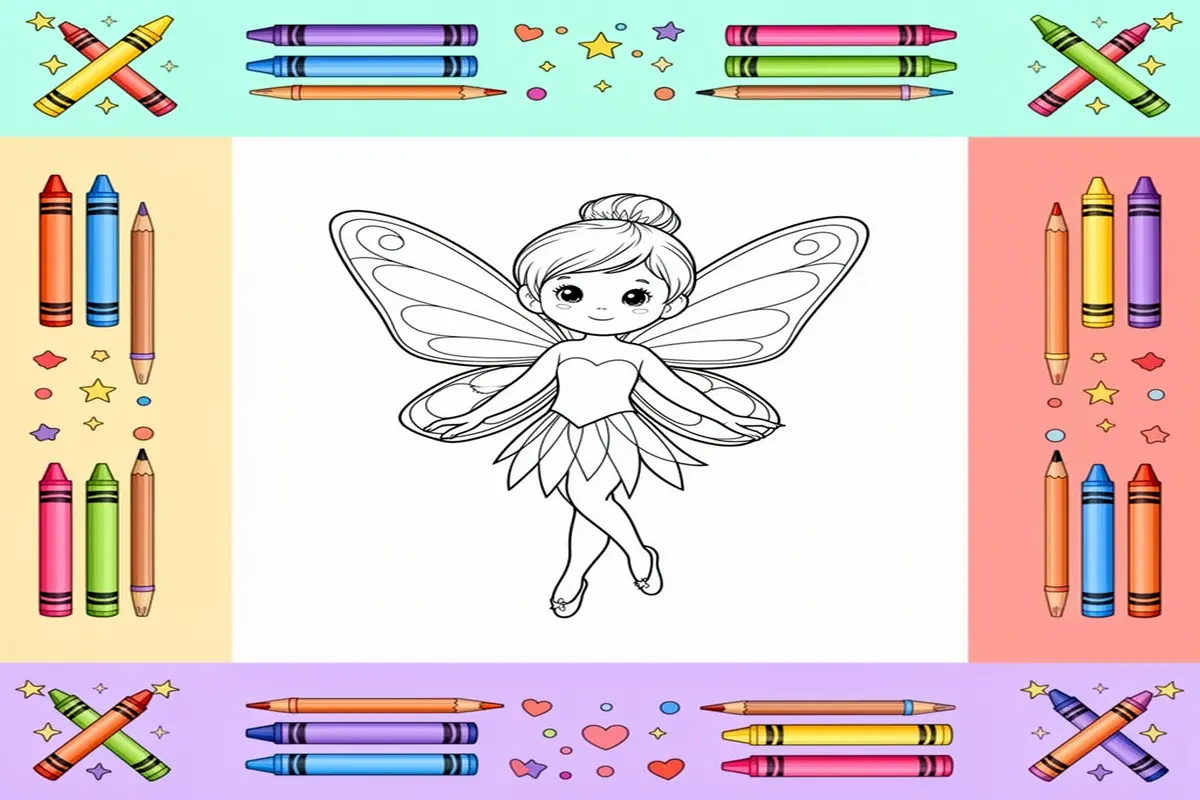
In a world saturated with digital noise, the simple act of coloring offers a profound sanctuary. It is a tactile, imaginative escape that fosters focus, creativity, and a deep sense of calm. For children, this creative journey becomes truly magical when it involves the enchanting realm of fairies. fairy coloring pages for kids are more than just outlines on a page; they are portals to miniature worlds where glittering wings flutter, toadstool houses dot the landscape, and anything is possible with a sprinkle of pixie dust. This unique theme captivates young minds, blending fantasy with artistry in a way that encourages storytelling as much as it does fine motor skills. While our collection of free dolphin coloring pages explores the grace of the ocean, fairy illustrations invite artists to dream in iridescent hues and delicate details. Engaging with fairy coloring pages for kids is an investment in joyful, screen-free time that nurtures both emotional well-being and artistic confidence, making every finished piece a testament to a child’s unique vision.
Enchantment Engineered: The Psychology Behind the Magic
What is it about these mythical sprites that holds such universal appeal for young artists? The answer lies at the intersection of developmental psychology and timeless storytelling.
The Allure of Miniature Worlds & Personal Agency
Fairies represent a perfect, manageable scale of fantasy. They are small, hidden, and possess control over their tiny, intricate environments. For a child, coloring a fairy scene is an exercise in world-building and personal agency. They decide the color of the fairy’s dress, the glow of her magic wand, and the blossoms in her garden. This control within a fantastical framework is deeply empowering. It allows for safe emotional exploration and the development of narrative thinking, as each color choice can tell a part of a larger, self-authored story.
A Legacy of Lore: Fairies in Our Cultural Tapestry
The fascination with fairy folk is woven into the cultural fabric of countless societies, from the Celtic Sidhe to the Persian Peris. This rich historical backdrop, often encountered in bedtime stories and animated films, provides a familiar yet open-ended canvas. fairy coloring pages for kids tap into this deep-seated lore, allowing children to connect with a shared human tradition of myth-making. Coloring becomes an act of cultural participation, where a child can reinterpret classic motifs—like fairy rings and enchanted forests—through their own modern, colorful lens, bridging the past with personal creativity.
Designed for Developmental Stages: From Broad Strokes to Fine Detail
The beauty of fairy coloring pages for kids lies in their incredible versatility. For the youngest artists, pages with friendly, simple fairy outlines and large, open spaces allow for joyful, unpressured scribbling and color experimentation. For older children and even adults seeking a mindful escape, intricate designs featuring elaborate wing patterns, detailed floral backgrounds, and complex scenes offer a satisfying challenge that promotes advanced focus and precision. This scalability ensures that the enchantment grows alongside the artist, providing a continuous creative outlet that adapts to developing skills and attention spans.
Part 2: Essential Materials & Professional Preparation for fairy coloring pages for kids
To transform your fairy coloring pages for kids from a simple activity into a magical artistic experience, the right materials and setup are crucial. Proper preparation not only enhances the final result but also encourages children to engage more deeply with their creativity. This guide outlines the professional-grade supplies and environmental considerations that will make coloring these enchanting pages a joy for both beginners and advanced young artists.
The Foundation: Selecting Premium Paper for fairy coloring pages for kids
The paper you choose is the literal canvas for your child’s imagination. For standard printing of fairy coloring pages for kids, a bright white, smooth cardstock (around 120-160 GSM) is ideal. This weight prevents bleed-through from markers and allows for fine layering with colored pencils without buckling. For a special project, consider textured watercolor paper; its unique surface can add a magical, ethereal quality to fairy wings and backgrounds when used with water-based mediums. Always perform a printer test on a single sheet before printing a full set to ensure compatibility and optimal ink adhesion.
Best Coloring Tools: A Detailed Medium Comparison
The choice of medium dramatically affects the outcome of your fairy scenes.
Colored Pencils: The quintessential tool for detail. Wax-based pencils (like Crayola or Prismacolor) offer vibrant colors and are excellent for blending skies, shading fairy gowns, and adding delicate textures to wings. They provide control for intricate areas, making them perfect for pages with fine lines, much like the delicate patterns you might find in our abstract coloring pages for kids.
Markers: For bold, saturated color. Alcohol-based markers (e.g., Copic, Ohuhu) offer seamless blending, perfect for creating luminous, gradient-filled fairy wings. However, they require bleed-proof paper. Water-based markers (like washable ones for younger children) are safer and easier to clean but can warp thinner paper. Use markers for large areas and reserve pencils for detailed work.
Watercolor Paints & Brush Pens: These are excellent for creating soft, dreamy backgrounds—think watercolor washes for mystical forests or sunset skies. Brush pens allow for controlled application and can be blended with a water brush for beautiful effects on fairy attire.
Finishing Touches: Gel Pens, Metallics, and Highlights
Elevate the magic with specialty tools. Gel pens, especially in metallic silver, gold, and iridescent colors, are perfect for adding sparkle to fairy dust, jewelry, and wing details. White gel pens or acrylic paint markers can be used to add highlights, stars, or intricate patterns over darker colored areas. A set of fine-line archival ink pens (like Micron) is invaluable for children who wish to redefine outlines or add their own patterns before coloring.
Creating the Perfect Workspace: Ergonomics and Lighting
A well-prepared space fosters focus and comfort. Ensure the coloring area is well-lit with natural light or a bright, white LED lamp to reduce eye strain and allow true color perception. The seating should support good posture; the child’s feet should rest flat, with the table at elbow height. Keep supplies organized in cups or trays for easy access. Lay down a protective mat or newspaper to guard surfaces, and keep a cloth handy for quick clean-ups. This dedicated, organized setup signals that the activity is valued and helps children immerse themselves fully in the world of their fairy coloring pages for kids.
Part 3: Elevating the Magic: Professional Techniques for fairy coloring pages for kids
Ready to transform those beautiful fairy coloring pages for kids from simple outlines into breathtaking, dimensional works of art? This guide moves beyond basic filling to introduce techniques that will help young artists (and the adults guiding them) achieve stunning, professional-looking results. Mastering these skills not only boosts confidence but also deepens the creative experience, turning coloring time into a true artistic journey.
Harmonious Palettes: Color Theory for Enchanted Worlds
Choosing colors isn’t just about preference; it’s about creating a mood. For fairy coloring pages for kids, understanding basic color harmony can make the magic pop.
Complementary Colors: These are opposites on the color wheel (like purple and yellow or blue and orange). Using them for a fairy’s dress against her wings creates vibrant, eye-catching contrast that feels lively and magical.
Analogous Colors: These are neighbors on the wheel (like blue, teal, and green). This scheme is perfect for creating serene, harmonious scenes—think of a fairy blending into a forest background or the gradient of a twilight sky. For more nature-inspired palettes, our abstract coloring pages for kids offer great practice in smooth color blending.
Start by having your child pick a “mood” for their fairy—is she a sunset fairy (oranges, pinks, purples) or a frost fairy (blues, silvers, whites)? Then, build the palette around that core idea.
From Flat to 3D: Mastering Light and Shadow
Shading is the secret to making your fairy leap off the page. Here’s a simple, step-by-step approach:
1. Choose Your Light Source: Decide where the light is coming from (e.g., the top left corner). Every shadow will be cast opposite this point.
2. Layer Your Base: Color the entire area with a light, even layer of your base color.
3. Add Mid-Tones: Apply a medium shade of the same color family to areas that would naturally curve away from the light, like the underside of a fairy’s wings or the folds in her dress.
4. Apply Deep Shadows: Use a darker shade or a complementary color (like a deep purple in a yellow dress shadow) in the deepest creases and areas farthest from the light.
5. Highlight: Finally, use a white colored pencil, gel pen, or leave the paper bare on the areas hit directly by your imaginary light.
Adding Realism: Texturing Fairy Elements
Texture brings a scene to life. Different elements on your fairy coloring pages for kids require different strokes:
Gossamer Wings: Use very light, feathery strokes in a circular or radiating pattern. Leave plenty of white space to suggest transparency.
Sparkly Magic: Create a glitter effect by making tiny dots or stars with a metallic gel pen after coloring. For a softer glow, lightly color a halo around a magic wand or fairy dust with a yellow pencil.
Natural Elements: Use short, overlapping strokes for grass or moss. For tree bark, use long, slightly curved lines. To practice organic textures, our dolphin coloring pages for kids are excellent for learning smooth, sleek surface rendering.
The Art of Correction: Gracefully Fixing Coloring Mistakes
Mistakes are part of the process! Here’s how to fix them without frustration:
Over-Coloring: If a section gets too dark, gently lift color with a sticky tack or a specialized “color lifter” eraser. You can then go over it with a lighter shade.
Stray Marks: Turn them into intentional details! A stray mark near a fairy can become a floating sparkle, a tiny bug, or a leaf.
Color Bleeding: If colors bleed outside the lines, use a fine-tip black marker to carefully redefine the border, or incorporate the bleed into a soft glow effect around the object.
Paper Tears: Place a small piece of tape on the back of the tear, then color over the front. The waxy crayon or pencil will often help blend the seam.
Remember, the goal is joyful creation. These techniques are tools to expand possibility, not strict rules. Encourage experimentation—the most magical results often come from happy accidents!
Showcasing Your Fairy Coloring Pages for Kids: Creative Display Ideas
Once your child has created a gallery of magical artwork, it’s time to celebrate their creativity! Moving beyond the coloring book, displaying their fairy coloring pages for kids builds confidence and transforms their art into cherished decor.
Preserving Your Masterpiece: Archival Tips
To ensure those vibrant fairy wings last, consider simple preservation methods. For a classic look, place the finished page in a standard frame with a mat to prevent the paper from touching the glass. For a more durable, gallery-style finish, use a laminator or have the page professionally laminated at an office supply store. This protects against smudges and allows for easy cleaning, making it perfect for artwork that will be handled or displayed in a playroom.
Beyond Display: Creative DIY Projects
Your child’s fairy art can become part of wonderful handmade gifts and keepsakes. Carefully cut out the colored fairy and glue it onto a folded cardstock to create a one-of-a-kind greeting card. Alternatively, laminate the cut-out and punch a hole at the top to make a magical bookmark. For a larger project, create a “Fairy Tale Garland” by stringing several colored pages together with twine. This approach to fairy coloring pages for kids extends the fun and teaches the value of handmade gifts. For more creative animal art projects, explore our delightful Rabbit Coloring Pages.
Your Magical Fairy Coloring Pages for Kids Questions Answered
Where can I find free fairy coloring pages?
You can find a wonderful selection of free, high-quality fairy coloring pages for kids right here on our website! We offer a variety of designs, from cute and simple fairies for young children to more detailed scenes for older kids. Simply browse our collection, download your favorites, and print them at home for endless enchanting fun.
How do you color a fairy?
Let imagination lead! While fairies are often pictured with soft pinks, purples, greens, and blues, there are no rules. Encourage kids to experiment with unexpected color combinations for hair, wings, and dresses. Using glitter gel pens or metallic markers for the wings and wand can add a truly magical sparkle to their fairy coloring pages for kids.
What are the benefits of coloring for kids?
Coloring is a powerhouse activity for development. It strengthens fine motor skills and hand-eye coordination, provides a calming focus that reduces anxiety, and boosts creativity and color recognition. It’s also a fantastic screen-free way for kids to express themselves and build confidence in their artistic abilities.
What colors are fairies usually?
Traditional fairy imagery often uses a palette from nature: shimmering greens like leaves, soft pinks and purples like flowers, sky blues, and silvery whites. Their wings are frequently depicted with iridescent or pastel hues. However, the beauty of fairy coloring pages for kids is that children can invent their own fairy color schemes—a blue fairy with orange wings is just as magical!
What are the best markers for coloring pages?
For vibrant, blendable color, alcohol-based markers like Copic or Ohuhu are superb but can bleed through paper. For younger kids, washable broad-line markers like Crayola are ideal. A great all-around choice is a set of fine-tip colored pencils, which offer control and layering without bleed-through, perfect for detailed fairy designs.
Final Thoughts: Your Fairy Coloring Pages for Kids Journey Begins
The journey with fairy coloring pages for kids is about so much more than staying inside the lines. It’s a gateway to a world of imagination, a quiet moment of focus, and a tangible boost to your child’s creative confidence. From choosing their first magical palette to proudly displaying their finished masterpiece, every step is an opportunity for growth and joyful expression. We hope this guide has inspired you with new ideas for coloring, displaying, and cherishing these artistic adventures.
Ready for your next adventure? Explore our enchanting Castle Coloring Pages to build the perfect fairy kingdom!