We offer a wide collection of free, high-quality printable coloring pages for kids and adults. From cute animals to intricate mandalas, our designs bring creativity and relaxation to everyone. Download, print, and start coloring today!

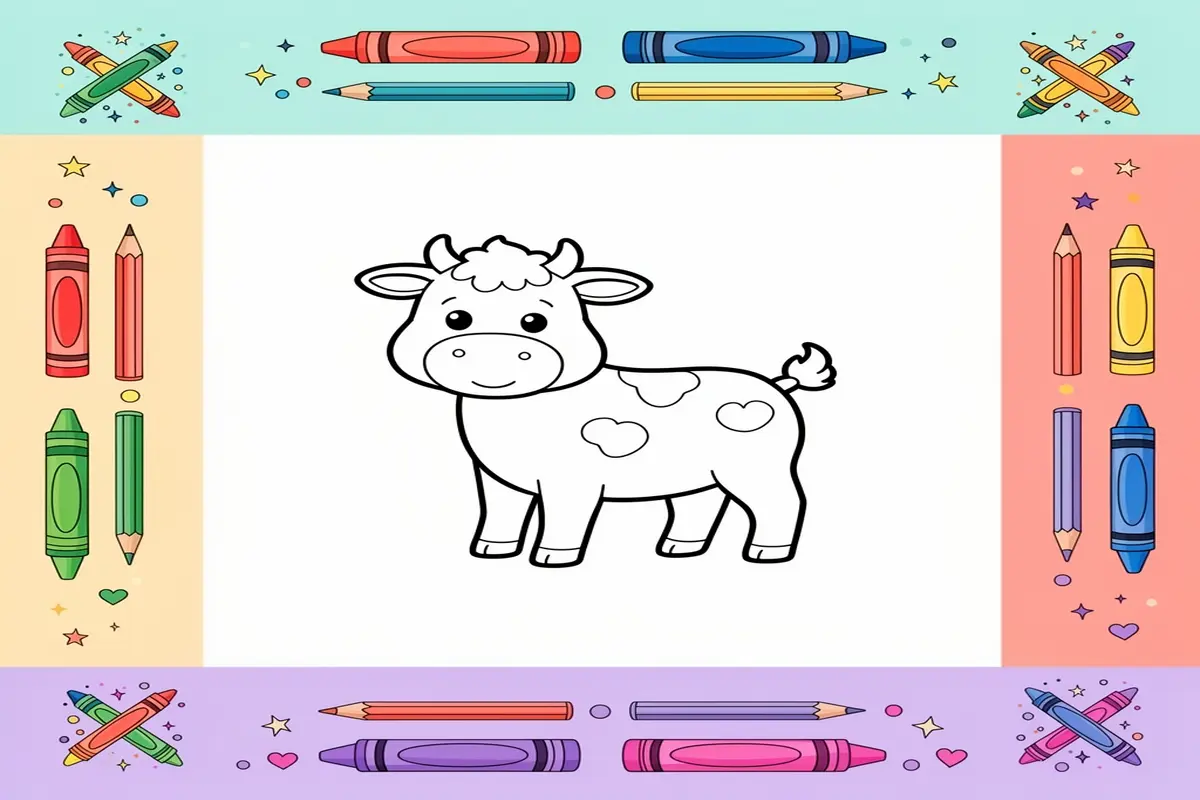
In a world of digital noise and fast-paced entertainment, the simple act of coloring offers a profound return to tactile, mindful creation. For children, it’s a gateway to imaginative worlds, and few themes are as universally charming and educational as the barnyard. Farm animal coloring pages for kids do more than just fill time; they build bridges. They connect young minds to the rhythms of nature, introducing the gentle cow, the playful pig, and the dependable horse through the tip of a crayon. This creative journey fosters not only artistic confidence but also a foundational understanding of the animals that share our world. As a timeless activity, these pages serve as a quiet counterbalance to screen-based play, encouraging focus, fine motor development, and storytelling. Whether your child is drawn to the fluffy sheep or the curious goat, our collection of farm animal coloring pages for kids provides a perfect starting point for artistic exploration. For those whose interests extend beyond the pasture to the wonders of the deep, our free dolphin coloring pages offer another captivating avenue for creative discovery.
The Rustic Allure: Why the Farmyard Captivates Young Artists
The Psychology of the Pastoral: Comfort in Familiar Forms
There is a deep-seated, almost instinctual comfort that children find in farm animals. These creatures are frequent stars of storybooks, nursery rhymes, and first visits to the county fair. Coloring a familiar barnyard scene is an exercise in reinforcing known worlds. It allows a child to take ownership of these friendly figures, deciding if the rooster’s comb is fiery red or the tractor is classic green. This sense of control and mastery within a recognizable context is deeply satisfying, building self-esteem as they create their ideal version of a peaceful, orderly world. The act of carefully filling in these farm animal coloring pages for kids becomes a meditative practice, calming the mind and honing concentration in a joyful, pressure-free environment.
A Living History Lesson: From Field to Page
Farm animals are not just cute characters; they are pillars of human civilization. Each coloring session is an informal opportunity for learning. As children engage with farm animal coloring pages for kids, natural questions arise: What does a sheep give us? Why do horses wear shoes? Where does milk come from? This transforms art time into an interactive dialogue about agriculture, stewardship, and where our food and materials originate. The humble coloring page becomes a springboard for discussions about life cycles, habitats, and the symbiotic relationship between humans and animals, embedding lessons in biology and community in the most engaging way possible.
A Spectrum for Every Skill Set: From Simple Outlines to Detailed Scenes
The beauty of this theme lies in its incredible versatility. For tiny hands just learning to grip a crayon, a large, simple outline of a cheerful chick is perfect. For older children seeking a challenge, intricate scenes of a bustling farmyard with fences, barns, and multiple animals provide hours of detailed engagement. This scalability ensures that farm animal coloring pages for kids remain a relevant and growing creative outlet for years. They are equally valuable for quiet solo play or as a collaborative family activity, where everyone can contribute to a mural of countryside life, sharing stories and colors as they create together.
Part 2: Essential Materials for High-Quality farm animal coloring pages for kids
To transform your printable farm animal coloring pages for kids into vibrant masterpieces, the right materials are crucial. This section details the professional-grade supplies and setup that will elevate the coloring experience, ensuring durability, vibrant results, and a comfortable environment for young artists. Investing in quality tools not only improves the final artwork but also makes the process more enjoyable and skill-building.
The Foundation: Premium Paper for farm animal coloring pages for kids
The journey begins with your printing surface. Standard 20 lb. printer paper is prone to bleeding and warping. For superior results, opt for a bright white, smooth cardstock with a weight of 65-80 GSM. This heavier paper provides a sturdy base that resists marker bleed-through and can handle layered pencil work without tearing. For a special project, consider a mixed-media paper, which allows for experimentation with wet and dry mediums. A smooth finish is ideal for precise marker lines and fine pencil details, allowing children to capture the woolly texture of a sheep or the smooth hide of a horse with greater control on their farm animal coloring pages for kids.
Coloring Mediums: A Detailed Comparison
The choice between colored pencils and markers defines the artwork’s style. Artist-grade colored pencils (wax or oil-based) offer superior blendability and layering. They are perfect for teaching shading and texture, such as creating the soft down of a chick or the coarse mane of a donkey. Look for pencils with high pigment concentration for vibrant colors. Alcohol-based markers provide brilliant, streak-free flats of color and are excellent for larger areas like a barn or a field. However, they require bleed-proof paper. A hybrid approach is highly effective: use markers for bold base colors and pencils for adding intricate details and textures. For a fun alternative on simpler designs, consider watercolor pencils, which can be blended with a wet brush.
Finishing Touches: Detailing Tools and Enhancements
Once the base coloring is complete, detailing tools bring the artwork to life. Fine-line gel pens in white or metallic silver and gold are indispensable for adding highlights to a pig’s snout, creating wisps of fur, or drawing fence details. A blending stump or tortillon is essential for smoothing pencil gradients, perfect for creating realistic shadows on a cow’s body. A simple kneaded eraser can lift pigment to create highlights or correct mistakes without damaging the paper. For children who enjoy sparkle, a set of glitter glue pens can be used sparingly to accentuate elements like a rooster’s comb or butterfly wings near the farmyard, adding a tactile and visual pop.
Creating the Optimal Coloring Workspace
A proper setup is key to fostering focus and comfort. Lighting is paramount; a bright, neutral-white LED desk lamp prevents eye strain and ensures true color representation. Ergonomics matter: ensure the child’s feet are flat on the floor and the table height allows forearms to rest comfortably. Use a desk pad or a large piece of cardboard underneath the coloring page to protect the table surface. Organize supplies in clear cups or trays for easy access. For easy cleanup and to prevent smudging, especially with markers, keep a scrap paper sheet to rest the coloring hand on. To extend the creative journey beyond the barnyard, consider pairing this activity with our fish coloring pages for a comprehensive animal-themed art session. Preparing this dedicated space signals that creating art is a valued and focused activity.
Part 3: Elevating Your Art: Advanced Techniques for farm animal coloring pages for kids
Ready to transform simple outlines into vibrant, lifelike artwork? Moving beyond basic filling, these advanced techniques will help kids (and adults!) add depth, realism, and professional flair to their farm animal coloring pages for kids. This section is designed for parents and teachers looking to guide young artists toward more satisfying and impressive results.
Harmonious Palettes: Color Theory for the Farmyard
Understanding simple color relationships can make a barnyard scene pop. Teach kids about complementary colors (opposites on the color wheel) to create exciting contrasts—think a vibrant orange cat against a blue barn door, or a red rooster on a green field. For a more peaceful, natural look, use analogous colors (colors next to each other). This is perfect for a sunset sky behind a silo or the varied greens and yellows of a pasture. For more practice with natural animal palettes, explore our horse coloring pages free printable and cow coloring pages free printable.
From Flat to 3D: Mastering Light and Shadow
Shading is the magic that turns a flat circle into a round apple or a simple oval into a plump pig. Start by choosing an imaginary light source (like the sun in the top corner of the page). Step 1: Base Layer. Color the entire area with your main color lightly and evenly. Step 2: Add Shadow. On the side opposite your light source, apply a second, heavier layer of the same color, or use a slightly darker hue (e.g., use brown in the shadows of a yellow chick). Step 3: Highlight. Leave a tiny sliver of the paper white or use a very light color on the side closest to the light. This three-step method instantly creates volume.
Adding Realism: Textures That Tell a Story
Each farm animal and surface has a unique texture. For fluffy sheep: Use small, tight circular scribbles or dots with a white or grey crayon, leaving some spaces lighter to show fluffiness. For a pig’s smooth skin: Color in smooth, even directional strokes to create a glossy look. For wood (like a fence or barn): Draw thin, slightly wobbly parallel lines over your base brown color. For grass: Use quick, upward flicking motions with a few different greens instead of just coloring a solid block. This technique brings the entire farm scene to life.
The Art of Correction: Graceful Fixes for Coloring Errors
Mistakes are part of the process! Here’s how to fix them without frustration. For small slips outside the lines: Use a white gel pen or a sharpened white colored pencil to carefully cover the stray mark. For a color that turned out too dark: Lighten it by gently going over the area with a white crayon or colored pencil; this will blend and soften the dark shade. For major color changes: If a child decides their pink pig should be brown, turn it into a learning opportunity about mixing. Layer a light brown over the pink to create a unique, mottled effect—it can become a muddy, happy pig! The key is to stay creative and not strive for impossible perfection.
By integrating these techniques, completing farm animal coloring pages for kids becomes a masterclass in artistic fundamentals, building confidence and skill with every page.
Showcasing Your Farm Animal Coloring Pages for Kids: Creative Display Ideas
The fun doesn’t have to stop when the last crayon is put down. Transforming your child’s completed farm animal coloring pages for kids into cherished decor or heartfelt gifts extends the joy and builds their confidence.
Preserving Your Masterpiece: Archival Tips
To ensure those precious creations last, consider simple preservation methods. For flat display, a basic laminator seals and protects artwork from spills and tears. For a more gallery-like feel, place the colored page in an inexpensive frame, swapping it out as new masterpieces are completed. You can also create a dedicated “art portfolio” using a large binder with clear sleeves, documenting your child’s artistic journey over time.
Beyond Display: Creative DIY Projects
Turn colored pages into meaningful projects. Create custom greeting cards by gluing the artwork onto folded cardstock—a perfect “thank you” from the farm! For a fun reading companion, laminate and cut out colored animals to make unique bookmarks. You can also decoupage them onto a wooden box or tray for a personalized keepsake box. These projects make wonderful, handmade gifts for grandparents.
Your Farm Animal Coloring Pages for Kids Questions Answered
Where can I find free farm animal coloring pages?
You can find a wonderful variety of free, high-quality farm animal coloring pages for kids right here on our site! We offer printable pages featuring everything from cows and pigs to goats and chickens. Simply browse, download, and print for endless creative fun. Many educational websites and libraries also offer free resources.
What are the benefits of coloring for kids?
Coloring boosts fine motor skills and hand-eye coordination as children learn to stay within lines. It fosters creativity and color recognition while also serving as a calming, focused activity that can reduce anxiety and improve concentration. It’s a fantastic screen-free way to engage young minds.
How do you teach farm animals to preschoolers?
Combine farm animal coloring pages for kids with playful learning. As they color, make the animal’s sound and discuss its features (e.g., “A cow says ‘moo’ and gives us milk”). Read farm-themed books, sing songs like “Old MacDonald,” and use toy animals for hands-on play. Coloring reinforces visual recognition and vocabulary.
At what age should a child start coloring?
Children can start exploring with chunky crayons as early as 12-18 months, focusing on sensory scribbling. By age 2-3, they begin making controlled marks, and between 3-4, they start coloring with more purpose. Always provide age-appropriate, non-toxic supplies and celebrate the process, not perfection.
What are the most popular farm animals for kids?
Classic barnyard favorites include cows, pigs, chickens, horses, and sheep. Ducks, goats, and roosters are also hugely popular. These animals are often the first ones children learn to identify and mimic sounds for, making them perfect subjects for engaging farm animal coloring pages for kids.
Final Thoughts: Your Farm Animal Coloring Pages for Kids Journey Begins
Embarking on the world of farm animal coloring pages for kids is about so much more than just keeping little hands busy. It’s a gateway to learning, creativity, and quality time together. Each page colored is a step toward improved motor skills, a spark for imaginative play, and a tangible memory in the making. We hope this guide has inspired you with new ideas for displaying artwork, answering common questions, and seeing the profound value in this simple activity. So gather your crayons, print your favorite pages, and watch as your child’s creativity—and love for friendly farm animals—blooms.
Ready for your next adventure? Explore our farm coloring pages for kids for even more barnyard fun!