We offer a wide collection of free, high-quality printable coloring pages for kids and adults. From cute animals to intricate mandalas, our designs bring creativity and relaxation to everyone. Download, print, and start coloring today!

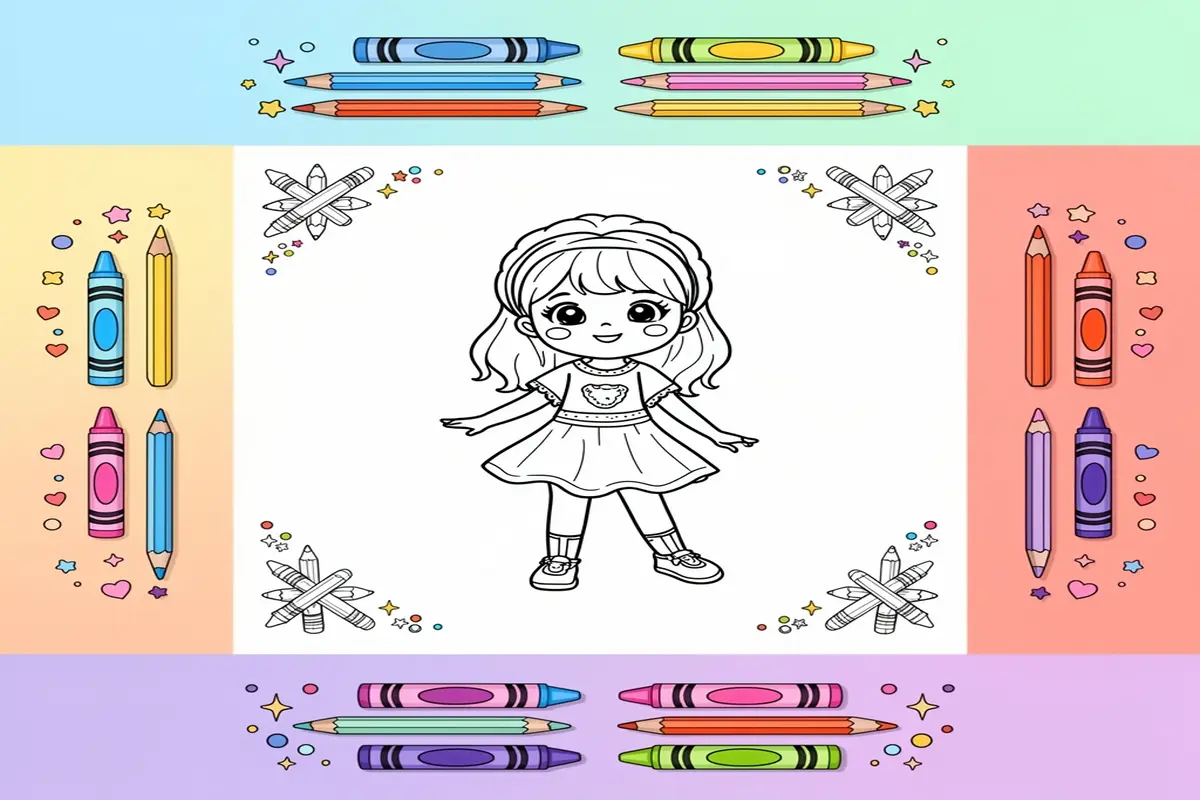
In a world saturated with digital noise, the simple act of coloring offers a profound sanctuary for young minds. It’s a tactile, imaginative journey where focus is found and self-expression blooms. While animal themes, from majestic elephants to playful dolphins, have long captivated children, there exists another vibrant realm waiting to be explored: the world of fashion. Fashion coloring pages for kids are more than just outlines of dresses and shoes; they are a dynamic canvas for personal style, cultural exploration, and artistic confidence. This unique niche transforms the coloring book into a design studio, where every color choice is a deliberate stroke in crafting an identity. Engaging with fashion coloring pages for kids nurtures an eye for aesthetics, pattern recognition, and the joyful understanding that creativity has no rules. It’s where the timeless benefits of coloring converge with the empowering language of personal style, offering a fresh and endlessly engaging creative outlet for the budding artist in every child.
The Psychology of Style: More Than Just Pretty Pictures
At first glance, fashion-themed coloring might seem purely decorative, but its impact runs deep into cognitive and emotional development. This genre uniquely bridges artistic play with real-world concepts, offering a rich, multi-layered experience for young creators.
Designing Mindfulness: Focus in Every Detail
Unlike broader scenes, fashion illustrations often feature intricate patterns, textures, and accessories—think lace trims, striped socks, or detailed embroidery. This complexity naturally encourages a state of flow, where a child’s attention is fully absorbed in the task. Selecting a palette for a plaid skirt or deciding how to shade a sequined gown requires decision-making and fine motor control, turning a fun activity into a subtle exercise in concentration and mindfulness. The focused engagement required to bring a fashion sketch to life can be as calming as it is stimulating, providing a perfect balance for busy young minds.
A Walk Through Time: The Historical Runway
Fashion coloring pages for kids serve as an unintentional yet brilliant introduction to art and cultural history. A page featuring a flapper dress from the 1920s, the bold silhouettes of the 1980s, or traditional garments from around the world opens a door to conversation. As children color, they naturally ask questions: “Why is this so puffy?” or “Where would someone wear this?” This curiosity transforms coloring time into an exploratory lesson about different eras, societies, and the evolving story of human expression, making history tangible and visually exciting.
For Every Aspiring Designer: Inclusive Creative Play
The beauty of this theme is its universal appeal and adaptability. For the young minimalist, a simple sundress offers a clean slate for bold, solid colors. For the detail-oriented artist, a page filled with accessories, handbags, and layered outfits provides a challenging and rewarding project. Fashion coloring pages for kids are inherently inclusive, allowing every child to project their own identity onto the page, whether they’re coloring athletic wear, fantastical costumes, or everyday jeans and a t-shirt. It validates personal taste and demonstrates that creativity exists in countless forms, building confidence with every colored masterpiece.
Professional Materials & Preparation for fashion coloring pages for kids
To ensure your young designers get the most out of their fashion coloring pages for kids, proper preparation is key. Having the right tools transforms a simple activity into an immersive creative experience, fostering better fine motor skills and more satisfying results. This section details the essential materials and setup needed to create a professional-grade coloring station at home or in the classroom.
The Foundation: Selecting Premium Paper for fashion coloring pages for kids
The paper you choose is the literal canvas for creativity. For standard printing of fashion coloring pages for kids, a bright white, smooth cardstock (around 120-160 GSM) is ideal. This weight prevents bleed-through from markers and can handle layered pencil work without tearing. For a more luxurious feel akin to a fashion designer’s sketchpad, consider a slightly textured mixed-media paper, which grips colored pencils beautifully for blending fabrics and textures. Always perform a printer test on a single sheet before printing a full set. For related artistic endeavors, exploring our abstract coloring pages for kids can also introduce children to different paper and medium interactions.
The Artist’s Palette: Comparing Coloring Mediums
The choice between markers, pencils, and crayons dramatically affects the final design.
Colored Pencils (Professional Choice): Opt for artist-grade pencils with soft, pigmented cores. They offer unparalleled control for detailing intricate patterns, shading fabric folds, and creating gradient effects on dresses and outfits. Brands like Prismacolor or Faber-Castell are excellent for blending.
Markers (Vibrant Impact): Fine-tip alcohol-based markers (like Copic or Ohuhu) provide seamless, bleed-free blends perfect for large, bold fashion statements. For younger children, high-quality water-based markers with dual tips (fine and broad) offer vibrancy with less risk of bleeding through thicker paper.
A Note on Crayons: While great for broad strokes, wax crayons lack the precision needed for most fashion coloring pages for kids. They are best used in combination with other mediums for background elements.
Precision Detailing: Tools for Embellishment and Texture
The magic of fashion design is in the details. A dedicated detailing toolkit elevates any project.
Gel Pens & Metallic Markers: Essential for adding sparkle to jewelry, sequins, zippers, and metallic thread. White gel pens are perfect for creating lace patterns or adding highlights to darker fabrics.
Blending Tools: Paper blending stumps (tortillons) are crucial for smoothing colored pencil gradients on fabric. A colorless blender marker can soften harsh lines in marker work.
Fine Liners: A set of archival ink pens in various nib sizes (0.1mm to 0.5mm) allows children to outline their colored designs or add intricate patterns like paisley or houndstooth after coloring.
Creating the Ideal Creative Workspace
Ergonomics and environment directly impact focus and enjoyment.
Lighting: Ensure the workspace is flooded with natural light or use a daylight-spectrum LED lamp. This reduces eye strain and allows for true color perception, so that “scarlet” doesn’t look “burgundy.”
Surface & Posture: A flat, hard surface is mandatory. For prolonged sessions, consider a lightly angled drawing board to promote better posture. The child’s feet should rest flat on the floor or a stool.
Organization: Use cups or organizers to separate tools by type. This not only keeps the space tidy but also encourages mindful selection of mediums—reaching for a specific tool to achieve a desired effect is part of the creative process. Preparing a dedicated station signals that the activity of bringing fashion coloring pages for kids to life is a valued and serious artistic pursuit.
Mastering Fashion Coloring Pages for Kids: Advanced Creative Techniques
Moving beyond simple flat color, these professional techniques will transform how your young artists approach their fashion coloring pages for kids. By mastering a few key concepts, children can elevate their artwork from simple outlines to vibrant, textured designs that look ready for the runway. This guide focuses on actionable methods that build confidence and skill.
Harmonious Palettes: Color Theory for Fashion Design
Understanding basic color relationships is the first step to creating stunning fashion illustrations. For fashion coloring pages for kids, teach the concept of complementary colors (opposites on the color wheel, like blue and orange) to make accessories or patterns pop. Analogous colors (neighbors on the wheel, like pink, red, and orange) create beautifully cohesive and stylish outfits. Start with a base color for the dress, then use these schemes to choose colors for belts, shoes, and jewelry. For foundational color practice, our abstract coloring pages for kids are a fantastic, stress-free starting point.
From Flat to 3D: Mastering Shading and Depth
Shading is what gives a drawn garment volume and form. Guide your child to imagine a light source (like the sun) shining on their fashion figure. The side closest to the light should be lightest. Demonstrate pressure control: pressing harder with a crayon or colored pencil for shadows (like under a skirt’s folds or inside a sleeve) and lighter for highlights. A simple technique is to color an area solidly, then go over the shadow areas a second or third time to darken them. This instantly turns a flat circle into a puffy sleeve or a balloon skirt.
Adding Realism: Rendering Fabric and Texture
Different fabrics require different strokes. Show how to create texture:
Fur Trim or Fuzzy Sweaters: Use tiny, quick, overlapping scribbles or dots instead of smooth strokes.
Shiny Silk or Metallic Accessories: Leave thin, white streaks or spots uncolored to mimic glare and shine.
Denim Jeans: Use consistent, parallel diagonal lines (cross-hatching) after laying down a base of blue.
* Lace or Patterns: Encourage using a fine-tip marker over a colored base to add intricate dots and web-like lines. For more texture inspiration, exploring our animal coloring pages for kids can provide great ideas for fur, scales, and feathers that can be adapted to clothing designs.
The Art of Correction: Graceful Fixes for Coloring Errors
Mistakes are part of the creative process. Teach these graceful fixes:
1. The “Design Feature” Save: An accidental mark outside the lines can become a deliberate polka dot, a jewel, or a background element.
2. Layering for Coverage: If a color is too light or an area is colored unevenly, gently layering more color on top can often blend and fix it.
3. Embracing the Outline: If color bleeds, use a black fine-liner to redefine the outline, making the bleed look like a shadow or intentional stylistic choice.
The key is to foster a problem-solving mindset, showing that in art and fashion design, creativity can always find a solution.
Showcasing Your Fashion Coloring Pages for Kids: Creative Display Ideas
Your child’s fashion illustrations are works of art deserving of celebration! Moving beyond the coloring book, displaying their creations boosts confidence and transforms their work into personalized decor. Here are inspiring ways to honor their artistic journey.
Preserving Your Masterpiece: Archival Tips
Before display, protect the artwork. For pieces colored with marker or heavy crayon, a light spray of fixative (use a well-ventilated area) can prevent smudging. Consider archival-quality sheet protectors in a binder for a growing portfolio. For framing, acid-free mats prevent yellowing over time, ensuring their fashion designs stay vibrant. Simple laminating is a durable, kid-friendly option for pieces destined for the fridge or playroom gallery wall.
Beyond Display: Creative DIY Projects
Transform completed pages into meaningful gifts and keepsakes. A beautifully colored gown can become a personalized greeting card when glued onto folded cardstock. Cut out individual accessories or outfits to create unique bookmarks or gift tags. For a collaborative project, compile a season’s worth of pages into a custom “Look Book” by binding them with ribbons. You can even decoupage them onto a small trinket box for a truly fashionable DIY. For more creative inspiration with different themes, explore our collection of creative coloring pages for kids.
Your Fashion Coloring Pages for Kids Questions Answered
How do you draw fashion sketches for kids?
Start with a simple “croquis”—a basic figure template with elongated limbs. Focus on the silhouette first: draw the outline of the dress, pants, or top. Add fun details like ruffles, patterns, or bold accessories last. Keep faces simple with dots for eyes and a smile. The goal is to create a clear canvas for color, not perfect anatomy.
Where can I find free printable fashion coloring pages?
Numerous educational and creative websites offer free, high-quality printables. Look for sites that categorize by theme, like “career” or “seasonal wear.” Libraries and museum websites sometimes have historical fashion pages. Always ensure you’re downloading from a reputable source for the best print quality for your fashion coloring pages for kids.
What are the benefits of coloring for child development?
Coloring enhances fine motor skills and hand-eye coordination. It fosters creativity, color recognition, and decision-making. As a calming, focused activity, it builds concentration and can be a great emotional outlet. Working on detailed pages like fashion designs also encourages patience and a sense of accomplishment.
How to make a fashion coloring book?
Curate a theme, like “Summer Styles” or “Fantasy Gowns.” Use your own simple sketches or compile high-resolution printables. Arrange pages with varying difficulty. Bind them with staples, rings, or take them to a copy shop for spiral binding. A personalized cover featuring the child’s name makes it extra special.
What markers are best for fashion illustrations?
For vibrant, blendable color, alcohol-based markers (like Copic or Ohuhu) are professional-grade. For kids, water-based brush markers provide similar effects with easier cleanup. Quality fine-liner pens are essential for tracing outlines. Always test markers on the back of a page to prevent bleed-through on printable fashion coloring pages for kids.
Final Thoughts: Your Fashion Coloring Pages for Kids Journey Begins
The world of fashion coloring pages for kids is more than just an activity—it’s a gateway to creativity, self-expression, and developmental growth. From the first sketch they color to the masterpiece displayed on the wall, each page represents a step in their artistic journey. These activities nurture not only an eye for design and color but also the patience and pride that come from creating something uniquely their own.
We hope these ideas for display, DIY projects, and answers to common questions inspire you and your young designer to explore style and color with joy. Remember, every outfit they imagine and bring to life on paper is a celebration of their growing creativity. Ready for your next adventure? Explore our animal coloring pages for kids for a whole new world of creative fun!