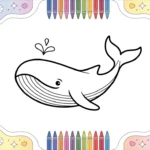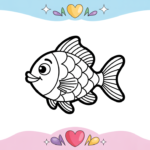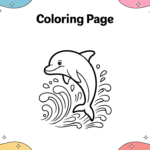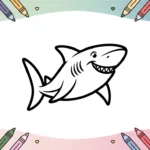
We offer a wide collection of free, high-quality printable coloring pages for kids and adults. From cute animals to intricate mandalas, our designs bring creativity and relaxation to everyone. Download, print, and start coloring today!

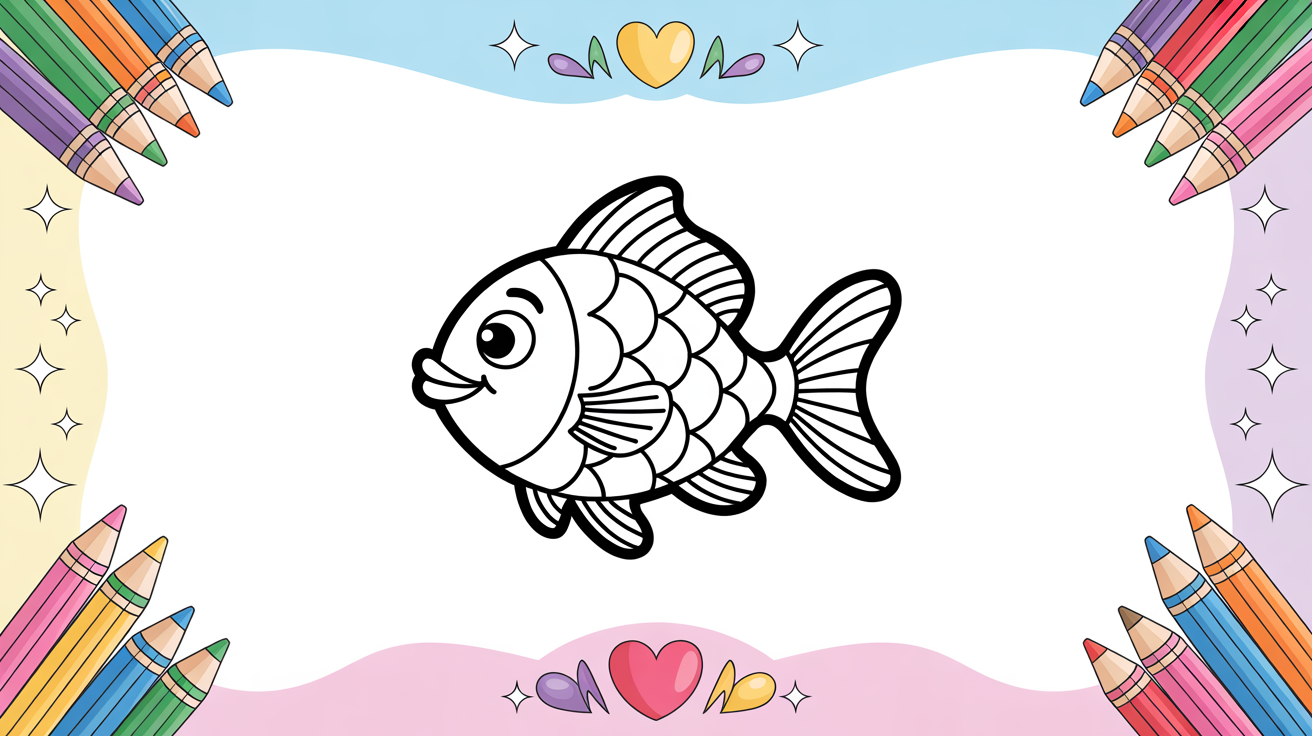
Looking for a screen-free activity that combines fun with learning? Fish coloring pages are the perfect solution for parents, teachers, and kids who love the ocean! Whether you’re searching for fish coloring pages to keep toddlers busy on a rainy afternoon or detailed designs for older children to explore, you’ve found the right place. These fish coloring pages offer hours of creative entertainment while teaching children about marine life, developing fine motor skills, and sparking curiosity about underwater ecosystems.
I’ve spent years watching children light up when they color their favorite ocean creatures. There’s something magical about bringing a blank fish outline to life with vibrant blues, oranges, and yellows!
Table of Contents



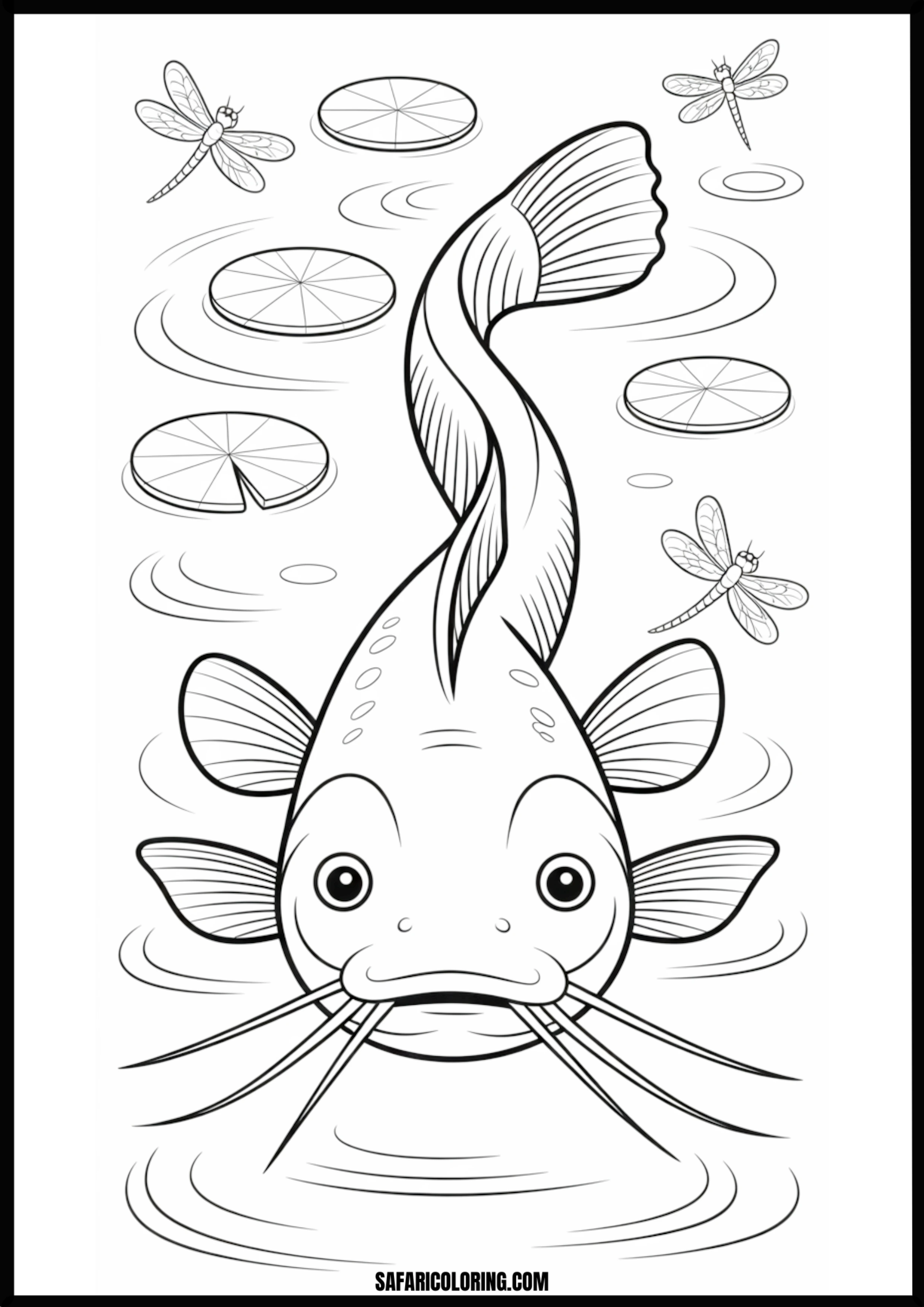
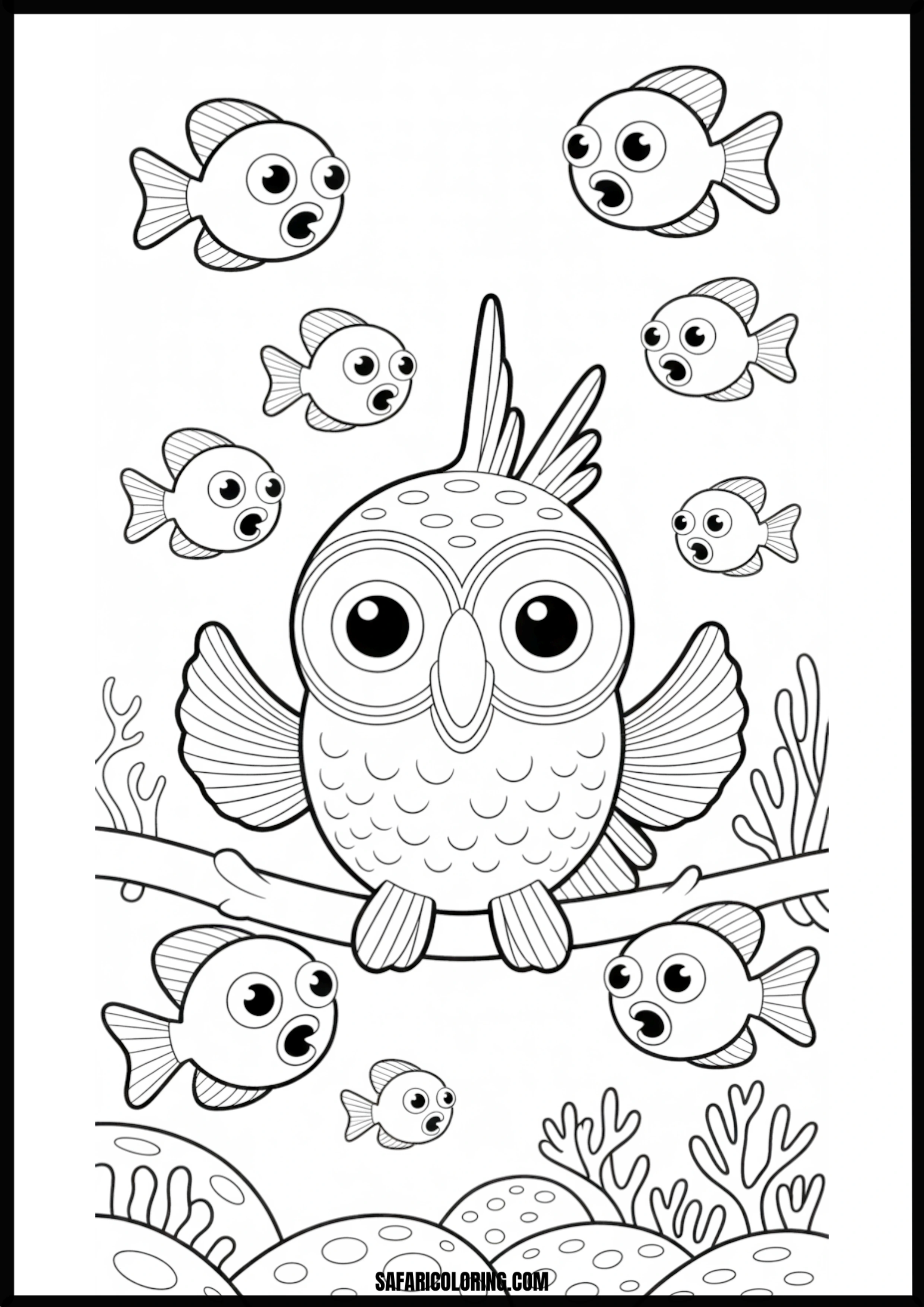

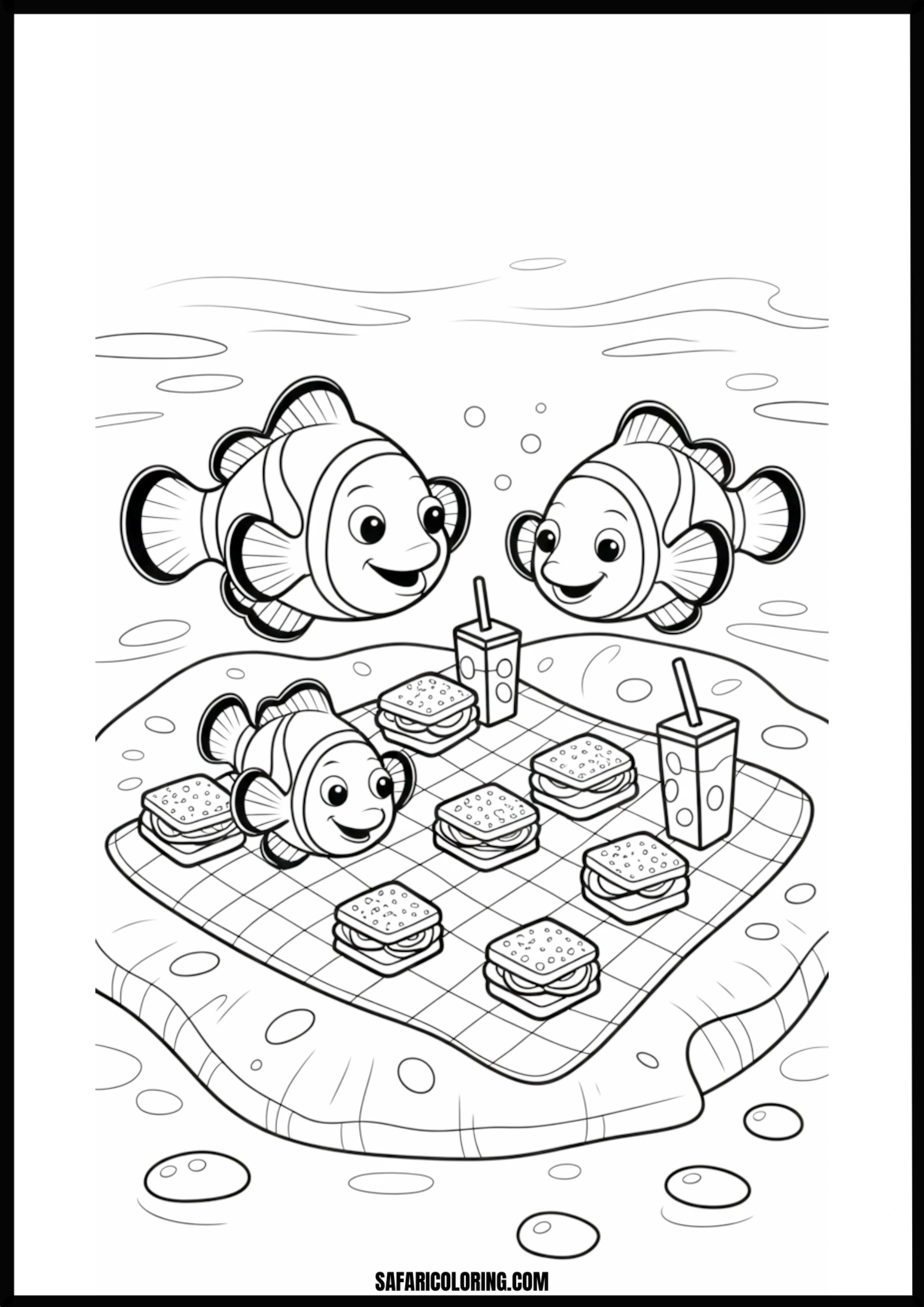

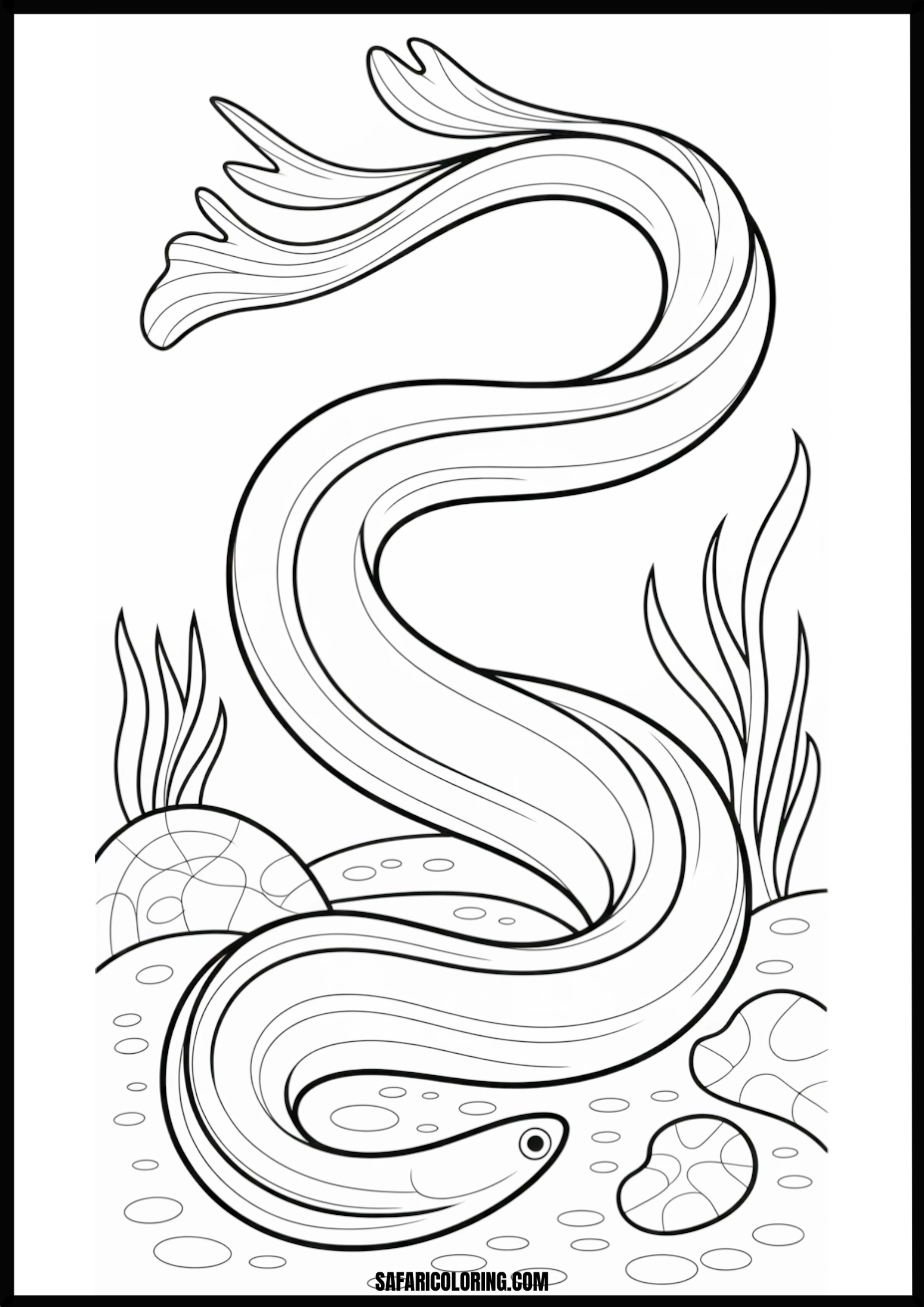
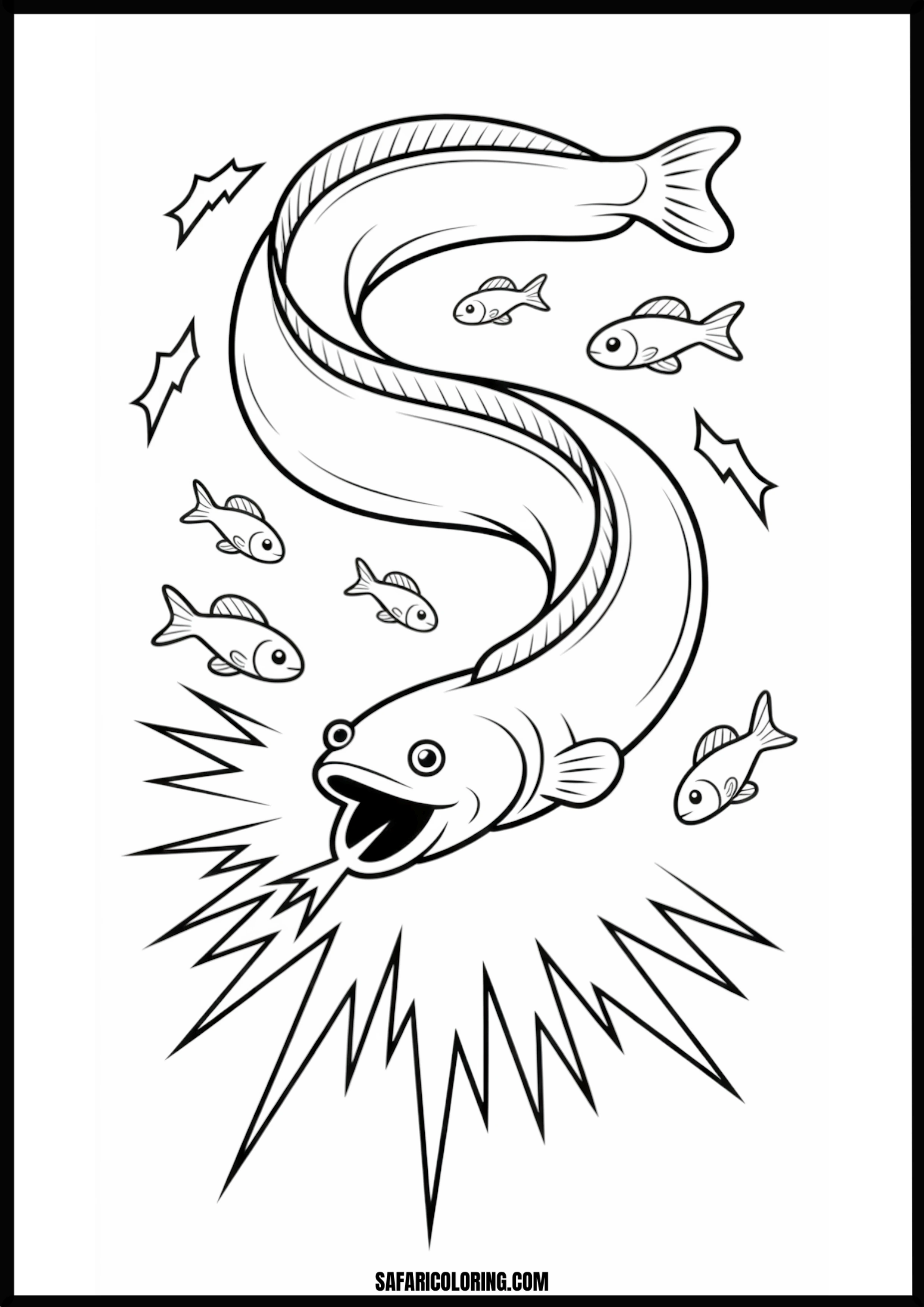
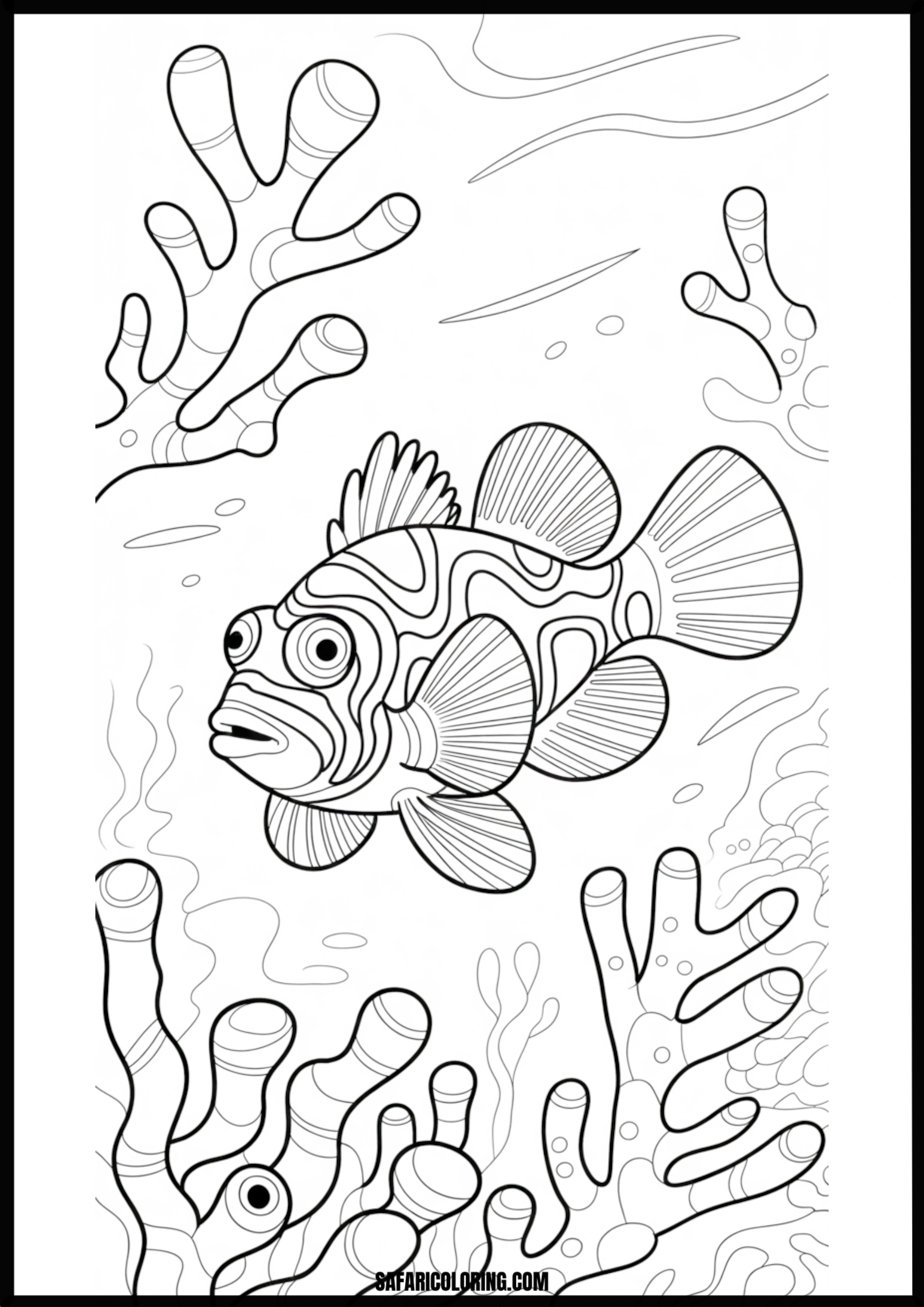

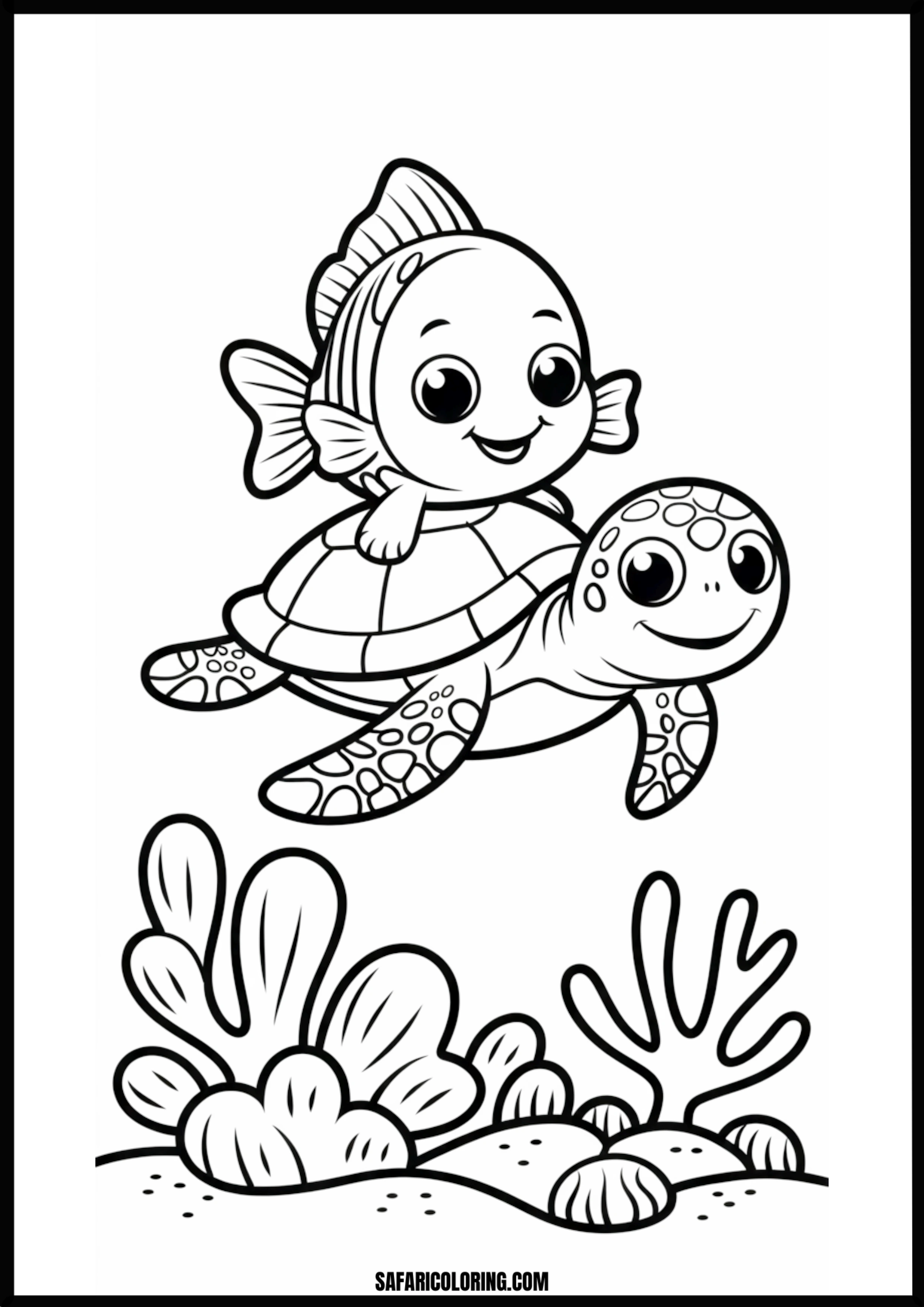
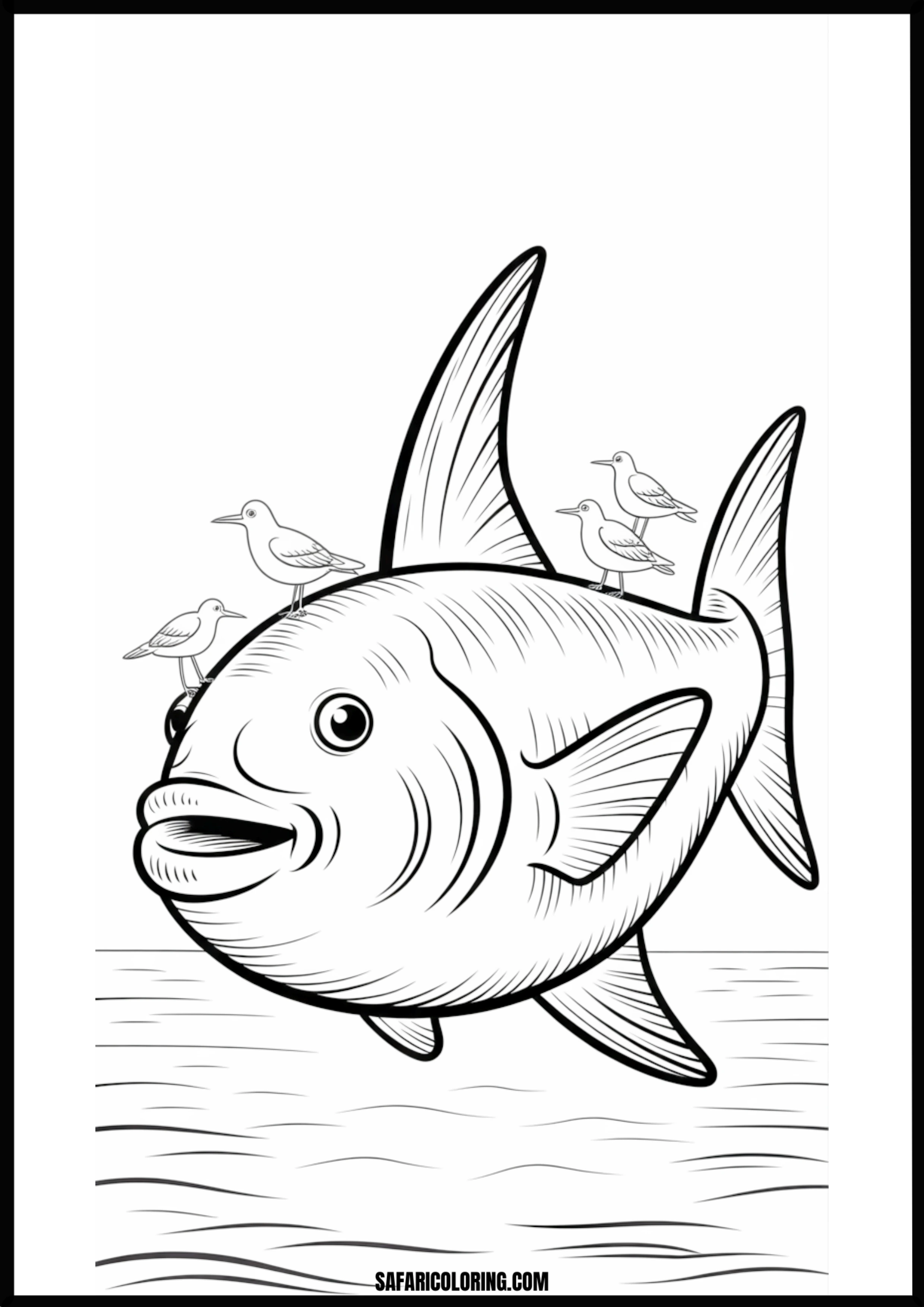
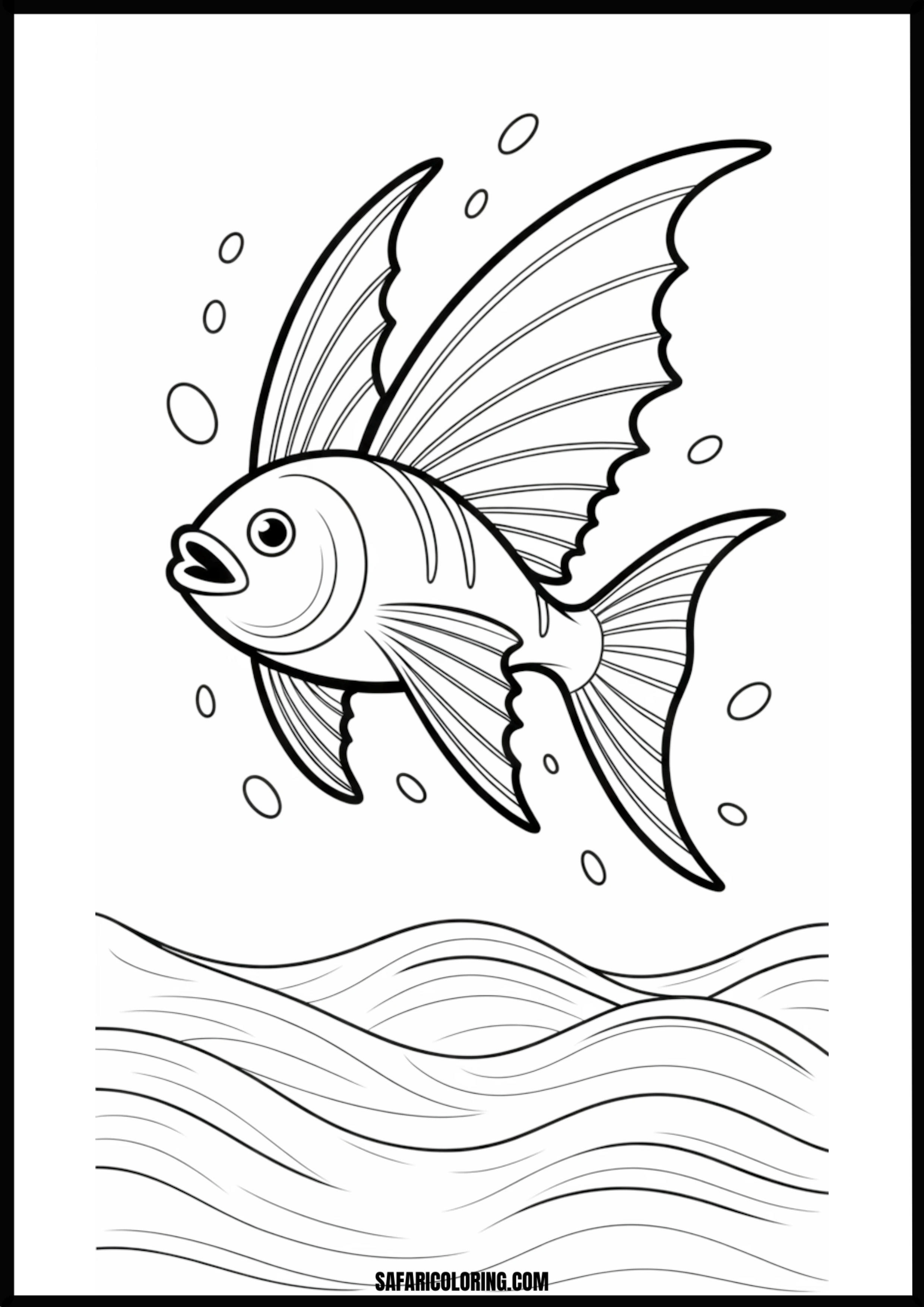
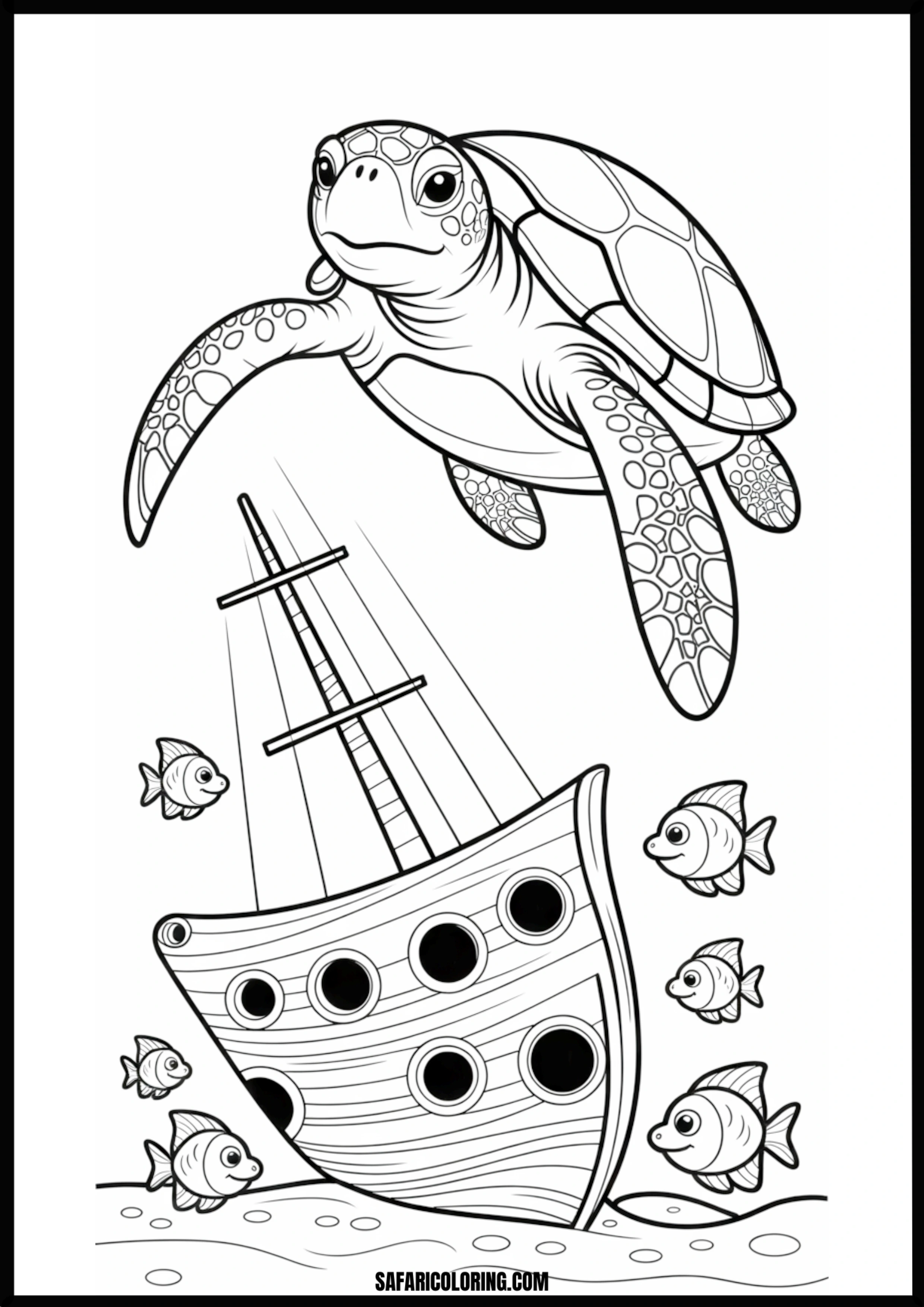

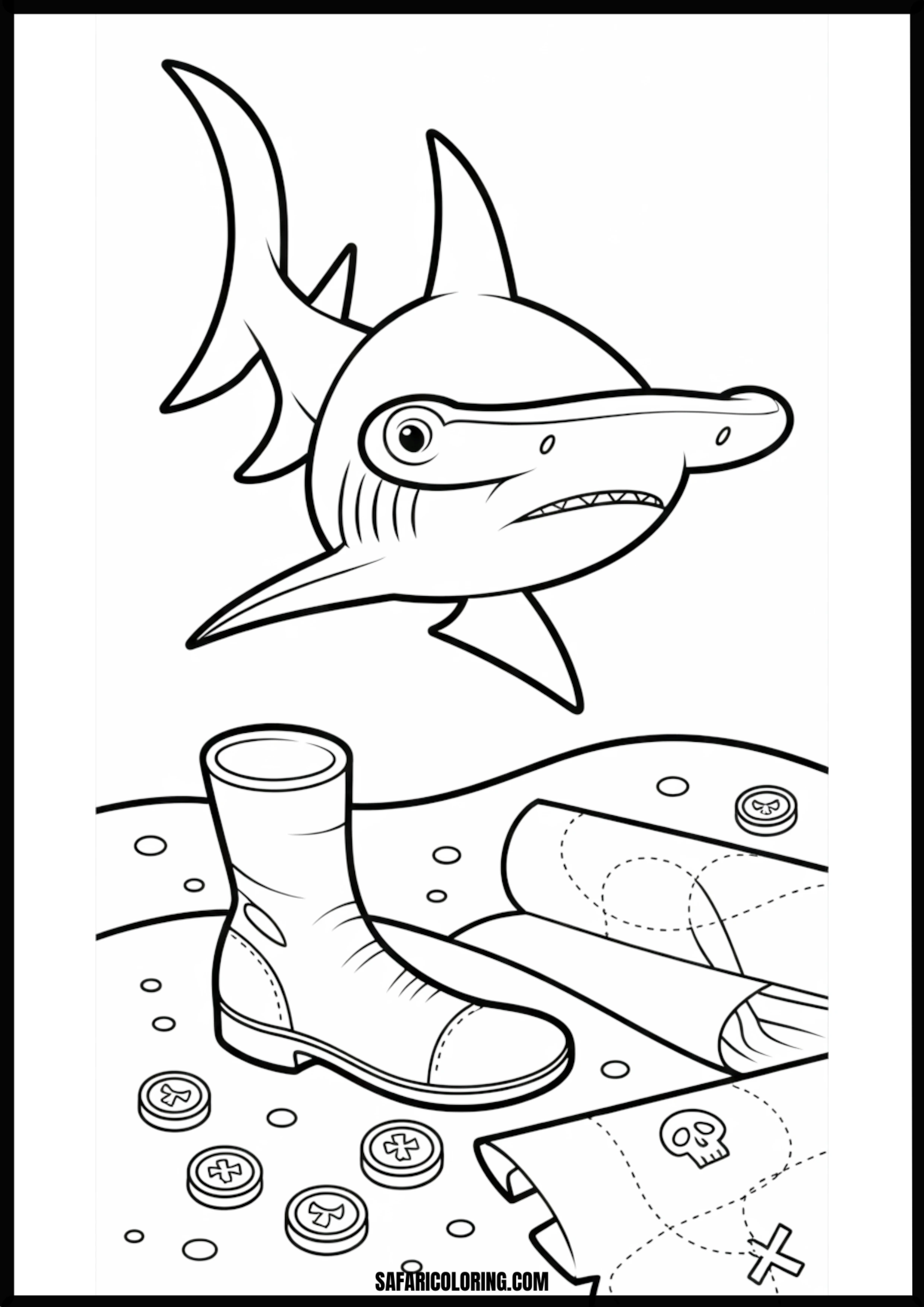
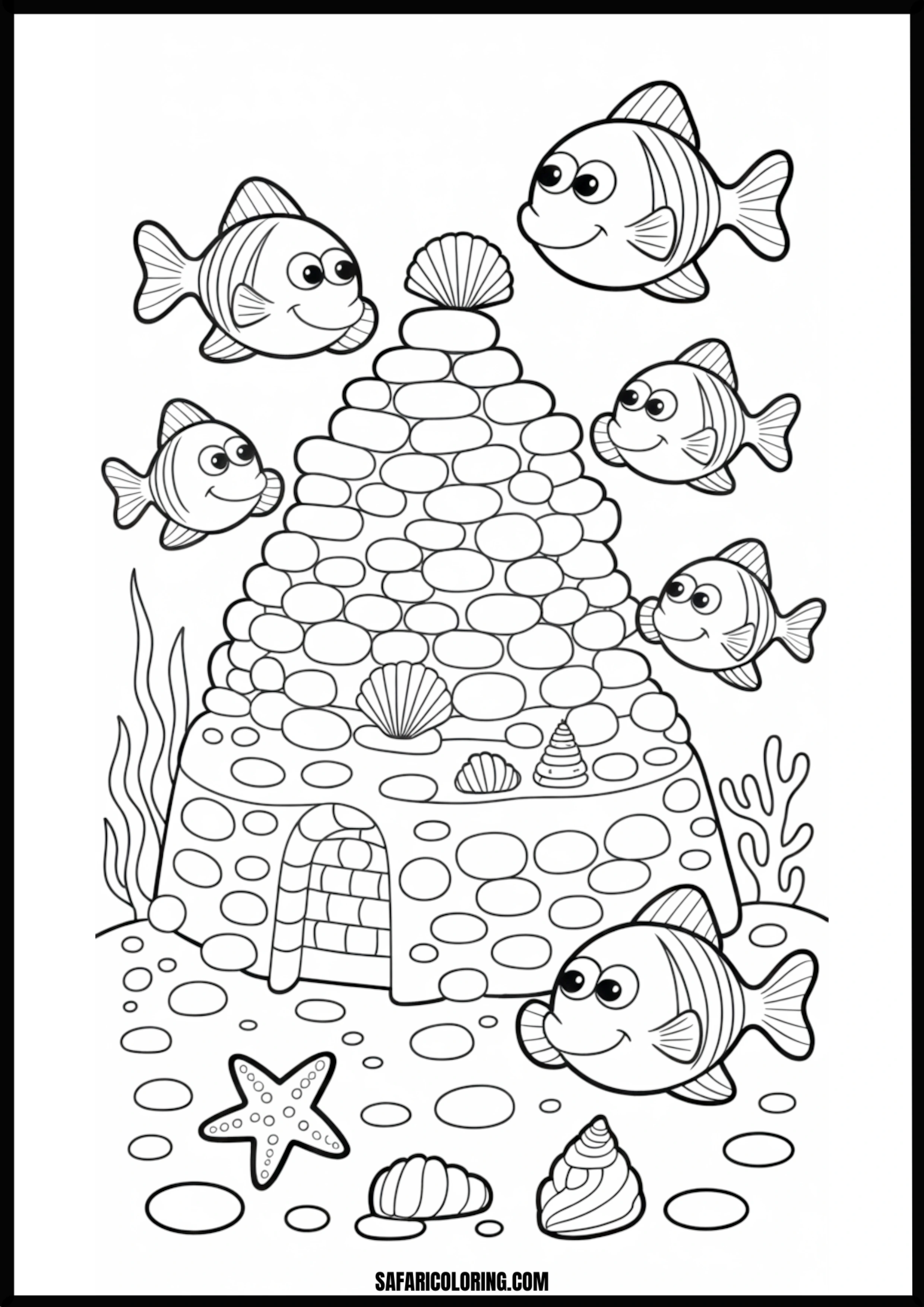
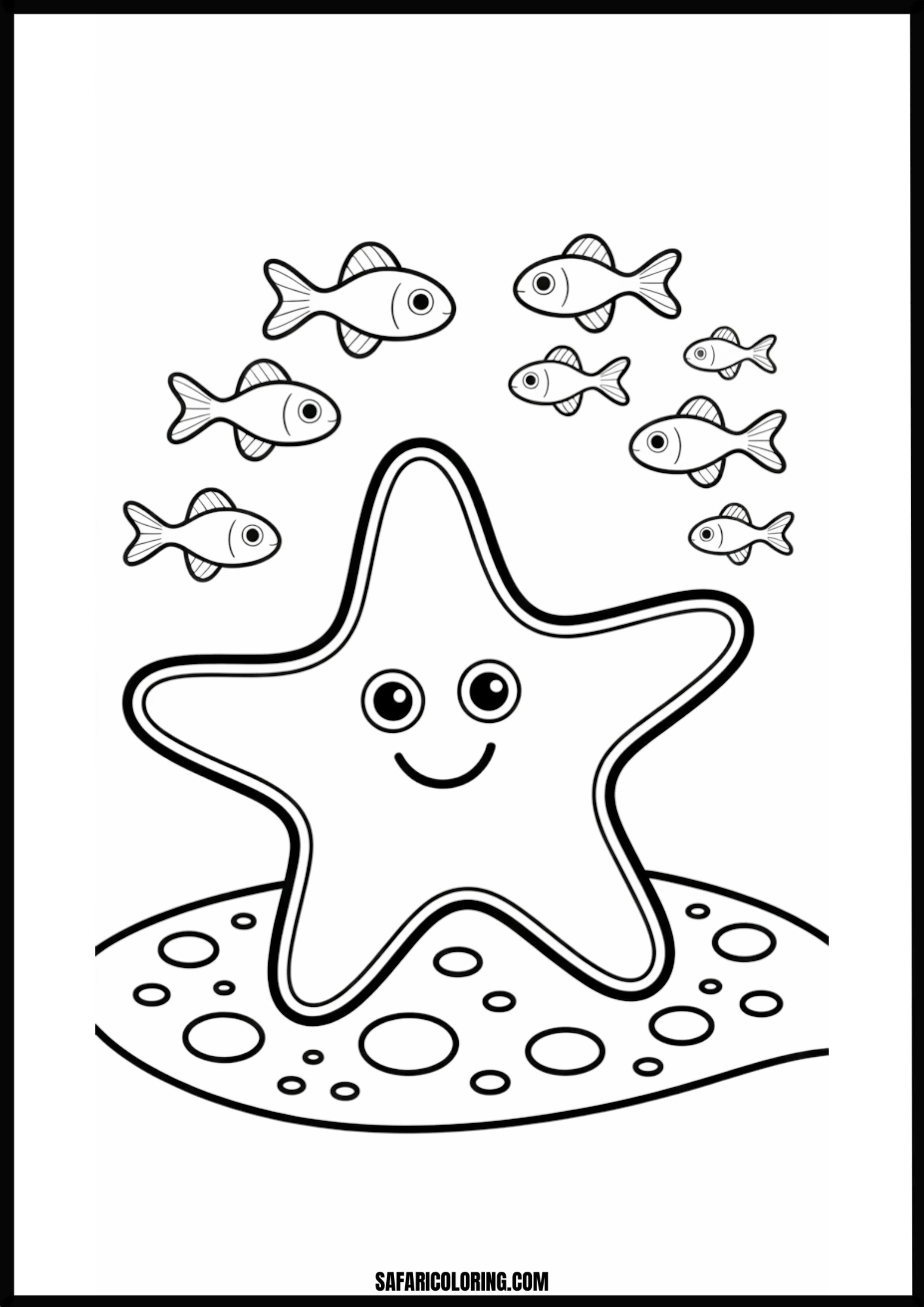
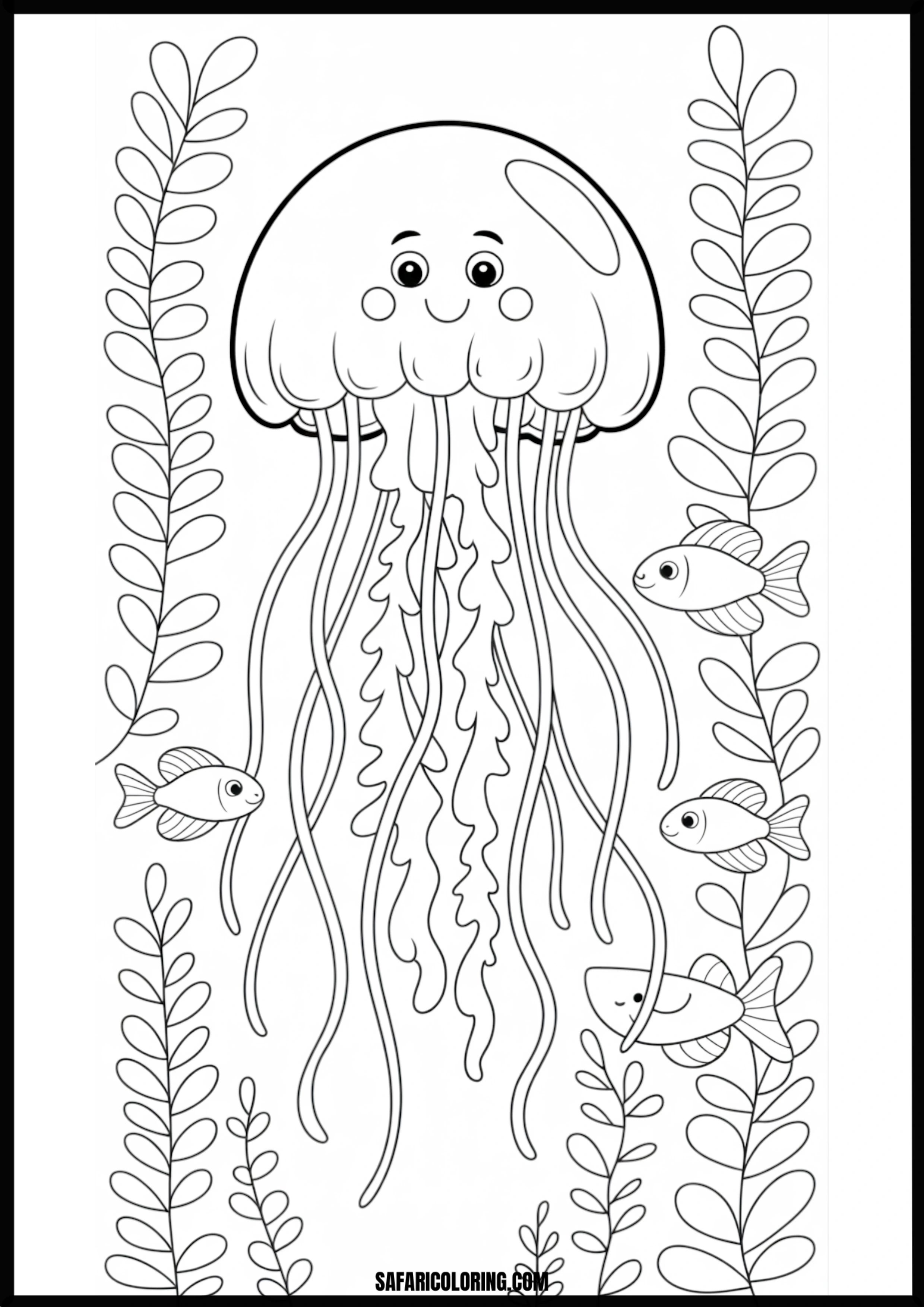
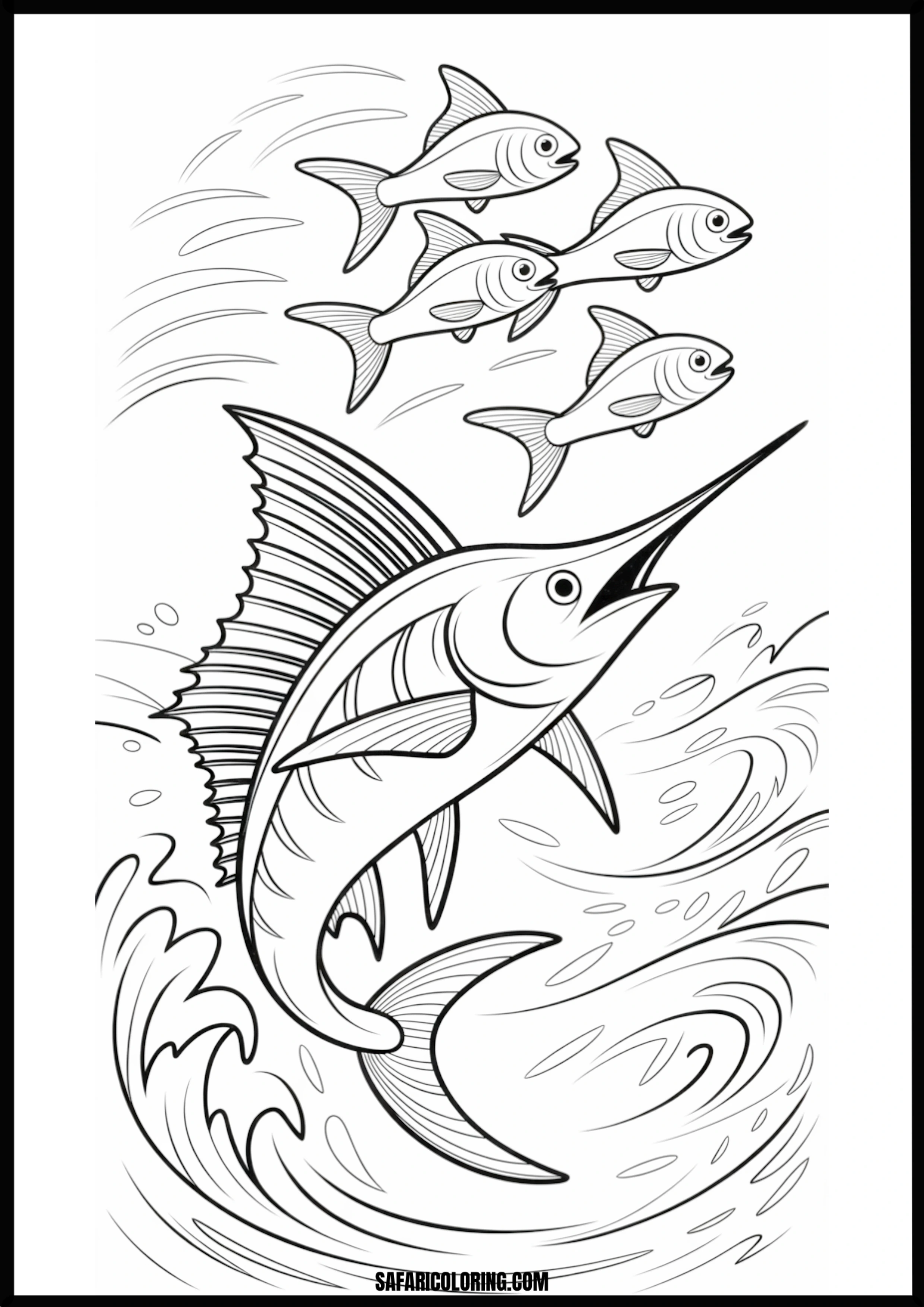
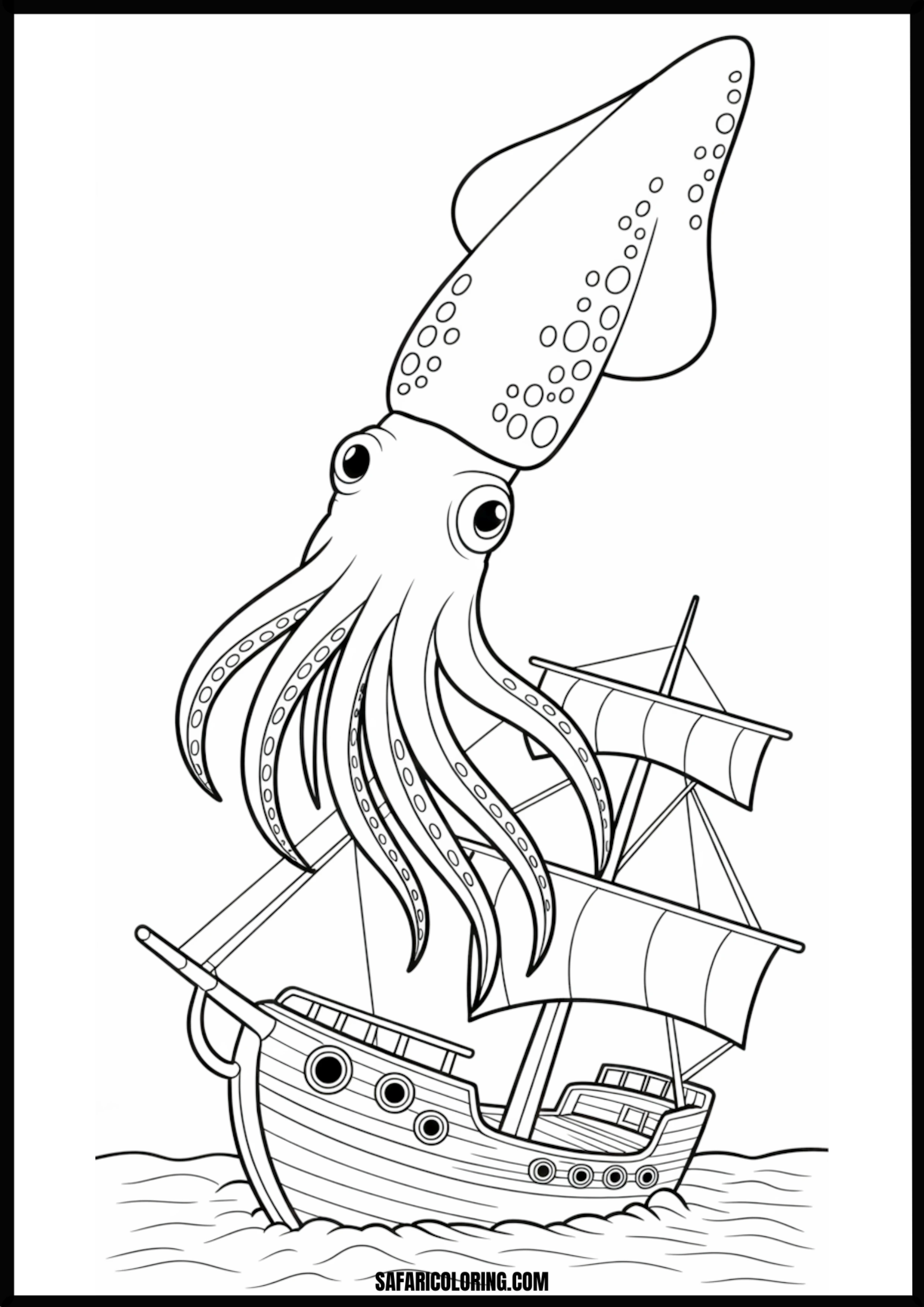
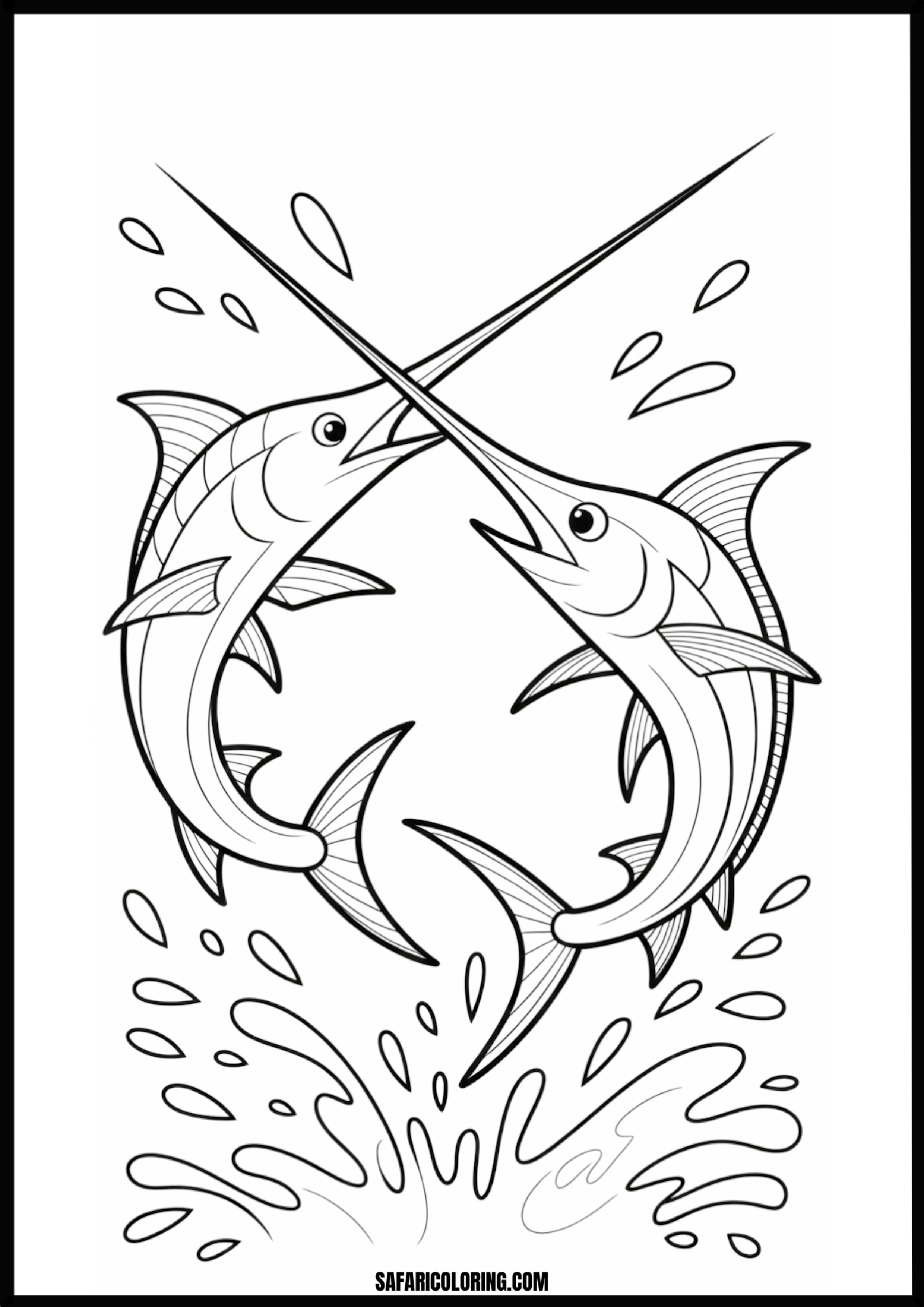
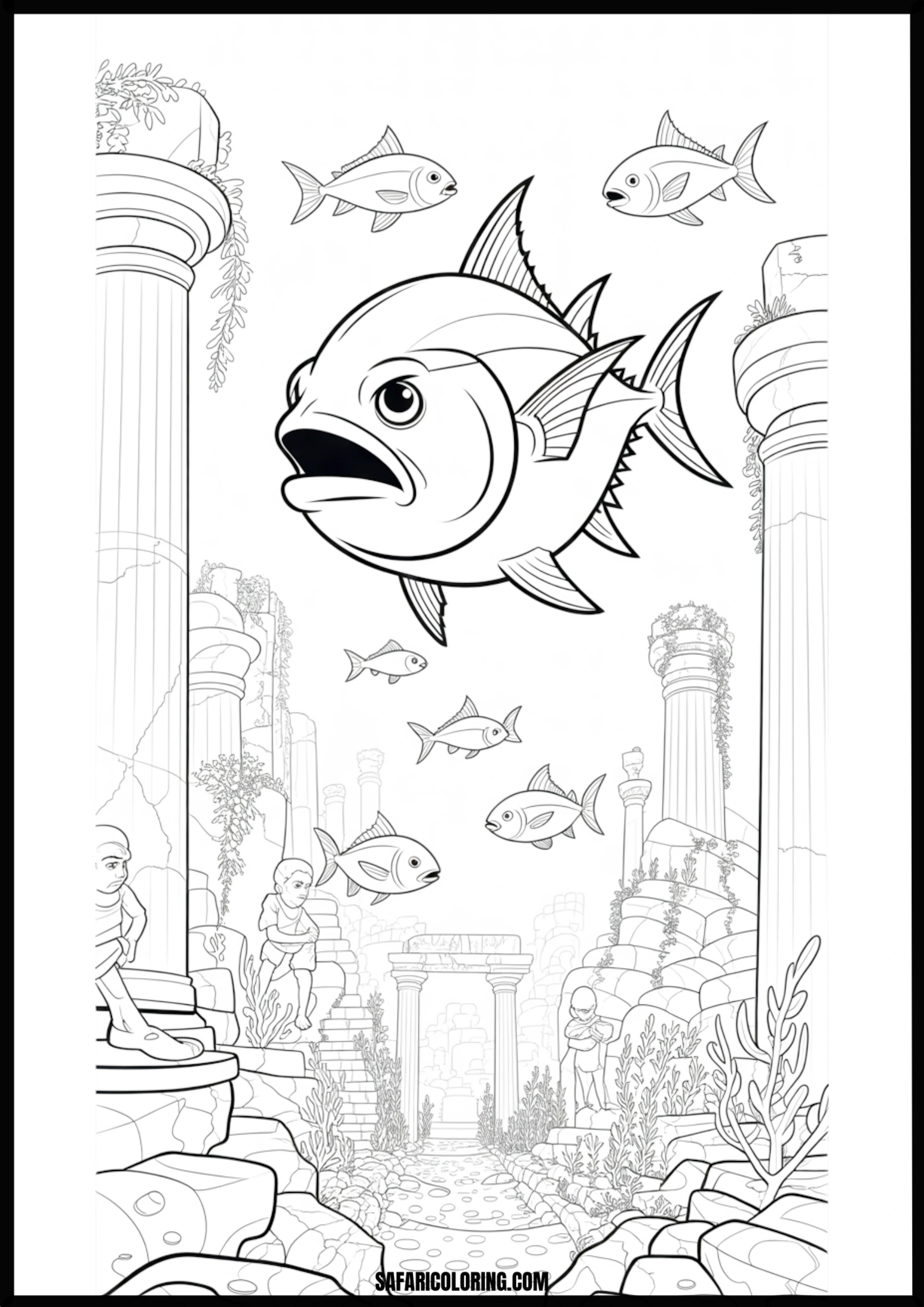
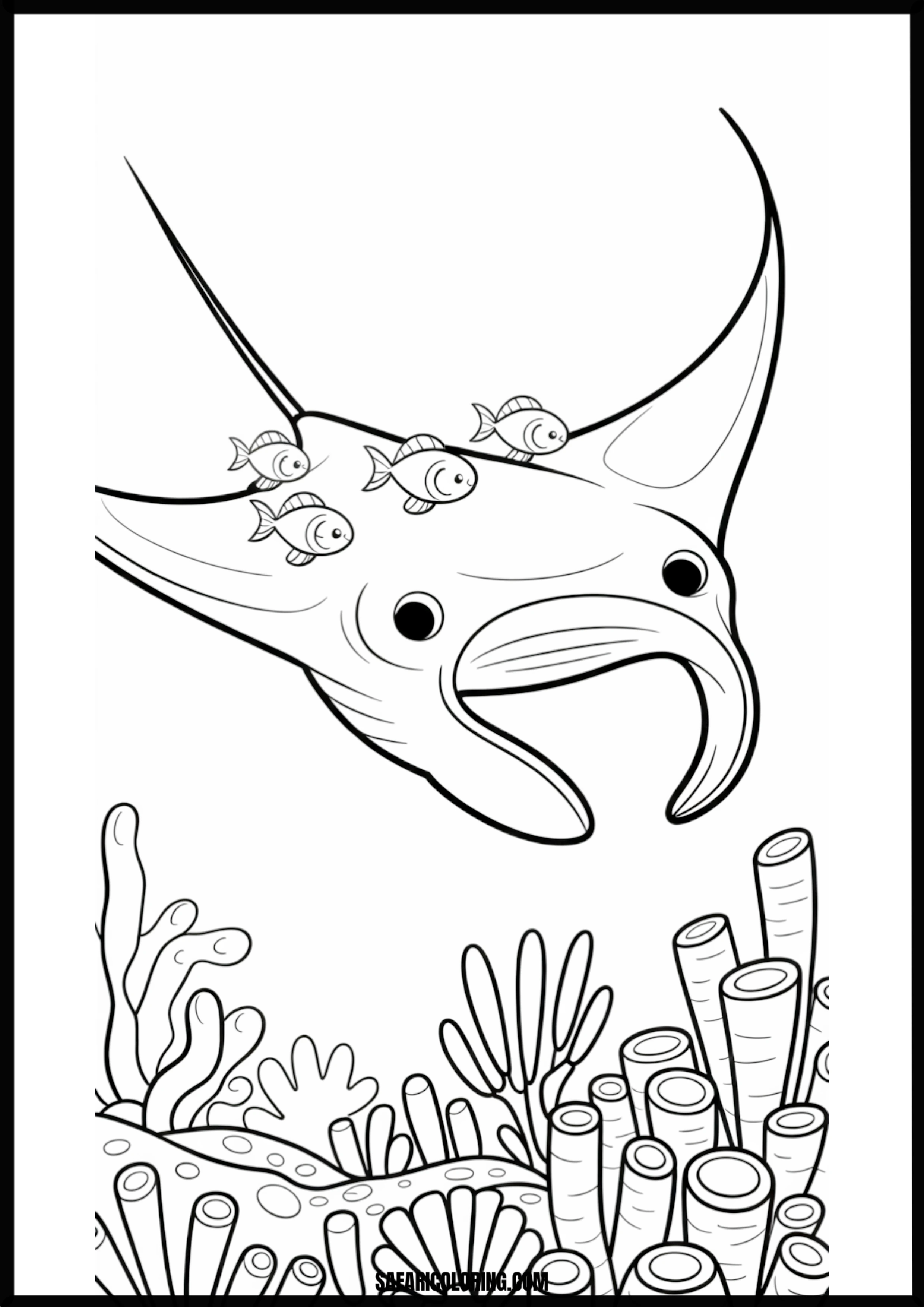
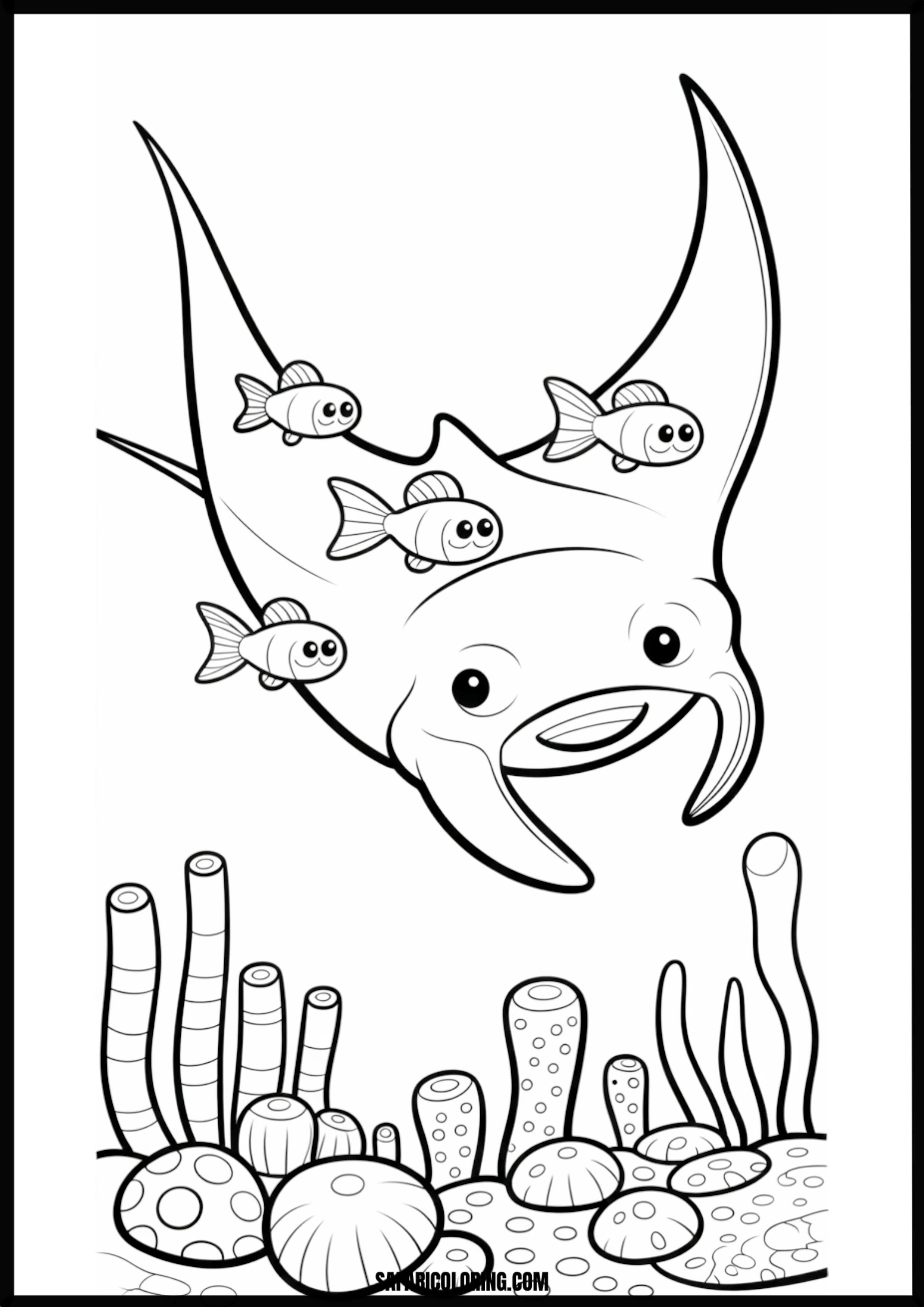
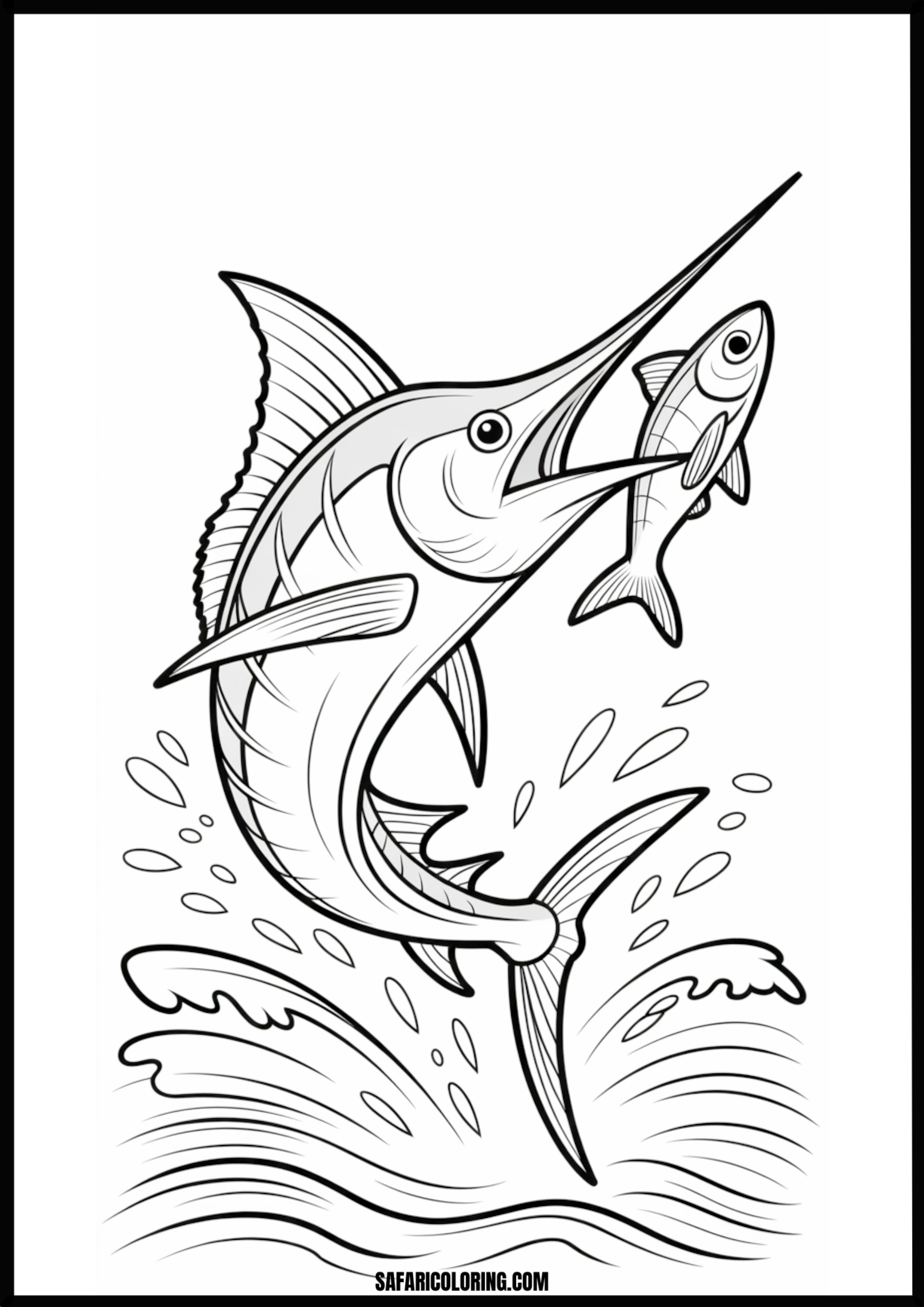
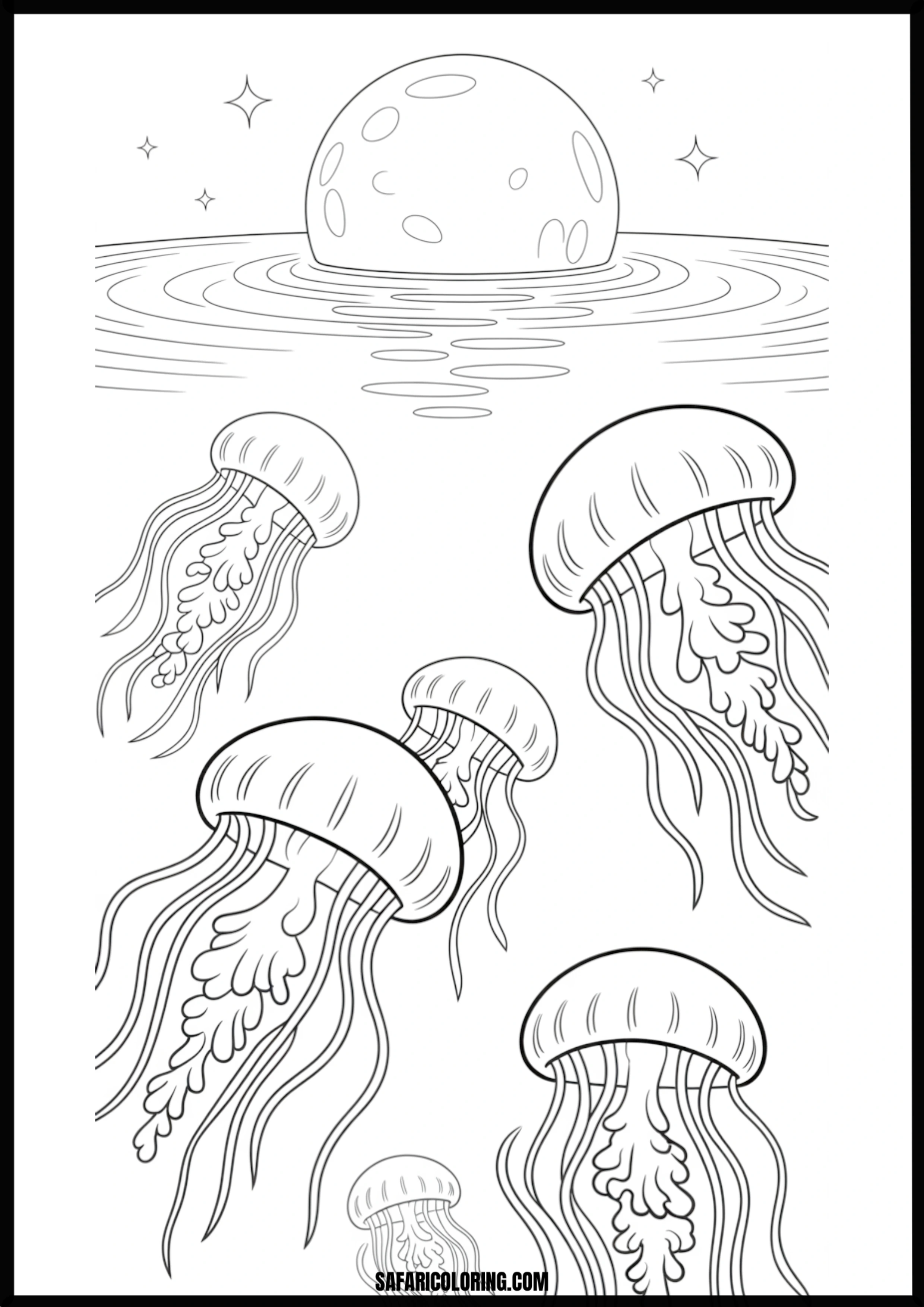


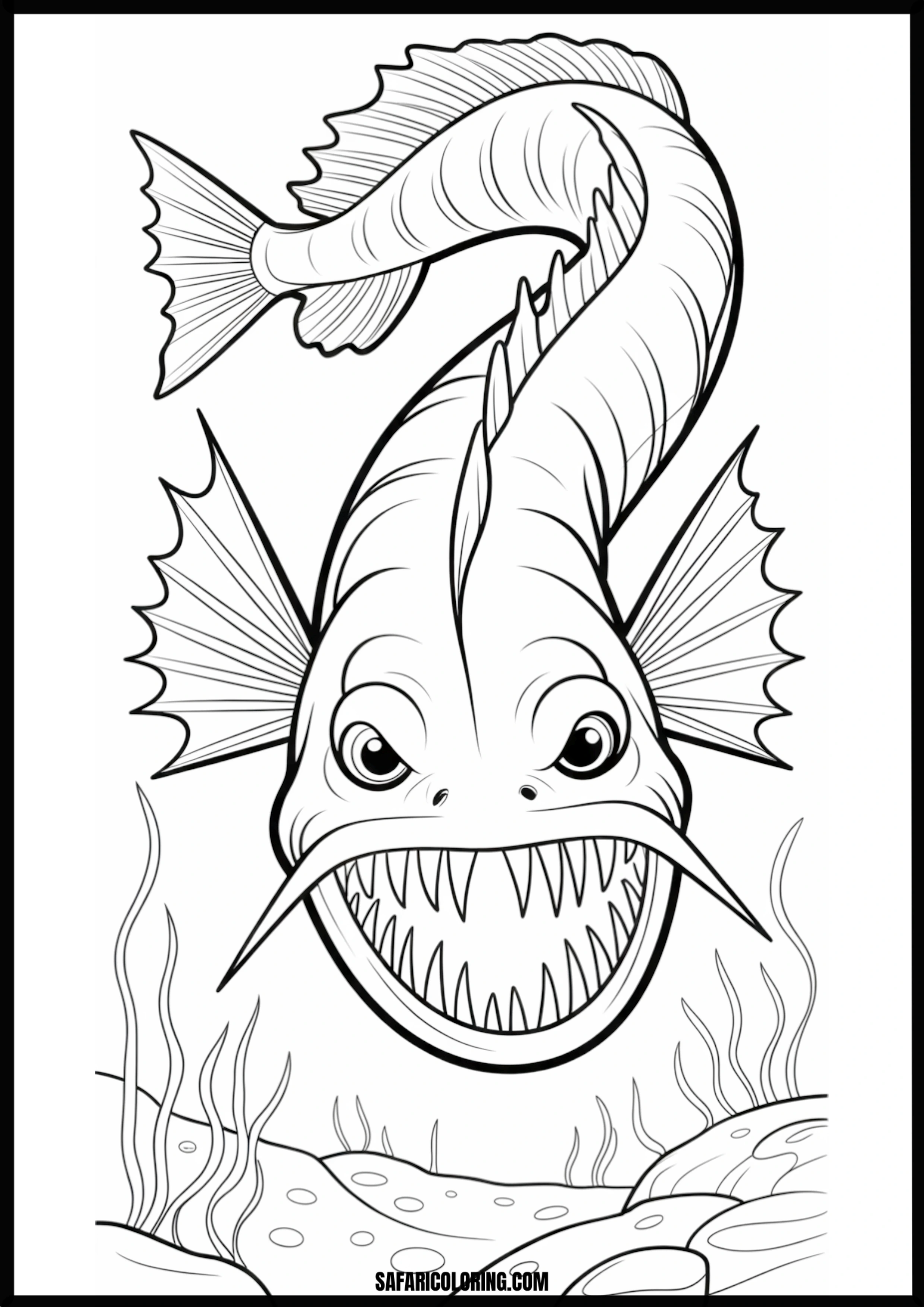

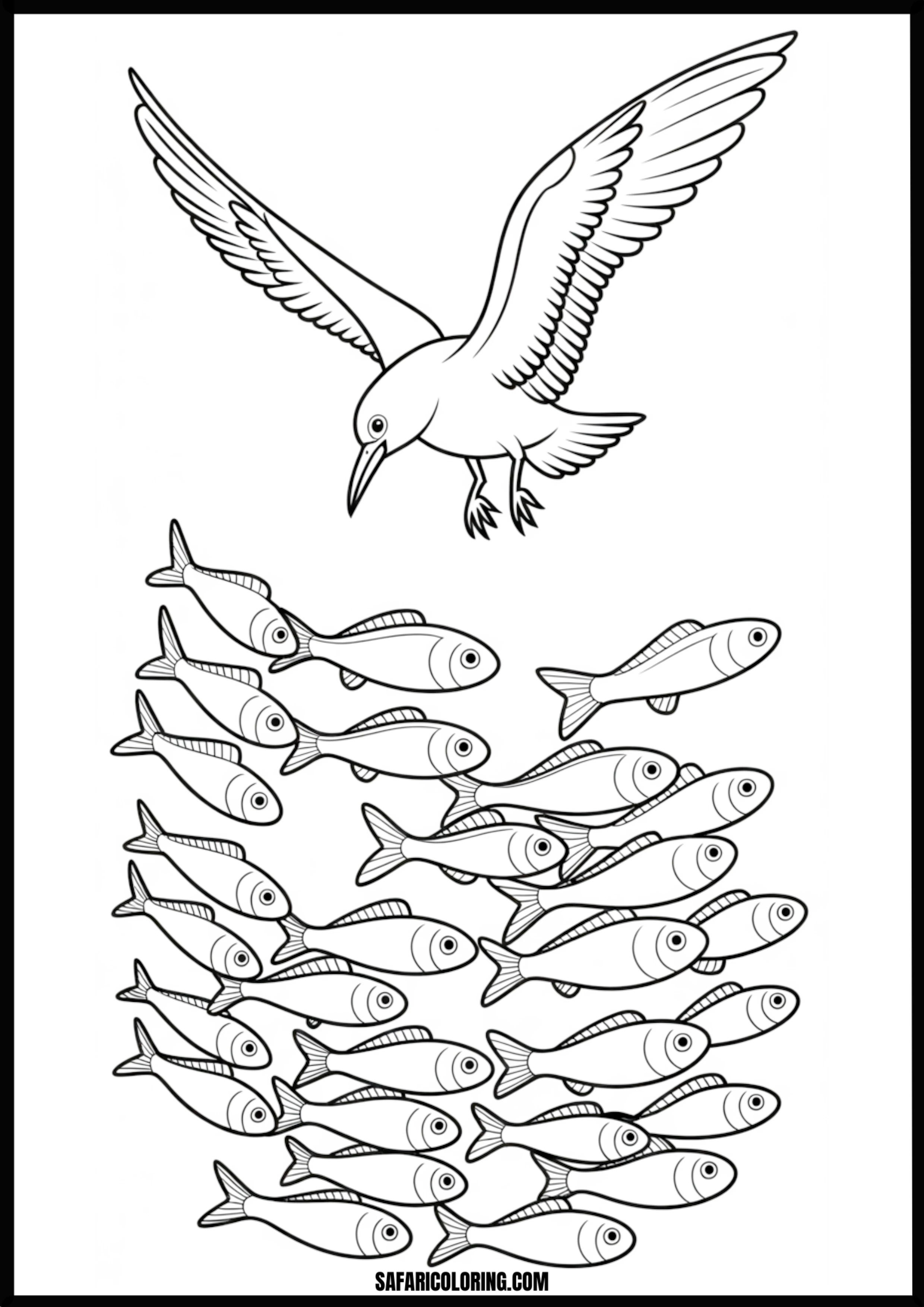
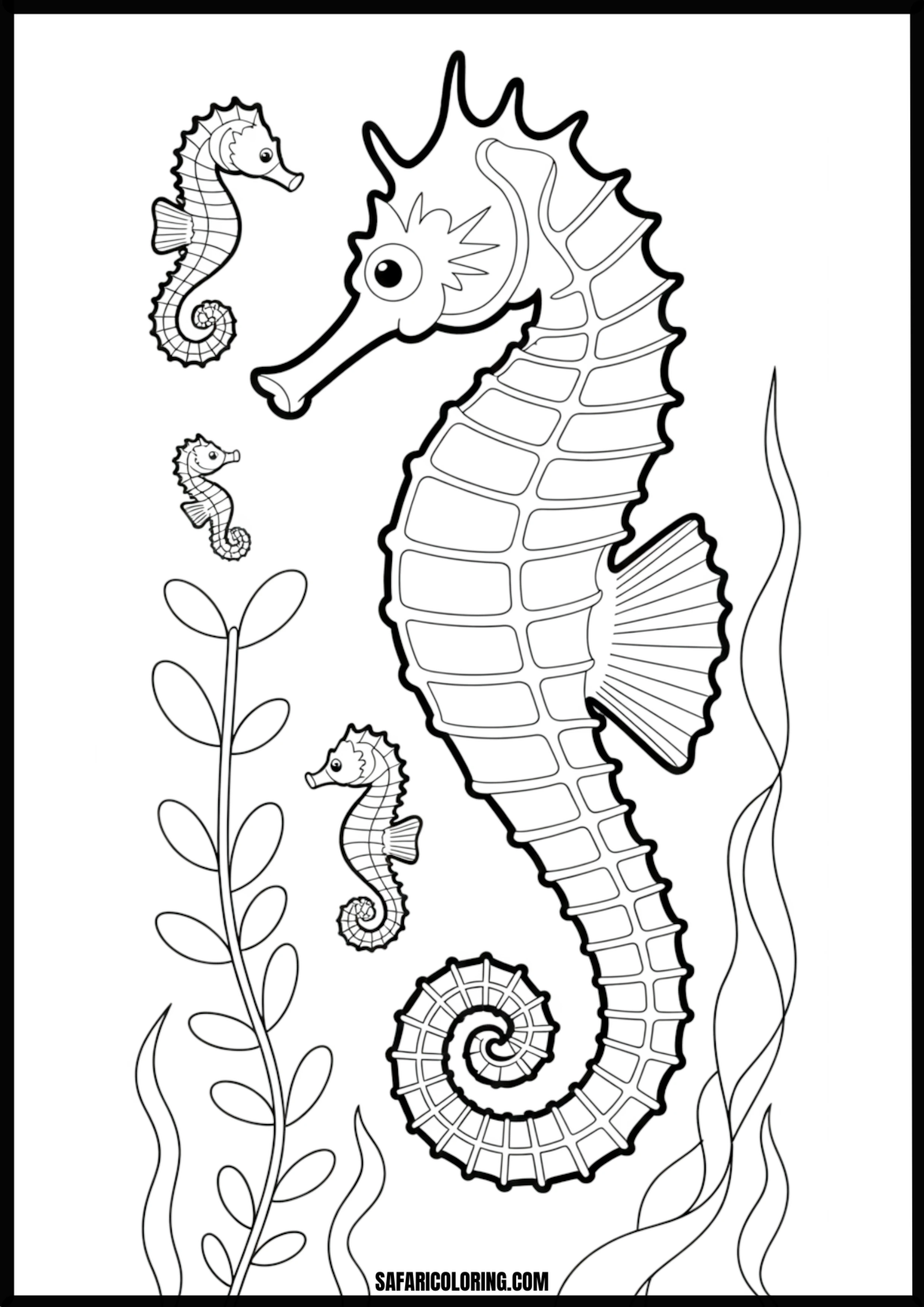
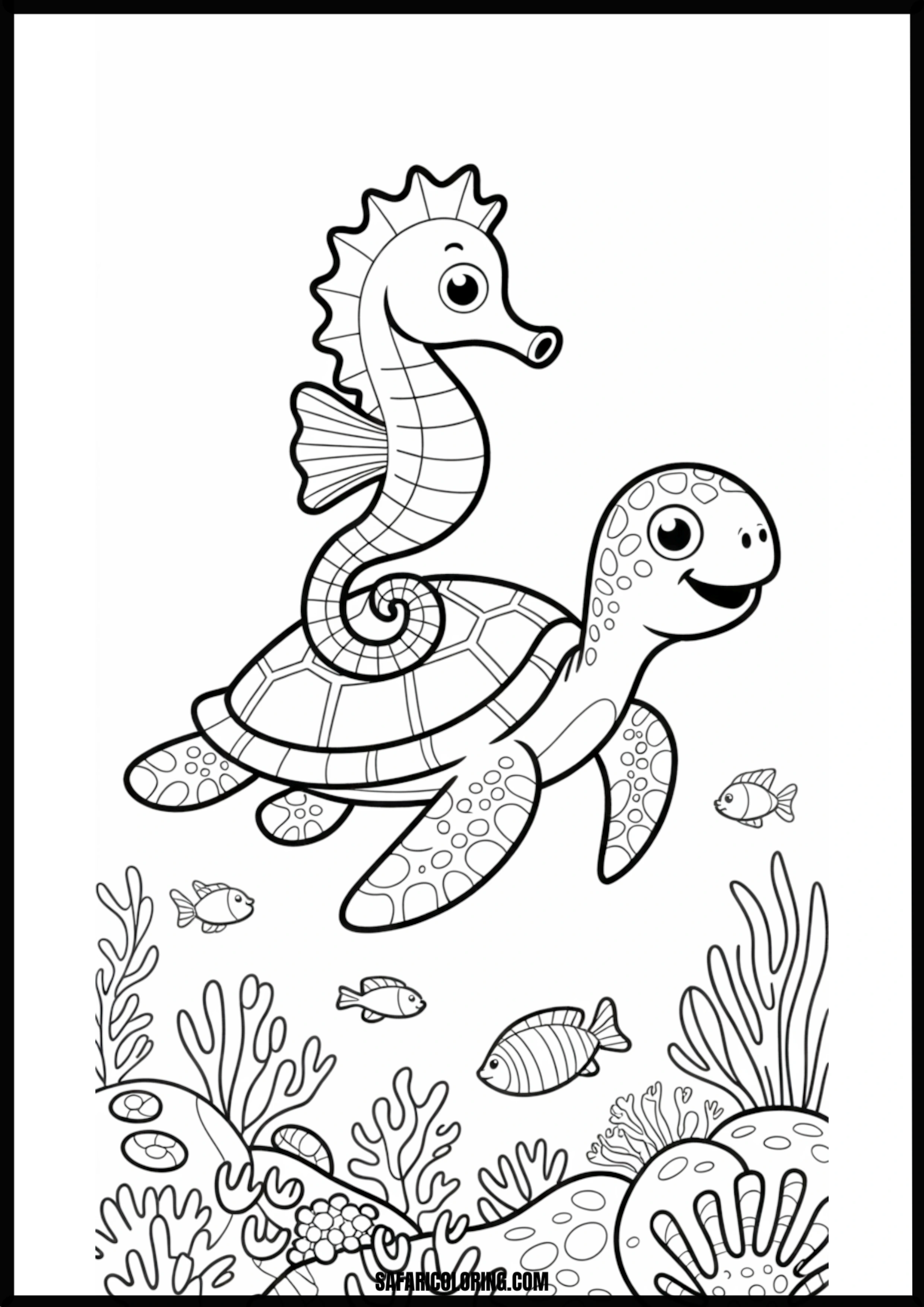


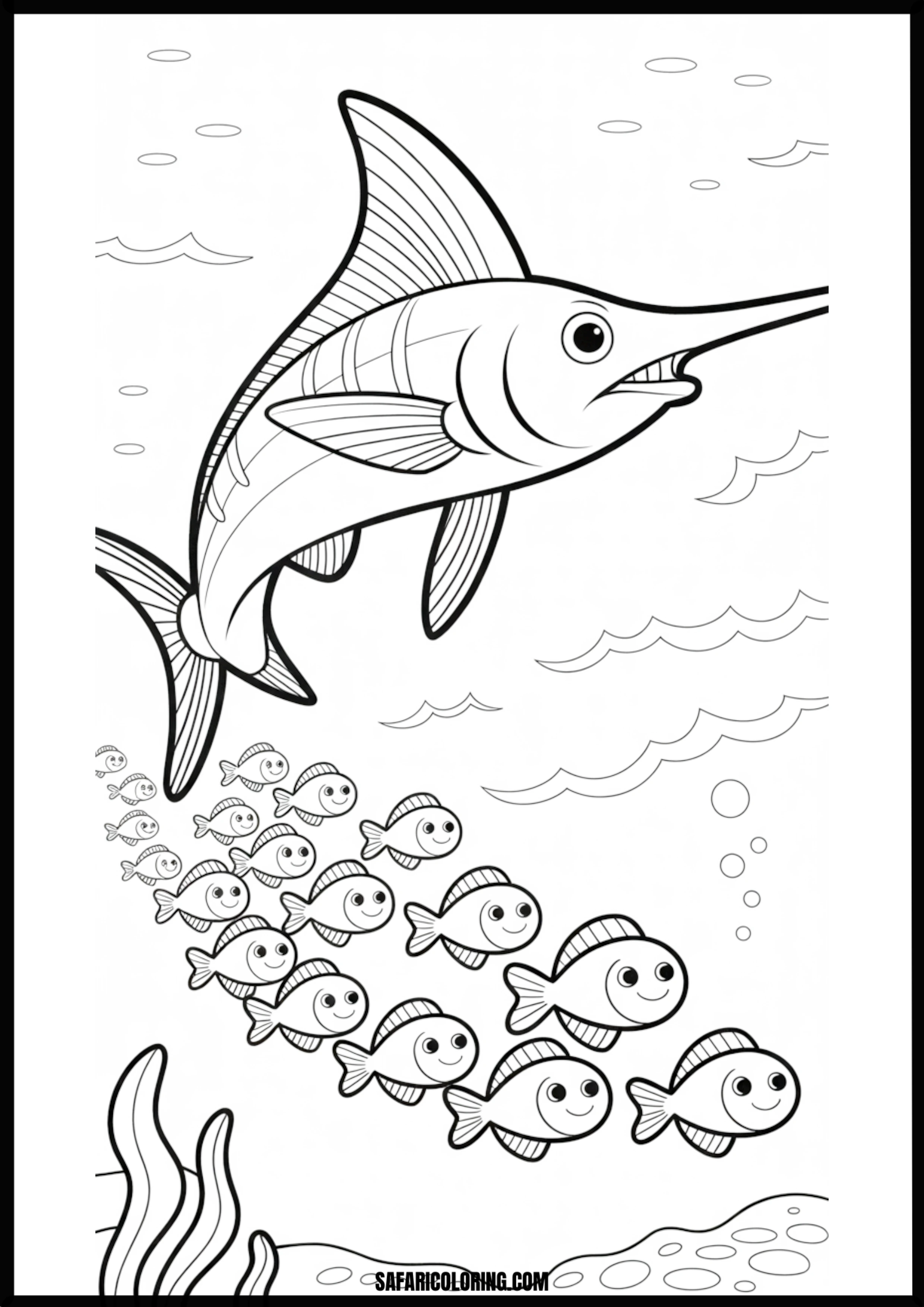
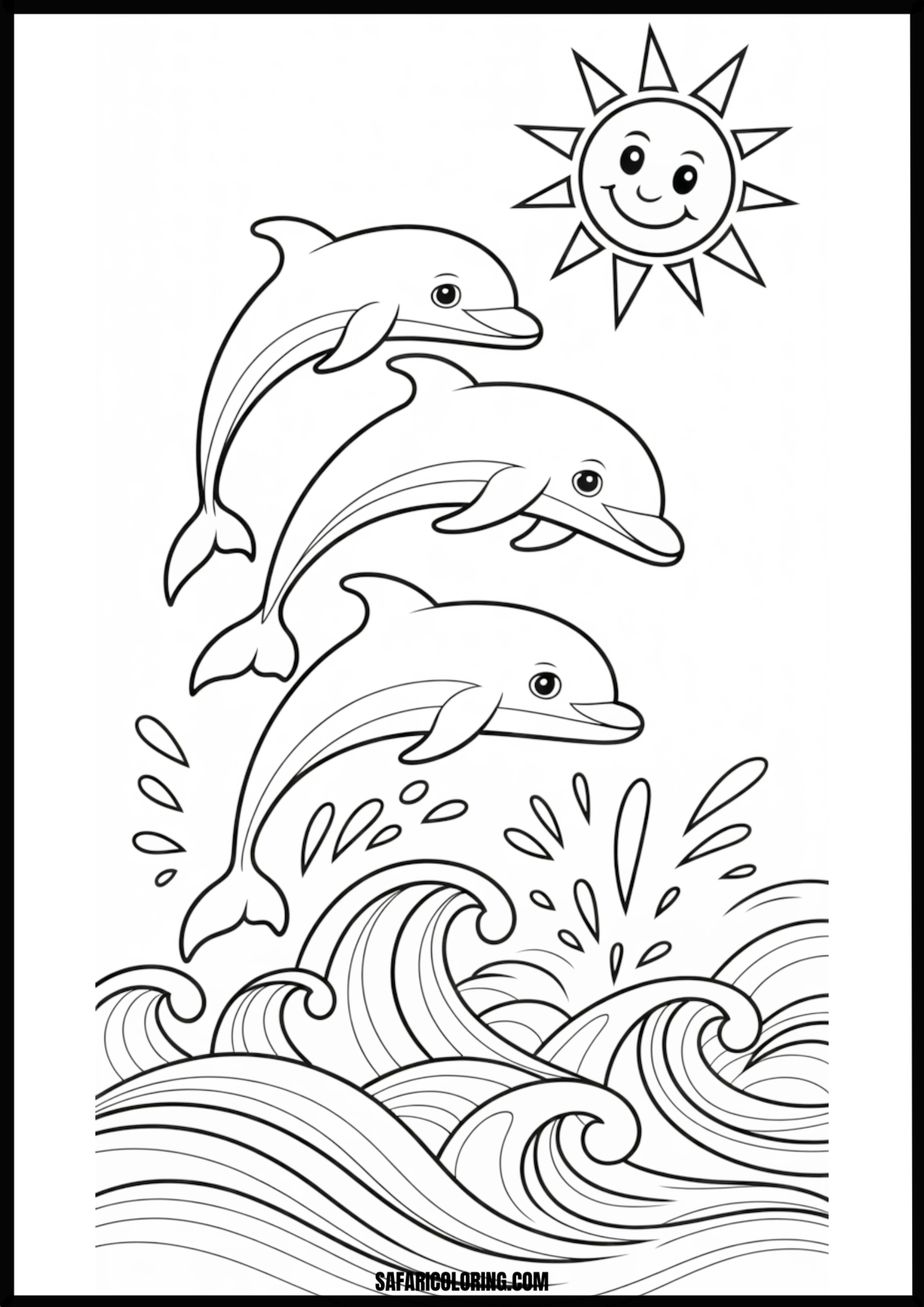

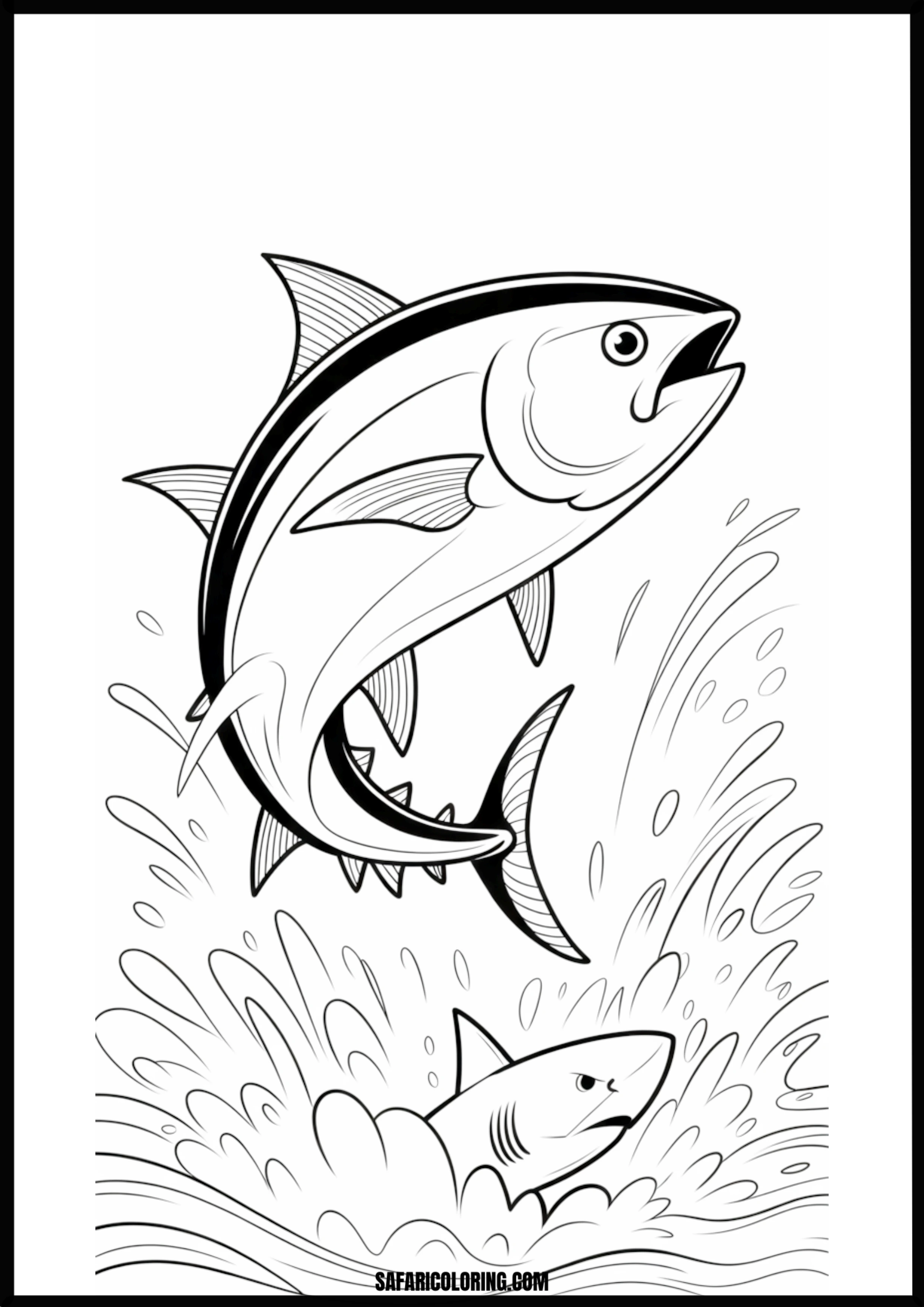
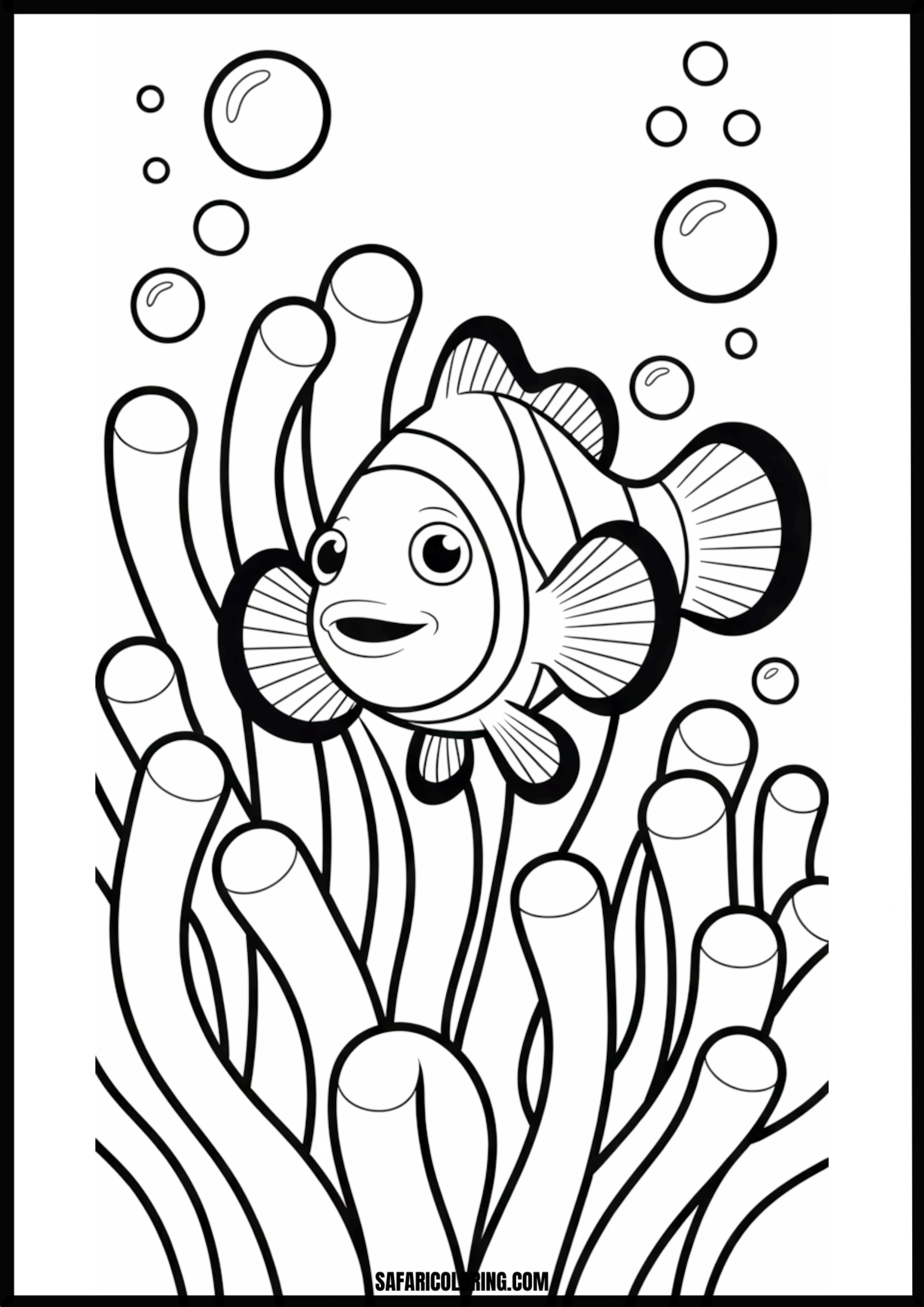



Why fish coloring pages are perfect for children of all ages
Fish coloring pages aren’t just fun—they’re educational powerhouses that benefit children’s development in surprising ways. When kids color fish, they’re doing so much more than filling in spaces with crayons.
Coloring helps develop fine motor control that children need for writing. The precise movements required to stay within the lines strengthen the small muscles in their hands and fingers. For children ages 3-5, this is especially crucial as they prepare for kindergarten and learning to form letters.
Beyond motor skills, fish coloring pages spark conversations about ocean life and marine biology. Ever watched your child’s face when you tell them clownfish can change gender or that some fish sleep with their eyes open? These coloring sessions become mini science lessons! In my experience working with young children, I’ve found that kids ages 5-8 ask the best questions while coloring—”Do fish drink water?” and “Why are some fish so colorful?” are classics.
Fish coloring pages also provide stress relief and emotional regulation. The repetitive motion of coloring is naturally calming, making these pages perfect for children who need quiet time or struggle with anxiety. Teachers often use fish coloring sheets during transitions or after high-energy activities to help students refocus.
Different types of fish coloring pages to explore
Not all fish coloring pages are created equal! The variety available means you can find perfect matches for any age or skill level.
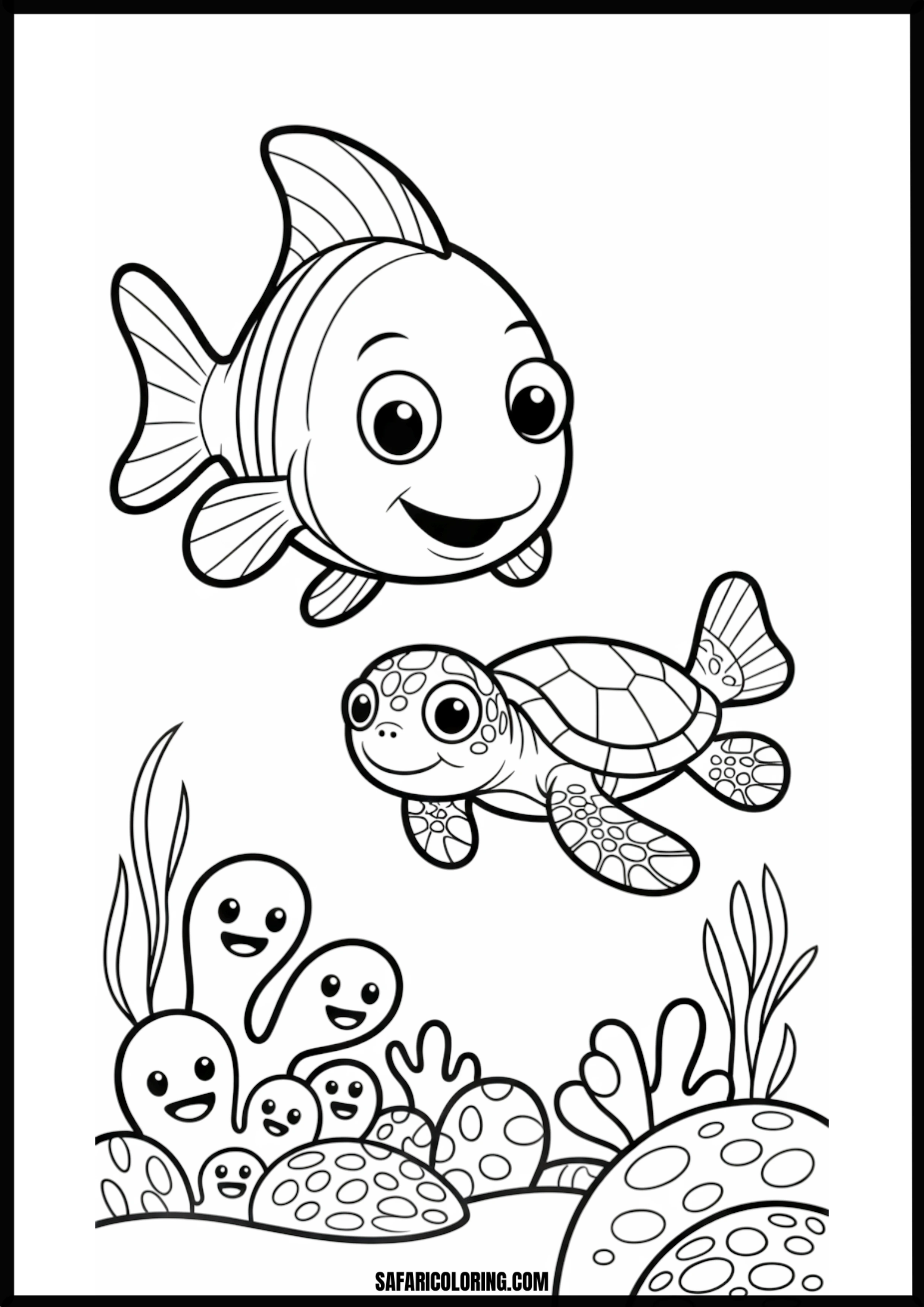
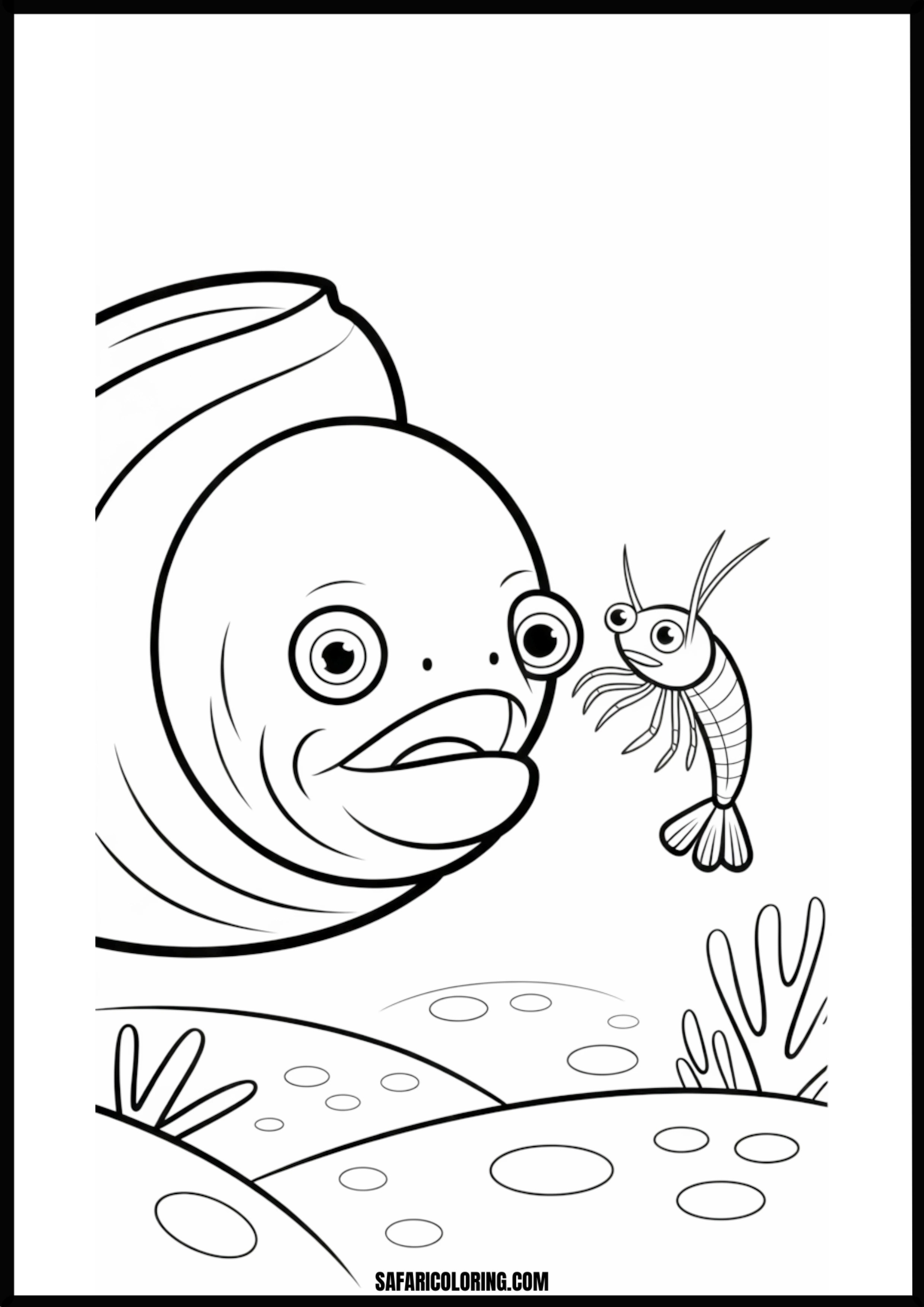
Easy fish coloring pages feature simple outlines with large spaces—ideal for toddlers ages 2-4 who are just learning to hold crayons. These designs typically include cartoon-style fish with big, friendly faces and minimal details. Try this: Start your toddler with a single goldfish outline before moving to more complex scenes.
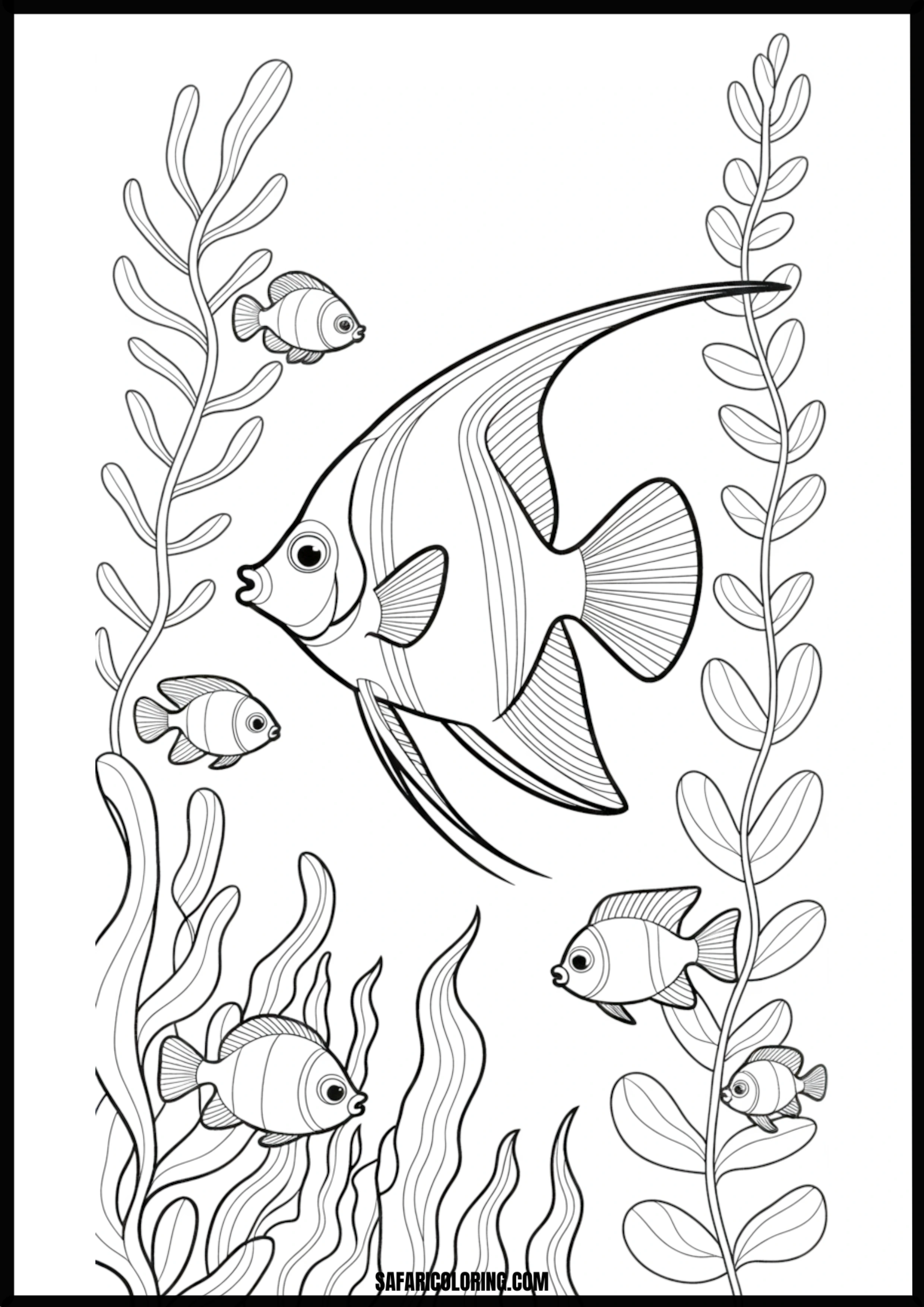
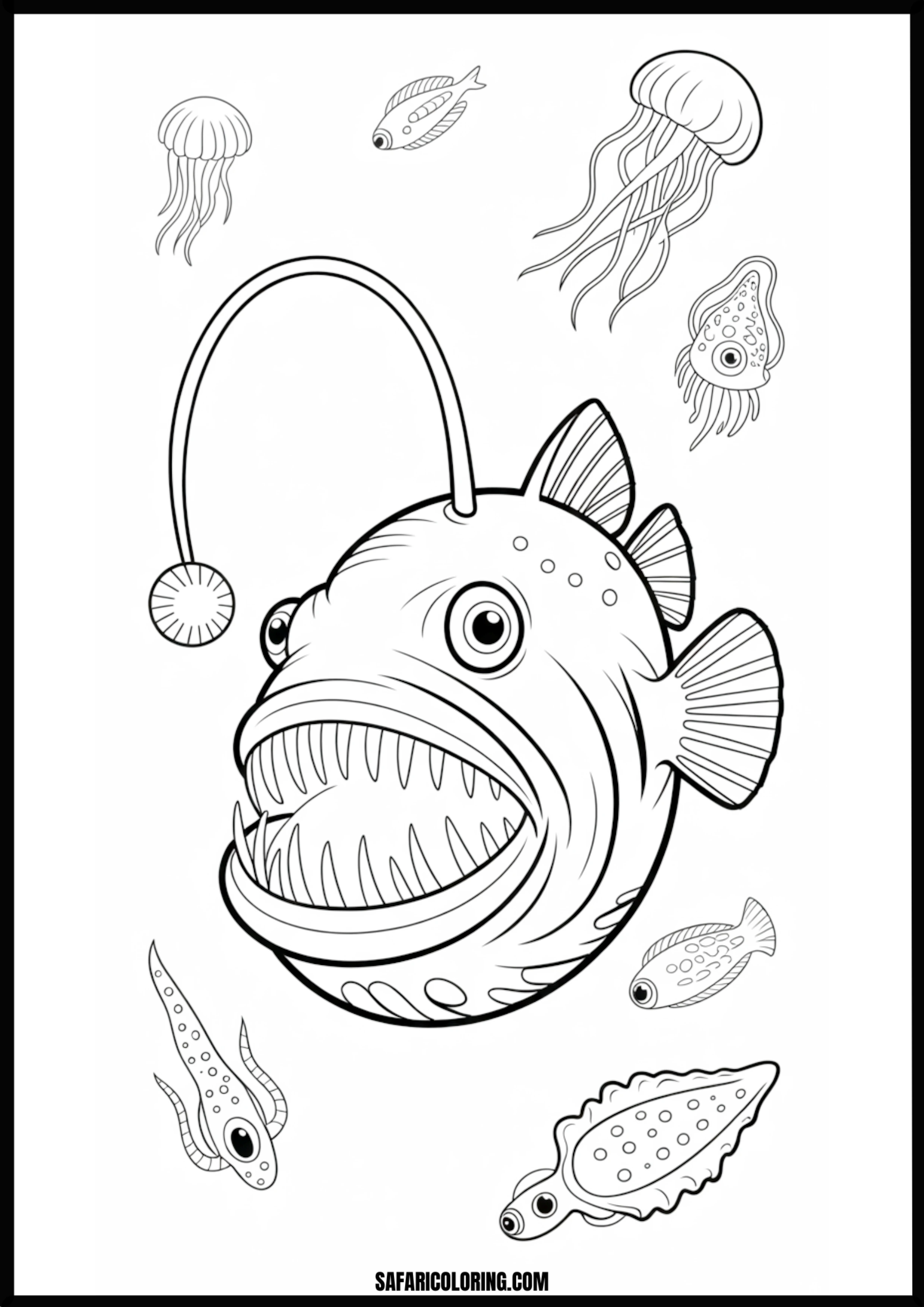
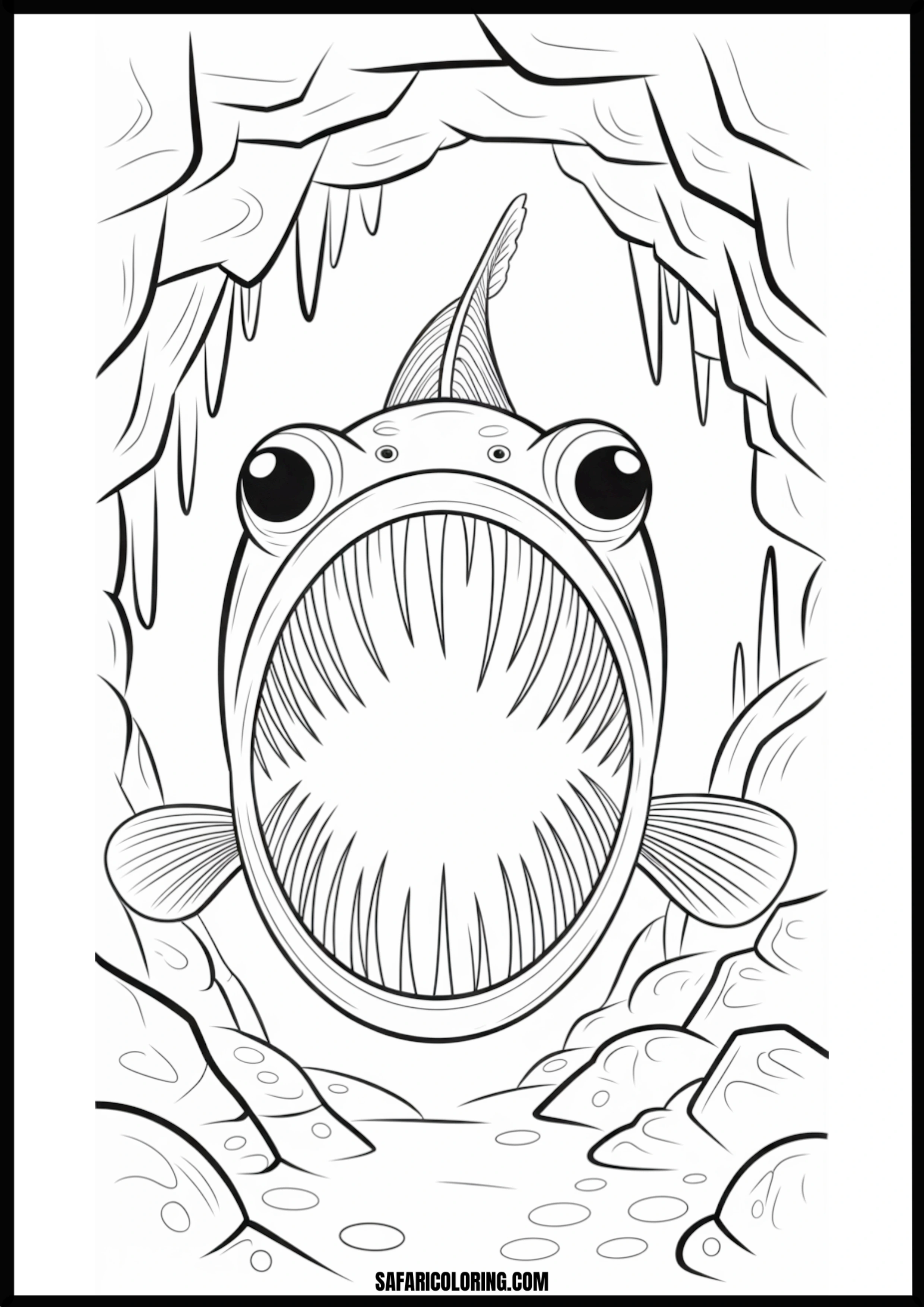
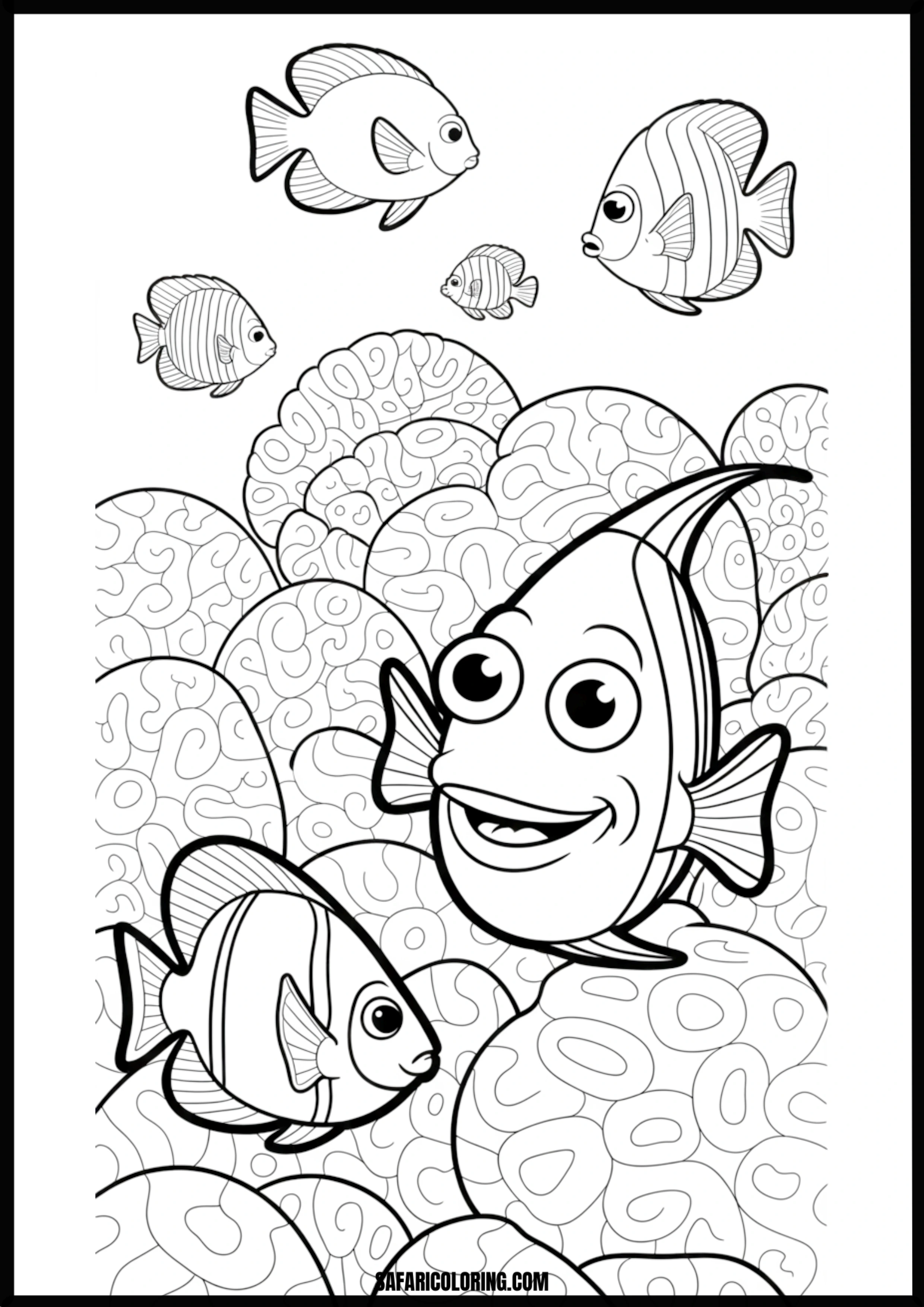
Realistic fish coloring pages showcase detailed species like clownfish, angelfish, seahorses, and tropical varieties. These work beautifully for children ages 6 and up who can handle intricate patterns and scales. I’ve found that kids this age love learning the actual names of different fish species—suddenly they’re marine biology experts!
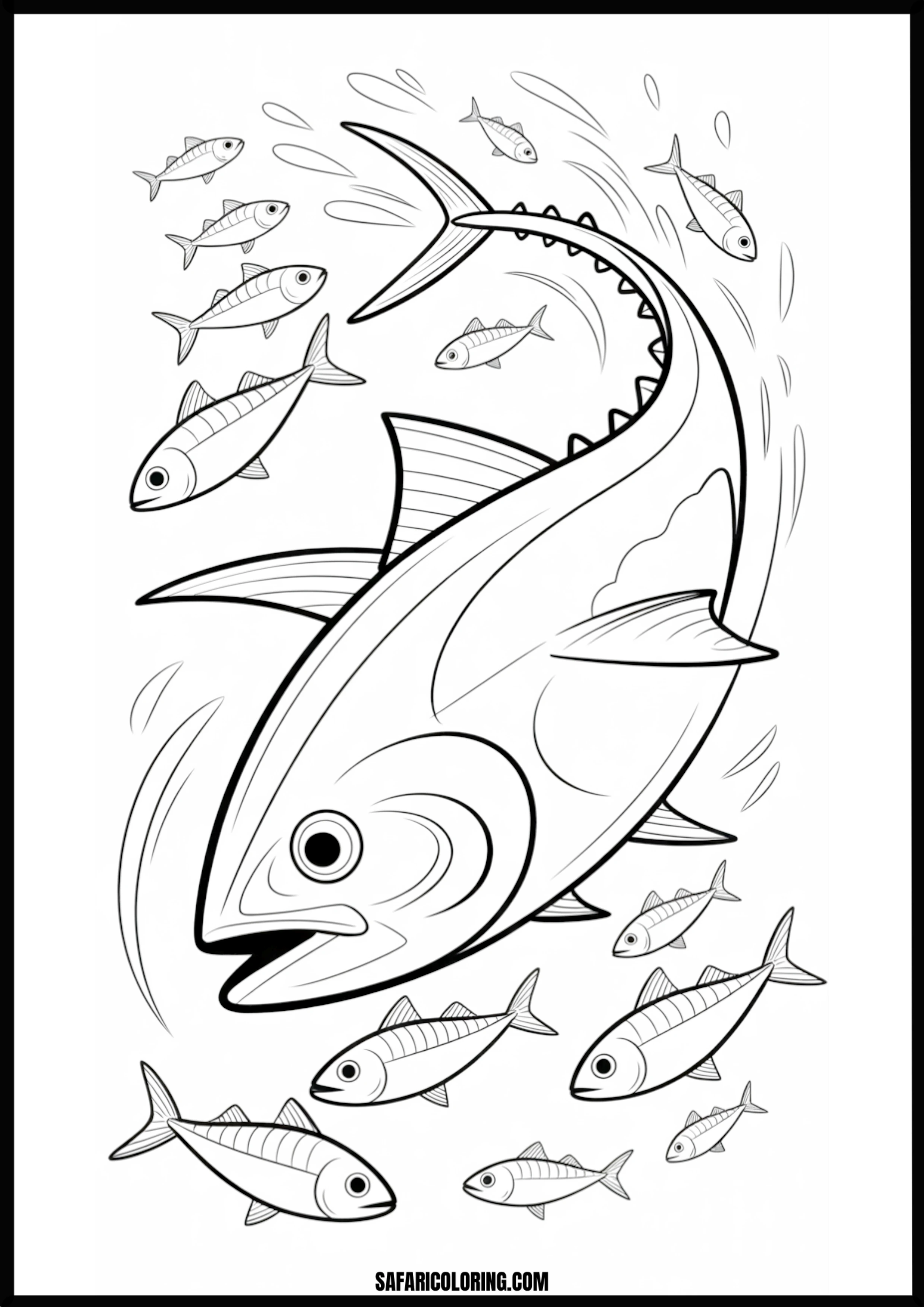
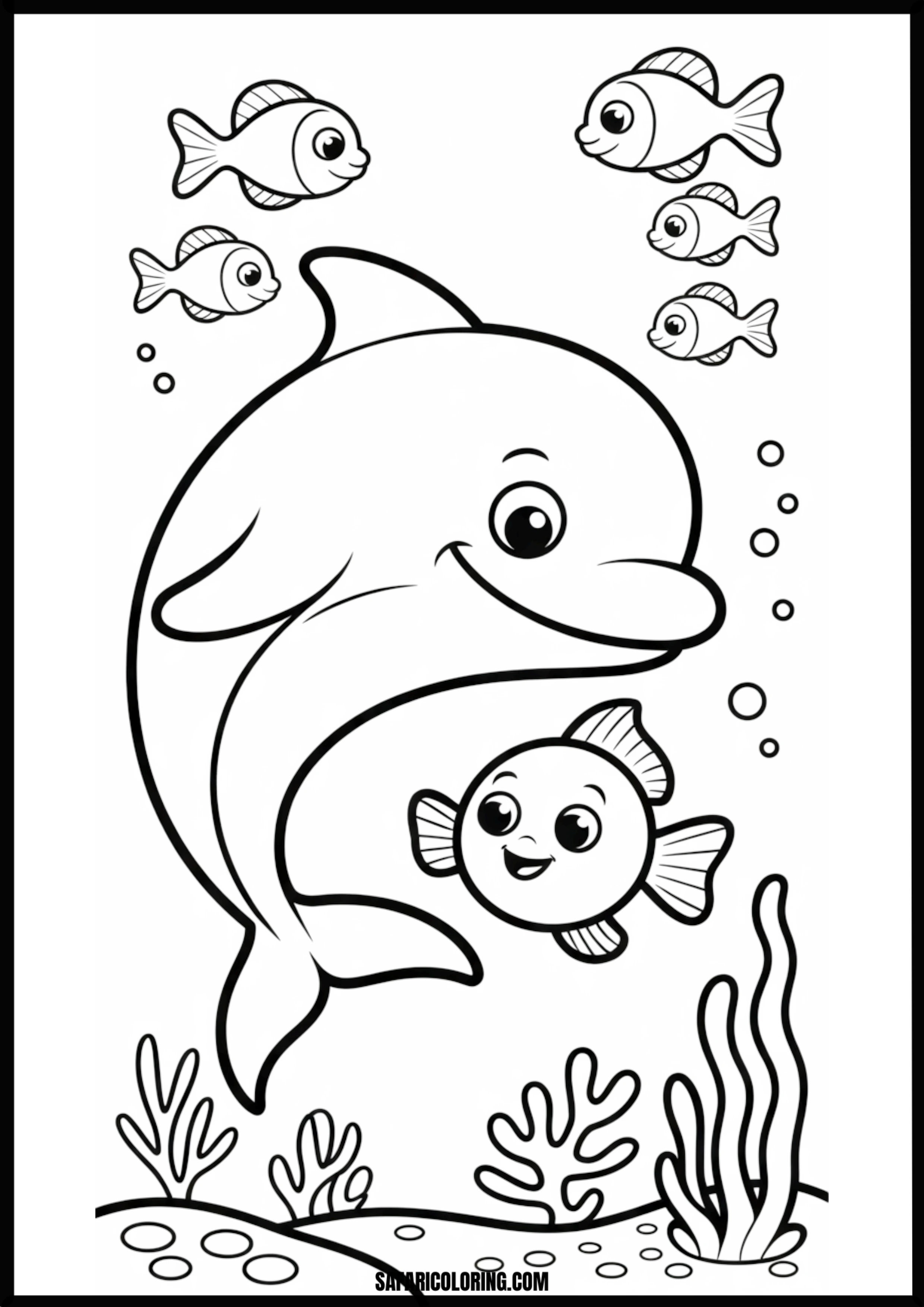
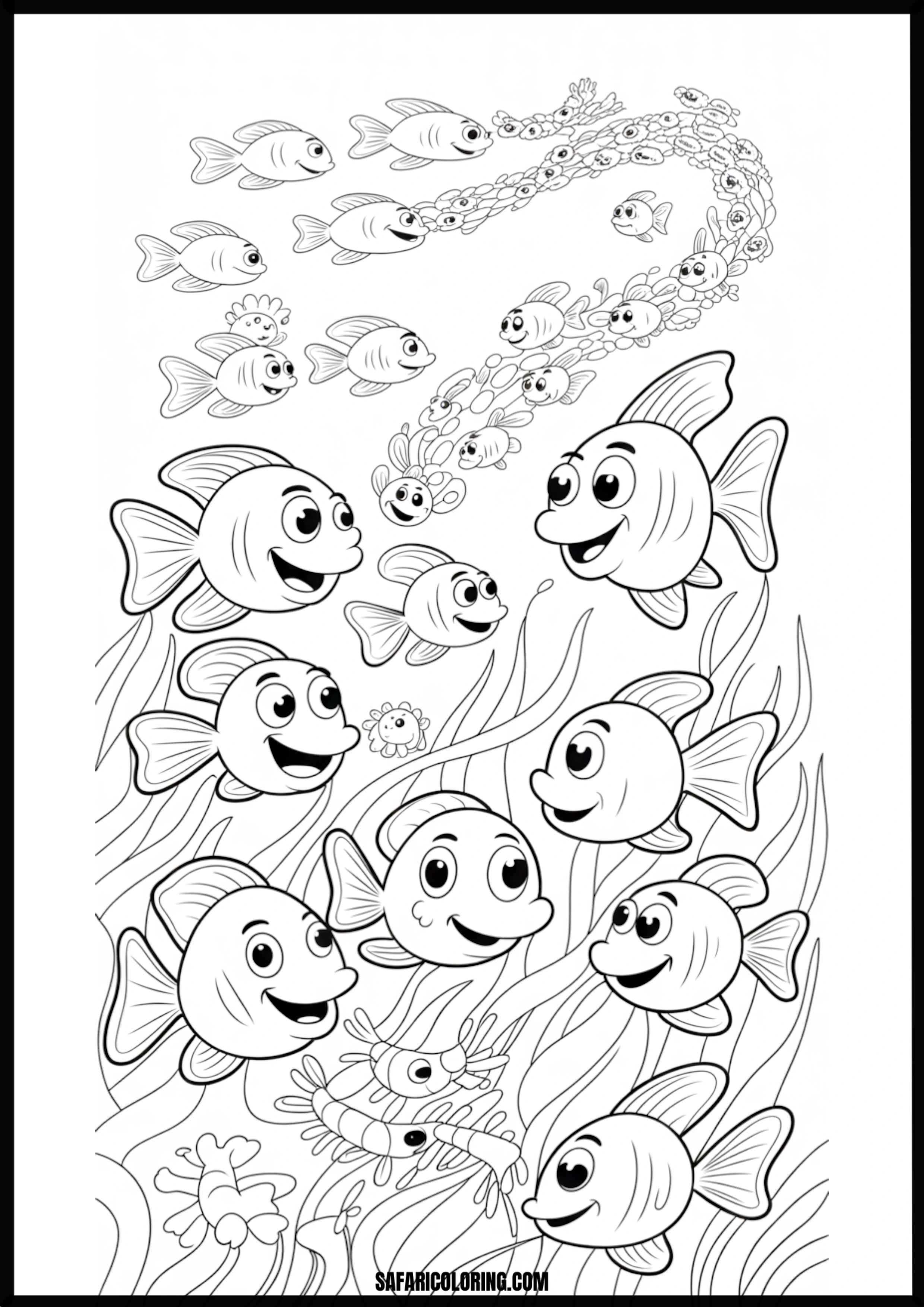
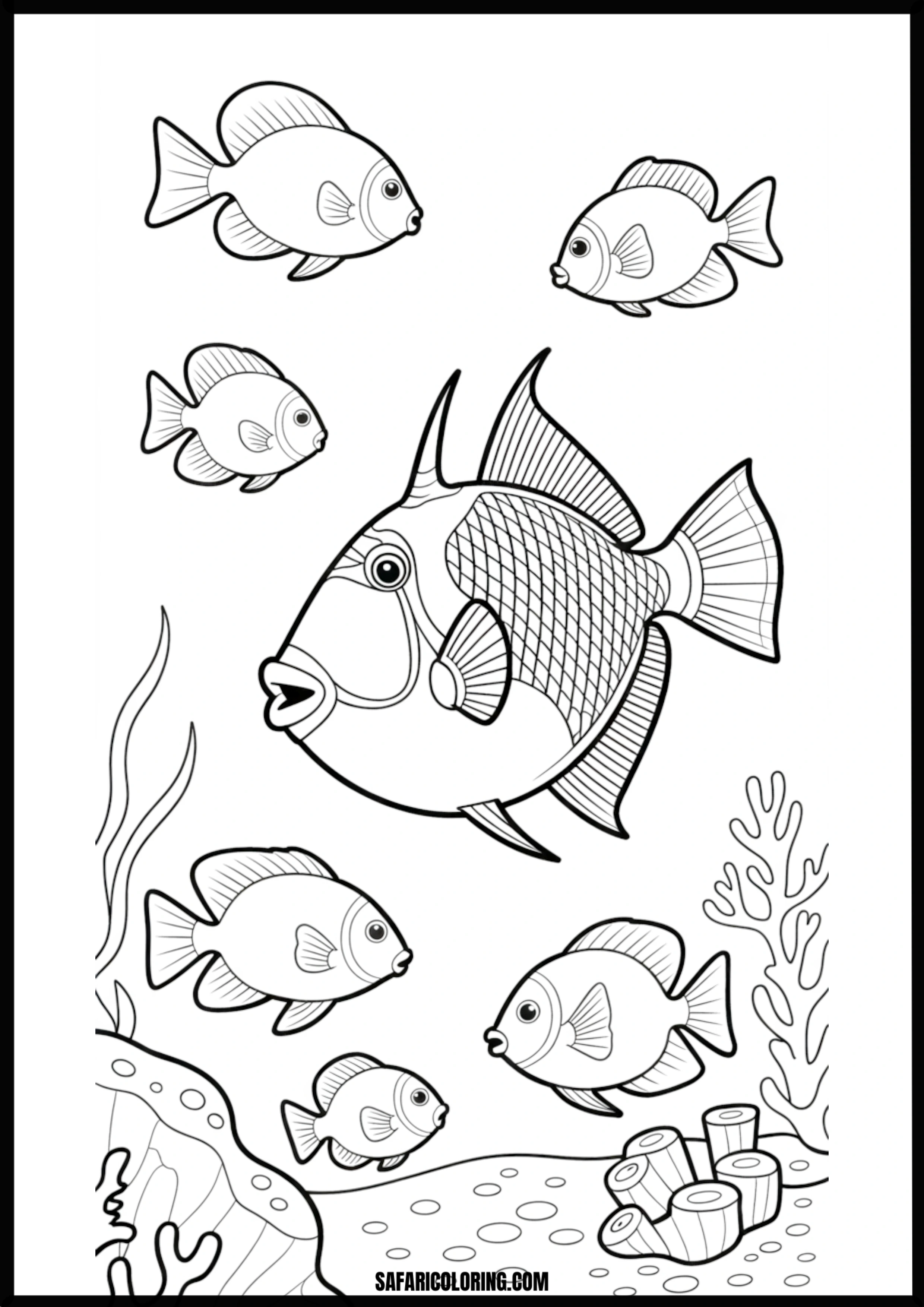
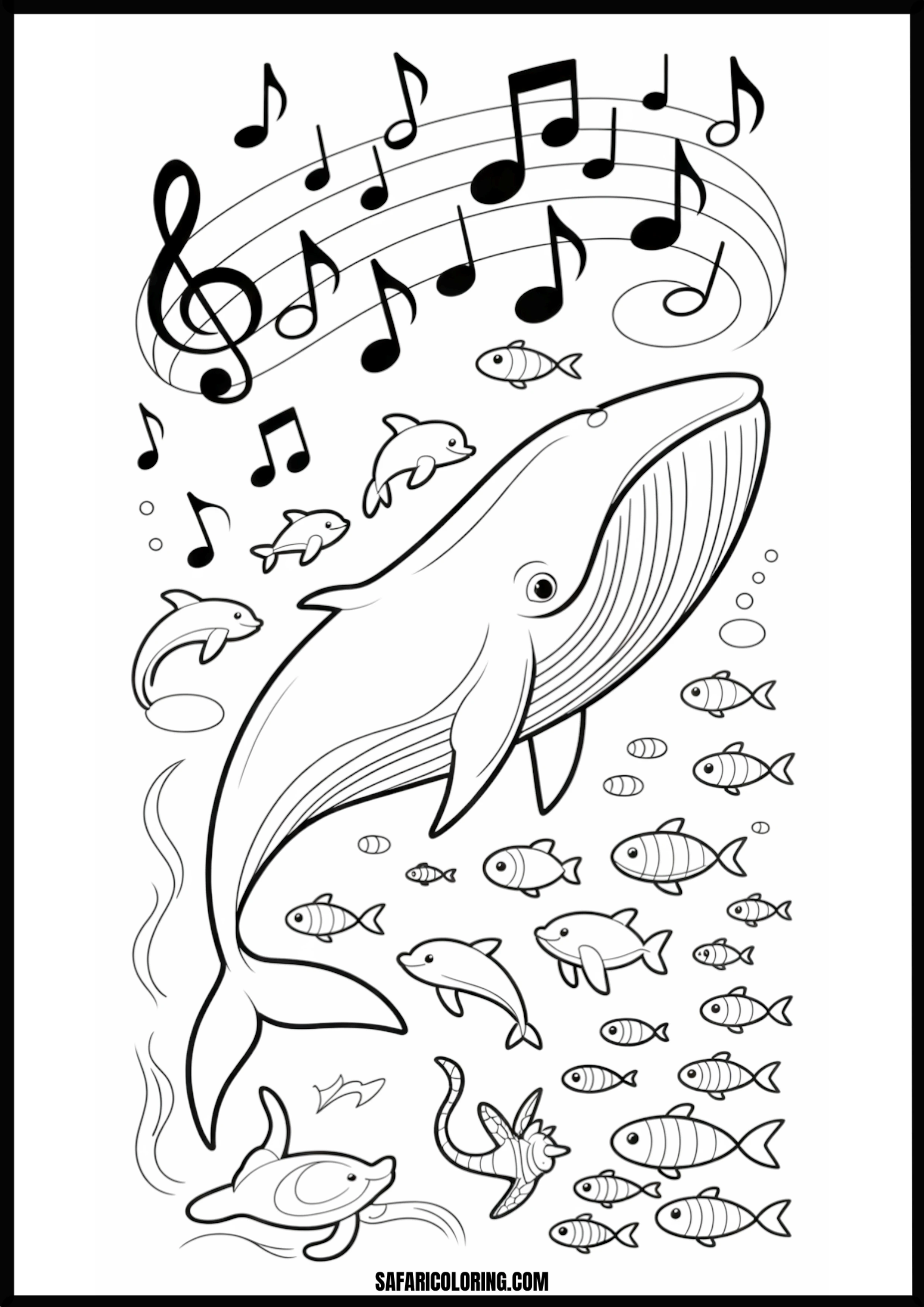
Ocean scene fish coloring pages combine multiple fish with coral reefs, seaweed, and underwater landscapes. These are fantastic for children ages 5-10 who enjoy creating complete environments. Here’s how to make these even more engaging: encourage your child to add bubbles, treasure chests, or friendly sea turtles to personalize their underwater world.
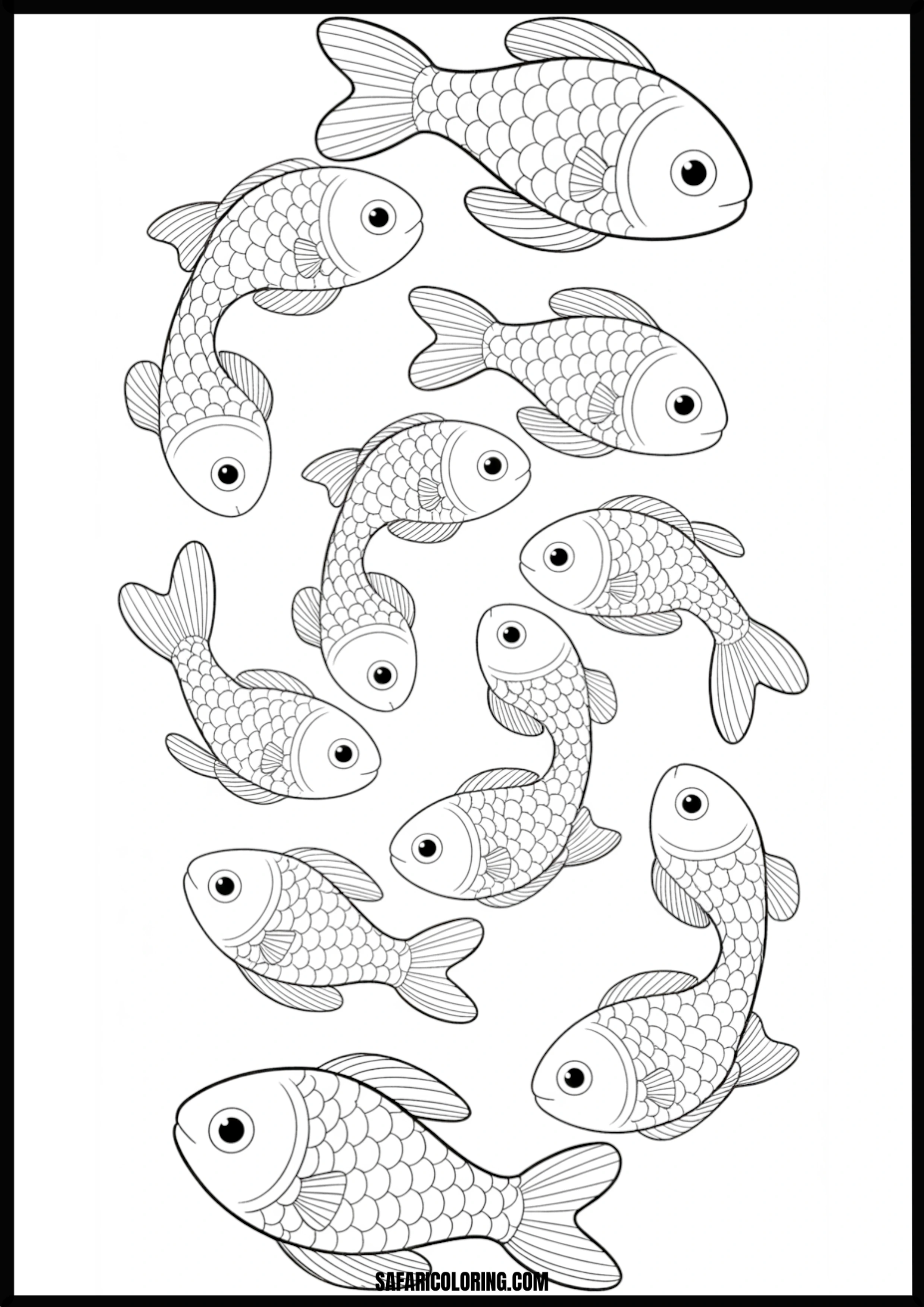
Simple line art vs. patterned designs: Some fish coloring sheets feature scales, fins, and textures that add complexity. Older children and teens particularly enjoy these challenge pieces that allow for shading techniques and color blending.
Free printable fish coloring pages by age and skill level
Choosing age-appropriate fish coloring pages for kids makes all the difference in keeping children engaged and building their confidence.
Ages 2-4: First fish coloring adventures
Fish coloring pages for preschool should feature thick outlines and large spaces. Look for smiling cartoon fish, goldfish, or simplified tropical fish. At this age, don’t worry about staying inside the lines—it’s all about exploration! I’ve watched countless three-year-olds proudly create purple fish with green spots, and their creativity is always perfect.
Ages 4-6: Building coloring confidence
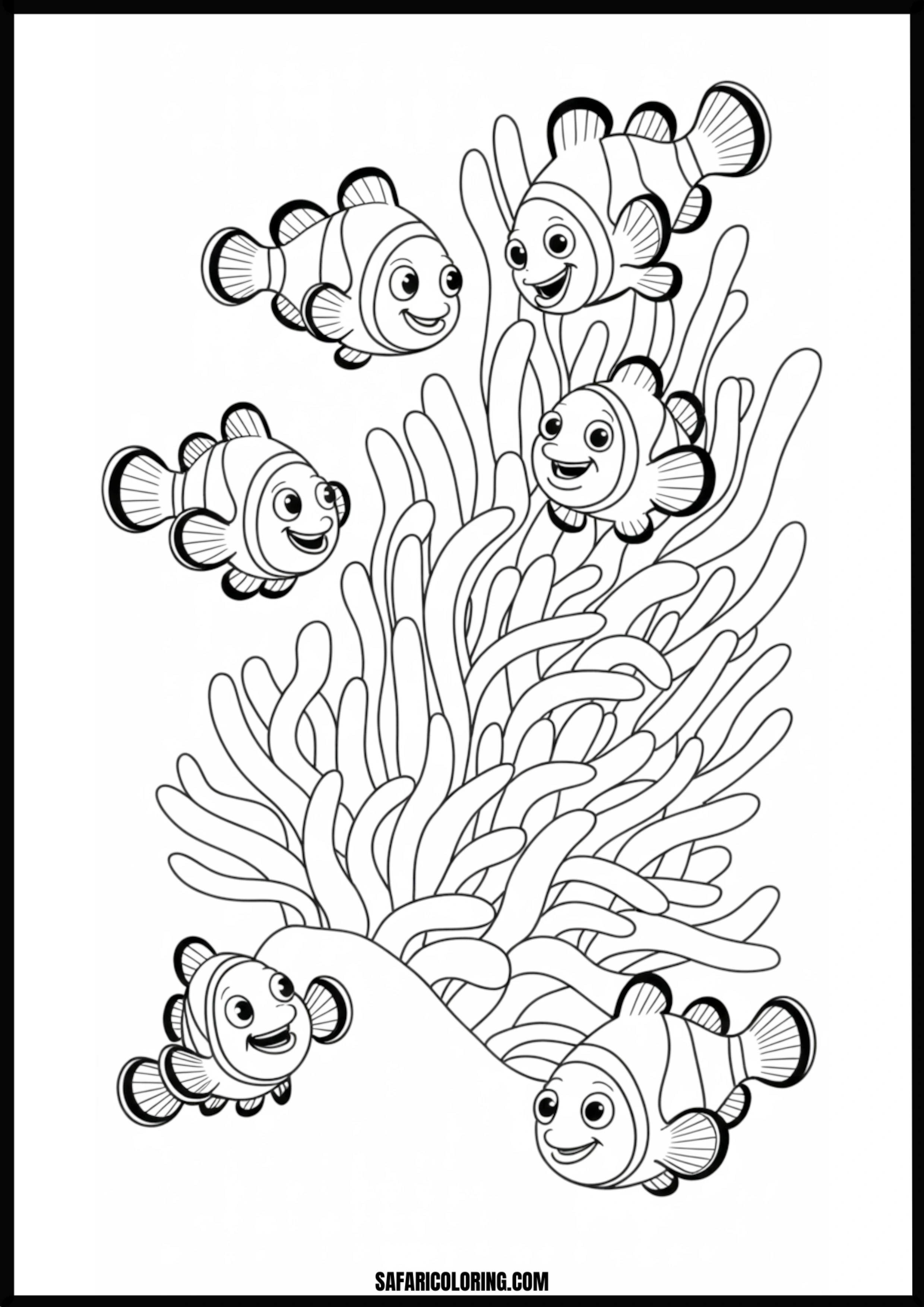
Children this age can handle moderate detail. Try fish coloring pages that include basic scales, fins, and simple underwater elements like seaweed or rocks. Clownfish designs work wonderfully because kids love recognizing “Nemo” while learning about anemones. Here’s how to keep kindergarteners engaged: turn coloring into a game by asking them to count the fish or find hidden elements.
Ages 6-12: Mastering marine details
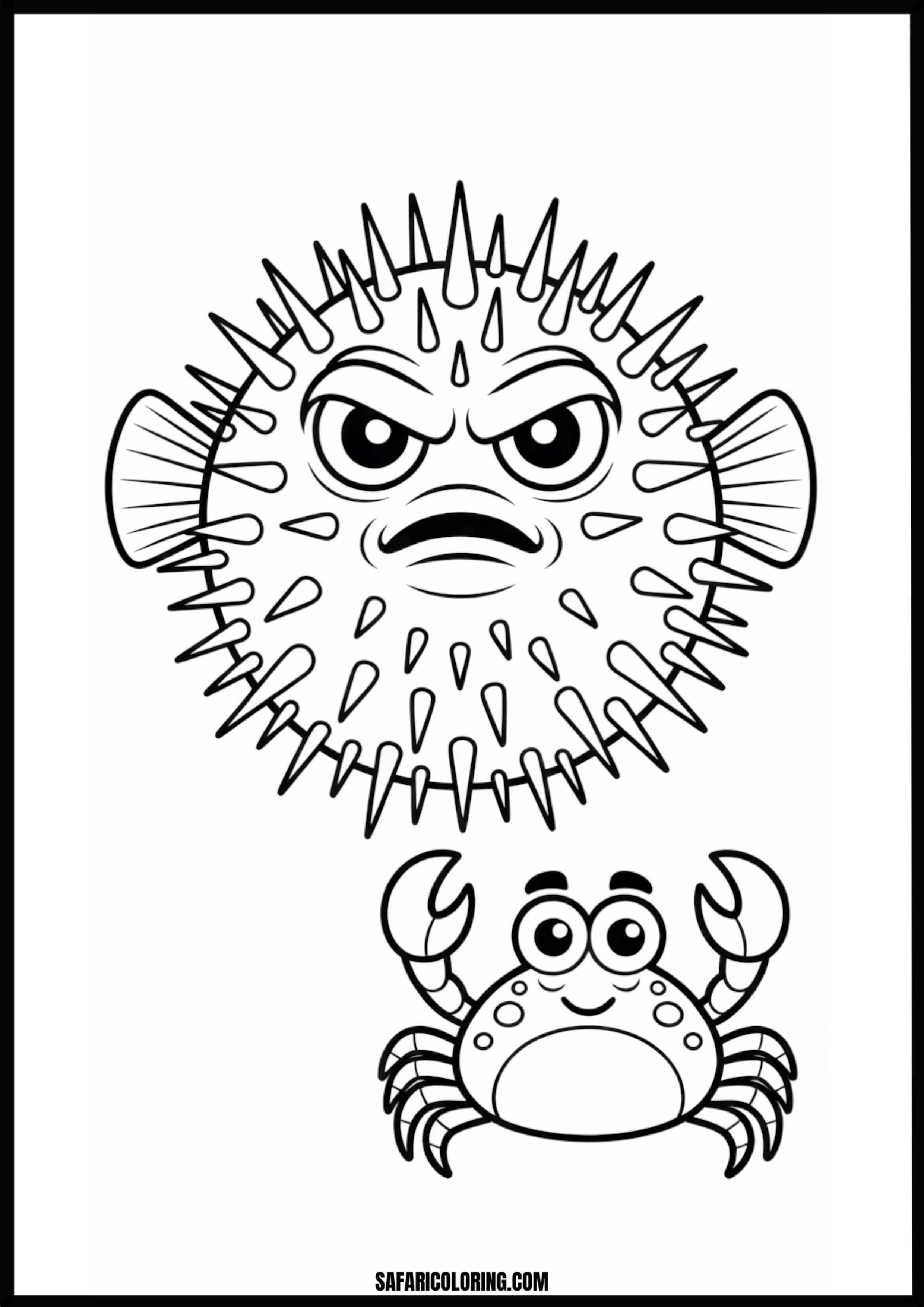
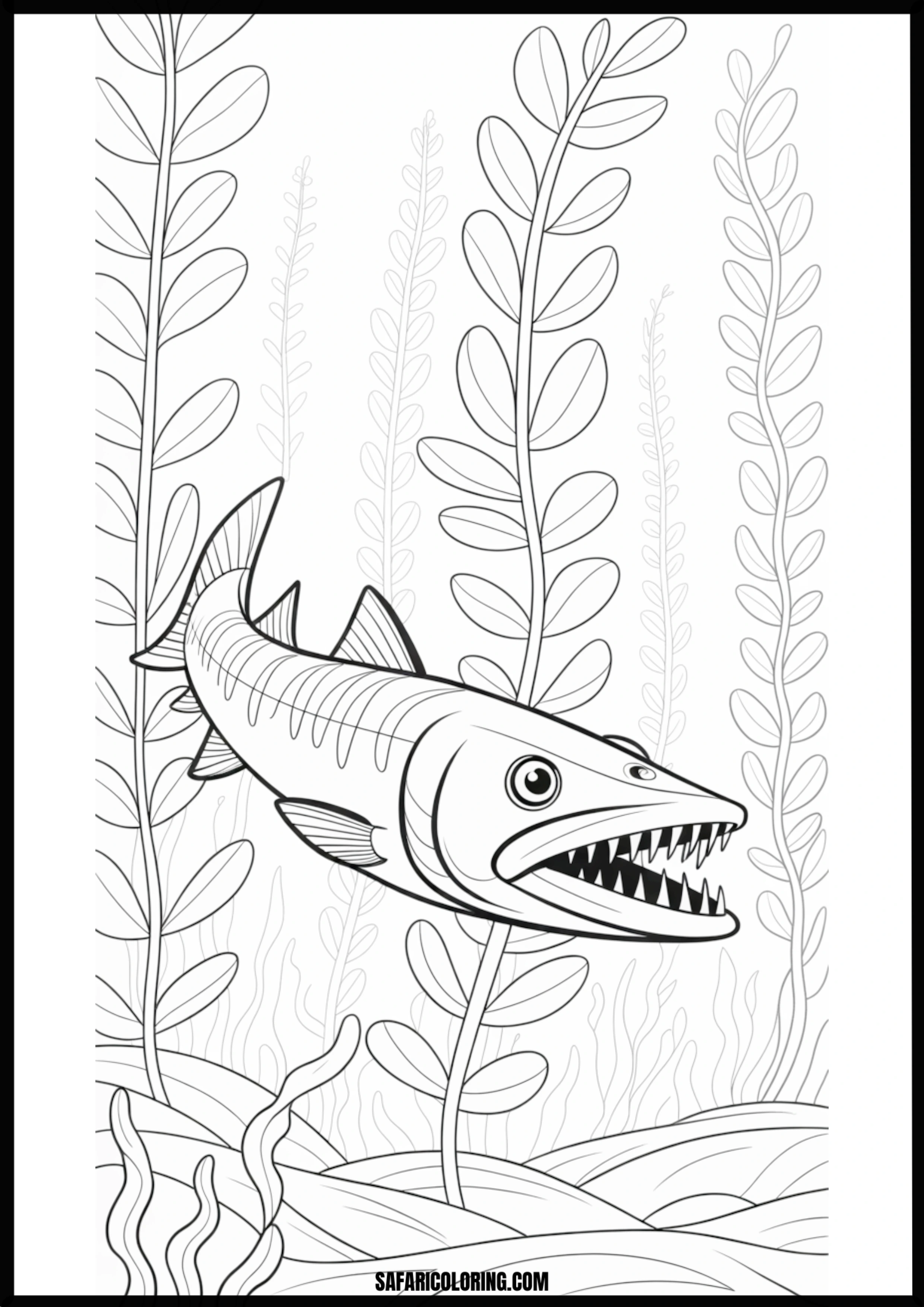
Older elementary students thrive with realistic fish coloring pages featuring species like lionfish, pufferfish, seahorses, and bass. These designs allow practice with shading, color mixing, and creating depth. Try this technique: suggest coloring scales individually to create a textured, dimensional effect. Kids this age also enjoy researching actual fish colors online to make their coloring scientifically accurate!
Teens and adults: Intricate ocean artistry
Don’t overlook the therapeutic benefits of detailed fish coloring sheets for older audiences. Complex mandala-style fish, anatomically detailed species, and underwater scenes with multiple elements provide relaxing creative outlets. These pages work perfectly for art class projects or mindful coloring practice.
Creative coloring tips and techniques for fish designs
Want to take your fish coloring pages from good to spectacular? These tried-and-tested techniques make all the difference.
Color layering creates depth: Start with a light base color, then add darker shades along the edges of your fish. For example, begin with light blue for a dolphin fish’s body, then add darker blue or purple along the top and bottom. This technique, which I teach in my art classes, instantly makes fish look three-dimensional.
Materials matter: Crayons work best for young children because they’re easy to grip and hard to break. Markers create bold, vibrant colors perfect for tropical fish but can bleed through paper—always put scrap paper underneath! Colored pencils allow the most control for detailed realistic fish coloring pages and enable beautiful shading effects.
Try this for shimmering scales: Use metallic crayons or gel pens to add highlights to your fish. A quick silver or gold streak down the center makes your fish look like it’s glistening underwater! Kids absolutely love this effect.
Background techniques: Don’t forget the water! Light blue colored pencil applied in circular motions creates a water effect. Add white crayon swirls for bubbles—this is always a hit with kids ages 5-8.
Real fish colors for inspiration: Clownfish are orange with white stripes bordered by black. Tropical fish come in every color imaginable—electric blue, bright yellow, hot pink, and neon green. Seahorses camouflage, so they might be coral pink, bright yellow, or ocean grey. Research actual species for authentic coloring!
Educational benefits and fun fish facts to share while coloring
Transform your fish coloring pages into learning opportunities with these fascinating facts that kids love.
Marine biology basics: Fish are cold-blooded, meaning their body temperature matches their environment. Most fish have scales for protection, but not all—sharks have skin more like sandpaper! While coloring, you can teach children that fish use gills to breathe underwater instead of lungs like humans.
Species-specific fun facts:
- Clownfish can recognize individual humans! That’s right—your child’s favorite “Nemo” might actually remember their face at an aquarium.
- Pufferfish inflate when scared, but it’s exhausting for them—they can only do it a limited number of times in their life.
- Seahorses are terrible swimmers and often hold onto coral with their tails to rest.
- Some fish sleep with their eyes open because they don’t have eyelids!
For children ages 4-8, these facts create perfect conversation starters. In my experience, kids retain information much better when they’re engaged in a hands-on activity like coloring. Suddenly they’re ocean experts sharing facts with their friends!
Conservation connections: Use fish coloring pages to discuss ocean pollution and why keeping our waters clean matters. Even young children can understand that fish need clean homes just like we do. This plants important environmental awareness early.
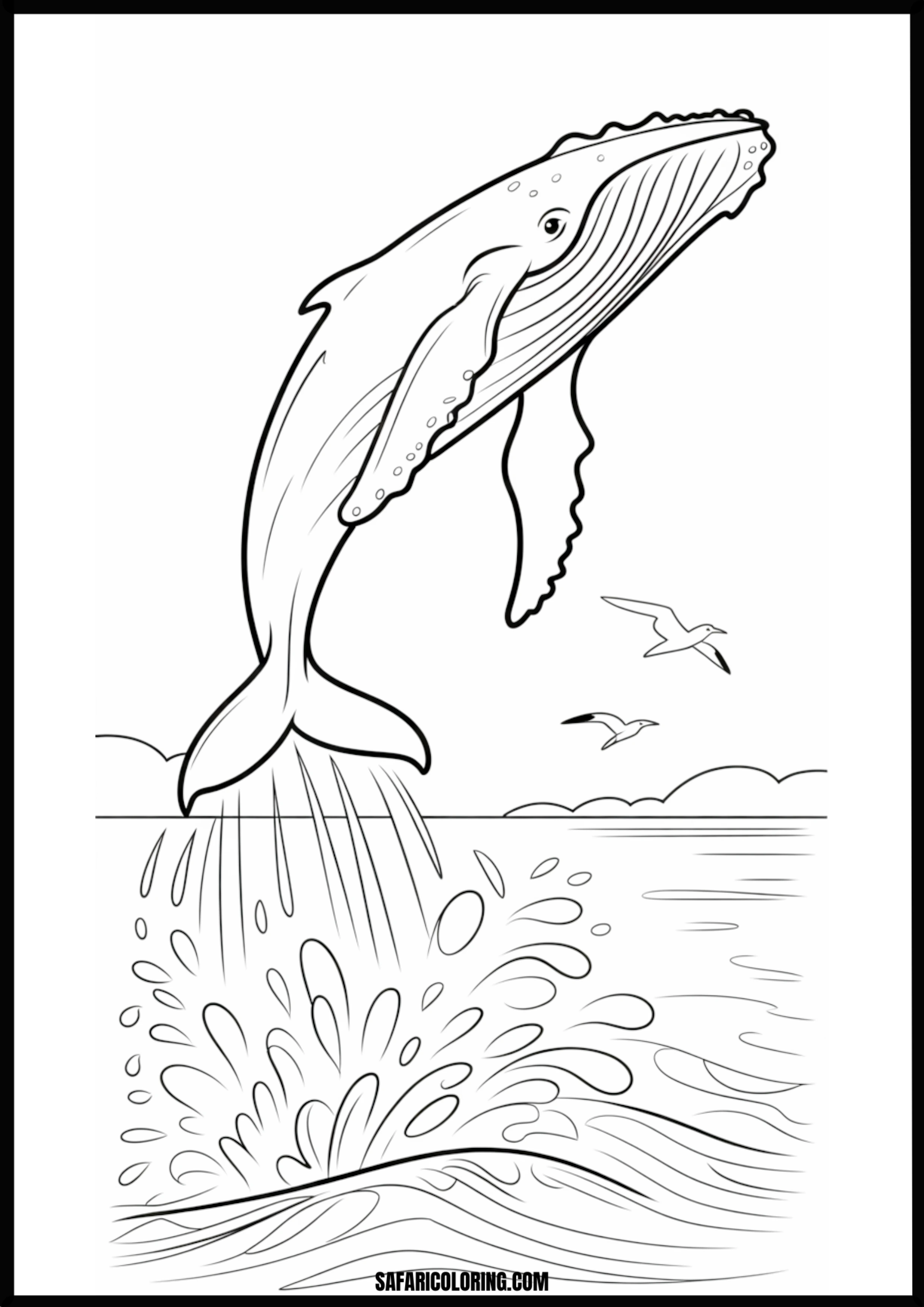
Want to extend learning beyond coloring? Check out our whale coloring pages to explore more amazing ocean creatures!
Practical ways to use fish coloring pages at home and school
Fish coloring sheets work for so many situations beyond basic coloring time.
Rainy day activities: Picture this—it’s a grey Saturday afternoon, and your kids are bouncing off the walls. Pull out a stack of free printable fish coloring pages, spread them across the kitchen table with a fresh box of crayons, and watch as chaos transforms into focused creativity. I’ve used this strategy countless times with my own children!
Classroom applications: Teachers love fish coloring pages for preschool and elementary classrooms during ocean unit studies. Here’s how to maximize educational value: pair coloring with read-alouds about ocean life, create a classroom aquarium bulletin board, or use finished pages for fish-themed counting and sorting activities.
Travel entertainment: Download fish coloring pages before road trips or flights. They pack flat, don’t require wifi, and keep kids occupied for hours. Keep a special travel art kit with colored pencils that won’t melt like crayons.
Creative projects beyond basic coloring:
- Cut out colored fish to create a mobile hanging from a coat hanger
- Glue finished fish onto blue construction paper for an instant aquarium scene
- Laminate colored pages to make placemats or bookmarks
- Create DIY puzzles by gluing completed pages to cardboard before cutting into pieces
Party activities: Fish coloring pages work wonderfully for ocean-themed birthday parties or as a calm activity before cake time when kids need to settle down.
Where to find and download fish coloring pages today
Ready to dive into underwater creativity? Here’s how to get your free printable fish coloring pages immediately.
Most websites offer fish coloring pages as downloadable PDFs that you can print at home on standard letter-size paper. Simply click, download, and print as many copies as you need! This is perfect for classrooms where you might need 20+ copies of the same design.
Look for collections that offer variety—some cute cartoon fish for younger children, plus realistic fish coloring pages for older kids who want a challenge. The best collections include multiple species: clownfish, goldfish, tropical fish, seahorses, and even sharks or dolphins.
Pro tip: Print fish coloring sheets on heavier cardstock if you plan to use markers. Regular printer paper works fine for crayons and colored pencils but can buckle with wet media.
Many free resources offer 20-50 different designs, giving you plenty of options to keep kids engaged over time. Rotate designs rather than offering all at once—this keeps the activity feeling fresh and special.
Start your underwater coloring adventure today
Fish coloring pages combine education, creativity, and fun in one simple activity that kids genuinely love. Whether you’re a parent looking for quality screen-free time, a teacher planning an ocean unit, or someone who simply appreciates the calming art of coloring, these printable pages deliver endless possibilities.
From easy designs perfect for preschoolers to intricate realistic fish coloring pages that challenge older artists, there’s something for everyone in the underwater world. Download fish coloring pages today and watch your child’s creativity swim to new depths! Don’t forget to share your finished masterpieces—I’d love to see the colorful fish swimming out of your imagination. What’s your favorite fish to color? Leave a comment below!