We offer a wide collection of free, high-quality printable coloring pages for kids and adults. From cute animals to intricate mandalas, our designs bring creativity and relaxation to everyone. Download, print, and start coloring today!

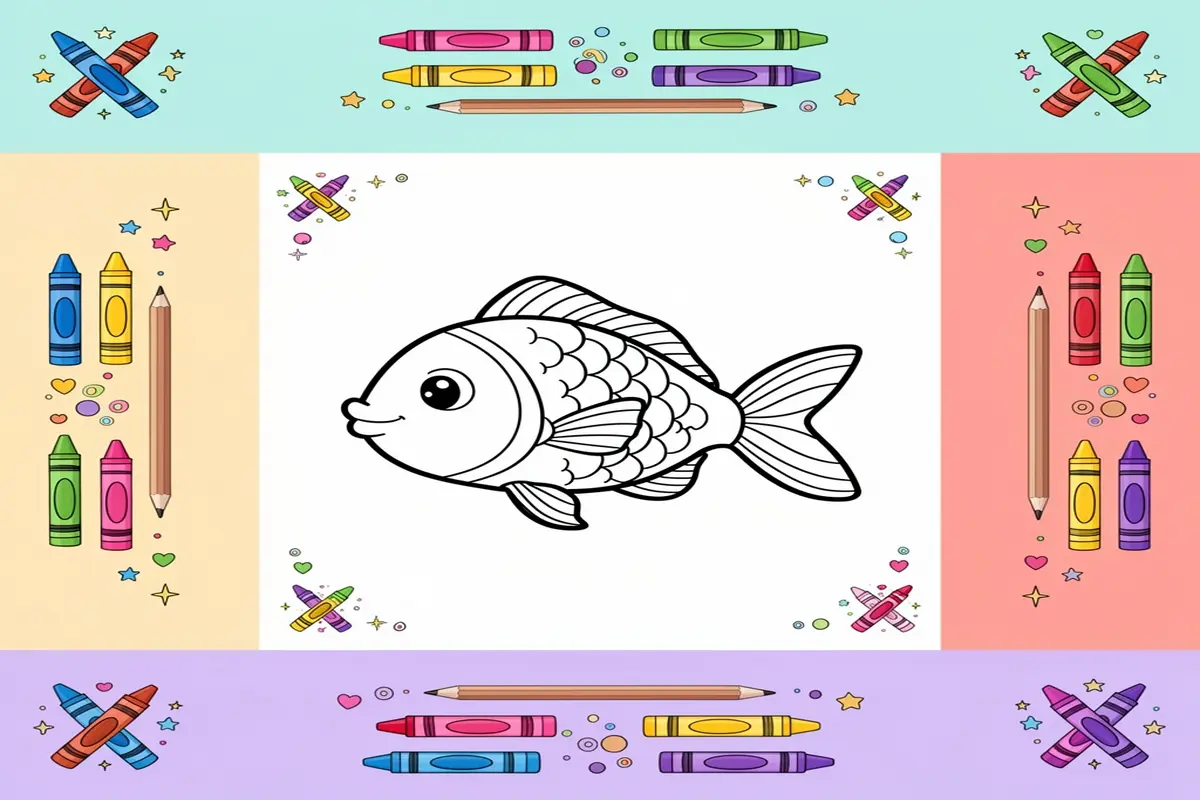
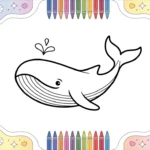
In a world saturated with digital screens, the simple, tactile joy of coloring offers a precious sanctuary for young minds. It’s more than just an activity; it’s a portal to imagination, a lesson in focus, and a canvas for emotional expression. When that canvas features the enchanting, fluid forms of the ocean’s inhabitants, the magic is undeniable. fish coloring pages for kids unlock a submerged world of creativity, inviting children to explore vibrant coral reefs, mysterious deep-sea creatures, and the graceful dance of aquatic life with nothing but a set of crayons. This journey is not merely about staying within the lines—it’s about embarking on an artistic adventure that builds fine motor skills, teaches color theory, and instills a sense of calm. From the friendly clownfish to the majestic whale, each page is a new opportunity for discovery. For a wonderful expansion into larger marine life, be sure to explore our collection of free whale coloring pages to complement your aquatic exploration.
The Psychology & Universal Appeal: More Than Just a Hobby
Why do fish coloring pages for kids hold such a timeless and cross-cultural appeal? The answer lies at the intersection of art, psychology, and developmental science. This activity is a foundational tool for growth, disguised as pure, unadulterated fun.
The Calming Current: Mindfulness in Every Stroke
The very act of coloring induces a meditative state. The repetitive motion, the required concentration on a simple task, and the sensory feedback from pencil on paper help quiet the mind’s chatter. For children navigating big emotions or sensory overload, focusing on the scales of a koi fish or the flowing tentacles of a jellyfish provides a gentle anchor. It’s a form of mindfulness that teaches self-regulation and patience, offering a peaceful retreat from a busy day.
A Dive Through History: Art as a Timeless Language
While modern fish coloring pages for kids are a staple of childhood, the impulse to depict and color aquatic life is ancient. From prehistoric cave paintings to the intricate fish motifs in Asian and Indigenous art, humans have long been captivated by these creatures. Coloring pages continue this tradition, serving as a child’s first foray into biological illustration and artistic interpretation. They connect young artists to a lineage of naturalists and creators who have always looked to the sea for inspiration.
Designed for Every Young Explorer: Inclusivity in Creativity
The beauty of this medium is its inherent accessibility. Whether a toddler is making bold, joyful scribbles or a pre-teen is practicing sophisticated shading techniques, there is a fish coloring page to meet them at their skill level. Simple, cartoonish outlines build confidence in younger children, while more detailed, realistic illustrations of species like the leatherback sea turtle challenge and engage older kids. This scalable complexity ensures that every child can experience the pride of creation, making fish coloring pages for kids a universally beneficial resource for parents and educators alike.
Professional Materials & Preparation for fish coloring pages for kids: Your Complete Toolkit
Before your young artist dives into the vibrant underwater world, proper preparation is key. Having the right materials on hand transforms a simple activity into a rich, educational, and deeply satisfying creative session. This guide outlines the professional-grade supplies and setup we recommend for getting the most out of your fish coloring pages for kids, ensuring every scale and fin is colored with ease and joy.
The Foundation: Selecting Premium Paper for fish coloring pages for kids
The paper you choose is the single most important factor in the coloring experience. Standard printer paper (20-24 lb) is prone to bleeding and warping. For superior results, opt for a bright white, smooth cardstock (65-80 lb text weight or 110-130 lb index). This heavier GSM (grams per square meter) paper provides a sturdy surface that prevents bleed-through from markers, allows for smooth blending with pencils, and can withstand gentle erasing. When printing your fish coloring pages for kids on quality cardstock, intricate details like the patterns on a leatherback sea turtle coloring pages or the delicate fins of a tropical fish become much easier for children to color within the lines.
Best Coloring Tools: A Detailed Medium Comparison
The choice between coloring mediums depends on the desired outcome and the child’s skill level.
Colored Pencils: Ideal for control and detail work. Look for soft-core pencils (e.g., Prismacolor Premier, Faber-Castell) with high pigment levels for vibrant, blendable layers. They are perfect for teaching shading techniques on the rounded bodies of fish or creating textured ocean floors. They are also mess-free and excellent for developing fine motor skills.
Markers: Provide bold, saturated color that brings fish coloring pages for kids to life with a painterly effect. For children, alcohol-based markers (like Copic or Ohuhu) are less recommended due to cost and strong bleed. Instead, choose high-quality water-based markers (e.g., Crayola Super Tips, Tombow Dual Brush Pens) that are washable and offer a wide range of colors. Use them on the recommended cardstock to minimize bleeding.
Finishing Touches: Gel Pens, Highlights, and Erasers
Elevate the artwork with specialized tools for details and corrections.
Gel Pens & Metallic Markers: White and silver gel pens are invaluable for adding tiny bubbles, light reflections on wet scales, and highlights in a fish’s eye. Metallic pens can create stunning, shimmering effects for special tropical fish.
A Quality Eraser: A soft, kneaded eraser is essential for pencil artists. It can lift pigment without damaging the paper surface, allowing children to correct mistakes or lighten areas for highlights cleanly.
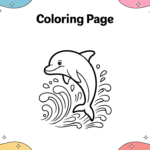
Blending Tools: For pencils, paper blending stumps or a colorless blender pencil can smooth gradients, perfect for creating the seamless color transitions seen on dolphin coloring pages.
Perfect Workspace: Optimizing Lighting and Ergonomics
A well-prepared environment prevents fatigue and fosters focus.
Lighting: Ensure the workspace is flooded with natural light or use a bright, white LED desk lamp to reduce eye strain and allow for accurate color perception. Shadows on the page make detailed coloring difficult.
Surface & Posture: Provide a hard, flat surface like a table or desk. For younger children, ensure their feet are supported and the table height allows forearms to rest comfortably. A slanted drawing board can further improve posture and provide a better view of the page.
Organization: Use cups or trays to organize tools by type and color. This not only keeps the area tidy but also helps children learn color names and make efficient choices, keeping the creative flow uninterrupted as they bring their aquatic scenes to life.
Mastering fish coloring pages for kids: Advanced Techniques for Stunning Results
Unlock the full potential of fish coloring pages for kids by moving beyond simple fill-ins. These advanced techniques will help your young artists transform flat outlines into vibrant, dynamic underwater scenes, building both skill and confidence. For a foundational collection of pages to practice on, explore our extensive fish coloring pages library.
Harmonious Palettes: Color Theory for fish coloring pages for kids
Understanding basic color relationships can make any artwork pop. For an underwater scene, try these approaches:
Complementary Colors: Use opposites on the color wheel to create striking contrast. A bright orange clownfish against deep blue water or a purple jellyfish on a yellow-green background makes the subject leap off the page.
Analogous Colors: For a more serene and realistic look, use colors next to each other on the wheel. Blend different shades of blue and green for a peaceful ocean backdrop, or use various reds, oranges, and yellows for a vibrant coral reef. This technique is also perfect for creating beautiful gradients on creatures like dolphins, which you can practice with our free dolphin coloring pages.
From Flat to 3D: Shading for Depth and Dimension
Shading is the magic that turns a circle into a sphere and a fish into a creature with volume.
1. Choose a Light Source: Decide where the “sun” is in your picture (e.g., top left). Every shadow will be cast opposite this point.
2. Basic Gradient: On a fish’s body, press harder with your crayon or pencil near its back and lighter towards its belly. Use long, smooth strokes following the body’s contour.
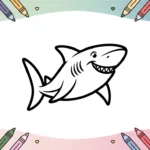
3. Cast Shadows: Add a soft, dark patch on the ocean floor directly underneath your fish or shark to “ground” it in the scene. This simple step adds immense realism.
Adding Realism: Texture Methods for Underwater Worlds
Different textures bring your scene to life. Here’s how to render them:
Scaly Skin: For fish like koi or bass, create a pattern of overlapping half-circles or “U” shapes with a darker color, then lightly shade over them with a base color.
Smooth & Sleek: For dolphins, whales, or sharks, use the smoothest, longest strokes possible with your coloring tool. Avoid scribbling; keep strokes going in one direction to mimic a wet, glossy surface.
Bumpy & Rough: For coral, rocks, or a lobster’s shell, use small, tight circular motions or tiny dots with your pencil tip. Layer a lighter color over a darker one to create a rough, complex texture. Try this method on our detailed lobster coloring pages free printable.
The Art of Correction: Gracefully Fixing Coloring Errors
Mistakes are part of the process! Here’s how to manage them:
Stay Inside the Lines: If you color outside, don’t panic. Use a white gel pen or a very sharp white colored pencil to carefully redefine the line. For smaller slips, a gentle eraser can work.
Color Bleed-Through: Place a spare sheet of paper underneath the page to prevent markers from ruining the next design.
“Happy Accidents”: A color that went on too dark can become a shadow. An unexpected scribble might turn into a piece of seaweed or a bubble. Encourage creative problem-solving—often the best artistic discoveries come from “fixing” a mistake.
Showcasing Your Fish Coloring Pages for Kids: Creative Display Ideas
The fun doesn’t end when the last scale is colored! Turning your child’s artwork into a display boosts their confidence and adds a personal touch to your home. Here are inspiring ways to celebrate their aquatic masterpieces.
Preserving Your Masterpiece: Archival Tips
Protect those colorful creations from fading and wear. For long-term storage, consider slipping pages into clear plastic sleeves in a binder, creating a personal art portfolio. To display, use acid-free tape or non-damaging putty on walls. For a more polished look, inexpensive clip frames or a simple clothesline with decorative clips strung across the room make a charming, rotating gallery of their best fish coloring pages for kids.
Beyond Display: Creative DIY Projects
Transform colored pages into gifts and keepsakes. Laminate a finished page and cut it into unique bookmarks. Adhere artwork to a plain greeting card or gift tag for a personal touch. For a larger project, create an “under the sea” mural by coloring and cutting out multiple sea creatures, including friendly octopus coloring pages, and arranging them on a blue wall. This turns a simple activity into lasting decor.
Your Fish Coloring Pages for Kids Questions Answered
How do you draw a simple fish for kids?
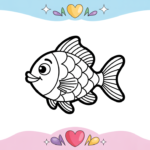
Start with a simple oval for the body. Add a triangle for the tail and a smaller triangle for the dorsal fin. Draw a circle for the eye and a curved line for the mouth. Finally, add a few lines on the fins and tail for detail. This basic shape is perfect for kids to color and customize, making it an ideal start for fish coloring pages for kids.
What are the benefits of coloring for child development?
Coloring enhances fine motor skills and hand-eye coordination as children learn to grip crayons and color within lines. It fosters creativity, color recognition, and focus. It’s also a calming activity that can help with emotional regulation and self-expression, providing a peaceful break in a busy day.
Where can I find free printable fish coloring pages?
You can find a wonderful variety of free, high-quality printable fish coloring pages for kids on dedicated educational and activity sites like Safari Coloring. These sites offer everything from simple outlines for toddlers to detailed scenes for older children, ensuring you find the perfect page for every skill level and interest.
How do you color a realistic fish?
Observe real fish photos! Use multiple shades of one color for depth—darker shades along the back, lighter on the belly. Layer colors lightly and blend. Add subtle dots, stripes, or scale patterns with a sharp pencil or fine-tip marker. Remember, realism is about observation and gradual building of color, not filling in solidly.
How do you teach a child to color inside the lines?
Start with large, simple shapes and broken crayons that promote a proper grip. Encourage them to slow down and use gentle, short strokes near the border. Practice tracing the line with a finger first. Most importantly, praise the effort, not perfection. The skill develops with time and practice, so keep it positive and fun.
Final Thoughts: Your Fish Coloring Pages for Kids Journey Begins
From the first crayon stroke to the proud display on your wall, the journey with fish coloring pages for kids is filled with more than just color. It’s a pathway to developing essential skills, sharing quiet, creative moments, and celebrating your child’s unique perspective. Each finished page is a testament to their growing abilities and a snapshot of their vibrant imagination. We hope these ideas for display and DIY projects extend the joy and inspire many more artistic adventures beneath the sea.
Ready for your next adventure? Explore our free dolphin coloring pages to continue the oceanic fun!