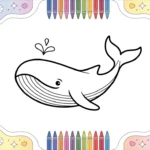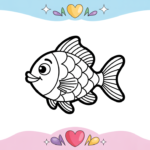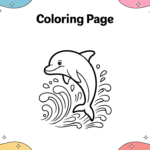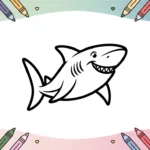
We offer a wide collection of free, high-quality printable coloring pages for kids and adults. From cute animals to intricate mandalas, our designs bring creativity and relaxation to everyone. Download, print, and start coloring today!

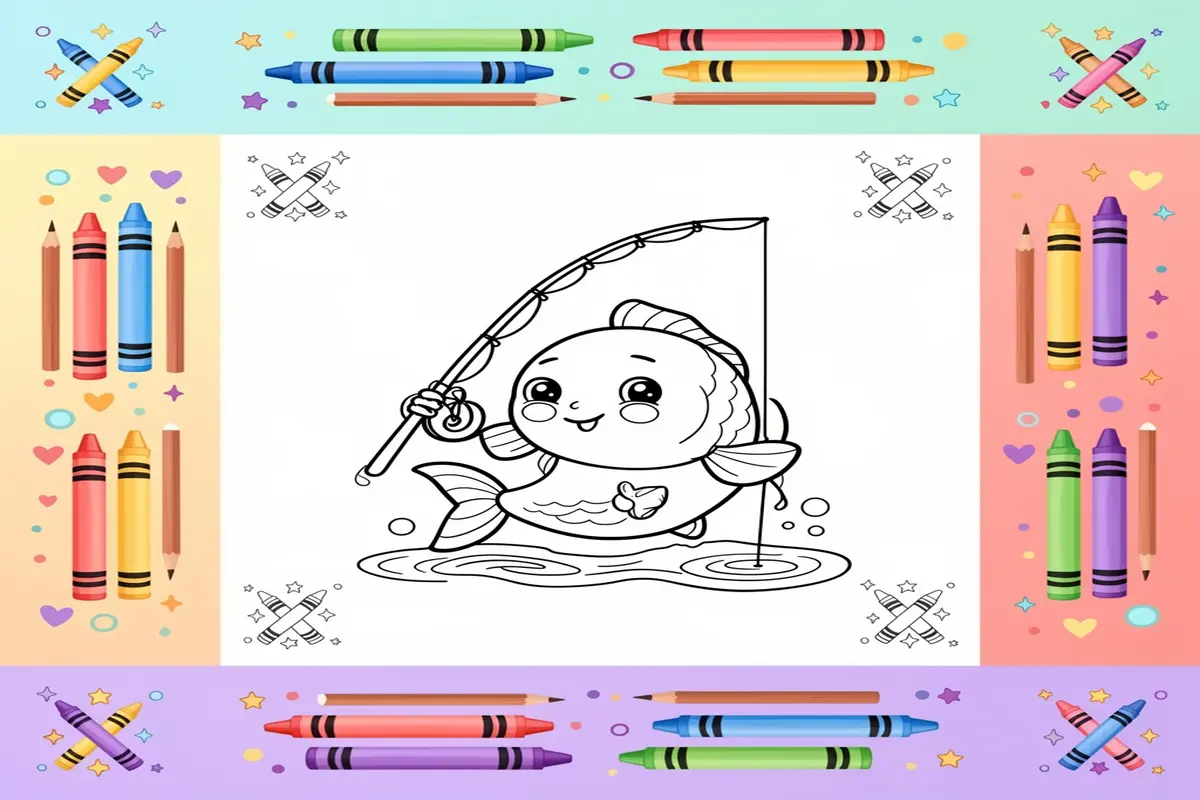
In a world of constant digital stimulation, the simple act of coloring offers a profound sanctuary for young minds. It’s a tactile, imaginative journey back to basics, where focus is found in the sweep of a crayon and calm emerges from a palette of possibilities. This is especially true for themes that connect children to the wonders of the natural world. Fishing coloring pages for kids are a particularly engaging gateway, combining the serene imagery of aquatic life with the timeless adventure of the catch. These pages do more than fill time; they cast a line into a child’s creativity, pulling up lessons in patience, environmental appreciation, and artistic expression. As a foundational activity, fishing coloring pages for kids build fine motor skills and color recognition, all while depicting tranquil lakes, vibrant fish, and the quiet joy of a day spent by the water. For a deep dive into the incredible variety of sea life that can inspire these scenes, explore our extensive collection of fish coloring pages, perfect for expanding any young angler-artist’s underwater horizons.
Part 1: The Deep Well of Benefits: More Than Just a Pastime
Far from a mere diversion, engaging with fishing coloring pages for kids taps into core developmental and psychological benefits. This themed activity is a conduit for learning and emotional growth, offering a unique blend of education and relaxation that resonates on multiple levels.
The Psychology of Blue: Calm Waters for a Busy Mind
The very subject matter of fishing scenes—tranquil water, open skies, and rhythmic patterns—promotes a natural state of mindfulness. The act of coloring within these lines requires a gentle focus that can quiet anxiety and serve as a meditative practice for children. Choosing cool blues for the water, warm yellows for the sun, and vibrant greens for the shoreline allows kids to project and process their emotions through color, creating a personal and peaceful masterpiece. This thematic focus makes fishing coloring pages for kids a powerful tool for emotional regulation and quiet time.
A Timeless Tradition: Connecting Generations Through Art
Fishing is a pastime steeped in family tradition and storytelling. Coloring pages that feature this theme become a canvas for intergenerational connection. A child coloring a scene of a fisherman in a boat might hear stories of a grandparent’s favorite fishing trip, weaving family history into their creative process. This background provides rich context, transforming the activity from simple coloring to an appreciation of heritage and the shared human experience with nature. It’s art as a bridge, linking the quiet patience of fishing with the focused patience of coloring.
Curated for Every Young Angler: From Preschoolers to Pre-Teens
The beauty of this theme lies in its scalability. Simple outlines of a single fish or a basic fishing rod are perfect for tiny hands learning grip and control. For older children, more complex scenes featuring detailed tackle boxes, diverse underwater ecosystems, or scenic lake vistas offer a satisfying challenge that boosts confidence and artistic skill. Whether a novice colorist or a seasoned young artist, every child can find a page that matches their ability, ensuring that the joy of creation—and the keyword fishing coloring pages for kids—remains relevant and rewarding through multiple stages of development.
Professional Materials & Preparation for fishing coloring pages for kids
To ensure your young anglers have the best possible creative experience, proper preparation is key. The right materials can transform a simple fishing coloring pages for kids activity into an engaging, skill-building session that yields beautiful, frame-worthy results. This guide details the essential toolkit for parents and educators.
The Foundation: Selecting Premium Paper for Durability
The paper you choose directly impacts the final artwork and the child’s enjoyment. Standard printer paper (20-24 lb) is prone to bleeding and tearing, especially with markers. For superior results, opt for heavyweight paper. Cardstock (65-80 lb) provides a sturdy, non-bleeding surface ideal for most mediums. For a truly professional feel with fishing coloring pages for kids, consider smooth Bristol paper (100+ GSM), which handles layering and blending beautifully. If you’re printing intricate pages featuring detailed sea creatures, like our fish coloring pages, a heavier weight paper will make those small scales and fins easier to color.
Best Coloring Tools: A Detailed Medium Comparison
The choice between markers, colored pencils, and crayons defines the artistic outcome.
Colored Pencils: The most versatile and recommended tool for detailed work. Look for pencils with soft, pigmented cores (wax or oil-based) that blend smoothly. They allow for precision when coloring small hooks, fish eyes, or underwater plants on fishing coloring pages for kids. They are also erasable, encouraging experimentation.
Markers: Brilliant for bold, vibrant fills. Use alcohol-based markers for seamless, bleed-free blending on marker-specific paper, or choose high-quality water-based markers to prevent soak-through on standard cardstock. They are perfect for large areas like the sea or a boat.
Crayons: Excellent for younger children developing grip strength. They offer a tactile experience and can create lovely textured effects, mimicking fish scales or water ripples with side-strokes.
Finishing Touches: Enhancing with Gel Pens & Highlights
Elevate the completed artwork with special-effect tools. Metallic or glitter gel pens are fantastic for adding sparkle to fish scales, creating shiny lures, or making sunlight glimmer on water. A white gel pen is indispensable for adding highlights to a dolphin’s splash or creating foam on waves, adding depth and dimension. For a mixed-media approach, consider using watercolor paints for a soft wash background, then using pencils for the detailed fish, making the subject pop.
Perfect Workspace: Optimizing Lighting and Ergonomics
A well-prepared workspace prevents fatigue and maximizes focus. Ensure ample, natural light or a bright, white LED desk lamp to reduce eye strain and allow for accurate color perception. The seating should support good posture—feet flat on the floor and the table at elbow height. Use a clipboard or a hard surface if coloring at a kitchen table. Keep materials organized in cups or trays, and always place a protective mat or scrap paper underneath the fishing coloring pages for kids to protect the table surface. Having a dedicated, tidy area signals that this is a valued creative time.
Elevating the Art: Advanced Techniques for Fishing Coloring Pages for Kids
Link: For a foundational collection of aquatic subjects to practice these techniques on, explore our fish coloring pages and free whale coloring pages.
Moving beyond simple fill-in, advanced techniques can transform a child’s fishing coloring pages for kids from flat images into vibrant, textured scenes bursting with life. These methods not only produce stunning results but also teach valuable artistic principles, building confidence and skill with every page.
Harmonious Palettes: Color Theory for Aquatic Scenes
Understanding basic color relationships is key to creating a cohesive underwater world. For a fishing coloring pages for kids scene, try these approaches:
Complementary Colors: Use opposites on the color wheel for dynamic contrast. Imagine a bright orange goldfish against deep blue-green water, making the fish truly “pop.”
Analogous Colors: Create serene and realistic effects by using colors next to each other. For a peaceful ocean background, blend shades of blue, blue-green, and teal. This technique is perfect for rendering the graceful gradients of a jellyfish coloring page.
Realistic vs. Imaginative: Discuss with your young artist: Should the shark be classic grey and white, or would a fantastical purple and silver creature be more exciting?
From Flat to 3D: Mastering Light and Shadow
Shading adds dramatic depth. Guide your child to imagine a single light source (like the sun above the water).
1. Identify the Light: Decide where the light is coming from (e.g., top-left corner).
2. Apply Base Color: Color the entire object evenly with its main color.
3. Add Shadow: On the side opposite the light, apply a darker shade of the same color (e.g., dark blue on the right side of a fish if light is top-left). Blend gently.
4. Highlight: Add a touch of a lighter shade or white to the areas directly hit by the light. This makes scales look rounded and water appear glossy.
Adding Realism: Texture Techniques for Nature
Texture brings tactile realism to the page.
Scales: Instead of coloring a fish solidly, create small, overlapping “U” shapes or half-circles with a slightly darker or lighter shade.
Fur & Feathers: For animals near the water, like those on a duck coloring page, use short, quick strokes following the body’s direction. Layer different browns and yellows for a fluffy effect.
Water: Use long, smooth, horizontal strokes for calm water. For waves or splashes, incorporate swirling lines and leave tiny areas white for sparkle.
Wood (on a fishing pier): Draw thin, parallel lines following the length of a dock, varying pressure to create a grainy look.
The Art of Correction: Graceful Fixes for Coloring Errors
Mistakes are part of the process. Teach these recovery strategies:
Embrace It: Turn a stray mark into a bubble, a seaweed strand, or a small pebble. Creativity often springs from “happy accidents.”
Layer Over It: For small errors, gently coloring over the area with a darker, opaque color (like a deep blue for water or a dark green for seaweed) can often cover it completely.
Blend It Out: If a color is too harsh, use a colorless blender pencil or a lighter color to soften and diffuse the edge into the surrounding area.
Strategic Addition: Add a new element, like drawing a cute starfish over a smudge on the ocean floor.
By integrating these techniques, children learn that fishing coloring pages for kids are more than just an activity—they’re a canvas for exploration, problem-solving, and artistic growth. Celebrate each textured scale and each shaded wave as a step in their creative journey.
Showcasing Your fishing coloring pages for kids: Creative Display Ideas
Once the final splash of color is added, the fun doesn’t have to stop! Transforming your child’s completed fishing coloring pages into a celebration of their creativity is the perfect next step. These display ideas not only honor their hard work but also build confidence and turn their art into a meaningful part of your home.
Preserving Your Masterpiece: Archival Tips
To ensure those vibrant fish stay brilliant, consider simple preservation methods. For a classic look, place the finished page in a standard 8.5″x11″ frame, swapping it out seasonally. For a gallery wall, use colorful washi tape or clothespins on a string for an easy, changeable display. If you want to protect artwork from smudges without glass, a quick spray with a clear, non-toxic art sealant (used in a well-ventilated area) works wonders.
Beyond Display: Creative DIY Projects
Take the artwork off the wall and into everyday life! Laminate a favorite colored page and cut it into unique bookmarks. Fold a completed page to create a one-of-a-kind greeting card for a grandparent. You can also decoupage several pages onto a small wooden box or picture frame for a personalized gift. For a fun game, color and laminate multiple pages, attach a paperclip to each fish, and create a magnetic fishing rod for a custom play set.
Your fishing coloring pages for kids Questions, Answered
How do you color a realistic fish?
Start by observing real fish photos to note color gradients and patterns. Use light pencil strokes to plan areas of light and shadow. Layer colored pencils, starting with a light base and adding darker shades for depth. Blend colors smoothly, and add highlights with a white gel pen or by leaving small areas uncolored. Realism comes from patience and layering, making it a great advanced project with fishing coloring pages for kids.
What are the benefits of coloring for kids?
Coloring boosts fine motor skills and hand-eye coordination as children practice staying within lines. It fosters creativity, color recognition, and focus. The calming, repetitive motion can reduce anxiety and improve emotional regulation. It’s also a wonderful screen-free activity that encourages quiet time and provides a sense of accomplishment upon finishing a beautiful page.
Where to find free fishing coloring pages?
Numerous educational and parenting websites offer free, printable coloring sheets. For a fantastic collection of aquatic-themed pages, you can explore our own library of free printable fish coloring pages, which includes a variety of species perfect for a fishing theme. Always ensure you’re downloading from reputable sites to avoid unwanted software.
What are the best markers for coloring pages?
For beginners, washable broad-tip markers are ideal for bold, easy coverage. For more detailed fishing coloring pages for kids, fine-tip markers or alcohol-based markers (like Copic or Ohuhu) provide vibrant, blendable colors without bleeding through paper. Always test markers on a corner first and place a scrap sheet underneath to protect surfaces.
How to teach a child to color inside the lines?
Begin with large, simple shapes and use broken crayons or short pencils that promote a proper grip. Demonstrate slowly, and encourage them to turn the paper, not their hand. Use positive reinforcement—praise the effort, not perfection. Start with thicker lines and gradually move to more detailed pages as their control improves, making it a stress-free part of the coloring journey.
Final Thoughts: Your fishing coloring pages for kids Journey Begins
The simple act of coloring a fishing scene is a gateway to so much more than just a filled page. It’s an opportunity for quiet bonding, for imaginative stories about the one that got away, and for celebrating every colorful choice your young artist makes. Each finished masterpiece, whether displayed on the fridge or crafted into a gift, is a tangible reminder of creativity, focus, and joyful time spent together.
We hope this guide inspires you to cast a line into a world of color and creativity with your child. Remember, the goal is never perfection, but the joyful process of creation itself.
Ready for your next adventure? Explore our free dolphin coloring pages to continue the underwater fun!