We offer a wide collection of free, high-quality printable coloring pages for kids and adults. From cute animals to intricate mandalas, our designs bring creativity and relaxation to everyone. Download, print, and start coloring today!

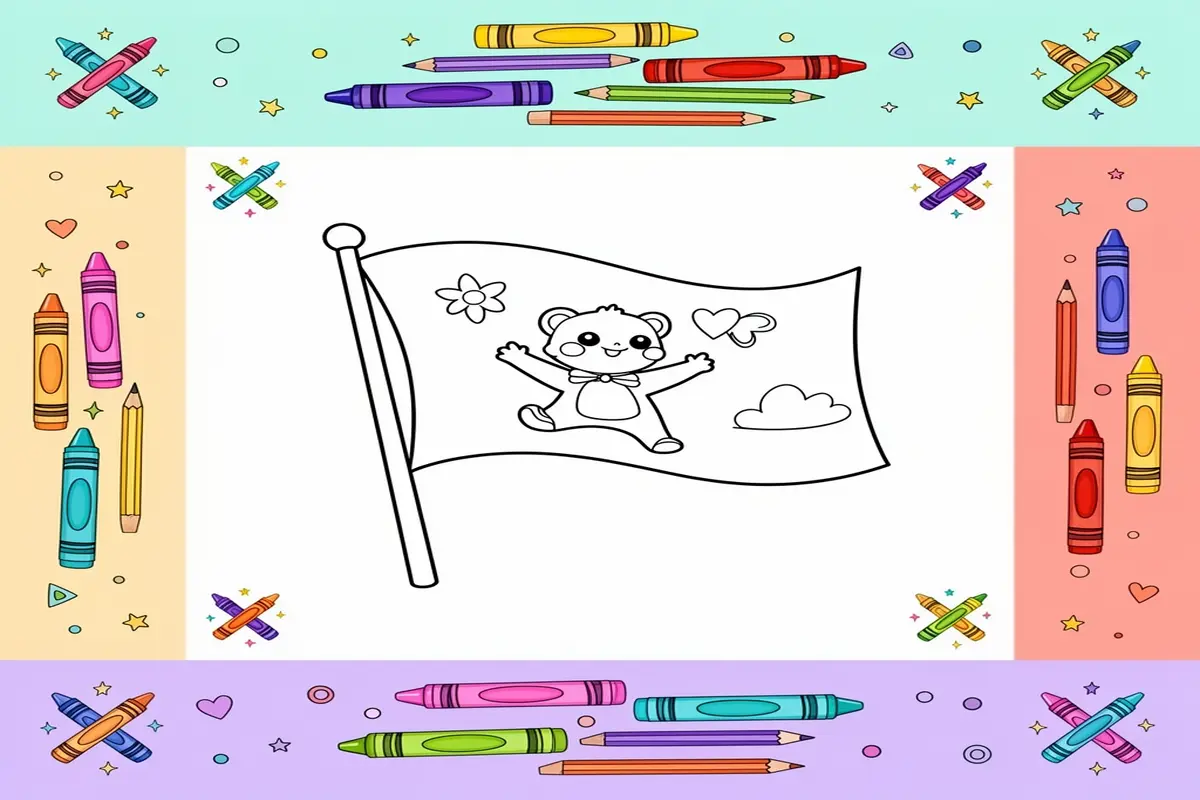
In a world saturated with digital screens, the simple act of coloring offers a profound return to tactile creativity and quiet focus. It’s a portal to mindfulness for children and adults alike, a space where imagination meets the page. While the animal kingdom—from majestic lions to playful dolphins—often captivates young artists, there exists another, equally vibrant world of artistic exploration: flag coloring pages for kids. These are not mere patterns to fill; they are gateways to geography, history, and cultural appreciation. Engaging with flag coloring pages for kids transforms a quiet afternoon into a journey across continents, fostering a sense of global connection and pride. This unique niche combines artistic expression with foundational learning, making it a powerful tool for parents and educators seeking to cultivate both creativity and curiosity in young minds.
Beyond the Lines: The Psychology and Global Appeal of Flag Art
What is it about coloring, particularly the structured yet creative task of depicting national symbols, that holds such universal appeal? The answer lies at the intersection of cognitive development, emotional satisfaction, and cultural discovery.
The Mindful Focus: Geometry Meets Calm
The process of coloring a flag requires a specific type of attention. Children must observe patterns, recognize symbolic shapes like stars, stripes, or crosses, and make deliberate color choices within defined areas. This act of focused engagement is a form of active meditation. It quietens the noise of the day, channels energy into a productive, visually rewarding task, and builds fine motor skills. The structured nature of flag coloring pages for kids provides a comforting framework, reducing the anxiety of a blank page and offering a clear, achievable goal. Completing a complex design, like the intricate patterns found on many national banners, delivers a tangible sense of accomplishment and boosts confidence.
A Tapestry of Stories: Unfolding History and Heritage
Every flag is a narrative woven in color and symbol. The red in one might represent courage, the blue a surrounding sea, and a central star a guiding principle. When a child colors the Union Jack or the Stars and Stripes, they are interacting with a condensed story of a nation’s identity. This naturally sparks questions: “Why does this flag have a dragon?” or “What does this green symbolize?” Flag coloring pages for kids become a springboard for conversations about world geography, historical events, and cultural diversity. It’s a hands-on, engaging method to introduce global awareness, fostering respect and interest in the wider world from an early age.
Curated for Every Explorer: From Toddlers to Tweens
The beauty of this theme is its inherent scalability. For the youngest artists, simplified outlines of well-known flags with bold, large sections are perfect for practicing grip and color recognition. As skills develop, more detailed pages featuring coats of arms, complex emblems, and patterns from across the globe present an enjoyable challenge. Older children can delve into research, ensuring historical color accuracy or even designing their own flags for imaginary countries, blending art with civic concepts. This makes flag coloring pages for kids a uniquely adaptable resource, growing with the child and continually offering new layers of educational and artistic engagement.
Professional Materials & Preparation for flag coloring pages for kids
To ensure a successful and enriching coloring session with flag coloring pages for kids, proper preparation is key. Having the right materials on hand transforms a simple activity into an opportunity for fine motor skill development, color theory exploration, and cultural education. This guide details the essential toolkit and setup for parents and educators to maximize the benefits of these detailed pages.
The Foundation: Selecting Premium Paper for flag coloring pages for kids
The paper you choose directly impacts the final result and the child’s experience. For standard printing, opt for bright white, smooth-finish paper with a weight of at least 100 GSM (grams per square meter). This prevents bleed-through from markers and can handle light layering with colored pencils. For a more artistic project, consider cardstock (160-200 GSM), which provides a sturdy surface for mixed media and allows colors to appear more vibrant. If you plan to use wet mediums like paint, watercolor paper is essential. The right foundation ensures that the intricate details of flag coloring pages for kids, from stripes to emblems, remain crisp and defined.
Best Coloring Tools: A Detailed Medium Comparison
The choice between markers, colored pencils, and crayons depends on the desired outcome and the child’s skill level.
Colored Pencils: Ideal for precision and detail work, crucial for flags with complex coats of arms or small symbols. Look for pencils with soft, pigmented cores that blend easily. They allow for shading and texture, teaching control and patience.
Markers: Brilliant for bold, solid areas of color like the broad stripes on many national flags. Use fine-tip markers for outlines and details and broad tips for filling large spaces. To prevent bleed, select alcohol-based markers with bleed-resistant paper or use quick-drying water-based options.
Crayons: Excellent for younger children, offering ease of use and a classic texture. While less precise, they encourage broad strokes and color mixing. For a related activity that also explores vibrant colors, consider pairing your flag project with our fish coloring pages for kids.
Finishing Touches: Gel Pens, Highlights, and Outlines
Elevate the finished artwork with tools that add pop and precision. Gel pens and metallic markers are perfect for adding shiny highlights to flag elements like stars, moons, or decorative borders. A white gel pen can be used to correct small mistakes or add details on darker colors. Fine-line black markers (0.4mm or 0.6mm) are invaluable for redefining outlines that may have become blurred during coloring, making each section of the flag stand out sharply. These tools help children add a professional flair to their completed flag coloring pages for kids.
Perfect Workspace: Optimizing Lighting and Ergonomics
A well-prepared workspace enhances focus and comfort. Ensure the area is illuminated by bright, natural light or a daylight-simulating lamp to reduce eye strain and allow for true color perception. The seating should support good posture, with feet flat on the floor and the table at elbow height. Use a clipboard or a hard surface if working at a non-desk area. Keep all materials—sharpened pencils, a pencil sharpener, an eraser, and the selected mediums—within easy reach on a tidy surface to maintain a smooth, uninterrupted creative flow for the detailed work that flag coloring pages for kids often require.
Mastering Flag Coloring Pages for Kids: Advanced Artistic Techniques
Unlock your child’s full creative potential by moving beyond simple flat colors. These professional techniques will transform their flag coloring pages for kids from basic outlines into vibrant, textured works of art, building fine motor skills and artistic confidence along the way.
Link: For foundational practice with bold shapes and patterns, explore our zebra coloring pages free printable, which offer excellent preparation for flag designs.
Harmonious Palettes: Color Theory for Flag Coloring Pages for Kids
Understanding basic color relationships makes any flag pop. Teach your young artist about complementary colors (like red & green or blue & orange)—using them for stars against a field or border details creates exciting contrast. For a more serene, unified look, guide them toward analogous colors (like blue, teal, and green) placed next to each other on the color wheel. This technique is perfect for creating beautiful gradients in striped or sectioned flags. When approaching flag coloring pages for kids, discussing the meaning behind a flag’s real colors can also inform their artistic choices, adding a layer of learning to the fun.
From Flat to 3D: Shading for Depth and Dimension
Turn a flat flag into one that appears to ripple in the wind. Start by choosing a light source direction (e.g., the top-left corner). Then, using a lighter pressure or a slightly lighter shade of the main color, color the areas that would catch the light. For the opposite edges and folds, apply heavier pressure or use a slightly darker shade of the same color. Practice this gradient effect—from dark to light—on individual stripes or a flag’s background field. This simple step-by-step approach adds instant volume and makes their artwork leap off the page.
Adding Realism: Mastering Texture and Pattern
Flags aren’t just smooth fabric; they have texture! For a woven look, try using tiny, gentle criss-crossing strokes with a colored pencil. To simulate a printed emblem or seal on a flag, use firm, solid pressure for the emblem and lighter, directional strokes for the fabric behind it. For stars and intricate symbols, a fine-tip marker can provide a crisp edge against the softer colored pencil background of the field. Exploring different tools is key; crayons give a bold, waxy texture, while markers offer solid, vibrant flats perfect for bold sections on flag coloring pages for kids.
The Art of Correction: Gracefully Fixing Coloring Errors
Mistakes are part of the artistic process. If color goes outside the lines, don’t panic! Often, the background can be colored afterward to clean up the edge. For small waxy crayon smudges, gently scraping them away with a toothpick can be effective. Teach the “layering fix”: if a color is too light, it can be darkened over top. If a dark color is accidentally used, turning it into a deliberate shading area is a creative solution. The most important lesson is that every “error” is an opportunity to problem-solve and innovate, reducing frustration and encouraging artistic resilience.
* Link: The detailed patterns and symbols found in our castle coloring pages for kids are excellent for practicing the precision and texture techniques that elevate flag designs.
Showcasing Your Flag Coloring Pages for Kids: Creative Display Ideas
Once your young artists have finished their colorful creations, it’s time to celebrate their work! Moving beyond the coloring book, displaying their flag masterpieces fosters pride and turns their effort into a meaningful part of your home or classroom decor.
Preserving Your Masterpiece: Archival Tips
To ensure those vibrant colors last, consider simple preservation methods. For a professional touch, use acid-free sheet protectors in a binder to create a “World Flag Gallery.” For wall displays, a quick spray with a clear, matte-finish art sealant can prevent crayon wax from smudging. Laminating pages is another durable option, making them perfect for placemats or reusable learning tools that can withstand little hands.
Beyond Display: Creative DIY Projects
Transform completed flag coloring pages into cherished keepsakes and gifts. Cut out colored flags to create unique, personalized greeting cards for international holidays or family pen pals. They also make wonderful DIY bookmarks when laminated and adorned with a tassel. For a collaborative project, bind pages together into a custom “Flags of the World” book, or use them as vibrant covers for school reports. For more creative inspiration with themed pages, explore our 4th of July coloring pages for kids.
Your Flag Coloring Pages for Kids Questions Answered
How do you color the American flag?
Start with the blue canton (the rectangle with stars) in the top left corner. Color it solid blue. For the stripes, alternate red and white, beginning and ending with a red stripe. Remember, the 50 white stars on the blue field should be left white or colored with a white crayon. Using colored pencils can help with the precise stripes.
What do the colors of the flag mean?
While meanings can vary by country, common symbolism exists. Red often represents bravery, strength, or revolution. White typically symbolizes peace, purity, or honesty. Blue can stand for justice, vigilance, or perseverance. Green often relates to nature, hope, or agriculture. Discussing these meanings adds a wonderful educational layer to your flag coloring pages for kids.
How to print coloring pages for free?
Many educational websites, like ours, offer free printable PDFs. Simply find your desired flag coloring pages for kids, click the print button or download the PDF, and ensure your printer has paper and ink. Select “Fit to page” in your print settings for the best results. Always use sites you trust to avoid unwanted downloads.
What are the benefits of coloring for kids?
Coloring boosts fine motor skills and hand-eye coordination. It serves as a calming, screen-free activity that fosters focus and creativity. Learning about flags through coloring also enhances cultural awareness and geographical knowledge, making it a fun and enriching pastime.
Where to find free printable flag coloring pages?
You can find a fantastic variety on dedicated educational and coloring sites. Our collection offers numerous free, high-quality printables. Libraries and teacher resource websites are also excellent sources. Look for pages with clear lines and educational captions to maximize the learning experience with your flag coloring pages for kids.
Final Thoughts: Your Flag Coloring Pages for Kids Journey Begins
Embarking on a journey with flag coloring pages for kids opens a world of creativity, learning, and family connection. It’s more than just an art activity; it’s a gateway to conversations about history, geography, and the beautiful diversity of our world. Each colored flag represents a story discovered and a skill nurtured, from steadying a crayon to understanding global symbols.
We hope these ideas for display, DIY projects, and learning have inspired you to see these pages as launchpads for adventure. Celebrate every masterpiece, for in each one lies a spark of curiosity and a burst of pride. Ready for your next adventure? Explore our animal coloring pages for kids to continue the colorful fun!