We offer a wide collection of free, high-quality printable coloring pages for kids and adults. From cute animals to intricate mandalas, our designs bring creativity and relaxation to everyone. Download, print, and start coloring today!

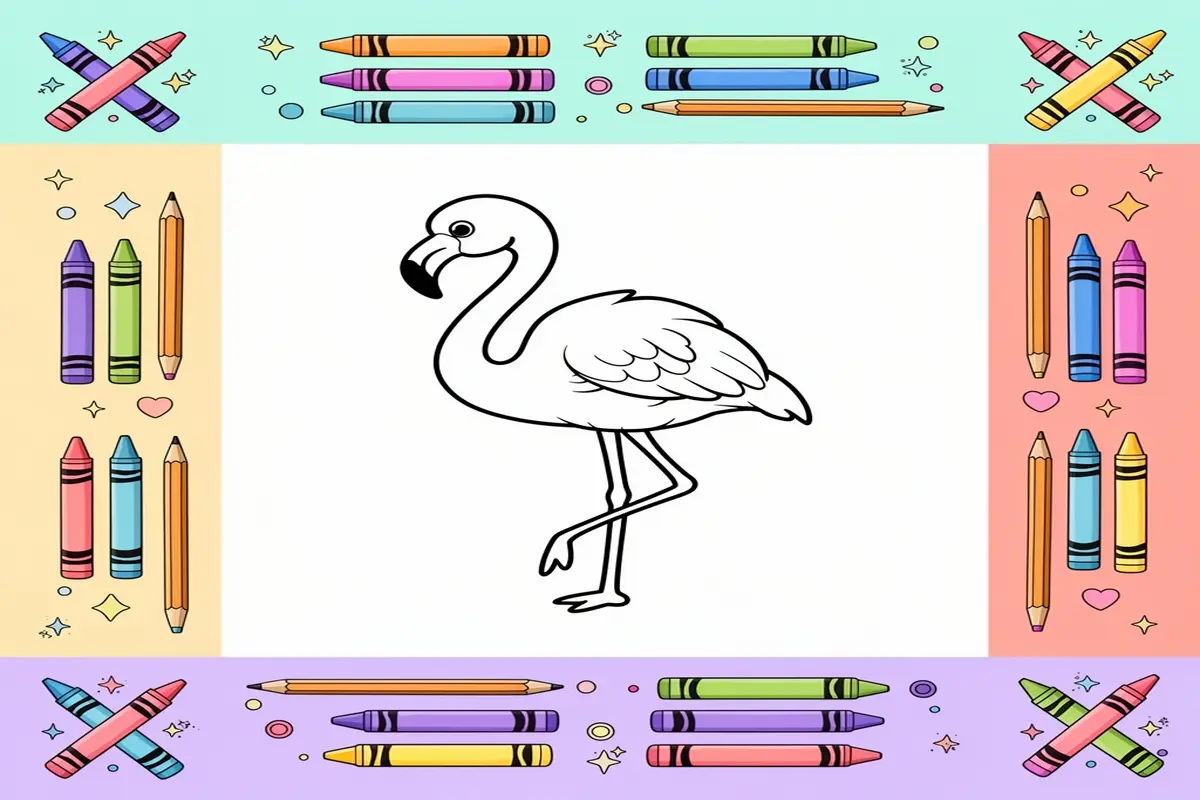
In a world saturated with digital screens, the simple act of coloring offers a tangible, calming escape. It’s a portal to mindfulness, where focus narrows to the gentle scratch of a crayon and the joy of watching a blank space bloom with life. For children, this creative process is foundational, nurturing fine motor skills, color recognition, and boundless imagination. Enter the enchanting world of flamingo coloring pages for kids, where the elegance of nature meets the vibrant potential of a child’s artistry. These aren’t just outlines of a bird; they are invitations to explore a palette of pinks, corals, and aquas, to dream of tropical lagoons, and to engage with one of the animal kingdom’s most graceful and fascinating creatures. As a perfect starting point for a broader artistic safari, these pages sit beautifully alongside our collection of other aquatic wonders, like these captivating free dolphin coloring pages. Whether for a quiet afternoon or an educational moment, flamingo coloring pages for kids provide a unique blend of beauty, fun, and developmental benefits.
The Pink Muse: Unpacking the Allure of the Flamingo
What is it about the flamingo that captivates so instantly? Its iconic silhouette—the long, curving neck, the stilt-like legs, and that brilliant plumage—is a masterpiece of natural design. This makes flamingo coloring pages for kids particularly compelling, as the subject itself is a lesson in elegance, balance, and vibrant color.
The Psychology of Pink: More Than Just a Pretty Hue
The flamingo’ signature pink is not arbitrary; it’s a direct result of its diet, a fascinating scientific fact that can spark curiosity in young minds. When children engage with these coloring pages, they interact with a color often associated with compassion, playfulness, and warmth. The act of selecting shades—from soft blush to vibrant fuchsia—becomes an exercise in emotional expression and aesthetic choice, promoting decision-making and personal investment in their artwork.
A Global Icon: From Ancient Symbols to Modern Art
The flamingo’s appeal is timeless and cross-cultural. Revered in ancient Egyptian art as a symbol of the sun god Ra, and celebrated in modern times as an icon of tropical beauty and leisure, the bird carries a rich, subtle history. Coloring its form connects children to this legacy in a hands-on way, allowing them to participate in a long tradition of depicting nature’s wonders. It’s a gentle introduction to wildlife appreciation and global biodiversity.
Designed for All Hands: Simplicity Meets Creative Challenge
The best flamingo coloring pages for kids are thoughtfully curated to cater to a spectrum of ages and abilities. For younger artists, simpler outlines with bold shapes help build confidence and control. For older children or those seeking a more detailed challenge, pages featuring intricate feather patterns, scenic backgrounds with palm trees or water lilies, and even flamingo families offer hours of immersive engagement. This inclusivity ensures that every child, regardless of skill level, can find joy and a sense of accomplishment in bringing their own flamingo to life.
Professional Materials & Preparation for Flamingo Coloring Pages for Kids
Before your young artist begins bringing a vibrant flamingo to life, having the right materials prepared is key to a successful and enjoyable coloring session. This guide outlines the essential toolkit for tackling flamingo coloring pages for kids, ensuring that every delicate feather and graceful curve can be colored with precision and creativity. Proper preparation not only enhances the final artwork but also fosters a more focused and rewarding experience for the child.
The Foundation: Selecting Premium Paper for Flamingo Coloring Pages for Kids
The paper you choose is the canvas for your child’s masterpiece and directly impacts the performance of coloring tools. For standard crayons and colored pencils, a smooth, bright white paper with a weight of around 100-120 GSM (grams per square meter) is ideal. This weight prevents bleed-through from markers and can handle moderate pressure from pencils. If you plan to use wet mediums like markers or brush pens, consider upgrading to heavyweight (160+ GSM) or marker-specific paper. This is especially useful for flamingo coloring pages for kids, as it allows for smooth blending of pinks and corals without warping or bleeding through to the next page. For a professional touch, consider printing your chosen flamingo design on cardstock for a truly durable artwork.
Best Coloring Tools: A Detailed Medium Comparison
The choice between markers, pencils, and crayons defines the artwork’s texture and vibrancy.
Colored Pencils: Offer superior control for detailed areas like a flamingo’s beak and eye. Look for pencils with soft, pigmented cores that blend easily. They are perfect for layering multiple shades of pink and orange to create realistic feather depth.
Markers: Provide bold, vibrant flats of color. Alcohol-based markers blend seamlessly, ideal for achieving a smooth, gradient effect on the flamingo’s body. Water-based markers are excellent for younger children, with less risk of permanent stains. A set with a range of pinks, reds, and blacks is perfect for flamingo coloring pages for kids.
* Crayons & Gel Crayons: Traditional crayons offer a nostalgic feel and are wonderfully forgiving. Modern gel crayons are highly pigmented and can be blended with a finger or a blending stump for a painterly effect on larger areas like wings.
Finishing Touches: Enhancing Details with Specialty Tools
Once the base colors are down, specialty tools can elevate the artwork. Fine-line gel pens in white, silver, or gold are perfect for adding tiny highlights to water droplets or a glint in the flamingo’s eye. A white colored pencil or a chalk pastel can be used softly to add subtle sheen to feathers. For backgrounds, consider using broad-tip markers or even watercolor paints to create a simple habitat, like a blue lake or green reeds. This contextualizes the flamingo and makes the page pop. For children interested in more exotic scenes, incorporating elements from other pages, like palm trees from our tropical coconut tree coloring pages, can inspire a full ecosystem diorama.
Creating the Ideal Coloring Workspace: Ergonomics & Lighting
A proper workspace maximizes comfort and minimizes frustration. Ensure the coloring surface is stable and at an appropriate height to prevent hunching. Good, natural lighting is best; if using a lamp, position it to avoid casting a shadow from the child’s hand. Keep all materials within easy reach—use cups for pencils and organizers for markers. Laying down a protective mat or newspaper safeguards your table. Finally, keep a scrap sheet of the same printing paper handy for testing colors and techniques before applying them to the flamingo coloring pages for kids. This simple step builds confidence and allows for experimentation without pressure.
Mastering Your Palette: Advanced Techniques for Flamingo Coloring Pages for Kids
Ready to transform those simple outlines into vibrant works of art? This guide moves beyond basic filling to explore professional techniques that will bring your flamingo coloring pages for kids to life. These methods are perfect for parents and teachers looking to guide young artists toward more impressive, satisfying results.
Harmonious Palettes: Color Theory for Feathered Friends
A flamingo’s signature pink is just the starting point. Understanding basic color relationships can make your artwork pop. For a stunning, natural look, use analogous colors—those next to each other on the color wheel. Think pinks, reds, and oranges for the body, blending them softly where they meet. For a dynamic contrast, add complementary colors in the background. A few touches of light green or blue (the complement to red-orange) in water or foliage will make the flamingo itself appear brighter and more vibrant. Explore more aquatic color schemes with our free dolphin coloring pages to practice harmonious blues and grays.
From Flat to 3D: Mastering Light and Shadow
Shading is the magic that turns a flat shape into a rounded, three-dimensional form. First, decide where your light source is (e.g., the top left). The areas furthest from this light will be darkest. For flamingo coloring pages for kids, start by applying a base layer of light pink evenly. Then, using a deeper rose or coral, add a second layer along the underside of the neck, the lower body, and the shadowed side of the legs. Use gentle, circular strokes to blend, avoiding harsh lines. The key is gradual building—it’s easier to add more dark than to remove it.
Adding Realism: Creating Feathery Texture
Texture gives the eye something to “feel.” A flamingo’s plumage has a soft, fluffy appearance. To achieve this, try the scumbling technique. After your base layers are down, use a very sharp colored pencil in a slightly darker shade. Make tiny, overlapping circular scribbles and short, quick strokes, focusing on the body’s edges and the chest area. Leave some patches of the base color showing through. For the long leg, use smooth, continuous strokes to show its sleek, scaly texture, adding small broken lines at the joints.
The Art of Correction: Graceful Fixes for Common Mistakes
Even pros make mistakes, and the solution is often in embracing them. If color goes outside the lines, don’t panic. Use a clean, sharp white eraser to gently lift the stray marks. For a smudge, sometimes incorporating it into a background element like a cloud or a bush is the most creative fix. If a section becomes overworked and waxy, a light touch with a craft blade can gently scrape off the top layer of pigment, allowing you to reapply color. Remember, art is forgiving. Many “errors” can become unique highlights or interesting texture with a little creative thinking. For more practice on large, textured animals, our elephant coloring pages free printable offer a wonderful canvas for experimenting with wrinkly skin and shading.
Showcasing Your Flamingo Coloring Pages for Kids: Creative Display Ideas
Once the final pink feather is colored, the fun continues! Transforming your child’s artwork into a cherished part of your home decor or a heartfelt gift is a wonderful way to celebrate their creativity and build their confidence.
Preserving Your Masterpiece: Archival Tips
To ensure those vibrant flamingos stay bright, consider simple preservation methods. For long-term display, use acid-free photo corners or a non-glare UV-protective spray to prevent fading. Laminating a favorite piece makes it durable for a playroom or fridge gallery. For a classic look, frame the artwork with a colorful mat. Storing flat in a large portfolio or art case keeps a collection safe and organized for years of fond looking back.
Beyond Display: Creative DIY Projects
Turn completed flamingo coloring pages into personalized crafts. Simply glue a page onto cardstock to create a unique greeting card, or laminate and trim it to make a beautiful bookmark. For a fun bedroom accent, decoupage several colored pages onto a small side table or a picture frame. These projects make wonderful, handmade gifts for family and extend the creative joy of your flamingo coloring pages for kids.
Your Flamingo Coloring Pages for Kids Questions Answered
How do you draw a flamingo easy?
Start with a simple pencil sketch. Draw a large, backward “S” shape for the neck and body. Add a small circle for the head on top and a long, thin leg with a bent knee at the bottom. Finish with a banana-shaped beak and a few feather details. Kids can then trace over their favorite lines in marker before starting to color their flamingo coloring pages for kids.
Why are flamingos pink explanation for kids?
Flamingos are born with gray feathers! They turn pink because of the food they eat. Their favorite snacks, like shrimp and algae, contain natural orange and pink pigments called carotenoids. Just like how eating lots of carrots might tint your skin slightly, a flamingo’s body stores these pigments in its feathers, legs, and beak, giving them their famous pink color.
What colors do you use to color a flamingo?
While pink is the star, encourage creativity! Use light pink, coral, and even a touch of orange for the body. The beak can be a gradient of pink and black at the tip. Legs are often a deeper pink or grayish-pink. Don’t forget the environment—use blues for water, greens for plants, and a bright yellow sun.
How do I print coloring pages for free?
Visit a trusted website like Safari Coloring that offers free, high-quality PDFs. Click your chosen design, like our flamingo coloring pages for kids, and use the print function in your browser. Ensure your printer has paper and ink. For best results, select “Fit to page” in your print settings. It’s a quick and easy process for instant creative fun.
What are the benefits of coloring for preschoolers?
Coloring is a powerhouse activity for preschoolers. It develops fine motor skills and hand strength crucial for writing. It teaches color recognition, improves focus and patience, and provides a calm, screen-free outlet for self-expression. It’s also a fantastic way for them to practice staying within lines and following instructions in a fun, low-pressure way.
Final Thoughts: Your Flamingo Coloring Pages for Kids Journey Begins
The simple act of coloring a flamingo opens a world of creativity, learning, and connection. From discovering the fascinating science behind their pink hue to practicing fine motor skills and finally showcasing their artwork with pride, this activity offers far more than just a few quiet moments. It’s a joyful journey that nurtures a child’s development and leaves you with tangible memories of their growing imagination.
We hope this guide inspires countless colorful afternoons. Remember, every page colored is a story told and a skill grown. Ready for your next adventure? Explore our vibrant bird coloring pages for more feathered friends to bring to life!