We offer a wide collection of free, high-quality printable coloring pages for kids and adults. From cute animals to intricate mandalas, our designs bring creativity and relaxation to everyone. Download, print, and start coloring today!

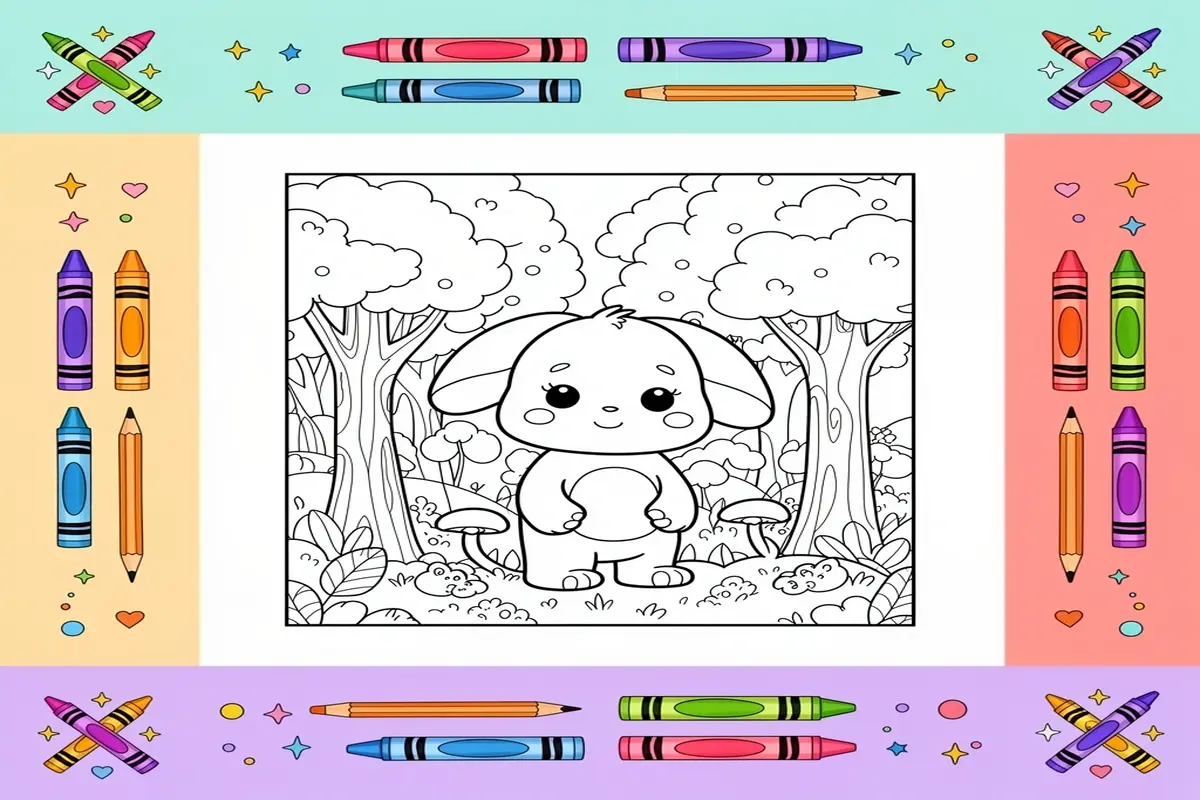
In a world of digital noise and constant stimulation, the simple act of coloring offers a profound sanctuary. It’s a tactile, mindful journey back to basics, where focus is found in the sweep of a crayon and calm emerges from a palette of chosen hues. For children, this creative process is more than just play; it’s a foundational exercise in fine motor development, color recognition, and emotional expression. When the theme turns to the enchanting realm of the woods, the adventure deepens. Forest coloring pages for kids transport young artists into a verdant world of towering trees, hidden creatures, and dappled sunlight, sparking imagination and a natural curiosity about the environment. This exploration of sylvan scenes provides a perfect balance of educational engagement and therapeutic relaxation, making these pages a cherished resource for parents and educators alike. If your young explorer also delights in creatures of the deep, our collection of free dolphin coloring pages offers another wonderful aquatic adventure.
The Enchanted Canopy: Why Forest Scenes Captivate Young Minds
The Psychology of Green: Cultivating Calm and Focus
The very theme of a forest works its own subtle magic. Psychologically, the color green and natural imagery are inherently soothing, associated with growth, harmony, and restoration. For a child, engaging with forest coloring pages for kids can be a form of gentle, screen-free mindfulness. The act of choosing between mossy greens, earthy browns, and vibrant floral colors requires decision-making and concentration, pulling focus into the present moment. This immersive activity can help alleviate anxiety, improve attention spans, and provide a satisfying sense of accomplishment as the scene comes to life under their hands. It’s a creative retreat that builds confidence with every shaded leaf and patterned mushroom.
Roots in Storytelling: A Timeless Portal to Adventure
Forests are the classic setting of fairy tales, myths, and epic adventures—from the Brothers Grimm to modern animated films. They represent the unknown, a place of discovery, friendly creatures, and hidden wonders. By coloring these scenes, children aren’t just filling shapes; they are stepping into a narrative. They become the storyteller, deciding if the fox peeking from behind an oak is friendly or if the path winding through the trees leads to a secret castle. This connection to timeless stories enriches the experience, making each forest coloring page for kids a springboard for imaginative play and verbal storytelling long after the crayons are put away.
A Canvas for Every Explorer: From Simple Shapes to Intricate Details
The beauty of this theme lies in its incredible versatility. For tiny hands just learning to grip a crayon, a page with a friendly, cartoon-style bear and a few large trees is perfect. For older kids seeking a challenge, intricate pages bursting with detailed flora and fauna—think layered canopies, textured bark, and hidden animal families—offer hours of engaging focus. This range ensures that forest coloring pages for kids can grow with the child, continually offering an appropriate level of creative stimulation. Whether a quick creative break or a deep dive into an artistic project, the forest provides a universally appealing and endlessly explorable landscape for all skill levels.
Professional Materials & Preparation for forest coloring pages for kids
To transform your forest coloring pages for kids from a simple activity into an engaging and skill-building experience, the right materials and setup are crucial. Proper preparation not only enhances the final artwork but also fosters a child’s focus and enjoyment. This guide details the essential toolkit and environment needed for children to successfully bring their woodland scenes to life.
The Foundation: Selecting Premium Paper for forest coloring pages for kids
The paper you choose is the literal groundwork for the activity. For standard crayon or colored pencil work, a smooth, bright white paper around 100-120 GSM (grams per square meter) is ideal. It provides enough tooth for pigment adhesion without causing excessive wear on pencil tips. If your child prefers markers, seek out heavyweight marker paper (around 160 GSM) or bleed-proof paper to prevent colors from soaking through and damaging surfaces underneath. For a truly immersive project, consider printing your forest coloring pages for kids on textured cardstock; this can add a tactile, rustic feel perfect for depicting tree bark, mossy stones, and other natural elements found in the forest.
Best Coloring Tools: Markers vs. Pencils for Woodland Scenes
The choice between markers and pencils significantly impacts the style and outcome of the artwork.
Colored Pencils: Offer superior control for detailed work, making them perfect for rendering the intricate patterns on a butterfly’s wings or the fine needles of a pine tree. Wax-based pencils provide vibrant, blendable layers, while oil-based variants are excellent for smooth, rich coverage. They are less messy and ideal for developing fine motor skills and patience.
Markers: Deliver bold, flat areas of vivid color, excellent for filling large areas like skies, lakes, or meadows in a forest scene. Alcohol-based markers allow for seamless blending, perfect for creating sunsets through the trees. However, water-based options are more child-friendly and easier to clean. For a balanced approach, many young artists start with pencils for details and use markers for larger background elements, a technique that works wonderfully on forest coloring pages for kids where both detail and broad color fields are present.
Finishing Touches: Gel Pens, Blenders, and Highlights
Elevate the finished page with specialized tools. White or metallic gel pens are invaluable for adding magical highlights, such as dewdrops on leaves, stars in a night sky, or the gleam in an animal’s eye. Colorless blender pencils or markers can smooth pencil strokes and create gradient effects, ideal for depicting a fading sunset or misty forest hills. A simple set of fine-line artists’ pens can be used to redefine outlines or add extra textures like wood grain or fur after coloring is complete, giving the page a polished, professional look.
Perfect Workspace: Crafting an Ergonomic Coloring Environment
A well-prepared workspace is as important as the materials. Ensure ample, natural light or a bright, neutral-white LED lamp to reduce eye strain and allow for accurate color perception. The seating surface should support good posture, with the child’s feet flat on the floor and the coloring page positioned at a comfortable angle—a clipboard or a slanted desk can help. Keep supplies organized in cups or trays to minimize distractions and spills. Having a ready inspiration source, such as our collection of realistic lion coloring pages free printable, can also spark ideas for the creatures that might inhabit their forest scene. Finally, protect the work surface with a large craft mat or newspaper, creating a stress-free zone where creativity can flourish without worry.
Part 3: Elevating Your Art: Professional Techniques for Forest Coloring Pages for Kids
Unlock a new level of creativity with your forest coloring pages for kids. Moving beyond simple fill-in, these professional techniques will help young artists (and the adults guiding them) transform flat pages into stunning, dimensional scenes. This guide focuses on actionable methods to build confidence and produce impressive results.
Harmonious Palettes: Color Theory for Forest Scenes
Understanding basic color relationships can make any forest scene pop. For a vibrant, cohesive look, teach two key concepts:
Analogous Colors: These are neighbors on the color wheel (like green, yellow-green, and yellow). They create serene and natural-looking areas, perfect for rendering a sun-dappled canopy or a mossy log. Think of using analogous blues and greens for a tranquil river scene found in our fish coloring pages.
Complementary Colors: These sit opposite each other (like red & green or purple & yellow). Used sparingly, they create dazzling contrast. A bright red ladybug on a green leaf or a few purple wildflowers in a field of yellow grass instantly draws the eye and adds excitement to your forest coloring pages for kids.
From Flat to 3D: Mastering Light and Shadow
The secret to depth is deciding where your light source is (e.g., the sun in the top corner). Consistency is key!
1. Identify the Light: Lightly mark an arrow on the page reminding you where the light is coming from.
2. Apply Base Color: Color an object (like a tree trunk) with your main, medium brown.
3. Add Shadow: On the side away from the light, apply a darker brown or grey. Blend gently toward the base color.
4. Highlight: On the side closest to the light, apply a lighter tan or yellow. A white colored pencil can add a final sparkle on the very edge. This simple three-step method turns circles into spheres and trees into towering pillars.
Adding Realism: Texturing Bark, Fur, and Foliage
Texture brings your forest to life. Use these stroke-based techniques:
Tree Bark: Instead of coloring smoothly, use short, vertical, jagged strokes with varying pressure. Layer a second color with the same technique for a rough, realistic feel.
Animal Fur: Color in the direction the fur grows. For a fluffy squirrel, use tiny, overlapping circular strokes. For a sleek deer’s coat from our deer coloring pages for kids, use longer, smoother, parallel strokes.
Leafy Canopies: Create the illusion of countless leaves by using a “scribble” or small, overlapping “U” shapes with different shades of green, rather than one solid fill.
The Art of Correction: Graceful Fixes for Coloring Errors
Mistakes are part of the process! Here’s how to recover gracefully:
Waxy Pencils: If you color outside the lines with wax-based pencils, use a white eraser gently to lift the stray marks. For darker colors, carefully color over the mistake with your intended background color (e.g., green over a brown mark on grass).
Heavy Pressure: If an area is colored too dark, use a colorless blender pencil (if available) to smooth and lighten it slightly. Alternatively, embrace it as a deep shadow!
Embellish: Turn a stray mark into a new forest element—a small bug, a pebble, or a berry. This creative problem-solving builds resilience and makes the artwork uniquely theirs.
By integrating these techniques, the journey through forest coloring pages for kids becomes a masterclass in artistic observation and skill, yielding gallery-worthy results from any young explorer’s desk.
Showcasing Your Forest Coloring Pages for Kids: Creative Display Ideas
The adventure doesn’t end when the last leaf is colored! Turning your child’s completed forest coloring pages for kids into displayed art or new creations builds confidence and extends the fun. It’s a wonderful way to celebrate their effort and bring a touch of nature’s magic into your home.
Preserving Your Masterpiece: Archival Tips
Before displaying, consider protecting the artwork. For pieces you want to last, use acid-free spray fixatives to prevent crayon or pastel smudging. Laminating sheets are a quick, kid-proof option for fridge art. For a more formal display, inexpensive clip frames or simple matting can make any coloring page look like gallery art. Store flat portfolios or large envelopes keep unused pages crisp, ready for the next creative session.
Beyond Display: Creative DIY Projects
Transform colored pages into gifts and keepsakes. Cut out beautifully colored trees or animals to create unique greeting cards or bookmarks sealed with clear contact paper. For a seasonal twist, make a woodland-themed garland by stringing multiple pages together. You can also decoupage them onto a small box or tray for a personalized treasure chest. These projects not only recycle art but teach kids about repurposing creatively. For more animal-themed inspiration, check out our free whale coloring pages.
Your Forest Coloring Pages for Kids Questions Answered
What are the benefits of coloring for children?
Coloring boosts fine motor skills and hand-eye coordination, laying the groundwork for writing. It’s a calming activity that promotes focus and reduces anxiety, allowing kids to express emotions creatively. Working on detailed scenes like forest coloring pages for kids also enhances color recognition, patience, and a sense of pride in their finished artwork.
How do you color a forest background?
Start with the sky at the top, using light blues or sunset hues, blending downward. For the forest floor, use greens and browns, applying more pressure for texture like grass or leaves. Layer colors! Add hints of yellow over green for sunlight or dark browns in shadows. Remember, in a forest scene, the background sets the mood, so encourage soft blending.
Where can I find free forest coloring pages?
Many educational websites and parenting blogs offer free, printable coloring pages. Look for sites that categorize by theme, like “nature” or “habitats.” Our own collection features a variety of scenes perfect for your next forest coloring pages for kids session. Always ensure you’re downloading from a reputable source for safe, high-quality PDFs.
What are the best coloring materials for kids?
For young children, thick crayons and washable markers are ideal for easy grip and cleanup. Older kids can graduate to colored pencils for finer detail in their forest scenes or even soft pastels for blending. Always choose non-toxic, age-appropriate materials. A simple set of 12-24 colors is plenty to bring a vibrant forest to life.
How do I print coloring pages?
Ensure your printer has paper and ink. Download the coloring page as a PDF or image file. Select “Print” and choose “Best Quality” or “High Resolution” in your printer settings for crisp lines. Use standard printer paper for practice, but try slightly heavier cardstock for a special project with markers to prevent bleed-through.
Final Thoughts: Your Forest Coloring Pages for Kids Journey Begins
Embarking on the world of forest coloring pages for kids opens a door to creativity, calm, and connection with nature, all from your kitchen table. It’s more than just an activity; it’s a journey through imagined woodlands that builds skills and happy memories. Each page completed is a testament to your child’s growing abilities and imagination.
We hope this guide inspires you to create, display, and cherish these artistic adventures. Remember, every tree colored and every animal brought to life is a step in your child’s creative development. So grab those crayons, print a new scene, and let the quiet magic of the forest unfold.
Ready for your next adventure? Explore our dinosaur coloring pages for kids!