We offer a wide collection of free, high-quality printable coloring pages for kids and adults. From cute animals to intricate mandalas, our designs bring creativity and relaxation to everyone. Download, print, and start coloring today!

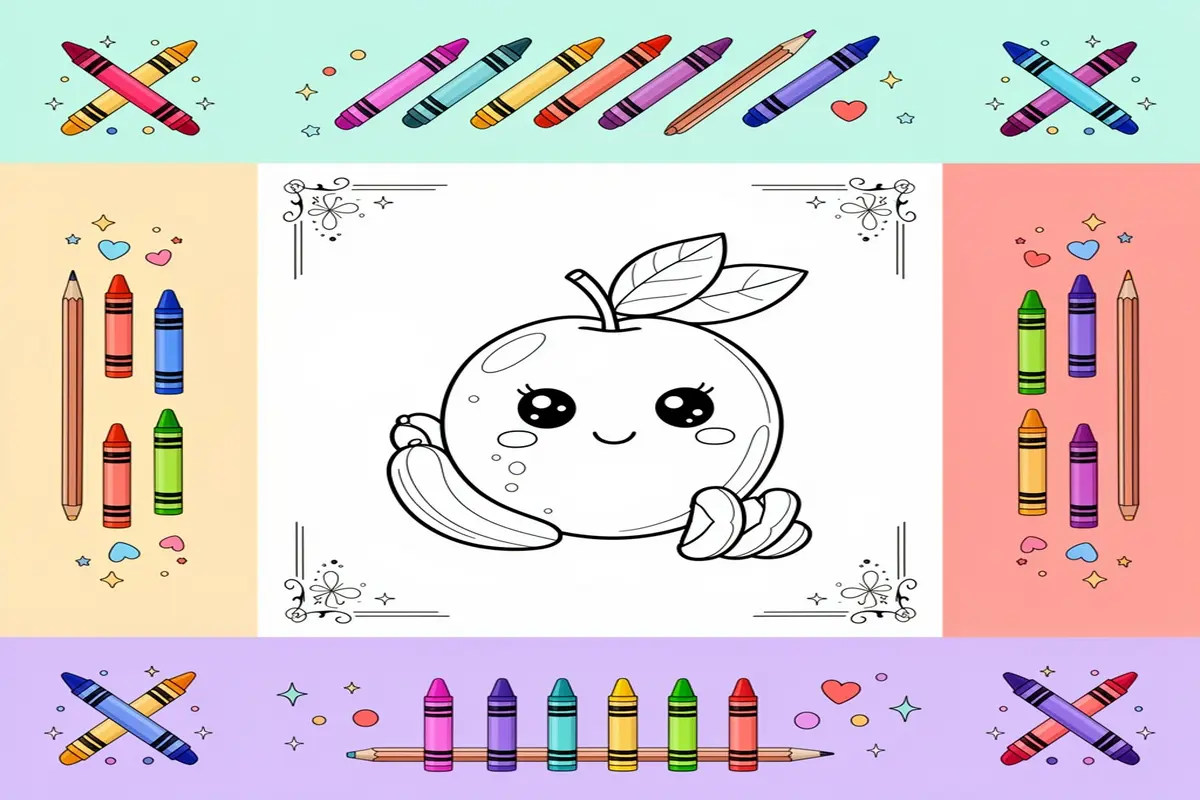
In a world saturated with digital screens, the simple, tactile joy of coloring offers a profound return to creativity’s roots. It’s a quiet space where imagination blossoms, fine motor skills are honed, and a sense of calm is cultivated. Within this delightful universe, fruit coloring pages for kids stand out as a particularly engaging and educational niche. These aren’t just outlines to fill; they are invitations to explore a rainbow of natural hues, learn about healthy foods, and engage in sensory play through art. From the sunny yellow of a lemon to the deep purple of a bunch of grapes, each page is a mini-adventure in color theory and nature study. Introducing children to fruit coloring pages for kids provides a foundational artistic experience that is both fun and enriching, seamlessly blending play with subtle lessons in biology and nutrition. For a different but equally captivating artistic journey, consider exploring the wonders of the ocean with our collection of free dolphin coloring pages.
The Psychology & Universal Appeal: More Than Just a Pretty Picture
Why do children (and adults!) find such satisfaction in bringing a black-and-white outline to life? The appeal of fruit coloring pages for kids is deeply rooted in both developmental psychology and the innate human response to color and pattern.
The Mindful Stroke: Coloring as a Focused Sanctuary
In an age of shortening attention spans, coloring demands a singular focus. The act of choosing a shade, staying within the lines, and watching an image emerge requires a state of flow that is inherently calming. For a child, this focused activity can be a peaceful retreat from overstimulation, helping to regulate emotions and reduce anxiety. The familiar, friendly shapes of apples, bananas, and strawberries found in fruit coloring pages for kids provide a non-threatening canvas for this mindful practice, making the entry into a focused state both easy and enjoyable.
A Bite of Culture: The Historical Roots of Fruit in Art
Fruit has been a central subject in art for millennia, symbolizing abundance, life, and sensory pleasure. From the still-life paintings of the Dutch Masters to the vibrant patterns of traditional textiles worldwide, fruit is a cross-cultural artistic staple. When a child colors a pineapple or a cluster of cherries, they are unconsciously connecting to this rich visual heritage. Fruit coloring pages for kids serve as an accessible first step into art history, allowing young minds to interact with forms that have fascinated artists across time and continents, all while developing their own color palettes and styles.
Designed for All: From Toddler Grip to Advanced Detail
The beauty of this theme lies in its scalability. For the youngest artists, simple, bold outlines of a single apple or watermelon slice are perfect for practicing grip and basic color recognition. As skills develop, more complex pages featuring fruit baskets, detailed pineapples with intricate patterns, or scenes of fruit markets offer a satisfying challenge for older children and even adults. This inherent flexibility ensures that fruit coloring pages for kids remain a go-to resource for years, growing with the artist and continually providing an appropriate level of creative engagement and skill development.
Part 2: Essential Materials & Preparation for Fruit Coloring Pages for Kids
To transform your fruit coloring pages for kids from a simple activity into an enriching artistic experience, the right materials and setup are crucial. Proper preparation not only enhances the final artwork but also fosters better focus and enjoyment for young artists. This guide outlines the professional-grade supplies and environmental considerations that will make coloring sessions more productive and fun.
The Foundation: Selecting Premium Paper for Fruit Coloring Pages for Kids
The paper you choose is the single most important factor in determining the quality of the finished artwork. For fruit coloring pages for kids, which often feature bold shapes and vibrant colors, a heavier weight paper is recommended. Look for printer or drawing paper with a weight of at least 100 GSM (grams per square meter). This density prevents bleed-through from markers, allows for smooth blending with colored pencils, and withstands erasing without tearing. For a special project, consider using smooth Bristol board (around 250 GSM), which provides a luxurious surface for detailed work on intricate fruit designs like pineapples or strawberries. Always print or place your coloring page on a flat, hard surface before starting.
Best Coloring Tools: A Detailed Comparison of Mediums
The choice between markers, colored pencils, and crayons dramatically affects the outcome of your fruit coloring pages for kids.
Colored Pencils: Ideal for developing fine motor skills and achieving realistic shading on fruit textures. Wax-based pencils offer vibrant color, while oil-based pencils (like Faber-Castell Polychromos) blend more smoothly for gradients on rounded fruit like apples and oranges. Look for pencils with high pigment concentration for richer color with less pressure.
Markers: Provide brilliant, uniform blocks of color perfect for bold watermelon slices or bunches of grapes. Use alcohol-based markers (like Copic or Ohuhu) for professional, bleed-free blending, but ensure you have bleed-proof paper. For younger children, water-based markers are safer and easier to control. A dual-tip marker (broad and fine) is versatile for both filling large areas and adding details.
Crayons: Excellent for toddlers, crayons are durable and encourage broad, expressive strokes. While less precise, they can create beautiful textured effects, especially on their side, to mimic the skin of a cantaloupe or peach.
Finishing Touches: Enhancing Details with Specialty Tools
Once the base colors are down, specialty tools can elevate the artwork. Gel pens and metallic markers are perfect for adding highlights to dew drops on berries or creating shiny seeds on a kiwi. A white gel pen is indispensable for creating bright highlights on grapes or citrus segments. For colored pencil work, a colorless blending pencil can smooth gradients seamlessly. A fine-tip black marker can be used to carefully redefine any lines that were obscured during coloring, making the image pop. For a fun, textural element on a pineapple or coconut page, consider glue and sprinkling a little sand or glitter.
Perfect Workspace: Optimizing Lighting and Ergonomics
A well-prepared workspace is key to a successful coloring session. Ensure ample, natural light or a bright, white LED desk lamp to reduce eye strain and allow children to see true colors—vital when differentiating between shades of red in cherries and strawberries. The seating should support good posture; feet should rest flat on the floor or a stool, with the table at elbow height. Keep supplies organized in cups or trays to minimize distractions. Having a dedicated space for art projects, like the one you might create after exploring our creative coloring pages for kids, encourages routine and signals that it’s time to focus. Always protect the work surface with a large piece of cardboard or a vinyl mat, and keep a damp cloth nearby for quick clean-ups.
Part 3: Elevating Your Art: Advanced Techniques for fruit coloring pages for kids
Ready to transform those simple outlines into vibrant masterpieces? Moving beyond basic filling, these advanced techniques will help you and your child unlock a new level of creativity and realism on every page. Whether you’re working on a juicy apple or a spiky pineapple, these methods add depth, texture, and professional polish. For more foundational practice with simpler subjects, exploring our animal coloring pages for kids can be a great warm-up.
Harmonious Palettes: Color Theory for fruit coloring pages for kids
Understanding a few basic color relationships can make your fruit illustrations pop. Start with complementary colors (opposites on the color wheel) to create vibrant contrast—think green leaves against a red strawberry, or a purple grape next to a yellow banana slice. For a more soothing, natural look, use analogous colors (colors next to each other). This is perfect for shading a single piece of fruit; color a peach using a spectrum of reds, oranges, and yellows. Encourage kids to plan a “color scheme” before they start, turning the page into a mini art lesson.
From Flat to 3D: Masterful Shading Techniques
The secret to making fruit look plump and real is shading. Here’s a simple, step-by-step approach:
1. Identify Your Light Source: Decide where the “sun” is (e.g., top left). Every shadow will be opposite.
2. Layer Your Colors: Instead of coloring the entire apple with one red, use a lighter red or pink for the area closest to the light.
3. Build Depth: Apply a medium red for the main body, and use a deeper crimson or maroon for the shadowed side. Use gentle, circular pencil strokes to blend where the colors meet.
4. Add the Final Touch: A tiny white highlight (left blank or added with a gel pen) on the brightest spot makes the fruit look glossy and wet.
Adding Realism: Creative Texture Methods
Each fruit has a unique skin or surface that texture techniques can capture.
Stippling (Dotting): Perfect for the speckled skin of a strawberry or the rough texture of a lemon rind. Use the tip of a marker or pencil to create clusters of tiny dots.
Cross-Hatching: For woven baskets or the fibrous husk of a coconut, draw sets of parallel lines crossing over each other.
Smooth Blending: For fruits like grapes or plums, aim for a seamless, shiny look. Use colored pencils and a blending stump (or a white pencil) to softly merge colors without visible strokes. This technique is similar to achieving the smooth gradients you might find in our abstract coloring pages for kids, applied to a realistic form.
The Art of Correction: Gracefully Fixing Coloring Errors
Mistakes are part of the process! Here’s how to handle them gracefully:
Pencil First: For intricate areas, lightly sketch boundaries or shadows with a regular pencil before applying color.
Embrace the “Happy Accident”: A color outside the line can become a shadow or a highlight. Blend it outward or darken it intentionally.
Strategic Cover-Ups: If using markers, a go-to white gel pen can cover small slips and even add highlights. With colored pencils, gently lift color with a sticky-tack or a specialized eraser, then re-layer.
The Power of Backgrounds: If coloring near an edge is tricky, turn the mistake into a background element—add a sky, a table, or a simple wash of color around the fruit to unify the page.
Showcasing Your Fruit Coloring Pages for Kids: Creative Display Ideas
Once the coloring is complete, the fun doesn’t have to stop! Transforming your child’s artwork into a display or project celebrates their effort and boosts their confidence. Here are inspiring ways to honor their colorful creations.
Preserving Your Masterpiece: Archival Tips
To ensure those vibrant fruit coloring pages for kids last, consider simple preservation. For long-term display, use acid-free tape or photo corners to mount them on backing paper, preventing yellowing. A quick spray with a clear, matte art sealant (used in a well-ventilated area) can protect against smudging and fading. For storage, a simple portfolio or a large, flat folder keeps pages organized and pristine, creating a wonderful keepsake of their artistic growth.
Beyond Display: Creative DIY Projects
Turn colored pages into meaningful gifts and decor. Laminate a page and cut it into a custom bookmark, or fold and glue it into a unique greeting card for a grandparent. Create a “fruit salad” garland by stringing multiple cut-out fruits together. For a fun learning tool, pair their colored apple or banana page with our ABC coloring pages for kids to build an alphabet food wall. These projects extend the joy and learning far beyond the coloring table.
Your Fruit Coloring Pages for Kids Questions Answered
We know parents and teachers have questions about making the most of coloring time. Here are detailed answers to some of the most common queries.
What do children learn from coloring fruits?
Coloring fruits teaches far more than color recognition. It builds fine motor skills and hand-eye coordination as children practice staying within lines. It’s a fantastic opportunity for vocabulary building, discussing fruit names, colors, and textures. Furthermore, engaging with fruit coloring pages for kids can spark conversations about healthy eating, seasons, and where food comes from, blending art with early science and nutrition lessons.
How to teach nutrition with coloring pages?
Use coloring as a visual conversation starter. As your child colors a strawberry, talk about Vitamin C. Color a banana and discuss potassium for strong muscles. Group fruits by color and explore the different nutrients each color group provides. You can even create a “healthy plate” collage by cutting out their colored fruits and vegetables and arranging them on a paper plate, making nutrition education interactive and memorable.
Where to find free fruit coloring pages?
Numerous educational websites, parenting blogs, and library websites offer high-quality, free printable pages. Look for sites that categorize by theme for easy finding. For a vast and growing collection that includes fruits alongside many other themes, explore dedicated coloring sites like Safari Coloring, which provides a wide array of free, kid-friendly options to download and print instantly.
What are the best crayons for toddlers?
For toddlers, prioritize safety and ease of use. Chunky, triangular crayons are excellent as they are easier for little hands to grip and help develop proper finger placement. Look for non-toxic, washable formulas for peace of mind. Brands like Crayola Toddler or Melissa & Doug Jumbo crayons are great choices. Their broader tips are also less likely to break under enthusiastic pressure.
Why is coloring important for fine motor skills?
The act of coloring strengthens the small muscles in the hands, fingers, and wrists through precise, controlled movements. Gripping the crayon, applying varying pressure, and working to color within boundaries all directly contribute to dexterity and pencil control. This foundational practice is crucial for later skills like handwriting, buttoning clothes, and using utensils effectively.
Final Thoughts: Your Fruit Coloring Pages for Kids Journey Begins
The simple act of coloring a piece of fruit opens a world of developmental benefits and joyful connection. It’s more than just an activity; it’s a springboard for learning about health, honing essential physical skills, and expressing creativity. Each finished page is a testament to your child’s focus and growing abilities, a masterpiece worthy of display or transformation into a cherished gift.
We hope this guide inspires you to see fruit coloring pages for kids as a versatile and valuable tool for fun and learning. Remember, the goal is the joyful process of creation and discovery. Ready for your next adventure? Explore our animal coloring pages for kids to continue the creative safari!