We offer a wide collection of free, high-quality printable coloring pages for kids and adults. From cute animals to intricate mandalas, our designs bring creativity and relaxation to everyone. Download, print, and start coloring today!

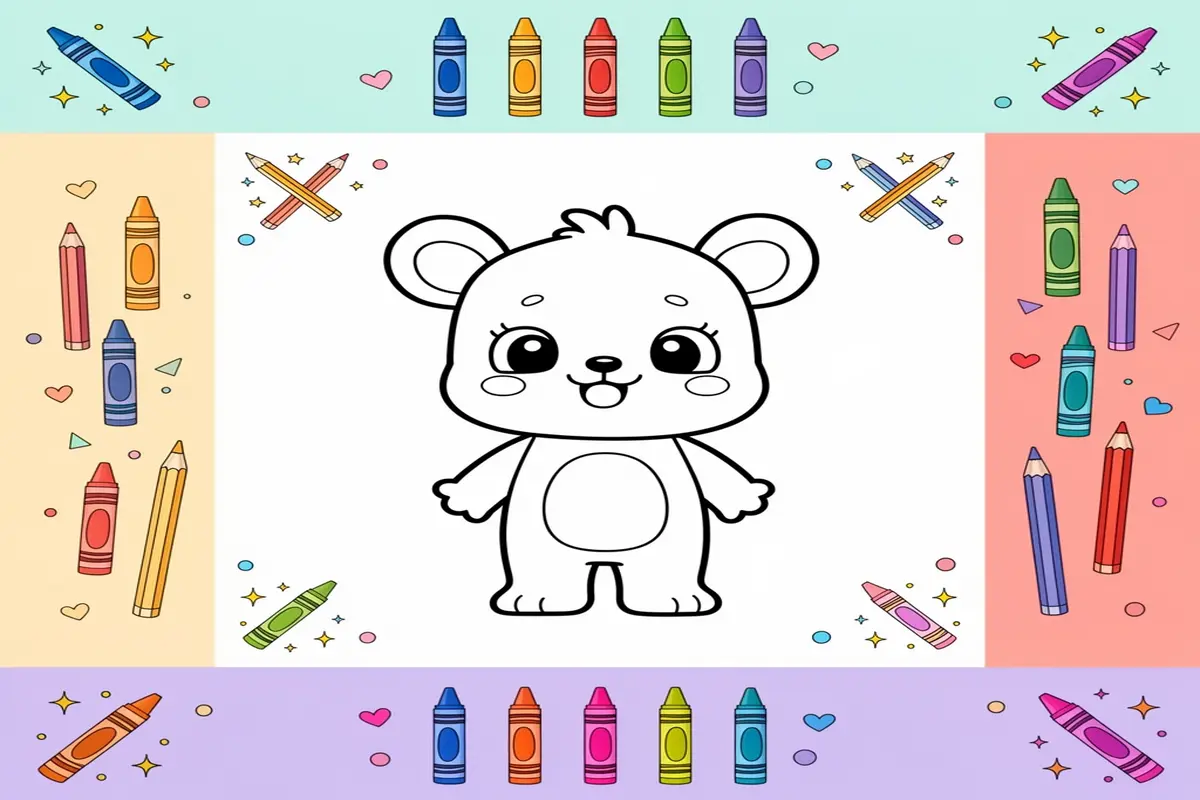
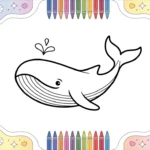
In a world of flashing screens and digital noise, the simple act of coloring offers a profound sanctuary. It’s a tactile, imaginative journey back to the purest form of creative expression. For children, fun coloring pages for kids are more than just a pastime; they are a vibrant playground for the mind, a tool for developing fine motor skills, and a canvas for emotional exploration. From the majestic depths of the ocean with our free whale coloring pages to the bustling scenes of a farmyard, each page invites a young artist on a unique adventure. This timeless activity transcends generations, offering a shared language of color and shape. By engaging with these carefully designed fun coloring pages for kids, children don’t just fill in lines—they build worlds, tell stories, and discover the quiet joy of focused creation. It’s an accessible art form where every scribble is progress and every finished page is a masterpiece of personal achievement.
The Alchemy of Color: Why Coloring Captivates Young Minds
The Psychology of Playful Focus
At its core, coloring is a mindful practice for the developing brain. It requires a harmonious blend of concentration and relaxation, guiding children into a state of ‘flow’ where time seems to melt away. This focused engagement is not merely busy work; it actively strengthens neural pathways related to hand-eye coordination, color recognition, and spatial awareness. The very structure of fun coloring pages for kids—with their defined borders and inviting subjects—provides a safe framework for experimentation, reducing anxiety and boosting confidence as young artists make independent creative choices.
A Tapestry Woven Through Time
While modern printing brings endless variety to our fingertips, the impulse to apply color to surface is ancient. From prehistoric cave paintings to illuminated manuscripts, humans have always used color to communicate, celebrate, and understand their world. Contemporary fun coloring pages for kids are the heirs to this rich legacy, transforming historical art forms into accessible, joyful activities. They serve as a child’s first interaction with artistic composition, introducing themes from nature, mythology, and daily life in an engaging, age-appropriate format.
Designed for Every Stage of Discovery
The true magic of a great coloring collection lies in its inclusivity. The best resources offer a spectrum of complexity, ensuring that every child, from the toddler gripping their first crayon to the detail-oriented pre-teen, finds a page that inspires. Simple, bold outlines build confidence for beginners, while intricate patterns challenge older kids to refine their precision and patience. This thoughtful curation means that fun coloring pages for kids grow with the child, continually offering new opportunities for skill development and artistic satisfaction, making them a perennial resource in any creative household.
Professional Materials & Preparation for fun coloring pages for kids
To transform your fun coloring pages for kids from a simple activity into an enriching creative experience, the right materials and setup are crucial. Proper preparation prevents frustration and allows young artists to fully engage with their artwork, whether they’re tackling a simple farm scene or a detailed abstract coloring page for kids. This guide outlines the professional-grade toolkit and environment that will elevate any coloring session.
The Foundation: Selecting Premium Paper for fun coloring pages for kids
The paper you choose is the single most important factor in coloring success. Standard printer paper (20-24 lb/75-90 GSM) is prone to bleeding, buckling, and tearing under enthusiastic coloring. For superior results, opt for a heavier weight. A bright white, smooth cardstock (65-80 lb/176-216 GSM) provides an excellent surface for both pencils and markers. It prevents bleed-through, allows for better color layering, and makes finished pieces feel substantial and display-worthy. For a specialized experience with colored pencils, consider paper specifically designed for blending, such as mixed-media or bristol board, which has a slight tooth to hold pigment. When printing your chosen fun coloring pages for kids, ensure your printer is set to “high quality” or “photo” for crisp, dark lines that are easy for small hands to see and follow.
Best Coloring Tools: A Detailed Comparison of Mediums
The choice between coloring tools defines the artistic outcome. Here’s a professional breakdown:
Colored Pencils: Ideal for developing fine motor control and detail work. Wax-based pencils (e.g., Crayola) offer vibrant color and are widely accessible. For advanced blending and realism, invest in artist-grade, oil-based pencils with higher pigment concentration. They layer smoothly without waxy buildup. Pencils are the clean, precise choice for intricate designs.
Markers: Deliver bold, saturated color instantly. For children, alcohol-free markers are safer and easier to wash off skin and surfaces. However, for professional, streak-free results on fun coloring pages for kids, consider brush-tip markers with dual tips (fine and broad). The key specification is bleed resistance; look for markers labeled as such to protect your work surface and the next page. Always test on a corner first.
A hybrid approach is often best: using pencils for detailed areas and markers for large, bold backgrounds.
Finishing Touches: Gel Pens, Blenders, and Highlights
Elevate the artwork with specialty tools. White gel pens are indispensable for adding highlights to eyes, creating stars, or correcting small mistakes. They add a pop of brilliance on top of darker marker or pencil layers. Colorless blender pencils or markers are secret weapons for professional shading; they smooth pencil strokes and create gradient effects without adding new color. For metallic or glitter accents on holiday-themed pages, a set of fine-tip metallic markers can add celebratory flair. These tools empower kids to add professional details that make their fun coloring pages for kids truly unique.
Creating the Perfect Workspace: Ergonomics and Lighting
A well-prepared space fosters focus and comfort. Ensure the coloring surface is stable and at an appropriate height to prevent hunching—a child’s table or a lap desk on the floor works well. Lighting is critical; natural light is ideal, but a bright, cool-white LED desk lamp will prevent eye strain and ensure true color representation. Organize materials within easy reach using cups for pencils and markers. Always place a protective barrier (like a large cardboard sheet or dedicated craft mat) underneath the paper, especially when using markers. Finally, keep a soft cloth or tissue handy for sharpening pencils and cleaning smudges, and a pencil sharpener with a reservoir to contain mess. This thoughtful setup prepares the artist for success from the first stroke.
Elevating the Experience: Advanced Techniques for fun coloring pages for kids
Ready to transform a simple coloring activity into a stunning piece of art? Moving beyond basic crayon strokes opens up a world of creativity for young artists. This guide to advanced techniques will help parents and teachers unlock new levels of skill and enjoyment with fun coloring pages for kids, turning flat images into vibrant, textured masterpieces.
Harmonious Palettes: Color Theory for fun coloring pages for kids
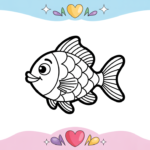
Understanding basic color relationships can dramatically improve the visual impact of any page. Teach kids about complementary colors (opposites on the color wheel, like red & green or blue & orange) to make elements “pop” – perfect for making a character stand out from its background. For a more calming and cohesive look, introduce analogous colors (colors next to each other on the wheel, like blue, teal, and green). This technique is ideal for creating serene scenes, such as those found in our ocean-themed fish coloring pages or peaceful autumn coloring pages.
From Flat to 3D: Mastering Light and Shadow
Adding dimension is the key to making drawings leap off the page. Start by choosing a single, consistent light source (e.g., the sun in the top corner). Step 1: Base Layer. Color the entire area with a medium tone. Step 2: Shadows. Apply a darker shade of the same color on the side opposite the light source. Step 3: Highlights. Leave the area closest to the light source the lightest, or add a touch of white or a very light yellow. Practice this on rounded objects like the apples in our fruit coloring pages or the gentle curves of a seahorse.
Adding Realism: Creative Texture Techniques
Texture brings a tactile feel to a 2D image. Here’s how to render different surfaces:
Fur & Hair: Use short, quick strokes in the direction the hair grows, layering darker and lighter tones. This works wonderfully on our lion or rabbit coloring pages.
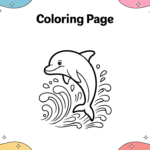
Scales & Smooth Skin: For creatures like fish or dolphins, use smooth, even coloring with subtle color gradients. Add tiny crescent-shaped marks for individual scales.
* Sky & Water: Use the side of a colored pencil or crayon to make broad, smooth strokes. Layer light blue over white for a soft sky, or use alternating wavy lines of blue and green for water.
The Art of Correction: Gracefully Fixing Coloring Errors
Mistakes are part of the creative process! Teach these graceful fixes:
1. Embrace It: Turn an accidental mark outside the line into a blade of grass, a star, or a freckle.
2. Layer Over It: Light stray marks can often be covered by applying more pressure with the correct color.
3. Incorporate Texture: A dark spot on an animal’s fur can become part of a natural pattern or shadow.
4. Strategic Backgrounds: If a large area is colored incorrectly, consider making the entire background a dark color (like a night sky) to unify the piece.
Mastering these techniques not only produces beautiful results but also builds confidence, patience, and artistic thinking. Every fun coloring pages for kids project becomes an opportunity for discovery and skill-building.
Showcasing Your Fun Coloring Pages for Kids: Creative Display Ideas
Once the crayons are down, the fun doesn’t have to end! Transforming your child’s artwork into a home gallery or a heartfelt gift adds another layer of joy to the activity. Here are inspiring ways to celebrate their colorful creations.
Preserving Your Masterpiece: Archival Tips
Protect those vibrant creations from fading and wear. For long-term storage, consider using acid-free portfolios or flat files. To display, use UV-protective glass in frames to prevent sun damage. A simple and effective method is to laminate favorite pieces, turning them into placemats or durable wall hangings. For a digital archive, scan or photograph the pages in good light, preserving them forever and allowing for easy reprints.
Beyond Display: Creative DIY Projects
Elevate colored pages into cherished keepsakes and gifts. Carefully cut out colored images to create unique greeting cards, gift tags, or bookmarks sealed with clear contact paper. For a festive touch, string together colored pages to make a personalized birthday banner. You can also decoupage them onto wooden boxes, trays, or magnets. These projects not only showcase the art but also teach kids about repurposing and creativity. For a project that’s both cute and calming, start with our cute calm coloring pages.
Your Fun Coloring Pages for Kids Questions Answered
What are the benefits of coloring for kids?
Coloring is a powerhouse activity for development. It significantly enhances fine motor skills and hand-eye coordination as children learn to control their strokes. It fosters creativity, color recognition, and focus. On an emotional level, it provides a calming, screen-free outlet for self-expression and can build confidence as children complete their fun coloring pages for kids.
Where can I find free printable coloring pages?
Numerous high-quality websites offer vast libraries of free, printable coloring sheets. Look for sites that categorize by theme, age, and interest, making it easy to find the perfect page. For instance, Safari Coloring provides thousands of options, from animals to holidays, all ready to download and print instantly for your fun coloring pages for kids session.
How to make your own coloring pages for kids?
Creating custom pages is easier than you think! Start with your child’s own simple drawings. Trace over the lines with a black marker to thicken them. Alternatively, print a favorite photo and use image-editing software or a phone app to apply a “posterize” or “pencil sketch” filter, converting it into a line drawing. This personal touch makes the activity extra special.
Does coloring help with fine motor skills?
Absolutely. The act of gripping crayons or pencils, practicing controlled movements to stay within lines, and applying varying pressure all strengthen the small muscles in the hands, fingers, and wrists. This foundational skill is crucial for future tasks like handwriting, buttoning clothes, and using utensils.
What are the best coloring materials for toddlers?
Opt for chunky, easy-to-grip crayons or washable markers that promote a proper grip. Washable paints with large brushes are also excellent. Always prioritize non-toxic, safety-certified materials. Fat crayons are ideal as they require more pressure, building hand strength, and are less likely to break easily during enthusiastic coloring.
Final Thoughts: Your Fun Coloring Pages for Kids Journey Begins
The simple act of coloring opens a world of developmental benefits and joyful, creative expression for your child. From strengthening essential motor skills to providing a peaceful moment of focus, each page completed is a step in their growth. We hope this guide has inspired you with new ideas for finding, creating, and celebrating these artistic adventures. Remember, the goal isn’t perfection, but the joy found in the process and the pride shining on your child’s face.
Ready for your next adventure? Explore our dinosaur coloring pages for kids for a prehistoric burst of creativity!