We offer a wide collection of free, high-quality printable coloring pages for kids and adults. From cute animals to intricate mandalas, our designs bring creativity and relaxation to everyone. Download, print, and start coloring today!

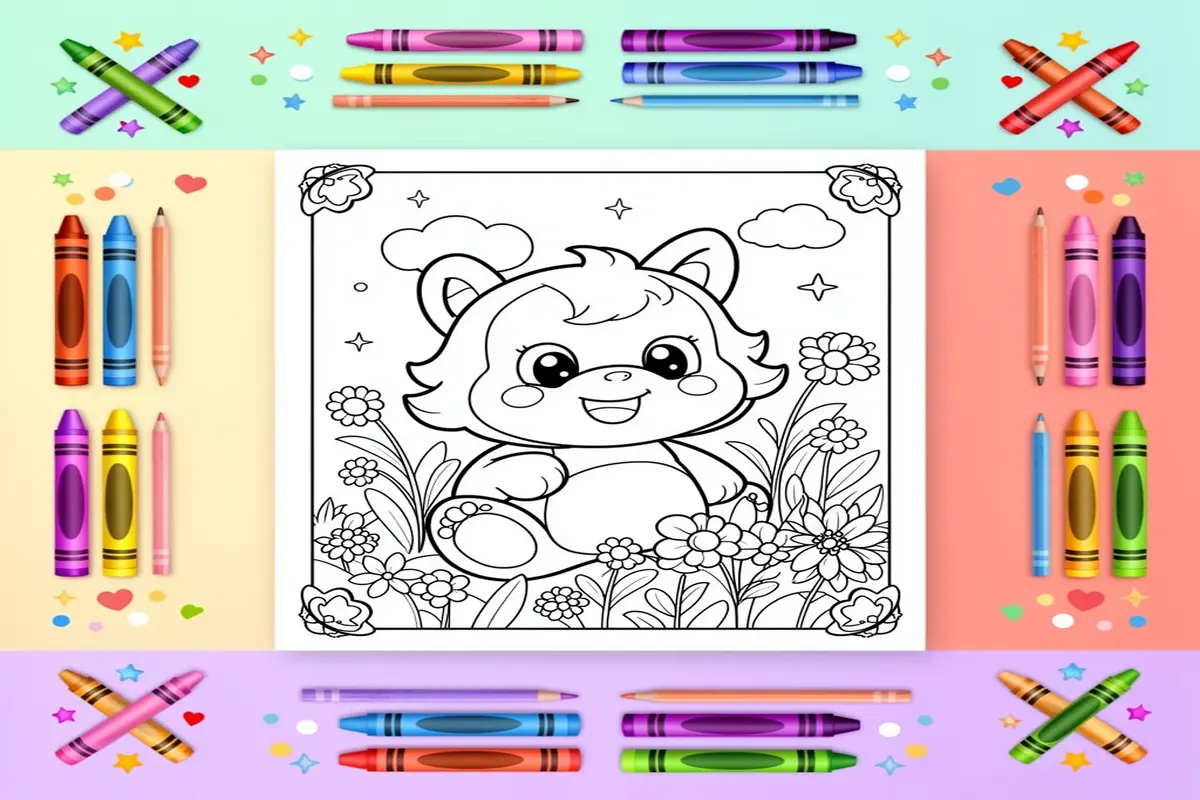
In a world of digital noise and fast-paced entertainment, there exists a timeless, tactile joy found in the simple act of coloring. It’s a portal to mindfulness, a quiet space where imagination takes root and blooms. For children, this creative practice is more than just play; it’s a foundational exercise in fine motor skills, color recognition, and emotional expression. Enter the enchanting world of garden coloring pages for kids, where every line invites a young artist to cultivate their own vibrant ecosystem on paper. These pages are not mere outlines; they are gateways to a miniature natural world, teeming with blossoming flowers, curious insects, and sun-dappled leaves waiting for a personal touch. From the intricate petals of a rose to the humble sprout pushing through the soil, garden coloring pages for kids offer a universally appealing theme that connects children to the rhythms of nature, fostering a sense of wonder and responsibility for the living world. It’s a creative pursuit that parallels the joy found in other nature-themed activities, much like the aquatic adventure awaiting in our collection of free dolphin coloring pages.
The Secret Garden of Benefits: More Than Meets the Eye
Delving into garden coloring pages for kids reveals a rich soil of developmental and psychological benefits. This quiet activity is a powerhouse for growing minds, offering lessons that extend far beyond the page.
The Psychology of Color: Planting Seeds of Calm
Why does filling in a sunflower’s center with yellow feel so inherently satisfying? The act of coloring engages the brain’s frontal lobe, responsible for problem-solving and organization, while simultaneously lowering the activity of the amygdala, the brain’s fear center. This creates a state of focused calm, similar to meditation. For a child navigating big emotions, selecting colors for a peaceful garden scene becomes a non-verbal outlet for processing feelings, reducing anxiety, and building concentration. The structured yet creative task provides a sense of control and accomplishment, which is vital for developing self-esteem.
A Timeless Harvest: The Enduring Roots of Garden Art
The depiction of gardens in art is a tradition as old as civilization itself, from the Hanging Gardens of Babylon to the illuminated manuscripts of the Middle Ages. Garden coloring pages for kids are a modern continuation of this legacy, democratizing the artistic representation of nature. They allow every child to become a curator of beauty, learning about botanical diversity and ecosystem interdependence through engagement. This thematic choice connects them to a cultural history of humans finding solace and inspiration in cultivated nature, making the activity both a personal and a shared human experience.
Designed for Every Budding Artist: From Seedling to Sapling
The true genius of these resources lies in their accessibility. Whether your child is a toddler first learning to grip a crayon or a pre-teen seeking intricate detail, there is a garden scene perfectly suited to their skill level. Simple pages with large, bold outlines of pumpkins or butterflies build confidence in young children. More advanced pages, featuring elaborate greenhouses, woven trellises, or detailed vegetable patches, challenge older kids with pattern recognition and shading techniques. This scalability ensures that garden coloring pages for kids remain a rewarding, frustration-free activity that grows alongside the child’s abilities, nurturing a lifelong love for art and nature.
Professional Materials & Preparation for garden coloring pages for kids
To ensure a successful and enjoyable coloring session with garden coloring pages for kids, proper preparation is key. Having the right materials on hand transforms a simple activity into an enriching artistic experience that enhances fine motor skills and color recognition. This guide details the essential supplies and setup needed to help children bring vibrant garden scenes to life, from buzzing bees to blooming flowers.
The Foundation: Selecting Premium Paper for garden coloring pages for kids
The paper you choose directly impacts the final artwork and the child’s experience. For standard printing of garden coloring pages for kids, opt for a bright white, smooth paper with a weight of 100-120 GSM (grams per square meter). This weight prevents bleed-through from markers and can handle layered pencil work without tearing. For a more advanced or special project, consider heavyweight cardstock (160-200 GSM), which is excellent for mixed media and creates a “masterpiece” feel. If your chosen designs include intricate botanical details, a slightly textured paper can add depth to pencil shading, mimicking the organic feel of real petals and leaves.
Best Coloring Tools: A Detailed Medium Comparison
The choice between coloring mediums depends on the child’s age, desired effect, and the complexity of the page.
Colored Pencils: Ideal for control and detail, especially for older children tackling intricate scenes like a garden coloring pages for kids featuring a dense flowerbed or a ladybug on a leaf. Wax-based pencils offer smooth blending, while oil-based provide richer, more vibrant layers. Look for pencils with soft cores that require minimal pressure.
Markers: Brilliant for bold, flat areas of color like a bright sun or a simple tulip. For children, alcohol-free markers are safer and typically washable. Be mindful of potential bleed-through; always place a scrap sheet underneath. Broad-tip markers are great for large areas, while fine tips are perfect for outlining stems and adding small details.
Crayons: The classic choice for younger artists. Their sturdy build and ease of use build confidence. While less precise, they are perfect for filling large garden elements like skies, grass, and simple flower shapes, encouraging broad, creative strokes.
Finishing Touches: Enhancing Details with Specialty Tools
Once the base colors are down, specialty tools can add magic and dimension to any garden scene.
Gel Pens & Metallic Markers: These are indispensable for adding highlights and small details. A white gel pen can create dewdrops on petals or highlights in a butterfly’s wing. Metallic pens in gold or silver are perfect for coloring sunbeams, fairy wings, or the centers of flowers.
Blending Tools: For colored pencil work, a colorless blender pencil or paper blending stumps can smooth gradients, creating realistic shading on rounded vegetables or the soft fur of a garden rabbit. This technique elevates the artwork and teaches valuable shading skills. For inspiration on blending animal textures, explore our detailed cheetah coloring pages.
Perfect Workspace: Optimizing Lighting and Ergonomics
A well-prepared workspace ensures comfort and allows children to focus on their creativity.
Lighting: Natural daylight is optimal for accurate color perception. Position the workspace near a window. For evening sessions or darker rooms, use a bright, white LED desk lamp to reduce eye strain and cast clear light on the page, making fine lines easy to see.
Ergonomics & Setup: Ensure the child’s feet are flat on the floor and the table is at elbow height. Use a hard, flat surface for coloring. Protect the table with a large craft mat or a simple piece of cardboard. Organize materials within easy reach in small containers—cups for pencils and markers, a small tray for specialty tools. Keep a clean scrap paper sheet handy for testing colors and preventing accidental marks on the masterpiece.
Part 3: Elevating Your Child’s Art: Advanced Techniques for Garden Coloring Pages for Kids
Moving beyond simple filling-in, these advanced techniques can transform your child’s garden coloring pages for kids from flat drawings into vibrant, textured masterpieces. This section is designed for parents and teachers to guide young artists toward more professional, satisfying results, building confidence and skill with every page.
Harmonious Palettes: Color Theory for Lush Gardens
Understanding basic color relationships makes a garden scene sing. Teach children about complementary colors (opposites on the color wheel), like pairing purple crocuses with yellow centers, to make elements “pop.” For a more serene, natural look, introduce analogous colors—those next to each other on the wheel. A section of a garden coloring page could use analogous blues, blue-greens, and greens for a calming pond or lush foliage. Start with our flower coloring pages for kids to practice these schemes on simpler subjects before tackling a full garden scene.
From Flat to 3D: Mastering Light and Shadow
Adding depth is the key to realism. Guide your child to imagine a sun in one corner of their garden coloring pages for kids. The sides of objects facing the sun are lighter; the opposite sides are darker. Practice on a simple garden rock or pumpkin: color it solidly, then go over the “shadowed” side again with the same crayon or a slightly darker shade, applying more pressure. For rounded items like petals or animal figures in the garden, like those found on our rabbit coloring pages free printable, use gentle, curved shading lines that follow the shape’s contour.
Adding Realism: Texturing Leaves, Fur, and Soil
Texture brings a page to life. Demonstrate different strokes:
Furry Friends: For a bunny or bee visiting the garden, use tiny, overlapping circular or “U” shaped strokes instead of solid coloring.
Leafy Greens: For leaves or grass, use quick, directional outward strokes from the center vein or ground.
Rough Bark: On a tree trunk, use short, jagged, sideways strokes.
* Smooth Sky: Use the side of a colored pencil or crayon for a soft, even blend. Encourage experimentation—a “messy” stroke often creates the most realistic effect!
The Art of Correction: Graceful Fixes for Coloring Mistakes
Mistakes are part of the process. Teach these recovery strategies:
1. Embrace It: A stray mark can become a ladybug, a new flower bud, or a hidden fairy door.
2. Layer Lightly: If a color is too dark, gently go over it with a white crayon or colored pencil, then apply the correct color on top. This works wonders for lightening skies or petals.
3. Blend and Transform: An unintended green smudge near a flower stem can be blended outward with a yellow to become part of the grassy background. The goal is not perfection, but creative problem-solving, turning every “oops” into an opportunity within their garden masterpiece.
Part 4: Celebrating Your Child’s Art: Creative Display Ideas for garden coloring pages for kids
Your child’s completed garden coloring pages for kids are vibrant celebrations of nature and creativity. Don’t let them stay hidden in a folder! Here are inspiring ways to showcase their blossoming artwork and extend the fun into delightful DIY projects.
Preserving Your Masterpiece: Archival Tips
To ensure those colorful flowers and buzzing bees last, consider simple preservation methods. For special pieces, use acid-free sheet protectors in a dedicated binder. You can also lightly spray finished pages with a fixative or hairspray to prevent wax-based crayons from smudging. For a more permanent display, affordable framing with a colorful mat can turn any page into gallery-worthy art for your home.
Beyond Display: Creative DIY Projects
Transform colored pages into cherished gifts and keepsakes. Laminate a favorite page and cut it into unique bookmarks or gift tags. Adhere the artwork to a plain wooden box or tray with decoupage glue for a personalized storage piece. You can also create custom greeting cards by folding cardstock and gluing a cut-out flower or friendly bug from their garden coloring pages for kids to the front. It’s a wonderful way to share their creativity with family.
Part 5: Your Guide to garden coloring pages for kids: FAQs
What are the benefits of coloring for kids?
Coloring is far more than just fun. It strengthens fine motor skills and hand-eye coordination, essential for writing. It fosters creativity and color recognition while also serving as a fantastic, screen-free tool for mindfulness and emotional expression. Focusing on a beautiful garden coloring pages for kids scene can be a calming, confidence-boosting activity for young minds.
Where can I find free printable garden coloring pages?
You can find a wonderful variety of free, high-quality printable coloring pages right here on our site! We offer numerous themed collections, from detailed flowers to friendly garden creatures. For more nature-themed fun, explore our extensive collection of forest coloring pages for kids, which perfectly complement a garden theme.
How do you color a realistic flower?
Start by observing a real flower or photo. Use light layers of color, building up depth. Add darker shades in the creases of petals and lighter tones on the edges. Don’t just use one green for the stem—mix in yellows or blues. Blending colors gently and leaving some white areas for highlights will make your garden coloring pages for kids look wonderfully lifelike.
How to teach a child to color inside the lines?
Make it stress-free! Start with larger, simpler shapes. Teach them to slow down and hold the crayon closer to the tip for better control. You can also try outlining the shape with a finger first. Most importantly, praise the effort, not perfection. The goal is enjoyment and practice, and their skill will naturally improve over time.
What are the best markers for coloring pages?
For kids, washable markers are a must for easy clean-up. Look for broad-tip markers for large areas and fine-tip for details. Brands like Crayola are reliable and affordable. For older children seeking vibrant, blendable colors, alcohol-based markers are popular, but they require thicker paper to prevent bleed-through on your printable garden coloring pages for kids.
Final Thoughts: Cultivating Creativity with garden coloring pages for kids
The journey through a garden coloring pages for kids set is a simple yet profound one. It begins with a blank page and blossoms into a world of color, a quiet moment of focus, and a tangible piece of personal pride for your child. These activities nurture essential developmental skills while providing a peaceful retreat into imagination. Every sunflower colored, every ladybug dotted, is a step in growing creative confidence.
We hope this guide inspires you to display, create, and cherish these artistic explorations. Remember, the true beauty lies not in perfect lines, but in the joy of the process. Ready for your next adventure? Explore our animal coloring pages for kids to bring a whole new set of friendly creatures to life!