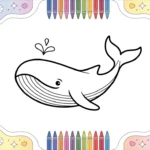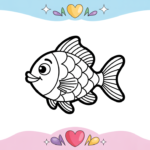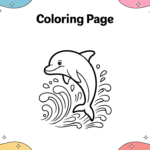
We offer a wide collection of free, high-quality printable coloring pages for kids and adults. From cute animals to intricate mandalas, our designs bring creativity and relaxation to everyone. Download, print, and start coloring today!

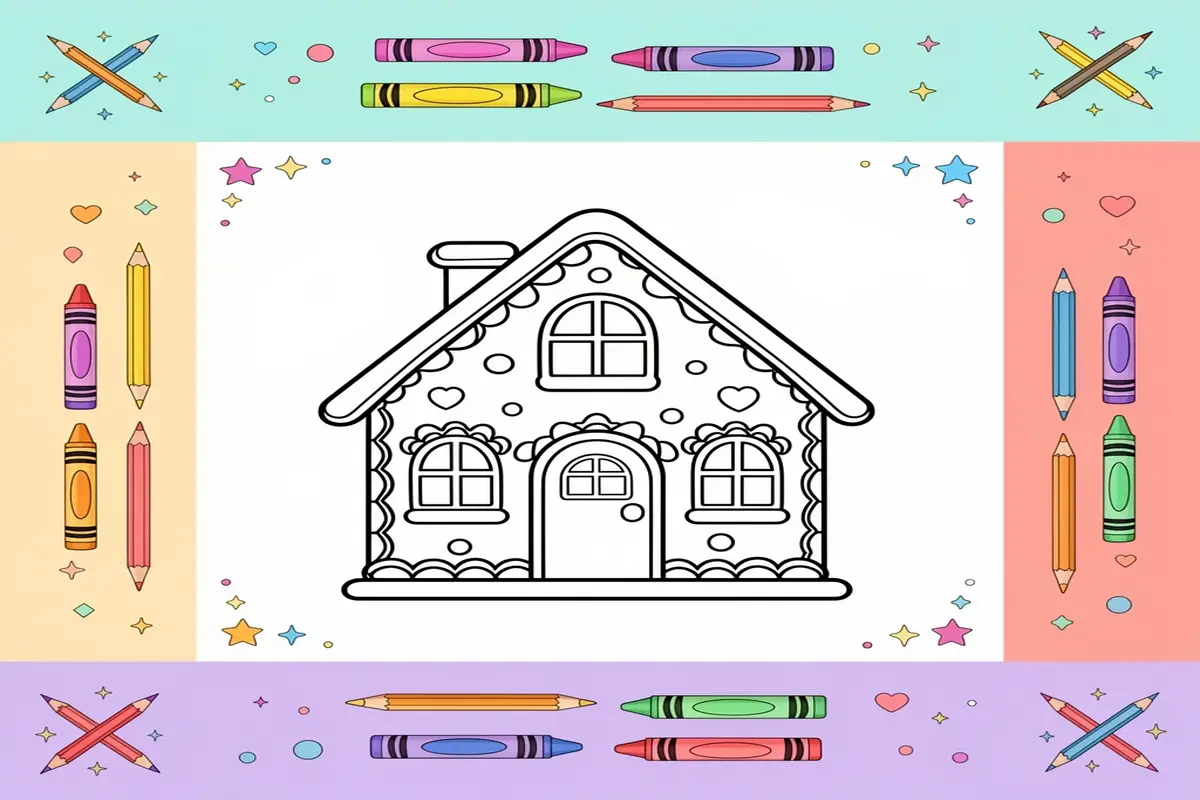
In the quiet moments of focused creation, where a simple line meets a burst of color, something magical happens. This is the profound, yet accessible, joy of coloring—an art form that transcends age, inviting both young and old into a world of calm and imagination. Among the myriad of themes that captivate young artists, few hold the enchanting, multisensory appeal of gingerbread house coloring pages for kids. These aren’t just outlines on a page; they are blueprints for edible fantasy, portals to a world of candy canes, gumdrop roofs, and sugary landscapes. Engaging with gingerbread house coloring pages for kids fosters more than just artistic skill; it cultivates fine motor control, color theory intuition, and the pure, whimsical storytelling that defines childhood wonder. It’s a delightful complement to other thematic explorations, like the serene underwater adventures found in our free dolphin coloring pages. As we peel back the layers, we discover that these charming pages offer a unique blend of cultural tradition and creative freedom, making them a perennial favorite during the holiday season and beyond.
The Icing on the Page: Psychology & Timeless Appeal of a Sugary Sanctuary
What is it about the simple image of a gingerbread house that instantly conjures warmth, nostalgia, and creative excitement? The answer lies at the intersection of sensory memory, cultural symbolism, and the fundamental human desire to build and decorate.
The Psychology of Sweet Focus: Mindfulness in Every Stroke
The act of coloring a gingerbread house is a masterclass in mindful engagement. The intricate details—from the shingle patterns on the roof to the latticework on the candy windows—require a gentle, sustained focus that naturally quietens a busy mind. For children, this is a fun exercise in concentration and patience. For adults joining in, it becomes a meditative respite. Choosing whether the door is a warm chocolate brown or a festive peppermint red is a low-stakes decision that empowers the artist, building confidence with every chosen hue. This thematic focus on a comforting, familiar object enhances the calming effect, making gingerbread house coloring pages for kids a powerful tool for emotional regulation and creative expression.
From Folk Tale to Family Table: A Bite of History
The gingerbread house is more than a holiday confection; it’s a character in a rich cultural narrative. Its popularity is often attributed to the Brothers Grimm’s Hansel and Gretel, where the edible cottage symbolized both tantalizing temptation and sanctuary. This storybook origin infuses the activity with a layer of narrative play. Children aren’t just coloring; they are designing their own storybook setting, deciding if their house is a witch’s lure or a friendly baker’s gift. This connection to folklore and holiday tradition transforms the coloring page from a simple activity into a participatory cultural ritual, linking generations through shared stories and the timeless aroma of ginger and spice.
A Canvas for Every Creator: Inclusivity in Design
The beauty of gingerbread house coloring pages for kids lies in their inherent scalability. For the youngest artists, pages with bold, simple outlines allow for joyful, unencumbered scribbles of color. For older children and even adults seeking a creative challenge, highly detailed pages with complex icing swirls, elaborate yard scenes, and intricate candy landscapes offer hours of immersive engagement. This range ensures that everyone, regardless of skill level, can participate in the joy. It’s an activity that truly grows with the child, continually offering new levels of detail to master and new stories to imagine within the sugary walls of their paper creation.
Part 2: Essential Materials for Crafting gingerbread house coloring pages for kids
To transform your gingerbread house coloring pages for kids from a simple activity into a vibrant keepsake, the right materials are crucial. Proper preparation ensures a mess-free, enjoyable, and creatively satisfying experience that enhances fine motor skills and artistic confidence. This section details the professional-grade supplies and setup that will make coloring these intricate holiday scenes a highlight for your young artists.
The Foundation: Selecting Premium Paper for gingerbread house coloring pages for kids
The paper you choose is the literal canvas for your child’s edible-inspired masterpiece. Standard printer paper (20-24 lb) is prone to bleeding and tearing, especially with wet media like markers. For superior results, opt for a heavier weight: Cardstock (65-80 lb) provides a sturdy, non-porous surface that prevents bleed-through and allows for layering and blending of colors. For a truly special project, consider smooth Bristol paper (100+ GSM), which offers a velvety texture ideal for both pencils and markers. Printing your gingerbread house coloring pages for kids on quality paper ensures crisp lines and a finished product durable enough for display or crafting into holiday cards.
Best Coloring Tools: Markers vs. Pencils for Architectural Detail
The choice between markers and colored pencils often depends on the desired outcome and the child’s age and skill level.
Colored Pencils: Ideal for detailed work, colored pencils offer superior control for coloring small candies, intricate icing patterns, and brick textures on a gingerbread house. Look for pencils with soft, pigmented cores (like wax- or oil-based) that blend smoothly. They are less messy and allow for easy correction, making them perfect for younger children. For a broader range of artistic projects, exploring our animal coloring pages for kids can provide excellent practice for pencil control and shading techniques.
Markers: Markers deliver vibrant, solid blocks of color that make the gingerbread house pop. For children, alcohol-based markers are not recommended due to strong fumes and permanent staining. Instead, choose high-quality, washable water-based markers with dual tips (broad and fine). Test them on a corner of your paper first to check for bleed-through. Markers excel at filling large areas like roofs and walls quickly with bold, festive hues.
Finishing Touches: Gel Pens, Glitter, and Embellishments
Elevate the gingerbread house coloring pages for kids from flat art to a festive, textured spectacle. White gel pens are indispensable for adding realistic “snow” dusting on the roof, highlights on candy gumdrops, and fine icing details. Metallic gel pens in silver and gold can mimic shiny foil wrappers or festive ornaments. For added dimension, consider child-safe glue sticks and loose glitter (applied over a tray to contain mess) to create sparkling sugar-coated roofs. Small, self-adhesive rhinestones or sequins can serve as perfect final “decorations” for the house.
Perfect Workspace: Optimizing Lighting and Ergonomics
A well-prepared workspace prevents fatigue and fosters focus. Ensure ample, natural light or a bright, neutral-white LED desk lamp to reduce eye strain and allow for accurate color perception. The coloring surface should be firm, flat, and protected—a wooden table covered with a washable mat or butcher paper is ideal. For ergonomics, make sure your child’s feet are flat on the floor (or a stool) and that the page is angled slightly, using a clipboard or a slanted drawing board. Keep supplies organized within reach in cups or trays, and always have scrap paper handy for testing colors. This thoughtful setup turns coloring time into a comfortable, immersive creative session.
Mastering Your Gingerbread House Coloring Pages for Kids: Advanced Artistic Techniques
Ready to transform those simple outlines into stunning works of art? Moving beyond basic filling, these professional techniques will elevate your child’s gingerbread house coloring pages for kids from flat drawings to vibrant, three-dimensional masterpieces. This guide offers actionable steps for parents and teachers to guide young artists toward more impressive and satisfying results.
Harmonious Palettes: Color Theory for Your Gingerbread House
A thoughtfully chosen color scheme makes all the difference. For gingerbread house coloring pages for kids, teach the concept of a “base, accent, and pop” system. The gingerbread walls are your base—consider using warm browns, from light tan to deep chocolate. The roof and trim are perfect for accent colors; try analogous colors (those next to each other on the color wheel) like red, red-orange, and orange for a cohesive candy roof. Finally, the candy decorations are where you “pop” with complementary colors (opposites on the wheel). A blue-based house trim pops brilliantly with orange candies. For more practice with fun, thematic color schemes, explore our cupcake coloring pages for kids.
From Flat to 3D: Mastering Shading and Depth
Shading is the magic that makes a house look solid. First, choose a light source (e.g., the top left corner of the page). Then, practice these steps on a wall:
1. Base Layer: Color the entire wall with your main brown evenly.
2. Shadow Side: Identify the sides opposite the light. Using a darker shade of the same brown, apply a second, gentle layer along the left edges (if light is top-right).
3. Highlight: Leave a tiny strip along the top and right edges slightly lighter, or gently erase a bit of color to mimic where the light hits directly.
4. Cast Shadows: Add small, dark shadows underneath roof overhangs and behind candy canes. This simple process instantly adds volume.
Adding Realism: Creating Delicious Textures
Texture brings your gingerbread creation to life. Here’s how to render different elements:
Icing: For smooth, glossy icing lines, color very solidly and evenly with a white or pastel. Leave a thin, white highlight streak along its curve to suggest shine.
Candy Canes: Create the stripe effect by first coloring the entire cane lightly with red. Then, firmly layer white stripes on top, leaving the red to show through in the spiral grooves.
Brick Walls: Instead of a flat brown, use small, overlapping circular motions with a darker brown to create a porous, cookie-like texture. Dot with even darker specks for “baked” spots.
Sky Background: A flat blue sky is fine, but a gradient sky is stunning. Color dark blue at the top of the page and gradually press lighter and lighter as you move down toward the horizon, blending as you go. For more serene background practice, our calming coloring pages offer great techniques.
The Art of Correction: Gracefully Fixing Coloring Mistakes
Mistakes are part of the process! Here’s how to handle common issues:
Coloring Outside the Lines: Don’t panic. Once finished, use a very sharp white colored pencil or a gel pen to carefully redefine the line, covering the stray marks. This often looks like intentional highlight.
A Color That’s Too Dark: Lighten an area by gently dabbing it with a kneaded eraser (it lifts color without harsh rubbing). You can then go over it with a lighter shade.
Blending Mishaps: If colors get muddy, let the area rest. Come back later and use a very sharp, dominant color to redefine key areas (like individual candy dots).
The Best Tip: Work from the background to the foreground. Color the sky first, then the house, then the tiny candies on top. This prevents smudging and gives you more control over layering.
By incorporating these techniques—thoughtful color theory, strategic shading, tactile textures, and smart corrections—your child’s next gingerbread house coloring pages for kids project will be a display of artistic growth and confidence.
Showcasing Your gingerbread house coloring pages for kids: Creative Display Ideas
Once the final candy cane is colored, the fun doesn’t have to stop! Transforming your child’s artwork into cherished decor is a wonderful way to celebrate their creativity and build confidence. Here are inspiring ways to give their gingerbread house coloring pages for kids a second life.
Preserving Your Masterpiece: Archival Tips
To ensure artwork lasts, consider using acid-free paper for printing. For display, simple framing behind glass protects from fingerprints and sunlight. A budget-friendly alternative is to laminate the page, creating a durable placemat or ornament. You can also create a seasonal art gallery on the refrigerator or a dedicated string with clothespins. For a digital archive, scan or photograph the finished page to create a lasting portfolio of your child’s artistic growth.
Beyond Display: Creative DIY Projects
These colored pages are perfect starting points for crafts. Cut out the gingerbread house to create a unique, homemade greeting card or a festive gift tag. Multiple pages can be assembled into a charming holiday storybook. For a collaborative project, combine a colored house with other festive creations, like our cute Christmas coloring pages, to craft a full winter village mural on a bedroom wall. The possibilities are as limitless as your child’s imagination.
Your gingerbread house coloring pages for kids Questions Answered
How do you draw a gingerbread house step by step?
Start with a simple square for the base. Add a triangle on top for the roof. Draw a rectangle for the door and squares or circles for windows. Decorate the roof with scalloped edges for “icing” and add candy details like dots, stripes, and a lollipop by the door. Keep lines light and playful—perfection is not the goal! This simple structure is the perfect start for gingerbread house coloring pages for kids.
What are the benefits of coloring for kids?
Coloring enhances fine motor skills and hand-eye coordination as children practice staying within lines. It fosters creativity and color recognition, while also serving as a calming, focused activity that can reduce anxiety and improve concentration. It’s a wonderful screen-free way for kids to express themselves and build confidence in their abilities.
What colors are traditional for a gingerbread house?
The traditional palette is warm and food-inspired. The house itself is typically colored in shades of brown, resembling baked gingerbread. “Icing” trim is white. Classic decorations include red-and-white candy canes, green gumdrops, yellow lemon drops, and multi-colored dots for sprinkles. This festive scheme makes gingerbread house coloring pages for kids instantly recognizable and delightfully classic.
How do you color a gingerbread man?
Use a light brown or tan for his body to look like baked cookie. Outline his eyes, buttons, and smile with black or a darker brown. You can add details like a white icing bow tie, red candy buttons, or even blue jelly shoes! Encourage kids to give their gingerbread man a unique personality through their color choices.
What is the story of the gingerbread house?
The gingerbread house originates from the German fairy tale “Hansel and Gretel” by the Brothers Grimm. In the story, a wicked witch lives in a house made entirely of cakes, bread, and candy, which the hungry children discover in the forest. This enchanting (if slightly spooky) image has evolved into the beloved, festive symbol we decorate and color today.
Final Thoughts: Your gingerbread house coloring pages for kids Journey Begins
The journey through a gingerbread house coloring pages for kids is about so much more than filling in lines. It’s a gateway to storytelling, a quiet moment of family connection, and a vibrant exercise in creative confidence. From the first stroke of brown on the cookie walls to the final glittering gumdrop, each page becomes a personal winter wonderland, reflecting your child’s unique vision and joy.
We hope this guide has inspired you with new ideas for display, answered your burning questions, and shown the deep developmental benefits wrapped up in this simple activity. So gather your brightest markers, print your pages, and let the festive creativity flow.
Ready for your next adventure? Explore our cute winter and animal coloring pages for more year-round artistic fun!