We offer a wide collection of free, high-quality printable coloring pages for kids and adults. From cute animals to intricate mandalas, our designs bring creativity and relaxation to everyone. Download, print, and start coloring today!

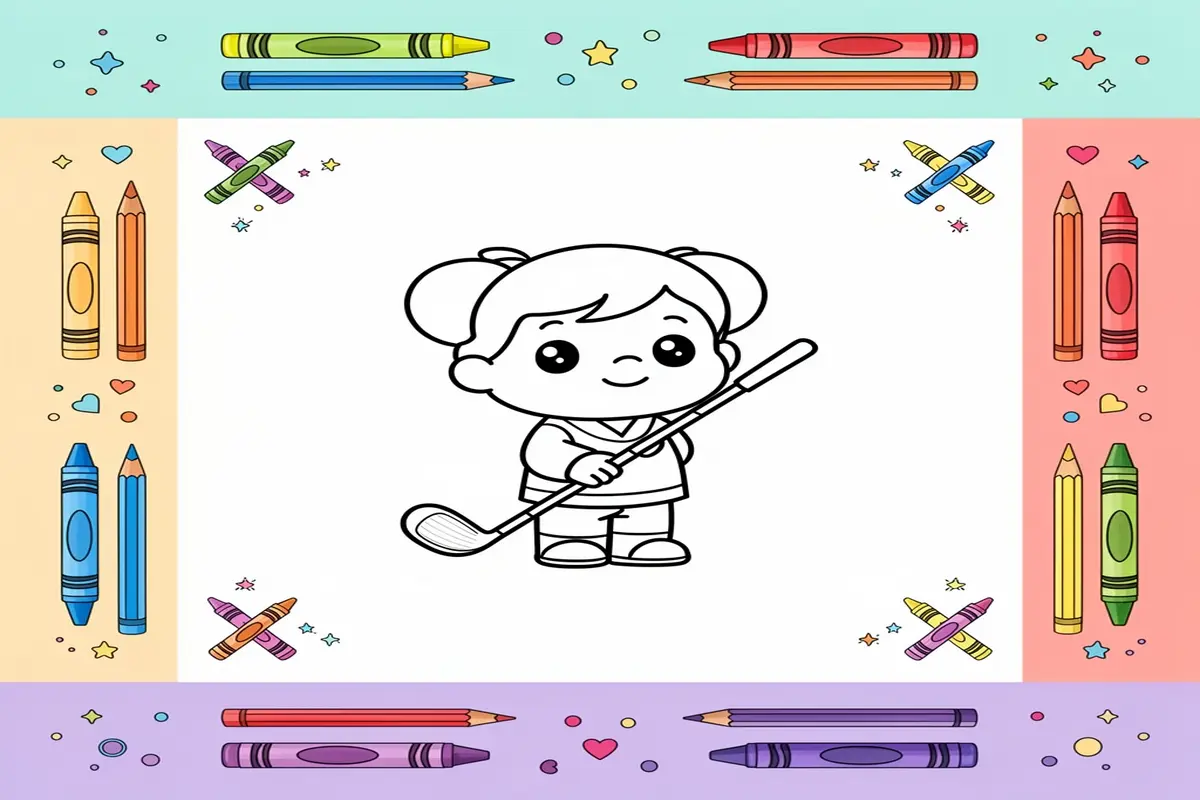
In a world of digital distractions, the simple act of coloring offers a profound sanctuary for young minds. It’s a tactile, creative escape that builds focus, refines motor skills, and provides a quiet canvas for self-expression. When that canvas features the rolling greens, colorful flags, and dynamic scenes of the golf course, it unlocks a unique blend of sport and art. Golf coloring pages for kids are more than just pictures; they are an engaging introduction to a game of patience, precision, and outdoor beauty. They allow children to explore the sport’s iconic imagery—from drivers and putters to sand traps and water hazards—in a low-pressure, creative environment. For parents and educators, these pages are a versatile tool, perfect for rainy days, quiet time, or thematic learning about sportsmanship. If your young artist also loves the wonders of the ocean, consider pairing this activity with our collection of free dolphin coloring pages for a well-rounded creative session. The journey into golf coloring pages for kids begins with a single stroke of color, leading to a world of imaginative play and calm concentration.
Beyond the Green: The Cognitive and Creative Fairway
Delving into golf coloring pages for kids reveals a surprising depth of developmental benefits. This isn’t merely busywork; it’s a structured yet open-ended activity that engages multiple areas of a child’s growing brain, transforming leisure time into a subtle learning experience.
The Mindful Swing: Coloring as a Focus Exercise
The very nature of golf demands concentration and a steady hand—qualities directly nurtured through coloring. As a child decides on a color palette for a golfer’s outfit or carefully stays within the lines of a intricate golf bag, they are practicing sustained attention and fine motor control. This focused state is a form of active mindfulness, quieting the mental chatter and anchoring them in the present moment. The repetitive, rhythmic motion of coloring has a calming effect, making golf coloring pages for kids an excellent tool for managing big emotions or transitioning from high-energy play to quieter times.
A Glimpse into the Game: Building Cultural & Sporting Literacy
Coloring pages serve as gentle, visual introductions to the world around us. Through golf coloring pages for kids, children encounter the sport’s key elements: the distinctive shape of clubs, the pattern on a golf ball, the layout of a course with its tee box, fairway, and hole. This builds a foundational understanding and vocabulary for the game. It can spark conversations about rules, etiquette, and famous tournaments, fostering an early appreciation for sports that value strategy over sheer strength. It connects them to a pastime enjoyed by generations, blending art with a touch of cultural education.
Designed for All Skill Levels: From Toddler to Tween
The beauty of this theme lies in its adaptability. Simple outlines of a golf ball or a single club are perfect for little hands just learning to grip a crayon. More complex scenes featuring a full-swing action shot or a detailed landscape of the 18th hole challenge older children and even tweens, encouraging advanced techniques like shading and blending. This inclusivity ensures that every child can find a page that matches their ability, providing a sense of accomplishment without frustration. Whether a budding athlete or a dedicated artist, the world of golf coloring pages for kids offers a rewarding creative challenge for a wide range of ages and interests.
Professional Materials & Preparation for golf coloring pages for kids
To ensure a successful and enjoyable coloring session with your golf coloring pages for kids, having the right materials and a prepared workspace is key. This section details the essential supplies and setup tips to help young artists achieve their best results, from simple putts to detailed scenes of the 18th hole.
The Foundation: Selecting Paper for golf coloring pages for kids
The paper you choose directly impacts the coloring experience and final artwork. For standard printing of golf coloring pages for kids, a bright white, smooth-finish paper with a weight of 80-100 GSM (grams per square meter) is ideal. This weight is thick enough to prevent bleed-through from markers while providing a smooth surface for colored pencils. For a more premium feel, especially if using wet mediums like markers, upgrade to a dedicated marker paper or cardstock (120-160 GSM). This prevents warping and allows for richer color application, making those vibrant golf course greens and sunny skies truly pop. Always do a quick test print to ensure your printer handles the chosen paper weight smoothly.
Best Coloring Tools: Markers vs. Pencils for Detailed Scenes
The choice between markers and colored pencils often depends on the child’s age and the desired outcome. Alcohol-based markers offer brilliant, blendable colors perfect for large, bold areas like fairways and skies on a golf course scene. However, for most children, high-quality washable markers are a safer, more practical choice. Colored pencils, particularly wax-based sets, provide superior control for smaller details—such as the dimples on a golf ball, the texture of a golf bag, or intricate patterns on a player’s attire. They are also excellent for layering and shading, teaching children about depth and light. A hybrid approach often works best: using markers for large backgrounds and pencils for fine details.
Finishing Touches: Gel Pens, Highlights, and Outlines
Elevate the completed golf coloring pages for kids with special effect tools. Gel pens, especially in metallic silver or gold, are perfect for adding shine to golf club heads, trophies, or a setting sun. White gel pens can create highlights on clouds or add reflections to a water hazard. Fine-line black markers can be used to carefully redefine any outlines that may have become obscured during coloring, making the image crisp. For a fun, textured effect on sand traps or tree bark, consider keeping a set of crayons on hand. These finishing tools encourage creativity and give young artists a sense of professional accomplishment.
Perfect Workspace: Ergonomics and Lighting Setup
A proper workspace maximizes comfort and focus. Ensure the coloring surface is stable and at an appropriate height to prevent hunching. Good, natural lighting is optimal, but a bright, white LED desk lamp can prevent eye strain and ensure true color representation. Keep supplies organized in cups or trays for easy access. Placing a scrap sheet of paper underneath the coloring page protects the table surface from marker bleed and provides a clean border. For a thematic touch, you might even display other sports-themed pages, like our dynamic football coloring pages for kids, to inspire a love for all athletic activities. Finally, keep a soft cloth or tissue nearby for quick clean-ups and to prevent smudges on the detailed golf coloring pages for kids.
Mastering the Greens: Advanced Techniques for Golf Coloring Pages for Kids
Unlock a new level of artistic fun with these professional techniques for golf coloring pages for kids. Moving beyond simple filling, these methods teach children about light, shadow, and texture, transforming their artwork from flat drawings into vibrant, dimensional scenes. It’s a fantastic way to build fine motor skills and artistic confidence.
Harmonious Palettes: Color Theory for the Golf Course
Understanding basic color relationships can make a child’s golf coloring pages for kids truly pop. Teach them about complementary colors (opposites on the color wheel) for high contrast—imagine a bright orange golf ball against a deep blue sky. For a more serene, natural look, guide them toward analogous colors (colors next to each other), like using various greens for the fairway and blues for a water hazard. This is a perfect opportunity to discuss the natural colors found on a real course, connecting art to the world around them. For more practice with natural scenes, explore our forest coloring pages for kids.
From Flat to 3D: Mastering Light and Shadow
Shading is the magic that adds roundness and depth. Start by choosing a light source direction (e.g., the sun in the top corner). Then, practice these steps on a golf ball:
1. Base Color: Color the ball evenly with a light color.
2. Core Shadow: On the side opposite your light source, apply a medium pressure with a darker shade of the same color.
3. Highlight: Leave a small white spot on the side closest to the light.
4. Blend: Gently go over the edges between the shades with a lighter touch to soften the transition.
Apply this same principle to the gentle slopes of hills on the course or the flag on the pin.
Adding Realism: Textures of the Fairway
Different elements on the page call for different texturing techniques.
Grassy Fairway: Instead of just solid green, use short, quick, overlapping strokes in varying shades of green and yellow to mimic blades of grass.
Fluffy Clouds: Use a gentle, circular scribbling motion with a light blue or gray to give clouds volume, keeping their tops brighter.
Sandy Bunker: Create a gritty texture with tiny dots and speckles using a sharpened tan or light brown pencil.
Golfer’s Clothing: For a polo shirt, try using consistent, directional strokes to simulate fabric. For more detailed character work, our clothes coloring pages for kids offer great practice.
The Art of Correction: Graceful Fixes for Coloring Errors
Mistakes are part of the learning process! Here’s how to handle them gracefully:
Pressing Too Hard: If the wax from a colored pencil builds up, gently use a soft eraser to lift color, not scrub it.
Color Outside the Lines: Turn the “mistake” into a feature. A green streak outside the fairway can become a stray patch of rough with a few added texture strokes.
Wrong Color Choice: Often, coloring a new color over a light mistake can create an interesting new shade. Test layering on a spare piece of paper first.
Smudges: Use a clean sheet of paper under the coloring hand to prevent smudging, and always work from the top of the page downward.
By integrating these techniques, children don’t just color—they create. Each completed page becomes a lesson in observation and artistry, making the experience with golf coloring pages for kids both educational and exceptionally rewarding.
Showcasing Your golf coloring pages for kids: Creative Display Ideas
Once the final putt is colored in, the fun doesn’t have to stop! Transforming your child’s artwork into a display or a new creation fosters pride and extends the activity’s value. Here are inspiring ways to celebrate their colorful golf masterpieces.
Preserving Your Masterpiece: Archival Tips
To ensure those vibrant golf scenes last, proper storage is key. For flat, wrinkle-free storage, use a large portfolio case or a simple art folder. If you want to display their work, consider affordable framing with a colorful mat board to make the art pop. For a more casual gallery wall, use clothespins and string or colorful washi tape directly on the wall. Laminating pages is a fantastic, durable option for turning them into placemats or even a personalized golf-themed binder cover.
Beyond Display: Creative DIY Projects
Take those completed golf coloring pages for kids to the next level with simple DIY crafts. They can be transformed into unique greeting cards for a golf-loving relative by folding the page and writing a message inside. Simply laminate and hole-punch a corner to create a charming bookmark. For a fun party activity, use the colored pages as the front cover for a homemade notebook. If your child enjoys a variety of sports, pair their golf art with our football coloring pages for kids to create a full “Sports Season” scrapbook.
Your golf coloring pages for kids Questions Answered
Where can I find free golf coloring pages?
You can find a wonderful selection of free, printable golf coloring pages for kids on dedicated educational and activity websites like Safari Coloring. These sites often offer a range of designs, from simple golf balls and tees to full scenic courses, perfect for different age groups and skill levels. Always ensure you’re downloading from a reputable source.
What are the benefits of coloring for kids?
Coloring boosts fine motor skills and hand-eye coordination as children practice staying within lines. It’s a fantastic creative outlet that encourages color recognition and artistic choice. Importantly, it also promotes focus and serves as a calming, screen-free activity that can reduce anxiety and provide a sense of accomplishment.
How to print coloring pages from computer?
First, download and save the coloring page file (usually a PDF or JPEG) to your computer. Open the file with any image viewer or PDF reader. Select “Print” from the file menu. In your printer settings, ensure you select the correct paper size (like Letter or A4) and choose “Best” or “High Quality” print settings for crisp lines. Use the “Print Preview” to check the layout before finalizing.
What is the best paper for printable coloring pages?
For best results with your golf coloring pages for kids, use slightly heavier paper. Standard printer paper works, but 24-32 lb. bond paper or dedicated marker paper is superior. It prevents bleed-through from markers and handles crayons and colored pencils beautifully, making colors appear more vibrant and giving the artwork a more substantial, professional feel.
How do you draw a golf ball step by step?
Start by drawing a perfect circle (tracing a round object helps). Draw a small, curved crescent shape on one side to represent the shadow or dimple pattern. Add three gentle, curved lines crossing the ball to show its spherical shape. Finally, fill the entire surface (except the crescent) with small, closely spaced dots to create the signature dimpled texture.
Final Thoughts: Your golf coloring pages for kids Journey Begins
The simple act of coloring a golf scene opens up a world of creativity, learning, and quiet joy for a child. From the first stroke of green on the fairway to the proud moment their artwork is displayed on the fridge, this activity nurtures essential skills and provides a peaceful break from digital noise. It’s more than just coloring; it’s an opportunity to talk about sports, nature, and perseverance, all while creating lasting memories.
We hope this guide inspires you to tee up hours of creative fun. Remember, every masterpiece begins with a single color. Ready for your next adventure? Explore our animal coloring pages for kids for a whole new safari of artistic possibilities!