We offer a wide collection of free, high-quality printable coloring pages for kids and adults. From cute animals to intricate mandalas, our designs bring creativity and relaxation to everyone. Download, print, and start coloring today!

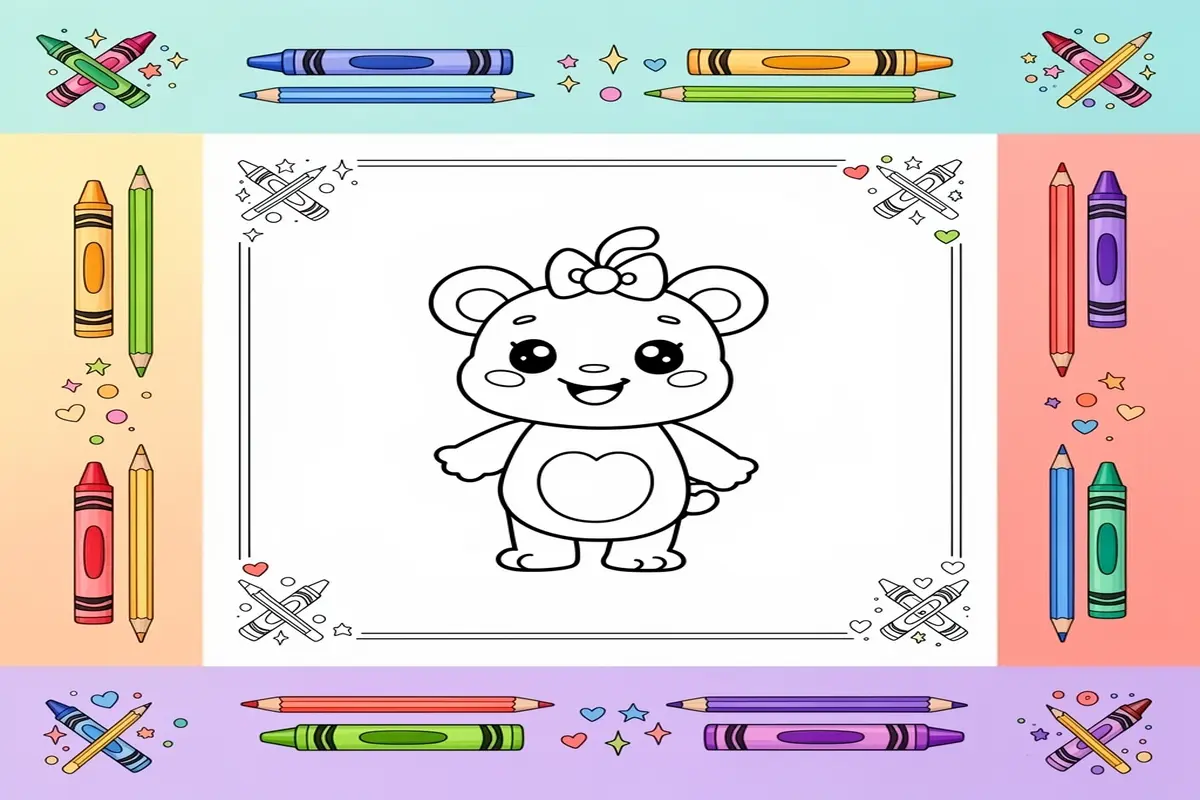
In a world that often moves too fast, finding simple, meaningful activities that anchor children in the present moment is a gift. Coloring has long been celebrated for its calming, creative benefits, but when combined with the powerful practice of gratitude, it transforms into something truly profound. Gratitude coloring pages for kids are more than just an art project; they are a gentle, engaging tool for nurturing a positive mindset. These special pages often feature uplifting words, symbolic images of nature, and scenes of everyday joy, inviting young artists to reflect on what makes them happy as they fill the spaces with color. This fusion of mindful art and positive psychology offers a unique pathway for children to explore their emotions and the world around them with appreciation. Whether as a quiet afternoon activity or a thoughtful family ritual, incorporating gratitude coloring pages for kids into your routine can help sow the seeds of thankfulness that last a lifetime. For a different thematic adventure that also inspires wonder, explore our collection of majestic free whale coloring pages.
The Heart of the Matter: Why Gratitude and Coloring Are a Perfect Match
At the intersection of creativity and emotional well-being lies a powerful practice for young minds. Gratitude coloring pages for kids are designed not just to entertain, but to build emotional resilience and focus through a beautifully simple process.
The Mindful Stroke: How Coloring Anchors the Wandering Mind
The repetitive, focused motion of coloring naturally draws a child’s attention to the present task, quieting mental chatter. This state of ‘flow’ is a form of active meditation, reducing stress and anxiety. When the subject matter on the page prompts thoughts of thankfulness—for family, a sunny day, or a favorite pet—the activity becomes a dual exercise in mindfulness and positive thinking. The act of choosing colors for a “I am thankful for…” banner or a tree of gratitude requires contemplation, turning a fun pastime into a subtle, impactful lesson in emotional awareness.
From Ancient Rituals to Modern Tools: The Evolution of Expressive Art
While modern printable pages are a recent innovation, the use of art and symbolism to express thanks is deeply rooted in human history across cultures. Today’s gratitude coloring pages for kids are the descendants of illuminated manuscripts, symbolic mandalas, and folk art traditions that used imagery to convey meaning and values. They translate this timeless human impulse into an accessible format for the youngest generation, providing a canvas where personal expression meets intentional positivity. It’s a contemporary twist on an age-old practice of making inner feelings visible.
A Canvas for Every Child: Universal Benefits Across Ages and Stages
The beauty of this activity is its remarkable inclusivity. For the young preschooler, a page with a simple “Thank You” surrounded by big, bold shapes develops fine motor skills while introducing the language of appreciation. The school-aged child can engage with more complex scenes and journaling prompts, using the art to process their day and identify personal blessings. Even older kids and adults can find solace and reflection in these pages, making them a versatile resource for families and educators seeking to foster an environment of kindness and recognition. Ultimately, gratitude coloring pages for kids offer a scalable, screen-free practice that meets children where they are, guiding them toward a brighter, more appreciative outlook with every color they lay down.
Professional Materials & Preparation for Gratitude Coloring Pages for Kids
To ensure children have a positive and enriching experience with gratitude coloring pages for kids, proper preparation is key. The right materials not only enhance the final artwork but also make the process more enjoyable and accessible for young artists. This section details the essential toolkit and setup needed to transform a simple activity into a meaningful practice of mindfulness and thankfulness.
The Foundation: Selecting Premium Paper for Gratitude Pages
The paper you choose directly impacts the coloring experience and the longevity of the artwork. For gratitude coloring pages for kids, which are often kept as meaningful keepsakes, opt for paper with a weight of at least 100 GSM (grams per square meter). This heavier-weight paper prevents bleed-through from markers and can handle layering and blending with colored pencils without tearing. Smooth, bright white paper allows colors to appear vibrant, while a slightly textured surface is ideal for pencil work, helping pigment adhere better. For a special project, consider printing your chosen designs on cardstock, which is perfect for creating gratitude cards or wall displays. You can find a wonderful variety of printable animal-themed pages, like our elephant coloring pages free printable, that are excellent for practicing gratitude for wildlife.
Best Coloring Tools: Markers, Pencils, and Crayons Compared
The choice of coloring medium allows children to express their creativity in different ways.
Colored Pencils: Ideal for detail and control, making them perfect for the often-intricate designs found in gratitude coloring pages for kids. Look for pencils with soft, pigmented cores that blend smoothly. They are less messy and allow for subtle shading, encouraging focused, calm engagement with the page’s theme.
Markers: Provide bold, vibrant color that is highly satisfying for kids. Use alcohol-based markers for professional, bleed-free blending on marker paper, or opt for high-quality water-based markers to minimize bleed on standard paper. Their ease of use makes them great for younger children quickly filling spaces with color.
Crayons: A classic, durable choice for all ages. They encourage a gentle pressure and offer a unique, blendable texture. For a gratitude project, metallic or glitter crayons can add a special touch to highlights.
Finishing Touches: Gel Pens, Blenders, and Highlights
Elevate the completed gratitude coloring pages for kids with tools that add precision and sparkle. Fine-tip gel pens in white, silver, or gold are perfect for adding details like patterns, outlines, or writing words of gratitude directly onto the page. A colorless blender pencil or marker is an excellent tool for teaching children how to smooth pencil strokes and create gradients. For a festive or celebratory gratitude page, consider adding stickers, glitter glue (with supervision), or even light watercolor washes in the background to make the artwork truly stand out.
Creating the Ideal Workspace: Ergonomics and Atmosphere
A well-prepared environment fosters concentration and enjoyment. Ensure the coloring surface is stable and at an appropriate height to prevent slouching. Good, natural lighting is best to reduce eye strain and show colors accurately; a quality desk lamp is a good alternative. Organize materials within easy reach using cups for pencils and markers. To complement the theme of gratitude, consider creating a calm atmosphere with soft background music and perhaps discussing the meaning of the page before beginning. This setup signals that the activity is a special time for reflection and creativity.
Part 3: Elevating Gratitude Coloring Pages for Kids: Advanced Artistic Techniques
To transform simple gratitude coloring pages for kids from a fun activity into a meaningful artistic keepsake, a few advanced techniques can make all the difference. These methods not only enhance the visual appeal but also deepen the reflective process, making the expression of thankfulness even more personal and vibrant. By mastering a few key skills, parents and teachers can guide children to create truly stunning works of art that celebrate their gratitude.
Harmonious Palettes: Color Theory for Gratitude Pages
Choosing colors isn’t just about preference; it’s about emotion. For gratitude coloring pages for kids, teach children to use color theory to enhance their message. Analogous colors (those next to each other on the wheel, like blue, teal, and green) create serene, harmonious scenes perfect for calming themes of thankfulness for nature or peace. Complementary colors (opposites like orange and blue) make elements “pop,” ideal for highlighting a central word like “THANKFUL” or a key symbol. Encourage kids to think: “Does my page feel calm or joyful?” and let that guide their palette, perhaps inspired by the vibrant life found in our fish coloring pages or the warm tones of autumn coloring pages.
From Flat to 3D: Mastering Simple Shading
Shading adds instant depth and makes illustrations come alive. Teach a simple three-step method:
1. Identify Your Light Source: Decide where the “sun” is on the page (e.g., top-left corner).
2. Layer Your Colors: Color an area solidly with your base color (e.g., yellow for a sun). Then, on the side away from the light source, go over that area again with a slightly darker shade (e.g., orange).
3. Blend: Use lighter pressure to softly blend where the dark and light areas meet.
Practice this on rounded objects like hearts, suns, or fruit on a gratitude page. A “grateful” heart suddenly looks plump and real, not flat.
Adding Realism: Creating Fun Textures
Texture brings tactile interest to a page. Here are easy ways to render common gratitude themes:
Fur/Feathers: For animals they’re thankful for, use tiny, quick strokes going in the direction the fur grows, instead of solid coloring. This works perfectly for creatures from our farm animal coloring pages.
Wood Grain: For a “grateful for my home” tree or table, color the area lightly with a base brown. Then, using a darker brown, draw slightly wavy, parallel lines following the shape of the object.
Sky & Clouds: Instead of leaving the sky white, use a blue pencil with very light, circular motions to create a soft, hazy atmosphere around fluffy cloud outlines.
The Art of Correction: Gracefully Fixing Mistakes
Mistakes are part of the process! Teach these graceful fixes:
Over-Coloring: If a color goes outside the lines, don’t panic. Neaten the edge by carefully coloring the background area right up to the line with its intended color (e.g., blue sky up to the edge of a tree).
Color Choice Regret: If a color looks too dark or wrong, try coloring lightly over it with a white crayon or colored pencil, then applying the new color on top. This can mute or blend the undesired shade.
* Embrace “Happy Accidents”: A stray mark can become a butterfly, a berry, or a decorative dot. This mindset shift itself is a lesson in gratitude—finding the positive in unexpected places. This creative problem-solving is a skill also nurtured by our creative coloring pages for kids.
By integrating these techniques, children do more than just color—they engage mindfully, make intentional choices, and produce a piece of art that truly reflects the depth of their thankful feelings. The final result will be a masterpiece they are proud to display.
Showcasing Your Gratitude Coloring Pages for Kids: Creative Display Ideas
Once your child has filled their gratitude coloring pages for kids with color and meaning, it’s time to celebrate their work! Moving beyond the coloring book, displaying their art reinforces the value of their effort and the gratitude themes they’ve explored. Here are inspiring ways to turn their pages into daily reminders of thankfulness.
Preserving Your Masterpiece: Archival Tips
To ensure these special creations last, consider simple preservation methods. For a classic look, place the finished page in a standard frame with a colorful mat. For a rotating gallery, use clip frames or washi tape on a dedicated wall. Laminating pages is a durable option for younger artists, making them spill-proof and perfect for turning into placemats or bookmarks. Storing flat in a portfolio or large folder protects them from creases for years to come.
Beyond Display: Creative DIY Projects
Transform completed pages into meaningful gifts and keepsakes. A colored page makes a heartfelt, personalized greeting card when folded and sent to a grandparent or friend. You can also create gratitude garlands by stringing several cut-out elements together, or laminate smaller sections to make bookmarks and gift tags. For a collaborative project, bind a collection of gratitude pages from the whole family into a custom “Thankful Book,” pairing them with other themed art like our cute calm coloring pages for a beautiful anthology of positive art.
Your Gratitude Coloring Pages for Kids Questions Answered
How do you explain gratitude to a child?
Explain gratitude as “noticing the good things” and “saying thank you with our hearts.” Use simple, concrete examples: being thankful for a sunny day, a cozy bed, or playing with a friend. Frame it as a special kind of happiness we feel for what we already have. Activities like using gratitude coloring pages for kids provide a perfect, quiet moment to reflect on and visualize these good things.
What are the benefits of coloring for kids?
Coloring boosts fine motor skills, hand-eye coordination, and grip strength, laying the groundwork for writing. It’s a powerful tool for emotional regulation, providing a calming, focused activity that reduces stress and anxiety. It also fosters creativity, color recognition, and the patience to complete a task, building confidence with each finished page.
How can I teach my child to be grateful?
Model gratitude daily by verbally appreciating small moments. Establish routines like a “thankful thought” at dinner or bedtime. Engage in hands-on activities, such as creating thank-you cards or using gratitude coloring pages for kids, which make the abstract concept tangible. Praise their efforts to express thanks, and encourage them to notice acts of kindness, both given and received.
What are some gratitude activities for kids?
Beyond coloring, try a “gratitude jar” where kids drop notes about good things each day. Go on a “thankfulness walk” and point out things you appreciate in nature. Read books about gratitude, role-play saying thank you, or create a thankful tree with leaf-shaped notes. These activities, paired with dedicated gratitude coloring pages, build a consistent practice.
Why is gratitude important for students?
Gratitude strengthens students’ social-emotional learning, increasing empathy and improving peer relationships. It builds resilience, helping them cope with academic and social challenges by focusing on positive aspects of their life. Studies link gratitude to higher levels of happiness and life satisfaction, which can contribute to a more positive, engaged mindset in the classroom.
Final Thoughts: Your Gratitude Coloring Pages for Kids Journey Begins
Embarking on the journey of gratitude with your child is a gift that nurtures their heart and mind. Through the simple, joyful act of coloring, you’re opening a door to meaningful conversations about thankfulness, kindness, and joy in everyday life. These pages are more than just art; they are snapshots of positivity, tools for calm, and building blocks for a lifelong, appreciative perspective.
As you display their work and integrate these practices, you’ll witness the beautiful growth that comes from focusing on the good. The benefits—from enhanced creativity to emotional well-being—will extend far beyond the coloring table. We hope this guide inspires you to create lasting memories and traditions centered on thankfulness.
Ready for your next creative adventure? Explore our cute animal coloring pages for kids to continue the fun and learning!