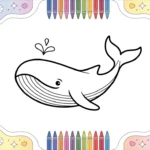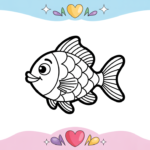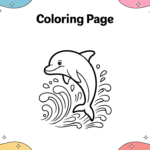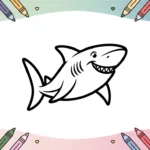
We offer a wide collection of free, high-quality printable coloring pages for kids and adults. From cute animals to intricate mandalas, our designs bring creativity and relaxation to everyone. Download, print, and start coloring today!

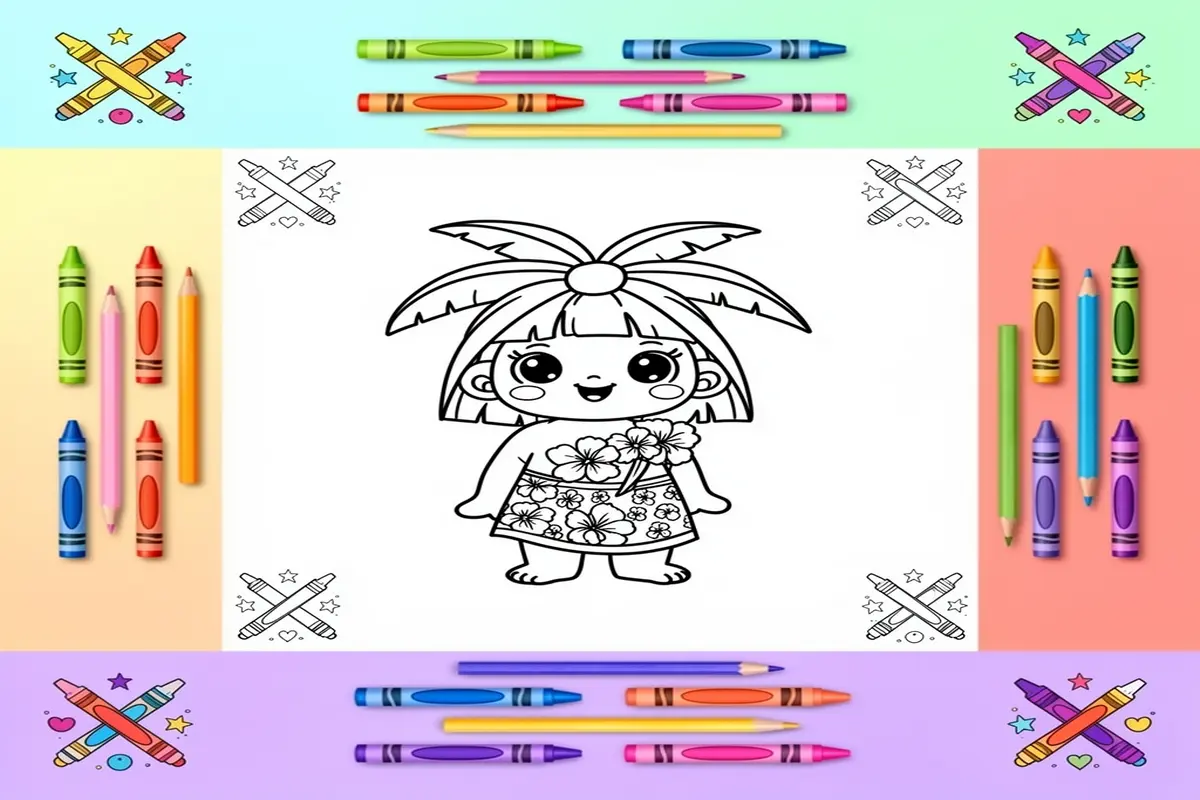
Imagine the scent of plumeria on a warm breeze, the sound of gentle waves, and the sight of a brilliant rainbow arching over a lush valley. While a physical trip to the islands may be a dream, you can bring its vibrant spirit directly to your kitchen table with Hawaii coloring pages for kids. This creative activity is more than just filling in outlines; it’s a portal to a world of discovery, offering a unique blend of artistic expression, cultural education, and mindful relaxation. For young artists, these pages become a canvas for the imagination, where they can experiment with the fiery hues of a sunset over Haleakalā or the cool blues of a hidden waterfall pool. The journey through these Hawaii coloring pages for kids fosters fine motor skills, color recognition, and a deep, appreciative curiosity for one of the world’s most beautiful and ecologically diverse places. It’s a wonderful way to complement learning about ocean life, perhaps after exploring our collection of free dolphin coloring pages, and to cultivate a sense of calm and focus through the simple, joyful act of coloring.
The Aloha Spirit on Paper: More Than Just Coloring
Engaging with Hawaii coloring pages for kids transforms a simple pastime into a rich, multi-sensory experience. It’s an invitation to explore, learn, and create, all while developing essential cognitive and emotional skills.
A Palette for Mindfulness and Focus
In our fast-paced digital world, the act of coloring demands a singular, peaceful focus. As a child selects a shade for a hibiscus flower or carefully fills in the geometric patterns of a traditional kapa cloth, their mind enters a state of flow. This mindful engagement is a powerful tool for reducing anxiety and improving concentration. The repetitive motion and creative decision-making provide a calming break, allowing young minds to reset and recharge, all while immersed in the serene themes of the islands.
A Cultural Canvas: Stories in Every Stroke
Each element in a Hawaiian-themed coloring page tells a story. From the majestic green sea turtle (honu), a symbol of good luck and longevity, to the powerful volcano goddess Pele, these images are gateways to cultural understanding. Coloring a detailed scene of a hula dancer or a traditional outrigger canoe (waʻa) opens natural conversations about history, mythology, and respect for nature (‘āina). This makes Hawaii coloring pages for kids an invaluable, engaging supplement to geography and social studies lessons, fostering global awareness from a young age.
Curated for Every Young Explorer
The beauty of this theme lies in its incredible versatility. Designs can range from simple, bold outlines of a pineapple or a ukulele for preschoolers to intricate, detailed landscapes of the Nā Pali Coast for older children and even adults. This inclusivity ensures that every child, regardless of skill level, can participate and feel successful. Whether your young artist is a beginner mastering grip and control or an advanced colorist experimenting with shading and texture, there is a Hawaiian scene waiting to spark their creativity and transport them to a tropical paradise.
Part 2: Essential Materials & Preparation for hawaii coloring pages for kids
To ensure your young artists can fully capture the vibrant spirit of the islands, proper materials and preparation are key. The right tools will transform your hawaii coloring pages for kids from simple outlines into brilliant, textured masterpieces that reflect the lush landscapes and vivid ocean scenes. This section details the professional-grade supplies and setup that parents and educators should consider for an optimal coloring experience.
The Foundation: Selecting Premium Paper for hawaii coloring pages for kids
The journey to a stunning finished piece begins with your paper choice. Standard printer paper (20-24 lb) is prone to bleeding and warping, especially with wet media like markers. For hawaii coloring pages for kids, which often feature large areas of ocean and sky, upgrade to a heavier paper. Look for “marker paper” or mixed-media paper with a weight of 70-100 GSM; this provides a smooth surface for fine details on palm fronds or seashells while preventing bleed-through. For a special project, consider cardstock (110+ GSM) for its excellent durability with layered colors. If you plan to use watercolor pencils or light washes, a cold-press watercolor paper will add beautiful texture to scenes like crashing waves or leafy rainforests.
Best Coloring Tools: Markers vs. Colored Pencils
The choice between markers and pencils defines the final artwork’s texture and intensity. For the bold, saturated hues of tropical flowers and sunsets, alcohol-based markers (like Copic or Ohuhu) offer seamless blends and vibrant layers. However, for children, high-quality water-based markers with dual tips (fine and broad) provide excellent control for both outlining and filling. Alternatively, colored pencils are ideal for teaching shading and detail work on intricate elements like turtle shells or fish scales. Wax-based pencils (Prismacolor) offer soft, blendable pigment, while oil-based (Faber-Castell Polychromos) are superb for fine, sharp lines. A hybrid approach often yields the best results: using markers for large, bold areas and pencils for adding detailed texture.
Finishing Touches: Gel Pens, Highlights, and Blending Tools
Elevate the artwork with specialized tools for detail and shine. White gel pens are indispensable for adding tiny highlights to ocean spray, flower petals, or the moon over a Hawaiian landscape. Metallic gel pens in gold and silver can bring jewelry, like a traditional lei or shell necklace, to life. For colored pencil work, a colorless blender marker or a specialized blending stump helps smooth gradients in skies and sunsets. A simple set of fine-line archival ink pens (size 0.3 or 0.5) is perfect for older children to confidently redraw or emphasize outlines before coloring, adding a layer of artistic refinement to their hawaii coloring pages for kids. For a fun, textured effect on sandy beaches or animal fur, consider a touch of colored chalk pastels.
Perfect Workspace: Optimizing Lighting and Ergonomics
A proper workspace prevents fatigue and allows colors to be seen accurately. Ensure the coloring area is flooded with natural light or uses a full-spectrum LED desk lamp to reduce eye strain and reveal true color relationships—crucial when differentiating between shades of blue in the ocean or green in the foliage. Ergonomics matter: seat the child at a table where their feet rest flat and the page is at a comfortable angle; a clipboard or a slanted drawing board can help. Keep supplies organized within reach in cups or caddies. Before starting, protect the work surface with a large craft mat or newspaper, and have scrap paper handy for testing colors. For extended projects featuring complex scenes like a vibrant coral reef, consider breaking the session into stages, perhaps starting with the underwater background inspired by our free dolphin coloring pages to practice fluid blue gradients before moving to the detailed foreground.
Part 3: Elevating Your Art: Advanced Techniques for hawaii coloring pages for kids
Ready to transform those beautiful hawaii coloring pages for kids from simple outlines into stunning, vibrant works of art? Moving beyond basic filling-in requires a few key techniques that add depth, realism, and professional polish. This guide will equip parents and teachers with actionable methods to help young artists achieve impressive results, turning a fun activity into a true skill-building experience. Let’s dive into the creative process that makes these island scenes pop off the page.
Harmonious Palettes: Color Theory for Tropical Scenes
Understanding basic color relationships can make your hawaii coloring pages for kids look cohesive and visually striking. For the lush landscapes, use analogous colors—colors next to each other on the wheel, like blues, blue-greens, and greens for the ocean and foliage. This creates a serene, natural feel. For vibrant accents like tropical flowers (hibiscus) or fish, introduce complementary colors (opposites on the wheel). Think orange flowers against green leaves or yellow fish in deep blue water. This contrast makes key elements leap from the page. For a unified look, choose a dominant color family for the entire scene.
From Flat to 3D: Mastering Light and Shadow
Shading is the magic that adds form and dimension. First, decide on a single light source (e.g., the sun in the top corner). Areas facing the light are lightest; areas opposite are darkest. Start with a base color. Then, using the same color pencil or crayon, apply more pressure in shadow areas. For smoother transitions, try layering: gently apply a darker shade of your base color (e.g., a deeper blue for ocean shadows) over the shadow areas. For palm tree trunks or volcanic rocks, use curved, parallel strokes to suggest their rounded form. Even simple, consistent shading can turn a flat tiki mask into a three-dimensional object.
Adding Realism: Textures of the Islands
Each element in your Hawaii scene has a unique texture. Here’s how to render them:
Furry & Feathered: For creatures like the Hawaiian Monk Seal, use short, overlapping strokes in the direction the fur grows. Vary pressure for a patchy, natural look. For birds, try longer, smoother strokes for feathers.
Water & Sky: For the ocean, use long, horizontal, blended strokes. Leave some white areas for sparkle (sun glint). For a smooth sky, color in small circles with very light pressure to avoid streaks. You can explore more aquatic textures with our detailed fish coloring pages and free dolphin coloring pages.
Leafy Foliage: For palm fronds, draw lines from the center rib outward to the edges. Use a sharp green pencil for the veins.
The Art of Correction: Graceful Fixes for Coloring Errors
Mistakes are part of the process! For waxy crayon marks outside the lines, gently scrape them away with a toothpick or craft knife (adult supervision required). For pencil smudges or light stray marks, a good art eraser is your best friend. If a color turns out too dark, you can often lighten it by gently going over it with a white colored pencil or a kneaded eraser dabbed (not rubbed) on the area. Teach young artists that sometimes, a “mistake” can be incorporated—a stray blue mark can become a tiny butterfly or a distant bird with a little creative storytelling. The goal is joyful creation, not perfection.
Showcasing Your Hawaii Coloring Pages for Kids: Creative Display Ideas
Once your young artist has filled their Hawaii coloring pages for kids with vibrant color, it’s time to celebrate their work! Moving beyond the coloring book, displaying their masterpieces boosts confidence and turns their art into a cherished part of your home. Here are inspiring ways to honor their creativity.
Preserving Your Masterpiece: Archival Tips
Before displaying, consider preservation. For pieces you want to keep long-term, use acid-free sheet protectors in a binder to create a growing portfolio. You can also lightly spray finished pages with a fixative or laminate them. This protects against fading and smudging, especially if you frame them. Simple clip frames or colorful washi tape borders on the wall make for easy, interchangeable galleries that honor every new creation.
Beyond Display: Creative DIY Projects
Transform completed pages into meaningful gifts and keepsakes. Carefully cut out colored images to create unique greeting cards, personalized bookmarks, or decorative gift tags. For a Hawaiian-themed party, string several colored pages together as a festive banner. You can also decoupage them onto a small treasure box or pencil case. These projects extend the fun and teach kids that their art has value and purpose. For more ocean-themed crafting inspiration, our free dolphin coloring pages offer wonderful images to work with.
Your Hawaii Coloring Pages for Kids Questions Answered
What is the state flower of Hawaii?
The state flower of Hawaii is the vibrant yellow Hibiscus, specifically the Hibiscus brackenridgei*. This beautiful bloom is a perfect subject for Hawaii coloring pages for kids, allowing them to explore its large petals and striking center. Coloring this iconic flower is a wonderful way to connect with Hawaiian culture and natural beauty from home.
What is the Hawaiian state fish?
Hawaii’s state fish is the Humuhumunukunukuāpuaʻa, or the reef triggerfish. This small, brightly colored fish with a long name is a staple in Hawaiian reefs. Its unique patterns and shapes make it a fun and educational challenge on any hawaii coloring pages for kids, introducing children to the fascinating marine life of the Pacific.
What are the symbols of Hawaii?
Key symbols of Hawaii include the state flower (yellow hibiscus), state bird (nēnē goose), state fish (reef triggerfish), and the state tree (the kukui nut tree). Other important symbols are the Hawaiian green sea turtle (honu) and volcanic landscapes. Exploring these symbols through hawaii coloring pages for kids offers a delightful, visual geography and culture lesson.
What is the Hawaii state bird?
The Hawaii state bird is the Nēnē (pronounced nay-nay), also known as the Hawaiian goose. It is an endangered species with a distinctive pattern of buff and black feathers. Coloring this unique bird helps kids learn about wildlife conservation and the special animals that call the Hawaiian islands home.
What are the benefits of coloring for kids?
Coloring boosts fine motor skills, hand-eye coordination, and concentration. It serves as a calming, screen-free activity that reduces anxiety and encourages creative expression. When focused on a theme like Hawaii, it also sparks curiosity about new places, cultures, and nature, making learning an engaging, hands-on experience.
Final Thoughts: Your Hawaii Coloring Pages for Kids Journey Begins
The journey through Hawaii coloring pages for kids is about so much more than staying within the lines. It’s a vibrant portal to learning about tropical ecosystems, unique animals, and rich cultural symbols, all while developing essential creative skills. Each page colored is a moment of focused calm and a proud accomplishment to be shared. We hope these ideas for display and DIY projects inspire you to celebrate your child’s artistic adventures and keep the exploratory spirit alive.
Ready for your next adventure? Explore our fish coloring pages to dive deeper into the wonders of the ocean!