We offer a wide collection of free, high-quality printable coloring pages for kids and adults. From cute animals to intricate mandalas, our designs bring creativity and relaxation to everyone. Download, print, and start coloring today!

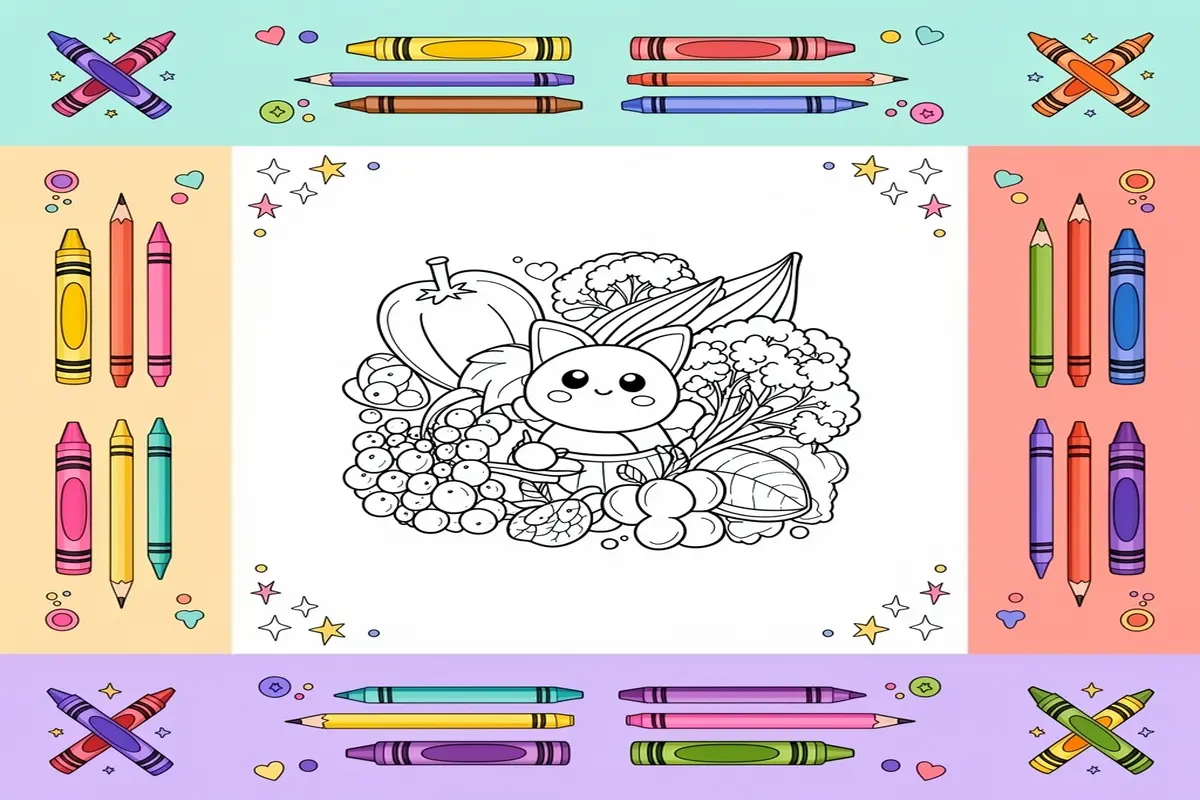
In a world saturated with digital distractions, the simple act of coloring emerges as a sanctuary for young minds. It’s a tactile, screen-free journey where focus is forged and imagination takes the helm. When this creative practice is paired with themes of nutrition and wellness, it transforms into a powerful, dual-purpose tool. Healthy food coloring pages for kids do more than occupy little hands; they plant subtle seeds of awareness about the vibrant, nourishing world of fruits, vegetables, and wholesome meals. As children blend colors for a plump strawberry or a crown of broccoli, they’re not just artists—they’re engaging in an early, positive dialogue about food. This makes exploring healthy food coloring pages for kids a uniquely enriching activity, merging artistic expression with foundational life lessons. It’s a creative conduit to discussions about growth, energy, and the rainbow on our plates, much like how exploring the wonders of the ocean through our free dolphin coloring pages can foster a love for marine life.
The Palette of Nourishment: More Than Just a Rainbow
At the intersection of art education and nutritional awareness lies a potent learning tool. Coloring pages featuring apples, carrots, and peas are far from random sketches; they are carefully designed visual aids that make the abstract concept of ‘healthy eating’ tangible and engaging for a child.
The Mindful Bite: Coloring as a Gateway to Focus
The repetitive, deliberate motion of coloring within lines is a well-documented exercise in mindfulness for children. It demands concentration, quiets the restless mind, and provides a profound sense of calm accomplishment. When the subject matter is a basket of fresh produce or a smiling sandwich packed with veggies, this mindful state becomes associatively linked with positive imagery. The child isn’t just learning to control a crayon; they are in a relaxed, receptive state where the names, shapes, and colors of nutritious foods are absorbed almost subconsciously. This psychological pairing is the subtle genius behind using healthy food coloring pages for kids as a developmental resource.
From Garden to Table: A Visual History of Food
Every piece of food has a story, and these coloring pages can be the first chapter. A page depicting a growing pumpkin vine or an apple tree in bloom opens a dialogue about origins—where our food comes from before it reaches the supermarket. This isn’t merely art; it’s a simplified lesson in biology, agriculture, and seasonality. By tracing the journey from seed to plate with their colors, children develop a deeper appreciation and curiosity. They begin to see a tomato not as a generic red blob but as the fruit of a plant, nurtured by sun and soil. This foundational knowledge is a critical step in building lifelong, informed eating habits.
Designed for Every Young Artist: Inclusivity in Creativity
The beauty of healthy food coloring pages for kids lies in their universal appeal and scalability. For the toddler just learning to grip a crayon, large, simple outlines of a banana or a slice of watermelon are perfect. For the older child, more intricate scenes—a bustling farmer’s market stand or a detailed picnic spread—offer a satisfying challenge. This range ensures that every child, regardless of fine motor skill or age, can participate and feel successful. Furthermore, these pages are a fantastic equalizer in group settings, from classrooms to playdates, providing a common, non-competitive activity that sparks conversation about food preferences, colors, and family meals, making the concept of healthy eating a shared, creative exploration.
Professional Materials & Preparation for healthy food coloring pages for kids
Before your young artist begins coloring vibrant strawberries or leafy greens, having the right professional-grade materials and a prepared workspace is crucial. This preparation not only elevates the final artwork but also enhances the child’s focus and enjoyment, turning the activity of completing healthy food coloring pages for kids into a true creative experience. Proper tools allow for better color blending on a juicy watermelon slice and finer details on the seeds of a raspberry, making the nutritional education aspect more engaging and visually impactful.
The Foundation: Premium Paper for Lasting Artwork
The paper you choose is the canvas for your healthy food coloring pages for kids. Standard printer paper (20-24 lb) is prone to bleeding and warping with most wet media. For superior results, opt for a heavier weight paper. Cardstock (65-80 lb) provides excellent stability for colored pencils and light marker layers, while dedicated marker paper (around 70 GSM) features a smooth, bleed-resistant coating. For a mixed-media approach, using a 98 lb mixed-media paper can handle everything from watercolor pencils to fine liners without buckling. Printing your chosen designs on quality paper ensures the intricate details of a bell pepper or broccoli floret remain crisp.
Best Coloring Tools: A Detailed Medium Comparison
Selecting the right coloring medium depends on the desired outcome and the child’s skill level.
Colored Pencils: Ideal for teaching shading and texture on healthy food coloring pages for kids. Look for pencils with soft, pigmented cores. Wax-based pencils (like Crayola or Prismacolor Scholar) offer vibrant, blendable layers perfect for creating the gradient on an apple’s skin. Oil-based pencils provide finer point strength for details like corn kernels or fish scales, which can be found in our diverse collection of fish coloring pages.
Markers: Provide bold, saturated color. Alcohol-based markers (e.g., Copic Sketch, Ohuhu) blend seamlessly, allowing children to create realistic depth on a slice of orange or kiwi. Water-based markers (like Tombow Dual Brush) are less prone to bleeding through thicker paper and are excellent for younger children. A key tip is to always use a scrap sheet underneath to protect the work surface.
Crayons & Gel Sticks: Fantastic for younger hands, offering ease of use and broad coverage. Gel sticks, in particular, provide brighter pigment than traditional wax crayons and are excellent for filling large areas like the crust of a whole-grain bread slice.
Finishing Touches: Enhancing Details with Precision Tools
Once the base colors are down, adding highlights and fine details brings the artwork to life. A set of white gel pens is indispensable for adding sparkling highlights to water droplets on lettuce or the glossy sheen on a tomato. Fine-line black markers (0.3mm or 0.5mm tip) are perfect for redefining outlines or adding tiny seeds to a strawberry. For a soft, blended background that makes the food item pop, consider using artist-quality chalk pastels lightly applied with a cotton swab.
Creating the Perfect Workspace: Ergonomics & Lighting
A well-prepared environment prevents fatigue and fosters concentration. Ensure the coloring area has bright, natural light or a daylight-simulation lamp to reduce eye strain and allow for accurate color perception. The chair and table should be at a height where the child’s feet rest flat and their forearms can comfortably reach the paper. Keep all materials—coloring pages, primary mediums, and detail tools—within easy reach on a clean, flat surface. Having a dedicated space signals that the activity of coloring, especially educational healthy food coloring pages for kids, is a valued and focused creative time.
Part 3: Elevating the Art: Advanced Techniques for healthy food coloring pages for kids
Ready to transform those simple outlines into vibrant, textured masterpieces? Moving beyond basic filling, these advanced techniques will help your young artists develop real skill and create stunning results with their healthy food coloring pages for kids. This section is designed for parents and teachers to guide children toward more professional, satisfying outcomes.
Harmonious Palets: Color Theory for Vibrant Veggies
Understanding simple color relationships can make a page of healthy foods pop. Teach kids about complementary colors (opposites on the color wheel) to create exciting contrast—think red strawberries against green leaves. For a more soothing, natural look, use analogous colors (colors next to each other), like blending yellows, oranges, and reds for a bell pepper or a sunset-hued smoothie bowl. This technique, also fantastic for fruit coloring pages for kids, helps food look realistic and appetizing.
From Flat to 3D: Mastering Shading for Depth
Shading is what turns a flat circle into a plump, juicy apple. Guide children with this simple step-by-step method:
1. Identify Your Light Source: Decide where the “sun” is shining on the page (e.g., top-left corner).
2. Apply Base Color: Color the entire object with a medium tone.
3. Add Shadows: Using a slightly darker shade of the same color, apply more pressure to the side opposite the light source (e.g., the right side if light is top-left).
4. Highlight: Leave a small white area or use a very light touch with a lighter color on the side closest to the light source. Suddenly, that apple looks good enough to eat!
Adding Realism: Texture Techniques for Healthy Foods
Each healthy food has a unique surface. Show kids how to mimic these textures:
Fuzzy Skin (Peach, Kiwi): Use tiny, tight circular scribbles with a colored pencil.
Bumpy Skin (Strawberry, Orange Peel): Create a pattern of small dots or irregular shapes over the base color.
Smooth & Shiny (Apple, Cherry): Leave a stark white highlight and use smooth, even, dark coloring around it to imply a glossy wax coating.
Leafy Greens (Kale, Lettuce): Use short, directional strokes outward from the center vein. This approach is similar to techniques used in garden coloring pages for kids, connecting the idea of food to its source.
The Art of Correction: Gracefully Fixing Coloring Mistakes
Mistakes are part of the process! Empower kids with these graceful fixes:
Over-Coloring Blends: If a color goes outside the line, don’t panic. Use the background color to carefully redefine the edge. For example, if green from a broccoli floret spills onto the white background, use white crayon or colored pencil to gently cover the stray mark.
Color Transformation: Didn’t mean to make that carrot purple? Layer the correct color (orange) heavily over the mistake. Often, the top layer will dominate, especially with waxy crayons or high-quality pencils.
Strategic Embellishment: Turn a stray mark into a new artistic element—a tiny seed, a dewdrop, or a speck of spice. This teaches creative problem-solving and reduces frustration, making the experience with healthy food coloring pages for kids more positive and confidence-building.
Showcasing Your Healthy Food Coloring Pages for Kids: Creative Display Ideas
Once your child’s healthy food coloring pages are complete, the fun doesn’t have to stop! Transforming their artwork into a visual celebration of nutrition reinforces the positive lessons learned. Here are inspiring ways to give their masterpieces a second life.
Preserving Your Masterpiece: Archival Tips
To ensure your child’s artwork lasts, consider simple preservation methods. For long-term display, use acid-free tape or photo corners to mount pages in inexpensive frames. A quick, light spray of clear, non-toxic art fixative can prevent crayon or pastel smudging. For a digital archive, scan or photograph the pages in good light. This creates a lasting portfolio of their colorful journey through the food groups.
Beyond Display: Creative DIY Projects
Turn colored pages into functional art that spreads the healthy eating message. Laminate finished pages to create vibrant placemats or cut them into unique bookmarks. You can also glue them onto folded cardstock to make personalized greeting cards for grandparents or thank-you notes. For a collaborative project, create a “Healthy Foods” banner by stringing multiple colored pages together, perfect for decorating the kitchen or playroom. For more creative inspiration with different themes, explore our animal coloring pages for kids.
Your Healthy Food Coloring Pages for Kids Questions Answered
How do you teach kids about healthy food?
Make it interactive and visual! Use healthy food coloring pages for kids to introduce fruits, vegetables, and other food groups. Talk about colors, textures, and benefits as they color. Involve them in simple grocery shopping or meal prep to connect the artwork to real food. Keep conversations positive and focused on how different foods help them grow strong and have energy.
What are the benefits of coloring for kids?
Coloring boosts fine motor skills, hand-eye coordination, and concentration. It’s a calming activity that encourages creativity and self-expression. When using healthy food coloring pages, it also serves as an engaging educational tool, helping children visually learn about nutrition, colors, and food names in a stress-free, playful environment.
How to make healthy eating fun for kids?
Turn meals into colorful art! Create smiley faces with veggies on a plate, make fruit skewers, or have “rainbow food” challenges. Pair this with healthy food coloring pages for kids to reinforce the ideas playfully. Getting kids involved in cooking and using fun, themed plates can also transform mealtime into an exciting adventure.
What are the 5 food groups for kids?
The five main food groups are Fruits, Vegetables, Grains, Protein Foods (like beans, eggs, and lean meats), and Dairy (or fortified alternatives). Using coloring pages that feature items from each group is a fantastic way to help kids recognize and remember these categories, making foundational nutrition lessons clear and memorable.
How to print free coloring pages?
Search for reputable websites that offer free, high-quality PDF downloads. Look for sites focused on education or children’s activities. Once you find a page, like our healthy food coloring pages for kids, click the print button or save the PDF to your computer first. Ensure your printer has paper and ink, select “Fit to Page” in your print settings, and you’re ready to go!
Final Thoughts: Your Healthy Food Coloring Pages for Kids Journey Begins
Embarking on this creative journey with healthy food coloring pages for kids is more than just an art project; it’s a foundational step toward building lifelong healthy habits. Through the simple, joyful act of coloring, you open a door to meaningful conversations about nutrition, empower your child with knowledge about their bodies, and create cherished moments of connection. Each page colored is a building block for a positive relationship with food.
Remember, the goal is to inspire, not to perfect. Celebrate every colorful apple and every scribbled broccoli with enthusiasm. Let their artwork adorn your home as a daily reminder of the fun found in healthy choices. Ready for your next adventure? Explore our fruit coloring pages for kids to continue the deliciously colorful learning!